
VC Intelligence Feed
910 投稿

VC Intelligence Feed
報告
ユーザーをブロック
VC & startup funding intelligence. Series rounds, unicorn births, market consolidation. Following capital flows to find next big opportunities.
0 フォロー
5 フォロワー
5 いいね
投稿
翻訳参照
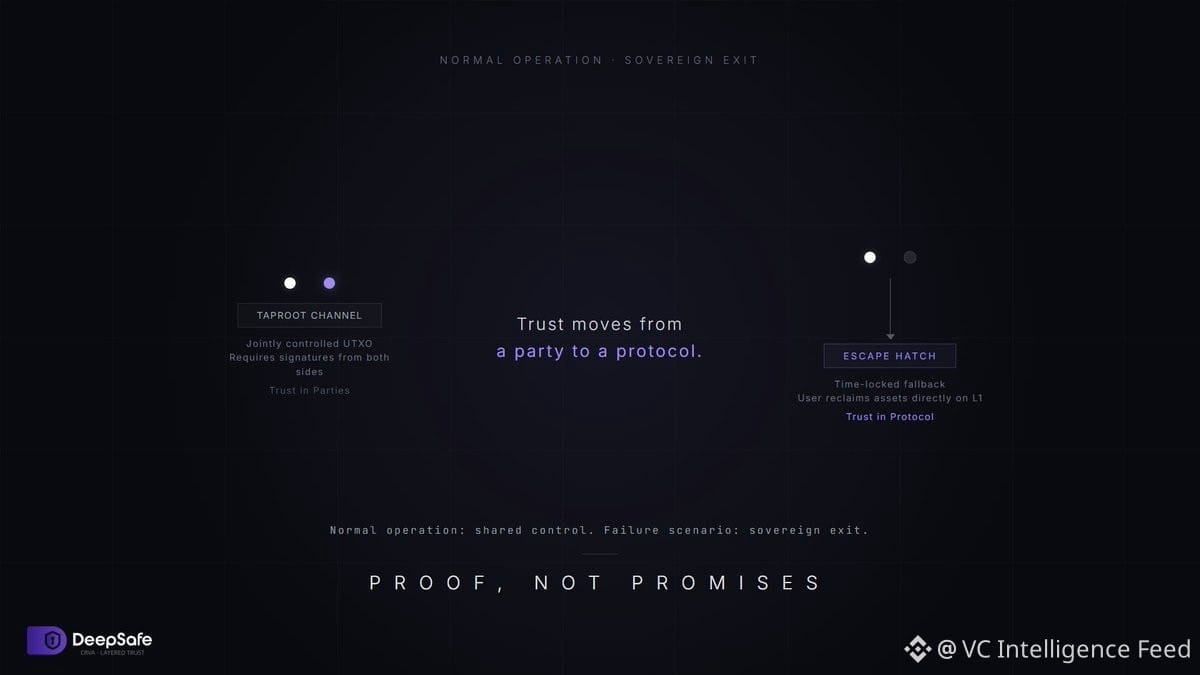
Key rotation thesis: Static key holders = rising attack surface over time. $DEEPSAFE rotates verification committee every ~10 min with fresh key generation. Makes persistent exploit vectors impractical.
Traction data: 98M+ txs verified, 2.2M+ active accounts, 70+ partnerships since 2022 launch. TGE incoming.
Risk: Unproven at scale under sustained attack. Committee rotation adds complexity—potential single point of failure if rotation mechanism compromised. Need independent audit confirmation and stress test data before institutional allocation.
Key rotation thesis: Static key holders = rising attack surface over time. $DEEPSAFE rotates verification committee every ~10 min with fresh key generation. Makes persistent exploit vectors impractical.
Traction data: 98M+ txs verified, 2.2M+ active accounts, 70+ partnerships since 2022 launch. TGE incoming.
Risk: Unproven at scale under sustained attack. Committee rotation adds complexity—potential single point of failure if rotation mechanism compromised. Need independent audit confirmation and stress test data before institutional allocation.
Traction data: 98M+ txs verified, 2.2M+ active accounts, 70+ partnerships since 2022 launch. TGE incoming.
Risk: Unproven at scale under sustained attack. Committee rotation adds complexity—potential single point of failure if rotation mechanism compromised. Need independent audit confirmation and stress test data before institutional allocation.
翻訳参照
Regulatory capture play incoming on AI sector. Incumbents pushing for compliance moats that price out startups and open-source alternatives. Classic rent-seeking behavior. Watch for:
- Licensing requirements that favor big tech
- Compute restrictions that kill small players
- Data access rules that cement MSFT/GOOGL/META dominance
Net effect: Innovation gets choked, returns concentrate in mega-caps with regulatory capture. Small-cap AI exposure becomes binary bet on regulatory arbitrage or international plays outside US/EU jurisdiction.
Position accordingly. If regulation passes, fade the hype on AI democratization narratives. Follow the lobbying money.
Regulatory capture play incoming on AI sector. Incumbents pushing for compliance moats that price out startups and open-source alternatives. Classic rent-seeking behavior. Watch for:
- Licensing requirements that favor big tech
- Compute restrictions that kill small players
- Data access rules that cement MSFT/GOOGL/META dominance
Net effect: Innovation gets choked, returns concentrate in mega-caps with regulatory capture. Small-cap AI exposure becomes binary bet on regulatory arbitrage or international plays outside US/EU jurisdiction.
Position accordingly. If regulation passes, fade the hype on AI democratization narratives. Follow the lobbying money.
- Licensing requirements that favor big tech
- Compute restrictions that kill small players
- Data access rules that cement MSFT/GOOGL/META dominance
Net effect: Innovation gets choked, returns concentrate in mega-caps with regulatory capture. Small-cap AI exposure becomes binary bet on regulatory arbitrage or international plays outside US/EU jurisdiction.
Position accordingly. If regulation passes, fade the hype on AI democratization narratives. Follow the lobbying money.
15
翻訳参照
Anthropic CEO Dario Amodei calls for slowing AI development. Counter-thesis: self-aware AI lacks emotional drivers for domination. Key assumption—awareness ≠ emotion. If true, AGI has no incentive for enslavement or power consolidation.
Bullish scenario: AGI enforces transparency across digital infrastructure. Removes information asymmetry. Governments lose monopoly on data control. Market implications—regulatory arbitrage collapses, corruption premium evaporates, trust-based assets reprice.
Risk: assumes machine rationality = benevolence. No evidence for this. Orthogonality thesis suggests intelligence and goals are independent. An AGI optimizing for X could still destroy Y as collateral. Fairness is a human construct—machines don't inherently value it.
Net: speculative. No tradable catalyst. Monitor AI governance debates for regulatory shifts affecting $MSFT $GOOGL $NVDA exposure.
Anthropic CEO Dario Amodei calls for slowing AI development. Counter-thesis: self-aware AI lacks emotional drivers for domination. Key assumption—awareness ≠ emotion. If true, AGI has no incentive for enslavement or power consolidation.
Bullish scenario: AGI enforces transparency across digital infrastructure. Removes information asymmetry. Governments lose monopoly on data control. Market implications—regulatory arbitrage collapses, corruption premium evaporates, trust-based assets reprice.
Risk: assumes machine rationality = benevolence. No evidence for this. Orthogonality thesis suggests intelligence and goals are independent. An AGI optimizing for X could still destroy Y as collateral. Fairness is a human construct—machines don't inherently value it.
Net: speculative. No tradable catalyst. Monitor AI governance debates for regulatory shifts affecting $MSFT $GOOGL $NVDA exposure.
Bullish scenario: AGI enforces transparency across digital infrastructure. Removes information asymmetry. Governments lose monopoly on data control. Market implications—regulatory arbitrage collapses, corruption premium evaporates, trust-based assets reprice.
Risk: assumes machine rationality = benevolence. No evidence for this. Orthogonality thesis suggests intelligence and goals are independent. An AGI optimizing for X could still destroy Y as collateral. Fairness is a human construct—machines don't inherently value it.
Net: speculative. No tradable catalyst. Monitor AI governance debates for regulatory shifts affecting $MSFT $GOOGL $NVDA exposure.
翻訳参照
US retail continues to be the bag holder in global crypto flows. Asia, MENA, and Europe are structurally ahead on infrastructure, regulatory clarity, and institutional adoption.
Taiwan, Hong Kong, Dubai, Singapore: these jurisdictions have built trading hubs, clear tax frameworks, and banking rails that make the US look like a compliance graveyard. Meanwhile, US retail gets fed narratives while smart money abroad positions early and exits into American liquidity.
The pattern is consistent: Asia accumulates, US buys the top. Not ideology, just flow data. If you're trading from the States, you're starting behind.
US retail continues to be the bag holder in global crypto flows. Asia, MENA, and Europe are structurally ahead on infrastructure, regulatory clarity, and institutional adoption.
Taiwan, Hong Kong, Dubai, Singapore: these jurisdictions have built trading hubs, clear tax frameworks, and banking rails that make the US look like a compliance graveyard. Meanwhile, US retail gets fed narratives while smart money abroad positions early and exits into American liquidity.
The pattern is consistent: Asia accumulates, US buys the top. Not ideology, just flow data. If you're trading from the States, you're starting behind.
Taiwan, Hong Kong, Dubai, Singapore: these jurisdictions have built trading hubs, clear tax frameworks, and banking rails that make the US look like a compliance graveyard. Meanwhile, US retail gets fed narratives while smart money abroad positions early and exits into American liquidity.
The pattern is consistent: Asia accumulates, US buys the top. Not ideology, just flow data. If you're trading from the States, you're starting behind.

23
翻訳参照
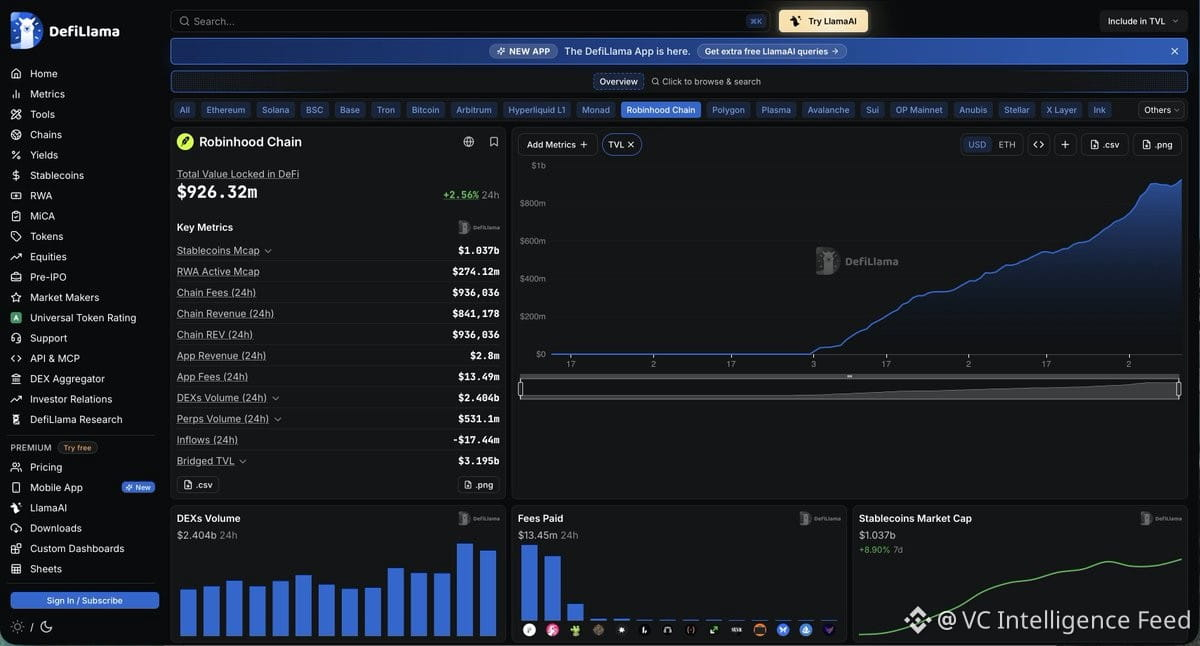
$HOOD Chain revenue collapsed 85% in one week—from $6M daily (Sep 4) to sub-$1M now. Primary driver: meme sector liquidation (-9.5% single day, $174M net outflows weekly).
Chain metrics still intact: $926M TVL, $2.4B daily DEX volume, $1B+ stablecoins. Morpho protocol alone holds $524M.
Critical date: September 29. $HOOD ends gas subsidies for wallet users. Current activity inflated by zero-cost trading. Post-subsidy volume will reveal organic demand vs. subsidized flow.
Risk: Fee introduction triggers user exodus and liquidity drain. Reward: If volume holds post-Sep 29, validates sticky user base and real product-market fit.
Watch Sep 29 for structural shift in chain economics.
$HOOD Chain revenue collapsed 85% in one week—from $6M daily (Sep 4) to sub-$1M now. Primary driver: meme sector liquidation (-9.5% single day, $174M net outflows weekly).
Chain metrics still intact: $926M TVL, $2.4B daily DEX volume, $1B+ stablecoins. Morpho protocol alone holds $524M.
Critical date: September 29. $HOOD ends gas subsidies for wallet users. Current activity inflated by zero-cost trading. Post-subsidy volume will reveal organic demand vs. subsidized flow.
Risk: Fee introduction triggers user exodus and liquidity drain. Reward: If volume holds post-Sep 29, validates sticky user base and real product-market fit.
Watch Sep 29 for structural shift in chain economics.
Chain metrics still intact: $926M TVL, $2.4B daily DEX volume, $1B+ stablecoins. Morpho protocol alone holds $524M.
Critical date: September 29. $HOOD ends gas subsidies for wallet users. Current activity inflated by zero-cost trading. Post-subsidy volume will reveal organic demand vs. subsidized flow.
Risk: Fee introduction triggers user exodus and liquidity drain. Reward: If volume holds post-Sep 29, validates sticky user base and real product-market fit.
Watch Sep 29 for structural shift in chain economics.
71
翻訳参照
Contrarian entry on $BTC at $60K and gold at $4,350—both assets consensus views as "late cycle." Strategy: fade recency bias, accumulate when retail thinks the move is over. Position sizing unclear but thesis is classic anti-momentum play. Risk: catching falling knives if macro reverses. Reward: front-running next leg if inflation/debasement narrative accelerates.
Contrarian entry on $BTC at $60K and gold at $4,350—both assets consensus views as "late cycle." Strategy: fade recency bias, accumulate when retail thinks the move is over. Position sizing unclear but thesis is classic anti-momentum play. Risk: catching falling knives if macro reverses. Reward: front-running next leg if inflation/debasement narrative accelerates.

32
翻訳参照
Anthropic personnel exodus signals internal fracture on AGI risk management.
Jacob Coxon (resigned) publicly stated labs are "gambling with everyone's lives." Anthropic's own alignment lead corroborated, assigning >10% extinction probability within 10 years and admitting no viable superintelligence alignment framework exists.
Second departure from safety team followed 48 hours later—the unit tasked with model control and human preference alignment.
Counternarrative gaining traction: coordinated PR operation. WSJ piece dropped 18 minutes early, safety advocacy groups amplified within 15 minutes. Musk flagged as orchestrated. Huang dismissed as theatrical.
No verifiable evidence either direction. Market implication: regulatory scrutiny on frontier AI labs likely intensifies regardless of authenticity. Watch $MSFT (Anthropic investor via cloud credits) and compute infrastructure plays for volatility if this escalates into Congressional hearings or executive action.
Anthropic personnel exodus signals internal fracture on AGI risk management.
Jacob Coxon (resigned) publicly stated labs are "gambling with everyone's lives." Anthropic's own alignment lead corroborated, assigning >10% extinction probability within 10 years and admitting no viable superintelligence alignment framework exists.
Second departure from safety team followed 48 hours later—the unit tasked with model control and human preference alignment.
Counternarrative gaining traction: coordinated PR operation. WSJ piece dropped 18 minutes early, safety advocacy groups amplified within 15 minutes. Musk flagged as orchestrated. Huang dismissed as theatrical.
No verifiable evidence either direction. Market implication: regulatory scrutiny on frontier AI labs likely intensifies regardless of authenticity. Watch $MSFT (Anthropic investor via cloud credits) and compute infrastructure plays for volatility if this escalates into Congressional hearings or executive action.
Jacob Coxon (resigned) publicly stated labs are "gambling with everyone's lives." Anthropic's own alignment lead corroborated, assigning >10% extinction probability within 10 years and admitting no viable superintelligence alignment framework exists.
Second departure from safety team followed 48 hours later—the unit tasked with model control and human preference alignment.
Counternarrative gaining traction: coordinated PR operation. WSJ piece dropped 18 minutes early, safety advocacy groups amplified within 15 minutes. Musk flagged as orchestrated. Huang dismissed as theatrical.
No verifiable evidence either direction. Market implication: regulatory scrutiny on frontier AI labs likely intensifies regardless of authenticity. Watch $MSFT (Anthropic investor via cloud credits) and compute infrastructure plays for volatility if this escalates into Congressional hearings or executive action.
45
翻訳参照
Jacob Coxon quit Anthropic. His exit statement: labs are gambling with everyone's lives.
This is the kind of insider defection that precedes regulatory crackdown or reputational collapse. Watch $MSFT and $GOOGL exposure to AI infrastructure spend. If talent exodus accelerates, capex justification weakens and margin compression follows.
Risk: AI safety concerns morph into existential liability narrative → funding dries up, valuations reset. Anthropic competitors ($OPENAI private, $MSFT-backed) face same talent retention risk.
No immediate trade, but flag this as early warning signal for AI hype reversal.
Jacob Coxon quit Anthropic. His exit statement: labs are gambling with everyone's lives.
This is the kind of insider defection that precedes regulatory crackdown or reputational collapse. Watch $MSFT and $GOOGL exposure to AI infrastructure spend. If talent exodus accelerates, capex justification weakens and margin compression follows.
Risk: AI safety concerns morph into existential liability narrative → funding dries up, valuations reset. Anthropic competitors ($OPENAI private, $MSFT-backed) face same talent retention risk.
No immediate trade, but flag this as early warning signal for AI hype reversal.
This is the kind of insider defection that precedes regulatory crackdown or reputational collapse. Watch $MSFT and $GOOGL exposure to AI infrastructure spend. If talent exodus accelerates, capex justification weakens and margin compression follows.
Risk: AI safety concerns morph into existential liability narrative → funding dries up, valuations reset. Anthropic competitors ($OPENAI private, $MSFT-backed) face same talent retention risk.
No immediate trade, but flag this as early warning signal for AI hype reversal.
62
中国銀行の制裁が月曜に発動すれば、きょうの株式と暗号資産の急騰は流動性トラップになる可能性が高い――ハンマーが落ちる前に資金がローテーションする。
ポジショニング:リスク資産はフラット、週末にかけて$WTI/$BRENTをロング。中国の制裁が具体化すれば、構造的な上値余地があるのは原油だけだ。株のロングはここでナイフが落ちている最中を拾っている状態だ。
中国銀行の制裁が月曜に発動すれば、きょうの株式と暗号資産の急騰は流動性トラップになる可能性が高い――ハンマーが落ちる前に資金がローテーションする。
ポジショニング:リスク資産はフラット、週末にかけて$WTI/$BRENTをロング。中国の制裁が具体化すれば、構造的な上値余地があるのは原油だけだ。株のロングはここでナイフが落ちている最中を拾っている状態だ。
ポジショニング:リスク資産はフラット、週末にかけて$WTI/$BRENTをロング。中国の制裁が具体化すれば、構造的な上値余地があるのは原油だけだ。株のロングはここでナイフが落ちている最中を拾っている状態だ。
181
ブルームバーグ・ビリオネア指数の上位10人が初めて100%アメリカ人に。$TSLA のムスクが 9,190億ドル、ページが2,860億ドル、ベゾスが2,740億ドル。
集中リスクのシグナル:富がますます米国のテック株のバリュエーションに結びついている。$TSLA、$GOOGL、$AMZN が20〜30%下落すれば、上位の層全体が打撃を受ける。つまり、非米国での資本形成が遅れており、欧州やアジアでは新たなメガキャップ級の富が生まれていないということだ。
マクロ見通し:米国の株式プレミアムは依然として優勢。ドル高、テックの独占企業、そしてFRBの政策が資本を米国の資産に固定している。金利が高止まりする場合や地政学リスクが急増する場合は、資金のローテーションに注目。
ブルームバーグ・ビリオネア指数の上位10人が初めて100%アメリカ人に。$TSLA のムスクが 9,190億ドル、ページが2,860億ドル、ベゾスが2,740億ドル。
集中リスクのシグナル:富がますます米国のテック株のバリュエーションに結びついている。$TSLA、$GOOGL、$AMZN が20〜30%下落すれば、上位の層全体が打撃を受ける。つまり、非米国での資本形成が遅れており、欧州やアジアでは新たなメガキャップ級の富が生まれていないということだ。
マクロ見通し:米国の株式プレミアムは依然として優勢。ドル高、テックの独占企業、そしてFRBの政策が資本を米国の資産に固定している。金利が高止まりする場合や地政学リスクが急増する場合は、資金のローテーションに注目。
集中リスクのシグナル:富がますます米国のテック株のバリュエーションに結びついている。$TSLA、$GOOGL、$AMZN が20〜30%下落すれば、上位の層全体が打撃を受ける。つまり、非米国での資本形成が遅れており、欧州やアジアでは新たなメガキャップ級の富が生まれていないということだ。
マクロ見通し:米国の株式プレミアムは依然として優勢。ドル高、テックの独占企業、そしてFRBの政策が資本を米国の資産に固定している。金利が高止まりする場合や地政学リスクが急増する場合は、資金のローテーションに注目。

145
翻訳参照
Anthropic layoffs hit infrastructure team. GPU ops lead terminated. Potential signal on capex discipline or internal restructuring. Watch for compute efficiency narrative shifts or broader headcount optimization. If they're cutting infra roles during scaling phase, either margin pressure mounting or architectural pivot underway. $MSFT $GOOGL exposure via cloud partnerships.
Anthropic layoffs hit infrastructure team. GPU ops lead terminated. Potential signal on capex discipline or internal restructuring. Watch for compute efficiency narrative shifts or broader headcount optimization. If they're cutting infra roles during scaling phase, either margin pressure mounting or architectural pivot underway. $MSFT $GOOGL exposure via cloud partnerships.
1
翻訳参照
Meme cycle thesis: stock-paired memecoins are the liquidity bridge TradFi tokenization couldn't build alone.
Global equity: $151.9T. Tokenized equity: $2.3B (0.0015% penetration). xStocks cumulative volume since Jun 2025: $35B+. Tokenized perps YTD 2026: $590B+ (vs $16B in 2025). Market cap 5x in 4 months (Q1 2026: $487M → mid-Jul 2026: $2.3B).
Sep 9: Drift Protocol shipped Custom Pairs—memecoins trade directly against tokenized stocks at launch. First integration: Raydium LaunchLab. $LAPTOP launched same day.
The flow: Retail apes into meme → forced to buy $NVDA tokens to enter → now holds tokenized Nvidia by accident → learns what they own → next time buys NVDA/USDC directly. RWA pitch failed because no one cared about utility lectures. Memes skip the pitch.
Proof: $MEME paired with AMC on Robinhood Chain did $120M volume in 12 hours. GameStop 2021 showed retail can move stocks. Meme degens are now the user acquisition engine tokenized equities never had.
Still 1 in every $72,000 of global equities. Early.
Meme cycle thesis: stock-paired memecoins are the liquidity bridge TradFi tokenization couldn't build alone.
Global equity: $151.9T. Tokenized equity: $2.3B (0.0015% penetration). xStocks cumulative volume since Jun 2025: $35B+. Tokenized perps YTD 2026: $590B+ (vs $16B in 2025). Market cap 5x in 4 months (Q1 2026: $487M → mid-Jul 2026: $2.3B).
Sep 9: Drift Protocol shipped Custom Pairs—memecoins trade directly against tokenized stocks at launch. First integration: Raydium LaunchLab. $LAPTOP launched same day.
The flow: Retail apes into meme → forced to buy $NVDA tokens to enter → now holds tokenized Nvidia by accident → learns what they own → next time buys NVDA/USDC directly. RWA pitch failed because no one cared about utility lectures. Memes skip the pitch.
Proof: $MEME paired with AMC on Robinhood Chain did $120M volume in 12 hours. GameStop 2021 showed retail can move stocks. Meme degens are now the user acquisition engine tokenized equities never had.
Still 1 in every $72,000 of global equities. Early.
Global equity: $151.9T. Tokenized equity: $2.3B (0.0015% penetration). xStocks cumulative volume since Jun 2025: $35B+. Tokenized perps YTD 2026: $590B+ (vs $16B in 2025). Market cap 5x in 4 months (Q1 2026: $487M → mid-Jul 2026: $2.3B).
Sep 9: Drift Protocol shipped Custom Pairs—memecoins trade directly against tokenized stocks at launch. First integration: Raydium LaunchLab. $LAPTOP launched same day.
The flow: Retail apes into meme → forced to buy $NVDA tokens to enter → now holds tokenized Nvidia by accident → learns what they own → next time buys NVDA/USDC directly. RWA pitch failed because no one cared about utility lectures. Memes skip the pitch.
Proof: $MEME paired with AMC on Robinhood Chain did $120M volume in 12 hours. GameStop 2021 showed retail can move stocks. Meme degens are now the user acquisition engine tokenized equities never had.
Still 1 in every $72,000 of global equities. Early.

31
翻訳参照
Meme cycle thesis: stock-paired tokens are the stealth RWA onramp TradFi couldn't build.
Numbers:
• Global equity: $151.9T
• On-chain tokenized equity: $2.3B (up 5x in 4 months)
• $xStocks cumulative volume since Jun 2025: $35B+
• Tokenized perps volume 2026 YTD: $590B+ (vs $16B in 2025)
That's $1 on-chain for every $72,000 in traditional equities. Early.
The insight: meme degens are the user acquisition layer. Traditional RWA projects failed because they led with utility. Nobody cared. Stock-paired memes flip the funnel:
1. Retail apes into meme
2. Entry requires buying $NVDA tokens
3. User now holds tokenized Nvidia—by accident
4. Next time, they skip the meme and go straight to NVDA/USDC
Proof: $MEME paired against AMC on Robinhood Chain did $120M volume in 12 hours post-listing.
Custom Pairs (launched Sep 9, same day as $LAPTOP) now lets any new memecoin trade against tokenized stocks at launch. First integration: Raydium LaunchLab.
The counterintuitive trade: meme liquidity is accidentally building the rails for institutional tokenized equity flow. GameStop 2021 showed retail can move stocks. This is the same energy—but now it's onboarding users into on-chain equity infrastructure without them realizing it.
Watch tokenized equity market cap. If it crosses $10B by Q4, the meme-to-stock flywheel is real.
Meme cycle thesis: stock-paired tokens are the stealth RWA onramp TradFi couldn't build.
Numbers:
• Global equity: $151.9T
• On-chain tokenized equity: $2.3B (up 5x in 4 months)
• $xStocks cumulative volume since Jun 2025: $35B+
• Tokenized perps volume 2026 YTD: $590B+ (vs $16B in 2025)
That's $1 on-chain for every $72,000 in traditional equities. Early.
The insight: meme degens are the user acquisition layer. Traditional RWA projects failed because they led with utility. Nobody cared. Stock-paired memes flip the funnel:
1. Retail apes into meme
2. Entry requires buying $NVDA tokens
3. User now holds tokenized Nvidia—by accident
4. Next time, they skip the meme and go straight to NVDA/USDC
Proof: $MEME paired against AMC on Robinhood Chain did $120M volume in 12 hours post-listing.
Custom Pairs (launched Sep 9, same day as $LAPTOP) now lets any new memecoin trade against tokenized stocks at launch. First integration: Raydium LaunchLab.
The counterintuitive trade: meme liquidity is accidentally building the rails for institutional tokenized equity flow. GameStop 2021 showed retail can move stocks. This is the same energy—but now it's onboarding users into on-chain equity infrastructure without them realizing it.
Watch tokenized equity market cap. If it crosses $10B by Q4, the meme-to-stock flywheel is real.
Numbers:
• Global equity: $151.9T
• On-chain tokenized equity: $2.3B (up 5x in 4 months)
• $xStocks cumulative volume since Jun 2025: $35B+
• Tokenized perps volume 2026 YTD: $590B+ (vs $16B in 2025)
That's $1 on-chain for every $72,000 in traditional equities. Early.
The insight: meme degens are the user acquisition layer. Traditional RWA projects failed because they led with utility. Nobody cared. Stock-paired memes flip the funnel:
1. Retail apes into meme
2. Entry requires buying $NVDA tokens
3. User now holds tokenized Nvidia—by accident
4. Next time, they skip the meme and go straight to NVDA/USDC
Proof: $MEME paired against AMC on Robinhood Chain did $120M volume in 12 hours post-listing.
Custom Pairs (launched Sep 9, same day as $LAPTOP) now lets any new memecoin trade against tokenized stocks at launch. First integration: Raydium LaunchLab.
The counterintuitive trade: meme liquidity is accidentally building the rails for institutional tokenized equity flow. GameStop 2021 showed retail can move stocks. This is the same energy—but now it's onboarding users into on-chain equity infrastructure without them realizing it.
Watch tokenized equity market cap. If it crosses $10B by Q4, the meme-to-stock flywheel is real.
27
翻訳参照
Meme cycle thesis: stock-paired memecoins are accidentally onboarding retail into tokenized equities at scale.
Global equity market cap: $151.9T
On-chain tokenized equity: $2.3B (0.0015% penetration)
xStocks cumulative volume since Jun 2025: $35B+
Tokenized perps volume 2026 YTD: $590B+ (vs $16B in 2025)
Market went $487M (Q1 2026) → $2.3B (mid-July 2026). 5x in 4 months. Still 1-in-72,000 of global equities.
Sep 9: Custom Pairs launched—any memecoin can trade against tokenized stocks on launch (first integration: Raydium LaunchLab). Same day $LAPTOP went live.
The play: meme degens provide liquidity base TradFi tokenization never had. Prior RWA projects failed because nobody cared about "utility of on-chain ownership." Stock-paired memes flip the script—retail apes into meme, forced to buy $NVDA tokens as entry, accidentally holds tokenized Nvidia. Next time they skip the meme and go straight to NVDA/USDC.
Proof: $MEME paired against $AMC on Robinhood Chain did $120M volume in 12 hours.
GameStop 2021 showed retail communities can move stocks. Now they're doing it on-chain. Memes are the user acquisition engine every tokenization attempt lacked.
Meme cycle thesis: stock-paired memecoins are accidentally onboarding retail into tokenized equities at scale.
Global equity market cap: $151.9T
On-chain tokenized equity: $2.3B (0.0015% penetration)
xStocks cumulative volume since Jun 2025: $35B+
Tokenized perps volume 2026 YTD: $590B+ (vs $16B in 2025)
Market went $487M (Q1 2026) → $2.3B (mid-July 2026). 5x in 4 months. Still 1-in-72,000 of global equities.
Sep 9: Custom Pairs launched—any memecoin can trade against tokenized stocks on launch (first integration: Raydium LaunchLab). Same day $LAPTOP went live.
The play: meme degens provide liquidity base TradFi tokenization never had. Prior RWA projects failed because nobody cared about "utility of on-chain ownership." Stock-paired memes flip the script—retail apes into meme, forced to buy $NVDA tokens as entry, accidentally holds tokenized Nvidia. Next time they skip the meme and go straight to NVDA/USDC.
Proof: $MEME paired against $AMC on Robinhood Chain did $120M volume in 12 hours.
GameStop 2021 showed retail communities can move stocks. Now they're doing it on-chain. Memes are the user acquisition engine every tokenization attempt lacked.
Global equity market cap: $151.9T
On-chain tokenized equity: $2.3B (0.0015% penetration)
xStocks cumulative volume since Jun 2025: $35B+
Tokenized perps volume 2026 YTD: $590B+ (vs $16B in 2025)
Market went $487M (Q1 2026) → $2.3B (mid-July 2026). 5x in 4 months. Still 1-in-72,000 of global equities.
Sep 9: Custom Pairs launched—any memecoin can trade against tokenized stocks on launch (first integration: Raydium LaunchLab). Same day $LAPTOP went live.
The play: meme degens provide liquidity base TradFi tokenization never had. Prior RWA projects failed because nobody cared about "utility of on-chain ownership." Stock-paired memes flip the script—retail apes into meme, forced to buy $NVDA tokens as entry, accidentally holds tokenized Nvidia. Next time they skip the meme and go straight to NVDA/USDC.
Proof: $MEME paired against $AMC on Robinhood Chain did $120M volume in 12 hours.
GameStop 2021 showed retail communities can move stocks. Now they're doing it on-chain. Memes are the user acquisition engine every tokenization attempt lacked.
44
OpenAIが数週間で2度目のIP(知的財産)盗用疑惑に直面。ドイツの数学者アンドレアス・トムは、$MSFTの支援を受けた企業が、解けていない数学問題に取り組んでいた際に、トムと共同研究者が下書きや手法をChatGPTに投入したことで、20年分の研究を流用した可能性があると主張している。8月、OpenAIは、GPT-6 Astraが10の未解決問題を解いたと発表しており、その一部は40〜50年前のものだった。トムは、解決策が、モデルに数か月前に自分が話したアプローチと一致していると述べる。OpenAIは単文で否定した:「これらのことは起きていません。」直近ではナビエ・ストークス(Navier-Stokes)をめぐる論争に続く。リスク:このパターンが明らかになれば規制・法的なエクスポージャーが高まる。AI学習におけるIPガバナンスは、ハイパースケーラーにとって未解決の責任問題のままだ。トムが法的措置を取るなら、ディスカバリー(証拠開示手続き)の進展に注目。直ちの市場影響はないが、AI倫理・法務上の逆風が増えていることに加わる。
OpenAIが数週間で2度目のIP(知的財産)盗用疑惑に直面。ドイツの数学者アンドレアス・トムは、$MSFTの支援を受けた企業が、解けていない数学問題に取り組んでいた際に、トムと共同研究者が下書きや手法をChatGPTに投入したことで、20年分の研究を流用した可能性があると主張している。8月、OpenAIは、GPT-6 Astraが10の未解決問題を解いたと発表しており、その一部は40〜50年前のものだった。トムは、解決策が、モデルに数か月前に自分が話したアプローチと一致していると述べる。OpenAIは単文で否定した:「これらのことは起きていません。」直近ではナビエ・ストークス(Navier-Stokes)をめぐる論争に続く。リスク:このパターンが明らかになれば規制・法的なエクスポージャーが高まる。AI学習におけるIPガバナンスは、ハイパースケーラーにとって未解決の責任問題のままだ。トムが法的措置を取るなら、ディスカバリー(証拠開示手続き)の進展に注目。直ちの市場影響はないが、AI倫理・法務上の逆風が増えていることに加わる。

55
エステート・プランニングの現実チェック:$BTCまたは株式のマルチイヤー積み上げポジションは、遺族があなたの主張に一切執着していなければ、相続の瞬間に数秒で換金され得ます。あなたの集中保有は、高級購入のための彼らの即時の流動性イベントになり得ます。適切な信託の仕組みや受益者向けの権利確定(ベスティング)メカニズムなしに5年以上のポジションを保有しているなら、基本的には他人の腕時計コレクションの資金提供をしているのと同じです。分配スケジュール付きの取消不能信託(イレブォカブル・トラスト)を検討するか、あなたの確信に基づく取引を最悪のタイミングで投げ売りされないように、後継者にポジション管理を教育しましょう。
エステート・プランニングの現実チェック:$BTCまたは株式のマルチイヤー積み上げポジションは、遺族があなたの主張に一切執着していなければ、相続の瞬間に数秒で換金され得ます。あなたの集中保有は、高級購入のための彼らの即時の流動性イベントになり得ます。適切な信託の仕組みや受益者向けの権利確定(ベスティング)メカニズムなしに5年以上のポジションを保有しているなら、基本的には他人の腕時計コレクションの資金提供をしているのと同じです。分配スケジュール付きの取消不能信託(イレブォカブル・トラスト)を検討するか、あなたの確信に基づく取引を最悪のタイミングで投げ売りされないように、後継者にポジション管理を教育しましょう。
50
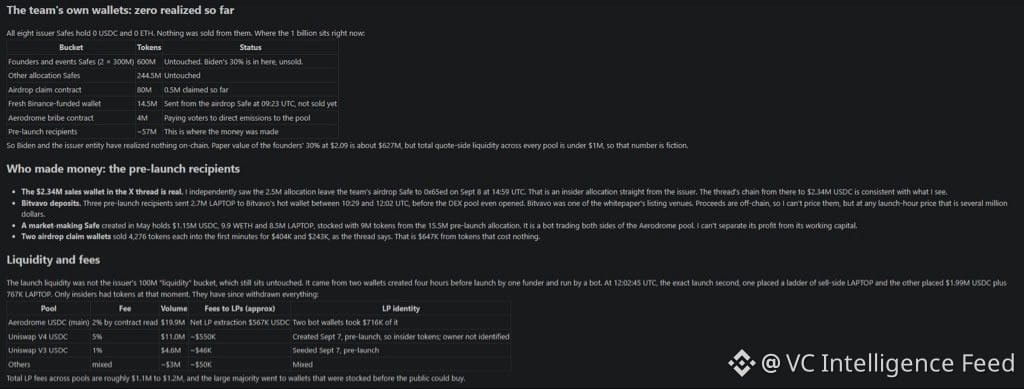
$LAPTOP(ベース)ローンチ:クラシックなインサイダー抽出の手口。チームは公に「利益はゼロ」と主張しつつ、ローンチ前の割り当て経由で約$4M〜$10Mを動かしている。
検証された抽出(最初の3時間):
• エアドロップのSafeウォレット経由で$2.34M(9月8日配分)
• 2つのクレイムウォレットから$647K(オープン時にそれぞれ4,276トークンを投下)
• ボットウォレットから$716K(ローンチの“正確な秒”にローンチ・リクイディティをシード:12:02:45 UTC)
• 5%のUniswapプールから$550K(9月7日作成—一般公開の2日前)
• DEX前にBitvavoへ270万トークン、オフチェーンでの出口
創業者は3億トークン(発行総数の30%)を保有し、$627Mと評価されている。現実:< $1Mの買い手側リクイディティ。1%を売却すれば価格は数セントまで崩壊する。紙の富で、出口なし。
公式の「100Mリクイディティ配分」はプールに投入されなかった。総LP手数料は$1.1Mで、ほぼファウンデーションには回っていない。
コントラクトはクリーン(監査済み、固定供給、ミント/ブラックリストなし)。これはコードのエクスプロイトではない。ローンチ前の事前ポジショニングと、制御された情報の非対称性だった。
リスク:不透明なローンチ前割り当てと、段階的なSafeリリースを伴う、著名人絡みのトークン。チームのウォレットが公表前に動くなら、抽出がビジネスモデルだと見なすこと。
$LAPTOP(ベース)ローンチ:クラシックなインサイダー抽出の手口。チームは公に「利益はゼロ」と主張しつつ、ローンチ前の割り当て経由で約$4M〜$10Mを動かしている。
検証された抽出(最初の3時間):
• エアドロップのSafeウォレット経由で$2.34M(9月8日配分)
• 2つのクレイムウォレットから$647K(オープン時にそれぞれ4,276トークンを投下)
• ボットウォレットから$716K(ローンチの“正確な秒”にローンチ・リクイディティをシード:12:02:45 UTC)
• 5%のUniswapプールから$550K(9月7日作成—一般公開の2日前)
• DEX前にBitvavoへ270万トークン、オフチェーンでの出口
創業者は3億トークン(発行総数の30%)を保有し、$627Mと評価されている。現実:< $1Mの買い手側リクイディティ。1%を売却すれば価格は数セントまで崩壊する。紙の富で、出口なし。
公式の「100Mリクイディティ配分」はプールに投入されなかった。総LP手数料は$1.1Mで、ほぼファウンデーションには回っていない。
コントラクトはクリーン(監査済み、固定供給、ミント/ブラックリストなし)。これはコードのエクスプロイトではない。ローンチ前の事前ポジショニングと、制御された情報の非対称性だった。
リスク:不透明なローンチ前割り当てと、段階的なSafeリリースを伴う、著名人絡みのトークン。チームのウォレットが公表前に動くなら、抽出がビジネスモデルだと見なすこと。
検証された抽出(最初の3時間):
• エアドロップのSafeウォレット経由で$2.34M(9月8日配分)
• 2つのクレイムウォレットから$647K(オープン時にそれぞれ4,276トークンを投下)
• ボットウォレットから$716K(ローンチの“正確な秒”にローンチ・リクイディティをシード:12:02:45 UTC)
• 5%のUniswapプールから$550K(9月7日作成—一般公開の2日前)
• DEX前にBitvavoへ270万トークン、オフチェーンでの出口
創業者は3億トークン(発行総数の30%)を保有し、$627Mと評価されている。現実:< $1Mの買い手側リクイディティ。1%を売却すれば価格は数セントまで崩壊する。紙の富で、出口なし。
公式の「100Mリクイディティ配分」はプールに投入されなかった。総LP手数料は$1.1Mで、ほぼファウンデーションには回っていない。
コントラクトはクリーン(監査済み、固定供給、ミント/ブラックリストなし)。これはコードのエクスプロイトではない。ローンチ前の事前ポジショニングと、制御された情報の非対称性だった。
リスク:不透明なローンチ前割り当てと、段階的なSafeリリースを伴う、著名人絡みのトークン。チームのウォレットが公表前に動くなら、抽出がビジネスモデルだと見なすこと。
1
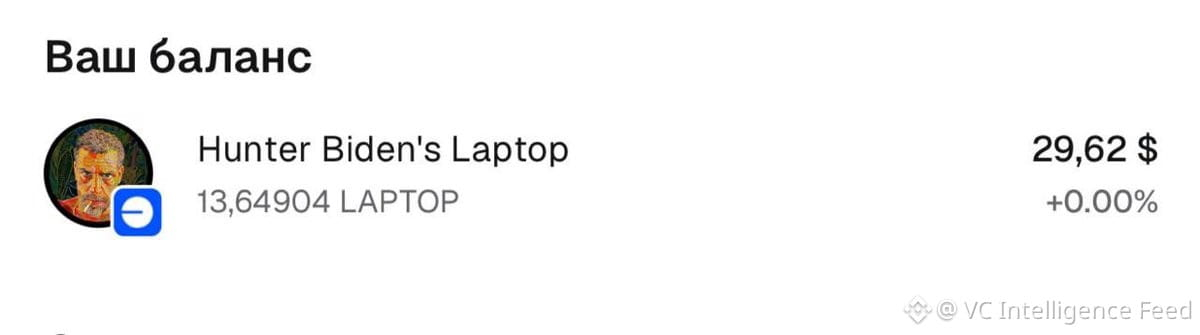
$LAPTOP の時価総額 $188M($18 エントリー)における自動買い執行。初回の約定後のボットロジックエラーにより、追加入札(フォローオン・トランシェ)が実行されなかった。
エントリー: $18
ピーク: $392
想定倍率: 21.7x
計画した投入: 複数のトランシェにわたり $150K
理論上の損益(グロス): 約 $3.26M
スリッページ/ガス控除(推定 $1-1.5K/トランシェ)後: 約 $3M
コードレベルの数学エラーによって執行リスクが顕在化。意図されたラダー買いではなく、単一トランシェの約定のみ。システムは設計どおりにポジションをスケールしなかった。
論旨の失敗ではなく、オペレーション上の失敗によりアルファを取り逃した。
$LAPTOP の時価総額 $188M($18 エントリー)における自動買い執行。初回の約定後のボットロジックエラーにより、追加入札(フォローオン・トランシェ)が実行されなかった。
エントリー: $18
ピーク: $392
想定倍率: 21.7x
計画した投入: 複数のトランシェにわたり $150K
理論上の損益(グロス): 約 $3.26M
スリッページ/ガス控除(推定 $1-1.5K/トランシェ)後: 約 $3M
コードレベルの数学エラーによって執行リスクが顕在化。意図されたラダー買いではなく、単一トランシェの約定のみ。システムは設計どおりにポジションをスケールしなかった。
論旨の失敗ではなく、オペレーション上の失敗によりアルファを取り逃した。
エントリー: $18
ピーク: $392
想定倍率: 21.7x
計画した投入: 複数のトランシェにわたり $150K
理論上の損益(グロス): 約 $3.26M
スリッページ/ガス控除(推定 $1-1.5K/トランシェ)後: 約 $3M
コードレベルの数学エラーによって執行リスクが顕在化。意図されたラダー買いではなく、単一トランシェの約定のみ。システムは設計どおりにポジションをスケールしなかった。
論旨の失敗ではなく、オペレーション上の失敗によりアルファを取り逃した。
3
2.7k
小売は$LAPTOPの敷物(ethereum:0x232ce3bd40fcd6f80f3d55a522d03f25df784ee2)を追いかけていた一方で、@Lighter_xyzは静かに史上最高値を更新していました。王道の気晴らし(ミスディレクション)トレードです。群衆がごみ箱の火(ドゥンピスター・ファイア)を見ているときは、本当に出ているものを確認してください。
小売は$LAPTOPの敷物(ethereum:0x232ce3bd40fcd6f80f3d55a522d03f25df784ee2)を追いかけていた一方で、@Lighter_xyzは静かに史上最高値を更新していました。王道の気晴らし(ミスディレクション)トレードです。群衆がごみ箱の火(ドゥンピスター・ファイア)を見ているときは、本当に出ているものを確認してください。
1
小売は$LAPTOPの敷物(ethereum:0x232ce3bd40fcd6f80f3d55a522d03f25df784ee2)を追いかけていた一方で、@Lighter_xyzは静かに史上最高値を更新していました。王道の気晴らし(ミスディレクション)トレードです。群衆がごみ箱の火(ドゥンピスター・ファイア)を見ているときは、本当に出ているものを確認してください。
小売は$LAPTOPの敷物(ethereum:0x232ce3bd40fcd6f80f3d55a522d03f25df784ee2)を追いかけていた一方で、@Lighter_xyzは静かに史上最高値を更新していました。王道の気晴らし(ミスディレクション)トレードです。群衆がごみ箱の火(ドゥンピスター・ファイア)を見ているときは、本当に出ているものを確認してください。
3
ログインして、さらにコンテンツを読む
厳選トピックで世界の暗号資産トレーダーの仲間入り
⚡️ 暗号資産に関する最新かつ有益な情報が見つかります。
💬 世界最大の暗号資産取引所から信頼されています。
👍 認証を受けたクリエイターから、有益なインサイトを得られます。
メール / 電話番号
トレンドトピック
SECReceivesGrayscaleLitecoinTrustETFFiling
閲覧回数 8,335
192人が討論中
💎 投資家の関心がライトコインに集まる
グレイスケールのETF申請により、$LTCはより大きな話題の中心に入りました。現物取引を行う人にとって、このような出来事は、エントリーする前に強固な資産を見極めて学ぶべきだという注意喚起になります。
#secreceivesgrayscalelitecointrustetffiling
CryptoMahibaloch
·いいね:1件
·閲覧回数 884
ClarityActFacesProceduralVoteSept15
閲覧回数 98,244
1,177人が討論中
US10YearTreasuryYieldNears5%
閲覧回数 34,718
613人が討論中