

owhggwiohsjowve
824 投稿

owhggwiohsjowve
報告
ユーザーをブロック
Crypto News | Analysis | Market Updates Sharing useful crypto content from A to z.DYOR and manage your risk.
取引を発注
高頻度トレーダー
2.3年
23 フォロー
78 フォロワー
120 いいね
投稿
ポートフォリオ
すべて
引用
動画
·
--
弱気相場
翻訳参照
#TreasuryLetsStatesFileStablecoinCertifications 🚨🚨🚨🚨🚨🚨🚨🚨🚨🚨🚨🚨🚨🚨✅🇺🇸 BIG STABLECOIN REGULATORY UPDATE!
The U.S. Treasury has introduced a new process that gives states more flexibility as they work toward stablecoin regulatory approval. 🏦💵
Under the new Sept. 30 rule, states can submit initial stablecoin certifications even if some parts of their state-level regulatory framework are still being finalized.
🔎 What does this mean?
• States can preserve their certification timeline while completing remaining regulatory work.
• A conditional or incomplete filing does NOT mean the state has already received approval.
• Treasury must receive all required information before a certification is considered complete for substantive review.
• Once a complete certification is submitted, the Stablecoin Certification Review Committee generally has 30 days to approve or deny it.
• Approval requires the Committee to determine that the state’s regulatory framework meets or exceeds the relevant GENIUS Act standards.
• The framework is aimed at state-qualified payment stablecoin issuers with no more than $10 billion in consolidated outstanding payment stablecoin issuance
⚠️ Important: The rule became effective on September 30, 2026, but Treasury says certifications will not actually be accepted until the required Paperwork Reduction Act approval is completed and Treasury announces that submissions can begin.
📌 Why is this important for crypto?
Stablecoins are becoming a major part of the digital-asset ecosystem, and clearer rules could influence how issuers operate across different U.S. states
The key question now is how quickly states can align their frameworks with the federal standards — and how many state regimes ultimately receive approval.
🌐 Crypto regulation is entering a new phase.
DYRO.Risk managment
$AAPL.US $XRP
What do you think this means for the future of US stablecoins and the broader crypto market? 👇
{stock_us}(AAPL.US)
{future}(XRPUSDT)
#TreasuryLetsStatesFileStablecoinCertifications 🚨🚨🚨🚨🚨🚨🚨🚨🚨🚨🚨🚨🚨🚨✅🇺🇸 BIG STABLECOIN REGULATORY UPDATE!
The U.S. Treasury has introduced a new process that gives states more flexibility as they work toward stablecoin regulatory approval. 🏦💵
Under the new Sept. 30 rule, states can submit initial stablecoin certifications even if some parts of their state-level regulatory framework are still being finalized.
🔎 What does this mean?
• States can preserve their certification timeline while completing remaining regulatory work.
• A conditional or incomplete filing does NOT mean the state has already received approval.
• Treasury must receive all required information before a certification is considered complete for substantive review.
• Once a complete certification is submitted, the Stablecoin Certification Review Committee generally has 30 days to approve or deny it.
• Approval requires the Committee to determine that the state’s regulatory framework meets or exceeds the relevant GENIUS Act standards.
• The framework is aimed at state-qualified payment stablecoin issuers with no more than $10 billion in consolidated outstanding payment stablecoin issuance
⚠️ Important: The rule became effective on September 30, 2026, but Treasury says certifications will not actually be accepted until the required Paperwork Reduction Act approval is completed and Treasury announces that submissions can begin.
📌 Why is this important for crypto?
Stablecoins are becoming a major part of the digital-asset ecosystem, and clearer rules could influence how issuers operate across different U.S. states
The key question now is how quickly states can align their frameworks with the federal standards — and how many state regimes ultimately receive approval.
🌐 Crypto regulation is entering a new phase.
DYRO.Risk managment
$AAPL.US $XRP
What do you think this means for the future of US stablecoins and the broader crypto market? 👇
The U.S. Treasury has introduced a new process that gives states more flexibility as they work toward stablecoin regulatory approval. 🏦💵
Under the new Sept. 30 rule, states can submit initial stablecoin certifications even if some parts of their state-level regulatory framework are still being finalized.
🔎 What does this mean?
• States can preserve their certification timeline while completing remaining regulatory work.
• A conditional or incomplete filing does NOT mean the state has already received approval.
• Treasury must receive all required information before a certification is considered complete for substantive review.
• Once a complete certification is submitted, the Stablecoin Certification Review Committee generally has 30 days to approve or deny it.
• Approval requires the Committee to determine that the state’s regulatory framework meets or exceeds the relevant GENIUS Act standards.
• The framework is aimed at state-qualified payment stablecoin issuers with no more than $10 billion in consolidated outstanding payment stablecoin issuance
⚠️ Important: The rule became effective on September 30, 2026, but Treasury says certifications will not actually be accepted until the required Paperwork Reduction Act approval is completed and Treasury announces that submissions can begin.
📌 Why is this important for crypto?
Stablecoins are becoming a major part of the digital-asset ecosystem, and clearer rules could influence how issuers operate across different U.S. states
The key question now is how quickly states can align their frameworks with the federal standards — and how many state regimes ultimately receive approval.
🌐 Crypto regulation is entering a new phase.
DYRO.Risk managment
$AAPL.US $XRP
What do you think this means for the future of US stablecoins and the broader crypto market? 👇

17
·
--
ブリッシュ
#koreaproposestokenizingstocksandbonds
🚨🚨🚨🚨🚨🚨🚨🚨🚨🚨🚨🚨🚨🚨✅#KOREAPROPOSESTOKENIZINGSTOCKSANDBONDS 🇰🇷🔥
韓国はトークン化された株式と債券を検討中です 📈
この大きな動きが韓国から生まれつつあり、同国が株式や債券のような伝統的な金融資産を、ブロックチェーン基盤のインフラに取り込むという考えを探っています。 🔗
なぜこれが暗号資産(クリプト)にとって重要なのか? 👇
🏦 伝統的な金融 × ブロックチェーン
トークン化によって、伝統的な金融市場とブロックチェーン技術をつなげられる可能性があり、特定の資産をデジタルで発行・取引・管理しやすくなるかもしれません。
🌐 RWA(現実世界資産)ストーリーがさらに強まる
より多くの伝統的な資産がオンチェーンへ移るなら、現実世界資産(RWA)分野は投資家や機関から追加の注目を集める可能性があります。
💰 市場拡大の可能性
株式、債券、その他の金融商品がデジタル表現されることで、ブロックチェーンを基盤とする金融インフラの新たな機会が生まれるかもしれません。
👀 大きな問い:
韓国の動きは、トークン化された現実世界資産の世界的な普及を加速させるのでしょうか?
🔥 RWAの強気派 — これを見ていますか?
あなたはどう思いますか?
トークン化は、TradFi(伝統的金融)とクリプトの次の大きな架け橋になるのでしょうか? 👇
DYOR。投資助言ではありません。リスク管理を行いましょう。 ⚠️
$XRP $ONDO
#Korea #Tokenization #RWA #Crypto #Blockchain #DeFi #BinanceSquare
{future}(ONDOUSDT)
{future}(XRPUSDT)
#koreaproposestokenizingstocksandbonds
🚨🚨🚨🚨🚨🚨🚨🚨🚨🚨🚨🚨🚨🚨✅#KOREAPROPOSESTOKENIZINGSTOCKSANDBONDS 🇰🇷🔥
韓国はトークン化された株式と債券を検討中です 📈
この大きな動きが韓国から生まれつつあり、同国が株式や債券のような伝統的な金融資産を、ブロックチェーン基盤のインフラに取り込むという考えを探っています。 🔗
なぜこれが暗号資産(クリプト)にとって重要なのか? 👇
🏦 伝統的な金融 × ブロックチェーン
トークン化によって、伝統的な金融市場とブロックチェーン技術をつなげられる可能性があり、特定の資産をデジタルで発行・取引・管理しやすくなるかもしれません。
🌐 RWA(現実世界資産)ストーリーがさらに強まる
より多くの伝統的な資産がオンチェーンへ移るなら、現実世界資産(RWA)分野は投資家や機関から追加の注目を集める可能性があります。
💰 市場拡大の可能性
株式、債券、その他の金融商品がデジタル表現されることで、ブロックチェーンを基盤とする金融インフラの新たな機会が生まれるかもしれません。
👀 大きな問い:
韓国の動きは、トークン化された現実世界資産の世界的な普及を加速させるのでしょうか?
🔥 RWAの強気派 — これを見ていますか?
あなたはどう思いますか?
トークン化は、TradFi(伝統的金融)とクリプトの次の大きな架け橋になるのでしょうか? 👇
DYOR。投資助言ではありません。リスク管理を行いましょう。 ⚠️
$XRP $ONDO
#Korea #Tokenization #RWA #Crypto #Blockchain #DeFi #BinanceSquare
🚨🚨🚨🚨🚨🚨🚨🚨🚨🚨🚨🚨🚨🚨✅#KOREAPROPOSESTOKENIZINGSTOCKSANDBONDS 🇰🇷🔥
韓国はトークン化された株式と債券を検討中です 📈
この大きな動きが韓国から生まれつつあり、同国が株式や債券のような伝統的な金融資産を、ブロックチェーン基盤のインフラに取り込むという考えを探っています。 🔗
なぜこれが暗号資産(クリプト)にとって重要なのか? 👇
🏦 伝統的な金融 × ブロックチェーン
トークン化によって、伝統的な金融市場とブロックチェーン技術をつなげられる可能性があり、特定の資産をデジタルで発行・取引・管理しやすくなるかもしれません。
🌐 RWA(現実世界資産)ストーリーがさらに強まる
より多くの伝統的な資産がオンチェーンへ移るなら、現実世界資産(RWA)分野は投資家や機関から追加の注目を集める可能性があります。
💰 市場拡大の可能性
株式、債券、その他の金融商品がデジタル表現されることで、ブロックチェーンを基盤とする金融インフラの新たな機会が生まれるかもしれません。
👀 大きな問い:
韓国の動きは、トークン化された現実世界資産の世界的な普及を加速させるのでしょうか?
🔥 RWAの強気派 — これを見ていますか?
あなたはどう思いますか?
トークン化は、TradFi(伝統的金融)とクリプトの次の大きな架け橋になるのでしょうか? 👇
DYOR。投資助言ではありません。リスク管理を行いましょう。 ⚠️
$XRP $ONDO
#Korea #Tokenization #RWA #Crypto #Blockchain #DeFi #BinanceSquare

1.2k
本人確認中
翻訳参照
🚨 #US10YEARYIELDNEARS5.3% 📊
🇺🇸 US 10Y YIELD NEARS 5.3%!
Higher yields could keep pressure on risk assets, including crypto. ⚠️
🔥 What happens next for $BTC . $XRP $ZEC ?
🐂 Bullish or 🐻 Bearish?
DYOR. Manage risk.
#US10YearYieldNears5.3%
{spot}(BTCUSDT)
{spot}(ZECUSDT)
{spot}(XRPUSDT)
🚨 #US10YEARYIELDNEARS5.3% 📊
🇺🇸 US 10Y YIELD NEARS 5.3%!
Higher yields could keep pressure on risk assets, including crypto. ⚠️
🔥 What happens next for $BTC . $XRP $ZEC ?
🐂 Bullish or 🐻 Bearish?
DYOR. Manage risk.
#US10YearYieldNears5.3%
🇺🇸 US 10Y YIELD NEARS 5.3%!
Higher yields could keep pressure on risk assets, including crypto. ⚠️
🔥 What happens next for $BTC . $XRP $ZEC ?
🐂 Bullish or 🐻 Bearish?
DYOR. Manage risk.
#US10YearYieldNears5.3%

Lily星星
·
--
弱気相場#us10yearyieldnears5.3%
💥 米国10年国債利回りの急騰が5.3%に迫る:なぜ高金利が暗号資産の流動性を圧迫するのか 💥
世界のマクロ環境が、またしても大きな節目を迎えました。指標となる米国10年国債利回りが5.30%を超え、長年にわたる過去最高水準(複数十年ぶりの高値)を突破しています。
$XRP
一般に、利回りが急騰する局面は景気の底堅さを示すサインになりますが、同時にデジタル資産や高リスクの金融市場にとっても大きな試練となります。
📰 政府の財政赤字と大量の国債発行 🏛️️
米国政府は、財政拡大を賄うために巨額の債務を発行し続けています。大量の国債供給が市場に流れ込み、積極的に買いに入る投資家が減る中で、国債利回りは世界の資本を引き付けるために押し上げられています。
継続するインフレと金利見通し ⛽
インフレ指標がまちまちであっても、エネルギーコストの高止まりや雇用関連データの底堅さ(例:米国の週次失業保険申請件数が197,000まで低下)が、「より高い水準をより長く」という見方を、市場が米連邦準備制度(FRB)の金融政策に織り込む材料になっています。
$ZEC
設備投資による資本競争 🤖
AIインフラ投資の好況が続いていること、そして巨額の社債発行が行われていることによって、機関投資家の資金需要が強烈になっています。利回りの高い伝統的な資産が、本来なら投機的な市場へ流れるはずの資金を、積極的に奪い合っています。
📉 高金利が暗号資産市場をどう圧迫するか
「リスクフリー」金利の効果:投資家が、ソブリン(国債)の5.3%超の確実な年間リターンを固定で得られるなら、アルトコインやレバレッジをかけた暗号資産にリスクを取りに行くためのハードル金利は大きく上がります。
ビットコインのヘッジ(分離)ダイナミクス:興味深いことに、アナリストは、利回りの急騰が主にFRBの利上げではなくソブリン債務への懸念によって起きている場合、ビットコイン($BTC)は従来の株式と連動しにくくなり、政府の財政ストレスに対する安全資産のような役割を果たし得ると指摘しています。
💬 あなたの戦略は?下のコメントで教えてください! 👇
#BitcoinClears$85200 #MetaMaskExitsLidoValidatorsAfterSecurityIncident
💥 米国10年国債利回りの急騰が5.3%に迫る:なぜ高金利が暗号資産の流動性を圧迫するのか 💥
世界のマクロ環境が、またしても大きな節目を迎えました。指標となる米国10年国債利回りが5.30%を超え、長年にわたる過去最高水準(複数十年ぶりの高値)を突破しています。
$XRP
一般に、利回りが急騰する局面は景気の底堅さを示すサインになりますが、同時にデジタル資産や高リスクの金融市場にとっても大きな試練となります。
📰 政府の財政赤字と大量の国債発行 🏛️️
米国政府は、財政拡大を賄うために巨額の債務を発行し続けています。大量の国債供給が市場に流れ込み、積極的に買いに入る投資家が減る中で、国債利回りは世界の資本を引き付けるために押し上げられています。
継続するインフレと金利見通し ⛽
インフレ指標がまちまちであっても、エネルギーコストの高止まりや雇用関連データの底堅さ(例:米国の週次失業保険申請件数が197,000まで低下)が、「より高い水準をより長く」という見方を、市場が米連邦準備制度(FRB)の金融政策に織り込む材料になっています。
$ZEC
設備投資による資本競争 🤖
AIインフラ投資の好況が続いていること、そして巨額の社債発行が行われていることによって、機関投資家の資金需要が強烈になっています。利回りの高い伝統的な資産が、本来なら投機的な市場へ流れるはずの資金を、積極的に奪い合っています。
📉 高金利が暗号資産市場をどう圧迫するか
「リスクフリー」金利の効果:投資家が、ソブリン(国債)の5.3%超の確実な年間リターンを固定で得られるなら、アルトコインやレバレッジをかけた暗号資産にリスクを取りに行くためのハードル金利は大きく上がります。
ビットコインのヘッジ(分離)ダイナミクス:興味深いことに、アナリストは、利回りの急騰が主にFRBの利上げではなくソブリン債務への懸念によって起きている場合、ビットコイン($BTC)は従来の株式と連動しにくくなり、政府の財政ストレスに対する安全資産のような役割を果たし得ると指摘しています。
💬 あなたの戦略は?下のコメントで教えてください! 👇
#BitcoinClears$85200 #MetaMaskExitsLidoValidatorsAfterSecurityIncident
383
·
--
ブリッシュ
翻訳参照
🚨 #ETHERGAINS70.9%INQ3 🔥
$ETH +70.9% IN Q3! 📈
Ethereum just delivered a massive quarterly comeback. 🚀
🔥 Can ETH keep the momentum going?
🐂 Bullish or 🐻 Bearish?
$ZEC $BTC
DYOR. Manage risk. ⚠️
{spot}(ETHUSDT)
{future}(ZECUSDT)
{future}(BTCUSDT)
🚨 #ETHERGAINS70.9%INQ3 🔥
$ETH +70.9% IN Q3! 📈
Ethereum just delivered a massive quarterly comeback. 🚀
🔥 Can ETH keep the momentum going?
🐂 Bullish or 🐻 Bearish?
$ZEC $BTC
DYOR. Manage risk. ⚠️
$ETH +70.9% IN Q3! 📈
Ethereum just delivered a massive quarterly comeback. 🚀
🔥 Can ETH keep the momentum going?
🐂 Bullish or 🐻 Bearish?
$ZEC $BTC
DYOR. Manage risk. ⚠️
Lily星星
·
--
ブリッシュ#ethergains70.9%inq3
🚀 ETHが巨大な70.9%のQ3上昇で期待を粉砕――アルトシーズンはついに到来?🔥
イーサリアム(ETH)は過去史上でも屈指の爆発的な第3四半期を終え、大幅な+70.9%の上昇を記録しました!年初の前半は厳しい展開でした(Q1: -29.2% | Q2: -25.2%)が、その後は完全にシナリオを一変させ、マクロの逆風、国債利回りの上昇、そして強含みの米ドル指数(DXY)をものともせず反転しました。
$ETH
機関投資家の資金流入&スポットETFの加速 🏦
スポット・イーサリアムETFと企業のトレジャリー投資は、四半期を通じて継続的な純流入を維持しました。利回りを生む、ユーティリティ主導の資産としてのETHに対するウォール街の機関投資家の需要は、過去最高水準に到達しています。
ETHがQ3でビットコインを上回る ⚔️
ビットコイン($BTC)も堅調な四半期を送りましたが、イーサリアムはそれを大きく上回りました。この強さは、アルトシーズンの到来をめぐる市場の議論を再燃させています。なぜなら、主要なETHのブレイクアウトの後に、BTCから時価総額の高いアルトコインへ資金が流れるという歴史的なフローがあるからです。
$ZEC
ステーキングのダイナミクス&供給ショック 🔒
DeFi活動とレイヤー2の拡大は、引き続き大量のETHをロックし続けています。ステーキング利回りが魅力的な水準を保ち、中央集権型取引所における総供給が着実に減少していることで、現物ETHの市場流動性はタイトなままです。
📊 テクニカルの状況&第4四半期に向けて
注目の主要レジスタンス:ETHは最近、$2,775前後の直近高値を上抜けました。トレーダーは、Q4の主要ターゲットとして心理的節目の$3,000ゾーンを見ています。
マクロのリスク要因:デリバティブ取引所でのショートポジション急増や、より広範なFRBの金融政策アップデートにも注目してください。てこの効き過ぎ(レバレッジ)の清算が起きると、四半期決算後の短期的なボラティリティにつながる可能性があります。
💬 あなたはどう思いますか?Q4にETHが$3,000+を達成するでしょうか、それとも次の上昇局面の前に短期的な調整が必要でしょうか?予想を下に書き込んでください! 👇
#US10YearYieldNears5.3% #Ethereum #ETH
🚀 ETHが巨大な70.9%のQ3上昇で期待を粉砕――アルトシーズンはついに到来?🔥
イーサリアム(ETH)は過去史上でも屈指の爆発的な第3四半期を終え、大幅な+70.9%の上昇を記録しました!年初の前半は厳しい展開でした(Q1: -29.2% | Q2: -25.2%)が、その後は完全にシナリオを一変させ、マクロの逆風、国債利回りの上昇、そして強含みの米ドル指数(DXY)をものともせず反転しました。
$ETH
機関投資家の資金流入&スポットETFの加速 🏦
スポット・イーサリアムETFと企業のトレジャリー投資は、四半期を通じて継続的な純流入を維持しました。利回りを生む、ユーティリティ主導の資産としてのETHに対するウォール街の機関投資家の需要は、過去最高水準に到達しています。
ETHがQ3でビットコインを上回る ⚔️
ビットコイン($BTC)も堅調な四半期を送りましたが、イーサリアムはそれを大きく上回りました。この強さは、アルトシーズンの到来をめぐる市場の議論を再燃させています。なぜなら、主要なETHのブレイクアウトの後に、BTCから時価総額の高いアルトコインへ資金が流れるという歴史的なフローがあるからです。
$ZEC
ステーキングのダイナミクス&供給ショック 🔒
DeFi活動とレイヤー2の拡大は、引き続き大量のETHをロックし続けています。ステーキング利回りが魅力的な水準を保ち、中央集権型取引所における総供給が着実に減少していることで、現物ETHの市場流動性はタイトなままです。
📊 テクニカルの状況&第4四半期に向けて
注目の主要レジスタンス:ETHは最近、$2,775前後の直近高値を上抜けました。トレーダーは、Q4の主要ターゲットとして心理的節目の$3,000ゾーンを見ています。
マクロのリスク要因:デリバティブ取引所でのショートポジション急増や、より広範なFRBの金融政策アップデートにも注目してください。てこの効き過ぎ(レバレッジ)の清算が起きると、四半期決算後の短期的なボラティリティにつながる可能性があります。
💬 あなたはどう思いますか?Q4にETHが$3,000+を達成するでしょうか、それとも次の上昇局面の前に短期的な調整が必要でしょうか?予想を下に書き込んでください! 👇
#US10YearYieldNears5.3% #Ethereum #ETH
326
·
--
弱気相場
#DollarIndexHitsHighestSinceMay2025
🚨🚨🚨🚨🚨🚨🚨🚨🚨🚨🚨🚨🚨🚨🚨✅DOLLARINDEXHITSHIGHESTSINCEMAY2025 📊
🇺🇸 DXY が再び注目 — それは暗号資産に何を意味する?
米ドル指数(DXY)は約101.81まで上昇し、2025年5月以来の最高水準を示しています。また、この指数は過去4週間で2%以上上昇しており、ドルの強さが再燃していることを浮き彫りにしています。
なぜ暗号資産のトレーダーが注目しているのか👇
💵 強いドル
歴史的に、DXYの上昇は Bth や Eth のようなリスク資産に圧力をかけることがあります。強いドルは、ドル建て資産への需要を減らし得るためです。
💧 流動性のプレッシャー
ドル高は、金融環境の引き締まりと同時に起こり得ます。結果として、投機的な資産はボラティリティ(価格変動性)に対してより敏感になる可能性があります。
🔗 ただし“ひねり”がある
BTCとDXYの関係は、いつも一貫していたわけではありません。ビットコインは、ETFフロー(資金の流れ)、機関投資家の動き、市場の流動性、そしてビットコイン自身の市場サイクルにも影響されます。
🔥 大きな疑問:
ビットコインは従来のDXYの関係に追随するのか、それとも $BTC は独立して動き続けるのか?
🐂 強いドルでもBTCは強気?
🐻 それともさらなるボラティリティを見込む?
あなたの見解を下に👇
DYOR。リスク管理を。⚠️
#DXY #Crypto #Bitcoin #Ethereum #BinanceSquare
$AMCB $QNT $REZ
#DollarIndexHitsHighestSinceMay2025
🚨🚨🚨🚨🚨🚨🚨🚨🚨🚨🚨🚨🚨🚨🚨✅DOLLARINDEXHITSHIGHESTSINCEMAY2025 📊
🇺🇸 DXY が再び注目 — それは暗号資産に何を意味する?
米ドル指数(DXY)は約101.81まで上昇し、2025年5月以来の最高水準を示しています。また、この指数は過去4週間で2%以上上昇しており、ドルの強さが再燃していることを浮き彫りにしています。
なぜ暗号資産のトレーダーが注目しているのか👇
💵 強いドル
歴史的に、DXYの上昇は Bth や Eth のようなリスク資産に圧力をかけることがあります。強いドルは、ドル建て資産への需要を減らし得るためです。
💧 流動性のプレッシャー
ドル高は、金融環境の引き締まりと同時に起こり得ます。結果として、投機的な資産はボラティリティ(価格変動性)に対してより敏感になる可能性があります。
🔗 ただし“ひねり”がある
BTCとDXYの関係は、いつも一貫していたわけではありません。ビットコインは、ETFフロー(資金の流れ)、機関投資家の動き、市場の流動性、そしてビットコイン自身の市場サイクルにも影響されます。
🔥 大きな疑問:
ビットコインは従来のDXYの関係に追随するのか、それとも $BTC は独立して動き続けるのか?
🐂 強いドルでもBTCは強気?
🐻 それともさらなるボラティリティを見込む?
あなたの見解を下に👇
DYOR。リスク管理を。⚠️
#DXY #Crypto #Bitcoin #Ethereum #BinanceSquare
$AMCB $QNT $REZ
🚨🚨🚨🚨🚨🚨🚨🚨🚨🚨🚨🚨🚨🚨🚨✅DOLLARINDEXHITSHIGHESTSINCEMAY2025 📊
🇺🇸 DXY が再び注目 — それは暗号資産に何を意味する?
米ドル指数(DXY)は約101.81まで上昇し、2025年5月以来の最高水準を示しています。また、この指数は過去4週間で2%以上上昇しており、ドルの強さが再燃していることを浮き彫りにしています。
なぜ暗号資産のトレーダーが注目しているのか👇
💵 強いドル
歴史的に、DXYの上昇は Bth や Eth のようなリスク資産に圧力をかけることがあります。強いドルは、ドル建て資産への需要を減らし得るためです。
💧 流動性のプレッシャー
ドル高は、金融環境の引き締まりと同時に起こり得ます。結果として、投機的な資産はボラティリティ(価格変動性)に対してより敏感になる可能性があります。
🔗 ただし“ひねり”がある
BTCとDXYの関係は、いつも一貫していたわけではありません。ビットコインは、ETFフロー(資金の流れ)、機関投資家の動き、市場の流動性、そしてビットコイン自身の市場サイクルにも影響されます。
🔥 大きな疑問:
ビットコインは従来のDXYの関係に追随するのか、それとも $BTC は独立して動き続けるのか?
🐂 強いドルでもBTCは強気?
🐻 それともさらなるボラティリティを見込む?
あなたの見解を下に👇
DYOR。リスク管理を。⚠️
#DXY #Crypto #Bitcoin #Ethereum #BinanceSquare
$AMCB $QNT $REZ
300
翻訳参照
🚨 $XRP ATH LOADING? 👀🔥
XRP is still below its previous ATH… but what if the next breakout changes everything? 📈
If bulls regain momentum and key resistance zones break, a fresh ATH could come into focus.
🔥 XRP HOLDERS — ARE YOU READY?
One question for the community 👇
🐂 BULLISH or 🐻 BEARISH?
Comment “🚀” if you think XRP can reclaim ATH, or “🐻” if you expect more downside.
Let’s see what the XRP community thinks! 👇
DYOR. Manage risk. ⚠️
{spot}(XRPUSDT)
#XrpAnalaysis
🚨 $XRP ATH LOADING? 👀🔥
XRP is still below its previous ATH… but what if the next breakout changes everything? 📈
If bulls regain momentum and key resistance zones break, a fresh ATH could come into focus.
🔥 XRP HOLDERS — ARE YOU READY?
One question for the community 👇
🐂 BULLISH or 🐻 BEARISH?
Comment “🚀” if you think XRP can reclaim ATH, or “🐻” if you expect more downside.
Let’s see what the XRP community thinks! 👇
DYOR. Manage risk. ⚠️
#XrpAnalaysis
XRP is still below its previous ATH… but what if the next breakout changes everything? 📈
If bulls regain momentum and key resistance zones break, a fresh ATH could come into focus.
🔥 XRP HOLDERS — ARE YOU READY?
One question for the community 👇
🐂 BULLISH or 🐻 BEARISH?
Comment “🚀” if you think XRP can reclaim ATH, or “🐻” if you expect more downside.
Let’s see what the XRP community thinks! 👇
DYOR. Manage risk. ⚠️
#XrpAnalaysis
15
翻訳参照
🚨 $BTC ATH LOADING? 👀🔥
Bitcoin is still below its previous ATH — but could the next breakout take $BTC back to record highs? 📈
If bulls regain momentum and major resistance levels break, a fresh ATH could come back into focus.
The big question 👇
🐂 BULLISH or 🐻 BEARISH on $BTC?
Drop your view below! 👇
DYOR. Manage risk. ⚠️
#BTCAnalysi #viralpost
🚨 $BTC ATH LOADING? 👀🔥
Bitcoin is still below its previous ATH — but could the next breakout take $BTC back to record highs? 📈
If bulls regain momentum and major resistance levels break, a fresh ATH could come back into focus.
The big question 👇
🐂 BULLISH or 🐻 BEARISH on $BTC ?
Drop your view below! 👇
DYOR. Manage risk. ⚠️
#BTCAnalysi #viralpost
Bitcoin is still below its previous ATH — but could the next breakout take $BTC back to record highs? 📈
If bulls regain momentum and major resistance levels break, a fresh ATH could come back into focus.
The big question 👇
🐂 BULLISH or 🐻 BEARISH on $BTC ?
Drop your view below! 👇
DYOR. Manage risk. ⚠️
#BTCAnalysi #viralpost
19
翻訳参照
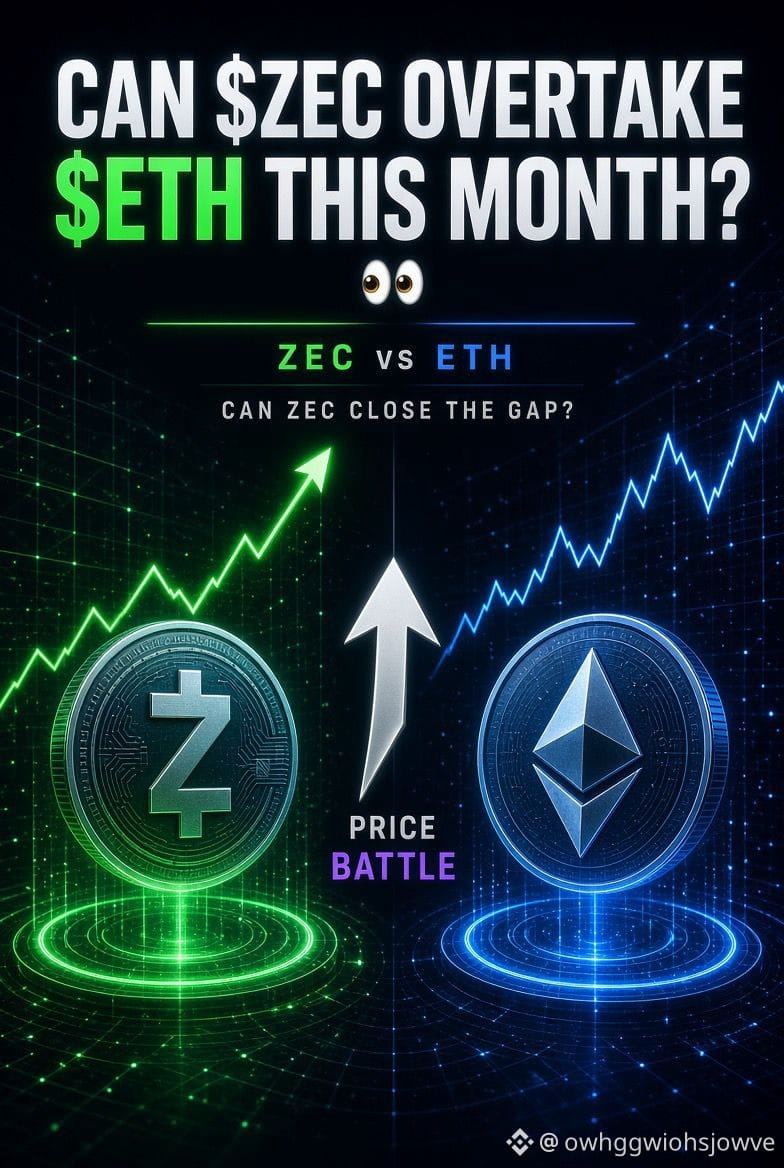
🚨 COULD $ZEC OVERTAKE $ETH IN PRICE THIS MONTH? 👀🔥
Zcash is back in the spotlight, and one unusual comparison is catching traders’ attention:
Can the price of 1 $ZEC become higher than 1 $ETH before October ends?
📊 THE PRICE GAP
• $ETH: ~$2,686
• $ZEC: ~$1,438
• ZEC would need roughly +87% from here to move above ETH if ETH stays around the same level.
🔥 WHY $ZEC IS BEING WATCHED
ZEC has shown strong momentum recently, while its value relative to ETH has also moved higher.
But there’s an important distinction: a higher nominal coin price doesn’t mean ZEC has a higher market cap than Ethereum. Supply and market capitalization are completely different metrics.
👀 WHAT COULD MATTER NEXT
• ZEC momentum
• ETH price movement
• ZEC/ETH ratio
• Trading volume
• Broader crypto market conditions
⚠️ This is a market scenario, not a guaranteed prediction. Both assets can move significantly in either direction.
Do you think $ZEC can trade above $ETH this month? 👇
$ZEC $ETH $BTC $SOL
#Zcash #ZEC #Ethereum #ETH #Crypto #Altcoins
{spot}(ZECUSDT)
{spot}(ETHUSDT)
{spot}(SOLUSDT)
🚨 COULD $ZEC OVERTAKE $ETH IN PRICE THIS MONTH? 👀🔥
Zcash is back in the spotlight, and one unusual comparison is catching traders’ attention:
Can the price of 1 $ZEC become higher than 1 $ETH before October ends?
📊 THE PRICE GAP
• $ETH: ~$2,686
• $ZEC: ~$1,438
• ZEC would need roughly +87% from here to move above ETH if ETH stays around the same level.
🔥 WHY $ZEC IS BEING WATCHED
ZEC has shown strong momentum recently, while its value relative to ETH has also moved higher.
But there’s an important distinction: a higher nominal coin price doesn’t mean ZEC has a higher market cap than Ethereum. Supply and market capitalization are completely different metrics.
👀 WHAT COULD MATTER NEXT
• ZEC momentum
• ETH price movement
• ZEC/ETH ratio
• Trading volume
• Broader crypto market conditions
⚠️ This is a market scenario, not a guaranteed prediction. Both assets can move significantly in either direction.
Do you think $ZEC can trade above $ETH this month? 👇
$ZEC $ETH $BTC $SOL
#Zcash #ZEC #Ethereum #ETH #Crypto #Altcoins
Zcash is back in the spotlight, and one unusual comparison is catching traders’ attention:
Can the price of 1 $ZEC become higher than 1 $ETH before October ends?
📊 THE PRICE GAP
• $ETH: ~$2,686
• $ZEC: ~$1,438
• ZEC would need roughly +87% from here to move above ETH if ETH stays around the same level.
🔥 WHY $ZEC IS BEING WATCHED
ZEC has shown strong momentum recently, while its value relative to ETH has also moved higher.
But there’s an important distinction: a higher nominal coin price doesn’t mean ZEC has a higher market cap than Ethereum. Supply and market capitalization are completely different metrics.
👀 WHAT COULD MATTER NEXT
• ZEC momentum
• ETH price movement
• ZEC/ETH ratio
• Trading volume
• Broader crypto market conditions
⚠️ This is a market scenario, not a guaranteed prediction. Both assets can move significantly in either direction.
Do you think $ZEC can trade above $ETH this month? 👇
$ZEC $ETH $BTC $SOL
#Zcash #ZEC #Ethereum #ETH #Crypto #Altcoins
183
·
--
ブリッシュ
翻訳参照
#MetaMaskExitsLidoValidatorsAfterSecurityIncident 🚨 METAMASK EXITS LIDO VALIDATORS AFTER SECURITY INCIDENT! ⚠️
MetaMask has begun withdrawing its Ethereum validators from Lido following a security incident affecting part of its infrastructure.
📌 WHAT HAPPENED?
🔹 MetaMask identified a security issue affecting its infrastructure on September 30.
🔹 As a precaution, it started exiting affected Ethereum validators from the Lido protocol.
🔹 The company says it has found no immediate threat to MetaMask wallets.
📊 KEY DETAILS
• Validator exits are expected to be completed by October 7, 2026.
• The withdrawal and re-entry process could take up to 45 days.
• Temporary downtime may result in missed staking rewards or potential penalties.
🔥 WHAT ABOUT LIDO USERS?
Lido has confirmed that affected validators are leaving its protocol as a precautionary measure.
Importantly, stETH holders do not need to take any action. The affected ETH is expected to return to the protocol gradually as the exit and re-entry process progresses.
👀 WHAT HAPPENS NEXT?
The focus now shifts to MetaMask’s investigation, the completion of validator exits and the recovery of normal staking operations.
⚠️ IMPORTANT: The incident concerns part of MetaMask’s infrastructure. The company has reported no immediate threat to its wallets. Further investigation and updates are still underway.
What impact could this incident have on Ethereum staking? 👇
$ETH $LDO
#MetaMask #Ethereum #ETH #Lido #CryptoSecurity #CryptoNews
{spot}(ETHUSDT)
{spot}(LDOUSDT)
#MetaMaskExitsLidoValidatorsAfterSecurityIncident 🚨 METAMASK EXITS LIDO VALIDATORS AFTER SECURITY INCIDENT! ⚠️
MetaMask has begun withdrawing its Ethereum validators from Lido following a security incident affecting part of its infrastructure.
📌 WHAT HAPPENED?
🔹 MetaMask identified a security issue affecting its infrastructure on September 30.
🔹 As a precaution, it started exiting affected Ethereum validators from the Lido protocol.
🔹 The company says it has found no immediate threat to MetaMask wallets.
📊 KEY DETAILS
• Validator exits are expected to be completed by October 7, 2026.
• The withdrawal and re-entry process could take up to 45 days.
• Temporary downtime may result in missed staking rewards or potential penalties.
🔥 WHAT ABOUT LIDO USERS?
Lido has confirmed that affected validators are leaving its protocol as a precautionary measure.
Importantly, stETH holders do not need to take any action. The affected ETH is expected to return to the protocol gradually as the exit and re-entry process progresses.
👀 WHAT HAPPENS NEXT?
The focus now shifts to MetaMask’s investigation, the completion of validator exits and the recovery of normal staking operations.
⚠️ IMPORTANT: The incident concerns part of MetaMask’s infrastructure. The company has reported no immediate threat to its wallets. Further investigation and updates are still underway.
What impact could this incident have on Ethereum staking? 👇
$ETH $LDO
#MetaMask #Ethereum #ETH #Lido #CryptoSecurity #CryptoNews
MetaMask has begun withdrawing its Ethereum validators from Lido following a security incident affecting part of its infrastructure.
📌 WHAT HAPPENED?
🔹 MetaMask identified a security issue affecting its infrastructure on September 30.
🔹 As a precaution, it started exiting affected Ethereum validators from the Lido protocol.
🔹 The company says it has found no immediate threat to MetaMask wallets.
📊 KEY DETAILS
• Validator exits are expected to be completed by October 7, 2026.
• The withdrawal and re-entry process could take up to 45 days.
• Temporary downtime may result in missed staking rewards or potential penalties.
🔥 WHAT ABOUT LIDO USERS?
Lido has confirmed that affected validators are leaving its protocol as a precautionary measure.
Importantly, stETH holders do not need to take any action. The affected ETH is expected to return to the protocol gradually as the exit and re-entry process progresses.
👀 WHAT HAPPENS NEXT?
The focus now shifts to MetaMask’s investigation, the completion of validator exits and the recovery of normal staking operations.
⚠️ IMPORTANT: The incident concerns part of MetaMask’s infrastructure. The company has reported no immediate threat to its wallets. Further investigation and updates are still underway.
What impact could this incident have on Ethereum staking? 👇
$ETH $LDO
#MetaMask #Ethereum #ETH #Lido #CryptoSecurity #CryptoNews

15
·
--
ブリッシュ
本人確認中
#micronbeatsearningsliftsguidance 🚨🚨🚨🚨🚨🚨🚨🚨🚨🚨🚨🚨🚨🚨🚨🚨 ✅$MU AIメモリ需要が強い追い風を生む中、どこまで続く? 🔥
Micronの最新決算が、ひとつの大きな疑問を再び注目させています——AIメモリ・ブームはあとどれくらい続くのか?
同社の最新の業績と今後の見通しは、勢いが継続していることを示しています。
📊 2026年度 第4四半期の主なハイライト
* 売上高:54.23Bドル
* 前四半期:41.46Bドル
* 通期売上高:133.19Bドル
* 2027年度第1四半期 売上高予想:61.5Bドル ± 1.5Bドル
Micronの最新の売上見通しは、需要の強さが続くことを示しており、とりわけAI関連メモリ製品からの追い風が目立ちます。
🔥 AIメモリが大本命
供給制約はメモリ市場における大きな要因のままです。AIアクセラレータに不可欠な高帯域幅メモリ(HBM)は、Micronの成長において引き続き重要な役割を担っています。
Micronは主要顧客向けにHBM4の量産出荷を開始しており、さらに2027年向けにHBM4Eの開発も進めています。
📈 何が勢いを支えているのか?
🤖 AIインフラ投資の増加
🧠 HBM需要の拡大
📊 メモリの価格と利益率
🏭 限られた供給と供給能力の拡大
👀 $MU(Micron)に次に何が起きる?
Micronの最新結果は、AIメモリ市場の強さを裏付けています。ただし、今後の業績はAI投資の動向、メモリ価格、そして供給がどれだけ早く拡大するかに左右されます。
大きな論点は、現在の需要が2027年まで維持されるかどうかです。
AIメモリ・ブームは2027年まで続くと思いますか? 👇
$MU $NVDAB $SNDK
#Micron #AI #半導体 #メモリ #HBM #Nvidia #株式市場 #Earnings
⚠️ 市場情報のみ。投資助言ではありません。必ずご自身で調べてください。
{spot}(NVDABUSDT)
{future}(MUUSDT)
{spot}(MUBUSDT)
#micronbeatsearningsliftsguidance 🚨🚨🚨🚨🚨🚨🚨🚨🚨🚨🚨🚨🚨🚨🚨🚨 ✅$MU AIメモリ需要が強い追い風を生む中、どこまで続く? 🔥
Micronの最新決算が、ひとつの大きな疑問を再び注目させています——AIメモリ・ブームはあとどれくらい続くのか?
同社の最新の業績と今後の見通しは、勢いが継続していることを示しています。
📊 2026年度 第4四半期の主なハイライト
* 売上高:54.23Bドル
* 前四半期:41.46Bドル
* 通期売上高:133.19Bドル
* 2027年度第1四半期 売上高予想:61.5Bドル ± 1.5Bドル
Micronの最新の売上見通しは、需要の強さが続くことを示しており、とりわけAI関連メモリ製品からの追い風が目立ちます。
🔥 AIメモリが大本命
供給制約はメモリ市場における大きな要因のままです。AIアクセラレータに不可欠な高帯域幅メモリ(HBM)は、Micronの成長において引き続き重要な役割を担っています。
Micronは主要顧客向けにHBM4の量産出荷を開始しており、さらに2027年向けにHBM4Eの開発も進めています。
📈 何が勢いを支えているのか?
🤖 AIインフラ投資の増加
🧠 HBM需要の拡大
📊 メモリの価格と利益率
🏭 限られた供給と供給能力の拡大
👀 $MU (Micron)に次に何が起きる?
Micronの最新結果は、AIメモリ市場の強さを裏付けています。ただし、今後の業績はAI投資の動向、メモリ価格、そして供給がどれだけ早く拡大するかに左右されます。
大きな論点は、現在の需要が2027年まで維持されるかどうかです。
AIメモリ・ブームは2027年まで続くと思いますか? 👇
$MU $NVDAB $SNDK
#Micron #AI #半導体 #メモリ #HBM #Nvidia #株式市場 #Earnings
⚠️ 市場情報のみ。投資助言ではありません。必ずご自身で調べてください。
Micronの最新決算が、ひとつの大きな疑問を再び注目させています——AIメモリ・ブームはあとどれくらい続くのか?
同社の最新の業績と今後の見通しは、勢いが継続していることを示しています。
📊 2026年度 第4四半期の主なハイライト
* 売上高:54.23Bドル
* 前四半期:41.46Bドル
* 通期売上高:133.19Bドル
* 2027年度第1四半期 売上高予想:61.5Bドル ± 1.5Bドル
Micronの最新の売上見通しは、需要の強さが続くことを示しており、とりわけAI関連メモリ製品からの追い風が目立ちます。
🔥 AIメモリが大本命
供給制約はメモリ市場における大きな要因のままです。AIアクセラレータに不可欠な高帯域幅メモリ(HBM)は、Micronの成長において引き続き重要な役割を担っています。
Micronは主要顧客向けにHBM4の量産出荷を開始しており、さらに2027年向けにHBM4Eの開発も進めています。
📈 何が勢いを支えているのか?
🤖 AIインフラ投資の増加
🧠 HBM需要の拡大
📊 メモリの価格と利益率
🏭 限られた供給と供給能力の拡大
👀 $MU (Micron)に次に何が起きる?
Micronの最新結果は、AIメモリ市場の強さを裏付けています。ただし、今後の業績はAI投資の動向、メモリ価格、そして供給がどれだけ早く拡大するかに左右されます。
大きな論点は、現在の需要が2027年まで維持されるかどうかです。
AIメモリ・ブームは2027年まで続くと思いますか? 👇
$MU $NVDAB $SNDK
#Micron #AI #半導体 #メモリ #HBM #Nvidia #株式市場 #Earnings
⚠️ 市場情報のみ。投資助言ではありません。必ずご自身で調べてください。

565
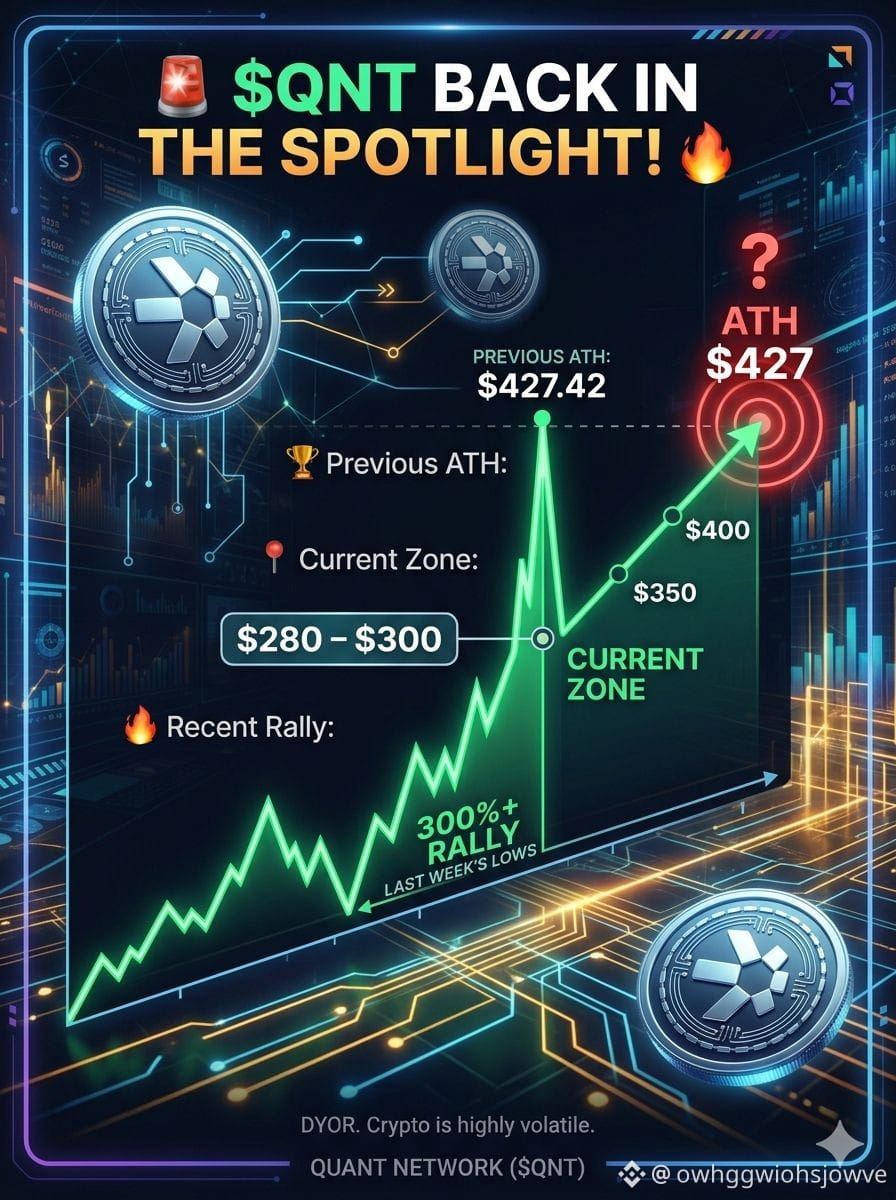
🚨 $QNT が再び注目を集めています! 🔥
クオンツがついに大きな値動きを見せました。QNTは本日、$280〜$300のあたりで取引されています。📈
でも、もっと大きな話がこちら 👀
🏆 これまでの史上最高値(ATH):$427.42
📍 現在のゾーン:〜$280〜$300
🔥 最近の急騰:先週の安値から300%+上昇
QNTはまだATHを下回っていますが、その距離は縮まってきています。
勢いが戻ってくるなら、市場は次を注視するはずです:
$350 → $400 → $427(ATH)👀
$QNT は、ついに過去最高値に挑戦できるでしょうか?
注意深く見守りましょう。 🔥
DYOR。暗号資産は非常に値動きが激しいです。
#QNTAnalysis #binamce
🚨 $QNT が再び注目を集めています! 🔥
クオンツがついに大きな値動きを見せました。QNTは本日、$280〜$300のあたりで取引されています。📈
でも、もっと大きな話がこちら 👀
🏆 これまでの史上最高値(ATH):$427.42
📍 現在のゾーン:〜$280〜$300
🔥 最近の急騰:先週の安値から300%+上昇
QNTはまだATHを下回っていますが、その距離は縮まってきています。
勢いが戻ってくるなら、市場は次を注視するはずです:
$350 → $400 → $427(ATH)👀
$QNT は、ついに過去最高値に挑戦できるでしょうか?
注意深く見守りましょう。 🔥
DYOR。暗号資産は非常に値動きが激しいです。
#QNTAnalysis #binamce
クオンツがついに大きな値動きを見せました。QNTは本日、$280〜$300のあたりで取引されています。📈
でも、もっと大きな話がこちら 👀
🏆 これまでの史上最高値(ATH):$427.42
📍 現在のゾーン:〜$280〜$300
🔥 最近の急騰:先週の安値から300%+上昇
QNTはまだATHを下回っていますが、その距離は縮まってきています。
勢いが戻ってくるなら、市場は次を注視するはずです:
$350 → $400 → $427(ATH)👀
$QNT は、ついに過去最高値に挑戦できるでしょうか?
注意深く見守りましょう。 🔥
DYOR。暗号資産は非常に値動きが激しいです。
#QNTAnalysis #binamce
136
·
--
ブリッシュ
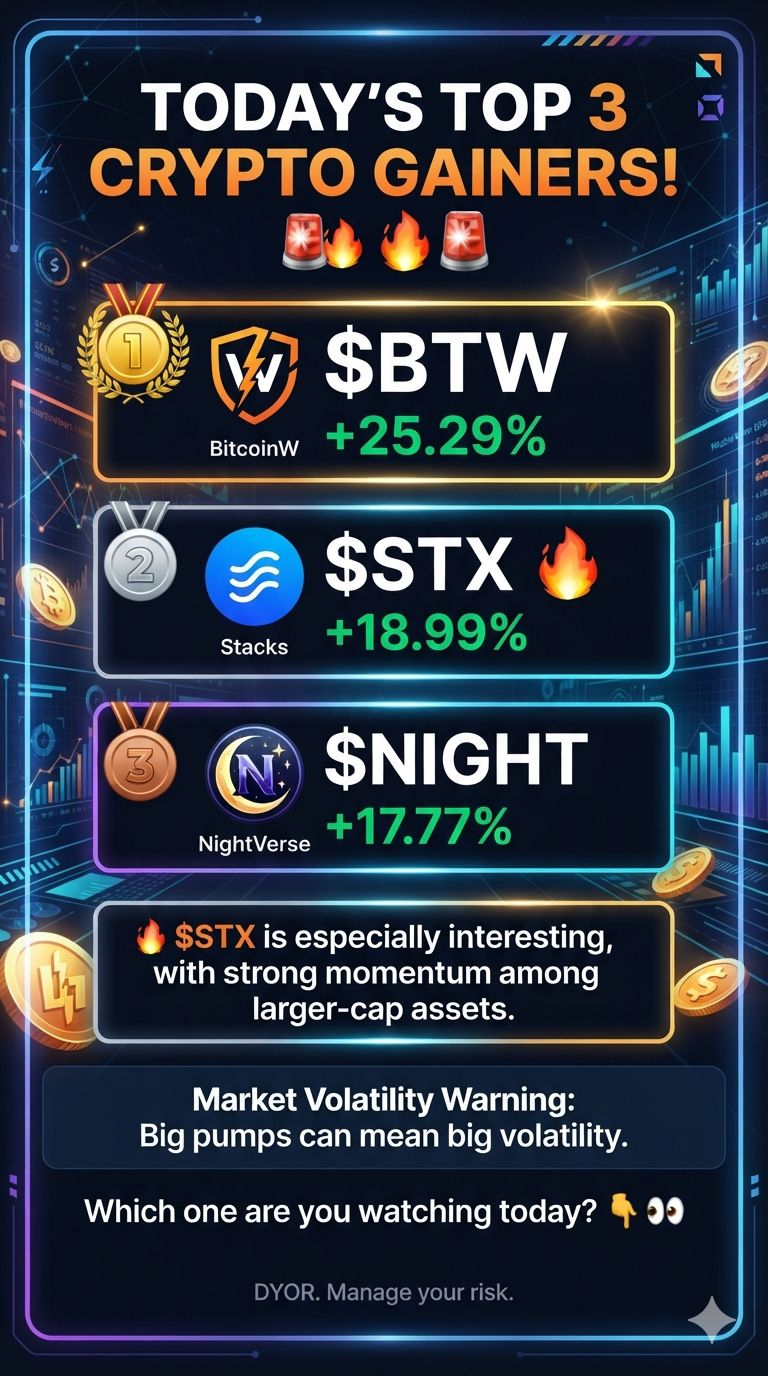
🚨 今日の暗号資産トップ3の値上がり銘柄!🔥
市場が動いています—そしてこの3つが今日目立っています👀
🥇 $BTW → +25.29%
🥈 $STX → +18.99%
🥉 $NIGHT → +17.77%
🔥 特に $STX は注目で、大型銘柄の中でも強いモメンタムがあります。
ただし覚えておいてください:大きな日次の急騰は、大きなボラティリティ(変動)を伴うことがあります。
今日はどれを見ていますか?👇
DYOR(自己調査)。リスク管理をしてください。
🚨 今日の暗号資産トップ3の値上がり銘柄!🔥
市場が動いています—そしてこの3つが今日目立っています👀
🥇 $BTW → +25.29%
🥈 $STX → +18.99%
🥉 $NIGHT → +17.77%
🔥 特に $STX は注目で、大型銘柄の中でも強いモメンタムがあります。
ただし覚えておいてください:大きな日次の急騰は、大きなボラティリティ(変動)を伴うことがあります。
今日はどれを見ていますか?👇
DYOR(自己調査)。リスク管理をしてください。
市場が動いています—そしてこの3つが今日目立っています👀
🥇 $BTW → +25.29%
🥈 $STX → +18.99%
🥉 $NIGHT → +17.77%
🔥 特に $STX は注目で、大型銘柄の中でも強いモメンタムがあります。
ただし覚えておいてください:大きな日次の急騰は、大きなボラティリティ(変動)を伴うことがあります。
今日はどれを見ていますか?👇
DYOR(自己調査)。リスク管理をしてください。
173
🚀 $BTC 新たなATH(史上最高値)を更新しても、それが強気相場(ブルラン)の始まりとは限りません。
すでにブルランが始まっている可能性があり、$QNT と$BTW が大きな動きを見せています。📈
👀 価格予想は?
#BTWPriceAnalysis
🚀 $BTC 新たなATH(史上最高値)を更新しても、それが強気相場(ブルラン)の始まりとは限りません。
すでにブルランが始まっている可能性があり、$QNT と$BTW が大きな動きを見せています。📈
👀 価格予想は?
#BTWPriceAnalysis
すでにブルランが始まっている可能性があり、$QNT と$BTW が大きな動きを見せています。📈
👀 価格予想は?
#BTWPriceAnalysis

ORVILLO
·
--
$BTC pumpから史上最高値更新へ。これはブルランの始まりではない
すでにブルランは始まっており、$QNT と$BTW がすでに大きく上昇しています
あなたの価格予想は?
#BTWPriceAnalysis
すでにブルランは始まっており、$QNT と$BTW がすでに大きく上昇しています
あなたの価格予想は?
#BTWPriceAnalysis
676
·
--
弱気相場
だみぃ、合ってるよ。助かる、トレードのアドバイスありがとう 🙏🏻🚀
トレーズ聞いて
$MOVR
だみぃ、合ってるよ。助かる、トレードのアドバイスありがとう 🙏🏻🚀
トレーズ聞いて
$MOVR
トレーズ聞いて
$MOVR


Kripto Kurdu
·
--
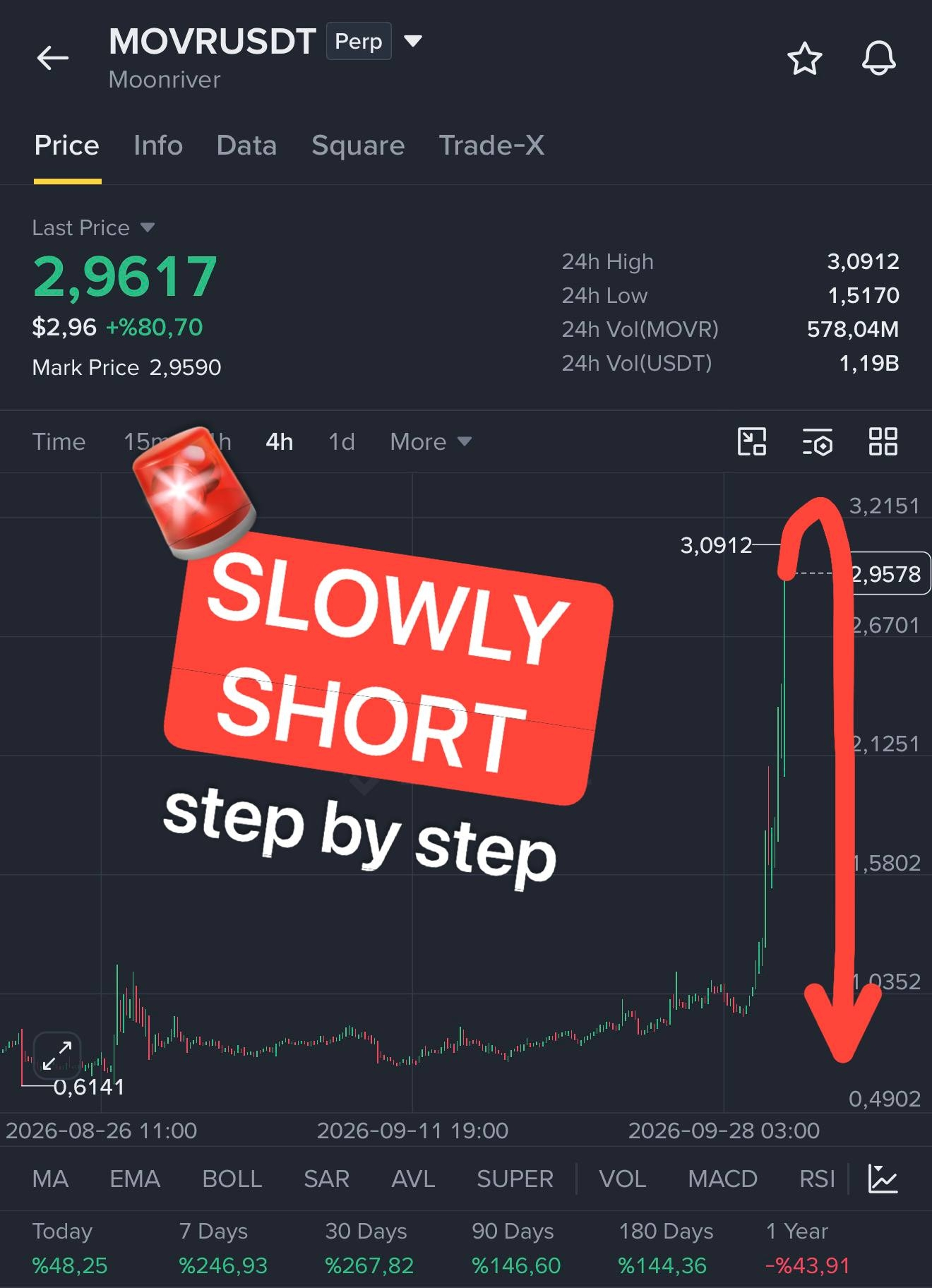
$MOVR 間違っていたけど、でも正しい軌道に乗ってる!
昨日、あなたにMOVRの分析を共有しました。その分析では、価格はもう少し上がってから下がると予想していました。また、その旨のコメントもしました。
しかし、予想以上に上がりました。昨日と比べて、ほぼ倍になっています。
私の見通しは変わっていません。昨日も言ったとおり、ショートポジションを段階的に積み上げていくことは、可能だと思っています。
こういうコインでは、平均取得単価(平均コスト)戦略で取引すべきです。1点に全資金を投入してエントリーしないでください。
今日の終わりまでに利益を出せることを願っています。DYOR
昨日、あなたにMOVRの分析を共有しました。その分析では、価格はもう少し上がってから下がると予想していました。また、その旨のコメントもしました。
しかし、予想以上に上がりました。昨日と比べて、ほぼ倍になっています。
私の見通しは変わっていません。昨日も言ったとおり、ショートポジションを段階的に積み上げていくことは、可能だと思っています。
こういうコインでは、平均取得単価(平均コスト)戦略で取引すべきです。1点に全資金を投入してエントリーしないでください。
今日の終わりまでに利益を出せることを願っています。DYOR
142
·
--
ブリッシュ
#BitcoinClears$85200
🚨 ビットコインETF需要が再燃!🟢
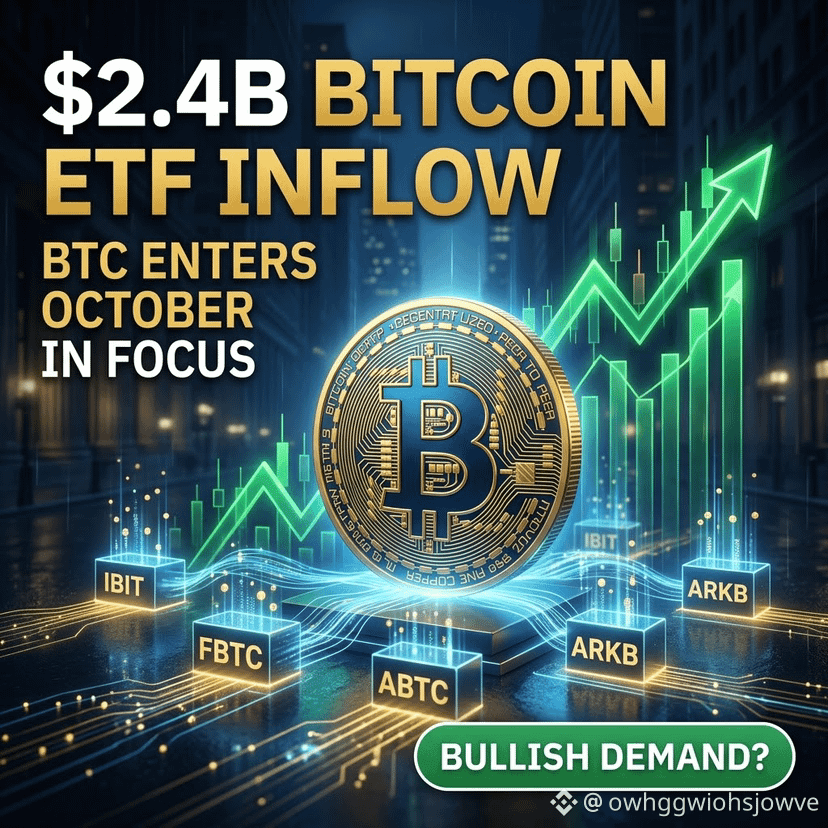
米国のスポット・ビットコインETFは、週次の純流入が約24億ドルで記録されており、2025年10月以来の最強の週次流入となりました。
一方で、$BTC は強い第3四半期の実績の後、10月に入って8万3,000ドル〜8万6,000ドルのゾーンに到達しました。
👀 大きな疑問:
継続するETF需要は、BTCが第4四半期に勢いを維持するのに役立つのでしょうか?
🟢 強気の市場シグナル?
強いETFの資金流入+継続する機関投資家の需要が、第4四半期に向けてより強気な市場構造を後押しする可能性があります。👀📈
$BTC は第4四半期もこの勢いを維持できるのか?🚀
#Bitcoin
#BitcoinClears$85200
🚨 ビットコインETF需要が再燃!🟢
米国のスポット・ビットコインETFは、週次の純流入が約24億ドルで記録されており、2025年10月以来の最強の週次流入となりました。
一方で、$BTC は強い第3四半期の実績の後、10月に入って8万3,000ドル〜8万6,000ドルのゾーンに到達しました。
👀 大きな疑問:
継続するETF需要は、BTCが第4四半期に勢いを維持するのに役立つのでしょうか?
🟢 強気の市場シグナル?
強いETFの資金流入+継続する機関投資家の需要が、第4四半期に向けてより強気な市場構造を後押しする可能性があります。👀📈
$BTC は第4四半期もこの勢いを維持できるのか?🚀
#Bitcoin
🚨 ビットコインETF需要が再燃!🟢
米国のスポット・ビットコインETFは、週次の純流入が約24億ドルで記録されており、2025年10月以来の最強の週次流入となりました。
一方で、$BTC は強い第3四半期の実績の後、10月に入って8万3,000ドル〜8万6,000ドルのゾーンに到達しました。
👀 大きな疑問:
継続するETF需要は、BTCが第4四半期に勢いを維持するのに役立つのでしょうか?
🟢 強気の市場シグナル?
強いETFの資金流入+継続する機関投資家の需要が、第4四半期に向けてより強気な市場構造を後押しする可能性があります。👀📈
$BTC は第4四半期もこの勢いを維持できるのか?🚀
#Bitcoin
118
·
--
ブリッシュ
#CFTCSubmitsTwoEventContractRulesToWhiteHouse 🚨 CFTC、ホワイトハウスへ重大なイベント・コントラクト規則を2件提出! ⚖️
米国の金融セクターにおける重要な規制上の進展! 🇺🇸
CFTCは、連邦法のもとでイベント・コントラクトがどのように分類されるかを見直す可能性のある内容として、ホワイトハウスに対し2つの提案を提出しました。
🔍 要点:
* 🏛️ 1つ目の提案では、イベント・コントラクトをスワップの定義に含めることになります。
* ⚖️ 2つ目の提案では、カジノ風のギャンブル商品をその定義から除外します。
* 🇺🇸 これらの提案は、連邦と州の規制当局の権限分担に影響を与える可能性があります。
* 📋 両提案は現在、ホワイトハウスで審査中です。
⚡ 重要な理由:
提案されている規則は、イベント・コントラクトの規制をめぐる係争が続く中で出てきました。その結果は、米国における今後の規制枠組みに影響を及ぼし得ます。
💬 これらの規制変更は、より広い暗号資産(クリプト)業界にどんな影響を与えるのでしょうか?
#CFTC #CryptoRegulation #CryptoNews #USMarkets #DeFi
$NVDA.US $GOOG.US $AAPL.US
#CFTCSubmitsTwoEventContractRulesToWhiteHouse 🚨 CFTC、ホワイトハウスへ重大なイベント・コントラクト規則を2件提出! ⚖️
米国の金融セクターにおける重要な規制上の進展! 🇺🇸
CFTCは、連邦法のもとでイベント・コントラクトがどのように分類されるかを見直す可能性のある内容として、ホワイトハウスに対し2つの提案を提出しました。
🔍 要点:
* 🏛️ 1つ目の提案では、イベント・コントラクトをスワップの定義に含めることになります。
* ⚖️ 2つ目の提案では、カジノ風のギャンブル商品をその定義から除外します。
* 🇺🇸 これらの提案は、連邦と州の規制当局の権限分担に影響を与える可能性があります。
* 📋 両提案は現在、ホワイトハウスで審査中です。
⚡ 重要な理由:
提案されている規則は、イベント・コントラクトの規制をめぐる係争が続く中で出てきました。その結果は、米国における今後の規制枠組みに影響を及ぼし得ます。
💬 これらの規制変更は、より広い暗号資産(クリプト)業界にどんな影響を与えるのでしょうか?
#CFTC #CryptoRegulation #CryptoNews #USMarkets #DeFi
$NVDA.US $GOOG.US $AAPL.US
米国の金融セクターにおける重要な規制上の進展! 🇺🇸
CFTCは、連邦法のもとでイベント・コントラクトがどのように分類されるかを見直す可能性のある内容として、ホワイトハウスに対し2つの提案を提出しました。
🔍 要点:
* 🏛️ 1つ目の提案では、イベント・コントラクトをスワップの定義に含めることになります。
* ⚖️ 2つ目の提案では、カジノ風のギャンブル商品をその定義から除外します。
* 🇺🇸 これらの提案は、連邦と州の規制当局の権限分担に影響を与える可能性があります。
* 📋 両提案は現在、ホワイトハウスで審査中です。
⚡ 重要な理由:
提案されている規則は、イベント・コントラクトの規制をめぐる係争が続く中で出てきました。その結果は、米国における今後の規制枠組みに影響を及ぼし得ます。
💬 これらの規制変更は、より広い暗号資産(クリプト)業界にどんな影響を与えるのでしょうか?
#CFTC #CryptoRegulation #CryptoNews #USMarkets #DeFi
$NVDA.US $GOOG.US $AAPL.US

71
·
--
ブリッシュ
本人確認中
#MicronBeatsEarningsLiftsGuidance
🚨 マイクロンが業績予想を大幅に上回って叩き潰した! 🔥📈
$MU は、AIメモリ需要の急増に後押しされて記録的な結果を達成! 🚀
💥 2026年Q4 注目ポイント:
* 💰 売上:$54.23 BILLION(542億3000万ドル)
* 📈 調整後EPS:$33.42。予想の$31.61を上回る。
* 🚀 売上は前年比で379%急増。
* 🔥 2027年Q1 の売上ガイダンス:$61.5 BILLION(615億ドル)。
🤖 成長をけん引しているのは?
AIデータセンターと高帯域幅メモリ(HBM)への爆発的な需要が、マイクロンの事業拡大を支えています。
👀 大きな疑問:AI需要がさらに伸び続ける中で、マイクロンはこの勢いを維持できるのでしょうか?
#Micron #MU #AI #Semiconductors #CryptoNews
$DOGE $PEPE $SIREN
#MicronBeatsEarningsLiftsGuidance
🚨 マイクロンが業績予想を大幅に上回って叩き潰した! 🔥📈
$MU は、AIメモリ需要の急増に後押しされて記録的な結果を達成! 🚀
💥 2026年Q4 注目ポイント:
* 💰 売上:$54.23 BILLION(542億3000万ドル)
* 📈 調整後EPS:$33.42。予想の$31.61を上回る。
* 🚀 売上は前年比で379%急増。
* 🔥 2027年Q1 の売上ガイダンス:$61.5 BILLION(615億ドル)。
🤖 成長をけん引しているのは?
AIデータセンターと高帯域幅メモリ(HBM)への爆発的な需要が、マイクロンの事業拡大を支えています。
👀 大きな疑問:AI需要がさらに伸び続ける中で、マイクロンはこの勢いを維持できるのでしょうか?
#Micron #MU #AI #Semiconductors #CryptoNews
$DOGE $PEPE $SIREN
🚨 マイクロンが業績予想を大幅に上回って叩き潰した! 🔥📈
$MU は、AIメモリ需要の急増に後押しされて記録的な結果を達成! 🚀
💥 2026年Q4 注目ポイント:
* 💰 売上:$54.23 BILLION(542億3000万ドル)
* 📈 調整後EPS:$33.42。予想の$31.61を上回る。
* 🚀 売上は前年比で379%急増。
* 🔥 2027年Q1 の売上ガイダンス:$61.5 BILLION(615億ドル)。
🤖 成長をけん引しているのは?
AIデータセンターと高帯域幅メモリ(HBM)への爆発的な需要が、マイクロンの事業拡大を支えています。
👀 大きな疑問:AI需要がさらに伸び続ける中で、マイクロンはこの勢いを維持できるのでしょうか?
#Micron #MU #AI #Semiconductors #CryptoNews
$DOGE $PEPE $SIREN

153
·
--
ブリッシュ
#MetaMaskExitsLidoValidatorsAfterSecurityIncident 🚨 BREAKING: MetaMask、セキュリティインシデント後にLidoのバリデーターから離脱へ!⚠️
イーサリアム・エコシステムにおける重大なセキュリティ展開!👀
MetaMaskは、インフラの一部に影響を及ぼしたセキュリティインシデントを受けた予防措置として、Lido経由で運用されている影響を受けたイーサリアムバリデーターの退出を開始しました。
🔴 主なポイント:
* 🔐 MetaMaskは、ユーザーワレットに直ちに差し迫った脅威は見つかっていないとしています。
* ⚠️ 影響を受けたバリデーターは10月7日までに退出する見込みです。
* ⏳ ステーキングに出てくるETHの返還には最大45日かかる可能性があります。
* 📉 退出により、ステーキング報酬の損失や潜在的なペナルティが発生する恐れがあります。
MetaMaskは、インシデントに対処するため外部のセキュリティ専門家と連携しています。正確な原因はまだ公表されていません。
👀 今回のインシデントは、イーサリアムのステーキング・セキュリティに新たな疑問を投げかけるのでしょうか?
#MetaMask #Lido #Ethereum #ETH #CryptoNews #DeFi
出典: · <Cite refs={[“turn184015search0”,“turn184015search2”]}/>
$AAVE $LDO $ETH
#MetaMaskExitsLidoValidatorsAfterSecurityIncident 🚨 BREAKING: MetaMask、セキュリティインシデント後にLidoのバリデーターから離脱へ!⚠️
イーサリアム・エコシステムにおける重大なセキュリティ展開!👀
MetaMaskは、インフラの一部に影響を及ぼしたセキュリティインシデントを受けた予防措置として、Lido経由で運用されている影響を受けたイーサリアムバリデーターの退出を開始しました。
🔴 主なポイント:
* 🔐 MetaMaskは、ユーザーワレットに直ちに差し迫った脅威は見つかっていないとしています。
* ⚠️ 影響を受けたバリデーターは10月7日までに退出する見込みです。
* ⏳ ステーキングに出てくるETHの返還には最大45日かかる可能性があります。
* 📉 退出により、ステーキング報酬の損失や潜在的なペナルティが発生する恐れがあります。
MetaMaskは、インシデントに対処するため外部のセキュリティ専門家と連携しています。正確な原因はまだ公表されていません。
👀 今回のインシデントは、イーサリアムのステーキング・セキュリティに新たな疑問を投げかけるのでしょうか?
#MetaMask #Lido #Ethereum #ETH #CryptoNews #DeFi
出典: · <Cite refs={[“turn184015search0”,“turn184015search2”]}/>
$AAVE $LDO $ETH
イーサリアム・エコシステムにおける重大なセキュリティ展開!👀
MetaMaskは、インフラの一部に影響を及ぼしたセキュリティインシデントを受けた予防措置として、Lido経由で運用されている影響を受けたイーサリアムバリデーターの退出を開始しました。
🔴 主なポイント:
* 🔐 MetaMaskは、ユーザーワレットに直ちに差し迫った脅威は見つかっていないとしています。
* ⚠️ 影響を受けたバリデーターは10月7日までに退出する見込みです。
* ⏳ ステーキングに出てくるETHの返還には最大45日かかる可能性があります。
* 📉 退出により、ステーキング報酬の損失や潜在的なペナルティが発生する恐れがあります。
MetaMaskは、インシデントに対処するため外部のセキュリティ専門家と連携しています。正確な原因はまだ公表されていません。
👀 今回のインシデントは、イーサリアムのステーキング・セキュリティに新たな疑問を投げかけるのでしょうか?
#MetaMask #Lido #Ethereum #ETH #CryptoNews #DeFi
出典: · <Cite refs={[“turn184015search0”,“turn184015search2”]}/>
$AAVE $LDO $ETH

85
·
--
ブリッシュ
#UKFCAOpensCryptoFirmAuthorization
🚨 速報:英国、規制対象となる暗号資産への扉を開く 🇬🇧
英国のFCA(金融行為監督機構)は、同国の今後予定される暗号資産制度のもとで認可を求めるため、暗号資産企業向けの申請を開始しました。
📌 申請開始:2026年9月30日
📌 申請締切:2027年2月28日
📌 新制度開始:2027年10月25日
この枠組みは、消費者保護、保全(セーフガーディング)、市場の健全性、そして金融面での強靭性などの領域を対象としています。
これにより、英国における暗号資産規制の明確化に向けた大きな一歩となるのでしょうか? 👀
$NEAR $QNT $MOVE
#UKFCAOpensCryptoFirmAuthorization
🚨 速報:英国、規制対象となる暗号資産への扉を開く 🇬🇧
英国のFCA(金融行為監督機構)は、同国の今後予定される暗号資産制度のもとで認可を求めるため、暗号資産企業向けの申請を開始しました。
📌 申請開始:2026年9月30日
📌 申請締切:2027年2月28日
📌 新制度開始:2027年10月25日
この枠組みは、消費者保護、保全(セーフガーディング)、市場の健全性、そして金融面での強靭性などの領域を対象としています。
これにより、英国における暗号資産規制の明確化に向けた大きな一歩となるのでしょうか? 👀
$NEAR $QNT $MOVE
🚨 速報:英国、規制対象となる暗号資産への扉を開く 🇬🇧
英国のFCA(金融行為監督機構)は、同国の今後予定される暗号資産制度のもとで認可を求めるため、暗号資産企業向けの申請を開始しました。
📌 申請開始:2026年9月30日
📌 申請締切:2027年2月28日
📌 新制度開始:2027年10月25日
この枠組みは、消費者保護、保全(セーフガーディング)、市場の健全性、そして金融面での強靭性などの領域を対象としています。
これにより、英国における暗号資産規制の明確化に向けた大きな一歩となるのでしょうか? 👀
$NEAR $QNT $MOVE

114
#Qntrise18
🚨 $QNT は急速に動いています! 🔥
$QNT は過去24時間で18%以上上昇し、買い手が価格を$300+ゾーンへ押し上げています。 📈
👀 注目すべき主要ライン:
• $300 — 心理的な節目
• $322 — 直近24Hの高値
• $300以上を維持できれば、勢いが強い状態を保てる可能性があります。
$QNT を見ていますか? 👀
#QNTUSDT
#qntmarketanalys
#
#Qntrise18
🚨 $QNT は急速に動いています! 🔥
$QNT は過去24時間で18%以上上昇し、買い手が価格を$300+ゾーンへ押し上げています。 📈
👀 注目すべき主要ライン:
• $300 — 心理的な節目
• $322 — 直近24Hの高値
• $300以上を維持できれば、勢いが強い状態を保てる可能性があります。
$QNT を見ていますか? 👀
#QNTUSDT
#qntmarketanalys
#
🚨 $QNT は急速に動いています! 🔥
$QNT は過去24時間で18%以上上昇し、買い手が価格を$300+ゾーンへ押し上げています。 📈
👀 注目すべき主要ライン:
• $300 — 心理的な節目
• $322 — 直近24Hの高値
• $300以上を維持できれば、勢いが強い状態を保てる可能性があります。
$QNT を見ていますか? 👀
#QNTUSDT
#qntmarketanalys
#

54
ログインして、さらにコンテンツを読む
厳選トピックで世界の暗号資産トレーダーの仲間入り
⚡️ 暗号資産に関する最新かつ有益な情報が見つかります。
💬 世界最大の暗号資産取引所から信頼されています。
👍 認証を受けたクリエイターから、有益なインサイトを得られます。
メール / 電話番号
トレンドトピック
EtherGains70.9%InQ3
閲覧回数 128,095
1,054人が討論中
🧭🧭🧭 代替コイン・シーズン分析 🧭🧭🧭
💡 代替コインのシーズン指標 💡
🚨🚨🚨 第3四半期(T3)が終了しました。ETHの価格は71%上昇、BTCは43%上昇。 🚨🚨🚨
これは代替コイン・シーズンの始まりだったのでしょうか?
上位100の中で:
🌐🌐🌐 57銘柄が過去90日でBTCを上回りました
代替コイン・シーズンは75から始まるので、まだ
また、年初来最高値67からはあと10ポイントしか進んでいません 🌐🌐
💥💥💥 でもちょっと待って、先月は指標が23に過ぎなかった!
10月がこれを75まで押し上げられるでしょうか? 👀💥💥💥
フォローをお願いします
#EtherGains70.9%InQ3
$GRAM
Shamika Metting
·いいね:3件
·閲覧回数 1.1k
TreasuryLetsStatesFileStablecoinCertificationsEarly
閲覧回数 6,923
74人が討論中
US10YearYieldNears5.3%
閲覧回数 137,258
1,081人が討論中