
MAYA_
40.7k 投稿

MAYA_
 厳選トピック確認済+
Alhamdulillah always and forever.
超高頻度トレーダー
3.9年
1.2K+ フォロー
42.4K+ フォロワー
198.9K+ いいね
投稿
すべて
引用
動画
ライブ
BTRがポンプ。🚀
TACがポンプ。🚀
ONGがポンプ。🚀
これらの動きを見ると、FOGOの見方が少し変わります。
同じことがここでも起きる必要はないと言っているわけではありません。簡単すぎるでしょう。ですが、複数の名前が次々に動き始めると、私はいつも「まだ動いていないもの」により注意を払います。
FOGOはまだそのまま座っています。
まだ早いのかもしれません。あるいは、市場がまだそれに回ってきていないだけかもしれない。あるいは、この並びから読みすぎているだけかもしれません。それでも、これは「動いた後より、動く前に見ていたい」タイプのセットアップです。
$BTR
✅
$TAC
✅
$ONG
✅
$FOGO ⏳
私はもうロングです。
このローテーションが続くか見てみましょう。
TACがポンプ。🚀
ONGがポンプ。🚀
これらの動きを見ると、FOGOの見方が少し変わります。
同じことがここでも起きる必要はないと言っているわけではありません。簡単すぎるでしょう。ですが、複数の名前が次々に動き始めると、私はいつも「まだ動いていないもの」により注意を払います。
FOGOはまだそのまま座っています。
まだ早いのかもしれません。あるいは、市場がまだそれに回ってきていないだけかもしれない。あるいは、この並びから読みすぎているだけかもしれません。それでも、これは「動いた後より、動く前に見ていたい」タイプのセットアップです。
$BTR
✅
$TAC
✅
$ONG
✅
$FOGO ⏳
私はもうロングです。
このローテーションが続くか見てみましょう。
翻訳参照
Real scalability test isn’t just speed, it’s whether the network can handle massive activity without making participation expensive or impractical @Dusk

JANNAT BM_
·
--
ブリッシュ#dusk $DUSK @Dusk
Last Night, While copying a lot of files together on an old laptop, I thought of somthing again. Hmm, doing one thing quickly and handling many things at the same time are not the same thing. At first, everything is fine, but when the pressure increases, you understand where the problem is. It's something to think about!
Yes, it's the same thing in blockchain. It's not difficult to do a few transactions quickly. But if you have to process thousands of bonds, shares and general transactions at the same time, then both throughput and transaction fees become important - yes, they really are. That's where my interest in Dusk's Lightspeed comes in. It is a Layer-2 scaling solution, which aims to provide very fast settlement on @Dusk 's main network and reduce transaction costs as much as possible. The issue of maintaining compatibility with the Ethereum ecosystem is also quite important, because in the case of institutional adoption, it is not an easy task to build a new infrastructure and get everyone used to it from scratch. But this division is newly apparent to me.
Oh Yes, listen, there is another small but important issue. Dusk is working on Kadcast P2P protocol and Succinct Attestation, which can reduce network bandwidth usage by 25% to 50%. This can also reduce the cost of running a validator. But I wonder, if a bank or financial institution wants to be a validator, do they have to set up a separate, massive hardware setup?
And if the answer is no, then scalability is not just about fast transactions. It also makes it easier to participate in the network. For me, this is probably the real test of scalability.
Hmm, Really This is where @Dusk is becoming the center of attention for me🚀
$DUSK #dusk
Last Night, While copying a lot of files together on an old laptop, I thought of somthing again. Hmm, doing one thing quickly and handling many things at the same time are not the same thing. At first, everything is fine, but when the pressure increases, you understand where the problem is. It's something to think about!
Yes, it's the same thing in blockchain. It's not difficult to do a few transactions quickly. But if you have to process thousands of bonds, shares and general transactions at the same time, then both throughput and transaction fees become important - yes, they really are. That's where my interest in Dusk's Lightspeed comes in. It is a Layer-2 scaling solution, which aims to provide very fast settlement on @Dusk 's main network and reduce transaction costs as much as possible. The issue of maintaining compatibility with the Ethereum ecosystem is also quite important, because in the case of institutional adoption, it is not an easy task to build a new infrastructure and get everyone used to it from scratch. But this division is newly apparent to me.
Oh Yes, listen, there is another small but important issue. Dusk is working on Kadcast P2P protocol and Succinct Attestation, which can reduce network bandwidth usage by 25% to 50%. This can also reduce the cost of running a validator. But I wonder, if a bank or financial institution wants to be a validator, do they have to set up a separate, massive hardware setup?
And if the answer is no, then scalability is not just about fast transactions. It also makes it easier to participate in the network. For me, this is probably the real test of scalability.
Hmm, Really This is where @Dusk is becoming the center of attention for me🚀
$DUSK #dusk
確認済み
#SECSendsCryptoCustodyRuleToWhiteHouse
ここは何か変に見える。
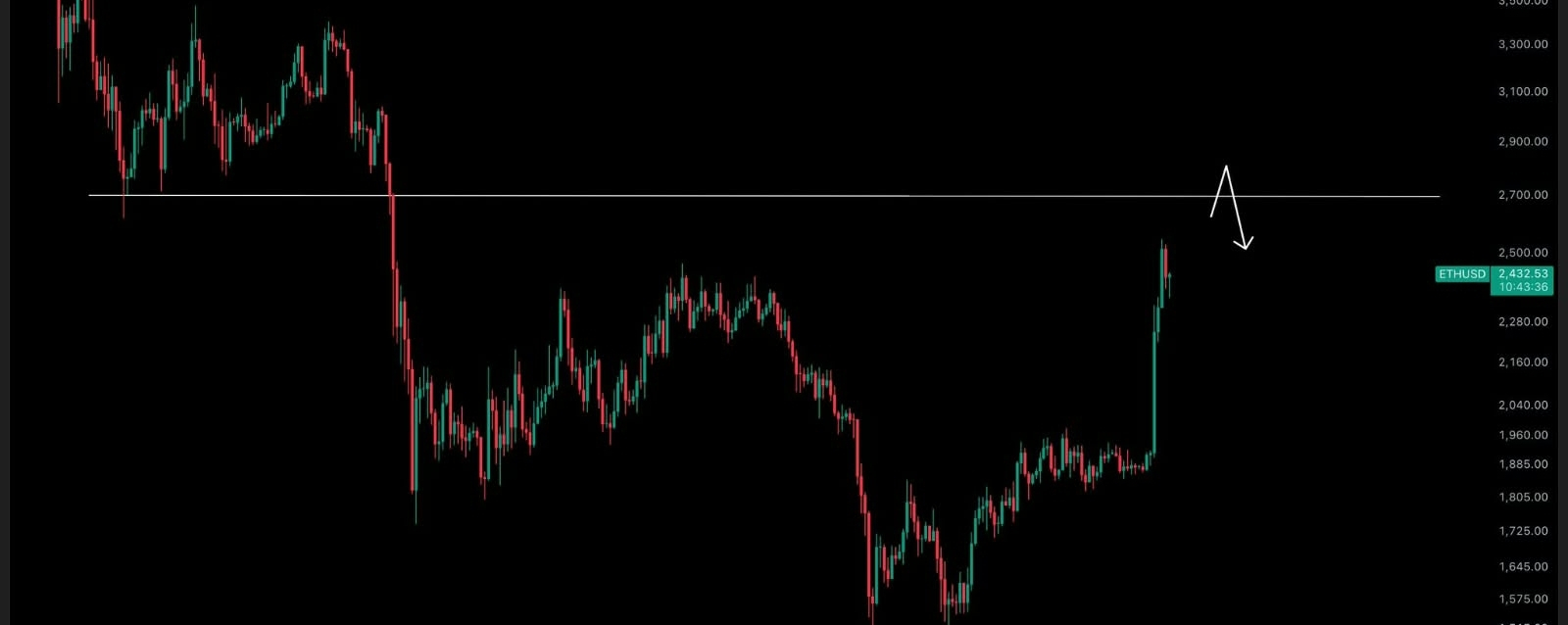
バンク・オブ・アメリカ、ウェルズ・ファーゴ、サンタンデール、そして他にも十数行の大手銀行がステーブルコインを推し進めている――もちろんこのニュースは強気だ。だがチャートを見ると、一瞬立ち止まる。市場はしばしば、このようなニュースを事前に織り込むからだ。みんなが同じ方向を見ているのに、いったい流動性はどこへ消えるのか? もし価格が、反発の後に重要なフィボナッチ・レベル付近で今のところ行き詰まっているなら、ここは少し注意が必要だ。ブレイクしてまた下がるのか? それとも今回は本当に構造が変わっているのか?
ちょっとデジャヴがある。良いニュースが来て、センチメントが加熱して、トレーダーが追いかけて……そして突然、その動きが罠になる。だから今はあまり興奮せず、反応がどうなるかを見ている。フィボナッチ・レベルはきれいに再奪回できるのか、それともここからまた売りの圧力が来るのか。
ニュース自体は強気かもしれない。物語も強気に見えるかもしれない。けれど結局のところ、チャートこそが市場が本当に信じていることを教えてくれる。
もしかすると、今回は本当に大きな何かが始まっているのかもしれない。
あるいは、ただ市場が「信じさせよう」としているだけかもしれない。
ここは何か変に見える。
バンク・オブ・アメリカ、ウェルズ・ファーゴ、サンタンデール、そして他にも十数行の大手銀行がステーブルコインを推し進めている――もちろんこのニュースは強気だ。だがチャートを見ると、一瞬立ち止まる。市場はしばしば、このようなニュースを事前に織り込むからだ。みんなが同じ方向を見ているのに、いったい流動性はどこへ消えるのか? もし価格が、反発の後に重要なフィボナッチ・レベル付近で今のところ行き詰まっているなら、ここは少し注意が必要だ。ブレイクしてまた下がるのか? それとも今回は本当に構造が変わっているのか?
ちょっとデジャヴがある。良いニュースが来て、センチメントが加熱して、トレーダーが追いかけて……そして突然、その動きが罠になる。だから今はあまり興奮せず、反応がどうなるかを見ている。フィボナッチ・レベルはきれいに再奪回できるのか、それともここからまた売りの圧力が来るのか。
ニュース自体は強気かもしれない。物語も強気に見えるかもしれない。けれど結局のところ、チャートこそが市場が本当に信じていることを教えてくれる。
もしかすると、今回は本当に大きな何かが始まっているのかもしれない。
あるいは、ただ市場が「信じさせよう」としているだけかもしれない。
#bitcoin
ふむ……ストラテジーのビットコイン保有ポジションについて一つ注目点があります。マイケル・セイラーのストラテジー・インクは、ビットコインで再び利益を計上しています。簡単に聞こえるかもしれませんが、数字はさらに面白いです。
同社は現在、84万BTC以上を保有しています。これほど大きな保有規模があると、ビットコイン価格が少し変わるだけで、バランスシートに対して数十億ドル規模の影響が出る可能性があります。数日前、BTCが下落していたとき、ビットコインのポジションは一時的に含み損(未実現損失)に入りました。でもそれは現金の実損失ではありません。彼らはビットコインを売っていないからです。価格が下がったことで口座の評価額が下がっただけです。いま、BTCが7万7000ドルを超えて戻ってきたことで、状況は逆転しました。保有分は再び利益になっています。とはいえ、ここで明確にしておきたいのは、この利益がまだ40億ドルに到達していないという点です。見込みでは、およそ14億〜16億ドル程度です。
私がいちばん興味深いと思うのは、このような大口のビットコイン保有者であるストラテジーにおいて、市場の値動きがどれほどバランスシートに直結するのか、ということです。
ビットコインがさらに上がれば利益は急速に増えますが、大きな調整(下落)が起これば、それらの利益の大部分が簡単に吹き飛ぶ可能性があります。
だから、「どれくらい利益が出たか」だけを見るのでは全体像は分かりません。重要なのは、ビットコインへのエクスポージャー(曝露)の大きさです。
$BTC
ふむ……ストラテジーのビットコイン保有ポジションについて一つ注目点があります。マイケル・セイラーのストラテジー・インクは、ビットコインで再び利益を計上しています。簡単に聞こえるかもしれませんが、数字はさらに面白いです。
同社は現在、84万BTC以上を保有しています。これほど大きな保有規模があると、ビットコイン価格が少し変わるだけで、バランスシートに対して数十億ドル規模の影響が出る可能性があります。数日前、BTCが下落していたとき、ビットコインのポジションは一時的に含み損(未実現損失)に入りました。でもそれは現金の実損失ではありません。彼らはビットコインを売っていないからです。価格が下がったことで口座の評価額が下がっただけです。いま、BTCが7万7000ドルを超えて戻ってきたことで、状況は逆転しました。保有分は再び利益になっています。とはいえ、ここで明確にしておきたいのは、この利益がまだ40億ドルに到達していないという点です。見込みでは、およそ14億〜16億ドル程度です。
私がいちばん興味深いと思うのは、このような大口のビットコイン保有者であるストラテジーにおいて、市場の値動きがどれほどバランスシートに直結するのか、ということです。
ビットコインがさらに上がれば利益は急速に増えますが、大きな調整(下落)が起これば、それらの利益の大部分が簡単に吹き飛ぶ可能性があります。
だから、「どれくらい利益が出たか」だけを見るのでは全体像は分かりません。重要なのは、ビットコインへのエクスポージャー(曝露)の大きさです。
$BTC
#BitcoinRises23.6%Weekly
BTCはいま80K〜82K:本当の試験はここ
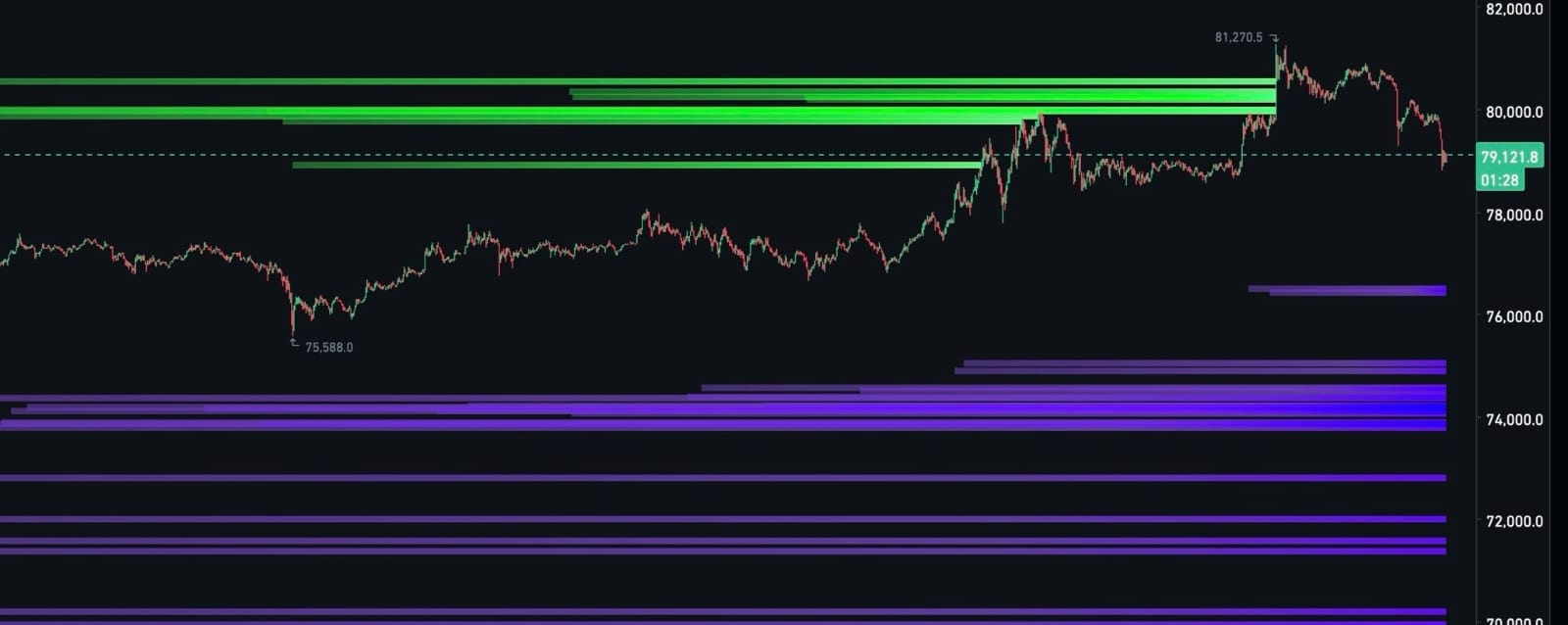
BTCは再び80K近辺に戻ってきました。外から見ると強い動きに見えるかもしれません。ですが私の目では、いま最も重要なのはこの80K〜82Kのゾーンです。
なぜなら、この同じエリアが2月と5月の2度にわたって主要なレジスタンスとして機能したからです。どちらの時も、価格はここからかなり強く跳ね返りました。これでBTCがこのエリアに到達するのは3度目です。そしてここから少し面白い展開になります。3回目のテストは、通常「前の売り手がどれだけ強いか」を示します。もし今度、強気派が本当にその圧力を維持できるなら、82.5Kを明確に上回るデイリー(日足)のクローズが出れば、状況は大きく変わり得ます。そうなれば、85K、次に88Kへ向かう余地もあります。
ただし、80Kに到達しただけで強気だと決めつけたくはありません。レジスタンスの下で追いかけるよりも、私はローソク足のクローズを見ることの方が重要です。
もしここからさらにリジェクション(上値拒否)が起きるなら、76Kと74Kに向けた調整(プルバック)が見られても不思議ではありません。
つまり、いま私が抱いている最大の問いは「BTCがどこにいるか」ではなく、「82.5Kを日足で終えられるか」です。
1本のローソク足で、全体像が変わり得ます。さあ見てみましょう.. 👍
$BTC
BTCはいま80K〜82K:本当の試験はここ
BTCは再び80K近辺に戻ってきました。外から見ると強い動きに見えるかもしれません。ですが私の目では、いま最も重要なのはこの80K〜82Kのゾーンです。
なぜなら、この同じエリアが2月と5月の2度にわたって主要なレジスタンスとして機能したからです。どちらの時も、価格はここからかなり強く跳ね返りました。これでBTCがこのエリアに到達するのは3度目です。そしてここから少し面白い展開になります。3回目のテストは、通常「前の売り手がどれだけ強いか」を示します。もし今度、強気派が本当にその圧力を維持できるなら、82.5Kを明確に上回るデイリー(日足)のクローズが出れば、状況は大きく変わり得ます。そうなれば、85K、次に88Kへ向かう余地もあります。
ただし、80Kに到達しただけで強気だと決めつけたくはありません。レジスタンスの下で追いかけるよりも、私はローソク足のクローズを見ることの方が重要です。
もしここからさらにリジェクション(上値拒否)が起きるなら、76Kと74Kに向けた調整(プルバック)が見られても不思議ではありません。
つまり、いま私が抱いている最大の問いは「BTCがどこにいるか」ではなく、「82.5Kを日足で終えられるか」です。
1本のローソク足で、全体像が変わり得ます。さあ見てみましょう.. 👍
$BTC

確認済み
#dusk $DUSK @Dusk
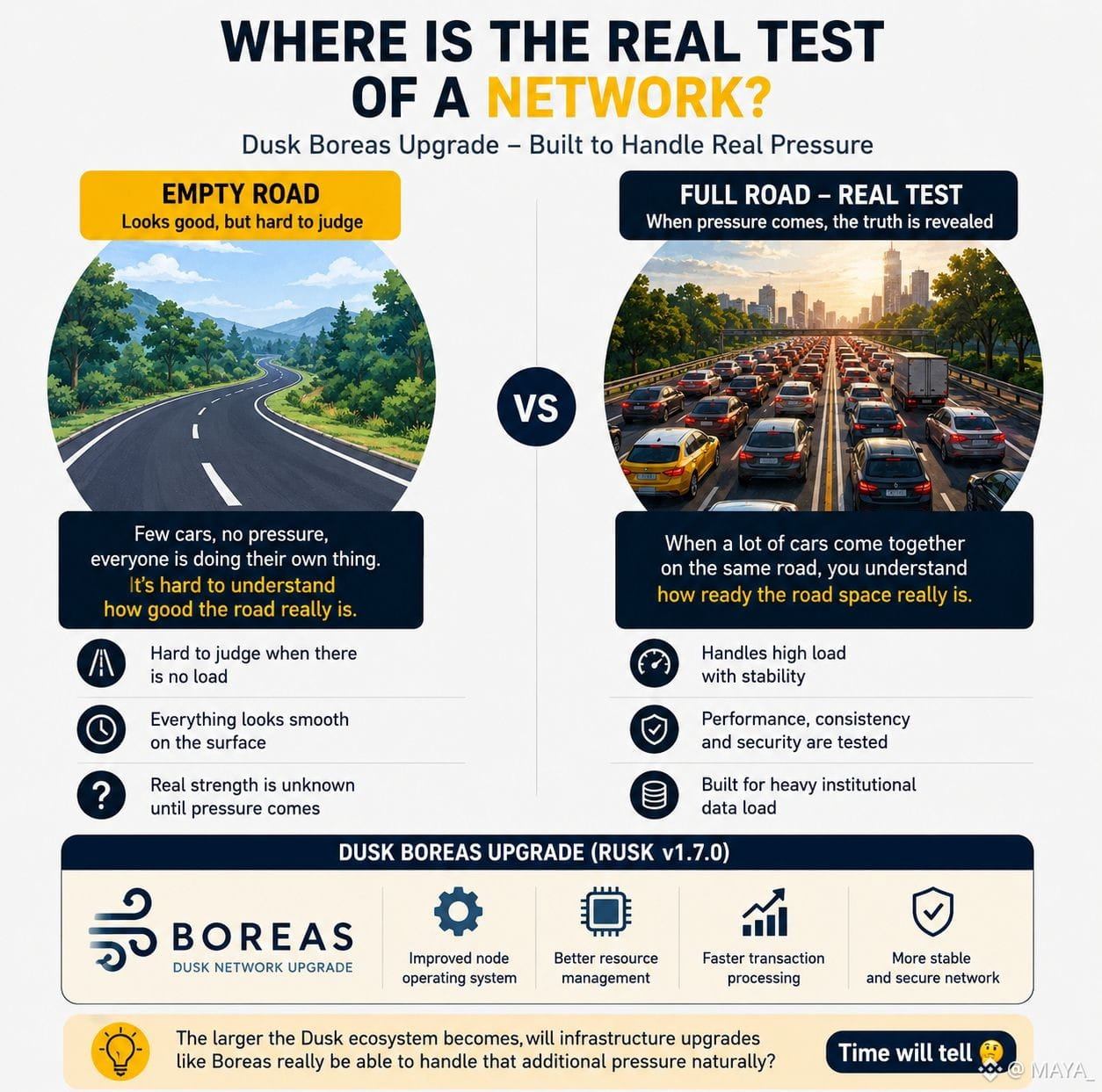
正直なところ、ずっと頭に浮かんでいることがあります……ネットワークがどれだけの負荷に耐えられるか、という点は、新機能を追加することと同じくらい重要です。ええ、ここがまさに「Dusk Boreas」アップグレードが私の注目を完全に引きつけているところです。
ネットワークの本当の試金石はどこにあるのでしょう?
私は、とても空いている道路の良し悪しを理解するのは難しいのではないか、と思うことがあります。車は少なく、負荷もなく、みんなそれぞれ好きなことをしています。でも、たくさんの車が突然同じ道路に集まってくるとき、初めて「道路のキャパシティがどれだけ整っているのか」を実感できます。私がDuskのBoreasアップグレードを見ている間、ずっと頭の中にあったのがまさにこの考え方です。BoreasはDuskのRusk v1.7.0ネットワークアップグレードです。一見すると、外から見て分かりやすい変化ではないかもしれません。しかし、アップデートが何をしようとしているのかを考えると、かなり重要です。ここでの主な焦点は、ノードのオペレーティングシステムとリソース管理の改善にあります。これによりDuskは、ブロックチェーンクライアント間でのパフォーマンスの一貫性を高めるとともに、トランザクション処理をより高速にし、ネットワークをより安定させようとしています。ただ、私がいちばん気になるのは、別の部分です。@Dusk は、今日のネットワーク負荷に備えるだけではありません。大量の機関投資家データ負荷に耐えられるようにメインネットを準備しようともしています。規制対象の資産が大規模に入ってくると、同じタイミングで多くのトランザクションが発生し得ます。そうなれば、プライバシーやコンプライアンスだけでなく、ネットワーク全体がそのプレッシャーに耐えられる必要が出てきます。
結局のところ、私の質問はとてもシンプルです。@Dusk のエコシステムが大きくなるにつれて、Boreasのようなインフラ改修は、本当にその追加の負荷を自然に受け止められるのでしょうか?
答えは、本当の負荷がネットワークに来たときにだけ理解できると思います。時間が答えを出します🤔
$DUSK #dusk
正直なところ、ずっと頭に浮かんでいることがあります……ネットワークがどれだけの負荷に耐えられるか、という点は、新機能を追加することと同じくらい重要です。ええ、ここがまさに「Dusk Boreas」アップグレードが私の注目を完全に引きつけているところです。
ネットワークの本当の試金石はどこにあるのでしょう?
私は、とても空いている道路の良し悪しを理解するのは難しいのではないか、と思うことがあります。車は少なく、負荷もなく、みんなそれぞれ好きなことをしています。でも、たくさんの車が突然同じ道路に集まってくるとき、初めて「道路のキャパシティがどれだけ整っているのか」を実感できます。私がDuskのBoreasアップグレードを見ている間、ずっと頭の中にあったのがまさにこの考え方です。BoreasはDuskのRusk v1.7.0ネットワークアップグレードです。一見すると、外から見て分かりやすい変化ではないかもしれません。しかし、アップデートが何をしようとしているのかを考えると、かなり重要です。ここでの主な焦点は、ノードのオペレーティングシステムとリソース管理の改善にあります。これによりDuskは、ブロックチェーンクライアント間でのパフォーマンスの一貫性を高めるとともに、トランザクション処理をより高速にし、ネットワークをより安定させようとしています。ただ、私がいちばん気になるのは、別の部分です。@Dusk は、今日のネットワーク負荷に備えるだけではありません。大量の機関投資家データ負荷に耐えられるようにメインネットを準備しようともしています。規制対象の資産が大規模に入ってくると、同じタイミングで多くのトランザクションが発生し得ます。そうなれば、プライバシーやコンプライアンスだけでなく、ネットワーク全体がそのプレッシャーに耐えられる必要が出てきます。
結局のところ、私の質問はとてもシンプルです。@Dusk のエコシステムが大きくなるにつれて、Boreasのようなインフラ改修は、本当にその追加の負荷を自然に受け止められるのでしょうか?
答えは、本当の負荷がネットワークに来たときにだけ理解できると思います。時間が答えを出します🤔
$DUSK #dusk
確認済み
30日間の取引 $XRP 138.6 USDT
#RippleUpdate
#Ripple ミントは、リップルの最近の公式プロダクトアップデートで導入されました。これは、機関がRipple USDまたはRLUSDにアクセスし、ミント(発行)し、リデム(償還)し、管理するための統一されたインフラストラクチャを提供することを目的としています。私にとって最も重要なのは、ステーブルコインの発行を単なるトークンのローンチではなく、機関の業務フローの一部に組み込もうとすることです。
$XRP
#Ripple ミントは、リップルの最近の公式プロダクトアップデートで導入されました。これは、機関がRipple USDまたはRLUSDにアクセスし、ミント(発行)し、リデム(償還)し、管理するための統一されたインフラストラクチャを提供することを目的としています。私にとって最も重要なのは、ステーブルコインの発行を単なるトークンのローンチではなく、機関の業務フローの一部に組み込もうとすることです。
$XRP
翻訳参照
#UniswapLabs
You know🙋♀️
According to the latest protocol update from Uniswap Labs, Permissioned Pools are now a new hook standard for Uniswap v4. This will allow asset trading based on specific conditions or permissions. What is interesting to me here is that there is an attempt to combine permissioned infrastructure with permissionless AMM architecture. This type of design could become important, especially as regulated asset markets grow.
You know🙋♀️
According to the latest protocol update from Uniswap Labs, Permissioned Pools are now a new hook standard for Uniswap v4. This will allow asset trading based on specific conditions or permissions. What is interesting to me here is that there is an attempt to combine permissioned infrastructure with permissionless AMM architecture. This type of design could become important, especially as regulated asset markets grow.
翻訳参照
#solana $SOL
Solana’s recent official news feed has revealed a significant change in network performance. The plan is to reduce the current 400ms slot time to 200ms. It’s not just about transaction speed; it also aims to improve network capacity and responsiveness. This update shows that infrastructure optimization is still a big priority for Solana. And Solana’s July ecosystem roundup shows that new issuer-backed shares have been added to the tokenized equity market and the use of 24/7 trading is increasing. The Solana ecosystem also saw tokenized equity activity during SK Hynix’s $26.5 billion Nasdaq offering. Shares from Robinhood, Strategy, and Intel have also arrived on various platforms in the ecosystem. The main focus here is on increasing the use of blockchain-based capital market infrastructure.
Solana’s recent official news feed has revealed a significant change in network performance. The plan is to reduce the current 400ms slot time to 200ms. It’s not just about transaction speed; it also aims to improve network capacity and responsiveness. This update shows that infrastructure optimization is still a big priority for Solana. And Solana’s July ecosystem roundup shows that new issuer-backed shares have been added to the tokenized equity market and the use of 24/7 trading is increasing. The Solana ecosystem also saw tokenized equity activity during SK Hynix’s $26.5 billion Nasdaq offering. Shares from Robinhood, Strategy, and Intel have also arrived on various platforms in the ecosystem. The main focus here is on increasing the use of blockchain-based capital market infrastructure.
#Base
Baseより公式アップデート:Base Batches 004の申請受付が開始されました。また、2026年秋コホートの申請は9月9日まで受け付けています。これは、Base Ecosystem Fundと連携して実施されるアクセラレータープログラムで、初期段階のビルダーがプロダクトローンチ、資金調達、成長に向けて支援されます。Baseのエコシステム開発は、これまでのインフラに限られるものではなく、ビルダー支援の重要性も高まっています。
Baseより公式アップデート:Base Batches 004の申請受付が開始されました。また、2026年秋コホートの申請は9月9日まで受け付けています。これは、Base Ecosystem Fundと連携して実施されるアクセラレータープログラムで、初期段階のビルダーがプロダクトローンチ、資金調達、成長に向けて支援されます。Baseのエコシステム開発は、これまでのインフラに限られるものではなく、ビルダー支援の重要性も高まっています。
#bitcoin
$BTC 🚀🚀🚀🔥
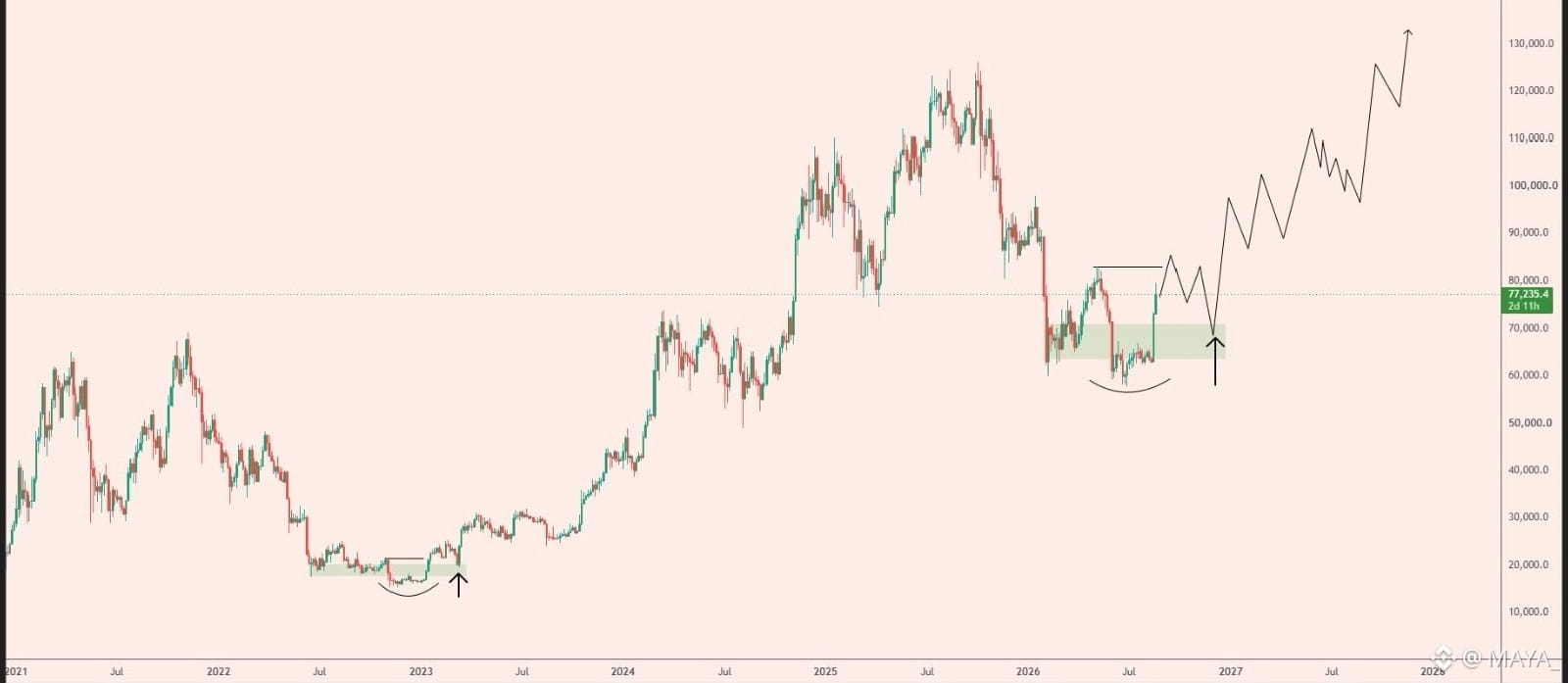
僕が注目しているレベルがあって、正直言うと2022年に起きたことにすごく似ています。
面白いのは、グリーンゾーンそのものだけじゃありません。価格がそこに到達して反転が見え始めるときに何が起きるかです。もし、そのエリアに鋭いフラッシュが1回入って、価格が回復する前に後乗せのロングを一掃できれば、セットアップはもっと面白くなるかもしれません。
同じ動きがそのまま再現される必要があると言っているわけではありません。市場は過去を完全にコピーすることはめったにありません。でも、構造はどこか見覚えがあると感じることがあります。
歴史はまったく同じように繰り返されません。けれど、韻を踏みます。
ここでは忍耐が大事です。まず価格にその考えを確認させてから、行動します。
$BTC 🚀🚀🚀🔥
僕が注目しているレベルがあって、正直言うと2022年に起きたことにすごく似ています。
面白いのは、グリーンゾーンそのものだけじゃありません。価格がそこに到達して反転が見え始めるときに何が起きるかです。もし、そのエリアに鋭いフラッシュが1回入って、価格が回復する前に後乗せのロングを一掃できれば、セットアップはもっと面白くなるかもしれません。
同じ動きがそのまま再現される必要があると言っているわけではありません。市場は過去を完全にコピーすることはめったにありません。でも、構造はどこか見覚えがあると感じることがあります。
歴史はまったく同じように繰り返されません。けれど、韻を踏みます。
ここでは忍耐が大事です。まず価格にその考えを確認させてから、行動します。
ログインして、さらにコンテンツを読む