

#usmca
usmca
閲覧回数 50,638
88人が討論中
注目
最新


·
--
ブリッシュ
USMCAがレビューを控えて加熱中、アメリカとメキシコが農業とエネルギーについて議論
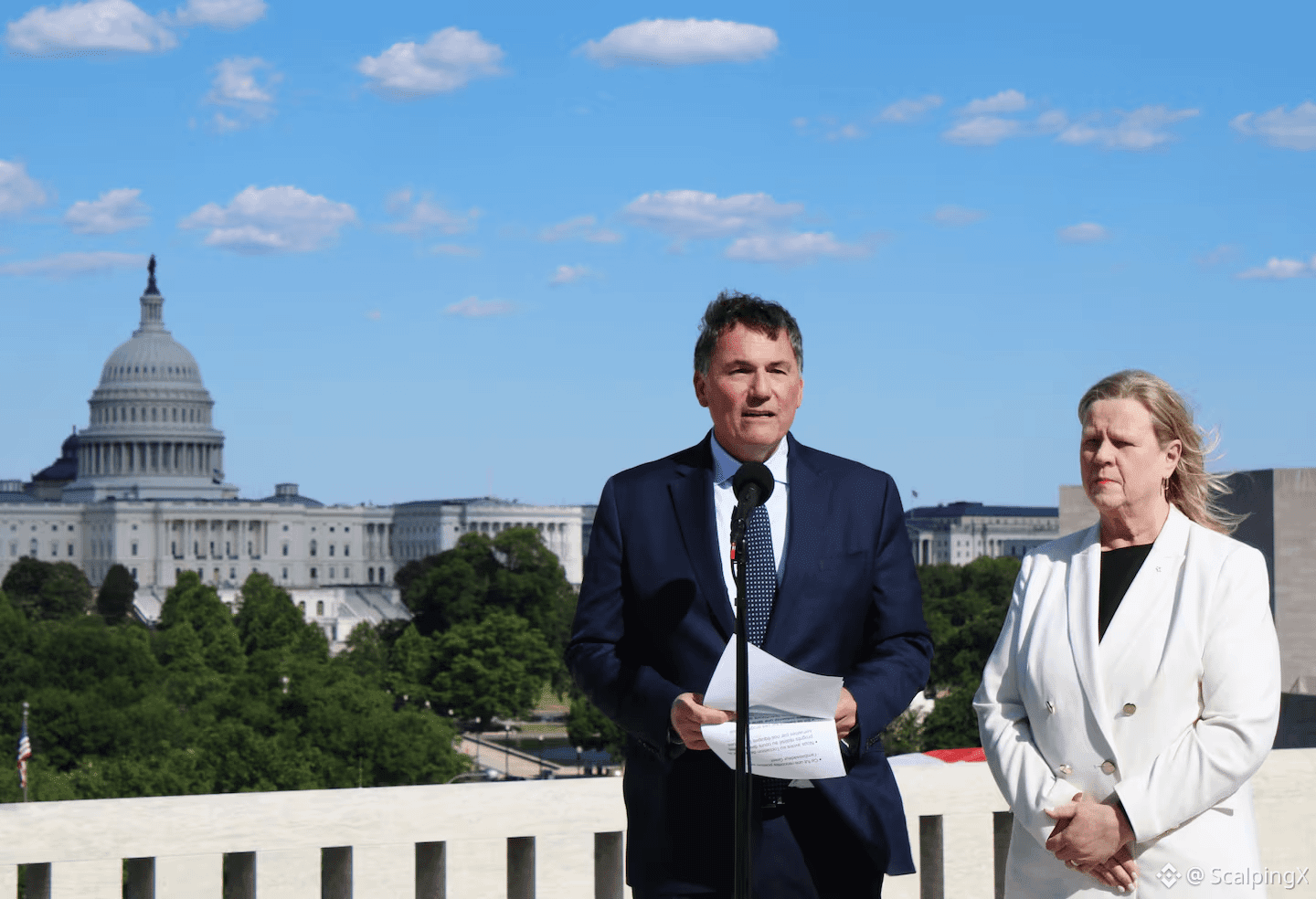
🌾 アメリカとメキシコは、6月16〜17日にワシントンで新たな交渉に入っており、農業とエネルギーが議題の中心となっています。このタイミングは、7月初旬の最初のUSMCAレビューが近づいているため、重要です。
⚖️ 市場はトランプ政権が貿易圧力をどのように利用して北米のパートナーに譲歩を迫るかを注視しています。彼の取引延長に対する公の疑念は政策の不確実性を招いていますが、これが即座の貿易ショックには至っていません。
🌽 農業に関して、ワシントンはゼロ関税貿易を保護し、特にGMOトウモロコシ、エタノール、米国の主要農産物のメキシコへの市場アクセスを拡大しようとしています。緊張が続く場合、トウモロコシ、大豆、農業関連株は交渉のヘッドラインに対してより敏感になるかもしれません。
🛢️ エネルギーに関しては、主な摩擦はペメックスやCFEなどの企業を通じたメキシコの強い州の管理から来ています。これにより、アメリカでは投資環境への懸念が高まっていますが、メキシコはエネルギーセクターに対する戦略的コントロールを維持したいと考えています。
📌 短期的には、USMCAの即時崩壊ではなく、より長期的で不確実なレビュー過程が主なリスクです。次に注目すべきシグナルは、6月16〜17日の会議の結果、両サイドからのコメント、7月の次の交渉ラウンドです。
#USMCA $BTC $ETH $SOL
USMCAがレビューを控えて加熱中、アメリカとメキシコが農業とエネルギーについて議論
🌾 アメリカとメキシコは、6月16〜17日にワシントンで新たな交渉に入っており、農業とエネルギーが議題の中心となっています。このタイミングは、7月初旬の最初のUSMCAレビューが近づいているため、重要です。
⚖️ 市場はトランプ政権が貿易圧力をどのように利用して北米のパートナーに譲歩を迫るかを注視しています。彼の取引延長に対する公の疑念は政策の不確実性を招いていますが、これが即座の貿易ショックには至っていません。
🌽 農業に関して、ワシントンはゼロ関税貿易を保護し、特にGMOトウモロコシ、エタノール、米国の主要農産物のメキシコへの市場アクセスを拡大しようとしています。緊張が続く場合、トウモロコシ、大豆、農業関連株は交渉のヘッドラインに対してより敏感になるかもしれません。
🛢️ エネルギーに関しては、主な摩擦はペメックスやCFEなどの企業を通じたメキシコの強い州の管理から来ています。これにより、アメリカでは投資環境への懸念が高まっていますが、メキシコはエネルギーセクターに対する戦略的コントロールを維持したいと考えています。
📌 短期的には、USMCAの即時崩壊ではなく、より長期的で不確実なレビュー過程が主なリスクです。次に注目すべきシグナルは、6月16〜17日の会議の結果、両サイドからのコメント、7月の次の交渉ラウンドです。
#USMCA $BTC $ETH $SOL
🌾 アメリカとメキシコは、6月16〜17日にワシントンで新たな交渉に入っており、農業とエネルギーが議題の中心となっています。このタイミングは、7月初旬の最初のUSMCAレビューが近づいているため、重要です。
⚖️ 市場はトランプ政権が貿易圧力をどのように利用して北米のパートナーに譲歩を迫るかを注視しています。彼の取引延長に対する公の疑念は政策の不確実性を招いていますが、これが即座の貿易ショックには至っていません。
🌽 農業に関して、ワシントンはゼロ関税貿易を保護し、特にGMOトウモロコシ、エタノール、米国の主要農産物のメキシコへの市場アクセスを拡大しようとしています。緊張が続く場合、トウモロコシ、大豆、農業関連株は交渉のヘッドラインに対してより敏感になるかもしれません。
🛢️ エネルギーに関しては、主な摩擦はペメックスやCFEなどの企業を通じたメキシコの強い州の管理から来ています。これにより、アメリカでは投資環境への懸念が高まっていますが、メキシコはエネルギーセクターに対する戦略的コントロールを維持したいと考えています。
📌 短期的には、USMCAの即時崩壊ではなく、より長期的で不確実なレビュー過程が主なリスクです。次に注目すべきシグナルは、6月16〜17日の会議の結果、両サイドからのコメント、7月の次の交渉ラウンドです。
#USMCA $BTC $ETH $SOL
221


·
--
トランプが直接USMCAの継続を拒否、北米貿易は言うなりで“裂く”ことに。
サプライチェーンにもまた混乱が増え、インフレ期待はさらに押し上げられそうで、利下げのチャンスは先送りになって遠のく一方。
BTCは深夜に少し下げても不思議ではない。マクロのリスク回避が第一反応としてリスク資産を叩きにいくのが筋で、7万という節目はしっかり耐えなければならない。
🚨 #USMCA $BTC
{future}(BTCUSDT)
トランプが直接USMCAの継続を拒否、北米貿易は言うなりで“裂く”ことに。
サプライチェーンにもまた混乱が増え、インフレ期待はさらに押し上げられそうで、利下げのチャンスは先送りになって遠のく一方。
BTCは深夜に少し下げても不思議ではない。マクロのリスク回避が第一反応としてリスク資産を叩きにいくのが筋で、7万という節目はしっかり耐えなければならない。
🚨 #USMCA $BTC
サプライチェーンにもまた混乱が増え、インフレ期待はさらに押し上げられそうで、利下げのチャンスは先送りになって遠のく一方。
BTCは深夜に少し下げても不思議ではない。マクロのリスク回避が第一反応としてリスク資産を叩きにいくのが筋で、7万という節目はしっかり耐えなければならない。
🚨 #USMCA $BTC
238


·
--
ブリッシュ
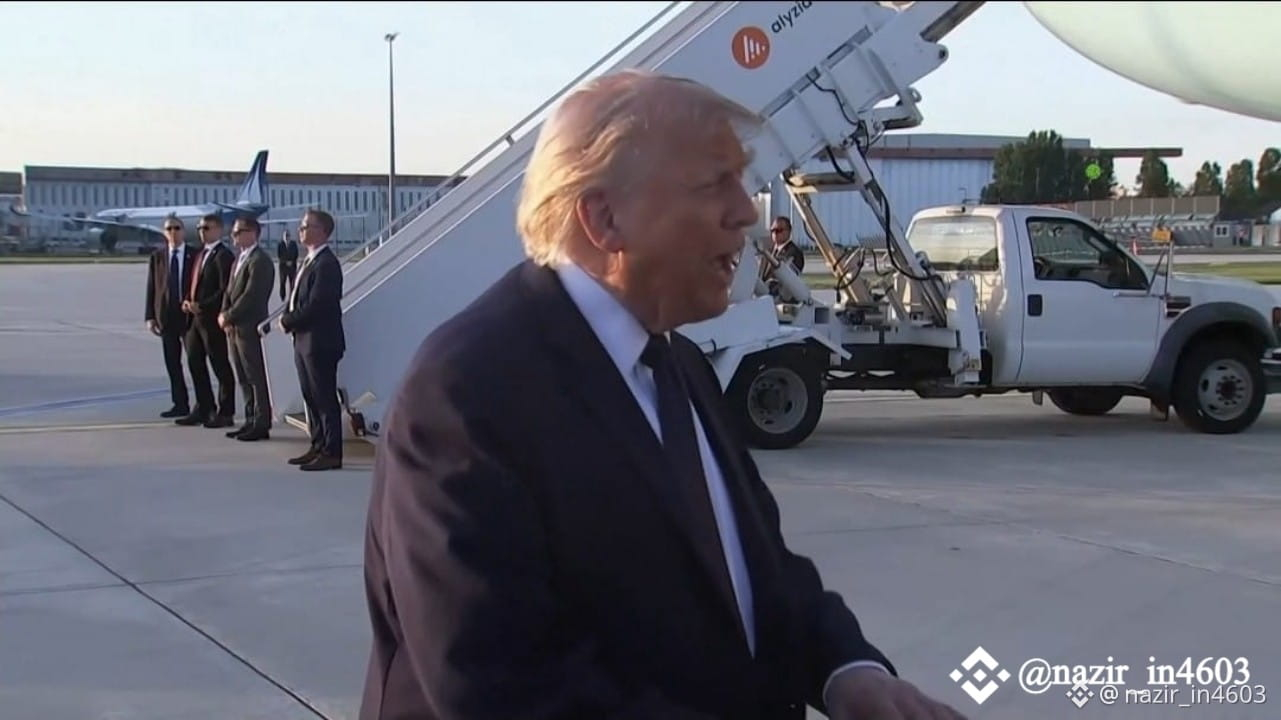
🚨 緊急速報: トランプ大統領、USMCA貿易枠組みからの脱退の可能性を示唆(米国–メキシコ–カナダ協定)
彼は、米国がこの合意から撤退する可能性があると示唆し、国が「それなしの方が良いかもしれない」と主張しました。
トランプ大統領はNAFTAに対する長年の批判を繰り返し、それを過去の「悪い取引」と呼び、USMCAの下での継続が本当に米国経済に利益をもたらすのか疑問を呈しました。
彼の発言からの重要なトーン: 修正された合意が追求されるかどうかに対する不確実性があり、完全に終了することにもオープンです。
市場は、北米の貿易政策の変化が国境を越えたサプライチェーン、製造フロー、リスク感情に影響を与える可能性があるため、注意深く見守るかもしれません。
$SYN | $MITO | $ATOM
#BREAKING #US #TradeWar #TRUMP #USMCA #CryptoMarkets
{future}(SYNUSDT)
{future}(MITOUSDT)
{future}(ATOMUSDT)
🚨 緊急速報: トランプ大統領、USMCA貿易枠組みからの脱退の可能性を示唆(米国–メキシコ–カナダ協定)
彼は、米国がこの合意から撤退する可能性があると示唆し、国が「それなしの方が良いかもしれない」と主張しました。
トランプ大統領はNAFTAに対する長年の批判を繰り返し、それを過去の「悪い取引」と呼び、USMCAの下での継続が本当に米国経済に利益をもたらすのか疑問を呈しました。
彼の発言からの重要なトーン: 修正された合意が追求されるかどうかに対する不確実性があり、完全に終了することにもオープンです。
市場は、北米の貿易政策の変化が国境を越えたサプライチェーン、製造フロー、リスク感情に影響を与える可能性があるため、注意深く見守るかもしれません。
$SYN | $MITO | $ATOM
#BREAKING #US #TradeWar #TRUMP #USMCA #CryptoMarkets
彼は、米国がこの合意から撤退する可能性があると示唆し、国が「それなしの方が良いかもしれない」と主張しました。
トランプ大統領はNAFTAに対する長年の批判を繰り返し、それを過去の「悪い取引」と呼び、USMCAの下での継続が本当に米国経済に利益をもたらすのか疑問を呈しました。
彼の発言からの重要なトーン: 修正された合意が追求されるかどうかに対する不確実性があり、完全に終了することにもオープンです。
市場は、北米の貿易政策の変化が国境を越えたサプライチェーン、製造フロー、リスク感情に影響を与える可能性があるため、注意深く見守るかもしれません。
$SYN | $MITO | $ATOM
#BREAKING #US #TradeWar #TRUMP #USMCA #CryptoMarkets
3
189

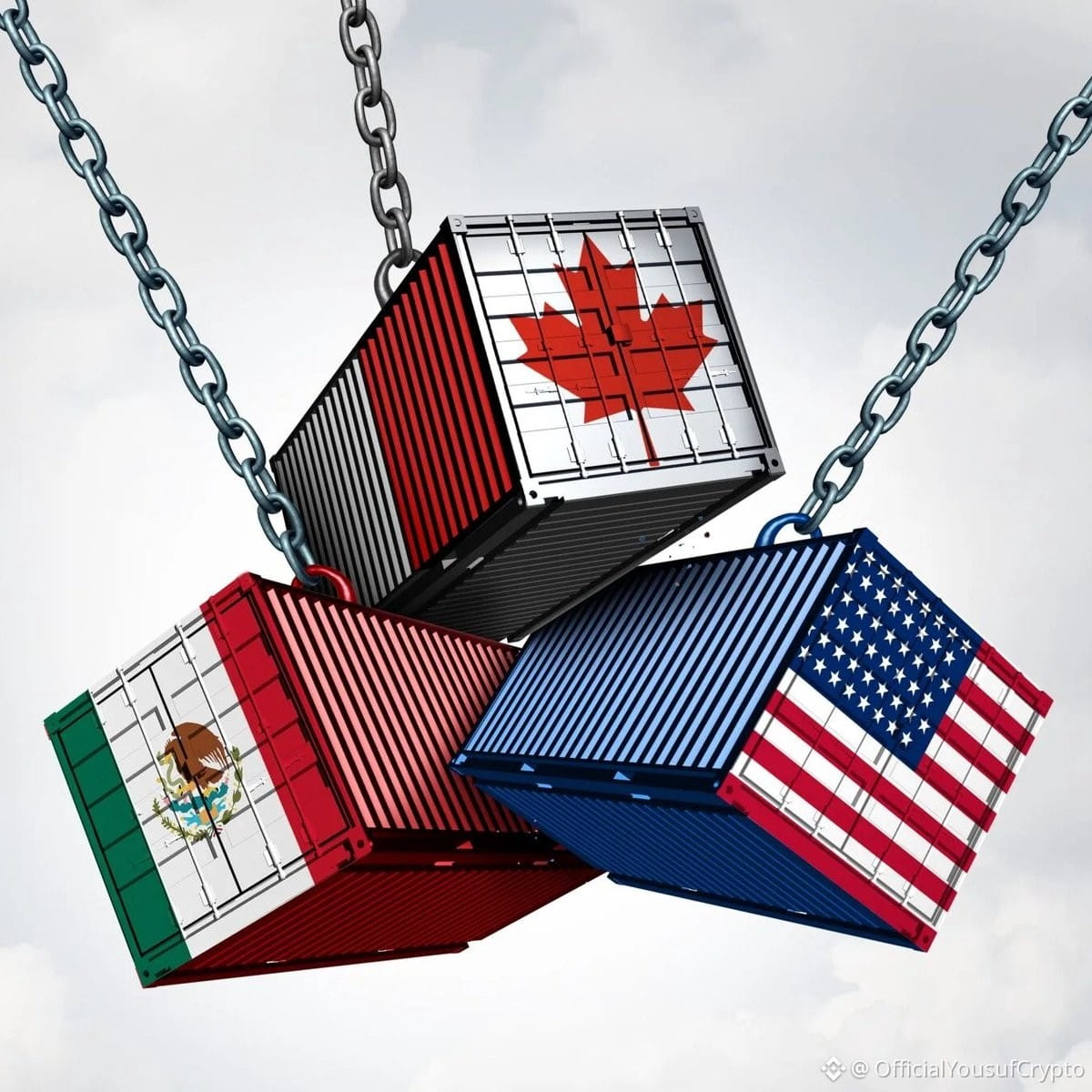
🇺🇸 北米の2兆ドル貿易協定が不確実性に直面
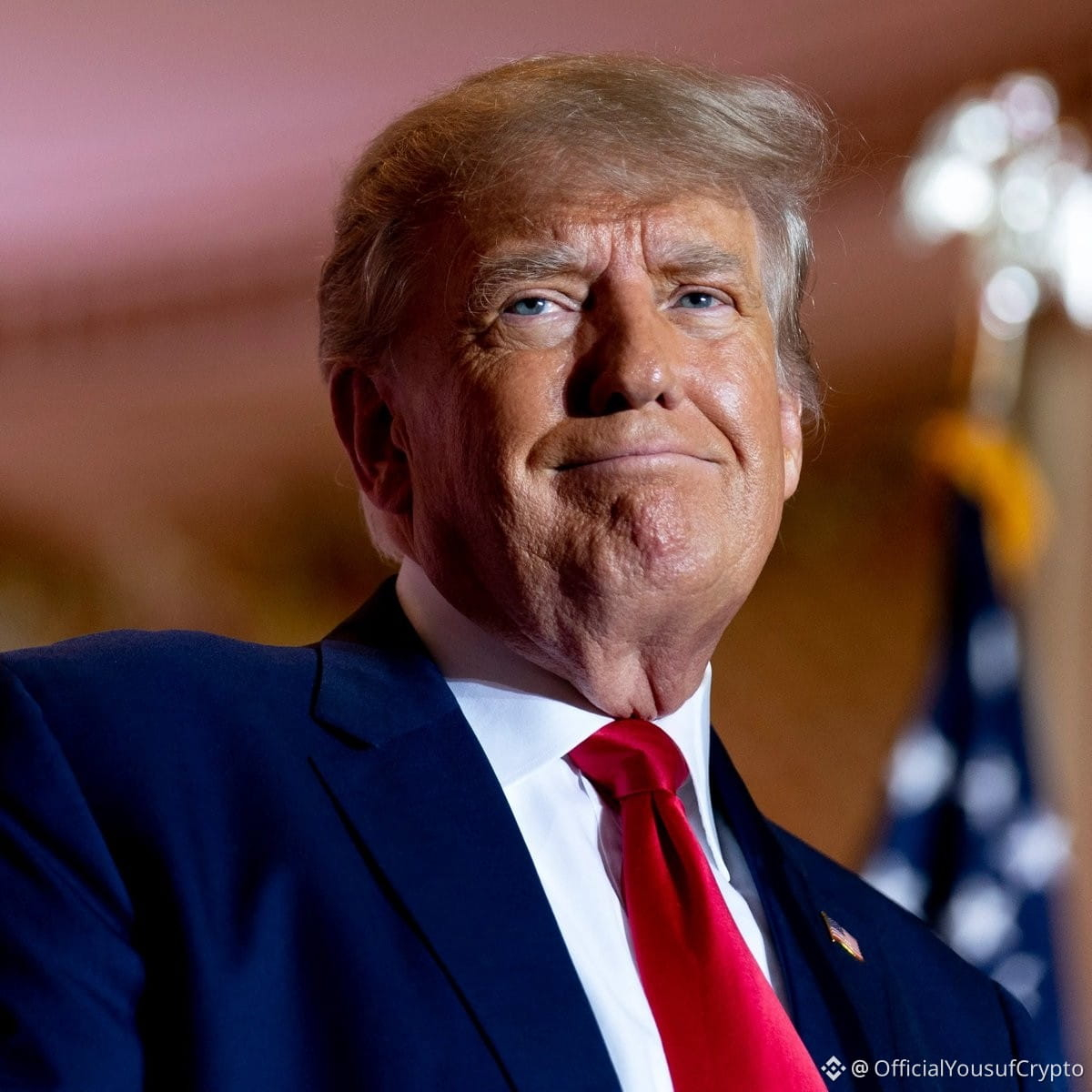
トランプ政権は、7月1日の期限前にUSMCA(米国・メキシコ・カナダ協定)の延長を行わないことを決定し、世界最大級の貿易案件の将来が問われています。
この協定は、米国、カナダ、メキシコにまたがる自動車、食品、エネルギー、エレクトロニクスなどの主要産業に影響します。
現時点では取引は有効のままですが、今後は毎年の見直しを経ることになり、新たな合意が成立しない場合、最終的に2036年に期限切れとなる可能性があります。
この貿易協定に変更が生じれば、企業、サプライチェーン、そしてより広い経済に大きな影響が出る可能性があるため、市場は注視することになります。📈🌎
#USMCA #Trump #TradeDeal #Economy #Markets
$ALLO
{future}(ALLOUSDT)
$RIVN
{future}(RIVNUSDT)
🇺🇸 北米の2兆ドル貿易協定が不確実性に直面
トランプ政権は、7月1日の期限前にUSMCA(米国・メキシコ・カナダ協定)の延長を行わないことを決定し、世界最大級の貿易案件の将来が問われています。
この協定は、米国、カナダ、メキシコにまたがる自動車、食品、エネルギー、エレクトロニクスなどの主要産業に影響します。
現時点では取引は有効のままですが、今後は毎年の見直しを経ることになり、新たな合意が成立しない場合、最終的に2036年に期限切れとなる可能性があります。
この貿易協定に変更が生じれば、企業、サプライチェーン、そしてより広い経済に大きな影響が出る可能性があるため、市場は注視することになります。📈🌎
#USMCA #Trump #TradeDeal #Economy #Markets
$ALLO
$RIVN
トランプ政権は、7月1日の期限前にUSMCA(米国・メキシコ・カナダ協定)の延長を行わないことを決定し、世界最大級の貿易案件の将来が問われています。
この協定は、米国、カナダ、メキシコにまたがる自動車、食品、エネルギー、エレクトロニクスなどの主要産業に影響します。
現時点では取引は有効のままですが、今後は毎年の見直しを経ることになり、新たな合意が成立しない場合、最終的に2036年に期限切れとなる可能性があります。
この貿易協定に変更が生じれば、企業、サプライチェーン、そしてより広い経済に大きな影響が出る可能性があるため、市場は注視することになります。📈🌎
#USMCA #Trump #TradeDeal #Economy #Markets
$ALLO
$RIVN
189


本人確認中
記事
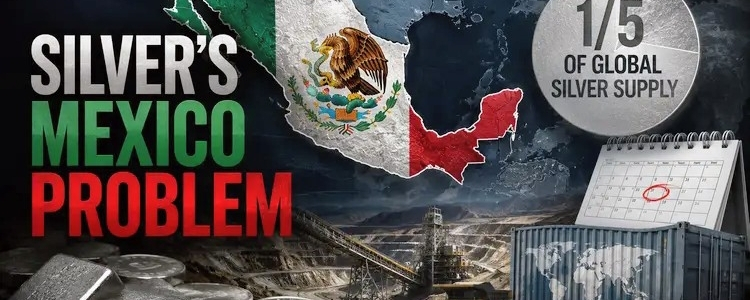
シルバーの供給網の確実性の変化:USMCAの年間カウントが投資家に意味するものシルバーの構造的な根拠は長い間、明確な現実に支えられてきました。市場は連続6回目となる年間の赤字に向けて順調に進んでおり、世界は常に生産量よりも多くのシルバーを消費しているのです。しかし、物理的な赤字は変わらない一方で、その供給を取り巻く地政学的な枠組みは大きく変化しました。
Kitco Commentariesの最近の分析で、プシェミスワフ・ラドムスキは、シルバー投資家が見過ごせないワシントン発の2つの主要な政策展開を分解しています:
シルバーの供給網の確実性の変化:USMCAの年間カウントが投資家に意味するもの
シルバーの構造的な根拠は長い間、明確な現実に支えられてきました。市場は連続6回目となる年間の赤字に向けて順調に進んでおり、世界は常に生産量よりも多くのシルバーを消費しているのです。しかし、物理的な赤字は変わらない一方で、その供給を取り巻く地政学的な枠組みは大きく変化しました。
Kitco Commentariesの最近の分析で、プシェミスワフ・ラドムスキは、シルバー投資家が見過ごせないワシントン発の2つの主要な政策展開を分解しています:
Kitco Commentariesの最近の分析で、プシェミスワフ・ラドムスキは、シルバー投資家が見過ごせないワシントン発の2つの主要な政策展開を分解しています:
199




🚨 トランプ氏、USMCA貿易協定の更新を拒否
北米の通商政策に大きな転換が起きる可能性があります。
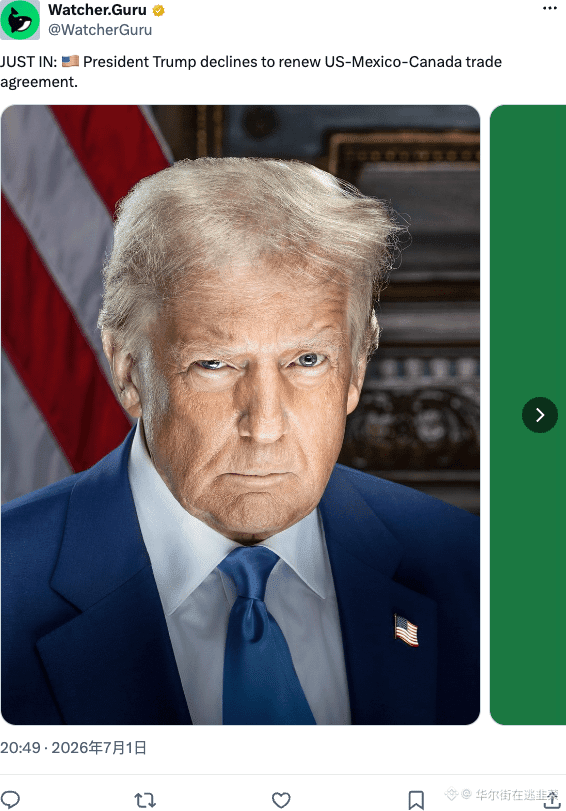
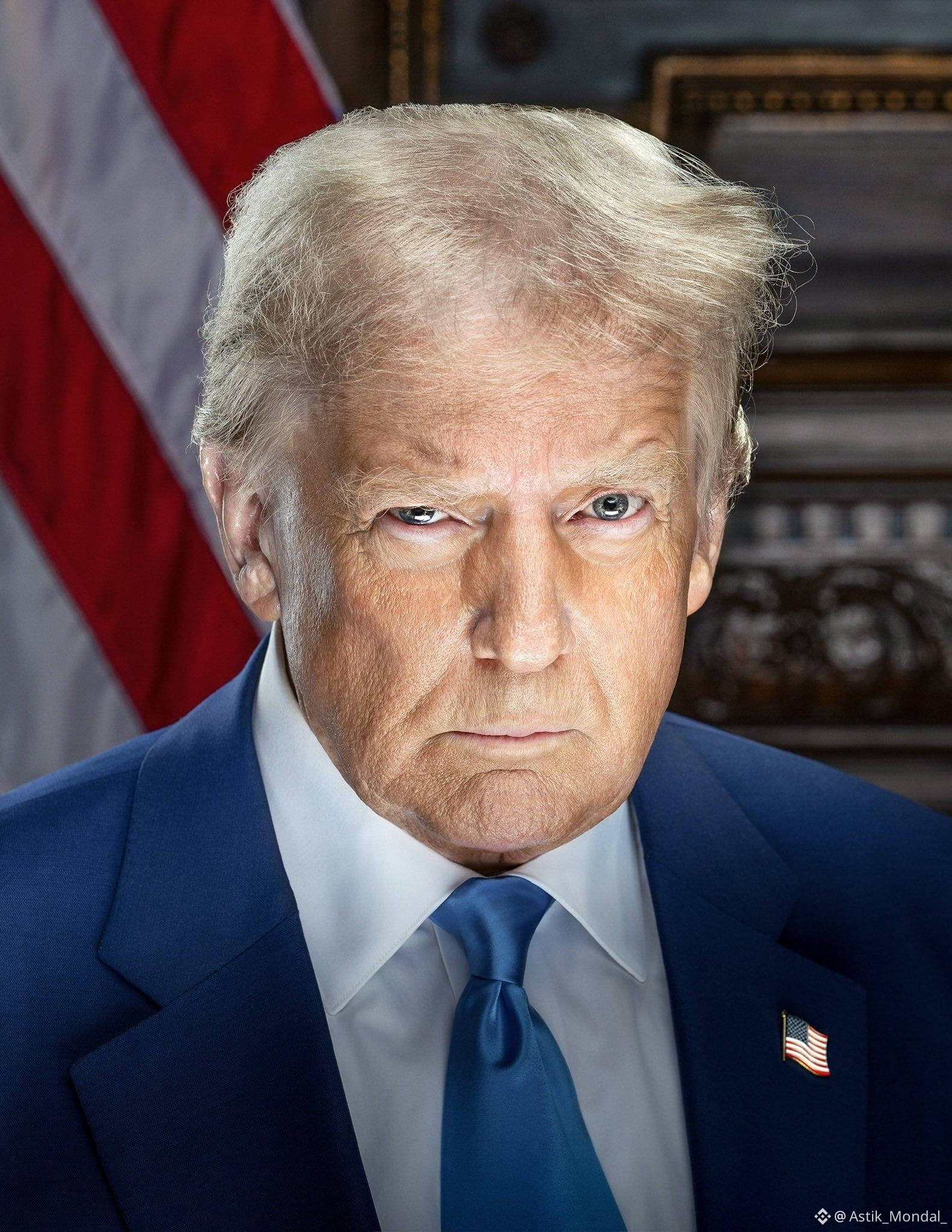
トランプ大統領は、米国・メキシコ・カナダ間の貿易協定の更新を拒否しました。
この判断が維持されれば、世界最大級の通商協定の一つについて交渉が再び始まる可能性があり、生産、サプライチェーン、自動車、農業、そして国境をまたぐ投資に大きな影響を及ぼすことになります。
これから市場はホワイトハウスの次の動きを注視することになります。
これにより、より厳しい通商交渉が進むのか...
それとも、貿易の不確実性が新たに波のように広がる始まりなのか?
いずれにせよ、これは投資家が無視できない重要なニュースです。
#Trump #USMCA #Trade #Markets #BreakingNews
🚨 トランプ氏、USMCA貿易協定の更新を拒否
北米の通商政策に大きな転換が起きる可能性があります。
トランプ大統領は、米国・メキシコ・カナダ間の貿易協定の更新を拒否しました。
この判断が維持されれば、世界最大級の通商協定の一つについて交渉が再び始まる可能性があり、生産、サプライチェーン、自動車、農業、そして国境をまたぐ投資に大きな影響を及ぼすことになります。
これから市場はホワイトハウスの次の動きを注視することになります。
これにより、より厳しい通商交渉が進むのか...
それとも、貿易の不確実性が新たに波のように広がる始まりなのか?
いずれにせよ、これは投資家が無視できない重要なニュースです。
#Trump #USMCA #Trade #Markets #BreakingNews
北米の通商政策に大きな転換が起きる可能性があります。
トランプ大統領は、米国・メキシコ・カナダ間の貿易協定の更新を拒否しました。
この判断が維持されれば、世界最大級の通商協定の一つについて交渉が再び始まる可能性があり、生産、サプライチェーン、自動車、農業、そして国境をまたぐ投資に大きな影響を及ぼすことになります。
これから市場はホワイトハウスの次の動きを注視することになります。
これにより、より厳しい通商交渉が進むのか...
それとも、貿易の不確実性が新たに波のように広がる始まりなのか?
いずれにせよ、これは投資家が無視できない重要なニュースです。
#Trump #USMCA #Trade #Markets #BreakingNews
46
·
--
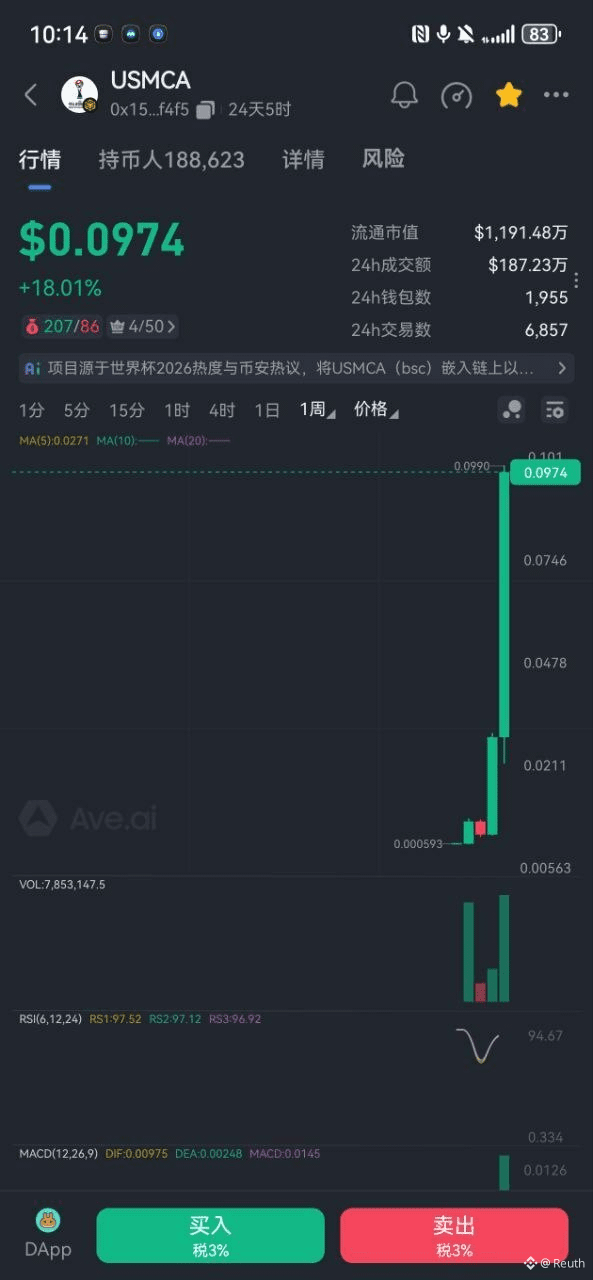
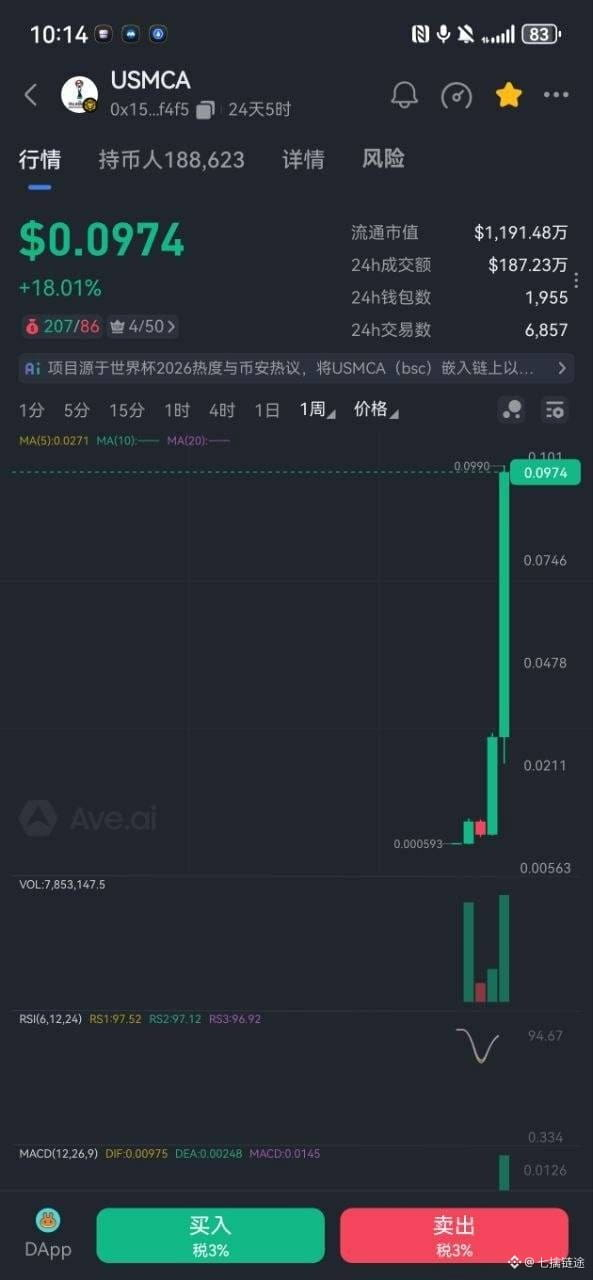
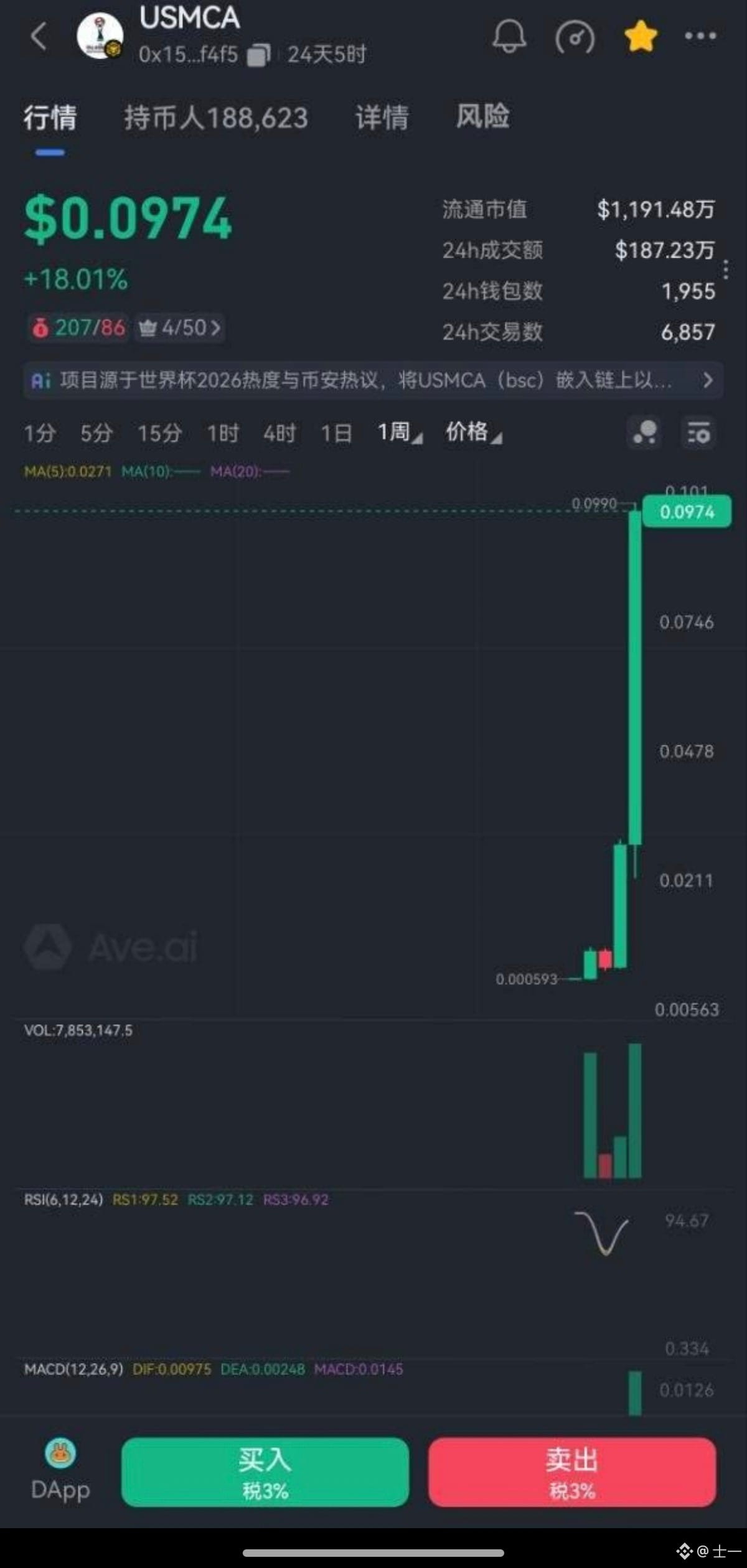
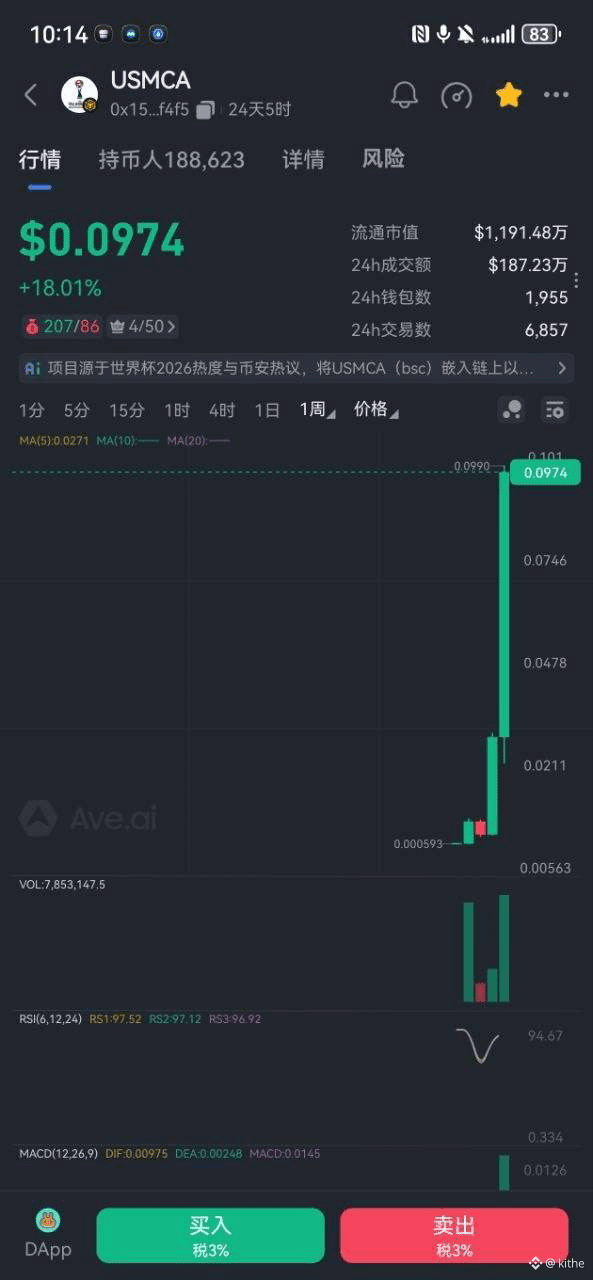
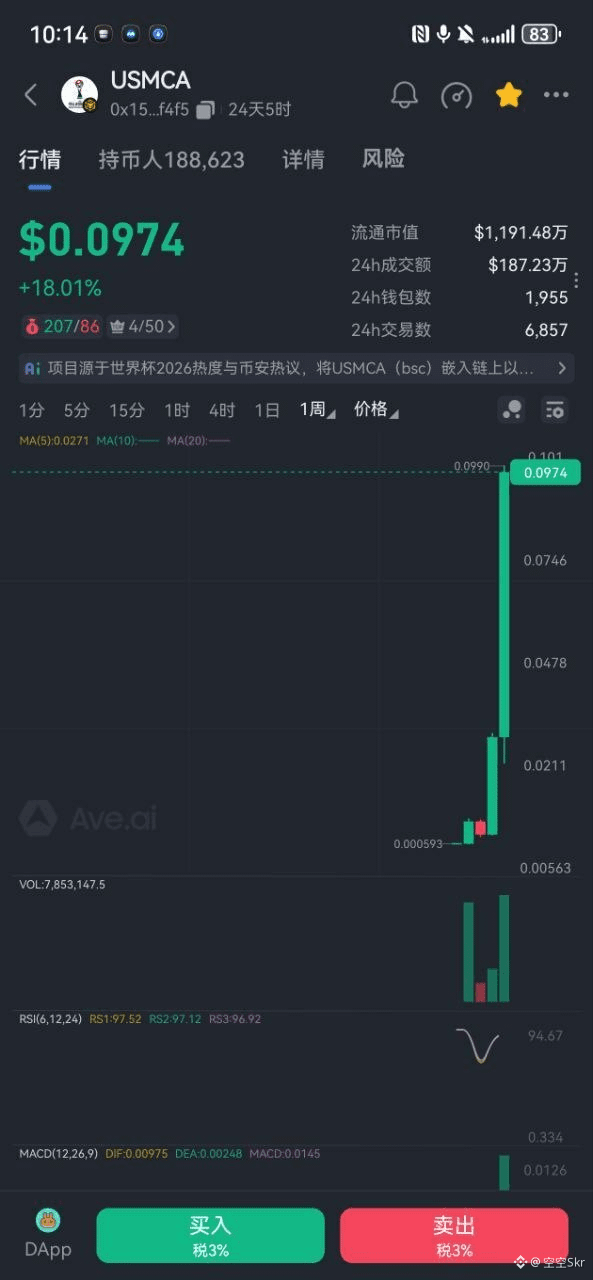
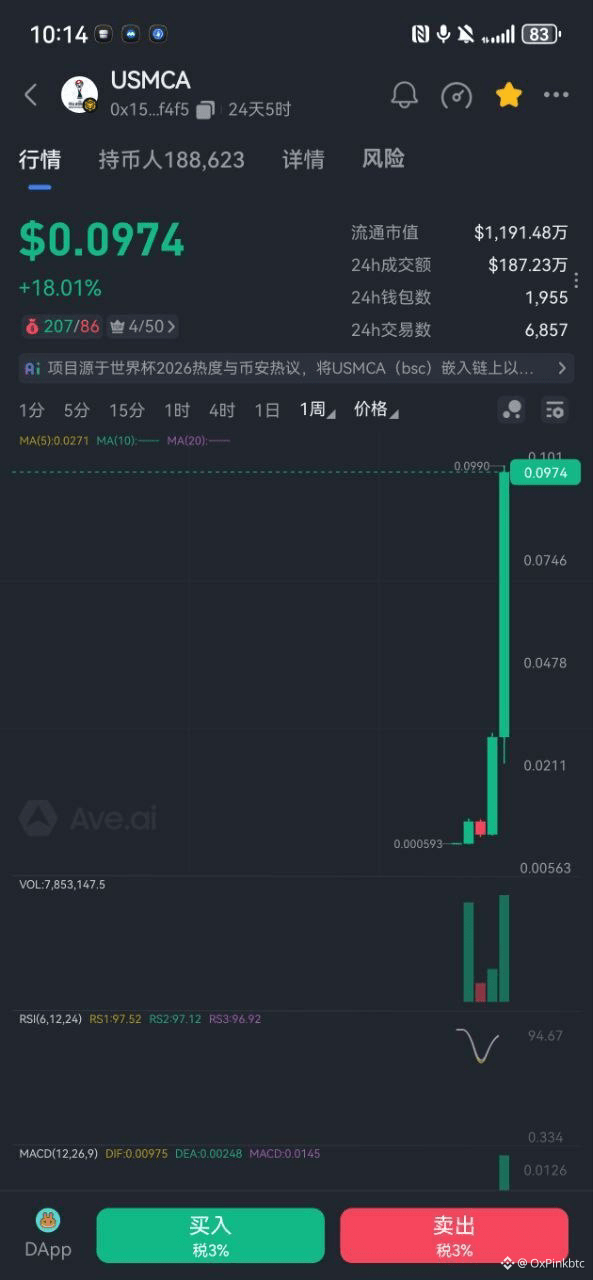
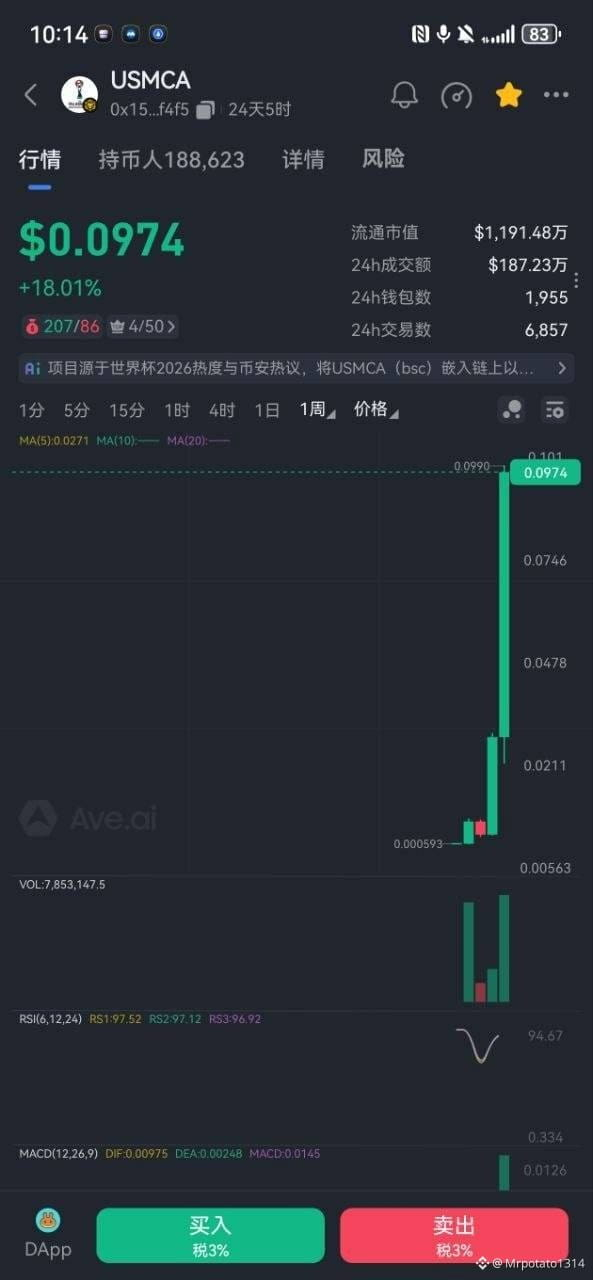
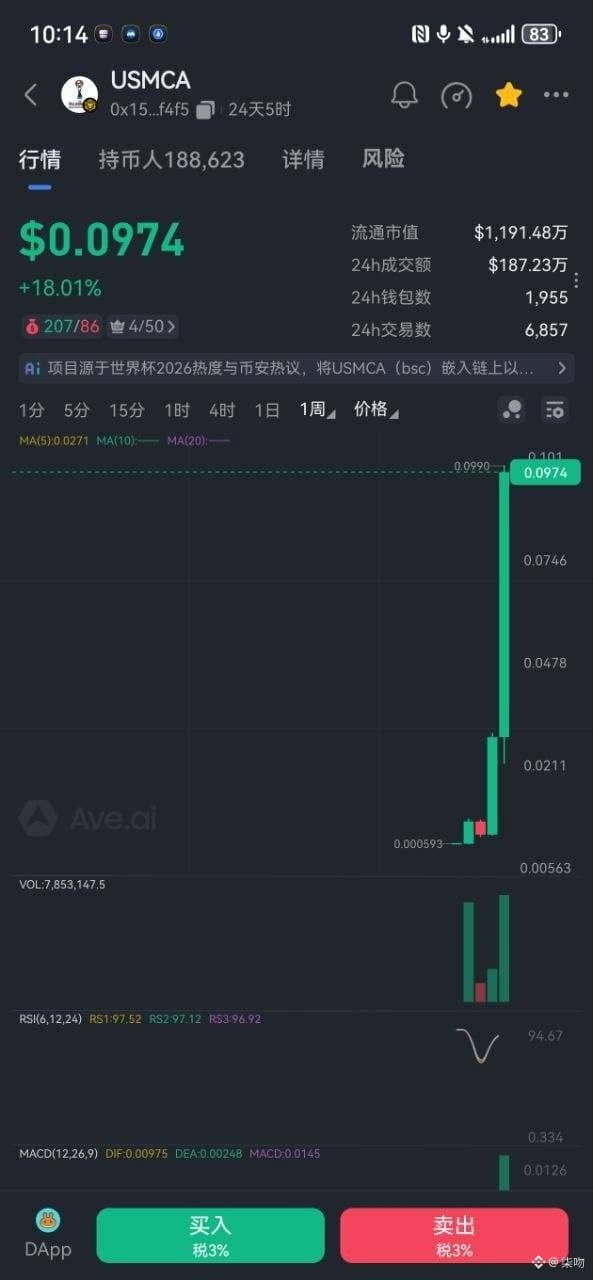
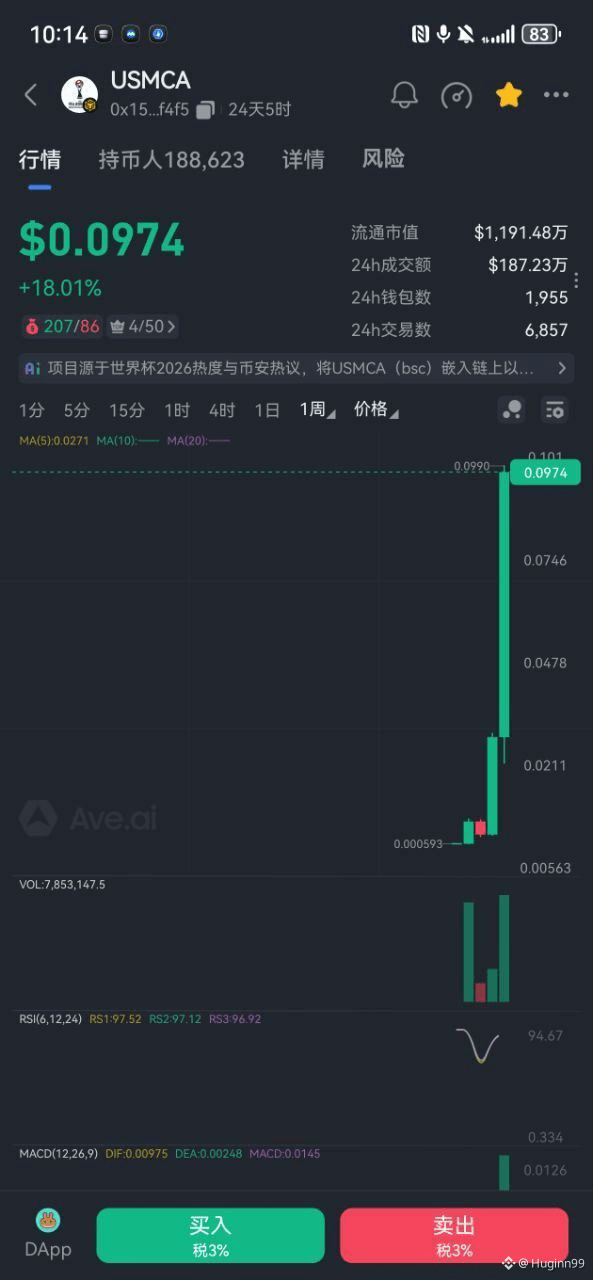
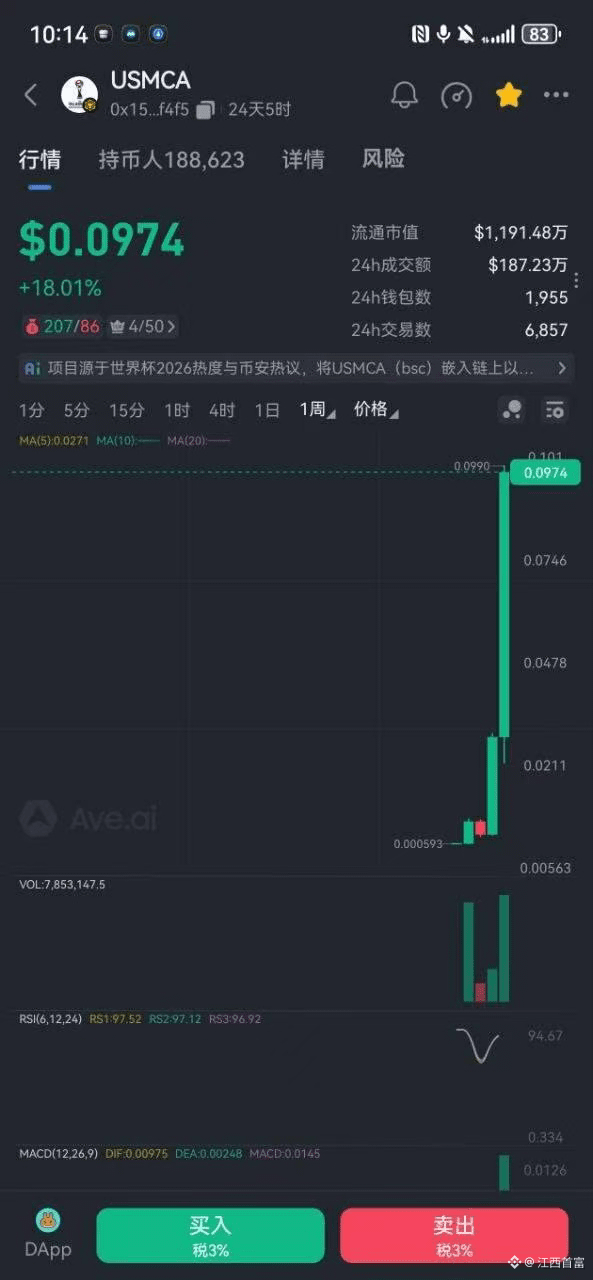
#USMCA 0x15e1113E9820c357A193710F91b3508fDD0DF4F5
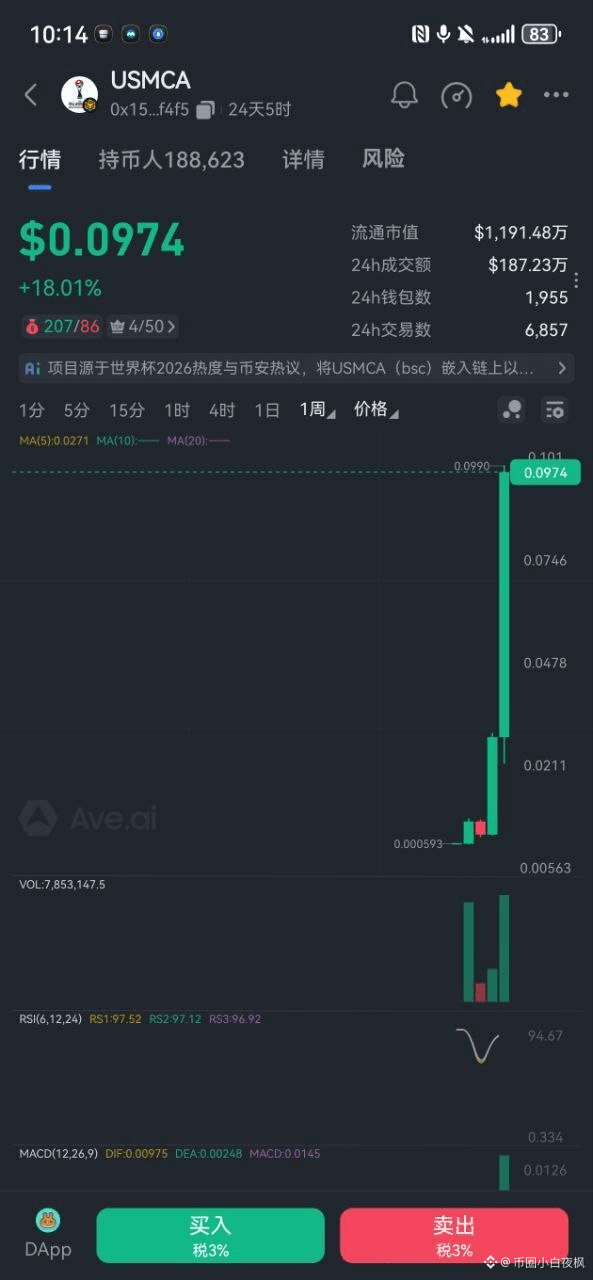
#USMCA 0x15e1113E9820c357A193710F91b3508fDD0DF4F5
14


·
--
本音でひとこと言う:
BSCの熱は“風”じゃない、“潮”だ。#バイナンス人生 最初の波を起こす。#USMCA は、たぶん次の波の波頭で最も小さいものかもしれないが、しかし往々にして一番小さい波頭ほど、最も遠くまで到達する。
自分で判断して、俺を信じるな。
本音でひとこと言う:
BSCの熱は“風”じゃない、“潮”だ。#バイナンス人生 最初の波を起こす。#USMCA は、たぶん次の波の波頭で最も小さいものかもしれないが、しかし往々にして一番小さい波頭ほど、最も遠くまで到達する。
自分で判断して、俺を信じるな。
BSCの熱は“風”じゃない、“潮”だ。#バイナンス人生 最初の波を起こす。#USMCA は、たぶん次の波の波頭で最も小さいものかもしれないが、しかし往々にして一番小さい波頭ほど、最も遠くまで到達する。
自分で判断して、俺を信じるな。
7
3.3k


·
--
カナダ、貿易再生を目指す 🚀
カナダはUSMCA貿易協定を16年間更新しようとしており、今後の自由貿易交渉でセクター特有の関税について議論することに重点を置いています。この動きは、市場に大きな影響を与えると予想されており、特に関税の影響を受けたセクターにおいて顕著です。貿易協定の更新は、カナダ、米国、メキシコ間の貿易を促進し、経済活動と投資を増加させる可能性があります。市場への影響は注視されることになるでしょう。関税や貿易政策の変更は、ビジネスや投資家にとって広範な影響を及ぼす可能性があります。
#TradeTalks #USMCA #EconomicGrowth #FreeTrade #マーケット
カナダ、貿易再生を目指す 🚀
カナダはUSMCA貿易協定を16年間更新しようとしており、今後の自由貿易交渉でセクター特有の関税について議論することに重点を置いています。この動きは、市場に大きな影響を与えると予想されており、特に関税の影響を受けたセクターにおいて顕著です。貿易協定の更新は、カナダ、米国、メキシコ間の貿易を促進し、経済活動と投資を増加させる可能性があります。市場への影響は注視されることになるでしょう。関税や貿易政策の変更は、ビジネスや投資家にとって広範な影響を及ぼす可能性があります。
#TradeTalks #USMCA #EconomicGrowth #FreeTrade #マーケット
カナダはUSMCA貿易協定を16年間更新しようとしており、今後の自由貿易交渉でセクター特有の関税について議論することに重点を置いています。この動きは、市場に大きな影響を与えると予想されており、特に関税の影響を受けたセクターにおいて顕著です。貿易協定の更新は、カナダ、米国、メキシコ間の貿易を促進し、経済活動と投資を増加させる可能性があります。市場への影響は注視されることになるでしょう。関税や貿易政策の変更は、ビジネスや投資家にとって広範な影響を及ぼす可能性があります。
#TradeTalks #USMCA #EconomicGrowth #FreeTrade #マーケット
10


ログインして、さらにコンテンツを読む
厳選トピックで世界の暗号資産トレーダーの仲間入り
⚡️ 暗号資産に関する最新かつ有益な情報が見つかります。
💬 世界最大の暗号資産取引所から信頼されています。
👍 認証を受けたクリエイターから、有益なインサイトを得られます。
メール / 電話番号
トレンドトピック
1
#ZcashETFPostsFirstWeeklyOutflow$93.6M
閲覧回数 44,078
138人が討論中
2
#GreekPoliceBustCryptoScamRingArrest17
閲覧回数 109,205
822人が討論中
3
#BitcoinRejectedAt$87K
閲覧回数 137,584
195人が討論中
4
#FedOctoberRateHikeOddsFallTo17%
閲覧回数 138,234
1,079人が討論中
5
#NvidiaHitsRecordHighUp2.4%
閲覧回数 100,177
770人が討論中
6
#CanaryFilesAmendedS1ForPEPEETF
閲覧回数 25,310
536人が討論中
7
#USRussiaUkraineTalksReportedlyIncludeLukoilOilDeal
閲覧回数 37,637
511人が討論中
8
#BitcoinParesGainsAfterRallyTo$86.5K
閲覧回数 51,129
169人が討論中
9
#CerebrasSinksNearly20%OnReportNvidiaToPowerOpenAI
閲覧回数 128,662
1,156人が討論中
10
#SECProposesCryptoCustodyRules
閲覧回数 177,387
1,437人が討論中