
#cryptoderivatives
cryptoderivatives
閲覧回数 62,706
430人が討論中
注目
最新

比較:オプション vs フューチャーズ
タイトル:オプションかフューチャーズか:ポートフォリオにどちらを選ぶべき? ⚔️
内容:
どちらもデリバティブですが、フューチャーズとオプションではリスク管理が根本的に異なります。
📊 比較分析:
フューチャーズ:直線的な執行。証拠金が不足すると、直接的な清算リスクがあります。
オプション(買い):支払うプレミアムまでにリスクが上限。単純な買いでは、マージン・コールによる強制清算はありません。
柔軟性:オプションなら、複雑な戦略(ヘッジ、ボラティリティ、収益化)を実行できます。
資本の構成に合わせて、取扱いツールを調整してください。
#FuturesVsOptions #RiskManagement #CryptoDerivatives #Binance
比較:オプション vs フューチャーズ
タイトル:オプションかフューチャーズか:ポートフォリオにどちらを選ぶべき? ⚔️
内容:
どちらもデリバティブですが、フューチャーズとオプションではリスク管理が根本的に異なります。
📊 比較分析:
フューチャーズ:直線的な執行。証拠金が不足すると、直接的な清算リスクがあります。
オプション(買い):支払うプレミアムまでにリスクが上限。単純な買いでは、マージン・コールによる強制清算はありません。
柔軟性:オプションなら、複雑な戦略(ヘッジ、ボラティリティ、収益化)を実行できます。
資本の構成に合わせて、取扱いツールを調整してください。
#FuturesVsOptions #RiskManagement #CryptoDerivatives #Binance
タイトル:オプションかフューチャーズか:ポートフォリオにどちらを選ぶべき? ⚔️
内容:
どちらもデリバティブですが、フューチャーズとオプションではリスク管理が根本的に異なります。
📊 比較分析:
フューチャーズ:直線的な執行。証拠金が不足すると、直接的な清算リスクがあります。
オプション(買い):支払うプレミアムまでにリスクが上限。単純な買いでは、マージン・コールによる強制清算はありません。
柔軟性:オプションなら、複雑な戦略(ヘッジ、ボラティリティ、収益化)を実行できます。
資本の構成に合わせて、取扱いツールを調整してください。
#FuturesVsOptions #RiskManagement #CryptoDerivatives #Binance
20
·
--
#CryptoLiquidations$674MIn24H
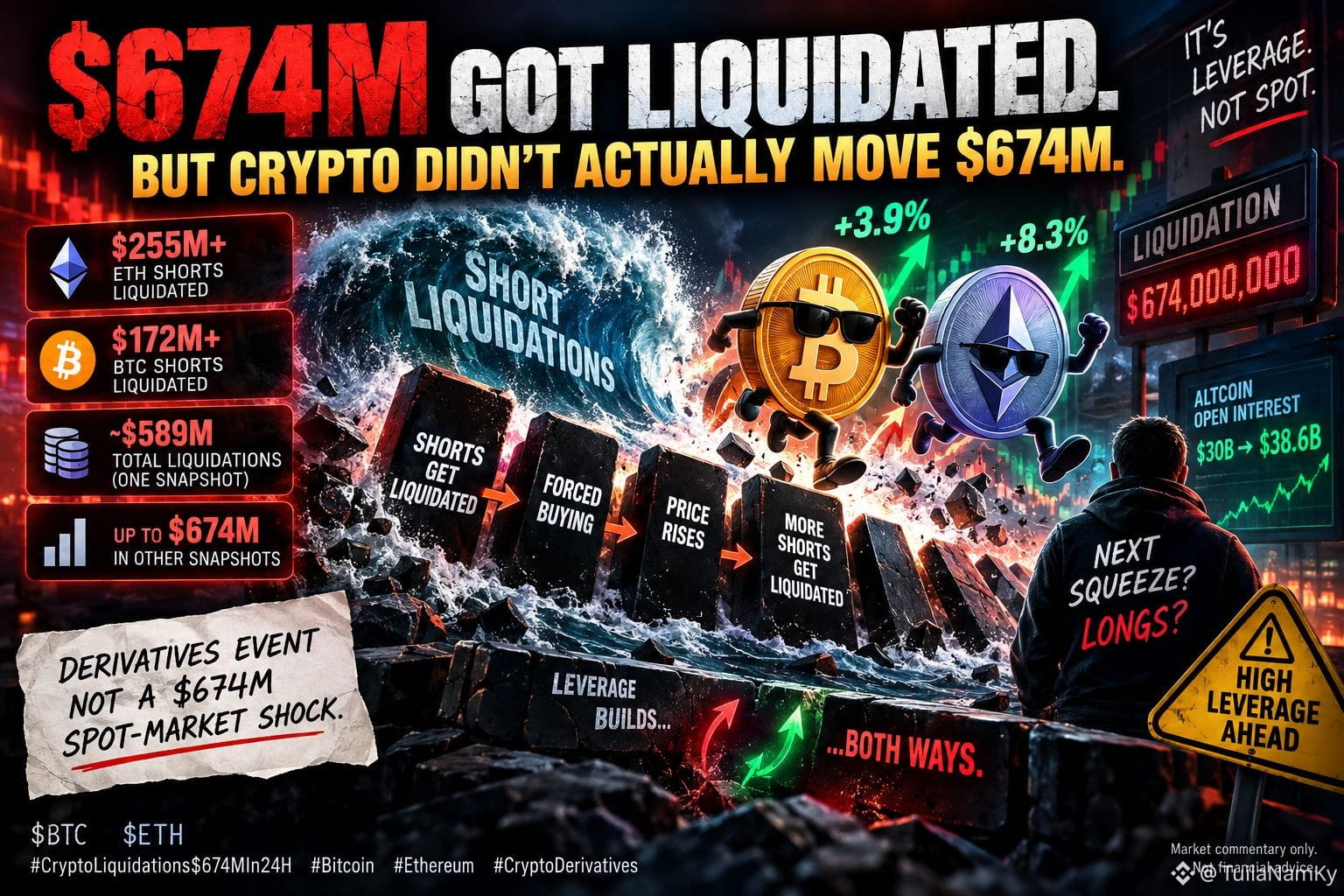
🚨 6億7400万ドルが強制清算された。だが仮想通貨は実際には6億7400万ドル分動いていない。
その見出しは恐ろしそうに聞こえます。
しかし本当の話は「レバレッジ」です。
9月11日、ETHは最大で8.3%も跳ね上がり、
一方BTCは4%未満の上昇でした。
それだけで新たなショートスクイーズ(踏み上げ)が発生しました:
ショートが清算される → 強制的な買いが入る → 価格が上がる → さらにショートが清算される。
レバレッジのドミノ倒しの典型です。👀
📊 数字は「いつ計測するか」で変わります:
→ ETHのショート清算が2億5500万ドル超
→ BTCのショート清算が1億7200万ドル超
→ あるスナップショットでは約5億8900万ドルの総清算
→ 別のスナップショットでは最大で6億7400万ドル
だからといって、誰かが突然6億7400万ドル分のスポット仮想通貨を失ったわけではありません。
清算データは、レバレッジをかけたポジションが強制的にクローズされる様子を映した、転がしの24時間スナップショットです。
そして決定的な手がかりがもう一つ:
数億ドル規模の清算があったにもかかわらず、BTCとETHのスポット価格は比較的落ち着いていました。
つまりこれは主にデリバティブ(派生商品)の出来事であり、
6億7400万ドル規模の「スポット市場ショック」ではありません。
ただし注意:多くの人が見落としていることがある 👀
レバレッジは、すでに再構築されているかもしれません。
アルトコインのオープン・インタレストは、
およそ300億ドルから386億ドルへと増加しました。
つまり次のスクイーズは、必ずしも上方向である必要はありません。
今日の燃料がショートだとしたら、明日は過剰レバレッジのロングが燃料になる可能性があります。
🧠 Squareの見解:
清算(リクイデーション)のフラッシュは、ビットコインがどこへ向かうかを教えてくれません。
それは、ビットコインの前に立ちはだかっていたレバレッジがどれほどあったかを示してくれます。
本当の問いは:
市場は実際にデレバレッジ(レバレッジ解消)したのか?
それとも、次のスクイーズを仕込んでいるだけなのか?
$BTC
{future}(BTCUSDT)
$ETH
{future}(ETHUSDT)
#Bitcoin #Ethereum #CryptoDerivatives
市場解説のみ。投資助言ではありません。
#CryptoLiquidations$674MIn24H
🚨 6億7400万ドルが強制清算された。だが仮想通貨は実際には6億7400万ドル分動いていない。
その見出しは恐ろしそうに聞こえます。
しかし本当の話は「レバレッジ」です。
9月11日、ETHは最大で8.3%も跳ね上がり、
一方BTCは4%未満の上昇でした。
それだけで新たなショートスクイーズ(踏み上げ)が発生しました:
ショートが清算される → 強制的な買いが入る → 価格が上がる → さらにショートが清算される。
レバレッジのドミノ倒しの典型です。👀
📊 数字は「いつ計測するか」で変わります:
→ ETHのショート清算が2億5500万ドル超
→ BTCのショート清算が1億7200万ドル超
→ あるスナップショットでは約5億8900万ドルの総清算
→ 別のスナップショットでは最大で6億7400万ドル
だからといって、誰かが突然6億7400万ドル分のスポット仮想通貨を失ったわけではありません。
清算データは、レバレッジをかけたポジションが強制的にクローズされる様子を映した、転がしの24時間スナップショットです。
そして決定的な手がかりがもう一つ:
数億ドル規模の清算があったにもかかわらず、BTCとETHのスポット価格は比較的落ち着いていました。
つまりこれは主にデリバティブ(派生商品)の出来事であり、
6億7400万ドル規模の「スポット市場ショック」ではありません。
ただし注意:多くの人が見落としていることがある 👀
レバレッジは、すでに再構築されているかもしれません。
アルトコインのオープン・インタレストは、
およそ300億ドルから386億ドルへと増加しました。
つまり次のスクイーズは、必ずしも上方向である必要はありません。
今日の燃料がショートだとしたら、明日は過剰レバレッジのロングが燃料になる可能性があります。
🧠 Squareの見解:
清算(リクイデーション)のフラッシュは、ビットコインがどこへ向かうかを教えてくれません。
それは、ビットコインの前に立ちはだかっていたレバレッジがどれほどあったかを示してくれます。
本当の問いは:
市場は実際にデレバレッジ(レバレッジ解消)したのか?
それとも、次のスクイーズを仕込んでいるだけなのか?
$BTC
$ETH
#Bitcoin #Ethereum #CryptoDerivatives
市場解説のみ。投資助言ではありません。
🚨 6億7400万ドルが強制清算された。だが仮想通貨は実際には6億7400万ドル分動いていない。
その見出しは恐ろしそうに聞こえます。
しかし本当の話は「レバレッジ」です。
9月11日、ETHは最大で8.3%も跳ね上がり、
一方BTCは4%未満の上昇でした。
それだけで新たなショートスクイーズ(踏み上げ)が発生しました:
ショートが清算される → 強制的な買いが入る → 価格が上がる → さらにショートが清算される。
レバレッジのドミノ倒しの典型です。👀
📊 数字は「いつ計測するか」で変わります:
→ ETHのショート清算が2億5500万ドル超
→ BTCのショート清算が1億7200万ドル超
→ あるスナップショットでは約5億8900万ドルの総清算
→ 別のスナップショットでは最大で6億7400万ドル
だからといって、誰かが突然6億7400万ドル分のスポット仮想通貨を失ったわけではありません。
清算データは、レバレッジをかけたポジションが強制的にクローズされる様子を映した、転がしの24時間スナップショットです。
そして決定的な手がかりがもう一つ:
数億ドル規模の清算があったにもかかわらず、BTCとETHのスポット価格は比較的落ち着いていました。
つまりこれは主にデリバティブ(派生商品)の出来事であり、
6億7400万ドル規模の「スポット市場ショック」ではありません。
ただし注意:多くの人が見落としていることがある 👀
レバレッジは、すでに再構築されているかもしれません。
アルトコインのオープン・インタレストは、
およそ300億ドルから386億ドルへと増加しました。
つまり次のスクイーズは、必ずしも上方向である必要はありません。
今日の燃料がショートだとしたら、明日は過剰レバレッジのロングが燃料になる可能性があります。
🧠 Squareの見解:
清算(リクイデーション)のフラッシュは、ビットコインがどこへ向かうかを教えてくれません。
それは、ビットコインの前に立ちはだかっていたレバレッジがどれほどあったかを示してくれます。
本当の問いは:
市場は実際にデレバレッジ(レバレッジ解消)したのか?
それとも、次のスクイーズを仕込んでいるだけなのか?
$BTC
$ETH
#Bitcoin #Ethereum #CryptoDerivatives
市場解説のみ。投資助言ではありません。
ABO3ZAM:
تحليل دقيق يضع النقاط على الحروف، فالسوق حالياً يعيد تمركز الزخم بناءً على الرافعة المالية لا القيمة الفعلية. عند مناطق الرفض السعري، التزم بتأمين الأرباح فوراً، فالتذبذب العالي في الفائدة المفتوحة يمهد لسيولة عكسية قد تباغت المراكز المفرطة في التفاؤل.
10
147

ビットコインの建玉(オープン・インタレスト)シェアが42.1%まで急上昇—レバレッジが$BTC 付近に集中しており、次の市場の動きを増幅する可能性があります。⚡
BitcoinOpenInterestShareRisesTo42.1%
ビットコインが再びデリバティブの注目を集めており、総クリプトのオープン・インタレストに占めるシェアが42.1%に上昇しています。オープン・インタレストは、まだクローズされていないアクティブな先物ポジションの総額を測る指標で、上昇するBTCシェアは、他のアセットに比べてビットコインへの市場エクスポージャーがより集中していることを意味します。
重要な点:集中したオープン・インタレストは流動性を高め、より広いクリプト市場におけるBTCの影響力を強める可能性があります。 しかし、混み合ったレバレッジポジションが解消(アンワインド)を迫られると、ボラティリティが急激に高まるリスクも上がり得ます。
オープン・インタレストとあわせて注目すべき有用なシグナルが資金調達率(ファンディング・レート)です:資金調達がプラスならロングの混雑を示し、マイナスならショートの混雑を示すことがあります。どちらのシグナルも単独では次の方向性を決めませんが、合わせて見ることでレバレッジ取引がどのようにポジション形成されているかが分かります。
Bitcoin #BTC #OpenInterest #CryptoDerivatives #Futures #CryptoMarket #BinanceSquare
以上仅为市场分析,不构成投资建议。
{spot}(BTCUSDT)
ビットコインの建玉(オープン・インタレスト)シェアが42.1%まで急上昇—レバレッジが$BTC 付近に集中しており、次の市場の動きを増幅する可能性があります。⚡
BitcoinOpenInterestShareRisesTo42.1%
ビットコインが再びデリバティブの注目を集めており、総クリプトのオープン・インタレストに占めるシェアが42.1%に上昇しています。オープン・インタレストは、まだクローズされていないアクティブな先物ポジションの総額を測る指標で、上昇するBTCシェアは、他のアセットに比べてビットコインへの市場エクスポージャーがより集中していることを意味します。
重要な点:集中したオープン・インタレストは流動性を高め、より広いクリプト市場におけるBTCの影響力を強める可能性があります。 しかし、混み合ったレバレッジポジションが解消(アンワインド)を迫られると、ボラティリティが急激に高まるリスクも上がり得ます。
オープン・インタレストとあわせて注目すべき有用なシグナルが資金調達率(ファンディング・レート)です:資金調達がプラスならロングの混雑を示し、マイナスならショートの混雑を示すことがあります。どちらのシグナルも単独では次の方向性を決めませんが、合わせて見ることでレバレッジ取引がどのようにポジション形成されているかが分かります。
Bitcoin #BTC #OpenInterest #CryptoDerivatives #Futures #CryptoMarket #BinanceSquare
以上仅为市场分析,不构成投资建议。
BitcoinOpenInterestShareRisesTo42.1%
ビットコインが再びデリバティブの注目を集めており、総クリプトのオープン・インタレストに占めるシェアが42.1%に上昇しています。オープン・インタレストは、まだクローズされていないアクティブな先物ポジションの総額を測る指標で、上昇するBTCシェアは、他のアセットに比べてビットコインへの市場エクスポージャーがより集中していることを意味します。
重要な点:集中したオープン・インタレストは流動性を高め、より広いクリプト市場におけるBTCの影響力を強める可能性があります。 しかし、混み合ったレバレッジポジションが解消(アンワインド)を迫られると、ボラティリティが急激に高まるリスクも上がり得ます。
オープン・インタレストとあわせて注目すべき有用なシグナルが資金調達率(ファンディング・レート)です:資金調達がプラスならロングの混雑を示し、マイナスならショートの混雑を示すことがあります。どちらのシグナルも単独では次の方向性を決めませんが、合わせて見ることでレバレッジ取引がどのようにポジション形成されているかが分かります。
Bitcoin #BTC #OpenInterest #CryptoDerivatives #Futures #CryptoMarket #BinanceSquare
以上仅为市场分析,不构成投资建议。

37

#bitcoinopeninterestsharerisesto42.1%
ビットコインがオープン・インタレスト急増でデリバティブを席巻:42.1%に到達
ビットコインは、すべての暗号資産デリバティブのオープン・インタレストにおいて42.1%を獲得しました。市場全体のレバレッジ資本のほぼ半分が、現在は厳密に$BTCに集中しています。
市場への影響:
資本の集中:トレーダーは投機的な賭けから離れ、最も深い流動性プールに資金を待機させる動きを強めています。
ボラティリティ警告:オープン・インタレストの集中が突然急増する場合、通常は市場参加者が大きな構造的な動きに備えてポジションを取っていることを示唆します。
アルトコインの流動性流出:アクティブな資本がビットコイン先物へ回転することで、アルトコインは一時的にレバレッジと取引量を奪われます。
見方:
デリバティブ資本がこれほどまでにビットコインへ過度に集中すると、アルトコインの勢いは、市場リーダーが明確な方向性を打ち出すまで停滞することが多いです。
参加者はブレイクアウトに向けてポジションを取っているのか、それとも単に自らのより広範なポートフォリオをヘッジしているだけなのでしょうか?
#Bitcoin #MarketAnalysis #CryptoDerivatives
$BTC
{future}(BTCUSDT)
$BNB
{future}(BNBUSDT)
$ETH
{future}(ETHUSDT)
#bitcoinopeninterestsharerisesto42.1%
ビットコインがオープン・インタレスト急増でデリバティブを席巻:42.1%に到達
ビットコインは、すべての暗号資産デリバティブのオープン・インタレストにおいて42.1%を獲得しました。市場全体のレバレッジ資本のほぼ半分が、現在は厳密に$BTC に集中しています。
市場への影響:
資本の集中:トレーダーは投機的な賭けから離れ、最も深い流動性プールに資金を待機させる動きを強めています。
ボラティリティ警告:オープン・インタレストの集中が突然急増する場合、通常は市場参加者が大きな構造的な動きに備えてポジションを取っていることを示唆します。
アルトコインの流動性流出:アクティブな資本がビットコイン先物へ回転することで、アルトコインは一時的にレバレッジと取引量を奪われます。
見方:
デリバティブ資本がこれほどまでにビットコインへ過度に集中すると、アルトコインの勢いは、市場リーダーが明確な方向性を打ち出すまで停滞することが多いです。
参加者はブレイクアウトに向けてポジションを取っているのか、それとも単に自らのより広範なポートフォリオをヘッジしているだけなのでしょうか?
#Bitcoin #MarketAnalysis #CryptoDerivatives
$BTC
$BNB
$ETH
ビットコインがオープン・インタレスト急増でデリバティブを席巻:42.1%に到達
ビットコインは、すべての暗号資産デリバティブのオープン・インタレストにおいて42.1%を獲得しました。市場全体のレバレッジ資本のほぼ半分が、現在は厳密に$BTC に集中しています。
市場への影響:
資本の集中:トレーダーは投機的な賭けから離れ、最も深い流動性プールに資金を待機させる動きを強めています。
ボラティリティ警告:オープン・インタレストの集中が突然急増する場合、通常は市場参加者が大きな構造的な動きに備えてポジションを取っていることを示唆します。
アルトコインの流動性流出:アクティブな資本がビットコイン先物へ回転することで、アルトコインは一時的にレバレッジと取引量を奪われます。
見方:
デリバティブ資本がこれほどまでにビットコインへ過度に集中すると、アルトコインの勢いは、市場リーダーが明確な方向性を打ち出すまで停滞することが多いです。
参加者はブレイクアウトに向けてポジションを取っているのか、それとも単に自らのより広範なポートフォリオをヘッジしているだけなのでしょうか?
#Bitcoin #MarketAnalysis #CryptoDerivatives
$BTC
$BNB
$ETH

238

SGX、米国の機関投資家向けに暗号資産先物を開放
SGXはビットコインおよびイーサのパーペチュアル先物へのアクセスを拡大し、米国の機関投資家がこれらのデジタル資産デリバティブを取引できるようにしました。
#SGX #CryptoDerivatives
SGX、米国の機関投資家向けに暗号資産先物を開放
SGXはビットコインおよびイーサのパーペチュアル先物へのアクセスを拡大し、米国の機関投資家がこれらのデジタル資産デリバティブを取引できるようにしました。
#SGX #CryptoDerivatives
SGXはビットコインおよびイーサのパーペチュアル先物へのアクセスを拡大し、米国の機関投資家がこれらのデジタル資産デリバティブを取引できるようにしました。
#SGX #CryptoDerivatives
35

·
--
$AAVE
AAVEのパーペチュアル先物はKalshiで稼働を開始したと報じられており、米国の適格なトレーダーがロングまたはショートのエクスポージャーを取れる、規制されたルートが開かれました。
ここでの本当の進展は、単なる別の価格予測の見出しではありません。パーペチュアルは暗号資産取引の重要な一部ですが、米国でのアクセスは規制上の制約により制限されてきました。CFTCが規制する取引場所が、この種の商品を提供することで、デリバティブへのエクスポージャーに関して、トレーダーにとってより馴染みのあるコンプライアンスの枠組みを提供できる可能性があります。
$AAVE
さらに、Aaveは興味深い立ち位置にもなります。プロトコルはすでにDeFiの強力な存在であり、規制されたデリバティブの利用可能性は、議論の場に別のクラスの市場参加者を呼び込むかもしれません。
今の主要な論点は、Kalshiがどれほどのトレーダー需要を見込むのか、どのようなレバレッジ条件が適用されるのか、そして他の暗号資産も同様の規制されたパーペチュアル・先物商品へ追随するのか、です。
規制されたパープスは、DeFi資産と米国市場をつなぐ次の架け橋になり得るのでしょうか?
#Aave #CryptoDerivatives #CryptoNews
$AAVE
AAVEのパーペチュアル先物はKalshiで稼働を開始したと報じられており、米国の適格なトレーダーがロングまたはショートのエクスポージャーを取れる、規制されたルートが開かれました。
ここでの本当の進展は、単なる別の価格予測の見出しではありません。パーペチュアルは暗号資産取引の重要な一部ですが、米国でのアクセスは規制上の制約により制限されてきました。CFTCが規制する取引場所が、この種の商品を提供することで、デリバティブへのエクスポージャーに関して、トレーダーにとってより馴染みのあるコンプライアンスの枠組みを提供できる可能性があります。
$AAVE
さらに、Aaveは興味深い立ち位置にもなります。プロトコルはすでにDeFiの強力な存在であり、規制されたデリバティブの利用可能性は、議論の場に別のクラスの市場参加者を呼び込むかもしれません。
今の主要な論点は、Kalshiがどれほどのトレーダー需要を見込むのか、どのようなレバレッジ条件が適用されるのか、そして他の暗号資産も同様の規制されたパーペチュアル・先物商品へ追随するのか、です。
規制されたパープスは、DeFi資産と米国市場をつなぐ次の架け橋になり得るのでしょうか?
#Aave #CryptoDerivatives #CryptoNews
AAVEのパーペチュアル先物はKalshiで稼働を開始したと報じられており、米国の適格なトレーダーがロングまたはショートのエクスポージャーを取れる、規制されたルートが開かれました。
ここでの本当の進展は、単なる別の価格予測の見出しではありません。パーペチュアルは暗号資産取引の重要な一部ですが、米国でのアクセスは規制上の制約により制限されてきました。CFTCが規制する取引場所が、この種の商品を提供することで、デリバティブへのエクスポージャーに関して、トレーダーにとってより馴染みのあるコンプライアンスの枠組みを提供できる可能性があります。
$AAVE
さらに、Aaveは興味深い立ち位置にもなります。プロトコルはすでにDeFiの強力な存在であり、規制されたデリバティブの利用可能性は、議論の場に別のクラスの市場参加者を呼び込むかもしれません。
今の主要な論点は、Kalshiがどれほどのトレーダー需要を見込むのか、どのようなレバレッジ条件が適用されるのか、そして他の暗号資産も同様の規制されたパーペチュアル・先物商品へ追随するのか、です。
規制されたパープスは、DeFi資産と米国市場をつなぐ次の架け橋になり得るのでしょうか?
#Aave #CryptoDerivatives #CryptoNews
46
·
--
Hyperliquidは、暗号資産の永久先物に関して規制下の米国ルートへと近づいている可能性があり、DeFiで最も注目されている取引の場のひとつにとって大きな転換となるかもしれません。
報道によると、Hyperliquid LabsはKrakenの親会社であるPaywardと、米国のトレーダー向けに一部の永久先物商品を提供できる可能性のある枠組みについて、最終段階の協議を進めています。まだ何も確定しておらず、規制当局の承認も引き続き不可欠です。
重要なのは、永久先物が暗号資産市場の流動性の中心にある一方で、米国での利用は長年コンプライアンス規制によって制約されてきたことです。既存の取引所運営者を含む実現可能なモデルは、分散型スタイルのデリバティブが規制された枠組みの中で米国ユーザーに届きうるかを試すことになるでしょう。
本当のポイントは、Hyperliquidが拡大することだけではありません。規制当局と大手プラットフォームが、現物取引を超えて暗号資産デリバティブへのより明確な道筋を作る準備ができているかどうかです。
この合意の確認、どの商品が含まれうるのか、そして最も重要な点として、規制当局がどう反応するのかに注目してください。
これが、オンチェーンの永久取引を米国へ持ち込むための青写真になるのでしょうか?
#Hyperliquid #CryptoDerivatives #CryptoNews
Hyperliquidは、暗号資産の永久先物に関して規制下の米国ルートへと近づいている可能性があり、DeFiで最も注目されている取引の場のひとつにとって大きな転換となるかもしれません。
報道によると、Hyperliquid LabsはKrakenの親会社であるPaywardと、米国のトレーダー向けに一部の永久先物商品を提供できる可能性のある枠組みについて、最終段階の協議を進めています。まだ何も確定しておらず、規制当局の承認も引き続き不可欠です。
重要なのは、永久先物が暗号資産市場の流動性の中心にある一方で、米国での利用は長年コンプライアンス規制によって制約されてきたことです。既存の取引所運営者を含む実現可能なモデルは、分散型スタイルのデリバティブが規制された枠組みの中で米国ユーザーに届きうるかを試すことになるでしょう。
本当のポイントは、Hyperliquidが拡大することだけではありません。規制当局と大手プラットフォームが、現物取引を超えて暗号資産デリバティブへのより明確な道筋を作る準備ができているかどうかです。
この合意の確認、どの商品が含まれうるのか、そして最も重要な点として、規制当局がどう反応するのかに注目してください。
これが、オンチェーンの永久取引を米国へ持ち込むための青写真になるのでしょうか?
#Hyperliquid #CryptoDerivatives #CryptoNews
報道によると、Hyperliquid LabsはKrakenの親会社であるPaywardと、米国のトレーダー向けに一部の永久先物商品を提供できる可能性のある枠組みについて、最終段階の協議を進めています。まだ何も確定しておらず、規制当局の承認も引き続き不可欠です。
重要なのは、永久先物が暗号資産市場の流動性の中心にある一方で、米国での利用は長年コンプライアンス規制によって制約されてきたことです。既存の取引所運営者を含む実現可能なモデルは、分散型スタイルのデリバティブが規制された枠組みの中で米国ユーザーに届きうるかを試すことになるでしょう。
本当のポイントは、Hyperliquidが拡大することだけではありません。規制当局と大手プラットフォームが、現物取引を超えて暗号資産デリバティブへのより明確な道筋を作る準備ができているかどうかです。
この合意の確認、どの商品が含まれうるのか、そして最も重要な点として、規制当局がどう反応するのかに注目してください。
これが、オンチェーンの永久取引を米国へ持ち込むための青写真になるのでしょうか?
#Hyperliquid #CryptoDerivatives #CryptoNews
65
規制下の米国における暗号資産アクセスが拡大
Kalshiは、BNB、ADA、WLD、AAVE、VVVの無期限契約を開始することで、米国トレーダー向けの規制下の暗号資産デリバティブ提供を拡大しています。
#Kalshi #CryptoDerivatives
規制下の米国における暗号資産アクセスが拡大
Kalshiは、BNB、ADA、WLD、AAVE、VVVの無期限契約を開始することで、米国トレーダー向けの規制下の暗号資産デリバティブ提供を拡大しています。
#Kalshi #CryptoDerivatives
Kalshiは、BNB、ADA、WLD、AAVE、VVVの無期限契約を開始することで、米国トレーダー向けの規制下の暗号資産デリバティブ提供を拡大しています。
#Kalshi #CryptoDerivatives
90

🚨 CFTC、CMEの無期限先物訴訟を「ノイズ」として却下($BTC デリバティブ)🏛️
CFTCが暗号の無期限先物をめぐってCMEに反論したことは、重要な構造的ダイナミクスを示しています。🔍 注文フローのメカニクスや深い流動性プールが市場の方向性を左右するため、機関投資家向けデリバティブ取引所の拡大が、予備的な法的摩擦によって止まることはまれです。
スマートマネーは最初のヘッドラインの値動きに追随することはめったにありません。📊 主要ディーラー間でポジショニングが落ち着くにつれ、今後数セッションの建玉(オープン・インタレスト)と出来高の確認を追うことで、この摩擦が非効率の埋め(イネフィシェンシー・フィル)を生むのか、それとも構造的なトレンド転換につながるのかが分かってきます。
📌 長期的な市場の厚みは、見出しの急騰ではなく、運用面の実行に依存します。💬 ヘッドライン後の出来高による確認を待っていますか?それとも最初のボラティリティ・スイープ(急激な値動き)を取引していますか?👇
⚠️ 金融アドバイスではありません。常にリスク管理を行ってください。🛡️
🏷️ #BTC #CryptoDerivatives #MarketStructure #Futures #SmartMoney
⚖️ 🦈
🚨 CFTC、CMEの無期限先物訴訟を「ノイズ」として却下($BTC デリバティブ)🏛️
CFTCが暗号の無期限先物をめぐってCMEに反論したことは、重要な構造的ダイナミクスを示しています。🔍 注文フローのメカニクスや深い流動性プールが市場の方向性を左右するため、機関投資家向けデリバティブ取引所の拡大が、予備的な法的摩擦によって止まることはまれです。
スマートマネーは最初のヘッドラインの値動きに追随することはめったにありません。📊 主要ディーラー間でポジショニングが落ち着くにつれ、今後数セッションの建玉(オープン・インタレスト)と出来高の確認を追うことで、この摩擦が非効率の埋め(イネフィシェンシー・フィル)を生むのか、それとも構造的なトレンド転換につながるのかが分かってきます。
📌 長期的な市場の厚みは、見出しの急騰ではなく、運用面の実行に依存します。💬 ヘッドライン後の出来高による確認を待っていますか?それとも最初のボラティリティ・スイープ(急激な値動き)を取引していますか?👇
⚠️ 金融アドバイスではありません。常にリスク管理を行ってください。🛡️
🏷️ #BTC #CryptoDerivatives #MarketStructure #Futures #SmartMoney
⚖️ 🦈
CFTCが暗号の無期限先物をめぐってCMEに反論したことは、重要な構造的ダイナミクスを示しています。🔍 注文フローのメカニクスや深い流動性プールが市場の方向性を左右するため、機関投資家向けデリバティブ取引所の拡大が、予備的な法的摩擦によって止まることはまれです。
スマートマネーは最初のヘッドラインの値動きに追随することはめったにありません。📊 主要ディーラー間でポジショニングが落ち着くにつれ、今後数セッションの建玉(オープン・インタレスト)と出来高の確認を追うことで、この摩擦が非効率の埋め(イネフィシェンシー・フィル)を生むのか、それとも構造的なトレンド転換につながるのかが分かってきます。
📌 長期的な市場の厚みは、見出しの急騰ではなく、運用面の実行に依存します。💬 ヘッドライン後の出来高による確認を待っていますか?それとも最初のボラティリティ・スイープ(急激な値動き)を取引していますか?👇
⚠️ 金融アドバイスではありません。常にリスク管理を行ってください。🛡️
🏷️ #BTC #CryptoDerivatives #MarketStructure #Futures #SmartMoney
⚖️ 🦈
47

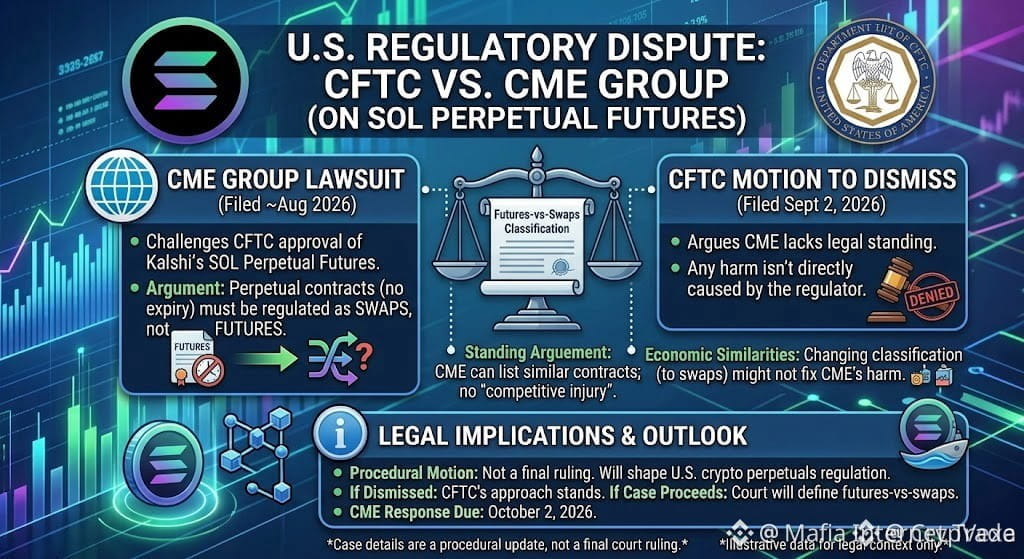
CFTC、大型 $BTC PERPETUAL先物規制をめぐる大論争でCME訴訟の却下を求める動き 🚀
機関投資家向け $BTC デリバティブは、重大な構造変化に直面している。CFTCは、CMEグループが小口の無期限先物に対して起こした異議申し立てを却下する動きに出た。CMEは、期限が切れない契約はスワップのように機能すると主張している。規制当局は、機関向け取引の場にはすでにそれらを上場するための当事者適格があると論じている。
この争いは、米国市場において機関投資家の流動性と無期限のオーダーフローがどこに振り向けられるかに直結する。契約の仕組みは明確である必要がある。ルールを固定すれば、機関投資家の資本は市場へ全力で投入する準備ができている。
CMEの正式な回答は10月に出る。この分類は、あらゆる規制対象の取引の市場アクセスを作り替えることになる。無期限契約はスワップとして設計すべきだと思う?それとも伝統的な先物として扱うべき?
⚠️ 金融助言ではない。常にリスクを管理しよう。
#BTC #CryptoRegulation #BitcoinFutures #CryptoDerivatives
ノイズではなく、この動きを取引しよう。
CFTC、大型 $BTC PERPETUAL先物規制をめぐる大論争でCME訴訟の却下を求める動き 🚀
機関投資家向け $BTC デリバティブは、重大な構造変化に直面している。CFTCは、CMEグループが小口の無期限先物に対して起こした異議申し立てを却下する動きに出た。CMEは、期限が切れない契約はスワップのように機能すると主張している。規制当局は、機関向け取引の場にはすでにそれらを上場するための当事者適格があると論じている。
この争いは、米国市場において機関投資家の流動性と無期限のオーダーフローがどこに振り向けられるかに直結する。契約の仕組みは明確である必要がある。ルールを固定すれば、機関投資家の資本は市場へ全力で投入する準備ができている。
CMEの正式な回答は10月に出る。この分類は、あらゆる規制対象の取引の市場アクセスを作り替えることになる。無期限契約はスワップとして設計すべきだと思う?それとも伝統的な先物として扱うべき?
⚠️ 金融助言ではない。常にリスクを管理しよう。
#BTC #CryptoRegulation #BitcoinFutures #CryptoDerivatives
ノイズではなく、この動きを取引しよう。
機関投資家向け $BTC デリバティブは、重大な構造変化に直面している。CFTCは、CMEグループが小口の無期限先物に対して起こした異議申し立てを却下する動きに出た。CMEは、期限が切れない契約はスワップのように機能すると主張している。規制当局は、機関向け取引の場にはすでにそれらを上場するための当事者適格があると論じている。
この争いは、米国市場において機関投資家の流動性と無期限のオーダーフローがどこに振り向けられるかに直結する。契約の仕組みは明確である必要がある。ルールを固定すれば、機関投資家の資本は市場へ全力で投入する準備ができている。
CMEの正式な回答は10月に出る。この分類は、あらゆる規制対象の取引の市場アクセスを作り替えることになる。無期限契約はスワップとして設計すべきだと思う?それとも伝統的な先物として扱うべき?
⚠️ 金融助言ではない。常にリスクを管理しよう。
#BTC #CryptoRegulation #BitcoinFutures #CryptoDerivatives
ノイズではなく、この動きを取引しよう。
15
CFTC、$BTC PERPETUAL(無期限)契約をめぐってCMEに反撃 🔥
CFTCは、Kalshiの$BTC パーペット(無期限)をめぐる件で、CMEの訴訟を却下する動きに出た。旧来の大手に対する明確な現実確認だ――自分たちの契約を出すか、さもなくば身を引け。オフショアのデリバティブが何年にもわたり世界のレバレッジを席巻してきたが、規制された米国の無期限先物が本格的に“突っ込む”準備を整えている。
法的な明確さは、大規模な流動性の移動を引き起こす。資金はオフショア拠点から機関投資家の注文板へそのまま流入する。資金調達の力学が反転する。レバレッジが急上昇する。この種の“燃料”が注文板に投入されれば、市場構造は瞬時に変わる。
CMEの反対期限は10月2日。いま、仮想通貨のレバレッジ・エンジンの主導権がかかっている。米国の規制下にあるパーペットは、オフショアの取引量を吸い取っていくのか。それともトレーダーは従来どおりのオフショア拠点に固執するのか?
※金融助言ではない。常にリスクを管理してほしい。
#BTC #CryptoDerivatives #PerpetualFutures #Crypto
騒音ではなく、値動きを取れ。
CFTC、$BTC PERPETUAL(無期限)契約をめぐってCMEに反撃 🔥
CFTCは、Kalshiの$BTC パーペット(無期限)をめぐる件で、CMEの訴訟を却下する動きに出た。旧来の大手に対する明確な現実確認だ――自分たちの契約を出すか、さもなくば身を引け。オフショアのデリバティブが何年にもわたり世界のレバレッジを席巻してきたが、規制された米国の無期限先物が本格的に“突っ込む”準備を整えている。
法的な明確さは、大規模な流動性の移動を引き起こす。資金はオフショア拠点から機関投資家の注文板へそのまま流入する。資金調達の力学が反転する。レバレッジが急上昇する。この種の“燃料”が注文板に投入されれば、市場構造は瞬時に変わる。
CMEの反対期限は10月2日。いま、仮想通貨のレバレッジ・エンジンの主導権がかかっている。米国の規制下にあるパーペットは、オフショアの取引量を吸い取っていくのか。それともトレーダーは従来どおりのオフショア拠点に固執するのか?
※金融助言ではない。常にリスクを管理してほしい。
#BTC #CryptoDerivatives #PerpetualFutures #Crypto
騒音ではなく、値動きを取れ。
CFTCは、Kalshiの$BTC パーペット(無期限)をめぐる件で、CMEの訴訟を却下する動きに出た。旧来の大手に対する明確な現実確認だ――自分たちの契約を出すか、さもなくば身を引け。オフショアのデリバティブが何年にもわたり世界のレバレッジを席巻してきたが、規制された米国の無期限先物が本格的に“突っ込む”準備を整えている。
法的な明確さは、大規模な流動性の移動を引き起こす。資金はオフショア拠点から機関投資家の注文板へそのまま流入する。資金調達の力学が反転する。レバレッジが急上昇する。この種の“燃料”が注文板に投入されれば、市場構造は瞬時に変わる。
CMEの反対期限は10月2日。いま、仮想通貨のレバレッジ・エンジンの主導権がかかっている。米国の規制下にあるパーペットは、オフショアの取引量を吸い取っていくのか。それともトレーダーは従来どおりのオフショア拠点に固執するのか?
※金融助言ではない。常にリスクを管理してほしい。
#BTC #CryptoDerivatives #PerpetualFutures #Crypto
騒音ではなく、値動きを取れ。
9
·
--
#cftcseekstodismisscmemotioninperpfutures
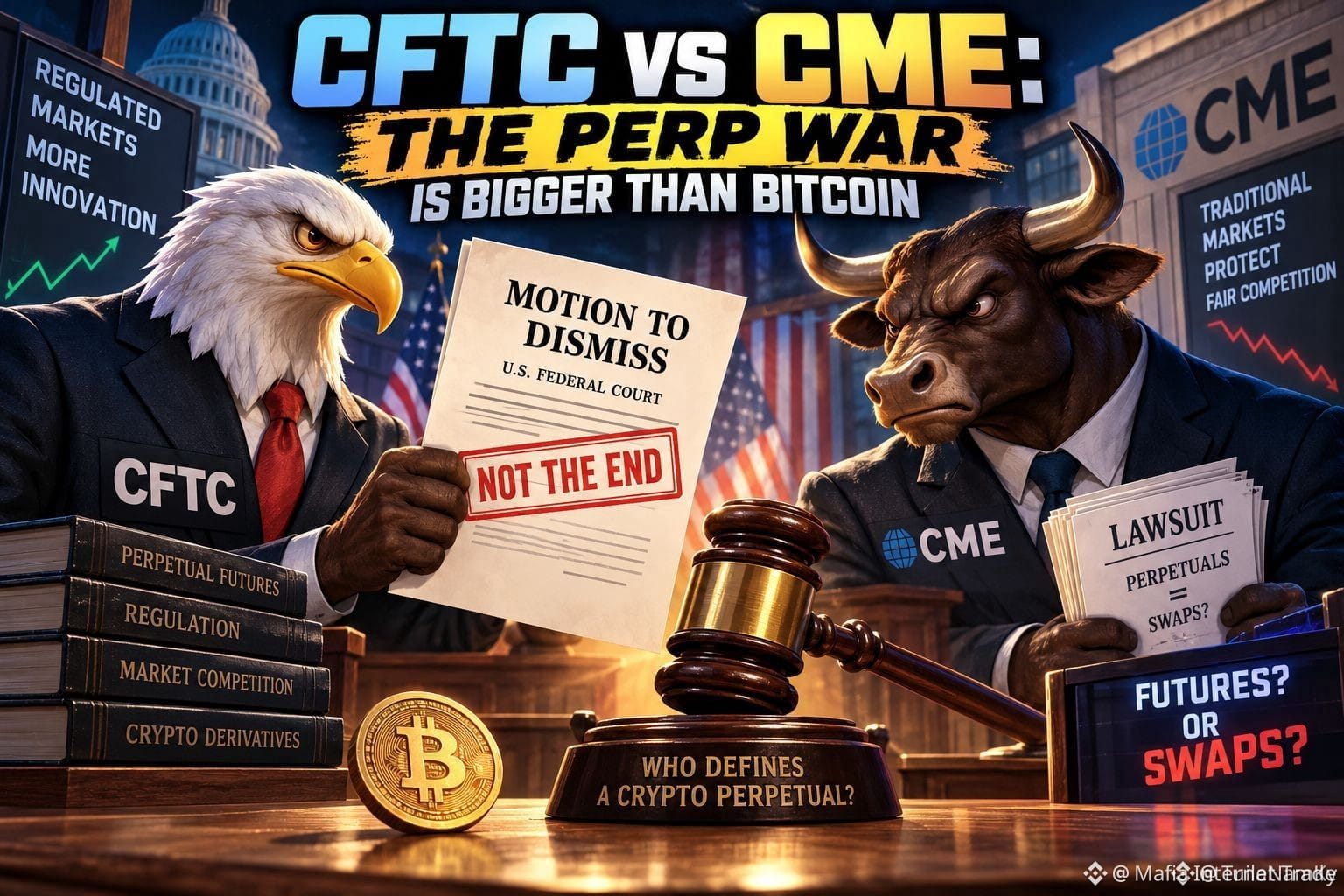
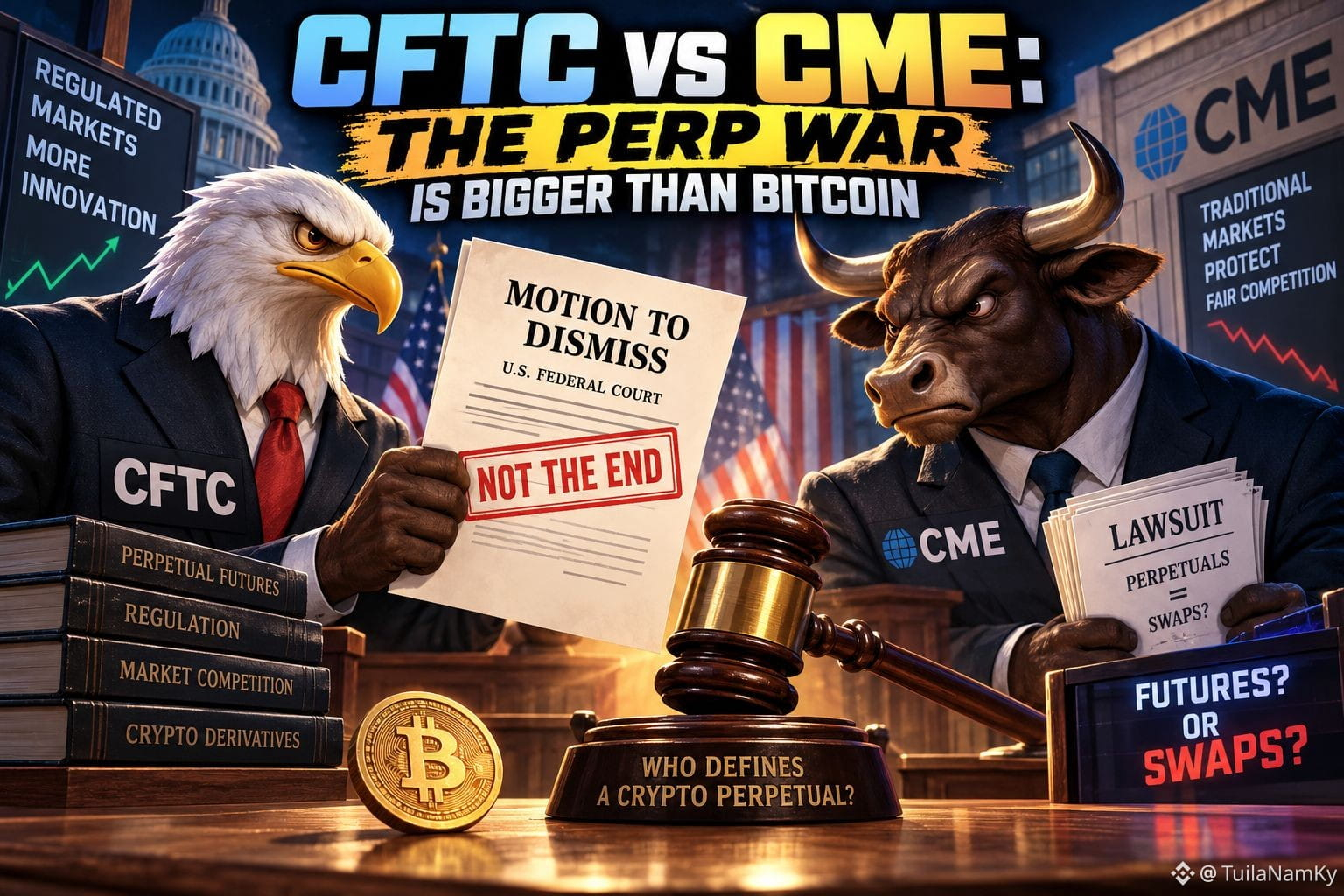
⚖️ CFTC対CME:『パープ戦争』はビットコインより大きい
CFTCは、暗号資産の無期限先物をめぐるCMEの訴訟を却下するよう、米国の連邦裁判所に求めました。
しかし、これは事件の終わりではありません。
むしろ、もっと大規模な争いの始まりかもしれません:
米国で「暗号資産の無期限」が実際に何を意味するのか、誰が定義できるのか?
5月29日、CFTCはKalshiのBTCPERPを先物契約として承認しました。CMEは6月18日、無期限は商品取引所法(CEA)およびドッド=フランク法に基づくスワップとして扱われるべきだと主張して訴えました。
そこで、今度はCFTCが反撃に出ています。
その主張は意外なほどシンプルです:
CMEは、Kalshiのパープ(無期限)が競争上の害を生むと言っています。
CFTCは、CMEなら自社のパープを上場すればいい、と言っています。
つまりこうです:
「競争することはできた。なのに、あなたはしなかった。」
そして、このひねりがポイントです。
裁判所は、現時点で「先物かスワップか」という論争の全てを決める必要はありません。まず、CMEに訴訟提起のための十分な法的当事者適格があるかどうかを判断できる可能性があります。
ただし、より大きな市場の問題は残ります。
米国の規制下にあるパープに、より明確な法的ルートが開けば、流動性が徐々にオフショアの取引の場から、規制された米国市場へ移っていくかもしれません。
それはBTCの金額規模をはるかに超えて重要です。
資金調達市場、レバレッジ、流動性、そして米国における暗号資産デリバティブの競争のあり方を変え得ます。
しかし、「却下申立て」を、裁判での勝利と混同しないでください。
CME側の反対提出は10月2日です。
無期限の戦いはまだ終わっていません。⚖️
これは本当に法律上の争いなのか——それとも、次世代の暗号資産デリバティブを誰が握るかをめぐる戦いなのか?
#PerpetualFutures #CryptoRegulation #CryptoDerivatives
$BTC
{future}(BTCUSDT)
#cftcseekstodismisscmemotioninperpfutures
⚖️ CFTC対CME:『パープ戦争』はビットコインより大きい
CFTCは、暗号資産の無期限先物をめぐるCMEの訴訟を却下するよう、米国の連邦裁判所に求めました。
しかし、これは事件の終わりではありません。
むしろ、もっと大規模な争いの始まりかもしれません:
米国で「暗号資産の無期限」が実際に何を意味するのか、誰が定義できるのか?
5月29日、CFTCはKalshiのBTCPERPを先物契約として承認しました。CMEは6月18日、無期限は商品取引所法(CEA)およびドッド=フランク法に基づくスワップとして扱われるべきだと主張して訴えました。
そこで、今度はCFTCが反撃に出ています。
その主張は意外なほどシンプルです:
CMEは、Kalshiのパープ(無期限)が競争上の害を生むと言っています。
CFTCは、CMEなら自社のパープを上場すればいい、と言っています。
つまりこうです:
「競争することはできた。なのに、あなたはしなかった。」
そして、このひねりがポイントです。
裁判所は、現時点で「先物かスワップか」という論争の全てを決める必要はありません。まず、CMEに訴訟提起のための十分な法的当事者適格があるかどうかを判断できる可能性があります。
ただし、より大きな市場の問題は残ります。
米国の規制下にあるパープに、より明確な法的ルートが開けば、流動性が徐々にオフショアの取引の場から、規制された米国市場へ移っていくかもしれません。
それはBTCの金額規模をはるかに超えて重要です。
資金調達市場、レバレッジ、流動性、そして米国における暗号資産デリバティブの競争のあり方を変え得ます。
しかし、「却下申立て」を、裁判での勝利と混同しないでください。
CME側の反対提出は10月2日です。
無期限の戦いはまだ終わっていません。⚖️
これは本当に法律上の争いなのか——それとも、次世代の暗号資産デリバティブを誰が握るかをめぐる戦いなのか?
#PerpetualFutures #CryptoRegulation #CryptoDerivatives
$BTC
⚖️ CFTC対CME:『パープ戦争』はビットコインより大きい
CFTCは、暗号資産の無期限先物をめぐるCMEの訴訟を却下するよう、米国の連邦裁判所に求めました。
しかし、これは事件の終わりではありません。
むしろ、もっと大規模な争いの始まりかもしれません:
米国で「暗号資産の無期限」が実際に何を意味するのか、誰が定義できるのか?
5月29日、CFTCはKalshiのBTCPERPを先物契約として承認しました。CMEは6月18日、無期限は商品取引所法(CEA)およびドッド=フランク法に基づくスワップとして扱われるべきだと主張して訴えました。
そこで、今度はCFTCが反撃に出ています。
その主張は意外なほどシンプルです:
CMEは、Kalshiのパープ(無期限)が競争上の害を生むと言っています。
CFTCは、CMEなら自社のパープを上場すればいい、と言っています。
つまりこうです:
「競争することはできた。なのに、あなたはしなかった。」
そして、このひねりがポイントです。
裁判所は、現時点で「先物かスワップか」という論争の全てを決める必要はありません。まず、CMEに訴訟提起のための十分な法的当事者適格があるかどうかを判断できる可能性があります。
ただし、より大きな市場の問題は残ります。
米国の規制下にあるパープに、より明確な法的ルートが開けば、流動性が徐々にオフショアの取引の場から、規制された米国市場へ移っていくかもしれません。
それはBTCの金額規模をはるかに超えて重要です。
資金調達市場、レバレッジ、流動性、そして米国における暗号資産デリバティブの競争のあり方を変え得ます。
しかし、「却下申立て」を、裁判での勝利と混同しないでください。
CME側の反対提出は10月2日です。
無期限の戦いはまだ終わっていません。⚖️
これは本当に法律上の争いなのか——それとも、次世代の暗号資産デリバティブを誰が握るかをめぐる戦いなのか?
#PerpetualFutures #CryptoRegulation #CryptoDerivatives
$BTC
505

·
--
多くのトレーダーはZcashの価格急騰に目を奪われがちですが、真の物語はデリバティブ市場にあります。Zcashは約8年ぶりの高値となる850ドル近辺に到達しましたが、スポット価格に騙されてはいけません。重要なのは、24時間の先物取引高100億ドルと建玉1.76億ドルに表れている、機関投資家の強い関心を示す動きです。これは小口のFOMOではなく、GrayscaleのETF推進に先回りした賢い資金のポジショニングです。取引量の大きさは、大規模な積み上げとヘッジの仕込みを示しており、この上昇トレンドが単なるポンプを超えて続くという確信をうかがわせます。
#Zcash #CryptoDerivatives #Grayscale
ここから分かるのは、一般の人々が価格のリリーレース(上昇)を見ている一方で、クジラや機関投資家はZcashにおいて大きなポジションを構築しており、ETF承認の可能性がもたらすさらなる上値余地を見込んでいるということです。彼らは単に現物を買っているだけではありません。先物を使ってレバレッジをかけ、利益を固定しているのが特徴で、本気度が伝わってきます。
建玉の数値には注意深く注目してください。価格がいったん揉み合いになっても、ここでの継続的な増加があれば、それは強い強気シグナルになるはずです。
資金の流れを追っていますか?それともティッカーだけを見ていますか?
多くのトレーダーはZcashの価格急騰に目を奪われがちですが、真の物語はデリバティブ市場にあります。Zcashは約8年ぶりの高値となる850ドル近辺に到達しましたが、スポット価格に騙されてはいけません。重要なのは、24時間の先物取引高100億ドルと建玉1.76億ドルに表れている、機関投資家の強い関心を示す動きです。これは小口のFOMOではなく、GrayscaleのETF推進に先回りした賢い資金のポジショニングです。取引量の大きさは、大規模な積み上げとヘッジの仕込みを示しており、この上昇トレンドが単なるポンプを超えて続くという確信をうかがわせます。
#Zcash #CryptoDerivatives #Grayscale
ここから分かるのは、一般の人々が価格のリリーレース(上昇)を見ている一方で、クジラや機関投資家はZcashにおいて大きなポジションを構築しており、ETF承認の可能性がもたらすさらなる上値余地を見込んでいるということです。彼らは単に現物を買っているだけではありません。先物を使ってレバレッジをかけ、利益を固定しているのが特徴で、本気度が伝わってきます。
建玉の数値には注意深く注目してください。価格がいったん揉み合いになっても、ここでの継続的な増加があれば、それは強い強気シグナルになるはずです。
資金の流れを追っていますか?それともティッカーだけを見ていますか?
#Zcash #CryptoDerivatives #Grayscale
ここから分かるのは、一般の人々が価格のリリーレース(上昇)を見ている一方で、クジラや機関投資家はZcashにおいて大きなポジションを構築しており、ETF承認の可能性がもたらすさらなる上値余地を見込んでいるということです。彼らは単に現物を買っているだけではありません。先物を使ってレバレッジをかけ、利益を固定しているのが特徴で、本気度が伝わってきます。
建玉の数値には注意深く注目してください。価格がいったん揉み合いになっても、ここでの継続的な増加があれば、それは強い強気シグナルになるはずです。
資金の流れを追っていますか?それともティッカーだけを見ていますか?
174

·
--
🚨 米国の完全準拠に向けて急加速するハイパーリクイッド? 🇺🇸⚡️
待望のニュースが舞い込んできています!報道によると、米国の規制当局は、主要な連邦の取り組みの支援を受けて、最上位の分散型デリバティブ・プラットフォームであるハイパーリクイッドを米国市場に導入するための準拠ルートを検討しているとのことです!
これが「GOサイン」となるなら、完全に合法なオンチェーン・パーペチュアル先物と、プレIPO市場の到来は、暗号資産の規制、機関投資家の採用、そしてDeFiの成長にとって画期的な成果となるでしょう。
なぜこれほど大きな話なのか:
DeFiデリバティブが主流に:この動きは、米国における一般投資家と機関投資家の双方に対し、明確な規制枠組みのもとで分散型パーペチュアル取引を正当化することにつながります。
プレIPOへのアクセス:主要な民間テック企業のプレIPO先物に、ブロックチェーンから直接アクセスできる、準拠した道が生まれます。
流動性急増:米国の資金プールをオンチェーンの注文板に直結させることで、DeFiエコシステムへの驚くべき流動性流入が見込めます。
ウォール街と分散型金融の「隔たり」が、稲妻の速さで縮まっています! 🌐🚀
🔥 米国の準拠がDeFiの採用を後押しするのか、それともDEXの本質を変えてしまうのか?ぜひ下のコメントで皆さんのご意見を聞かせてください!シェアボタンを押してコミュニティを最新情報で盛り上げ、ぜひこの件を確認すべきトレーダーにTAGしてください! 👇👇👇
#Hyperliquid #HYPE #DeFi #CryptoDerivatives $HYPE
🚨 米国の完全準拠に向けて急加速するハイパーリクイッド? 🇺🇸⚡️
待望のニュースが舞い込んできています!報道によると、米国の規制当局は、主要な連邦の取り組みの支援を受けて、最上位の分散型デリバティブ・プラットフォームであるハイパーリクイッドを米国市場に導入するための準拠ルートを検討しているとのことです!
これが「GOサイン」となるなら、完全に合法なオンチェーン・パーペチュアル先物と、プレIPO市場の到来は、暗号資産の規制、機関投資家の採用、そしてDeFiの成長にとって画期的な成果となるでしょう。
なぜこれほど大きな話なのか:
DeFiデリバティブが主流に:この動きは、米国における一般投資家と機関投資家の双方に対し、明確な規制枠組みのもとで分散型パーペチュアル取引を正当化することにつながります。
プレIPOへのアクセス:主要な民間テック企業のプレIPO先物に、ブロックチェーンから直接アクセスできる、準拠した道が生まれます。
流動性急増:米国の資金プールをオンチェーンの注文板に直結させることで、DeFiエコシステムへの驚くべき流動性流入が見込めます。
ウォール街と分散型金融の「隔たり」が、稲妻の速さで縮まっています! 🌐🚀
🔥 米国の準拠がDeFiの採用を後押しするのか、それともDEXの本質を変えてしまうのか?ぜひ下のコメントで皆さんのご意見を聞かせてください!シェアボタンを押してコミュニティを最新情報で盛り上げ、ぜひこの件を確認すべきトレーダーにTAGしてください! 👇👇👇
#Hyperliquid #HYPE #DeFi #CryptoDerivatives $HYPE
待望のニュースが舞い込んできています!報道によると、米国の規制当局は、主要な連邦の取り組みの支援を受けて、最上位の分散型デリバティブ・プラットフォームであるハイパーリクイッドを米国市場に導入するための準拠ルートを検討しているとのことです!
これが「GOサイン」となるなら、完全に合法なオンチェーン・パーペチュアル先物と、プレIPO市場の到来は、暗号資産の規制、機関投資家の採用、そしてDeFiの成長にとって画期的な成果となるでしょう。
なぜこれほど大きな話なのか:
DeFiデリバティブが主流に:この動きは、米国における一般投資家と機関投資家の双方に対し、明確な規制枠組みのもとで分散型パーペチュアル取引を正当化することにつながります。
プレIPOへのアクセス:主要な民間テック企業のプレIPO先物に、ブロックチェーンから直接アクセスできる、準拠した道が生まれます。
流動性急増:米国の資金プールをオンチェーンの注文板に直結させることで、DeFiエコシステムへの驚くべき流動性流入が見込めます。
ウォール街と分散型金融の「隔たり」が、稲妻の速さで縮まっています! 🌐🚀
🔥 米国の準拠がDeFiの採用を後押しするのか、それともDEXの本質を変えてしまうのか?ぜひ下のコメントで皆さんのご意見を聞かせてください!シェアボタンを押してコミュニティを最新情報で盛り上げ、ぜひこの件を確認すべきトレーダーにTAGしてください! 👇👇👇
#Hyperliquid #HYPE #DeFi #CryptoDerivatives $HYPE

212

·
--
SECがNasdaqでビットコイン価格連動型インデックスオプションを承認
アメリカの証券取引委員会(SEC)は、Nasdaqがビットコインの価格に連動するインデックスオプションを上場・取引することを承認しました。この決定は、ビットコイン連動の金融商品を伝統的な資本市場にさらに深く持ち込むための一歩であり、規制された取引所取引のデリバティブへのアクセスを好む投資家にとっての拡大を意味します。
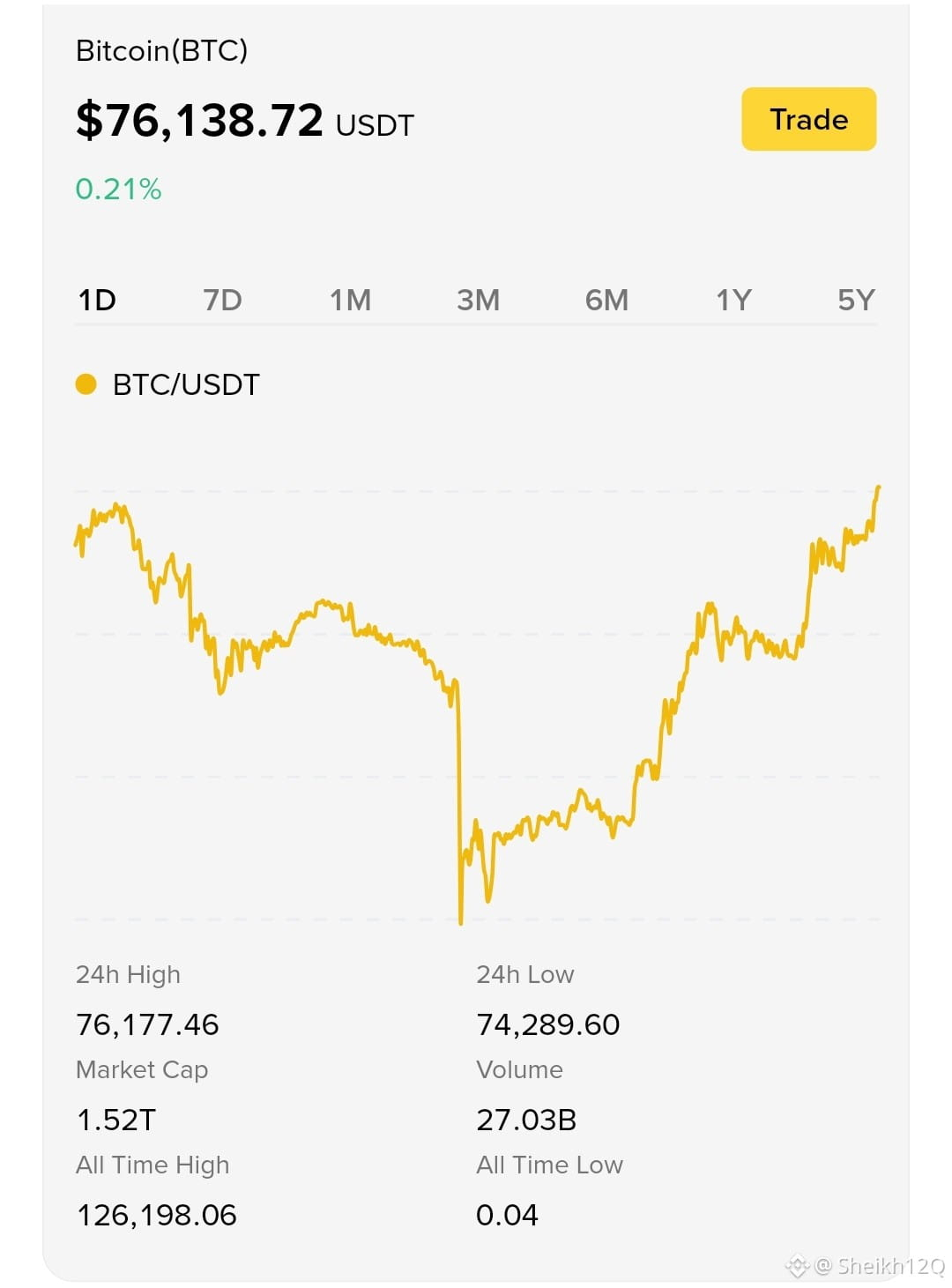
Binance BTCグラフ ($BTC /$USDT ) + ライブスナップショット: 現在BTCは$76,138.72で取引中、過去24時間で約0.21%上昇(24h高 $76,177.46, 低 $74,289.60)。
{future}(BTCUSDT)
#Bitcoin #SEC #Nasdaq #BTCUSDT #CryptoDerivatives
SECがNasdaqでビットコイン価格連動型インデックスオプションを承認
アメリカの証券取引委員会(SEC)は、Nasdaqがビットコインの価格に連動するインデックスオプションを上場・取引することを承認しました。この決定は、ビットコイン連動の金融商品を伝統的な資本市場にさらに深く持ち込むための一歩であり、規制された取引所取引のデリバティブへのアクセスを好む投資家にとっての拡大を意味します。
Binance BTCグラフ ($BTC /$USDT ) + ライブスナップショット: 現在BTCは$76,138.72で取引中、過去24時間で約0.21%上昇(24h高 $76,177.46, 低 $74,289.60)。
#Bitcoin #SEC #Nasdaq #BTCUSDT #CryptoDerivatives
アメリカの証券取引委員会(SEC)は、Nasdaqがビットコインの価格に連動するインデックスオプションを上場・取引することを承認しました。この決定は、ビットコイン連動の金融商品を伝統的な資本市場にさらに深く持ち込むための一歩であり、規制された取引所取引のデリバティブへのアクセスを好む投資家にとっての拡大を意味します。
Binance BTCグラフ ($BTC /$USDT ) + ライブスナップショット: 現在BTCは$76,138.72で取引中、過去24時間で約0.21%上昇(24h高 $76,177.46, 低 $74,289.60)。
#Bitcoin #SEC #Nasdaq #BTCUSDT #CryptoDerivatives
154

·
--

記事
デリバティブ市場とシードレス回復における革新 📊
$BTC を取り巻く構造的な風景
は、複雑な取引手段と自己保管インフラ全体で大規模な変革を遂げています。分散型デリバティブプラットフォームの急速な拡大は、市場の構造を劇的に変えています。トレーダーが完全にオンチェーンで深いレバレッジポジションを実行できるようにすることで、これらのプラットフォームはエコシステムに大規模な流動性を追加します。📈 高いデリバティブのオープンインタレストは局所的な清算を引き起こす可能性がありますが、最終的には機関投資家に洗練されたヘッジ機構を提供することによって長期的な現物価格のボラティリティを抑えるのに役立ちます。 $BNB
デリバティブ市場とシードレス回復における革新
📊
$BTC を取り巻く構造的な風景
は、複雑な取引手段と自己保管インフラ全体で大規模な変革を遂げています。分散型デリバティブプラットフォームの急速な拡大は、市場の構造を劇的に変えています。トレーダーが完全にオンチェーンで深いレバレッジポジションを実行できるようにすることで、これらのプラットフォームはエコシステムに大規模な流動性を追加します。📈 高いデリバティブのオープンインタレストは局所的な清算を引き起こす可能性がありますが、最終的には機関投資家に洗練されたヘッジ機構を提供することによって長期的な現物価格のボラティリティを抑えるのに役立ちます。 $BNB
$BTC を取り巻く構造的な風景
は、複雑な取引手段と自己保管インフラ全体で大規模な変革を遂げています。分散型デリバティブプラットフォームの急速な拡大は、市場の構造を劇的に変えています。トレーダーが完全にオンチェーンで深いレバレッジポジションを実行できるようにすることで、これらのプラットフォームはエコシステムに大規模な流動性を追加します。📈 高いデリバティブのオープンインタレストは局所的な清算を引き起こす可能性がありますが、最終的には機関投資家に洗練されたヘッジ機構を提供することによって長期的な現物価格のボラティリティを抑えるのに役立ちます。 $BNB
31

·
--
ETFの瞬間は、機関投資家が$BTCにアクセスする方法を変えました。今、永続先物が同じことをする準備をしていますが、ほとんどのトレーダーはその意味を理解していません。
ETFsは機関投資家にとって馴染みのあるラッパーを提供しました。パープスは、彼らに違ったものを提供します:24時間365日のエクスポージャー、期限なし、要求に応じたリアルな価格発見。CFTCが正式に規制された暗号永続先物を承認したことで、プロの資本がデリバティブを通じて入ってくるためのインフラがついに整備され始めました—スポットだけではありません。
ここに変化があるのです:
→ 機関デスクは、スポット市場に触れずに$ETH の国債ポジションをヘッジできます
→ $SOL は、単なる投機的レバレッジではなく、適切なデリバティブインフラを得ます
→ ボラティリティ商品(CME BTCボラ先物がついに発表されました)は、全体のエコシステムを深めるフィードバックループを作り出します
大衆は永続先物を小売ギャンブル商品だと思っています。それは3年前の話でした。今日、BTC ETFsを$100Bのアセットクラスにしたのと同じインフラがデリバティブの周りに再構築されています。
ETFsはアクセスを解放しました。パープスは正確性を解放します。
次の波の機関資本は、自らを発表することはありません。それはオープンインタレストに現れます。
#Bitcoin #CryptoDerivatives #BinanceSquare #CryptoMarkets #Institutional
ETFの瞬間は、機関投資家が$BTC にアクセスする方法を変えました。今、永続先物が同じことをする準備をしていますが、ほとんどのトレーダーはその意味を理解していません。
ETFsは機関投資家にとって馴染みのあるラッパーを提供しました。パープスは、彼らに違ったものを提供します:24時間365日のエクスポージャー、期限なし、要求に応じたリアルな価格発見。CFTCが正式に規制された暗号永続先物を承認したことで、プロの資本がデリバティブを通じて入ってくるためのインフラがついに整備され始めました—スポットだけではありません。
ここに変化があるのです:
→ 機関デスクは、スポット市場に触れずに$ETH の国債ポジションをヘッジできます
→ $SOL は、単なる投機的レバレッジではなく、適切なデリバティブインフラを得ます
→ ボラティリティ商品(CME BTCボラ先物がついに発表されました)は、全体のエコシステムを深めるフィードバックループを作り出します
大衆は永続先物を小売ギャンブル商品だと思っています。それは3年前の話でした。今日、BTC ETFsを$100Bのアセットクラスにしたのと同じインフラがデリバティブの周りに再構築されています。
ETFsはアクセスを解放しました。パープスは正確性を解放します。
次の波の機関資本は、自らを発表することはありません。それはオープンインタレストに現れます。
#Bitcoin #CryptoDerivatives #BinanceSquare #CryptoMarkets #Institutional
ETFsは機関投資家にとって馴染みのあるラッパーを提供しました。パープスは、彼らに違ったものを提供します:24時間365日のエクスポージャー、期限なし、要求に応じたリアルな価格発見。CFTCが正式に規制された暗号永続先物を承認したことで、プロの資本がデリバティブを通じて入ってくるためのインフラがついに整備され始めました—スポットだけではありません。
ここに変化があるのです:
→ 機関デスクは、スポット市場に触れずに$ETH の国債ポジションをヘッジできます
→ $SOL は、単なる投機的レバレッジではなく、適切なデリバティブインフラを得ます
→ ボラティリティ商品(CME BTCボラ先物がついに発表されました)は、全体のエコシステムを深めるフィードバックループを作り出します
大衆は永続先物を小売ギャンブル商品だと思っています。それは3年前の話でした。今日、BTC ETFsを$100Bのアセットクラスにしたのと同じインフラがデリバティブの周りに再構築されています。
ETFsはアクセスを解放しました。パープスは正確性を解放します。
次の波の機関資本は、自らを発表することはありません。それはオープンインタレストに現れます。
#Bitcoin #CryptoDerivatives #BinanceSquare #CryptoMarkets #Institutional
57
·
--
CMEグループがCFTCに対して、Kalshiが米国で暗号の永続先物を提供する許可を受けたことに対して訴訟を起こしました。
この事実を受け止めてください。地球上で最も強力なデリバティブ取引所が、他の誰かが競争する許可を得たために規制機関を訴えています。
これは弱気シグナルではありません。これは、規制されたオンチェーンデリバティブが伝統的金融(TradFi)の市場への影響に対する真の脅威であることを示す最も大きな確認です。
これは本当に何を意味するのか:CMEは、機関投資家向けの先物市場で唯一のゲームとしてその防御線を築いてきました。CFTCが代替案を承認し始めた瞬間、防御線がひび割れ始めました。$ETH および$BTC のエコシステムは、何年も24/7で無許可のパーペチュアルを運営してきました。今、規制されたバージョンが到着し、既存の企業たちはパニックに陥っています。
ウォール街が規制機関に対して暗号製品をブロックするために弁護士を立てるとき、それはその製品が機能していることを意味します。
$BTC は、このサイクルのすべての機関ストレステストをクリアしています。しかし、2026年の本当の話は、BTC ETFだけではありません。それは、デリバティブ、決済、保管に関するインフラの戦いです。既存の企業たちは、その戦いを徐々に、そして突然失っています。
この訴訟は警告ではありません。これはスタートガンです。
#CryptoDerivatives #BinanceSquare #DeFi #CryptoTrading #Crypto2026
CMEグループがCFTCに対して、Kalshiが米国で暗号の永続先物を提供する許可を受けたことに対して訴訟を起こしました。
この事実を受け止めてください。地球上で最も強力なデリバティブ取引所が、他の誰かが競争する許可を得たために規制機関を訴えています。
これは弱気シグナルではありません。これは、規制されたオンチェーンデリバティブが伝統的金融(TradFi)の市場への影響に対する真の脅威であることを示す最も大きな確認です。
これは本当に何を意味するのか:CMEは、機関投資家向けの先物市場で唯一のゲームとしてその防御線を築いてきました。CFTCが代替案を承認し始めた瞬間、防御線がひび割れ始めました。$ETH および$BTC のエコシステムは、何年も24/7で無許可のパーペチュアルを運営してきました。今、規制されたバージョンが到着し、既存の企業たちはパニックに陥っています。
ウォール街が規制機関に対して暗号製品をブロックするために弁護士を立てるとき、それはその製品が機能していることを意味します。
$BTC は、このサイクルのすべての機関ストレステストをクリアしています。しかし、2026年の本当の話は、BTC ETFだけではありません。それは、デリバティブ、決済、保管に関するインフラの戦いです。既存の企業たちは、その戦いを徐々に、そして突然失っています。
この訴訟は警告ではありません。これはスタートガンです。
#CryptoDerivatives #BinanceSquare #DeFi #CryptoTrading #Crypto2026
この事実を受け止めてください。地球上で最も強力なデリバティブ取引所が、他の誰かが競争する許可を得たために規制機関を訴えています。
これは弱気シグナルではありません。これは、規制されたオンチェーンデリバティブが伝統的金融(TradFi)の市場への影響に対する真の脅威であることを示す最も大きな確認です。
これは本当に何を意味するのか:CMEは、機関投資家向けの先物市場で唯一のゲームとしてその防御線を築いてきました。CFTCが代替案を承認し始めた瞬間、防御線がひび割れ始めました。$ETH および$BTC のエコシステムは、何年も24/7で無許可のパーペチュアルを運営してきました。今、規制されたバージョンが到着し、既存の企業たちはパニックに陥っています。
ウォール街が規制機関に対して暗号製品をブロックするために弁護士を立てるとき、それはその製品が機能していることを意味します。
$BTC は、このサイクルのすべての機関ストレステストをクリアしています。しかし、2026年の本当の話は、BTC ETFだけではありません。それは、デリバティブ、決済、保管に関するインフラの戦いです。既存の企業たちは、その戦いを徐々に、そして突然失っています。
この訴訟は警告ではありません。これはスタートガンです。
#CryptoDerivatives #BinanceSquare #DeFi #CryptoTrading #Crypto2026
104

·
--
猫の副業がKalshiの価値よりも高いって、ついさっき知った――しかも、彼らは(少なくとも見た目の上では)袋を燃やしてはいない。Kalshiの評価額は報道によれば400億ドルにまで倍増し、同社は業界でもっとも価値の高いデリバティブ・プラットフォームの一つになっているという #CryptoDerivatives #OptionsOnEverything
その急成長は驚きではない。Kalshiは、従来の金融がニュートラル(停滞)状態にある分野で革新を続けている。会社が描く未来像は、分散型デリバティブが比類ない流動性と柔軟性をもたらす世界だ。
そこで聞きたい――暗号デリバティブの革命に備えている?それとも、まだ昔のゲームにとどまっている?報道されているKalshiの評価についての見解と、Binanceでのデリバティブへのあなた自身の関わりはどうだろう?
猫の副業がKalshiの価値よりも高いって、ついさっき知った――しかも、彼らは(少なくとも見た目の上では)袋を燃やしてはいない。Kalshiの評価額は報道によれば400億ドルにまで倍増し、同社は業界でもっとも価値の高いデリバティブ・プラットフォームの一つになっているという #CryptoDerivatives #OptionsOnEverything
その急成長は驚きではない。Kalshiは、従来の金融がニュートラル(停滞)状態にある分野で革新を続けている。会社が描く未来像は、分散型デリバティブが比類ない流動性と柔軟性をもたらす世界だ。
そこで聞きたい――暗号デリバティブの革命に備えている?それとも、まだ昔のゲームにとどまっている?報道されているKalshiの評価についての見解と、Binanceでのデリバティブへのあなた自身の関わりはどうだろう?
その急成長は驚きではない。Kalshiは、従来の金融がニュートラル(停滞)状態にある分野で革新を続けている。会社が描く未来像は、分散型デリバティブが比類ない流動性と柔軟性をもたらす世界だ。
そこで聞きたい――暗号デリバティブの革命に備えている?それとも、まだ昔のゲームにとどまっている?報道されているKalshiの評価についての見解と、Binanceでのデリバティブへのあなた自身の関わりはどうだろう?
18

·
--
$BTC PERPS は制度的な需要が遅れる中、引き続き投機的なツールにとどまる - JPモルガン 📉
JPモルガンは、パーペチュアル・フューチャーズは、機関投資家にとって伝統的なデリバティブの代替というより、主に投機的な手段だと指摘しています。取引量の大部分は、ヘッジ需要ではなく、レバレッジをかけた方向性エクスポージャーを追うトレーダーによるものです。
基準リスク、ターム構造の欠如、そして伝統的な清算保証がないことが、主な障壁として挙げられています。つまり、パーペット(パーペチュアル)市場の流動性プロファイルは、多くの想定よりも脆弱かもしれません。
構造的な懸念を踏まえ、パープスを使っていますか、それとも避けていますか?
投資助言ではありません。必ずリスク管理をしてください。
#BTC #PerpetualFutures #InstitutionalAdoption #CryptoDerivatives
⚡
$BTC PERPS は制度的な需要が遅れる中、引き続き投機的なツールにとどまる - JPモルガン 📉
JPモルガンは、パーペチュアル・フューチャーズは、機関投資家にとって伝統的なデリバティブの代替というより、主に投機的な手段だと指摘しています。取引量の大部分は、ヘッジ需要ではなく、レバレッジをかけた方向性エクスポージャーを追うトレーダーによるものです。
基準リスク、ターム構造の欠如、そして伝統的な清算保証がないことが、主な障壁として挙げられています。つまり、パーペット(パーペチュアル)市場の流動性プロファイルは、多くの想定よりも脆弱かもしれません。
構造的な懸念を踏まえ、パープスを使っていますか、それとも避けていますか?
投資助言ではありません。必ずリスク管理をしてください。
#BTC #PerpetualFutures #InstitutionalAdoption #CryptoDerivatives
⚡
JPモルガンは、パーペチュアル・フューチャーズは、機関投資家にとって伝統的なデリバティブの代替というより、主に投機的な手段だと指摘しています。取引量の大部分は、ヘッジ需要ではなく、レバレッジをかけた方向性エクスポージャーを追うトレーダーによるものです。
基準リスク、ターム構造の欠如、そして伝統的な清算保証がないことが、主な障壁として挙げられています。つまり、パーペット(パーペチュアル)市場の流動性プロファイルは、多くの想定よりも脆弱かもしれません。
構造的な懸念を踏まえ、パープスを使っていますか、それとも避けていますか?
投資助言ではありません。必ずリスク管理をしてください。
#BTC #PerpetualFutures #InstitutionalAdoption #CryptoDerivatives
⚡
24
ログインして、さらにコンテンツを読む
厳選トピックで世界の暗号資産トレーダーの仲間入り
⚡️ 暗号資産に関する最新かつ有益な情報が見つかります。
💬 世界最大の暗号資産取引所から信頼されています。
👍 認証を受けたクリエイターから、有益なインサイトを得られます。
メール / 電話番号
トレンドトピック
1
#FedRateWatch
閲覧回数 1.6M
7,127人が討論中
2
#FedHikes25BpsUSStocksClose
閲覧回数 2
13人が討論中
3
#CryptoVCFundingRebounds$5.6BInQ2
閲覧回数 0
4人が討論中
4
#ZcashRises6%
閲覧回数 81,233
812人が討論中
5
#XRPSinks10%
閲覧回数 51,592
540人が討論中
6
#BitcoinETFsShed$450M
閲覧回数 9,726
110人が討論中
7
#CircleOpensArcMainnet
閲覧回数 23,908
342人が討論中
8
#ZcashHoldersBackNU7Upgrade
閲覧回数 36,337
504人が討論中
9
#MSTRTradingVolumeSurpassesMorganStanley
閲覧回数 32,846
645人が討論中
10
#BitcoinFalls4%
閲覧回数 65,715
1,002人が討論中