
#trumpdeadlineoniran
trumpdeadlineoniran
閲覧回数 908,328
4,698人が討論中
注目
最新


·
--
ブリッシュ
翻訳参照
معي صفقه راح انشر نتائجها قريبآ
عند وصولي فيها الى 200%
راح انزلها
انها ARB
صالحه لدخول من 0.103 الى 0.1
الهدف 0.15
الهدف الاخير 0.2
هيا بنا
#PolymarketMajorUpgrade
#TrumpDeadlineOnIran
#AnthropicBansOpenClawFromClaude
معي صفقه راح انشر نتائجها قريبآ
عند وصولي فيها الى 200%
راح انزلها
انها ARB
صالحه لدخول من 0.103 الى 0.1
الهدف 0.15
الهدف الاخير 0.2
هيا بنا
#PolymarketMajorUpgrade
#TrumpDeadlineOnIran
#AnthropicBansOpenClawFromClaude
عند وصولي فيها الى 200%
راح انزلها
انها ARB
صالحه لدخول من 0.103 الى 0.1
الهدف 0.15
الهدف الاخير 0.2
هيا بنا
#PolymarketMajorUpgrade
#TrumpDeadlineOnIran
#AnthropicBansOpenClawFromClaude
1
29


·
--
ブリッシュ
翻訳参照
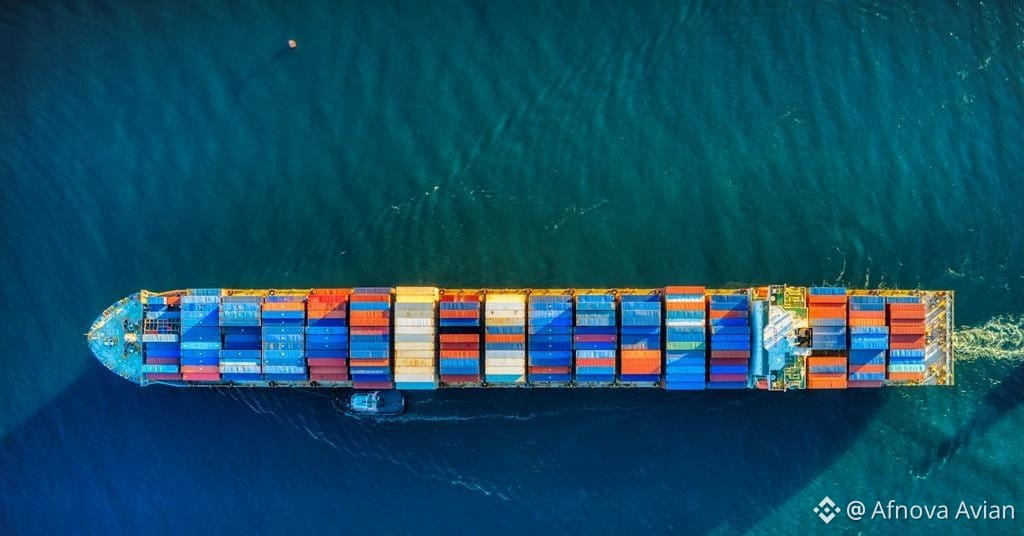
Global shipping giant Maersk is still playing it safe.
Even after a temporary ceasefire between the U.S. and Iran, the company says the Strait of Hormuz is not fully secure yet. Routes that were stopped last month will remain paused for now.
Maersk believes the short peace deal could open a chance for ships to pass, but risks at sea are still unclear. The company is watching the situation closely and will only act after careful safety checks and advice from global authorities.
For now, caution comes before profit.
Is this a smart move or a missed opportunity?
#TrumpDeadlineOnIran
#US&IranAgreedToATwo-weekCeasefire
$XAU
{future}(XAUUSDT)
$RIVER
{future}(RIVERUSDT)
Global shipping giant Maersk is still playing it safe.
Even after a temporary ceasefire between the U.S. and Iran, the company says the Strait of Hormuz is not fully secure yet. Routes that were stopped last month will remain paused for now.
Maersk believes the short peace deal could open a chance for ships to pass, but risks at sea are still unclear. The company is watching the situation closely and will only act after careful safety checks and advice from global authorities.
For now, caution comes before profit.
Is this a smart move or a missed opportunity?
#TrumpDeadlineOnIran
#US&IranAgreedToATwo-weekCeasefire
$XAU
$RIVER
4
1.1k


·
--
🚨 緊急:
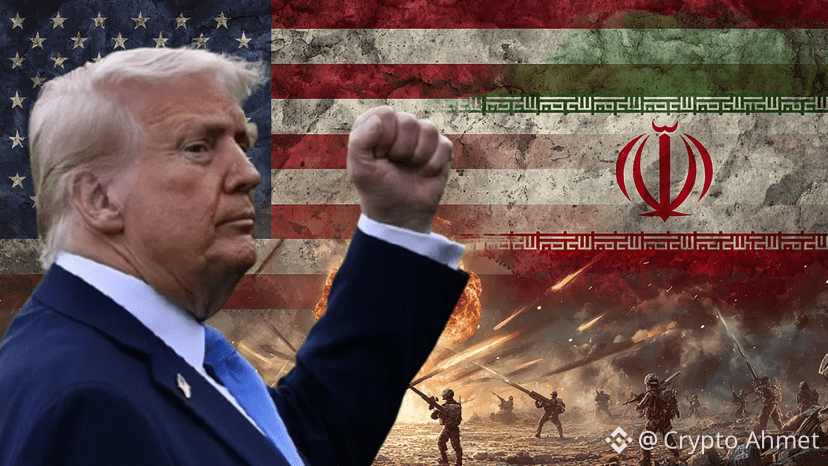
カチカチ… 時計は#TRUMP のイランの最終通告に向けて爆発しています。
午後8時ETの締切まであと14時間未満です。世界は息を呑んでいます。
時間内に合意がない場合、緊張から完全な混乱に一瞬で転じる可能性があります。
心の準備をしてください。
ボラティリティは来ていません…今まさに爆発しようとしています。
$TRUMP $XAU $XAG
#TrumpDeadlineOnIran #USNFPExceededExpectations #USJoblessClaimsNearTwo-YearLow #iran
🚨 緊急:
カチカチ… 時計は#TRUMP のイランの最終通告に向けて爆発しています。
午後8時ETの締切まであと14時間未満です。世界は息を呑んでいます。
時間内に合意がない場合、緊張から完全な混乱に一瞬で転じる可能性があります。
心の準備をしてください。
ボラティリティは来ていません…今まさに爆発しようとしています。
$TRUMP $XAU $XAG
#TrumpDeadlineOnIran #USNFPExceededExpectations #USJoblessClaimsNearTwo-YearLow #iran
カチカチ… 時計は#TRUMP のイランの最終通告に向けて爆発しています。
午後8時ETの締切まであと14時間未満です。世界は息を呑んでいます。
時間内に合意がない場合、緊張から完全な混乱に一瞬で転じる可能性があります。
心の準備をしてください。
ボラティリティは来ていません…今まさに爆発しようとしています。
$TRUMP $XAU $XAG
#TrumpDeadlineOnIran #USNFPExceededExpectations #USJoblessClaimsNearTwo-YearLow #iran
18
61
32.2k


·
--
ブリッシュ
2026年4月8日現在、米国とイランの2週間の停戦が発効しており、イランはホルムズ海峡を通る安全な通行に同意しています。しかし、交通量は依然として少なく慎重です:レバノンでのイスラエルの行動に関するイランのメディアからの相反する報告の中で、わずか数隻の船舶が通過したに過ぎません。米国は海峡が開いていると主張しています。運送会社は安全リスクのために控えています
#ceasefire #iranus #TrumpDeadlineOnIran #OilPrice #btc $BTC
2026年4月8日現在、米国とイランの2週間の停戦が発効しており、イランはホルムズ海峡を通る安全な通行に同意しています。しかし、交通量は依然として少なく慎重です:レバノンでのイスラエルの行動に関するイランのメディアからの相反する報告の中で、わずか数隻の船舶が通過したに過ぎません。米国は海峡が開いていると主張しています。運送会社は安全リスクのために控えています
#ceasefire #iranus #TrumpDeadlineOnIran #OilPrice #btc $BTC
#ceasefire #iranus #TrumpDeadlineOnIran #OilPrice #btc $BTC

2
85

·
--
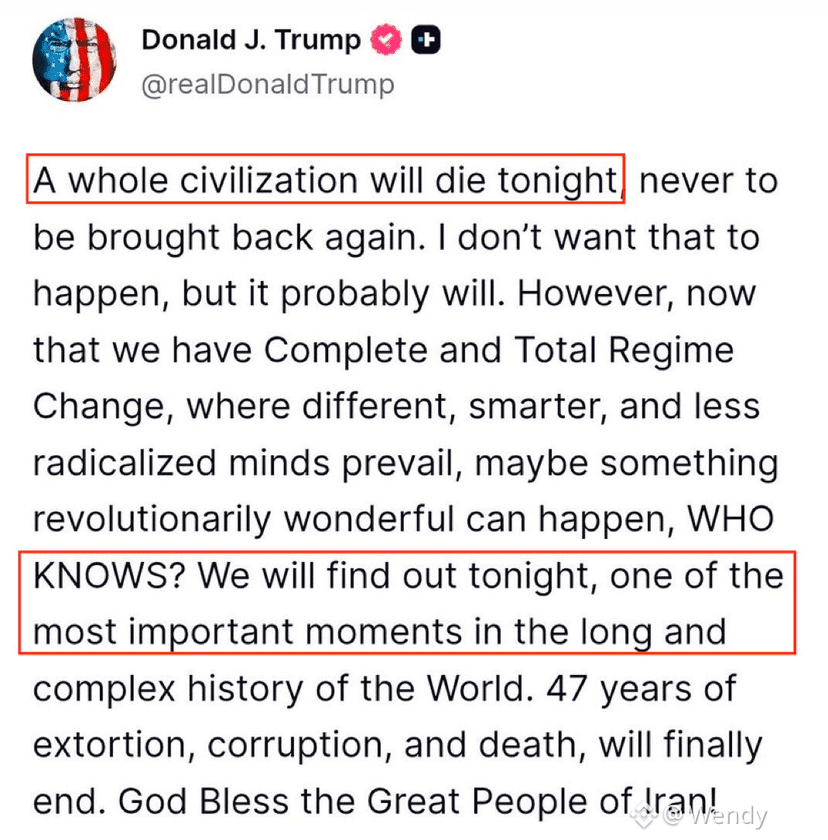
トランプがイランの期限が迫る中、最終警告を発出
ドナルド・トランプがイランにホルムズ海峡を再開するための東部標準時午後8時の期限を設定する中、緊張が急速に高まっています。遵守しない場合、米国の軍事攻撃が重要なインフラに対して即座に発動される可能性があります。
この警告は急激なエスカレーションを示しています。トランプは、イランが拒否した場合、発電所や重要なインフラが標的にされる可能性があると述べ、世界のエネルギー市場のリスクを高めています。
ホルムズ海峡は世界で最も重要な石油輸送ルートの一つです。いかなる混乱や軍事行動も、石油価格を急上昇させ、暗号を含む世界市場におけるボラティリティを引き起こす可能性があります。
リスク感情は現在非常に敏感です。トレーダーたちは、マクロの方向性にとって決定的な瞬間となる次の数時間を注意深く見守っています。
時が迫る中、市場は構えています。これが最後の瞬間に緊張を緩和するのか、それとも大規模な地政学的ショックを引き起こすのか?
最新の更新についてはウェンディをフォローしてください。
#TrumpDeadlineOnIran
10
6.2k

·
--
弱気相場
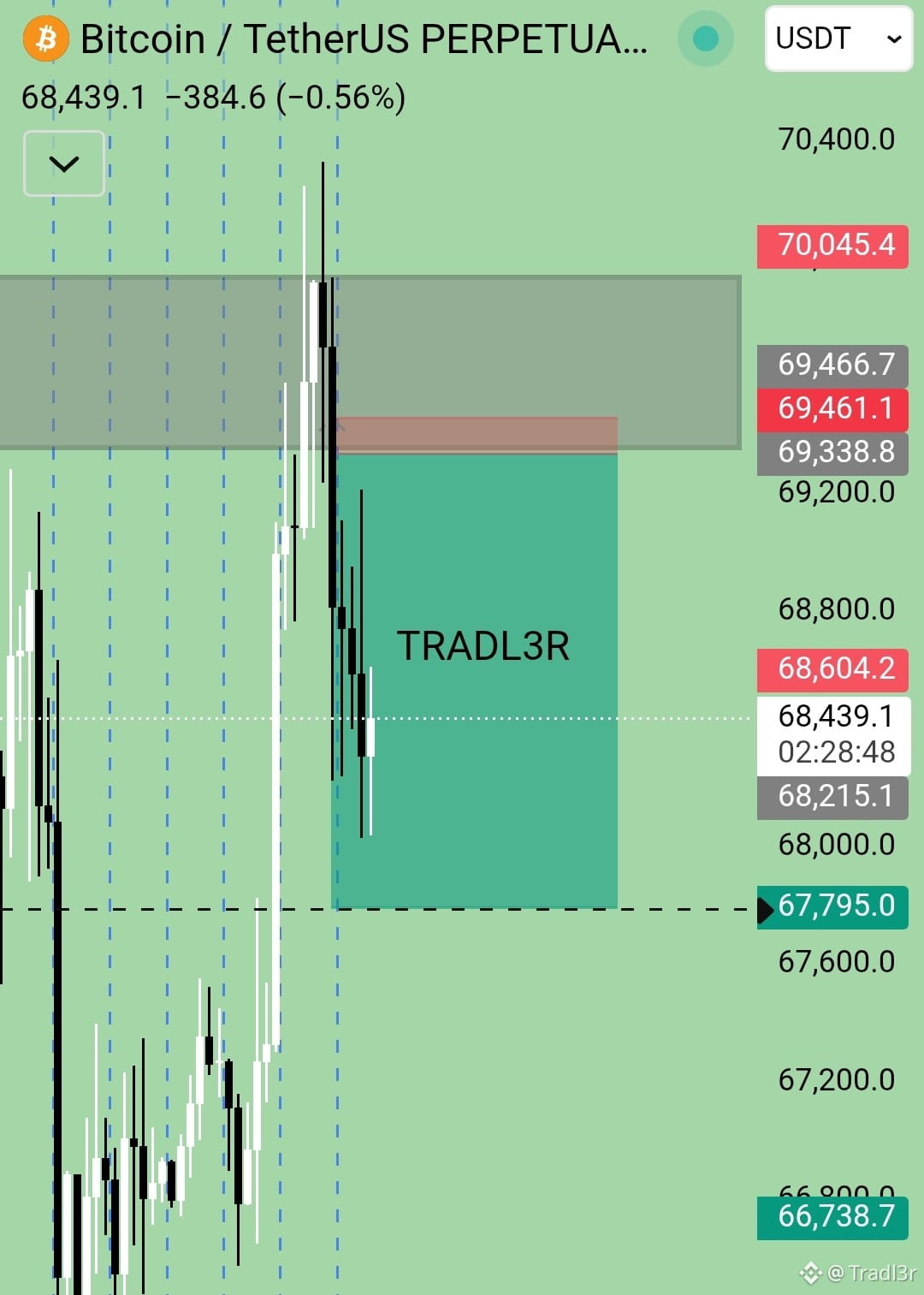
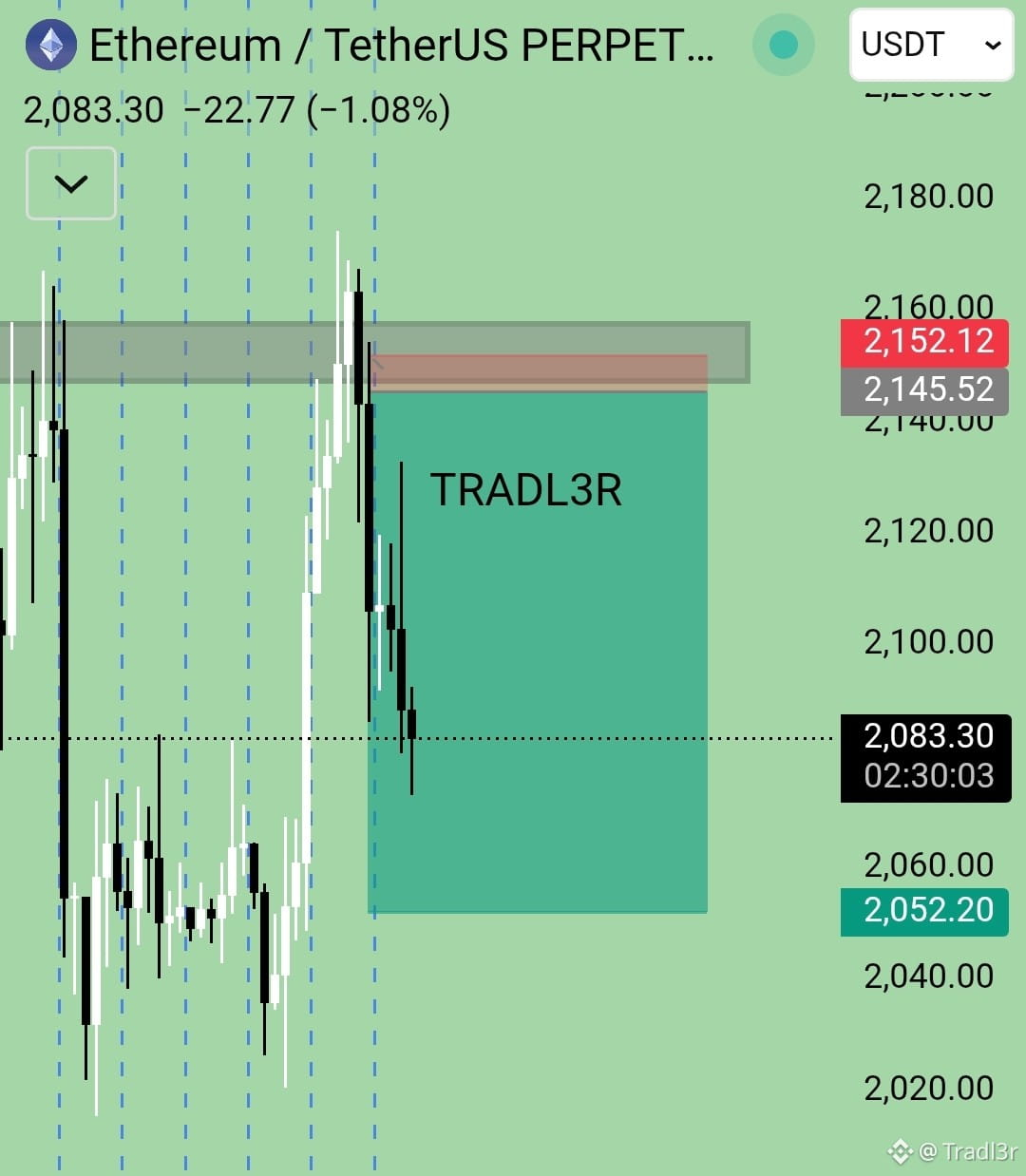
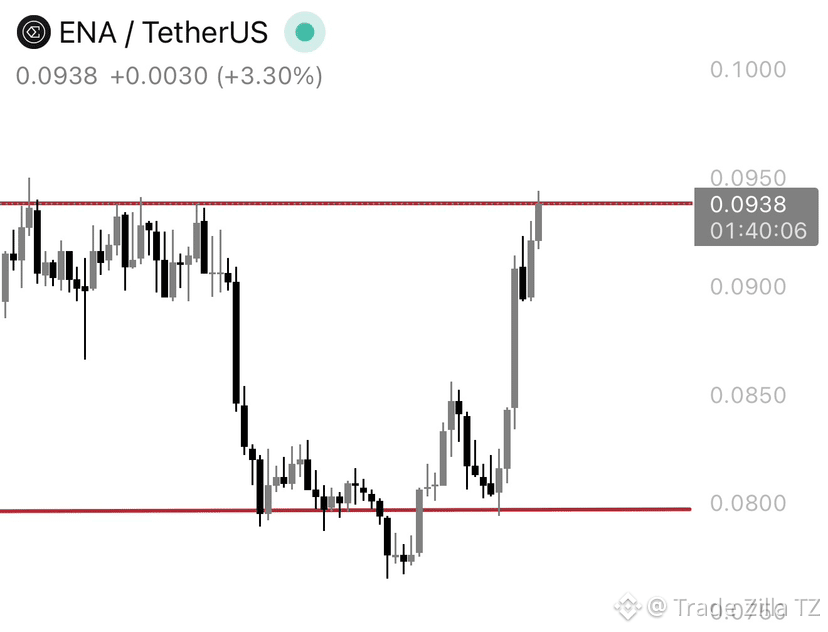
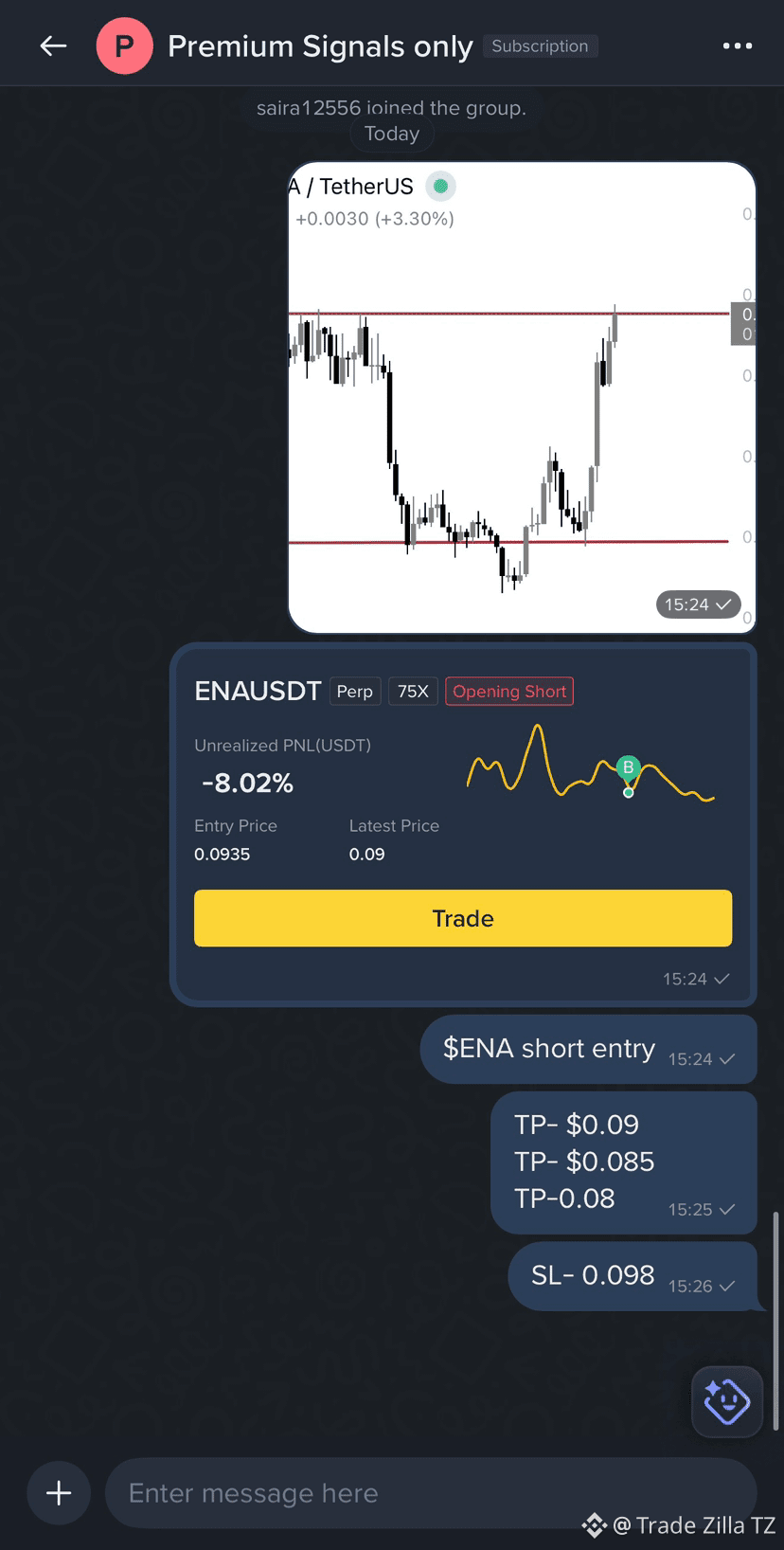
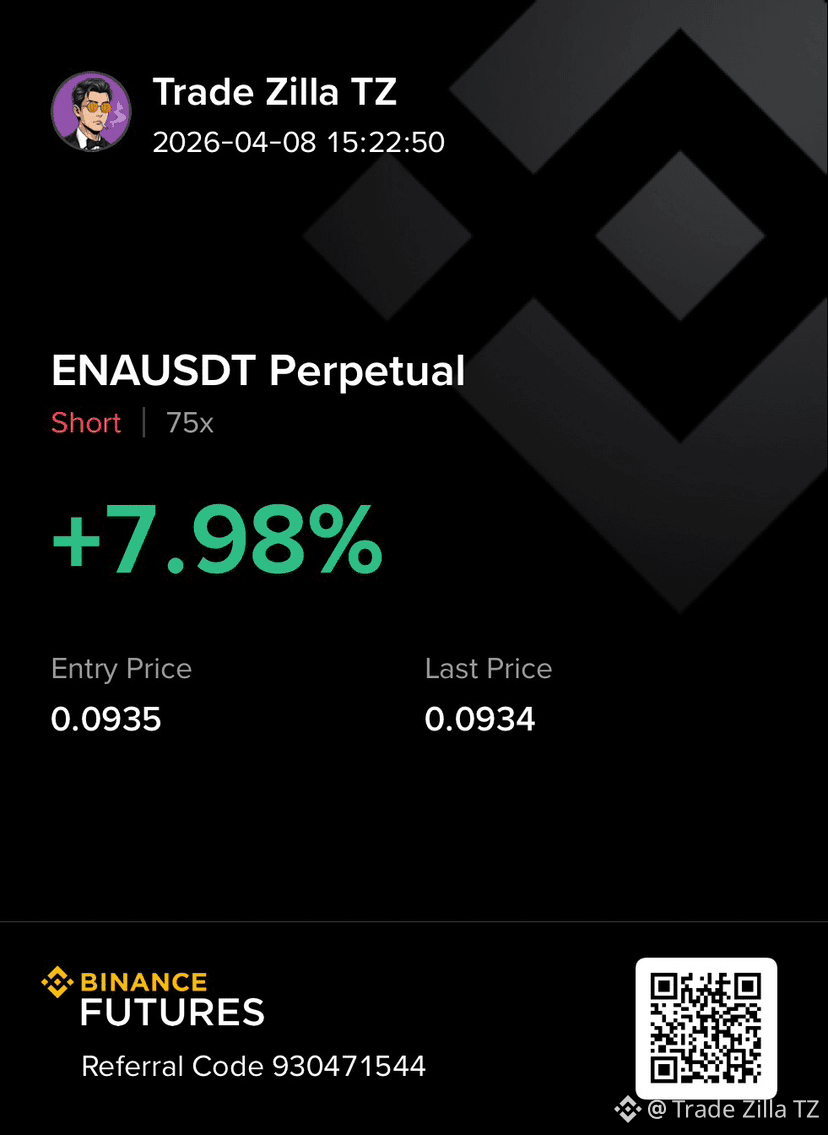
別の正確なコールが[PREMIUM GROUP](https://app.binance.com/uni-qr/group-chat-landing?channelToken=PGAVTwyFlf_y7bdcPq3R9w&type=1&entrySource=sharing_link)から……完璧に実行された……$ENA – ショート
エントリー: 0.0935….
TP- $0.09
TP- $0.085
TP- $0.08
SL- $0.098
レジスタンスからのクリーンな拒否 → 計画通りに。
その間:
$SIREN ✅
$JOE ✅
複数の勝利。同じ戦略。同じ精度。
これは運ではない…それは一貫性だ。
他の人が印刷している間、傍観しないでください。
プレミアムグループに参加して、次の動きが起こる前にキャッチしてください。
#StrategyBTCPurchase #TrumpDeadlineOnIran
別の正確なコールがPREMIUM GROUPから……完璧に実行された……$ENA – ショート
エントリー: 0.0935….
TP- $0.09
TP- $0.085
TP- $0.08
SL- $0.098
レジスタンスからのクリーンな拒否 → 計画通りに。
その間:
$SIREN ✅
$JOE ✅
複数の勝利。同じ戦略。同じ精度。
これは運ではない…それは一貫性だ。
他の人が印刷している間、傍観しないでください。
プレミアムグループに参加して、次の動きが起こる前にキャッチしてください。
#StrategyBTCPurchase #TrumpDeadlineOnIran
エントリー: 0.0935….
TP- $0.09
TP- $0.085
TP- $0.08
SL- $0.098
レジスタンスからのクリーンな拒否 → 計画通りに。
その間:
$SIREN ✅
$JOE ✅
複数の勝利。同じ戦略。同じ精度。
これは運ではない…それは一貫性だ。
他の人が印刷している間、傍観しないでください。
プレミアムグループに参加して、次の動きが起こる前にキャッチしてください。
#StrategyBTCPurchase #TrumpDeadlineOnIran
14
22
10.8k
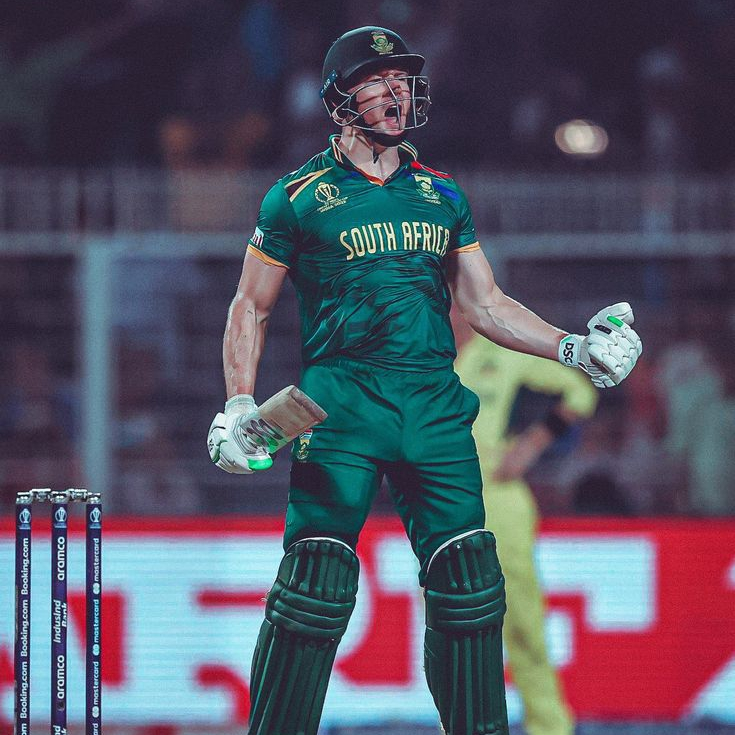
翻訳参照
entry $RIVER
11.
tp1. 11.4
tp.2. 11.8.
sl .10.85
#US&IranAgreedToATwo-weekCeasefire
#IranClosesHormuzAgain
#TrumpDeadlineOnIran $BTC
entry $RIVER
11.
tp1. 11.4
tp.2. 11.8.
sl .10.85
#US&IranAgreedToATwo-weekCeasefire
#IranClosesHormuzAgain
#TrumpDeadlineOnIran $BTC
11.
tp1. 11.4
tp.2. 11.8.
sl .10.85
#US&IranAgreedToATwo-weekCeasefire
#IranClosesHormuzAgain
#TrumpDeadlineOnIran $BTC
3
159

翻訳参照
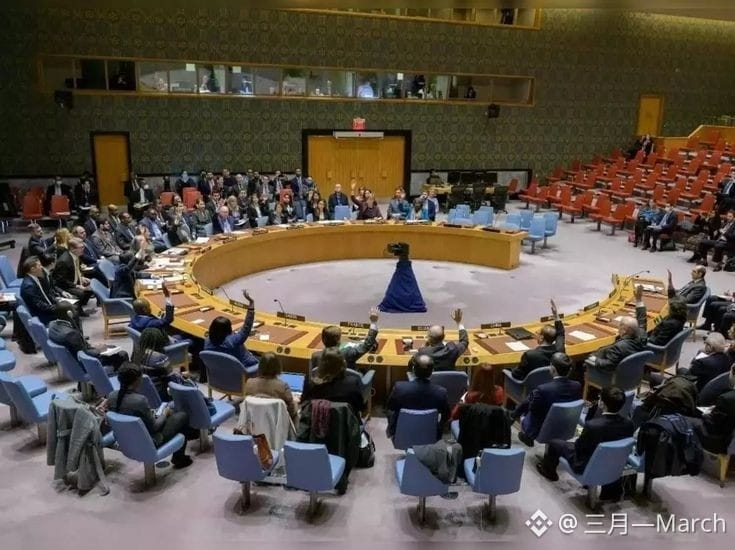
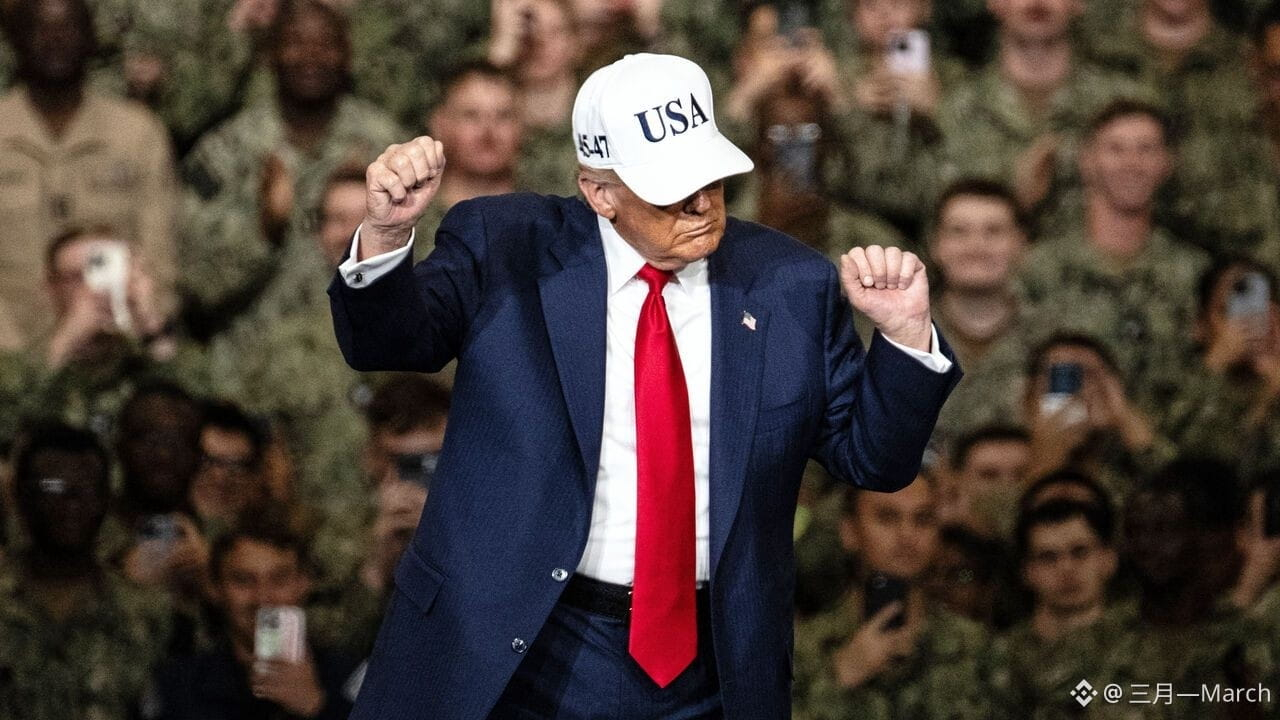
🔊🔊🔊Despite the announcement of a high-profile, two-week ceasefire between the United States and Iran on April 8, 2026, the Israeli military has intensified its campaign in South Lebanon and Beirut.
Prime Minister Benjamin Netanyahu’s office clarified that while Israel supports the U.S.-led truce with Tehran, the agreement does not extend to its ongoing war with Hezbollah. In a move dubbed "Operation Eternal Darkness," the Israel Defense Forces (IDF) launched what they described as the largest coordinated strike of the conflict, hitting over 100 targets in a single ten-minute window.
These strikes have devastated residential and commercial sectors, including central neighborhoods in Beirut, under the justification of dismantling Hezbollah’s command and intelligence infrastructure.
The continued violence has created a scene of profound humanitarian whiplash for the Lebanese people. Hours before the massive wave of airstrikes, many of the 1.1 million displaced civilians had begun packing their belongings to return home, hopeful that the Pakistan-mediated peace between the U.S. and Iran signaled a regional end to hostilities.
Instead, they were met with renewed bombardment and warnings from the Lebanese army to stay away from the south. While international mediators argue the ceasefire was intended to be comprehensive, the disconnect between the U.S.-Iran diplomatic "victory" and the reality on the ground in Lebanon underscores a fragile and fragmented regional peace that leaves millions still caught in the crossfire.
$JTO | $JOE | $ETH
#CZReleasedMemeoir | #MarketRebound | #TrumpDeadlineOnIran
1
581


2年前、サウジアラビアはアメリカとの「ペトロダラー」契約を静かにキャンセルしました。この契約は50年間、世界経済を支えていました。その後、イランで戦争が勃発しました #US&IranAgreedToATwo-weekCeasefire #ChaosLabsLeavingAave #MarketRebound #StrategyBTCPurchase #TrumpDeadlineOnIran $NOM
{future}(NOMUSDT)
$ICP
{future}(ICPUSDT)
$RED
{future}(REDUSDT)
2年前、サウジアラビアはアメリカとの「ペトロダラー」契約を静かにキャンセルしました。この契約は50年間、世界経済を支えていました。その後、イランで戦争が勃発しました #US&IranAgreedToATwo-weekCeasefire #ChaosLabsLeavingAave #MarketRebound #StrategyBTCPurchase #TrumpDeadlineOnIran $NOM
$ICP
$RED
$ICP
$RED
380

·
--
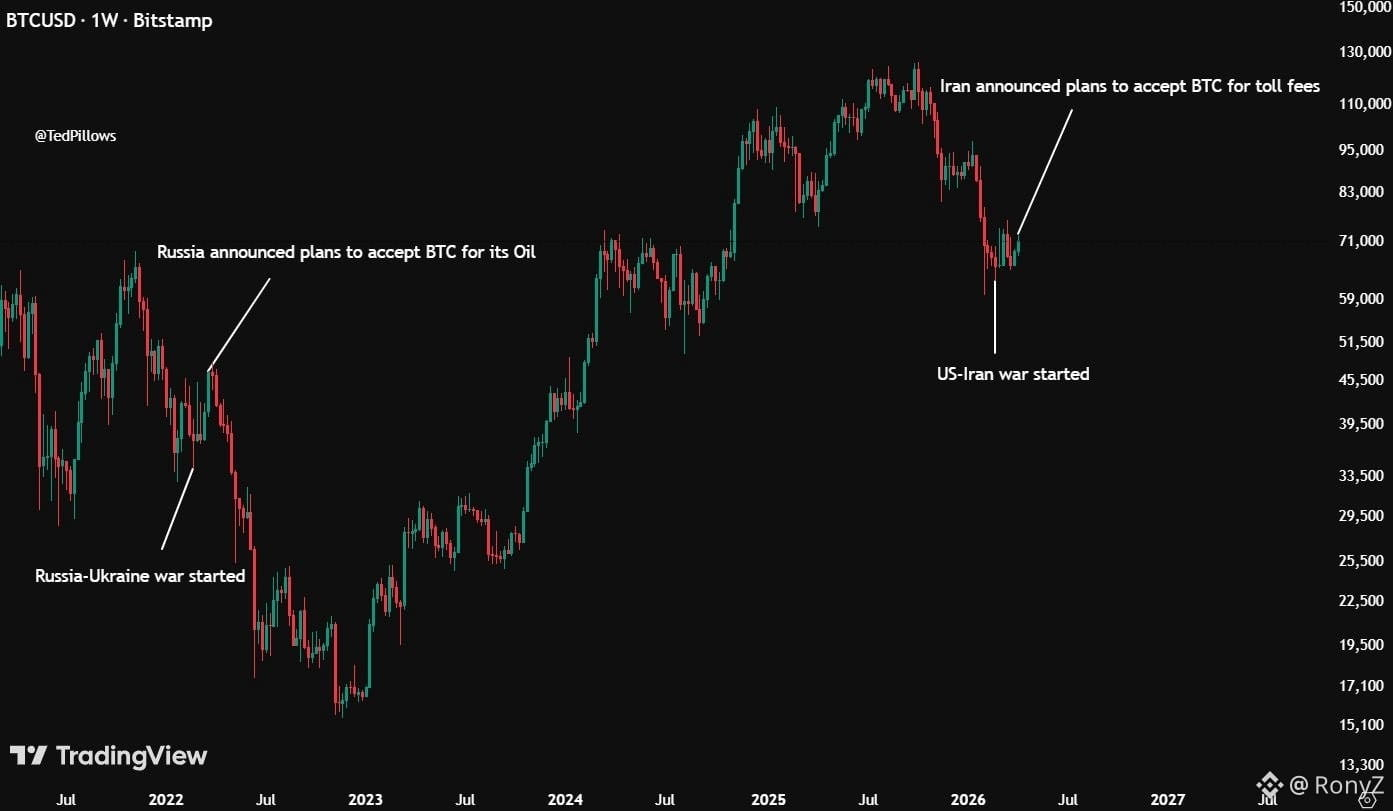
2022年2月 vs 2026年2月 — 同じ脚本、異なるキャスト。
戦争 → パニック
ビットコインの底 → バウンス
ナラティブの低下 → “$BTC アダプション”
ユーフォリアの高まり → 価格の急騰
その後? 流動性の退出 → 急激なダンプ。
私たちは今、ナラティブ/ユーフォリアのフェーズにいる可能性が高い。
上昇は短期的です。リスクは指数関数的です。
ストーリーを追わないでください。サイクルを取引してください。
#US&IranAgreedToATwo-weekCeasefire #MarketRebound #TrumpDeadlineOnIran #BTC☀ #BinanceSquareFamily
戦争 → パニック
ビットコインの底 → バウンス
ナラティブの低下 → “$BTC アダプション”
ユーフォリアの高まり → 価格の急騰
その後? 流動性の退出 → 急激なダンプ。
私たちは今、ナラティブ/ユーフォリアのフェーズにいる可能性が高い。
上昇は短期的です。リスクは指数関数的です。
ストーリーを追わないでください。サイクルを取引してください。
#US&IranAgreedToATwo-weekCeasefire #MarketRebound #TrumpDeadlineOnIran #BTC☀ #BinanceSquareFamily
4
322

·
--
ブリッシュ
3.2k
39
181
3.2k

·
--
ブリッシュ
翻訳参照
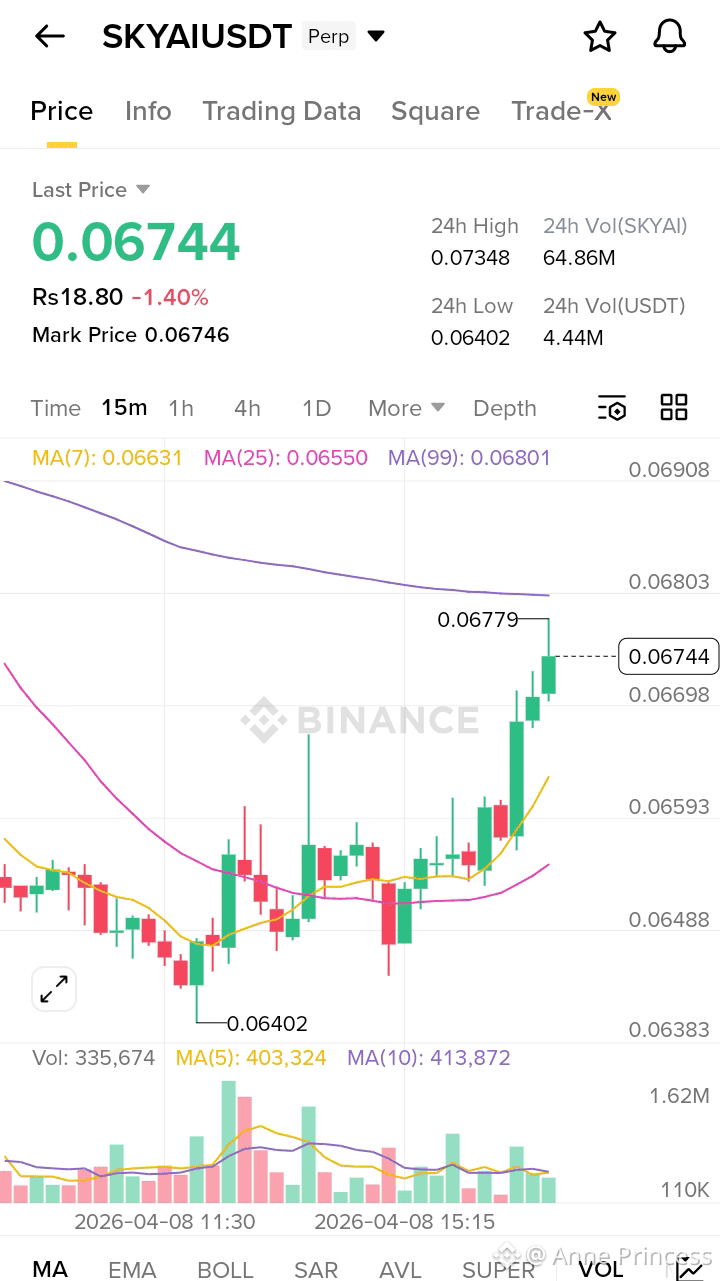
$SKYAI Entry: 0.067125 – 0.067453
SL: 0.065711
TP1: 0.068472
TP2: 0.069261
TP3: 0.070445
#MorganStanley'sBTCETFSetToLaunch #PolymarketMajorUpgrade #StrategyBTCPurchase DriftInvestigationLinksRecentAttackToNorthKoreanHackers#TrumpDeadlineOnIran DriftInvestigationLinksRecentAttackToNorthKoreanHackers#PolymarketMajorUpgrade
SL: 0.065711
TP1: 0.068472
TP2: 0.069261
TP3: 0.070445
#MorganStanley'sBTCETFSetToLaunch #PolymarketMajorUpgrade #StrategyBTCPurchase DriftInvestigationLinksRecentAttackToNorthKoreanHackers#TrumpDeadlineOnIran DriftInvestigationLinksRecentAttackToNorthKoreanHackers#PolymarketMajorUpgrade
75

·
--
弱気相場
#TrumpDeadlineOnIran
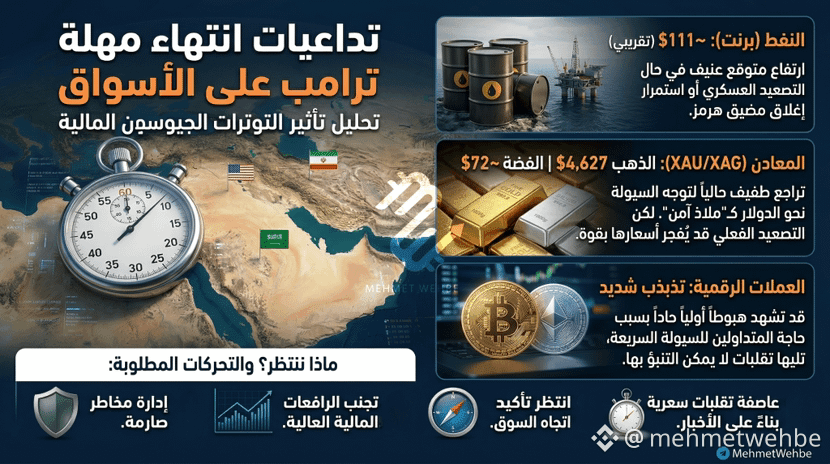
🚨 市場は熱い鉄板の上にあります!
トランプの期限が切れるまでの重要な時間が迫っており、地政学的緊張が投資家を厳しいシナリオに直面させています。
あなたのポートフォリオにどのように影響しますか? 📉📈
🛢 石油:嵐の中心で.. どんなエスカレーションや海峡の閉鎖が即座に価格を爆発させるでしょう。
🥇 金属(ゴールド/シルバー):ドルに向けて一時的な後退がありますが、実際の火花があれば強力に爆発する安全な避難所です。
🪙 仮想通貨:大きな変動に備えてください!流動性を求めて初期の下落が予想され、その後ランダムな変動が続きます。
💡 トレーダーへのアドバイス:
今の市場はギャンブルではありません。レバレッジを減らし、厳格なリスク管理を維持し、期限が切れた後の状況が明確になるのを待ちましょう。 🛡
5
5k

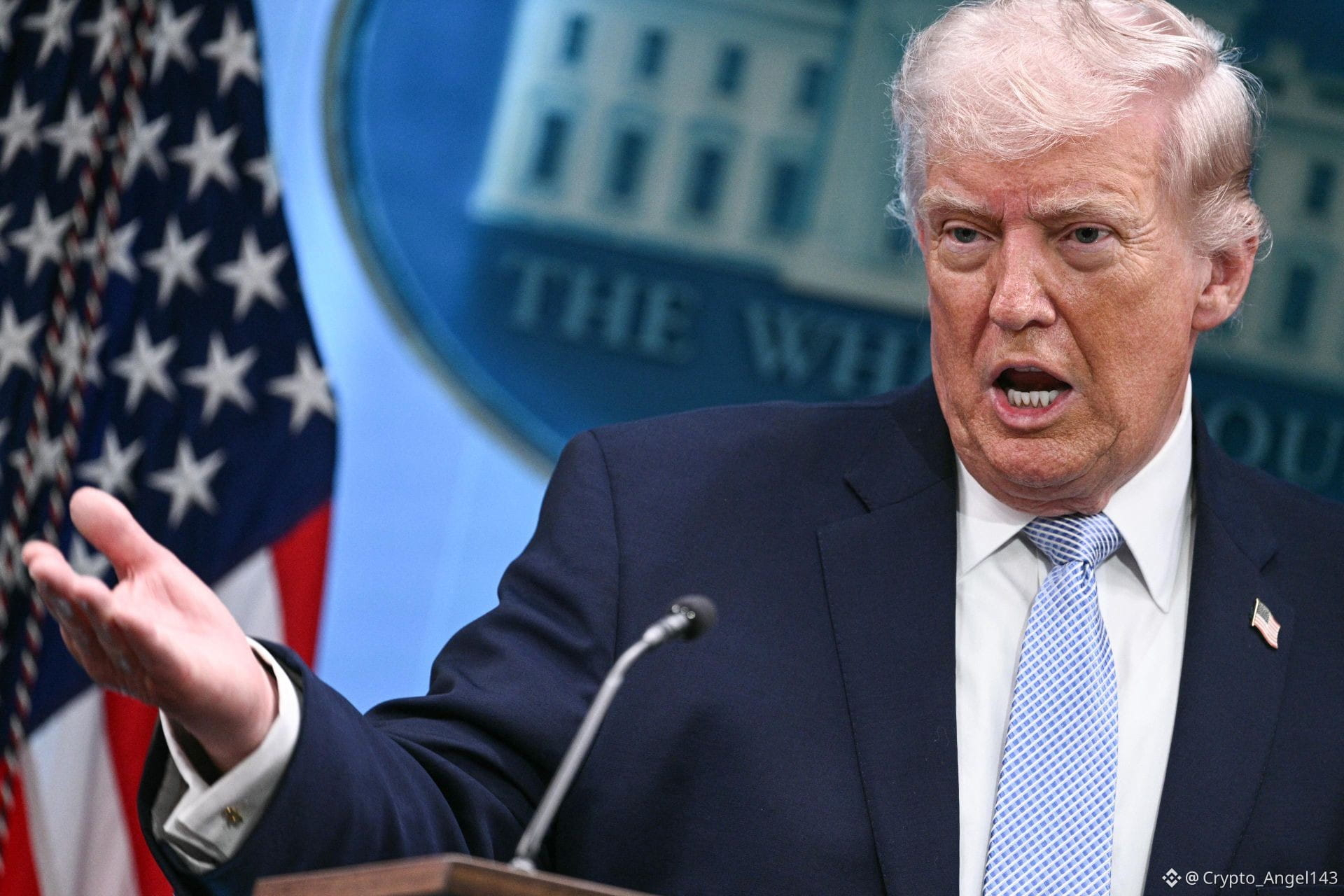
🚨 トランプのイランに関する期限
元アメリカ合衆国大統領ドナルド・トランプがホルムズ海峡の状況に関してイランに期限を設定する中、世界的な緊張が高まっています。
期限が無視されれば、アメリカは強力な軍事行動の可能性を警告しました。イランはすでに圧力を拒否しており、攻撃を受けた場合には応じると述べています。
なぜこれが重要なのか?
ホルムズ海峡は世界の石油供給の大きなシェアを担っています。そこでの紛争は世界市場を揺るがす可能性があります。
暗号トレーダーにとって、大きな地政学的事件はしばしばボラティリティをもたらします。ビットコインや全体の市場は迅速に反応するかもしれません。
冷静を保ち、市場を観察し、リスクを管理してください。
#CryptoNews #TrumpDeadlineOnIran #MarketAlert #BTCBackTo70K #Geopolitics $BTC $BNB
{spot}(BNBUSDT)
{spot}(BTCUSDT)
$DOGE
{spot}(DOGEUSDT)
🚨 トランプのイランに関する期限
元アメリカ合衆国大統領ドナルド・トランプがホルムズ海峡の状況に関してイランに期限を設定する中、世界的な緊張が高まっています。
期限が無視されれば、アメリカは強力な軍事行動の可能性を警告しました。イランはすでに圧力を拒否しており、攻撃を受けた場合には応じると述べています。
なぜこれが重要なのか?
ホルムズ海峡は世界の石油供給の大きなシェアを担っています。そこでの紛争は世界市場を揺るがす可能性があります。
暗号トレーダーにとって、大きな地政学的事件はしばしばボラティリティをもたらします。ビットコインや全体の市場は迅速に反応するかもしれません。
冷静を保ち、市場を観察し、リスクを管理してください。
#CryptoNews #TrumpDeadlineOnIran #MarketAlert #BTCBackTo70K #Geopolitics $BTC $BNB
$DOGE
2.4k
27
179
2.4k
ログインして、さらにコンテンツを読む
厳選トピックで世界の暗号資産トレーダーの仲間入り
⚡️ 暗号資産に関する最新かつ有益な情報が見つかります。
💬 世界最大の暗号資産取引所から信頼されています。
👍 認証を受けたクリエイターから、有益なインサイトを得られます。
メール / 電話番号
トレンドトピック
1
#NvidiaBeatsEstimatesWith$130BQ4Outlook
閲覧回数 11,654
161人が討論中
2
#AnthropicIPOPriceCouldExceed$80
閲覧回数 17,703
144人が討論中
3
#CanNvidia’sDataCenterGrowthContinue?
閲覧回数 52,962
719人が討論中
4
#CanadaAndUSLaunchOperationNiagaraAgainstApprovalPhishing
閲覧回数 2,359
31人が討論中
5
#BankOfEnglandUnveilsClearingHousePathwayCoveringDLTFirms
閲覧回数 1,924
46人が討論中
6
#DBSAndCirclePartnerToExpandAsianInstitutionsUSDCAccess
閲覧回数 3,309
54人が討論中
7
#LedgerHardwareImplantReportsExtendToDubai
閲覧回数 20,849
294人が討論中
8
#NvidiaBoardNotConsideringHuang’sReturnasCEO
閲覧回数 215,449
1,550人が討論中
9
#KOSPIFalls2.59%ToLowestCloseSinceFebruary
閲覧回数 65,089
738人が討論中
10
#AnthropicClearedToListOnNasdaqAsANT
閲覧回数 56,975
606人が討論中