

Wendy 🇻🇳
 厳選トピック確認済+
Crypto Trader | Web3 | 🏅 Rising Star 2024 • Brand Amplifier H1/2026

#BinanceTurns7

#BinanceTurns7 task 2

Top Voices
142 フォロー
85.2K+ フォロワー
241.8K+ いいね
3 バッジ
投稿
すべて
引用
動画
ライブ
PINNED

Trading Insight_DN
·
--
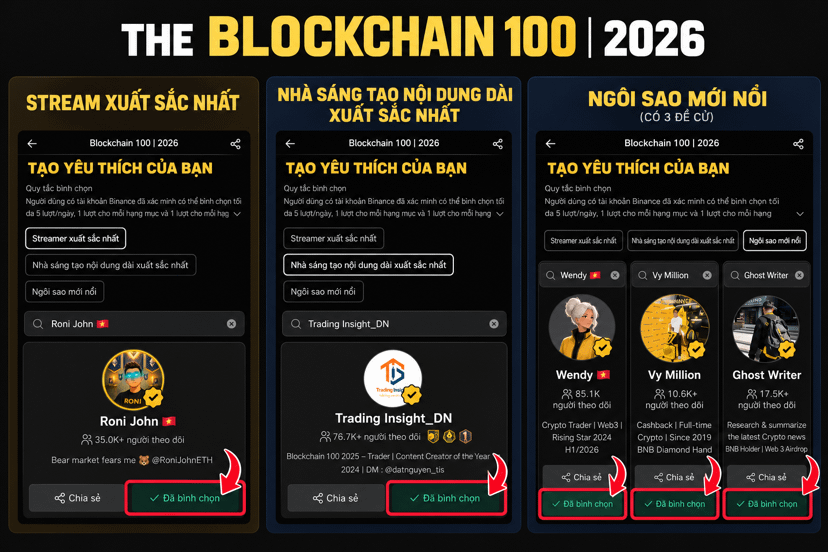
🔥 イベント終了まで、今日を含めてあと3日です。最後の3日間、ぜひ仲間たちへの応援をよろしくお願いします。
- 投票数は毎日リセットされ、投票できる部門も日によって異なります。
部門と候補者の一覧:
1. 優秀ストリーマー部門
@Roni John 🇻🇳 - プロフィールページを直接タップしてください
2. 長編コンテンツクリエイター部門
@Trading Insight_DN - プロフィールページをタップしてください
3. 新星部門 - 候補者は3名で、ランキング順に以下のとおりです
- @Wendy 🇻🇳
- @Vy Million
- @Ghost Writer
プロフィールページを直接タップしてください……この部門はベトナム勢の候補者が少し多いので、投票権がある方は、応援したい人に投票してあげてくださいね。
投票は約5秒で終わります。気軽に仲間たちに1票ずつ投票してあげてくださいね。
- 投票数は毎日リセットされ、投票できる部門も日によって異なります。
部門と候補者の一覧:
1. 優秀ストリーマー部門
@Roni John 🇻🇳 - プロフィールページを直接タップしてください
2. 長編コンテンツクリエイター部門
@Trading Insight_DN - プロフィールページをタップしてください
3. 新星部門 - 候補者は3名で、ランキング順に以下のとおりです
- @Wendy 🇻🇳
- @Vy Million
- @Ghost Writer
プロフィールページを直接タップしてください……この部門はベトナム勢の候補者が少し多いので、投票権がある方は、応援したい人に投票してあげてくださいね。
投票は約5秒で終わります。気軽に仲間たちに1票ずつ投票してあげてくださいね。
Wendy 🇻🇳
·
--
7日目:応援が必要です 💛
ゴールが近づいてきました!
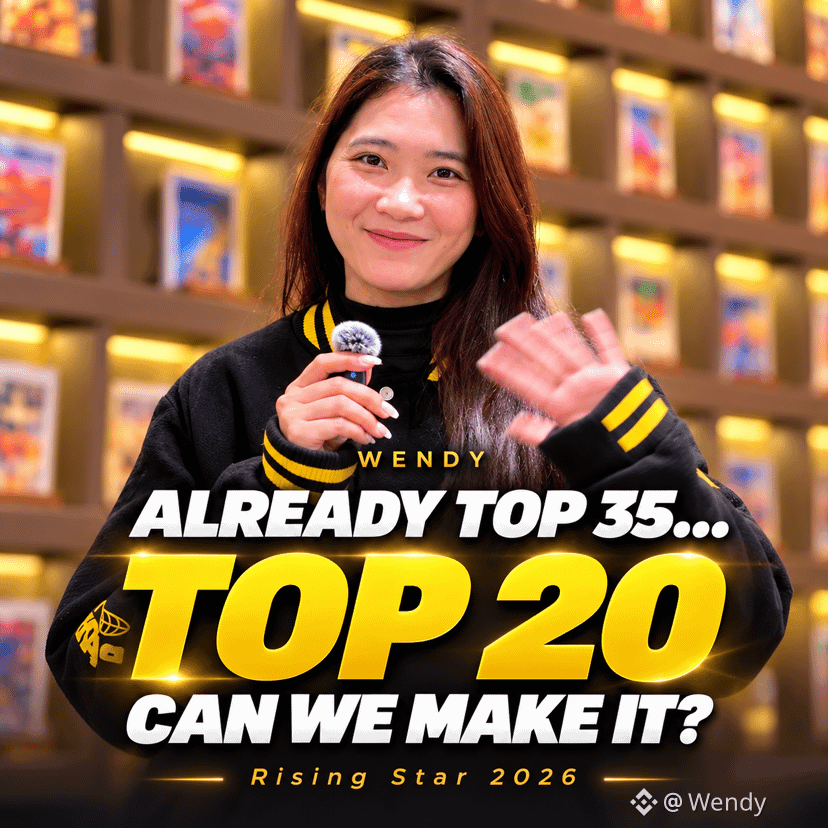
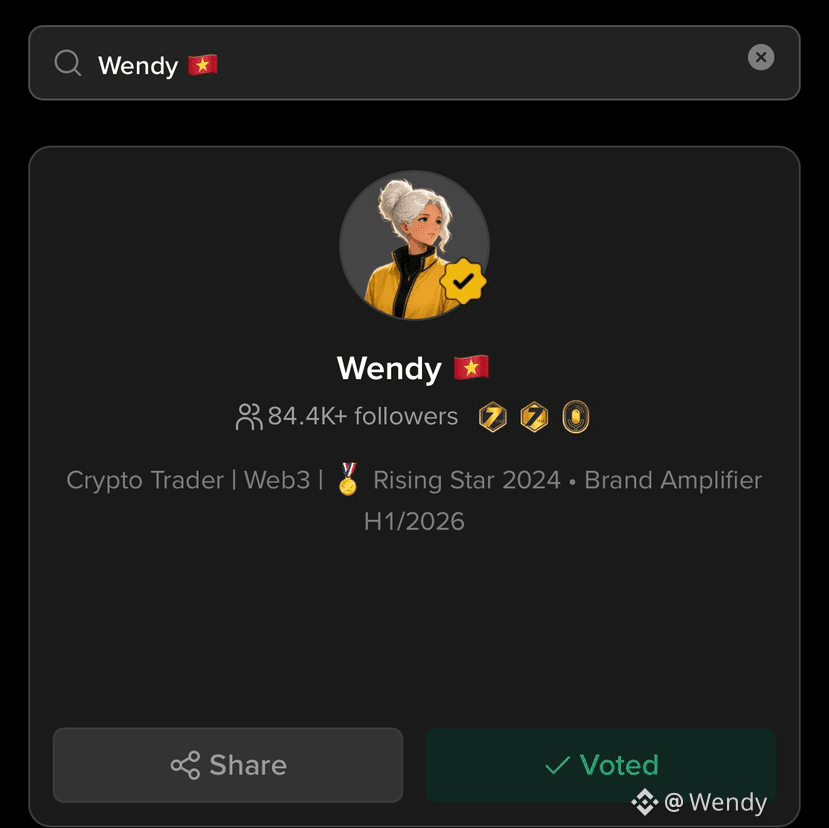
現在、Rising Starで39位です。皆さんの1票がこれまで以上に大切です。❤️
一緒にトップ30を目指しませんか?
🌟 投票はこちら:
https://app.binance.com/uni-qr/cact26user/681
#TheBlockchain100 #BinanceSquare $BTC
ゴールが近づいてきました!
現在、Rising Starで39位です。皆さんの1票がこれまで以上に大切です。❤️
一緒にトップ30を目指しませんか?
🌟 投票はこちら:
https://app.binance.com/uni-qr/cact26user/681
#TheBlockchain100 #BinanceSquare $BTC
Wendy 🇻🇳
·
--
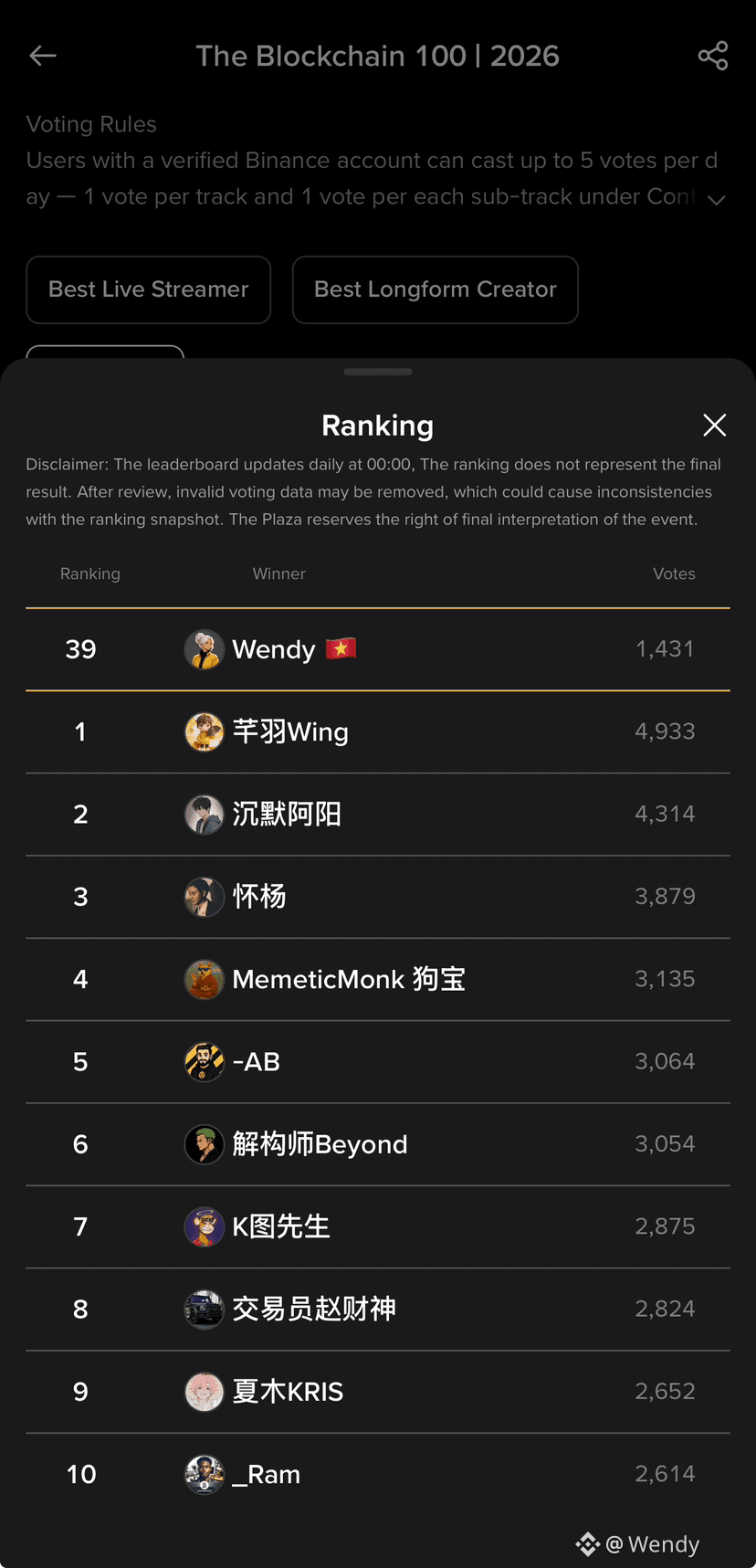
6日目:トップ40入り!
#41 → #39 🏆
1,431票、まだまだ上昇中!
みんな、ありがとう!❤️ 1票ごとに目標に近づいています。
一緒にトップ30を目指そう!
🌟 私に投票してね:https://app.binance.com/uni-qr/cact26user/681
#TheBlockchain100 #BinanceSquare $BNB
#41 → #39 🏆
1,431票、まだまだ上昇中!
みんな、ありがとう!❤️ 1票ごとに目標に近づいています。
一緒にトップ30を目指そう!
🌟 私に投票してね:https://app.binance.com/uni-qr/cact26user/681
#TheBlockchain100 #BinanceSquare $BNB
Wendy 🇻🇳
·
--
ブリッシュ6日目:最後の追い込みが始まりました!
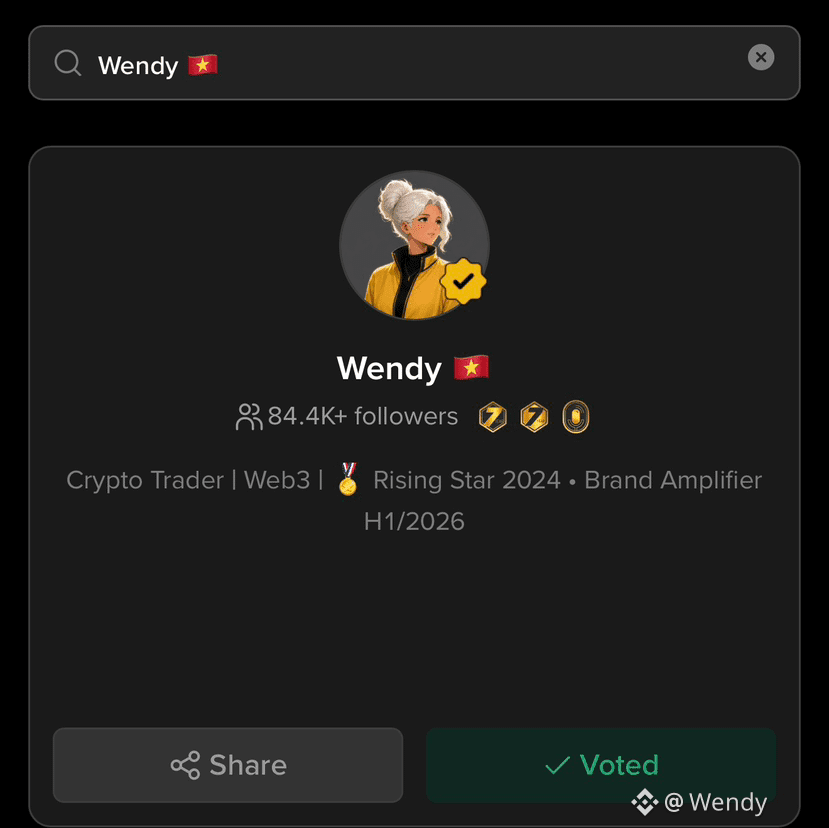
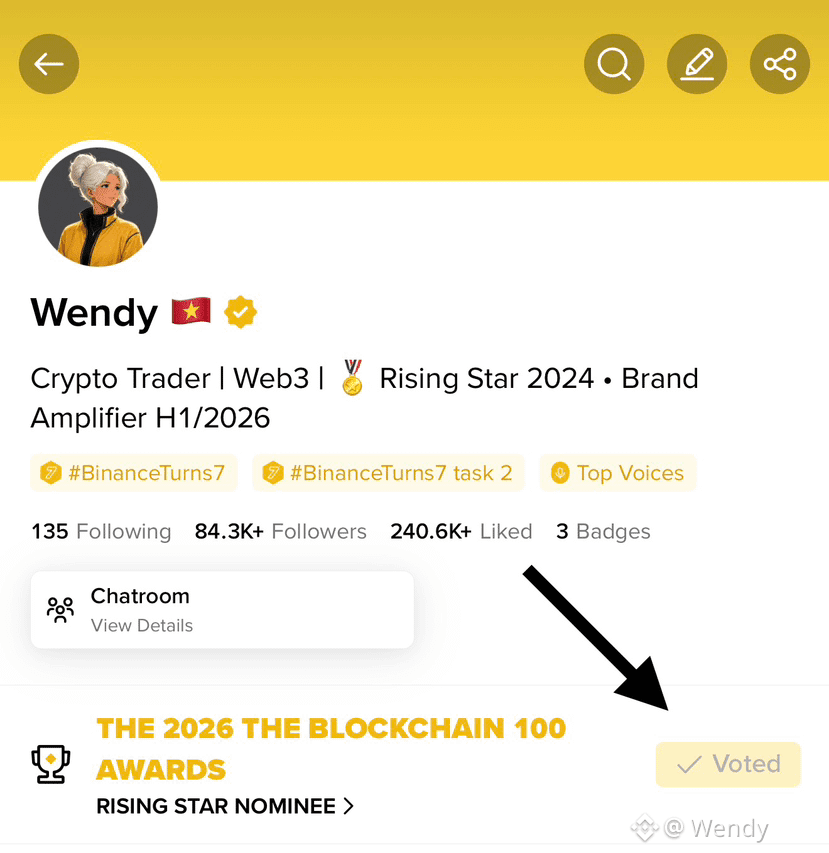
現在、Rising Starに#41 として参加中です。ゴールが近づいています!
皆さんの応援が何よりの力になります。一緒にもっと上を目指しましょう!❤️
🌟 投票はこちら:
https://app.binance.com/uni-qr/cact26user/681
#TheBlockchain100 #BinanceSquare $BTC $BNB
現在、Rising Starに#41 として参加中です。ゴールが近づいています!
皆さんの応援が何よりの力になります。一緒にもっと上を目指しましょう!❤️
🌟 投票はこちら:
https://app.binance.com/uni-qr/cact26user/681
#TheBlockchain100 #BinanceSquare $BTC $BNB
Wendy 🇻🇳
·
--
🏆 5日目:この調子で頑張ろう!
「The Blockchain 100」の新たな一日が始まりました!
私たちは2つのカテゴリーにノミネートされています。今日も応援していただけるとうれしいです。❤️
🌟 ライジングスター | Wendy
https://app.binance.com/uni-qr/cact26user/681
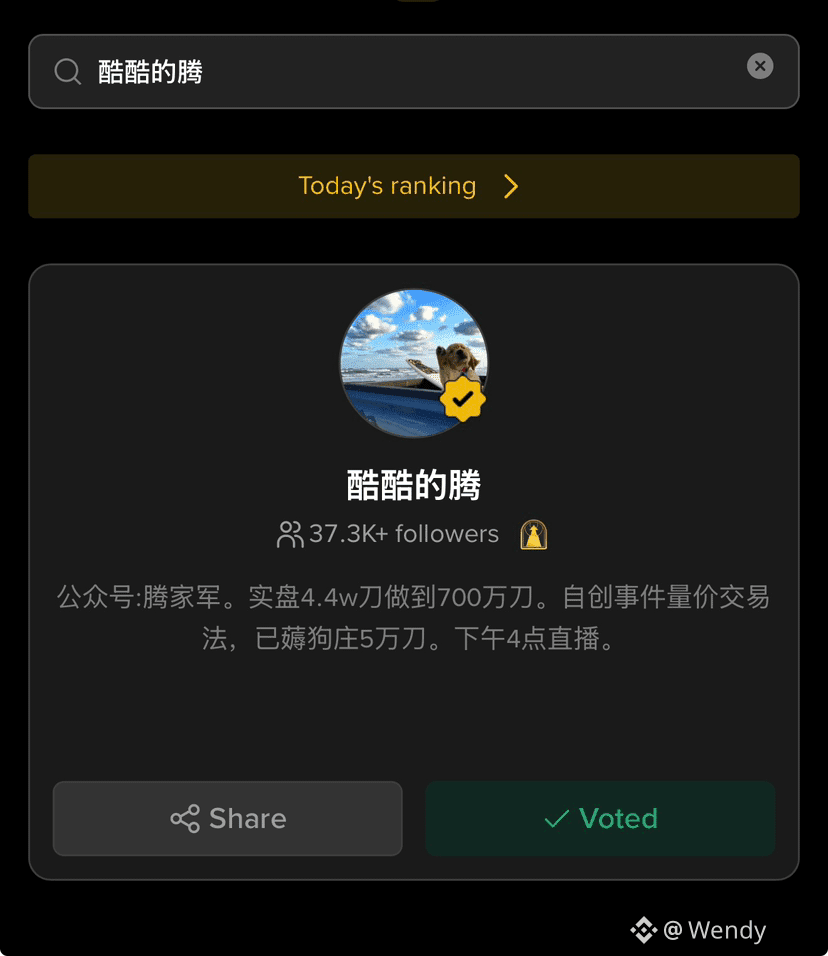
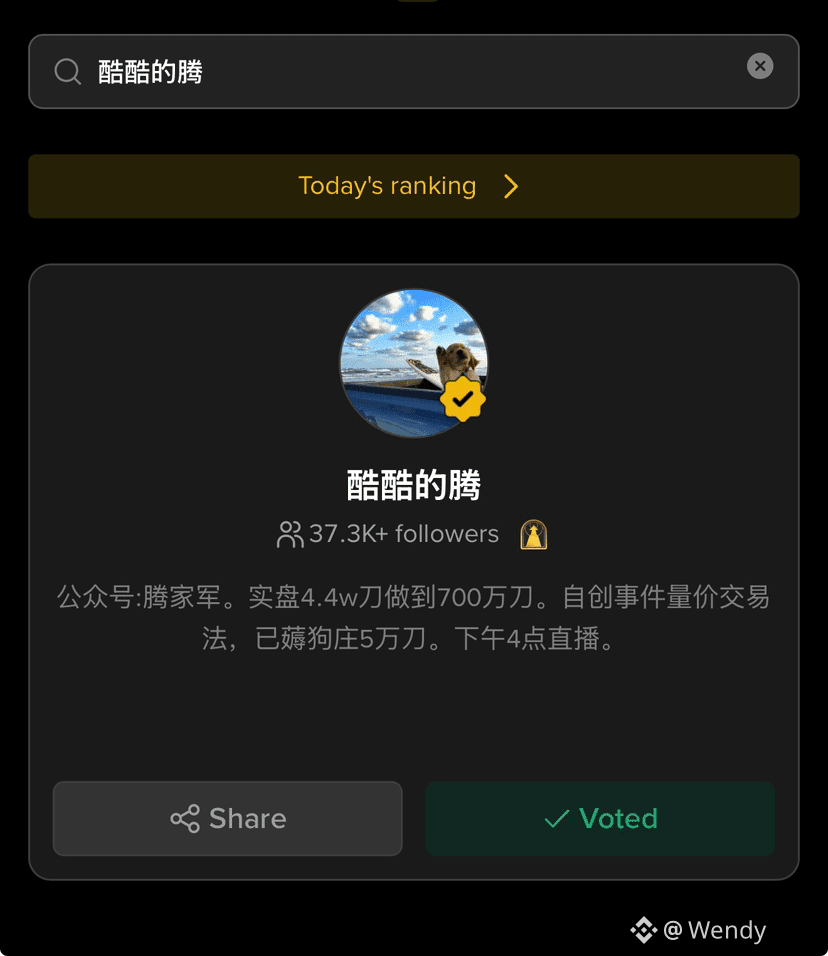
🎙 ベストライブストリーマー | 酷酷的腾
https://app.binance.com/uni-qr/cact26user/358
一票一票が私たちの大きな力になります。この旅路を一緒に歩んでくれて、ありがとうございます!
#TheBlockchain100 #BinanceSquare #BinanceBlockchainweek $BTC $ETH $BNB
「The Blockchain 100」の新たな一日が始まりました!
私たちは2つのカテゴリーにノミネートされています。今日も応援していただけるとうれしいです。❤️
🌟 ライジングスター | Wendy
https://app.binance.com/uni-qr/cact26user/681
🎙 ベストライブストリーマー | 酷酷的腾
https://app.binance.com/uni-qr/cact26user/358
一票一票が私たちの大きな力になります。この旅路を一緒に歩んでくれて、ありがとうございます!
#TheBlockchain100 #BinanceSquare #BinanceBlockchainweek $BTC $ETH $BNB
Wendy 🇻🇳
·
--
🏆 4日目:皆さんの応援が大きな力になります!
4日目の投票が始まりました!本日は両方の部門で応援していただけるとうれしいです。
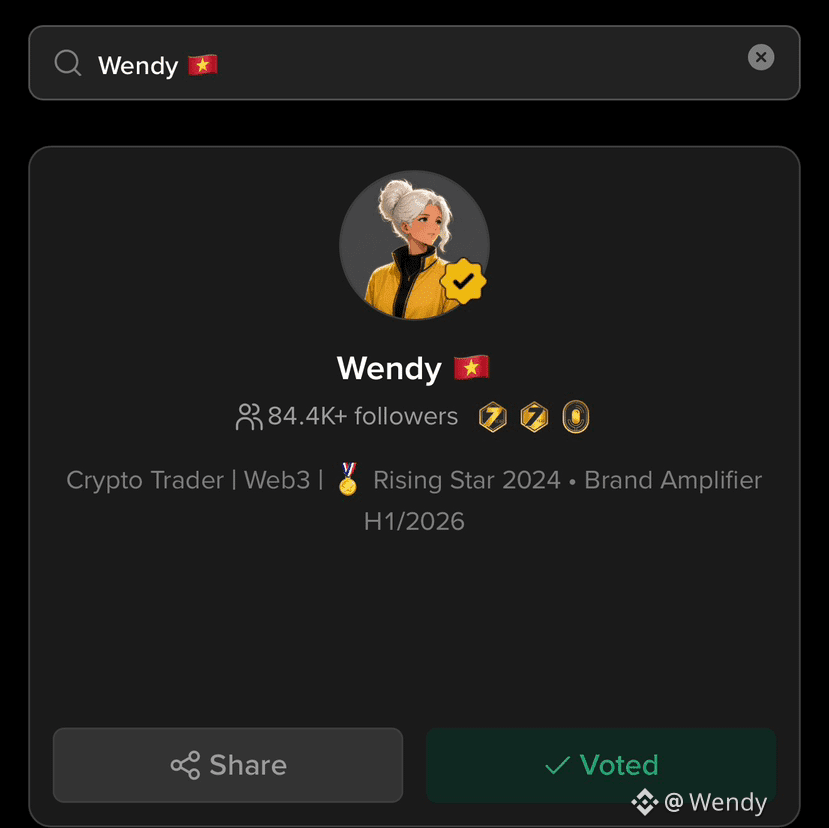
🌟 ライジングスター | Wendy
https://app.binance.com/uni-qr/cact26user/681
🎙️ ベストライブストリーマー | 酷酷的腾
https://app.binance.com/uni-qr/cact26user/358
コンテンツを楽しんでいただけているなら、ぜひ投票をお願いします!
この道のりを一緒に歩んでくださり、ありがとうございます!❤️
#TheBlockchain100 #BinanceSquare
4日目の投票が始まりました!本日は両方の部門で応援していただけるとうれしいです。
🌟 ライジングスター | Wendy
https://app.binance.com/uni-qr/cact26user/681
🎙️ ベストライブストリーマー | 酷酷的腾
https://app.binance.com/uni-qr/cact26user/358
コンテンツを楽しんでいただけているなら、ぜひ投票をお願いします!
この道のりを一緒に歩んでくださり、ありがとうございます!❤️
#TheBlockchain100 #BinanceSquare
Wendy 🇻🇳
·
--
3日目のまとめ:ランキング更新!🚨
📊 現在の順位:#53、648票
今日の投票がまだお済みでない方は、1日の終わりまでにぜひ2秒だけ使って、私たちを応援してください:
👉 直接投票リンク:TheBlockchain100
または、私のBinance Squareプロフィールにアクセスして「Vote」ボタンをタップしてください
🎁 ランダムトークン報酬を受け取るには、スクリーンショットの証明をこのチャットに投稿してください!
皆さん、応援してくださって本当にありがとうございます ❤️
#BinanceBlockChainWeek $BTC $ETH $BNB
📊 現在の順位:#53、648票
今日の投票がまだお済みでない方は、1日の終わりまでにぜひ2秒だけ使って、私たちを応援してください:
👉 直接投票リンク:TheBlockchain100
または、私のBinance Squareプロフィールにアクセスして「Vote」ボタンをタップしてください
🎁 ランダムトークン報酬を受け取るには、スクリーンショットの証明をこのチャットに投稿してください!
皆さん、応援してくださって本当にありがとうございます ❤️
#BinanceBlockChainWeek $BTC $ETH $BNB
ログインして、さらにコンテンツを読む