

Pkcb
205 Posting

Pkcb
Laporkan
Blokir Pengguna
do it
Perdagangan Terbuka

Pemilik SOL
Pedagang Rutin
4.1 Tahun
69 Mengikuti
41 Pengikut
22 Disukai
Posting
Portofolio
Semua
Kuotasi
·
--
Lihat terjemahan
🚀$CASH is gaining attention in the crypto community!
✅A project worth keeping an eye on as the ecosystem develops. Always DYOR before investing.
What are your thoughts on $CASH?👉
#CASH #BinanceSquare #Crypto
#Web3
SR-CB4590F9D3CDC62C1E40A3D8
🚀$CASH is gaining attention in the crypto community!
✅A project worth keeping an eye on as the ecosystem develops. Always DYOR before investing.
What are your thoughts on $CASH?👉
#CASH #BinanceSquare #Crypto
#Web3
SR-CB4590F9D3CDC62C1E40A3D8
✅A project worth keeping an eye on as the ecosystem develops. Always DYOR before investing.
What are your thoughts on $CASH?👉
#CASH #BinanceSquare #Crypto
#Web3
SR-CB4590F9D3CDC62C1E40A3D8
45
·
--
Lihat terjemahan
🚀$CASH is gaining attention in the crypto community!
A project worth keeping an eye on as the ecosystem develops. Always DYOR before investing.
What are your thoughts on $CASH?
#CASH #BinanceSquare #Crypto
#Web3
#$CASH
🚀$CASH is gaining attention in the crypto community!
A project worth keeping an eye on as the ecosystem develops. Always DYOR before investing.
What are your thoughts on $CASH?
#CASH #BinanceSquare #Crypto
#Web3
#$CASH
A project worth keeping an eye on as the ecosystem develops. Always DYOR before investing.
What are your thoughts on $CASH?
#CASH #BinanceSquare #Crypto
#Web3
#$CASH
1
1
55

·
--
Lihat terjemahan
👉😳😳wow
👉😳😳wow
Pkcb
·
--
#BTC
#ETH🔥🔥🔥🔥🔥🔥
SOL $119.90 - Apakah $125 Berikutnya? Pendapat Saya 🚀
SOL baru saja melonjak dari $116.32 ke $119.92 dalam 2 jam!
Cek chart:
MA(7) $118.12 - Harga di atas - Bullish
BOLL Upper $120.48 - Hanya $0.60 lagi
RSI $68 - Belum overbought
MACD 0.22 Hijau - Momentum kuat
24h High $120.73 adalah resistance kunci. Jika SOL menembus $120.73 dengan volume (274M hari ini), target berikutnya $122 - $125.
Rencana saya: Menunggu koreksi ke $119.40 untuk entry, SL $118.60 (BOLL MB), TP $120.40 - $122.
Menurut kalian - SOL ke $125 hari ini?
$SOL $BTC $ETH
#SOL #Solana #Crypto
#ETH🔥🔥🔥🔥🔥🔥
SOL $119.90 - Apakah $125 Berikutnya? Pendapat Saya 🚀
SOL baru saja melonjak dari $116.32 ke $119.92 dalam 2 jam!
Cek chart:
MA(7) $118.12 - Harga di atas - Bullish
BOLL Upper $120.48 - Hanya $0.60 lagi
RSI $68 - Belum overbought
MACD 0.22 Hijau - Momentum kuat
24h High $120.73 adalah resistance kunci. Jika SOL menembus $120.73 dengan volume (274M hari ini), target berikutnya $122 - $125.
Rencana saya: Menunggu koreksi ke $119.40 untuk entry, SL $118.60 (BOLL MB), TP $120.40 - $122.
Menurut kalian - SOL ke $125 hari ini?
$SOL $BTC $ETH
#SOL #Solana #Crypto
·
--
#BTC
#ETH🔥🔥🔥🔥🔥🔥
SOL $119.90 - Apakah $125 Berikutnya? Pendapat Saya 🚀
SOL baru saja melonjak dari $116.32 ke $119.92 dalam 2 jam!
Cek chart:
MA(7) $118.12 - Harga di atas - Bullish
BOLL Upper $120.48 - Hanya $0.60 lagi
RSI $68 - Belum overbought
MACD 0.22 Hijau - Momentum kuat
24h High $120.73 adalah resistance kunci. Jika SOL menembus $120.73 dengan volume (274M hari ini), target berikutnya $122 - $125.
Rencana saya: Menunggu koreksi ke $119.40 untuk entry, SL $118.60 (BOLL MB), TP $120.40 - $122.
Menurut kalian - SOL ke $125 hari ini?
$SOL $BTC $ETH
#SOL #Solana #Crypto
#BTC
#ETH🔥🔥🔥🔥🔥🔥
SOL $119.90 - Apakah $125 Berikutnya? Pendapat Saya 🚀
SOL baru saja melonjak dari $116.32 ke $119.92 dalam 2 jam!
Cek chart:
MA(7) $118.12 - Harga di atas - Bullish
BOLL Upper $120.48 - Hanya $0.60 lagi
RSI $68 - Belum overbought
MACD 0.22 Hijau - Momentum kuat
24h High $120.73 adalah resistance kunci. Jika SOL menembus $120.73 dengan volume (274M hari ini), target berikutnya $122 - $125.
Rencana saya: Menunggu koreksi ke $119.40 untuk entry, SL $118.60 (BOLL MB), TP $120.40 - $122.
Menurut kalian - SOL ke $125 hari ini?
$SOL $BTC $ETH
#SOL #Solana #Crypto
#ETH🔥🔥🔥🔥🔥🔥
SOL $119.90 - Apakah $125 Berikutnya? Pendapat Saya 🚀
SOL baru saja melonjak dari $116.32 ke $119.92 dalam 2 jam!
Cek chart:
MA(7) $118.12 - Harga di atas - Bullish
BOLL Upper $120.48 - Hanya $0.60 lagi
RSI $68 - Belum overbought
MACD 0.22 Hijau - Momentum kuat
24h High $120.73 adalah resistance kunci. Jika SOL menembus $120.73 dengan volume (274M hari ini), target berikutnya $122 - $125.
Rencana saya: Menunggu koreksi ke $119.40 untuk entry, SL $118.60 (BOLL MB), TP $120.40 - $122.
Menurut kalian - SOL ke $125 hari ini?
$SOL $BTC $ETH
#SOL #Solana #Crypto
1
1
1
112
·
--
#pixel $PIXEL
@SignOfficial
Piksel—singkatan dari "elemen gambar"—adalah unit dasar dari warna yang dapat diprogram dalam teknologi pencitraan digital dan tampilan. Sama seperti bata Lego yang disusun untuk membangun struktur kompleks, piksel diatur dalam grid dua dimensi yang presisi untuk membentuk semua gambar, video, dan teks di layar digital, termasuk TV, smartphone, dan monitor komputer. Sebagai titik terkecil yang tidak dapat dibagi dari tampilan, kotak-kotak kecil ini bekerja sama, menyatu tanpa cela di mata kita untuk menghasilkan gambar yang kontinu.
Struktur dan Fungsi
Meskipun terlihat kecil di mata telanjang, piksel biasanya berbentuk persegi dan berfungsi sebagai blok bangunan. Dalam sebagian besar teknologi tampilan, piksel terdiri dari tiga sub-piksel—merah, hijau, dan biru (RGB). Dengan bervariasi intensitas dari ketiga warna ini dari 0% hingga 100%, setiap piksel dapat menghasilkan spektrum warna yang luas. Ketika transistor menghidupkan atau mematikan sub-piksel ini, ia menciptakan gambar yang kita lihat, dengan jutaan elemen ini berfungsi bersamaan.
Piksel, Resolusi, dan Kualitas Gambar
Jumlah total piksel dalam layar atau gambar menentukan resolusinya. Ini umumnya dihitung dengan mengalikan piksel horizontal dengan piksel vertikal, seperti Definisi Tinggi (1920x1080) atau 4K Ultra Definisi Tinggi (3840x2160).
#pixel $PIXEL
@SignOfficial
Piksel—singkatan dari "elemen gambar"—adalah unit dasar dari warna yang dapat diprogram dalam teknologi pencitraan digital dan tampilan. Sama seperti bata Lego yang disusun untuk membangun struktur kompleks, piksel diatur dalam grid dua dimensi yang presisi untuk membentuk semua gambar, video, dan teks di layar digital, termasuk TV, smartphone, dan monitor komputer. Sebagai titik terkecil yang tidak dapat dibagi dari tampilan, kotak-kotak kecil ini bekerja sama, menyatu tanpa cela di mata kita untuk menghasilkan gambar yang kontinu.
Struktur dan Fungsi
Meskipun terlihat kecil di mata telanjang, piksel biasanya berbentuk persegi dan berfungsi sebagai blok bangunan. Dalam sebagian besar teknologi tampilan, piksel terdiri dari tiga sub-piksel—merah, hijau, dan biru (RGB). Dengan bervariasi intensitas dari ketiga warna ini dari 0% hingga 100%, setiap piksel dapat menghasilkan spektrum warna yang luas. Ketika transistor menghidupkan atau mematikan sub-piksel ini, ia menciptakan gambar yang kita lihat, dengan jutaan elemen ini berfungsi bersamaan.
Piksel, Resolusi, dan Kualitas Gambar
Jumlah total piksel dalam layar atau gambar menentukan resolusinya. Ini umumnya dihitung dengan mengalikan piksel horizontal dengan piksel vertikal, seperti Definisi Tinggi (1920x1080) atau 4K Ultra Definisi Tinggi (3840x2160).
@SignOfficial
Piksel—singkatan dari "elemen gambar"—adalah unit dasar dari warna yang dapat diprogram dalam teknologi pencitraan digital dan tampilan. Sama seperti bata Lego yang disusun untuk membangun struktur kompleks, piksel diatur dalam grid dua dimensi yang presisi untuk membentuk semua gambar, video, dan teks di layar digital, termasuk TV, smartphone, dan monitor komputer. Sebagai titik terkecil yang tidak dapat dibagi dari tampilan, kotak-kotak kecil ini bekerja sama, menyatu tanpa cela di mata kita untuk menghasilkan gambar yang kontinu.
Struktur dan Fungsi
Meskipun terlihat kecil di mata telanjang, piksel biasanya berbentuk persegi dan berfungsi sebagai blok bangunan. Dalam sebagian besar teknologi tampilan, piksel terdiri dari tiga sub-piksel—merah, hijau, dan biru (RGB). Dengan bervariasi intensitas dari ketiga warna ini dari 0% hingga 100%, setiap piksel dapat menghasilkan spektrum warna yang luas. Ketika transistor menghidupkan atau mematikan sub-piksel ini, ia menciptakan gambar yang kita lihat, dengan jutaan elemen ini berfungsi bersamaan.
Piksel, Resolusi, dan Kualitas Gambar
Jumlah total piksel dalam layar atau gambar menentukan resolusinya. Ini umumnya dihitung dengan mengalikan piksel horizontal dengan piksel vertikal, seperti Definisi Tinggi (1920x1080) atau 4K Ultra Definisi Tinggi (3840x2160).
21
·
--
Lihat terjemahan
[https://app.binance.com/uni-qr/HZrvrYGa?utm_medium=app_share_link_telegr](https://app.binance.com/uni-qr/HZrvrYGa?utm_medium=app_share_link_telegr)
https://app.binance.com/uni-qr/HZrvrYGa?utm_medium=app_share_link_telegr
1
·
--
Lihat terjemahan
#DriftInvestigationLinksRecentAttackToNorthKoreanHackers
#DriftInvestigationLinksRecentAttackToNorthKoreanHackers
2
·
--
Artikel
Lihat terjemahan
SIGN@SignOfficial #SignDigitalSovereignInfra
$SIGN
A sign is much more than a simple board by the side of the road; it is a fundamental unit of communication that bridges the gap between a physical object and a mental concept. Whether it is a subtle gesture, a complex mathematical symbol, or a bold neon advertisement, signs serve as the silent architecture of our social and cognitive worldsIn the study of semiotics, a sign is often broken down into three essential parts: the signifier (the physical form), the signified (the concept it represents), and the referent (the actual object in the real world).
Natural Signs: These occur in nature and have a direct causal link. For example, dark clouds are a sign of rain, and smoke is a sign of fire.
Conventional Signs: These are created by human agreement. There is no natural reason why a red octagon means "stop," but because we have collectively agreed upon it, the sign functions as a universal command.
Icons and Symbols: An icon physically resembles what it represents (like a "no smoking" sign with a crossed-out cigarette), while a symbol is abstract (like the letters of an alphabet or a plus sign in math).
Signs in Language and Society
Language itself is a vast system of signs. In American Sign Language (ASL), the "sign" is a physical movement of the hands and face that carries specific grammatical and semantic weight. Mastering just the first 500 basic signs can allow a person to communicate essential needs and emotions, demonstrating how powerful even a limited vocabulary of signs can be.
Beyond language, signs organize our physical environment. Traffic signs prevent chaos on the road, while "Open" or "Closed" signs regulate commerce. In a digital context, we rely on icons—small digital signs—to navigate our phones and computers. Without these visual cues, the modern world would be nearly impossible to navigate, as every interaction would require exhaustive text or verbal explanation.
SIGN
@SignOfficial #SignDigitalSovereignInfra
$SIGN
A sign is much more than a simple board by the side of the road; it is a fundamental unit of communication that bridges the gap between a physical object and a mental concept. Whether it is a subtle gesture, a complex mathematical symbol, or a bold neon advertisement, signs serve as the silent architecture of our social and cognitive worldsIn the study of semiotics, a sign is often broken down into three essential parts: the signifier (the physical form), the signified (the concept it represents), and the referent (the actual object in the real world).
Natural Signs: These occur in nature and have a direct causal link. For example, dark clouds are a sign of rain, and smoke is a sign of fire.
Conventional Signs: These are created by human agreement. There is no natural reason why a red octagon means "stop," but because we have collectively agreed upon it, the sign functions as a universal command.
Icons and Symbols: An icon physically resembles what it represents (like a "no smoking" sign with a crossed-out cigarette), while a symbol is abstract (like the letters of an alphabet or a plus sign in math).
Signs in Language and Society
Language itself is a vast system of signs. In American Sign Language (ASL), the "sign" is a physical movement of the hands and face that carries specific grammatical and semantic weight. Mastering just the first 500 basic signs can allow a person to communicate essential needs and emotions, demonstrating how powerful even a limited vocabulary of signs can be.
Beyond language, signs organize our physical environment. Traffic signs prevent chaos on the road, while "Open" or "Closed" signs regulate commerce. In a digital context, we rely on icons—small digital signs—to navigate our phones and computers. Without these visual cues, the modern world would be nearly impossible to navigate, as every interaction would require exhaustive text or verbal explanation.
$SIGN
A sign is much more than a simple board by the side of the road; it is a fundamental unit of communication that bridges the gap between a physical object and a mental concept. Whether it is a subtle gesture, a complex mathematical symbol, or a bold neon advertisement, signs serve as the silent architecture of our social and cognitive worldsIn the study of semiotics, a sign is often broken down into three essential parts: the signifier (the physical form), the signified (the concept it represents), and the referent (the actual object in the real world).
Natural Signs: These occur in nature and have a direct causal link. For example, dark clouds are a sign of rain, and smoke is a sign of fire.
Conventional Signs: These are created by human agreement. There is no natural reason why a red octagon means "stop," but because we have collectively agreed upon it, the sign functions as a universal command.
Icons and Symbols: An icon physically resembles what it represents (like a "no smoking" sign with a crossed-out cigarette), while a symbol is abstract (like the letters of an alphabet or a plus sign in math).
Signs in Language and Society
Language itself is a vast system of signs. In American Sign Language (ASL), the "sign" is a physical movement of the hands and face that carries specific grammatical and semantic weight. Mastering just the first 500 basic signs can allow a person to communicate essential needs and emotions, demonstrating how powerful even a limited vocabulary of signs can be.
Beyond language, signs organize our physical environment. Traffic signs prevent chaos on the road, while "Open" or "Closed" signs regulate commerce. In a digital context, we rely on icons—small digital signs—to navigate our phones and computers. Without these visual cues, the modern world would be nearly impossible to navigate, as every interaction would require exhaustive text or verbal explanation.
7
·
--
Artikel
Lihat terjemahan
sign#signdigitalsovereigninfra $SIGN @SignOfficial
A sign is a foundational element of communication, acting as an object, quality, or event that indicates the presence or occurrence of something else. Ranging from natural indicators (smoke as a sign of fire) to conventional symbols (traffic signs, language), signs instruct, warn, or inform, often functioning through symbolic or iconic representations.
A sign is a foundational element of communication, acting as an object, quality, or event that indicates the presence or occurrence of something else. Ranging from natural indicators (smoke as a sign of fire) to conventional symbols (traffic signs, language), signs instruct, warn, or inform, often functioning through symbolic or iconic representations.
Types and Functions of Signs
Signs serve diverse purposes in daily life, broadly categorized by their function:
Informational Signs: These provide directional or operational information, such as exit signs in buildings or street signs, helping people navigate their environment.
Warning/Regulatory Signs: These are critical for safety, indicating potential danger (e.g., "High Voltage") or legal constraints, such as stop signs, which compel specific actions to prevent accidents.
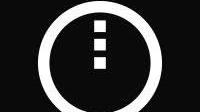
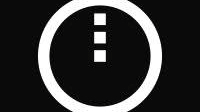
Symbolic Signs: These represent complex ideas or systems. In mathematics, symbols like
or
are essential signs.
Natural Signs: These are observed in nature and suggest impending changes, such as dark clouds indicating rain or falling leaves signaling autumn
sign
#signdigitalsovereigninfra $SIGN @SignOfficial
A sign is a foundational element of communication, acting as an object, quality, or event that indicates the presence or occurrence of something else. Ranging from natural indicators (smoke as a sign of fire) to conventional symbols (traffic signs, language), signs instruct, warn, or inform, often functioning through symbolic or iconic representations.
A sign is a foundational element of communication, acting as an object, quality, or event that indicates the presence or occurrence of something else. Ranging from natural indicators (smoke as a sign of fire) to conventional symbols (traffic signs, language), signs instruct, warn, or inform, often functioning through symbolic or iconic representations.
Types and Functions of Signs
Signs serve diverse purposes in daily life, broadly categorized by their function:
Informational Signs: These provide directional or operational information, such as exit signs in buildings or street signs, helping people navigate their environment.
Warning/Regulatory Signs: These are critical for safety, indicating potential danger (e.g., "High Voltage") or legal constraints, such as stop signs, which compel specific actions to prevent accidents.
Symbolic Signs: These represent complex ideas or systems. In mathematics, symbols like
or
are essential signs.
Natural Signs: These are observed in nature and suggest impending changes, such as dark clouds indicating rain or falling leaves signaling autumn
A sign is a foundational element of communication, acting as an object, quality, or event that indicates the presence or occurrence of something else. Ranging from natural indicators (smoke as a sign of fire) to conventional symbols (traffic signs, language), signs instruct, warn, or inform, often functioning through symbolic or iconic representations.
A sign is a foundational element of communication, acting as an object, quality, or event that indicates the presence or occurrence of something else. Ranging from natural indicators (smoke as a sign of fire) to conventional symbols (traffic signs, language), signs instruct, warn, or inform, often functioning through symbolic or iconic representations.
Types and Functions of Signs
Signs serve diverse purposes in daily life, broadly categorized by their function:
Informational Signs: These provide directional or operational information, such as exit signs in buildings or street signs, helping people navigate their environment.
Warning/Regulatory Signs: These are critical for safety, indicating potential danger (e.g., "High Voltage") or legal constraints, such as stop signs, which compel specific actions to prevent accidents.
Symbolic Signs: These represent complex ideas or systems. In mathematics, symbols like
or
are essential signs.
Natural Signs: These are observed in nature and suggest impending changes, such as dark clouds indicating rain or falling leaves signaling autumn
2
·
--
Lihat terjemahan
#signdigitalsovereigninfra $SIGN
A sign is a foundational element of communication, acting as an object, quality, or event that indicates the presence or occurrence of something else. Ranging from natural indicators (smoke as a sign of fire) to conventional symbols (traffic signs, language), signs instruct, warn, or inform, often functioning through symbolic or iconic representations.500 words about sign
+7
A sign is a foundational element of communication, acting as an object, quality, or event that indicates the presence or occurrence of something else. Ranging from natural indicators (smoke as a sign of fire) to conventional symbols (traffic signs, language), signs instruct, warn, or inform, often functioning through symbolic or iconic representations.
+2
Types and Functions of Signs
Signs serve diverse purposes in daily life, broadly categorized by their function:
Informational Signs: These provide directional or operational information, such as exit signs in buildings or street signs, helping people navigate their environment.
Warning/Regulatory Signs: These are critical for safety, indicating potential danger (e.g., "High Voltage") or legal constraints, such as stop signs, which compel specific actions to prevent accidents.
Symbolic Signs: These represent complex ideas or systems. In mathematics, symbols like
or
are essential signs.
Natural Signs: These are observed in nature and suggest impending changes, such as dark clouds indicating rain or falling leaves signaling autumn
#signdigitalsovereigninfra $SIGN
A sign is a foundational element of communication, acting as an object, quality, or event that indicates the presence or occurrence of something else. Ranging from natural indicators (smoke as a sign of fire) to conventional symbols (traffic signs, language), signs instruct, warn, or inform, often functioning through symbolic or iconic representations.500 words about sign
+7
A sign is a foundational element of communication, acting as an object, quality, or event that indicates the presence or occurrence of something else. Ranging from natural indicators (smoke as a sign of fire) to conventional symbols (traffic signs, language), signs instruct, warn, or inform, often functioning through symbolic or iconic representations.
+2
Types and Functions of Signs
Signs serve diverse purposes in daily life, broadly categorized by their function:
Informational Signs: These provide directional or operational information, such as exit signs in buildings or street signs, helping people navigate their environment.
Warning/Regulatory Signs: These are critical for safety, indicating potential danger (e.g., "High Voltage") or legal constraints, such as stop signs, which compel specific actions to prevent accidents.
Symbolic Signs: These represent complex ideas or systems. In mathematics, symbols like
or
are essential signs.
Natural Signs: These are observed in nature and suggest impending changes, such as dark clouds indicating rain or falling leaves signaling autumn
A sign is a foundational element of communication, acting as an object, quality, or event that indicates the presence or occurrence of something else. Ranging from natural indicators (smoke as a sign of fire) to conventional symbols (traffic signs, language), signs instruct, warn, or inform, often functioning through symbolic or iconic representations.500 words about sign
+7
A sign is a foundational element of communication, acting as an object, quality, or event that indicates the presence or occurrence of something else. Ranging from natural indicators (smoke as a sign of fire) to conventional symbols (traffic signs, language), signs instruct, warn, or inform, often functioning through symbolic or iconic representations.
+2
Types and Functions of Signs
Signs serve diverse purposes in daily life, broadly categorized by their function:
Informational Signs: These provide directional or operational information, such as exit signs in buildings or street signs, helping people navigate their environment.
Warning/Regulatory Signs: These are critical for safety, indicating potential danger (e.g., "High Voltage") or legal constraints, such as stop signs, which compel specific actions to prevent accidents.
Symbolic Signs: These represent complex ideas or systems. In mathematics, symbols like
or
are essential signs.
Natural Signs: These are observed in nature and suggest impending changes, such as dark clouds indicating rain or falling leaves signaling autumn
·
--
Artikel
Lihat terjemahan
midnight network@MidnightNetwork #night Midnight is a privacy-focused, fourth-generation blockchain developed by Input Output Global (IOG), the creators of Cardano. It is designed to provide "rational privacy," allowing users and developers to selectively disclose data while keeping sensitive information shielded using zero-knowledge (ZK) cryptography.
Midnight Network
Midnight Network
+4
Core Features & Architecture
Rational Privacy: Moves beyond binary "public or private" models by giving users granular control over what data is shared and with whom.
Dual-Token System:
NIGHT: The unshielded native utility and governance token (max supply 24 billion).
DUST: A non-transferable, shielded resource generated by holding NIGHT, used to pay for transaction fees and private operations.
Developer Friendly: Uses Compact, a smart contract language based on TypeScript, to lower the barrier for traditional developers.
Compliance by Design: Enables organizations to build applications that meet regulatory requirements (like GDPR or HIPAA) through programmable selective disclosure.
Midnight Network
Midnight Network
+9
Network Status (as of March 2026)
Mainnet Launch: Scheduled for March 2026. The launch follows a phased approach, starting with federated node operators.
Node Operators: Initial mainnet validators include Google Cloud, Blockdaemon, and Shielded Technologies.
Token Availability: The NIGHT token launched on Cardano in December 2025 and is currently tradable on major exchanges like Binance, OKX, and Gate.
Airdrop (Glacier Drop): One of the largest distributions in crypto history, targeting 34 million addresses across eight ecosystems (Cardano, Bitcoin, Ethereum, etc.). The claim period for the initial drop is now closed
midnight network
@MidnightNetwork #night Midnight is a privacy-focused, fourth-generation blockchain developed by Input Output Global (IOG), the creators of Cardano. It is designed to provide "rational privacy," allowing users and developers to selectively disclose data while keeping sensitive information shielded using zero-knowledge (ZK) cryptography.
Midnight Network
Midnight Network
+4
Core Features & Architecture
Rational Privacy: Moves beyond binary "public or private" models by giving users granular control over what data is shared and with whom.
Dual-Token System:
NIGHT: The unshielded native utility and governance token (max supply 24 billion).
DUST: A non-transferable, shielded resource generated by holding NIGHT, used to pay for transaction fees and private operations.
Developer Friendly: Uses Compact, a smart contract language based on TypeScript, to lower the barrier for traditional developers.
Compliance by Design: Enables organizations to build applications that meet regulatory requirements (like GDPR or HIPAA) through programmable selective disclosure.
Midnight Network
Midnight Network
+9
Network Status (as of March 2026)
Mainnet Launch: Scheduled for March 2026. The launch follows a phased approach, starting with federated node operators.
Node Operators: Initial mainnet validators include Google Cloud, Blockdaemon, and Shielded Technologies.
Token Availability: The NIGHT token launched on Cardano in December 2025 and is currently tradable on major exchanges like Binance, OKX, and Gate.
Airdrop (Glacier Drop): One of the largest distributions in crypto history, targeting 34 million addresses across eight ecosystems (Cardano, Bitcoin, Ethereum, etc.). The claim period for the initial drop is now closed
Midnight Network
Midnight Network
+4
Core Features & Architecture
Rational Privacy: Moves beyond binary "public or private" models by giving users granular control over what data is shared and with whom.
Dual-Token System:
NIGHT: The unshielded native utility and governance token (max supply 24 billion).
DUST: A non-transferable, shielded resource generated by holding NIGHT, used to pay for transaction fees and private operations.
Developer Friendly: Uses Compact, a smart contract language based on TypeScript, to lower the barrier for traditional developers.
Compliance by Design: Enables organizations to build applications that meet regulatory requirements (like GDPR or HIPAA) through programmable selective disclosure.
Midnight Network
Midnight Network
+9
Network Status (as of March 2026)
Mainnet Launch: Scheduled for March 2026. The launch follows a phased approach, starting with federated node operators.
Node Operators: Initial mainnet validators include Google Cloud, Blockdaemon, and Shielded Technologies.
Token Availability: The NIGHT token launched on Cardano in December 2025 and is currently tradable on major exchanges like Binance, OKX, and Gate.
Airdrop (Glacier Drop): One of the largest distributions in crypto history, targeting 34 million addresses across eight ecosystems (Cardano, Bitcoin, Ethereum, etc.). The claim period for the initial drop is now closed
1
·
--
Artikel
Lihat terjemahan
Night#Midnight @MidnightNetwork Midnight is a privacy-focused, fourth-generation blockchain developed by Input Output Global (IOG), the creators of Cardano. It is designed to provide "rational privacy," allowing users and developers to selectively disclose data while keeping sensitive information shielded using zero-knowledge (ZK) cryptography.
Midnight Network
Midnight Network
+4
Core Features & Architecture
Rational Privacy: Moves beyond binary "public or private" models by giving users granular control over what data is shared and with whom.
Dual-Token System:
NIGHT: The unshielded native utility and governance token (max supply 24 billion).
DUST: A non-transferable, shielded resource generated by holding NIGHT, used to pay for transaction fees and private operations.
Developer Friendly: Uses Compact, a smart contract language based on TypeScript, to lower the barrier for traditional developers.
Compliance by Design: Enables organizations to build applications that meet regulatory requirements (like GDPR or HIPAA) through programmable selective disclosure.
Midnight Network
Midnight Network
+9
Network Status (as of March 2026)
Mainnet Launch: Scheduled for March 2026. The launch follows a phased approach, starting with federated node operators.
Node Operators: Initial mainnet validators include Google Cloud, Blockdaemon, and Shielded Technologies.
Token Availability: The NIGHT token launched on Cardano in December 2025 and is currently tradable on major exchanges like Binance, OKX, and Gate.
Airdrop (Glacier Drop): One of the largest distributions in crypto history, targeting 34 million addresses across eight ecosystems (Cardano, Bitcoin, Ethereum, etc.). The claim period for the initial drop is now closed
Night
#Midnight @MidnightNetwork Midnight is a privacy-focused, fourth-generation blockchain developed by Input Output Global (IOG), the creators of Cardano. It is designed to provide "rational privacy," allowing users and developers to selectively disclose data while keeping sensitive information shielded using zero-knowledge (ZK) cryptography.
Midnight Network
Midnight Network
+4
Core Features & Architecture
Rational Privacy: Moves beyond binary "public or private" models by giving users granular control over what data is shared and with whom.
Dual-Token System:
NIGHT: The unshielded native utility and governance token (max supply 24 billion).
DUST: A non-transferable, shielded resource generated by holding NIGHT, used to pay for transaction fees and private operations.
Developer Friendly: Uses Compact, a smart contract language based on TypeScript, to lower the barrier for traditional developers.
Compliance by Design: Enables organizations to build applications that meet regulatory requirements (like GDPR or HIPAA) through programmable selective disclosure.
Midnight Network
Midnight Network
+9
Network Status (as of March 2026)
Mainnet Launch: Scheduled for March 2026. The launch follows a phased approach, starting with federated node operators.
Node Operators: Initial mainnet validators include Google Cloud, Blockdaemon, and Shielded Technologies.
Token Availability: The NIGHT token launched on Cardano in December 2025 and is currently tradable on major exchanges like Binance, OKX, and Gate.
Airdrop (Glacier Drop): One of the largest distributions in crypto history, targeting 34 million addresses across eight ecosystems (Cardano, Bitcoin, Ethereum, etc.). The claim period for the initial drop is now closed
Midnight Network
Midnight Network
+4
Core Features & Architecture
Rational Privacy: Moves beyond binary "public or private" models by giving users granular control over what data is shared and with whom.
Dual-Token System:
NIGHT: The unshielded native utility and governance token (max supply 24 billion).
DUST: A non-transferable, shielded resource generated by holding NIGHT, used to pay for transaction fees and private operations.
Developer Friendly: Uses Compact, a smart contract language based on TypeScript, to lower the barrier for traditional developers.
Compliance by Design: Enables organizations to build applications that meet regulatory requirements (like GDPR or HIPAA) through programmable selective disclosure.
Midnight Network
Midnight Network
+9
Network Status (as of March 2026)
Mainnet Launch: Scheduled for March 2026. The launch follows a phased approach, starting with federated node operators.
Node Operators: Initial mainnet validators include Google Cloud, Blockdaemon, and Shielded Technologies.
Token Availability: The NIGHT token launched on Cardano in December 2025 and is currently tradable on major exchanges like Binance, OKX, and Gate.
Airdrop (Glacier Drop): One of the largest distributions in crypto history, targeting 34 million addresses across eight ecosystems (Cardano, Bitcoin, Ethereum, etc.). The claim period for the initial drop is now closed
·
--
Lihat terjemahan
#night $NIGHT
Midnight is a privacy-focused, fourth-generation blockchain developed by Input Output Global (IOG), the creators of Cardano. It is designed to provide "rational privacy," allowing users and developers to selectively disclose data while keeping sensitive information shielded using zero-knowledge (ZK) cryptography.
Midnight Network
Midnight Network
+4
Core Features & Architecture
Rational Privacy: Moves beyond binary "public or private" models by giving users granular control over what data is shared and with whom.
Dual-Token System:
NIGHT: The unshielded native utility and governance token (max supply 24 billion).
DUST: A non-transferable, shielded resource generated by holding NIGHT, used to pay for transaction fees and private operations.
Developer Friendly: Uses Compact, a smart contract language based on TypeScript, to lower the barrier for traditional developers.
Compliance by Design: Enables organizations to build applications that meet regulatory requirements (like GDPR or HIPAA) through programmable selective disclosure.
Midnight Network
Midnight Network
+9
Network Status (as of March 2026)
Mainnet Launch: Scheduled for March 2026. The launch follows a phased approach, starting with federated node operators.
Node Operators: Initial mainnet validators include Google Cloud, Blockdaemon, and Shielded Technologies.
Token Availability: The NIGHT token launched on Cardano in December 2025 and is currently tradable on major exchanges like Binance, OKX, and Gate.
Airdrop (Glacier Drop): One of the largest distributions in crypto history, targeting 34 million addresses across eight ecosystems (Cardano, Bitcoin, Ethereum, etc.). The claim period for the initial drop is now closed
#night $NIGHT
Midnight is a privacy-focused, fourth-generation blockchain developed by Input Output Global (IOG), the creators of Cardano. It is designed to provide "rational privacy," allowing users and developers to selectively disclose data while keeping sensitive information shielded using zero-knowledge (ZK) cryptography.
Midnight Network
Midnight Network
+4
Core Features & Architecture
Rational Privacy: Moves beyond binary "public or private" models by giving users granular control over what data is shared and with whom.
Dual-Token System:
NIGHT: The unshielded native utility and governance token (max supply 24 billion).
DUST: A non-transferable, shielded resource generated by holding NIGHT, used to pay for transaction fees and private operations.
Developer Friendly: Uses Compact, a smart contract language based on TypeScript, to lower the barrier for traditional developers.
Compliance by Design: Enables organizations to build applications that meet regulatory requirements (like GDPR or HIPAA) through programmable selective disclosure.
Midnight Network
Midnight Network
+9
Network Status (as of March 2026)
Mainnet Launch: Scheduled for March 2026. The launch follows a phased approach, starting with federated node operators.
Node Operators: Initial mainnet validators include Google Cloud, Blockdaemon, and Shielded Technologies.
Token Availability: The NIGHT token launched on Cardano in December 2025 and is currently tradable on major exchanges like Binance, OKX, and Gate.
Airdrop (Glacier Drop): One of the largest distributions in crypto history, targeting 34 million addresses across eight ecosystems (Cardano, Bitcoin, Ethereum, etc.). The claim period for the initial drop is now closed
Midnight is a privacy-focused, fourth-generation blockchain developed by Input Output Global (IOG), the creators of Cardano. It is designed to provide "rational privacy," allowing users and developers to selectively disclose data while keeping sensitive information shielded using zero-knowledge (ZK) cryptography.
Midnight Network
Midnight Network
+4
Core Features & Architecture
Rational Privacy: Moves beyond binary "public or private" models by giving users granular control over what data is shared and with whom.
Dual-Token System:
NIGHT: The unshielded native utility and governance token (max supply 24 billion).
DUST: A non-transferable, shielded resource generated by holding NIGHT, used to pay for transaction fees and private operations.
Developer Friendly: Uses Compact, a smart contract language based on TypeScript, to lower the barrier for traditional developers.
Compliance by Design: Enables organizations to build applications that meet regulatory requirements (like GDPR or HIPAA) through programmable selective disclosure.
Midnight Network
Midnight Network
+9
Network Status (as of March 2026)
Mainnet Launch: Scheduled for March 2026. The launch follows a phased approach, starting with federated node operators.
Node Operators: Initial mainnet validators include Google Cloud, Blockdaemon, and Shielded Technologies.
Token Availability: The NIGHT token launched on Cardano in December 2025 and is currently tradable on major exchanges like Binance, OKX, and Gate.
Airdrop (Glacier Drop): One of the largest distributions in crypto history, targeting 34 million addresses across eight ecosystems (Cardano, Bitcoin, Ethereum, etc.). The claim period for the initial drop is now closed
6


·
--
Artikel
Lihat terjemahan
fabric@FabricFND
@Robokcam #ROBO $ROBO
Fabric, in its simplest definition, is a material created by weaving, knitting, crocheting, or bonding fibers together. As the fundamental foundation of fashion, interior design, and various technical applications, fabric determines the durability, aesthetic appeal, and functional utility of a finished product. Understanding the components of fabric—its fibers, construction methods, and weight—is essential for selecting the right material for any given purpose, whether it be a comfortable garment or a durable upholstery piece.
The Building Blocks: Fibers and Yarns
The foundation of every fabric begins with fibers, which are classified as either natural or synthetic. Natural fibers, such as cotton, wool, and silk, are derived from plant or animal sources and are prized for their breathability, comfort, and, in the case of cotton, durability. Synthetic fibers, such as polyester and nylon, are man-made through chemical processes. Polyester, for instance, is valued for its high strength, resistance to abrasion, and ability to hold shape, making it ideal for sportswear and activewear. These fibers are spun into yarns, which are then constructed into fabrics.
fabric
@Fabric Foundation
@Robo #ROBO $ROBO
Fabric, in its simplest definition, is a material created by weaving, knitting, crocheting, or bonding fibers together. As the fundamental foundation of fashion, interior design, and various technical applications, fabric determines the durability, aesthetic appeal, and functional utility of a finished product. Understanding the components of fabric—its fibers, construction methods, and weight—is essential for selecting the right material for any given purpose, whether it be a comfortable garment or a durable upholstery piece.
The Building Blocks: Fibers and Yarns
The foundation of every fabric begins with fibers, which are classified as either natural or synthetic. Natural fibers, such as cotton, wool, and silk, are derived from plant or animal sources and are prized for their breathability, comfort, and, in the case of cotton, durability. Synthetic fibers, such as polyester and nylon, are man-made through chemical processes. Polyester, for instance, is valued for its high strength, resistance to abrasion, and ability to hold shape, making it ideal for sportswear and activewear. These fibers are spun into yarns, which are then constructed into fabrics.
@Robo #ROBO $ROBO
Fabric, in its simplest definition, is a material created by weaving, knitting, crocheting, or bonding fibers together. As the fundamental foundation of fashion, interior design, and various technical applications, fabric determines the durability, aesthetic appeal, and functional utility of a finished product. Understanding the components of fabric—its fibers, construction methods, and weight—is essential for selecting the right material for any given purpose, whether it be a comfortable garment or a durable upholstery piece.
The Building Blocks: Fibers and Yarns
The foundation of every fabric begins with fibers, which are classified as either natural or synthetic. Natural fibers, such as cotton, wool, and silk, are derived from plant or animal sources and are prized for their breathability, comfort, and, in the case of cotton, durability. Synthetic fibers, such as polyester and nylon, are man-made through chemical processes. Polyester, for instance, is valued for its high strength, resistance to abrasion, and ability to hold shape, making it ideal for sportswear and activewear. These fibers are spun into yarns, which are then constructed into fabrics.
1
31
·
--
#robo $ROBO
@FabricFND
Kain, dalam definisi paling sederhana, adalah bahan yang dibuat dengan menenun, merajut, mengait, atau mengikat serat bersama. Sebagai fondasi dasar mode, desain interior, dan berbagai aplikasi teknis, kain menentukan daya tahan, daya tarik estetika, dan utilitas fungsional dari produk jadi. Memahami komponen kain—seratnya, metode konstruksi, dan berat—sangat penting untuk memilih bahan yang tepat untuk tujuan tertentu, baik itu pakaian yang nyaman atau potongan pelapis yang tahan lama.
Blok Bangunan: Serat dan Benang
Fondasi setiap kain dimulai dengan serat, yang diklasifikasikan sebagai serat alami atau sintetis. Serat alami, seperti kapas, wol, dan sutra, berasal dari sumber tumbuhan atau hewan dan dihargai karena kemampuan bernapas, kenyamanan, dan, dalam kasus kapas, daya tahan. Serat sintetis, seperti poliester dan nilon, dibuat oleh manusia melalui proses kimia. Poliester, misalnya, dihargai karena kekuatan tingginya, ketahanan terhadap abrasi, dan kemampuannya untuk mempertahankan bentuk, menjadikannya ideal untuk pakaian olahraga dan pakaian aktif. Serat-serat ini diputar menjadi benang, yang kemudian dibangun menjadi kain.
#robo $ROBO
@Fabric Foundation
Kain, dalam definisi paling sederhana, adalah bahan yang dibuat dengan menenun, merajut, mengait, atau mengikat serat bersama. Sebagai fondasi dasar mode, desain interior, dan berbagai aplikasi teknis, kain menentukan daya tahan, daya tarik estetika, dan utilitas fungsional dari produk jadi. Memahami komponen kain—seratnya, metode konstruksi, dan berat—sangat penting untuk memilih bahan yang tepat untuk tujuan tertentu, baik itu pakaian yang nyaman atau potongan pelapis yang tahan lama.
Blok Bangunan: Serat dan Benang
Fondasi setiap kain dimulai dengan serat, yang diklasifikasikan sebagai serat alami atau sintetis. Serat alami, seperti kapas, wol, dan sutra, berasal dari sumber tumbuhan atau hewan dan dihargai karena kemampuan bernapas, kenyamanan, dan, dalam kasus kapas, daya tahan. Serat sintetis, seperti poliester dan nilon, dibuat oleh manusia melalui proses kimia. Poliester, misalnya, dihargai karena kekuatan tingginya, ketahanan terhadap abrasi, dan kemampuannya untuk mempertahankan bentuk, menjadikannya ideal untuk pakaian olahraga dan pakaian aktif. Serat-serat ini diputar menjadi benang, yang kemudian dibangun menjadi kain.
@Fabric Foundation
Kain, dalam definisi paling sederhana, adalah bahan yang dibuat dengan menenun, merajut, mengait, atau mengikat serat bersama. Sebagai fondasi dasar mode, desain interior, dan berbagai aplikasi teknis, kain menentukan daya tahan, daya tarik estetika, dan utilitas fungsional dari produk jadi. Memahami komponen kain—seratnya, metode konstruksi, dan berat—sangat penting untuk memilih bahan yang tepat untuk tujuan tertentu, baik itu pakaian yang nyaman atau potongan pelapis yang tahan lama.
Blok Bangunan: Serat dan Benang
Fondasi setiap kain dimulai dengan serat, yang diklasifikasikan sebagai serat alami atau sintetis. Serat alami, seperti kapas, wol, dan sutra, berasal dari sumber tumbuhan atau hewan dan dihargai karena kemampuan bernapas, kenyamanan, dan, dalam kasus kapas, daya tahan. Serat sintetis, seperti poliester dan nilon, dibuat oleh manusia melalui proses kimia. Poliester, misalnya, dihargai karena kekuatan tingginya, ketahanan terhadap abrasi, dan kemampuannya untuk mempertahankan bentuk, menjadikannya ideal untuk pakaian olahraga dan pakaian aktif. Serat-serat ini diputar menjadi benang, yang kemudian dibangun menjadi kain.
1
14
·
--
Artikel
Lihat terjemahan
mira@mira_network $MIRA #Mira
Mira Bai, or Meerabai, was a celebrated 16th-century Hindu mystic poet and devotee of Krishna, revered as one of the most significant figures in the Bhakti movement. Born around 1498 in Kudki, a village in the Kingdom of Marwar, Rajasthan, she was a Rajput princess from the Rathore clan. Her life, defined by intense spiritual devotion, rebellion against social norms, and the composition of passionate devotional songs (bhajans), has left an indelible mark on Indian literature, music, and culture.
Early Life and Devotion
As a child, Mira received an image of Krishna from a holy man, a moment that sparked a lifelong, profound love for Krishna, whom she regarded as her divine husband. Though she was married in 1516 to Bhoj Raj, the crown prince of Mewar, she never considered herself a conventional wife, believing her true union was with Krishna (referred to as Giridhar Gopal or Murlidhar). Her husband, Bhoj Raj, died in 1521, and following his death, Mira refused to conform to the strict traditions expected of a Rajput widow.
mira
@Mira - Trust Layer of AI $MIRA #Mira
Mira Bai, or Meerabai, was a celebrated 16th-century Hindu mystic poet and devotee of Krishna, revered as one of the most significant figures in the Bhakti movement. Born around 1498 in Kudki, a village in the Kingdom of Marwar, Rajasthan, she was a Rajput princess from the Rathore clan. Her life, defined by intense spiritual devotion, rebellion against social norms, and the composition of passionate devotional songs (bhajans), has left an indelible mark on Indian literature, music, and culture.
Early Life and Devotion
As a child, Mira received an image of Krishna from a holy man, a moment that sparked a lifelong, profound love for Krishna, whom she regarded as her divine husband. Though she was married in 1516 to Bhoj Raj, the crown prince of Mewar, she never considered herself a conventional wife, believing her true union was with Krishna (referred to as Giridhar Gopal or Murlidhar). Her husband, Bhoj Raj, died in 1521, and following his death, Mira refused to conform to the strict traditions expected of a Rajput widow.
Mira Bai, or Meerabai, was a celebrated 16th-century Hindu mystic poet and devotee of Krishna, revered as one of the most significant figures in the Bhakti movement. Born around 1498 in Kudki, a village in the Kingdom of Marwar, Rajasthan, she was a Rajput princess from the Rathore clan. Her life, defined by intense spiritual devotion, rebellion against social norms, and the composition of passionate devotional songs (bhajans), has left an indelible mark on Indian literature, music, and culture.
Early Life and Devotion
As a child, Mira received an image of Krishna from a holy man, a moment that sparked a lifelong, profound love for Krishna, whom she regarded as her divine husband. Though she was married in 1516 to Bhoj Raj, the crown prince of Mewar, she never considered herself a conventional wife, believing her true union was with Krishna (referred to as Giridhar Gopal or Murlidhar). Her husband, Bhoj Raj, died in 1521, and following his death, Mira refused to conform to the strict traditions expected of a Rajput widow.
1
·
--
Lihat terjemahan
#mira $MIRA
@mira_network
Mira Bai, or Meerabai, was a celebrated 16th-century Hindu mystic poet and devotee of Krishna, revered as one of the most significant figures in the Bhakti movement. Born around 1498 in Kudki, a village in the Kingdom of Marwar, Rajasthan, she was a Rajput princess from the Rathore clan. Her life, defined by intense spiritual devotion, rebellion against social norms, and the composition of passionate devotional songs (bhajans), has left an indelible mark on Indian literature, music, and culture.
Early Life and Devotion
As a child, Mira received an image of Krishna from a holy man, a moment that sparked a lifelong, profound love for Krishna, whom she regarded as her divine husband. Though she was married in 1516 to Bhoj Raj, the crown prince of Mewar, she never considered herself a conventional wife, believing her true union was with Krishna (referred to as Giridhar Gopal or Murlidhar). Her husband, Bhoj Raj, died in 1521, and following his death, Mira refused to conform to the strict traditions expected of a Rajput widow.
#mira $MIRA
@Mira - Trust Layer of AI
Mira Bai, or Meerabai, was a celebrated 16th-century Hindu mystic poet and devotee of Krishna, revered as one of the most significant figures in the Bhakti movement. Born around 1498 in Kudki, a village in the Kingdom of Marwar, Rajasthan, she was a Rajput princess from the Rathore clan. Her life, defined by intense spiritual devotion, rebellion against social norms, and the composition of passionate devotional songs (bhajans), has left an indelible mark on Indian literature, music, and culture.
Early Life and Devotion
As a child, Mira received an image of Krishna from a holy man, a moment that sparked a lifelong, profound love for Krishna, whom she regarded as her divine husband. Though she was married in 1516 to Bhoj Raj, the crown prince of Mewar, she never considered herself a conventional wife, believing her true union was with Krishna (referred to as Giridhar Gopal or Murlidhar). Her husband, Bhoj Raj, died in 1521, and following his death, Mira refused to conform to the strict traditions expected of a Rajput widow.
@Mira - Trust Layer of AI
Mira Bai, or Meerabai, was a celebrated 16th-century Hindu mystic poet and devotee of Krishna, revered as one of the most significant figures in the Bhakti movement. Born around 1498 in Kudki, a village in the Kingdom of Marwar, Rajasthan, she was a Rajput princess from the Rathore clan. Her life, defined by intense spiritual devotion, rebellion against social norms, and the composition of passionate devotional songs (bhajans), has left an indelible mark on Indian literature, music, and culture.
Early Life and Devotion
As a child, Mira received an image of Krishna from a holy man, a moment that sparked a lifelong, profound love for Krishna, whom she regarded as her divine husband. Though she was married in 1516 to Bhoj Raj, the crown prince of Mewar, she never considered herself a conventional wife, believing her true union was with Krishna (referred to as Giridhar Gopal or Murlidhar). Her husband, Bhoj Raj, died in 1521, and following his death, Mira refused to conform to the strict traditions expected of a Rajput widow.
Masuk untuk menjelajahi konten lainnya
Bergabunglah dengan pengguna kripto global di Binance Square
⚡️ Dapatkan informasi terbaru dan berguna tentang kripto.
💬 Dipercayai oleh bursa kripto terbesar di dunia.
👍 Temukan wawasan nyata dari kreator terverifikasi.
Email/Nomor Ponsel
Topik Sedang Tren
EarningsSeason
70,817 penayangan
726 Berdiskusi
Musim Laba: Pendapatan Micron Q4 — Bullish atau Bearish?
Binance Square Official
·Disukai 143 Kali
·234.3k penayangan
ECBToTestAIAgentsInDigitalEuroPayments
0 penayangan
24 Berdiskusi
JapanFSABacksFourthStablecoinTradeSettlementPilot
1,651 penayangan
143 Berdiskusi