

TheStreet Roundtable
2.1k Publications

TheStreet Roundtable
 Compte Square Vérifié+
Signaler
Bloquer l’utilisateur
TheStreet covers the most engaging stories about how to make money, invest your money, save your money, and spend your money.
1 Suivis
498 Abonnés
2.2K+ J’aime
Publications
Voir la traduction
Analysts move HubSpot 29 places higher in power rankingRoundtable 100 analyst on Solana, NEAR (4:43)
The Roundtable 100 analysts moved HubSpot (NYSE: HUBS) 29 places higher to No. 57 this week.
HubSpot is a tech company that offers a suite of customer relationship management (CRM) products. It has a market of more than $11 billion.
HubSpot scores very high Team score
Published with TheStreet, the Roundtable 100 ranks 100 publicly traded technology growth assets. Committee analysts score each asset on team, safety, value, innovation, and market dominance, with the average forming its power ranking.
The analysts awarded HubSpot a very high Team score of 96 out of 100. Though its other scores — Safety (36), Innovation (29), Market Dominance (15), and Value (11) — are not very impressive, its overall RTB 100 score stands at 63.
Check out HubSpot’s score on the Roundtable 100
More on TheStreet Roundtable:
U.S. Treasury yields hit multi-decade highs, sending Bitcoin lower
Samsung wants to bring stablecoins to your smartphone
Billionaire Tim Draper takes aim at Apple, Meta’s Bitcoin-free balance sheets
Analysts shuffle rankings
The Roundtable 100 analysts moved Customers Bancorp (NYSE: CUBI) 14 spots higher to No. 45 in the ranking this week.
Recursion Pharmaceuticals (Nasdaq: RXRX) moved two spots higher to No. 39. ADT, Inc. (NYSE: ADT) moved nine spots higher to No. 62.
But Pattern Group (Nasdaq: PTRN) fell by four places to No. 11. Applied Digital Corporation (Nasdaq: APLD) also slipped two spots lower to No. 71.
See the full ranking.
Disclaimer: This article is for informational purposes only and does not constitute financial advice. Investments are subject to market risk. Always conduct your own research before making any investment decisions.
Disclosure: RTB Digital, Inc. (Nasdaq: RTB), publisher of the Roundtable 100, is itself a ranked constituent of the index. The Roundtable 100 is published for informational purposes only and is not investment advice, an offer, or a recommendation to buy or sell any security, commodity or digital asset. Rankings reflect the views of Roundtable analysts as of the ranking date. Investing involves risk, including loss of principal.
Related: Trump administration has a radical plan to boost U.S. dollar
Analysts move HubSpot 29 places higher in power ranking
Roundtable 100 analyst on Solana, NEAR (4:43)
The Roundtable 100 analysts moved HubSpot (NYSE: HUBS) 29 places higher to No. 57 this week.
HubSpot is a tech company that offers a suite of customer relationship management (CRM) products. It has a market of more than $11 billion.
HubSpot scores very high Team score
Published with TheStreet, the Roundtable 100 ranks 100 publicly traded technology growth assets. Committee analysts score each asset on team, safety, value, innovation, and market dominance, with the average forming its power ranking.
The analysts awarded HubSpot a very high Team score of 96 out of 100. Though its other scores — Safety (36), Innovation (29), Market Dominance (15), and Value (11) — are not very impressive, its overall RTB 100 score stands at 63.
Check out HubSpot’s score on the Roundtable 100
More on TheStreet Roundtable:
U.S. Treasury yields hit multi-decade highs, sending Bitcoin lower
Samsung wants to bring stablecoins to your smartphone
Billionaire Tim Draper takes aim at Apple, Meta’s Bitcoin-free balance sheets
Analysts shuffle rankings
The Roundtable 100 analysts moved Customers Bancorp (NYSE: CUBI) 14 spots higher to No. 45 in the ranking this week.
Recursion Pharmaceuticals (Nasdaq: RXRX) moved two spots higher to No. 39. ADT, Inc. (NYSE: ADT) moved nine spots higher to No. 62.
But Pattern Group (Nasdaq: PTRN) fell by four places to No. 11. Applied Digital Corporation (Nasdaq: APLD) also slipped two spots lower to No. 71.
See the full ranking.
Disclaimer: This article is for informational purposes only and does not constitute financial advice. Investments are subject to market risk. Always conduct your own research before making any investment decisions.
Disclosure: RTB Digital, Inc. (Nasdaq: RTB), publisher of the Roundtable 100, is itself a ranked constituent of the index. The Roundtable 100 is published for informational purposes only and is not investment advice, an offer, or a recommendation to buy or sell any security, commodity or digital asset. Rankings reflect the views of Roundtable analysts as of the ranking date. Investing involves risk, including loss of principal.
Related: Trump administration has a radical plan to boost U.S. dollar
The Roundtable 100 analysts moved HubSpot (NYSE: HUBS) 29 places higher to No. 57 this week.
HubSpot is a tech company that offers a suite of customer relationship management (CRM) products. It has a market of more than $11 billion.
HubSpot scores very high Team score
Published with TheStreet, the Roundtable 100 ranks 100 publicly traded technology growth assets. Committee analysts score each asset on team, safety, value, innovation, and market dominance, with the average forming its power ranking.
The analysts awarded HubSpot a very high Team score of 96 out of 100. Though its other scores — Safety (36), Innovation (29), Market Dominance (15), and Value (11) — are not very impressive, its overall RTB 100 score stands at 63.
Check out HubSpot’s score on the Roundtable 100
More on TheStreet Roundtable:
U.S. Treasury yields hit multi-decade highs, sending Bitcoin lower
Samsung wants to bring stablecoins to your smartphone
Billionaire Tim Draper takes aim at Apple, Meta’s Bitcoin-free balance sheets
Analysts shuffle rankings
The Roundtable 100 analysts moved Customers Bancorp (NYSE: CUBI) 14 spots higher to No. 45 in the ranking this week.
Recursion Pharmaceuticals (Nasdaq: RXRX) moved two spots higher to No. 39. ADT, Inc. (NYSE: ADT) moved nine spots higher to No. 62.
But Pattern Group (Nasdaq: PTRN) fell by four places to No. 11. Applied Digital Corporation (Nasdaq: APLD) also slipped two spots lower to No. 71.
See the full ranking.
Disclaimer: This article is for informational purposes only and does not constitute financial advice. Investments are subject to market risk. Always conduct your own research before making any investment decisions.
Disclosure: RTB Digital, Inc. (Nasdaq: RTB), publisher of the Roundtable 100, is itself a ranked constituent of the index. The Roundtable 100 is published for informational purposes only and is not investment advice, an offer, or a recommendation to buy or sell any security, commodity or digital asset. Rankings reflect the views of Roundtable analysts as of the ranking date. Investing involves risk, including loss of principal.
Related: Trump administration has a radical plan to boost U.S. dollar
1
56
Voir la traduction
IBM taps Swift's 17-bank blockchain, lets banks keep assets in-houseWhat is Blockchain? (4:09)
IBM has connected its Digital Asset Haven platform to Swift’s blockchain-based shared ledger. Seventeen global banks, including BNY, Citi, HSBC, UBS, and Wells Fargo, are using the ledger to pilot tokenized deposit transactions.
The tech giant announced two beta updates to the platform on Sept. 24, both aimed at regulated financial institutions.
“The financial services industry is entering a new era where tokenized and traditional assets will need to move side by side,” Tom McPherson, IBM’s general manager for Z and LinuxONE, told The Block.
Related: Trump's stock accounts quietly loaded up on Strategy and Tesla, filing shows
Familiar payment messages
The first update, an ISO 20022 Messaging Adapter, lets banks instruct tokenized transactions in the message format they already use for payments, rather than through blockchain-specific workflows.
Participants can move funds around the clock, including weekends, while final settlement runs through current systems.
Swift unveiled the ledger at Sibos 2025, built on a Consensys prototype, and declared it ready for use in July after nine months of development. The pilot group also includes ANZ, BNP Paribas, DBS, MUFG, Standard Chartered and Lloyds
More on TheStreet Roundtable
100 Coinbase users lose millions to fake support calls
Bloomberg analyst sends 2008 WTI oil warning on Bitcoin
100 Coinbase users lose millions to fake support calls
No public cloud needed
The second update is an on-premises version that runs entirely on a client’s own IBM Z or LinuxONE hardware.
Software and cryptographic keys stay in-house, secured by Crypto Express hardware security modules. According to IBM, formal key ceremonies produce documentation that clients can present to regulators.
Digital Asset Haven launched in October 2025 in partnership with wallet infrastructure provider Dfns. It was previously offered only as a cloud service or in a hybrid setup.
The move comes as lenders race to overhaul their payment rails. J.P. Morgan Payments research found that 93% of financial institutions are modernizing their payments infrastructure.
IBM shares were up about 2.5% at $237.19 on Sept. 25, after slipping 0.4% in premarket trading the day of the announcement.
IBM taps Swift's 17-bank blockchain, lets banks keep assets in-house
What is Blockchain? (4:09)
IBM has connected its Digital Asset Haven platform to Swift’s blockchain-based shared ledger. Seventeen global banks, including BNY, Citi, HSBC, UBS, and Wells Fargo, are using the ledger to pilot tokenized deposit transactions.
The tech giant announced two beta updates to the platform on Sept. 24, both aimed at regulated financial institutions.
“The financial services industry is entering a new era where tokenized and traditional assets will need to move side by side,” Tom McPherson, IBM’s general manager for Z and LinuxONE, told The Block.
Related: Trump's stock accounts quietly loaded up on Strategy and Tesla, filing shows
Familiar payment messages
The first update, an ISO 20022 Messaging Adapter, lets banks instruct tokenized transactions in the message format they already use for payments, rather than through blockchain-specific workflows.
Participants can move funds around the clock, including weekends, while final settlement runs through current systems.
Swift unveiled the ledger at Sibos 2025, built on a Consensys prototype, and declared it ready for use in July after nine months of development. The pilot group also includes ANZ, BNP Paribas, DBS, MUFG, Standard Chartered and Lloyds
More on TheStreet Roundtable
100 Coinbase users lose millions to fake support calls
Bloomberg analyst sends 2008 WTI oil warning on Bitcoin
100 Coinbase users lose millions to fake support calls
No public cloud needed
The second update is an on-premises version that runs entirely on a client’s own IBM Z or LinuxONE hardware.
Software and cryptographic keys stay in-house, secured by Crypto Express hardware security modules. According to IBM, formal key ceremonies produce documentation that clients can present to regulators.
Digital Asset Haven launched in October 2025 in partnership with wallet infrastructure provider Dfns. It was previously offered only as a cloud service or in a hybrid setup.
The move comes as lenders race to overhaul their payment rails. J.P. Morgan Payments research found that 93% of financial institutions are modernizing their payments infrastructure.
IBM shares were up about 2.5% at $237.19 on Sept. 25, after slipping 0.4% in premarket trading the day of the announcement.
IBM has connected its Digital Asset Haven platform to Swift’s blockchain-based shared ledger. Seventeen global banks, including BNY, Citi, HSBC, UBS, and Wells Fargo, are using the ledger to pilot tokenized deposit transactions.
The tech giant announced two beta updates to the platform on Sept. 24, both aimed at regulated financial institutions.
“The financial services industry is entering a new era where tokenized and traditional assets will need to move side by side,” Tom McPherson, IBM’s general manager for Z and LinuxONE, told The Block.
Related: Trump's stock accounts quietly loaded up on Strategy and Tesla, filing shows
Familiar payment messages
The first update, an ISO 20022 Messaging Adapter, lets banks instruct tokenized transactions in the message format they already use for payments, rather than through blockchain-specific workflows.
Participants can move funds around the clock, including weekends, while final settlement runs through current systems.
Swift unveiled the ledger at Sibos 2025, built on a Consensys prototype, and declared it ready for use in July after nine months of development. The pilot group also includes ANZ, BNP Paribas, DBS, MUFG, Standard Chartered and Lloyds
More on TheStreet Roundtable
100 Coinbase users lose millions to fake support calls
Bloomberg analyst sends 2008 WTI oil warning on Bitcoin
100 Coinbase users lose millions to fake support calls
No public cloud needed
The second update is an on-premises version that runs entirely on a client’s own IBM Z or LinuxONE hardware.
Software and cryptographic keys stay in-house, secured by Crypto Express hardware security modules. According to IBM, formal key ceremonies produce documentation that clients can present to regulators.
Digital Asset Haven launched in October 2025 in partnership with wallet infrastructure provider Dfns. It was previously offered only as a cloud service or in a hybrid setup.
The move comes as lenders race to overhaul their payment rails. J.P. Morgan Payments research found that 93% of financial institutions are modernizing their payments infrastructure.
IBM shares were up about 2.5% at $237.19 on Sept. 25, after slipping 0.4% in premarket trading the day of the announcement.
19
Le fils d’Anthony Scaramucci parie 350 millions de dollars sur un « avenir programmable »Anthony Scaramucci lance l’alerte au sujet de Trump et de l’argent lié aux cryptomonnaies (3:44)
AJ Scaramucci, capital-risqueur et entrepreneur qui a fondé la plateforme de collectibles Treasure Trove, a fait sortir sa société Solari Capital du mode discrétion, a rapporté Fortune jeudi. La société a investi environ 350 millions de dollars dans des opérations d’investissement en phase initiale, de la croissance en phase avancée et des incubations en interne.
Scaramucci, diplômé d’un MBA de Stanford, a commencé sa carrière en travaillant chez Tesla en 2013 avant d’effectuer des rotations chez Google. Là-bas, il a brièvement travaillé aux côtés de l’ancien directeur général d’Alphabet, Eric Schmidt.
Le fils d’Anthony Scaramucci parie 350 millions de dollars sur un « avenir programmable »
Anthony Scaramucci lance l’alerte au sujet de Trump et de l’argent lié aux cryptomonnaies (3:44)
AJ Scaramucci, capital-risqueur et entrepreneur qui a fondé la plateforme de collectibles Treasure Trove, a fait sortir sa société Solari Capital du mode discrétion, a rapporté Fortune jeudi. La société a investi environ 350 millions de dollars dans des opérations d’investissement en phase initiale, de la croissance en phase avancée et des incubations en interne.
Scaramucci, diplômé d’un MBA de Stanford, a commencé sa carrière en travaillant chez Tesla en 2013 avant d’effectuer des rotations chez Google. Là-bas, il a brièvement travaillé aux côtés de l’ancien directeur général d’Alphabet, Eric Schmidt.
AJ Scaramucci, capital-risqueur et entrepreneur qui a fondé la plateforme de collectibles Treasure Trove, a fait sortir sa société Solari Capital du mode discrétion, a rapporté Fortune jeudi. La société a investi environ 350 millions de dollars dans des opérations d’investissement en phase initiale, de la croissance en phase avancée et des incubations en interne.
Scaramucci, diplômé d’un MBA de Stanford, a commencé sa carrière en travaillant chez Tesla en 2013 avant d’effectuer des rotations chez Google. Là-bas, il a brièvement travaillé aux côtés de l’ancien directeur général d’Alphabet, Eric Schmidt.
143
Voir la traduction
Fed unveils stablecoin framework under GENIUS ActGENIUS Act (2:39)
On Sep. 24, the Federal Reserve sought public comments on two proposals related to establishing a regulatory framework for Board-supervised payment stablecoin issuers under the GENIUS Act.
The move marks a major step toward implementing the U.S. stablecoin law.
Related: Trump administration has a radical plan to boost U.S. dollar
There are two proposals.
One requires that Board-supervised payment stablecoin issuers fully back their stablecoins with certain permissible reserve assets, such as short-term U.S. Treasury bills and other high-quality, liquid assets. It also imposes capital and risk-management standards.
Another establish a tailored application process for Board-supervised banks seeking to issue stablecoins through subsidiaries.
The Fed opened the proposals to public comments for 60 days after publication in the Federal Register.
The first framework for the GENIUS Act arrives
The GENIUS Act was signed into law on July 18, 2025, creating the first federal regulatory framework specifically for payment stablecoins in the U.S. The law generally limits issuance to approved entities and requires stablecoins to be backed at least 1:1 by qualifying reserves.
Eligible reserves include cash, Federal Reserve balances, insured deposits and Treasurys with 93 days or less remaining to maturity.
More on TheStreet Roundtable:
U.S. Treasury yields hit multi-decade highs, sending Bitcoin lower
Samsung wants to bring stablecoins to your smartphone
Billionaire Tim Draper takes aim at Apple, Meta’s Bitcoin-free balance sheets
Thursday’s proposals begin translating those statutory requirements into operating rules for institutions supervised by the Fed. Under the framework, reserve assets would have to equal or exceed the value of outstanding stablecoins at all times and be segregated from other issuer assets.
The rules would also cover firms safeguarding stablecoin reserves and clarify which related activities are permissible for Fed-supervised banks.
A separate proposal would require banks seeking to issue stablecoins to submit information including a business plan, financial information and details about their proposed capital structure.
The stablecoin framework is moving ahead while Washington’s broader crypto legislation remains unresolved. The Senate failed to advance the CLARITY Act on Sept. 15 in a 49-50 procedural vote. The bill is intended to establish a broader market structure for digital assets and clarify oversight roles across federal regulators.
That leaves stablecoins on a separate regulatory track, with the GENIUS Act already enacted and regulators now moving toward final implementation rules while broader crypto market structure remains unsettled.
Related: 100 Coinbase users lose millions to fake support calls
Fed unveils stablecoin framework under GENIUS Act
GENIUS Act (2:39)
On Sep. 24, the Federal Reserve sought public comments on two proposals related to establishing a regulatory framework for Board-supervised payment stablecoin issuers under the GENIUS Act.
The move marks a major step toward implementing the U.S. stablecoin law.
Related: Trump administration has a radical plan to boost U.S. dollar
There are two proposals.
One requires that Board-supervised payment stablecoin issuers fully back their stablecoins with certain permissible reserve assets, such as short-term U.S. Treasury bills and other high-quality, liquid assets. It also imposes capital and risk-management standards.
Another establish a tailored application process for Board-supervised banks seeking to issue stablecoins through subsidiaries.
The Fed opened the proposals to public comments for 60 days after publication in the Federal Register.
The first framework for the GENIUS Act arrives
The GENIUS Act was signed into law on July 18, 2025, creating the first federal regulatory framework specifically for payment stablecoins in the U.S. The law generally limits issuance to approved entities and requires stablecoins to be backed at least 1:1 by qualifying reserves.
Eligible reserves include cash, Federal Reserve balances, insured deposits and Treasurys with 93 days or less remaining to maturity.
More on TheStreet Roundtable:
U.S. Treasury yields hit multi-decade highs, sending Bitcoin lower
Samsung wants to bring stablecoins to your smartphone
Billionaire Tim Draper takes aim at Apple, Meta’s Bitcoin-free balance sheets
Thursday’s proposals begin translating those statutory requirements into operating rules for institutions supervised by the Fed. Under the framework, reserve assets would have to equal or exceed the value of outstanding stablecoins at all times and be segregated from other issuer assets.
The rules would also cover firms safeguarding stablecoin reserves and clarify which related activities are permissible for Fed-supervised banks.
A separate proposal would require banks seeking to issue stablecoins to submit information including a business plan, financial information and details about their proposed capital structure.
The stablecoin framework is moving ahead while Washington’s broader crypto legislation remains unresolved. The Senate failed to advance the CLARITY Act on Sept. 15 in a 49-50 procedural vote. The bill is intended to establish a broader market structure for digital assets and clarify oversight roles across federal regulators.
That leaves stablecoins on a separate regulatory track, with the GENIUS Act already enacted and regulators now moving toward final implementation rules while broader crypto market structure remains unsettled.
Related: 100 Coinbase users lose millions to fake support calls
On Sep. 24, the Federal Reserve sought public comments on two proposals related to establishing a regulatory framework for Board-supervised payment stablecoin issuers under the GENIUS Act.
The move marks a major step toward implementing the U.S. stablecoin law.
Related: Trump administration has a radical plan to boost U.S. dollar
There are two proposals.
One requires that Board-supervised payment stablecoin issuers fully back their stablecoins with certain permissible reserve assets, such as short-term U.S. Treasury bills and other high-quality, liquid assets. It also imposes capital and risk-management standards.
Another establish a tailored application process for Board-supervised banks seeking to issue stablecoins through subsidiaries.
The Fed opened the proposals to public comments for 60 days after publication in the Federal Register.
The first framework for the GENIUS Act arrives
The GENIUS Act was signed into law on July 18, 2025, creating the first federal regulatory framework specifically for payment stablecoins in the U.S. The law generally limits issuance to approved entities and requires stablecoins to be backed at least 1:1 by qualifying reserves.
Eligible reserves include cash, Federal Reserve balances, insured deposits and Treasurys with 93 days or less remaining to maturity.
More on TheStreet Roundtable:
U.S. Treasury yields hit multi-decade highs, sending Bitcoin lower
Samsung wants to bring stablecoins to your smartphone
Billionaire Tim Draper takes aim at Apple, Meta’s Bitcoin-free balance sheets
Thursday’s proposals begin translating those statutory requirements into operating rules for institutions supervised by the Fed. Under the framework, reserve assets would have to equal or exceed the value of outstanding stablecoins at all times and be segregated from other issuer assets.
The rules would also cover firms safeguarding stablecoin reserves and clarify which related activities are permissible for Fed-supervised banks.
A separate proposal would require banks seeking to issue stablecoins to submit information including a business plan, financial information and details about their proposed capital structure.
The stablecoin framework is moving ahead while Washington’s broader crypto legislation remains unresolved. The Senate failed to advance the CLARITY Act on Sept. 15 in a 49-50 procedural vote. The bill is intended to establish a broader market structure for digital assets and clarify oversight roles across federal regulators.
That leaves stablecoins on a separate regulatory track, with the GENIUS Act already enacted and regulators now moving toward final implementation rules while broader crypto market structure remains unsettled.
Related: 100 Coinbase users lose millions to fake support calls
8
XRP pourrait bondir de 50x en répétant son modèle de 2016, selon un analysteL’analyste principal qualifie XRP de « pièce mème bancaire » (3:09)
L’analyste crypto EGRAG CRYPTO a déclaré sur X que, tout en construisant un tout nouveau graphique XRP à partir de zéro, il a remarqué quelque chose d’inhabituel dans les zones d’accumulation en blanc du jeton.
Lors des phases d’accumulation en marché baissier, trois bougies mensuelles consécutives vertes sont extrêmement rares, a-t-il déclaré, mais cette séquence exacte est apparue en 2016, et il est possible qu’elle se reforme en 2026.
Si septembre clôture en vert, a-t-il fait valoir, XRP afficherait ce motif rare pour seulement la deuxième fois de son histoire.
XRP pourrait bondir de 50x en répétant son modèle de 2016, selon un analyste
L’analyste principal qualifie XRP de « pièce mème bancaire » (3:09)
L’analyste crypto EGRAG CRYPTO a déclaré sur X que, tout en construisant un tout nouveau graphique XRP à partir de zéro, il a remarqué quelque chose d’inhabituel dans les zones d’accumulation en blanc du jeton.
Lors des phases d’accumulation en marché baissier, trois bougies mensuelles consécutives vertes sont extrêmement rares, a-t-il déclaré, mais cette séquence exacte est apparue en 2016, et il est possible qu’elle se reforme en 2026.
Si septembre clôture en vert, a-t-il fait valoir, XRP afficherait ce motif rare pour seulement la deuxième fois de son histoire.
L’analyste crypto EGRAG CRYPTO a déclaré sur X que, tout en construisant un tout nouveau graphique XRP à partir de zéro, il a remarqué quelque chose d’inhabituel dans les zones d’accumulation en blanc du jeton.
Lors des phases d’accumulation en marché baissier, trois bougies mensuelles consécutives vertes sont extrêmement rares, a-t-il déclaré, mais cette séquence exacte est apparue en 2016, et il est possible qu’elle se reforme en 2026.
Si septembre clôture en vert, a-t-il fait valoir, XRP afficherait ce motif rare pour seulement la deuxième fois de son histoire.
118
Article
Voir la traduction
Bitcoin traders prepare for $16B options expiry this FridayThe Crypto Options Trade Wall Street Won't Tell You About (2:17)
Bitcoin (BTC) options worth approximately $16 billion on the crypto derivatives exchange Deribit will expire on Friday, Sep. 25, at 8:00 UTC.
According to Deribit CEO Luuk Strijers, Bitcoin’s maximum pain sits at $75,000.
Bitcoin options expiry on Sep. 25
A total of 185,908 Bitcoin options—110,747 call and 75,160 put contracts—worth $16 billion in notional value will expire this Friday, Strijers revealed.
Related: Trump's stock accounts quietly loaded up on Strategy and Tesla, filing shows
How Bitcoin options trade and expire
An option is a contract that gives a trader the right, but not the obligation, to buy or sell Bitcoin at a predetermined price called the strike price.
While the call option gives traders the right to buy BTC at the strike price, the put option gives them the right to sell BTC at the strike price.
Here is how it works.
Suppose a trader has a call option with a strike price of $80,000 and an upfront premium of $2,000, which will expire on Sep. 25.
If BTC trades at $90,000 on Friday, the trader can buy it for $80,000. While one BTC would cost everyone $80,000, the options trader would spend only $82,000 for it.
But what if BTC trades at $70,000 on Friday? The options trader can skip the contract and instead buy at the market price. While everyone else would pay $70,000 for one BTC that day, the options trader would end up spending $72,000 for it. In such a scenario, the option would expire.
More on TheStreet Roundtable:
Fidelity analyst predicts new 4-year Bitcoin bull market
Veteran trader who called 1980 gold crash sees 200% upside for Ether
Analyst predicts 35% upside for Saylor’s Strategy
Friday options expiry could spark Bitcoin volatility
Bitcoin traders are extremely attentive to options expiry, especially when the figure is billions of dollars on a single day.
The open interest reveals how many contracts are still outstanding. The put/call ratio tells whether traders are bullish or bearish on Bitcoin.
One crucial metric to watch out for is the “max pain” which tells you the price point at which option traders collectively experience the most losses. Currently, the figure stands at $75,000.
The Friday expiry of Bitcoin options on Deribit worth $16 billion is expected to spark market volatility as market movers and other traders could reposition their holdings.
Note that the $16 billion figure is a notional value. It represents the value of Bitcoin contracts that are expiring this Friday. No money is changing hands.
The put-to-call ratio of 0.68 means more calls than puts. It suggests bullish sentiment among Bitcoin options traders.
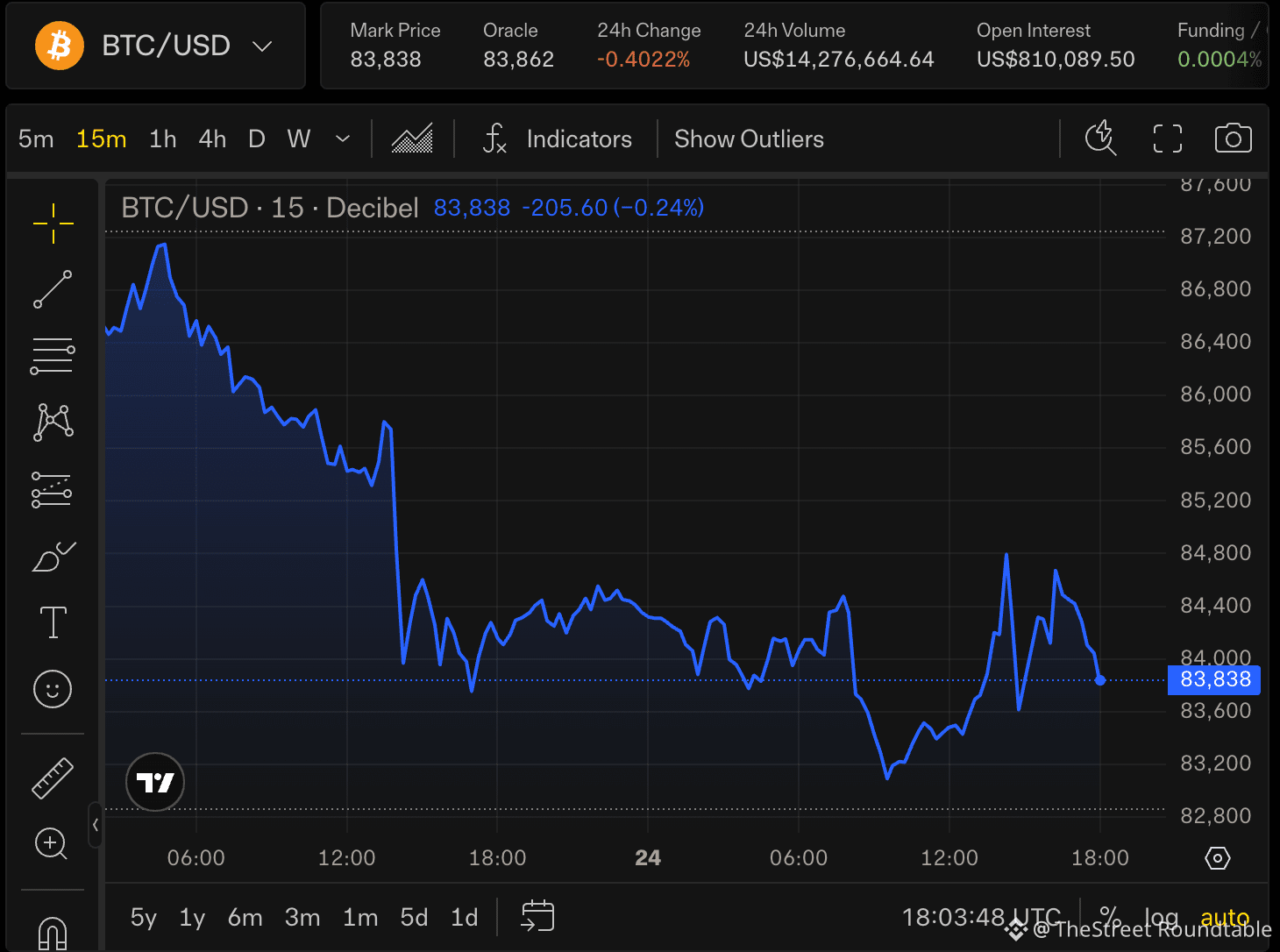
BTC/USD, Source: Decibel
Bitcoin was exchanging hands at $83,838 at the time of writing, as per Decibel.
Related: Tesla gains $122M on Bitcoin without buying a single coin
Bitcoin traders prepare for $16B options expiry this Friday
The Crypto Options Trade Wall Street Won't Tell You About (2:17)
Bitcoin (BTC) options worth approximately $16 billion on the crypto derivatives exchange Deribit will expire on Friday, Sep. 25, at 8:00 UTC.
According to Deribit CEO Luuk Strijers, Bitcoin’s maximum pain sits at $75,000.
Bitcoin options expiry on Sep. 25
A total of 185,908 Bitcoin options—110,747 call and 75,160 put contracts—worth $16 billion in notional value will expire this Friday, Strijers revealed.
Related: Trump's stock accounts quietly loaded up on Strategy and Tesla, filing shows
How Bitcoin options trade and expire
An option is a contract that gives a trader the right, but not the obligation, to buy or sell Bitcoin at a predetermined price called the strike price.
While the call option gives traders the right to buy BTC at the strike price, the put option gives them the right to sell BTC at the strike price.
Here is how it works.
Suppose a trader has a call option with a strike price of $80,000 and an upfront premium of $2,000, which will expire on Sep. 25.
If BTC trades at $90,000 on Friday, the trader can buy it for $80,000. While one BTC would cost everyone $80,000, the options trader would spend only $82,000 for it.
But what if BTC trades at $70,000 on Friday? The options trader can skip the contract and instead buy at the market price. While everyone else would pay $70,000 for one BTC that day, the options trader would end up spending $72,000 for it. In such a scenario, the option would expire.
More on TheStreet Roundtable:
Fidelity analyst predicts new 4-year Bitcoin bull market
Veteran trader who called 1980 gold crash sees 200% upside for Ether
Analyst predicts 35% upside for Saylor’s Strategy
Friday options expiry could spark Bitcoin volatility
Bitcoin traders are extremely attentive to options expiry, especially when the figure is billions of dollars on a single day.
The open interest reveals how many contracts are still outstanding. The put/call ratio tells whether traders are bullish or bearish on Bitcoin.
One crucial metric to watch out for is the “max pain” which tells you the price point at which option traders collectively experience the most losses. Currently, the figure stands at $75,000.
The Friday expiry of Bitcoin options on Deribit worth $16 billion is expected to spark market volatility as market movers and other traders could reposition their holdings.
Note that the $16 billion figure is a notional value. It represents the value of Bitcoin contracts that are expiring this Friday. No money is changing hands.
The put-to-call ratio of 0.68 means more calls than puts. It suggests bullish sentiment among Bitcoin options traders.
BTC/USD, Source: Decibel
Bitcoin was exchanging hands at $83,838 at the time of writing, as per Decibel.
Related: Tesla gains $122M on Bitcoin without buying a single coin
Bitcoin (BTC) options worth approximately $16 billion on the crypto derivatives exchange Deribit will expire on Friday, Sep. 25, at 8:00 UTC.
According to Deribit CEO Luuk Strijers, Bitcoin’s maximum pain sits at $75,000.
Bitcoin options expiry on Sep. 25
A total of 185,908 Bitcoin options—110,747 call and 75,160 put contracts—worth $16 billion in notional value will expire this Friday, Strijers revealed.
Related: Trump's stock accounts quietly loaded up on Strategy and Tesla, filing shows
How Bitcoin options trade and expire
An option is a contract that gives a trader the right, but not the obligation, to buy or sell Bitcoin at a predetermined price called the strike price.
While the call option gives traders the right to buy BTC at the strike price, the put option gives them the right to sell BTC at the strike price.
Here is how it works.
Suppose a trader has a call option with a strike price of $80,000 and an upfront premium of $2,000, which will expire on Sep. 25.
If BTC trades at $90,000 on Friday, the trader can buy it for $80,000. While one BTC would cost everyone $80,000, the options trader would spend only $82,000 for it.
But what if BTC trades at $70,000 on Friday? The options trader can skip the contract and instead buy at the market price. While everyone else would pay $70,000 for one BTC that day, the options trader would end up spending $72,000 for it. In such a scenario, the option would expire.
More on TheStreet Roundtable:
Fidelity analyst predicts new 4-year Bitcoin bull market
Veteran trader who called 1980 gold crash sees 200% upside for Ether
Analyst predicts 35% upside for Saylor’s Strategy
Friday options expiry could spark Bitcoin volatility
Bitcoin traders are extremely attentive to options expiry, especially when the figure is billions of dollars on a single day.
The open interest reveals how many contracts are still outstanding. The put/call ratio tells whether traders are bullish or bearish on Bitcoin.
One crucial metric to watch out for is the “max pain” which tells you the price point at which option traders collectively experience the most losses. Currently, the figure stands at $75,000.
The Friday expiry of Bitcoin options on Deribit worth $16 billion is expected to spark market volatility as market movers and other traders could reposition their holdings.
Note that the $16 billion figure is a notional value. It represents the value of Bitcoin contracts that are expiring this Friday. No money is changing hands.
The put-to-call ratio of 0.68 means more calls than puts. It suggests bullish sentiment among Bitcoin options traders.
BTC/USD, Source: Decibel
Bitcoin was exchanging hands at $83,838 at the time of writing, as per Decibel.
Related: Tesla gains $122M on Bitcoin without buying a single coin
20
Voir la traduction
Trump administration has a radical plan to boost U.S. dollarWhat is a stablecoin? Explained (3:33)
The Donald Trump administration is considering a radical plan involving stablecoins to boost the U.S. dollar, Bloomberg reported on Sep. 24.
The administration’s goal is to cement the dollar’s dominance as the world’s reserve asset.
Related: Explained: What is a stablecoin?
Why Trump administration is betting on stablecoins
A stablecoin, as the name suggests, is a type of cryptocurrency that attempts to keep its value stable. Unlike popular cryptocurrencies like Bitcoin (BTC), which are very volatile, a stablecoin keeps its value stable by being pegged to a relatively stable asset like a national fiat currency.
For instance, Tether’s USDT and Circle Internet Group‘s (NYSE: CRCL) USDC stablecoins are pegged 1:1 to the U.S. dollar. So, the value of one USDT or USDC is the same as that of one dollar bill. Stablecoin issuers hold reserves in U.S. Treasuries to back their tokens.
This is why the dollar-pegged stablecoins are also called “digital dollars.”
Related: Trump makes bold claim on U.S. dollar
The U.S. dollar is the most commonly used currency to settle international transactions. These digital dollars come to the rescue of merchants when traditional rails go to sleep over the weekends or long holidays.
U.S. dollar-pegged stablecoins, thanks to their round-the-clock nature, can help settle transactions quickly, safely, and economically.
The Trump administration was quick to realize the potential of these stablecoins to cement the U.S. dollar’s world reserve asset. It signed the Guiding and Establishing National Innovation for U.S. Stablecoins (GENIUS) Act into law in July last year. The law requires stablecoin issuers to hold reserves, including dollars and short-term Treasuries.
In February this year, Treasury Secretary Scott Bessent indicated that stablecoins could be “an important feature of financing the U.S. government.”
More on TheStreet Roundtable:
U.S. Treasury yields hit multi-decade highs, sending Bitcoin lower
Samsung wants to bring stablecoins to your smartphone
Billionaire Tim Draper takes aim at Apple, Meta’s Bitcoin-free balance sheets
U.S. government weighs public-private partnerships to promote stablecoin usage
The U.S. government is weighing joint ventures with private companies to promote the use of stablecoins overseas according to people familiar with the plans, the Bloomberg report said.
The initiative could involve multiple agencies, including the Treasury Department and the State Department, and the U.S. International Development Finance Corp. (DFC). The DFC is a federal agency that partners with private sector entities to advance U.S. foreign policy objectives.
TheStreet Roundtable reached out to all three agencies for comments and didn’t receive any by the time of publishing this report. We will update it as soon as we have any response(s).
The Trump administration’s goal is to reinforce the U.S. dollar as the world’s reserve asset and boost demand for U.S. Treasuries.
Here is how it works.
A growth in stablecoin adoption directly translates into more buying of government debt instruments like U.S. Treasuries by stablecoin issuers.
The U.S. dollar-pegged stablecoins not only make the greenback more popular globally but also lead to higher demand for U.S. Treasuries, and the Trump administration is eyeing a radical plan for the same purpose.
Related: Treasury Secretary Bessent reveals new plan to finance U.S. government
Trump administration has a radical plan to boost U.S. dollar
What is a stablecoin? Explained (3:33)
The Donald Trump administration is considering a radical plan involving stablecoins to boost the U.S. dollar, Bloomberg reported on Sep. 24.
The administration’s goal is to cement the dollar’s dominance as the world’s reserve asset.
Related: Explained: What is a stablecoin?
Why Trump administration is betting on stablecoins
A stablecoin, as the name suggests, is a type of cryptocurrency that attempts to keep its value stable. Unlike popular cryptocurrencies like Bitcoin (BTC), which are very volatile, a stablecoin keeps its value stable by being pegged to a relatively stable asset like a national fiat currency.
For instance, Tether’s USDT and Circle Internet Group‘s (NYSE: CRCL) USDC stablecoins are pegged 1:1 to the U.S. dollar. So, the value of one USDT or USDC is the same as that of one dollar bill. Stablecoin issuers hold reserves in U.S. Treasuries to back their tokens.
This is why the dollar-pegged stablecoins are also called “digital dollars.”
Related: Trump makes bold claim on U.S. dollar
The U.S. dollar is the most commonly used currency to settle international transactions. These digital dollars come to the rescue of merchants when traditional rails go to sleep over the weekends or long holidays.
U.S. dollar-pegged stablecoins, thanks to their round-the-clock nature, can help settle transactions quickly, safely, and economically.
The Trump administration was quick to realize the potential of these stablecoins to cement the U.S. dollar’s world reserve asset. It signed the Guiding and Establishing National Innovation for U.S. Stablecoins (GENIUS) Act into law in July last year. The law requires stablecoin issuers to hold reserves, including dollars and short-term Treasuries.
In February this year, Treasury Secretary Scott Bessent indicated that stablecoins could be “an important feature of financing the U.S. government.”
More on TheStreet Roundtable:
U.S. Treasury yields hit multi-decade highs, sending Bitcoin lower
Samsung wants to bring stablecoins to your smartphone
Billionaire Tim Draper takes aim at Apple, Meta’s Bitcoin-free balance sheets
U.S. government weighs public-private partnerships to promote stablecoin usage
The U.S. government is weighing joint ventures with private companies to promote the use of stablecoins overseas according to people familiar with the plans, the Bloomberg report said.
The initiative could involve multiple agencies, including the Treasury Department and the State Department, and the U.S. International Development Finance Corp. (DFC). The DFC is a federal agency that partners with private sector entities to advance U.S. foreign policy objectives.
TheStreet Roundtable reached out to all three agencies for comments and didn’t receive any by the time of publishing this report. We will update it as soon as we have any response(s).
The Trump administration’s goal is to reinforce the U.S. dollar as the world’s reserve asset and boost demand for U.S. Treasuries.
Here is how it works.
A growth in stablecoin adoption directly translates into more buying of government debt instruments like U.S. Treasuries by stablecoin issuers.
The U.S. dollar-pegged stablecoins not only make the greenback more popular globally but also lead to higher demand for U.S. Treasuries, and the Trump administration is eyeing a radical plan for the same purpose.
Related: Treasury Secretary Bessent reveals new plan to finance U.S. government
The Donald Trump administration is considering a radical plan involving stablecoins to boost the U.S. dollar, Bloomberg reported on Sep. 24.
The administration’s goal is to cement the dollar’s dominance as the world’s reserve asset.
Related: Explained: What is a stablecoin?
Why Trump administration is betting on stablecoins
A stablecoin, as the name suggests, is a type of cryptocurrency that attempts to keep its value stable. Unlike popular cryptocurrencies like Bitcoin (BTC), which are very volatile, a stablecoin keeps its value stable by being pegged to a relatively stable asset like a national fiat currency.
For instance, Tether’s USDT and Circle Internet Group‘s (NYSE: CRCL) USDC stablecoins are pegged 1:1 to the U.S. dollar. So, the value of one USDT or USDC is the same as that of one dollar bill. Stablecoin issuers hold reserves in U.S. Treasuries to back their tokens.
This is why the dollar-pegged stablecoins are also called “digital dollars.”
Related: Trump makes bold claim on U.S. dollar
The U.S. dollar is the most commonly used currency to settle international transactions. These digital dollars come to the rescue of merchants when traditional rails go to sleep over the weekends or long holidays.
U.S. dollar-pegged stablecoins, thanks to their round-the-clock nature, can help settle transactions quickly, safely, and economically.
The Trump administration was quick to realize the potential of these stablecoins to cement the U.S. dollar’s world reserve asset. It signed the Guiding and Establishing National Innovation for U.S. Stablecoins (GENIUS) Act into law in July last year. The law requires stablecoin issuers to hold reserves, including dollars and short-term Treasuries.
In February this year, Treasury Secretary Scott Bessent indicated that stablecoins could be “an important feature of financing the U.S. government.”
More on TheStreet Roundtable:
U.S. Treasury yields hit multi-decade highs, sending Bitcoin lower
Samsung wants to bring stablecoins to your smartphone
Billionaire Tim Draper takes aim at Apple, Meta’s Bitcoin-free balance sheets
U.S. government weighs public-private partnerships to promote stablecoin usage
The U.S. government is weighing joint ventures with private companies to promote the use of stablecoins overseas according to people familiar with the plans, the Bloomberg report said.
The initiative could involve multiple agencies, including the Treasury Department and the State Department, and the U.S. International Development Finance Corp. (DFC). The DFC is a federal agency that partners with private sector entities to advance U.S. foreign policy objectives.
TheStreet Roundtable reached out to all three agencies for comments and didn’t receive any by the time of publishing this report. We will update it as soon as we have any response(s).
The Trump administration’s goal is to reinforce the U.S. dollar as the world’s reserve asset and boost demand for U.S. Treasuries.
Here is how it works.
A growth in stablecoin adoption directly translates into more buying of government debt instruments like U.S. Treasuries by stablecoin issuers.
The U.S. dollar-pegged stablecoins not only make the greenback more popular globally but also lead to higher demand for U.S. Treasuries, and the Trump administration is eyeing a radical plan for the same purpose.
Related: Treasury Secretary Bessent reveals new plan to finance U.S. government
237
Vérifié
Le XRP Ledger vise une mise à niveau d’octobre que les banques attendentQu’est-ce que la Blockchain ? (4:09)
Le XRP Ledger est à deux semaines d’une mise à niveau qui pourrait transformer la manière dont les institutions utilisent le réseau.
Le XRP Ledger est un réseau blockchain décentralisé conçu pour des paiements rapides et peu coûteux. C’est le réseau qui alimente XRP, l’une des plus grandes cryptomonnaies par valeur de marché.
La mise à niveau en question, PermissionDelegationV1_1, a lancé un compte à rebours d’activation de 14 jours le 21 septembre après que 29 des 35 validateurs de confiance du réseau l’ont approuvée, selon le tableau de bord des amendements XRPL.
Le XRP Ledger vise une mise à niveau d’octobre que les banques attendent
Qu’est-ce que la Blockchain ? (4:09)
Le XRP Ledger est à deux semaines d’une mise à niveau qui pourrait transformer la manière dont les institutions utilisent le réseau.
Le XRP Ledger est un réseau blockchain décentralisé conçu pour des paiements rapides et peu coûteux. C’est le réseau qui alimente XRP, l’une des plus grandes cryptomonnaies par valeur de marché.
La mise à niveau en question, PermissionDelegationV1_1, a lancé un compte à rebours d’activation de 14 jours le 21 septembre après que 29 des 35 validateurs de confiance du réseau l’ont approuvée, selon le tableau de bord des amendements XRPL.
Le XRP Ledger est à deux semaines d’une mise à niveau qui pourrait transformer la manière dont les institutions utilisent le réseau.
Le XRP Ledger est un réseau blockchain décentralisé conçu pour des paiements rapides et peu coûteux. C’est le réseau qui alimente XRP, l’une des plus grandes cryptomonnaies par valeur de marché.
La mise à niveau en question, PermissionDelegationV1_1, a lancé un compte à rebours d’activation de 14 jours le 21 septembre après que 29 des 35 validateurs de confiance du réseau l’ont approuvée, selon le tableau de bord des amendements XRPL.
538
100 utilisateurs de Coinbase perdent des millions à cause de faux appels d’assistanceJim Cramer s’adresse à la remontée des actions de Coinbase en août (1:34)
Un homme de Brooklyn a été condamné à une peine de quatre à 12 ans de prison pour avoir dérobé près de 16 millions de dollars à environ 100 utilisateurs de Coinbase.
Le stratagème d’hameçonnage et d’ingénierie sociale a duré plus d’un an, selon l’annonce du bureau du procureur de Brooklyn le 23 septembre.
Coinbase est une plateforme américaine d’échanges de cryptomonnaies qui permet aux utilisateurs d’acheter, de vendre et de stocker des actifs numériques comme le Bitcoin, l’Ethereum et d’autres cryptomonnaies.
L’hameçonnage est un type d’attaque cybernétique où quelqu’un se fait passer pour une entreprise de confiance, en l’occurrence Coinbase, afin de tromper des personnes et de leur faire remettre leur argent ou leurs informations personnelles.
100 utilisateurs de Coinbase perdent des millions à cause de faux appels d’assistance
Jim Cramer s’adresse à la remontée des actions de Coinbase en août (1:34)
Un homme de Brooklyn a été condamné à une peine de quatre à 12 ans de prison pour avoir dérobé près de 16 millions de dollars à environ 100 utilisateurs de Coinbase.
Le stratagème d’hameçonnage et d’ingénierie sociale a duré plus d’un an, selon l’annonce du bureau du procureur de Brooklyn le 23 septembre.
Coinbase est une plateforme américaine d’échanges de cryptomonnaies qui permet aux utilisateurs d’acheter, de vendre et de stocker des actifs numériques comme le Bitcoin, l’Ethereum et d’autres cryptomonnaies.
L’hameçonnage est un type d’attaque cybernétique où quelqu’un se fait passer pour une entreprise de confiance, en l’occurrence Coinbase, afin de tromper des personnes et de leur faire remettre leur argent ou leurs informations personnelles.
Un homme de Brooklyn a été condamné à une peine de quatre à 12 ans de prison pour avoir dérobé près de 16 millions de dollars à environ 100 utilisateurs de Coinbase.
Le stratagème d’hameçonnage et d’ingénierie sociale a duré plus d’un an, selon l’annonce du bureau du procureur de Brooklyn le 23 septembre.
Coinbase est une plateforme américaine d’échanges de cryptomonnaies qui permet aux utilisateurs d’acheter, de vendre et de stocker des actifs numériques comme le Bitcoin, l’Ethereum et d’autres cryptomonnaies.
L’hameçonnage est un type d’attaque cybernétique où quelqu’un se fait passer pour une entreprise de confiance, en l’occurrence Coinbase, afin de tromper des personnes et de leur faire remettre leur argent ou leurs informations personnelles.
1
284
Une entreprise populaire de centres de données achète les actifs d’un rival en failliteJim Chanos sceptique quant à l’économie des centres de données liés à l’IA (1:44)
Hut 8 est apparue comme l’enchérisseur gagnant pour deux centres de données texans détenus par le pool minier de Bitcoin en faillite Poolin, offrant 140 millions de dollars pour ces installations.
L’offre du 23 septembre représentait environ 2,7 fois le prix minimum cumulé des propriétés, soit 52 millions de dollars. Poolin avait mis les sites en vente après avoir demandé la protection contre la faillite (chapitre 11) en juillet.
L’acquisition ajouterait davantage d’infrastructures à Hut 8, qui s’est de plus en plus développée, passant de l’extraction de Bitcoin à des activités de grande envergure liées à l’énergie et aux centres de données.
Une entreprise populaire de centres de données achète les actifs d’un rival en faillite
Jim Chanos sceptique quant à l’économie des centres de données liés à l’IA (1:44)
Hut 8 est apparue comme l’enchérisseur gagnant pour deux centres de données texans détenus par le pool minier de Bitcoin en faillite Poolin, offrant 140 millions de dollars pour ces installations.
L’offre du 23 septembre représentait environ 2,7 fois le prix minimum cumulé des propriétés, soit 52 millions de dollars. Poolin avait mis les sites en vente après avoir demandé la protection contre la faillite (chapitre 11) en juillet.
L’acquisition ajouterait davantage d’infrastructures à Hut 8, qui s’est de plus en plus développée, passant de l’extraction de Bitcoin à des activités de grande envergure liées à l’énergie et aux centres de données.
Hut 8 est apparue comme l’enchérisseur gagnant pour deux centres de données texans détenus par le pool minier de Bitcoin en faillite Poolin, offrant 140 millions de dollars pour ces installations.
L’offre du 23 septembre représentait environ 2,7 fois le prix minimum cumulé des propriétés, soit 52 millions de dollars. Poolin avait mis les sites en vente après avoir demandé la protection contre la faillite (chapitre 11) en juillet.
L’acquisition ajouterait davantage d’infrastructures à Hut 8, qui s’est de plus en plus développée, passant de l’extraction de Bitcoin à des activités de grande envergure liées à l’énergie et aux centres de données.
132
Article
L’analyste de Bloomberg lance un avertissement sur l’huile WTI de 2008 concernant le BitcoinTable ronde militaire : Heckman, Rayburn, Spencer évaluent l’impasse iranienne et l’impact sur le marché tiré par le pétrole (6:51)
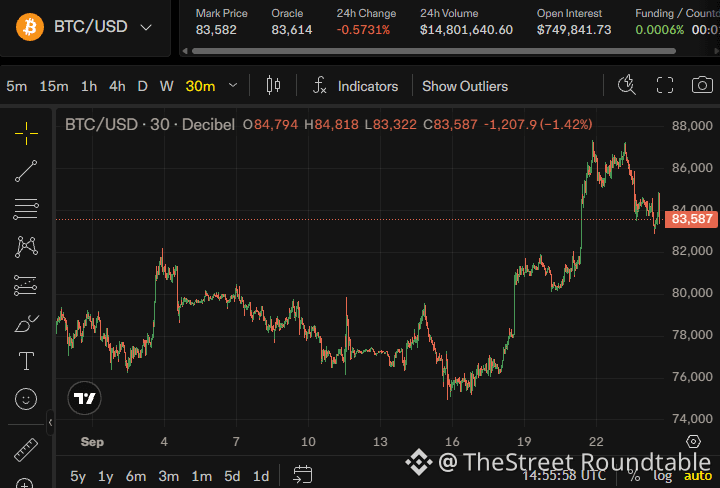
Alors que les investisseurs pensent qu’une hausse des prix est la meilleure chose qui soit et que la communauté Bitcoin était euphorique lorsque la principale cryptomonnaie a atteint 100 000 dollars pour la première fois en décembre 2024, Mike McGlone, stratégiste senior en matières premières chez Bloomberg Intelligence, ne voit pas les choses sous un angle aussi optimiste.
Le 23 septembre, McGlone a partagé un graphique des prix comparant le Bitcoin et le West Texas Intermediate (WTI) afin d’avertir que la cryptomonnaie pourrait suivre la baisse du pétrole de référence depuis sa première clôture mensuelle au-dessus de 100 dollars le baril en février 2008.
L’analyste de Bloomberg lance un avertissement sur l’huile WTI de 2008 concernant le Bitcoin
Table ronde militaire : Heckman, Rayburn, Spencer évaluent l’impasse iranienne et l’impact sur le marché tiré par le pétrole (6:51)
Alors que les investisseurs pensent qu’une hausse des prix est la meilleure chose qui soit et que la communauté Bitcoin était euphorique lorsque la principale cryptomonnaie a atteint 100 000 dollars pour la première fois en décembre 2024, Mike McGlone, stratégiste senior en matières premières chez Bloomberg Intelligence, ne voit pas les choses sous un angle aussi optimiste.
Le 23 septembre, McGlone a partagé un graphique des prix comparant le Bitcoin et le West Texas Intermediate (WTI) afin d’avertir que la cryptomonnaie pourrait suivre la baisse du pétrole de référence depuis sa première clôture mensuelle au-dessus de 100 dollars le baril en février 2008.
Alors que les investisseurs pensent qu’une hausse des prix est la meilleure chose qui soit et que la communauté Bitcoin était euphorique lorsque la principale cryptomonnaie a atteint 100 000 dollars pour la première fois en décembre 2024, Mike McGlone, stratégiste senior en matières premières chez Bloomberg Intelligence, ne voit pas les choses sous un angle aussi optimiste.
Le 23 septembre, McGlone a partagé un graphique des prix comparant le Bitcoin et le West Texas Intermediate (WTI) afin d’avertir que la cryptomonnaie pourrait suivre la baisse du pétrole de référence depuis sa première clôture mensuelle au-dessus de 100 dollars le baril en février 2008.
119
VanEck apporte une vérification de réalité surprenante sur la corrélation Bitcoin-obligationsVanEck décrit l’évolution de l’attitude de la SEC à l’égard des cryptomonnaies (1:46)
S’adressant à la CNBC, le responsable de la recherche sur les actifs numériques chez VanEck, Matthew Sigel, a rejeté l’idée selon laquelle les variations des taux orienteraient le prix du Bitcoin. Il a plutôt pointé du doigt le dollar.
« Le Bitcoin a pratiquement aucune corrélation avec les rendements obligataires, mais il présente une corrélation négative persistante avec le DXY », a-t-il déclaré, ajoutant que la récente hausse de l’indice du dollar expliquait mieux la baisse observée que n’importe quel récit lié aux obligations.
Sigel a attribué la forte reprise de l’été au fait que les vendeurs avaient simplement fini par manquer. « C’était l’épuisement des vendeurs : chacun d’entre eux s’est épuisé pendant l’été », a-t-il déclaré.
VanEck apporte une vérification de réalité surprenante sur la corrélation Bitcoin-obligations
VanEck décrit l’évolution de l’attitude de la SEC à l’égard des cryptomonnaies (1:46)
S’adressant à la CNBC, le responsable de la recherche sur les actifs numériques chez VanEck, Matthew Sigel, a rejeté l’idée selon laquelle les variations des taux orienteraient le prix du Bitcoin. Il a plutôt pointé du doigt le dollar.
« Le Bitcoin a pratiquement aucune corrélation avec les rendements obligataires, mais il présente une corrélation négative persistante avec le DXY », a-t-il déclaré, ajoutant que la récente hausse de l’indice du dollar expliquait mieux la baisse observée que n’importe quel récit lié aux obligations.
Sigel a attribué la forte reprise de l’été au fait que les vendeurs avaient simplement fini par manquer. « C’était l’épuisement des vendeurs : chacun d’entre eux s’est épuisé pendant l’été », a-t-il déclaré.
S’adressant à la CNBC, le responsable de la recherche sur les actifs numériques chez VanEck, Matthew Sigel, a rejeté l’idée selon laquelle les variations des taux orienteraient le prix du Bitcoin. Il a plutôt pointé du doigt le dollar.
« Le Bitcoin a pratiquement aucune corrélation avec les rendements obligataires, mais il présente une corrélation négative persistante avec le DXY », a-t-il déclaré, ajoutant que la récente hausse de l’indice du dollar expliquait mieux la baisse observée que n’importe quel récit lié aux obligations.
Sigel a attribué la forte reprise de l’été au fait que les vendeurs avaient simplement fini par manquer. « C’était l’épuisement des vendeurs : chacun d’entre eux s’est épuisé pendant l’été », a-t-il déclaré.
178
Les rendements du Trésor américain atteignent des plus hauts sur plusieurs décennies, entraînant le recul du BitcoinBlackRock affirme que la crypto pourrait alimenter le commerce lié à l’IA (1:41)
Le Bitcoin (BTC) a abandonné ses gains récents pour reculer bien en dessous de la barre des 87 000 $ qu’il avait récemment atteinte, les rendements des bons du Trésor américain ayant atteint des plus hauts sur plusieurs décennies le 24 septembre.
Le rendement de l’obligation du Trésor à 30 ans a atteint un pic de 2004 d’environ 5,44 %, et le rendement de l’obligation du Trésor à 10 ans a atteint plus tôt dans la journée un pic de 2007 au-dessus de 5,13 %, selon CNBC.
Les rendements et les prix évoluent en sens inverse, et la dernière flambée des rendements coïncide avec la débâcle sur le marché obligataire. Les données suggèrent que le marché anticipe une nouvelle hausse des taux de la Réserve fédérale.
Les rendements du Trésor américain atteignent des plus hauts sur plusieurs décennies, entraînant le recul du Bitcoin
BlackRock affirme que la crypto pourrait alimenter le commerce lié à l’IA (1:41)
Le Bitcoin (BTC) a abandonné ses gains récents pour reculer bien en dessous de la barre des 87 000 $ qu’il avait récemment atteinte, les rendements des bons du Trésor américain ayant atteint des plus hauts sur plusieurs décennies le 24 septembre.
Le rendement de l’obligation du Trésor à 30 ans a atteint un pic de 2004 d’environ 5,44 %, et le rendement de l’obligation du Trésor à 10 ans a atteint plus tôt dans la journée un pic de 2007 au-dessus de 5,13 %, selon CNBC.
Les rendements et les prix évoluent en sens inverse, et la dernière flambée des rendements coïncide avec la débâcle sur le marché obligataire. Les données suggèrent que le marché anticipe une nouvelle hausse des taux de la Réserve fédérale.
Le Bitcoin (BTC) a abandonné ses gains récents pour reculer bien en dessous de la barre des 87 000 $ qu’il avait récemment atteinte, les rendements des bons du Trésor américain ayant atteint des plus hauts sur plusieurs décennies le 24 septembre.
Le rendement de l’obligation du Trésor à 30 ans a atteint un pic de 2004 d’environ 5,44 %, et le rendement de l’obligation du Trésor à 10 ans a atteint plus tôt dans la journée un pic de 2007 au-dessus de 5,13 %, selon CNBC.
Les rendements et les prix évoluent en sens inverse, et la dernière flambée des rendements coïncide avec la débâcle sur le marché obligataire. Les données suggèrent que le marché anticipe une nouvelle hausse des taux de la Réserve fédérale.
840
Ondo apporte pour la première fois les stratégies de portefeuille de BlackRock onchainPDG d’Ondo Finance sur pourquoi les géants de la TradFi rendent Ondo plus fort (4:23)
Ondo Finance a lancé Ondo Intelligent Portfolios, un nouveau produit qui regroupe des stratégies d’investissement conçues professionnellement en des jetons uniques. Les jetons peuvent être achetés, détenus et transférés onchain.
Les trois premiers portefeuilles ont été construits par BlackRock, le plus grand gestionnaire d’actifs au monde. Il s’agissait de la première fois que des investisseurs onchain éligibles peuvent accéder à des stratégies de portefeuille conçues par BlackRock via un seul jeton numérique.
Un portefeuille, dans l’investissement traditionnel, est un mélange d’actifs, d’actions, d’obligations, de matières premières, regroupés afin d’équilibrer le risque et le rendement. En construire un nécessite généralement un compte de courtage, un conseiller financier ou l’accès à un fonds.
Ondo apporte pour la première fois les stratégies de portefeuille de BlackRock onchain
PDG d’Ondo Finance sur pourquoi les géants de la TradFi rendent Ondo plus fort (4:23)
Ondo Finance a lancé Ondo Intelligent Portfolios, un nouveau produit qui regroupe des stratégies d’investissement conçues professionnellement en des jetons uniques. Les jetons peuvent être achetés, détenus et transférés onchain.
Les trois premiers portefeuilles ont été construits par BlackRock, le plus grand gestionnaire d’actifs au monde. Il s’agissait de la première fois que des investisseurs onchain éligibles peuvent accéder à des stratégies de portefeuille conçues par BlackRock via un seul jeton numérique.
Un portefeuille, dans l’investissement traditionnel, est un mélange d’actifs, d’actions, d’obligations, de matières premières, regroupés afin d’équilibrer le risque et le rendement. En construire un nécessite généralement un compte de courtage, un conseiller financier ou l’accès à un fonds.
Ondo Finance a lancé Ondo Intelligent Portfolios, un nouveau produit qui regroupe des stratégies d’investissement conçues professionnellement en des jetons uniques. Les jetons peuvent être achetés, détenus et transférés onchain.
Les trois premiers portefeuilles ont été construits par BlackRock, le plus grand gestionnaire d’actifs au monde. Il s’agissait de la première fois que des investisseurs onchain éligibles peuvent accéder à des stratégies de portefeuille conçues par BlackRock via un seul jeton numérique.
Un portefeuille, dans l’investissement traditionnel, est un mélange d’actifs, d’actions, d’obligations, de matières premières, regroupés afin d’équilibrer le risque et le rendement. En construire un nécessite généralement un compte de courtage, un conseiller financier ou l’accès à un fonds.
1
480
Voir la traduction
AI expert reveals the jobs most likely to survive automationNansen CEO says AI can't replace jobs built on human presence (5:07)
AI is getting smarter almost every month, but so are concerns about what it means for workers.
A Sept. 17 Pew Research Center survey found that people in 34 of 37 countries were more likely to expect AI to reduce jobs over the next two decades than create them.
Concern was particularly high in Australia and South Korea, where 76% expected job losses, and in the United States at 71%.
Microsoft co-founder Bill Gates offered a similar warning on Aug. 26, writing that AI could rapidly affect law, customer service, medicine, software and manufacturing. He said the shift could happen within a decade and warned that without the right policies, there could be far fewer jobs than today.
But Alex Svanevik, co-founder and CEO of blockchain analytics firm Nansen, believes some work remains far harder to automate.
Related: Pepe surges 22%, leading Bitcoin, Dogecoin, XRP
AI may replace tasks but not human presence
Speaking on The Sujal Show podcast published Sept. 19, Svanevik pointed to healthcare and caregiving roles where physical presence remains central.
A nurse can use AI for many tasks, he said, but the job is still fundamentally embodied.
“You have to be present, you have to be in the room with the patient.”
He made a similar argument for physiotherapists, caretakers and massage therapists. AI can assist with diagnosis, planning or instructions, but it cannot easily reproduce physical interaction and trust.
More on TheStreet Roundtable:
Analyst sells Bitcoin at $85K and his reason might surprise you
Veteran trader who called 1980 gold crash sees 200% upside for Ether
Analyst predicts 35% upside for Saylor’s Strategy
Education could follow a similar path. Svanevik expects personalized AI tutors to become widespread quickly, but said children will still need human supervisors and mentors.
Rather than eliminating teachers, he argued that AI could change their role and potentially increase demand for more individualized human guidance. He suggested a model with roughly one mentor for every five students, instead of one teacher addressing a class of 25.
Healthcare and education are not the only examples. Svanevik said live entertainment could also remain resilient, including theater, concerts and sports.
“I don’t think we’re gonna see like robot opera singers become very popular.”
He said robotic performers may create new forms of entertainment, but are more likely to be additive than replace human performers.
Related: Analysts rank eToro 11 spots above PayPal
AI expert reveals the jobs most likely to survive automation
Nansen CEO says AI can't replace jobs built on human presence (5:07)
AI is getting smarter almost every month, but so are concerns about what it means for workers.
A Sept. 17 Pew Research Center survey found that people in 34 of 37 countries were more likely to expect AI to reduce jobs over the next two decades than create them.
Concern was particularly high in Australia and South Korea, where 76% expected job losses, and in the United States at 71%.
Microsoft co-founder Bill Gates offered a similar warning on Aug. 26, writing that AI could rapidly affect law, customer service, medicine, software and manufacturing. He said the shift could happen within a decade and warned that without the right policies, there could be far fewer jobs than today.
But Alex Svanevik, co-founder and CEO of blockchain analytics firm Nansen, believes some work remains far harder to automate.
Related: Pepe surges 22%, leading Bitcoin, Dogecoin, XRP
AI may replace tasks but not human presence
Speaking on The Sujal Show podcast published Sept. 19, Svanevik pointed to healthcare and caregiving roles where physical presence remains central.
A nurse can use AI for many tasks, he said, but the job is still fundamentally embodied.
“You have to be present, you have to be in the room with the patient.”
He made a similar argument for physiotherapists, caretakers and massage therapists. AI can assist with diagnosis, planning or instructions, but it cannot easily reproduce physical interaction and trust.
More on TheStreet Roundtable:
Analyst sells Bitcoin at $85K and his reason might surprise you
Veteran trader who called 1980 gold crash sees 200% upside for Ether
Analyst predicts 35% upside for Saylor’s Strategy
Education could follow a similar path. Svanevik expects personalized AI tutors to become widespread quickly, but said children will still need human supervisors and mentors.
Rather than eliminating teachers, he argued that AI could change their role and potentially increase demand for more individualized human guidance. He suggested a model with roughly one mentor for every five students, instead of one teacher addressing a class of 25.
Healthcare and education are not the only examples. Svanevik said live entertainment could also remain resilient, including theater, concerts and sports.
“I don’t think we’re gonna see like robot opera singers become very popular.”
He said robotic performers may create new forms of entertainment, but are more likely to be additive than replace human performers.
Related: Analysts rank eToro 11 spots above PayPal
AI is getting smarter almost every month, but so are concerns about what it means for workers.
A Sept. 17 Pew Research Center survey found that people in 34 of 37 countries were more likely to expect AI to reduce jobs over the next two decades than create them.
Concern was particularly high in Australia and South Korea, where 76% expected job losses, and in the United States at 71%.
Microsoft co-founder Bill Gates offered a similar warning on Aug. 26, writing that AI could rapidly affect law, customer service, medicine, software and manufacturing. He said the shift could happen within a decade and warned that without the right policies, there could be far fewer jobs than today.
But Alex Svanevik, co-founder and CEO of blockchain analytics firm Nansen, believes some work remains far harder to automate.
Related: Pepe surges 22%, leading Bitcoin, Dogecoin, XRP
AI may replace tasks but not human presence
Speaking on The Sujal Show podcast published Sept. 19, Svanevik pointed to healthcare and caregiving roles where physical presence remains central.
A nurse can use AI for many tasks, he said, but the job is still fundamentally embodied.
“You have to be present, you have to be in the room with the patient.”
He made a similar argument for physiotherapists, caretakers and massage therapists. AI can assist with diagnosis, planning or instructions, but it cannot easily reproduce physical interaction and trust.
More on TheStreet Roundtable:
Analyst sells Bitcoin at $85K and his reason might surprise you
Veteran trader who called 1980 gold crash sees 200% upside for Ether
Analyst predicts 35% upside for Saylor’s Strategy
Education could follow a similar path. Svanevik expects personalized AI tutors to become widespread quickly, but said children will still need human supervisors and mentors.
Rather than eliminating teachers, he argued that AI could change their role and potentially increase demand for more individualized human guidance. He suggested a model with roughly one mentor for every five students, instead of one teacher addressing a class of 25.
Healthcare and education are not the only examples. Svanevik said live entertainment could also remain resilient, including theater, concerts and sports.
“I don’t think we’re gonna see like robot opera singers become very popular.”
He said robotic performers may create new forms of entertainment, but are more likely to be additive than replace human performers.
Related: Analysts rank eToro 11 spots above PayPal
6
Le milliardaire Tim Draper s’en prend aux bilans sans Bitcoin d’Apple et de MetaTim Draper du Parti America (4:17)
Le milliardaire capital-risqueur Tim Draper affirme que certaines des plus grandes entreprises technologiques du monde prennent un risque inutile en n’inscrivant pas le Bitcoin à leur bilan.
Dans une nouvelle interview accordée au podcast Bitcoin Magazine le 21 septembre, Draper a déclaré qu’il est « irresponsable » pour des entreprises comme Apple et Meta de ne pas détenir suffisamment de Bitcoin pour couvrir environ un mois de dépenses d’exploitation.
« Tous les deux mettent vos dollars en danger »
L’argument de Draper repose sur sa vision de la politique budgétaire américaine.
Le milliardaire Tim Draper s’en prend aux bilans sans Bitcoin d’Apple et de Meta
Tim Draper du Parti America (4:17)
Le milliardaire capital-risqueur Tim Draper affirme que certaines des plus grandes entreprises technologiques du monde prennent un risque inutile en n’inscrivant pas le Bitcoin à leur bilan.
Dans une nouvelle interview accordée au podcast Bitcoin Magazine le 21 septembre, Draper a déclaré qu’il est « irresponsable » pour des entreprises comme Apple et Meta de ne pas détenir suffisamment de Bitcoin pour couvrir environ un mois de dépenses d’exploitation.
« Tous les deux mettent vos dollars en danger »
L’argument de Draper repose sur sa vision de la politique budgétaire américaine.
Le milliardaire capital-risqueur Tim Draper affirme que certaines des plus grandes entreprises technologiques du monde prennent un risque inutile en n’inscrivant pas le Bitcoin à leur bilan.
Dans une nouvelle interview accordée au podcast Bitcoin Magazine le 21 septembre, Draper a déclaré qu’il est « irresponsable » pour des entreprises comme Apple et Meta de ne pas détenir suffisamment de Bitcoin pour couvrir environ un mois de dépenses d’exploitation.
« Tous les deux mettent vos dollars en danger »
L’argument de Draper repose sur sa vision de la politique budgétaire américaine.
133
Article
Tesla réalise 122 M$ grâce au Bitcoin sans acheter une seule pièceElon Musk et Tesla ne vendent pas de Bitcoin (1:42)
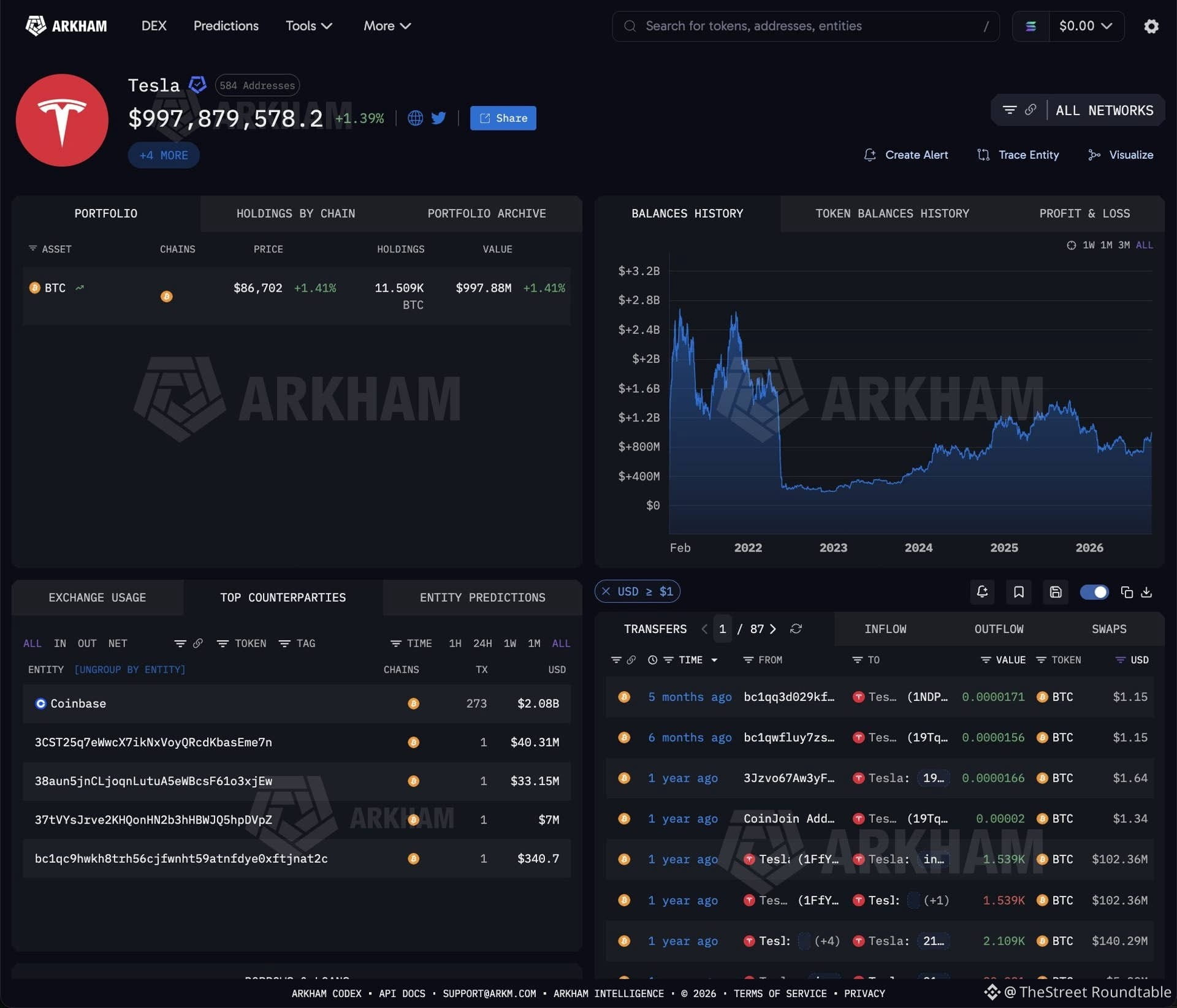
Les avoirs en Bitcoin de Tesla ont grimpé à environ 994,9 millions de dollars, à seulement 5,1 millions de dollars du cap des 1 milliard, après que la récente hausse du Bitcoin a fait passer les prix au-dessus de 86 000 dollars, d’après des données onchain de Arkham Intelligence.
Tesla est une entreprise de véhicules électriques et d’énergies propres, dirigée par Elon Musk, qui détient publiquement du Bitcoin depuis au moins 2021. La société détient 11 509 BTC sur 584 adresses onchain, d’après les données d’Arkham.
La valeur de ces placements a augmenté d’environ 122,62 millions de dollars en une seule semaine, alors que le Bitcoin a bondi d’environ 14 %, selon les données.
Tesla réalise 122 M$ grâce au Bitcoin sans acheter une seule pièce
Elon Musk et Tesla ne vendent pas de Bitcoin (1:42)
Les avoirs en Bitcoin de Tesla ont grimpé à environ 994,9 millions de dollars, à seulement 5,1 millions de dollars du cap des 1 milliard, après que la récente hausse du Bitcoin a fait passer les prix au-dessus de 86 000 dollars, d’après des données onchain de Arkham Intelligence.
Tesla est une entreprise de véhicules électriques et d’énergies propres, dirigée par Elon Musk, qui détient publiquement du Bitcoin depuis au moins 2021. La société détient 11 509 BTC sur 584 adresses onchain, d’après les données d’Arkham.
La valeur de ces placements a augmenté d’environ 122,62 millions de dollars en une seule semaine, alors que le Bitcoin a bondi d’environ 14 %, selon les données.
Les avoirs en Bitcoin de Tesla ont grimpé à environ 994,9 millions de dollars, à seulement 5,1 millions de dollars du cap des 1 milliard, après que la récente hausse du Bitcoin a fait passer les prix au-dessus de 86 000 dollars, d’après des données onchain de Arkham Intelligence.
Tesla est une entreprise de véhicules électriques et d’énergies propres, dirigée par Elon Musk, qui détient publiquement du Bitcoin depuis au moins 2021. La société détient 11 509 BTC sur 584 adresses onchain, d’après les données d’Arkham.
La valeur de ces placements a augmenté d’environ 122,62 millions de dollars en une seule semaine, alors que le Bitcoin a bondi d’environ 14 %, selon les données.
128
Partiellement vrai
Le levier pétrolier de Washington est épuisé, selon John Divine : la prochaine étape se jouera dans le VIX et le gaz naturelLe levier pétrolier de Washington est épuisé, selon John Divine : la prochaine étape se jouera dans le VIX et le gaz naturel (2:40)
La plus grande offensive de drones d’Ukraine contre des objectifs russes de la guerre a mis hors service des unités de distillation du pétrole brut dans une raffinerie moscovite de 245 000 barils par jour, le dimanche 20 septembre, quelques heures après que des missiles houthis aient envoyé Riyad à son premier raid aérien depuis juillet et que le président Trump ait écourté un week-end à Camp David.
S’exprimant lors du TheStreet Roundtable, l’analyste du Roundtable 100 Blue Ribbon Committee, John Divine, a déclaré que le marché avait “un peu mis (l’Ukraine) de côté”, et que si le sujet revient au premier plan, “le pétrole va être davantage pris en compte et probablement plus élevé, et cela ne va pas être bon pour une poursuite de la dynamique des marchés boursiers plus larges.”
Le levier pétrolier de Washington est épuisé, selon John Divine : la prochaine étape se jouera dans le VIX et le gaz naturel
Le levier pétrolier de Washington est épuisé, selon John Divine : la prochaine étape se jouera dans le VIX et le gaz naturel (2:40)
La plus grande offensive de drones d’Ukraine contre des objectifs russes de la guerre a mis hors service des unités de distillation du pétrole brut dans une raffinerie moscovite de 245 000 barils par jour, le dimanche 20 septembre, quelques heures après que des missiles houthis aient envoyé Riyad à son premier raid aérien depuis juillet et que le président Trump ait écourté un week-end à Camp David.
S’exprimant lors du TheStreet Roundtable, l’analyste du Roundtable 100 Blue Ribbon Committee, John Divine, a déclaré que le marché avait “un peu mis (l’Ukraine) de côté”, et que si le sujet revient au premier plan, “le pétrole va être davantage pris en compte et probablement plus élevé, et cela ne va pas être bon pour une poursuite de la dynamique des marchés boursiers plus larges.”
La plus grande offensive de drones d’Ukraine contre des objectifs russes de la guerre a mis hors service des unités de distillation du pétrole brut dans une raffinerie moscovite de 245 000 barils par jour, le dimanche 20 septembre, quelques heures après que des missiles houthis aient envoyé Riyad à son premier raid aérien depuis juillet et que le président Trump ait écourté un week-end à Camp David.
S’exprimant lors du TheStreet Roundtable, l’analyste du Roundtable 100 Blue Ribbon Committee, John Divine, a déclaré que le marché avait “un peu mis (l’Ukraine) de côté”, et que si le sujet revient au premier plan, “le pétrole va être davantage pris en compte et probablement plus élevé, et cela ne va pas être bon pour une poursuite de la dynamique des marchés boursiers plus larges.”
585
Dynatrace dépasse Adobe de 44 places dans le classement de puissanceAnalyste du Roundtable 100 sur Solana, NEAR (4:43)
Dynatrace (NYSE : DT) occupe la 15e place du Roundtable 100 cette semaine, soit 44 places de plus qu’Adobe (Nasdaq : ADBE).
Dynatrace est une plateforme d’observabilité et de supervision des performances des applications (APM) propulsée par l’IA qui aide les organisations à gérer, optimiser et sécuriser des environnements cloud natifs et hybrides complexes. La société affiche une capitalisation boursière d’environ 17 milliards de dollars.
Adobe est une société logicielle qui propose un ensemble de programmes pour la retouche photo, la vidéo et l’audio, le développement d’applications mobiles et l’animation. Adobe Creative Suite, une multitude de produits basés sur un abonnement, est très populaire dans l’industrie des médias. La société affiche une capitalisation boursière d’environ 95 milliards de dollars.
Dynatrace dépasse Adobe de 44 places dans le classement de puissance
Analyste du Roundtable 100 sur Solana, NEAR (4:43)
Dynatrace (NYSE : DT) occupe la 15e place du Roundtable 100 cette semaine, soit 44 places de plus qu’Adobe (Nasdaq : ADBE).
Dynatrace est une plateforme d’observabilité et de supervision des performances des applications (APM) propulsée par l’IA qui aide les organisations à gérer, optimiser et sécuriser des environnements cloud natifs et hybrides complexes. La société affiche une capitalisation boursière d’environ 17 milliards de dollars.
Adobe est une société logicielle qui propose un ensemble de programmes pour la retouche photo, la vidéo et l’audio, le développement d’applications mobiles et l’animation. Adobe Creative Suite, une multitude de produits basés sur un abonnement, est très populaire dans l’industrie des médias. La société affiche une capitalisation boursière d’environ 95 milliards de dollars.
Dynatrace (NYSE : DT) occupe la 15e place du Roundtable 100 cette semaine, soit 44 places de plus qu’Adobe (Nasdaq : ADBE).
Dynatrace est une plateforme d’observabilité et de supervision des performances des applications (APM) propulsée par l’IA qui aide les organisations à gérer, optimiser et sécuriser des environnements cloud natifs et hybrides complexes. La société affiche une capitalisation boursière d’environ 17 milliards de dollars.
Adobe est une société logicielle qui propose un ensemble de programmes pour la retouche photo, la vidéo et l’audio, le développement d’applications mobiles et l’animation. Adobe Creative Suite, une multitude de produits basés sur un abonnement, est très populaire dans l’industrie des médias. La société affiche une capitalisation boursière d’environ 95 milliards de dollars.
192
Un économiste lance un avertissement sur le prochain mouvement de Michael Saylor concernant le BitcoinExclusif : Peter Schiff affirme que la Fed « n’aurait jamais dû arrêter d’augmenter ses taux » (5:00)
Économiste chevronné et fervent sceptique du Bitcoin de longue date, Peter Schiff a souligné la récente série de ventes de Bitcoin de Strategy. Entre la fin mai et le début août, l’entreprise a cédé 6 948 Bitcoin pour environ 431,8 millions de dollars de produits nets, soit environ 62 150 dollars par unité.
Dans une publication sur X, Schiff a noté que Saylor rachète désormais une partie de ce qu’il a vendu, mais cette fois à des prix supérieurs à 80 000 dollars par Bitcoin.
Sa prédiction : il ne faudra pas longtemps avant que Strategy ne se mette à vendre à nouveau, à des prix plus bas, un cycle qu’il a suggéré qui se répète sans cesse.
Un économiste lance un avertissement sur le prochain mouvement de Michael Saylor concernant le Bitcoin
Exclusif : Peter Schiff affirme que la Fed « n’aurait jamais dû arrêter d’augmenter ses taux » (5:00)
Économiste chevronné et fervent sceptique du Bitcoin de longue date, Peter Schiff a souligné la récente série de ventes de Bitcoin de Strategy. Entre la fin mai et le début août, l’entreprise a cédé 6 948 Bitcoin pour environ 431,8 millions de dollars de produits nets, soit environ 62 150 dollars par unité.
Dans une publication sur X, Schiff a noté que Saylor rachète désormais une partie de ce qu’il a vendu, mais cette fois à des prix supérieurs à 80 000 dollars par Bitcoin.
Sa prédiction : il ne faudra pas longtemps avant que Strategy ne se mette à vendre à nouveau, à des prix plus bas, un cycle qu’il a suggéré qui se répète sans cesse.
Économiste chevronné et fervent sceptique du Bitcoin de longue date, Peter Schiff a souligné la récente série de ventes de Bitcoin de Strategy. Entre la fin mai et le début août, l’entreprise a cédé 6 948 Bitcoin pour environ 431,8 millions de dollars de produits nets, soit environ 62 150 dollars par unité.
Dans une publication sur X, Schiff a noté que Saylor rachète désormais une partie de ce qu’il a vendu, mais cette fois à des prix supérieurs à 80 000 dollars par Bitcoin.
Sa prédiction : il ne faudra pas longtemps avant que Strategy ne se mette à vendre à nouveau, à des prix plus bas, un cycle qu’il a suggéré qui se répète sans cesse.
125
Connectez-vous pour découvrir plus de contenu
Rejoignez la communauté mondiale des adeptes de cryptomonnaies sur Binance Square
⚡️ Suviez les dernières informations importantes sur les cryptomonnaies.
💬 Jugé digne de confiance par la plus grande plateforme d’échange de cryptomonnaies au monde.
👍 Découvrez les connaissances que partagent les créateurs vérifiés.
Adresse e-mail/Nº de téléphone