

sikander_ayaz
16 Publications

sikander_ayaz
Signaler
Bloquer l’utilisateur
Follow for news and analysis
Ouvert au trading

Détenteur pour SOL
Trade régulièrement
1.7 an(s)
16 Suivis
2 Abonnés
1 J’aime
Publications
Portefeuille
si vous voulez des cadeaux, il vous suffit de me suivre, commentez done et envoyez votre uid
si vous voulez des cadeaux, il vous suffit de me suivre, commentez done et envoyez votre uid

Follow for more
De sikander_ayaz
21
·
--
Haussier
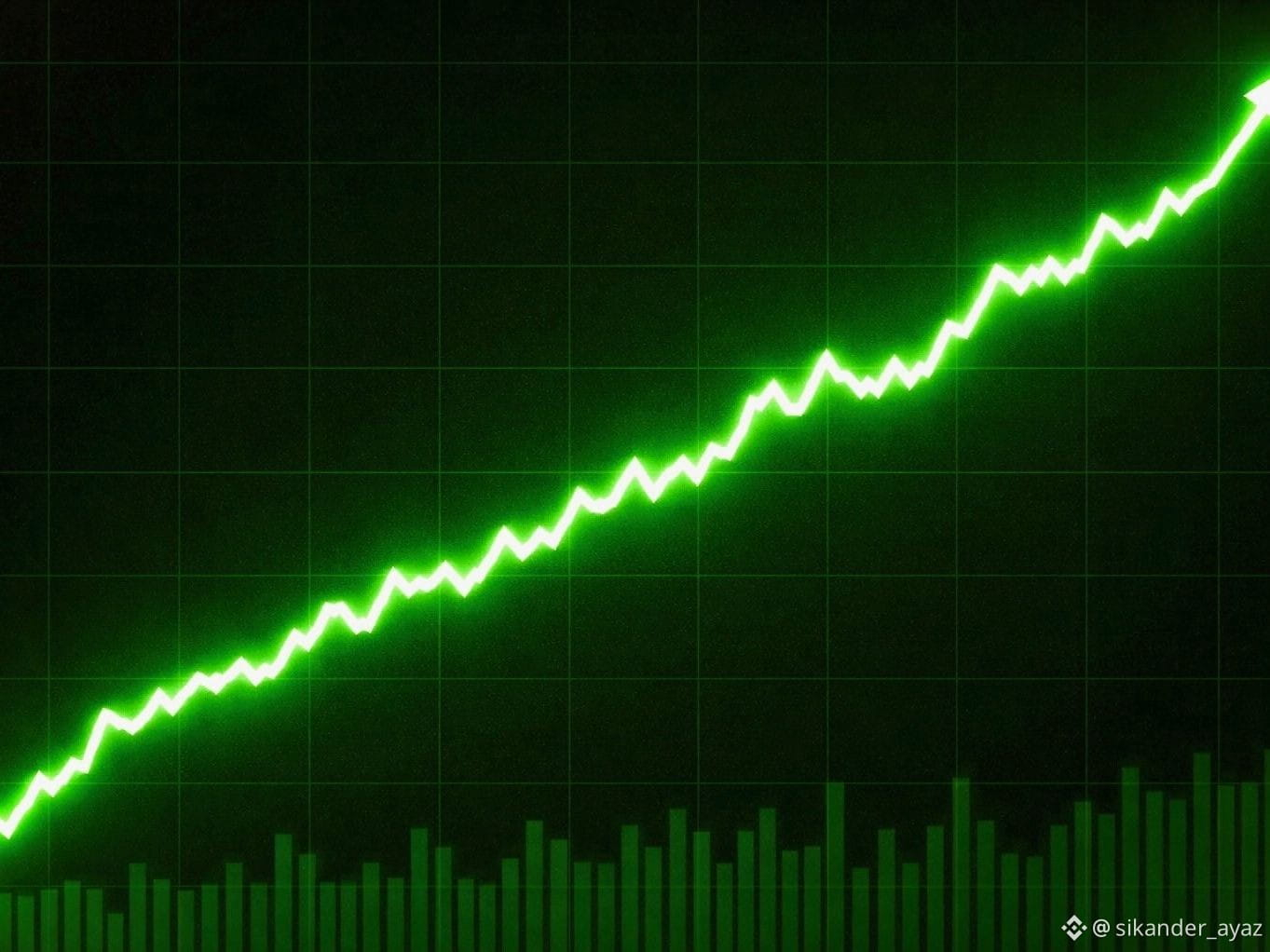
Bitcoin enregistre son plus grand gain hebdomadaire depuis mars 2023, bondissant de plus de 23 %
Bitcoin enregistre son plus grand gain hebdomadaire depuis mars 2023, bondissant de plus de 23 %
71
#termmax @termmax
RWA, c’est bien plus que le fait de mettre des actifs sur une blockchain
Auparavant, je pensais que les actifs du monde réel étaient assez simples : prendre quelque chose du monde réel, le tokeniser, inscrire le registre de propriété sur une blockchain, et la partie difficile était pour l’essentiel déjà faite.
En découvrant TermMax, j’ai changé d’avis.
La tokenisation d’un actif ne le rend pas automatiquement liquide. Un actif peut exister on-chain et rester pourtant difficile à vendre ou à transférer lorsque le prêt arrive à échéance ou que l’emprunteur ne peut pas rembourser.
C’est pourquoi l’idée de la livraison physique m’a marqué. Dans certaines structures, le prêteur peut être en mesure de recevoir l’actif sous-jacent directement, plutôt que de dépendre entièrement d’un marché secondaire pour vendre la garantie.
Cela rend aussi le prêt à taux fixe plus intéressant. Le prêteur ne pense pas seulement au rendement. Il doit aussi comprendre ce qui se passe lorsque l’emprunteur ne rembourse pas, et quelle est la valeur réelle de la garantie sous-jacente, ainsi que la manière dont elle peut être gérée.
Ainsi, je vois désormais TermMax comme bien plus qu’un simple autre protocole de prêt. L’entreprise explore aussi comment le prêt peut fonctionner avec des actifs qui ne se comportent pas comme des actifs cryptos « classiques ».
Les RWA ont encore un défi de taille : faire le lien entre la propriété on-chain et les actifs du monde réel, la propriété juridique, le règlement (settlement) et la liquidité réelle.
C’est la partie que je veux continuer à suivre à mesure que TermMax se développe.
#termmax @TermMax
RWA, c’est bien plus que le fait de mettre des actifs sur une blockchain
Auparavant, je pensais que les actifs du monde réel étaient assez simples : prendre quelque chose du monde réel, le tokeniser, inscrire le registre de propriété sur une blockchain, et la partie difficile était pour l’essentiel déjà faite.
En découvrant TermMax, j’ai changé d’avis.
La tokenisation d’un actif ne le rend pas automatiquement liquide. Un actif peut exister on-chain et rester pourtant difficile à vendre ou à transférer lorsque le prêt arrive à échéance ou que l’emprunteur ne peut pas rembourser.
C’est pourquoi l’idée de la livraison physique m’a marqué. Dans certaines structures, le prêteur peut être en mesure de recevoir l’actif sous-jacent directement, plutôt que de dépendre entièrement d’un marché secondaire pour vendre la garantie.
Cela rend aussi le prêt à taux fixe plus intéressant. Le prêteur ne pense pas seulement au rendement. Il doit aussi comprendre ce qui se passe lorsque l’emprunteur ne rembourse pas, et quelle est la valeur réelle de la garantie sous-jacente, ainsi que la manière dont elle peut être gérée.
Ainsi, je vois désormais TermMax comme bien plus qu’un simple autre protocole de prêt. L’entreprise explore aussi comment le prêt peut fonctionner avec des actifs qui ne se comportent pas comme des actifs cryptos « classiques ».
Les RWA ont encore un défi de taille : faire le lien entre la propriété on-chain et les actifs du monde réel, la propriété juridique, le règlement (settlement) et la liquidité réelle.
C’est la partie que je veux continuer à suivre à mesure que TermMax se développe.
RWA, c’est bien plus que le fait de mettre des actifs sur une blockchain
Auparavant, je pensais que les actifs du monde réel étaient assez simples : prendre quelque chose du monde réel, le tokeniser, inscrire le registre de propriété sur une blockchain, et la partie difficile était pour l’essentiel déjà faite.
En découvrant TermMax, j’ai changé d’avis.
La tokenisation d’un actif ne le rend pas automatiquement liquide. Un actif peut exister on-chain et rester pourtant difficile à vendre ou à transférer lorsque le prêt arrive à échéance ou que l’emprunteur ne peut pas rembourser.
C’est pourquoi l’idée de la livraison physique m’a marqué. Dans certaines structures, le prêteur peut être en mesure de recevoir l’actif sous-jacent directement, plutôt que de dépendre entièrement d’un marché secondaire pour vendre la garantie.
Cela rend aussi le prêt à taux fixe plus intéressant. Le prêteur ne pense pas seulement au rendement. Il doit aussi comprendre ce qui se passe lorsque l’emprunteur ne rembourse pas, et quelle est la valeur réelle de la garantie sous-jacente, ainsi que la manière dont elle peut être gérée.
Ainsi, je vois désormais TermMax comme bien plus qu’un simple autre protocole de prêt. L’entreprise explore aussi comment le prêt peut fonctionner avec des actifs qui ne se comportent pas comme des actifs cryptos « classiques ».
Les RWA ont encore un défi de taille : faire le lien entre la propriété on-chain et les actifs du monde réel, la propriété juridique, le règlement (settlement) et la liquidité réelle.
C’est la partie que je veux continuer à suivre à mesure que TermMax se développe.
60
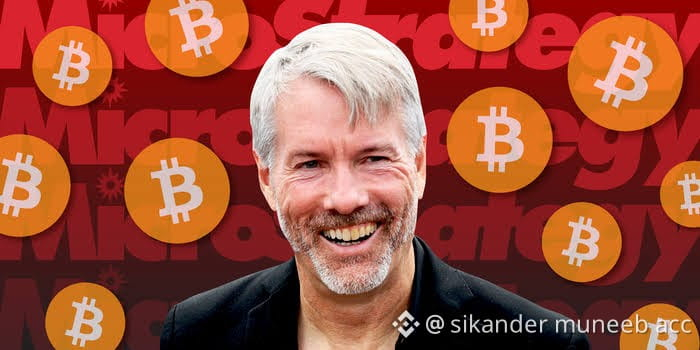
JUST IN: La stratégie de Michael Saylor affiche désormais 875 000 000 $ de profit latent sur son investissement en Bitcoin.
#BTC🔥🔥🔥🔥🔥
JUST IN: La stratégie de Michael Saylor affiche désormais 875 000 000 $ de profit latent sur son investissement en Bitcoin.
#BTC🔥🔥🔥🔥🔥
#BTC🔥🔥🔥🔥🔥
93
·
--
Haussier
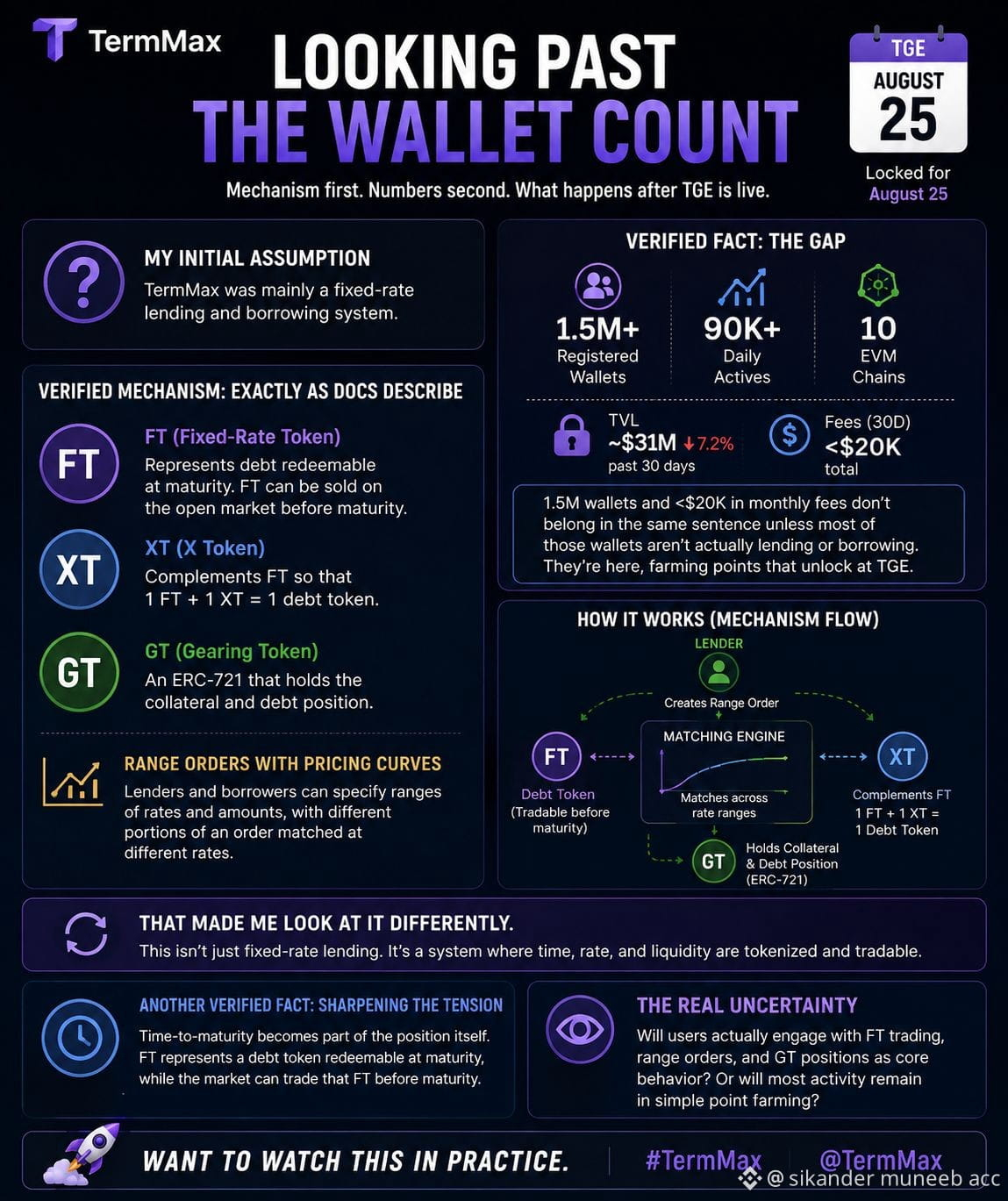
TermMax : regarder au-delà du nombre de tokens de portefeuille
Mon hypothèse initiale était que TermMax était principalement un système de prêt et d’emprunt à taux fixe. La documentation décrit un mécanisme construit autour de trois tokens : FT (Fixed-Rate Token), XT (X Token) et GT (Gearing Token). FT représente une dette remboursable à l’échéance, XT complète FT de sorte que 1 FT + 1 XT = 1 token de dette, tandis que GT est un ERC-721 qui détient la garantie ainsi que la position de dette.
TermMax utilise aussi des ordres par plage avec des courbes de prix : les prêteurs et les emprunteurs peuvent spécifier des plages de taux et de montants, avec différentes portions d’un ordre exécutées à des taux distincts. FT peut également être vendu sur le marché libre avant l’échéance, plutôt que d’obliger le détenteur à attendre l’échéance pour le rachat.
Cela m’a amené à l’envisager autrement.
Le mécanisme fait du temps jusqu’à l’échéance une partie intégrante de la position : FT représente un token de dette remboursable à l’échéance, tandis que le marché peut échanger ce FT avant l’échéance.
Ce que je veux voir maintenant, c’est comment les utilisateurs se comportent concrètement autour de ces mécanismes une fois le token en ligne : est-ce que le trading de FT, les ordres par plage et les positions GT deviennent une activité on-chain routinière, ou bien est-ce que la plupart de la participation reste concentrée sur des formes d’interaction plus simples.
Vous voulez le voir en pratique.
@termmax #termmax
TermMax : regarder au-delà du nombre de tokens de portefeuille
Mon hypothèse initiale était que TermMax était principalement un système de prêt et d’emprunt à taux fixe. La documentation décrit un mécanisme construit autour de trois tokens : FT (Fixed-Rate Token), XT (X Token) et GT (Gearing Token). FT représente une dette remboursable à l’échéance, XT complète FT de sorte que 1 FT + 1 XT = 1 token de dette, tandis que GT est un ERC-721 qui détient la garantie ainsi que la position de dette.
TermMax utilise aussi des ordres par plage avec des courbes de prix : les prêteurs et les emprunteurs peuvent spécifier des plages de taux et de montants, avec différentes portions d’un ordre exécutées à des taux distincts. FT peut également être vendu sur le marché libre avant l’échéance, plutôt que d’obliger le détenteur à attendre l’échéance pour le rachat.
Cela m’a amené à l’envisager autrement.
Le mécanisme fait du temps jusqu’à l’échéance une partie intégrante de la position : FT représente un token de dette remboursable à l’échéance, tandis que le marché peut échanger ce FT avant l’échéance.
Ce que je veux voir maintenant, c’est comment les utilisateurs se comportent concrètement autour de ces mécanismes une fois le token en ligne : est-ce que le trading de FT, les ordres par plage et les positions GT deviennent une activité on-chain routinière, ou bien est-ce que la plupart de la participation reste concentrée sur des formes d’interaction plus simples.
Vous voulez le voir en pratique.
@TermMax #termmax
Mon hypothèse initiale était que TermMax était principalement un système de prêt et d’emprunt à taux fixe. La documentation décrit un mécanisme construit autour de trois tokens : FT (Fixed-Rate Token), XT (X Token) et GT (Gearing Token). FT représente une dette remboursable à l’échéance, XT complète FT de sorte que 1 FT + 1 XT = 1 token de dette, tandis que GT est un ERC-721 qui détient la garantie ainsi que la position de dette.
TermMax utilise aussi des ordres par plage avec des courbes de prix : les prêteurs et les emprunteurs peuvent spécifier des plages de taux et de montants, avec différentes portions d’un ordre exécutées à des taux distincts. FT peut également être vendu sur le marché libre avant l’échéance, plutôt que d’obliger le détenteur à attendre l’échéance pour le rachat.
Cela m’a amené à l’envisager autrement.
Le mécanisme fait du temps jusqu’à l’échéance une partie intégrante de la position : FT représente un token de dette remboursable à l’échéance, tandis que le marché peut échanger ce FT avant l’échéance.
Ce que je veux voir maintenant, c’est comment les utilisateurs se comportent concrètement autour de ces mécanismes une fois le token en ligne : est-ce que le trading de FT, les ordres par plage et les positions GT deviennent une activité on-chain routinière, ou bien est-ce que la plupart de la participation reste concentrée sur des formes d’interaction plus simples.
Vous voulez le voir en pratique.
@TermMax #termmax
46
🚨 CHANGEMENT DE CAP DE LA POLITIQUE CRYPTO AUX ÉTATS-UNIS ? 🇺🇸
Les discussions crypto à la Maison-Blanche d’aujourd’hui portaient apparemment sur plusieurs points majeurs :
→ Les États-Unis envisagent d’acquérir une quantité importante de BTC et d’autres actifs numériques
→ Trump a exhorté les législateurs à faire avancer la loi CLARITY Act
→ Le maintien du leadership américain dans le Bitcoin et la blockchain reste une priorité
→ Hyperliquid travaillerait à une entrée sur le marché américain
→ Trump a également soutenu la baisse des taux d’intérêt
Si ces mesures se traduisent réellement en politique, les États-Unis pourraient se positionner pour jouer un rôle beaucoup plus important dans l’économie mondiale des cryptos.
Est-ce le début d’une ère américaine plus favorable aux cryptos ? 🇺🇸₿ #USCrypto
🚨 CHANGEMENT DE CAP DE LA POLITIQUE CRYPTO AUX ÉTATS-UNIS ? 🇺🇸
Les discussions crypto à la Maison-Blanche d’aujourd’hui portaient apparemment sur plusieurs points majeurs :
→ Les États-Unis envisagent d’acquérir une quantité importante de BTC et d’autres actifs numériques
→ Trump a exhorté les législateurs à faire avancer la loi CLARITY Act
→ Le maintien du leadership américain dans le Bitcoin et la blockchain reste une priorité
→ Hyperliquid travaillerait à une entrée sur le marché américain
→ Trump a également soutenu la baisse des taux d’intérêt
Si ces mesures se traduisent réellement en politique, les États-Unis pourraient se positionner pour jouer un rôle beaucoup plus important dans l’économie mondiale des cryptos.
Est-ce le début d’une ère américaine plus favorable aux cryptos ? 🇺🇸₿ #USCrypto
Les discussions crypto à la Maison-Blanche d’aujourd’hui portaient apparemment sur plusieurs points majeurs :
→ Les États-Unis envisagent d’acquérir une quantité importante de BTC et d’autres actifs numériques
→ Trump a exhorté les législateurs à faire avancer la loi CLARITY Act
→ Le maintien du leadership américain dans le Bitcoin et la blockchain reste une priorité
→ Hyperliquid travaillerait à une entrée sur le marché américain
→ Trump a également soutenu la baisse des taux d’intérêt
Si ces mesures se traduisent réellement en politique, les États-Unis pourraient se positionner pour jouer un rôle beaucoup plus important dans l’économie mondiale des cryptos.
Est-ce le début d’une ère américaine plus favorable aux cryptos ? 🇺🇸₿ #USCrypto
61
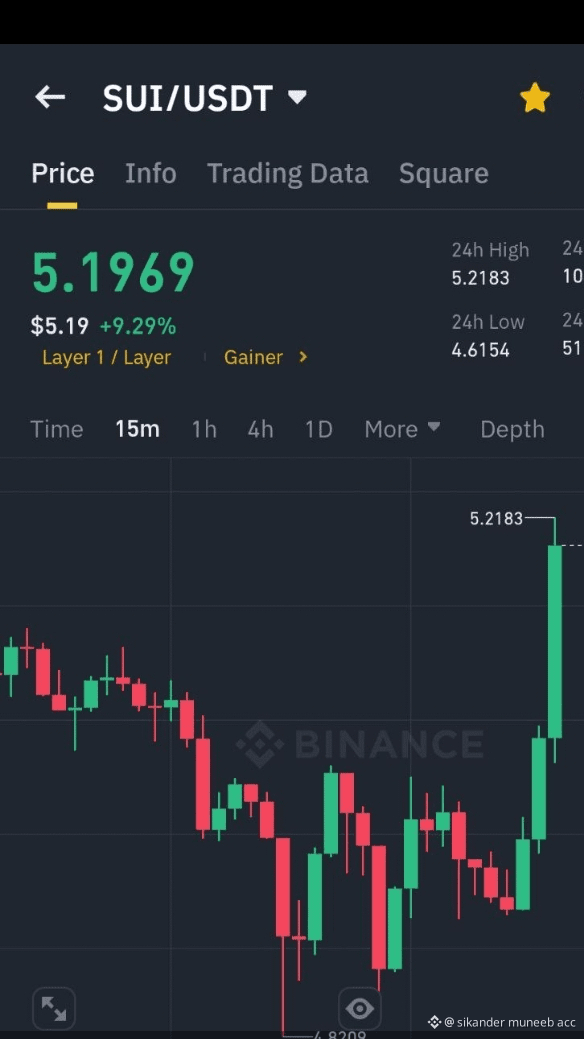
Histoire 😂 ? qu’en pensez-vous, combien ça va coûter pour arriver ici $SUI to #bullish
Histoire 😂 ? qu’en pensez-vous, combien ça va coûter pour arriver ici $SUI to #bullish
98
Je me suis penché plus en profondeur sur @TermMax et j’ai trouvé une partie intéressante de sa conception : FT, XT et GT sont utilisés ensemble avec des courbes de tarification par ordre de maturité, et FT peut rester négociable avant l’échéance. Cela m’a amené à le voir différemment. Le temps jusqu’à l’échéance fait également partie du processus de tarification. Je suis toujours curieux de voir comment ces mécanismes se comportent dans des conditions réelles de marché. Je veux l’observer en pratique. #TermMax @termmax
Je me suis penché plus en profondeur sur @TermMax et j’ai trouvé une partie intéressante de sa conception : FT, XT et GT sont utilisés ensemble avec des courbes de tarification par ordre de maturité, et FT peut rester négociable avant l’échéance. Cela m’a amené à le voir différemment. Le temps jusqu’à l’échéance fait également partie du processus de tarification. Je suis toujours curieux de voir comment ces mécanismes se comportent dans des conditions réelles de marché. Je veux l’observer en pratique. #TermMax @TermMax
67
·
--
Haussier
SOL à prix réduit
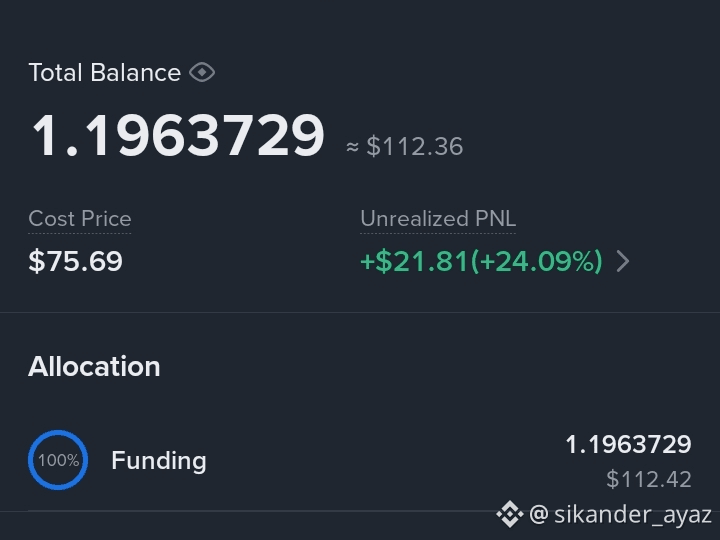
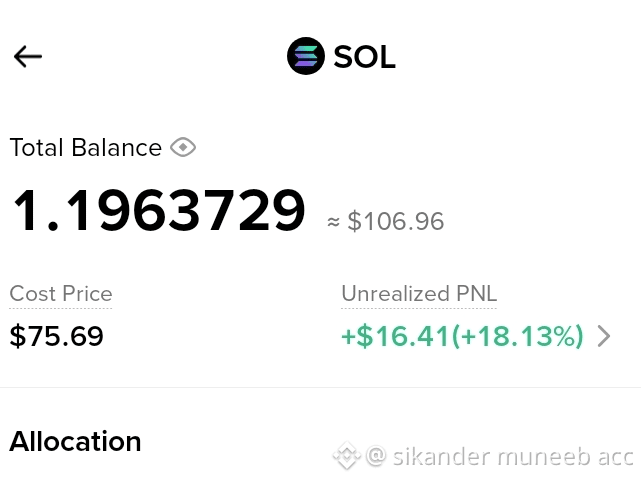
Je me suis intéressé à SOL et un point ressort : il se négocie autour de 75 $, soit environ 74 % de moins que son sommet historique d’environ 293 $. Ce n’est pas son plus bas historique au sens strict, mais c’est un recul massif. Pendant ce temps, Solana a récemment enregistré plus de 1 milliard de transactions hebdomadaires non liées aux votes, ce qui montre que l’utilisation du réseau n’a pas disparu.
Personnellement, je pense que SOL ressemble à l’un des actifs “large cap” les plus solides à accumuler à ces niveaux — pas parce qu’une hausse est garantie, mais parce que le ratio risque/rendement paraît intéressant après une correction aussi profonde.
Préféreriez-vous acheter du SOL autour de 75 $ maintenant, ou attendre une entrée encore plus basse ?
#SolanaStrong #solanAnalysis #SolanaJourney
SOL à prix réduit
Je me suis intéressé à SOL et un point ressort : il se négocie autour de 75 $, soit environ 74 % de moins que son sommet historique d’environ 293 $. Ce n’est pas son plus bas historique au sens strict, mais c’est un recul massif. Pendant ce temps, Solana a récemment enregistré plus de 1 milliard de transactions hebdomadaires non liées aux votes, ce qui montre que l’utilisation du réseau n’a pas disparu.
Personnellement, je pense que SOL ressemble à l’un des actifs “large cap” les plus solides à accumuler à ces niveaux — pas parce qu’une hausse est garantie, mais parce que le ratio risque/rendement paraît intéressant après une correction aussi profonde.
Préféreriez-vous acheter du SOL autour de 75 $ maintenant, ou attendre une entrée encore plus basse ?
#SolanaStrong #solanAnalysis #SolanaJourney
Je me suis intéressé à SOL et un point ressort : il se négocie autour de 75 $, soit environ 74 % de moins que son sommet historique d’environ 293 $. Ce n’est pas son plus bas historique au sens strict, mais c’est un recul massif. Pendant ce temps, Solana a récemment enregistré plus de 1 milliard de transactions hebdomadaires non liées aux votes, ce qui montre que l’utilisation du réseau n’a pas disparu.
Personnellement, je pense que SOL ressemble à l’un des actifs “large cap” les plus solides à accumuler à ces niveaux — pas parce qu’une hausse est garantie, mais parce que le ratio risque/rendement paraît intéressant après une correction aussi profonde.
Préféreriez-vous acheter du SOL autour de 75 $ maintenant, ou attendre une entrée encore plus basse ?
#SolanaStrong #solanAnalysis #SolanaJourney
1
98
·
--
Haussier
J’ai examiné @TermMax, et un détail a retenu mon attention : le FT peut être négocié avant l’échéance, tandis que le FT, le XT et le GT fonctionnent dans le cadre de ses courbes de tarification par ordre de gamme. Cela m’a amené à le voir sous un autre angle. Comme le temps jusqu’à l’échéance fait aussi partie du prix, je suis curieux de voir comment ces mécanismes se comporteront concrètement dans des conditions de marché réelles. Je veux l’observer en pratique.$#termmax @termmax
J’ai examiné @TermMax, et un détail a retenu mon attention : le FT peut être négocié avant l’échéance, tandis que le FT, le XT et le GT fonctionnent dans le cadre de ses courbes de tarification par ordre de gamme. Cela m’a amené à le voir sous un autre angle. Comme le temps jusqu’à l’échéance fait aussi partie du prix, je suis curieux de voir comment ces mécanismes se comporteront concrètement dans des conditions de marché réelles. Je veux l’observer en pratique.$#termmax @TermMax
82
Je remarque encore que la finance réglementée a besoin à la fois de confidentialité et de responsabilité — et pas l’une ou l’autre.
Dusk construit une couche 1 conçue spécifiquement pour les marchés financiers réglementés, avec une confidentialité programmable et une divulgation sélective.
La tension est simple : les actifs financiers doivent rester confidentiels, mais les parties autorisées doivent toujours avoir de la visibilité.
L’infrastructure blockchain peut-elle réellement faire fonctionner les deux à grande échelle ? @Dusk_Foundation $DUSK #dusk#dusk $DUSK
Je remarque encore que la finance réglementée a besoin à la fois de confidentialité et de responsabilité — et pas l’une ou l’autre.
Dusk construit une couche 1 conçue spécifiquement pour les marchés financiers réglementés, avec une confidentialité programmable et une divulgation sélective.
La tension est simple : les actifs financiers doivent rester confidentiels, mais les parties autorisées doivent toujours avoir de la visibilité.
L’infrastructure blockchain peut-elle réellement faire fonctionner les deux à grande échelle ? @Dusk $DUSK #dusk#dusk $DUSK
Dusk construit une couche 1 conçue spécifiquement pour les marchés financiers réglementés, avec une confidentialité programmable et une divulgation sélective.
La tension est simple : les actifs financiers doivent rester confidentiels, mais les parties autorisées doivent toujours avoir de la visibilité.
L’infrastructure blockchain peut-elle réellement faire fonctionner les deux à grande échelle ? @Dusk $DUSK #dusk#dusk $DUSK
93
Connectez-vous pour découvrir plus de contenu
Rejoignez la communauté mondiale des adeptes de cryptomonnaies sur Binance Square
⚡️ Suviez les dernières informations importantes sur les cryptomonnaies.
💬 Jugé digne de confiance par la plus grande plateforme d’échange de cryptomonnaies au monde.
👍 Découvrez les connaissances que partagent les créateurs vérifiés.
Adresse e-mail/Nº de téléphone
Sujets d’actualité
BNBSurpasses$790
11,007 vues
88 mentions
$BNB plan stratégique à long terme -> FOCUS MAINTENANT
BNB a créé 2 creux solides après avoir éliminé la liquidité interne
J'attends un mouvement vers un sommet de swing à 815-830 et je cherche une position longue lors d'une retouche de la zone verte
#BNBSurpasses$790 #bnb
Ghost Writer
·4 mentions J’aime
·5.4k vues
ZamaRises15.99%ToIntradayHigh$0.09
5,720 vues
75 mentions
BitcoinSpotETFsDraw$6.34BInflowsInQ3
3,805 vues
60 mentions