
Marriam Insights
765 Publications

Marriam Insights
Signaler
Bloquer l’utilisateur
🧠 Macro & Crypto Market Analyst
📊 BTC • Gold • Oil • Smart Money Flow
🌍 Global Markets • Market Psychology
✅ Data-Driven Insights | No Hype. Just Facts.
244 Suivis
116 Abonnés
654 J’aime
Publications

Article
Krach des marchés boursiers mondiaux : pourquoi le Bitcoin chute-t-il avec les actions ?🌍 Sept jours consécutifs de baisse des marchés boursiers, des ventes massives liées à l’IA et une crainte grandissante sur les marchés ébranlent les investisseurs du monde entier. Le Bitcoin est-il exposé à un nouveau risque majeur alors que Wall Street est en difficulté ?
Un phénomène intéressant se produit sur les marchés financiers mondiaux, et les investisseurs en Bitcoin devraient y prêter attention.
Les marchés boursiers sont sous pression, les valeurs technologiques sont durement touchées et les préoccupations croissantes concernant les investissements dans l’IA commencent à affecter la confiance des investisseurs.
Mais voici la question la plus importante :
Krach des marchés boursiers mondiaux : pourquoi le Bitcoin chute-t-il avec les actions ?
🌍 Sept jours consécutifs de baisse des marchés boursiers, des ventes massives liées à l’IA et une crainte grandissante sur les marchés ébranlent les investisseurs du monde entier. Le Bitcoin est-il exposé à un nouveau risque majeur alors que Wall Street est en difficulté ?
Un phénomène intéressant se produit sur les marchés financiers mondiaux, et les investisseurs en Bitcoin devraient y prêter attention.
Les marchés boursiers sont sous pression, les valeurs technologiques sont durement touchées et les préoccupations croissantes concernant les investissements dans l’IA commencent à affecter la confiance des investisseurs.
Mais voici la question la plus importante :
1
2
211
Article
Voir la traduction
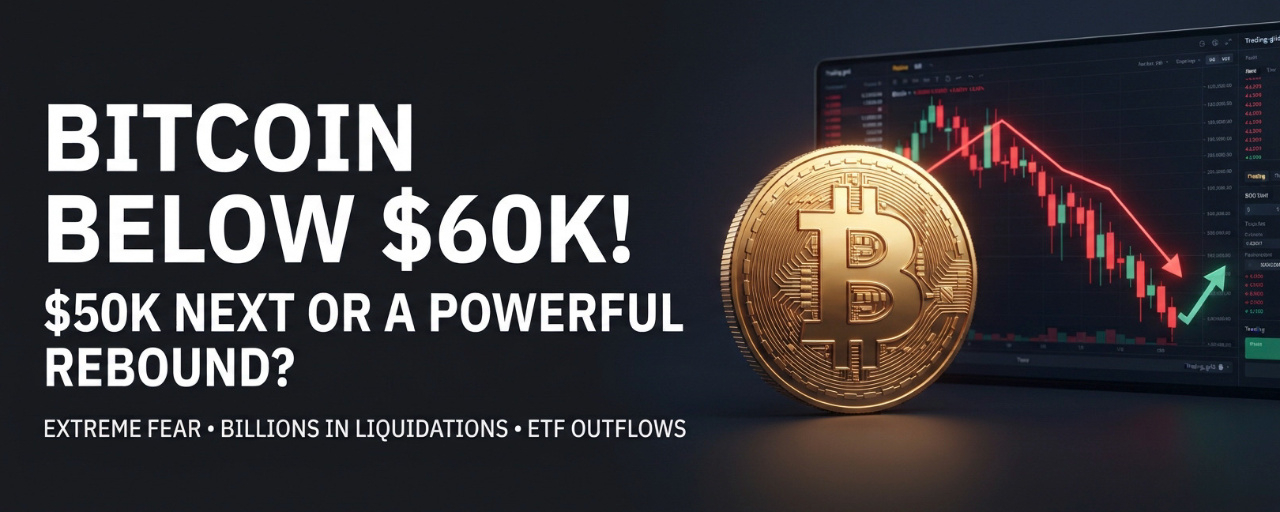
Bitcoin Price Prediction: Can BTC Rebound After Falling Below $60K?📉 Bitcoin hits its lowest levels since July as extreme fear, $2B+ liquidations and massive ETF outflows shake the market. Is $55K the bottom, or is $50K next?
Bitcoin is having a difficult November, and the market is beginning to ask one important question:
Are we getting closer to a bottom, or is there more pain ahead?
After seven consecutive weekly losses, Bitcoin has broken below the psychologically important $60,000 level. That's a worrying development, especially for investors who were expecting a stronger recovery.
But rather than jumping to conclusions, let's look at what is actually happening.
📉 1. Bitcoin's Sell-Off Is Getting Harder to Ignore
BTC briefly dropped to around $58,678 on Coinbase before falling further to approximately $55,800 early Saturday, according to the figures reported in the original coverage.
That's a sharp move in a very short period.
Bitcoin has also lost more than 20% in November, making this one of its worst monthly performances since June 2022.
Even more concerning, BTC is now more than 50% below its October 2025 all-time high of approximately $126,000.
This is no longer just a small market correction. Investors are reassessing risk, and confidence is clearly under pressure.
🔥 2. Billions in Liquidations Add to the Pressure
The sell-off has triggered a massive liquidation wave.
Reports put total crypto liquidations between $1.76 billion and nearly $2.4 billion over 24 hours, with leveraged long positions taking the biggest hit.
When too many traders bet on prices going higher using borrowed money, a sudden drop can create a chain reaction.
Positions get liquidated, selling increases, and prices can fall even faster.
Strategy's stock also dropped nearly 10% to around $78, adding further pressure to sentiment surrounding Bitcoin-related investments.
😨 3. Extreme Fear Is Back
One indicator that caught my attention is the Crypto Fear & Greed Index.
It reportedly fell to just 9, showing extreme fear across the market.
For context, the index reached an even lower reading of 5 on February 5, 2026.
Historically, extreme fear has sometimes appeared near market bottoms. But there is something important to remember:
Extreme fear does not automatically mean Bitcoin is ready to recover.
Markets can remain fearful for much longer than investors expect.
🛑 4. Where Could Bitcoin Find Its Next Support?
This is probably the most important question right now.
With the $60K level broken, traders are watching lower support zones.
Here are the levels worth keeping on the radar:
$60,000: The first important level Bitcoin needs to reclaim.$55,000: A critical near-term area to watch.$50,000–$54,000: A potential downside zone discussed by several market analysts.
Wintermute has suggested that the bear market may not be finished, while Rekt Capital sees the possibility of a Q4 cycle bottom approaching.
These are different interpretations of the same market, and neither guarantees what happens next.
For now, protecting capital matters more than trying to predict the exact bottom.
🔄 5. Bitcoin ETFs: The Signal I Would Watch Closely
There is another development that deserves attention: institutional money is moving out of Bitcoin ETFs.
US spot Bitcoin ETFs reportedly recorded $582.3 million in outflows on Thursday, including $541.1 million from BlackRock's IBIT.
November's cumulative outflows reportedly reached $3.47 billion.
Why does this matter?
ETF flows provide a useful indication of institutional demand.
If investors continue withdrawing money, it becomes harder to build a convincing recovery.
I'd like to see those flows turn positive again before becoming confident about a sustained rebound.
🌍 6. The Bigger Economic Picture
Bitcoin isn't trading in isolation.
Investors are also dealing with concerns about AI-related spending and profitability, borrowing costs, regulatory uncertainty and broader economic conditions.
Interest rate expectations are another factor influencing risk appetite.
Meanwhile, Bitcoin's 200-week moving average, around $68,000, now sits well above the current price.
That makes it an important longer-term resistance area to monitor if BTC starts recovering.
⚠️ 7. What Happens If $55K Breaks?
This is the downside scenario investors shouldn't ignore.
If Bitcoin fails to hold around $55,000, the $50,000–$54,000 region could become the next area of interest.
There is also the risk of further leveraged liquidations.
Weekend trading can make sudden price movements even more pronounced because liquidity may be thinner.
A quick bounce is possible, but so is another sharp decline.
👀 Three Signals I'll Be Watching
Rather than focusing on every price movement, I'd keep my attention on these three things:
1. The $60K Reclaim
Can Bitcoin regain $60,000 and hold above it on a daily closing basis?
2. Bitcoin ETF Flows
Do institutional investors start putting money back into spot Bitcoin ETFs?
3. Market Sentiment
Can the Fear & Greed Index move out of single-digit territory?
Together, these signals could tell us more about the strength of a potential recovery.
💡 My Takeaway
I don't think extreme fear alone is enough reason to call a Bitcoin bottom.
Yes, the market is deeply oversold in sentiment terms, and a relief rally wouldn't surprise me. But a sustainable recovery needs more than a temporary bounce.
I'd want to see Bitcoin reclaim important price levels, ETF outflows slow down or reverse, and buyers return with conviction.
Until then, I'd rather remain cautious than rush into a trade.
Sometimes, protecting your capital is the best decision you can make in a market like this.
💬 Let's Discuss
I want to hear how other investors are reading this market.
If you could watch just ONE signal right now, which would it be?
📊 Bitcoin reclaiming $60K, or institutional money returning through ETF inflows?
And where do you think the next major bottom could form: $55K or $50K?
Share your thoughts in the comments. Let's discuss the possibilities.
⚠️ Disclaimer: This post is for informational and educational purposes only and does not constitute financial advice. Cryptocurrency markets are highly volatile. Always do your own research before making investment decisions.
#BinanaceSquare #Bitcoin #BTC #BitcoinPricePrediction #CryptoMarket
{spot}(BTCUSDT)
Bitcoin Price Prediction: Can BTC Rebound After Falling Below $60K?
📉 Bitcoin hits its lowest levels since July as extreme fear, $2B+ liquidations and massive ETF outflows shake the market. Is $55K the bottom, or is $50K next?
Bitcoin is having a difficult November, and the market is beginning to ask one important question:
Are we getting closer to a bottom, or is there more pain ahead?
After seven consecutive weekly losses, Bitcoin has broken below the psychologically important $60,000 level. That's a worrying development, especially for investors who were expecting a stronger recovery.
But rather than jumping to conclusions, let's look at what is actually happening.
📉 1. Bitcoin's Sell-Off Is Getting Harder to Ignore
BTC briefly dropped to around $58,678 on Coinbase before falling further to approximately $55,800 early Saturday, according to the figures reported in the original coverage.
That's a sharp move in a very short period.
Bitcoin has also lost more than 20% in November, making this one of its worst monthly performances since June 2022.
Even more concerning, BTC is now more than 50% below its October 2025 all-time high of approximately $126,000.
This is no longer just a small market correction. Investors are reassessing risk, and confidence is clearly under pressure.
🔥 2. Billions in Liquidations Add to the Pressure
The sell-off has triggered a massive liquidation wave.
Reports put total crypto liquidations between $1.76 billion and nearly $2.4 billion over 24 hours, with leveraged long positions taking the biggest hit.
When too many traders bet on prices going higher using borrowed money, a sudden drop can create a chain reaction.
Positions get liquidated, selling increases, and prices can fall even faster.
Strategy's stock also dropped nearly 10% to around $78, adding further pressure to sentiment surrounding Bitcoin-related investments.
😨 3. Extreme Fear Is Back
One indicator that caught my attention is the Crypto Fear & Greed Index.
It reportedly fell to just 9, showing extreme fear across the market.
For context, the index reached an even lower reading of 5 on February 5, 2026.
Historically, extreme fear has sometimes appeared near market bottoms. But there is something important to remember:
Extreme fear does not automatically mean Bitcoin is ready to recover.
Markets can remain fearful for much longer than investors expect.
🛑 4. Where Could Bitcoin Find Its Next Support?
This is probably the most important question right now.
With the $60K level broken, traders are watching lower support zones.
Here are the levels worth keeping on the radar:
$60,000: The first important level Bitcoin needs to reclaim.$55,000: A critical near-term area to watch.$50,000–$54,000: A potential downside zone discussed by several market analysts.
Wintermute has suggested that the bear market may not be finished, while Rekt Capital sees the possibility of a Q4 cycle bottom approaching.
These are different interpretations of the same market, and neither guarantees what happens next.
For now, protecting capital matters more than trying to predict the exact bottom.
🔄 5. Bitcoin ETFs: The Signal I Would Watch Closely
There is another development that deserves attention: institutional money is moving out of Bitcoin ETFs.
US spot Bitcoin ETFs reportedly recorded $582.3 million in outflows on Thursday, including $541.1 million from BlackRock's IBIT.
November's cumulative outflows reportedly reached $3.47 billion.
Why does this matter?
ETF flows provide a useful indication of institutional demand.
If investors continue withdrawing money, it becomes harder to build a convincing recovery.
I'd like to see those flows turn positive again before becoming confident about a sustained rebound.
🌍 6. The Bigger Economic Picture
Bitcoin isn't trading in isolation.
Investors are also dealing with concerns about AI-related spending and profitability, borrowing costs, regulatory uncertainty and broader economic conditions.
Interest rate expectations are another factor influencing risk appetite.
Meanwhile, Bitcoin's 200-week moving average, around $68,000, now sits well above the current price.
That makes it an important longer-term resistance area to monitor if BTC starts recovering.
⚠️ 7. What Happens If $55K Breaks?
This is the downside scenario investors shouldn't ignore.
If Bitcoin fails to hold around $55,000, the $50,000–$54,000 region could become the next area of interest.
There is also the risk of further leveraged liquidations.
Weekend trading can make sudden price movements even more pronounced because liquidity may be thinner.
A quick bounce is possible, but so is another sharp decline.
👀 Three Signals I'll Be Watching
Rather than focusing on every price movement, I'd keep my attention on these three things:
1. The $60K Reclaim
Can Bitcoin regain $60,000 and hold above it on a daily closing basis?
2. Bitcoin ETF Flows
Do institutional investors start putting money back into spot Bitcoin ETFs?
3. Market Sentiment
Can the Fear & Greed Index move out of single-digit territory?
Together, these signals could tell us more about the strength of a potential recovery.
💡 My Takeaway
I don't think extreme fear alone is enough reason to call a Bitcoin bottom.
Yes, the market is deeply oversold in sentiment terms, and a relief rally wouldn't surprise me. But a sustainable recovery needs more than a temporary bounce.
I'd want to see Bitcoin reclaim important price levels, ETF outflows slow down or reverse, and buyers return with conviction.
Until then, I'd rather remain cautious than rush into a trade.
Sometimes, protecting your capital is the best decision you can make in a market like this.
💬 Let's Discuss
I want to hear how other investors are reading this market.
If you could watch just ONE signal right now, which would it be?
📊 Bitcoin reclaiming $60K, or institutional money returning through ETF inflows?
And where do you think the next major bottom could form: $55K or $50K?
Share your thoughts in the comments. Let's discuss the possibilities.
⚠️ Disclaimer: This post is for informational and educational purposes only and does not constitute financial advice. Cryptocurrency markets are highly volatile. Always do your own research before making investment decisions.
#BinanaceSquare #Bitcoin #BTC #BitcoinPricePrediction #CryptoMarket
1
85
Article
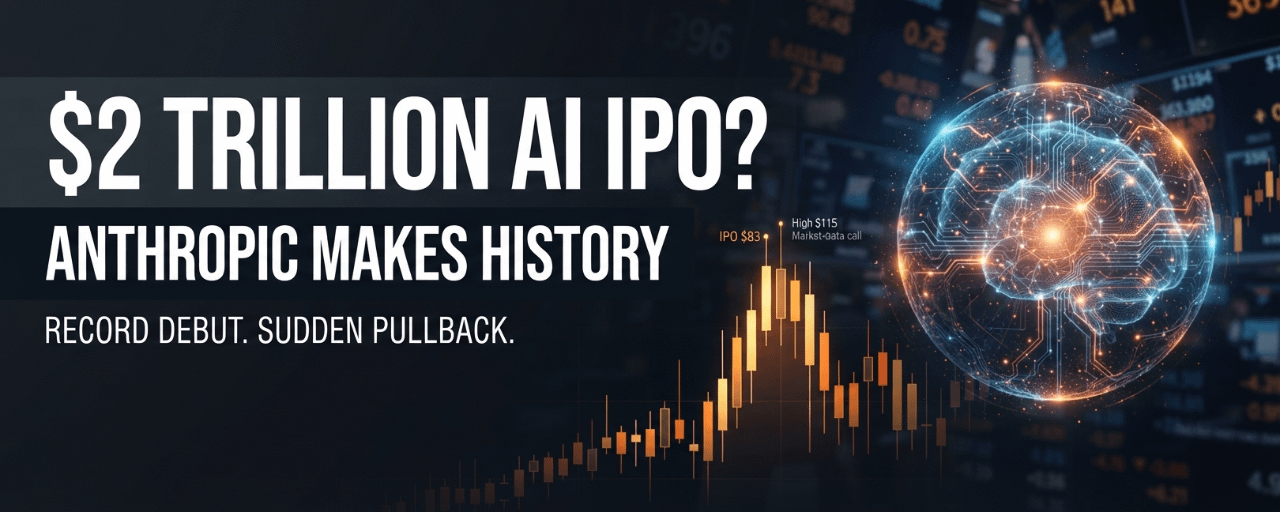
L’introduction en Bourse d’Anthropic à 2 billions de dollars : pourquoi le rallye de l’action IA s’est-il soudainement essoufflé ?Le développeur de Claude a levé un montant record de 81,3 milliards de dollars, a brièvement atteint une valorisation boursière de 2 billions de dollars, puis a perdu une grande partie de ses gains initiaux. Wall Street croit-elle toujours à l’essor de l’IA — ou le marché devient-il plus sélectif ?
🚀 Une introduction en Bourse historique. Une valorisation de plusieurs billions de dollars. Et un retour à la réalité en quelques heures.
Anthropic vient de réaliser l’une des plus grandes introductions en Bourse de l’histoire. L’entreprise à l’origine de Claude a fait son entrée au Nasdaq dans un contexte de demande considérable de la part des investisseurs, mais sa première séance de cotation a également révélé quelque chose d’important : même les entreprises d’IA les plus prometteuses ne sont pas à l’abri des pressions du marché.
L’introduction en Bourse d’Anthropic à 2 billions de dollars : pourquoi le rallye de l’action IA s’est-il soudainement essoufflé ?
Le développeur de Claude a levé un montant record de 81,3 milliards de dollars, a brièvement atteint une valorisation boursière de 2 billions de dollars, puis a perdu une grande partie de ses gains initiaux. Wall Street croit-elle toujours à l’essor de l’IA — ou le marché devient-il plus sélectif ?
🚀 Une introduction en Bourse historique. Une valorisation de plusieurs billions de dollars. Et un retour à la réalité en quelques heures.
Anthropic vient de réaliser l’une des plus grandes introductions en Bourse de l’histoire. L’entreprise à l’origine de Claude a fait son entrée au Nasdaq dans un contexte de demande considérable de la part des investisseurs, mais sa première séance de cotation a également révélé quelque chose d’important : même les entreprises d’IA les plus prometteuses ne sont pas à l’abri des pressions du marché.
AI-2,32%
GOOGUS-2,86%
1
2
545

Article
Ledger découvre des portefeuilles falsifiés à Berlin : comment rester en sécurité🚨 L’enquête concerne désormais Berlin et Dubaï. Voici ce qui est confirmé et comment protéger vos cryptomonnaies.
Un portefeuille matériel est censé être l’endroit le plus sûr pour conserver vos cryptomonnaies. 🤔 Un portefeuille falsifié, c’est tout le contraire, et c’est pourquoi cette affaire est importante.
📊 Que s’est-il passé ?
Le 18 novembre, Ledger a confirmé avoir découvert des portefeuilles matériels falsifiés à Berlin et enquêter sur deux appareils suspects à Dubaï. L’enquête a commencé en octobre avec des appareils vendus par des revendeurs en Asie du Sud-Est. Ledger affirme désormais que les cas les plus récents relèvent du « même incident », et que l’un des appareils concernés était un Nano Gen5, un modèle plus récent. L’entreprise a décrit les cas de Berlin comme « quelques appareils falsifiés » seulement, sans en préciser le nombre.
Ledger découvre des portefeuilles falsifiés à Berlin : comment rester en sécurité
🚨 L’enquête concerne désormais Berlin et Dubaï. Voici ce qui est confirmé et comment protéger vos cryptomonnaies.
Un portefeuille matériel est censé être l’endroit le plus sûr pour conserver vos cryptomonnaies. 🤔 Un portefeuille falsifié, c’est tout le contraire, et c’est pourquoi cette affaire est importante.
📊 Que s’est-il passé ?
Le 18 novembre, Ledger a confirmé avoir découvert des portefeuilles matériels falsifiés à Berlin et enquêter sur deux appareils suspects à Dubaï. L’enquête a commencé en octobre avec des appareils vendus par des revendeurs en Asie du Sud-Est. Ledger affirme désormais que les cas les plus récents relèvent du « même incident », et que l’un des appareils concernés était un Nano Gen5, un modèle plus récent. L’entreprise a décrit les cas de Berlin comme « quelques appareils falsifiés » seulement, sans en préciser le nombre.
1
3
259
Article
Le bitcoin passe sous les 62 000 $ alors que le compte rendu de la Fed plaide pour de nouvelles hausses📉 Presque tous les responsables étaient favorables à de nouvelles hausses. Voici ce que cela signifie pour le BTC et les éléments à surveiller.
Le bitcoin se dirige vers une septième semaine consécutive de baisse, et la Fed vient d’expliquer pourquoi. 🤔 J’ai lu attentivement ce que dit réellement le compte rendu.
📊 Que s’est-il passé ?
Le compte rendu de la réunion de la Fed des 27 et 28 octobre, publié mercredi, montre que presque tous les responsables présents jugeaient appropriées de nouvelles hausses des taux. Certains étaient favorables à une hausse d’un demi-point en décembre. Après la publication, le bitcoin a chuté de près de 3 %, à environ 62 465 $, puis est tombé à environ 61 600 $ jeudi, son niveau le plus bas depuis début juillet.
Le bitcoin passe sous les 62 000 $ alors que le compte rendu de la Fed plaide pour de nouvelles hausses
📉 Presque tous les responsables étaient favorables à de nouvelles hausses. Voici ce que cela signifie pour le BTC et les éléments à surveiller.
Le bitcoin se dirige vers une septième semaine consécutive de baisse, et la Fed vient d’expliquer pourquoi. 🤔 J’ai lu attentivement ce que dit réellement le compte rendu.
📊 Que s’est-il passé ?
Le compte rendu de la réunion de la Fed des 27 et 28 octobre, publié mercredi, montre que presque tous les responsables présents jugeaient appropriées de nouvelles hausses des taux. Certains étaient favorables à une hausse d’un demi-point en décembre. Après la publication, le bitcoin a chuté de près de 3 %, à environ 62 465 $, puis est tombé à environ 61 600 $ jeudi, son niveau le plus bas depuis début juillet.
1
2
224

Article
Voir la traduction
Coinbase AI Stops $4.7 Million Crypto Scam: Can Artificial Intelligence Defeat Deepfake Fraud?Imagine watching what looks like an official Tesla livestream. Elon Musk appears on screen, a cryptocurrency giveaway is announced, and viewers are promised something that sounds almost too good to be true:
Send crypto now and receive double your money back.
Hundreds of people believed it.
But the person on screen wasn't actually Elon Musk. It was an AI-generated deepfake, and the giveaway was designed to steal cryptocurrency.
What happened next is particularly interesting: another AI system stepped in and helped stop millions of dollars from reaching the scammers.
Coinbase says its AI-powered security system blocked approximately $4.7 million in attempted transfers, preventing around 91% of the funds involved in the scam from leaving customers' accounts.
This isn't just another crypto fraud story. It raises a much bigger question:
Can artificial intelligence become one of the strongest weapons against the very scams that AI itself makes possible?
🎭 1. How the Fake Elon Musk Giveaway Worked
The scammers created a fake YouTube livestream resembling Tesla's official broadcast of its flying-car demonstration.
The video featured an AI-generated version of Elon Musk, along with cryptocurrency wallet addresses and QR codes displayed on screen.
The promise was familiar: send cryptocurrency to the displayed address and receive twice as much in return.
More than 500,000 people watched the livestream, according to Coinbase.
Within approximately two hours, hundreds of Coinbase customers attempted to transfer millions of dollars to the scammers.
The disturbing part?
These weren't necessarily people whose accounts had been hacked.
They were legitimate account holders who believed they were participating in a genuine giveaway and authorised the transactions themselves.
That makes this type of fraud particularly difficult to detect.
🤖 2. How Coinbase's AI Caught the Scam
Traditional fraud detection systems are often designed to identify suspicious logins, stolen credentials or transactions that customers didn't authorise.
But this situation was different.
The customers were logged in. They were using their own accounts. And they were willingly approving the payments.
Coinbase says its security system used machine-learning models to identify suspicious outgoing transfers, including patterns associated with:
Cryptocurrency giveaway scams.Impersonation of well-known individuals and brands.Newly created wallet addresses.Promises of unusually high or guaranteed returns.
Once a transaction was flagged, an AI-powered scam-prevention agent stepped in.
Rather than simply blocking a payment without explanation, it engaged the customer in a conversation, explained the warning signs and questioned the claims behind the giveaway.
According to Coinbase, the system recognised the underlying scam pattern even though it had never encountered this particular combination of a deepfake and a live product event.
The entire intervention reportedly operated without human involvement.
💰 3. The $4.7 Million Figure: What Actually Happened?
This is the number that makes the story stand out.
<text></text>
Coinbase reported that its AI-powered defences stopped approximately $4.7 million from leaving customers' accounts.
The company also said this represented around 91% of the attempted funds associated with the scam.
But there's an important distinction investors should understand.
The $4.7 million was money prevented from reaching scammers. It was not money recovered after a confirmed theft.
Coinbase has not publicly provided a complete breakdown of how much cryptocurrency ultimately reached the scammers or how much was lost outside its platform.
Still, the incident demonstrates something significant: AI-based security systems may be able to intervene even when customers themselves are being manipulated into approving fraudulent transactions.
⚠️ 4. The New Problem: AI Is Helping Both Sides
This is where the story becomes bigger than Coinbase.
Artificial intelligence is creating opportunities for the financial industry, but it is also making online fraud more convincing.
Scammers can now use AI tools to:
Create realistic deepfake videos of public figures.Clone voices and imitate familiar personalities.Produce convincing fake livestreams.Generate professional-looking websites and promotional material.Personalise messages designed to manipulate potential victims.
A convincing video is no longer proof that the person on screen is genuine.
And that creates a serious challenge for cryptocurrency investors, particularly because blockchain transactions are generally irreversible once confirmed.
The same technology that makes scams more sophisticated could also make automated fraud detection more powerful.
We are entering an increasingly important battle: AI versus AI.
📈 5. Could AI Become Crypto's Next Major Security Layer?
The Coinbase incident offers an interesting example of how AI could change cryptocurrency security.
Instead of relying entirely on customers to recognise suspicious activity, platforms can use automated systems to analyse transaction patterns and intervene before funds leave an account.
This could eventually help protect users against:
Deepfake investment promotions.Fake celebrity giveaways.Wallet-address impersonation.Social-engineering attacks.Suspicious transfers triggered by fraudulent instructions.
However, there are limitations.
AI systems can make mistakes. Legitimate transactions may be flagged, while determined scammers and manipulated customers may find ways around automated safeguards.
And protection on one exchange does not automatically protect funds held in self-custody wallets or transferred through other platforms.
The technology is promising, but it is not a guarantee of safety.
🔮 6. What Happens Next?
🟢 Bullish scenario for crypto security
More exchanges adopt AI-powered fraud detection.AI agents identify suspicious transactions before confirmation.Security systems become better at recognising new scam techniques.Greater protection improves confidence among everyday crypto users.
If this develops successfully, AI security could become an important competitive advantage for cryptocurrency platforms.
🔴 Bearish scenario
Scammers use increasingly realistic deepfakes and automated attacks.Fraudsters learn how to bypass AI-based detection.False positives frustrate legitimate customers.Investors become less confident as online impersonation becomes harder to recognise.
The biggest risk is that the technology used to protect investors may struggle to keep pace with the technology used to deceive them.
💡 Final Thoughts
The most interesting part of this story isn't simply that Coinbase stopped $4.7 million from reaching scammers.
It's that the fraud didn't require stolen passwords, compromised accounts or a traditional hacking attack.
People were convinced to send their own money.
That is a much harder problem to solve because technology must identify not just suspicious activity, but the possibility that a customer is being manipulated.
Coinbase's result is encouraging, but one incident doesn't prove that AI can eliminate crypto fraud.
What it does show is that the future of cryptocurrency security may depend heavily on how effectively platforms combine human awareness with intelligent automated protection.
AI has made financial scams more convincing. Could it also become the technology that finally makes them harder to execute?
👇 What do you think?
Will AI become crypto's strongest defense against fraud, or will scammers always find a way to stay one step ahead?
Disclaimer: This article is for informational and educational purposes only. It is not financial or investment advice. Always verify cryptocurrency promotions through official channels and never send crypto based on promises of doubled returns.
#BinanceSquare #Crypto #Aİ #Coinbase #Cybersecurity
{spot}(AIUSDT)
Coinbase AI Stops $4.7 Million Crypto Scam: Can Artificial Intelligence Defeat Deepfake Fraud?
Imagine watching what looks like an official Tesla livestream. Elon Musk appears on screen, a cryptocurrency giveaway is announced, and viewers are promised something that sounds almost too good to be true:
Send crypto now and receive double your money back.
Hundreds of people believed it.
But the person on screen wasn't actually Elon Musk. It was an AI-generated deepfake, and the giveaway was designed to steal cryptocurrency.
What happened next is particularly interesting: another AI system stepped in and helped stop millions of dollars from reaching the scammers.
Coinbase says its AI-powered security system blocked approximately $4.7 million in attempted transfers, preventing around 91% of the funds involved in the scam from leaving customers' accounts.
This isn't just another crypto fraud story. It raises a much bigger question:
Can artificial intelligence become one of the strongest weapons against the very scams that AI itself makes possible?
🎭 1. How the Fake Elon Musk Giveaway Worked
The scammers created a fake YouTube livestream resembling Tesla's official broadcast of its flying-car demonstration.
The video featured an AI-generated version of Elon Musk, along with cryptocurrency wallet addresses and QR codes displayed on screen.
The promise was familiar: send cryptocurrency to the displayed address and receive twice as much in return.
More than 500,000 people watched the livestream, according to Coinbase.
Within approximately two hours, hundreds of Coinbase customers attempted to transfer millions of dollars to the scammers.
The disturbing part?
These weren't necessarily people whose accounts had been hacked.
They were legitimate account holders who believed they were participating in a genuine giveaway and authorised the transactions themselves.
That makes this type of fraud particularly difficult to detect.
🤖 2. How Coinbase's AI Caught the Scam
Traditional fraud detection systems are often designed to identify suspicious logins, stolen credentials or transactions that customers didn't authorise.
But this situation was different.
The customers were logged in. They were using their own accounts. And they were willingly approving the payments.
Coinbase says its security system used machine-learning models to identify suspicious outgoing transfers, including patterns associated with:
Cryptocurrency giveaway scams.Impersonation of well-known individuals and brands.Newly created wallet addresses.Promises of unusually high or guaranteed returns.
Once a transaction was flagged, an AI-powered scam-prevention agent stepped in.
Rather than simply blocking a payment without explanation, it engaged the customer in a conversation, explained the warning signs and questioned the claims behind the giveaway.
According to Coinbase, the system recognised the underlying scam pattern even though it had never encountered this particular combination of a deepfake and a live product event.
The entire intervention reportedly operated without human involvement.
💰 3. The $4.7 Million Figure: What Actually Happened?
This is the number that makes the story stand out.
<text></text>
Coinbase reported that its AI-powered defences stopped approximately $4.7 million from leaving customers' accounts.
The company also said this represented around 91% of the attempted funds associated with the scam.
But there's an important distinction investors should understand.
The $4.7 million was money prevented from reaching scammers. It was not money recovered after a confirmed theft.
Coinbase has not publicly provided a complete breakdown of how much cryptocurrency ultimately reached the scammers or how much was lost outside its platform.
Still, the incident demonstrates something significant: AI-based security systems may be able to intervene even when customers themselves are being manipulated into approving fraudulent transactions.
⚠️ 4. The New Problem: AI Is Helping Both Sides
This is where the story becomes bigger than Coinbase.
Artificial intelligence is creating opportunities for the financial industry, but it is also making online fraud more convincing.
Scammers can now use AI tools to:
Create realistic deepfake videos of public figures.Clone voices and imitate familiar personalities.Produce convincing fake livestreams.Generate professional-looking websites and promotional material.Personalise messages designed to manipulate potential victims.
A convincing video is no longer proof that the person on screen is genuine.
And that creates a serious challenge for cryptocurrency investors, particularly because blockchain transactions are generally irreversible once confirmed.
The same technology that makes scams more sophisticated could also make automated fraud detection more powerful.
We are entering an increasingly important battle: AI versus AI.
📈 5. Could AI Become Crypto's Next Major Security Layer?
The Coinbase incident offers an interesting example of how AI could change cryptocurrency security.
Instead of relying entirely on customers to recognise suspicious activity, platforms can use automated systems to analyse transaction patterns and intervene before funds leave an account.
This could eventually help protect users against:
Deepfake investment promotions.Fake celebrity giveaways.Wallet-address impersonation.Social-engineering attacks.Suspicious transfers triggered by fraudulent instructions.
However, there are limitations.
AI systems can make mistakes. Legitimate transactions may be flagged, while determined scammers and manipulated customers may find ways around automated safeguards.
And protection on one exchange does not automatically protect funds held in self-custody wallets or transferred through other platforms.
The technology is promising, but it is not a guarantee of safety.
🔮 6. What Happens Next?
🟢 Bullish scenario for crypto security
More exchanges adopt AI-powered fraud detection.AI agents identify suspicious transactions before confirmation.Security systems become better at recognising new scam techniques.Greater protection improves confidence among everyday crypto users.
If this develops successfully, AI security could become an important competitive advantage for cryptocurrency platforms.
🔴 Bearish scenario
Scammers use increasingly realistic deepfakes and automated attacks.Fraudsters learn how to bypass AI-based detection.False positives frustrate legitimate customers.Investors become less confident as online impersonation becomes harder to recognise.
The biggest risk is that the technology used to protect investors may struggle to keep pace with the technology used to deceive them.
💡 Final Thoughts
The most interesting part of this story isn't simply that Coinbase stopped $4.7 million from reaching scammers.
It's that the fraud didn't require stolen passwords, compromised accounts or a traditional hacking attack.
People were convinced to send their own money.
That is a much harder problem to solve because technology must identify not just suspicious activity, but the possibility that a customer is being manipulated.
Coinbase's result is encouraging, but one incident doesn't prove that AI can eliminate crypto fraud.
What it does show is that the future of cryptocurrency security may depend heavily on how effectively platforms combine human awareness with intelligent automated protection.
AI has made financial scams more convincing. Could it also become the technology that finally makes them harder to execute?
👇 What do you think?
Will AI become crypto's strongest defense against fraud, or will scammers always find a way to stay one step ahead?
Disclaimer: This article is for informational and educational purposes only. It is not financial or investment advice. Always verify cryptocurrency promotions through official channels and never send crypto based on promises of doubled returns.
#BinanceSquare #Crypto #Aİ #Coinbase #Cybersecurity
2
1
386
Vérifié

Article
Voir la traduction
Anthropic's $83 IPO Makes History: Is the $1.5 Trillion AI Giant Worth the Hype?The AI race has just entered a new financial chapter.
Anthropic, the company behind Claude, has priced its shares at $83 each, above its original IPO range of $70–$78. The offering raised approximately $81.3 billion, putting the company at a fully diluted valuation of around $1.5 trillion.
That is an extraordinary debut for a company that was founded in 2021.
But here's the question investors should be asking: Does Anthropic's business justify a valuation of this size, or is the market getting carried away with the AI boom?
Let's look beyond the headline numbers.
🚀 1. A Record-Breaking IPO
Anthropic's public offering is more than another technology listing.
The company sold approximately 980 million shares at $83 apiece, making this the largest stock-market offering on record by proceeds raised.
There is another important detail: Anthropic is also raising $26 billion through a separate private placement at the IPO price.
Together, the public offering and private placement bring the overall deal to approximately $107.3 billion.
The shares are expected to trade on Nasdaq under the ticker ANT.
This is a major milestone for the AI industry. For the first time, public-market investors are getting direct exposure to one of the leading developers of advanced AI models.
🤖 2. Why Investors Are Paying Attention to Anthropic
Anthropic is not simply selling access to a chatbot.
Its Claude models are being used across software development, business operations, research and other professional workflows.
The company's enterprise business is particularly important.
According to its reported figures:
Its annualized revenue run rate reached approximately $81 billion by October 2026.Around 11,900 customers were generating at least $100,000 in annual revenue.Its customer base includes major companies across different industries.
These numbers suggest that demand for AI is moving beyond experimentation.
Businesses are increasingly integrating AI into everyday operations, and companies providing the underlying technology could benefit from that shift.
However, an annualized revenue run rate is not the same as $81 billion in revenue already earned over a full financial year.
That distinction matters when evaluating a company worth $1.5 trillion.
💰 3. The $900 Billion Question: AI's Biggest Opportunity or Biggest Risk?
Here is where the story becomes more complicated.
Building advanced AI models requires enormous computing power, specialized chips, data centres and energy.
Anthropic has disclosed approximately $900 billion in aggregate contractual obligations, substantially related to computing and infrastructure.
The company also reported spending nearly $9 billion on infrastructure during the first half of 2026.
And despite its impressive growth, Anthropic reported a third-quarter operating loss of approximately $567 million.
This creates a difficult balancing act.
On one side, Anthropic needs more computing capacity to develop better models and serve growing demand.
On the other, those investments create enormous financial commitments that must eventually generate sustainable returns.
The AI opportunity is huge, but so is the cost of competing in it.
📊 4. Can Anthropic Justify a $1.5 Trillion Valuation?
A $1.5 trillion valuation places Anthropic among the world's most valuable companies.
Investors are effectively betting that AI will become a foundational part of the global economy.
If that happens, companies controlling leading AI models, enterprise platforms and computing infrastructure could capture enormous long-term value.
But valuation is where expectations become dangerous.
Even a rapidly growing company can become an expensive investment if its share price already assumes years of future success.
Anthropic must demonstrate that its revenue growth can translate into durable profits, not just greater spending and bigger infrastructure commitments.
The market will eventually judge the company on financial performance; not simply how impressive its technology appears.
⚖️ 5. What Happens Next? Bullish vs Bearish Scenarios
🟢 Bullish scenario
Enterprise adoption of Claude continues expanding.AI becomes deeply integrated into business operations.Revenue growth begins to outpace infrastructure spending.Anthropic strengthens its position against competitors.Public-market demand supports its valuation.
If these developments materialize, Anthropic could become one of the defining technology companies of this decade.
🔴 Bearish scenario
AI infrastructure costs remain extremely high.Competition puts pressure on pricing and profit margins.Enterprise customers slow their spending.Computing commitments become a financial burden.Investors begin questioning whether a $1.5 trillion valuation is justified.
In that situation, even a strong company could see its shares come under pressure.
🔍 6. What Investors Should Watch
The IPO itself is only the beginning.
The more important developments will be:
First-day trading: Does investor demand remain strong once shares begin trading publicly?Revenue growth: Can Anthropic maintain its rapid expansion?Profitability: When will its business generate sustainable operating profits?Infrastructure spending: Can computing costs become more efficient as the company scales?Competition: How will Anthropic defend its position against OpenAI and other AI developers?
These factors will tell us much more about the company's long-term value than the excitement surrounding its IPO.
💡 Final Thoughts
Anthropic's IPO is a defining moment for the AI industry.
A company built around advanced AI models has entered public markets at a valuation of approximately $1.5 trillion. That alone tells us how much confidence investors have placed in the future of artificial intelligence.
But confidence and profitability are two very different things.
Anthropic has demonstrated extraordinary commercial momentum. Now it must prove that its growth can support the enormous costs of building the next generation of AI.
The real test is not whether AI will change the world. It's which companies will actually make money from that transformation.
👇 What do you think?
Is Anthropic worth $1.5 trillion, or is the AI market getting ahead of itself?
Are you bullish or bearish on the future of AI stocks?
Disclaimer: This article is for informational and educational purposes only. It is not financial or investment advice. Always conduct your own research before making investment decisions.
#BinanaceSquare #Anthropic #Aİ #ArtificialIntelligence #StockMarket
Anthropic's $83 IPO Makes History: Is the $1.5 Trillion AI Giant Worth the Hype?
The AI race has just entered a new financial chapter.
Anthropic, the company behind Claude, has priced its shares at $83 each, above its original IPO range of $70–$78. The offering raised approximately $81.3 billion, putting the company at a fully diluted valuation of around $1.5 trillion.
That is an extraordinary debut for a company that was founded in 2021.
But here's the question investors should be asking: Does Anthropic's business justify a valuation of this size, or is the market getting carried away with the AI boom?
Let's look beyond the headline numbers.
🚀 1. A Record-Breaking IPO
Anthropic's public offering is more than another technology listing.
The company sold approximately 980 million shares at $83 apiece, making this the largest stock-market offering on record by proceeds raised.
There is another important detail: Anthropic is also raising $26 billion through a separate private placement at the IPO price.
Together, the public offering and private placement bring the overall deal to approximately $107.3 billion.
The shares are expected to trade on Nasdaq under the ticker ANT.
This is a major milestone for the AI industry. For the first time, public-market investors are getting direct exposure to one of the leading developers of advanced AI models.
🤖 2. Why Investors Are Paying Attention to Anthropic
Anthropic is not simply selling access to a chatbot.
Its Claude models are being used across software development, business operations, research and other professional workflows.
The company's enterprise business is particularly important.
According to its reported figures:
Its annualized revenue run rate reached approximately $81 billion by October 2026.Around 11,900 customers were generating at least $100,000 in annual revenue.Its customer base includes major companies across different industries.
These numbers suggest that demand for AI is moving beyond experimentation.
Businesses are increasingly integrating AI into everyday operations, and companies providing the underlying technology could benefit from that shift.
However, an annualized revenue run rate is not the same as $81 billion in revenue already earned over a full financial year.
That distinction matters when evaluating a company worth $1.5 trillion.
💰 3. The $900 Billion Question: AI's Biggest Opportunity or Biggest Risk?
Here is where the story becomes more complicated.
Building advanced AI models requires enormous computing power, specialized chips, data centres and energy.
Anthropic has disclosed approximately $900 billion in aggregate contractual obligations, substantially related to computing and infrastructure.
The company also reported spending nearly $9 billion on infrastructure during the first half of 2026.
And despite its impressive growth, Anthropic reported a third-quarter operating loss of approximately $567 million.
This creates a difficult balancing act.
On one side, Anthropic needs more computing capacity to develop better models and serve growing demand.
On the other, those investments create enormous financial commitments that must eventually generate sustainable returns.
The AI opportunity is huge, but so is the cost of competing in it.
📊 4. Can Anthropic Justify a $1.5 Trillion Valuation?
A $1.5 trillion valuation places Anthropic among the world's most valuable companies.
Investors are effectively betting that AI will become a foundational part of the global economy.
If that happens, companies controlling leading AI models, enterprise platforms and computing infrastructure could capture enormous long-term value.
But valuation is where expectations become dangerous.
Even a rapidly growing company can become an expensive investment if its share price already assumes years of future success.
Anthropic must demonstrate that its revenue growth can translate into durable profits, not just greater spending and bigger infrastructure commitments.
The market will eventually judge the company on financial performance; not simply how impressive its technology appears.
⚖️ 5. What Happens Next? Bullish vs Bearish Scenarios
🟢 Bullish scenario
Enterprise adoption of Claude continues expanding.AI becomes deeply integrated into business operations.Revenue growth begins to outpace infrastructure spending.Anthropic strengthens its position against competitors.Public-market demand supports its valuation.
If these developments materialize, Anthropic could become one of the defining technology companies of this decade.
🔴 Bearish scenario
AI infrastructure costs remain extremely high.Competition puts pressure on pricing and profit margins.Enterprise customers slow their spending.Computing commitments become a financial burden.Investors begin questioning whether a $1.5 trillion valuation is justified.
In that situation, even a strong company could see its shares come under pressure.
🔍 6. What Investors Should Watch
The IPO itself is only the beginning.
The more important developments will be:
First-day trading: Does investor demand remain strong once shares begin trading publicly?Revenue growth: Can Anthropic maintain its rapid expansion?Profitability: When will its business generate sustainable operating profits?Infrastructure spending: Can computing costs become more efficient as the company scales?Competition: How will Anthropic defend its position against OpenAI and other AI developers?
These factors will tell us much more about the company's long-term value than the excitement surrounding its IPO.
💡 Final Thoughts
Anthropic's IPO is a defining moment for the AI industry.
A company built around advanced AI models has entered public markets at a valuation of approximately $1.5 trillion. That alone tells us how much confidence investors have placed in the future of artificial intelligence.
But confidence and profitability are two very different things.
Anthropic has demonstrated extraordinary commercial momentum. Now it must prove that its growth can support the enormous costs of building the next generation of AI.
The real test is not whether AI will change the world. It's which companies will actually make money from that transformation.
👇 What do you think?
Is Anthropic worth $1.5 trillion, or is the AI market getting ahead of itself?
Are you bullish or bearish on the future of AI stocks?
Disclaimer: This article is for informational and educational purposes only. It is not financial or investment advice. Always conduct your own research before making investment decisions.
#BinanaceSquare #Anthropic #Aİ #ArtificialIntelligence #StockMarket
1
2
759

Article
La Corée du Sud pourrait ouvrir le Bitcoin à 3 500 entreprises : l’adoption institutionnelle est-elle sur le point de décoller ?La Corée du Sud prépare de nouvelles lignes directrices sur les investissements des entreprises dans les cryptomonnaies, qui pourraient rapprocher quelque 3 500 sociétés cotées et entreprises d’investisseurs professionnels du marché du Bitcoin. Mais cela déclenchera-t-il une nouvelle vague de demande institutionnelle ?
Le Bitcoin pourrait bientôt attirer une nouvelle catégorie d’investisseurs et, cette fois, il ne s’agit pas de traders particuliers.
La Corée du Sud préparerait un important changement réglementaire qui pourrait permettre à environ 3 500 entreprises d’investir dans le Bitcoin et d’autres cryptomonnaies.
La Commission des services financiers (FSC) du pays devrait dévoiler des lignes directrices sur les investissements des entreprises dans les cryptomonnaies, en même temps que son projet de loi-cadre sur les actifs numériques.
La Corée du Sud pourrait ouvrir le Bitcoin à 3 500 entreprises : l’adoption institutionnelle est-elle sur le point de décoller ?
La Corée du Sud prépare de nouvelles lignes directrices sur les investissements des entreprises dans les cryptomonnaies, qui pourraient rapprocher quelque 3 500 sociétés cotées et entreprises d’investisseurs professionnels du marché du Bitcoin. Mais cela déclenchera-t-il une nouvelle vague de demande institutionnelle ?
Le Bitcoin pourrait bientôt attirer une nouvelle catégorie d’investisseurs et, cette fois, il ne s’agit pas de traders particuliers.
La Corée du Sud préparerait un important changement réglementaire qui pourrait permettre à environ 3 500 entreprises d’investir dans le Bitcoin et d’autres cryptomonnaies.
La Commission des services financiers (FSC) du pays devrait dévoiler des lignes directrices sur les investissements des entreprises dans les cryptomonnaies, en même temps que son projet de loi-cadre sur les actifs numériques.
1
1
183
Article
Bitcoin chute de près de 3 % alors que le compte rendu offensif de la Fed ravive les craintes de hausse des taux : quelle suite pour le BTC ?Bitcoin s’est brièvement approché des 62 000 $ après que la Réserve fédérale a signalé que de nouvelles hausses des taux d’intérêt pourraient être nécessaires. Alors que l’inflation reste supérieure à l’objectif et que les flux institutionnels sont sous pression, le BTC pourrait-il connaître une nouvelle période difficile ?
🚨 Les investisseurs en Bitcoin espéraient des signes de répit. Au lieu de cela, la Réserve fédérale a lancé un nouvel avertissement.
Bitcoin a subi de nouvelles pressions vendeuses après la publication, le 18 novembre, du compte rendu de la réunion d’octobre de la Réserve fédérale. La cryptomonnaie a chuté de près de 3 % au cours de la séance, s’échangeant brièvement autour de 62 000 $.
Bitcoin chute de près de 3 % alors que le compte rendu offensif de la Fed ravive les craintes de hausse des taux : quelle suite pour le BTC ?
Bitcoin s’est brièvement approché des 62 000 $ après que la Réserve fédérale a signalé que de nouvelles hausses des taux d’intérêt pourraient être nécessaires. Alors que l’inflation reste supérieure à l’objectif et que les flux institutionnels sont sous pression, le BTC pourrait-il connaître une nouvelle période difficile ?
🚨 Les investisseurs en Bitcoin espéraient des signes de répit. Au lieu de cela, la Réserve fédérale a lancé un nouvel avertissement.
Bitcoin a subi de nouvelles pressions vendeuses après la publication, le 18 novembre, du compte rendu de la réunion d’octobre de la Réserve fédérale. La cryptomonnaie a chuté de près de 3 % au cours de la séance, s’échangeant brièvement autour de 62 000 $.
1
1
145

Article
Les stablecoins se contractent à leur rythme le plus rapide depuis Terra-Luna💵 Environ 12 milliards de dollars ont quitté le marché en 30 jours, tandis que le bitcoin atteignait son plus bas niveau en quatre mois. Voici ce que cela signifie.
Les traders avaient l’habitude de se réfugier dans les stablecoins lors des ventes massives. 🤔 Maintenant, ils les délaissent eux aussi, et c’est ce qui a retenu mon attention.
📊 Que s’est-il passé ?
Bloomberg rapporte que le marché des stablecoins s’est contracté d’environ 12 milliards de dollars au cours des 30 derniers jours, à son rythme le plus rapide depuis l’effondrement de Terra-Luna en 2022, selon Kaiko. Cela représente environ 4 % d’un marché évalué à quelque 290 milliards de dollars. Le bitcoin a atteint son plus bas niveau en quatre mois au cours de la même période.
Les stablecoins se contractent à leur rythme le plus rapide depuis Terra-Luna
💵 Environ 12 milliards de dollars ont quitté le marché en 30 jours, tandis que le bitcoin atteignait son plus bas niveau en quatre mois. Voici ce que cela signifie.
Les traders avaient l’habitude de se réfugier dans les stablecoins lors des ventes massives. 🤔 Maintenant, ils les délaissent eux aussi, et c’est ce qui a retenu mon attention.
📊 Que s’est-il passé ?
Bloomberg rapporte que le marché des stablecoins s’est contracté d’environ 12 milliards de dollars au cours des 30 derniers jours, à son rythme le plus rapide depuis l’effondrement de Terra-Luna en 2022, selon Kaiko. Cela représente environ 4 % d’un marché évalué à quelque 290 milliards de dollars. Le bitcoin a atteint son plus bas niveau en quatre mois au cours de la même période.
1
1
52

Article
OPTIMJACK touche plus de 186 sites : comment protéger vos cryptos🚨 Des adresses de portefeuille ont été remplacées sur de grands sites pendant des heures. Voici ce qui est confirmé et comment rester en sécurité.
Copier une adresse de portefeuille et la coller est un geste auquel la plupart d’entre nous ne réfléchissent jamais à deux fois. 🤔 Lundi, ce geste a été exploité lors d’une attaque.
📊 Que s’est-il passé ?
Le 16 novembre, le chercheur Scott Helme et son équipe de Report URI ont découvert du code malveillant dans des scripts hébergés par Optimizely, une plateforme utilisée par de nombreux sites web pour effectuer des tests A/B. Les chiffres varient selon les sources : au moins 178 organisations sont concernées, avec 186 sites et 188 fichiers de script infectés signalés. Parmi les sites cités figurent CNN, BBC, Zoom, Fox News, Salesforce et GitLab. Cette campagne est appelée OPTIMJACK.
OPTIMJACK touche plus de 186 sites : comment protéger vos cryptos
🚨 Des adresses de portefeuille ont été remplacées sur de grands sites pendant des heures. Voici ce qui est confirmé et comment rester en sécurité.
Copier une adresse de portefeuille et la coller est un geste auquel la plupart d’entre nous ne réfléchissent jamais à deux fois. 🤔 Lundi, ce geste a été exploité lors d’une attaque.
📊 Que s’est-il passé ?
Le 16 novembre, le chercheur Scott Helme et son équipe de Report URI ont découvert du code malveillant dans des scripts hébergés par Optimizely, une plateforme utilisée par de nombreux sites web pour effectuer des tests A/B. Les chiffres varient selon les sources : au moins 178 organisations sont concernées, avec 186 sites et 188 fichiers de script infectés signalés. Parmi les sites cités figurent CNN, BBC, Zoom, Fox News, Salesforce et GitLab. Cette campagne est appelée OPTIMJACK.
1
1
62

Article
Résultats de Nvidia mardi : pourquoi les traders de Bitcoin surveillent le test de l’IA après une chute hebdomadaire de 13 %🤖 Nvidia publie ses premiers résultats depuis la démission de son PDG la semaine dernière. Voici à quoi s’attendre, ce qu’un bon rapport ne peut pas corriger et les éléments à surveiller pour les cryptomonnaies.
Nvidia a dépassé la limite supérieure de ses propres prévisions de chiffre d’affaires pendant 14 trimestres consécutifs. 🤔 Pourtant, l’action a encore reculé d’environ 13 % cette semaine, ce qui montre que ce rapport ne porte pas vraiment sur les chiffres.
📊 Que s’est-il passé ?
Nvidia publiera ses résultats du troisième trimestre fiscal mardi 17 novembre, après la clôture des marchés américains, vers 16 h 20, heure de l’Est. La conférence téléphonique aura lieu à 17 h, heure de l’Est. Au Pakistan, la publication est prévue vers 2 h 20 mercredi et la conférence à 3 h. Il s’agit du premier rapport depuis que Jensen Huang a quitté son poste de PDG. La directrice financière Colette Kress assure désormais aussi l’intérim à la direction générale. Les informations évoquant un éventuel retour ne sont pas confirmées.
Résultats de Nvidia mardi : pourquoi les traders de Bitcoin surveillent le test de l’IA après une chute hebdomadaire de 13 %
🤖 Nvidia publie ses premiers résultats depuis la démission de son PDG la semaine dernière. Voici à quoi s’attendre, ce qu’un bon rapport ne peut pas corriger et les éléments à surveiller pour les cryptomonnaies.
Nvidia a dépassé la limite supérieure de ses propres prévisions de chiffre d’affaires pendant 14 trimestres consécutifs. 🤔 Pourtant, l’action a encore reculé d’environ 13 % cette semaine, ce qui montre que ce rapport ne porte pas vraiment sur les chiffres.
📊 Que s’est-il passé ?
Nvidia publiera ses résultats du troisième trimestre fiscal mardi 17 novembre, après la clôture des marchés américains, vers 16 h 20, heure de l’Est. La conférence téléphonique aura lieu à 17 h, heure de l’Est. Au Pakistan, la publication est prévue vers 2 h 20 mercredi et la conférence à 3 h. Il s’agit du premier rapport depuis que Jensen Huang a quitté son poste de PDG. La directrice financière Colette Kress assure désormais aussi l’intérim à la direction générale. Les informations évoquant un éventuel retour ne sont pas confirmées.
1
1
330
Article
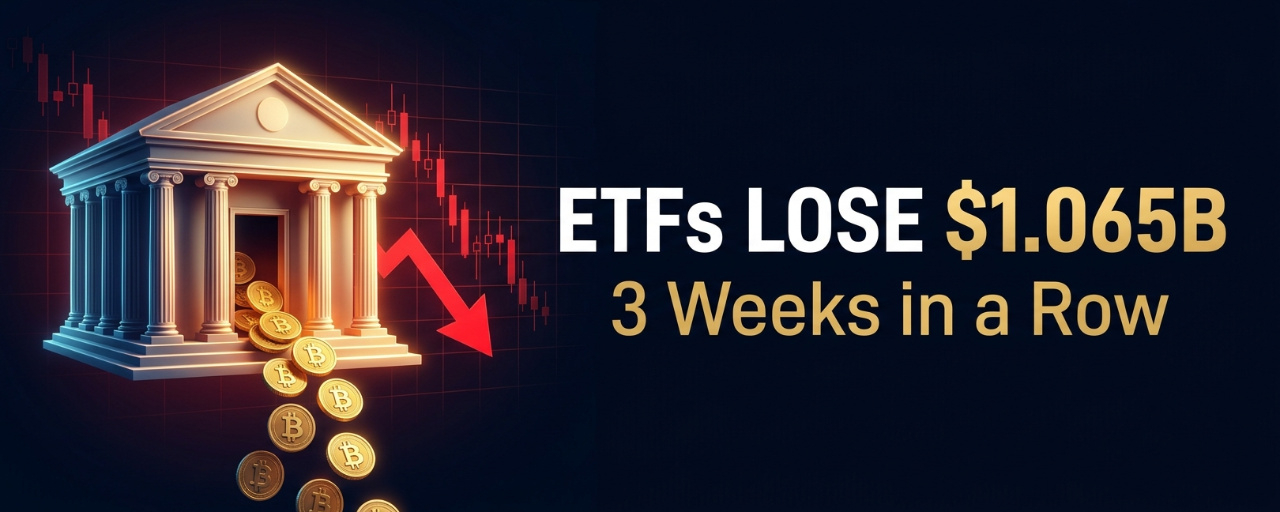
Les ETF Bitcoin perdent 1,065 milliard de dollars pour la troisième semaine consécutive : IBIT en tête des sorties alors que le BTC tombe à 62 000 $🏦 Environ 2,35 milliards de dollars ont quitté les ETF Bitcoin au comptant américains en deux semaines. Voici qui vend, ce que les flux ne permettent pas de prouver et ce qu’il faut surveiller.
La semaine dernière, l’ETF Bitcoin de BlackRock a perdu 909 millions de dollars. Celui de Morgan Stanley a gagné 54 millions de dollars. 🤔 Je voulais voir ce que cet écart révèle sur l’identité des vendeurs.
📊 Que s’est-il passé ?
Selon SoSoValue, les ETF Bitcoin au comptant américains ont enregistré des sorties de 1,065 milliard de dollars durant la semaine du 9 au 13 novembre. C’était leur troisième semaine consécutive de sorties et la cinquième semaine de sorties sur les six dernières. La semaine précédente, ils avaient perdu 1,28 milliard de dollars, soit environ 2,35 milliards de dollars de sorties en deux semaines. Cela s’est produit alors que le BTC est tombé à environ 62 000 $ dimanche, son plus bas niveau depuis la mi-juillet.
Les ETF Bitcoin perdent 1,065 milliard de dollars pour la troisième semaine consécutive : IBIT en tête des sorties alors que le BTC tombe à 62 000 $
🏦 Environ 2,35 milliards de dollars ont quitté les ETF Bitcoin au comptant américains en deux semaines. Voici qui vend, ce que les flux ne permettent pas de prouver et ce qu’il faut surveiller.
La semaine dernière, l’ETF Bitcoin de BlackRock a perdu 909 millions de dollars. Celui de Morgan Stanley a gagné 54 millions de dollars. 🤔 Je voulais voir ce que cet écart révèle sur l’identité des vendeurs.
📊 Que s’est-il passé ?
Selon SoSoValue, les ETF Bitcoin au comptant américains ont enregistré des sorties de 1,065 milliard de dollars durant la semaine du 9 au 13 novembre. C’était leur troisième semaine consécutive de sorties et la cinquième semaine de sorties sur les six dernières. La semaine précédente, ils avaient perdu 1,28 milliard de dollars, soit environ 2,35 milliards de dollars de sorties en deux semaines. Cela s’est produit alors que le BTC est tombé à environ 62 000 $ dimanche, son plus bas niveau depuis la mi-juillet.
1
2
183

Article
La vague de ventes de cryptomonnaies provoque 2 milliards de dollars de liquidations alors que le bitcoin tombe à 62 000 $ : ce que révèlent les données sur les baleines💥 Les positions acheteuses ont encaissé le choc, tandis que les baleines ont joué sur les deux tableaux. Voici ce que révèlent les chiffres, ce que les données des outils de suivi ne peuvent pas prouver et les éléments à surveiller.
J’ai passé une partie de mon week-end à examiner les données sur les liquidations, et un chiffre m’a frappé. 🤔 Sur certaines périodes, 93 % des positions liquidées misaient sur une hausse des cours.
📊 Que s’est-il passé ?
Le bitcoin est tombé à 61 946 $ sur Coinbase dimanche à 01 h 45 UTC, son niveau le plus bas depuis le 13 juillet, avant de rebondir d’environ 3 150 $ en quelque 75 minutes. L’ampleur des dégâts dépend de la période considérée. CoinGlass a recensé environ 1,71 milliard de dollars de liquidations sur 24 heures dimanche matin, dont 1,37 milliard (environ 80 %) correspondaient à des positions acheteuses. D’autres périodes de 24 heures ont frôlé les 2 milliards de dollars, avec près de 93 % de positions acheteuses. Les positions sur le bitcoin ont représenté environ 690 à 750 millions de dollars, et celles sur l’Ether, environ 400 millions. Plus de 81 % des liquidations de BTC ont eu lieu sur Hyperliquid, Binance et Bybit.
La vague de ventes de cryptomonnaies provoque 2 milliards de dollars de liquidations alors que le bitcoin tombe à 62 000 $ : ce que révèlent les données sur les baleines
💥 Les positions acheteuses ont encaissé le choc, tandis que les baleines ont joué sur les deux tableaux. Voici ce que révèlent les chiffres, ce que les données des outils de suivi ne peuvent pas prouver et les éléments à surveiller.
J’ai passé une partie de mon week-end à examiner les données sur les liquidations, et un chiffre m’a frappé. 🤔 Sur certaines périodes, 93 % des positions liquidées misaient sur une hausse des cours.
📊 Que s’est-il passé ?
Le bitcoin est tombé à 61 946 $ sur Coinbase dimanche à 01 h 45 UTC, son niveau le plus bas depuis le 13 juillet, avant de rebondir d’environ 3 150 $ en quelque 75 minutes. L’ampleur des dégâts dépend de la période considérée. CoinGlass a recensé environ 1,71 milliard de dollars de liquidations sur 24 heures dimanche matin, dont 1,37 milliard (environ 80 %) correspondaient à des positions acheteuses. D’autres périodes de 24 heures ont frôlé les 2 milliards de dollars, avec près de 93 % de positions acheteuses. Les positions sur le bitcoin ont représenté environ 690 à 750 millions de dollars, et celles sur l’Ether, environ 400 millions. Plus de 81 % des liquidations de BTC ont eu lieu sur Hyperliquid, Binance et Bybit.
1
1
362

Article
Voir la traduction
Crypto Week Ahead: Warsh, Nvidia Earnings and Fed Minutes Test Bitcoin at $65K📅 Bitcoin starts the week near a three-month low. Here are the dates that matter, what none of them can promise, and what to watch.
Bitcoin starts this week about 13% lower than last Monday, and the calendar is stacked. 🤔 I went through it, so you don't have to.
📊 What Happened?
BTC is trading around $65,000 after a weekend flush took it to about $62,000 on Sunday, its weakest level since mid-July. October's hot CPI (0.4% against 0.3% expected) keeps a December Fed hike in play. US spot ETFs have also lost money three weeks in a row, $1.065B last week alone.
📅 The Week, Day by Day
Monday: Fed Chair Warsh speaks (about 17:00 GMT). ETFs resume trading after the weekend.Tuesday: October retail sales (8:30 a.m. ET), then Nvidia earnings after the close.Wednesday: FOMC minutes from the October 27-28 meeting (2 p.m. ET).Thursday: Philly Fed data. Anthropic is also expected to debut on Nasdaq.Friday: Deribit Bitcoin options expire.
🎤 Why the Fed Is the Big One
If I had to pick one event, it's Wednesday. Here's the catch: the minutes cover a meeting that happened before the hot CPI report. So, they may sound calmer than the market now expects. A soft tone wouldn't erase December hike pricing, and a hawkish one would add fuel to a market that's already nervous.
🤖 The AI Link
Nvidia reports after the US close on Tuesday, its first results since its CEO change last week. Bitcoin has been trading more like an AI stock lately, so the guidance matters more than the headline. Some analysts have also linked crypto selling to investors raising cash around the IPO, while others see a wider AI sell-off. Neither link is proven.
🛑 What None of This Proves
A good Nvidia report didn't lift Bitcoin last week, when CoreWeave beat and AI stocks bounced. Fed events can also reverse within hours. Calendars tell us when volatility is likely, not which way it goes.
⚠️ The Risk Scenario
Glassnode flagged a liquidation cluster between $59,500 and $62,600, right where Sunday's low sits. A hawkish Warsh or hot retail sales could push yields higher and send BTC back there, and the Fear & Greed Index is already near single digits.
👀 Three Things to Watch Next
Warsh's tone on rate hikes tonightWhether ETF flows turn positiveA reclaim of $68-69K, which analysts say would change the trend
💡 The Takeaway
The week hinges more on the Fed than on any single earnings report. I'd wait for Wednesday's minutes before trusting any bounce, and I'd be careful with leverage until then.
If you had to watch one this week, would you pick Warsh tonight, Nvidia on Tuesday or the minutes on Wednesday? And do you think $62K holds? I'd like to hear how you're reading it. 👇
That is the part worth watching.
This post is for informational and educational purposes only and is not financial advice. Crypto markets are volatile. Always conduct your own research before making financial decisions.
#BinanceSquare #Bitcoin #BTC #Fed #CryptoNews
{spot}(BTCUSDT)
Crypto Week Ahead: Warsh, Nvidia Earnings and Fed Minutes Test Bitcoin at $65K
📅 Bitcoin starts the week near a three-month low. Here are the dates that matter, what none of them can promise, and what to watch.
Bitcoin starts this week about 13% lower than last Monday, and the calendar is stacked. 🤔 I went through it, so you don't have to.
📊 What Happened?
BTC is trading around $65,000 after a weekend flush took it to about $62,000 on Sunday, its weakest level since mid-July. October's hot CPI (0.4% against 0.3% expected) keeps a December Fed hike in play. US spot ETFs have also lost money three weeks in a row, $1.065B last week alone.
📅 The Week, Day by Day
Monday: Fed Chair Warsh speaks (about 17:00 GMT). ETFs resume trading after the weekend.Tuesday: October retail sales (8:30 a.m. ET), then Nvidia earnings after the close.Wednesday: FOMC minutes from the October 27-28 meeting (2 p.m. ET).Thursday: Philly Fed data. Anthropic is also expected to debut on Nasdaq.Friday: Deribit Bitcoin options expire.
🎤 Why the Fed Is the Big One
If I had to pick one event, it's Wednesday. Here's the catch: the minutes cover a meeting that happened before the hot CPI report. So, they may sound calmer than the market now expects. A soft tone wouldn't erase December hike pricing, and a hawkish one would add fuel to a market that's already nervous.
🤖 The AI Link
Nvidia reports after the US close on Tuesday, its first results since its CEO change last week. Bitcoin has been trading more like an AI stock lately, so the guidance matters more than the headline. Some analysts have also linked crypto selling to investors raising cash around the IPO, while others see a wider AI sell-off. Neither link is proven.
🛑 What None of This Proves
A good Nvidia report didn't lift Bitcoin last week, when CoreWeave beat and AI stocks bounced. Fed events can also reverse within hours. Calendars tell us when volatility is likely, not which way it goes.
⚠️ The Risk Scenario
Glassnode flagged a liquidation cluster between $59,500 and $62,600, right where Sunday's low sits. A hawkish Warsh or hot retail sales could push yields higher and send BTC back there, and the Fear & Greed Index is already near single digits.
👀 Three Things to Watch Next
Warsh's tone on rate hikes tonightWhether ETF flows turn positiveA reclaim of $68-69K, which analysts say would change the trend
💡 The Takeaway
The week hinges more on the Fed than on any single earnings report. I'd wait for Wednesday's minutes before trusting any bounce, and I'd be careful with leverage until then.
If you had to watch one this week, would you pick Warsh tonight, Nvidia on Tuesday or the minutes on Wednesday? And do you think $62K holds? I'd like to hear how you're reading it. 👇
That is the part worth watching.
This post is for informational and educational purposes only and is not financial advice. Crypto markets are volatile. Always conduct your own research before making financial decisions.
#BinanceSquare #Bitcoin #BTC #Fed #CryptoNews
1
1
406

Article
Les ETF XRP enregistrent leurs plus importantes sorties hebdomadaires en 8 mois, tandis que le XRP passe sous 1 $ : ce que cela signifie🏦 19,13 M$ ont quitté les ETF XRP au comptant américains en une semaine, tandis que le XRP est passé sous la barre de 1 $. Voici ce que révèlent les flux, ce qu’ils ne permettent pas de prouver et les points à surveiller.
Depuis le lancement des ETF XRP il y a un an, seules trois semaines ont enregistré des sorties plus importantes que celle-ci. 🤔 Avant de réagir, je voulais voir ce que ce chiffre représentait vraiment.
📊 Que s’est-il passé ?
Selon les données de SoSoValue, les ETF XRP au comptant américains ont enregistré 19,13 M$ de sorties au cours de la semaine du 9 au 13 novembre. Il s’agit de la plus importante sortie hebdomadaire en huit mois environ, et de la deuxième semaine consécutive de retraits. L’essentiel a eu lieu en début de semaine : 10,42 M$ sont sortis lundi, soit la plus importante sortie en une seule journée depuis début mars, puis 7,62 M$ mardi. Ensuite, les flux sont restés stables jusqu’à une sortie de 1,09 M$ vendredi.
Les ETF XRP enregistrent leurs plus importantes sorties hebdomadaires en 8 mois, tandis que le XRP passe sous 1 $ : ce que cela signifie
🏦 19,13 M$ ont quitté les ETF XRP au comptant américains en une semaine, tandis que le XRP est passé sous la barre de 1 $. Voici ce que révèlent les flux, ce qu’ils ne permettent pas de prouver et les points à surveiller.
Depuis le lancement des ETF XRP il y a un an, seules trois semaines ont enregistré des sorties plus importantes que celle-ci. 🤔 Avant de réagir, je voulais voir ce que ce chiffre représentait vraiment.
📊 Que s’est-il passé ?
Selon les données de SoSoValue, les ETF XRP au comptant américains ont enregistré 19,13 M$ de sorties au cours de la semaine du 9 au 13 novembre. Il s’agit de la plus importante sortie hebdomadaire en huit mois environ, et de la deuxième semaine consécutive de retraits. L’essentiel a eu lieu en début de semaine : 10,42 M$ sont sortis lundi, soit la plus importante sortie en une seule journée depuis début mars, puis 7,62 M$ mardi. Ensuite, les flux sont restés stables jusqu’à une sortie de 1,09 M$ vendredi.
1
1
437
Article
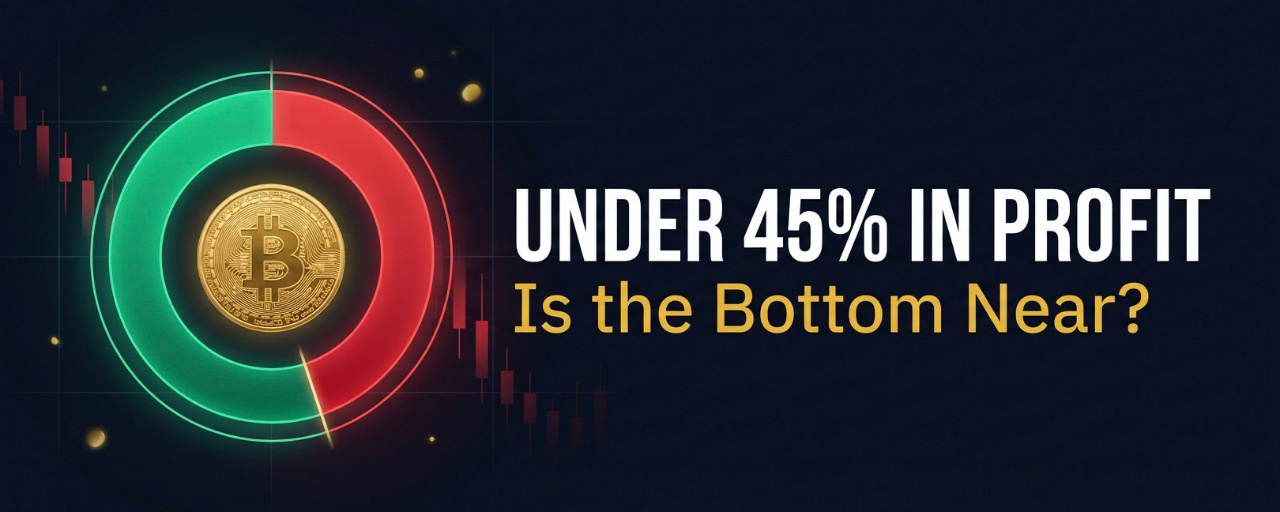
La part de l’offre active de Bitcoin en profit passe sous les 45 % : le creux est-il proche ?📉 Une plus grande quantité de bitcoins est désormais détenue à perte qu’en profit. Voici ce que révèle ce signal on-chain, ce qu’il ne peut pas prouver et ce qu’il faut surveiller.
Je consulte ce graphique chaque fois que le Bitcoin dégringole, et ce week-end, il a montré quelque chose que je n’avais pas vu depuis un moment. 🤔 La part des bitcoins réellement en circulation qui sont en perte dépasse désormais celle des bitcoins en profit.
📊 Que s’est-il passé ?
Le 14 novembre, Darkfost, contributeur de CryptoQuant, a souligné que la part de l’offre active de Bitcoin détenue à perte avait dépassé celle détenue en profit. Il exclut les bitcoins qui n’ont pas bougé depuis plus de 10 ans, car beaucoup sont probablement perdus ou bloqués définitivement. Il reste alors moins de 45 % de l’offre en profit.
La part de l’offre active de Bitcoin en profit passe sous les 45 % : le creux est-il proche ?
📉 Une plus grande quantité de bitcoins est désormais détenue à perte qu’en profit. Voici ce que révèle ce signal on-chain, ce qu’il ne peut pas prouver et ce qu’il faut surveiller.
Je consulte ce graphique chaque fois que le Bitcoin dégringole, et ce week-end, il a montré quelque chose que je n’avais pas vu depuis un moment. 🤔 La part des bitcoins réellement en circulation qui sont en perte dépasse désormais celle des bitcoins en profit.
📊 Que s’est-il passé ?
Le 14 novembre, Darkfost, contributeur de CryptoQuant, a souligné que la part de l’offre active de Bitcoin détenue à perte avait dépassé celle détenue en profit. Il exclut les bitcoins qui n’ont pas bougé depuis plus de 10 ans, car beaucoup sont probablement perdus ou bloqués définitivement. Il reste alors moins de 45 % de l’offre en profit.
1
1
224
Article
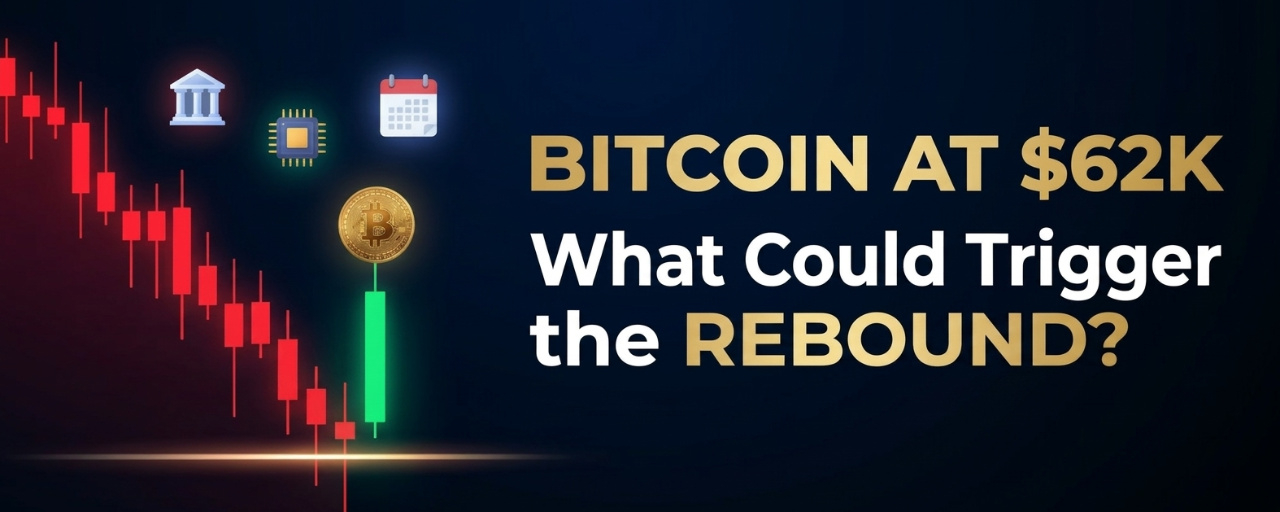
Le Bitcoin tombe à 62 000 $ : qu’est-ce qui pourrait déclencher le prochain rebond des cryptos ? 5 signaux à surveiller cette semaine🔭 Le BTC a perdu 16 % en une semaine, alors que la Fed, Nvidia et les flux des ETF seront au rendez-vous dans les prochains jours. Voici ce qui pourrait inverser la tendance, et ce qu’on ne peut pas promettre.
Le Bitcoin a perdu environ 16 % en une semaine, et les cinq prochains jours seront riches en événements susceptibles de le faire évoluer dans un sens comme dans l’autre. 🤔 Voici comment je les interprète.
📊 Que s’est-il passé ?
Le BTC est tombé à 61 946 $ tôt dimanche (UTC), son plus bas niveau depuis le 13 juillet, avant de rebondir au-dessus de 65 000 $ en environ 75 minutes. Il se situe désormais à environ 50 % sous son record historique. Entre 1,9 et 2 milliards de dollars ont été liquidés en 24 heures, principalement des positions longues, et l’indice Peur et Avidité est tombé dans le bas de la dizaine.
Le Bitcoin tombe à 62 000 $ : qu’est-ce qui pourrait déclencher le prochain rebond des cryptos ? 5 signaux à surveiller cette semaine
🔭 Le BTC a perdu 16 % en une semaine, alors que la Fed, Nvidia et les flux des ETF seront au rendez-vous dans les prochains jours. Voici ce qui pourrait inverser la tendance, et ce qu’on ne peut pas promettre.
Le Bitcoin a perdu environ 16 % en une semaine, et les cinq prochains jours seront riches en événements susceptibles de le faire évoluer dans un sens comme dans l’autre. 🤔 Voici comment je les interprète.
📊 Que s’est-il passé ?
Le BTC est tombé à 61 946 $ tôt dimanche (UTC), son plus bas niveau depuis le 13 juillet, avant de rebondir au-dessus de 65 000 $ en environ 75 minutes. Il se situe désormais à environ 50 % sous son record historique. Entre 1,9 et 2 milliards de dollars ont été liquidés en 24 heures, principalement des positions longues, et l’indice Peur et Avidité est tombé dans le bas de la dizaine.
1
1
292

Article
SpaceX et Tesla pourraient réunir 30 221 BTC : Elon Musk bâtit-il un empire du bitcoin ?🚀 Une éventuelle fusion entre les deux entreprises de Musk pourrait réunir environ 2,1 milliards de dollars en bitcoins au sein d’une même société. Voici pourquoi cela compte pour les investisseurs en bitcoins et pour l’ensemble du marché des cryptomonnaies.
Que se passe-t-il lorsque deux des plus grandes entreprises d’Elon Musk se réunissent avec plus de 30 000 bitcoins dans leurs bilans ?
C’est la question qui retient l’attention sur l’ensemble du marché des cryptomonnaies.
SpaceX et Tesla feraient avancer les discussions en vue d’une fusion. Si l’accord se concrétise, leurs avoirs combinés en bitcoins pourraient atteindre environ 30 221 BTC, soit près de 2,1 milliards de dollars aux cours récents du marché.
SpaceX et Tesla pourraient réunir 30 221 BTC : Elon Musk bâtit-il un empire du bitcoin ?
🚀 Une éventuelle fusion entre les deux entreprises de Musk pourrait réunir environ 2,1 milliards de dollars en bitcoins au sein d’une même société. Voici pourquoi cela compte pour les investisseurs en bitcoins et pour l’ensemble du marché des cryptomonnaies.
Que se passe-t-il lorsque deux des plus grandes entreprises d’Elon Musk se réunissent avec plus de 30 000 bitcoins dans leurs bilans ?
C’est la question qui retient l’attention sur l’ensemble du marché des cryptomonnaies.
SpaceX et Tesla feraient avancer les discussions en vue d’une fusion. Si l’accord se concrétise, leurs avoirs combinés en bitcoins pourraient atteindre environ 30 221 BTC, soit près de 2,1 milliards de dollars aux cours récents du marché.
1
1
643
Article
14,2 milliards de dollars s’évaporent de l’offre de stablecoins : le marché des cryptomonnaies manque-t-il de pouvoir d’achat ? 🚨 Les données de Glassnode révèlent la plus forte contraction de l’offre de stablecoins sur 30 jours depuis juin 2022. Alors que l’USDT et l’USDC ont perdu près de 11 milliards de dollars d’offre cumulée, la principale source d’inquiétude n’est peut-être pas le cours du Bitcoin, mais la liquidité qui disparaît derrière le marché.
Le Bitcoin est en baisse. Les altcoins sont en difficulté. Mais un autre phénomène mérite l’attention des investisseurs.
L’offre de stablecoins dans l’univers des cryptomonnaies a chuté de 14,2 milliards de dollars en seulement 30 jours.
C’est important, car les stablecoins sont bien plus que des dollars numériques. Ils représentent un important réservoir de capitaux que les traders utilisent pour prendre des positions, acheter lors des replis et passer d’un cryptoactif à l’autre.
14,2 milliards de dollars s’évaporent de l’offre de stablecoins : le marché des cryptomonnaies manque-t-il de pouvoir d’achat ?
🚨 Les données de Glassnode révèlent la plus forte contraction de l’offre de stablecoins sur 30 jours depuis juin 2022. Alors que l’USDT et l’USDC ont perdu près de 11 milliards de dollars d’offre cumulée, la principale source d’inquiétude n’est peut-être pas le cours du Bitcoin, mais la liquidité qui disparaît derrière le marché.
Le Bitcoin est en baisse. Les altcoins sont en difficulté. Mais un autre phénomène mérite l’attention des investisseurs.
L’offre de stablecoins dans l’univers des cryptomonnaies a chuté de 14,2 milliards de dollars en seulement 30 jours.
C’est important, car les stablecoins sont bien plus que des dollars numériques. Ils représentent un important réservoir de capitaux que les traders utilisent pour prendre des positions, acheter lors des replis et passer d’un cryptoactif à l’autre.
1
62
Connectez-vous pour découvrir plus de contenu
Rejoignez la communauté mondiale des adeptes de cryptomonnaies sur Binance Square
⚡️ Suviez les dernières informations importantes sur les cryptomonnaies.
💬 Jugé digne de confiance par la plus grande plateforme d’échange de cryptomonnaies au monde.
👍 Découvrez les connaissances que partagent les créateurs vérifiés.
Adresse e-mail/Nº de téléphone
Sujets d’actualité
CorePCEBeatLiftsFedHikeOdds
37,929 vues
582 mentions
Indice des prix PCE aux États-Unis : hausse mensuelle de 0,3 % en octobre, contre 0,30 % attendu et 0,50 % précédemment
Binance News
·9 mentions J’aime
·18.6k vues
BitcoinAndStocksSlipAgainAmidTrump’sTariffPlans
122,463 vues
1,507 mentions
JensenHuangSaysNvidiaDoesn’tNeedASuccessionPlan
62,729 vues
899 mentions