Binance Square
LinhNB
783 Publications

LinhNB

Trade régulièrement
5.9 an(s)
129 Suivis
220 Abonnés
910 J’aime
Publications
·
--
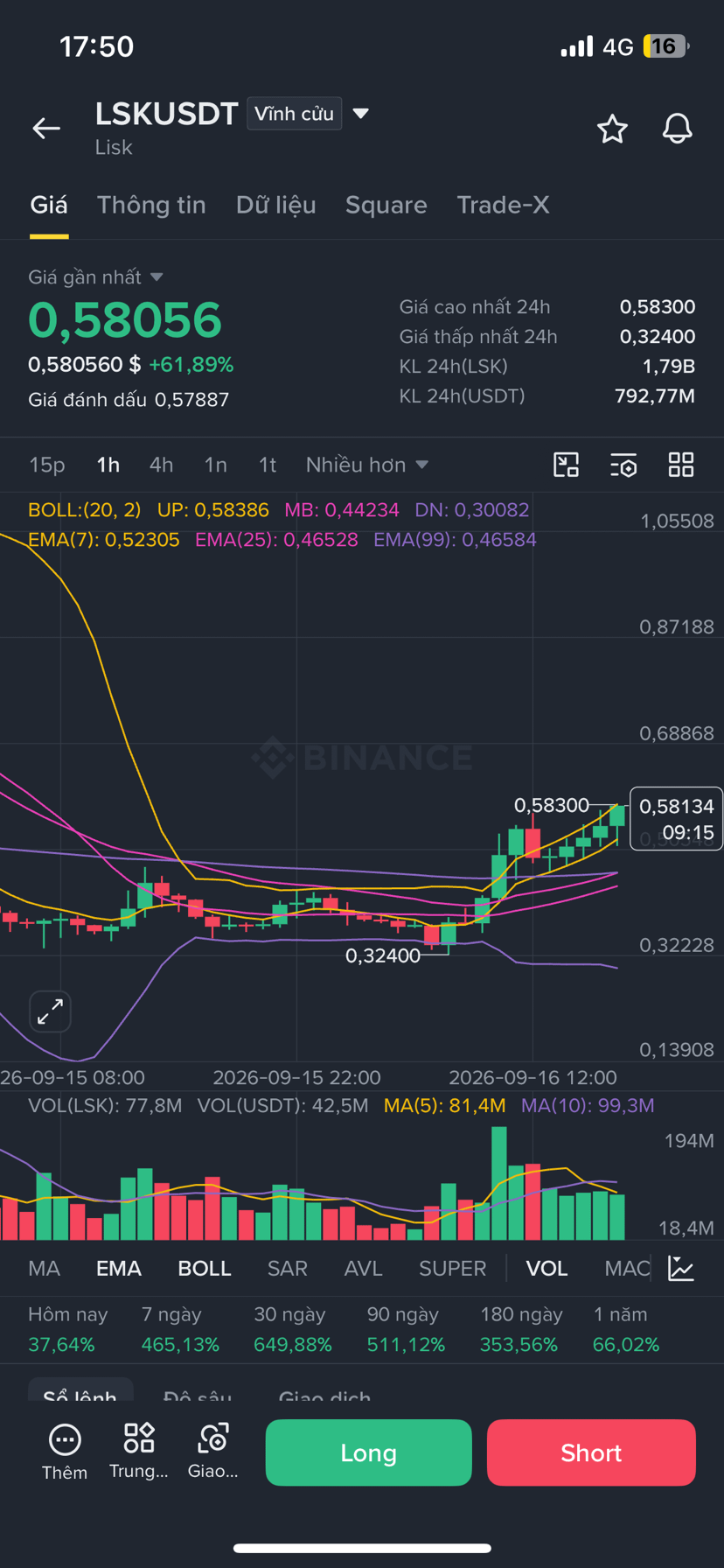
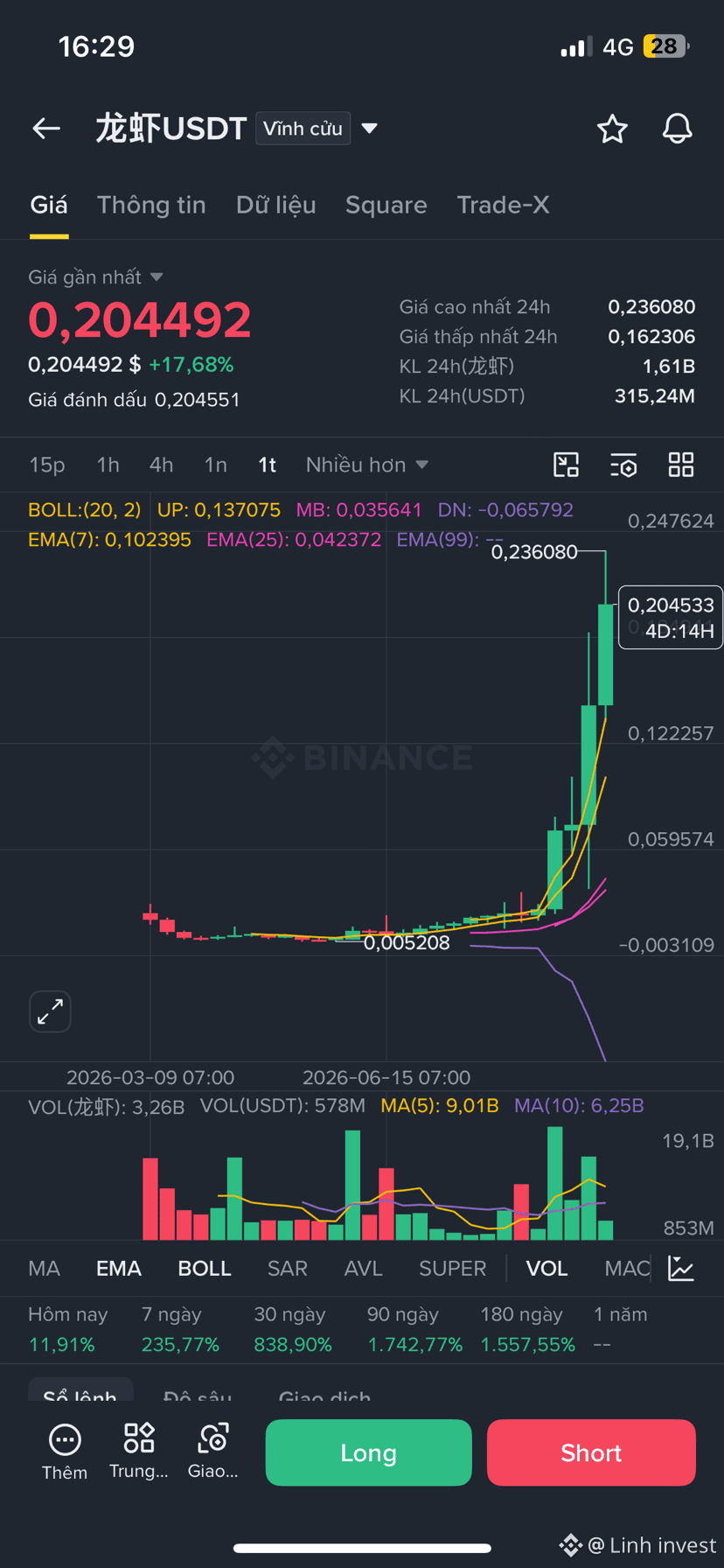
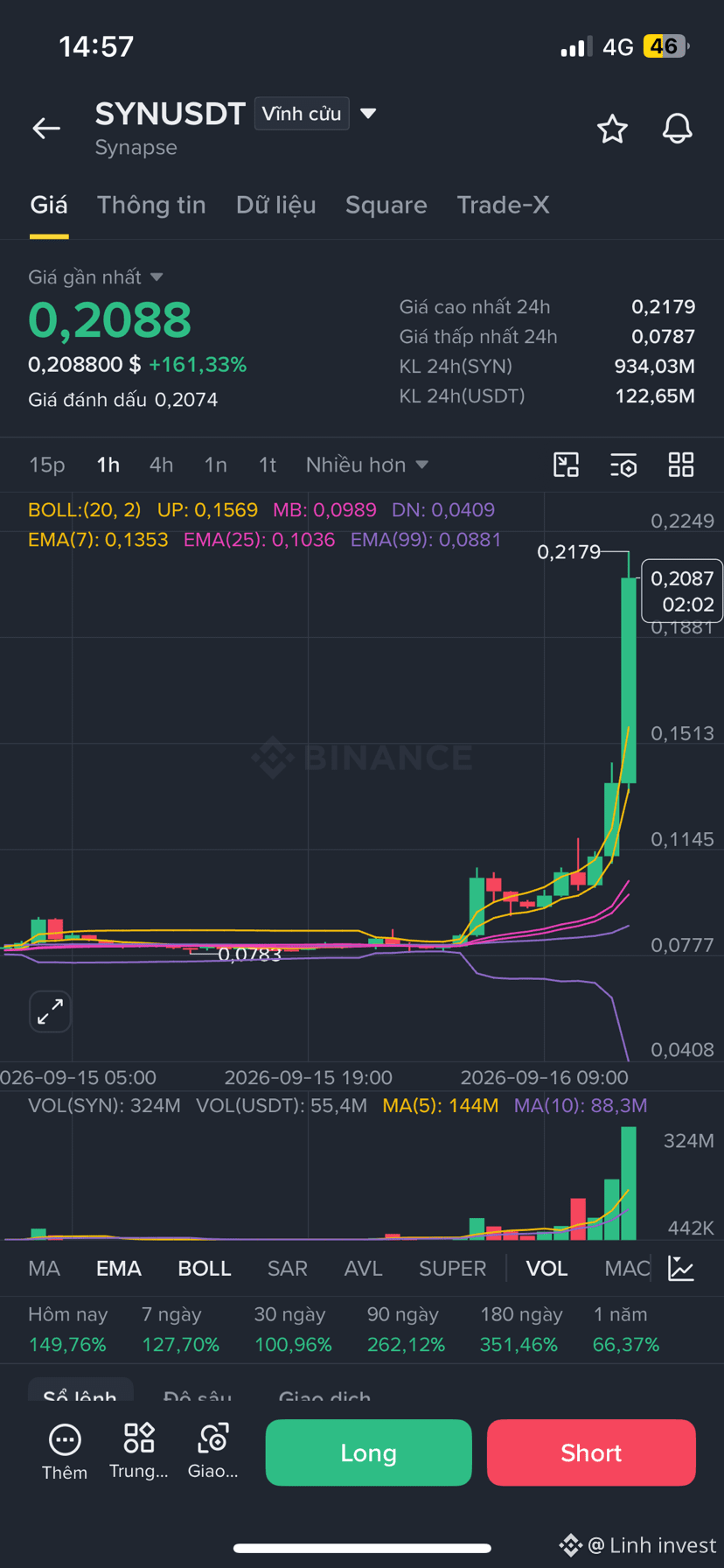
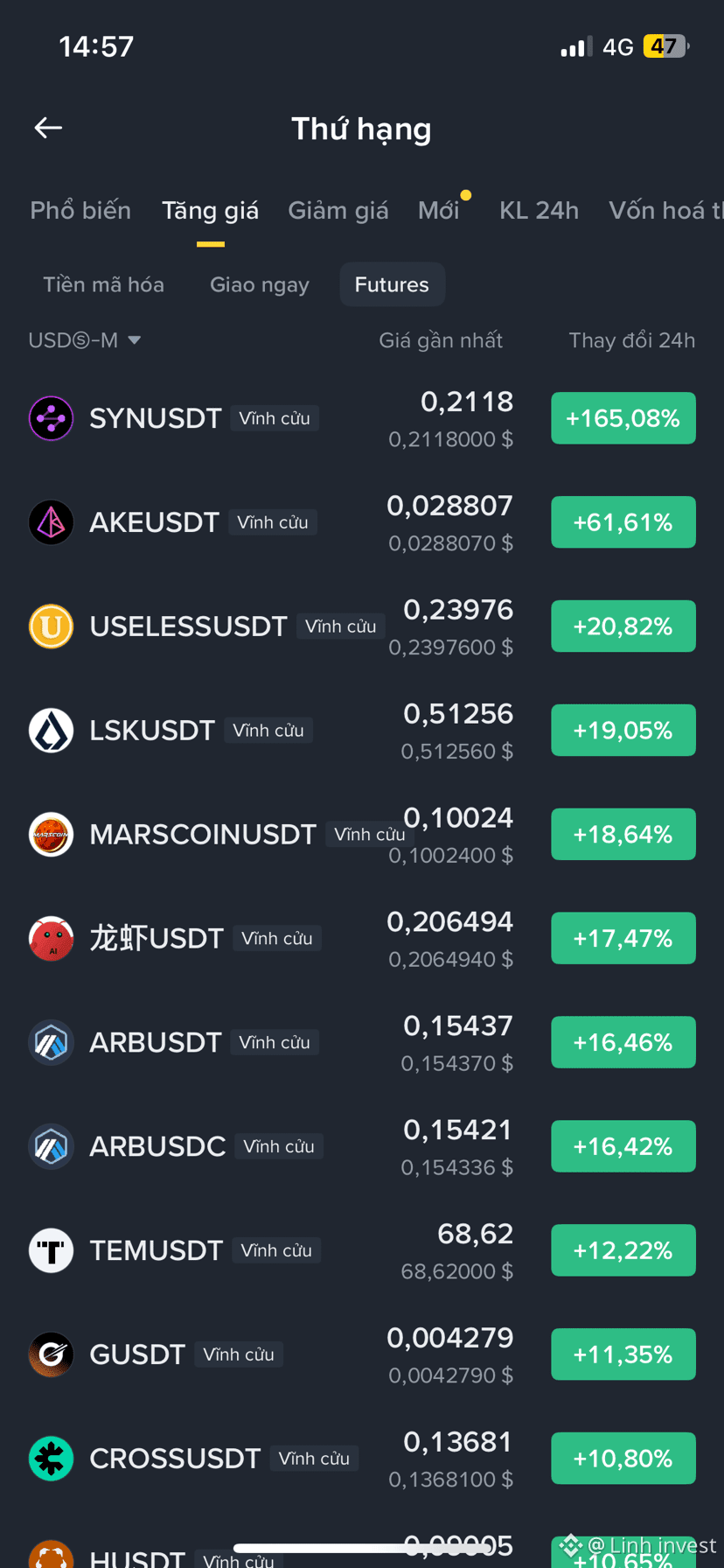
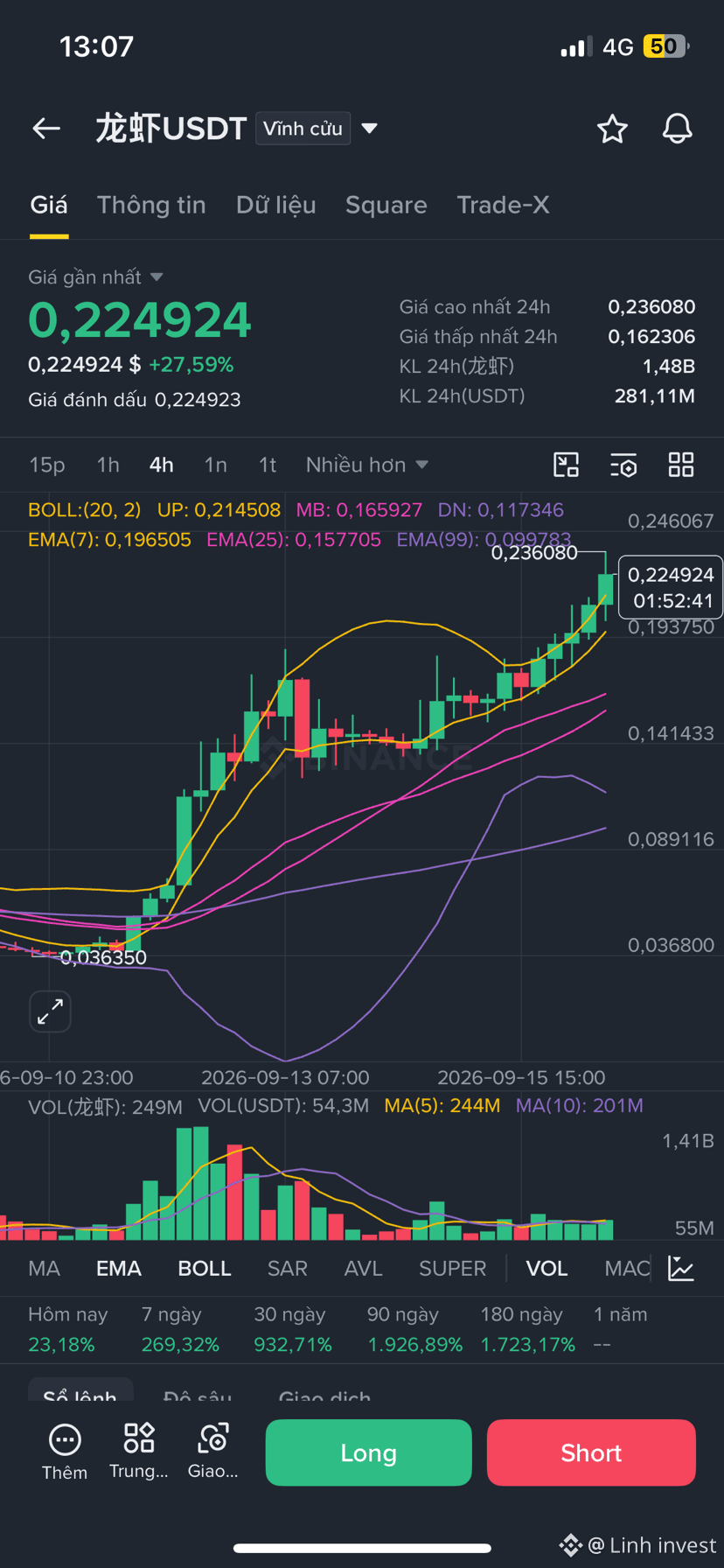
$KOMA đỉnh quá tăng không mệt mỏi, có tin gì mấy bác ơi
·
--
The deeper I pushed Babylon’s Trustless Bitcoin Vaults on testnet, the more one pattern became impossible to ignore. They are not simply building a protocol. They are designing a system that assumes every trusted actor can eventually fail or behave adversarially. Don’t trust the Vault Provider? Lock every redemption path in advance with a pre-signed transaction graph. Worried that transaction executors might collude? Add a Universal Challenger. Afraid a peg-in could be reversed? Wait for Bitcoin confirmations before collateral becomes usable. Want a recovery path if everything else breaks? Prepare a WOTS self-claim path from the moment the Vault is created. Individually, every decision is technically sound. The challenge begins when they all coexist. Babylon is not eliminating trust. It is redistributing trust assumptions from humans to cryptography, from cryptography to protocol rules, and ultimately to the correctness of the architecture itself. Every assumption removed is replaced by another layer of state transitions, execution logic, and interactions. In distributed systems, complexity does not scale with the number of components. It scales with the interactions between them. The most dangerous failures rarely come from one broken module. They emerge when individually correct components interact in ways no designer anticipated. Security engineers call this emergent behavior. So my question is not whether Babylon has enough security mechanisms. Clearly, it does. My question is whether the cumulative cost of that complexity from testing and auditing to node operations, maintenance, upgrades, and verification is actually lower than the trust assumptions it replaces. Security has never been free. Babylon has chosen to pay for it with architectural complexity instead of human trust. The real test is whether that architecture remains resilient after years of real-world operation. @babylonlabs_io $ON $BABY #baby Do you agree?
The deeper I pushed Babylon’s Trustless Bitcoin Vaults on testnet, the more one pattern became impossible to ignore. They are not simply building a protocol. They are designing a system that assumes every trusted actor can eventually fail or behave adversarially.

Don’t trust the Vault Provider? Lock every redemption path in advance with a pre-signed transaction graph. Worried that transaction executors might collude? Add a Universal Challenger. Afraid a peg-in could be reversed? Wait for Bitcoin confirmations before collateral becomes usable. Want a recovery path if everything else breaks? Prepare a WOTS self-claim path from the moment the Vault is created.

Individually, every decision is technically sound.

The challenge begins when they all coexist.

Babylon is not eliminating trust. It is redistributing trust assumptions from humans to cryptography, from cryptography to protocol rules, and ultimately to the correctness of the architecture itself. Every assumption removed is replaced by another layer of state transitions, execution logic, and interactions.

In distributed systems, complexity does not scale with the number of components. It scales with the interactions between them. The most dangerous failures rarely come from one broken module. They emerge when individually correct components interact in ways no designer anticipated. Security engineers call this emergent behavior.

So my question is not whether Babylon has enough security mechanisms. Clearly, it does. My question is whether the cumulative cost of that complexity from testing and auditing to node operations, maintenance, upgrades, and verification is actually lower than the trust assumptions it replaces.

Security has never been free.

Babylon has chosen to pay for it with architectural complexity instead of human trust.
The real test is whether that architecture remains resilient after years of real-world operation.
@BabylonLabs_io $ON $BABY #baby

Do you agree?
Yes
100%
No
0%
1 Votes • Vote fermé
·
--
Vérifié
Today I revisited the Trustless Bitcoin Vaults (TBV) documentation after completing another round of testing on the public testnet. Two numbers sitting side by side made me stop. A Vault only takes about 6-10 minutes to complete its off-chain coordination once it becomes eligible. Yet the entire peg-in process still takes around 2 hours because it must wait for 12 Bitcoin Signet block confirmations. (Babylon Labs Documentation) At first, I assumed this was simply the cost of a slow network. If the coordination phase only takes a few minutes, why not let users borrow immediately and finish Bitcoin confirmation afterward? The user experience would be much smoother. I went back to the documentation with exactly that assumption in mind. What I had overlooked was that these two waiting periods are protecting two completely different types of risk. The 6–10 minute window exists so the Vault Provider, Application Vault Keeper, and Universal Challenger can prepare and validate the entire pre-signed transaction graph. The 12 Bitcoin block confirmations, however, are not protecting the participants. They are protecting the collateral itself by allowing the Vault to become active only after Bitcoin has independently confirmed that the peg-in is sufficiently secure. (Babylon Labs Documentation) That was the moment I realized I had been measuring performance the wrong way. I kept looking at the total waiting time, while the protocol deliberately separates it into two independent layers: the time required for humans to coordinate and the time required for Bitcoin to reach final confirmation. The first can be optimized with better software and infrastructure. The second can hardly be shortened if Bitcoin is to remain the ultimate source of truth. That detail completely changed how I think about BitcoinFi. We often ask: “How fast is this protocol?” Perhaps the better question is: “How much of the waiting time is genuine system latency, and how much is the price of refusing to replace Bitcoin with a new trust assumption?” @babylonlabs_io $ON $BABY #baby
Today I revisited the Trustless Bitcoin Vaults (TBV) documentation after completing another round of testing on the public testnet.

Two numbers sitting side by side made me stop.

A Vault only takes about 6-10 minutes to complete its off-chain coordination once it becomes eligible. Yet the entire peg-in process still takes around 2 hours because it must wait for 12 Bitcoin Signet block confirmations. (Babylon Labs Documentation)

At first, I assumed this was simply the cost of a slow network.

If the coordination phase only takes a few minutes, why not let users borrow immediately and finish Bitcoin confirmation afterward? The user experience would be much smoother. I went back to the documentation with exactly that assumption in mind.

What I had overlooked was that these two waiting periods are protecting two completely different types of risk.

The 6–10 minute window exists so the Vault Provider, Application Vault Keeper, and Universal Challenger can prepare and validate the entire pre-signed transaction graph. The 12 Bitcoin block confirmations, however, are not protecting the participants. They are protecting the collateral itself by allowing the Vault to become active only after Bitcoin has independently confirmed that the peg-in is sufficiently secure. (Babylon Labs Documentation)

That was the moment I realized I had been measuring performance the wrong way.

I kept looking at the total waiting time, while the protocol deliberately separates it into two independent layers: the time required for humans to coordinate and the time required for Bitcoin to reach final confirmation. The first can be optimized with better software and infrastructure. The second can hardly be shortened if Bitcoin is to remain the ultimate source of truth.

That detail completely changed how I think about BitcoinFi.

We often ask:

“How fast is this protocol?”

Perhaps the better question is:

“How much of the waiting time is genuine system latency, and how much is the price of refusing to replace Bitcoin with a new trust assumption?”

@BabylonLabs_io $ON $BABY #baby
·
--
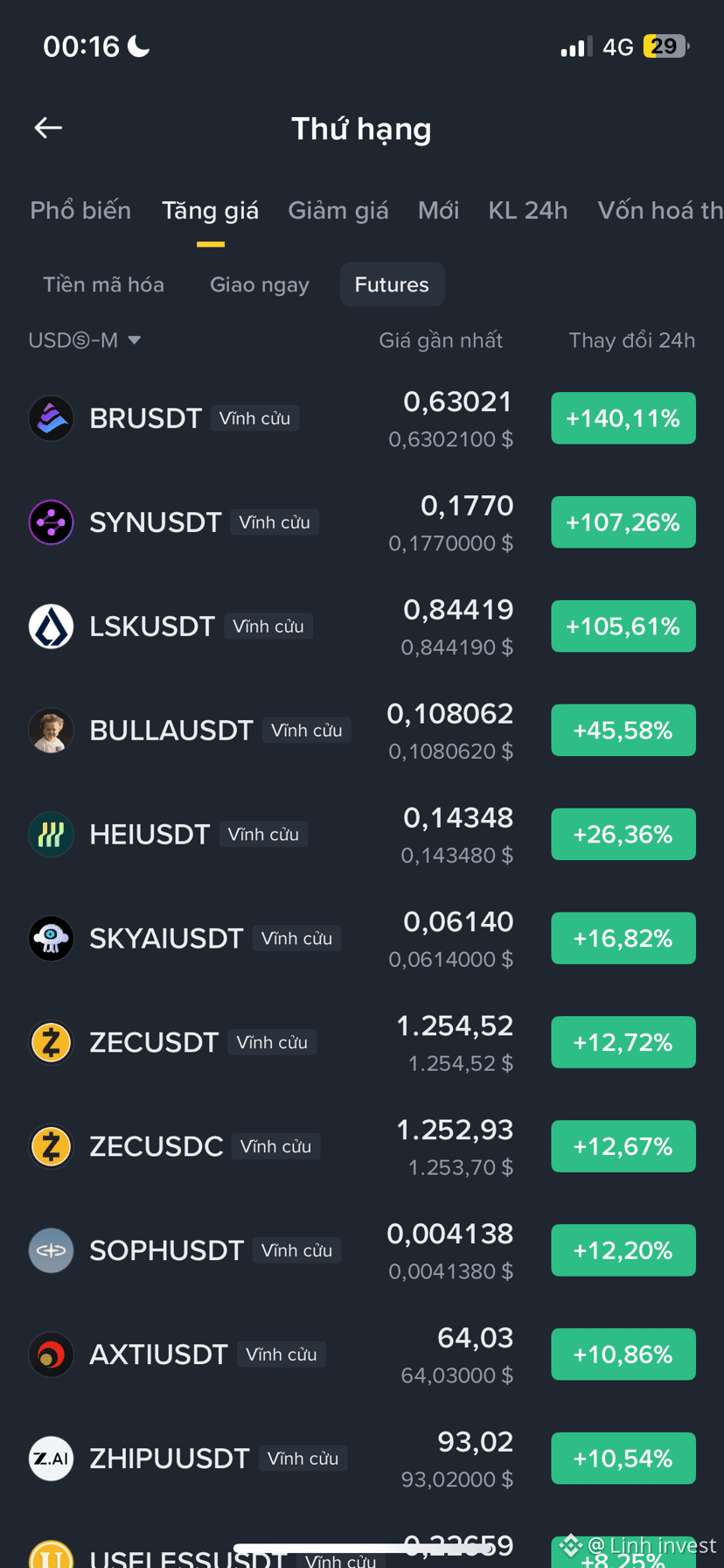
vài ngày thôi mà các sàn rầm rộ đóng cửa, thị trường ảm đạm, các dự án cũng không ra token mới, Alpha thỉnh thoảng có 1-2 kèo, còn đâu ngày 1 kèo, có ngày 2-3 kèo nữa 🥲🥲 Con hàng $BANK thì x20 bơm như con Lab vậy Lại mồi rồi
vài ngày thôi mà các sàn rầm rộ đóng cửa, thị trường ảm đạm, các dự án cũng không ra token mới, Alpha thỉnh thoảng có 1-2 kèo, còn đâu ngày 1 kèo, có ngày 2-3 kèo nữa
🥲🥲
Con hàng $BANK thì x20 bơm như con Lab vậy
Lại mồi rồi
·
--
The detail that impressed me most in the Trustless Bitcoin Vaults (TBV) documentation from @babylonlabs_io was not the 78% collateral factor or the 0.4 BTC position limit. It was something much smaller: once BTC enters a Vault, its future is effectively reduced to two redemption paths and one fallback. If the borrower repays, the Vault Provider submits a claim and BTC returns to the registered address after the roughly three-day challenge window. If the Health Factor falls below 1.0, liquidation transfers the claim right to the Application Vault Keeper defined at Vault creation. If the Vault Provider is unavailable, the depositor can still self-claim using the WOTS key and pre-committed claimer artifacts. The key insight is that none of these outcomes are created when something goes wrong. Before BTC reaches the final Taproot output, the transaction graph, participants, and destination addresses are already cryptographically committed. After at least 12 Signet blocks, Bitcoin will only accept spending paths that already exist inside that graph. That completely changed my understanding of “trustless.” TBV does not eliminate human decisions; it limits their consequences. Repayment, liquidation, or disputes may decide which committed branch is executed, but they can never create a new one. TBV does not remove every risk. Oracles and liquidation logic can still fail. But even then, they can only activate outcomes the Vault already permits they cannot invent a fourth path that redirects BTC elsewhere. To me, Babylon is not making Bitcoin more trustworthy. Bitcoin does not need that. TBV simply turns an uncertain future into a finite one: two primary paths, one fallback, and no arbitrary fourth branch. In BitcoinFi, security is sometimes achieved not by expanding what can happen, but by proving the most dangerous possibilities were never allowed to exist. @babylonlabs_io $VELVET $BABY #baby
The detail that impressed me most in the Trustless Bitcoin Vaults (TBV) documentation from @BabylonLabs_io was not the 78% collateral factor or the 0.4 BTC position limit. It was something much smaller: once BTC enters a Vault, its future is effectively reduced to two redemption paths and one fallback.

If the borrower repays, the Vault Provider submits a claim and BTC returns to the registered address after the roughly three-day challenge window. If the Health Factor falls below 1.0, liquidation transfers the claim right to the Application Vault Keeper defined at Vault creation. If the Vault Provider is unavailable, the depositor can still self-claim using the WOTS key and pre-committed claimer artifacts.

The key insight is that none of these outcomes are created when something goes wrong. Before BTC reaches the final Taproot output, the transaction graph, participants, and destination addresses are already cryptographically committed. After at least 12 Signet blocks, Bitcoin will only accept spending paths that already exist inside that graph.

That completely changed my understanding of “trustless.” TBV does not eliminate human decisions; it limits their consequences. Repayment, liquidation, or disputes may decide which committed branch is executed, but they can never create a new one.

TBV does not remove every risk. Oracles and liquidation logic can still fail. But even then, they can only activate outcomes the Vault already permits they cannot invent a fourth path that redirects BTC elsewhere.

To me, Babylon is not making Bitcoin more trustworthy. Bitcoin does not need that. TBV simply turns an uncertain future into a finite one: two primary paths, one fallback, and no arbitrary fourth branch. In BitcoinFi, security is sometimes achieved not by expanding what can happen, but by proving the most dangerous possibilities were never allowed to exist.

@BabylonLabs_io $VELVET $BABY #baby
·
--
The more networks Babylon integrates, the less the connection count matters to me. The harder question is when 50+ blockchains moving at different speeds can honestly call their history final. Take a PoS chain with a two-second block time. It may produce around 300 blocks while Bitcoin produces one in roughly ten minutes. Before a checkpoint reaches the required confirmation depth, that chain may already have moved assets and created obligations around a state that has not received its strongest assurance. That is where Babylon Genesis becomes valuable. It does not force EVM, CosmWasm, and Move-based networks into one architecture. They keep their own execution environments while using Bitcoin as a harder reference point against historical rewrites. The meaning of 50+ integrations is not ecosystem size. It is shared accountability across systems that were never built to run on the same clock. Still, the waiting period is not a security void. Validators, PoS consensus, and Finality Providers continue protecting the chain. The state is not unsecured; its deepest Bitcoin-backed assurance has simply not arrived. I think of this as finality credit: the network keeps acting on confidence that will only be settled later. Babylon could make that temporary confidence measurable. Finality Providers might use BABY stake or risk-based collateral to stand behind pending checkpoints. If one actor signs two conflicting histories, the evidence should trigger a penalty on Babylon Genesis. Once the checkpoint reaches the required Bitcoin depth, that responsibility ends. BABY would not replace Bitcoin. It would make identifiable actors answerable while a checkpoint is still pending; Bitcoin would remain the layer that makes history prohibitively difficult to rewrite. For me, Babylon matures when “secured by Bitcoin” stops being a vague label. Users should see where a state stands on its path to finality, who is backing it now, and who absorbs the loss if that assurance turns out to be false. @babylonlabs_io $AKE $BEAT $BABY #baby
The more networks Babylon integrates, the less the connection count matters to me. The harder question is when 50+ blockchains moving at different speeds can honestly call their history final.

Take a PoS chain with a two-second block time. It may produce around 300 blocks while Bitcoin produces one in roughly ten minutes. Before a checkpoint reaches the required confirmation depth, that chain may already have moved assets and created obligations around a state that has not received its strongest assurance.

That is where Babylon Genesis becomes valuable. It does not force EVM, CosmWasm, and Move-based networks into one architecture. They keep their own execution environments while using Bitcoin as a harder reference point against historical rewrites. The meaning of 50+ integrations is not ecosystem size. It is shared accountability across systems that were never built to run on the same clock.

Still, the waiting period is not a security void. Validators, PoS consensus, and Finality Providers continue protecting the chain. The state is not unsecured; its deepest Bitcoin-backed assurance has simply not arrived. I think of this as finality credit: the network keeps acting on confidence that will only be settled later.

Babylon could make that temporary confidence measurable. Finality Providers might use BABY stake or risk-based collateral to stand behind pending checkpoints. If one actor signs two conflicting histories, the evidence should trigger a penalty on Babylon Genesis. Once the checkpoint reaches the required Bitcoin depth, that responsibility ends.

BABY would not replace Bitcoin. It would make identifiable actors answerable while a checkpoint is still pending; Bitcoin would remain the layer that makes history prohibitively difficult to rewrite.

For me, Babylon matures when “secured by Bitcoin” stops being a vague label. Users should see where a state stands on its path to finality, who is backing it now, and who absorbs the loss if that assurance turns out to be false.
@BabylonLabs_io $AKE $BEAT $BABY #baby
·
--
Babylon’s Native Staking was built on a simple premise: Bitcoin can secure external networks without bridges, wrapped assets, or custodians. By anchoring trust directly to Bitcoin’s cryptography, it removes major trust assumptions from the security layer. Yet as LSTs such as Lombard and Solv emerged to improve capital efficiency, a new systemic risk appeared: Stacked Risk, the reintroduction of trust assumptions through financial abstraction. Security, however, does not guarantee liquidity. While Native Staking protects BTC from custody and bridge failures, LSTs introduce dependencies on smart contracts, governance, redemption, liquidity, and price stability. Bitcoin remains secure, but its financial claims can lose liquidity, depeg, or become difficult to redeem, widening the gap between cryptographic security and usable capital. Unlike bridge exploits that directly compromise assets, Stacked Risk spreads through financial dependencies. A disruption in a major LST can freeze redemptions, weaken collateral, trigger liquidations, and amplify liquidity stress across DeFi. Protocols may remain technically secure while becoming financially fragile because confidence breaks down in the derivative layer, not Bitcoin itself. Native Staking removes trust assumptions from custody, but financial composability quietly rebuilds them elsewhere. Reducing this risk requires transparent Proof of Reserves and Proof of Liabilities, diversified validator sets, resilient redemption infrastructure, and protocol safeguards against contagion. The goal is not to eliminate risk, but to ensure capital efficiency does not create hidden trust assumptions. Ultimately, Babylon proves that Bitcoin can secure decentralized systems without sacrificing self-custody. The future of Bitcoin Staking will be defined not by how securely Bitcoin is staked, but by how few new trust assumptions are introduced afterward. Resolving Stacked Risk is the defining test of whether Bitcoin Finance can scale without compromising Bitcoin’s original trust model. @babylonlabs_io $LAB $BABY #baby
Babylon’s Native Staking was built on a simple premise: Bitcoin can secure external networks without bridges, wrapped assets, or custodians. By anchoring trust directly to Bitcoin’s cryptography, it removes major trust assumptions from the security layer. Yet as LSTs such as Lombard and Solv emerged to improve capital efficiency, a new systemic risk appeared: Stacked Risk, the reintroduction of trust assumptions through financial abstraction.

Security, however, does not guarantee liquidity. While Native Staking protects BTC from custody and bridge failures, LSTs introduce dependencies on smart contracts, governance, redemption, liquidity, and price stability. Bitcoin remains secure, but its financial claims can lose liquidity, depeg, or become difficult to redeem, widening the gap between cryptographic security and usable capital.

Unlike bridge exploits that directly compromise assets, Stacked Risk spreads through financial dependencies. A disruption in a major LST can freeze redemptions, weaken collateral, trigger liquidations, and amplify liquidity stress across DeFi. Protocols may remain technically secure while becoming financially fragile because confidence breaks down in the derivative layer, not Bitcoin itself. Native Staking removes trust assumptions from custody, but financial composability quietly rebuilds them elsewhere.

Reducing this risk requires transparent Proof of Reserves and Proof of Liabilities, diversified validator sets, resilient redemption infrastructure, and protocol safeguards against contagion. The goal is not to eliminate risk, but to ensure capital efficiency does not create hidden trust assumptions.

Ultimately, Babylon proves that Bitcoin can secure decentralized systems without sacrificing self-custody. The future of Bitcoin Staking will be defined not by how securely Bitcoin is staked, but by how few new trust assumptions are introduced afterward. Resolving Stacked Risk is the defining test of whether Bitcoin Finance can scale without compromising Bitcoin’s original trust model.

@BabylonLabs_io $LAB $BABY #baby
·
--
When a fortress changes hands, ownership moves while the fortress remains where its defenses are strongest. Yet cross-chain finance still assumes liquidity requires assets to move: if capital sits on EVM, Bitcoin must be pulled closer to EVM. That is the assumption Trustless Bitcoin Vaults (TBV) from @babylonlabs_io challenge. Native BTC remains inside a Bitcoin UTXO, while Aave v4 recognizes the vault through vaultBTC, an accounting token representing the BTC locked on Bitcoin. The collateral does not circulate as a wrapped asset. Instead, the rights around a fixed asset become tradable. This matters most during liquidation. On the public testnet, vaultBTC has a 78% collateral factor, and liquidation may begin once the Health Factor falls below 1. But a Bitcoin vault is not an ERC-20 balance that can be divided by the exact amount needed. Liquidation must be resolved at the vault level. BTCVaultSwap separates two events DeFi usually compresses into one: paying the liquidator and transferring the underlying collateral. The liquidator receives WBTC immediately on EVM, while the vault buyer waits to claim native BTC on Bitcoin. WBTC provides liquidity; it does not replace the original collateral. The clearest objection is latency. The claim-and-challenge process can take roughly three days. But latency is not automatically inefficiency. It can be the visible cost of refusing to hide risk inside a bridge, custodian, or synthetic layer. Babylon’s deeper choice is not speed versus security. It is whether liquidity must depend on moving the asset itself. Many cross-chain systems make assets portable and inherit new trust assumptions. Babylon keeps Bitcoin anchored while making ownership rights, settlement obligations, and capital portable instead. This is more than liquidation. It is a different theory of cross-chain finance: markets do not always need assets to move. Sometimes only the enforceable rights around them need to move. BitcoinFi matures when Bitcoin no longer has to leave where it is safest merely to become more useful. $AKE $ON $BABY #baby
When a fortress changes hands, ownership moves while the fortress remains where its defenses are strongest. Yet cross-chain finance still assumes liquidity requires assets to move: if capital sits on EVM, Bitcoin must be pulled closer to EVM.

That is the assumption Trustless Bitcoin Vaults (TBV) from @BabylonLabs_io challenge.

Native BTC remains inside a Bitcoin UTXO, while Aave v4 recognizes the vault through vaultBTC, an accounting token representing the BTC locked on Bitcoin. The collateral does not circulate as a wrapped asset. Instead, the rights around a fixed asset become tradable.

This matters most during liquidation. On the public testnet, vaultBTC has a 78% collateral factor, and liquidation may begin once the Health Factor falls below 1. But a Bitcoin vault is not an ERC-20 balance that can be divided by the exact amount needed. Liquidation must be resolved at the vault level.

BTCVaultSwap separates two events DeFi usually compresses into one: paying the liquidator and transferring the underlying collateral. The liquidator receives WBTC immediately on EVM, while the vault buyer waits to claim native BTC on Bitcoin. WBTC provides liquidity; it does not replace the original collateral.

The clearest objection is latency. The claim-and-challenge process can take roughly three days. But latency is not automatically inefficiency. It can be the visible cost of refusing to hide risk inside a bridge, custodian, or synthetic layer.

Babylon’s deeper choice is not speed versus security. It is whether liquidity must depend on moving the asset itself.

Many cross-chain systems make assets portable and inherit new trust assumptions. Babylon keeps Bitcoin anchored while making ownership rights, settlement obligations, and capital portable instead.

This is more than liquidation. It is a different theory of cross-chain finance: markets do not always need assets to move. Sometimes only the enforceable rights around them need to move.

BitcoinFi matures when Bitcoin no longer has to leave where it is safest merely to become more useful.
$AKE $ON $BABY #baby
·
--
86 RWAs Don’t Worry Me. One Risk Engine Does. Most people see 86 real-world assets on GRVT and think of diversification. I think about something else entirely: risk normalization. In a derivatives exchange, the hardest problem isn’t listing more assets. It’s deciding how much the system should trust each asset when markets stop behaving normally. BTC, ETH, tokenized Treasuries, commodities, or private-market assets may all be worth one dollar on paper. But they don’t carry the same liquidity, volatility, or price-discovery characteristics. Treating them as equal inside a risk engine would be a dangerous simplification. That’s why the questions I care about aren’t “How many RWAs does GRVT support?” but rather: How does the risk engine assign collateral haircuts? Are margin factors adjusted dynamically? When liquidity deteriorates, does collateral value change immediately? Which assets are liquidated first under stress? These aren’t implementation details. They define whether diversification strengthens the system or quietly concentrates risk. A risk engine doesn’t price assets. It prices confidence. Every collateral ratio is ultimately a statement about how much the exchange still trusts an asset when volatility spikes, liquidity disappears, and forced liquidations begin. Supporting 86 RWAs could become one of GRVT’s biggest competitive advantages. But only if the risk model recognizes that not every dollar of collateral deserves the same level of trust. A mature exchange isn’t measured by the number of assets it lists. It’s measured by whether every asset has a risk model capable of protecting the rest of the system when markets are under maximum stress. The real question isn’t whether GRVT supports 86 RWAs. It’s whether the platform has 86 well-calibrated risk assumptions behind them. @grvt_io #grvt $LAB
86 RWAs Don’t Worry Me. One Risk Engine Does.

Most people see 86 real-world assets on GRVT and think of diversification. I think about something else entirely: risk normalization. In a derivatives exchange, the hardest problem isn’t listing more assets. It’s deciding how much the system should trust each asset when markets stop behaving normally.

BTC, ETH, tokenized Treasuries, commodities, or private-market assets may all be worth one dollar on paper. But they don’t carry the same liquidity, volatility, or price-discovery characteristics. Treating them as equal inside a risk engine would be a dangerous simplification.

That’s why the questions I care about aren’t “How many RWAs does GRVT support?” but rather: How does the risk engine assign collateral haircuts? Are margin factors adjusted dynamically? When liquidity deteriorates, does collateral value change immediately? Which assets are liquidated first under stress?

These aren’t implementation details. They define whether diversification strengthens the system or quietly concentrates risk. A risk engine doesn’t price assets. It prices confidence. Every collateral ratio is ultimately a statement about how much the exchange still trusts an asset when volatility spikes, liquidity disappears, and forced liquidations begin.

Supporting 86 RWAs could become one of GRVT’s biggest competitive advantages. But only if the risk model recognizes that not every dollar of collateral deserves the same level of trust. A mature exchange isn’t measured by the number of assets it lists.

It’s measured by whether every asset has a risk model capable of protecting the rest of the system when markets are under maximum stress. The real question isn’t whether GRVT supports 86 RWAs. It’s whether the platform has 86 well-calibrated risk assumptions behind them.
@grvt_io #grvt $LAB
·
--
One realization kept returning while I studied Newton Protocol: blockchain may have been reaching consensus on the wrong thing. Every blockchain today begins with an event. A transaction is created, broadcast, verified against signatures, balances, and state, then recorded. Blockchain only enters after a decision has already been made. It is fundamentally event-driven, with the event as the starting point. Newton Protocol moves one step earlier. Instead of waiting for a transaction to appear, it asks the network to evaluate the decision that would create it. Does the AI agent have the right authority? Does the action exceed the user’s limit? Has the wallet been flagged as risky? Does the current policy allow it? If not, the transaction is never created. This changes the role of the Policy Layer. It is no longer just middleware between users and smart contracts. It becomes the point where blockchain begins participating in decision-making. Smart contracts still execute logic, but only after the decision has passed a verifiable approval process. This is the real architectural shift. Traditional blockchains reach consensus on events: every node agrees that a transaction occurred and state changed. Newton extends consensus to decisions: every node agrees that a decision is authorized to become a transaction. Trust no longer begins with the event, but with the right to create it. That matters even more in an AI-driven world. Humans can pause before pressing “Confirm.” AI agents may generate thousands of decisions every minute. If blockchain reacts only after transactions already exist, control arrives too late. Newton reverses the order: consensus first, execution second. That is why I do not see Newton Protocol as simply another Policy Layer. It is changing the object of blockchain consensus itself. If the first generation of blockchains became machines for agreeing on events, Newton is exploring what it means to agree on decisions. That could redefine blockchain in the age of autonomous AI. @NewtonProtocol $NEWT #Newt $LAB
One realization kept returning while I studied Newton Protocol: blockchain may have been reaching consensus on the wrong thing.

Every blockchain today begins with an event. A transaction is created, broadcast, verified against signatures, balances, and state, then recorded. Blockchain only enters after a decision has already been made. It is fundamentally event-driven, with the event as the starting point.

Newton Protocol moves one step earlier. Instead of waiting for a transaction to appear, it asks the network to evaluate the decision that would create it. Does the AI agent have the right authority? Does the action exceed the user’s limit? Has the wallet been flagged as risky? Does the current policy allow it? If not, the transaction is never created.

This changes the role of the Policy Layer. It is no longer just middleware between users and smart contracts. It becomes the point where blockchain begins participating in decision-making. Smart contracts still execute logic, but only after the decision has passed a verifiable approval process.

This is the real architectural shift. Traditional blockchains reach consensus on events: every node agrees that a transaction occurred and state changed. Newton extends consensus to decisions: every node agrees that a decision is authorized to become a transaction. Trust no longer begins with the event, but with the right to create it.

That matters even more in an AI-driven world. Humans can pause before pressing “Confirm.” AI agents may generate thousands of decisions every minute. If blockchain reacts only after transactions already exist, control arrives too late. Newton reverses the order: consensus first, execution second.

That is why I do not see Newton Protocol as simply another Policy Layer. It is changing the object of blockchain consensus itself. If the first generation of blockchains became machines for agreeing on events, Newton is exploring what it means to agree on decisions. That could redefine blockchain in the age of autonomous AI.
@NewtonProtocol $NEWT #Newt $LAB
·
--
Article
Cách Newton Protocol đang biến Smart Contract thành Firmware của blockchainCó lẽ Smart Contract đã bị giao nhầm công việc suốt hơn mười năm qua. Ban đầu, Smart Contract chỉ có một nhiệm vụ rất rõ ràng: lưu trữ trạng thái, bảo vệ tài sản và thực thi những quy tắc đã được xác định từ trước. Nhưng blockchain càng phát triển, mọi thứ dường như đều bị đẩy vào cùng một nơi. Quyền của người dùng, cơ chế quản trị, giới hạn giao dịch, chính sách tuân thủ, logic của AI Agent, thậm chí cả những quy định thay đổi theo từng quốc gia cũng lần lượt được nhúng vào Smart Contract. Lớp đáng lẽ phải ổn định nhất của hệ thống lại trở thành lớp thay đổi nhiều nhất. Newton Protocol khiến mình nhìn thấy một cách tiếp cận hoàn toàn khác. Thay vì tìm cách làm Smart Contract mạnh hơn, họ đặt ra một câu hỏi mang tính kiến trúc: liệu Smart Contract có thực sự nên chịu trách nhiệm cho tất cả những thay đổi đó không? Nếu câu trả lời là không, thì đâu mới là nơi phù hợp để các chính sách liên tục tiến hóa? Đó là lúc mình liên tưởng đến firmware. Trong thế giới máy tính, firmware không phải nơi tạo ra trải nghiệm mới cho người dùng. Nó không chứa giao diện, không xử lý nghiệp vụ và cũng không liên tục bổ sung tính năng. Firmware chỉ đảm bảo phần cứng luôn khởi động đúng, giao tiếp đúng và hoạt động ổn định. Chính vì ở gần lớp nền nhất, firmware được thiết kế để thay đổi càng ít càng tốt. Mỗi lần cập nhật đều là một sự kiện lớn vì bất kỳ sai sót nào cũng có thể ảnh hưởng đến toàn bộ hệ thống. Điều thú vị là Smart Contract cũng đang ở đúng vị trí đó. Nó nắm giữ tài sản, kiểm soát trạng thái và là nền tảng để toàn bộ ứng dụng vận hành. Một lỗi trong Smart Contract không chỉ khiến một tính năng ngừng hoạt động mà còn có thể làm thất thoát tài sản hoặc phá vỡ niềm tin của cả giao thức. Vậy nhưng suốt nhiều năm, blockchain lại liên tục đẩy những logic thay đổi nhanh nhất vào chính lớp nhạy cảm nhất này. Newton Protocol coi đó là một vấn đề thiết kế chứ không chỉ là vấn đề kỹ thuật. Thay vì để Smart Contract vừa bảo vệ tài sản vừa diễn giải mọi bối cảnh của thế giới bên ngoài, Newton tách hai nhiệm vụ đó thành hai vòng đời độc lập. Smart Contract chỉ còn chịu trách nhiệm cho phần gần như bất biến: lưu trữ tài sản, cập nhật trạng thái và thực thi hành động đã được chấp thuận. Còn mọi thứ có khả năng thay đổi liên tục sẽ được chuyển sang Policy Layer. Đây không đơn thuần là một lớp middleware. Policy Layer trong Newton đứng trước quá trình thực thi. Khi một AI Agent hoặc người dùng gửi intent, Policy Engine sẽ đánh giá toàn bộ bối cảnh trước khi transaction được phép tồn tại. AI Agent có đang vượt quá quyền hạn được cấp không? Ví này có nằm trong danh sách rủi ro không? Giao dịch có vi phạm hạn mức mà người dùng thiết lập? Có xung đột với chính sách của DAO hoặc quy định tại khu vực pháp lý hiện tại không? Những quyết định đó được mạng lưới operator của Newton đánh giá và đồng thuận trước khi Smart Contract nhận được quyền thực thi. Đó là khác biệt rất lớn. Blockchain truyền thống chủ yếu đồng thuận về state. Khi transaction hợp lệ, Smart Contract sẽ cập nhật trạng thái mới của hệ thống. Newton bổ sung thêm một lớp đồng thuận khác: đồng thuận về decision. Mạng lưới không chỉ hỏi “giao dịch này có hợp lệ về mặt kỹ thuật không?” mà còn hỏi “giao dịch này có nên được phép xảy ra hay không?”. Chỉ sau khi câu hỏi thứ hai có lời giải, execution mới bắt đầu. Khi nhìn dưới góc độ đó, mình nhận ra Newton không chỉ thêm Policy Layer. Họ đang thay đổi hoàn toàn vai trò của Smart Contract. Smart Contract không còn là nơi chứa mọi logic của ứng dụng. Nó giống firmware hơn. Firmware không quyết định hôm nay người dùng được phép cài ứng dụng nào hay sử dụng tính năng gì. Nó chỉ đảm bảo nền tảng luôn hoạt động chính xác. Chính sách, quyền hạn và trải nghiệm sẽ do lớp phần mềm phía trên quyết định. Smart Contract trong Newton cũng vậy. Nó không còn phải tự diễn giải thế giới bên ngoài. Nó chỉ cần thực thi chính xác một quyết định đã được xác thực. Điều này đặc biệt quan trọng trong kỷ nguyên AI. AI Agent không hoạt động theo những quy tắc bất biến. Hạn mức có thể thay đổi theo từng giờ. Chính sách quản trị có thể thay đổi sau mỗi cuộc bỏ phiếu của DAO. Một nguồn dữ liệu rủi ro mới có thể được bổ sung bất kỳ lúc nào. Nếu mọi thay đổi đều yêu cầu nâng cấp Smart Contract, blockchain sẽ luôn phải chỉnh sửa lớp bảo vệ tài sản chỉ để thích nghi với những biến động ở tầng ứng dụng. Newton giải quyết mâu thuẫn đó bằng cách tách vòng đời của tài sản khỏi vòng đời của quyết định. Tài sản cần sự ổn định trong nhiều năm. Quyết định cần khả năng tiến hóa từng ngày. Hai thứ vốn không nên bị buộc phải thay đổi cùng một nhịp. Khi Policy được tách ra, AI có thể học thêm, DAO có thể thay đổi quy tắc, compliance có thể cập nhật theo từng quốc gia mà không làm Smart Contract phải nâng cấp liên tục. Đó là lý do mình không còn xem Newton Protocol là một dự án xây dựng Policy Layer. Điều họ đang làm sâu hơn rất nhiều. Họ đang áp dụng một nguyên tắc đã chứng minh hiệu quả trong ngành máy tính vào blockchain: lớp càng gần tài sản càng phải ổn định, lớp càng gần quyết định càng phải linh hoạt. Smart Contract dần trở thành firmware của blockchain, còn Policy trở thành phần mềm thực sự điều khiển cách hệ thống phản ứng với thế giới luôn thay đổi. Nếu góc nhìn này trở thành xu hướng, có lẽ vài năm nữa chúng ta sẽ không còn đánh giá một blockchain bằng số lượng logic mà Smart Contract chứa đựng. Thước đo mới sẽ là điều ngược lại: Smart Contract có thể giữ ổn định trong bao lâu, trong khi Policy phía trên vẫn đủ linh hoạt để thích nghi với AI và mọi thay đổi của thế giới. Có lẽ đó mới là bước chuyển kiến trúc lớn nhất mà Newton Protocol đang cố gắng tạo ra. @NewtonProtocol $NEWT #Newt $LAB

Cách Newton Protocol đang biến Smart Contract thành Firmware của blockchain

Có lẽ Smart Contract đã bị giao nhầm công việc suốt hơn mười năm qua.
Ban đầu, Smart Contract chỉ có một nhiệm vụ rất rõ ràng: lưu trữ trạng thái, bảo vệ tài sản và thực thi những quy tắc đã được xác định từ trước. Nhưng blockchain càng phát triển, mọi thứ dường như đều bị đẩy vào cùng một nơi. Quyền của người dùng, cơ chế quản trị, giới hạn giao dịch, chính sách tuân thủ, logic của AI Agent, thậm chí cả những quy định thay đổi theo từng quốc gia cũng lần lượt được nhúng vào Smart Contract. Lớp đáng lẽ phải ổn định nhất của hệ thống lại trở thành lớp thay đổi nhiều nhất.
Newton Protocol khiến mình nhìn thấy một cách tiếp cận hoàn toàn khác.
Thay vì tìm cách làm Smart Contract mạnh hơn, họ đặt ra một câu hỏi mang tính kiến trúc: liệu Smart Contract có thực sự nên chịu trách nhiệm cho tất cả những thay đổi đó không? Nếu câu trả lời là không, thì đâu mới là nơi phù hợp để các chính sách liên tục tiến hóa?
Đó là lúc mình liên tưởng đến firmware.
Trong thế giới máy tính, firmware không phải nơi tạo ra trải nghiệm mới cho người dùng. Nó không chứa giao diện, không xử lý nghiệp vụ và cũng không liên tục bổ sung tính năng. Firmware chỉ đảm bảo phần cứng luôn khởi động đúng, giao tiếp đúng và hoạt động ổn định. Chính vì ở gần lớp nền nhất, firmware được thiết kế để thay đổi càng ít càng tốt. Mỗi lần cập nhật đều là một sự kiện lớn vì bất kỳ sai sót nào cũng có thể ảnh hưởng đến toàn bộ hệ thống.
Điều thú vị là Smart Contract cũng đang ở đúng vị trí đó.
Nó nắm giữ tài sản, kiểm soát trạng thái và là nền tảng để toàn bộ ứng dụng vận hành. Một lỗi trong Smart Contract không chỉ khiến một tính năng ngừng hoạt động mà còn có thể làm thất thoát tài sản hoặc phá vỡ niềm tin của cả giao thức. Vậy nhưng suốt nhiều năm, blockchain lại liên tục đẩy những logic thay đổi nhanh nhất vào chính lớp nhạy cảm nhất này.
Newton Protocol coi đó là một vấn đề thiết kế chứ không chỉ là vấn đề kỹ thuật.
Thay vì để Smart Contract vừa bảo vệ tài sản vừa diễn giải mọi bối cảnh của thế giới bên ngoài, Newton tách hai nhiệm vụ đó thành hai vòng đời độc lập. Smart Contract chỉ còn chịu trách nhiệm cho phần gần như bất biến: lưu trữ tài sản, cập nhật trạng thái và thực thi hành động đã được chấp thuận. Còn mọi thứ có khả năng thay đổi liên tục sẽ được chuyển sang Policy Layer.
Đây không đơn thuần là một lớp middleware.
Policy Layer trong Newton đứng trước quá trình thực thi. Khi một AI Agent hoặc người dùng gửi intent, Policy Engine sẽ đánh giá toàn bộ bối cảnh trước khi transaction được phép tồn tại. AI Agent có đang vượt quá quyền hạn được cấp không? Ví này có nằm trong danh sách rủi ro không? Giao dịch có vi phạm hạn mức mà người dùng thiết lập? Có xung đột với chính sách của DAO hoặc quy định tại khu vực pháp lý hiện tại không? Những quyết định đó được mạng lưới operator của Newton đánh giá và đồng thuận trước khi Smart Contract nhận được quyền thực thi.
Đó là khác biệt rất lớn.
Blockchain truyền thống chủ yếu đồng thuận về state. Khi transaction hợp lệ, Smart Contract sẽ cập nhật trạng thái mới của hệ thống. Newton bổ sung thêm một lớp đồng thuận khác: đồng thuận về decision. Mạng lưới không chỉ hỏi “giao dịch này có hợp lệ về mặt kỹ thuật không?” mà còn hỏi “giao dịch này có nên được phép xảy ra hay không?”. Chỉ sau khi câu hỏi thứ hai có lời giải, execution mới bắt đầu.
Khi nhìn dưới góc độ đó, mình nhận ra Newton không chỉ thêm Policy Layer. Họ đang thay đổi hoàn toàn vai trò của Smart Contract.
Smart Contract không còn là nơi chứa mọi logic của ứng dụng. Nó giống firmware hơn. Firmware không quyết định hôm nay người dùng được phép cài ứng dụng nào hay sử dụng tính năng gì. Nó chỉ đảm bảo nền tảng luôn hoạt động chính xác. Chính sách, quyền hạn và trải nghiệm sẽ do lớp phần mềm phía trên quyết định. Smart Contract trong Newton cũng vậy. Nó không còn phải tự diễn giải thế giới bên ngoài. Nó chỉ cần thực thi chính xác một quyết định đã được xác thực.
Điều này đặc biệt quan trọng trong kỷ nguyên AI. AI Agent không hoạt động theo những quy tắc bất biến. Hạn mức có thể thay đổi theo từng giờ.
Chính sách quản trị có thể thay đổi sau mỗi cuộc bỏ phiếu của DAO. Một nguồn dữ liệu rủi ro mới có thể được bổ sung bất kỳ lúc nào. Nếu mọi thay đổi đều yêu cầu nâng cấp Smart Contract, blockchain sẽ luôn phải chỉnh sửa lớp bảo vệ tài sản chỉ để thích nghi với những biến động ở tầng ứng dụng.
Newton giải quyết mâu thuẫn đó bằng cách tách vòng đời của tài sản khỏi vòng đời của quyết định.
Tài sản cần sự ổn định trong nhiều năm. Quyết định cần khả năng tiến hóa từng ngày. Hai thứ vốn không nên bị buộc phải thay đổi cùng một nhịp. Khi Policy được tách ra, AI có thể học thêm, DAO có thể thay đổi quy tắc, compliance có thể cập nhật theo từng quốc gia mà không làm Smart Contract phải nâng cấp liên tục.
Đó là lý do mình không còn xem Newton Protocol là một dự án xây dựng Policy Layer.
Điều họ đang làm sâu hơn rất nhiều. Họ đang áp dụng một nguyên tắc đã chứng minh hiệu quả trong ngành máy tính vào blockchain: lớp càng gần tài sản càng phải ổn định, lớp càng gần quyết định càng phải linh hoạt. Smart Contract dần trở thành firmware của blockchain, còn Policy trở thành phần mềm thực sự điều khiển cách hệ thống phản ứng với thế giới luôn thay đổi.
Nếu góc nhìn này trở thành xu hướng, có lẽ vài năm nữa chúng ta sẽ không còn đánh giá một blockchain bằng số lượng logic mà Smart Contract chứa đựng. Thước đo mới sẽ là điều ngược lại: Smart Contract có thể giữ ổn định trong bao lâu, trong khi Policy phía trên vẫn đủ linh hoạt để thích nghi với AI và mọi thay đổi của thế giới. Có lẽ đó mới là bước chuyển kiến trúc lớn nhất mà Newton Protocol đang cố gắng tạo ra.
@NewtonProtocol $NEWT #Newt $LAB
·
--
Article
Điều khiến mình hoài nghi Newton Protocol không phải AI. Mà là từ “Canonical”.Có một chi tiết trong tài liệu Newton Protocol khiến mình đọc đi đọc lại nhiều lần: sau giai đoạn Prepare, mạng lưới Operator phải tạo ra một Canonical Authorization Decision trước khi Gateway chuyển sang Commit. Ban đầu mình nghĩ đây chỉ là một bước đồng thuận giống blockchain. Nhưng càng đọc, mình càng thấy Newton đang đặt cược toàn bộ kiến trúc của mình vào đúng một giả định: nếu mọi Operator đều đi đến cùng một quyết định, quyết định đó đủ đáng tin để AI hành động. Mình không chắc giả định ấy đơn giản như vậy. Điểm đầu tiên khiến mình hoài nghi nằm ở chính khái niệm canonical. Trong blockchain, đồng thuận được dùng để thống nhất trạng thái của mạng lưới. Newton lại dùng đồng thuận để thống nhất một quyết định. Hai bài toán nghe có vẻ giống nhau, nhưng bản chất hoàn toàn khác. Trạng thái chỉ có đúng hoặc sai theo quy tắc giao thức, còn một quyết định ủy quyền luôn phụ thuộc vào cách diễn giải Policy và dữ liệu đầu vào. Newton giải quyết điều đó bằng cách để mỗi Operator độc lập tải PolicyData, thực thi Policy bằng Rego đã biên dịch sang WASM rồi trả về kết quả. Trên lý thuyết, đây là một thiết kế rất đẹp vì không có Operator nào được quyền áp đặt quyết định lên phần còn lại của mạng lưới. Nhưng chính chữ độc lập lại khiến mình đặt thêm một câu hỏi: độc lập trong quá trình xử lý có đồng nghĩa với độc lập trong nguồn dữ liệu hay không? Giả sử một nghìn Operator đều truy cập cùng một Data Provider. Họ vẫn chạy trên những máy khác nhau, xác minh độc lập và ký BLS độc lập. Nhưng nếu Data Provider trả về cùng một dữ liệu đã bị diễn giải sai, toàn bộ mạng lưới vẫn sẽ tạo ra đúng một Canonical Decision. Điều đó chứng minh mạng lưới đạt đồng thuận rất tốt, nhưng chưa chứng minh quyết định ấy phản ánh đúng thực tế. Mình còn thấy một rủi ro khác ít được nhắc đến hơn. Newton sử dụng Rego để mô tả Policy rồi biên dịch sang WASM nhằm đảm bảo việc thực thi có tính xác định. Điều này giúp mọi Operator chạy cùng một Policy sẽ luôn cho cùng một kết quả. Nhưng WASM chỉ bảo đảm thực thi nhất quán, chứ không bảo đảm logic của Policy là đúng. Nếu người viết Policy hiểu sai nghiệp vụ hoặc diễn đạt sai điều kiện, toàn bộ mạng lưới sẽ lặp lại cùng một sai lầm với độ chính xác tuyệt đối. Điều đáng chú ý là Newton không hề hứa sẽ chứng minh Policy đúng. Những gì giao thức cố chứng minh là tất cả Operator đều diễn giải cùng một Policy, trên cùng một dữ liệu chuẩn hóa, để đi đến cùng một Authorization. Đây là một giới hạn rất quan trọng. Hệ thống đang tạo ra sự nhất quán trong quá trình ra quyết định, chứ không tạo ra sự đúng đắn của chính quyết định đó. Chính vì vậy, mình nghĩ phép thử lớn nhất của Mainnet Beta sẽ không phải TPS hay số lượng AI Agent tích hợp. Điều mình muốn thấy là cách Newton xử lý những tình huống mà tài liệu hiện nay mới chỉ mô tả ở mức nguyên tắc: nếu PolicyData thay đổi ý nghĩa nhưng vẫn giữ nguyên schema thì sao; nếu Primary Provider và Fallback Provider cùng trả về hai kết quả hợp lệ nhưng được xây dựng trên hai phương pháp khác nhau thì Canonical Decision được tạo ra bằng cách nào; nếu Policy được cập nhật giữa Prepare và Commit thì Authorization nào còn hiệu lực? Mình cũng đặc biệt quan tâm đến cơ chế Fail Closed. Về mặt bảo mật, từ chối khi thiếu dữ liệu là lựa chọn hợp lý vì nó tránh cho AI thực hiện những hành động không đủ cơ sở. Nhưng trong thị trường tài chính, một quyết định từ chối cũng là một quyết định có hậu quả. Nếu AI cần đóng vị thế để giảm rủi ro nhưng Authorization bị từ chối chỉ vì PolicyData tạm thời không khả dụng, giao thức đang bảo vệ tài sản hay đang tạo ra một loại rủi ro hoàn toàn mới? Đây là câu hỏi mà chỉ dữ liệu vận hành thực tế mới có thể trả lời. Sau khi đọc khá kỹ tài liệu, mình không còn hoài nghi rằng Newton Protocol đang cố xây thêm một lớp phức tạp để làm đẹp kiến trúc. Điều mình vẫn hoài nghi là liệu giao thức có chứng minh được ranh giới giữa đồng thuận và tính đúng đắn hay không. Nếu Mainnet Beta chỉ cho thấy Operator luôn tạo ra cùng một Canonical Decision, Newton mới chứng minh được rằng mạng lưới hoạt động nhất quán. Nhưng nếu họ chứng minh được Canonical Decision vẫn giữ được độ tin cậy ngay cả khi đối mặt với dữ liệu thay đổi, Policy tiến hóa và môi trường thực tế đầy bất định, lúc đó Policy Layer mới thực sự trở thành một lớp bảo vệ đáng giá thay vì chỉ là một tầng trung gian được tổ chức tốt hơn. @NewtonProtocol $NEWT #Newt $LAB

Điều khiến mình hoài nghi Newton Protocol không phải AI. Mà là từ “Canonical”.

Có một chi tiết trong tài liệu Newton Protocol khiến mình đọc đi đọc lại nhiều lần: sau giai đoạn Prepare, mạng lưới Operator phải tạo ra một Canonical Authorization Decision trước khi Gateway chuyển sang Commit. Ban đầu mình nghĩ đây chỉ là một bước đồng thuận giống blockchain. Nhưng càng đọc, mình càng thấy Newton đang đặt cược toàn bộ kiến trúc của mình vào đúng một giả định: nếu mọi Operator đều đi đến cùng một quyết định, quyết định đó đủ đáng tin để AI hành động. Mình không chắc giả định ấy đơn giản như vậy.
Điểm đầu tiên khiến mình hoài nghi nằm ở chính khái niệm canonical. Trong blockchain, đồng thuận được dùng để thống nhất trạng thái của mạng lưới. Newton lại dùng đồng thuận để thống nhất một quyết định. Hai bài toán nghe có vẻ giống nhau, nhưng bản chất hoàn toàn khác. Trạng thái chỉ có đúng hoặc sai theo quy tắc giao thức, còn một quyết định ủy quyền luôn phụ thuộc vào cách diễn giải Policy và dữ liệu đầu vào.
Newton giải quyết điều đó bằng cách để mỗi Operator độc lập tải PolicyData, thực thi Policy bằng Rego đã biên dịch sang WASM rồi trả về kết quả. Trên lý thuyết, đây là một thiết kế rất đẹp vì không có Operator nào được quyền áp đặt quyết định lên phần còn lại của mạng lưới. Nhưng chính chữ độc lập lại khiến mình đặt thêm một câu hỏi: độc lập trong quá trình xử lý có đồng nghĩa với độc lập trong nguồn dữ liệu hay không?
Giả sử một nghìn Operator đều truy cập cùng một Data Provider. Họ vẫn chạy trên những máy khác nhau, xác minh độc lập và ký BLS độc lập. Nhưng nếu Data Provider trả về cùng một dữ liệu đã bị diễn giải sai, toàn bộ mạng lưới vẫn sẽ tạo ra đúng một Canonical Decision. Điều đó chứng minh mạng lưới đạt đồng thuận rất tốt, nhưng chưa chứng minh quyết định ấy phản ánh đúng thực tế.
Mình còn thấy một rủi ro khác ít được nhắc đến hơn. Newton sử dụng Rego để mô tả Policy rồi biên dịch sang WASM nhằm đảm bảo việc thực thi có tính xác định. Điều này giúp mọi Operator chạy cùng một Policy sẽ luôn cho cùng một kết quả. Nhưng WASM chỉ bảo đảm thực thi nhất quán, chứ không bảo đảm logic của Policy là đúng. Nếu người viết Policy hiểu sai nghiệp vụ hoặc diễn đạt sai điều kiện, toàn bộ mạng lưới sẽ lặp lại cùng một sai lầm với độ chính xác tuyệt đối.
Điều đáng chú ý là Newton không hề hứa sẽ chứng minh Policy đúng. Những gì giao thức cố chứng minh là tất cả Operator đều diễn giải cùng một Policy, trên cùng một dữ liệu chuẩn hóa, để đi đến cùng một Authorization. Đây là một giới hạn rất quan trọng. Hệ thống đang tạo ra sự nhất quán trong quá trình ra quyết định, chứ không tạo ra sự đúng đắn của chính quyết định đó.
Chính vì vậy, mình nghĩ phép thử lớn nhất của Mainnet Beta sẽ không phải TPS hay số lượng AI Agent tích hợp. Điều mình muốn thấy là cách Newton xử lý những tình huống mà tài liệu hiện nay mới chỉ mô tả ở mức nguyên tắc: nếu PolicyData thay đổi ý nghĩa nhưng vẫn giữ nguyên schema thì sao; nếu Primary Provider và Fallback Provider cùng trả về hai kết quả hợp lệ nhưng được xây dựng trên hai phương pháp khác nhau thì Canonical Decision được tạo ra bằng cách nào; nếu Policy được cập nhật giữa Prepare và Commit thì Authorization nào còn hiệu lực?
Mình cũng đặc biệt quan tâm đến cơ chế Fail Closed. Về mặt bảo mật, từ chối khi thiếu dữ liệu là lựa chọn hợp lý vì nó tránh cho AI thực hiện những hành động không đủ cơ sở. Nhưng trong thị trường tài chính, một quyết định từ chối cũng là một quyết định có hậu quả. Nếu AI cần đóng vị thế để giảm rủi ro nhưng Authorization bị từ chối chỉ vì PolicyData tạm thời không khả dụng, giao thức đang bảo vệ tài sản hay đang tạo ra một loại rủi ro hoàn toàn mới? Đây là câu hỏi mà chỉ dữ liệu vận hành thực tế mới có thể trả lời.
Sau khi đọc khá kỹ tài liệu, mình không còn hoài nghi rằng Newton Protocol đang cố xây thêm một lớp phức tạp để làm đẹp kiến trúc. Điều mình vẫn hoài nghi là liệu giao thức có chứng minh được ranh giới giữa đồng thuận và tính đúng đắn hay không.
Nếu Mainnet Beta chỉ cho thấy Operator luôn tạo ra cùng một Canonical Decision, Newton mới chứng minh được rằng mạng lưới hoạt động nhất quán. Nhưng nếu họ chứng minh được Canonical Decision vẫn giữ được độ tin cậy ngay cả khi đối mặt với dữ liệu thay đổi, Policy tiến hóa và môi trường thực tế đầy bất định, lúc đó Policy Layer mới thực sự trở thành một lớp bảo vệ đáng giá thay vì chỉ là một tầng trung gian được tổ chức tốt hơn.
@NewtonProtocol $NEWT #Newt $LAB
·
--
What made me pause the longest while reading about Newton Protocol wasn’t the AI itself. It was the fact that the protocol seems to address a contradiction blockchain has faced for years. Blockchain derives its credibility from immutability. Once a smart contract is deployed, the fewer changes it undergoes, the greater the trust it earns. AI, however, creates value in the opposite way. It improves by adapting, and a model that works today may already be outdated as new attack patterns emerge. Putting both into the same smart contract creates an uncomfortable trade-off. If the AI is frozen, it gradually loses its ability to respond to new threats. If the contract must be upgraded every time the AI evolves, then the layer protecting assets is constantly changing. Either approach sacrifices what makes it valuable. I don’t think Newton Protocol is trying to solve AI.I think it’s solving the boundary between AI and blockchain. Instead of embedding AI into the asset layer, Newton moves evolving logic into a Policy Layer. Policies are written in Rego, compiled to WASM, and evaluated by decentralized operators before authorization. Smart contracts continue securing assets and executing results, while policies define what actions are permitted. That is the part I find most compelling. Newton isn’t trying to make AI immutable, because that would strip away what makes it useful. At the same time, it doesn’t allow AI to control assets directly. AI influences whether an action should be permitted, while ownership remains protected by blockchain’s immutable execution layer. Maybe that’s why I don’t see Newton Protocol as simply another AI project. What it is building isn’t a more powerful AI, but an architecture that lets blockchain preserve its trust model even when the system on the other side is designed to keep changing. To me, that is the real significance of Newton’s Policy Layer. @NewtonProtocol $NEWT #Newt $LAB
What made me pause the longest while reading about Newton Protocol wasn’t the AI itself.
It was the fact that the protocol seems to address a contradiction blockchain has faced for years. Blockchain derives its credibility from immutability. Once a smart contract is deployed, the fewer changes it undergoes, the greater the trust it earns. AI, however, creates value in the opposite way. It improves by adapting, and a model that works today may already be outdated as new attack patterns emerge.

Putting both into the same smart contract creates an uncomfortable trade-off. If the AI is frozen, it gradually loses its ability to respond to new threats. If the contract must be upgraded every time the AI evolves, then the layer protecting assets is constantly changing. Either approach sacrifices what makes it valuable.

I don’t think Newton Protocol is trying to solve AI.I think it’s solving the boundary between AI and blockchain.

Instead of embedding AI into the asset layer, Newton moves evolving logic into a Policy Layer. Policies are written in Rego, compiled to WASM, and evaluated by decentralized operators before authorization. Smart contracts continue securing assets and executing results, while policies define what actions are permitted.

That is the part I find most compelling.

Newton isn’t trying to make AI immutable, because that would strip away what makes it useful. At the same time, it doesn’t allow AI to control assets directly. AI influences whether an action should be permitted, while ownership remains protected by blockchain’s immutable execution layer.

Maybe that’s why I don’t see Newton Protocol as simply another AI project. What it is building isn’t a more powerful AI, but an architecture that lets blockchain preserve its trust model even when the system on the other side is designed to keep changing. To me, that is the real significance of Newton’s Policy Layer.
@NewtonProtocol $NEWT #Newt $LAB
·
--
The 1,000 USDC sitting in my Arbitrum wallet is still mine. But to an open position on GRVT, that money almost does not exist. That is what I find most interesting about Cross-Chain Margin Auto-Rebalancing. Most people will see it as a faster way to move funds between chains. I think the real issue goes deeper. GRVT can only use capital that has entered the part of the system it can recognize. Funds sitting in an external wallet may be enough to save a position, but until they become collateral, they cannot absorb any of its losses. Owning money and having money ready to take risk are not the same thing. That is why auto-rebalancing is not simply about pulling USDC from Arbitrum or Optimism into GRVT. It changes the job of that capital. Funds that were previously sitting outside the trade become a direct buffer for the position before liquidation occurs. That sounds convenient, but the convenience itself can be dangerous. If one bad trade is allowed to pull funds automatically from every chain, a trader may avoid liquidation once while opening the door for the loss to spread across the entire portfolio. Capital originally reserved for Spot, Earn, or another strategy could be dragged in one layer at a time to defend a decision that may no longer deserve saving. So the real value does not lie in how quickly the system can move money. It lies in the limits set in advance: which assets may be used, which chains they may come from, how much can be pulled, and at what loss threshold the rescue must stop. Auto-rebalancing is only trustworthy when it follows capital discipline rather than helping traders postpone a loss. To me, a good margin system is not one that saves every position. It should only enforce the limits the trader has already chosen and protect the assets that were never meant to die with one bad decision. @grvt_io #grvt $LAB
The 1,000 USDC sitting in my Arbitrum wallet is still mine. But to an open position on GRVT, that money almost does not exist.

That is what I find most interesting about Cross-Chain Margin Auto-Rebalancing.

Most people will see it as a faster way to move funds between chains. I think the real issue goes deeper. GRVT can only use capital that has entered the part of the system it can recognize. Funds sitting in an external wallet may be enough to save a position, but until they become collateral, they cannot absorb any of its losses.

Owning money and having money ready to take risk are not the same thing.

That is why auto-rebalancing is not simply about pulling USDC from Arbitrum or Optimism into GRVT. It changes the job of that capital. Funds that were previously sitting outside the trade become a direct buffer for the position before liquidation occurs.

That sounds convenient, but the convenience itself can be dangerous.

If one bad trade is allowed to pull funds automatically from every chain, a trader may avoid liquidation once while opening the door for the loss to spread across the entire portfolio. Capital originally reserved for Spot, Earn, or another strategy could be dragged in one layer at a time to defend a decision that may no longer deserve saving.

So the real value does not lie in how quickly the system can move money. It lies in the limits set in advance: which assets may be used, which chains they may come from, how much can be pulled, and at what loss threshold the rescue must stop.

Auto-rebalancing is only trustworthy when it follows capital discipline rather than helping traders postpone a loss.

To me, a good margin system is not one that saves every position. It should only enforce the limits the trader has already chosen and protect the assets that were never meant to die with one bad decision.
@grvt_io #grvt $LAB
·
--
I spent the past two weeks trying to understand one question about GRVT: how can an exchange feel this close to a CEX while still letting users keep self-custody? What surprised me was that the answer wasn’t the Matching Engine. It was Cryptographic Order Batching. At first, I thought batching was simply about reducing gas costs. The more I looked at GRVT’s architecture, the less convincing that explanation became. GRVT says its Matching Engine can process more than 600,000 orders per second with latency below 2 milliseconds. Ethereum was never designed to verify hundreds of thousands of transactions every second. If every order settled individually on-chain, execution would eventually be constrained by settlement. A faster Matching Engine would stop making the exchange meaningfully faster. Cryptographic Order Batching doesn’t exist because Ethereum is slow. It exists because the Matching Engine and Ethereum operate under fundamentally different performance constraints. Orders are matched off-chain and represented by a single Zero-Knowledge proof. Ethereum verifies the resulting state instead of every individual order. That changed how I think about self-custody. I had associated self-custody with complete execution transparency. GRVT separates those ideas. Users still control their collateral while settlement remains verifiable. What they lose is continuous visibility into every matching decision. That isn’t necessarily a weakness. It’s a different architectural choice. The system trades continuous observability of execution for cryptographic certainty about the final state. I’m still not sure whether that distinction matters to most traders. If your priority is execution speed, self-custody, and verifiable settlement, probably not. If execution transparency matters most, it probably does. Cryptographic Order Batching no longer looks like a scaling technique to me. It looks like the mechanism that lets a Hybrid Exchange separate execution from verification without separating performance from trust. @grvt_io #grvt $LAB
I spent the past two weeks trying to understand one question about GRVT: how can an exchange feel this close to a CEX while still letting users keep self-custody? What surprised me was that the answer wasn’t the Matching Engine. It was Cryptographic Order Batching. At first, I thought batching was simply about reducing gas costs. The more I looked at GRVT’s architecture, the less convincing that explanation became.

GRVT says its Matching Engine can process more than 600,000 orders per second with latency below 2 milliseconds. Ethereum was never designed to verify hundreds of thousands of transactions every second. If every order settled individually on-chain, execution would eventually be constrained by settlement. A faster Matching Engine would stop making the exchange meaningfully faster.

Cryptographic Order Batching doesn’t exist because Ethereum is slow. It exists because the Matching Engine and Ethereum operate under fundamentally different performance constraints. Orders are matched off-chain and represented by a single Zero-Knowledge proof. Ethereum verifies the resulting state instead of every individual order. That changed how I think about self-custody.

I had associated self-custody with complete execution transparency. GRVT separates those ideas. Users still control their collateral while settlement remains verifiable. What they lose is continuous visibility into every matching decision. That isn’t necessarily a weakness. It’s a different architectural choice. The system trades continuous observability of execution for cryptographic certainty about the final state.

I’m still not sure whether that distinction matters to most traders. If your priority is execution speed, self-custody, and verifiable settlement, probably not. If execution transparency matters most, it probably does. Cryptographic Order Batching no longer looks like a scaling technique to me. It looks like the mechanism that lets a Hybrid Exchange separate execution from verification without separating performance from trust.
@grvt_io #grvt $LAB
·
--
There is one aspect of Newton Protocol that stayed with me after reading the documentation. Contrary to what many assume, the project is not really trying to solve privacy. It is changing what a blockchain needs to know to establish trust. For years, blockchains have relied on a simple assumption: transparency creates trust. Yet the most valuable information in finance - KYC records, investment strategies, corporate data, and internal risk models can never be made public. If trust depends on exposing sensitive information, blockchain will always struggle to support AI agents, RWAs, and institutional finance. Newton Protocol takes a different approach. The blockchain does not need to know what the data contains. It only needs proof that the data was used under the correct policy, by the correct authority, and in the correct context before an action was authorized. Newton is not changing how data is protected. It is changing what blockchains are required to verify. That is why I do not see Privacy-Preserving Workflows as merely an encryption framework. Privacy Envelopes, HPKE, and Distributed Key Generation are only the infrastructure. The real innovation is that no single party can transform private data into an authorized action without satisfying predefined policies. Newton protects not only confidentiality, but the legitimacy of action itself. This is also where Newton differs from many privacy solutions in Web3. Most focus on hiding information. Newton focuses on proving that authority was exercised correctly. The blockchain no longer needs to read the data; it only needs to verify that the right to act was validated before execution. To me, this is the real significance of Privacy-Preserving Workflows. The next generation of blockchains may no longer be judged by how much data they store, but by how many legitimate decisions they can verify without ever accessing the underlying data. Newton Protocol is not simply adding another privacy layer. It is redefining how blockchains create trust. @NewtonProtocol $NEWT #Newt $LAB
There is one aspect of Newton Protocol that stayed with me after reading the documentation. Contrary to what many assume, the project is not really trying to solve privacy. It is changing what a blockchain needs to know to establish trust.

For years, blockchains have relied on a simple assumption: transparency creates trust. Yet the most valuable information in finance - KYC records, investment strategies, corporate data, and internal risk models can never be made public. If trust depends on exposing sensitive information, blockchain will always struggle to support AI agents, RWAs, and institutional finance.

Newton Protocol takes a different approach. The blockchain does not need to know what the data contains. It only needs proof that the data was used under the correct policy, by the correct authority, and in the correct context before an action was authorized. Newton is not changing how data is protected. It is changing what blockchains are required to verify.

That is why I do not see Privacy-Preserving Workflows as merely an encryption framework. Privacy Envelopes, HPKE, and Distributed Key Generation are only the infrastructure. The real innovation is that no single party can transform private data into an authorized action without satisfying predefined policies. Newton protects not only confidentiality, but the legitimacy of action itself.

This is also where Newton differs from many privacy solutions in Web3. Most focus on hiding information. Newton focuses on proving that authority was exercised correctly. The blockchain no longer needs to read the data; it only needs to verify that the right to act was validated before execution.

To me, this is the real significance of Privacy-Preserving Workflows. The next generation of blockchains may no longer be judged by how much data they store, but by how many legitimate decisions they can verify without ever accessing the underlying data. Newton Protocol is not simply adding another privacy layer. It is redefining how blockchains create trust.
@NewtonProtocol $NEWT #Newt $LAB
·
--
Article
VaultKit SDK: Mảnh ghép hạ tầng giúp mọi giao thức DeFi sở hữu “két sắt tự động” của Newton ProtocolĐiều mình nghĩ lâu nhất khi đọc về VaultKit SDK không phải là AI hay tự động hóa. Mà là một câu hỏi khác: một vault DeFi thực sự có quyền gì? Trước đây mình luôn mặc định câu trả lời rất đơn giản. Nếu vault có quyền quản lý tài sản thì mọi quyết định của curator, bot hay AI chỉ cần đi đến smart contract là có thể trở thành giao dịch. Quản lý tài sản và quyền thực thi gần như là một. Nhưng VaultKit khiến mình nhận ra đó chỉ là cách DeFi vẫn vận hành từ trước đến nay, chứ không phải cách nó bắt buộc phải vận hành. Theo mình, điều Newton Protocol thực sự thương mại hóa không phải một bộ SDK để xây vault. Họ đang thương mại hóa một kiến trúc mới, nơi quyền đề xuất một hành động và quyền biến hành động đó thành giao dịch lần đầu tiên được tách thành hai lớp độc lập. Đó là lý do VaultKit không thay thế vault hiện có. Nó chèn thêm một lớp authorization nằm giữa quyết định và execution. Curator, bot hay AI vẫn có thể đề xuất tái cân bằng danh mục, chuyển thanh khoản hoặc thay đổi chiến lược. Nhưng trước khi calldata chạm đến vault, toàn bộ intent phải đi qua policy và nhận được attestation hợp lệ từ mạng lưới Newton. Không có attestation, execution đơn giản là không tồn tại. Sự khác biệt này nghe có vẻ nhỏ, nhưng nó thay đổi hoàn toàn cách một vault tự động hoạt động. Phần lớn hệ thống hiện nay cố làm AI hoặc bot thông minh hơn để giảm xác suất đưa ra quyết định sai. VaultKit lại giả định điều ngược lại: AI cuối cùng vẫn sẽ sai. Vì vậy, thứ cần bảo vệ không phải chất lượng của quyết định, mà là quyền được thực hiện quyết định đó. Đây cũng là lúc khái niệm “Autonomous Vault” trở nên thú vị hơn nhiều. Tự trị không có nghĩa vault được phép tự làm mọi thứ. Nó có nghĩa vault có thể tự quan sát dữ liệu, tự đề xuất hành động và tự vận hành, nhưng chỉ bên trong những giới hạn mà policy đã định nghĩa từ trước. AI được trao quyền tự chủ, nhưng không bao giờ được trao quyền tuyệt đối. Điều này đặc biệt quan trọng trong những giai đoạn thị trường mất thanh khoản. Một AI có thể muốn chuyển toàn bộ tài sản sang nơi APY cao hơn để tối ưu lợi nhuận. Nhưng policy có thể đồng thời kiểm tra mức giảm TVL, trạng thái depeg, độ tin cậy của oracle hay giới hạn phân bổ vốn. Chỉ cần một điều kiện bị vi phạm, lệnh sẽ bị chặn ngay trước execution. Vault không cần sửa chữa hậu quả, vì hậu quả chưa từng được phép xảy ra. Theo mình, đây mới là giá trị lớn nhất của VaultKit SDK. Nó giúp một giao thức DeFi không phải tự xây từ đầu toàn bộ hệ thống kiểm soát quyền, tích hợp dữ liệu rủi ro, logic authorization và cơ chế chứng thực quyết định. Newton đóng gói tất cả thành một lớp hạ tầng có thể nhúng trực tiếp vào sản phẩm hiện có. Tất nhiên, VaultKit không khiến mọi vault tự động trở nên an toàn tuyệt đối. Policy vẫn có thể được cấu hình sai. Dữ liệu đầu vào vẫn có thể thiếu chính xác. Nhưng điểm đáng chú ý là nơi rủi ro được đặt đã thay đổi. Trước đây, rủi ro tập trung ở việc một private key có thể làm gì. Với VaultKit, rủi ro chuyển sang việc policy cho phép private key đó được làm gì. Theo mình, đó mới là ý nghĩa của Mainnet Beta. Newton Protocol không chỉ phát hành thêm một SDK cho developer. Họ đang biến authorization thành một hạ tầng có thể tái sử dụng, giống như cách các blockchain từng biến consensus thành hạ tầng dùng chung. Nếu xu hướng AI Agent tiếp tục mở rộng trong DeFi, rất có thể tiêu chuẩn của một “két sắt thông minh” sẽ không còn được đo bằng khả năng tối ưu lợi nhuận, mà bằng khả năng chứng minh rằng ngay cả AI cũng không thể vượt quá quyền mà policy đã cấp cho nó. @NewtonProtocol $NEWT #Newt $LAB

VaultKit SDK: Mảnh ghép hạ tầng giúp mọi giao thức DeFi sở hữu “két sắt tự động” của Newton Protocol

Điều mình nghĩ lâu nhất khi đọc về VaultKit SDK không phải là AI hay tự động hóa. Mà là một câu hỏi khác: một vault DeFi thực sự có quyền gì?
Trước đây mình luôn mặc định câu trả lời rất đơn giản. Nếu vault có quyền quản lý tài sản thì mọi quyết định của curator, bot hay AI chỉ cần đi đến smart contract là có thể trở thành giao dịch. Quản lý tài sản và quyền thực thi gần như là một. Nhưng VaultKit khiến mình nhận ra đó chỉ là cách DeFi vẫn vận hành từ trước đến nay, chứ không phải cách nó bắt buộc phải vận hành.
Theo mình, điều Newton Protocol thực sự thương mại hóa không phải một bộ SDK để xây vault. Họ đang thương mại hóa một kiến trúc mới, nơi quyền đề xuất một hành động và quyền biến hành động đó thành giao dịch lần đầu tiên được tách thành hai lớp độc lập.
Đó là lý do VaultKit không thay thế vault hiện có. Nó chèn thêm một lớp authorization nằm giữa quyết định và execution. Curator, bot hay AI vẫn có thể đề xuất tái cân bằng danh mục, chuyển thanh khoản hoặc thay đổi chiến lược. Nhưng trước khi calldata chạm đến vault, toàn bộ intent phải đi qua policy và nhận được attestation hợp lệ từ mạng lưới Newton. Không có attestation, execution đơn giản là không tồn tại.
Sự khác biệt này nghe có vẻ nhỏ, nhưng nó thay đổi hoàn toàn cách một vault tự động hoạt động. Phần lớn hệ thống hiện nay cố làm AI hoặc bot thông minh hơn để giảm xác suất đưa ra quyết định sai. VaultKit lại giả định điều ngược lại: AI cuối cùng vẫn sẽ sai. Vì vậy, thứ cần bảo vệ không phải chất lượng của quyết định, mà là quyền được thực hiện quyết định đó.
Đây cũng là lúc khái niệm “Autonomous Vault” trở nên thú vị hơn nhiều. Tự trị không có nghĩa vault được phép tự làm mọi thứ. Nó có nghĩa vault có thể tự quan sát dữ liệu, tự đề xuất hành động và tự vận hành, nhưng chỉ bên trong những giới hạn mà policy đã định nghĩa từ trước. AI được trao quyền tự chủ, nhưng không bao giờ được trao quyền tuyệt đối.
Điều này đặc biệt quan trọng trong những giai đoạn thị trường mất thanh khoản. Một AI có thể muốn chuyển toàn bộ tài sản sang nơi APY cao hơn để tối ưu lợi nhuận. Nhưng policy có thể đồng thời kiểm tra mức giảm TVL, trạng thái depeg, độ tin cậy của oracle hay giới hạn phân bổ vốn. Chỉ cần một điều kiện bị vi phạm, lệnh sẽ bị chặn ngay trước execution. Vault không cần sửa chữa hậu quả, vì hậu quả chưa từng được phép xảy ra.
Theo mình, đây mới là giá trị lớn nhất của VaultKit SDK. Nó giúp một giao thức DeFi không phải tự xây từ đầu toàn bộ hệ thống kiểm soát quyền, tích hợp dữ liệu rủi ro, logic authorization và cơ chế chứng thực quyết định. Newton đóng gói tất cả thành một lớp hạ tầng có thể nhúng trực tiếp vào sản phẩm hiện có.
Tất nhiên, VaultKit không khiến mọi vault tự động trở nên an toàn tuyệt đối. Policy vẫn có thể được cấu hình sai. Dữ liệu đầu vào vẫn có thể thiếu chính xác. Nhưng điểm đáng chú ý là nơi rủi ro được đặt đã thay đổi. Trước đây, rủi ro tập trung ở việc một private key có thể làm gì. Với VaultKit, rủi ro chuyển sang việc policy cho phép private key đó được làm gì.
Theo mình, đó mới là ý nghĩa của Mainnet Beta. Newton Protocol không chỉ phát hành thêm một SDK cho developer. Họ đang biến authorization thành một hạ tầng có thể tái sử dụng, giống như cách các blockchain từng biến consensus thành hạ tầng dùng chung. Nếu xu hướng AI Agent tiếp tục mở rộng trong DeFi, rất có thể tiêu chuẩn của một “két sắt thông minh” sẽ không còn được đo bằng khả năng tối ưu lợi nhuận, mà bằng khả năng chứng minh rằng ngay cả AI cũng không thể vượt quá quyền mà policy đã cấp cho nó.
@NewtonProtocol $NEWT #Newt $LAB
·
--
If Self-Custody Were Put on Trial, I Think It Would Be Wrongfully Convicted. The accusation sounds convincing. “A trader can still be liquidated because the system miscalculates margin. So what does self-custody actually protect?” The more I studied GRVT’s architecture, the more I realized this criticism targets the wrong component. Self-custody never promised to prevent incorrect liquidations. It simply ensures your assets remain yours, even if the exchange operator becomes insolvent or acts maliciously. Margin is a different problem entirely. A Risk Engine does not ask, “Who owns these assets?” It asks, “Given current market conditions, is this collateral still sufficient to support the position?” Ownership verification and risk evaluation solve different problems, so they belong to different architectural layers. That means a trader can remain the rightful owner of every asset while still being liquidated because collateral valuation, maintenance margin, or portfolio risk was calculated incorrectly. The liquidation is caused by the risk layer—not by the custody layer. To me, this is GRVT’s real architectural insight. Instead of building one system responsible for everything, GRVT separates responsibilities. Self-custody protects against operator risk, while Unified Margin and the Risk Engine determine whether a position remains financially safe. Each layer owns a different category of failure. That separation changes how trust works. Instead of trusting a single black box, users can identify which layer is responsible when something goes wrong. If I had to deliver the verdict, I would find self-custody not guilty. Not because it eliminates every risk. But because it never claimed to. GRVT’s real contribution is not creating a system that never fails. It creates a system where every failure has a clearly accountable architectural layer. And that, in my view, is what makes a Hybrid Exchange genuinely more trustworthy. @grvt_io #grvt $LAB $BEAT
If Self-Custody Were Put on Trial, I Think It Would Be Wrongfully Convicted.

The accusation sounds convincing.

“A trader can still be liquidated because the system miscalculates margin. So what does self-custody actually protect?”

The more I studied GRVT’s architecture, the more I realized this criticism targets the wrong component.

Self-custody never promised to prevent incorrect liquidations. It simply ensures your assets remain yours, even if the exchange operator becomes insolvent or acts maliciously.

Margin is a different problem entirely.

A Risk Engine does not ask, “Who owns these assets?” It asks, “Given current market conditions, is this collateral still sufficient to support the position?” Ownership verification and risk evaluation solve different problems, so they belong to different architectural layers.

That means a trader can remain the rightful owner of every asset while still being liquidated because collateral valuation, maintenance margin, or portfolio risk was calculated incorrectly. The liquidation is caused by the risk layer—not by the custody layer.

To me, this is GRVT’s real architectural insight.

Instead of building one system responsible for everything, GRVT separates responsibilities. Self-custody protects against operator risk, while Unified Margin and the Risk Engine determine whether a position remains financially safe. Each layer owns a different category of failure.

That separation changes how trust works. Instead of trusting a single black box, users can identify which layer is responsible when something goes wrong.

If I had to deliver the verdict, I would find self-custody not guilty.

Not because it eliminates every risk. But because it never claimed to.

GRVT’s real contribution is not creating a system that never fails. It creates a system where every failure has a clearly accountable architectural layer. And that, in my view, is what makes a Hybrid Exchange genuinely more trustworthy.
@grvt_io #grvt $LAB $BEAT
·
--
Article
Một Authorization Decision sau khi hoàn thành có còn cần tồn tại không?Có một câu hỏi mình chưa từng nghĩ sẽ phải đặt ra khi đọc về Newton Protocol. Mọi sự chú ý gần như đều dồn vào khoảnh khắc một Intent được authorize: Policy được đánh giá thế nào, operator xác minh ra sao và khi nào Execution được phép bắt đầu. Nhưng càng đọc, mình càng thấy đó mới chỉ là một nửa vòng đời của Authorization. Nửa còn lại bắt đầu sau khi Execution đã kết thúc. Ban đầu, câu trả lời có vẻ rất đơn giản. Một khi tài sản đã được chuyển, giao dịch đã hoàn tất và trạng thái blockchain đã thay đổi, Authorization Decision dường như đã hoàn thành nhiệm vụ của mình. Nó giống một chiếc vé đã được xé tại cổng kiểm soát: hữu ích trước khi đi qua, vô nghĩa sau khi đã vào bên trong. Nếu nhìn như vậy, Authorization chỉ là một cơ chế mở cánh cửa dẫn tới Execution. Nhưng chính cách hiểu đó lại khiến mình băn khoăn. Nếu Authorization chỉ có giá trị trong vài giây trước khi Execution diễn ra, tại sao các hệ thống tài chính lại dành rất nhiều công sức để lưu lại lịch sử phê duyệt? Tại sao audit, compliance hay dispute resolution đều không bắt đầu từ giao dịch, mà bắt đầu từ quyết định đã cho phép giao dịch đó xảy ra? Có lẽ Authorization chưa bao giờ kết thúc ở thời điểm Execution bắt đầu. Điều này đặc biệt đáng chú ý trong Newton Protocol. Execution chỉ là kết quả cuối cùng của một chuỗi quyết định được hình thành từ Intent, Policy và Authorization Context tại đúng thời điểm đánh giá. Khi trạng thái thị trường, dữ liệu động hay Policy thay đổi, hệ thống có thể sẽ không còn đưa ra cùng một kết quả nữa. Điều đó có nghĩa giá trị của Authorization không nằm ở việc nó từng là allow hay deny, mà nằm ở việc nó phản ánh đúng bối cảnh đã tồn tại vào thời điểm quyết định được tạo ra. Đến đây mình lại thấy một nghịch lý khác. Một Authorization Decision có thể tồn tại mãi trong cơ sở dữ liệu, nhưng điều đó chưa chắc giúp ích cho ai. Nếu nhiều năm sau chỉ còn nhìn thấy một bản ghi “allow” mà không còn biết Intent là gì, Policy nào đã được áp dụng hay dữ liệu nào đã dẫn đến quyết định ấy, bản ghi đó gần như mất hết giá trị. Nó chứng minh rằng một quyết định từng tồn tại, nhưng không còn chứng minh được vì sao quyết định đó từng đúng. Theo mình, đây là điểm rất khác giữa lưu kết quả và lưu khả năng giải thích kết quả. Một hệ thống có thể lưu hàng triệu Authorization Decision, nhưng nếu không thể tái tạo Authorization Context đã tạo ra chúng, mọi bản ghi cuối cùng chỉ còn là lịch sử. Chúng không còn là bằng chứng. Trong một authorization protocol, lịch sử và bằng chứng không phải lúc nào cũng là một. Có thể sẽ có người cho rằng blockchain đã lưu toàn bộ giao dịch nên như vậy là đủ. Theo mình, blockchain chỉ chứng minh điều gì đã xảy ra. Nó không tự chứng minh vì sao điều đó được phép xảy ra. Khoảng trống giữa “đã xảy ra” và “được phép xảy ra” chính là nơi Authorization tồn tại, và cũng là nơi Newton đang cố xây dựng. Điều đó cũng thay đổi cách mình nhìn về audit. Audit không chỉ là kiểm tra xem Execution có đúng hay không. Audit còn phải trả lời liệu tại thời điểm Authorization được tạo ra, hệ thống có thực sự có đủ căn cứ để đi đến quyết định đó hay không. Nếu câu hỏi này không thể trả lời, giá trị của Authorization sẽ giảm dần theo thời gian, dù bản thân quyết định vẫn còn được lưu trữ. Mình nghĩ nhiều người sẽ cho rằng chỉ cần lưu Policy là đủ để tái tạo quyết định. Nhưng Policy chỉ là một phần của câu chuyện. Cùng một Policy, nhưng PolicyData khác, Intent khác hoặc Authorization Context khác đều có thể tạo ra kết quả khác. Điều cần được bảo tồn không phải một mảnh ghép riêng lẻ, mà là toàn bộ ngữ cảnh đã khiến quyết định ấy trở nên hợp lệ vào đúng thời điểm đó. Đến đây mình mới nhận ra có lẽ mình đã đặt sai câu hỏi ngay từ đầu. Câu hỏi không phải là Authorization Decision có nên tồn tại sau khi Execution hoàn thành hay không. Một bản ghi có thể tồn tại rất lâu mà vẫn không còn ý nghĩa. Câu hỏi đúng hơn là liệu hệ thống có còn khả năng chứng minh quyết định đó nếu một ngày nào đó có người yêu cầu hay không. Theo mình, đó mới là phép thử thật sự của một authorization protocol. Một quyết định chỉ thực sự hoàn thành vòng đời của nó khi hệ thống không chỉ nhớ rằng nó đã tồn tại, mà còn có thể dựng lại toàn bộ lập luận đã tạo ra nó. Nếu chỉ còn kết quả mà mất đi khả năng giải thích, Authorization sẽ dần biến thành một dấu vết lịch sử. Nhưng nếu mỗi quyết định vẫn có thể được tái tạo từ Intent, Policy và Authorization Context của chính thời điểm đó, nó sẽ tiếp tục là bằng chứng, ngay cả khi Execution đã diễn ra từ rất lâu. Vì vậy, mình không nghĩ thứ cần tồn tại mãi trong Newton là một Authorization Decision dưới dạng một bản ghi allow hay deny. Thứ cần tồn tại là khả năng tái tạo và kiểm chứng quyết định đó bất cứ khi nào niềm tin bị đặt dấu hỏi. Một authorization protocol không trở nên đáng tin vì nó nhớ mọi quyết định. Nó trở nên đáng tin vì nhiều năm sau, nó vẫn có thể chứng minh vì sao quyết định ấy từng được phép xảy ra. @NewtonProtocol $NEWT #Newt $LAB $BEAT

Một Authorization Decision sau khi hoàn thành có còn cần tồn tại không?

Có một câu hỏi mình chưa từng nghĩ sẽ phải đặt ra khi đọc về Newton Protocol. Mọi sự chú ý gần như đều dồn vào khoảnh khắc một Intent được authorize: Policy được đánh giá thế nào, operator xác minh ra sao và khi nào Execution được phép bắt đầu. Nhưng càng đọc, mình càng thấy đó mới chỉ là một nửa vòng đời của Authorization. Nửa còn lại bắt đầu sau khi Execution đã kết thúc.
Ban đầu, câu trả lời có vẻ rất đơn giản. Một khi tài sản đã được chuyển, giao dịch đã hoàn tất và trạng thái blockchain đã thay đổi, Authorization Decision dường như đã hoàn thành nhiệm vụ của mình. Nó giống một chiếc vé đã được xé tại cổng kiểm soát: hữu ích trước khi đi qua, vô nghĩa sau khi đã vào bên trong. Nếu nhìn như vậy, Authorization chỉ là một cơ chế mở cánh cửa dẫn tới Execution.
Nhưng chính cách hiểu đó lại khiến mình băn khoăn. Nếu Authorization chỉ có giá trị trong vài giây trước khi Execution diễn ra, tại sao các hệ thống tài chính lại dành rất nhiều công sức để lưu lại lịch sử phê duyệt? Tại sao audit, compliance hay dispute resolution đều không bắt đầu từ giao dịch, mà bắt đầu từ quyết định đã cho phép giao dịch đó xảy ra? Có lẽ Authorization chưa bao giờ kết thúc ở thời điểm Execution bắt đầu.
Điều này đặc biệt đáng chú ý trong Newton Protocol. Execution chỉ là kết quả cuối cùng của một chuỗi quyết định được hình thành từ Intent, Policy và Authorization Context tại đúng thời điểm đánh giá. Khi trạng thái thị trường, dữ liệu động hay Policy thay đổi, hệ thống có thể sẽ không còn đưa ra cùng một kết quả nữa. Điều đó có nghĩa giá trị của Authorization không nằm ở việc nó từng là allow hay deny, mà nằm ở việc nó phản ánh đúng bối cảnh đã tồn tại vào thời điểm quyết định được tạo ra.
Đến đây mình lại thấy một nghịch lý khác. Một Authorization Decision có thể tồn tại mãi trong cơ sở dữ liệu, nhưng điều đó chưa chắc giúp ích cho ai. Nếu nhiều năm sau chỉ còn nhìn thấy một bản ghi “allow” mà không còn biết Intent là gì, Policy nào đã được áp dụng hay dữ liệu nào đã dẫn đến quyết định ấy, bản ghi đó gần như mất hết giá trị. Nó chứng minh rằng một quyết định từng tồn tại, nhưng không còn chứng minh được vì sao quyết định đó từng đúng.
Theo mình, đây là điểm rất khác giữa lưu kết quả và lưu khả năng giải thích kết quả. Một hệ thống có thể lưu hàng triệu Authorization Decision, nhưng nếu không thể tái tạo Authorization Context đã tạo ra chúng, mọi bản ghi cuối cùng chỉ còn là lịch sử. Chúng không còn là bằng chứng. Trong một authorization protocol, lịch sử và bằng chứng không phải lúc nào cũng là một.
Có thể sẽ có người cho rằng blockchain đã lưu toàn bộ giao dịch nên như vậy là đủ. Theo mình, blockchain chỉ chứng minh điều gì đã xảy ra. Nó không tự chứng minh vì sao điều đó được phép xảy ra. Khoảng trống giữa “đã xảy ra” và “được phép xảy ra” chính là nơi Authorization tồn tại, và cũng là nơi Newton đang cố xây dựng.
Điều đó cũng thay đổi cách mình nhìn về audit. Audit không chỉ là kiểm tra xem Execution có đúng hay không. Audit còn phải trả lời liệu tại thời điểm Authorization được tạo ra, hệ thống có thực sự có đủ căn cứ để đi đến quyết định đó hay không. Nếu câu hỏi này không thể trả lời, giá trị của Authorization sẽ giảm dần theo thời gian, dù bản thân quyết định vẫn còn được lưu trữ.
Mình nghĩ nhiều người sẽ cho rằng chỉ cần lưu Policy là đủ để tái tạo quyết định. Nhưng Policy chỉ là một phần của câu chuyện. Cùng một Policy, nhưng PolicyData khác, Intent khác hoặc Authorization Context khác đều có thể tạo ra kết quả khác. Điều cần được bảo tồn không phải một mảnh ghép riêng lẻ, mà là toàn bộ ngữ cảnh đã khiến quyết định ấy trở nên hợp lệ vào đúng thời điểm đó.
Đến đây mình mới nhận ra có lẽ mình đã đặt sai câu hỏi ngay từ đầu. Câu hỏi không phải là Authorization Decision có nên tồn tại sau khi Execution hoàn thành hay không. Một bản ghi có thể tồn tại rất lâu mà vẫn không còn ý nghĩa. Câu hỏi đúng hơn là liệu hệ thống có còn khả năng chứng minh quyết định đó nếu một ngày nào đó có người yêu cầu hay không.
Theo mình, đó mới là phép thử thật sự của một authorization protocol. Một quyết định chỉ thực sự hoàn thành vòng đời của nó khi hệ thống không chỉ nhớ rằng nó đã tồn tại, mà còn có thể dựng lại toàn bộ lập luận đã tạo ra nó. Nếu chỉ còn kết quả mà mất đi khả năng giải thích, Authorization sẽ dần biến thành một dấu vết lịch sử. Nhưng nếu mỗi quyết định vẫn có thể được tái tạo từ Intent, Policy và Authorization Context của chính thời điểm đó, nó sẽ tiếp tục là bằng chứng, ngay cả khi Execution đã diễn ra từ rất lâu.
Vì vậy, mình không nghĩ thứ cần tồn tại mãi trong Newton là một Authorization Decision dưới dạng một bản ghi allow hay deny. Thứ cần tồn tại là khả năng tái tạo và kiểm chứng quyết định đó bất cứ khi nào niềm tin bị đặt dấu hỏi. Một authorization protocol không trở nên đáng tin vì nó nhớ mọi quyết định. Nó trở nên đáng tin vì nhiều năm sau, nó vẫn có thể chứng minh vì sao quyết định ấy từng được phép xảy ra.
@NewtonProtocol $NEWT #Newt $LAB $BEAT
·
--
Ten operators do not necessarily mean ten independent decisions. That is the assumption I began questioning while studying Newton Protocol. We often measure decentralization by counting operators, yet an authorization network is secured not by node count, but by how many independent paths can reach the same authorization decision. In Newton, operators execute the same Rego Policy compiled to WASM against the same Intent and PolicyData before Execution proceeds. Replicating computation is easy. Demonstrating that independent participants reach the same authorization boundary is what actually builds trust. That is why infrastructure diversity matters more than operator count. If most operators share the same cloud provider, they also share the same failure domain. A single infrastructure outage could disrupt Policy evaluation across many operators, making Authorization depend not only on Policy, but also on infrastructure outside the protocol. To me, this is not a weakness of Newton. It is the standard an authorization protocol must satisfy. Once Policy becomes the gate between Intent and Execution, no single failure domain should be able to influence that gate. Otherwise, decentralization exists in topology, but not in Authorization. Newton’s fail-closed design reflects exactly that philosophy. If Authorization cannot be established with sufficient confidence, Execution stops. The protocol deliberately prefers temporary unavailability over an authorization decision that cannot be trusted. Viewed this way, operator diversity is no longer an operational optimization. It is part of Newton’s security model. The real question is not how many operators are online, but whether any single failure domain can decide when Authorization exists. If the answer is yes, the network has multiplied operators without truly multiplying trust. @NewtonProtocol $NEWT #Newt $LAB
Ten operators do not necessarily mean ten independent decisions.

That is the assumption I began questioning while studying Newton Protocol. We often measure decentralization by counting operators, yet an authorization network is secured not by node count, but by how many independent paths can reach the same authorization decision.

In Newton, operators execute the same Rego Policy compiled to WASM against the same Intent and PolicyData before Execution proceeds. Replicating computation is easy. Demonstrating that independent participants reach the same authorization boundary is what actually builds trust.

That is why infrastructure diversity matters more than operator count. If most operators share the same cloud provider, they also share the same failure domain. A single infrastructure outage could disrupt Policy evaluation across many operators, making Authorization depend not only on Policy, but also on infrastructure outside the protocol.

To me, this is not a weakness of Newton. It is the standard an authorization protocol must satisfy. Once Policy becomes the gate between Intent and Execution, no single failure domain should be able to influence that gate. Otherwise, decentralization exists in topology, but not in Authorization.

Newton’s fail-closed design reflects exactly that philosophy. If Authorization cannot be established with sufficient confidence, Execution stops. The protocol deliberately prefers temporary unavailability over an authorization decision that cannot be trusted.

Viewed this way, operator diversity is no longer an operational optimization. It is part of Newton’s security model. The real question is not how many operators are online, but whether any single failure domain can decide when Authorization exists. If the answer is yes, the network has multiplied operators without truly multiplying trust.
@NewtonProtocol $NEWT #Newt $LAB
Connectez-vous pour découvrir plus de contenu
Rejoignez la communauté mondiale des adeptes de cryptomonnaies sur Binance Square
⚡️ Suviez les dernières informations importantes sur les cryptomonnaies.
💬 Jugé digne de confiance par la plus grande plateforme d’échange de cryptomonnaies au monde.
👍 Découvrez les connaissances que partagent les créateurs vérifiés.
Adresse e-mail/Nº de téléphone
Plan du site
Préférences de cookies
CGU de la plateforme