

Twin Tulips
9.6k Publications

Twin Tulips
 Compte Square Vérifié+
Signaler
Bloquer l’utilisateur
Crypto Marketing Expert Community Builder Award COY 2025 300K Followers 70M Engagement AMAs and Growth Campaigns DM for Collabs

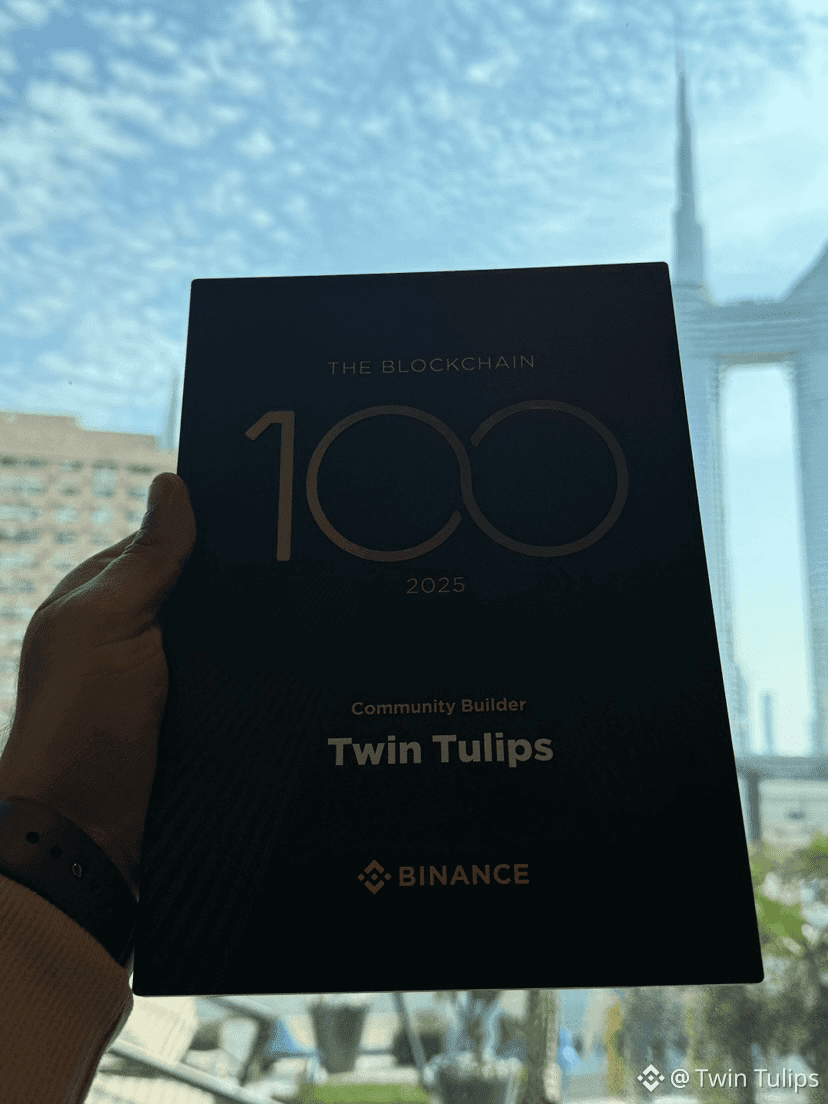
2025 Blockchain 100 — Community Builder
Trade occasionnellement
6.4 an(s)
455 Suivis
109.3K+ Abonnés
239.0K+ J’aime
1 Badges
Publications
Tous
Citations
Vidéos
Direct
PINNED
·
--
𝐄𝐥𝐢𝐭𝐞 𝐒𝐢𝐠𝐧𝐚𝐥 | 𝐋𝐢𝐟𝐞𝐭𝐢𝐦𝐞 𝐂𝐫𝐲𝐩𝐭𝐨 𝐏𝐫𝐨𝐟𝐢𝐭𝐬 𝐇𝐮𝐛 💜
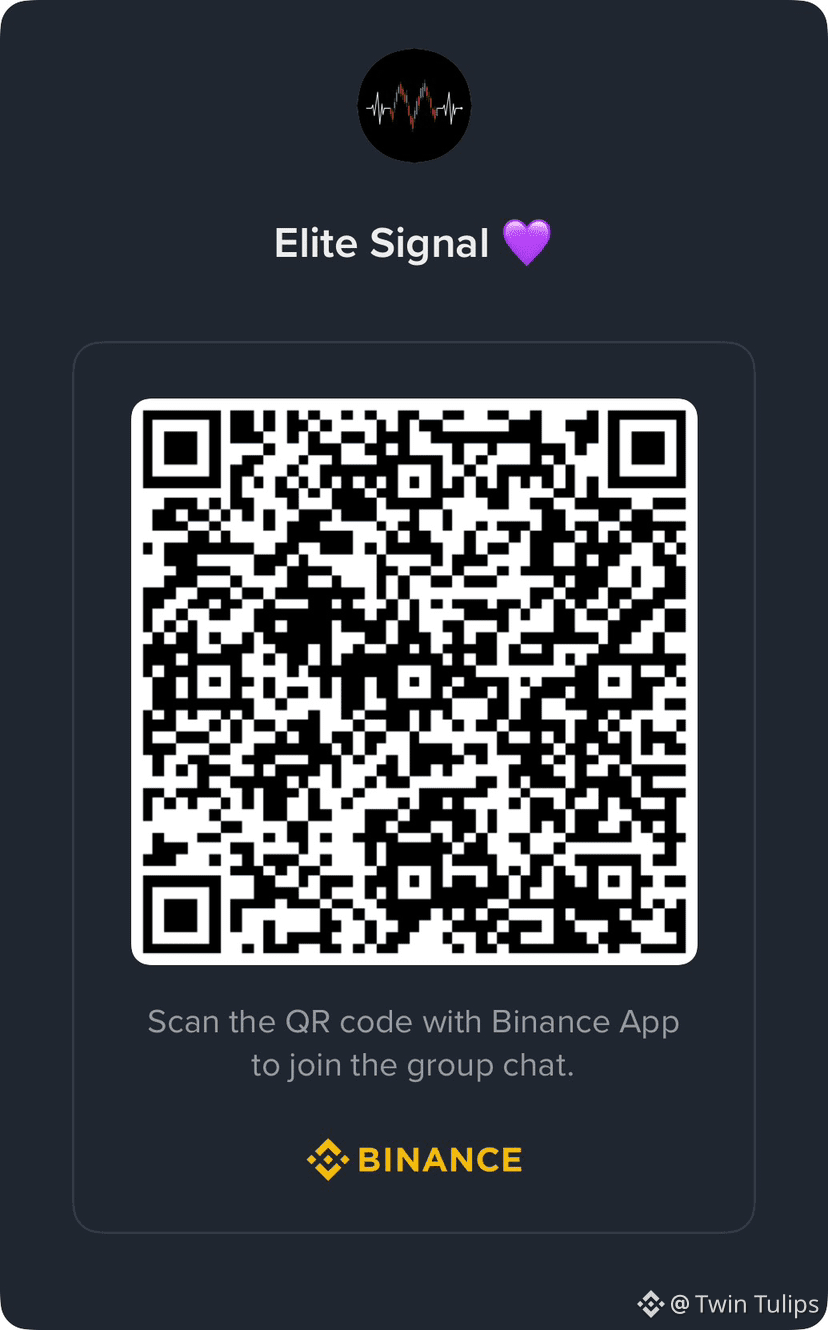
We are very excited to announce our [Elite Signal](https://app.binance.com/uni-qr/group-chat-landing?channelToken=Fr2matAl9kUQqaJrmsuL8g&type=1&entrySource=sharing_link) built for traders who want real guidance in crypto markets.
Join now for just $5 Lifetime Access and get:
📊 Daily Crypto Signals
📚 Free Crypto Learning & Education
💡 Market Guidance for Beginners & Advanced Traders
🤝 Support for those who can’t afford expensive courses
🎯 Special Offer:
Users who create a Binance account using our referral link will also receive FREE premium access 🎁
🔥 This is built for those who want to learn, earn, and grow in crypto with proper guidance.
📌 Lifetime access – No monthly fees
📌 Limited slots available
👉[Join Now:](https://app.binance.com/uni-qr/group-chat-landing?channelToken=Fr2matAl9kUQqaJrmsuL8g&type=1&entrySource=sharing_link)
Or scan the QR code in the link to join instantly 📲
𝐄𝐥𝐢𝐭𝐞 𝐒𝐢𝐠𝐧𝐚𝐥 | 𝐋𝐢𝐟𝐞𝐭𝐢𝐦𝐞 𝐂𝐫𝐲𝐩𝐭𝐨 𝐏𝐫𝐨𝐟𝐢𝐭𝐬 𝐇𝐮𝐛 💜
We are very excited to announce our Elite Signal built for traders who want real guidance in crypto markets.
Join now for just $5 Lifetime Access and get:
📊 Daily Crypto Signals
📚 Free Crypto Learning & Education
💡 Market Guidance for Beginners & Advanced Traders
🤝 Support for those who can’t afford expensive courses
🎯 Special Offer:
Users who create a Binance account using our referral link will also receive FREE premium access 🎁
🔥 This is built for those who want to learn, earn, and grow in crypto with proper guidance.
📌 Lifetime access – No monthly fees
📌 Limited slots available
👉Join Now:
Or scan the QR code in the link to join instantly 📲
We are very excited to announce our Elite Signal built for traders who want real guidance in crypto markets.
Join now for just $5 Lifetime Access and get:
📊 Daily Crypto Signals
📚 Free Crypto Learning & Education
💡 Market Guidance for Beginners & Advanced Traders
🤝 Support for those who can’t afford expensive courses
🎯 Special Offer:
Users who create a Binance account using our referral link will also receive FREE premium access 🎁
🔥 This is built for those who want to learn, earn, and grow in crypto with proper guidance.
📌 Lifetime access – No monthly fees
📌 Limited slots available
👉Join Now:
Or scan the QR code in the link to join instantly 📲
11
1
39
593
PINNED
·
--
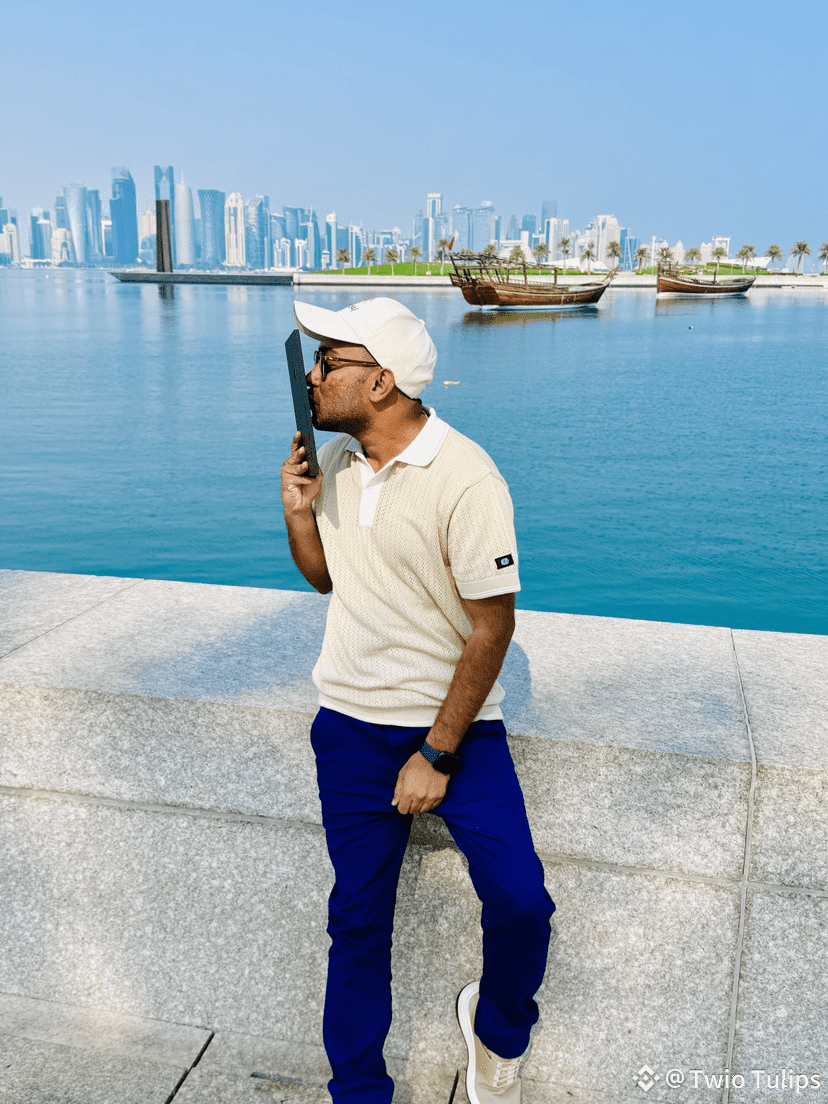
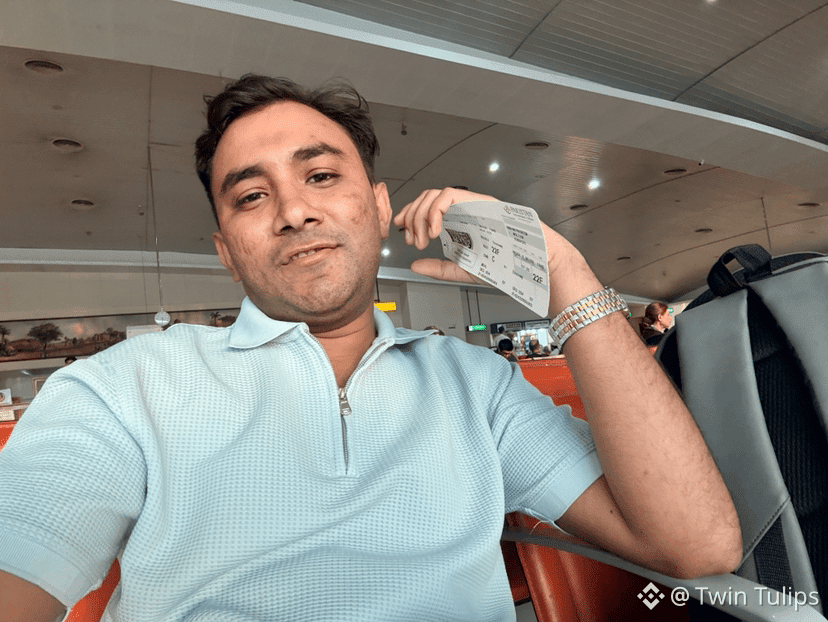
Some moments don’t just capture a picture they capture a milestone.
Honored to receive this Blockchain 2025 recognition, and even more grateful for the journey that brought me here.
Standing by the beautiful Doha skyline, holding a symbol of hard work, consistency, and belief.
The future of tech is exciting… and I’m proud to be a small part of it.
Here’s to growth, new opportunities, and building what’s next.
2026, I’m ready.
#BinanceBlockchainWeek
Some moments don’t just capture a picture they capture a milestone.
Honored to receive this Blockchain 2025 recognition, and even more grateful for the journey that brought me here.
Standing by the beautiful Doha skyline, holding a symbol of hard work, consistency, and belief.
The future of tech is exciting… and I’m proud to be a small part of it.
Here’s to growth, new opportunities, and building what’s next.
2026, I’m ready.
#BinanceBlockchainWeek
Honored to receive this Blockchain 2025 recognition, and even more grateful for the journey that brought me here.
Standing by the beautiful Doha skyline, holding a symbol of hard work, consistency, and belief.
The future of tech is exciting… and I’m proud to be a small part of it.
Here’s to growth, new opportunities, and building what’s next.
2026, I’m ready.
#BinanceBlockchainWeek

65
32
371
38k
·
--
Good Morning Twin Tulips Community 💜
More Giveaways. More Rewards. More Surprises.
Stay active something exciting is coming your way.
Good Morning Twin Tulips Community 💜
More Giveaways. More Rewards. More Surprises.
Stay active something exciting is coming your way.
More Giveaways. More Rewards. More Surprises.
Stay active something exciting is coming your way.
6
14
1.2k
·
--
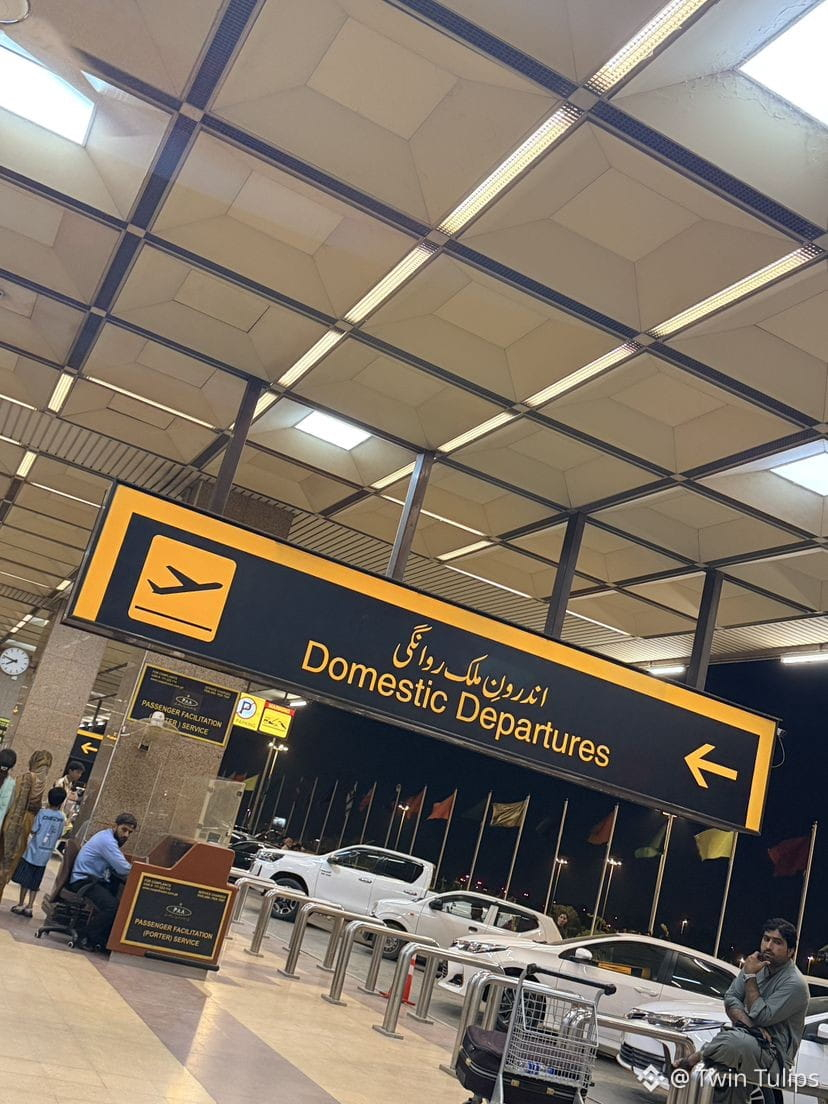
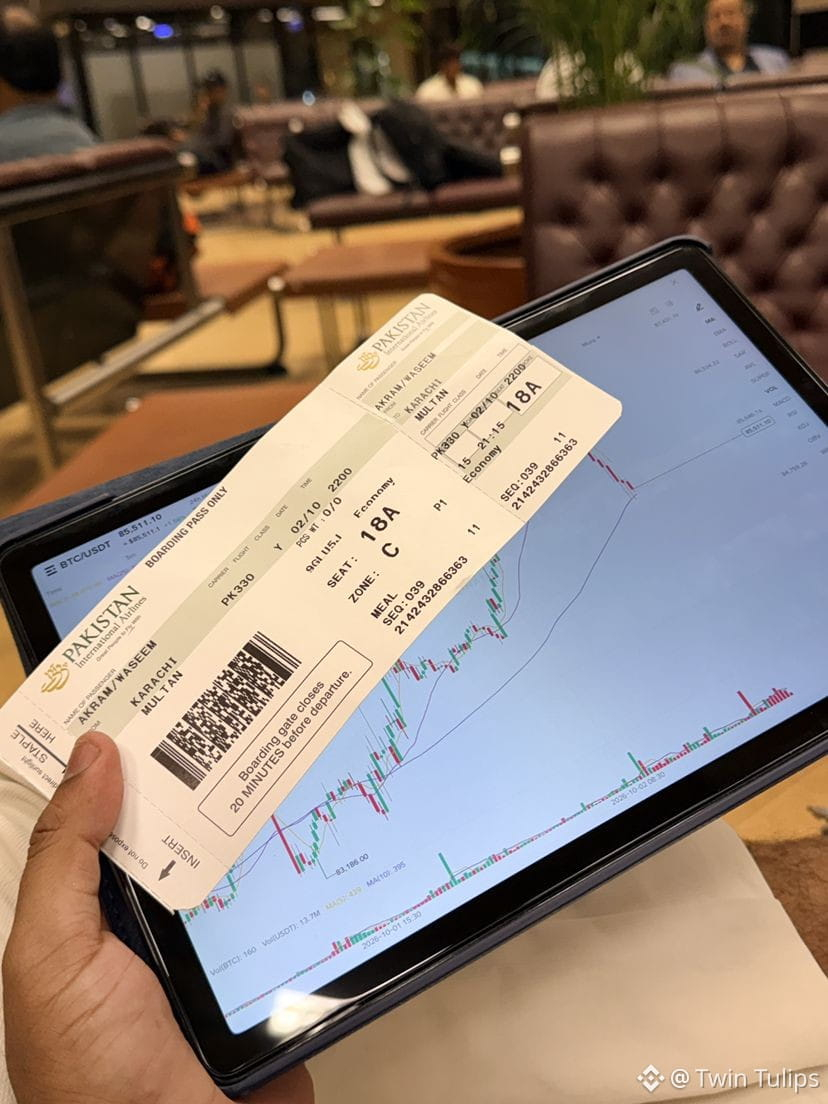
Building in the Bitcoin era.💜
Thinking long-term.
Creating opportunities.
Always moving forward. 🇵🇰✈️
Building in the Bitcoin era.💜
Thinking long-term.
Creating opportunities.
Always moving forward. 🇵🇰✈️
Thinking long-term.
Creating opportunities.
Always moving forward. 🇵🇰✈️
2
11
2.3k
·
--
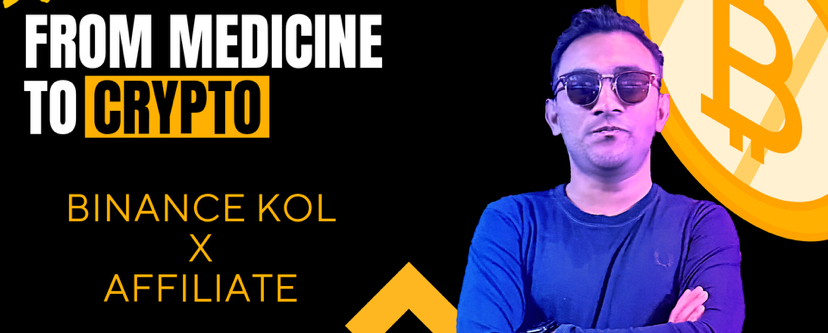
Article
From Hospital Dreams to Crypto Dreams: My Journey 🇵🇰🌍Every journey has a beginning.
Mine started in Pakistan with a childhood dream of becoming a doctor. In 2017, I left Pakistan and moved to China to pursue my MBBS. At that time, my entire focus was medicine, education, and building a future in healthcare.
I had absolutely no idea that a few years later, my life would take me into a completely different industry — one that would eventually take me to global stages and allow me to represent my community and my country.
🌱 Discovering Crypto
In 2020, while preparing to move to Tajikistan to continue my medical journey, I discovered Binance and entered the world of cryptocurrency.
Initially, it was simply curiosity.
I wanted to understand what Bitcoin was, how blockchain worked, why markets moved, and why millions of people were becoming interested in this new financial ecosystem.
But curiosity quickly became passion.
I started spending days and nights learning about technical analysis, trading strategies, market psychology, risk management, blockchain technology, DeFi, and Web3.
There were no shortcuts.
I learned through research, practice, mistakes, and experience.
Slowly, I began building my presence in the crypto community and sharing what I was learning with others.
🤝 Learning Through Real People
Alongside trading and content creation, I also worked as a P2P merchant and successfully dealt with 10,000+ traders through different transactions.
That experience changed the way I understood crypto.
I realized that behind every transaction there is a real person.
I learned how users think, what beginners struggle with, what traders actually need, how trust is created, and why education and community are so important in this industry.
Crypto stopped being just charts and numbers for me.
It became about people, knowledge, trust, and community.
🎥 From Trader to Educator
As my journey continued, I realized that I wanted to do more than trade.
I wanted to educate.
I wanted to take complicated concepts and explain them in simple language so that beginners could understand them without feeling overwhelmed.
Over time, I evolved from a trader into a crypto educator, community builder, content creator, and Binance KOL.
I began creating educational content, hosting live sessions, conducting AMAs, discussing market trends, explaining trading concepts, and interacting directly with users from different parts of the world.
Every session became an opportunity to learn something new — not only for my audience, but for me as well.
Today, my Binance Square community has grown to 110,000+ followers.
But I never look at that number as just a statistic.
Behind those 110,000+ followers are real people.
There are students trying to understand crypto.
There are traders trying to improve.
There are beginners taking their first steps into Web3.
There are people sharing their own experiences.
And there are supporters who have been with me throughout this journey.
That is what makes this community special.
🏆 2025 — A Life-Changing Year
2025 became one of the most memorable years of my journey.
After years of creating content, educating users, participating in campaigns, and consistently building my community, I was honored to be selected among the Binance Top 100 Content Creators.
I received the Binance Top 100 Content Creator Award and trophy.
For me, that trophy represented much more than an award.
It represented years of consistency.
It represented the countless hours spent learning, creating, researching, going live, answering questions, and trying to provide real value.
Most importantly, it represented the support of my community.
Bringing that trophy back to Pakistan was one of the proudest moments of my journey. 🇵🇰
I wanted that trophy to be a reminder that people from Pakistan can build, create, and compete on a global level.
🌍 Binance Blockchain Week 2025 — Dubai
Another unforgettable chapter came with Binance Blockchain Week 2025 in Dubai.
I was honored to attend the event and connect with some of the most passionate people in the global Web3 ecosystem.
I had the opportunity to meet builders, founders, traders, creators, community leaders, and Web3 professionals from different parts of the world.
I attended keynotes, discussions, networking sessions, and conversations about the future of blockchain and digital assets.
But one moment stood out above everything else.
I was selected among the Top 100 Creators at Binance Blockchain Week 2025.
And in the Community Builder category, I achieved 3rd position globally. 🏅
Standing on a global stage and receiving recognition as a community builder was something I could never have imagined when I first discovered crypto.
I came from Pakistan.
I started as a medical student.
I entered crypto simply because I wanted to learn.
And eventually, that learning journey took me to one of the world’s biggest Web3 stages.
🇵🇰 Representing Pakistan
For me, these achievements are not only personal milestones.
They are also a representation of where I come from.
Pakistan has millions of talented, ambitious, and hardworking young people.
I want my journey to show that your starting point does not have to define your destination.
You can start with very little.
You can change your direction.
You can learn something completely new.
You can make mistakes.
You can start again.
And if you remain consistent, you can create opportunities that you once thought were impossible.
🤝 My Mission
Today, my mission is simple:
Educate. Empower. Elevate.
I am not here only to trade or create content.
I want to help people understand crypto more clearly.
I want new learners to avoid the mistakes I made in my early journey.
I want people to understand that opportunities come with risks and that education, discipline, and responsible risk management matter.
I want to continue building a community where people can ask questions, learn from each other, and grow together.
The crypto industry changes every day.
New technologies emerge.
New narratives appear.
New opportunities come with new risks.
That makes continuous learning more important than ever.
🚀 The Journey Continues
When I look back, the journey feels almost unbelievable.
From leaving Pakistan in 2017 to pursue medicine…
To discovering crypto in 2020…
To becoming a P2P merchant serving 10,000+ traders…
To building a 110,000+ community on Binance Square…
To becoming a crypto educator, community builder, content creator, and Binance KOL…
To winning the Binance Top 100 Content Creator Award in 2025 and bringing the trophy back to Pakistan…
To being selected among the Top 100 Creators at Binance Blockchain Week 2025…
And achieving 3rd position globally in the Community Builder category…
Every chapter has taught me something.
But the biggest lesson has been simple:
Consistency can take you places you never imagined.
I am deeply grateful to everyone who has been part of this journey.
To every follower.
Every student.
Every trader.
Every supporter.
Every person who joined my live sessions.
Every person who asked a question.
Every person who liked, shared, commented, or simply believed in what I was building.
These achievements may carry my name, but they were built with the support of a community.
And I believe the best chapters are still ahead.
InshaAllah, I will continue learning, creating, educating, building, and representing my community on bigger global stages.
From Pakistan to the world. 🇵🇰🌍
The journey is far from over.
This is only the beginning. 🚀
From Hospital Dreams to Crypto Dreams: My Journey 🇵🇰🌍
Every journey has a beginning.
Mine started in Pakistan with a childhood dream of becoming a doctor. In 2017, I left Pakistan and moved to China to pursue my MBBS. At that time, my entire focus was medicine, education, and building a future in healthcare.
I had absolutely no idea that a few years later, my life would take me into a completely different industry — one that would eventually take me to global stages and allow me to represent my community and my country.
🌱 Discovering Crypto
In 2020, while preparing to move to Tajikistan to continue my medical journey, I discovered Binance and entered the world of cryptocurrency.
Initially, it was simply curiosity.
I wanted to understand what Bitcoin was, how blockchain worked, why markets moved, and why millions of people were becoming interested in this new financial ecosystem.
But curiosity quickly became passion.
I started spending days and nights learning about technical analysis, trading strategies, market psychology, risk management, blockchain technology, DeFi, and Web3.
There were no shortcuts.
I learned through research, practice, mistakes, and experience.
Slowly, I began building my presence in the crypto community and sharing what I was learning with others.
🤝 Learning Through Real People
Alongside trading and content creation, I also worked as a P2P merchant and successfully dealt with 10,000+ traders through different transactions.
That experience changed the way I understood crypto.
I realized that behind every transaction there is a real person.
I learned how users think, what beginners struggle with, what traders actually need, how trust is created, and why education and community are so important in this industry.
Crypto stopped being just charts and numbers for me.
It became about people, knowledge, trust, and community.
🎥 From Trader to Educator
As my journey continued, I realized that I wanted to do more than trade.
I wanted to educate.
I wanted to take complicated concepts and explain them in simple language so that beginners could understand them without feeling overwhelmed.
Over time, I evolved from a trader into a crypto educator, community builder, content creator, and Binance KOL.
I began creating educational content, hosting live sessions, conducting AMAs, discussing market trends, explaining trading concepts, and interacting directly with users from different parts of the world.
Every session became an opportunity to learn something new — not only for my audience, but for me as well.
Today, my Binance Square community has grown to 110,000+ followers.
But I never look at that number as just a statistic.
Behind those 110,000+ followers are real people.
There are students trying to understand crypto.
There are traders trying to improve.
There are beginners taking their first steps into Web3.
There are people sharing their own experiences.
And there are supporters who have been with me throughout this journey.
That is what makes this community special.
🏆 2025 — A Life-Changing Year
2025 became one of the most memorable years of my journey.
After years of creating content, educating users, participating in campaigns, and consistently building my community, I was honored to be selected among the Binance Top 100 Content Creators.
I received the Binance Top 100 Content Creator Award and trophy.
For me, that trophy represented much more than an award.
It represented years of consistency.
It represented the countless hours spent learning, creating, researching, going live, answering questions, and trying to provide real value.
Most importantly, it represented the support of my community.
Bringing that trophy back to Pakistan was one of the proudest moments of my journey. 🇵🇰
I wanted that trophy to be a reminder that people from Pakistan can build, create, and compete on a global level.
🌍 Binance Blockchain Week 2025 — Dubai
Another unforgettable chapter came with Binance Blockchain Week 2025 in Dubai.
I was honored to attend the event and connect with some of the most passionate people in the global Web3 ecosystem.
I had the opportunity to meet builders, founders, traders, creators, community leaders, and Web3 professionals from different parts of the world.
I attended keynotes, discussions, networking sessions, and conversations about the future of blockchain and digital assets.
But one moment stood out above everything else.
I was selected among the Top 100 Creators at Binance Blockchain Week 2025.
And in the Community Builder category, I achieved 3rd position globally. 🏅
Standing on a global stage and receiving recognition as a community builder was something I could never have imagined when I first discovered crypto.
I came from Pakistan.
I started as a medical student.
I entered crypto simply because I wanted to learn.
And eventually, that learning journey took me to one of the world’s biggest Web3 stages.
🇵🇰 Representing Pakistan
For me, these achievements are not only personal milestones.
They are also a representation of where I come from.
Pakistan has millions of talented, ambitious, and hardworking young people.
I want my journey to show that your starting point does not have to define your destination.
You can start with very little.
You can change your direction.
You can learn something completely new.
You can make mistakes.
You can start again.
And if you remain consistent, you can create opportunities that you once thought were impossible.
🤝 My Mission
Today, my mission is simple:
Educate. Empower. Elevate.
I am not here only to trade or create content.
I want to help people understand crypto more clearly.
I want new learners to avoid the mistakes I made in my early journey.
I want people to understand that opportunities come with risks and that education, discipline, and responsible risk management matter.
I want to continue building a community where people can ask questions, learn from each other, and grow together.
The crypto industry changes every day.
New technologies emerge.
New narratives appear.
New opportunities come with new risks.
That makes continuous learning more important than ever.
🚀 The Journey Continues
When I look back, the journey feels almost unbelievable.
From leaving Pakistan in 2017 to pursue medicine…
To discovering crypto in 2020…
To becoming a P2P merchant serving 10,000+ traders…
To building a 110,000+ community on Binance Square…
To becoming a crypto educator, community builder, content creator, and Binance KOL…
To winning the Binance Top 100 Content Creator Award in 2025 and bringing the trophy back to Pakistan…
To being selected among the Top 100 Creators at Binance Blockchain Week 2025…
And achieving 3rd position globally in the Community Builder category…
Every chapter has taught me something.
But the biggest lesson has been simple:
Consistency can take you places you never imagined.
I am deeply grateful to everyone who has been part of this journey.
To every follower.
Every student.
Every trader.
Every supporter.
Every person who joined my live sessions.
Every person who asked a question.
Every person who liked, shared, commented, or simply believed in what I was building.
These achievements may carry my name, but they were built with the support of a community.
And I believe the best chapters are still ahead.
InshaAllah, I will continue learning, creating, educating, building, and representing my community on bigger global stages.
From Pakistan to the world. 🇵🇰🌍
The journey is far from over.
This is only the beginning. 🚀
Mine started in Pakistan with a childhood dream of becoming a doctor. In 2017, I left Pakistan and moved to China to pursue my MBBS. At that time, my entire focus was medicine, education, and building a future in healthcare.
I had absolutely no idea that a few years later, my life would take me into a completely different industry — one that would eventually take me to global stages and allow me to represent my community and my country.
🌱 Discovering Crypto
In 2020, while preparing to move to Tajikistan to continue my medical journey, I discovered Binance and entered the world of cryptocurrency.
Initially, it was simply curiosity.
I wanted to understand what Bitcoin was, how blockchain worked, why markets moved, and why millions of people were becoming interested in this new financial ecosystem.
But curiosity quickly became passion.
I started spending days and nights learning about technical analysis, trading strategies, market psychology, risk management, blockchain technology, DeFi, and Web3.
There were no shortcuts.
I learned through research, practice, mistakes, and experience.
Slowly, I began building my presence in the crypto community and sharing what I was learning with others.
🤝 Learning Through Real People
Alongside trading and content creation, I also worked as a P2P merchant and successfully dealt with 10,000+ traders through different transactions.
That experience changed the way I understood crypto.
I realized that behind every transaction there is a real person.
I learned how users think, what beginners struggle with, what traders actually need, how trust is created, and why education and community are so important in this industry.
Crypto stopped being just charts and numbers for me.
It became about people, knowledge, trust, and community.
🎥 From Trader to Educator
As my journey continued, I realized that I wanted to do more than trade.
I wanted to educate.
I wanted to take complicated concepts and explain them in simple language so that beginners could understand them without feeling overwhelmed.
Over time, I evolved from a trader into a crypto educator, community builder, content creator, and Binance KOL.
I began creating educational content, hosting live sessions, conducting AMAs, discussing market trends, explaining trading concepts, and interacting directly with users from different parts of the world.
Every session became an opportunity to learn something new — not only for my audience, but for me as well.
Today, my Binance Square community has grown to 110,000+ followers.
But I never look at that number as just a statistic.
Behind those 110,000+ followers are real people.
There are students trying to understand crypto.
There are traders trying to improve.
There are beginners taking their first steps into Web3.
There are people sharing their own experiences.
And there are supporters who have been with me throughout this journey.
That is what makes this community special.
🏆 2025 — A Life-Changing Year
2025 became one of the most memorable years of my journey.
After years of creating content, educating users, participating in campaigns, and consistently building my community, I was honored to be selected among the Binance Top 100 Content Creators.
I received the Binance Top 100 Content Creator Award and trophy.
For me, that trophy represented much more than an award.
It represented years of consistency.
It represented the countless hours spent learning, creating, researching, going live, answering questions, and trying to provide real value.
Most importantly, it represented the support of my community.
Bringing that trophy back to Pakistan was one of the proudest moments of my journey. 🇵🇰
I wanted that trophy to be a reminder that people from Pakistan can build, create, and compete on a global level.
🌍 Binance Blockchain Week 2025 — Dubai
Another unforgettable chapter came with Binance Blockchain Week 2025 in Dubai.
I was honored to attend the event and connect with some of the most passionate people in the global Web3 ecosystem.
I had the opportunity to meet builders, founders, traders, creators, community leaders, and Web3 professionals from different parts of the world.
I attended keynotes, discussions, networking sessions, and conversations about the future of blockchain and digital assets.
But one moment stood out above everything else.
I was selected among the Top 100 Creators at Binance Blockchain Week 2025.
And in the Community Builder category, I achieved 3rd position globally. 🏅
Standing on a global stage and receiving recognition as a community builder was something I could never have imagined when I first discovered crypto.
I came from Pakistan.
I started as a medical student.
I entered crypto simply because I wanted to learn.
And eventually, that learning journey took me to one of the world’s biggest Web3 stages.
🇵🇰 Representing Pakistan
For me, these achievements are not only personal milestones.
They are also a representation of where I come from.
Pakistan has millions of talented, ambitious, and hardworking young people.
I want my journey to show that your starting point does not have to define your destination.
You can start with very little.
You can change your direction.
You can learn something completely new.
You can make mistakes.
You can start again.
And if you remain consistent, you can create opportunities that you once thought were impossible.
🤝 My Mission
Today, my mission is simple:
Educate. Empower. Elevate.
I am not here only to trade or create content.
I want to help people understand crypto more clearly.
I want new learners to avoid the mistakes I made in my early journey.
I want people to understand that opportunities come with risks and that education, discipline, and responsible risk management matter.
I want to continue building a community where people can ask questions, learn from each other, and grow together.
The crypto industry changes every day.
New technologies emerge.
New narratives appear.
New opportunities come with new risks.
That makes continuous learning more important than ever.
🚀 The Journey Continues
When I look back, the journey feels almost unbelievable.
From leaving Pakistan in 2017 to pursue medicine…
To discovering crypto in 2020…
To becoming a P2P merchant serving 10,000+ traders…
To building a 110,000+ community on Binance Square…
To becoming a crypto educator, community builder, content creator, and Binance KOL…
To winning the Binance Top 100 Content Creator Award in 2025 and bringing the trophy back to Pakistan…
To being selected among the Top 100 Creators at Binance Blockchain Week 2025…
And achieving 3rd position globally in the Community Builder category…
Every chapter has taught me something.
But the biggest lesson has been simple:
Consistency can take you places you never imagined.
I am deeply grateful to everyone who has been part of this journey.
To every follower.
Every student.
Every trader.
Every supporter.
Every person who joined my live sessions.
Every person who asked a question.
Every person who liked, shared, commented, or simply believed in what I was building.
These achievements may carry my name, but they were built with the support of a community.
And I believe the best chapters are still ahead.
InshaAllah, I will continue learning, creating, educating, building, and representing my community on bigger global stages.
From Pakistan to the world. 🇵🇰🌍
The journey is far from over.
This is only the beginning. 🚀
1
1
9
1.2k
·
--
🚀 BNB CHAIN: MORE THAN JUST BNB
When people hear BNB, many immediately think about the token.
But behind BNB is an entire blockchain ecosystem that has continued to evolve around speed, scalability, DeFi, Web3 applications, gaming, stablecoins, and on-chain activity.
BNB Chain has become one of the most recognized ecosystems in crypto, with a strong focus on making Web3 more accessible to users and developers.
🔹 What is BNB Chain?
BNB Chain is a blockchain ecosystem designed to support decentralized applications and digital assets.
It provides infrastructure where developers and users can interact with:
• DeFi protocols
• Decentralized exchanges
• Web3 wallets
• Gaming applications
• NFT ecosystems
• Stablecoin applications
• On-chain financial products
• Community-driven projects
🔹 Why BNB Matters
BNB is the native token of the BNB Chain ecosystem and plays an important role across the ecosystem.
But the bigger story isn’t only about the token price.
The real story is adoption.
A blockchain becomes meaningful when developers build on it, users interact with applications, liquidity enters the ecosystem, and real activity takes place on-chain.
🔹 BNB Chain & DeFi
DeFi remains one of the major parts of the ecosystem.
Users can interact with decentralized applications for:
Blockchain infrastructure is increasingly being used for financial applications, digital ownership, payments, gaming and other online services.
BNB Chain is one of the ecosystems participating in this broader transition.
🚀 Final Thought
BNB may be the token people recognize first, but BNB Chain represents a much broader Web3 ecosystem.
Understanding the ecosystem can give you a much better perspective than looking at price charts alone.
BNB Chain Code:
SR-10EC65CF74C9D4CB237E0325
Always DYOR. Crypto is highly volatile. This content is for educational purposes only and is not financial advice.
$CASH $ZEC
🚀 BNB CHAIN: MORE THAN JUST BNB
When people hear BNB, many immediately think about the token.
But behind BNB is an entire blockchain ecosystem that has continued to evolve around speed, scalability, DeFi, Web3 applications, gaming, stablecoins, and on-chain activity.
BNB Chain has become one of the most recognized ecosystems in crypto, with a strong focus on making Web3 more accessible to users and developers.
🔹 What is BNB Chain?
BNB Chain is a blockchain ecosystem designed to support decentralized applications and digital assets.
It provides infrastructure where developers and users can interact with:
• DeFi protocols
• Decentralized exchanges
• Web3 wallets
• Gaming applications
• NFT ecosystems
• Stablecoin applications
• On-chain financial products
• Community-driven projects
🔹 Why BNB Matters
BNB is the native token of the BNB Chain ecosystem and plays an important role across the ecosystem.
But the bigger story isn’t only about the token price.
The real story is adoption.
A blockchain becomes meaningful when developers build on it, users interact with applications, liquidity enters the ecosystem, and real activity takes place on-chain.
🔹 BNB Chain & DeFi
DeFi remains one of the major parts of the ecosystem.
Users can interact with decentralized applications for:
Blockchain infrastructure is increasingly being used for financial applications, digital ownership, payments, gaming and other online services.
BNB Chain is one of the ecosystems participating in this broader transition.
🚀 Final Thought
BNB may be the token people recognize first, but BNB Chain represents a much broader Web3 ecosystem.
Understanding the ecosystem can give you a much better perspective than looking at price charts alone.
BNB Chain Code:
SR-10EC65CF74C9D4CB237E0325
Always DYOR. Crypto is highly volatile. This content is for educational purposes only and is not financial advice.
$CASH $ZEC
When people hear BNB, many immediately think about the token.
But behind BNB is an entire blockchain ecosystem that has continued to evolve around speed, scalability, DeFi, Web3 applications, gaming, stablecoins, and on-chain activity.
BNB Chain has become one of the most recognized ecosystems in crypto, with a strong focus on making Web3 more accessible to users and developers.
🔹 What is BNB Chain?
BNB Chain is a blockchain ecosystem designed to support decentralized applications and digital assets.
It provides infrastructure where developers and users can interact with:
• DeFi protocols
• Decentralized exchanges
• Web3 wallets
• Gaming applications
• NFT ecosystems
• Stablecoin applications
• On-chain financial products
• Community-driven projects
🔹 Why BNB Matters
BNB is the native token of the BNB Chain ecosystem and plays an important role across the ecosystem.
But the bigger story isn’t only about the token price.
The real story is adoption.
A blockchain becomes meaningful when developers build on it, users interact with applications, liquidity enters the ecosystem, and real activity takes place on-chain.
🔹 BNB Chain & DeFi
DeFi remains one of the major parts of the ecosystem.
Users can interact with decentralized applications for:
Blockchain infrastructure is increasingly being used for financial applications, digital ownership, payments, gaming and other online services.
BNB Chain is one of the ecosystems participating in this broader transition.
🚀 Final Thought
BNB may be the token people recognize first, but BNB Chain represents a much broader Web3 ecosystem.
Understanding the ecosystem can give you a much better perspective than looking at price charts alone.
BNB Chain Code:
SR-10EC65CF74C9D4CB237E0325
Always DYOR. Crypto is highly volatile. This content is for educational purposes only and is not financial advice.
$CASH $ZEC
3
1
9
1.6k
·
--


3
21
5.6k
·
--
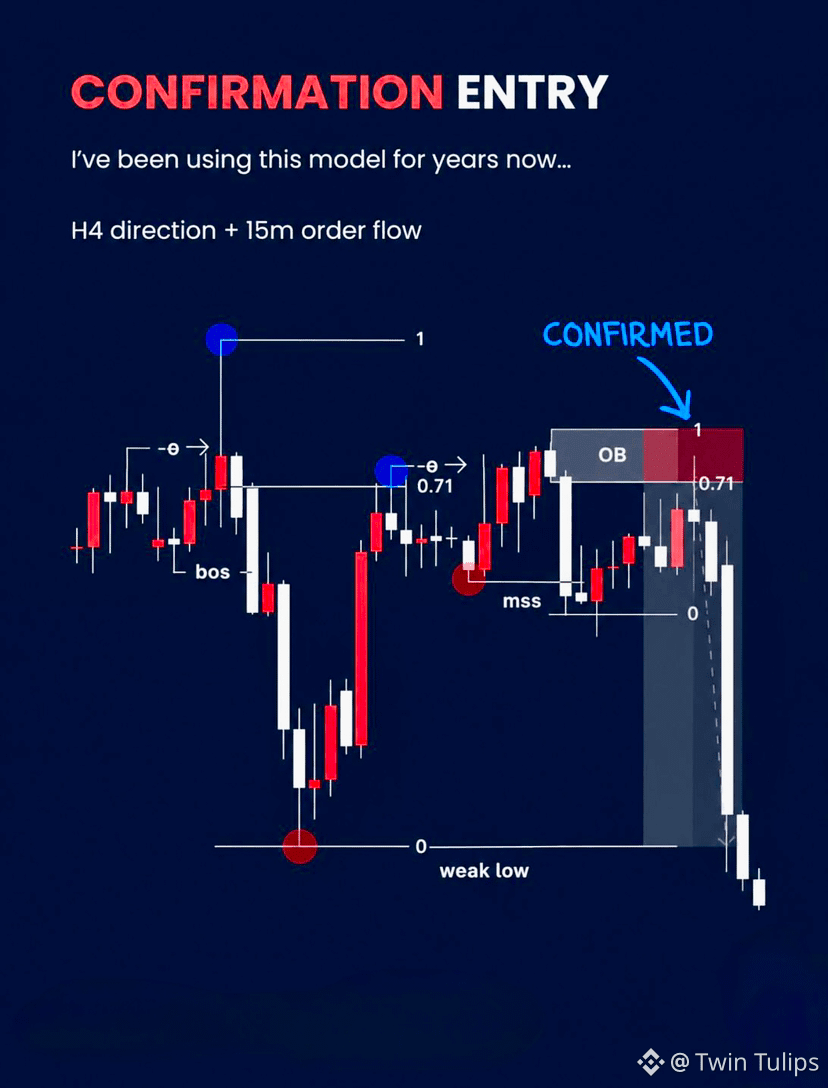
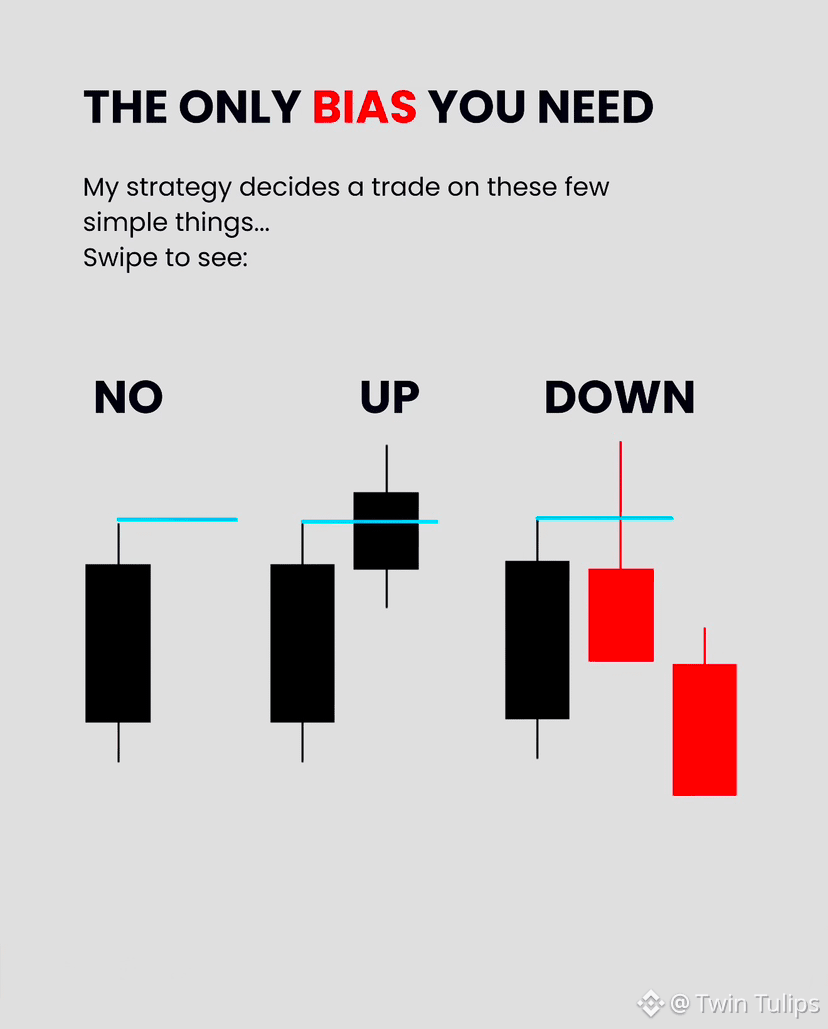
The Only Bias You Need 👀
Your bias shouldn’t come from a random prediction or a single candle.
Build it from the market structure, liquidity, and price reaction across timeframes.
🎯 Bias Flow:
HTF Structure → Liquidity → Market Context → POI → LTF Confirmation → Entry
💡 Golden Rule: Let the market give you the bias. Don’t force the market to match your bias.
A clear bias helps you filter setups, avoid unnecessary trades, and execute with more discipline.
#SMC #MarketStructure #PriceAction #Trading
The Only Bias You Need 👀
Your bias shouldn’t come from a random prediction or a single candle.
Build it from the market structure, liquidity, and price reaction across timeframes.
🎯 Bias Flow:
HTF Structure → Liquidity → Market Context → POI → LTF Confirmation → Entry
💡 Golden Rule: Let the market give you the bias. Don’t force the market to match your bias.
A clear bias helps you filter setups, avoid unnecessary trades, and execute with more discipline.
#SMC #MarketStructure #PriceAction #Trading
Your bias shouldn’t come from a random prediction or a single candle.
Build it from the market structure, liquidity, and price reaction across timeframes.
🎯 Bias Flow:
HTF Structure → Liquidity → Market Context → POI → LTF Confirmation → Entry
💡 Golden Rule: Let the market give you the bias. Don’t force the market to match your bias.
A clear bias helps you filter setups, avoid unnecessary trades, and execute with more discipline.
#SMC #MarketStructure #PriceAction #Trading
5
1.4k
·
--
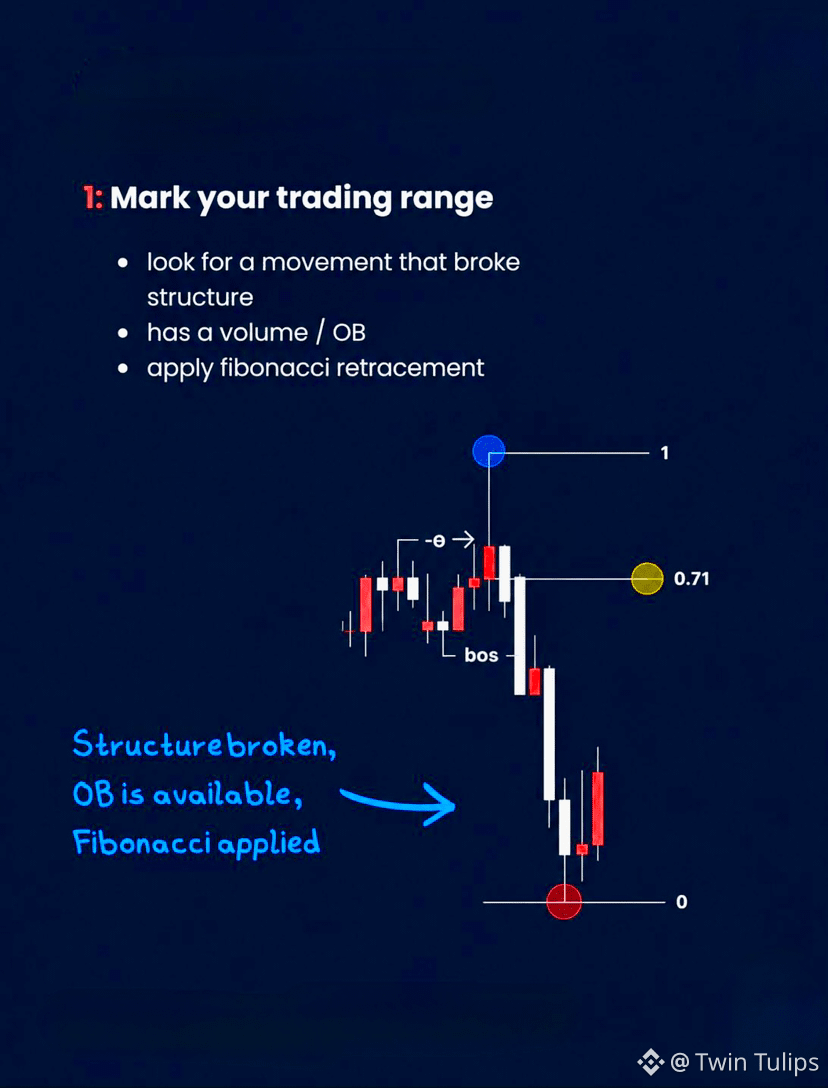
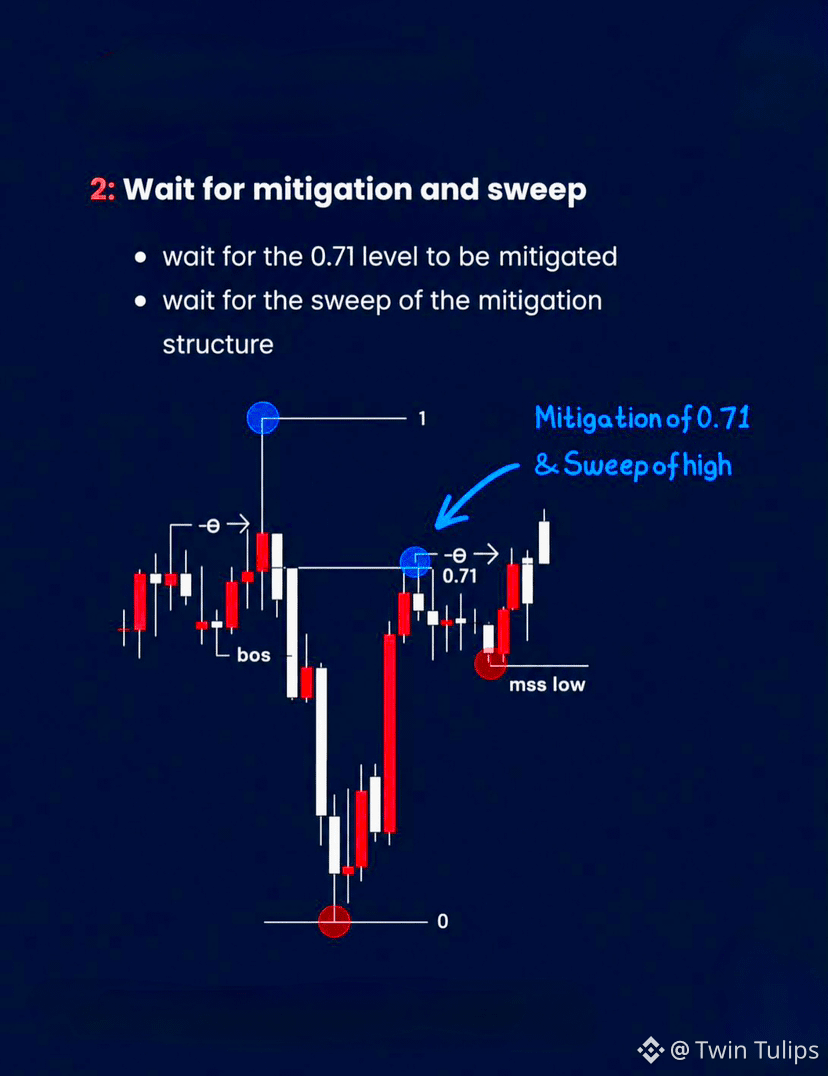
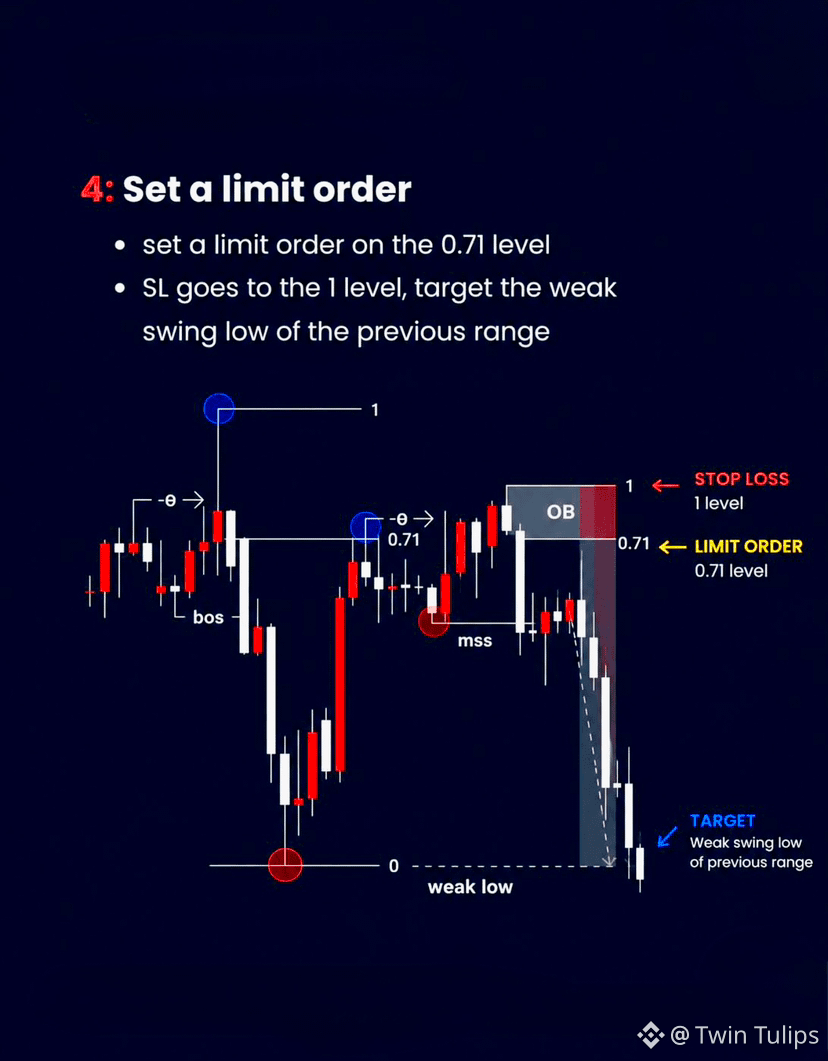
Let the Market Show You the Flow 🚨
Trading isn’t about forcing your prediction onto the market it’s about reading what price is showing you. 👀
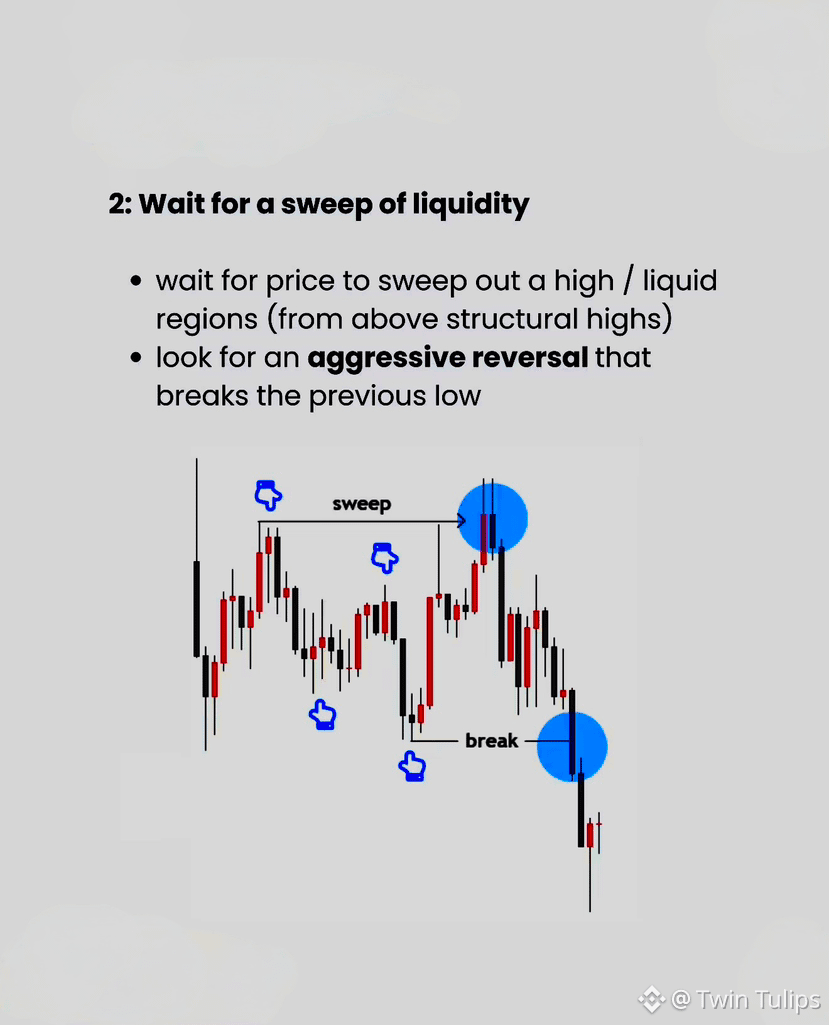
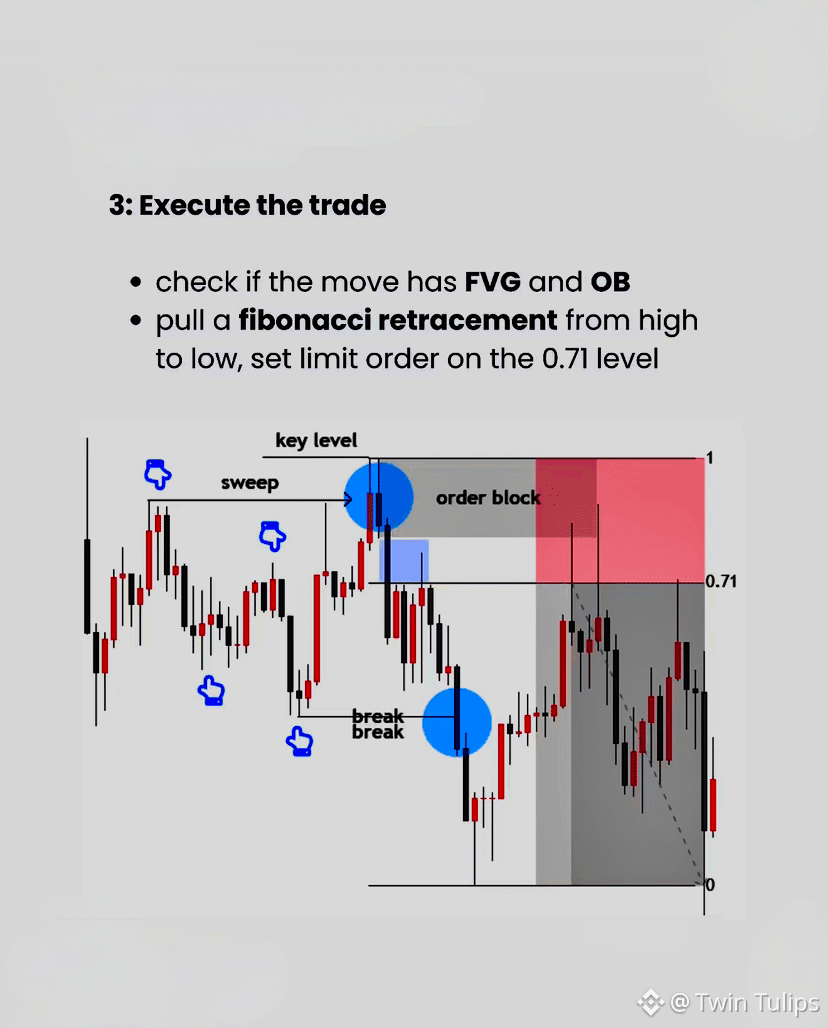
Price may create or sweep liquidity, reveal market structure, and then show momentum toward its next move.
🎯 Trade Flow:
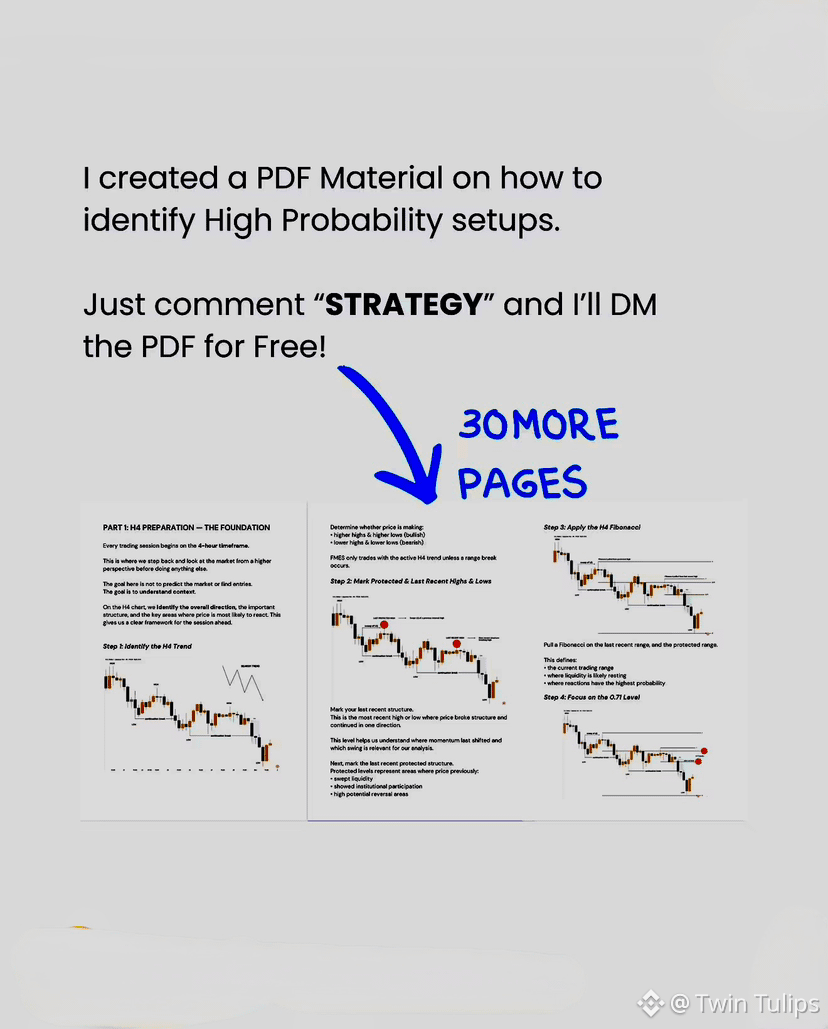
HTF Bias → Liquidity → Sweep → Market Structure → POI → Confirmation → Entry
💡 Golden Rule: Don’t force a direction. Let price confirm the flow before you execute.
Wait → Confirm → Execute.
#SMC #ICTTrading #PriceAction #Trading
Let the Market Show You the Flow 🚨
Trading isn’t about forcing your prediction onto the market it’s about reading what price is showing you. 👀
Price may create or sweep liquidity, reveal market structure, and then show momentum toward its next move.
🎯 Trade Flow:
HTF Bias → Liquidity → Sweep → Market Structure → POI → Confirmation → Entry
💡 Golden Rule: Don’t force a direction. Let price confirm the flow before you execute.
Wait → Confirm → Execute.
#SMC #ICTTrading #PriceAction #Trading
Trading isn’t about forcing your prediction onto the market it’s about reading what price is showing you. 👀
Price may create or sweep liquidity, reveal market structure, and then show momentum toward its next move.
🎯 Trade Flow:
HTF Bias → Liquidity → Sweep → Market Structure → POI → Confirmation → Entry
💡 Golden Rule: Don’t force a direction. Let price confirm the flow before you execute.
Wait → Confirm → Execute.
#SMC #ICTTrading #PriceAction #Trading
2
2
8
1.5k
·
--
GOOD MORNING TWIN TULIPS FAMILY! ☀️
New day, new opportunities, and maybe… a new giveaway winner 🎁
Stay active in the community, keep supporting Twin Tulips, and don’t miss the upcoming rewards! 🔥
Who’s ready to WIN? 👇
GOOD MORNING TWIN TULIPS FAMILY! ☀️
New day, new opportunities, and maybe… a new giveaway winner 🎁
Stay active in the community, keep supporting Twin Tulips, and don’t miss the upcoming rewards! 🔥
Who’s ready to WIN? 👇
New day, new opportunities, and maybe… a new giveaway winner 🎁
Stay active in the community, keep supporting Twin Tulips, and don’t miss the upcoming rewards! 🔥
Who’s ready to WIN? 👇
25
1
33
8k
·
--
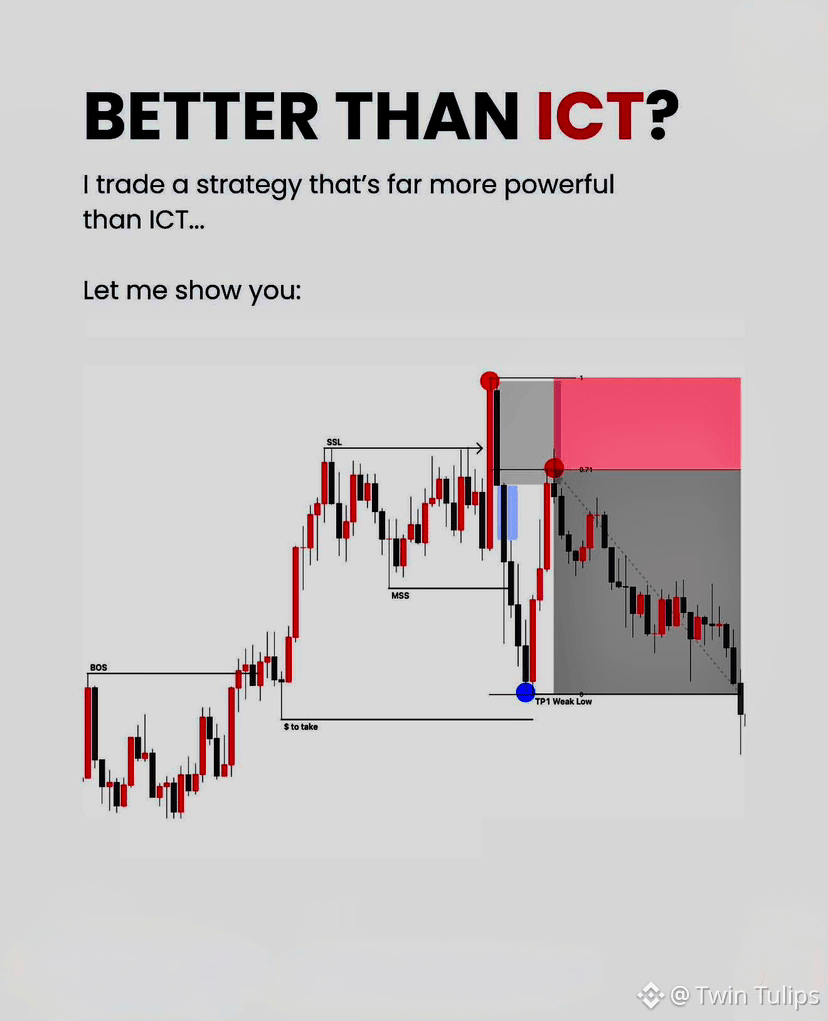
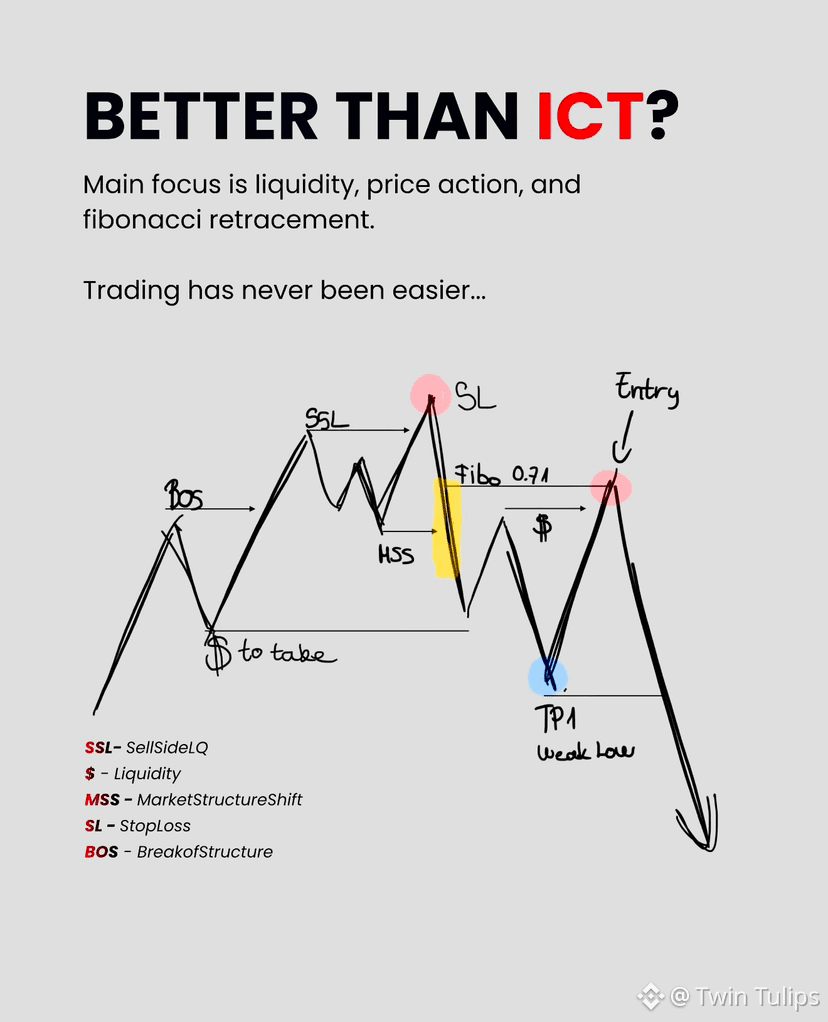
Is There a Better Way Than ICT? 👀
ICT concepts can provide a useful framework for understanding liquidity, market structure, and price delivery — but trading isn’t about finding one “perfect” strategy.
Different traders may use different approaches depending on their goals, risk tolerance, timeframe, and execution style.
🎯 Focus On:
Market Structure → Liquidity → Setup → Confirmation → Risk Management → Execution
💡 Golden Rule: Don’t blindly follow a strategy just because it’s popular. Understand the logic, backtest it, collect your data, and find what works for your own trading process.
The goal isn’t to find the “best” strategy. The goal is to build a repeatable process you can execute consistently.
🔗 TWIN TULIPS FULL TRADING SYSTEM | LINK IN BIO
#ICTTrading #SMCTrading #SmartMoneyConcepts #MarketStructure
Is There a Better Way Than ICT? 👀
ICT concepts can provide a useful framework for understanding liquidity, market structure, and price delivery — but trading isn’t about finding one “perfect” strategy.
Different traders may use different approaches depending on their goals, risk tolerance, timeframe, and execution style.
🎯 Focus On:
Market Structure → Liquidity → Setup → Confirmation → Risk Management → Execution
💡 Golden Rule: Don’t blindly follow a strategy just because it’s popular. Understand the logic, backtest it, collect your data, and find what works for your own trading process.
The goal isn’t to find the “best” strategy. The goal is to build a repeatable process you can execute consistently.
🔗 TWIN TULIPS FULL TRADING SYSTEM | LINK IN BIO
#ICTTrading #SMCTrading #SmartMoneyConcepts #MarketStructure
ICT concepts can provide a useful framework for understanding liquidity, market structure, and price delivery — but trading isn’t about finding one “perfect” strategy.
Different traders may use different approaches depending on their goals, risk tolerance, timeframe, and execution style.
🎯 Focus On:
Market Structure → Liquidity → Setup → Confirmation → Risk Management → Execution
💡 Golden Rule: Don’t blindly follow a strategy just because it’s popular. Understand the logic, backtest it, collect your data, and find what works for your own trading process.
The goal isn’t to find the “best” strategy. The goal is to build a repeatable process you can execute consistently.
🔗 TWIN TULIPS FULL TRADING SYSTEM | LINK IN BIO
#ICTTrading #SMCTrading #SmartMoneyConcepts #MarketStructure
9
1
9
4.4k
·
--
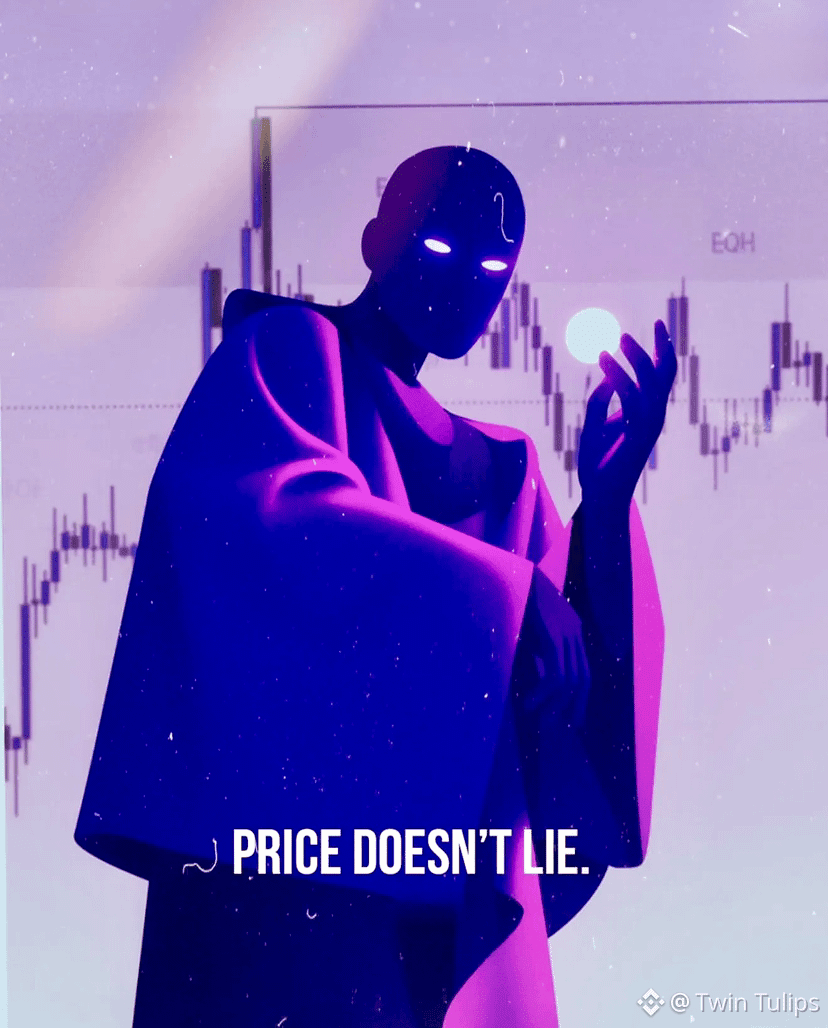
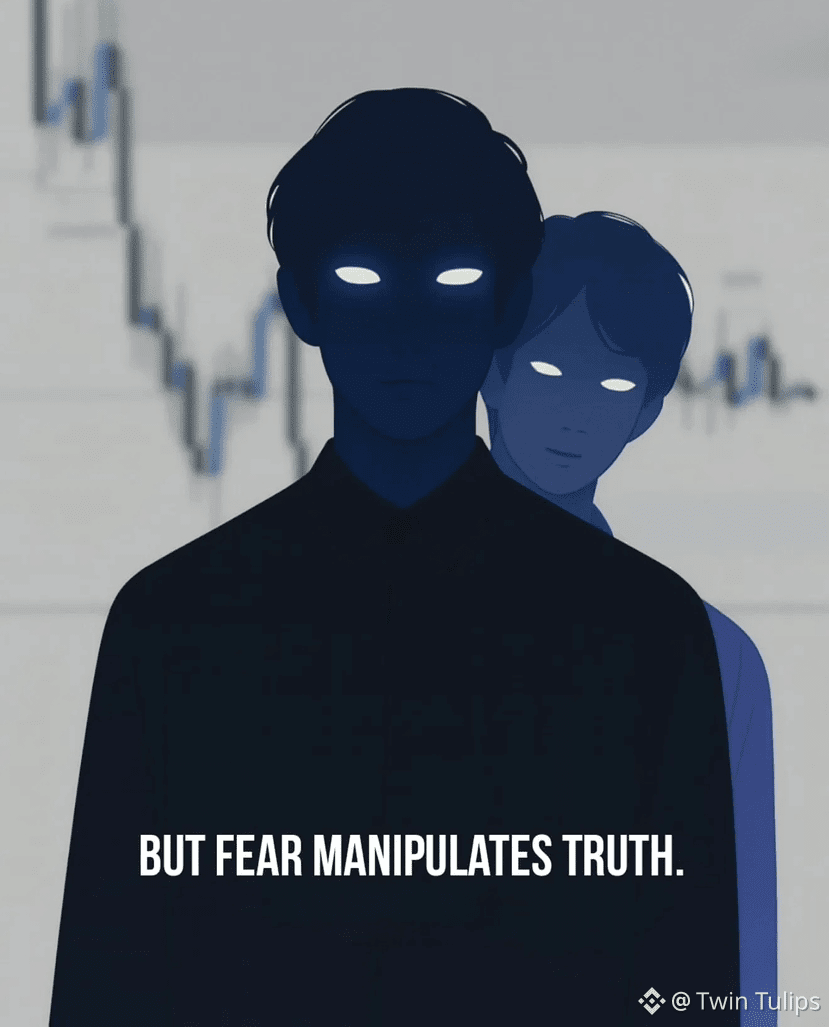
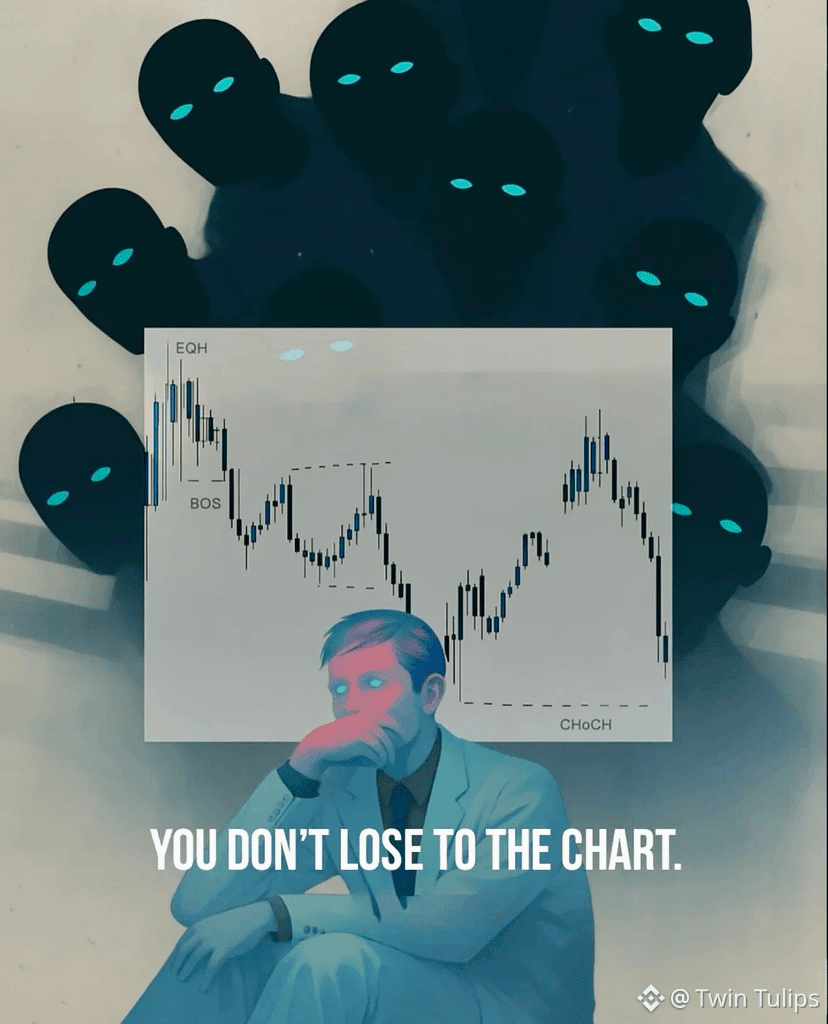
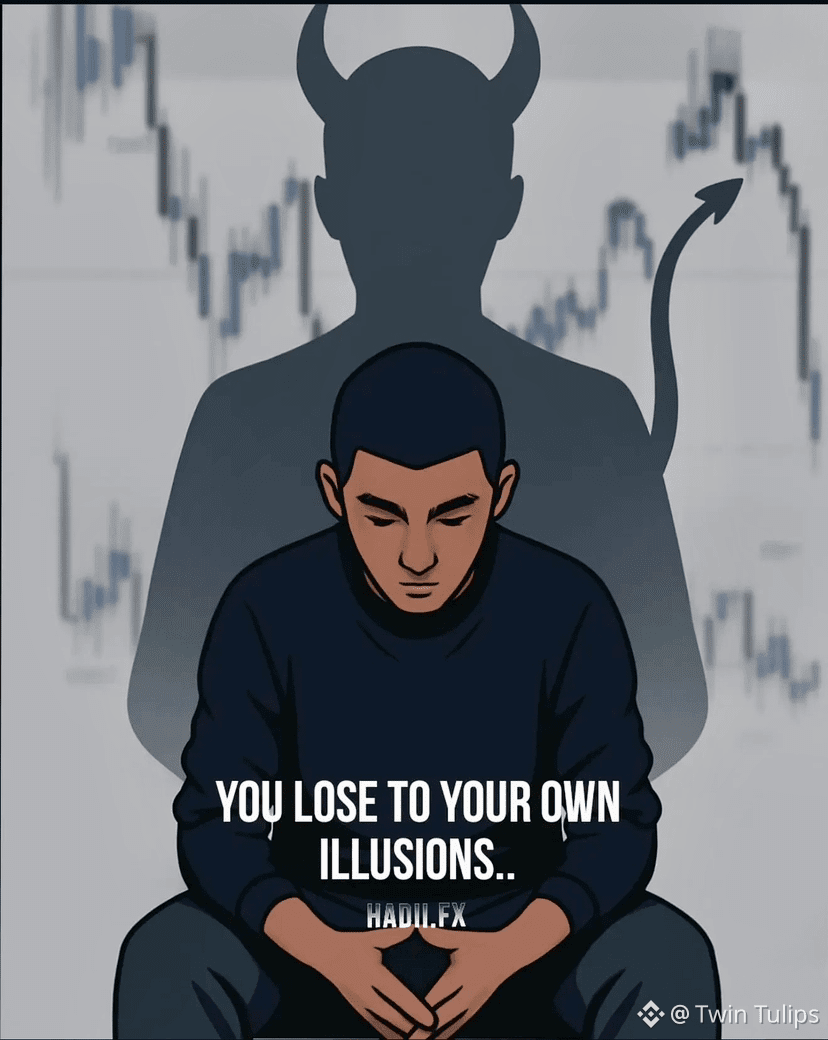
Fear • Hesitation • Illusion 🧠
Fear. Hesitation. Illusion. — The 3 Things That Can Destroy Your Execution.
Fear makes you avoid valid setups.
Hesitation makes you enter too late.
Illusion makes you see setups that aren’t actually there.
🎯 The Solution:
Clear Strategy → Defined Rules → Backtesting → Risk Management → Disciplined Execution
You don’t need to remove every emotion from trading. You need a process strong enough to stop emotions from controlling your decisions.
💡 Golden Rule: Trust your tested process, not your emotions in the moment.
#TradingPsychology #TradingMindset #TradingDiscipline #TraderMindset
Fear • Hesitation • Illusion 🧠
Fear. Hesitation. Illusion. — The 3 Things That Can Destroy Your Execution.
Fear makes you avoid valid setups.
Hesitation makes you enter too late.
Illusion makes you see setups that aren’t actually there.
🎯 The Solution:
Clear Strategy → Defined Rules → Backtesting → Risk Management → Disciplined Execution
You don’t need to remove every emotion from trading. You need a process strong enough to stop emotions from controlling your decisions.
💡 Golden Rule: Trust your tested process, not your emotions in the moment.
#TradingPsychology #TradingMindset #TradingDiscipline #TraderMindset
Fear. Hesitation. Illusion. — The 3 Things That Can Destroy Your Execution.
Fear makes you avoid valid setups.
Hesitation makes you enter too late.
Illusion makes you see setups that aren’t actually there.
🎯 The Solution:
Clear Strategy → Defined Rules → Backtesting → Risk Management → Disciplined Execution
You don’t need to remove every emotion from trading. You need a process strong enough to stop emotions from controlling your decisions.
💡 Golden Rule: Trust your tested process, not your emotions in the moment.
#TradingPsychology #TradingMindset #TradingDiscipline #TraderMindset
7
1.4k
·
--
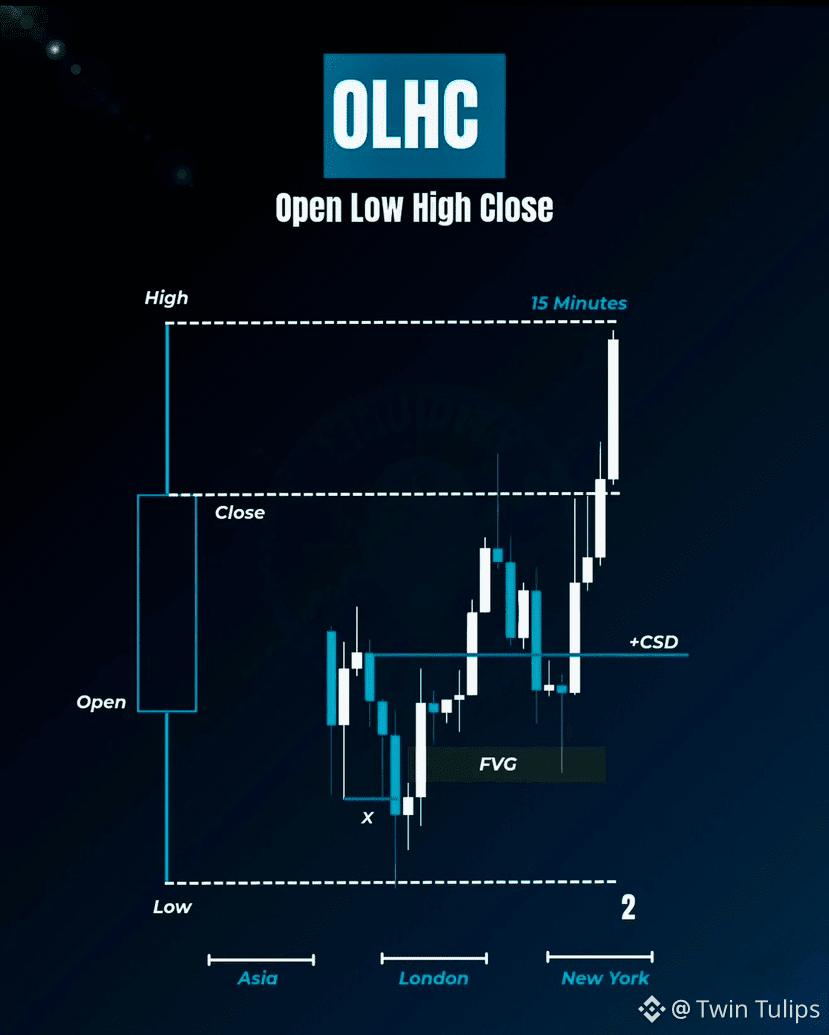
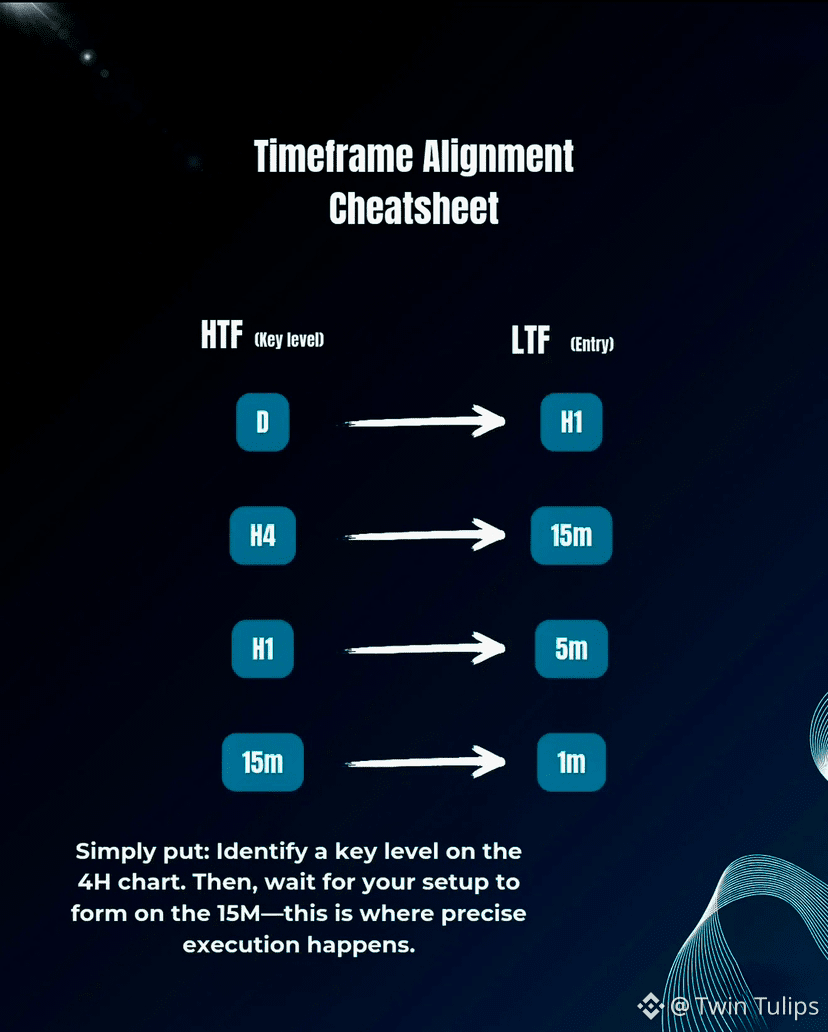
Open, High, Low, Close 💜
The 4 Numbers Behind Every Candle 🕯️
Every candlestick tells a story through four key prices:
🟢 Open — Where the candle starts
🔺 High — The highest price reached
🔻 Low — The lowest price reached
⚪ Close — Where the candle finishes
🎯 Simple Candle Flow:
Open → Price Moves → High/Low → Close
The relationship between the Open and Close helps you understand whether buyers or sellers controlled the candle.
💡 Golden Rule: Don’t read a candle in isolation. Combine OHLC with market structure, liquidity, and context before making a trading decision.
Learn the basics, study historical charts, and backtest your ideas.
#OHLC #CandlestickTrading #PriceAction #TradingEducation
Open, High, Low, Close 💜
The 4 Numbers Behind Every Candle 🕯️
Every candlestick tells a story through four key prices:
🟢 Open — Where the candle starts
🔺 High — The highest price reached
🔻 Low — The lowest price reached
⚪ Close — Where the candle finishes
🎯 Simple Candle Flow:
Open → Price Moves → High/Low → Close
The relationship between the Open and Close helps you understand whether buyers or sellers controlled the candle.
💡 Golden Rule: Don’t read a candle in isolation. Combine OHLC with market structure, liquidity, and context before making a trading decision.
Learn the basics, study historical charts, and backtest your ideas.
#OHLC #CandlestickTrading #PriceAction #TradingEducation
The 4 Numbers Behind Every Candle 🕯️
Every candlestick tells a story through four key prices:
🟢 Open — Where the candle starts
🔺 High — The highest price reached
🔻 Low — The lowest price reached
⚪ Close — Where the candle finishes
🎯 Simple Candle Flow:
Open → Price Moves → High/Low → Close
The relationship between the Open and Close helps you understand whether buyers or sellers controlled the candle.
💡 Golden Rule: Don’t read a candle in isolation. Combine OHLC with market structure, liquidity, and context before making a trading decision.
Learn the basics, study historical charts, and backtest your ideas.
#OHLC #CandlestickTrading #PriceAction #TradingEducation
8
1k
·
--
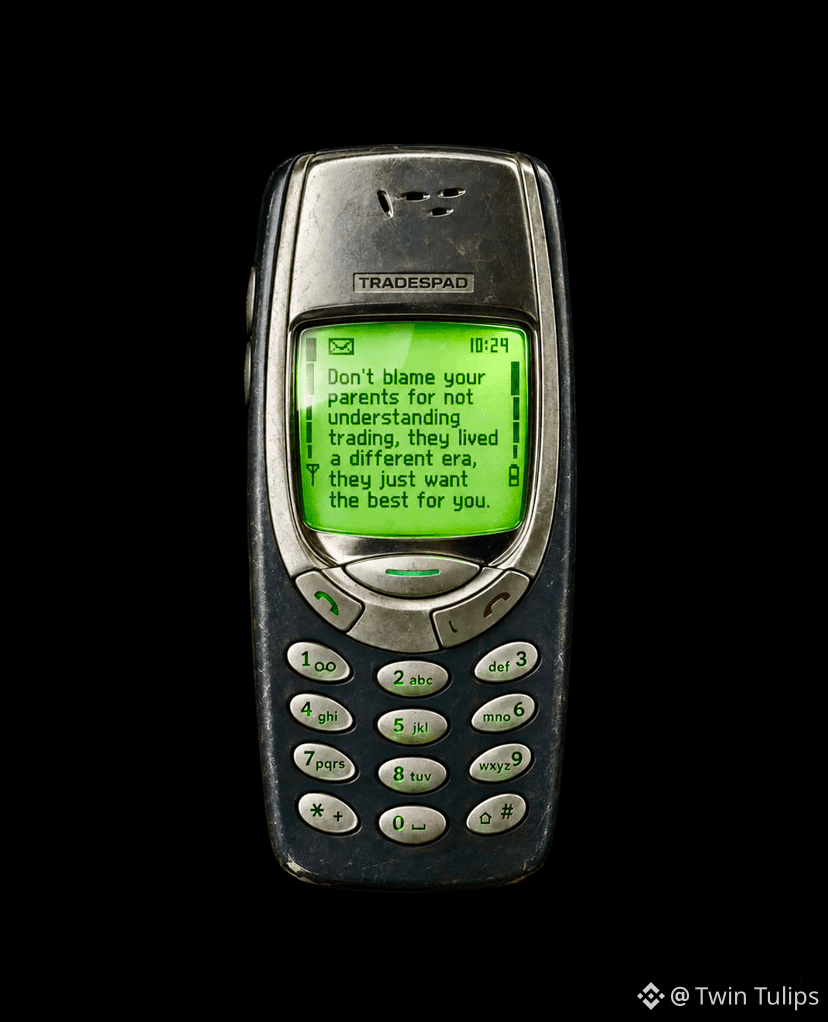
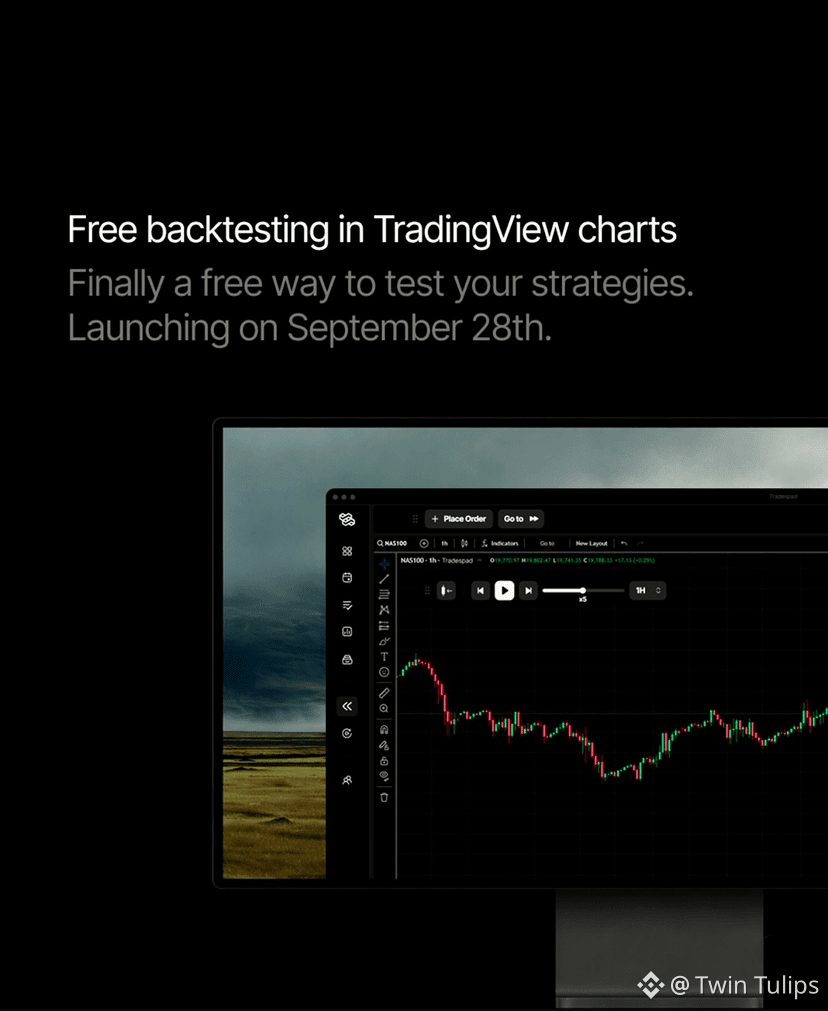
Don’t Blame the Market. 👀
A losing trade doesn’t always mean the market was wrong.
Sometimes the problem is:
• Entering without confirmation
• Ignoring your trading plan
• Taking excessive risk
• Overtrading after a loss
• Moving your Stop Loss
• Trading emotionally
🎯 Better Process:
Plan → Execute → Record → Review → Improve
💡 Golden Rule: You can’t control what the market does. You can control your risk, your decisions, and your execution.
Don’t look for someone or something to blame. Study your trades and improve your process.
#TradingPsychology #TradingDiscipline #TraderMindset #TradeExecution
Don’t Blame the Market. 👀
A losing trade doesn’t always mean the market was wrong.
Sometimes the problem is:
• Entering without confirmation
• Ignoring your trading plan
• Taking excessive risk
• Overtrading after a loss
• Moving your Stop Loss
• Trading emotionally
🎯 Better Process:
Plan → Execute → Record → Review → Improve
💡 Golden Rule: You can’t control what the market does. You can control your risk, your decisions, and your execution.
Don’t look for someone or something to blame. Study your trades and improve your process.
#TradingPsychology #TradingDiscipline #TraderMindset #TradeExecution
A losing trade doesn’t always mean the market was wrong.
Sometimes the problem is:
• Entering without confirmation
• Ignoring your trading plan
• Taking excessive risk
• Overtrading after a loss
• Moving your Stop Loss
• Trading emotionally
🎯 Better Process:
Plan → Execute → Record → Review → Improve
💡 Golden Rule: You can’t control what the market does. You can control your risk, your decisions, and your execution.
Don’t look for someone or something to blame. Study your trades and improve your process.
#TradingPsychology #TradingDiscipline #TraderMindset #TradeExecution
5
3.6k
·
--
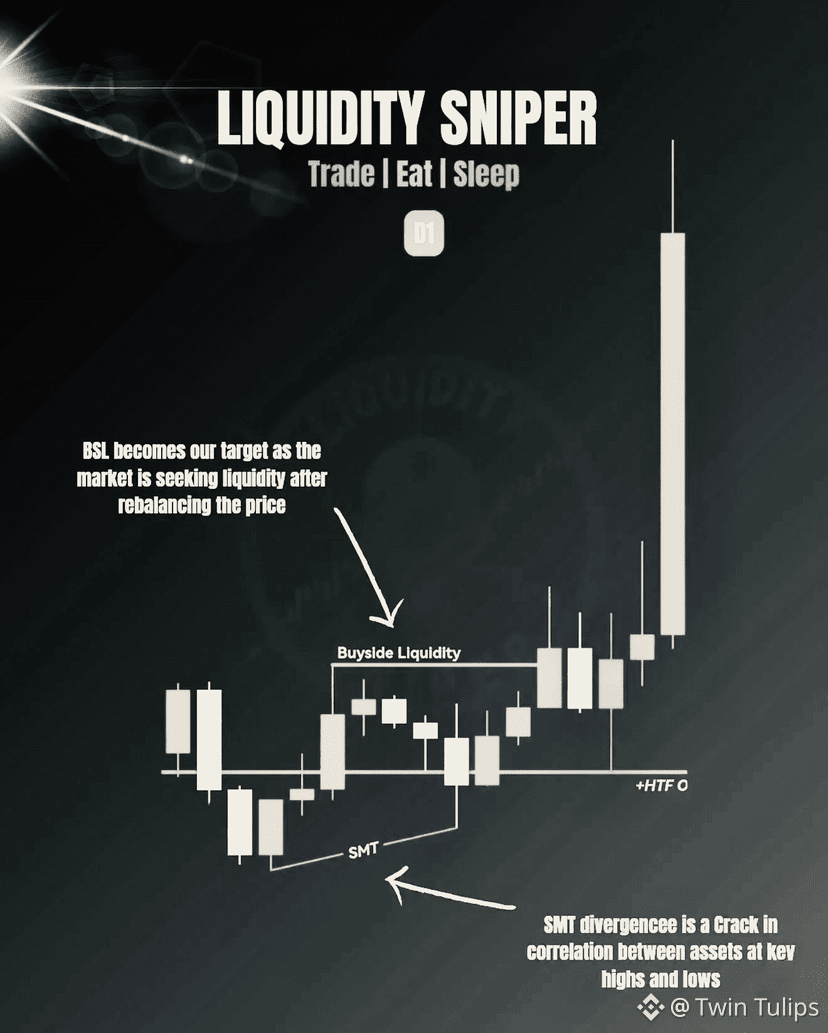
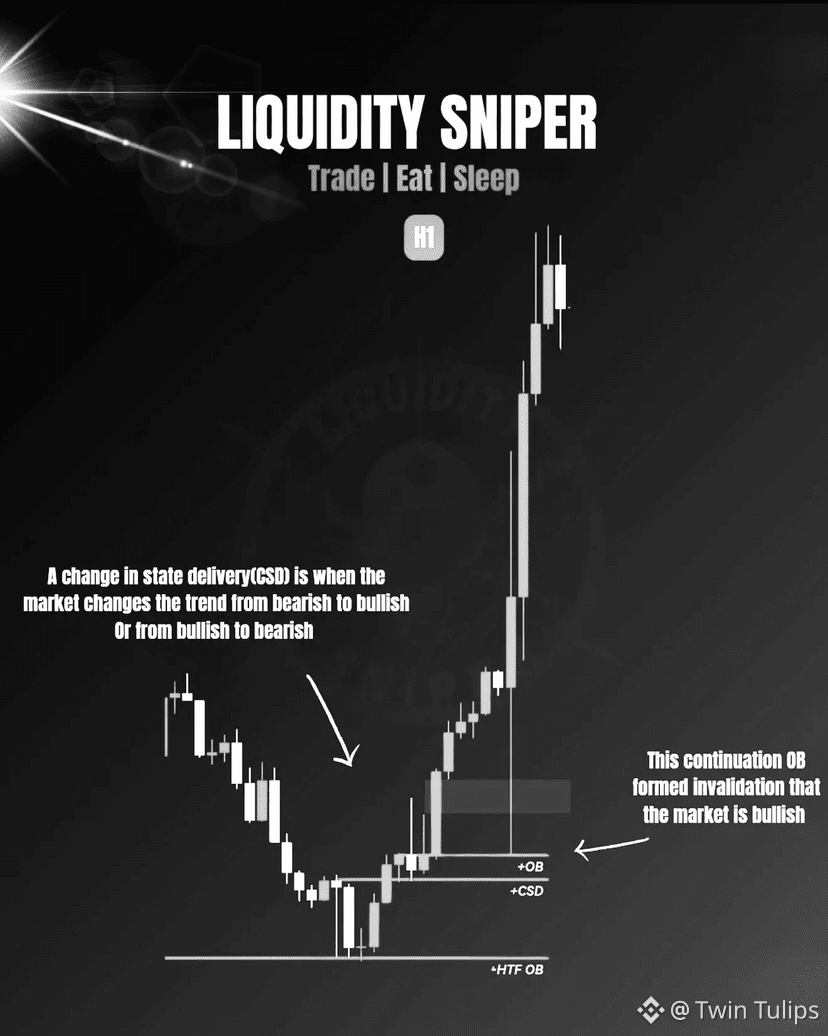
Day Trading Made Easy 👀
Day trading doesn’t have to mean taking dozens of trades every day. The goal is to simplify your process and wait for high-quality setups.
🎯 Simple Day Trading Flow:
HTF Bias → Liquidity → Market Structure → POI → Confirmation → Entry → Risk Management
Keep it simple:
• Know your bias
• Mark key liquidity
• Wait for your setup
• Define risk before entry
• Avoid overtrading
• Review your execution
💡 Golden Rule: You don’t need to trade every move. Sometimes the best trade is the one you wait for.
Backtest your strategy and build a process that fits your own trading style and risk tolerance.
#DayTrading #DayTrader #TradingStrategy #MarketStructure
Day Trading Made Easy 👀
Day trading doesn’t have to mean taking dozens of trades every day. The goal is to simplify your process and wait for high-quality setups.
🎯 Simple Day Trading Flow:
HTF Bias → Liquidity → Market Structure → POI → Confirmation → Entry → Risk Management
Keep it simple:
• Know your bias
• Mark key liquidity
• Wait for your setup
• Define risk before entry
• Avoid overtrading
• Review your execution
💡 Golden Rule: You don’t need to trade every move. Sometimes the best trade is the one you wait for.
Backtest your strategy and build a process that fits your own trading style and risk tolerance.
#DayTrading #DayTrader #TradingStrategy #MarketStructure
Day trading doesn’t have to mean taking dozens of trades every day. The goal is to simplify your process and wait for high-quality setups.
🎯 Simple Day Trading Flow:
HTF Bias → Liquidity → Market Structure → POI → Confirmation → Entry → Risk Management
Keep it simple:
• Know your bias
• Mark key liquidity
• Wait for your setup
• Define risk before entry
• Avoid overtrading
• Review your execution
💡 Golden Rule: You don’t need to trade every move. Sometimes the best trade is the one you wait for.
Backtest your strategy and build a process that fits your own trading style and risk tolerance.
#DayTrading #DayTrader #TradingStrategy #MarketStructure
5
3.9k
·
--
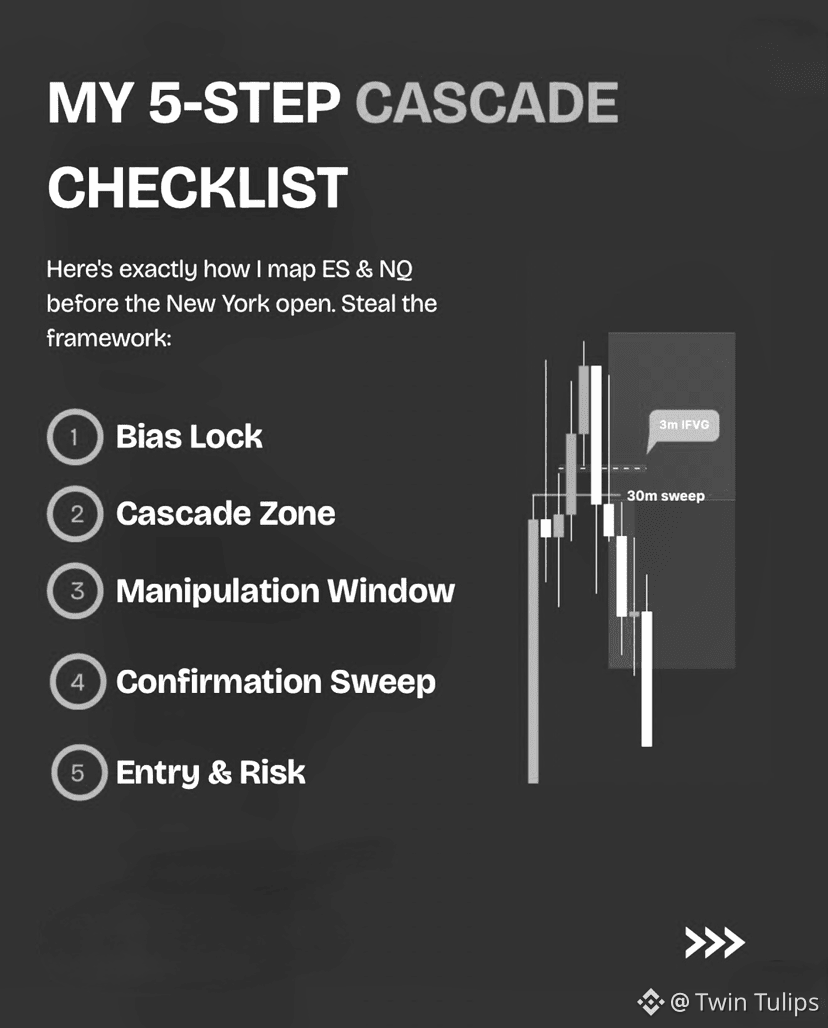
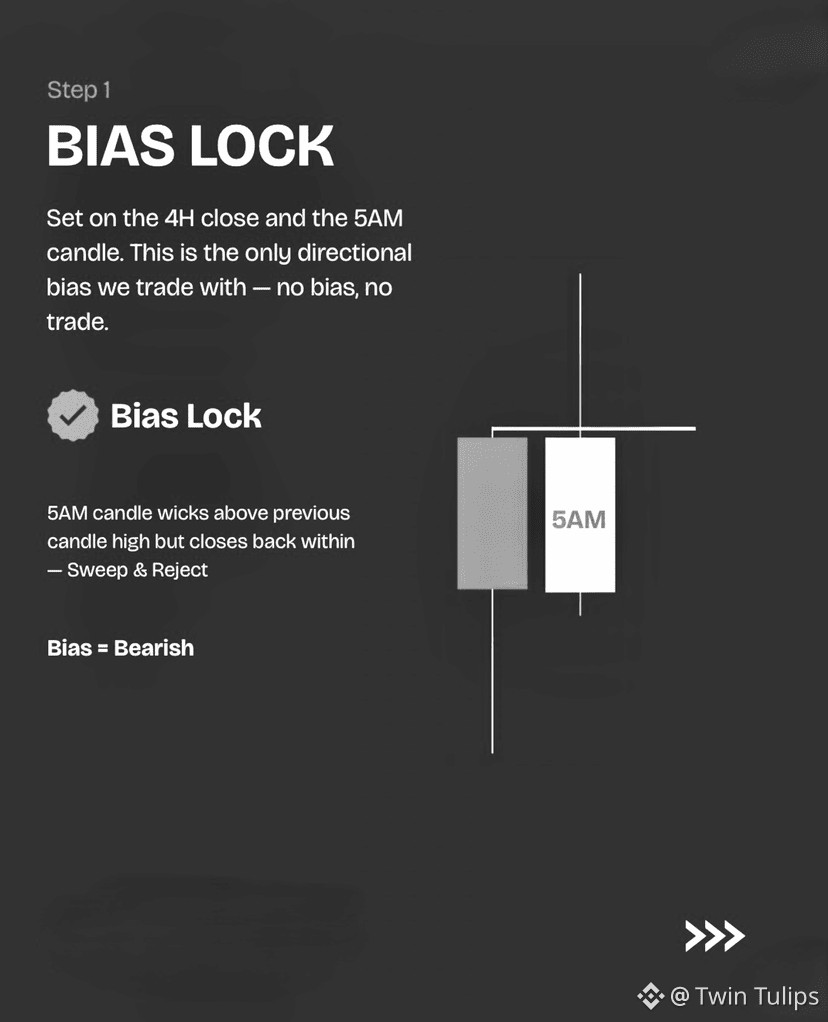
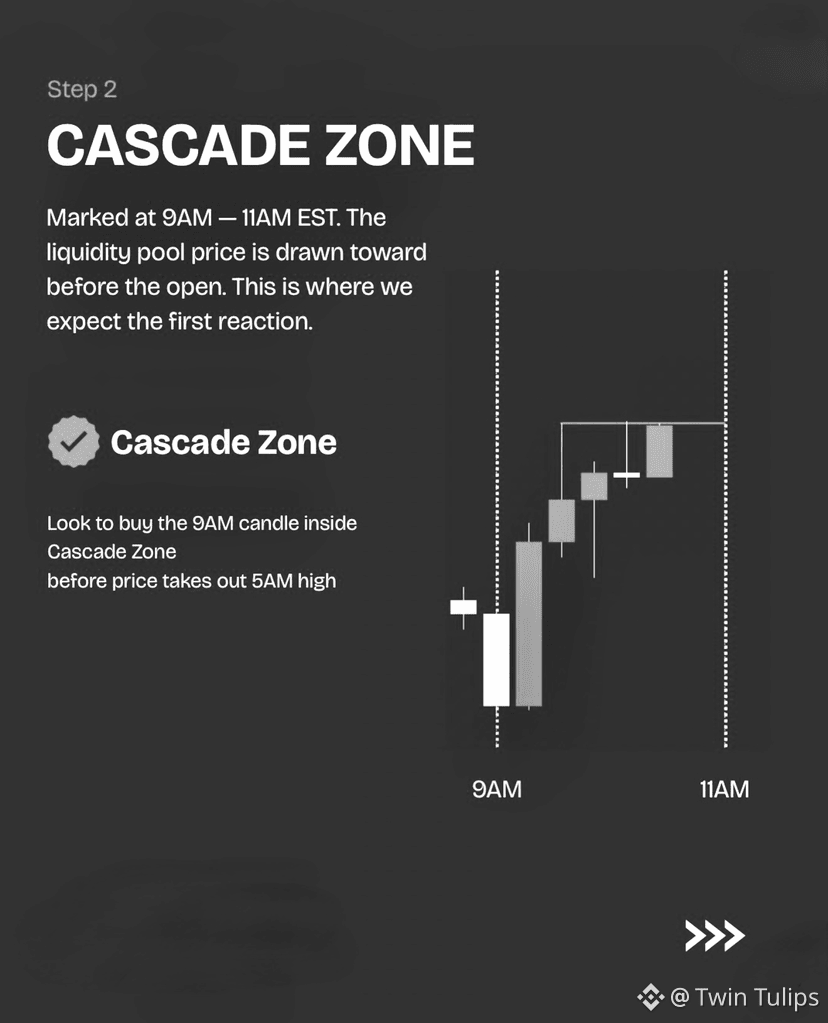
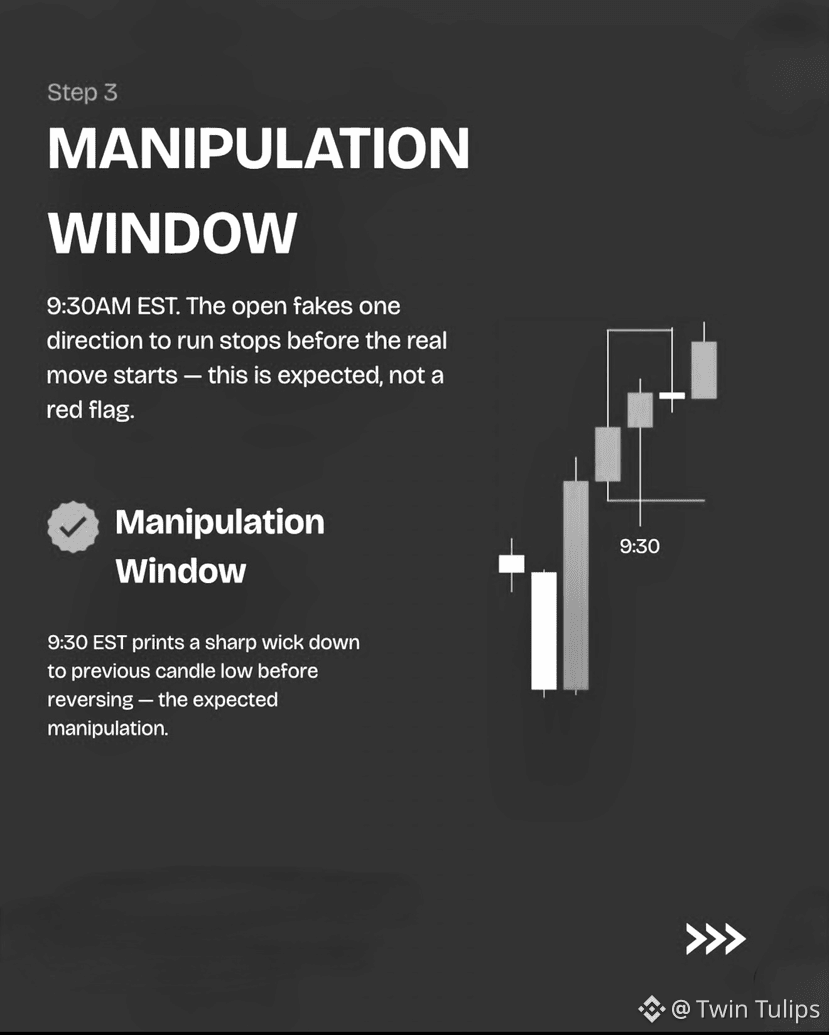
5 Steps to Become a Better Trader 👀
1️⃣ Build One Strategy
Stop jumping between strategies. Pick one setup and understand it deeply.
2️⃣ Backtest It
Collect enough data to understand how your setup performs in different market conditions.
3️⃣ Create Clear Rules
Define your entry, stop loss, target, invalidation, and risk before taking a trade.
4️⃣ Control Your Risk
Protect your capital first. One trade should never have the power to destroy your account.
5️⃣ Master Your Execution
Follow your plan consistently and review your trades to identify mistakes and improve.
💡 Golden Rule: You don’t need to predict every move. You need a repeatable process you can execute with discipline.
#TradingEducation #TradingStrategy #TradingDiscipline #RiskManagement
5 Steps to Become a Better Trader 👀
1️⃣ Build One Strategy
Stop jumping between strategies. Pick one setup and understand it deeply.
2️⃣ Backtest It
Collect enough data to understand how your setup performs in different market conditions.
3️⃣ Create Clear Rules
Define your entry, stop loss, target, invalidation, and risk before taking a trade.
4️⃣ Control Your Risk
Protect your capital first. One trade should never have the power to destroy your account.
5️⃣ Master Your Execution
Follow your plan consistently and review your trades to identify mistakes and improve.
💡 Golden Rule: You don’t need to predict every move. You need a repeatable process you can execute with discipline.
#TradingEducation #TradingStrategy #TradingDiscipline #RiskManagement
1️⃣ Build One Strategy
Stop jumping between strategies. Pick one setup and understand it deeply.
2️⃣ Backtest It
Collect enough data to understand how your setup performs in different market conditions.
3️⃣ Create Clear Rules
Define your entry, stop loss, target, invalidation, and risk before taking a trade.
4️⃣ Control Your Risk
Protect your capital first. One trade should never have the power to destroy your account.
5️⃣ Master Your Execution
Follow your plan consistently and review your trades to identify mistakes and improve.
💡 Golden Rule: You don’t need to predict every move. You need a repeatable process you can execute with discipline.
#TradingEducation #TradingStrategy #TradingDiscipline #RiskManagement
1
1
5
2.9k
·
--
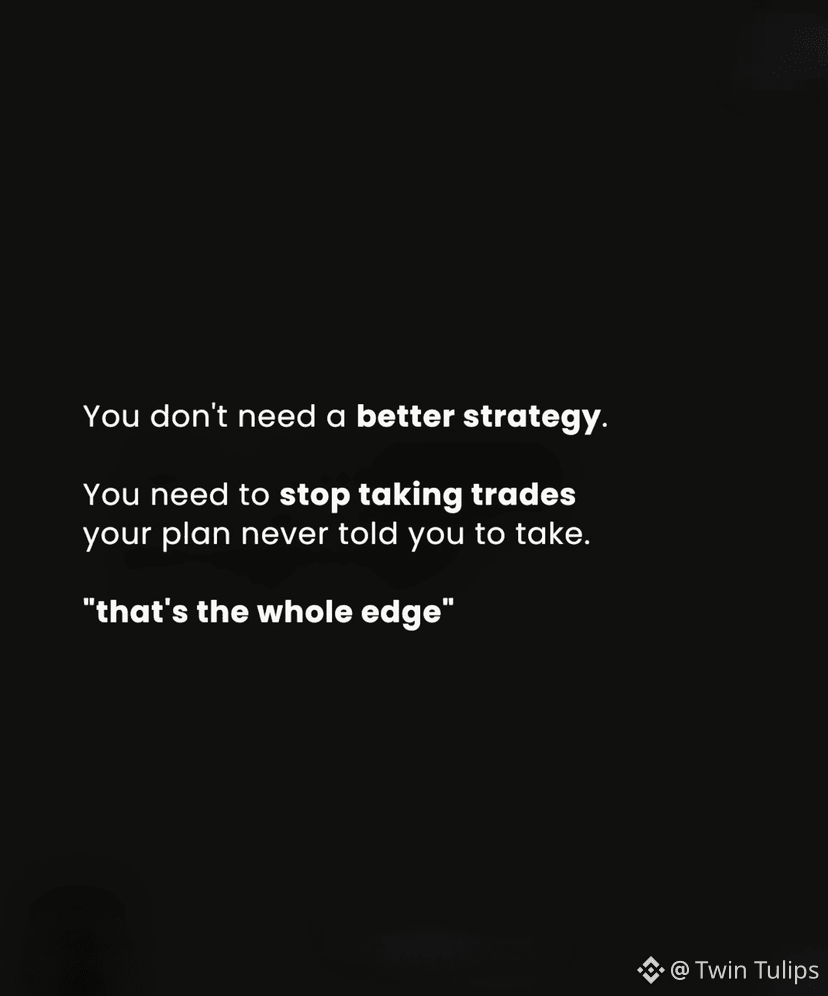
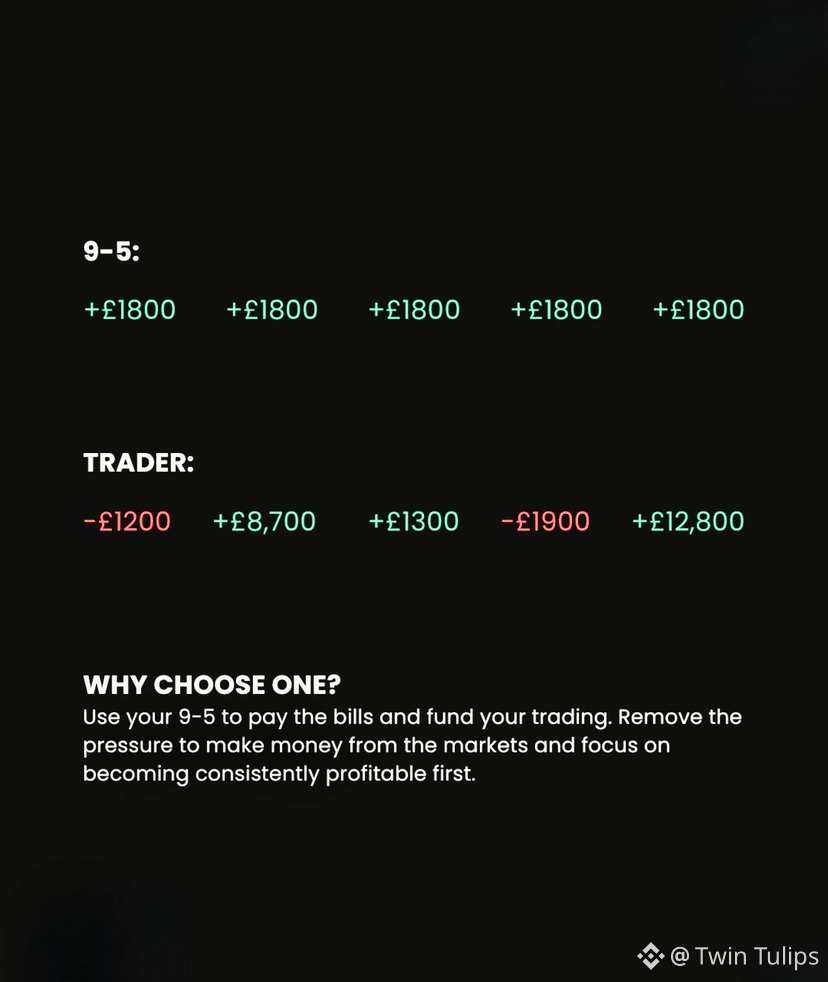
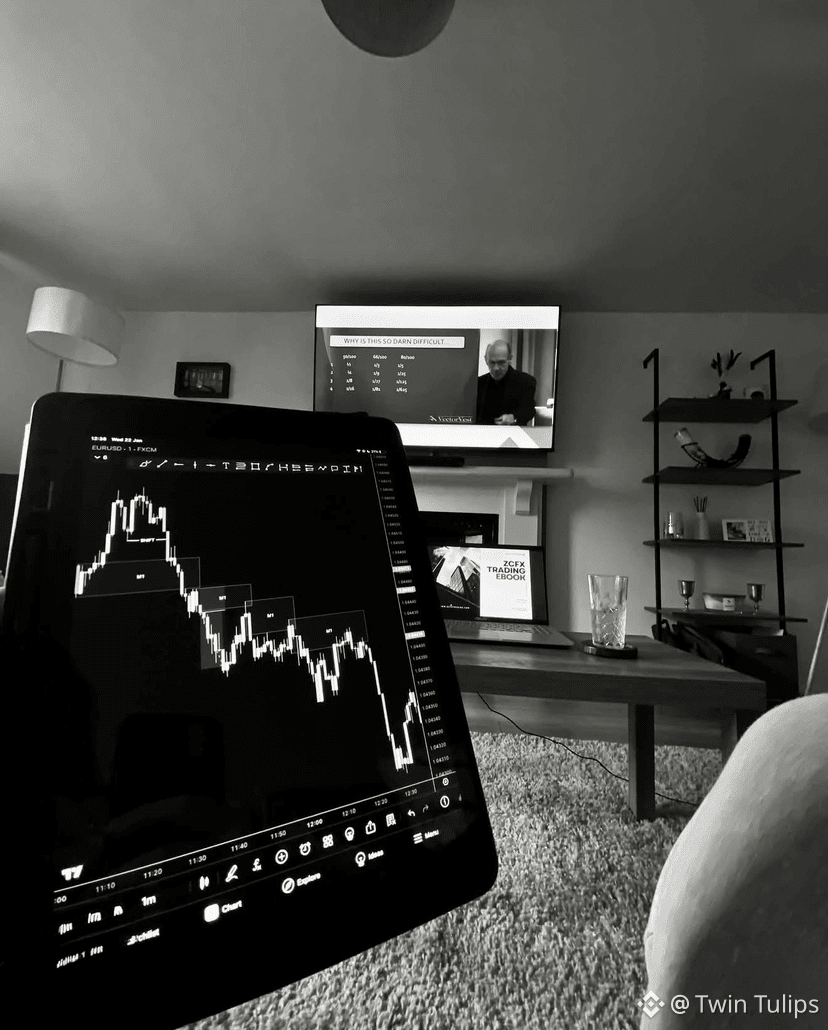
You Don’t Need a Better Strategy.
You Need Better Execution. 🧠
A lot of traders keep searching for a new strategy every time they take a loss.
But the real problem is often not the strategy it’s inconsistent execution, overtrading, poor risk management, and breaking your own rules.
Focus On:
Strategy → Backtest → Rules → Risk Management → Discipline → Consistent Execution
A simple strategy followed consistently can be more useful than a perfect strategy you keep changing.
💡 Golden Rule: Stop switching strategies. Master one setup, understand its statistics, and improve your execution.
Backtest your system and let the data show you what actually needs improvement.
#TradingPsychology #TradingDiscipline
You Don’t Need a Better Strategy.
You Need Better Execution. 🧠
A lot of traders keep searching for a new strategy every time they take a loss.
But the real problem is often not the strategy it’s inconsistent execution, overtrading, poor risk management, and breaking your own rules.
Focus On:
Strategy → Backtest → Rules → Risk Management → Discipline → Consistent Execution
A simple strategy followed consistently can be more useful than a perfect strategy you keep changing.
💡 Golden Rule: Stop switching strategies. Master one setup, understand its statistics, and improve your execution.
Backtest your system and let the data show you what actually needs improvement.
#TradingPsychology #TradingDiscipline
You Need Better Execution. 🧠
A lot of traders keep searching for a new strategy every time they take a loss.
But the real problem is often not the strategy it’s inconsistent execution, overtrading, poor risk management, and breaking your own rules.
Focus On:
Strategy → Backtest → Rules → Risk Management → Discipline → Consistent Execution
A simple strategy followed consistently can be more useful than a perfect strategy you keep changing.
💡 Golden Rule: Stop switching strategies. Master one setup, understand its statistics, and improve your execution.
Backtest your system and let the data show you what actually needs improvement.
#TradingPsychology #TradingDiscipline
1
6
1.4k
·
--
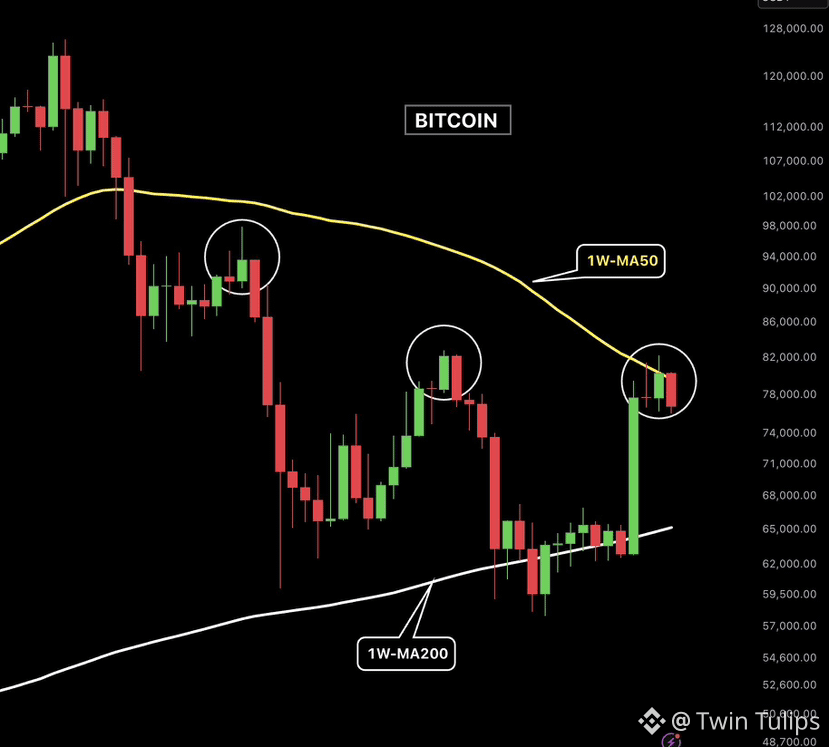
This is not looking good boys.
Bitcoin got rejected from the 50W MA. We need to close the weekly candle back above it to confirm $57K was the bottom and the real bull market has started.
What's concerning is that the last two times Bitcoin got rejected here, a major crash followed.
If $BTC closes below the 50W MA, $75,500 is the next support. If that breaks, the next major level to watch is the 200W MA, currently around $65K.
This is not looking good boys.
Bitcoin got rejected from the 50W MA. We need to close the weekly candle back above it to confirm $57K was the bottom and the real bull market has started.
What's concerning is that the last two times Bitcoin got rejected here, a major crash followed.
If $BTC closes below the 50W MA, $75,500 is the next support. If that breaks, the next major level to watch is the 200W MA, currently around $65K.
Bitcoin got rejected from the 50W MA. We need to close the weekly candle back above it to confirm $57K was the bottom and the real bull market has started.
What's concerning is that the last two times Bitcoin got rejected here, a major crash followed.
If $BTC closes below the 50W MA, $75,500 is the next support. If that breaks, the next major level to watch is the 200W MA, currently around $65K.
2
1
5
1.1k
Connectez-vous pour découvrir plus de contenu
Rejoignez la communauté mondiale des adeptes de cryptomonnaies sur Binance Square
⚡️ Suviez les dernières informations importantes sur les cryptomonnaies.
💬 Jugé digne de confiance par la plus grande plateforme d’échange de cryptomonnaies au monde.
👍 Découvrez les connaissances que partagent les créateurs vérifiés.
Adresse e-mail/Nº de téléphone
Sujets d’actualité
ZcashETFPostsFirstWeeklyOutflow$93.6M
29,664 vues
86 mentions
#ZcashETFPostsFirstWeeklyOutflow$93.6M
🚨🚨🚨🚨🚨🚨🚨🚨🚨🚨🚨🚨🚨🚨✅ 🚨 ZCASH ETF FLOWS TURN NEGATIVE FOR THE FIRST TIME! 📉
$ZEC is facing a notable shift in institutional fund flows, with Zcash investment products recording their first weekly net outflow since launching in August.
According to fund-flow data, around $93.6M was withdrawn from Zcash products during the latest week, while ZEC price action also cooled significantly.
📊 WHAT HAPPENED?
• Weekly Zcash ETF outflow: $93.6M
• September 30 daily outflow: $30.25M
• ZCSH previously attracted around $98.2M in one week
• ZEC is trading near $1,300
• Recent high: around $1,690
• Weekly decline: roughly 17%+
🔍 LEVELS TO WATCH
🟢 Support: $1,280–$1,300
🔴 Resistance: $1,450–$1,500
The key question now is whether the $1,300 area can hold and attract fresh buyers.
Institutional flows will also be important. A return of consistent positive inflows could signal renewed confidence, while continued outflows may keep pressure on $ZEC .
👀 Is this simply profit-taking after ZEC’s huge rally, or could we see another deeper pullback before buyers return?
Share your view below. 👇
#Zcash #ZEC #ZcashETF #Crypto
#analysis
owhggwiohsjowve
·0 mentions J’aime
·127 vues
GreekPoliceBustCryptoScamRingArrest17
51,061 vues
519 mentions
BitcoinRejectedAt$87K
110,689 vues
144 mentions