

Crypto_Guide
122 Publications

Crypto_Guide
Signaler
Bloquer l’utilisateur
AI & Crypto researcher | X (Twitter): @ SherazAsif7 | Exploring decentralized tech, narratives, and Web3 innovation
Trade fréquemment
5.7 an(s)
215 Suivis
146 Abonnés
68 J’aime
Publications
Tous
Citations
·
--
·
--
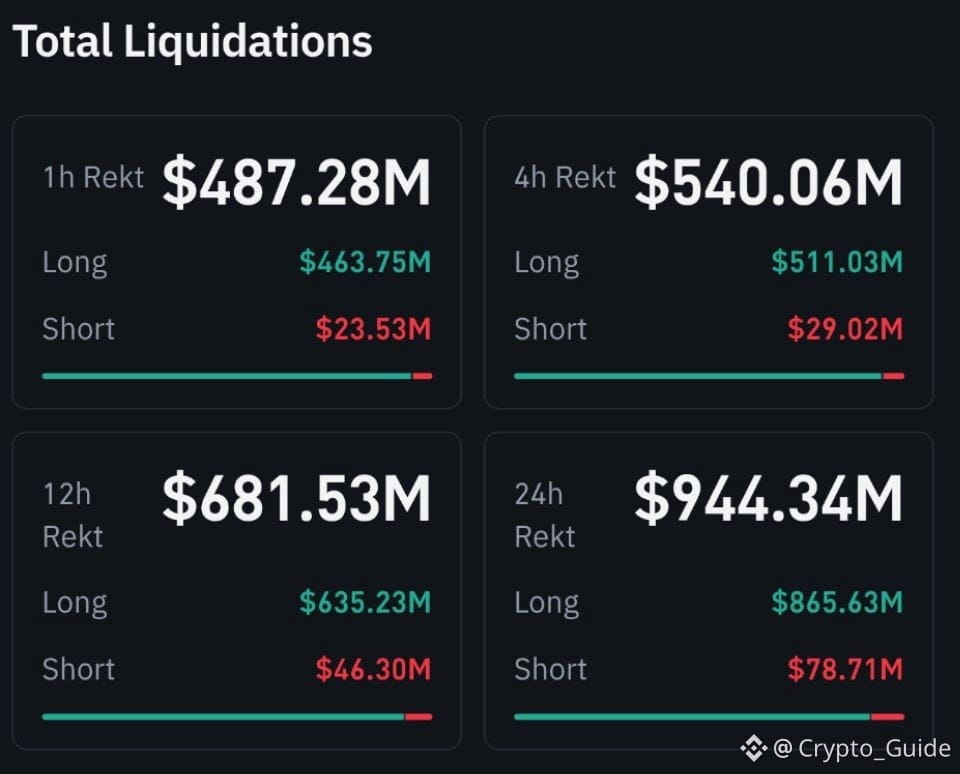
Longs are getting annihilated.
Almost another $1B in liquidations in just 24 hours.
We knew the CPI print was going to cause problems, but this feels like something else is going on.
Leverage is not your friend right now.
Be smart.
$BTC $ETH $SOL
#cpi #BTC #Liquidations
Longs are getting annihilated.
Almost another $1B in liquidations in just 24 hours.
We knew the CPI print was going to cause problems, but this feels like something else is going on.
Leverage is not your friend right now.
Be smart.
$BTC $ETH $SOL
#cpi #BTC #Liquidations
Almost another $1B in liquidations in just 24 hours.
We knew the CPI print was going to cause problems, but this feels like something else is going on.
Leverage is not your friend right now.
Be smart.
$BTC $ETH $SOL
#cpi #BTC #Liquidations
144
·
--
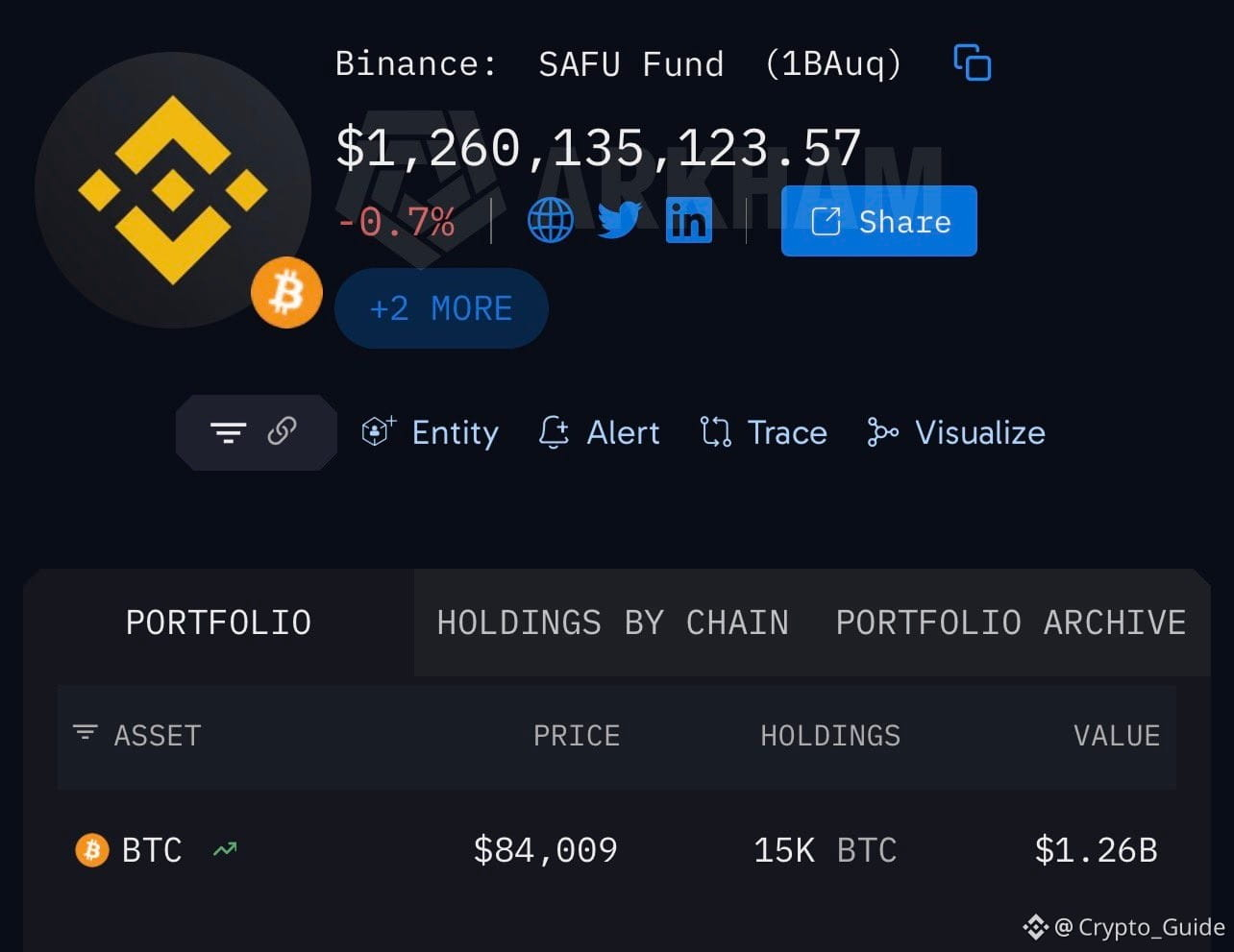
🔶 Binance created the #SAFU Fund back in 2018.
Today, it holds 15,000 $BTC — worth around $1.26B
No one wants to see this fund being used.
But in crypto, you always have to be prepared for the worst.
Hope we never need it.
But good to know it’s there.
@CZ
🔶 Binance created the #SAFU Fund back in 2018.
Today, it holds 15,000 $BTC — worth around $1.26B
No one wants to see this fund being used.
But in crypto, you always have to be prepared for the worst.
Hope we never need it.
But good to know it’s there.
@CZ
Today, it holds 15,000 $BTC — worth around $1.26B
No one wants to see this fund being used.
But in crypto, you always have to be prepared for the worst.
Hope we never need it.
But good to know it’s there.
@CZ
84
·
--
Trending memecoins on Base in the last 24 hours
Which one's your favorite pick? 👇
🟦 $Basecat
🟦 $DRB
🟦 $BRETT
🟦 $KEYCAT
🟦 $jesse
🟦 $toby
🟦 $MIGGLES
🟦 $doginme
🟦 $RUSSELL
🟦 $DEGEN
Trending memecoins on Base in the last 24 hours
Which one's your favorite pick? 👇
🟦 $Basecat
🟦 $DRB
🟦 $BRETT
🟦 $KEYCAT
🟦 $jesse
🟦 $toby
🟦 $MIGGLES
🟦 $doginme
🟦 $RUSSELL
🟦 $DEGEN
Which one's your favorite pick? 👇
🟦 $Basecat
🟦 $DRB
🟦 $BRETT
🟦 $KEYCAT
🟦 $jesse
🟦 $toby
🟦 $MIGGLES
🟦 $doginme
🟦 $RUSSELL
🟦 $DEGEN
198
·
--
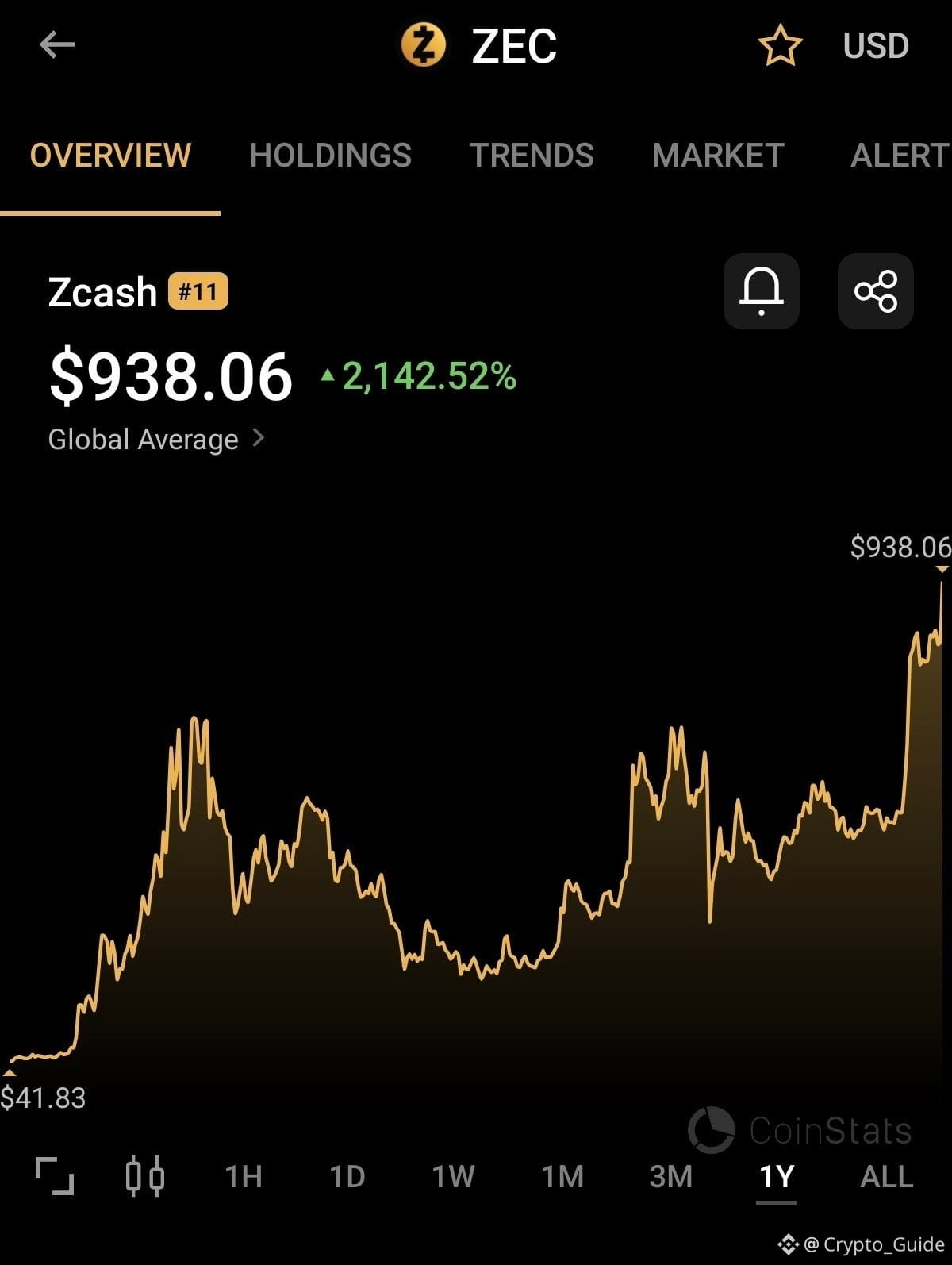
👀 FUN FACT: $ZEC JUST HIT AN 8-YEAR HIGH!
While everyone was glued to Bitcoin, Zcash ($ZEC) quietly made a massive comeback. 🚀
The coin many of us remember from 2021 is suddenly back in the spotlight — now sitting among the Top 15 crypto assets by market cap. 🔥
From forgotten altcoin to major market mover… $ZEC is definitely demanding attention.
Are you watching $ZEC , or is Bitcoin still stealing the show? 👀
#ZEC #zcash #crypto #bitcoin #altcoins
👀 FUN FACT: $ZEC JUST HIT AN 8-YEAR HIGH!
While everyone was glued to Bitcoin, Zcash ($ZEC ) quietly made a massive comeback. 🚀
The coin many of us remember from 2021 is suddenly back in the spotlight — now sitting among the Top 15 crypto assets by market cap. 🔥
From forgotten altcoin to major market mover… $ZEC is definitely demanding attention.
Are you watching $ZEC , or is Bitcoin still stealing the show? 👀
#ZEC #zcash #crypto #bitcoin #altcoins
164
·
--
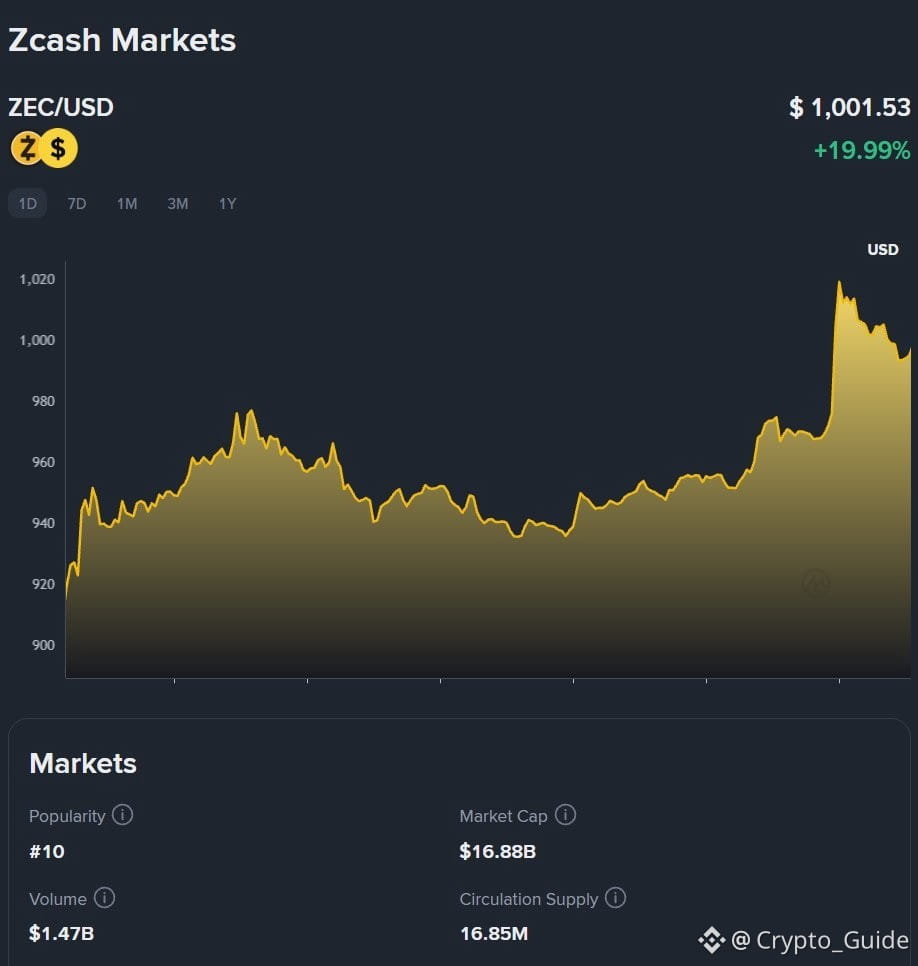
🚨 $ZEC Explodes 20% — Enters Crypto Top 10!
Zcash is making serious moves. 📈
According to Binance market data, $ZEC surged nearly 20% in the past 24 hours, briefly touching $1,023 and pushing its market cap to around $16.96B — enough to enter the Top 10 crypto assets by market cap.
The bigger picture is even crazier:
🔥 +94% in 30 days
🚀 +2,300% in the past year
💰 ~$2.3B in ZEC futures open interest
⚠️ ~$36.6M in leveraged positions liquidated in 24h
🔴 Shorts accounted for ~$34.5M of those liquidations
That massive short liquidation figure shows just how painful this move has been for bears.
Is ZEC entering a new phase of price discovery, or is this rally getting overheated? 👀
#zec #zcash #crypto #Binance #altcoins
89
·
--
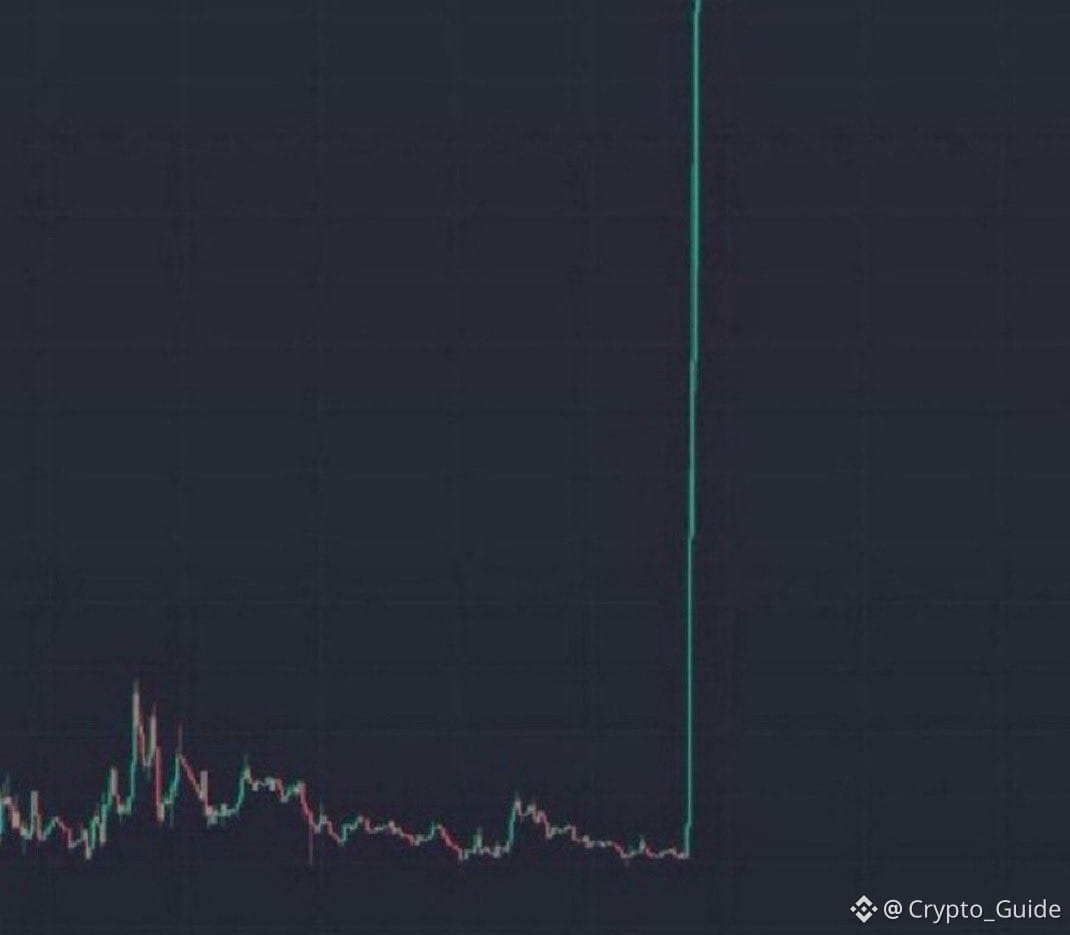
A BIG PUMP IS COMING
GET READY 🚀
$BTC $ETH $SOL
A BIG PUMP IS COMING
GET READY 🚀
$BTC $ETH $SOL
GET READY 🚀
$BTC $ETH $SOL
126
·
--
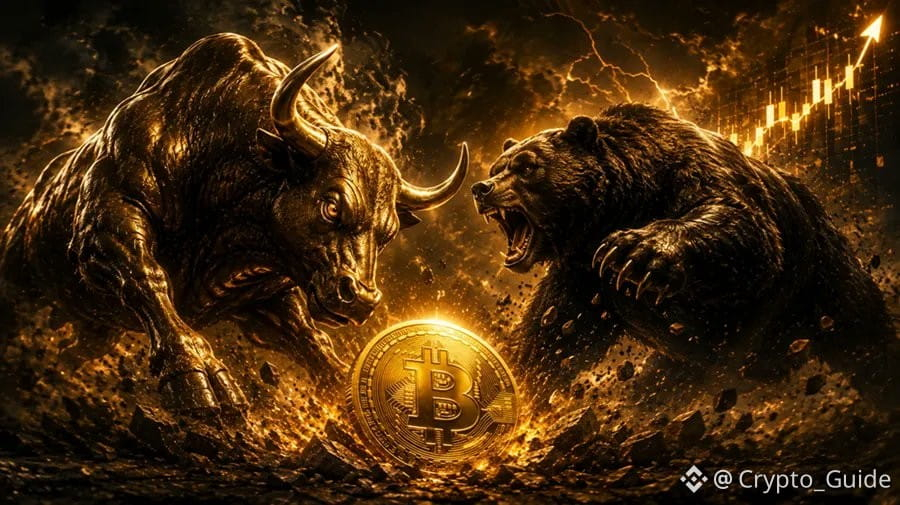
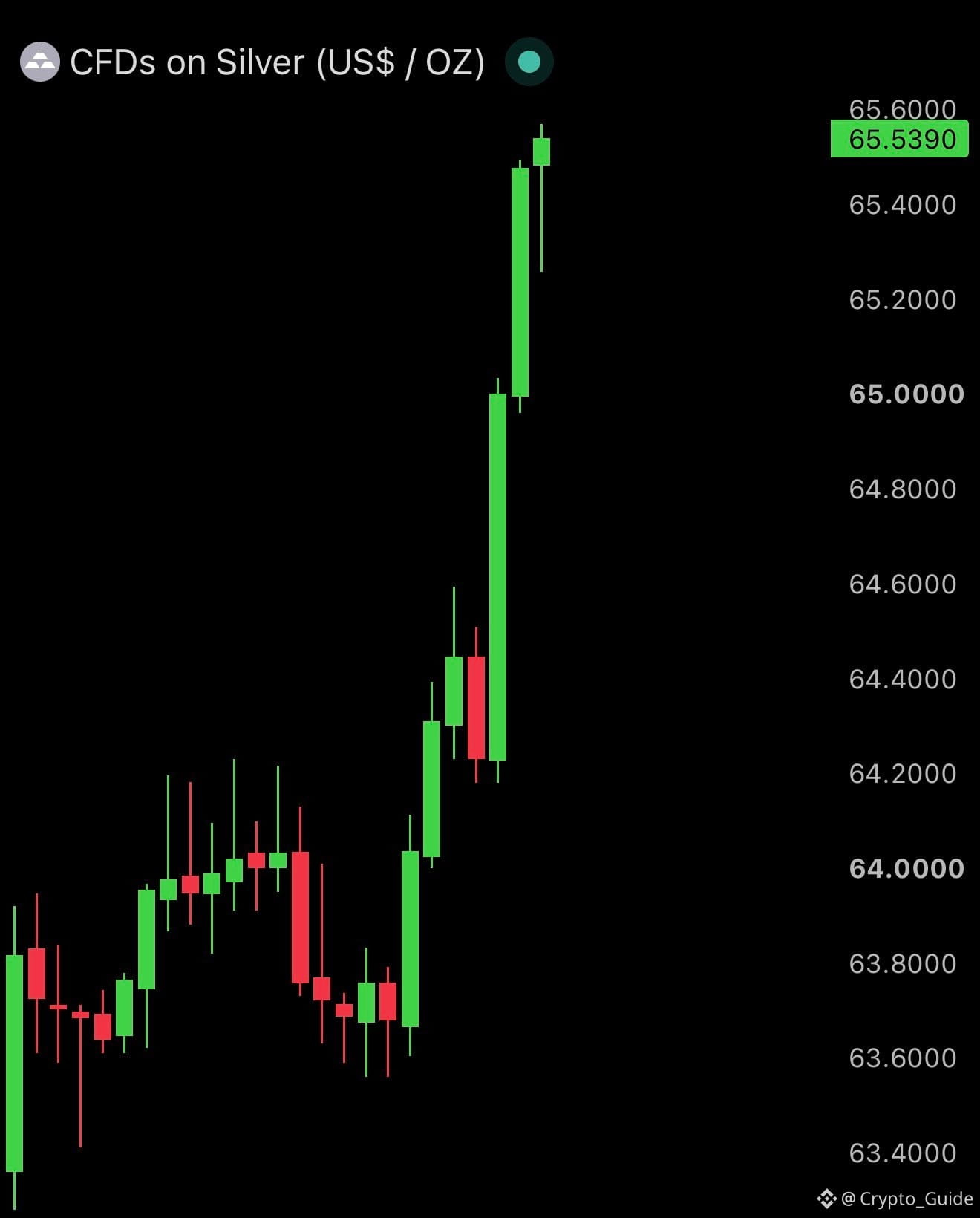
🚨 BITCOIN +40%… ARE THE BEARS FINALLY DONE? 🐂
Bitcoin has staged a ~40% rebound from its late-June low.
Now the big question is:
Are we watching the start of a new bull market… or just another bear-market rally? 👀
There are arguments on both sides:
🟢 Bullish case • $BTC has reclaimed its 200-day moving average • Positioning remains relatively light
• Heavy short interest could fuel further upside through short squeezes
🔴 Bearish case • Macro liquidity still needs to improve • U.S. fiscal policy remains a major risk • Treasury yields could keep pressure on risk assets
Interestingly, both sides agree that under-positioning + short covering + changing views on U.S. fiscal credibility helped power this rally.
And there’s another wildcard: 👇
💰 Could capital start rotating from crowded AI trades into Bitcoin and crypto?
The next move may depend less on Bitcoin itself—and more on liquidity, Treasury markets and macro policy.
🔥 Bull market loading… or bull trap?
What’s your call?
🐂 Bull market | 🐻 Bear-market rally
#bitcoin #BTC #crypto #Binance #BinanceSquare
42
·
--
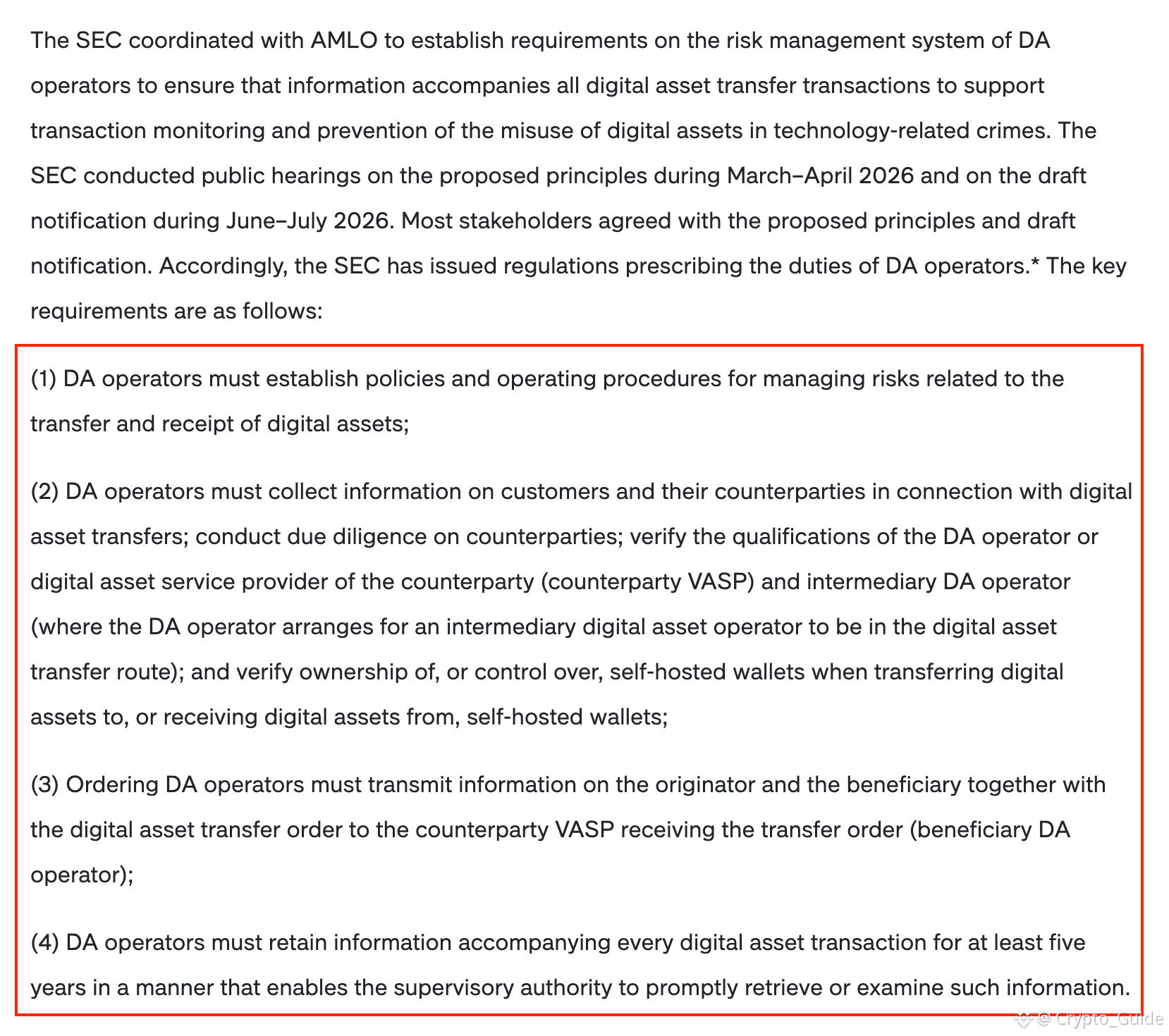
🇹🇭 Thailand Tightens Crypto Rules 🚨
Thailand’s SEC has introduced new Crypto Travel Rule requirements, requiring digital asset operators to collect customer and counterparty information, conduct due diligence, and verify ownership or control of self-custodial wallets involved in transfers.
📅 The rules will take effect on February 27, 2027.
Operators must also retain transaction records for at least 5 years and provide them for regulatory review.
The SEC says the measures aim to reduce risks related to money laundering, terrorist financing, and technology-related crimes.
$BTC $ETH $BNB
#crypto #bitcoin #Binance

77
·
--
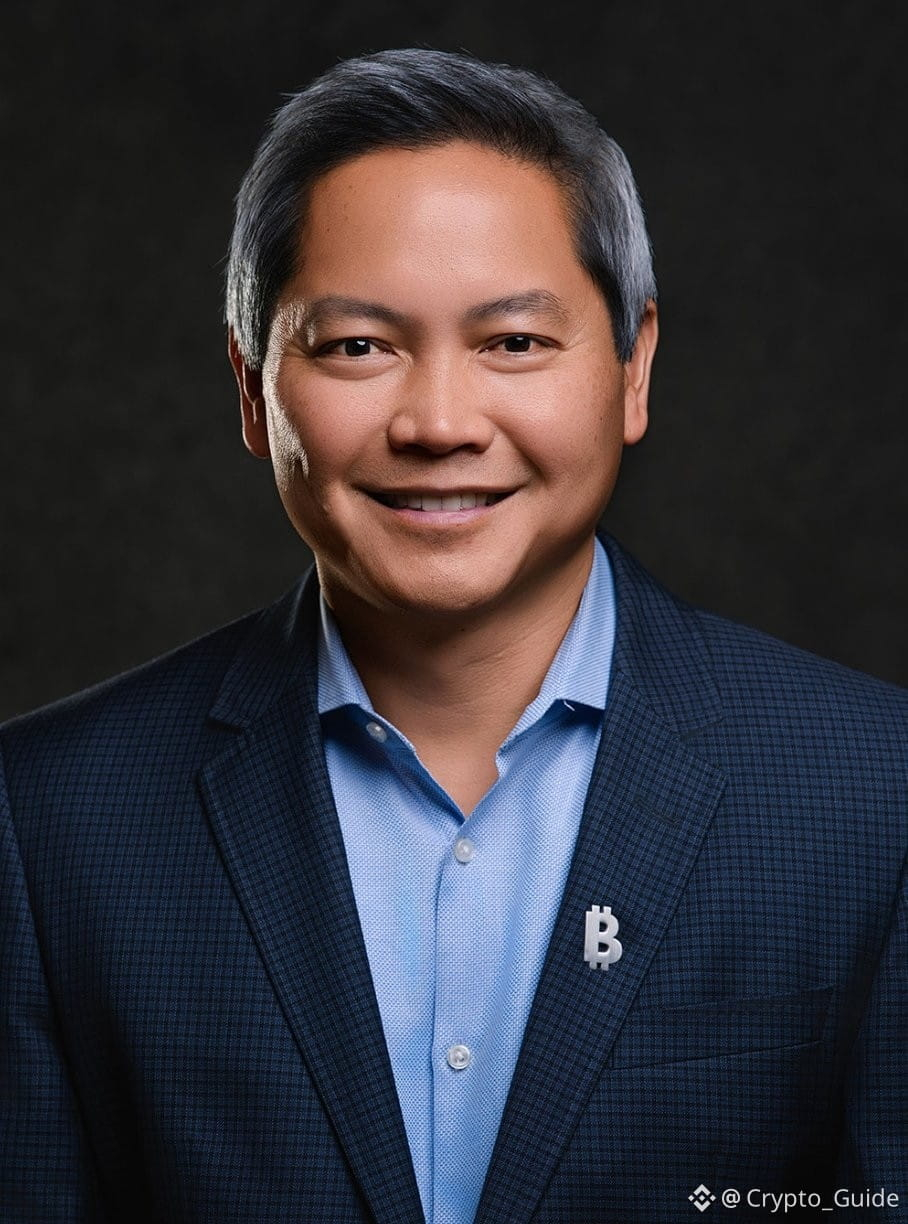
🚨 STRATEGY: Selling $BTC at $60K & Buying at $80K Were BOTH the Right Moves?
Strategy CEO Phong Le says Bitcoin’s price isn’t the main factor behind the company’s decisions — the cost of capital is. 💰
Strategy sold around 7,000 BTC at $60K–$65K to help fund preferred dividends, then resumed buying around $80K.
Here’s the bigger picture 👀
Over the past two months, Strategy has reduced its roughly $7B net debt to ZERO and built about $7B in USD reserves, strengthening its balance sheet.
Le says Strategy could keep buying Bitcoin at $90K, $100K — or even $130K if the economics remain attractive. 🟠
The message is simple: Price isn’t everything. Economics matter.
#Bitcoin #BTC #Strategy #crypto
57
·
--
🚨 ARK Invest & Glassnode Reveal Surprising Decentralization Data
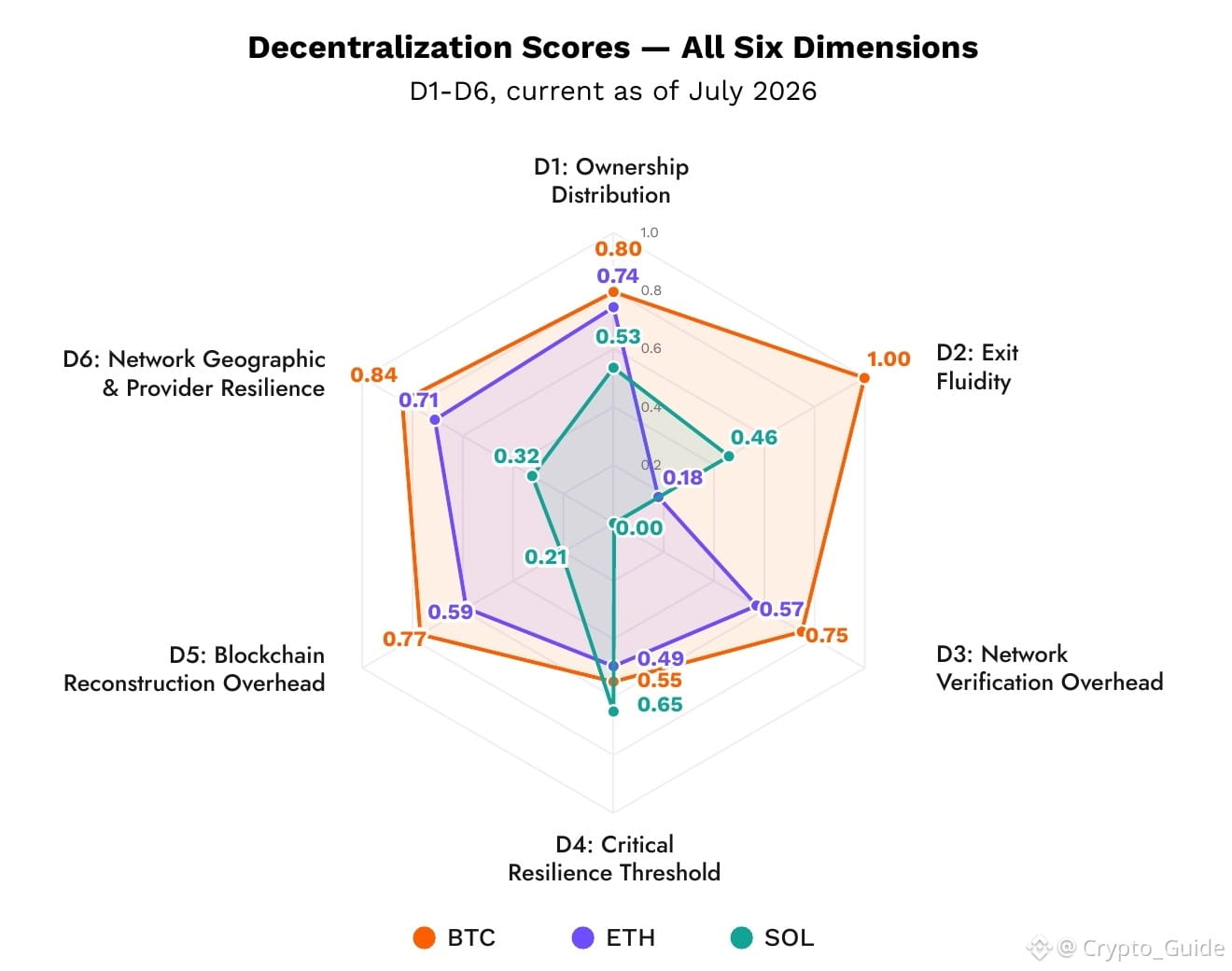
A joint report by ARK Invest and Glassnode found that Bitcoin and Ethereum each require just 3 entities to reach key control thresholds affecting block production, while Solana requires 19.
However, this does NOT mean that 3 entities can directly control BTC or ETH. Mining pools, staking delegation, and network structures make the picture more complex.
Infrastructure also differs:
🟠 Bitcoin: ~63% of nodes operate through Tor, with the most balanced geographic distribution.
🟣 Ethereum: ~20% of nodes are hosted on AWS, showing higher cloud dependence.
🟢 Solana: Infrastructure is largely operated in data centers.
The real question: Which network is actually the most decentralized?
$BTC $ETH or $SOL ? 👇
#bitcoin #Ethereum #solana #crypto #blockchain
106
·
--
🚨 TradeXYZ Is EXPLODING! 🔥
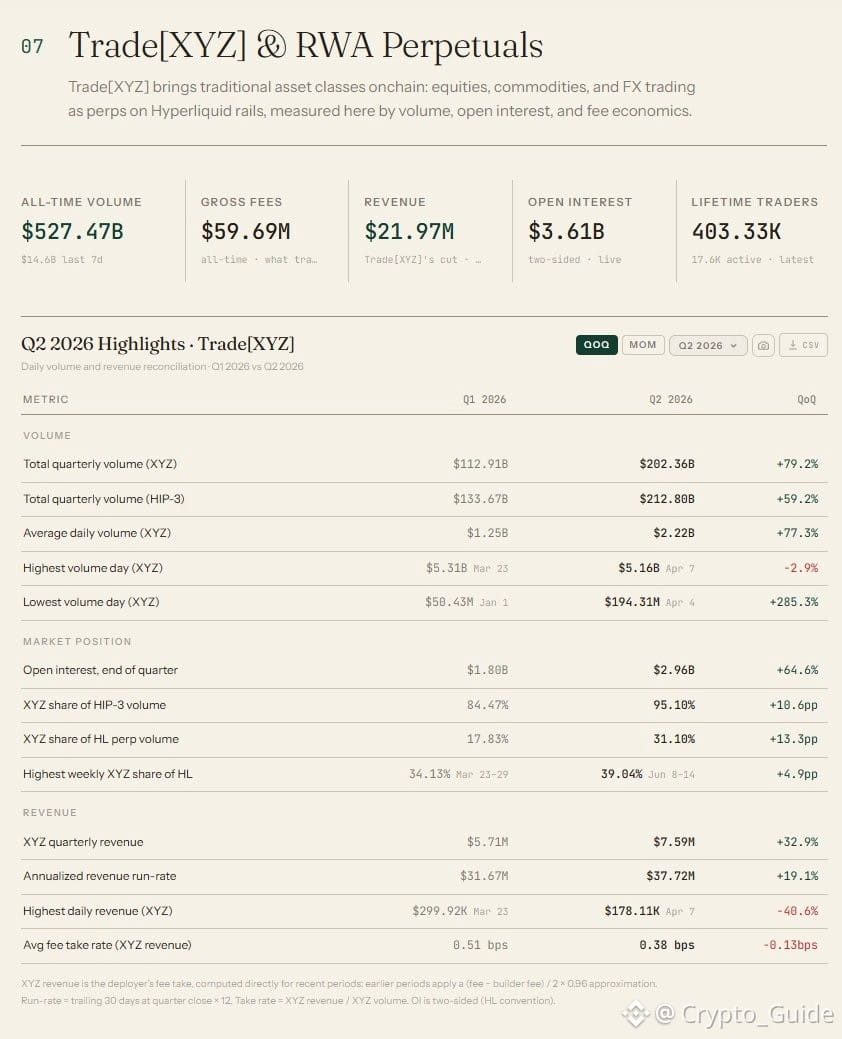
Q2 2026 numbers are impressive:
📈 Trading volume: $202.36B (+79.2% QoQ)
⚡ HIP-3 market share: 95.1%
🚀 Equity Perpetuals: $58.9B (+377% QoQ)
While several competitors shut down, TradeXYZ continued gaining market share.
377% growth in equity perps is the number to watch. 👀
Is TradeXYZ becoming the dominant player in the perpetuals market?
$HYPE $BTC $SOL
#Crypto #DEFİ #trading #Hyperliquid
38
Connectez-vous pour découvrir plus de contenu
Rejoignez la communauté mondiale des adeptes de cryptomonnaies sur Binance Square
⚡️ Suviez les dernières informations importantes sur les cryptomonnaies.
💬 Jugé digne de confiance par la plus grande plateforme d’échange de cryptomonnaies au monde.
👍 Découvrez les connaissances que partagent les créateurs vérifiés.
Adresse e-mail/Nº de téléphone