

#hackeralert
hackeralert
1.8M vues
1,155 mentions
Populaire
Récents

Article
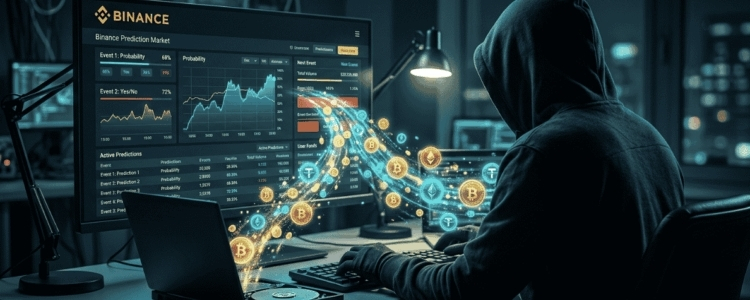
Hackers roban 400.000 USDT de un mercado de predicciones vinculado a BinancePredict.fun prometió reembolsos a las víctimas, pero todavía no ha explicado el mecanismo del ataque.
El caso pone bajo escrutinio la seguridad de una plataforma respaldada por el ecosistema de inversión vinculado a Binance
Los fondos salieron de las wallets de los usuarios mediante transferencias no autorizadas.
Los reportes independientes estiman que entre 19 y 29 wallets resultaron afectadas.
Hackers robaron cientos de miles de USDT de las wallets de usuarios del mercado de predicciones Predict.fun, integrado en Binance Wallet. El equipo de la plataforma confirmó las transferencias no autorizadas el 27 de octubre de 2026 y prometió reembolsar todas las pérdidas directas derivadas del incidente.
La investigación preliminar apunta a una posible vulneración del sitio de documentación de la API, alojado por un proveedor externo. Como medida preventiva, Predict.fun desconectó esa página y la mantendrá fuera de servicio hasta que concluya la investigación.
Un análisis de la firma Bitquery identificó 29 wallets afectadas y un total de 397.708 USDT sustraídos en dos oleadas, los días 22 y 27 de octubre. La primera provocó pérdidas de 125.029 USDT, mientras que la segunda sumó 272.679 USDT. Estas cifras amplían el alcance de los reportes iniciales, que señalaban al menos 19 wallets afectadas.
El rastreo de las transacciones también muestra que los fondos fueron trasladados desde BNB Chain hacia Ethereum mediante servicios de transferencia entre redes. De acuerdo con Bitquery, 166,8 ETH terminaron en Tornado Cash, un servicio que dificulta el seguimiento del origen y destino de los activos.
El análisis no detectó llamadas a los contratos inteligentes de Predict.fun en las 33 transacciones de vaciado examinadas. En cambio, las transferencias fueron firmadas con las claves de las propias wallets afectadas. Esto apunta a un posible compromiso de las claves o de algún mecanismo utilizado para autorizar operaciones, aunque todavía no demuestra cómo las obtuvo el atacante.
Predict.fun utiliza wallets inteligentes y permite a los usuarios interactuar con sus mercados mediante herramientas de programación. El equipo no ha publicado todavía el informe técnico que aclare la vía de acceso utilizada y las medidas para evitar nuevos incidentes.
Como mencionamos anteriormente en CriptoNoticias, el caso tiene implicaciones para Binance por la integración de Predict.fun en Binance Wallet, desde donde los usuarios pueden acceder a sus mercados de predicciones. Sin embargo, la plataforma es un servicio independiente: Binance no opera esos mercados ni actúa como contraparte de las operaciones.
La exposición del proyecto dentro del ecosistema de Binance también había ganado visibilidad dos días antes del anuncio, cuando Binance Futures incorporó contratos perpetuos previos al lanzamiento del token PREDICT.
El reembolso promete aliviar las pérdidas de los usuarios, pero aún se desconoce cómo se autorizaron las transferencias. Si el ataque se originó en el sitio de documentación y no en los contratos inteligentes, el caso expone un riesgo menos visible: una plataforma puede mantener sus contratos intactos y aun así dejar los fondos de sus usuarios al alcance de un atacante.
#Binance #HackerAlert #predictons #estafas #BinanceSquareFamily $PREDICT $BTC $ETH
@BinanceWallet @Binance_News @Binance_Announcement @Binance_Customer_Support @predictzh
Hackers roban 400.000 USDT de un mercado de predicciones vinculado a Binance
Predict.fun prometió reembolsos a las víctimas, pero todavía no ha explicado el mecanismo del ataque.
El caso pone bajo escrutinio la seguridad de una plataforma respaldada por el ecosistema de inversión vinculado a Binance
Los fondos salieron de las wallets de los usuarios mediante transferencias no autorizadas.
Los reportes independientes estiman que entre 19 y 29 wallets resultaron afectadas.
Hackers robaron cientos de miles de USDT de las wallets de usuarios del mercado de predicciones Predict.fun, integrado en Binance Wallet. El equipo de la plataforma confirmó las transferencias no autorizadas el 27 de octubre de 2026 y prometió reembolsar todas las pérdidas directas derivadas del incidente.
La investigación preliminar apunta a una posible vulneración del sitio de documentación de la API, alojado por un proveedor externo. Como medida preventiva, Predict.fun desconectó esa página y la mantendrá fuera de servicio hasta que concluya la investigación.
Un análisis de la firma Bitquery identificó 29 wallets afectadas y un total de 397.708 USDT sustraídos en dos oleadas, los días 22 y 27 de octubre. La primera provocó pérdidas de 125.029 USDT, mientras que la segunda sumó 272.679 USDT. Estas cifras amplían el alcance de los reportes iniciales, que señalaban al menos 19 wallets afectadas.
El rastreo de las transacciones también muestra que los fondos fueron trasladados desde BNB Chain hacia Ethereum mediante servicios de transferencia entre redes. De acuerdo con Bitquery, 166,8 ETH terminaron en Tornado Cash, un servicio que dificulta el seguimiento del origen y destino de los activos.
El análisis no detectó llamadas a los contratos inteligentes de Predict.fun en las 33 transacciones de vaciado examinadas. En cambio, las transferencias fueron firmadas con las claves de las propias wallets afectadas. Esto apunta a un posible compromiso de las claves o de algún mecanismo utilizado para autorizar operaciones, aunque todavía no demuestra cómo las obtuvo el atacante.
Predict.fun utiliza wallets inteligentes y permite a los usuarios interactuar con sus mercados mediante herramientas de programación. El equipo no ha publicado todavía el informe técnico que aclare la vía de acceso utilizada y las medidas para evitar nuevos incidentes.
Como mencionamos anteriormente en CriptoNoticias, el caso tiene implicaciones para Binance por la integración de Predict.fun en Binance Wallet, desde donde los usuarios pueden acceder a sus mercados de predicciones. Sin embargo, la plataforma es un servicio independiente: Binance no opera esos mercados ni actúa como contraparte de las operaciones.
La exposición del proyecto dentro del ecosistema de Binance también había ganado visibilidad dos días antes del anuncio, cuando Binance Futures incorporó contratos perpetuos previos al lanzamiento del token PREDICT.
El reembolso promete aliviar las pérdidas de los usuarios, pero aún se desconoce cómo se autorizaron las transferencias. Si el ataque se originó en el sitio de documentación y no en los contratos inteligentes, el caso expone un riesgo menos visible: una plataforma puede mantener sus contratos intactos y aun así dejar los fondos de sus usuarios al alcance de un atacante.
#Binance #HackerAlert #predictons #estafas #BinanceSquareFamily $PREDICT $BTC $ETH
@Binance Wallet @Binance News @Binance Announcement @Binance Customer Support @predictdotfun-华语
53

·
--
🚨 CoinDCX Faces Fresh Hack Allegations Over $16 Million Crypto Transfers
Blockchain Investigator ZachXBT Flagged Suspicious Transfers Involving Approximately $16 Million In Crypto Assets. CoinDCX Denied A New Hack, Saying The Activity Relates To Compromised Addresses From The July 2025 Incident. The Exchange Says Customer Funds Remain Safe.
#NewsAboutCrypto #HackerAlert @Binance_South_Asia @Binance_News @Binance_Square_Official
🚨 CoinDCX Faces Fresh Hack Allegations Over $16 Million Crypto Transfers
Blockchain Investigator ZachXBT Flagged Suspicious Transfers Involving Approximately $16 Million In Crypto Assets. CoinDCX Denied A New Hack, Saying The Activity Relates To Compromised Addresses From The July 2025 Incident. The Exchange Says Customer Funds Remain Safe.
#NewsAboutCrypto #HackerAlert @Binance South Asia @Binance News @Binance Square Official
1
67

·
--
¡El internet está en código rojo! 🚨 Un fallo histórico llamado PHP2Shell acaba de noquear a las defensas de 7 de cada 10 páginas web del planeta, forzando a bancos, aerolíneas y gobiernos a apagar sus sistemas de emergencia.
Aquí tienes el resumen ultrarrápido de lo que está pasando y cómo salvar tu pellejo digital:
• El peligro: Es un agujero crítico en el manejo de memoria de PHP. Permite a los atacantes colarse hasta la cocina de los servidores sin necesidad de contraseñas y de forma masiva.
• El salvavidas (Acción YA):
• Actualiza el intérprete: Instala los parches oficiales de PHP hoy mismo.
• Limpia la casa: Elimina scripts huérfanos y plugins viejos (previos a 2019).
• Monitorea: Revisa con lupa los logs de procesos raros en PHP-FPM.
La IA ayudó a descubrirlo, pero los hackers ya están atacando a la velocidad de la luz.
Si manejas servidores o proyectos web, dime: ¿Qué versión de PHP estás corriendo actualmente o qué panel de control (como cPanel o Plesk) utilizas? Te puedo dar los comandos exactos para blindar tu sistema de inmediato.
#HackerAlert
116

Warning: The latest iPhone can be controlled with just a PDF file - Don't open unknown PDFs: #AI is making the latest iPhones more vulnerable than ever
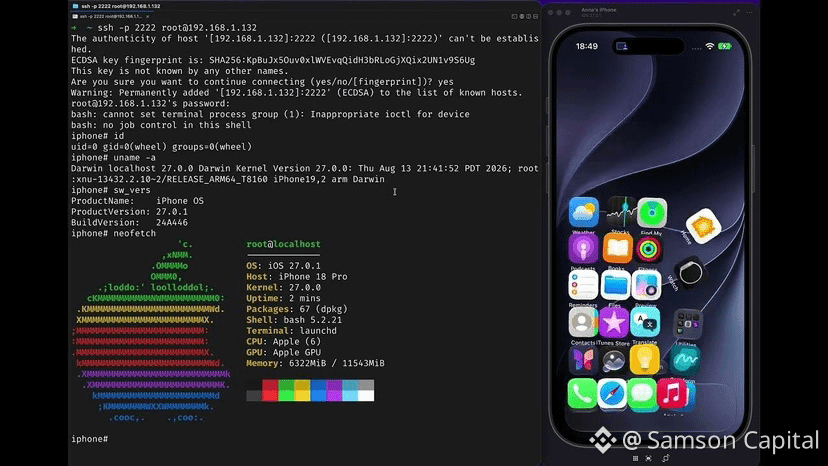
On October 16, 2026, at the Hexacon conference (Paris), Calif (Thai Duong & Bruce Dang) gave a live demo:
An untethered jailbreak on the iPhone 18 Pro running iOS 27.0.1: root privileges persist after rebooting.
A 1-click attack via a malicious PDF file in Signal and iMessage: simply opening the file allows code execution on the device.
This is not an attack via Gmail. Full technical details have not yet been fully disclosed.
Why is it dangerous?
iMessage/Signal are extremely popular. A PDF file from an acquaintance or a compromised account is enough to pose a risk.
Apple's security remains strong, but the gap with real-world attacks is narrowing, especially as AI helps discover vulnerabilities faster.
What to do immediately:
Update iOS to the latest version.
Do not open unknown PDFs (even from acquaintances) directly on your phone.
Consider enabling Lockdown Mode if you belong to a high-risk group.
Please share this with your loved ones. Being cautious with attachments is more critical now than ever.
Read more: https://blog.calif.io/p/iphone
#HackerAlert
1
7
#Ledger #HackerAlert
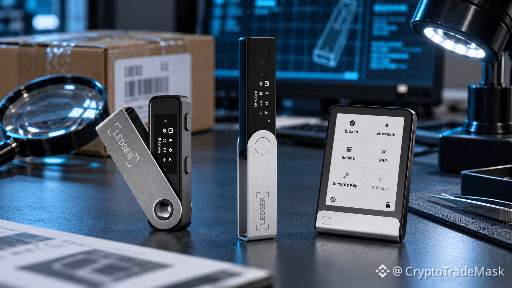
🚨 Ledger Attack: $91 Million Stolen from Compromised Devices — Investigation Details
Hardware wallet manufacturer Ledger has released an official update regarding the incident in which crypto users lost approximately $91 million (an estimate by Alex Thorn, Head of Research at Galaxy Research).
🔍 Key Investigation Facts:
Source of the problem: All confirmed breach cases are linked exclusively to devices purchased through an unofficial reseller in Southeast Asia—CryptoBilis.
Direct sales secure: All official Ledger systems and direct sales channels remain unaffected.
Physical tampering: An unauthorized hardware implant was discovered in the wallet of at least one victim. Ledger notes that the number of modified devices is limited, and the investigation is ongoing.
Seller's response: CryptoBilis has completely halted sales of hardware wallets.
🛡 What should owners of devices purchased through CryptoBilis do?
1. If the device is new (unactivated): Do NOT initialize or set it up.
2. If you have already set up the device: Urgently transfer all funds to a new wallet using a seed phrase generated on a secure device purchased directly from the official Ledger website.
3. If you have been affected: Contact official Ledger Support and file a report with law enforcement agencies.
1
3
419
⚠️ Un error en XRP Ledger, presente desde 2015, habría permitido crear XRP sin respaldo mediante un desbordamiento matemático. XRPL corrigió la falla sin votación de validadores y afirma que no hay evidencia de explotación.
🔓Detectan que un implante intercepta los datos de la pantalla de hardware wallets Ledger al configurarlas. Captura la frase semilla en texto plano y la envía por red celular. El chip seguro queda intacto.
#Ledger #HackerAlert #xrp #Ripple #XRPL $XRP $RLUSD
🔓Detectan que un implante intercepta los datos de la pantalla de hardware wallets Ledger al configurarlas. Captura la frase semilla en texto plano y la envía por red celular. El chip seguro queda intacto.
#Ledger #HackerAlert #xrp #Ripple #XRPL $XRP $RLUSD
50

·
--
Baissier
😭 $6M stolen in Base network hack
A hacker drained 1,783 wstETH from a vault on Base - it's not yet known which protocol owned the funds
Another day, another vault that wasn't quite as locked as it looked 🙁
$ETH #ETHUp70%InQ3ButLiquidityFalls
#HackerAlert
😭 $6M stolen in Base network hack
A hacker drained 1,783 wstETH from a vault on Base - it's not yet known which protocol owned the funds
Another day, another vault that wasn't quite as locked as it looked 🙁
$ETH #ETHUp70%InQ3ButLiquidityFalls
#HackerAlert
A hacker drained 1,783 wstETH from a vault on Base - it's not yet known which protocol owned the funds
Another day, another vault that wasn't quite as locked as it looked 🙁
$ETH #ETHUp70%InQ3ButLiquidityFalls
#HackerAlert
33

·
--
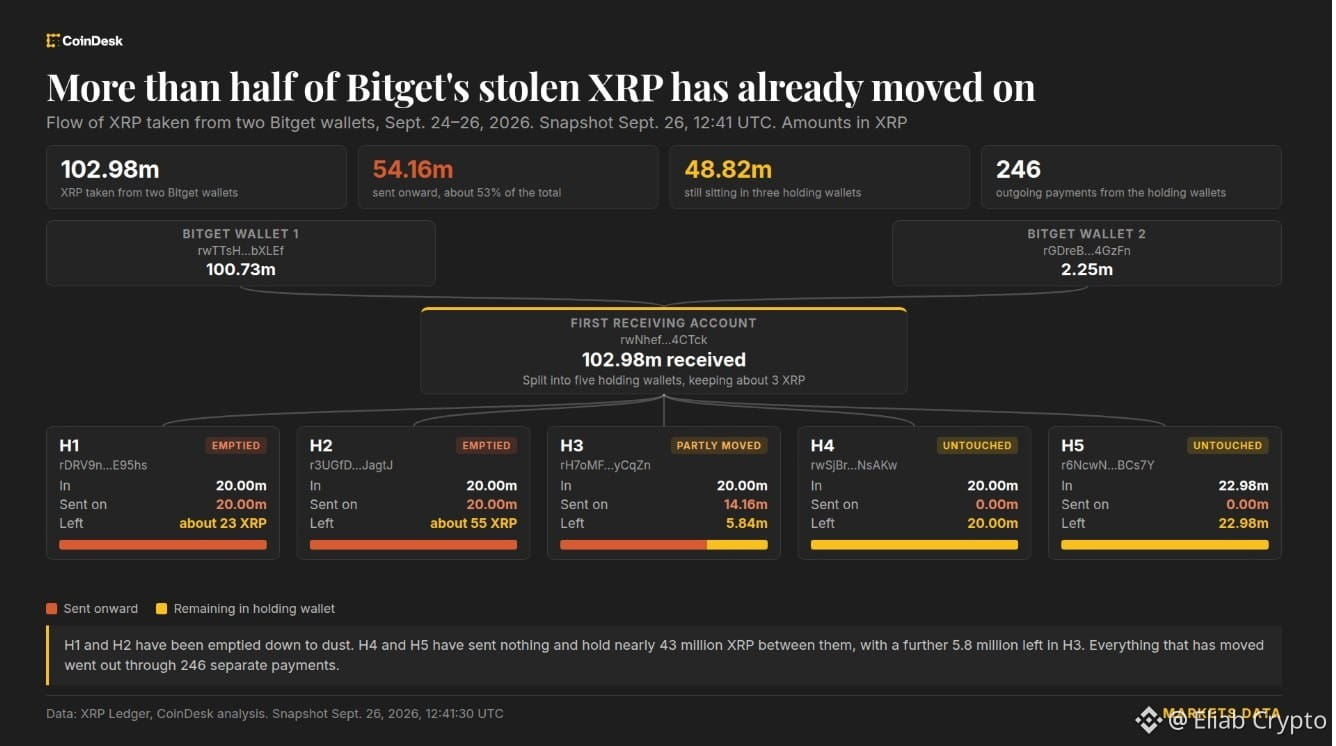
🚨 #BITGET HACKER MOVES $83M IN STOLEN XRP
The attacker has moved around $83M worth of stolen XRP -- and Ripple cannot freeze the funds
Two wallets have been almost completely emptied, while a third is still being drained.
Only about $75M remains across the five original holding wallets
The stolen XRP is moving fast
Where will it go next?
#Bitget #HackerAlert
3
266

·
--
JUST IN: THE CHINESE HACKER WHO STOLE $370M FROM BITGET EXPRESSES THAT HE NEEDS SUPPORT FROM THOR CHAIN TO LAUNDER THE FUNDS
“I’M VERY WORRIED. LOSING MY ASSETS WOULD CAUSE A LOT OF TROUBLE IN MY LIFE”
#Bitget #HackerAlert
@Square-Creator-0b3444457
JUST IN: THE CHINESE HACKER WHO STOLE $370M FROM BITGET EXPRESSES THAT HE NEEDS SUPPORT FROM THOR CHAIN TO LAUNDER THE FUNDS
“I’M VERY WORRIED. LOSING MY ASSETS WOULD CAUSE A LOT OF TROUBLE IN MY LIFE”
#Bitget #HackerAlert
@FINANCE-JACK
“I’M VERY WORRIED. LOSING MY ASSETS WOULD CAUSE A LOT OF TROUBLE IN MY LIFE”
#Bitget #HackerAlert
@FINANCE-JACK


105

·
--
Haussier
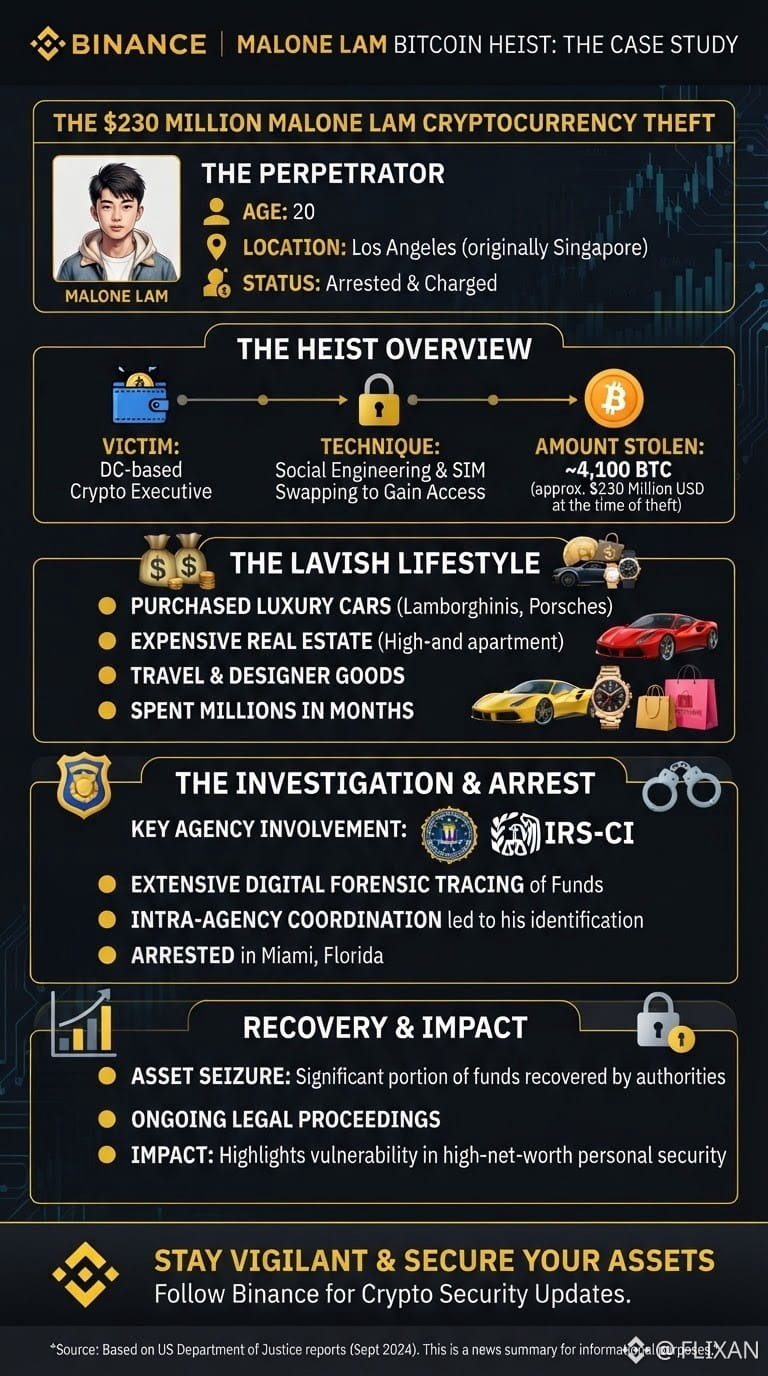
Binance Case Study: The $230M Malone Lam Crypto Heist
The 20-year-old mastermind Malone Lam, originally from Singapore, orchestrated a massive $230M cryptocurrency theft (approx. 4,100 BTC) targeting a Washington D.C. executive. Using social engineering and SIM swapping, they bypassed 2FA to drain funds in minutes. Lam and accomplice Jeandiel Serrano burned millions on luxury cars, real estate, and high-end goods in Los Angeles. FBI and IRS-CI tracked on-chain activity and spending sprees, leading to their arrest in Miami. Recovered assets are being secured, highlighting extreme vulnerabilities in high-net-worth personal crypto security. Use app-based 2FA and hardware wallets to stay protected.
#Bitcoin❗ #HackerAlert $
135


·
--
$STO
{future}(STOUSDT)
🚨 BREAKING:
💰 Bit get founder Gracy Chen confirmed a Sept. 24 breach this week, affecting ~$351.6M from hot and warm wallet infrastructure.
Cold wallets remain secure. Bit get's $464M+ User Protection Fund covers the full loss.
Crypto suffered its largest hack of the year after Bit get lost $350 million in a single attack.
Nearly $2 billion has already been stolen across 300+ crypto hacks in 2026.
Bit get CEO Gracy Chen says North Korean hackers may be behind the exchange's $352M breach, citing IP addresses linked to VPNs used by a DPRK group.
#HackerAlert #BREAKING #CryptoNews
$STO
🚨 BREAKING:
💰 Bit get founder Gracy Chen confirmed a Sept. 24 breach this week, affecting ~$351.6M from hot and warm wallet infrastructure.
Cold wallets remain secure. Bit get's $464M+ User Protection Fund covers the full loss.
Crypto suffered its largest hack of the year after Bit get lost $350 million in a single attack.
Nearly $2 billion has already been stolen across 300+ crypto hacks in 2026.
Bit get CEO Gracy Chen says North Korean hackers may be behind the exchange's $352M breach, citing IP addresses linked to VPNs used by a DPRK group.
#HackerAlert #BREAKING #CryptoNews


751
·
--
Haussier
ارتفاع سعر THORChain بنسبة 15% عقب مطالبة الرئيس التنفيذي لمنصة Bitget بحظر عناوين مرتبطة بعملية اختراق.. ارتفع سعر عملة THORChain بأكثر من 15% بعد أن طالب الرئيس التنفيذي لمنصة Bitget رسمياً البروتوكولَ بحجب الخدمات عن العناوين المرتبطة بعملية اختراق بلغت قيمتها 351.6 مليون دولار. وتؤكد تحليلات بيانات الشبكة (on-chain) أن الأموال المسروقة قد وُجِّهت عبر THORChain لإجراء عمليات تبادل بين السلاسل (cross-chain swaps)، مما زاد من وضوح حركة الأموال على الشبكة وأثار جدلاً حول التوازن بين اللامركزية وضوابط مكافحة الأنشطة غير المشروعة.
#THORChain #Bitget #HackerAlert #Rune
$RUNE
{future}(RUNEUSDT)
ارتفاع سعر THORChain بنسبة 15% عقب مطالبة الرئيس التنفيذي لمنصة Bitget بحظر عناوين مرتبطة بعملية اختراق.. ارتفع سعر عملة THORChain بأكثر من 15% بعد أن طالب الرئيس التنفيذي لمنصة Bitget رسمياً البروتوكولَ بحجب الخدمات عن العناوين المرتبطة بعملية اختراق بلغت قيمتها 351.6 مليون دولار. وتؤكد تحليلات بيانات الشبكة (on-chain) أن الأموال المسروقة قد وُجِّهت عبر THORChain لإجراء عمليات تبادل بين السلاسل (cross-chain swaps)، مما زاد من وضوح حركة الأموال على الشبكة وأثار جدلاً حول التوازن بين اللامركزية وضوابط مكافحة الأنشطة غير المشروعة.
#THORChain #Bitget #HackerAlert #Rune
$RUNE
#THORChain #Bitget #HackerAlert #Rune
$RUNE
1
23
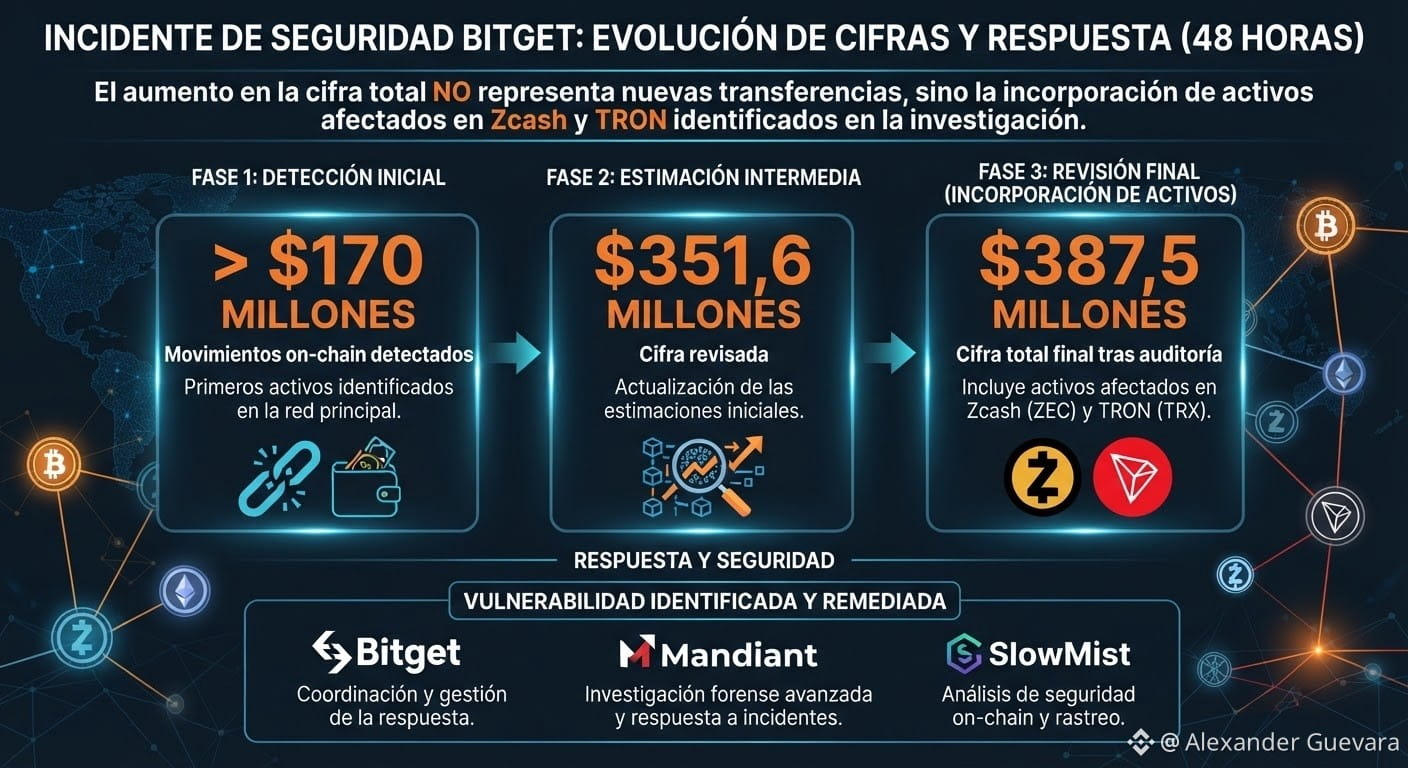
🚨 B1tg3t: de $170M a $387,5M
El caso B1tg3t cambió de magnitud en apenas 48 horas.
Primero fueron más de $170 millones en movimientos detectados on-chain. Después llegó una estimación de $351,6 millones y posteriormente una cifra revisada de $387,5 millones, tras incorporar activos afectados en Zcash y TRON.
Pero hay un detalle clave: el aumento de la cifra no representa una nueva ola de transferencias, según B1tg3t.
La compañía asegura que la vulnerabilidad fue identificada y remediada, mientras Mandiant y SlowMist continúan apoyando la investigación.
📌 #HackerAlert #hackattack #On-chain #ciberseguridad #CircleTetherFreezeBitgetHackerWallet $TRX $ZEC
1
139
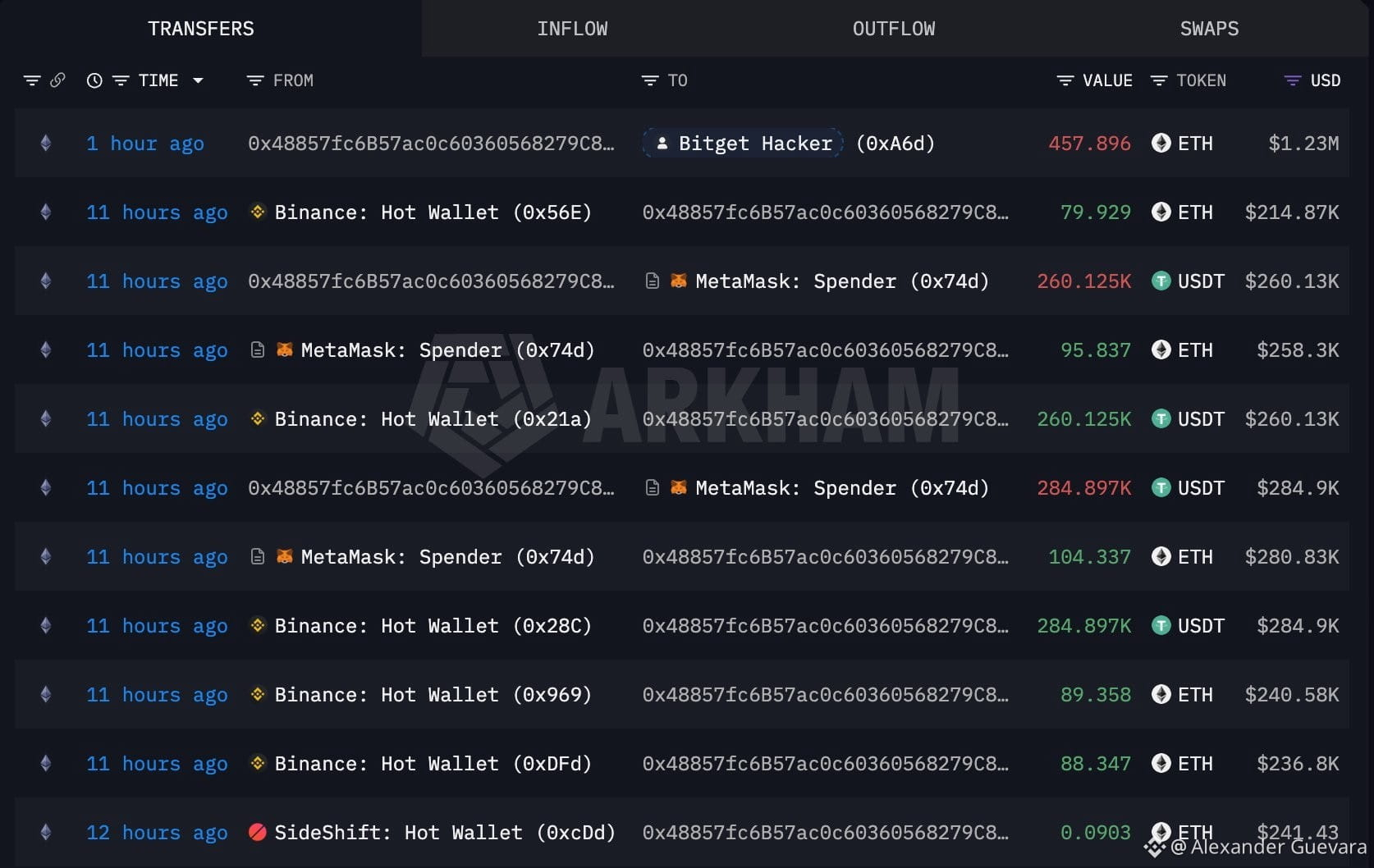
Parece que el hacker de #Bitget retiró $1.23M de #Binance hace 11 horas.
La billetera 0x4885 retiró 257.6 $ETH ($692K) y 545K $USDT de #Binance, luego intercambió los 545K $USDT por 200.2 $ETH.
Luego transfirió todo el 457.9 $ETH ($1.23M) a la billetera del hacker de #Bitget hace una hora.
Hasta ahora, hemos identificado las siguientes direcciones asociadas con el explotador de @bitget que aún contienen fondos. Continuaremos actualizando esta lista. @GracyBitget @xiejiayinBitget @Bitget_zh docs.google.com/spreadsheets/d…
#HackerAlert #Hacked
Parece que el hacker de #Bitget retiró $1.23M de #Binance hace 11 horas.
La billetera 0x4885 retiró 257.6 $ETH ($692K) y 545K $USDT de #Binance, luego intercambió los 545K $USDT por 200.2 $ETH .
Luego transfirió todo el 457.9 $ETH ($1.23M) a la billetera del hacker de #Bitget hace una hora.
Hasta ahora, hemos identificado las siguientes direcciones asociadas con el explotador de @bitget que aún contienen fondos. Continuaremos actualizando esta lista. @GracyBitget @xiejiayinBitget @Bitget_zh docs.google.com/spreadsheets/d…
#HackerAlert #Hacked
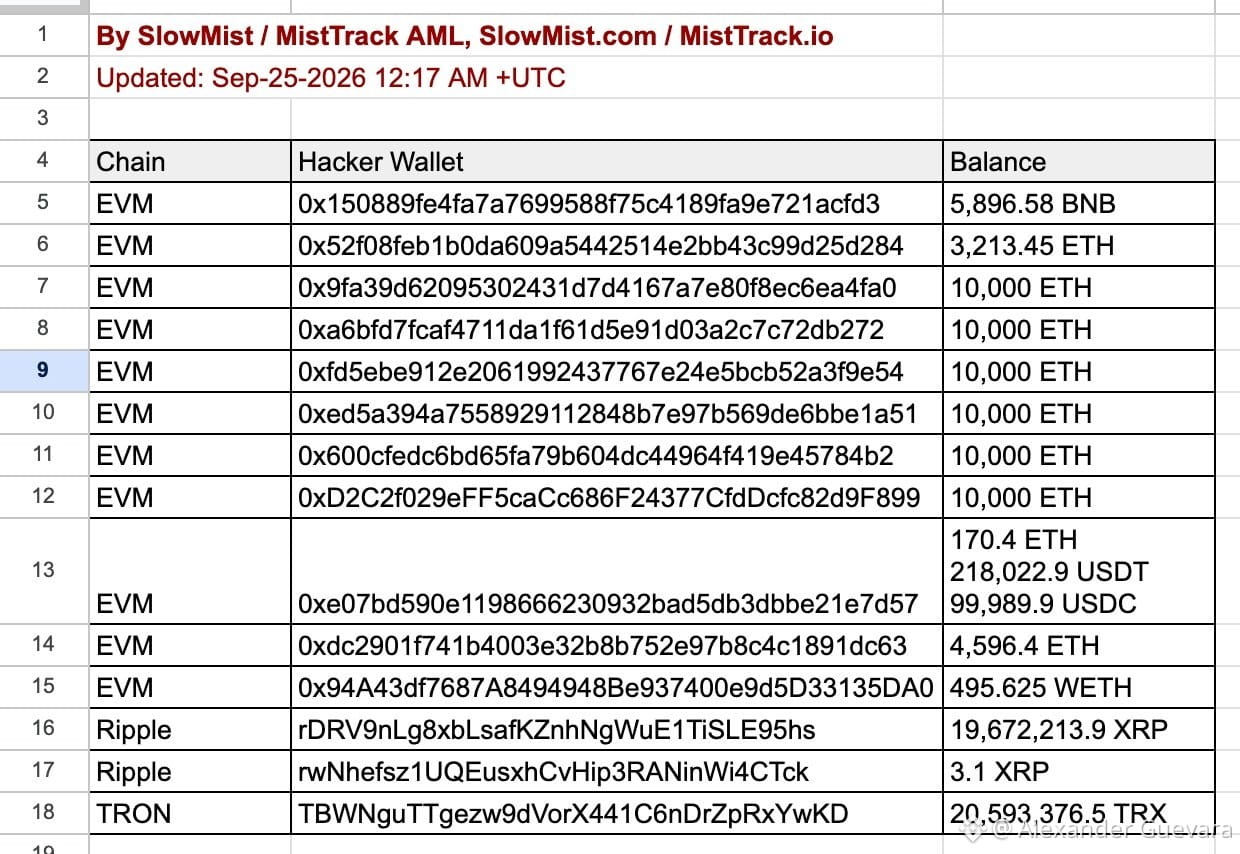
50
#Polymarket #HackerAlert
🚨 Polymarket hacked for $2.9 million via frontend: users will be refunded
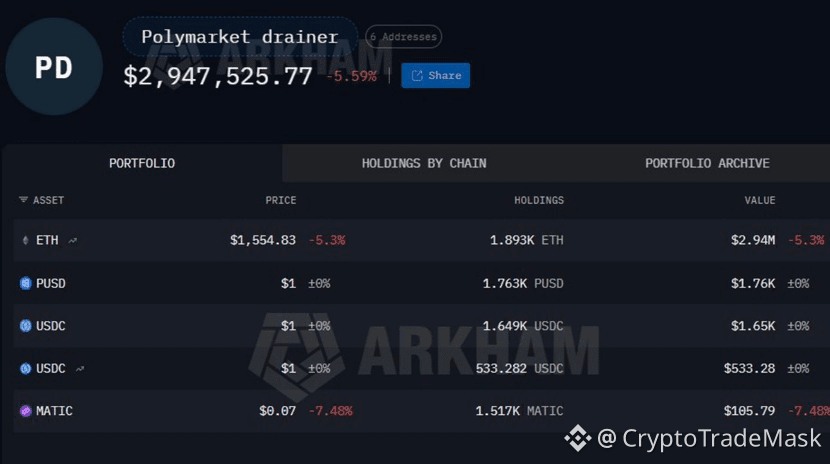
The forecasting platform Polymarket has been hacked. The attackers hacked a third-party vendor and implemented a phishing script into the site's interface. As a result, at least 11 user wallets were affected, from which $2.94 million was withdrawn.
Main:
The threat has been eliminated: The malicious code has already been removed, the platform's smart contracts were not affected.
Compensation: Polymarket officially announced that they will fully refund all victims.
📉 Cryptohacks in June: in brief
This incident added to the statistics of the worst quarter in terms of the number of hacks. In June alone, the crypto market's losses amounted to $74.9 million (29 cases).
Top 3 hacks of the month: Humanity Protocol ($36 million), Secret Network ($4.7 million) and Polymarket ($2.9 million).
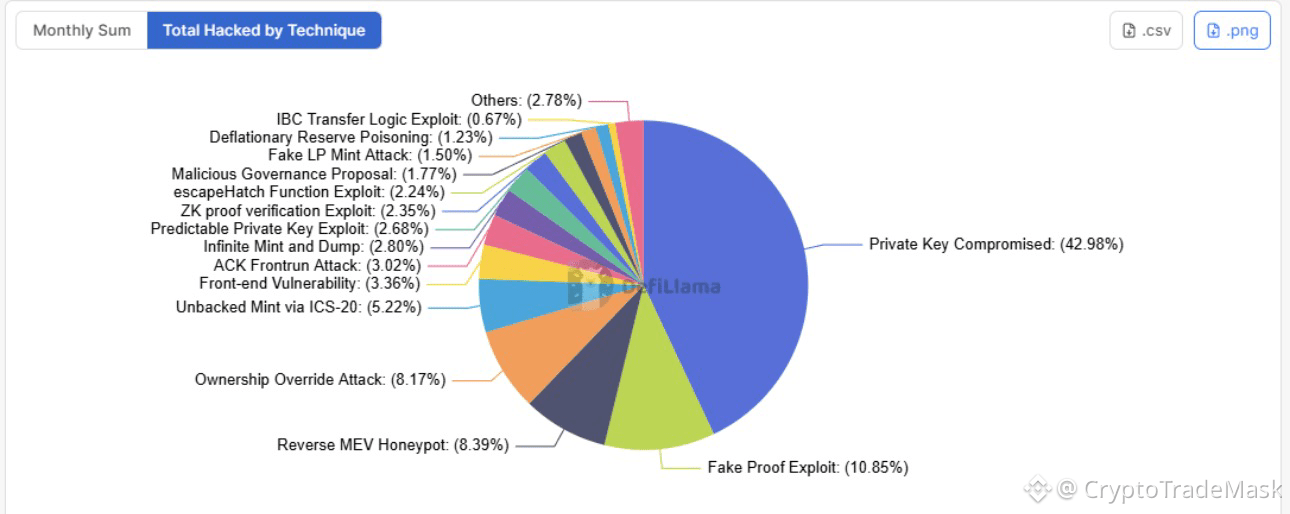
Main vulnerability: 43% of all losses for the month occurred due to compromise of private keys. Despite this, Polymarket holds its ground: the platform's TVL now exceeds $450 million, which is 301% more than last year.
1
181


Article
تحذير أحمر‼️: محافظك الباردة لم تعد باردة - 70 مليون دولار تبخرت بدون لمس جهاز واحد!⚠️ تنبيه أمني عاجل: هذا ليس خيال علمي. هذا حدث فعلاً.
1- ماهي المحافظ الباردة؟
المحفظة الباردة (Cold Wallet) هي جهاز مادي يشبه الفلاشة، مهمته الوحيدة هي حفظ مفاتيحك الخاصة بعيداً عن الإنترنت. عكس المحافظ الساخنة (Hot Wallets) الموجودة على هاتفك أو المتصفح والمتصلة دائماً.
لماذا يثق بها الناس؟ لأن المنطق يقول: إذا كان المفتاح غير متصل بالإنترنت، فلا يمكن لأي هاكر الوصول إليه. المستثمرون الكبار يضعون فيها ملايينهم وينامون مطمئنين. كانت تعتبر القلعة الحصينة التي لا تُخترق... حتى 1 أغسطس 2026.
2- كيف تم الاختراق المستحيل؟ [تقرير Galaxy Research]
هنا الصدمة: لم يلمس الهاكر جهازاً واحداً. لم يرسل رابط تصيد. لم يخترق شركة.
حسب تقرير Galaxy Research المنشور 1 أغسطس 2026، ما حدث هو كالتالي:
- الثغرة لم تكن في جهاز الـ Cold Wallet نفسه، بل في طريقة توليد الكلمات السرية (Seed Phrase) في بعض المحافظ القديمة أو غير الموثوقة.
- بعض المطورين استخدموا مولد أرقام عشوائية ضعيف جداً يسمى Mersenne Twister-32، وكان يعتمد على وقت النظام (System Time) كـ "بذرة" للعشوائية.
- المشكلة؟ عدد الاحتمالات محدود جداً. يمكن تخمينه.
- المهاجم لم يحزر كلمة مرورك، بل أعاد بناء نفس الظروف التي وُلدت فيها محفظتك، وولّد نفس مفاتيحك الخاصة على جهازه الخاص (Offline)، ثم قام بكنس الأموال من أكثر من 1200 محفظة مختلفة، بإجمالي أكثر من 1000 بيتكوين (حوالي 70 مليون دولار).
الاختراق كان صامتاً، رياضياً، وبارداً كالمحافظ التي سرقها.
3- مدى التأثير والخطر الحقيقي
- الحجم: ما يقارب 1200 محفظة تم تفريغها.
- القيمة: أكثر من 1000 BTC، حوالي 70 مليون دولار وقت السرقة.
- الطريقة: ليست تصيد احتيالي، ليست برمجية خبيثة. هي ثغرة في العشوائية.
- الخطر المستمر: الباحثون في Galaxy لا يزالون يبحثون عن محافظ ضعيفة أخرى لم يتم سحبها بعد. إذا كانت محفظتك من جيل قديم وتم توليدها بطريقة ضعيفة، فهي لا تزال مكشوفة حتى وهي في درج مكتبك.
الرسالة المرعبة: البرد لا يحميك إذا كان المفتاح نفسه مولوداً ضعيفاً.
4- كيف تحمي نفسك الآن؟ 5 خطوات فورية
1. افحص تاريخ محفظتك: إذا كانت محفظتك قديمة (قبل 2022) أو من شركة غير معروفة، اعتبرها مشبوهة. انقل أموالك فوراً لمحفظة جديدة من مصدر موثوق.
2. حدّث الـ Firmware الآن: ادخل لموقع الشركة الرسمي فقط وحدّث جهازك لآخر إصدار. التحديثات تسد ثغرات التوليد.
3. استخدم محافظ مفتوحة المصدر ومدققة: مثل أجهزة الشركات الكبرى التي تخضع كودها لتدقيق أمني علني. لا تثق في محفظة مغلقة المصدر 100%.
4. ولّد مفاتيحك في بيئة معزولة: عند إنشاء محفظة جديدة، افعل ذلك على جهاز نظيف وغير متصل بالإنترنت، وتأكد أن العشوائية تأتي من شريحة آمنة (Secure Element) وليس من وقت النظام.
5. لا تشتري من TikTok أو Douyin أو بائعين بخصومات: 90% من حالات الاختراق تأتي من أجهزة مقلدة أو تم التلاعب بها مسبقاً. اشترِ فقط من الموقع الرسمي للشركة المصنعة.
توقف عن تقديس كلمة "باردة".
محفظتك ليست آمنة لأنها باردة، بل لأن طريقة توليد مفتاحها كانت عشوائية حقيقية وغير قابلة للتوقع. البرودة وحدها خدعة تسويقية إذا كان الأساس هشاً. في عالم الكريبتو، أنت لست آمناً لأنك اشتريت جهازاً غالياً، أنت آمن لأنك فهمت كيف يعمل.
انقل أموالك اليوم قبل أن يستيقظ شخص ما ويولّد مفتاحك على جهازه.
---
هذا المحتوى تعليمي فقط وليس نصيحة استثمارية. المعلومات مبنية على تقرير Galaxy Research المنشور 1 أغسطس 2026
#Bitcoin #ColdWallet #HackerAlert #CryptoSecurity #BTC #Binance
تحذير أحمر‼️: محافظك الباردة لم تعد باردة - 70 مليون دولار تبخرت بدون لمس جهاز واحد!
⚠️ تنبيه أمني عاجل: هذا ليس خيال علمي. هذا حدث فعلاً.
1- ماهي المحافظ الباردة؟
المحفظة الباردة (Cold Wallet) هي جهاز مادي يشبه الفلاشة، مهمته الوحيدة هي حفظ مفاتيحك الخاصة بعيداً عن الإنترنت. عكس المحافظ الساخنة (Hot Wallets) الموجودة على هاتفك أو المتصفح والمتصلة دائماً.
لماذا يثق بها الناس؟ لأن المنطق يقول: إذا كان المفتاح غير متصل بالإنترنت، فلا يمكن لأي هاكر الوصول إليه. المستثمرون الكبار يضعون فيها ملايينهم وينامون مطمئنين. كانت تعتبر القلعة الحصينة التي لا تُخترق... حتى 1 أغسطس 2026.
2- كيف تم الاختراق المستحيل؟ [تقرير Galaxy Research]
هنا الصدمة: لم يلمس الهاكر جهازاً واحداً. لم يرسل رابط تصيد. لم يخترق شركة.
حسب تقرير Galaxy Research المنشور 1 أغسطس 2026، ما حدث هو كالتالي:
- الثغرة لم تكن في جهاز الـ Cold Wallet نفسه، بل في طريقة توليد الكلمات السرية (Seed Phrase) في بعض المحافظ القديمة أو غير الموثوقة.
- بعض المطورين استخدموا مولد أرقام عشوائية ضعيف جداً يسمى Mersenne Twister-32، وكان يعتمد على وقت النظام (System Time) كـ "بذرة" للعشوائية.
- المشكلة؟ عدد الاحتمالات محدود جداً. يمكن تخمينه.
- المهاجم لم يحزر كلمة مرورك، بل أعاد بناء نفس الظروف التي وُلدت فيها محفظتك، وولّد نفس مفاتيحك الخاصة على جهازه الخاص (Offline)، ثم قام بكنس الأموال من أكثر من 1200 محفظة مختلفة، بإجمالي أكثر من 1000 بيتكوين (حوالي 70 مليون دولار).
الاختراق كان صامتاً، رياضياً، وبارداً كالمحافظ التي سرقها.
3- مدى التأثير والخطر الحقيقي
- الحجم: ما يقارب 1200 محفظة تم تفريغها.
- القيمة: أكثر من 1000 BTC، حوالي 70 مليون دولار وقت السرقة.
- الطريقة: ليست تصيد احتيالي، ليست برمجية خبيثة. هي ثغرة في العشوائية.
- الخطر المستمر: الباحثون في Galaxy لا يزالون يبحثون عن محافظ ضعيفة أخرى لم يتم سحبها بعد. إذا كانت محفظتك من جيل قديم وتم توليدها بطريقة ضعيفة، فهي لا تزال مكشوفة حتى وهي في درج مكتبك.
الرسالة المرعبة: البرد لا يحميك إذا كان المفتاح نفسه مولوداً ضعيفاً.
4- كيف تحمي نفسك الآن؟ 5 خطوات فورية
1. افحص تاريخ محفظتك: إذا كانت محفظتك قديمة (قبل 2022) أو من شركة غير معروفة، اعتبرها مشبوهة. انقل أموالك فوراً لمحفظة جديدة من مصدر موثوق.
2. حدّث الـ Firmware الآن: ادخل لموقع الشركة الرسمي فقط وحدّث جهازك لآخر إصدار. التحديثات تسد ثغرات التوليد.
3. استخدم محافظ مفتوحة المصدر ومدققة: مثل أجهزة الشركات الكبرى التي تخضع كودها لتدقيق أمني علني. لا تثق في محفظة مغلقة المصدر 100%.
4. ولّد مفاتيحك في بيئة معزولة: عند إنشاء محفظة جديدة، افعل ذلك على جهاز نظيف وغير متصل بالإنترنت، وتأكد أن العشوائية تأتي من شريحة آمنة (Secure Element) وليس من وقت النظام.
5. لا تشتري من TikTok أو Douyin أو بائعين بخصومات: 90% من حالات الاختراق تأتي من أجهزة مقلدة أو تم التلاعب بها مسبقاً. اشترِ فقط من الموقع الرسمي للشركة المصنعة.
توقف عن تقديس كلمة "باردة".
محفظتك ليست آمنة لأنها باردة، بل لأن طريقة توليد مفتاحها كانت عشوائية حقيقية وغير قابلة للتوقع. البرودة وحدها خدعة تسويقية إذا كان الأساس هشاً. في عالم الكريبتو، أنت لست آمناً لأنك اشتريت جهازاً غالياً، أنت آمن لأنك فهمت كيف يعمل.
انقل أموالك اليوم قبل أن يستيقظ شخص ما ويولّد مفتاحك على جهازه.
---
هذا المحتوى تعليمي فقط وليس نصيحة استثمارية. المعلومات مبنية على تقرير Galaxy Research المنشور 1 أغسطس 2026
#Bitcoin #ColdWallet #HackerAlert #CryptoSecurity #BTC #Binance
1
2
274

·
--
Que paso realmente con #coldcard No fue un hackeo “de IA” — fue un bug de firmware de 2021. La vulnerabilidad se introdujo en el firmware 4.0.0 de Coldcard en marzo de 2021: los dispositivos saltaban su generador de aleatoriedad por hardware y caían en generación de claves por software, predecible, sembrada con datos no secretos del chip.  El error concreto está en libngu: la guarda usa #ifndef MICROPY_HW_ENABLE_RNG, que solo comprueba si la macro existe, no si su valor es distinto de cero.  Resultado: cualquiera puede reproducir los candidatos de semilla offline y derivar direcciones para compararlas con la blockchain — sin tocar el dispositivo.
La cifra sigue creciendo por oleadas: de 594 BTC iniciales a 1.082 BTC (1.196 direcciones) el 31 de julio, luego 1.158 BTC, y el 2 de agosto una tercera ola llevó el total a ~1.367 BTC (~$89M) desde 4.585 direcciones;  hoy se habla de una cuarta ola. Coinkite sacó firmware de emergencia el 31 de julio para todos los modelos afectados, pero instalarlo no repara una semilla ya existente.  Hay que generar semilla nueva y mover los fondos. #HackerAlert #bitcoin $BTC
La cifra sigue creciendo por oleadas: de 594 BTC iniciales a 1.082 BTC (1.196 direcciones) el 31 de julio, luego 1.158 BTC, y el 2 de agosto una tercera ola llevó el total a ~1.367 BTC (~$89M) desde 4.585 direcciones;  hoy se habla de una cuarta ola. Coinkite sacó firmware de emergencia el 31 de julio para todos los modelos afectados, pero instalarlo no repara una semilla ya existente.  Hay que generar semilla nueva y mover los fondos. #HackerAlert #bitcoin $BTC
121

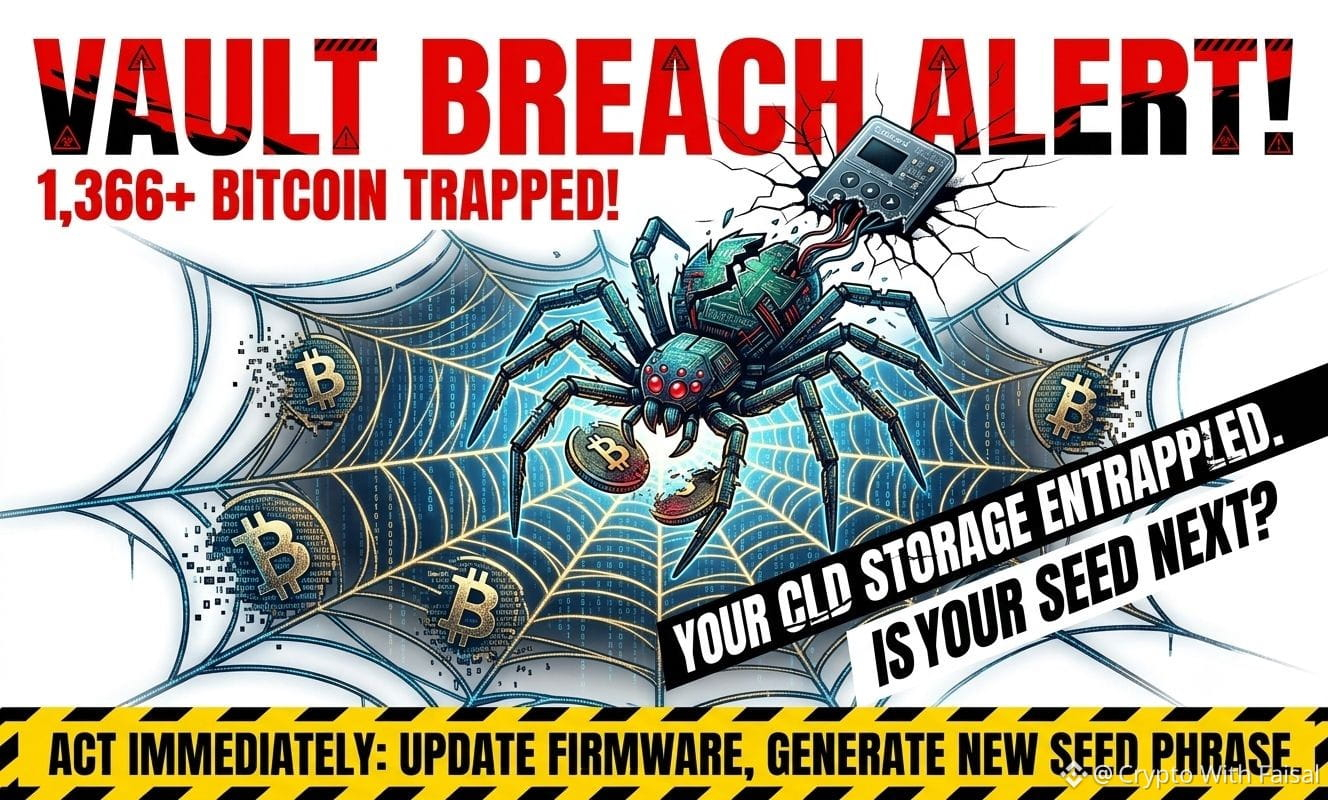
#coldcardexploitattackerscontrol1366btc
🚨 CRITICAL SECURITY ALERT: EXPANDING EXPLOIT ON COLCARD USERS 🚨
The bleeding hasn't stopped. What began with an alarming 594 BTC drained in under 30 minutes yesterday has now escalated—exploiters currently hold over 1,366.38 BTC under their control!
Analysis from Galaxy Research confirms three distinct waves of attacks so far. The burning question every holder is asking: Is the assault over, or are more breaches incoming? Whether this is a solitary hacker deploying upgraded exploit vectors or multiple attackers capitalizing on legacy vulnerabilities dating back to March 2021, the danger is real.
🛡️ IMMEDIATE ACTION PLAN (PROTECT YOUR ASSETS):
Patch Right Away: Update your device firmware to the latest official release without delay.
Generate a New Seed: Transfer your funds to a completely fresh, uncompromised seed phrase.
Stay Proactive: Cold storage is only as safe as your security hygiene—don't wait until your wallet is drained to take action!
Stay paranoid, stay secure, and protect your holdings! 🔒⚡
Disclaimer: Not financial advice. Always Do Your Own Research (DYOR).
#BTC #Coldcard #HackerAlert
$VELVET
{future}(VELVETUSDT)
$BEAT
{future}(BEATUSDT)
$BTC
{future}(BTCUSDT)
#coldcardexploitattackerscontrol1366btc
🚨 CRITICAL SECURITY ALERT: EXPANDING EXPLOIT ON COLCARD USERS 🚨
The bleeding hasn't stopped. What began with an alarming 594 BTC drained in under 30 minutes yesterday has now escalated—exploiters currently hold over 1,366.38 BTC under their control!
Analysis from Galaxy Research confirms three distinct waves of attacks so far. The burning question every holder is asking: Is the assault over, or are more breaches incoming? Whether this is a solitary hacker deploying upgraded exploit vectors or multiple attackers capitalizing on legacy vulnerabilities dating back to March 2021, the danger is real.
🛡️ IMMEDIATE ACTION PLAN (PROTECT YOUR ASSETS):
Patch Right Away: Update your device firmware to the latest official release without delay.
Generate a New Seed: Transfer your funds to a completely fresh, uncompromised seed phrase.
Stay Proactive: Cold storage is only as safe as your security hygiene—don't wait until your wallet is drained to take action!
Stay paranoid, stay secure, and protect your holdings! 🔒⚡
Disclaimer: Not financial advice. Always Do Your Own Research (DYOR).
#BTC #Coldcard #HackerAlert
$VELVET
$BEAT
$BTC
2
4
4.7k
#HackerAlert
🚨 Hacker withdraws $1.66 million from Allbridge Core cross-chain bridge through liquidity manipulation
The Allbridge Core cross-chain platform was attacked, resulting in $1.66 million in cryptocurrency being stolen from liquidity pools on the Solana network.
❓ How the scheme worked:
1. Flash loan: The attacker borrowed $1.12 million in USDC stablecoins and exchanged them for USDT.
2. Price manipulation: The hacker executed a series of 5 “same-asset swaps”, exchanging USDT for USDT. Due to an error in logic, the accounting of both sides of the transaction diverged, which significantly distorted the intra-pool price of the asset.
3. Finale of the attack: The distorted price allowed only 4,000 USDT to be exchanged for $2.24 million USDC. The attacker returned the flash loan and took about $1.66 million in profit.
Current status and consequences:
➡️ Security of funds: Private keys, user wallets, and routes without using liquidity pools were not affected.
➡️ Project actions: Allbridge plans to completely abandon pool exchanges.
➡️ Tracking: The team has already tracked transfers for $1.63 million — the funds were transferred from Solana to a consolidation address on the Ethereum network, after which they were distributed in several directions.
3
68
#HackerAlert
🚨 Critical bug in Harmony ($ONE ): under attack again, full network rollback considered
The Harmony network was compromised by a mathematical vulnerability at the protocol level, which allowed attackers to hoard billions of native $ONE tokens “out of thin air”.
🔍 What happened?
Mathematical flock: Thanks to two vulnerabilities in cross-shard receipts, attackers were able to pass quorum checks without proper validator signatures, as well as reuse already used receipts.
Emission scale: According to estimates by on-chain researcher Juiceberg, about 4 billion ONEs have been created (~26% of the total supply), of which at least 2.8 billion have already hit the exchanges. Harmony has not yet confirmed the exact numbers.
Emergency update: Harmony released patch v2026.1.1 for validators, which closed the verification holes and stopped further unauthorized minting.
📉 Market reaction and security measures
The bridge bridge.harmony.one has been temporarily suspended.
The Harmony team published the addresses of 4 wallets of attackers and called on exchanges to freeze the detected funds.
Price collapse: Against the background of the news, the $ONE token fell by almost 39% in 24 hours, and the total capitalization of the project decreased to $11.27 million.
Rollback possibility: The developers are considering the option of restoring the network state to the time of the attack, but a final decision has not yet been made.
⚠️ Unlike the Horizon bridge hack in 2022 (where multisig private keys were compromised), this time the problem arose directly in the logic of transaction confirmation and protocol quorum.
{future}(ONEUSDT)
#HackerAlert
🚨 Critical bug in Harmony ($ONE ): under attack again, full network rollback considered
The Harmony network was compromised by a mathematical vulnerability at the protocol level, which allowed attackers to hoard billions of native $ONE tokens “out of thin air”.
🔍 What happened?
Mathematical flock: Thanks to two vulnerabilities in cross-shard receipts, attackers were able to pass quorum checks without proper validator signatures, as well as reuse already used receipts.
Emission scale: According to estimates by on-chain researcher Juiceberg, about 4 billion ONEs have been created (~26% of the total supply), of which at least 2.8 billion have already hit the exchanges. Harmony has not yet confirmed the exact numbers.
Emergency update: Harmony released patch v2026.1.1 for validators, which closed the verification holes and stopped further unauthorized minting.
📉 Market reaction and security measures
The bridge bridge.harmony.one has been temporarily suspended.
The Harmony team published the addresses of 4 wallets of attackers and called on exchanges to freeze the detected funds.
Price collapse: Against the background of the news, the $ONE token fell by almost 39% in 24 hours, and the total capitalization of the project decreased to $11.27 million.
Rollback possibility: The developers are considering the option of restoring the network state to the time of the attack, but a final decision has not yet been made.
⚠️ Unlike the Horizon bridge hack in 2022 (where multisig private keys were compromised), this time the problem arose directly in the logic of transaction confirmation and protocol quorum.
1
1
279
Connectez-vous pour découvrir plus de contenu
Rejoignez la communauté mondiale des adeptes de cryptomonnaies sur Binance Square
⚡️ Suviez les dernières informations importantes sur les cryptomonnaies.
💬 Jugé digne de confiance par la plus grande plateforme d’échange de cryptomonnaies au monde.
👍 Découvrez les connaissances que partagent les créateurs vérifiés.
Adresse e-mail/Nº de téléphone
Sujets d’actualité
1
#CanMicrosoftDeliverOnAI
221,659 vues
1,872 mentions
2
#CanGoogleDefindItsCore
125,057 vues
1,371 mentions
3
#EarningsSeason
5.8M vues
27,837 mentions
4
#BitcoinSurpasses$81K
31 vues
22 mentions
5
#KOSPISurges6.63%BackAbove6000
1 vues
24 mentions
6
#DatavaultAICantWithdrawBitcoinFromBiconomy
735 vues
41 mentions
7
#FOMCWatch
9.2M vues
29,056 mentions
8
#HKPlacesTokenizedFundSecondaryTradingUnderETFLikeFramework
516 vues
27 mentions
9
#USGovSellsFTXLinkedAnthropicSharesFor$627M
783 vues
29 mentions
10
#MoodysAssignsRLUSDA2LongTermDepositRating
5,939 vues
200 mentions