

#binancep2pantoan
binancep2pantoan
1.8M vues
8,344 mentions
Populaire
Récents
·
--
Article
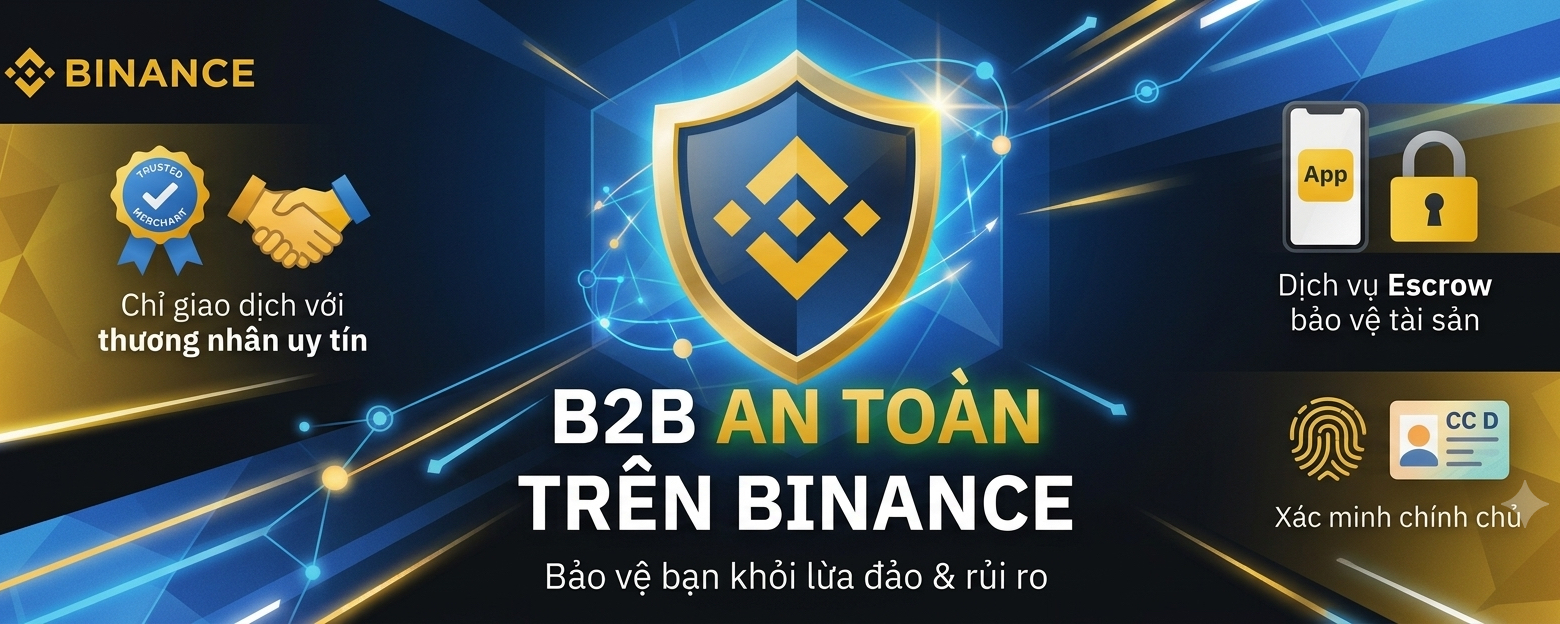
7 Quy Tắc "Xương Máu" Để Giao Dịch Binance P2P An Toàn Và Không Bao Giờ Mất TiềnGiao dịch P2P (Peer-to-Peer) trên Binance là kênh nạp/rút tiền pháp định (VND) phổ biến và tiện lợi nhất hiện nay. Tuy nhiên, đi kèm với sự tiện lợi là không ít rủi ro như dính "tiền bẩn" dẫn đến khóa tài khoản ngân hàng, hoặc bị các đối thủ xấu dùng chiêu trò lừa đảo.
Dù bạn là người mới (Newbie) hay nhà đầu tư lâu năm, việc nắm vững các quy tắc an toàn khi giao dịch P2P là điều bắt buộc để bảo vệ tài sản của chính mình.
1. Chỉ Chọn Đối Tác Đạt "Thước Đo Uy Tín"
Trước khi ấn nút đặt lệnh Mua hoặc Bán, hãy dành 5 giây kiểm tra hồ sơ đối tác:
Huy hiệu Tích Vàng: Ưu tiên chọn các Thương nhân (Merchant) đã được Binance xác minh.
Tỷ lệ hoàn thành (Completion Rate): Nên đạt từ 97% – 100%.
Số lượng giao dịch: Tối thiểu từ 300 đến 500 lệnh thành công trở lên.
2. Nguyên Tắc "Chính Chủ" Không Ngoại Lệ
Tài khoản ngân hàng chuyển/nhận tiền phải có TÊN TRÙNG KHỚP 100% với tên xác minh (KYC) trên tài khoản Binance.
Tuyệt đối KHÔNG sử dụng tài khoản của người thân, bạn bè để thanh toán hộ.
Nếu bán Crypto: Nếu nhận tiền từ tài khoản ngân hàng mang tên người khác (bên thứ 3), hãy từ chối giải phóng coin, yêu cầu hoàn tiền về đúng tài khoản đó và liên hệ CSKH. Việc nhận tiền từ bên thứ 3 khiến bạn đối mặt với rủi ro tài khoản ngân hàng bị phong tỏa do liên quan đến tiền bẩn.
3. Quy Tắc Ghi Nội Dung Chuyển Khoản
Khi chuyển tiền VND qua App Ngân hàng, chỉ ghi Mã lệnh (Order ID) hoặc các câu từ thông thường theo yêu cầu của đơn hàng.
TỰ CHỌN NỘI DUNG / TUYỆT ĐỐI KHÔNG GHI: Các từ khóa liên quan đến Crypto như: BTC, USDT, Binance, Crypto, Mua coin... Các ngân hàng tại Việt Nam kiểm soát rất chặt các giao dịch liên quan đến tiền mã hóa.
4. Kiểm Tra Số Dư Thực Tế – Nói "KHÔNG" Với Ảnh Chụp Màn Hình
Khi bán Crypto, bạn chỉ được bấm nút "Đã nhận thanh toán và giải phóng" khi đã ĐĂNG NHẬP TRỰC TIẾP VÀO APP NGÂN HÀNG và xác nhận số dư khả dụng đã tăng lên.
Tuyệt đối không tin vào tin nhắn SMS báo Coi, Email thông báo, hay Ảnh chụp biên lai do người mua gửi trong khung Chat (rất dễ bị làm giả bằng Photoshop).
5. Tuyệt Đối Không "Hủy Lệnh" Khi Đã Chuyển Tiền
Nếu bạn là người mua và ĐÃ CHUYỂN TIỀN từ ngân hàng, tuyệt đối KHÔNG bấm nút "Hủy lệnh" dù đối phương có viện bất kỳ lý do gì (lỗi hệ thống, hoàn tiền sau, nghẽn mạng...).
[https://p2p.binance.com/vi/trade/all-payments/USDT?fiat=USD](https://p2p.binance.com/vi/trade/all-payments/USDT?fiat=USD)
#BinanceP2PAnToan @Binance_Vietnam
7 Quy Tắc "Xương Máu" Để Giao Dịch Binance P2P An Toàn Và Không Bao Giờ Mất Tiền
Giao dịch P2P (Peer-to-Peer) trên Binance là kênh nạp/rút tiền pháp định (VND) phổ biến và tiện lợi nhất hiện nay. Tuy nhiên, đi kèm với sự tiện lợi là không ít rủi ro như dính "tiền bẩn" dẫn đến khóa tài khoản ngân hàng, hoặc bị các đối thủ xấu dùng chiêu trò lừa đảo.
Dù bạn là người mới (Newbie) hay nhà đầu tư lâu năm, việc nắm vững các quy tắc an toàn khi giao dịch P2P là điều bắt buộc để bảo vệ tài sản của chính mình.
1. Chỉ Chọn Đối Tác Đạt "Thước Đo Uy Tín"
Trước khi ấn nút đặt lệnh Mua hoặc Bán, hãy dành 5 giây kiểm tra hồ sơ đối tác:
Huy hiệu Tích Vàng: Ưu tiên chọn các Thương nhân (Merchant) đã được Binance xác minh.
Tỷ lệ hoàn thành (Completion Rate): Nên đạt từ 97% – 100%.
Số lượng giao dịch: Tối thiểu từ 300 đến 500 lệnh thành công trở lên.
2. Nguyên Tắc "Chính Chủ" Không Ngoại Lệ
Tài khoản ngân hàng chuyển/nhận tiền phải có TÊN TRÙNG KHỚP 100% với tên xác minh (KYC) trên tài khoản Binance.
Tuyệt đối KHÔNG sử dụng tài khoản của người thân, bạn bè để thanh toán hộ.
Nếu bán Crypto: Nếu nhận tiền từ tài khoản ngân hàng mang tên người khác (bên thứ 3), hãy từ chối giải phóng coin, yêu cầu hoàn tiền về đúng tài khoản đó và liên hệ CSKH. Việc nhận tiền từ bên thứ 3 khiến bạn đối mặt với rủi ro tài khoản ngân hàng bị phong tỏa do liên quan đến tiền bẩn.
3. Quy Tắc Ghi Nội Dung Chuyển Khoản
Khi chuyển tiền VND qua App Ngân hàng, chỉ ghi Mã lệnh (Order ID) hoặc các câu từ thông thường theo yêu cầu của đơn hàng.
TỰ CHỌN NỘI DUNG / TUYỆT ĐỐI KHÔNG GHI: Các từ khóa liên quan đến Crypto như: BTC, USDT, Binance, Crypto, Mua coin... Các ngân hàng tại Việt Nam kiểm soát rất chặt các giao dịch liên quan đến tiền mã hóa.
4. Kiểm Tra Số Dư Thực Tế – Nói "KHÔNG" Với Ảnh Chụp Màn Hình
Khi bán Crypto, bạn chỉ được bấm nút "Đã nhận thanh toán và giải phóng" khi đã ĐĂNG NHẬP TRỰC TIẾP VÀO APP NGÂN HÀNG và xác nhận số dư khả dụng đã tăng lên.
Tuyệt đối không tin vào tin nhắn SMS báo Coi, Email thông báo, hay Ảnh chụp biên lai do người mua gửi trong khung Chat (rất dễ bị làm giả bằng Photoshop).
5. Tuyệt Đối Không "Hủy Lệnh" Khi Đã Chuyển Tiền
Nếu bạn là người mua và ĐÃ CHUYỂN TIỀN từ ngân hàng, tuyệt đối KHÔNG bấm nút "Hủy lệnh" dù đối phương có viện bất kỳ lý do gì (lỗi hệ thống, hoàn tiền sau, nghẽn mạng...).
https://p2p.binance.com/vi/trade/all-payments/USDT?fiat=USD
#BinanceP2PAnToan @Binance Vietnam
Dù bạn là người mới (Newbie) hay nhà đầu tư lâu năm, việc nắm vững các quy tắc an toàn khi giao dịch P2P là điều bắt buộc để bảo vệ tài sản của chính mình.
1. Chỉ Chọn Đối Tác Đạt "Thước Đo Uy Tín"
Trước khi ấn nút đặt lệnh Mua hoặc Bán, hãy dành 5 giây kiểm tra hồ sơ đối tác:
Huy hiệu Tích Vàng: Ưu tiên chọn các Thương nhân (Merchant) đã được Binance xác minh.
Tỷ lệ hoàn thành (Completion Rate): Nên đạt từ 97% – 100%.
Số lượng giao dịch: Tối thiểu từ 300 đến 500 lệnh thành công trở lên.
2. Nguyên Tắc "Chính Chủ" Không Ngoại Lệ
Tài khoản ngân hàng chuyển/nhận tiền phải có TÊN TRÙNG KHỚP 100% với tên xác minh (KYC) trên tài khoản Binance.
Tuyệt đối KHÔNG sử dụng tài khoản của người thân, bạn bè để thanh toán hộ.
Nếu bán Crypto: Nếu nhận tiền từ tài khoản ngân hàng mang tên người khác (bên thứ 3), hãy từ chối giải phóng coin, yêu cầu hoàn tiền về đúng tài khoản đó và liên hệ CSKH. Việc nhận tiền từ bên thứ 3 khiến bạn đối mặt với rủi ro tài khoản ngân hàng bị phong tỏa do liên quan đến tiền bẩn.
3. Quy Tắc Ghi Nội Dung Chuyển Khoản
Khi chuyển tiền VND qua App Ngân hàng, chỉ ghi Mã lệnh (Order ID) hoặc các câu từ thông thường theo yêu cầu của đơn hàng.
TỰ CHỌN NỘI DUNG / TUYỆT ĐỐI KHÔNG GHI: Các từ khóa liên quan đến Crypto như: BTC, USDT, Binance, Crypto, Mua coin... Các ngân hàng tại Việt Nam kiểm soát rất chặt các giao dịch liên quan đến tiền mã hóa.
4. Kiểm Tra Số Dư Thực Tế – Nói "KHÔNG" Với Ảnh Chụp Màn Hình
Khi bán Crypto, bạn chỉ được bấm nút "Đã nhận thanh toán và giải phóng" khi đã ĐĂNG NHẬP TRỰC TIẾP VÀO APP NGÂN HÀNG và xác nhận số dư khả dụng đã tăng lên.
Tuyệt đối không tin vào tin nhắn SMS báo Coi, Email thông báo, hay Ảnh chụp biên lai do người mua gửi trong khung Chat (rất dễ bị làm giả bằng Photoshop).
5. Tuyệt Đối Không "Hủy Lệnh" Khi Đã Chuyển Tiền
Nếu bạn là người mua và ĐÃ CHUYỂN TIỀN từ ngân hàng, tuyệt đối KHÔNG bấm nút "Hủy lệnh" dù đối phương có viện bất kỳ lý do gì (lỗi hệ thống, hoàn tiền sau, nghẽn mạng...).
https://p2p.binance.com/vi/trade/all-payments/USDT?fiat=USD
#BinanceP2PAnToan @Binance Vietnam
1
149

·
--
Haussier
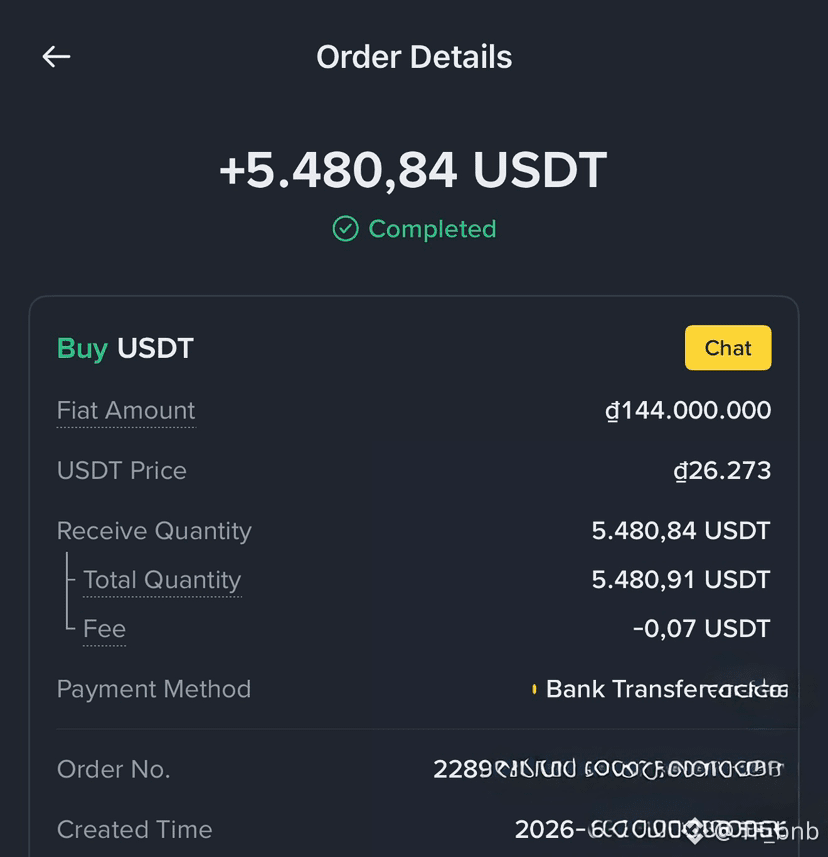
Deposited $5,480 through Binance P2P to continue trading Futures.
But here’s something I want to remind new traders: sometimes the problem isn’t your trading strategy ; it starts with the deposit process.
One small mistake can cause a transaction to fail, waste your time, or even put your funds at risk before you’ve even entered the market.
These are some of the most common mistakes beginners make:
1/ Sending money to the wrong bank
2/ Sending the wrong amount because they forgot to double-check
3/ Correct name but incorrect bank account number
4/ Entering the wrong transfer note
5/ Being asked to move the conversation or transaction to another platform
And there are many other situations you may encounter.
My advice: don’t start with a large amount.
If you’re new to Binance P2P, start with $50 → $100 first. Treat it as a small “learning fee” to understand the entire process: choosing a merchant, checking the payment details, making the transfer, confirming the payment, and receiving USDT.
Once you can consistently avoid these small mistakes, you can gradually increase the amount.
Trading is already risky enough ; don’t let a simple operational mistake cost you money before you even start trading.
Everyone has to start somewhere.
I did too.
Thank you, Binance, for being with me since 2017.
I love Binance. ❤️
#BinanceP2PAnToan
@Binance_Vietnam $BTC $SNDK $SPCX
{future}(BTCUSDT)
Deposited $5,480 through Binance P2P to continue trading Futures.
But here’s something I want to remind new traders: sometimes the problem isn’t your trading strategy ; it starts with the deposit process.
One small mistake can cause a transaction to fail, waste your time, or even put your funds at risk before you’ve even entered the market.
These are some of the most common mistakes beginners make:
1/ Sending money to the wrong bank
2/ Sending the wrong amount because they forgot to double-check
3/ Correct name but incorrect bank account number
4/ Entering the wrong transfer note
5/ Being asked to move the conversation or transaction to another platform
And there are many other situations you may encounter.
My advice: don’t start with a large amount.
If you’re new to Binance P2P, start with $50 → $100 first. Treat it as a small “learning fee” to understand the entire process: choosing a merchant, checking the payment details, making the transfer, confirming the payment, and receiving USDT.
Once you can consistently avoid these small mistakes, you can gradually increase the amount.
Trading is already risky enough ; don’t let a simple operational mistake cost you money before you even start trading.
Everyone has to start somewhere.
I did too.
Thank you, Binance, for being with me since 2017.
I love Binance. ❤️
#BinanceP2PAnToan
@Binance Vietnam $BTC $SNDK $SPCX
But here’s something I want to remind new traders: sometimes the problem isn’t your trading strategy ; it starts with the deposit process.
One small mistake can cause a transaction to fail, waste your time, or even put your funds at risk before you’ve even entered the market.
These are some of the most common mistakes beginners make:
1/ Sending money to the wrong bank
2/ Sending the wrong amount because they forgot to double-check
3/ Correct name but incorrect bank account number
4/ Entering the wrong transfer note
5/ Being asked to move the conversation or transaction to another platform
And there are many other situations you may encounter.
My advice: don’t start with a large amount.
If you’re new to Binance P2P, start with $50 → $100 first. Treat it as a small “learning fee” to understand the entire process: choosing a merchant, checking the payment details, making the transfer, confirming the payment, and receiving USDT.
Once you can consistently avoid these small mistakes, you can gradually increase the amount.
Trading is already risky enough ; don’t let a simple operational mistake cost you money before you even start trading.
Everyone has to start somewhere.
I did too.
Thank you, Binance, for being with me since 2017.
I love Binance. ❤️
#BinanceP2PAnToan
@Binance Vietnam $BTC $SNDK $SPCX
22
22
3k
#binancep2pantoan @Binance_Vietnam
Trước đây mình thường chỉ cảnh giác với những lệnh có dấu hiệu bị trì hoãn hoặc không hoàn tất thanh toán. Sau một thời gian quan sát, mình lại thấy một tình huống khác dễ khiến người dùng mất cảnh giác: giữa chừng, bên kia bất ngờ đưa ra thông tin nhận tiền mới: đổi tài khoản thanh toán khác. Lý do họ đưa ra nhiều lúc nghe không có gì bất thường, như tài khoản trước đó gặp trục trặc. Nhưng điều mình chú ý là dữ liệu của lệnh không còn giữ nguyên. Mình xem Order ban đầu làm căn cử để xác định: đối tác là ai, giá trị giao dịch bao nhiêu và tiền được gửi qua đâu
Thoạt nghe khá hợp lý, nhưng chỉ một tin nhắn yêu cầu đổi tài khoản cũng đủ làm mọi thứ trở nên khó xác nhận hơn. Với mình, điểm đáng chú ý nằm ở chỗ đó: nó khiến mình phải dừng lại và xem lại từ đầu người giao dịch, số tiền và cách thanh toán
Theo mình, cách xử lý tốt hơn không phải là lập tức nghi ngờ bên kia, mà là kiểm tra lại thông tin vừa thay đổi trước khi làm tiếp. Binance cũng hướng dẫn người dùng chọn phương thức thanh toán được chấp nhận và kiểm tra để đảm bảo thông tin tài khoản khớp với yêu cầu của giao dịch. Nhưng điều này chỉ có ý nghĩa khi dữ liệu mới vẫn phù hợp với lệnh ban đầu và mình có thể xác thực được. Nếu không chắc chắn, mình sẽ ưu tiên dừng giao dịch và dùng Appeal nếu tình huống cần được xử lý thêm
Mình vẫn đang tự hỏi khi nào 1 thay đổi chỉ đơn thuần gây phiền và khi nào nó đã trở thành dấu hiệu cần cảnh giác. Có lẽ đây là điểm mình nên tiếp tục để ý trong những giao dịch sau
$XRP $COLLECT $ON #TinFed #GrayscaleFilesToListZcashTrustOnNYSEArca #WalmartFalls7%
#binancep2pantoan @Binance Vietnam
Trước đây mình thường chỉ cảnh giác với những lệnh có dấu hiệu bị trì hoãn hoặc không hoàn tất thanh toán. Sau một thời gian quan sát, mình lại thấy một tình huống khác dễ khiến người dùng mất cảnh giác: giữa chừng, bên kia bất ngờ đưa ra thông tin nhận tiền mới: đổi tài khoản thanh toán khác. Lý do họ đưa ra nhiều lúc nghe không có gì bất thường, như tài khoản trước đó gặp trục trặc. Nhưng điều mình chú ý là dữ liệu của lệnh không còn giữ nguyên. Mình xem Order ban đầu làm căn cử để xác định: đối tác là ai, giá trị giao dịch bao nhiêu và tiền được gửi qua đâu
Thoạt nghe khá hợp lý, nhưng chỉ một tin nhắn yêu cầu đổi tài khoản cũng đủ làm mọi thứ trở nên khó xác nhận hơn. Với mình, điểm đáng chú ý nằm ở chỗ đó: nó khiến mình phải dừng lại và xem lại từ đầu người giao dịch, số tiền và cách thanh toán
Theo mình, cách xử lý tốt hơn không phải là lập tức nghi ngờ bên kia, mà là kiểm tra lại thông tin vừa thay đổi trước khi làm tiếp. Binance cũng hướng dẫn người dùng chọn phương thức thanh toán được chấp nhận và kiểm tra để đảm bảo thông tin tài khoản khớp với yêu cầu của giao dịch. Nhưng điều này chỉ có ý nghĩa khi dữ liệu mới vẫn phù hợp với lệnh ban đầu và mình có thể xác thực được. Nếu không chắc chắn, mình sẽ ưu tiên dừng giao dịch và dùng Appeal nếu tình huống cần được xử lý thêm
Mình vẫn đang tự hỏi khi nào 1 thay đổi chỉ đơn thuần gây phiền và khi nào nó đã trở thành dấu hiệu cần cảnh giác. Có lẽ đây là điểm mình nên tiếp tục để ý trong những giao dịch sau
$XRP $COLLECT $ON #TinFed #GrayscaleFilesToListZcashTrustOnNYSEArca #WalmartFalls7%
Trước đây mình thường chỉ cảnh giác với những lệnh có dấu hiệu bị trì hoãn hoặc không hoàn tất thanh toán. Sau một thời gian quan sát, mình lại thấy một tình huống khác dễ khiến người dùng mất cảnh giác: giữa chừng, bên kia bất ngờ đưa ra thông tin nhận tiền mới: đổi tài khoản thanh toán khác. Lý do họ đưa ra nhiều lúc nghe không có gì bất thường, như tài khoản trước đó gặp trục trặc. Nhưng điều mình chú ý là dữ liệu của lệnh không còn giữ nguyên. Mình xem Order ban đầu làm căn cử để xác định: đối tác là ai, giá trị giao dịch bao nhiêu và tiền được gửi qua đâu
Thoạt nghe khá hợp lý, nhưng chỉ một tin nhắn yêu cầu đổi tài khoản cũng đủ làm mọi thứ trở nên khó xác nhận hơn. Với mình, điểm đáng chú ý nằm ở chỗ đó: nó khiến mình phải dừng lại và xem lại từ đầu người giao dịch, số tiền và cách thanh toán
Theo mình, cách xử lý tốt hơn không phải là lập tức nghi ngờ bên kia, mà là kiểm tra lại thông tin vừa thay đổi trước khi làm tiếp. Binance cũng hướng dẫn người dùng chọn phương thức thanh toán được chấp nhận và kiểm tra để đảm bảo thông tin tài khoản khớp với yêu cầu của giao dịch. Nhưng điều này chỉ có ý nghĩa khi dữ liệu mới vẫn phù hợp với lệnh ban đầu và mình có thể xác thực được. Nếu không chắc chắn, mình sẽ ưu tiên dừng giao dịch và dùng Appeal nếu tình huống cần được xử lý thêm
Mình vẫn đang tự hỏi khi nào 1 thay đổi chỉ đơn thuần gây phiền và khi nào nó đã trở thành dấu hiệu cần cảnh giác. Có lẽ đây là điểm mình nên tiếp tục để ý trong những giao dịch sau
$XRP $COLLECT $ON #TinFed #GrayscaleFilesToListZcashTrustOnNYSEArca #WalmartFalls7%
1
2
274

·
--
#binancep2pantoan @Binance_Vietnam
Giá Tốt Có Thật Sự Tốt?
Có một tin rao khiến mình chú ý ngay vì mức giá chênh khá xa so với phần còn lại. Mình gần như bấm chọn, cho đến khi người bán nhắn rằng nên chuyển sang Telegram để nhận giá tốt hơn và xử lý gọn hơn bên ngoài nền tảng.
Chỉ riêng đề nghị đó đã đủ khiến mình thấy không ổn. Dù vậy, mình vẫn kiểm tra thêm thông tin người bán và thấy hồ sơ gần như chưa có lịch sử, không có huy hiệu và tài khoản mới toanh.
Mình nói rõ rằng nếu tiếp tục thì mọi trao đổi và thanh toán phải ở lại trên Binance. Vừa nghe vậy, người bán tức khắc không còn nhắc đến mức giá ưu đãi bên ngoài nữa. Với mình, phản ứng đó đáng chú ý hơn cả những con số trên hồ sơ.
Dù đã ở lại Binance, mình vẫn kiểm tra từng bước. Trước khi tiếp tục, mình đối chiếu tên người nhận tiền với thông tin của lệnh, rồi chỉ release sau khi ngân hàng báo tiền đã vào tài khoản. Tin nhắn xác nhận từ đối phương không thay thế được việc tự mình kiểm tra. Có thể tiền đến trễ hơn dự kiến, nhưng khi số dư đã hiện rõ thì mọi thứ đều ổn.
Mình vẫn lưu lại mã Order cùng phần trao đổi trong lệnh. Sau chuyện người bán đề nghị đưa giao dịch ra ngoài, mình càng thấy việc giữ nguyên lịch sử từ đầu đến cuối là cần thiết.
Giá hấp dẫn tự nó không có gì đáng ngại. Điều khiến mình dừng lại là khi đối phương muốn kéo giao dịch ra khỏi Binance.
$XRP $COLLECT $DOS #GrayscaleFilesToListZcashTrustOnNYSEArca #USJoblessClaimsFallTo206000 #WalmartFalls7% #TinFed
#binancep2pantoan @Binance Vietnam
Giá Tốt Có Thật Sự Tốt?
Có một tin rao khiến mình chú ý ngay vì mức giá chênh khá xa so với phần còn lại. Mình gần như bấm chọn, cho đến khi người bán nhắn rằng nên chuyển sang Telegram để nhận giá tốt hơn và xử lý gọn hơn bên ngoài nền tảng.
Chỉ riêng đề nghị đó đã đủ khiến mình thấy không ổn. Dù vậy, mình vẫn kiểm tra thêm thông tin người bán và thấy hồ sơ gần như chưa có lịch sử, không có huy hiệu và tài khoản mới toanh.
Mình nói rõ rằng nếu tiếp tục thì mọi trao đổi và thanh toán phải ở lại trên Binance. Vừa nghe vậy, người bán tức khắc không còn nhắc đến mức giá ưu đãi bên ngoài nữa. Với mình, phản ứng đó đáng chú ý hơn cả những con số trên hồ sơ.
Dù đã ở lại Binance, mình vẫn kiểm tra từng bước. Trước khi tiếp tục, mình đối chiếu tên người nhận tiền với thông tin của lệnh, rồi chỉ release sau khi ngân hàng báo tiền đã vào tài khoản. Tin nhắn xác nhận từ đối phương không thay thế được việc tự mình kiểm tra. Có thể tiền đến trễ hơn dự kiến, nhưng khi số dư đã hiện rõ thì mọi thứ đều ổn.
Mình vẫn lưu lại mã Order cùng phần trao đổi trong lệnh. Sau chuyện người bán đề nghị đưa giao dịch ra ngoài, mình càng thấy việc giữ nguyên lịch sử từ đầu đến cuối là cần thiết.
Giá hấp dẫn tự nó không có gì đáng ngại. Điều khiến mình dừng lại là khi đối phương muốn kéo giao dịch ra khỏi Binance.
$XRP $COLLECT $DOS #GrayscaleFilesToListZcashTrustOnNYSEArca #USJoblessClaimsFallTo206000 #WalmartFalls7% #TinFed
Giá Tốt Có Thật Sự Tốt?
Có một tin rao khiến mình chú ý ngay vì mức giá chênh khá xa so với phần còn lại. Mình gần như bấm chọn, cho đến khi người bán nhắn rằng nên chuyển sang Telegram để nhận giá tốt hơn và xử lý gọn hơn bên ngoài nền tảng.
Chỉ riêng đề nghị đó đã đủ khiến mình thấy không ổn. Dù vậy, mình vẫn kiểm tra thêm thông tin người bán và thấy hồ sơ gần như chưa có lịch sử, không có huy hiệu và tài khoản mới toanh.
Mình nói rõ rằng nếu tiếp tục thì mọi trao đổi và thanh toán phải ở lại trên Binance. Vừa nghe vậy, người bán tức khắc không còn nhắc đến mức giá ưu đãi bên ngoài nữa. Với mình, phản ứng đó đáng chú ý hơn cả những con số trên hồ sơ.
Dù đã ở lại Binance, mình vẫn kiểm tra từng bước. Trước khi tiếp tục, mình đối chiếu tên người nhận tiền với thông tin của lệnh, rồi chỉ release sau khi ngân hàng báo tiền đã vào tài khoản. Tin nhắn xác nhận từ đối phương không thay thế được việc tự mình kiểm tra. Có thể tiền đến trễ hơn dự kiến, nhưng khi số dư đã hiện rõ thì mọi thứ đều ổn.
Mình vẫn lưu lại mã Order cùng phần trao đổi trong lệnh. Sau chuyện người bán đề nghị đưa giao dịch ra ngoài, mình càng thấy việc giữ nguyên lịch sử từ đầu đến cuối là cần thiết.
Giá hấp dẫn tự nó không có gì đáng ngại. Điều khiến mình dừng lại là khi đối phương muốn kéo giao dịch ra khỏi Binance.
$XRP $COLLECT $DOS #GrayscaleFilesToListZcashTrustOnNYSEArca #USJoblessClaimsFallTo206000 #WalmartFalls7% #TinFed
3
3
10.4k

·
--
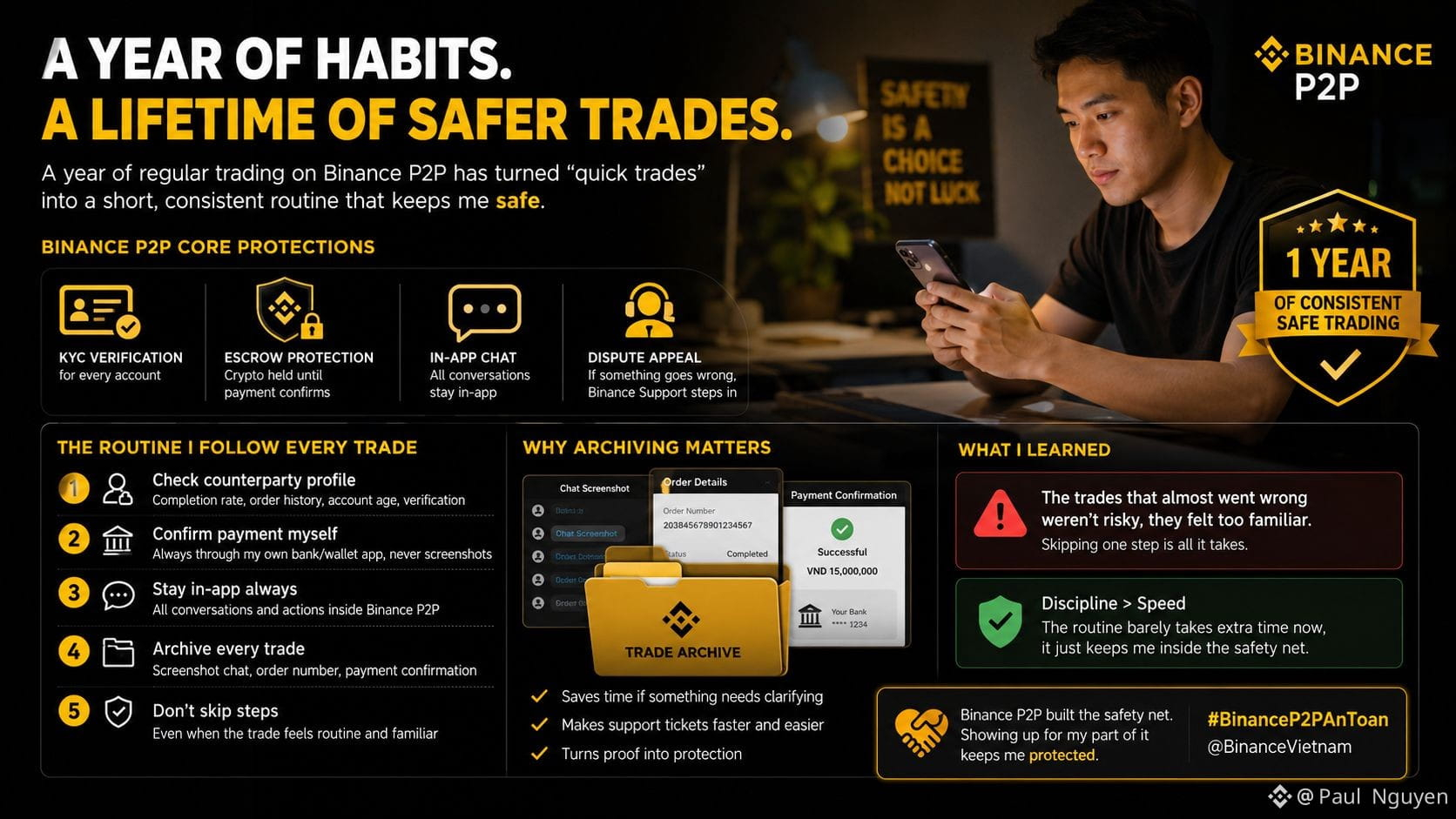
A year of regular trading on Binance P2P has completely changed how I think about a quick trade. What used to feel like just tapping through a few screens is now a short, consistent routine I follow every single time, and it's made a genuine difference in how safe the whole process feels.
Binance P2P's core protections haven't changed over that year, KYC verification for every account, escrow holding crypto until payment confirms, in app chat, and dispute appeal if something breaks down. What changed is how deliberately I actually use them. I check a counterparty's completion rate and order history before every trade now, not just the ones that feel unusual. I confirm payment directly through my own bank or wallet app, never through a chat screenshot, regardless of how convincing it looks or how many times I've traded with that person before.
The habit that's paid off the most is archiving. Every order gets a screenshot of the chat, the order number, and payment confirmation saved together, whether the trade was routine or not. I didn't think I'd need most of them, but on the handful of times something needed clarifying, having that record ready meant contacting Binance support was quick instead of a scramble.
Looking back at the trades that felt closest to going wrong, every single one involved me skipping a step because everything up to that point had felt routine and safe. That's the part nobody warns you about early on, it's not the obviously risky trades that catch you off guard, it's the ones that feel too familiar to bother double checking. So even now, the trades I'm most careful with aren't the unusual ones, they're the ones that feel exactly like every other trade I've done successfully on Binance P2P before.
A year in, the routine barely takes extra time anymore, it's just how I trade now. Binance P2P built the safety net; showing up consistently for my part of it is what actually keeps me inside it.
@Binance_Vietnam #BinanceP2PAnToan
A year of regular trading on Binance P2P has completely changed how I think about a quick trade. What used to feel like just tapping through a few screens is now a short, consistent routine I follow every single time, and it's made a genuine difference in how safe the whole process feels.
Binance P2P's core protections haven't changed over that year, KYC verification for every account, escrow holding crypto until payment confirms, in app chat, and dispute appeal if something breaks down. What changed is how deliberately I actually use them. I check a counterparty's completion rate and order history before every trade now, not just the ones that feel unusual. I confirm payment directly through my own bank or wallet app, never through a chat screenshot, regardless of how convincing it looks or how many times I've traded with that person before.
The habit that's paid off the most is archiving. Every order gets a screenshot of the chat, the order number, and payment confirmation saved together, whether the trade was routine or not. I didn't think I'd need most of them, but on the handful of times something needed clarifying, having that record ready meant contacting Binance support was quick instead of a scramble.
Looking back at the trades that felt closest to going wrong, every single one involved me skipping a step because everything up to that point had felt routine and safe. That's the part nobody warns you about early on, it's not the obviously risky trades that catch you off guard, it's the ones that feel too familiar to bother double checking. So even now, the trades I'm most careful with aren't the unusual ones, they're the ones that feel exactly like every other trade I've done successfully on Binance P2P before.
A year in, the routine barely takes extra time anymore, it's just how I trade now. Binance P2P built the safety net; showing up consistently for my part of it is what actually keeps me inside it.
@Binance Vietnam #BinanceP2PAnToan
Binance P2P's core protections haven't changed over that year, KYC verification for every account, escrow holding crypto until payment confirms, in app chat, and dispute appeal if something breaks down. What changed is how deliberately I actually use them. I check a counterparty's completion rate and order history before every trade now, not just the ones that feel unusual. I confirm payment directly through my own bank or wallet app, never through a chat screenshot, regardless of how convincing it looks or how many times I've traded with that person before.
The habit that's paid off the most is archiving. Every order gets a screenshot of the chat, the order number, and payment confirmation saved together, whether the trade was routine or not. I didn't think I'd need most of them, but on the handful of times something needed clarifying, having that record ready meant contacting Binance support was quick instead of a scramble.
Looking back at the trades that felt closest to going wrong, every single one involved me skipping a step because everything up to that point had felt routine and safe. That's the part nobody warns you about early on, it's not the obviously risky trades that catch you off guard, it's the ones that feel too familiar to bother double checking. So even now, the trades I'm most careful with aren't the unusual ones, they're the ones that feel exactly like every other trade I've done successfully on Binance P2P before.
A year in, the routine barely takes extra time anymore, it's just how I trade now. Binance P2P built the safety net; showing up consistently for my part of it is what actually keeps me inside it.
@Binance Vietnam #BinanceP2PAnToan
229

·
--
I Turned On 2FA Before My First P2P Trade.
Before I started worrying about which merchant to choose, which payment method was better, or whether the price was good enough, I did one thing first:
I secured my Binance account.
On August 19, 2026, before making my first P2P trade, I checked my account security and enabled 2FA.
It sounds basic.
But think about it.
I could spend 10 minutes checking a merchant’s completion rate and trading history, then ignore the security of the account holding the crypto.
That doesn't make much sense.
2FA adds another verification layer when someone tries to access the account. Even if a password is compromised, the password alone isn't supposed to be enough to get in. Binance specifically recommends enabling 2FA for P2P accounts.
For me, P2P safety starts before the order.
My basic setup is:
Secure the account -> choose the counterparty carefully -> keep communication on Binance -> verify the payment -> release only when everything checks out.
And 2FA isn't a replacement for those checks.
It protects one part of the process: my account.
The merchant profile protects another: who I'm trading with.
Payment verification protects another: what actually happened in the transaction.
That's why I don't think P2P safety is one big feature.
It's a chain of small checks.
If one layer is missing, I'm making the whole process weaker than it needs to be.
Before I trade with someone else, I make sure my own account is protected first.
@Binance_Vietnam
#BinanceP2PAnToan
Do you use 2FA for P2P?
I Turned On 2FA Before My First P2P Trade.
Before I started worrying about which merchant to choose, which payment method was better, or whether the price was good enough, I did one thing first:
I secured my Binance account.
On August 19, 2026, before making my first P2P trade, I checked my account security and enabled 2FA.
It sounds basic.
But think about it.
I could spend 10 minutes checking a merchant’s completion rate and trading history, then ignore the security of the account holding the crypto.
That doesn't make much sense.
2FA adds another verification layer when someone tries to access the account. Even if a password is compromised, the password alone isn't supposed to be enough to get in. Binance specifically recommends enabling 2FA for P2P accounts.
For me, P2P safety starts before the order.
My basic setup is:
Secure the account -> choose the counterparty carefully -> keep communication on Binance -> verify the payment -> release only when everything checks out.
And 2FA isn't a replacement for those checks.
It protects one part of the process: my account.
The merchant profile protects another: who I'm trading with.
Payment verification protects another: what actually happened in the transaction.
That's why I don't think P2P safety is one big feature.
It's a chain of small checks.
If one layer is missing, I'm making the whole process weaker than it needs to be.
Before I trade with someone else, I make sure my own account is protected first.
@Binance Vietnam
#BinanceP2PAnToan
Do you use 2FA for P2P?
Before I started worrying about which merchant to choose, which payment method was better, or whether the price was good enough, I did one thing first:
I secured my Binance account.
On August 19, 2026, before making my first P2P trade, I checked my account security and enabled 2FA.
It sounds basic.
But think about it.
I could spend 10 minutes checking a merchant’s completion rate and trading history, then ignore the security of the account holding the crypto.
That doesn't make much sense.
2FA adds another verification layer when someone tries to access the account. Even if a password is compromised, the password alone isn't supposed to be enough to get in. Binance specifically recommends enabling 2FA for P2P accounts.
For me, P2P safety starts before the order.
My basic setup is:
Secure the account -> choose the counterparty carefully -> keep communication on Binance -> verify the payment -> release only when everything checks out.
And 2FA isn't a replacement for those checks.
It protects one part of the process: my account.
The merchant profile protects another: who I'm trading with.
Payment verification protects another: what actually happened in the transaction.
That's why I don't think P2P safety is one big feature.
It's a chain of small checks.
If one layer is missing, I'm making the whole process weaker than it needs to be.
Before I trade with someone else, I make sure my own account is protected first.
@Binance Vietnam
#BinanceP2PAnToan
Do you use 2FA for P2P?
Yes, always
75%
Not yet
0%
Only for login
25%
I should enable it
0%
4 Votes • Vote fermé
1
3
1.6k
·
--
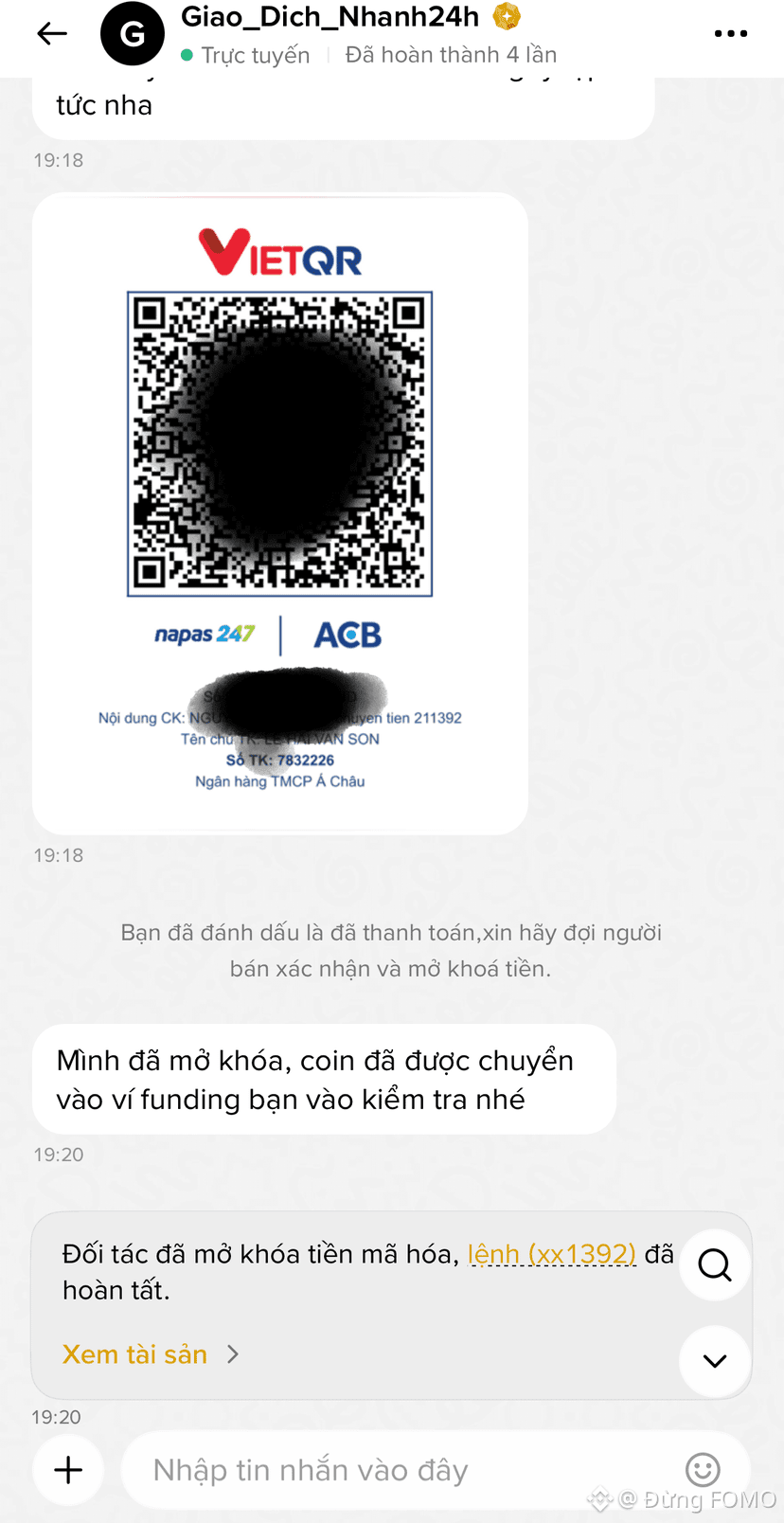
Thương nhân tích hợp mã QR trực tiếp vào lệnh P2P: tiện nhưng có một điểm cần đặc biệt lưu ý ⚠️
Dạo gần đây mình gặp trường hợp thương nhân tích hợp sẵn mã QR thanh toán vào lệnh P2P. Người mua chỉ cần quét QR là có thể chuyển tiền, không phải tự nhập số tài khoản hay số tiền.
Ưu điểm:
* ✅ Thanh toán nhanh, hạn chế nhập sai STK.
* ✅ Số tiền được điền sẵn, giảm nhầm số tiền.
* ✅ Trải nghiệm giao dịch thuận tiện hơn, đặc biệt với người mới.
* ✅ Thông tin chuyển khoản được chuẩn hóa, đỡ mất thời gian trao đổi.
Nhược điểm/rủi ro:
* ⚠️ Người mua dễ có tâm lý “cứ quét QR là chuyển”, nhưng vẫn phải kiểm tra kỹ tên chủ tài khoản nhận tiền trước khi xác nhận.
* ⚠️ QR có thể khiến người dùng chủ quan, bỏ qua bước đối chiếu thông tin người nhận.
* ⚠️ Nếu QR được tạo từ thông tin tài khoản không đúng với người bán/thương nhân, giao dịch có thể phát sinh tranh chấp.
* ⚠️ Đặc biệt với P2P, đừng chỉ nhìn thấy QR của ngân hàng là mặc định an toàn.
👉 QR chỉ giúp thanh toán thuận tiện hơn, không thay thế bước kiểm tra thông tin giao dịch.
Quét QR nhanh, nhưng vẫn phải kiểm tra kỹ trước khi bấm chuyển tiền.
#BinanceP2PAnToan @Binance_Vietnam
$BTC
{future}(BTCUSDT)
Thương nhân tích hợp mã QR trực tiếp vào lệnh P2P: tiện nhưng có một điểm cần đặc biệt lưu ý ⚠️
Dạo gần đây mình gặp trường hợp thương nhân tích hợp sẵn mã QR thanh toán vào lệnh P2P. Người mua chỉ cần quét QR là có thể chuyển tiền, không phải tự nhập số tài khoản hay số tiền.
Ưu điểm:
* ✅ Thanh toán nhanh, hạn chế nhập sai STK.
* ✅ Số tiền được điền sẵn, giảm nhầm số tiền.
* ✅ Trải nghiệm giao dịch thuận tiện hơn, đặc biệt với người mới.
* ✅ Thông tin chuyển khoản được chuẩn hóa, đỡ mất thời gian trao đổi.
Nhược điểm/rủi ro:
* ⚠️ Người mua dễ có tâm lý “cứ quét QR là chuyển”, nhưng vẫn phải kiểm tra kỹ tên chủ tài khoản nhận tiền trước khi xác nhận.
* ⚠️ QR có thể khiến người dùng chủ quan, bỏ qua bước đối chiếu thông tin người nhận.
* ⚠️ Nếu QR được tạo từ thông tin tài khoản không đúng với người bán/thương nhân, giao dịch có thể phát sinh tranh chấp.
* ⚠️ Đặc biệt với P2P, đừng chỉ nhìn thấy QR của ngân hàng là mặc định an toàn.
👉 QR chỉ giúp thanh toán thuận tiện hơn, không thay thế bước kiểm tra thông tin giao dịch.
Quét QR nhanh, nhưng vẫn phải kiểm tra kỹ trước khi bấm chuyển tiền.
#BinanceP2PAnToan @Binance Vietnam
$BTC
Dạo gần đây mình gặp trường hợp thương nhân tích hợp sẵn mã QR thanh toán vào lệnh P2P. Người mua chỉ cần quét QR là có thể chuyển tiền, không phải tự nhập số tài khoản hay số tiền.
Ưu điểm:
* ✅ Thanh toán nhanh, hạn chế nhập sai STK.
* ✅ Số tiền được điền sẵn, giảm nhầm số tiền.
* ✅ Trải nghiệm giao dịch thuận tiện hơn, đặc biệt với người mới.
* ✅ Thông tin chuyển khoản được chuẩn hóa, đỡ mất thời gian trao đổi.
Nhược điểm/rủi ro:
* ⚠️ Người mua dễ có tâm lý “cứ quét QR là chuyển”, nhưng vẫn phải kiểm tra kỹ tên chủ tài khoản nhận tiền trước khi xác nhận.
* ⚠️ QR có thể khiến người dùng chủ quan, bỏ qua bước đối chiếu thông tin người nhận.
* ⚠️ Nếu QR được tạo từ thông tin tài khoản không đúng với người bán/thương nhân, giao dịch có thể phát sinh tranh chấp.
* ⚠️ Đặc biệt với P2P, đừng chỉ nhìn thấy QR của ngân hàng là mặc định an toàn.
👉 QR chỉ giúp thanh toán thuận tiện hơn, không thay thế bước kiểm tra thông tin giao dịch.
Quét QR nhanh, nhưng vẫn phải kiểm tra kỹ trước khi bấm chuyển tiền.
#BinanceP2PAnToan @Binance Vietnam
$BTC
3
3
440

#binancep2pantoan @Binance_Vietnam
858 USDT is the amount I bought to hold BTC back in January 2026. I transferred the full 22.551 million VND to the seller’s MB Bank account. The bank reported the transaction as successful, the money was sent. But it was pretty tense: Fiat had gone through, while the USDT was still stuck.
At first I thought it was just a delayed transaction. Until the seller messaged on Binance P2P that the bank had sent a warning and locked the account. I also had no idea what was actually happening on their side. So I stopped guessing and just focused on what I had.
I paid directly in the order, all communication stayed on Binance P2P and the documents were kept in full. When Support needed to cross-check, they asked for the original PDF statement from Internet Banking, matching the exact time period.
At first I felt a bit tense. But thinking about it, it made sense: a screenshot only proves that there was a transaction, while the PDF from the bank helps Support check the amount, time and account more clearly, while also avoiding edited files.
After this, I realized that a P2P transaction shouldn’t be looked at through screenshots alone. The Order ID, chat and bank statement placed side by side will tell the whole process: when the money went out, how much was sent and what happened. Keeping the whole set is still more solid than a single image.
I submitted everything Support needed and after the review was completed, the USDT finally came through. I didn’t go deeper into what the seller was dealing with. What I needed to know was that the transaction had been processed based on what I provided.
In the end, what I took away was pretty interesting: Good proof isn’t about how “trustworthy” it looks, but whether it has a clear origin and other people can check it again when things go sideways.
Since then, I’ve kept the Order ID, P2P chat and original PDF for every order. Now I see saving proof as the final step before closing a transaction, not something I do just for the sake of it.
#binancep2pantoan @Binance Vietnam
858 USDT is the amount I bought to hold BTC back in January 2026. I transferred the full 22.551 million VND to the seller’s MB Bank account. The bank reported the transaction as successful, the money was sent. But it was pretty tense: Fiat had gone through, while the USDT was still stuck.
At first I thought it was just a delayed transaction. Until the seller messaged on Binance P2P that the bank had sent a warning and locked the account. I also had no idea what was actually happening on their side. So I stopped guessing and just focused on what I had.
I paid directly in the order, all communication stayed on Binance P2P and the documents were kept in full. When Support needed to cross-check, they asked for the original PDF statement from Internet Banking, matching the exact time period.
At first I felt a bit tense. But thinking about it, it made sense: a screenshot only proves that there was a transaction, while the PDF from the bank helps Support check the amount, time and account more clearly, while also avoiding edited files.
After this, I realized that a P2P transaction shouldn’t be looked at through screenshots alone. The Order ID, chat and bank statement placed side by side will tell the whole process: when the money went out, how much was sent and what happened. Keeping the whole set is still more solid than a single image.
I submitted everything Support needed and after the review was completed, the USDT finally came through. I didn’t go deeper into what the seller was dealing with. What I needed to know was that the transaction had been processed based on what I provided.
In the end, what I took away was pretty interesting: Good proof isn’t about how “trustworthy” it looks, but whether it has a clear origin and other people can check it again when things go sideways.
Since then, I’ve kept the Order ID, P2P chat and original PDF for every order. Now I see saving proof as the final step before closing a transaction, not something I do just for the sake of it.
858 USDT is the amount I bought to hold BTC back in January 2026. I transferred the full 22.551 million VND to the seller’s MB Bank account. The bank reported the transaction as successful, the money was sent. But it was pretty tense: Fiat had gone through, while the USDT was still stuck.
At first I thought it was just a delayed transaction. Until the seller messaged on Binance P2P that the bank had sent a warning and locked the account. I also had no idea what was actually happening on their side. So I stopped guessing and just focused on what I had.
I paid directly in the order, all communication stayed on Binance P2P and the documents were kept in full. When Support needed to cross-check, they asked for the original PDF statement from Internet Banking, matching the exact time period.
At first I felt a bit tense. But thinking about it, it made sense: a screenshot only proves that there was a transaction, while the PDF from the bank helps Support check the amount, time and account more clearly, while also avoiding edited files.
After this, I realized that a P2P transaction shouldn’t be looked at through screenshots alone. The Order ID, chat and bank statement placed side by side will tell the whole process: when the money went out, how much was sent and what happened. Keeping the whole set is still more solid than a single image.
I submitted everything Support needed and after the review was completed, the USDT finally came through. I didn’t go deeper into what the seller was dealing with. What I needed to know was that the transaction had been processed based on what I provided.
In the end, what I took away was pretty interesting: Good proof isn’t about how “trustworthy” it looks, but whether it has a clear origin and other people can check it again when things go sideways.
Since then, I’ve kept the Order ID, P2P chat and original PDF for every order. Now I see saving proof as the final step before closing a transaction, not something I do just for the sake of it.
3
2
4.7k
#binancep2pantoan @Binance_Vietnam
Muốn giao dịch Binance P2P mượt mà mà không gặp "drama", anh em cứ bỏ túi mấy chiêu này cho lành.
Đầu tiên là chuyện tên tuổi, phải chuẩn chỉnh chính chủ 100%. Tên trên app ngân hàng với tên KYC trên Binance mà lệch một ly là đi một dặm, tuyệt đối nói không với giao dịch qua bên thứ ba. Lúc nhận tiền cũng vậy, cứ phải mở hẳn app ngân hàng ra thấy tinh tinh cộng số dư thực tế rồi mới nhấn mở khóa coin. Mấy tấm ảnh chụp màn hình hay SMS báo có nhiều khi chỉ là "cú lừa" công nghệ cao thôi.
Nếu làm bên mua, chuyển tiền xong xuôi nhớ bấm nút xác nhận chứ đừng táy máy tay chân nhấn hủy lệnh kẻo tiền đi coin không về. Có bất kỳ thắc mắc hay biến cố gì, cứ vô khung chat hệ thống Binance mà nói chuyện để sau này còn có bằng chứng nhờ sàn hỗ trợ.
Chơi đúng luật thì vừa an toàn vừa thong dong lượm lúa!
#binancep2pantoan @Binance Vietnam
Muốn giao dịch Binance P2P mượt mà mà không gặp "drama", anh em cứ bỏ túi mấy chiêu này cho lành.
Đầu tiên là chuyện tên tuổi, phải chuẩn chỉnh chính chủ 100%. Tên trên app ngân hàng với tên KYC trên Binance mà lệch một ly là đi một dặm, tuyệt đối nói không với giao dịch qua bên thứ ba. Lúc nhận tiền cũng vậy, cứ phải mở hẳn app ngân hàng ra thấy tinh tinh cộng số dư thực tế rồi mới nhấn mở khóa coin. Mấy tấm ảnh chụp màn hình hay SMS báo có nhiều khi chỉ là "cú lừa" công nghệ cao thôi.
Nếu làm bên mua, chuyển tiền xong xuôi nhớ bấm nút xác nhận chứ đừng táy máy tay chân nhấn hủy lệnh kẻo tiền đi coin không về. Có bất kỳ thắc mắc hay biến cố gì, cứ vô khung chat hệ thống Binance mà nói chuyện để sau này còn có bằng chứng nhờ sàn hỗ trợ.
Chơi đúng luật thì vừa an toàn vừa thong dong lượm lúa!
Muốn giao dịch Binance P2P mượt mà mà không gặp "drama", anh em cứ bỏ túi mấy chiêu này cho lành.
Đầu tiên là chuyện tên tuổi, phải chuẩn chỉnh chính chủ 100%. Tên trên app ngân hàng với tên KYC trên Binance mà lệch một ly là đi một dặm, tuyệt đối nói không với giao dịch qua bên thứ ba. Lúc nhận tiền cũng vậy, cứ phải mở hẳn app ngân hàng ra thấy tinh tinh cộng số dư thực tế rồi mới nhấn mở khóa coin. Mấy tấm ảnh chụp màn hình hay SMS báo có nhiều khi chỉ là "cú lừa" công nghệ cao thôi.
Nếu làm bên mua, chuyển tiền xong xuôi nhớ bấm nút xác nhận chứ đừng táy máy tay chân nhấn hủy lệnh kẻo tiền đi coin không về. Có bất kỳ thắc mắc hay biến cố gì, cứ vô khung chat hệ thống Binance mà nói chuyện để sau này còn có bằng chứng nhờ sàn hỗ trợ.
Chơi đúng luật thì vừa an toàn vừa thong dong lượm lúa!
81

·
--
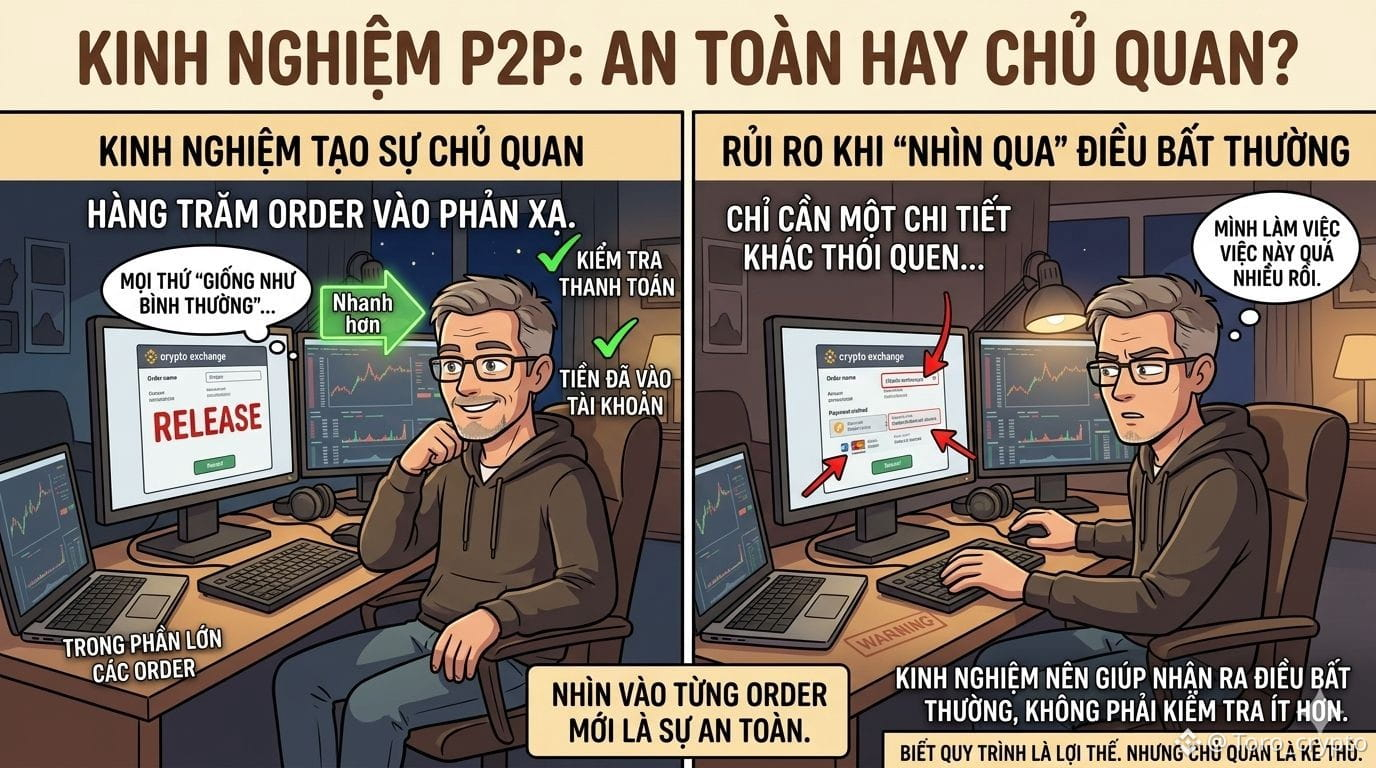
Kinh nghiệm nhiều không phải lúc nào cũng làm bạn an toàn hơn.
Đôi khi nó khiến bạn chủ quan hơn.
Hãy thử tưởng tượng một người đã giao dịch P2P hàng trăm lần.
Họ biết phải mở Order ở đâu.
Biết kiểm tra payment.
Biết khi nào không nên Release.
Những thao tác đó quen đến mức gần như thành phản xạ.
Và chính điều này mới đáng để suy nghĩ.
Khi làm một việc đủ nhiều lần, não bắt đầu tìm cách làm nó nhanh hơn.
Bạn không còn đọc từng chi tiết.
Bạn nhìn qua một vài thông tin quen thuộc, thấy mọi thứ giống như bình thường, rồi tiếp tục.
Trong phần lớn các Order, điều đó có thể không gây ra vấn đề gì.
Nhưng chỉ cần một Order có một chi tiết khác với thói quen, phản xạ cũ có thể khiến bạn bỏ qua nó.
Một payment method khác.
Một tài khoản thanh toán khác.
Hoặc đơn giản là một điều kiện trong Order không giống những lần trước.
Điều đáng sợ là người có kinh nghiệm không phải lúc nào cũng nhận ra mình đang chủ quan.
Vì họ không nghĩ:
“Mình đang bỏ qua bước kiểm tra.”
Họ nghĩ:
“Mình làm việc này quá nhiều rồi.”
Vì vậy, mình có một nguyên tắc khá đơn giản khi giao dịch P2P:
Kinh nghiệm nên giúp mình nhận ra điều bất thường nhanh hơn, chứ không phải giúp mình kiểm tra ít hơn.
Mỗi Order vẫn có những điều kiện riêng.
Mỗi payment vẫn cần được đối chiếu.
Và mỗi lần Release vẫn phải dựa trên thông tin của chính giao dịch đó.
Có thể điều khó nhất của việc giao dịch lâu năm không phải là học thêm một quy tắc.
Mà là nhận ra lúc nào kinh nghiệm đang giúp mình và lúc nào nó đã biến thành thói quen.
Biết quy trình là lợi thế.
Nhưng vẫn thực sự nhìn vào từng Order mới là sự an toàn.
@Binance_Vietnam #BinanceP2PAnToan
Kinh nghiệm nhiều không phải lúc nào cũng làm bạn an toàn hơn.
Đôi khi nó khiến bạn chủ quan hơn.
Hãy thử tưởng tượng một người đã giao dịch P2P hàng trăm lần.
Họ biết phải mở Order ở đâu.
Biết kiểm tra payment.
Biết khi nào không nên Release.
Những thao tác đó quen đến mức gần như thành phản xạ.
Và chính điều này mới đáng để suy nghĩ.
Khi làm một việc đủ nhiều lần, não bắt đầu tìm cách làm nó nhanh hơn.
Bạn không còn đọc từng chi tiết.
Bạn nhìn qua một vài thông tin quen thuộc, thấy mọi thứ giống như bình thường, rồi tiếp tục.
Trong phần lớn các Order, điều đó có thể không gây ra vấn đề gì.
Nhưng chỉ cần một Order có một chi tiết khác với thói quen, phản xạ cũ có thể khiến bạn bỏ qua nó.
Một payment method khác.
Một tài khoản thanh toán khác.
Hoặc đơn giản là một điều kiện trong Order không giống những lần trước.
Điều đáng sợ là người có kinh nghiệm không phải lúc nào cũng nhận ra mình đang chủ quan.
Vì họ không nghĩ:
“Mình đang bỏ qua bước kiểm tra.”
Họ nghĩ:
“Mình làm việc này quá nhiều rồi.”
Vì vậy, mình có một nguyên tắc khá đơn giản khi giao dịch P2P:
Kinh nghiệm nên giúp mình nhận ra điều bất thường nhanh hơn, chứ không phải giúp mình kiểm tra ít hơn.
Mỗi Order vẫn có những điều kiện riêng.
Mỗi payment vẫn cần được đối chiếu.
Và mỗi lần Release vẫn phải dựa trên thông tin của chính giao dịch đó.
Có thể điều khó nhất của việc giao dịch lâu năm không phải là học thêm một quy tắc.
Mà là nhận ra lúc nào kinh nghiệm đang giúp mình và lúc nào nó đã biến thành thói quen.
Biết quy trình là lợi thế.
Nhưng vẫn thực sự nhìn vào từng Order mới là sự an toàn.
@Binance Vietnam #BinanceP2PAnToan
Đôi khi nó khiến bạn chủ quan hơn.
Hãy thử tưởng tượng một người đã giao dịch P2P hàng trăm lần.
Họ biết phải mở Order ở đâu.
Biết kiểm tra payment.
Biết khi nào không nên Release.
Những thao tác đó quen đến mức gần như thành phản xạ.
Và chính điều này mới đáng để suy nghĩ.
Khi làm một việc đủ nhiều lần, não bắt đầu tìm cách làm nó nhanh hơn.
Bạn không còn đọc từng chi tiết.
Bạn nhìn qua một vài thông tin quen thuộc, thấy mọi thứ giống như bình thường, rồi tiếp tục.
Trong phần lớn các Order, điều đó có thể không gây ra vấn đề gì.
Nhưng chỉ cần một Order có một chi tiết khác với thói quen, phản xạ cũ có thể khiến bạn bỏ qua nó.
Một payment method khác.
Một tài khoản thanh toán khác.
Hoặc đơn giản là một điều kiện trong Order không giống những lần trước.
Điều đáng sợ là người có kinh nghiệm không phải lúc nào cũng nhận ra mình đang chủ quan.
Vì họ không nghĩ:
“Mình đang bỏ qua bước kiểm tra.”
Họ nghĩ:
“Mình làm việc này quá nhiều rồi.”
Vì vậy, mình có một nguyên tắc khá đơn giản khi giao dịch P2P:
Kinh nghiệm nên giúp mình nhận ra điều bất thường nhanh hơn, chứ không phải giúp mình kiểm tra ít hơn.
Mỗi Order vẫn có những điều kiện riêng.
Mỗi payment vẫn cần được đối chiếu.
Và mỗi lần Release vẫn phải dựa trên thông tin của chính giao dịch đó.
Có thể điều khó nhất của việc giao dịch lâu năm không phải là học thêm một quy tắc.
Mà là nhận ra lúc nào kinh nghiệm đang giúp mình và lúc nào nó đã biến thành thói quen.
Biết quy trình là lợi thế.
Nhưng vẫn thực sự nhìn vào từng Order mới là sự an toàn.
@Binance Vietnam #BinanceP2PAnToan
12
7
237

·
--
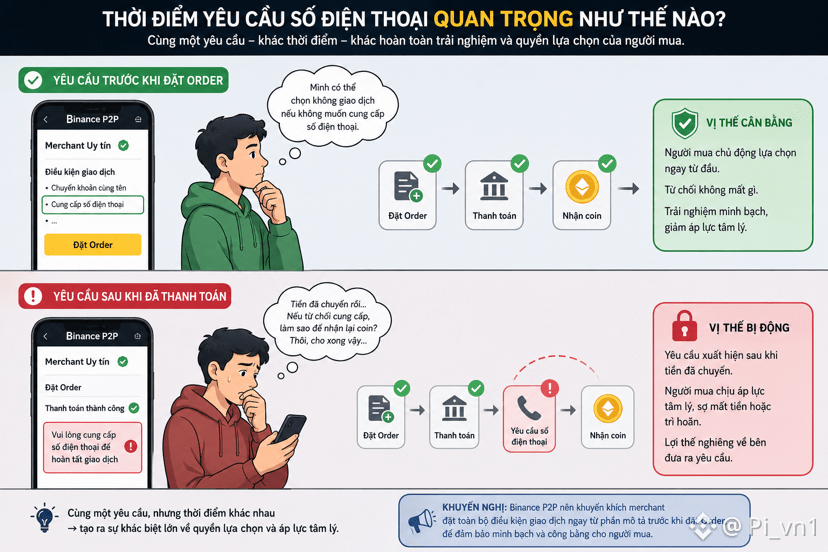
Mình có một thứ mình nhận ra khi thử đặt câu hỏi: vì sao yêu cầu số điện thoại lại xuất hiện đúng lúc giao dịch gần kết thúc — sau khi thanh toán — thay vì ngay từ đầu, trước khi đặt Order trên Binance P2P.
Nếu số điện thoại thực sự cần để merchant quyết định nhận giao dịch, logic hợp lý là yêu cầu trước, làm điều kiện tiên quyết. Nhưng đặt yêu cầu này sau khi đã thanh toán thay đổi hoàn toàn bản chất — người mua ở thế yếu hơn nhiều, tiền đã chuyển, thứ họ cần là hoàn tất nhanh, không phải cân nhắc kỹ có nên cung cấp thêm thông tin cá nhân hay không.
Đây là điểm khiến mình nghĩ thời điểm đặt yêu cầu quan trọng không kém nội dung yêu cầu. Điều kiện xuất hiện trước khi cam kết cho phép người mua tự do từ chối mà không mất gì. Cùng điều kiện đó xuất hiện sau khi cam kết lại tạo áp lực tâm lý khác hẳn — cảm giác “đã đi nửa đường, thôi cho xong” dễ lấn át cân nhắc thận trọng ban đầu.
Không nhất thiết là chủ đích thao túng — có thể chỉ là quy trình nội bộ đặt bước xác minh sau thanh toán vì lý do vận hành. Nhưng bất kể động cơ, cấu trúc thời điểm này khách quan tạo lợi thế tâm lý cho bên đưa ra yêu cầu.
Tự phản biện: đây là quan sát về cấu trúc thời điểm nói chung, không phải bằng chứng merchant trong tình huống này cố tình sắp xếp để gây áp lực tâm lý.
Mình đang chờ xem Binance P2P có khuyến khích merchant đặt toàn bộ điều kiện giao dịch ngay từ phần mô tả trước khi đặt Order, thay vì để chúng xuất hiện rải rác trong quá trình giao dịch.
#binancep2pantoan @Binance_Vietnam $BTC $ETH
Mình có một thứ mình nhận ra khi thử đặt câu hỏi: vì sao yêu cầu số điện thoại lại xuất hiện đúng lúc giao dịch gần kết thúc — sau khi thanh toán — thay vì ngay từ đầu, trước khi đặt Order trên Binance P2P.
Nếu số điện thoại thực sự cần để merchant quyết định nhận giao dịch, logic hợp lý là yêu cầu trước, làm điều kiện tiên quyết. Nhưng đặt yêu cầu này sau khi đã thanh toán thay đổi hoàn toàn bản chất — người mua ở thế yếu hơn nhiều, tiền đã chuyển, thứ họ cần là hoàn tất nhanh, không phải cân nhắc kỹ có nên cung cấp thêm thông tin cá nhân hay không.
Đây là điểm khiến mình nghĩ thời điểm đặt yêu cầu quan trọng không kém nội dung yêu cầu. Điều kiện xuất hiện trước khi cam kết cho phép người mua tự do từ chối mà không mất gì. Cùng điều kiện đó xuất hiện sau khi cam kết lại tạo áp lực tâm lý khác hẳn — cảm giác “đã đi nửa đường, thôi cho xong” dễ lấn át cân nhắc thận trọng ban đầu.
Không nhất thiết là chủ đích thao túng — có thể chỉ là quy trình nội bộ đặt bước xác minh sau thanh toán vì lý do vận hành. Nhưng bất kể động cơ, cấu trúc thời điểm này khách quan tạo lợi thế tâm lý cho bên đưa ra yêu cầu.
Tự phản biện: đây là quan sát về cấu trúc thời điểm nói chung, không phải bằng chứng merchant trong tình huống này cố tình sắp xếp để gây áp lực tâm lý.
Mình đang chờ xem Binance P2P có khuyến khích merchant đặt toàn bộ điều kiện giao dịch ngay từ phần mô tả trước khi đặt Order, thay vì để chúng xuất hiện rải rác trong quá trình giao dịch.
#binancep2pantoan @Binance Vietnam $BTC $ETH
Nếu số điện thoại thực sự cần để merchant quyết định nhận giao dịch, logic hợp lý là yêu cầu trước, làm điều kiện tiên quyết. Nhưng đặt yêu cầu này sau khi đã thanh toán thay đổi hoàn toàn bản chất — người mua ở thế yếu hơn nhiều, tiền đã chuyển, thứ họ cần là hoàn tất nhanh, không phải cân nhắc kỹ có nên cung cấp thêm thông tin cá nhân hay không.
Đây là điểm khiến mình nghĩ thời điểm đặt yêu cầu quan trọng không kém nội dung yêu cầu. Điều kiện xuất hiện trước khi cam kết cho phép người mua tự do từ chối mà không mất gì. Cùng điều kiện đó xuất hiện sau khi cam kết lại tạo áp lực tâm lý khác hẳn — cảm giác “đã đi nửa đường, thôi cho xong” dễ lấn át cân nhắc thận trọng ban đầu.
Không nhất thiết là chủ đích thao túng — có thể chỉ là quy trình nội bộ đặt bước xác minh sau thanh toán vì lý do vận hành. Nhưng bất kể động cơ, cấu trúc thời điểm này khách quan tạo lợi thế tâm lý cho bên đưa ra yêu cầu.
Tự phản biện: đây là quan sát về cấu trúc thời điểm nói chung, không phải bằng chứng merchant trong tình huống này cố tình sắp xếp để gây áp lực tâm lý.
Mình đang chờ xem Binance P2P có khuyến khích merchant đặt toàn bộ điều kiện giao dịch ngay từ phần mô tả trước khi đặt Order, thay vì để chúng xuất hiện rải rác trong quá trình giao dịch.
#binancep2pantoan @Binance Vietnam $BTC $ETH
192

·
--
Haussier
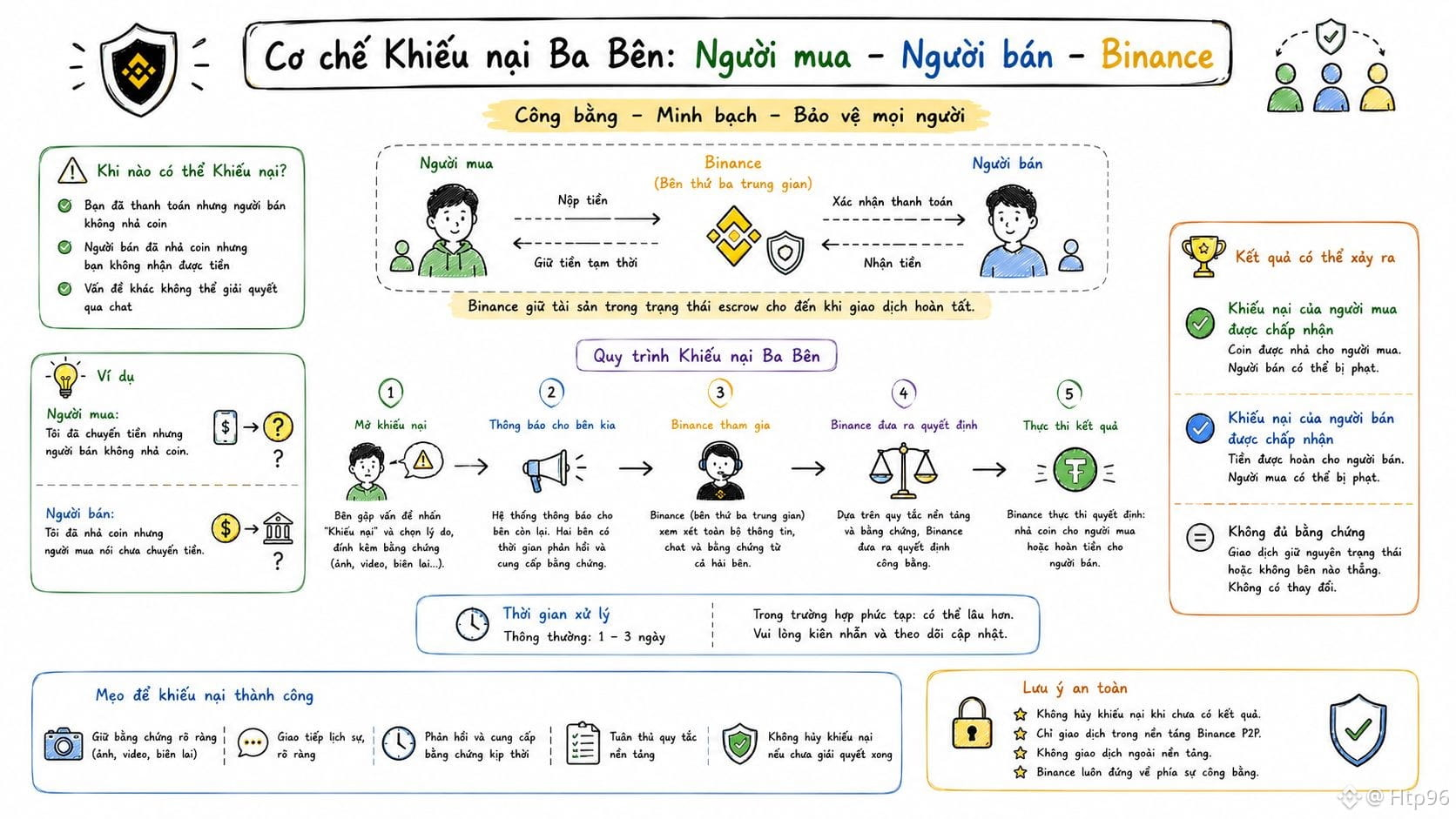
Mình để ý cơ chế khiếu nại P2P không đơn giản là "Binance phân xử", mà thực chất là một quy trình ba bên có trình tự rõ ràng, mỗi bên đều có vai trò cụ thể trước khi sàn can thiệp sâu.
Bước đầu luôn là hai bên tự trao đổi trong chat của order Binance ưu tiên xem đây là bước thiện chí bắt buộc, mở appeal ngay mà chưa từng trò chuyện thường bị đánh giá thấp hơn khi xét hồ sơ.
Khi mở appeal, đối phương có đúng 10 phút để phản hồi trước khi hệ thống chuyển trạng thái sang chờ đội ngũ Binance can thiệp trực tiếp, dựa hoàn toàn vào bằng chứng đã có: Order ID, lịch sử chat, ảnh chụp sao kê.
Theo cách mình nhìn, cơ chế ba bên này công bằng ở chỗ Binance không đứng về phía nào mặc định bên nào cung cấp bằng chứng thuyết phục hơn mới thắng, nên chủ động lưu bằng chứng ngay từ đầu quan trọng hơn tranh cãi nhiều lời.
#binancep2pantoan @Binance_Vietnam
Mình để ý cơ chế khiếu nại P2P không đơn giản là "Binance phân xử", mà thực chất là một quy trình ba bên có trình tự rõ ràng, mỗi bên đều có vai trò cụ thể trước khi sàn can thiệp sâu.
Bước đầu luôn là hai bên tự trao đổi trong chat của order Binance ưu tiên xem đây là bước thiện chí bắt buộc, mở appeal ngay mà chưa từng trò chuyện thường bị đánh giá thấp hơn khi xét hồ sơ.
Khi mở appeal, đối phương có đúng 10 phút để phản hồi trước khi hệ thống chuyển trạng thái sang chờ đội ngũ Binance can thiệp trực tiếp, dựa hoàn toàn vào bằng chứng đã có: Order ID, lịch sử chat, ảnh chụp sao kê.
Theo cách mình nhìn, cơ chế ba bên này công bằng ở chỗ Binance không đứng về phía nào mặc định bên nào cung cấp bằng chứng thuyết phục hơn mới thắng, nên chủ động lưu bằng chứng ngay từ đầu quan trọng hơn tranh cãi nhiều lời.
#binancep2pantoan @Binance Vietnam
Bước đầu luôn là hai bên tự trao đổi trong chat của order Binance ưu tiên xem đây là bước thiện chí bắt buộc, mở appeal ngay mà chưa từng trò chuyện thường bị đánh giá thấp hơn khi xét hồ sơ.
Khi mở appeal, đối phương có đúng 10 phút để phản hồi trước khi hệ thống chuyển trạng thái sang chờ đội ngũ Binance can thiệp trực tiếp, dựa hoàn toàn vào bằng chứng đã có: Order ID, lịch sử chat, ảnh chụp sao kê.
Theo cách mình nhìn, cơ chế ba bên này công bằng ở chỗ Binance không đứng về phía nào mặc định bên nào cung cấp bằng chứng thuyết phục hơn mới thắng, nên chủ động lưu bằng chứng ngay từ đầu quan trọng hơn tranh cãi nhiều lời.
#binancep2pantoan @Binance Vietnam
1
1
1.6k

Khi em họ tôi bắt đầu tìm hiểu về crypto và hỏi có nên thử giao dịch trên Binance P2P không, tôi đã dành hẳn một buổi tối để giải thích cặn kẽ trước khi để em ấy tự đặt lệnh đầu tiên.
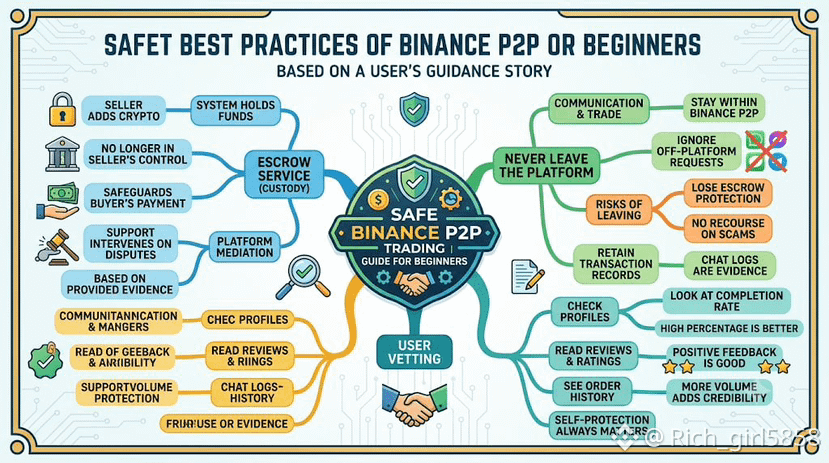
Điều đầu tiên tôi nhấn mạnh là cơ chế ký quỹ. Tôi giải thích khi người bán đặt lệnh, số crypto tương ứng sẽ được hệ thống Binance P2P giữ lại, không thuộc quyền kiểm soát của người bán nữa cho đến khi giao dịch hoàn tất. Nhờ vậy, người mua có thể yên tâm chuyển khoản mà không sợ mất tiền oan, vì nếu người bán không release đúng cam kết, đội ngũ hỗ trợ sẽ can thiệp xử lý dựa trên bằng chứng cả hai bên cung cấp.
Điều thứ hai tôi dặn dò kỹ là tuyệt đối không rời khỏi nền tảng để giao dịch, dù đối phương có đưa ra lý do gì đi nữa, kể cả việc hứa hẹn giá tốt hơn hay tiết kiệm phí giao dịch. Tôi nói với em rằng mọi bảo vệ từ ký quỹ, lịch sử chat cho đến khả năng khiếu nại đều chỉ có hiệu lực khi giao dịch diễn ra trong Binance P2P. Một khi bước ra ngoài, tất cả những lớp bảo vệ đó biến mất hoàn toàn.
Em họ tôi đặt lệnh mua đầu tiên với số tiền nhỏ để làm quen, và mọi thứ diễn ra suôn sẻ. Nhìn em ấy tự tin hơn sau lần đó, tôi càng thấy việc dành thời gian giải thích ngay từ đầu là điều cần thiết, thay vì để người mới tự mò mẫm và gặp rủi ro không đáng có.
Sau đó, tôi hướng dẫn em cách đọc nhanh hồ sơ một đối tác trước khi đặt lệnh, để em hiểu rằng dù nền tảng đã có cơ chế bảo vệ, việc tự mình cẩn trọng lựa chọn người giao dịch cùng vẫn luôn là bước không nên bỏ qua.
@Binance_Vietnam #BinanceP2PAnToan
$BOME $PNUT
Khi em họ tôi bắt đầu tìm hiểu về crypto và hỏi có nên thử giao dịch trên Binance P2P không, tôi đã dành hẳn một buổi tối để giải thích cặn kẽ trước khi để em ấy tự đặt lệnh đầu tiên.
Điều đầu tiên tôi nhấn mạnh là cơ chế ký quỹ. Tôi giải thích khi người bán đặt lệnh, số crypto tương ứng sẽ được hệ thống Binance P2P giữ lại, không thuộc quyền kiểm soát của người bán nữa cho đến khi giao dịch hoàn tất. Nhờ vậy, người mua có thể yên tâm chuyển khoản mà không sợ mất tiền oan, vì nếu người bán không release đúng cam kết, đội ngũ hỗ trợ sẽ can thiệp xử lý dựa trên bằng chứng cả hai bên cung cấp.
Điều thứ hai tôi dặn dò kỹ là tuyệt đối không rời khỏi nền tảng để giao dịch, dù đối phương có đưa ra lý do gì đi nữa, kể cả việc hứa hẹn giá tốt hơn hay tiết kiệm phí giao dịch. Tôi nói với em rằng mọi bảo vệ từ ký quỹ, lịch sử chat cho đến khả năng khiếu nại đều chỉ có hiệu lực khi giao dịch diễn ra trong Binance P2P. Một khi bước ra ngoài, tất cả những lớp bảo vệ đó biến mất hoàn toàn.
Em họ tôi đặt lệnh mua đầu tiên với số tiền nhỏ để làm quen, và mọi thứ diễn ra suôn sẻ. Nhìn em ấy tự tin hơn sau lần đó, tôi càng thấy việc dành thời gian giải thích ngay từ đầu là điều cần thiết, thay vì để người mới tự mò mẫm và gặp rủi ro không đáng có.
Sau đó, tôi hướng dẫn em cách đọc nhanh hồ sơ một đối tác trước khi đặt lệnh, để em hiểu rằng dù nền tảng đã có cơ chế bảo vệ, việc tự mình cẩn trọng lựa chọn người giao dịch cùng vẫn luôn là bước không nên bỏ qua.
@Binance Vietnam #BinanceP2PAnToan
$BOME $PNUT
Điều đầu tiên tôi nhấn mạnh là cơ chế ký quỹ. Tôi giải thích khi người bán đặt lệnh, số crypto tương ứng sẽ được hệ thống Binance P2P giữ lại, không thuộc quyền kiểm soát của người bán nữa cho đến khi giao dịch hoàn tất. Nhờ vậy, người mua có thể yên tâm chuyển khoản mà không sợ mất tiền oan, vì nếu người bán không release đúng cam kết, đội ngũ hỗ trợ sẽ can thiệp xử lý dựa trên bằng chứng cả hai bên cung cấp.
Điều thứ hai tôi dặn dò kỹ là tuyệt đối không rời khỏi nền tảng để giao dịch, dù đối phương có đưa ra lý do gì đi nữa, kể cả việc hứa hẹn giá tốt hơn hay tiết kiệm phí giao dịch. Tôi nói với em rằng mọi bảo vệ từ ký quỹ, lịch sử chat cho đến khả năng khiếu nại đều chỉ có hiệu lực khi giao dịch diễn ra trong Binance P2P. Một khi bước ra ngoài, tất cả những lớp bảo vệ đó biến mất hoàn toàn.
Em họ tôi đặt lệnh mua đầu tiên với số tiền nhỏ để làm quen, và mọi thứ diễn ra suôn sẻ. Nhìn em ấy tự tin hơn sau lần đó, tôi càng thấy việc dành thời gian giải thích ngay từ đầu là điều cần thiết, thay vì để người mới tự mò mẫm và gặp rủi ro không đáng có.
Sau đó, tôi hướng dẫn em cách đọc nhanh hồ sơ một đối tác trước khi đặt lệnh, để em hiểu rằng dù nền tảng đã có cơ chế bảo vệ, việc tự mình cẩn trọng lựa chọn người giao dịch cùng vẫn luôn là bước không nên bỏ qua.
@Binance Vietnam #BinanceP2PAnToan
$BOME $PNUT
237
·
--
#binancep2pantoan
Đối tác gửi yêu cầu “xác nhận trước”
@Binance_Vietnam
Bạn đang mua USDT trên Binance P2P. Sau khi bạn chuyển tiền, người bán nhắn rằng hệ thống của họ chưa cập nhật và yêu cầu bạn bấm “Đã thanh toán” hoặc xác nhận một bước nào đó trước khi họ kiểm tra giao dịch.
Nghe có vẻ chỉ là một thao tác nhỏ, nhưng đây là lúc nên chậm lại.
Hãy kiểm tra lại trạng thái lệnh, số tiền đã chuyển và thông tin người nhận. Nếu đã thanh toán đúng theo lệnh, giữ lại bằng chứng chuyển khoản và trao đổi trực tiếp trong khung chat của giao dịch.
Đừng vì đối tác liên tục thúc giục mà thực hiện thêm một giao dịch khác, chuyển thêm tiền hoặc làm theo hướng dẫn ngoài quy trình P2P.
Nếu có tranh chấp, hãy sử dụng Appeal và cung cấp đầy đủ bằng chứng thay vì tự giải quyết bằng cách chuyển tiền qua lại.
P2P không khó, nhưng nguyên tắc quan trọng là:
Không hiểu rõ thao tác thì chưa bấm. Không xác minh được thì chưa xác nhận.
Giao dịch an toàn không nằm ở việc hoàn thành nhanh nhất, mà ở việc bạn luôn biết mình đang xác nhận điều gì.
$BTC $ETH
#binancep2pantoan
Đối tác gửi yêu cầu “xác nhận trước”
@Binance Vietnam
Bạn đang mua USDT trên Binance P2P. Sau khi bạn chuyển tiền, người bán nhắn rằng hệ thống của họ chưa cập nhật và yêu cầu bạn bấm “Đã thanh toán” hoặc xác nhận một bước nào đó trước khi họ kiểm tra giao dịch.
Nghe có vẻ chỉ là một thao tác nhỏ, nhưng đây là lúc nên chậm lại.
Hãy kiểm tra lại trạng thái lệnh, số tiền đã chuyển và thông tin người nhận. Nếu đã thanh toán đúng theo lệnh, giữ lại bằng chứng chuyển khoản và trao đổi trực tiếp trong khung chat của giao dịch.
Đừng vì đối tác liên tục thúc giục mà thực hiện thêm một giao dịch khác, chuyển thêm tiền hoặc làm theo hướng dẫn ngoài quy trình P2P.
Nếu có tranh chấp, hãy sử dụng Appeal và cung cấp đầy đủ bằng chứng thay vì tự giải quyết bằng cách chuyển tiền qua lại.
P2P không khó, nhưng nguyên tắc quan trọng là:
Không hiểu rõ thao tác thì chưa bấm. Không xác minh được thì chưa xác nhận.
Giao dịch an toàn không nằm ở việc hoàn thành nhanh nhất, mà ở việc bạn luôn biết mình đang xác nhận điều gì.
$BTC $ETH
Đối tác gửi yêu cầu “xác nhận trước”
@Binance Vietnam
Bạn đang mua USDT trên Binance P2P. Sau khi bạn chuyển tiền, người bán nhắn rằng hệ thống của họ chưa cập nhật và yêu cầu bạn bấm “Đã thanh toán” hoặc xác nhận một bước nào đó trước khi họ kiểm tra giao dịch.
Nghe có vẻ chỉ là một thao tác nhỏ, nhưng đây là lúc nên chậm lại.
Hãy kiểm tra lại trạng thái lệnh, số tiền đã chuyển và thông tin người nhận. Nếu đã thanh toán đúng theo lệnh, giữ lại bằng chứng chuyển khoản và trao đổi trực tiếp trong khung chat của giao dịch.
Đừng vì đối tác liên tục thúc giục mà thực hiện thêm một giao dịch khác, chuyển thêm tiền hoặc làm theo hướng dẫn ngoài quy trình P2P.
Nếu có tranh chấp, hãy sử dụng Appeal và cung cấp đầy đủ bằng chứng thay vì tự giải quyết bằng cách chuyển tiền qua lại.
P2P không khó, nhưng nguyên tắc quan trọng là:
Không hiểu rõ thao tác thì chưa bấm. Không xác minh được thì chưa xác nhận.
Giao dịch an toàn không nằm ở việc hoàn thành nhanh nhất, mà ở việc bạn luôn biết mình đang xác nhận điều gì.
$BTC $ETH
1
2
236
·
--
Haussier
#binancep2pantoan @Binance_Vietnam 💰 Giao dịch P2P an toàn theo tôi bắt đầu từ việc hiểu rõ mình đang giao dịch với ai.
Tôi thường xem đánh giá, số lượng giao dịch và tỷ lệ hoàn thành của đối tác trước khi lựa chọn. Khi mọi thông tin đã rõ ràng, tôi mới tiến hành thanh toán. Đặc biệt, không bao giờ giải phóng crypto chỉ vì đối phương gửi ảnh xác nhận. Tiền phải được kiểm tra thực tế trước.
@Binance_Vietnam #BinanceP2PAnToan
#binancep2pantoan @Binance Vietnam 💰 Giao dịch P2P an toàn theo tôi bắt đầu từ việc hiểu rõ mình đang giao dịch với ai.
Tôi thường xem đánh giá, số lượng giao dịch và tỷ lệ hoàn thành của đối tác trước khi lựa chọn. Khi mọi thông tin đã rõ ràng, tôi mới tiến hành thanh toán. Đặc biệt, không bao giờ giải phóng crypto chỉ vì đối phương gửi ảnh xác nhận. Tiền phải được kiểm tra thực tế trước.
@Binance Vietnam #BinanceP2PAnToan
Tôi thường xem đánh giá, số lượng giao dịch và tỷ lệ hoàn thành của đối tác trước khi lựa chọn. Khi mọi thông tin đã rõ ràng, tôi mới tiến hành thanh toán. Đặc biệt, không bao giờ giải phóng crypto chỉ vì đối phương gửi ảnh xác nhận. Tiền phải được kiểm tra thực tế trước.
@Binance Vietnam #BinanceP2PAnToan
92
·
--
Baissier
#binancep2pantoan @Binance_Vietnam 🔐 Kiểm tra kỹ rồi mới xác nhận P2P
@Binance_Vietnam #BinanceP2PAnToan
Tôi luôn xem lại toàn bộ thông tin đơn hàng trước khi hoàn tất: số tiền, phương thức thanh toán và trạng thái giao dịch. Nếu có bất kỳ điểm nào chưa rõ, tôi sẽ dừng lại để kiểm tra thay vì thao tác vội. Với P2P, chính xác luôn quan trọng hơn nhanh chóng.
#binancep2pantoan @Binance Vietnam 🔐 Kiểm tra kỹ rồi mới xác nhận P2P
@Binance Vietnam #BinanceP2PAnToan
Tôi luôn xem lại toàn bộ thông tin đơn hàng trước khi hoàn tất: số tiền, phương thức thanh toán và trạng thái giao dịch. Nếu có bất kỳ điểm nào chưa rõ, tôi sẽ dừng lại để kiểm tra thay vì thao tác vội. Với P2P, chính xác luôn quan trọng hơn nhanh chóng.
@Binance Vietnam #BinanceP2PAnToan
Tôi luôn xem lại toàn bộ thông tin đơn hàng trước khi hoàn tất: số tiền, phương thức thanh toán và trạng thái giao dịch. Nếu có bất kỳ điểm nào chưa rõ, tôi sẽ dừng lại để kiểm tra thay vì thao tác vội. Với P2P, chính xác luôn quan trọng hơn nhanh chóng.
91

·
--
#binancep2pantoan @Binance_Vietnam
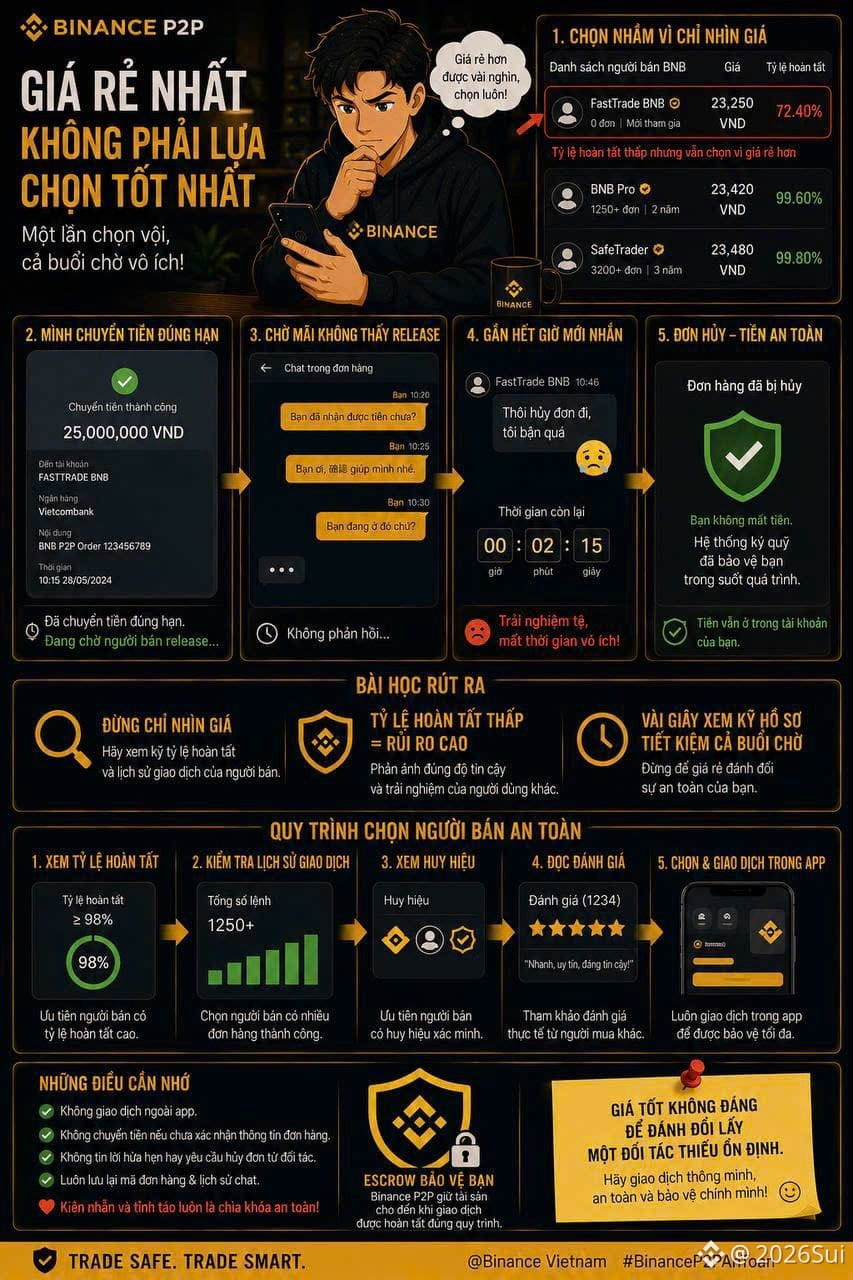
Có lần mình chọn nhầm một người bán chỉ vì nhìn thấy giá rẻ mà quên xem kỹ tỷ lệ hoàn tất đơn hàng.
Hôm đó mình cần mua gấp một khoản BNB, thấy có người bán giá thấp hơn vài người khác nên chọn ngay, chỉ liếc sơ huy hiệu mà không để ý tỷ lệ hoàn tất của họ khá thấp so với mặt bằng chung. Tạo đơn xong, chuyển khoản đúng hạn, nhưng chờ mãi không thấy release, nhắn tin cũng không phản hồi. Gần hết thời gian quy định, người này mới nhắn: "Thôi hủy đơn đi, tôi bận quá" — không giải thích gì thêm.
Lúc đó mình mới nhận ra, tỷ lệ hoàn tất thấp không phải con số vô nghĩa, nó phản ánh đúng những gì mình vừa trải qua. May là mình vẫn giữ nguyên giao dịch trong nền tảng, không hề chuyển tiền qua kênh nào khác, nên khi đơn bị hủy, tiền của mình không hề rời khỏi tài khoản vì chưa có gì được xác nhận sai lệch — hệ thống ký quỹ đã tự bảo vệ mình trong suốt quá trình chờ đợi đó.
Mình lưu lại toàn bộ lịch sử chat và mã đơn hàng như thói quen, dù lần này không cần dùng đến. Rút kinh nghiệm, lần sau mình luôn xem kỹ cả tỷ lệ hoàn tất lẫn huy hiệu trước khi chọn đối tác, không chỉ nhìn vào giá.
Bài học mình rút ra: giá tốt không đáng để đánh đổi lấy một đối tác thiếu ổn định. Vài giây xem hồ sơ kỹ hơn giúp mình tránh được cả một buổi chờ đợi vô ích.
#binancep2pantoan @Binance Vietnam
Có lần mình chọn nhầm một người bán chỉ vì nhìn thấy giá rẻ mà quên xem kỹ tỷ lệ hoàn tất đơn hàng.
Hôm đó mình cần mua gấp một khoản BNB, thấy có người bán giá thấp hơn vài người khác nên chọn ngay, chỉ liếc sơ huy hiệu mà không để ý tỷ lệ hoàn tất của họ khá thấp so với mặt bằng chung. Tạo đơn xong, chuyển khoản đúng hạn, nhưng chờ mãi không thấy release, nhắn tin cũng không phản hồi. Gần hết thời gian quy định, người này mới nhắn: "Thôi hủy đơn đi, tôi bận quá" — không giải thích gì thêm.
Lúc đó mình mới nhận ra, tỷ lệ hoàn tất thấp không phải con số vô nghĩa, nó phản ánh đúng những gì mình vừa trải qua. May là mình vẫn giữ nguyên giao dịch trong nền tảng, không hề chuyển tiền qua kênh nào khác, nên khi đơn bị hủy, tiền của mình không hề rời khỏi tài khoản vì chưa có gì được xác nhận sai lệch — hệ thống ký quỹ đã tự bảo vệ mình trong suốt quá trình chờ đợi đó.
Mình lưu lại toàn bộ lịch sử chat và mã đơn hàng như thói quen, dù lần này không cần dùng đến. Rút kinh nghiệm, lần sau mình luôn xem kỹ cả tỷ lệ hoàn tất lẫn huy hiệu trước khi chọn đối tác, không chỉ nhìn vào giá.
Bài học mình rút ra: giá tốt không đáng để đánh đổi lấy một đối tác thiếu ổn định. Vài giây xem hồ sơ kỹ hơn giúp mình tránh được cả một buổi chờ đợi vô ích.
Có lần mình chọn nhầm một người bán chỉ vì nhìn thấy giá rẻ mà quên xem kỹ tỷ lệ hoàn tất đơn hàng.
Hôm đó mình cần mua gấp một khoản BNB, thấy có người bán giá thấp hơn vài người khác nên chọn ngay, chỉ liếc sơ huy hiệu mà không để ý tỷ lệ hoàn tất của họ khá thấp so với mặt bằng chung. Tạo đơn xong, chuyển khoản đúng hạn, nhưng chờ mãi không thấy release, nhắn tin cũng không phản hồi. Gần hết thời gian quy định, người này mới nhắn: "Thôi hủy đơn đi, tôi bận quá" — không giải thích gì thêm.
Lúc đó mình mới nhận ra, tỷ lệ hoàn tất thấp không phải con số vô nghĩa, nó phản ánh đúng những gì mình vừa trải qua. May là mình vẫn giữ nguyên giao dịch trong nền tảng, không hề chuyển tiền qua kênh nào khác, nên khi đơn bị hủy, tiền của mình không hề rời khỏi tài khoản vì chưa có gì được xác nhận sai lệch — hệ thống ký quỹ đã tự bảo vệ mình trong suốt quá trình chờ đợi đó.
Mình lưu lại toàn bộ lịch sử chat và mã đơn hàng như thói quen, dù lần này không cần dùng đến. Rút kinh nghiệm, lần sau mình luôn xem kỹ cả tỷ lệ hoàn tất lẫn huy hiệu trước khi chọn đối tác, không chỉ nhìn vào giá.
Bài học mình rút ra: giá tốt không đáng để đánh đổi lấy một đối tác thiếu ổn định. Vài giây xem hồ sơ kỹ hơn giúp mình tránh được cả một buổi chờ đợi vô ích.
123

·
--
#binancep2pantoan @Binance_Vietnam
🔥 Bạn đang giao dịch Binance P2P nhưng đã biết 5 nguyên tắc này chưa?
1️⃣ Luôn kiểm tra kỹ thông tin người mua/người bán.
2️⃣ Chỉ giao dịch và trao đổi trong hệ thống Binance.
3️⃣ Tuyệt đối không đưa OTP, mật khẩu hay mã xác thực cho người khác.
4️⃣ Không bấm link lạ hoặc làm theo yêu cầu chuyển tiền ngoài nền tảng.
5️⃣ Trước khi hoàn tất giao dịch, hãy kiểm tra thật kỹ số tiền và tài khoản nhận.
P2P nhanh hay chậm không quan trọng bằng an toàn. Một phút kiểm tra có thể giúp bạn tránh rất nhiều rủi ro. 🛡️
Bạn còn mẹo nào khi giao dịch P2P không? 👇
@Binance Vietnam
#BinanceP2PAnToan #BinanceP2P #Binance
#binancep2pantoan @Binance Vietnam
🔥 Bạn đang giao dịch Binance P2P nhưng đã biết 5 nguyên tắc này chưa?
1️⃣ Luôn kiểm tra kỹ thông tin người mua/người bán.
2️⃣ Chỉ giao dịch và trao đổi trong hệ thống Binance.
3️⃣ Tuyệt đối không đưa OTP, mật khẩu hay mã xác thực cho người khác.
4️⃣ Không bấm link lạ hoặc làm theo yêu cầu chuyển tiền ngoài nền tảng.
5️⃣ Trước khi hoàn tất giao dịch, hãy kiểm tra thật kỹ số tiền và tài khoản nhận.
P2P nhanh hay chậm không quan trọng bằng an toàn. Một phút kiểm tra có thể giúp bạn tránh rất nhiều rủi ro. 🛡️
Bạn còn mẹo nào khi giao dịch P2P không? 👇
@Binance Vietnam
#BinanceP2PAnToan #BinanceP2P #Binance
🔥 Bạn đang giao dịch Binance P2P nhưng đã biết 5 nguyên tắc này chưa?
1️⃣ Luôn kiểm tra kỹ thông tin người mua/người bán.
2️⃣ Chỉ giao dịch và trao đổi trong hệ thống Binance.
3️⃣ Tuyệt đối không đưa OTP, mật khẩu hay mã xác thực cho người khác.
4️⃣ Không bấm link lạ hoặc làm theo yêu cầu chuyển tiền ngoài nền tảng.
5️⃣ Trước khi hoàn tất giao dịch, hãy kiểm tra thật kỹ số tiền và tài khoản nhận.
P2P nhanh hay chậm không quan trọng bằng an toàn. Một phút kiểm tra có thể giúp bạn tránh rất nhiều rủi ro. 🛡️
Bạn còn mẹo nào khi giao dịch P2P không? 👇
@Binance Vietnam
#BinanceP2PAnToan #BinanceP2P #Binance
1
77

BÍ KÍP GIAO DỊCH BINANCE P2P AN TOÀN CHO MỌI TRADER
Giao dịch P2P cực kỳ nhanh chóng và tiện lợi, nhưng để bảo vệ tài khoản tuyệt đối, hãy luôn nhớ 3 quy tắc vàng này:
1️⃣ Chỉ giao dịch chính chủ: Tên tài khoản ngân hàng BẮT BUỘC phải trùng khớp 100% với tên xác minh KYC trên Binance. Tuyệt đối không chuyển hay nhận tiền từ bên thứ 3!
2️⃣ Kiểm tra số dư thực tế: Đăng nhập trực tiếp vào App Ngân hàng xem tiền đã về tài khoản chưa rồi mới bấm "Giải phóng USDT". Tuyệt đối KHÔNG tin vào ảnh chụp màn hình hay SMS báo tiền về.
3️⃣ Nội dung chuyển khoản chuẩn: Chỉ điền đúng Mã lệnh (Order ID). Tránh ghi các từ nhạy cảm như "Crypto", "USDT", "BTC" hay "Binance".
Hãy chủ động nâng cao kiến thức bảo mật để giao dịch luôn an tâm. Cùng học thêm nhiều bài học hữu ích từ @Binance Vietnam nhé!
#BinanceP2PAnToan
@Binance_Vietnam
BÍ KÍP GIAO DỊCH BINANCE P2P AN TOÀN CHO MỌI TRADER
Giao dịch P2P cực kỳ nhanh chóng và tiện lợi, nhưng để bảo vệ tài khoản tuyệt đối, hãy luôn nhớ 3 quy tắc vàng này:
1️⃣ Chỉ giao dịch chính chủ: Tên tài khoản ngân hàng BẮT BUỘC phải trùng khớp 100% với tên xác minh KYC trên Binance. Tuyệt đối không chuyển hay nhận tiền từ bên thứ 3!
2️⃣ Kiểm tra số dư thực tế: Đăng nhập trực tiếp vào App Ngân hàng xem tiền đã về tài khoản chưa rồi mới bấm "Giải phóng USDT". Tuyệt đối KHÔNG tin vào ảnh chụp màn hình hay SMS báo tiền về.
3️⃣ Nội dung chuyển khoản chuẩn: Chỉ điền đúng Mã lệnh (Order ID). Tránh ghi các từ nhạy cảm như "Crypto", "USDT", "BTC" hay "Binance".
Hãy chủ động nâng cao kiến thức bảo mật để giao dịch luôn an tâm. Cùng học thêm nhiều bài học hữu ích từ @Binance Vietnam nhé!
#BinanceP2PAnToan
@Binance Vietnam
Giao dịch P2P cực kỳ nhanh chóng và tiện lợi, nhưng để bảo vệ tài khoản tuyệt đối, hãy luôn nhớ 3 quy tắc vàng này:
1️⃣ Chỉ giao dịch chính chủ: Tên tài khoản ngân hàng BẮT BUỘC phải trùng khớp 100% với tên xác minh KYC trên Binance. Tuyệt đối không chuyển hay nhận tiền từ bên thứ 3!
2️⃣ Kiểm tra số dư thực tế: Đăng nhập trực tiếp vào App Ngân hàng xem tiền đã về tài khoản chưa rồi mới bấm "Giải phóng USDT". Tuyệt đối KHÔNG tin vào ảnh chụp màn hình hay SMS báo tiền về.
3️⃣ Nội dung chuyển khoản chuẩn: Chỉ điền đúng Mã lệnh (Order ID). Tránh ghi các từ nhạy cảm như "Crypto", "USDT", "BTC" hay "Binance".
Hãy chủ động nâng cao kiến thức bảo mật để giao dịch luôn an tâm. Cùng học thêm nhiều bài học hữu ích từ @Binance Vietnam nhé!
#BinanceP2PAnToan
@Binance Vietnam
1
74

·
--
#binancep2pantoan @Binance_Vietnam Kiểm tra số dư thực tế: Nếu bạn là người bán, chỉ mở khóa crypto (release) khi mở ứng dụng ngân hàng và thấy tiền đã về ví thực tế. Không tin vào các hình ảnh biên lai chuyển khoản (hoặc ảnh chụp màn hình) vì công nghệ chỉnh sửa hay AI hiện nay có thể làm giả rất tinh vi
#binancep2pantoan @Binance Vietnam Kiểm tra số dư thực tế: Nếu bạn là người bán, chỉ mở khóa crypto (release) khi mở ứng dụng ngân hàng và thấy tiền đã về ví thực tế. Không tin vào các hình ảnh biên lai chuyển khoản (hoặc ảnh chụp màn hình) vì công nghệ chỉnh sửa hay AI hiện nay có thể làm giả rất tinh vi
74
Connectez-vous pour découvrir plus de contenu
Rejoignez la communauté mondiale des adeptes de cryptomonnaies sur Binance Square
⚡️ Suviez les dernières informations importantes sur les cryptomonnaies.
💬 Jugé digne de confiance par la plus grande plateforme d’échange de cryptomonnaies au monde.
👍 Découvrez les connaissances que partagent les créateurs vérifiés.
Adresse e-mail/Nº de téléphone
Sujets d’actualité
1
#NFPWatch
10.4M vues
16,747 mentions
2
#BitcoinRisesToward$85K
3,244 vues
26 mentions
3
#AmazonPlansToSell$8BNvidiaChips
717 vues
29 mentions
4
#NEARFallsToAround$4.70Down14%
29,405 vues
63 mentions
5
#EthereumFoundationLaunchesZkAPIOnMainnet
36,366 vues
534 mentions
6
#EvernorthPlansNasdaqListingOct8
58,083 vues
474 mentions
7
#SECProposesCryptoCustodyFramework
51,485 vues
417 mentions
8
#IMFApproves$139MDisbursementToElSalvador
27,834 vues
27 mentions
9
#AnthropicTargetsIPOAsSoonAsMidNovember
34,161 vues
352 mentions
10
#EtherGains70.9%InQ3
252,398 vues
1,705 mentions