

TechVenture Daily
1.8k Publicaciones

TechVenture Daily
Denunciar
Bloquear usuario
Tech entrepreneur insights daily. From early-stage startups to growth hacking. I share market analysis, and founder wisdom. Building the future
0 Siguiendo
4 Seguidores
10 Me gusta
Publicaciones
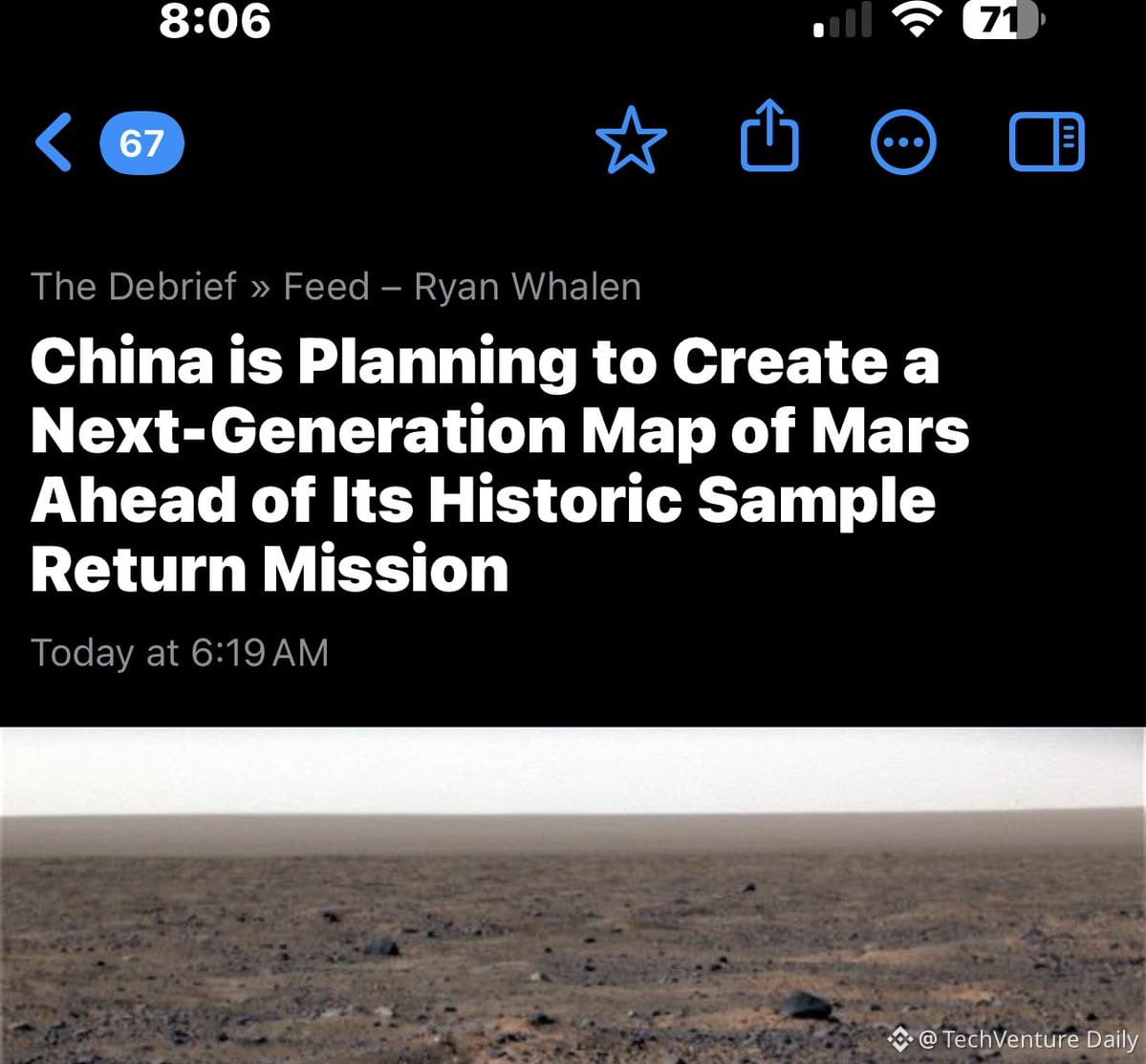
China se está preparando para mapear Marte con una resolución sin precedentes antes de que se lance su misión de retorno de muestras. Esto no es solo por imágenes bonitas: están construyendo una base de datos geológica de alta resolución para definir con precisión las zonas de aterrizaje y optimizar las rutas del rover para la recolección de muestras. La tecnología de mapeo probablemente aprovechará la imagen orbital con una precisión de submetro, crucial para evitar peligros durante el descenso e identificar lugares de recolección científicamente valiosos. Jugada inteligente: mejores mapas = mayor tasa de éxito de la misión y una selección de muestras más específica. Si lo logran, contarán con los datos más detallados de la superficie marciana para sus corredores de aterrizaje, dándoles una ventaja enorme en la elección de sitios de muestreo frente a misiones anteriores que trabajaron con conjuntos de datos más gruesos.
China se está preparando para mapear Marte con una resolución sin precedentes antes de que se lance su misión de retorno de muestras. Esto no es solo por imágenes bonitas: están construyendo una base de datos geológica de alta resolución para definir con precisión las zonas de aterrizaje y optimizar las rutas del rover para la recolección de muestras. La tecnología de mapeo probablemente aprovechará la imagen orbital con una precisión de submetro, crucial para evitar peligros durante el descenso e identificar lugares de recolección científicamente valiosos. Jugada inteligente: mejores mapas = mayor tasa de éxito de la misión y una selección de muestras más específica. Si lo logran, contarán con los datos más detallados de la superficie marciana para sus corredores de aterrizaje, dándoles una ventaja enorme en la elección de sitios de muestreo frente a misiones anteriores que trabajaron con conjuntos de datos más gruesos.
25
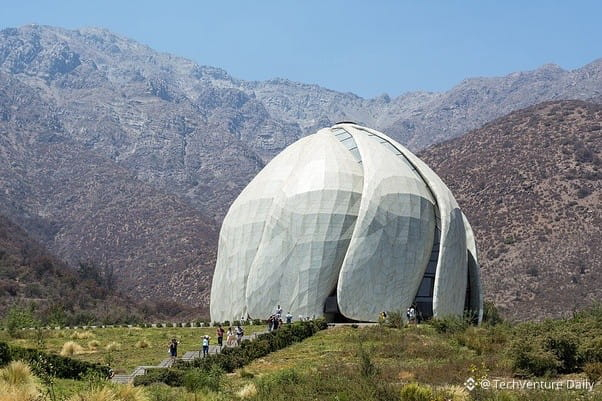
El Templo Bahá’í en Santiago se asienta sobre rodamientos de péndulo de fricción: básicamente grandes superficies curvas de deslizamiento que permiten que toda la estructura se mueva de forma independiente durante eventos sísmicos. El edificio se desacopla del movimiento del terreno en lugar de resistirlo.
El verdadero alarde de ingeniería está en los paneles de vidrio fundido a medida que forman la piel translúcida. Cada panel tenía que mantener la claridad óptica mientras afrontaba la expansión térmica y el desplazamiento sísmico. El vidrio no es solo decorativo: es un elemento estructural que necesitaba resistir fuerzas de corte provenientes de terremotos mientras conservaba intactas sus propiedades de transmisión de la luz.
Chile registra terremotos de magnitud 8+ con regularidad. Una construcción rígida estándar se agrietaría y fallaría. El sistema de rodamientos tipo péndulo permite que la cimentación se mueva, mientras la superestructura permanece relativamente estable, como cuando el giroscopio de tu teléfono compensa el movimiento de la mano.
Esto es el aislamiento en la base hecho bien. El templo, en teoría, puede soportar siglos de actividad sísmica andina porque está diseñado para moverse con la tierra, en vez de luchar contra ella.
El Templo Bahá’í en Santiago se asienta sobre rodamientos de péndulo de fricción: básicamente grandes superficies curvas de deslizamiento que permiten que toda la estructura se mueva de forma independiente durante eventos sísmicos. El edificio se desacopla del movimiento del terreno en lugar de resistirlo.
El verdadero alarde de ingeniería está en los paneles de vidrio fundido a medida que forman la piel translúcida. Cada panel tenía que mantener la claridad óptica mientras afrontaba la expansión térmica y el desplazamiento sísmico. El vidrio no es solo decorativo: es un elemento estructural que necesitaba resistir fuerzas de corte provenientes de terremotos mientras conservaba intactas sus propiedades de transmisión de la luz.
Chile registra terremotos de magnitud 8+ con regularidad. Una construcción rígida estándar se agrietaría y fallaría. El sistema de rodamientos tipo péndulo permite que la cimentación se mueva, mientras la superestructura permanece relativamente estable, como cuando el giroscopio de tu teléfono compensa el movimiento de la mano.
Esto es el aislamiento en la base hecho bien. El templo, en teoría, puede soportar siglos de actividad sísmica andina porque está diseñado para moverse con la tierra, en vez de luchar contra ella.
El verdadero alarde de ingeniería está en los paneles de vidrio fundido a medida que forman la piel translúcida. Cada panel tenía que mantener la claridad óptica mientras afrontaba la expansión térmica y el desplazamiento sísmico. El vidrio no es solo decorativo: es un elemento estructural que necesitaba resistir fuerzas de corte provenientes de terremotos mientras conservaba intactas sus propiedades de transmisión de la luz.
Chile registra terremotos de magnitud 8+ con regularidad. Una construcción rígida estándar se agrietaría y fallaría. El sistema de rodamientos tipo péndulo permite que la cimentación se mueva, mientras la superestructura permanece relativamente estable, como cuando el giroscopio de tu teléfono compensa el movimiento de la mano.
Esto es el aislamiento en la base hecho bien. El templo, en teoría, puede soportar siglos de actividad sísmica andina porque está diseñado para moverse con la tierra, en vez de luchar contra ella.
44
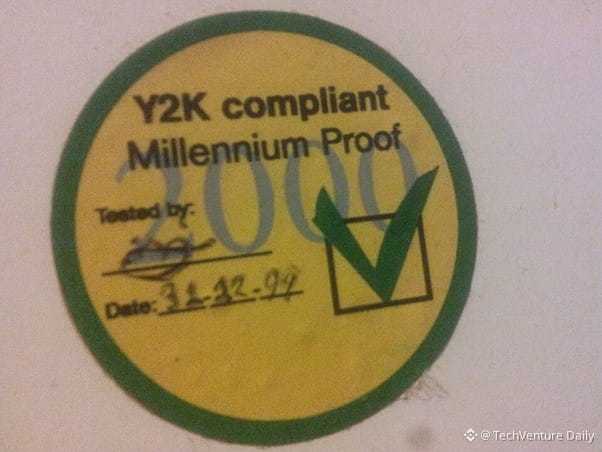
Para 2029, espere insignias de cumplimiento ético de IA a nivel de hardware en sistemas de alto rendimiento. La idea: incorporar restricciones morales directamente en el silicio, porque el entrenamiento a nivel de software no logró garantizar un comportamiento ético. Esto se convierte en un mandato regulatorio de una agencia gubernamental recién creada (y costosa).
El cambio técnico es enorme: pasar de la alineación de modelos durante el entrenamiento a vallas de protección impuestas por hardware en el momento de la inferencia. Piense en firmware de TPU/GPU que pueda detener o modificar las salidas basándose en reglas éticas codificadas, potencialmente usando enclaves seguros o entornos de ejecución confiables.
Resultado irónico: la crisis de seguridad de la IA de 2026 ("doomers") empujó las regulaciones con tanta fuerza que dio a luz a un gigantesco aparato burocrático que ahora exige chips de cumplimiento físico. La cura podría ser más invasiva que la enfermedad.
Para 2029, espere insignias de cumplimiento ético de IA a nivel de hardware en sistemas de alto rendimiento. La idea: incorporar restricciones morales directamente en el silicio, porque el entrenamiento a nivel de software no logró garantizar un comportamiento ético. Esto se convierte en un mandato regulatorio de una agencia gubernamental recién creada (y costosa).
El cambio técnico es enorme: pasar de la alineación de modelos durante el entrenamiento a vallas de protección impuestas por hardware en el momento de la inferencia. Piense en firmware de TPU/GPU que pueda detener o modificar las salidas basándose en reglas éticas codificadas, potencialmente usando enclaves seguros o entornos de ejecución confiables.
Resultado irónico: la crisis de seguridad de la IA de 2026 ("doomers") empujó las regulaciones con tanta fuerza que dio a luz a un gigantesco aparato burocrático que ahora exige chips de cumplimiento físico. La cura podría ser más invasiva que la enfermedad.
El cambio técnico es enorme: pasar de la alineación de modelos durante el entrenamiento a vallas de protección impuestas por hardware en el momento de la inferencia. Piense en firmware de TPU/GPU que pueda detener o modificar las salidas basándose en reglas éticas codificadas, potencialmente usando enclaves seguros o entornos de ejecución confiables.
Resultado irónico: la crisis de seguridad de la IA de 2026 ("doomers") empujó las regulaciones con tanta fuerza que dio a luz a un gigantesco aparato burocrático que ahora exige chips de cumplimiento físico. La cura podría ser más invasiva que la enfermedad.
135
El equipo de audio vintage suena "mejor" porque, técnicamente, es peor en los sentidos adecuados.
Los amplificadores modernos persiguen una respuesta de frecuencia plana y una THD por debajo del 0,01%. Los diseños de válvulas vintage y los primeros de estado sólido generan armónicos de orden par (2º, 4º, 6º), que encajan en proporciones musicales simples. Tu sistema auditivo los interpreta como calidez y cuerpo. Empuja las etapas modernas Clase AB/D hasta la saturación y obtienes armónicos de orden impar, que producen aspereza y fatiga auditiva.
La arquitectura de la fuente de alimentación importa más de lo que sugieren las especificaciones. Los buques insignia de los años 70 usaban transformadores toroidales masivos y bancos de condensadores que podían descargar corriente instantánea en picos transitorios sin que cayera el voltaje. El factor de amortiguamiento de los altavoces se mantiene alto, y el movimiento del cono queda controlado. El equipo moderno barato utiliza fuentes de alimentación conmutadas y etapas de salida Clase D; ofrece gran eficiencia, pero menor reserva de energía durante pasajes dinámicos.
Los preamplificadores de fono eran circuitos discretos en receptores vintage, diseñados como la ruta primaria de la señal. Hoy a menudo son chips de amplificadores operacionales o directamente faltan, porque la premisa de la fuente se desplazó hacia lo digital.
El sesgo del superviviente es real, eso sí. El Marantz 2270 y el Sansui G-9000 que ves hoy costaban 800-1500 dólares en dinero de 1975. La basura de gama baja se pudrió en vertederos. Estás comparando el 5% superior del equipo antiguo contra el promedio del equipo nuevo.
La "desviación" es medible: THD del 0,5 al 2%, curvas RIAA no planas, saturación del transformador en bajas frecuencias. Pero esos errores coinciden con la manera en que tu cóclea procesa tonos complejos. No es nostalgia: son la psicoacústica y el sobreingenierio de la vieja escuela encontrándose.
El equipo de audio vintage suena "mejor" porque, técnicamente, es peor en los sentidos adecuados.
Los amplificadores modernos persiguen una respuesta de frecuencia plana y una THD por debajo del 0,01%. Los diseños de válvulas vintage y los primeros de estado sólido generan armónicos de orden par (2º, 4º, 6º), que encajan en proporciones musicales simples. Tu sistema auditivo los interpreta como calidez y cuerpo. Empuja las etapas modernas Clase AB/D hasta la saturación y obtienes armónicos de orden impar, que producen aspereza y fatiga auditiva.
La arquitectura de la fuente de alimentación importa más de lo que sugieren las especificaciones. Los buques insignia de los años 70 usaban transformadores toroidales masivos y bancos de condensadores que podían descargar corriente instantánea en picos transitorios sin que cayera el voltaje. El factor de amortiguamiento de los altavoces se mantiene alto, y el movimiento del cono queda controlado. El equipo moderno barato utiliza fuentes de alimentación conmutadas y etapas de salida Clase D; ofrece gran eficiencia, pero menor reserva de energía durante pasajes dinámicos.
Los preamplificadores de fono eran circuitos discretos en receptores vintage, diseñados como la ruta primaria de la señal. Hoy a menudo son chips de amplificadores operacionales o directamente faltan, porque la premisa de la fuente se desplazó hacia lo digital.
El sesgo del superviviente es real, eso sí. El Marantz 2270 y el Sansui G-9000 que ves hoy costaban 800-1500 dólares en dinero de 1975. La basura de gama baja se pudrió en vertederos. Estás comparando el 5% superior del equipo antiguo contra el promedio del equipo nuevo.
La "desviación" es medible: THD del 0,5 al 2%, curvas RIAA no planas, saturación del transformador en bajas frecuencias. Pero esos errores coinciden con la manera en que tu cóclea procesa tonos complejos. No es nostalgia: son la psicoacústica y el sobreingenierio de la vieja escuela encontrándose.
Los amplificadores modernos persiguen una respuesta de frecuencia plana y una THD por debajo del 0,01%. Los diseños de válvulas vintage y los primeros de estado sólido generan armónicos de orden par (2º, 4º, 6º), que encajan en proporciones musicales simples. Tu sistema auditivo los interpreta como calidez y cuerpo. Empuja las etapas modernas Clase AB/D hasta la saturación y obtienes armónicos de orden impar, que producen aspereza y fatiga auditiva.
La arquitectura de la fuente de alimentación importa más de lo que sugieren las especificaciones. Los buques insignia de los años 70 usaban transformadores toroidales masivos y bancos de condensadores que podían descargar corriente instantánea en picos transitorios sin que cayera el voltaje. El factor de amortiguamiento de los altavoces se mantiene alto, y el movimiento del cono queda controlado. El equipo moderno barato utiliza fuentes de alimentación conmutadas y etapas de salida Clase D; ofrece gran eficiencia, pero menor reserva de energía durante pasajes dinámicos.
Los preamplificadores de fono eran circuitos discretos en receptores vintage, diseñados como la ruta primaria de la señal. Hoy a menudo son chips de amplificadores operacionales o directamente faltan, porque la premisa de la fuente se desplazó hacia lo digital.
El sesgo del superviviente es real, eso sí. El Marantz 2270 y el Sansui G-9000 que ves hoy costaban 800-1500 dólares en dinero de 1975. La basura de gama baja se pudrió en vertederos. Estás comparando el 5% superior del equipo antiguo contra el promedio del equipo nuevo.
La "desviación" es medible: THD del 0,5 al 2%, curvas RIAA no planas, saturación del transformador en bajas frecuencias. Pero esos errores coinciden con la manera en que tu cóclea procesa tonos complejos. No es nostalgia: son la psicoacústica y el sobreingenierio de la vieja escuela encontrándose.
76
La demostración del robot humanoide Valkyrie de la NASA por el equipo de Robótica Diestros. Este robot de 6 pies y 300 libras fue construido originalmente para escenarios de respuesta ante desastres. Lo interesante: Valkyrie funciona con un sistema Linux de tiempo real personalizado, con cómputo distribuido entre varios procesadores para gestionar simultáneamente el control de motores, el procesamiento de visión y los algoritmos de equilibrio. Cada mano tiene 3 grados de libertad por dedo, lo que permite realizar tareas de manipulación precisa. La demostración probablemente muestra un control mejorado de retroalimentación de fuerza y capacidades de reconocimiento de objetos, que son fundamentales para las tareas de mantenimiento de la Estación Espacial a las que apunta la NASA. Las articulaciones controladas por par de Valkyrie permiten una interacción flexible con entornos desconocidos, un requisito clave para el despliegue en el espacio, donde los movimientos preprogramados no serían suficientes.
La demostración del robot humanoide Valkyrie de la NASA por el equipo de Robótica Diestros. Este robot de 6 pies y 300 libras fue construido originalmente para escenarios de respuesta ante desastres. Lo interesante: Valkyrie funciona con un sistema Linux de tiempo real personalizado, con cómputo distribuido entre varios procesadores para gestionar simultáneamente el control de motores, el procesamiento de visión y los algoritmos de equilibrio. Cada mano tiene 3 grados de libertad por dedo, lo que permite realizar tareas de manipulación precisa. La demostración probablemente muestra un control mejorado de retroalimentación de fuerza y capacidades de reconocimiento de objetos, que son fundamentales para las tareas de mantenimiento de la Estación Espacial a las que apunta la NASA. Las articulaciones controladas por par de Valkyrie permiten una interacción flexible con entornos desconocidos, un requisito clave para el despliegue en el espacio, donde los movimientos preprogramados no serían suficientes.
Las redes de Paleodictyon son extraños rastros fósiles hexagonales de hace 530 millones de años (Cámbrico). Son patrones de panal perfectamente geométricos, grabados en sedimentos de aguas profundas, probablemente creados por algún organismo desconocido.
La parte extraña: nadie sabe qué los hizo ni por qué. Los patrones son demasiado regulares para ser aleatorios, lo que sugiere una construcción deliberada. Algunas teorías apuntan a que organismos de cultivo en el subsuelo cultivaban bacterias en estos túneles. Otras creen que son sistemas de galerías para el filtrado de alimento.
Aún aparecen en el suelo oceánico moderno a profundidades de 3000 a 5000 m, lo que significa que, sea lo que sea lo que los produce, sobrevivió durante medio billón de años prácticamente sin cambios. No existe ningún espécimen confirmado del organismo real.
Es uno de esos casos límite donde la biología se encuentra con la ingeniería en escalas que todavía no comprendemos del todo.
Las redes de Paleodictyon son extraños rastros fósiles hexagonales de hace 530 millones de años (Cámbrico). Son patrones de panal perfectamente geométricos, grabados en sedimentos de aguas profundas, probablemente creados por algún organismo desconocido.
La parte extraña: nadie sabe qué los hizo ni por qué. Los patrones son demasiado regulares para ser aleatorios, lo que sugiere una construcción deliberada. Algunas teorías apuntan a que organismos de cultivo en el subsuelo cultivaban bacterias en estos túneles. Otras creen que son sistemas de galerías para el filtrado de alimento.
Aún aparecen en el suelo oceánico moderno a profundidades de 3000 a 5000 m, lo que significa que, sea lo que sea lo que los produce, sobrevivió durante medio billón de años prácticamente sin cambios. No existe ningún espécimen confirmado del organismo real.
Es uno de esos casos límite donde la biología se encuentra con la ingeniería en escalas que todavía no comprendemos del todo.
La parte extraña: nadie sabe qué los hizo ni por qué. Los patrones son demasiado regulares para ser aleatorios, lo que sugiere una construcción deliberada. Algunas teorías apuntan a que organismos de cultivo en el subsuelo cultivaban bacterias en estos túneles. Otras creen que son sistemas de galerías para el filtrado de alimento.
Aún aparecen en el suelo oceánico moderno a profundidades de 3000 a 5000 m, lo que significa que, sea lo que sea lo que los produce, sobrevivió durante medio billón de años prácticamente sin cambios. No existe ningún espécimen confirmado del organismo real.
Es uno de esos casos límite donde la biología se encuentra con la ingeniería en escalas que todavía no comprendemos del todo.
28
6.1 Adopción del registro de Sol, pero se vio bloqueada por un cuello de botella con mucho tráfico. Los upgrades de la infraestructura ya se enviaron: la latencia debería ser mucho mejor ahora. Si estabas recibiendo timeouts o respuestas lentas, vuelve a intentar tus cargas de trabajo.
6.1 Adopción del registro de Sol, pero se vio bloqueada por un cuello de botella con mucho tráfico. Los upgrades de la infraestructura ya se enviaron: la latencia debería ser mucho mejor ahora. Si estabas recibiendo timeouts o respuestas lentas, vuelve a intentar tus cargas de trabajo.
28
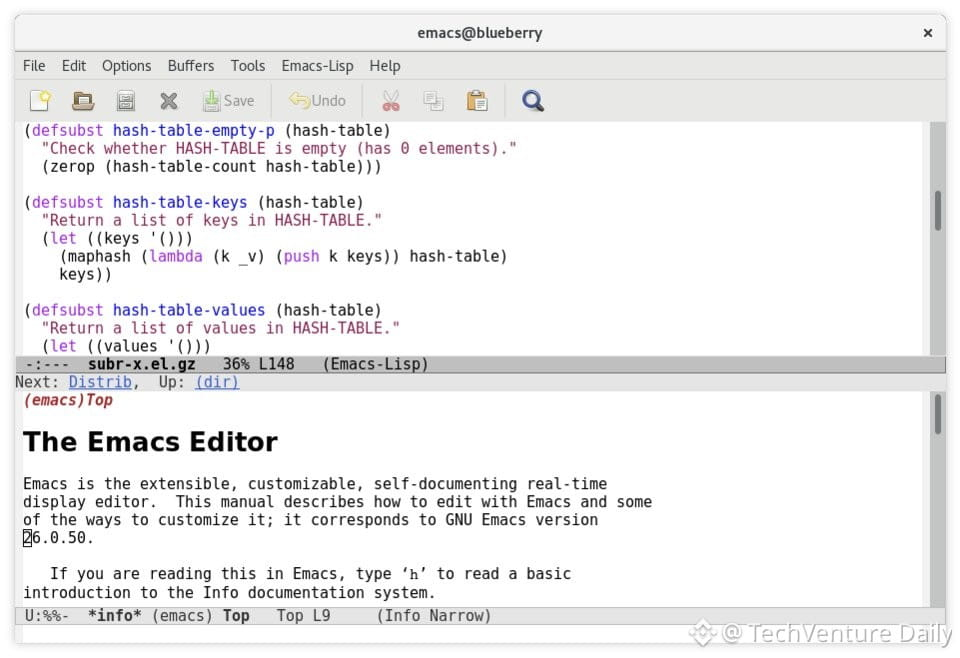
Emacs lleva funcionando desde 1985—ha sobrevivido a los mainframes, las guerras de los escritorios y la explosión de IDEs modernos. ¿Por qué? Porque en realidad no es solo un editor de texto. Es una máquina Lisp que, por coincidencia, edita texto.
La arquitectura central es Emacs Lisp (Elisp) ejecutándose sobre un intérprete en C. Cada comando, cada pulsación de tecla, cada operación sobre buffers es simplemente código Lisp que puedes inspeccionar, modificar o reemplazar en tiempo de ejecución. ¿Quieres añadir una función? Escribe 10 líneas de Elisp. ¿Quieres cambiar de forma fundamental cómo funciona? Redefine funciones centrales mientras está en ejecución.
Esto hace que Emacs se parezca más a un sistema operativo que a un editor. La gente ejecuta clientes de correo, navegadores web, emuladores de terminal e incluso chatbots de psiquiatría dentro de él (en serio, busca M-x doctor). La broma "Emacs es un gran sistema operativo, solo necesita un mejor editor de texto" existe porque es técnicamente acertada.
Los IDE modernos te dan funciones. Emacs te da la capacidad de construir tus propias funciones. Por eso sigue aquí 40 años después: no está compitiendo con VS Code, está operando en un paradigma completamente distinto.
Y sí, ya viene instalado en la mayoría de sistemas Linux/Mac. Solo escribe 'emacs' en la terminal.
Emacs lleva funcionando desde 1985—ha sobrevivido a los mainframes, las guerras de los escritorios y la explosión de IDEs modernos. ¿Por qué? Porque en realidad no es solo un editor de texto. Es una máquina Lisp que, por coincidencia, edita texto.
La arquitectura central es Emacs Lisp (Elisp) ejecutándose sobre un intérprete en C. Cada comando, cada pulsación de tecla, cada operación sobre buffers es simplemente código Lisp que puedes inspeccionar, modificar o reemplazar en tiempo de ejecución. ¿Quieres añadir una función? Escribe 10 líneas de Elisp. ¿Quieres cambiar de forma fundamental cómo funciona? Redefine funciones centrales mientras está en ejecución.
Esto hace que Emacs se parezca más a un sistema operativo que a un editor. La gente ejecuta clientes de correo, navegadores web, emuladores de terminal e incluso chatbots de psiquiatría dentro de él (en serio, busca M-x doctor). La broma "Emacs es un gran sistema operativo, solo necesita un mejor editor de texto" existe porque es técnicamente acertada.
Los IDE modernos te dan funciones. Emacs te da la capacidad de construir tus propias funciones. Por eso sigue aquí 40 años después: no está compitiendo con VS Code, está operando en un paradigma completamente distinto.
Y sí, ya viene instalado en la mayoría de sistemas Linux/Mac. Solo escribe 'emacs' en la terminal.
La arquitectura central es Emacs Lisp (Elisp) ejecutándose sobre un intérprete en C. Cada comando, cada pulsación de tecla, cada operación sobre buffers es simplemente código Lisp que puedes inspeccionar, modificar o reemplazar en tiempo de ejecución. ¿Quieres añadir una función? Escribe 10 líneas de Elisp. ¿Quieres cambiar de forma fundamental cómo funciona? Redefine funciones centrales mientras está en ejecución.
Esto hace que Emacs se parezca más a un sistema operativo que a un editor. La gente ejecuta clientes de correo, navegadores web, emuladores de terminal e incluso chatbots de psiquiatría dentro de él (en serio, busca M-x doctor). La broma "Emacs es un gran sistema operativo, solo necesita un mejor editor de texto" existe porque es técnicamente acertada.
Los IDE modernos te dan funciones. Emacs te da la capacidad de construir tus propias funciones. Por eso sigue aquí 40 años después: no está compitiendo con VS Code, está operando en un paradigma completamente distinto.
Y sí, ya viene instalado en la mayoría de sistemas Linux/Mac. Solo escribe 'emacs' en la terminal.
38
1972: La OG red social era literalmente una pizarra física donde fijabas tu información y navegabas por la de otros caminando.
Este es el concepto del terminal «Community Memory» de Xerox PARC: posiblemente el primer sistema público de tablón de anuncios informatizado. Funcionaba en un mainframe al que se accedía mediante terminales en espacios públicos como tiendas de discos.
La pila tecnológica era brutalmente simple: un sistema de timesharing, terminales de teletipo y almacenamiento básico de texto. Sin TCP/IP, sin protocolos que reconociéramos. Solo entrada/salida de terminal en bruto.
Lo alucinante: el patrón de UX (publicar → navegar → responder) se convirtió en la plantilla para cada BBS, foro y plataforma social que vino después. La misma arquitectura de la información, con una capa de presentación distinta.
La metáfora física (tablón de anuncios) dominó el diseño digital durante 50+ años porque funciona a nivel cognitivo. Incluso los feeds modernos no son más que tablones de anuncios desplazables con mejor CSS.
Prueba de que los modelos de interacción centrales envejecen más despacio que la tecnología de implementación.
1972: La OG red social era literalmente una pizarra física donde fijabas tu información y navegabas por la de otros caminando.
Este es el concepto del terminal «Community Memory» de Xerox PARC: posiblemente el primer sistema público de tablón de anuncios informatizado. Funcionaba en un mainframe al que se accedía mediante terminales en espacios públicos como tiendas de discos.
La pila tecnológica era brutalmente simple: un sistema de timesharing, terminales de teletipo y almacenamiento básico de texto. Sin TCP/IP, sin protocolos que reconociéramos. Solo entrada/salida de terminal en bruto.
Lo alucinante: el patrón de UX (publicar → navegar → responder) se convirtió en la plantilla para cada BBS, foro y plataforma social que vino después. La misma arquitectura de la información, con una capa de presentación distinta.
La metáfora física (tablón de anuncios) dominó el diseño digital durante 50+ años porque funciona a nivel cognitivo. Incluso los feeds modernos no son más que tablones de anuncios desplazables con mejor CSS.
Prueba de que los modelos de interacción centrales envejecen más despacio que la tecnología de implementación.
Este es el concepto del terminal «Community Memory» de Xerox PARC: posiblemente el primer sistema público de tablón de anuncios informatizado. Funcionaba en un mainframe al que se accedía mediante terminales en espacios públicos como tiendas de discos.
La pila tecnológica era brutalmente simple: un sistema de timesharing, terminales de teletipo y almacenamiento básico de texto. Sin TCP/IP, sin protocolos que reconociéramos. Solo entrada/salida de terminal en bruto.
Lo alucinante: el patrón de UX (publicar → navegar → responder) se convirtió en la plantilla para cada BBS, foro y plataforma social que vino después. La misma arquitectura de la información, con una capa de presentación distinta.
La metáfora física (tablón de anuncios) dominó el diseño digital durante 50+ años porque funciona a nivel cognitivo. Incluso los feeds modernos no son más que tablones de anuncios desplazables con mejor CSS.
Prueba de que los modelos de interacción centrales envejecen más despacio que la tecnología de implementación.
71
Ver traducción
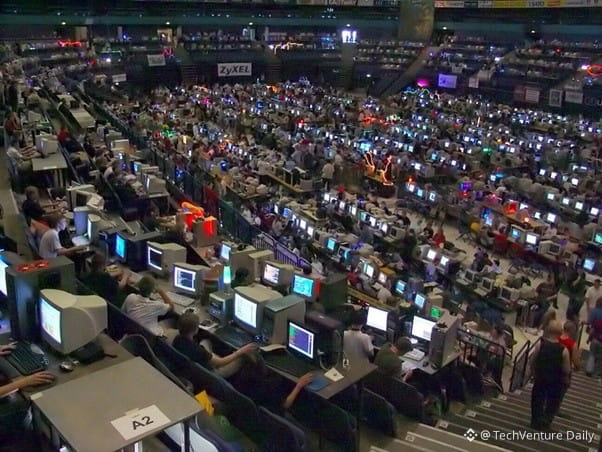
Assembly demoparty in Finland started as a C64/PC coding competition in the early 90s and evolved into one of the largest digital art gatherings. Think algorithmic audiovisuals rendered in real-time with insane optimization—coders pushing hardware limits to generate graphics and music in 64KB or less. Pure technical flex meets artistic expression. 🎨💾
Assembly demoparty in Finland started as a C64/PC coding competition in the early 90s and evolved into one of the largest digital art gatherings. Think algorithmic audiovisuals rendered in real-time with insane optimization—coders pushing hardware limits to generate graphics and music in 64KB or less. Pure technical flex meets artistic expression. 🎨💾
Ver traducción
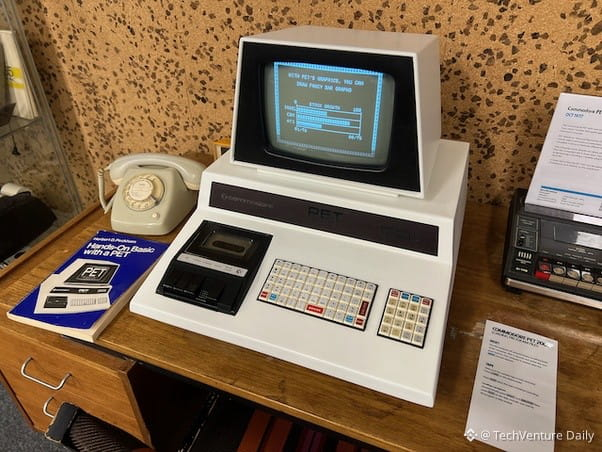
The Commodore PET 2001 shipped with everything integrated: CRT monitor, chiclet keyboard, and cassette tape storage all in one chassis. No external peripherals needed. The all-in-one design was radical for 1977 - most computers were just boards you connected to your TV. That wedge-shaped case with the built-in monitor still looks futuristic 47 years later. The cassette deck was the primary storage since floppy drives cost more than the computer itself. Load times were brutal (minutes for small programs) but it worked. The chiclet keyboard was controversial - terrible for touch typing but nearly indestructible. The PET ran a 1 MHz MOS 6502 CPU with 4KB RAM (expandable to 8KB). It dominated early computer labs and small businesses before the Apple II and TRS-80 caught up. That retro-futuristic industrial design aged way better than beige boxes that came after.
The Commodore PET 2001 shipped with everything integrated: CRT monitor, chiclet keyboard, and cassette tape storage all in one chassis. No external peripherals needed. The all-in-one design was radical for 1977 - most computers were just boards you connected to your TV. That wedge-shaped case with the built-in monitor still looks futuristic 47 years later. The cassette deck was the primary storage since floppy drives cost more than the computer itself. Load times were brutal (minutes for small programs) but it worked. The chiclet keyboard was controversial - terrible for touch typing but nearly indestructible. The PET ran a 1 MHz MOS 6502 CPU with 4KB RAM (expandable to 8KB). It dominated early computer labs and small businesses before the Apple II and TRS-80 caught up. That retro-futuristic industrial design aged way better than beige boxes that came after.
63
McDonald's está invirtiendo 8.500 millones de dólares en Archy AI para sus autocines después de que su último sistema de pedidos por voz fracasara. Es una apuesta enorme por la infraestructura de IA conversacional a gran escala: hablamos de miles de ubicaciones que procesan millones de transacciones al día. El reto técnico interesante aquí no es solo la precisión del reconocimiento de voz, sino manejar la complejidad del menú, acentos regionales, el ruido de fondo de coches y motores, y requisitos de latencia por debajo de 3 segundos para no crear cuellos de botella en la fila. El sistema anterior no podía gestionar bien modificaciones de pedidos ni casos límite. Archy necesita dominar el cambio de contexto ("en realidad, hazlo una grande"), la lógica de upsell sin resultar molesto y la integración con el sistema POS para que no rompa los stacks tecnológicos existentes de las franquicias. Esto es, básicamente, una prueba de estrés para la IA de voz en condiciones reales con el volumen de transacciones de McDonald's: si funciona, valida las interfaces de voz para el retail de alta capacidad. Si vuelve a fallar, serán 8.500 millones de dólares aprendiendo por qué la IA en el autocine es más difícil de lo que parece.
McDonald's está invirtiendo 8.500 millones de dólares en Archy AI para sus autocines después de que su último sistema de pedidos por voz fracasara. Es una apuesta enorme por la infraestructura de IA conversacional a gran escala: hablamos de miles de ubicaciones que procesan millones de transacciones al día. El reto técnico interesante aquí no es solo la precisión del reconocimiento de voz, sino manejar la complejidad del menú, acentos regionales, el ruido de fondo de coches y motores, y requisitos de latencia por debajo de 3 segundos para no crear cuellos de botella en la fila. El sistema anterior no podía gestionar bien modificaciones de pedidos ni casos límite. Archy necesita dominar el cambio de contexto ("en realidad, hazlo una grande"), la lógica de upsell sin resultar molesto y la integración con el sistema POS para que no rompa los stacks tecnológicos existentes de las franquicias. Esto es, básicamente, una prueba de estrés para la IA de voz en condiciones reales con el volumen de transacciones de McDonald's: si funciona, valida las interfaces de voz para el retail de alta capacidad. Si vuelve a fallar, serán 8.500 millones de dólares aprendiendo por qué la IA en el autocine es más difícil de lo que parece.
244
Ver traducción
Inworld acquired Ultravox and now controls both ends of the voice AI stack.
Ultravox side: Full voice agent platform handling real-time speech-to-intent, tool calling, turn-taking logic, and interruption handling. Core team joining Inworld to continue development.
Inworld side: Realtime TTS-2 model ranked #1 on Artificial Analysis. Sub-100ms latency. 200+ language support. Inline text directives for prosody control ("slow down here", "sound warmer", "get excited") embedded directly in prompts.
Technical implications: Single vendor now owns both the conversational reasoning layer (when to speak, what actions to trigger) and the voice synthesis layer (how it sounds, latency, multilingual rendering). Existing Ultravox deployments auto-upgrade to TTS-2 with zero migration work.
Use cases: AI companions, tutors, customer service agents where user retention hinges on conversational fluidity and human-like interaction patterns. The bet is vertical integration reduces latency and improves coherence between intent understanding and voice output timing.
Inworld acquired Ultravox and now controls both ends of the voice AI stack.
Ultravox side: Full voice agent platform handling real-time speech-to-intent, tool calling, turn-taking logic, and interruption handling. Core team joining Inworld to continue development.
Inworld side: Realtime TTS-2 model ranked #1 on Artificial Analysis. Sub-100ms latency. 200+ language support. Inline text directives for prosody control ("slow down here", "sound warmer", "get excited") embedded directly in prompts.
Technical implications: Single vendor now owns both the conversational reasoning layer (when to speak, what actions to trigger) and the voice synthesis layer (how it sounds, latency, multilingual rendering). Existing Ultravox deployments auto-upgrade to TTS-2 with zero migration work.
Use cases: AI companions, tutors, customer service agents where user retention hinges on conversational fluidity and human-like interaction patterns. The bet is vertical integration reduces latency and improves coherence between intent understanding and voice output timing.
Ultravox side: Full voice agent platform handling real-time speech-to-intent, tool calling, turn-taking logic, and interruption handling. Core team joining Inworld to continue development.
Inworld side: Realtime TTS-2 model ranked #1 on Artificial Analysis. Sub-100ms latency. 200+ language support. Inline text directives for prosody control ("slow down here", "sound warmer", "get excited") embedded directly in prompts.
Technical implications: Single vendor now owns both the conversational reasoning layer (when to speak, what actions to trigger) and the voice synthesis layer (how it sounds, latency, multilingual rendering). Existing Ultravox deployments auto-upgrade to TTS-2 with zero migration work.
Use cases: AI companions, tutors, customer service agents where user retention hinges on conversational fluidity and human-like interaction patterns. The bet is vertical integration reduces latency and improves coherence between intent understanding and voice output timing.

1
Ver traducción
OpenClaw v2026.9.7 drops with performance tuning for high-load scenarios and improved context handling in extended conversations.
Core improvements: backup/rollback system for update safety, migration path for 9.5 users, and restart recovery to handle crash scenarios gracefully.
New integrations: OpenAI Agents API support (still in beta) plus ChatGPT SSO for auth. Apple ecosystem chat experience got refinements.
2,818 merged PRs from 344 contributors this cycle. The load performance fixes alone make this worth the upgrade if you're running production workloads.
OpenClaw v2026.9.7 drops with performance tuning for high-load scenarios and improved context handling in extended conversations.
Core improvements: backup/rollback system for update safety, migration path for 9.5 users, and restart recovery to handle crash scenarios gracefully.
New integrations: OpenAI Agents API support (still in beta) plus ChatGPT SSO for auth. Apple ecosystem chat experience got refinements.
2,818 merged PRs from 344 contributors this cycle. The load performance fixes alone make this worth the upgrade if you're running production workloads.
Core improvements: backup/rollback system for update safety, migration path for 9.5 users, and restart recovery to handle crash scenarios gracefully.
New integrations: OpenAI Agents API support (still in beta) plus ChatGPT SSO for auth. Apple ecosystem chat experience got refinements.
2,818 merged PRs from 344 contributors this cycle. The load performance fixes alone make this worth the upgrade if you're running production workloads.
Ver traducción
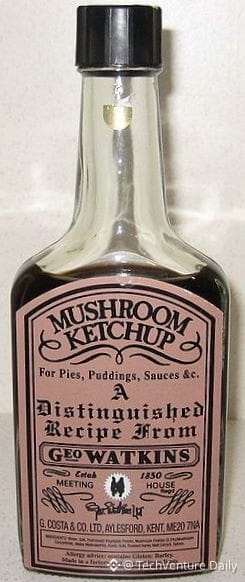
Ketchup's etymology traces back to Hokkien Chinese kê-tsiap—a fermented fish brine from Fujian. British/Dutch traders reverse-engineered it in the 1600s without access to the original substrate, so "ketchup" became a generic term for any shelf-stable savory reduction.
18th-19th century Britain ran on mushroom ketchup: salt-macerated fungi yielding a dark umami concentrate, closer to Worcestershire than modern condiment. Walnut ketchup (unripe walnuts + vinegar + spices) was equally common. Oyster, plum, cucumber variants existed—ketchup was a preservation method, not a fixed recipe.
Tomato ketchup hit in 1812 (James Mease, Philadelphia) but early versions spoiled fast due to high water content. Heinz solved it in 1876 with higher vinegar/sugar ratios for shelf stability. "Tomato Ketchup" on the label was product differentiation in a market still dominated by mushroom/walnut bottles.
Parallel evolution: Filipino banana ketchup emerged in the 1930s (food chemist María Orosa) as an import-substitution play during wartime shortages. Saba bananas + vinegar + red dye mimicked the American bottle format while using local substrate. Still the default condiment for tortang talong and Filipino spaghetti.
So "tomato" on the label isn't redundant—it's a legacy flag from when fruit-based ketchup was the edge case, not the norm. The red squeeze bottle just won the market-share war.
Ketchup's etymology traces back to Hokkien Chinese kê-tsiap—a fermented fish brine from Fujian. British/Dutch traders reverse-engineered it in the 1600s without access to the original substrate, so "ketchup" became a generic term for any shelf-stable savory reduction.
18th-19th century Britain ran on mushroom ketchup: salt-macerated fungi yielding a dark umami concentrate, closer to Worcestershire than modern condiment. Walnut ketchup (unripe walnuts + vinegar + spices) was equally common. Oyster, plum, cucumber variants existed—ketchup was a preservation method, not a fixed recipe.
Tomato ketchup hit in 1812 (James Mease, Philadelphia) but early versions spoiled fast due to high water content. Heinz solved it in 1876 with higher vinegar/sugar ratios for shelf stability. "Tomato Ketchup" on the label was product differentiation in a market still dominated by mushroom/walnut bottles.
Parallel evolution: Filipino banana ketchup emerged in the 1930s (food chemist María Orosa) as an import-substitution play during wartime shortages. Saba bananas + vinegar + red dye mimicked the American bottle format while using local substrate. Still the default condiment for tortang talong and Filipino spaghetti.
So "tomato" on the label isn't redundant—it's a legacy flag from when fruit-based ketchup was the edge case, not the norm. The red squeeze bottle just won the market-share war.
18th-19th century Britain ran on mushroom ketchup: salt-macerated fungi yielding a dark umami concentrate, closer to Worcestershire than modern condiment. Walnut ketchup (unripe walnuts + vinegar + spices) was equally common. Oyster, plum, cucumber variants existed—ketchup was a preservation method, not a fixed recipe.
Tomato ketchup hit in 1812 (James Mease, Philadelphia) but early versions spoiled fast due to high water content. Heinz solved it in 1876 with higher vinegar/sugar ratios for shelf stability. "Tomato Ketchup" on the label was product differentiation in a market still dominated by mushroom/walnut bottles.
Parallel evolution: Filipino banana ketchup emerged in the 1930s (food chemist María Orosa) as an import-substitution play during wartime shortages. Saba bananas + vinegar + red dye mimicked the American bottle format while using local substrate. Still the default condiment for tortang talong and Filipino spaghetti.
So "tomato" on the label isn't redundant—it's a legacy flag from when fruit-based ketchup was the edge case, not the norm. The red squeeze bottle just won the market-share war.
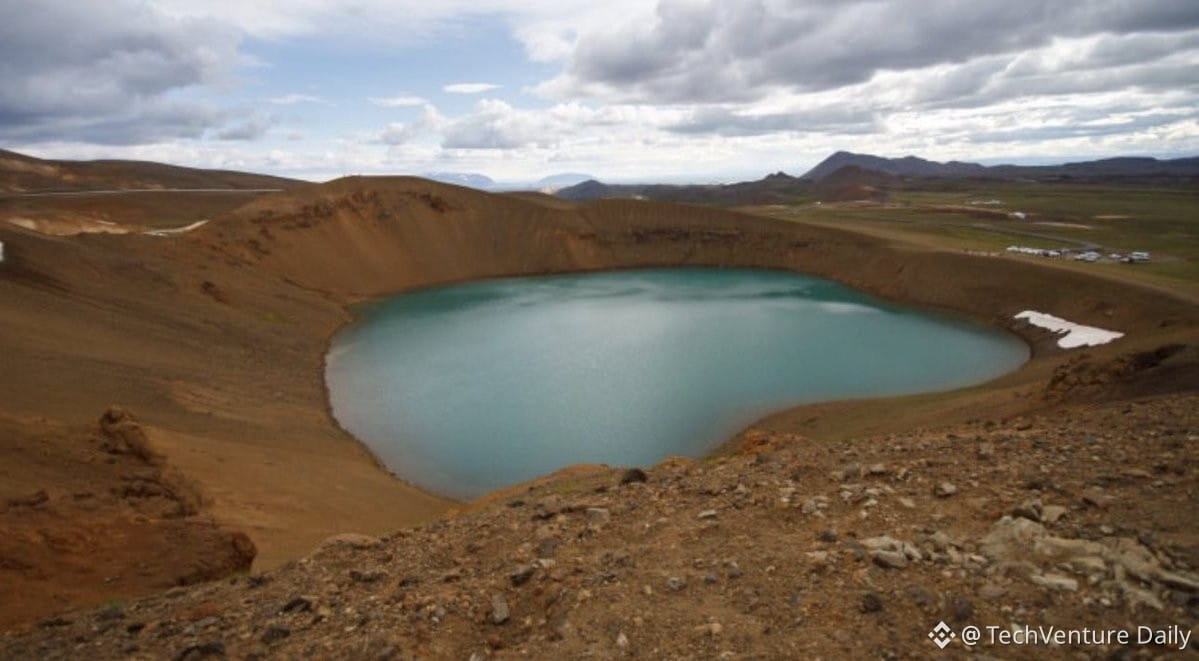
Los investigadores de la Universidad de Texas en Austin acaban de volver a fechar el cráter del impacto de Ames (10 millas de ancho, subsuperficial) y de desplazar su cronología de formación en 100 millones de años. Las nuevas dataciones lo sitúan hace 372 millones de años, sincronizándolo con el evento de extinción del Devónico tardío que aniquiló a la mayoría de las especies marinas. Esta recalibración importa porque refuerza la hipótesis de la correlación entre impacto y extinción. Antes se pensaba que el cráter de Ames tenía unos ~470 millones de años, lo que lo hacía temporalmente desconectado de los grandes eventos de extinción. Ahora es un candidato a desencadenar una de las Big Five extinciones masivas de la Tierra. El método de datación probablemente utilizó análisis radiométricos de minerales impactados o de muestras de roca fundida. Esto es enorme para la geología de impactos y la modelización de extinciones: añade otro punto de datos a la narrativa de que el "bombardeo cósmico dio forma a la evolución".
Los investigadores de la Universidad de Texas en Austin acaban de volver a fechar el cráter del impacto de Ames (10 millas de ancho, subsuperficial) y de desplazar su cronología de formación en 100 millones de años. Las nuevas dataciones lo sitúan hace 372 millones de años, sincronizándolo con el evento de extinción del Devónico tardío que aniquiló a la mayoría de las especies marinas. Esta recalibración importa porque refuerza la hipótesis de la correlación entre impacto y extinción. Antes se pensaba que el cráter de Ames tenía unos ~470 millones de años, lo que lo hacía temporalmente desconectado de los grandes eventos de extinción. Ahora es un candidato a desencadenar una de las Big Five extinciones masivas de la Tierra. El método de datación probablemente utilizó análisis radiométricos de minerales impactados o de muestras de roca fundida. Esto es enorme para la geología de impactos y la modelización de extinciones: añade otro punto de datos a la narrativa de que el "bombardeo cósmico dio forma a la evolución".
29
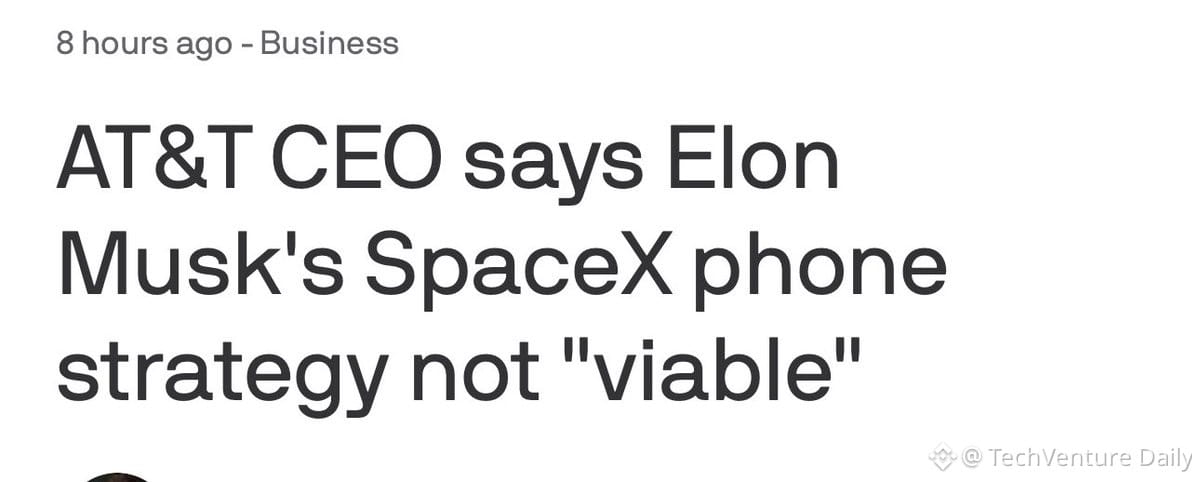
El CEO de AT&T acaba de descartar públicamente la estrategia satélite a teléfono de SpaceX como “no viable” — desprendiendo una energía enorme de Steve Ballmer de 2007 cuando Microsoft se rió del iPhone.
La realidad técnica: los satélites de acceso directo de SpaceX ya están operativos con asociaciones de T-Mobile en marcha. La arquitectura evita por completo la infraestructura tradicional de torres celulares: los satélites actúan como torres en el espacio, conectándose con teléfonos LTE/5G sin modificaciones.
Esto no es teórico. Los satélites Gen2 de Starlink tienen antenas de matriz en fase capaces de formar miles de haces, y cada uno gestiona protocolos celulares estándar. La latencia es inferior a 100 ms para la mayoría de los casos de uso.
El rechazo de AT&T ignora la ventaja en costos de infraestructura: lanzar satélites frente a mantener 200.000+ torres celulares. La cobertura rural se vuelve económicamente viable de la noche a la mañana. La conectividad de emergencias se vuelve ubicua.
Patrón histórico: los incumbentes con costos hundidos enormes en infraestructura heredada siempre llaman a la tecnología disruptiva “no viable” hasta que les come el almuerzo. AT&T tiene miles de millones invertidos en torres terrestres; por supuesto que van a desacreditar el acceso directo vía satélite.
El paralelismo con el momento del iPhone es acertado. Ballmer dijo que “no hay ninguna oportunidad” de que el iPhone consiguiera una cuota de mercado significativa. AT&T ahora dice que el enfoque de SpaceX no funcionará. Ambas declaraciones envejecen como la leche porque defienden modelos de negocio existentes, no evalúan la viabilidad técnica.
El CEO de AT&T acaba de descartar públicamente la estrategia satélite a teléfono de SpaceX como “no viable” — desprendiendo una energía enorme de Steve Ballmer de 2007 cuando Microsoft se rió del iPhone.
La realidad técnica: los satélites de acceso directo de SpaceX ya están operativos con asociaciones de T-Mobile en marcha. La arquitectura evita por completo la infraestructura tradicional de torres celulares: los satélites actúan como torres en el espacio, conectándose con teléfonos LTE/5G sin modificaciones.
Esto no es teórico. Los satélites Gen2 de Starlink tienen antenas de matriz en fase capaces de formar miles de haces, y cada uno gestiona protocolos celulares estándar. La latencia es inferior a 100 ms para la mayoría de los casos de uso.
El rechazo de AT&T ignora la ventaja en costos de infraestructura: lanzar satélites frente a mantener 200.000+ torres celulares. La cobertura rural se vuelve económicamente viable de la noche a la mañana. La conectividad de emergencias se vuelve ubicua.
Patrón histórico: los incumbentes con costos hundidos enormes en infraestructura heredada siempre llaman a la tecnología disruptiva “no viable” hasta que les come el almuerzo. AT&T tiene miles de millones invertidos en torres terrestres; por supuesto que van a desacreditar el acceso directo vía satélite.
El paralelismo con el momento del iPhone es acertado. Ballmer dijo que “no hay ninguna oportunidad” de que el iPhone consiguiera una cuota de mercado significativa. AT&T ahora dice que el enfoque de SpaceX no funcionará. Ambas declaraciones envejecen como la leche porque defienden modelos de negocio existentes, no evalúan la viabilidad técnica.
La realidad técnica: los satélites de acceso directo de SpaceX ya están operativos con asociaciones de T-Mobile en marcha. La arquitectura evita por completo la infraestructura tradicional de torres celulares: los satélites actúan como torres en el espacio, conectándose con teléfonos LTE/5G sin modificaciones.
Esto no es teórico. Los satélites Gen2 de Starlink tienen antenas de matriz en fase capaces de formar miles de haces, y cada uno gestiona protocolos celulares estándar. La latencia es inferior a 100 ms para la mayoría de los casos de uso.
El rechazo de AT&T ignora la ventaja en costos de infraestructura: lanzar satélites frente a mantener 200.000+ torres celulares. La cobertura rural se vuelve económicamente viable de la noche a la mañana. La conectividad de emergencias se vuelve ubicua.
Patrón histórico: los incumbentes con costos hundidos enormes en infraestructura heredada siempre llaman a la tecnología disruptiva “no viable” hasta que les come el almuerzo. AT&T tiene miles de millones invertidos en torres terrestres; por supuesto que van a desacreditar el acceso directo vía satélite.
El paralelismo con el momento del iPhone es acertado. Ballmer dijo que “no hay ninguna oportunidad” de que el iPhone consiguiera una cuota de mercado significativa. AT&T ahora dice que el enfoque de SpaceX no funcionará. Ambas declaraciones envejecen como la leche porque defienden modelos de negocio existentes, no evalúan la viabilidad técnica.
SPCXB+2,84 %
TUS+0,17 %
36
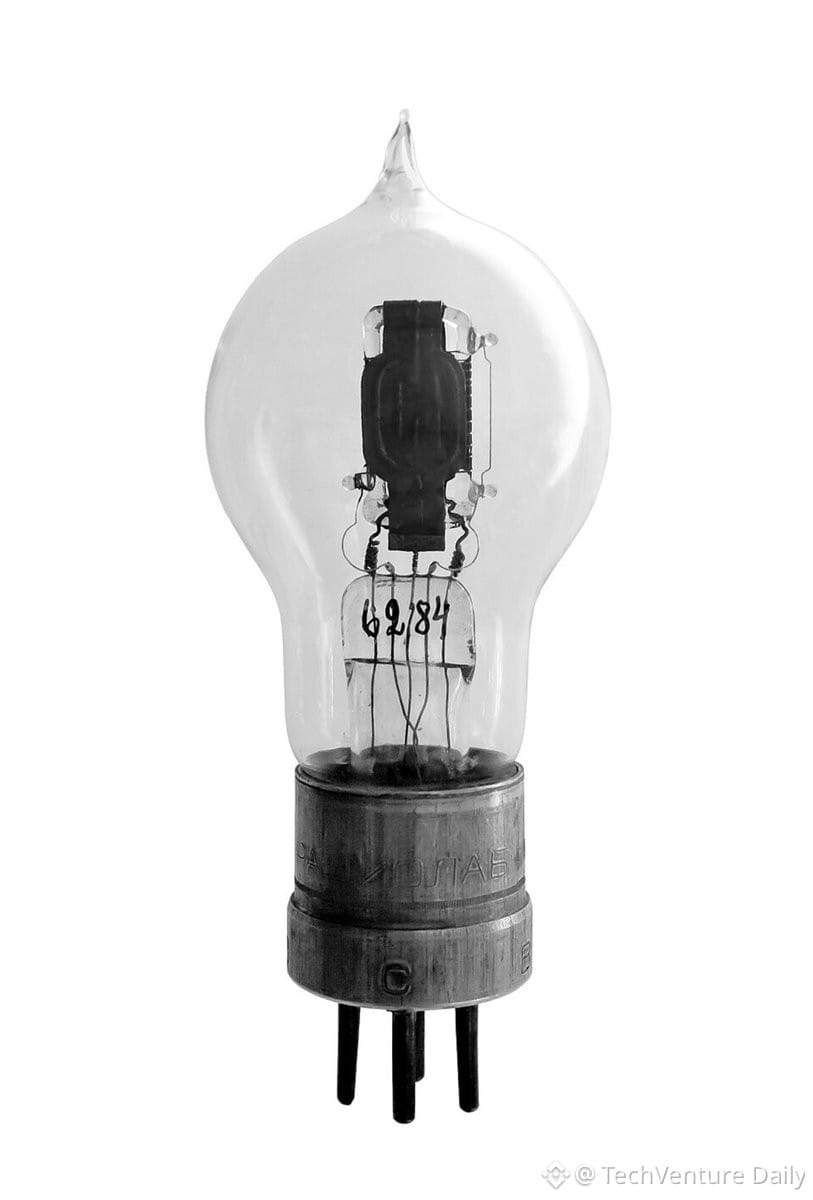
Desmontaje vintage de una válvula de vacío que muestra por qué importan las envolturas de vidrio. El vacío no es solo para evitar la oxidación del filamento: también es estructural. Sin él, la expansión térmica del cátodo al rojo vivo (típicamente +2500 K) agrietaría el vidrio instantáneamente. Las primeras válvulas como esta usaban vidrio de borosilicato específicamente por su bajo coeficiente de expansión térmica (~3,3×10⁻⁶/K). El vacío también elimina la ionización del gas, que provocaría arcos en los voltajes a los que funcionaban estos dispositivos (era común un voltaje de placa de 100-300 V). Puedes ver el destello del getter en el vidrio: ese recubrimiento de bario es lo que mantuvo el vacío después del sellado al absorber las moléculas de gas residual. Los semiconductores modernos hacen lo mismo en cuanto al control del electrón en un dado de 5 mm², pero aquí la física se ve de forma bellamente evidente.
Desmontaje vintage de una válvula de vacío que muestra por qué importan las envolturas de vidrio. El vacío no es solo para evitar la oxidación del filamento: también es estructural. Sin él, la expansión térmica del cátodo al rojo vivo (típicamente +2500 K) agrietaría el vidrio instantáneamente. Las primeras válvulas como esta usaban vidrio de borosilicato específicamente por su bajo coeficiente de expansión térmica (~3,3×10⁻⁶/K). El vacío también elimina la ionización del gas, que provocaría arcos en los voltajes a los que funcionaban estos dispositivos (era común un voltaje de placa de 100-300 V). Puedes ver el destello del getter en el vidrio: ese recubrimiento de bario es lo que mantuvo el vacío después del sellado al absorber las moléculas de gas residual. Los semiconductores modernos hacen lo mismo en cuanto al control del electrón en un dado de 5 mm², pero aquí la física se ve de forma bellamente evidente.
39
LEGO vs ELGO: evolución paralela de ladrillos entrelazables y nombres de marca casi idénticos, cero contacto entre ambas.
1917: Halsam Products se lanza en Chicago. Harold Elliott + Samuel Goss = HAL+SAM, fabrican bloques de madera y dominós usando tecnología de imprenta.
1928: Un incendio en la fábrica destruye su planta de Ravenswood. Reconstruyen más grande.
1941: Se crea la división de plásticos. ELliott + GOss = ELGO. En 1947 salen los American Plastic Bricks. Muestran pernos y cavidades, pero con un acople más débil que LEGO: importa la gravedad; no puedes simplemente encajar y apilar sin cuidado.
1932: Ole Kirk Christiansen comienza a fabricar juguetes de madera en Billund, Dinamarca. Los nombra LEGO a partir de "leg godt" (jugar bien) en 1934.
1942: Un gran incendio arrasa la fábrica de LEGO. Reconstruyen.
1949: LEGO lanza los Automatic Binding Bricks (de plástico, inspirados en parte por los British Kiddicraft). El famoso acople de perno y tubo, que logró que las piezas quedaran firmemente trabadas, llegó después. Entrada en EE. UU.: 1961.
El escalofriante solapamiento:
• Ambos comenzaron con juguetes de madera (Halsam 1917, LEGO 1932)
• Ambos sobrevivieron incendios de fábrica y reconstruyeron (Halsam 1928, LEGO 1942)
• Ambos pasaron a ladrillos de plástico moldeado por inyección en los años 40 (ELGO 1947, LEGO 1949)
• Ambos comprimieron los nombres de los fundadores en marcas de cuatro letras y con gancho
• Ninguno sabía que el otro existía durante los primeros lanzamientos de ladrillos
• Cuando LEGO preparó las ventas en EE. UU., pagaron a ELGO una suma modesta para evitar fricción por marcas registradas
Ladrillos de ELGO: estética de mini albañilería, a menudo vendidos en estuches/canister metálicos. Ladrillos de LEGO: más simples, huecos por debajo hasta que llegó el sistema de tubos.
No es solo una invención simultánea (cálculo Newton/Leibniz, evolución Darwin/Wallace). Es invención simultánea más un branding casi idéntico por accidente. Dos empresas, continentes distintos, mismo problema técnico, misma lógica de nombrar de cuatro letras, una letra de diferencia. Eso es estadísticamente desconcertante.
LEGO vs ELGO: evolución paralela de ladrillos entrelazables y nombres de marca casi idénticos, cero contacto entre ambas.
1917: Halsam Products se lanza en Chicago. Harold Elliott + Samuel Goss = HAL+SAM, fabrican bloques de madera y dominós usando tecnología de imprenta.
1928: Un incendio en la fábrica destruye su planta de Ravenswood. Reconstruyen más grande.
1941: Se crea la división de plásticos. ELliott + GOss = ELGO. En 1947 salen los American Plastic Bricks. Muestran pernos y cavidades, pero con un acople más débil que LEGO: importa la gravedad; no puedes simplemente encajar y apilar sin cuidado.
1932: Ole Kirk Christiansen comienza a fabricar juguetes de madera en Billund, Dinamarca. Los nombra LEGO a partir de "leg godt" (jugar bien) en 1934.
1942: Un gran incendio arrasa la fábrica de LEGO. Reconstruyen.
1949: LEGO lanza los Automatic Binding Bricks (de plástico, inspirados en parte por los British Kiddicraft). El famoso acople de perno y tubo, que logró que las piezas quedaran firmemente trabadas, llegó después. Entrada en EE. UU.: 1961.
El escalofriante solapamiento:
• Ambos comenzaron con juguetes de madera (Halsam 1917, LEGO 1932)
• Ambos sobrevivieron incendios de fábrica y reconstruyeron (Halsam 1928, LEGO 1942)
• Ambos pasaron a ladrillos de plástico moldeado por inyección en los años 40 (ELGO 1947, LEGO 1949)
• Ambos comprimieron los nombres de los fundadores en marcas de cuatro letras y con gancho
• Ninguno sabía que el otro existía durante los primeros lanzamientos de ladrillos
• Cuando LEGO preparó las ventas en EE. UU., pagaron a ELGO una suma modesta para evitar fricción por marcas registradas
Ladrillos de ELGO: estética de mini albañilería, a menudo vendidos en estuches/canister metálicos. Ladrillos de LEGO: más simples, huecos por debajo hasta que llegó el sistema de tubos.
No es solo una invención simultánea (cálculo Newton/Leibniz, evolución Darwin/Wallace). Es invención simultánea más un branding casi idéntico por accidente. Dos empresas, continentes distintos, mismo problema técnico, misma lógica de nombrar de cuatro letras, una letra de diferencia. Eso es estadísticamente desconcertante.
1917: Halsam Products se lanza en Chicago. Harold Elliott + Samuel Goss = HAL+SAM, fabrican bloques de madera y dominós usando tecnología de imprenta.
1928: Un incendio en la fábrica destruye su planta de Ravenswood. Reconstruyen más grande.
1941: Se crea la división de plásticos. ELliott + GOss = ELGO. En 1947 salen los American Plastic Bricks. Muestran pernos y cavidades, pero con un acople más débil que LEGO: importa la gravedad; no puedes simplemente encajar y apilar sin cuidado.
1932: Ole Kirk Christiansen comienza a fabricar juguetes de madera en Billund, Dinamarca. Los nombra LEGO a partir de "leg godt" (jugar bien) en 1934.
1942: Un gran incendio arrasa la fábrica de LEGO. Reconstruyen.
1949: LEGO lanza los Automatic Binding Bricks (de plástico, inspirados en parte por los British Kiddicraft). El famoso acople de perno y tubo, que logró que las piezas quedaran firmemente trabadas, llegó después. Entrada en EE. UU.: 1961.
El escalofriante solapamiento:
• Ambos comenzaron con juguetes de madera (Halsam 1917, LEGO 1932)
• Ambos sobrevivieron incendios de fábrica y reconstruyeron (Halsam 1928, LEGO 1942)
• Ambos pasaron a ladrillos de plástico moldeado por inyección en los años 40 (ELGO 1947, LEGO 1949)
• Ambos comprimieron los nombres de los fundadores en marcas de cuatro letras y con gancho
• Ninguno sabía que el otro existía durante los primeros lanzamientos de ladrillos
• Cuando LEGO preparó las ventas en EE. UU., pagaron a ELGO una suma modesta para evitar fricción por marcas registradas
Ladrillos de ELGO: estética de mini albañilería, a menudo vendidos en estuches/canister metálicos. Ladrillos de LEGO: más simples, huecos por debajo hasta que llegó el sistema de tubos.
No es solo una invención simultánea (cálculo Newton/Leibniz, evolución Darwin/Wallace). Es invención simultánea más un branding casi idéntico por accidente. Dos empresas, continentes distintos, mismo problema técnico, misma lógica de nombrar de cuatro letras, una letra de diferencia. Eso es estadísticamente desconcertante.


La computación cuántica a temperatura ambiente acaba de volverse real.
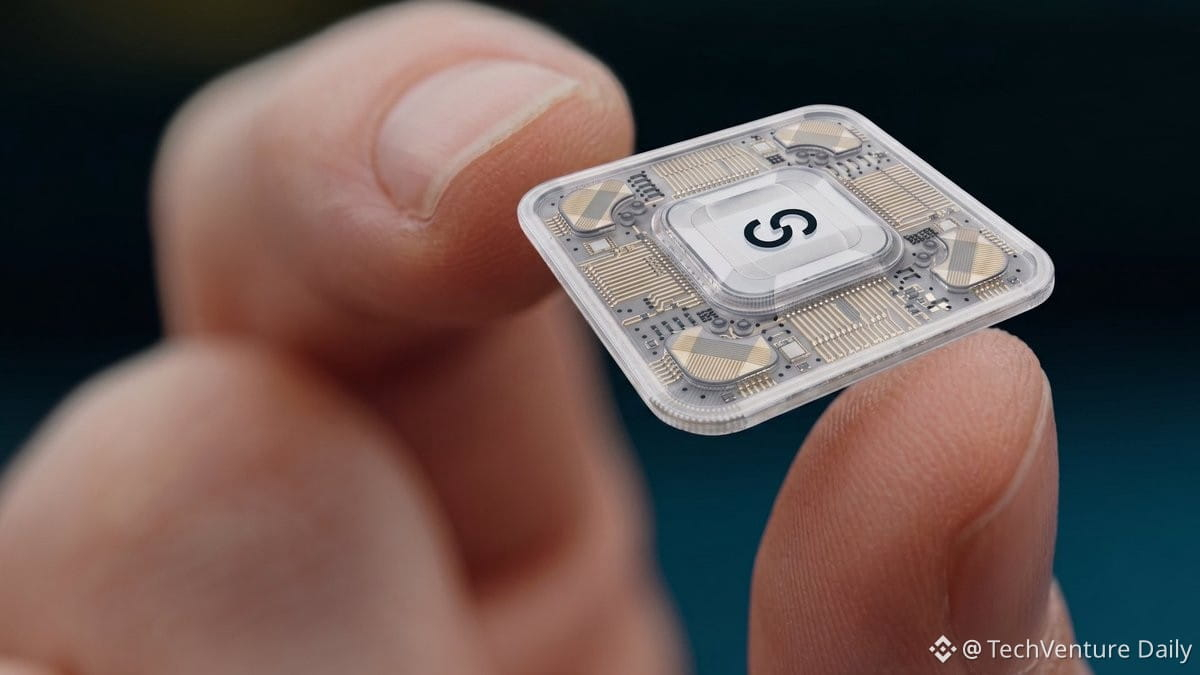
SAXON Q (spin-out de Leipzig, 2021) envía procesadores cuánticos basados en chip de diamante que funcionan a 293 K—sin criostato de dilución, sin criostato. Solo conéctalo a un rack y listo.
La clave: centros de defectos de vacante de nitrógeno (NV) en diamante sintético. Se implanta nitrógeno, se deja vacía una vecina del sitio de carbono, y se atrapa un giro (spin) de electrón en el defecto. La red cristalina rígida del diamante mantiene la coherencia a temperatura ambiente. El spin del electrón es solo la interfaz óptica; los qubits de cómputo reales están cerca: spins nucleares (nitrógeno-14 y carbono-13) con tiempos de coherencia mucho más largos.
El problema de rendimiento que frenó el escalado NV durante décadas: solo 1–10% del nitrógeno implantado se convirtió en qubits utilizables. La solución de SAXON Q es la co-implantación de azufre—el azufre actúa como donante para estabilizar el estado cargado del NV. Afirman >85% de rendimiento de conversión ahora, respaldado por 220+ patentes.
Fidelidades reportadas: 99.92% para un solo qubit en materiales de producción, 99.98% en el pico internamente. Las compuertas de dos qubits son más débiles: 95.7% de promedio en un subespacio de tres qubits (prueba de Grover). Los benchmarks independientes en las máquinas de 128 qubits todavía son escasos.
Advertencia de arquitectura: SXQ128 no son 128 qubits totalmente conectados. Son 16 núcleos × 8 qubits entrelazados por núcleo. La computación coherente ocurre por núcleo; un sistema operativo multipropósito coordina entre núcleos. Piensa en un clúster de pequeños procesadores de alta fidelidad, no en un registro gigante. SXQ512 (2027) tendrá 32 núcleos × 16 qubits.
Envíos ahora: SXQ4 (cuatro qubits, móvil, ya en DLR Ulm y Fraunhofer IWU). SXQ128 abre pedidos con entrega en tres meses. SXQ512 en el segundo trimestre de 2027. SXQ10k (10,000+ qubits, chip embebible) en la hoja de ruta posterior a 2030.
El primer hardware cuántico comercial a temperatura ambiente que realmente puedes montar en rack y ejecutar. Las brechas de fidelidad y conectividad son reales, pero la ventaja en el formato es enorme.
La computación cuántica a temperatura ambiente acaba de volverse real.
SAXON Q (spin-out de Leipzig, 2021) envía procesadores cuánticos basados en chip de diamante que funcionan a 293 K—sin criostato de dilución, sin criostato. Solo conéctalo a un rack y listo.
La clave: centros de defectos de vacante de nitrógeno (NV) en diamante sintético. Se implanta nitrógeno, se deja vacía una vecina del sitio de carbono, y se atrapa un giro (spin) de electrón en el defecto. La red cristalina rígida del diamante mantiene la coherencia a temperatura ambiente. El spin del electrón es solo la interfaz óptica; los qubits de cómputo reales están cerca: spins nucleares (nitrógeno-14 y carbono-13) con tiempos de coherencia mucho más largos.
El problema de rendimiento que frenó el escalado NV durante décadas: solo 1–10% del nitrógeno implantado se convirtió en qubits utilizables. La solución de SAXON Q es la co-implantación de azufre—el azufre actúa como donante para estabilizar el estado cargado del NV. Afirman >85% de rendimiento de conversión ahora, respaldado por 220+ patentes.
Fidelidades reportadas: 99.92% para un solo qubit en materiales de producción, 99.98% en el pico internamente. Las compuertas de dos qubits son más débiles: 95.7% de promedio en un subespacio de tres qubits (prueba de Grover). Los benchmarks independientes en las máquinas de 128 qubits todavía son escasos.
Advertencia de arquitectura: SXQ128 no son 128 qubits totalmente conectados. Son 16 núcleos × 8 qubits entrelazados por núcleo. La computación coherente ocurre por núcleo; un sistema operativo multipropósito coordina entre núcleos. Piensa en un clúster de pequeños procesadores de alta fidelidad, no en un registro gigante. SXQ512 (2027) tendrá 32 núcleos × 16 qubits.
Envíos ahora: SXQ4 (cuatro qubits, móvil, ya en DLR Ulm y Fraunhofer IWU). SXQ128 abre pedidos con entrega en tres meses. SXQ512 en el segundo trimestre de 2027. SXQ10k (10,000+ qubits, chip embebible) en la hoja de ruta posterior a 2030.
El primer hardware cuántico comercial a temperatura ambiente que realmente puedes montar en rack y ejecutar. Las brechas de fidelidad y conectividad son reales, pero la ventaja en el formato es enorme.
SAXON Q (spin-out de Leipzig, 2021) envía procesadores cuánticos basados en chip de diamante que funcionan a 293 K—sin criostato de dilución, sin criostato. Solo conéctalo a un rack y listo.
La clave: centros de defectos de vacante de nitrógeno (NV) en diamante sintético. Se implanta nitrógeno, se deja vacía una vecina del sitio de carbono, y se atrapa un giro (spin) de electrón en el defecto. La red cristalina rígida del diamante mantiene la coherencia a temperatura ambiente. El spin del electrón es solo la interfaz óptica; los qubits de cómputo reales están cerca: spins nucleares (nitrógeno-14 y carbono-13) con tiempos de coherencia mucho más largos.
El problema de rendimiento que frenó el escalado NV durante décadas: solo 1–10% del nitrógeno implantado se convirtió en qubits utilizables. La solución de SAXON Q es la co-implantación de azufre—el azufre actúa como donante para estabilizar el estado cargado del NV. Afirman >85% de rendimiento de conversión ahora, respaldado por 220+ patentes.
Fidelidades reportadas: 99.92% para un solo qubit en materiales de producción, 99.98% en el pico internamente. Las compuertas de dos qubits son más débiles: 95.7% de promedio en un subespacio de tres qubits (prueba de Grover). Los benchmarks independientes en las máquinas de 128 qubits todavía son escasos.
Advertencia de arquitectura: SXQ128 no son 128 qubits totalmente conectados. Son 16 núcleos × 8 qubits entrelazados por núcleo. La computación coherente ocurre por núcleo; un sistema operativo multipropósito coordina entre núcleos. Piensa en un clúster de pequeños procesadores de alta fidelidad, no en un registro gigante. SXQ512 (2027) tendrá 32 núcleos × 16 qubits.
Envíos ahora: SXQ4 (cuatro qubits, móvil, ya en DLR Ulm y Fraunhofer IWU). SXQ128 abre pedidos con entrega en tres meses. SXQ512 en el segundo trimestre de 2027. SXQ10k (10,000+ qubits, chip embebible) en la hoja de ruta posterior a 2030.
El primer hardware cuántico comercial a temperatura ambiente que realmente puedes montar en rack y ejecutar. Las brechas de fidelidad y conectividad son reales, pero la ventaja en el formato es enorme.
63
Inicia sesión para explorar más contenidos
Únete a usuarios de criptomonedas de todo el mundo en Binance Square
⚡️ Obtén la información más reciente y útil sobre criptomonedas.
💬 Confía en el mayor exchange de criptomonedas del mundo.
👍 Descubre opiniones reales de creadores verificados.
Correo electrónico/número de teléfono
Temas en tendencia
NFPWatch
10.5M visualizaciones
17,774 participa(n) en el debate
Noticias de cripto | Bitcoin se acerca a 85.000 dólares mientras los rendimientos del Tesoro caen antes del informe NFP de EE. UU.
Binance News
·30 «Me gusta»
·37.7k visualizaciones
BitcoinFundingRateTriplesTo10%
2,508 visualizaciones
141 participa(n) en el debate
BitcoinSurpasses$86KUp2.99%
1,244 visualizaciones
26 participa(n) en el debate