Binance Square
SIKANIBAIMA
1.1k Publicaciones

SIKANIBAIMA

Content creator, free thinker, analyst and Binance KOL trader
Trader de alta frecuencia
5.9 años
21 Siguiendo
10.4K+ Seguidores
2.1K+ Me gusta
Publicaciones
PINNED
·
--
Artículo
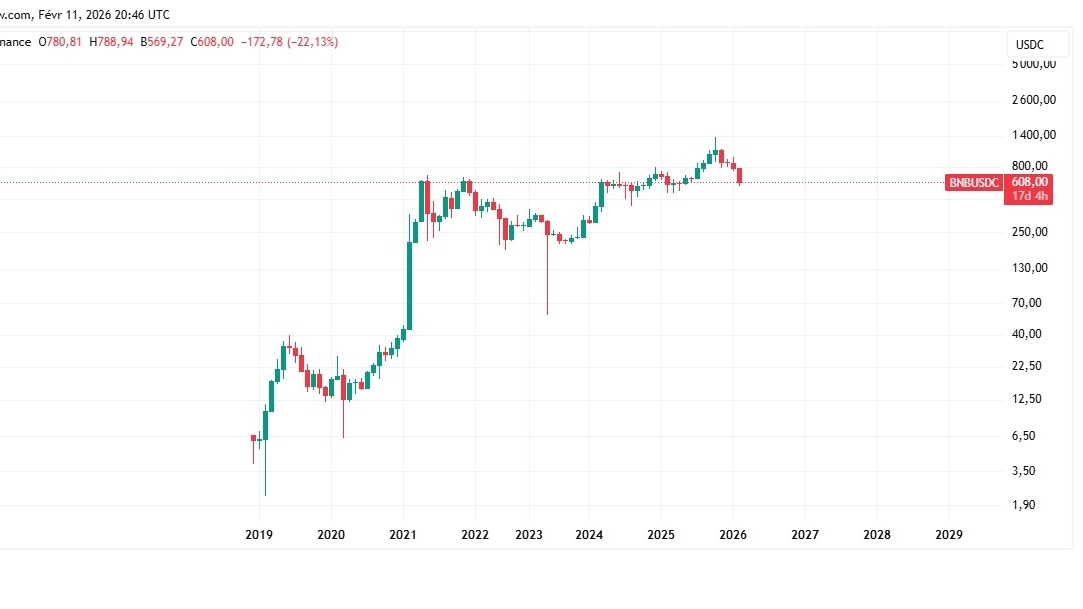
BNBDesde su creación en 2017, BNB ha evolucionado de ser un simple token de intercambio útil a un activo estratégico en el corazón del ecosistema cripto global. Respaldado por Binance, el intercambio más grande del mundo por volumen. BNB ahora representa mucho más que una forma de reducir las tarifas de trading. A través del análisis de gráficos mensuales, trimestrales y semanales, combinado con el estudio de la tokenomía, la geopolítica y el contexto macroeconómico global, una cosa está clara. BNB es un activo híbrido en la encrucijada de las finanzas tradicionales, la innovación blockchain y las dinámicas de poder internacionales. Entender BNB significa entender la transformación estructural de la industria cripto.

BNB

Desde su creación en 2017, BNB ha evolucionado de ser un simple token de intercambio útil a un activo estratégico en el corazón del ecosistema cripto global. Respaldado por Binance, el intercambio más grande del mundo por volumen. BNB ahora representa mucho más que una forma de reducir las tarifas de trading. A través del análisis de gráficos mensuales, trimestrales y semanales, combinado con el estudio de la tokenomía, la geopolítica y el contexto macroeconómico global, una cosa está clara. BNB es un activo híbrido en la encrucijada de las finanzas tradicionales, la innovación blockchain y las dinámicas de poder internacionales. Entender BNB significa entender la transformación estructural de la industria cripto.
·
--
Alcista
Hyperliquid está demostrando que el rendimiento habla más alto que la exageración. El Q2 de 2026 fue, sin duda, excepcional: 📈 La HYPE se disparó +79%, alcanzando un nuevo máximo histórico de $76.90, mientras que Bitcoin cayó 14% durante el mismo período. Las cifras detrás de la subida son aún más impresionantes: 💰 $213B en volumen de trading perpetuo 💵 $169M en ingresos del protocolo 🔥 $141M en recompras de HYPE Lanzamiento de los primeros ETFs de HYPE Esto no es solo otro token bombeándose. Es un protocolo que genera ingresos reales, recompensa a su ecosistema y atrae la atención de instituciones. El mercado empieza a valorar los proyectos en función del flujo de caja, la utilidad y tokenomics sostenibles, en lugar de la especulación únicamente. ¿Hyperliquid está marcando el estándar para la próxima generación de DeFi? ¿Cuál es tu objetivo para $HYPE en este ciclo? ¿Lo estás acumulando, manteniendo o esperando una corrección? #Hyperliquid #hype #defi #BinanceSquare #blockchain
Hyperliquid está demostrando que el rendimiento habla más alto que la exageración.
El Q2 de 2026 fue, sin duda, excepcional:

📈 La HYPE se disparó +79%, alcanzando un nuevo máximo histórico de $76.90, mientras que Bitcoin cayó 14% durante el mismo período.

Las cifras detrás de la subida son aún más impresionantes:

💰 $213B en volumen de trading perpetuo
💵 $169M en ingresos del protocolo
🔥 $141M en recompras de HYPE

Lanzamiento de los primeros ETFs de HYPE

Esto no es solo otro token bombeándose.
Es un protocolo que genera ingresos reales, recompensa a su ecosistema y atrae la atención de instituciones.
El mercado empieza a valorar los proyectos en función del flujo de caja, la utilidad y tokenomics sostenibles, en lugar de la especulación únicamente.
¿Hyperliquid está marcando el estándar para la próxima generación de DeFi?

¿Cuál es tu objetivo para $HYPE en este ciclo? ¿Lo estás acumulando, manteniendo o esperando una corrección?

#Hyperliquid #hype #defi #BinanceSquare #blockchain
La próxima oportunidad de un billón de dólares no es solo IA... es la infraestructura que impulsa la IA. EON acaba de recaudar 10,75M USD en financiación semilla de General Catalyst y a16z para replantear cómo se mueve la información a través de los océanos. ¿Por qué es esto importante? Hoy, más del 95% del tráfico global de internet depende de cables submarinos. Son la columna vertebral de la economía digital—pero son caros de ampliar, vulnerables a interrupciones y limitados por restricciones físicas. EON busca cambiar eso. En lugar de reemplazar la infraestructura existente, la empresa está construyendo una capa de datos intercontinental resiliente que incrementa la capacidad de la red actual de cables submarinos. La visión: ⚡ Despliegue más rápido 🌍 Más ancho de banda entre continentes 🛡️ Mayor resiliencia ante cortes 🤖 Diseñada para la era de la IA, la nube y Web3 Todos persiguen el siguiente token. El capital inteligente está invirtiendo en la infraestructura que impulsará la próxima generación de internet. Sin redes de datos más sólidas, no hay IA escalable. Sin conectividad resiliente, no hay Web3 global. Sin infraestructura, la innovación se topa con un límite. Los mayores ganadores de la próxima década quizá no sean las aplicaciones... sino las empresas que construyen las vías que hay debajo. 💭 ¿Invertirías en infraestructura digital por encima de activos especulativos? 👇 Comparte tus ideas. #AI #Infrastructure #DataFi #CLOUD #INNOVATION
La próxima oportunidad de un billón de dólares no es solo IA... es la infraestructura que impulsa la IA.

EON acaba de recaudar 10,75M USD en financiación semilla de General Catalyst y a16z para replantear cómo se mueve la información a través de los océanos.
¿Por qué es esto importante?

Hoy, más del 95% del tráfico global de internet depende de cables submarinos. Son la columna vertebral de la economía digital—pero son caros de ampliar, vulnerables a interrupciones y limitados por restricciones físicas.

EON busca cambiar eso.
En lugar de reemplazar la infraestructura existente, la empresa está construyendo una capa de datos intercontinental resiliente que incrementa la capacidad de la red actual de cables submarinos.
La visión:

⚡ Despliegue más rápido
🌍 Más ancho de banda entre continentes
🛡️ Mayor resiliencia ante cortes
🤖 Diseñada para la era de la IA, la nube y Web3

Todos persiguen el siguiente token.
El capital inteligente está invirtiendo en la infraestructura que impulsará la próxima generación de internet.
Sin redes de datos más sólidas, no hay IA escalable.
Sin conectividad resiliente, no hay Web3 global.
Sin infraestructura, la innovación se topa con un límite.

Los mayores ganadores de la próxima década quizá no sean las aplicaciones... sino las empresas que construyen las vías que hay debajo.

💭 ¿Invertirías en infraestructura digital por encima de activos especulativos?
👇 Comparte tus ideas.
#AI #Infrastructure #DataFi #CLOUD #INNOVATION
¿El mayor error que los reguladores podrían cometer con la IA? Tratar todo de la misma manera. El CEO de Hugging Face acaba de hacer uno de los argumentos más sólidos que he escuchado. Compara los pesos de modelos abiertos con el acero. ¿Y las aplicaciones de IA? Son los autos. Su punto es sencillo: "No regulamos el acero para hacer autos más seguros. Hacemos pruebas de choque a los autos." Eso lo cambia todo. Los pesos abiertos son la base de la innovación. Las aplicaciones son donde la IA se encuentra con el mundo real: y donde se crea el daño real (o el valor real). En lugar de restringir la investigación, la regulación debería centrarse en la capa de despliegue, donde las empresas construyen productos usados por millones. Este enfoque permitiría: ✅ Mantener viva la innovación en IA. ✅ Proteger la investigación de código abierto. ✅ Hacer responsables a los desarrolladores donde el riesgo realmente existe. ✅ Hacer la IA más segura sin frenar el progreso. El futuro de la IA no lo decidirá quién construye el modelo más inteligente. Se decidirá por quién cree las reglas más inteligentes. ¿Estás de acuerdo con la visión de Hugging Face? ¿Deberían los gobiernos regular las aplicaciones de IA en lugar de los pesos de modelos abiertos? Vota abajo y defiende tu postura: ❤️ = Regula las apps de IA 🔁 = Regula ambas 💬 = Mantén la IA abierta Veamos en qué punto está la comunidad. #artificialintelligence #OpenSource #machinelearning #INNOVATION #tech
¿El mayor error que los reguladores podrían cometer con la IA? Tratar todo de la misma manera.

El CEO de Hugging Face acaba de hacer uno de los argumentos más sólidos que he escuchado.
Compara los pesos de modelos abiertos con el acero.
¿Y las aplicaciones de IA? Son los autos.
Su punto es sencillo:
"No regulamos el acero para hacer autos más seguros. Hacemos pruebas de choque a los autos."

Eso lo cambia todo.
Los pesos abiertos son la base de la innovación.
Las aplicaciones son donde la IA se encuentra con el mundo real: y donde se crea el daño real (o el valor real).
En lugar de restringir la investigación, la regulación debería centrarse en la capa de despliegue, donde las empresas construyen productos usados por millones.
Este enfoque permitiría:
✅ Mantener viva la innovación en IA.
✅ Proteger la investigación de código abierto.
✅ Hacer responsables a los desarrolladores donde el riesgo realmente existe.
✅ Hacer la IA más segura sin frenar el progreso.
El futuro de la IA no lo decidirá quién construye el modelo más inteligente.
Se decidirá por quién cree las reglas más inteligentes.

¿Estás de acuerdo con la visión de Hugging Face?
¿Deberían los gobiernos regular las aplicaciones de IA en lugar de los pesos de modelos abiertos?

Vota abajo y defiende tu postura:
❤️ = Regula las apps de IA
🔁 = Regula ambas
💬 = Mantén la IA abierta
Veamos en qué punto está la comunidad.
#artificialintelligence #OpenSource #machinelearning #INNOVATION #tech
·
--
Alcista
🚨 Mi posición de DCA en $VVV (Token Venice) Mientras muchos persiguen el próximo pump, busco proyectos con fundamentos sólidos y potencial a largo plazo. $VVV es uno de ellos. Así es por qué estoy haciendo DCA en Venice: ✅ La IA sigue siendo una de las narrativas más fuertes de este ciclo. ✅ El token tiene utilidad real, no solo hype. ✅ El gráfico semanal todavía muestra una estructura de mercado alcista a pesar del retroceso reciente. ✅ Las correcciones son donde se construyen las posiciones—no cuando todos están eufóricos. Mis zonas de DCA: 🟢 $11–10 🟢 $9–8.5 (zona de acumulación fuerte) $VVV {alpha}(84530xacfe6019ed1a7dc6f7b508c02d1b04ec88cc21bf) 🔴 Si el precio se rompe por debajo de estos niveles con debilidad, lo reevaluaré—no entraré en pánico. Recuerda: La riqueza se construye acumulando activos de calidad durante el miedo, no comprando velas verdes después de un rally del 300%. No estoy llamando el fondo exacto. Estoy construyendo una posición con disciplina. ¿Cuál es tu estrategia en $VVV? #Venice #VVV #Aİ #DCA #BinanceSquare
🚨 Mi posición de DCA en $VVV (Token Venice)

Mientras muchos persiguen el próximo pump, busco proyectos con fundamentos sólidos y potencial a largo plazo.
$VVV es uno de ellos.
Así es por qué estoy haciendo DCA en Venice:
✅ La IA sigue siendo una de las narrativas más fuertes de este ciclo.
✅ El token tiene utilidad real, no solo hype.
✅ El gráfico semanal todavía muestra una estructura de mercado alcista a pesar del retroceso reciente.
✅ Las correcciones son donde se construyen las posiciones—no cuando todos están eufóricos.

Mis zonas de DCA:

🟢 $11–10
🟢 $9–8.5 (zona de acumulación fuerte)
$VVV

🔴 Si el precio se rompe por debajo de estos niveles con debilidad, lo reevaluaré—no entraré en pánico.
Recuerda:
La riqueza se construye acumulando activos de calidad durante el miedo, no comprando velas verdes después de un rally del 300%.
No estoy llamando el fondo exacto.
Estoy construyendo una posición con disciplina.
¿Cuál es tu estrategia en $VVV ?
#Venice #VVV #Aİ #DCA #BinanceSquare
Mucha gente pronto empezará a compartir sus listas de tokens para hacer DCA. Cuando eso pase, recuerda una cosa: Usualmente significa que ya se tocó el fondo. La multitud no compra miedo. Compra confirmación. Las mejores oportunidades a menudo se encuentran cuando nadie habla, no cuando todos están de acuerdo. Mantén la paciencia. Mantén la disciplina. Acumula con convicción—no con emociones. El mercado premia a quienes se preparan antes de los titulares. #bitcoin #DCA #BinanceSquare #BullMarket #Investing
Mucha gente pronto empezará a compartir sus listas de tokens para hacer DCA.
Cuando eso pase, recuerda una cosa:
Usualmente significa que ya se tocó el fondo.
La multitud no compra miedo.
Compra confirmación.
Las mejores oportunidades a menudo se encuentran cuando nadie habla, no cuando todos están de acuerdo.
Mantén la paciencia.
Mantén la disciplina.
Acumula con convicción—no con emociones.
El mercado premia a quienes se preparan antes de los titulares.
#bitcoin #DCA #BinanceSquare #BullMarket #Investing
·
--
Alcista
El mercado rara vez premia a quienes persiguen velas verdes. Premia a quienes entienden el momento. $ASTER ha atravesado la volatilidad, como cualquier proyecto cripto joven. Pero la historia muestra que las comunidades fuertes a menudo se construyen durante las fases tranquilas, no durante el hype. Si de verdad crees en la visión a largo plazo de ASTER, este podría ser el momento para enfocarte en la convicción en lugar de las emociones. Los inversores inteligentes no solo compran fuerza. Acumulan cuando todos los demás están distraídos. Recuerda: 📌 Los mercados alcistas crean emoción. 📌 Los mercados bajistas crean posiciones. 📌 La paciencia crea oportunidades. Estoy siguiendo ASTER de cerca, no porque del precio de hoy, sino por lo que podría llegar a ser en los próximos años. Mantente curioso. Sigue aprendiendo. Piensa a largo plazo. Haz tu propia investigación antes de tomar cualquier decisión de inversión. #BinanceSquare #HODL #Blockchain #Investing #Altcoins $ASTER
El mercado rara vez premia a quienes persiguen velas verdes.
Premia a quienes entienden el momento.

$ASTER ha atravesado la volatilidad, como cualquier proyecto cripto joven. Pero la historia muestra que las comunidades fuertes a menudo se construyen durante las fases tranquilas, no durante el hype.
Si de verdad crees en la visión a largo plazo de ASTER, este podría ser el momento para enfocarte en la convicción en lugar de las emociones.
Los inversores inteligentes no solo compran fuerza.
Acumulan cuando todos los demás están distraídos.
Recuerda:

📌 Los mercados alcistas crean emoción.
📌 Los mercados bajistas crean posiciones.
📌 La paciencia crea oportunidades.

Estoy siguiendo ASTER de cerca, no porque del precio de hoy, sino por lo que podría llegar a ser en los próximos años.
Mantente curioso.
Sigue aprendiendo.
Piensa a largo plazo.
Haz tu propia investigación antes de tomar cualquier decisión de inversión.
#BinanceSquare #HODL #Blockchain #Investing #Altcoins $ASTER
Artículo
¿Qué es una Moneda Digital de Banco Central (CBDC)?¿Qué son las Monedas Digitales de Banco Central (CBDCs)? Imagina enviar dinero digital tan fácilmente como enviar un mensaje, pero en lugar de usar Bitcoin o USDT, estás usando una moneda digital emitida directamente por el banco central de tu país. Esta es la idea detrás de las Monedas Digitales de Banco Central (CBDCs). ¿Qué es exactamente una CBDC? Una CBDC es simplemente la versión digital de la moneda oficial de un país. Piensa en ello como dinero digital respaldado por el gobierno, igual que el papel moneda, pero que existe solo en formato electrónico.

¿Qué es una Moneda Digital de Banco Central (CBDC)?

¿Qué son las Monedas Digitales de Banco Central (CBDCs)?
Imagina enviar dinero digital tan fácilmente como enviar un mensaje, pero en lugar de usar Bitcoin o USDT, estás usando una moneda digital emitida directamente por el banco central de tu país.
Esta es la idea detrás de las Monedas Digitales de Banco Central (CBDCs).
¿Qué es exactamente una CBDC?
Una CBDC es simplemente la versión digital de la moneda oficial de un país.
Piensa en ello como dinero digital respaldado por el gobierno, igual que el papel moneda, pero que existe solo en formato electrónico.
Artículo
Ver traducción
The Purpose of Tokenizing Real-World Assets (RWAs)Introduction Tokenization is the process of converting ownership rights over an asset into a digital token recorded on a blockchain. Financial institutions, technology companies, and blockchain specialists are increasingly interested in bringing physical assets onto blockchain networks in order to leverage the advantages of decentralized technology while preserving the characteristics and value of the underlying asset. Our world is full of valuable assets—stocks, real estate, gold, carbon credits, oil, and countless others. Many of these assets are difficult or expensive to transfer physically, so buyers and sellers usually exchange legal documents that represent ownership instead of moving the assets themselves. However, this traditional process is often slow, costly, and difficult to monitor. One proposed solution is to create a digital system similar to Bitcoin, but where each digital token is backed by a real-world asset. Most commodity exchanges have already adopted electronic trading and standardized settlement systems. Nevertheless, these systems still involve significant costs and depend heavily on trusted intermediaries. Financial institutions and blockchain startups are now working on the next stage of this evolution: tokenized assets. But what exactly is the value of a digital token representing a physical asset, and how can such a system be implemented? Why Tokenize Physical Assets? Imagine that Akissi is a wholesale diamond dealer who owns $15 million worth of diamonds. Shipping diamonds to buyers is a complicated process. It requires extensive security measures to prevent theft or fraud throughout the supply chain. Now imagine Mamadou, an investor who wants to invest several thousand dollars in diamonds. He is interested in the investment opportunity but has no desire to handle the physical storage, transportation, or insurance of the diamonds. Ideally, Mamadou would prefer to own only a fraction of the diamond inventory while benefiting from its appreciation in value. On the other hand, Akissi has no interest in searching for hundreds of small buyers or selling each diamond individually. She simply wants an efficient way to divide her inventory into smaller investment units. Blockchain tokenization provides exactly this solution. By issuing blockchain tokens that represent ownership of physical assets, ownership can be divided into small fractions. Investors can buy, sell, or transfer these fractions without ever moving the underlying physical asset. This democratizes ownership and allows a much larger number of people to invest in assets that were previously accessible only to wealthy individuals or institutions. Bringing Physical Assets to the Blockchain There are several methods for representing physical assets on a blockchain. The main challenge is reproducing the security, speed, transparency, and ease of transfer that Bitcoin offers while ensuring that every digital token remains permanently linked to the physical asset it represents. In many respects, tokenization is simply the next evolution of securitization—the traditional financial process of converting groups of assets into tradable securities. In some cases, tokenization digitizes already securitized assets. In others, it creates entirely new digital ownership structures. Which Types of Assets Can Be Tokenized? 1. Intangible Assets Some assets exist only because they are recognized by law. These include: PatentsCarbon creditsTrademarksCopyrightsIntellectual propertyLicenses Because these assets have no physical form, they are generally much easier to integrate into blockchain systems. There are no storage or transportation issues, making tokenization relatively straightforward. 2. Fungible Assets Law distinguishes between fungible and non-fungible assets. A fungible asset can be replaced by another identical unit without affecting its value. Examples include: GoldWheatOilWaterSilver These assets are particularly well suited for tokenization because they can easily be divided into standardized units. For example: 1 kilogram of gold1 barrel of oil100 liters of fuel Each unit is interchangeable with another unit of the same type and quality. This makes fungible assets ideal candidates for blockchain tokenization. 3. Non-Fungible Assets Non-fungible assets are unique. Examples include: HousesLuxury carsPaintingsDiamondsRare collectibles Unlike fungible assets, each item has unique characteristics that distinguish it from every other item. Because of this uniqueness, tokenizing non-fungible assets is more complex. In many cases, companies first group several unique assets together before issuing tokens representing ownership of the portfolio. This is similar to how mortgage-backed securities combine thousands of individual mortgages into a single investment product. Ownership Transfer vs. Limited Rights Not every token represents complete ownership of an asset. Sometimes only specific rights are transferred. For example: The right to receive rental income.A temporary lease on land.Royalties from intellectual property.Usage rights for a specific period. Many blockchain projects focus on tokenizing partial ownership or limited rights instead of transferring full legal ownership. Music royalties are a good example of this approach. Real estate sales, on the other hand, may involve tokenizing complete ownership rights. Ensuring the Link Between Tokens and Physical Assets One of the most significant challenges in asset tokenization is ensuring that a blockchain token always remains connected to the physical asset it represents. In a blockchain system like Bitcoin, transactions strictly follow software-defined rules. Every transfer is verified automatically by the network, and no exceptions are allowed. Physical assets, however, exist in the real world. Gold bars can be stolen. Buildings can burn down. Diamonds can disappear. Works of art can be damaged. Music can be distributed illegally. Unlike blockchain software, people do not always follow predefined rules. For this reason, the greatest challenge of any real-world asset tokenization system is ensuring that a digital token continues to represent a real asset throughout its entire life cycle. Imagine a token representing ownership of a gold bar stored inside a secure vault. What happens if someone removes the gold from the vault? What guarantees that the token is still backed by real gold? Who assumes the financial risk if the gold disappears? These questions illustrate why trust, verification, and legal enforcement remain essential components of any Real-World Asset (RWA) ecosystem. If investors cannot trust that a token truly represents the underlying asset, the token's value will rapidly decline—or even become worthless. Legal Models for Asset Tokenization Several legal and commercial models have emerged to connect blockchain tokens with real-world assets. 1. Licensing Model Some assets exist almost entirely through legal documentation rather than physical possession. Music rights are a perfect example. Musicians rely heavily on contracts and royalty statements to receive compensation whenever their songs are streamed, downloaded, or licensed. Blockchain technology can significantly improve this process. Instead of relying on multiple intermediaries, ownership rights can be represented by blockchain tokens. Whenever someone purchases or streams a song, a smart contract could automatically distribute royalties among all eligible rights holders. Every payment would be transparent, verifiable, and nearly instantaneous. One early example of this concept is SingularDTV, a blockchain project focused on tokenizing digital media rights. 2. Trading Systems Consider a group of oil companies trading crude oil among themselves. Today, these companies exchange contracts, invoices, shipping documents, and maintain separate accounting systems. This creates administrative complexity and increases operational costs. A blockchain-based trading platform could simplify the entire process. Instead of exchanging paper documents, companies would record transactions directly on a shared blockchain ledger. This would reduce paperwork, improve transparency, and create a permanent audit trail for every transaction. Many industry consortiums are actively developing blockchain-based commodity trading platforms. In these systems, blockchain does not necessarily tokenize the physical oil itself. Instead, it records and manages ownership transfers while the physical commodity continues to move through traditional logistics networks. A notable example is the collaboration between IBM, Natixis, and Trafigura, which explored blockchain solutions for commodity trading. Other projects, such as Slock.it, have experimented with limited ownership tokenization models. 3. Payment-Based Tokenization Imagine a company that owns a collection of artworks from a famous painter. Instead of selling the paintings outright, the company could issue blockchain tokens representing fractional ownership of each artwork. Token holders would benefit from appreciation in the artwork's value while retaining the option to redeem or trade their tokens. Physical delivery of the artwork could still occur whenever appropriate. This model offers several advantages: Investors gain access to high-value art markets with relatively small investments.Ownership becomes divisible into thousands of fractions.Tokens can be traded much more easily than physical artwork.Artists gain access to new financing opportunities.Ordinary investors gain exposure to markets that were previously inaccessible. This model generally depends on a company that continuously guarantees redemption or payment to token holders. One of the best-known examples of this structure is Tether, whose stablecoin is backed by reserve assets intended to maintain a stable value. Vaults and Smart Contracts Now imagine a secure vault containing gold bars. The gold belongs to Goldowner Inc. The vault is operated by Vault Inc. Independent auditors regularly verify that the gold remains safely stored. Goldowner Inc. decides to issue blockchain tokens representing ownership of the gold. Each token corresponds to a specific quantity of gold held inside the vault. Ownership records are maintained through blockchain technology and smart contracts. Whenever someone purchases a token, ownership of the corresponding amount of gold is automatically transferred on the blockchain. If the token holder later wishes to redeem the gold, they simply prove ownership by signing a blockchain transaction with their private key. The vault operator then releases the corresponding quantity of physical gold. This system offers a major advantage over traditional paper certificates. With paper certificates, buyers cannot always verify whether duplicate certificates exist. Blockchain eliminates this uncertainty because every token is unique, traceable, and publicly verifiable. Two well-known examples of blockchain-based gold tokenization projects are Vaultoro and Orebits. Regulatory Challenges and the Future of Real-World Asset Tokenization The Intersection Between Blockchain and the Legal World In many countries, laws prohibit the public sale of ownership interests in certain assets without prior government approval. Because blockchain networks are global by nature, this creates significant legal challenges for organizations involved in asset tokenization and for platforms that facilitate the sale of tokenized assets. These challenges become even more complex when transactions involve participants from different jurisdictions. For example, imagine a tokenized asset sold by a company in China to an investor in the United States. Which country's laws apply? Who regulates the transaction? Which court has jurisdiction in the event of a dispute? These questions remain among the greatest legal obstacles facing Real-World Asset (RWA) tokenization. Although blockchain transactions are decentralized, the underlying assets are almost always located in the physical world and remain subject to national laws and regulatory authorities. For this reason, avoiding regulation is virtually impossible. Instead, successful tokenization projects must integrate legal compliance into their business models from the beginning. The Centralization Challenge One of Bitcoin's greatest strengths is decentralization. No individual or company controls the Bitcoin network. Physical assets, however, are fundamentally different. Every building has an owner. Every gold bar has a custodian. Every painting belongs to someone. Consequently, most tokenization projects depend on a central entity responsible for safeguarding the underlying asset. This creates a potential single point of failure. If the organization holding the asset becomes insolvent, acts fraudulently, or fails to honor its obligations, the value of every token backed by that asset may be compromised. The challenge, therefore, is balancing decentralized blockchain technology with the centralized custody that physical assets usually require. Reducing Centralization Risk Several mechanisms can significantly reduce these risks. Independent Audits Third-party auditors regularly verify that the assets actually exist and match the quantity represented by the issued tokens. This increases transparency and investor confidence. Insurance Insurance policies can protect token holders against theft, destruction, or loss of the underlying assets. Smart Contracts Smart contracts automate ownership transfers, payment distribution, and compliance with predefined contractual conditions. Automation reduces operational costs while minimizing human error. Legal Agreements Well-designed legal contracts define the rights and obligations of all participants. These agreements establish procedures for resolving disputes and protecting investors if unforeseen events occur. Multi-Layer Governance Many experts believe that successful tokenization ecosystems will combine: Blockchain technologySmart contractsLegal agreementsInsurance mechanismsIndependent auditsRegulatory compliance Rather than replacing existing legal systems, blockchain is expected to complement and strengthen them. Are Legal Reforms Necessary? In many jurisdictions, existing laws were written long before blockchain technology existed. As a result, some regulations require ownership transfers to be documented through paper contracts, notaries, or government registries. These requirements are often incompatible with blockchain-based ownership records. To unlock the full potential of tokenization, many countries may eventually need to modernize their legal frameworks. Possible reforms include: Official recognition of blockchain records as legal proof of ownership.Legal recognition of smart contracts.Clear regulatory frameworks for digital securities.International standards governing tokenized assets.Cross-border legal cooperation. Several countries have already begun updating their legislation to accommodate blockchain innovation, while others are still in the early stages of regulatory development. Conclusion Tokenization of real-world assets represents one of the most significant innovations in modern finance. By transforming ownership rights into blockchain-based digital tokens, assets become more accessible, more liquid, and easier to transfer across borders. This technology has the potential to democratize investment by allowing individuals to own fractional interests in assets that were once available only to institutional investors or high-net-worth individuals. However, tokenization is not merely a technological challenge. It is equally a legal, financial, and organizational challenge. The long-term success of tokenized assets will depend on a balanced combination of: Secure blockchain infrastructureReliable custody of physical assetsTransparent governanceRobust legal frameworksIndependent verificationRegulatory compliance As governments, financial institutions, and blockchain innovators continue to collaborate, Real-World Asset tokenization is expected to become one of the defining pillars of the next generation of global financial markets. The future of finance is not about replacing the traditional economy—it is about connecting the physical world and the digital world through trusted, transparent, and programmable ownership.

The Purpose of Tokenizing Real-World Assets (RWAs)

Introduction
Tokenization is the process of converting ownership rights over an asset into a digital token recorded on a blockchain. Financial institutions, technology companies, and blockchain specialists are increasingly interested in bringing physical assets onto blockchain networks in order to leverage the advantages of decentralized technology while preserving the characteristics and value of the underlying asset.
Our world is full of valuable assets—stocks, real estate, gold, carbon credits, oil, and countless others. Many of these assets are difficult or expensive to transfer physically, so buyers and sellers usually exchange legal documents that represent ownership instead of moving the assets themselves. However, this traditional process is often slow, costly, and difficult to monitor.
One proposed solution is to create a digital system similar to Bitcoin, but where each digital token is backed by a real-world asset.
Most commodity exchanges have already adopted electronic trading and standardized settlement systems. Nevertheless, these systems still involve significant costs and depend heavily on trusted intermediaries. Financial institutions and blockchain startups are now working on the next stage of this evolution: tokenized assets.
But what exactly is the value of a digital token representing a physical asset, and how can such a system be implemented?
Why Tokenize Physical Assets?
Imagine that Akissi is a wholesale diamond dealer who owns $15 million worth of diamonds.
Shipping diamonds to buyers is a complicated process. It requires extensive security measures to prevent theft or fraud throughout the supply chain.
Now imagine Mamadou, an investor who wants to invest several thousand dollars in diamonds. He is interested in the investment opportunity but has no desire to handle the physical storage, transportation, or insurance of the diamonds. Ideally, Mamadou would prefer to own only a fraction of the diamond inventory while benefiting from its appreciation in value.
On the other hand, Akissi has no interest in searching for hundreds of small buyers or selling each diamond individually. She simply wants an efficient way to divide her inventory into smaller investment units.
Blockchain tokenization provides exactly this solution.
By issuing blockchain tokens that represent ownership of physical assets, ownership can be divided into small fractions. Investors can buy, sell, or transfer these fractions without ever moving the underlying physical asset.
This democratizes ownership and allows a much larger number of people to invest in assets that were previously accessible only to wealthy individuals or institutions.
Bringing Physical Assets to the Blockchain
There are several methods for representing physical assets on a blockchain.
The main challenge is reproducing the security, speed, transparency, and ease of transfer that Bitcoin offers while ensuring that every digital token remains permanently linked to the physical asset it represents.
In many respects, tokenization is simply the next evolution of securitization—the traditional financial process of converting groups of assets into tradable securities.
In some cases, tokenization digitizes already securitized assets.
In others, it creates entirely new digital ownership structures.
Which Types of Assets Can Be Tokenized?
1. Intangible Assets
Some assets exist only because they are recognized by law.
These include:
PatentsCarbon creditsTrademarksCopyrightsIntellectual propertyLicenses
Because these assets have no physical form, they are generally much easier to integrate into blockchain systems.
There are no storage or transportation issues, making tokenization relatively straightforward.
2. Fungible Assets
Law distinguishes between fungible and non-fungible assets.
A fungible asset can be replaced by another identical unit without affecting its value.
Examples include:
GoldWheatOilWaterSilver
These assets are particularly well suited for tokenization because they can easily be divided into standardized units.
For example:
1 kilogram of gold1 barrel of oil100 liters of fuel
Each unit is interchangeable with another unit of the same type and quality.
This makes fungible assets ideal candidates for blockchain tokenization.
3. Non-Fungible Assets
Non-fungible assets are unique.
Examples include:
HousesLuxury carsPaintingsDiamondsRare collectibles
Unlike fungible assets, each item has unique characteristics that distinguish it from every other item.
Because of this uniqueness, tokenizing non-fungible assets is more complex.
In many cases, companies first group several unique assets together before issuing tokens representing ownership of the portfolio.
This is similar to how mortgage-backed securities combine thousands of individual mortgages into a single investment product.
Ownership Transfer vs. Limited Rights
Not every token represents complete ownership of an asset.
Sometimes only specific rights are transferred.
For example:
The right to receive rental income.A temporary lease on land.Royalties from intellectual property.Usage rights for a specific period.
Many blockchain projects focus on tokenizing partial ownership or limited rights instead of transferring full legal ownership.
Music royalties are a good example of this approach.
Real estate sales, on the other hand, may involve tokenizing complete ownership rights.
Ensuring the Link Between Tokens and Physical Assets
One of the most significant challenges in asset tokenization is ensuring that a blockchain token always remains connected to the physical asset it represents.
In a blockchain system like Bitcoin, transactions strictly follow software-defined rules. Every transfer is verified automatically by the network, and no exceptions are allowed.
Physical assets, however, exist in the real world.
Gold bars can be stolen.
Buildings can burn down.
Diamonds can disappear.
Works of art can be damaged.
Music can be distributed illegally.
Unlike blockchain software, people do not always follow predefined rules.
For this reason, the greatest challenge of any real-world asset tokenization system is ensuring that a digital token continues to represent a real asset throughout its entire life cycle.
Imagine a token representing ownership of a gold bar stored inside a secure vault.
What happens if someone removes the gold from the vault?
What guarantees that the token is still backed by real gold?
Who assumes the financial risk if the gold disappears?
These questions illustrate why trust, verification, and legal enforcement remain essential components of any Real-World Asset (RWA) ecosystem.
If investors cannot trust that a token truly represents the underlying asset, the token's value will rapidly decline—or even become worthless.
Legal Models for Asset Tokenization
Several legal and commercial models have emerged to connect blockchain tokens with real-world assets.
1. Licensing Model
Some assets exist almost entirely through legal documentation rather than physical possession.
Music rights are a perfect example.
Musicians rely heavily on contracts and royalty statements to receive compensation whenever their songs are streamed, downloaded, or licensed.
Blockchain technology can significantly improve this process.
Instead of relying on multiple intermediaries, ownership rights can be represented by blockchain tokens.
Whenever someone purchases or streams a song, a smart contract could automatically distribute royalties among all eligible rights holders.
Every payment would be transparent, verifiable, and nearly instantaneous.
One early example of this concept is SingularDTV, a blockchain project focused on tokenizing digital media rights.
2. Trading Systems
Consider a group of oil companies trading crude oil among themselves.
Today, these companies exchange contracts, invoices, shipping documents, and maintain separate accounting systems.
This creates administrative complexity and increases operational costs.
A blockchain-based trading platform could simplify the entire process.
Instead of exchanging paper documents, companies would record transactions directly on a shared blockchain ledger.
This would reduce paperwork, improve transparency, and create a permanent audit trail for every transaction.
Many industry consortiums are actively developing blockchain-based commodity trading platforms.
In these systems, blockchain does not necessarily tokenize the physical oil itself.
Instead, it records and manages ownership transfers while the physical commodity continues to move through traditional logistics networks.
A notable example is the collaboration between IBM, Natixis, and Trafigura, which explored blockchain solutions for commodity trading.
Other projects, such as Slock.it, have experimented with limited ownership tokenization models.
3. Payment-Based Tokenization
Imagine a company that owns a collection of artworks from a famous painter.
Instead of selling the paintings outright, the company could issue blockchain tokens representing fractional ownership of each artwork.
Token holders would benefit from appreciation in the artwork's value while retaining the option to redeem or trade their tokens.
Physical delivery of the artwork could still occur whenever appropriate.
This model offers several advantages:
Investors gain access to high-value art markets with relatively small investments.Ownership becomes divisible into thousands of fractions.Tokens can be traded much more easily than physical artwork.Artists gain access to new financing opportunities.Ordinary investors gain exposure to markets that were previously inaccessible.
This model generally depends on a company that continuously guarantees redemption or payment to token holders.
One of the best-known examples of this structure is Tether, whose stablecoin is backed by reserve assets intended to maintain a stable value.
Vaults and Smart Contracts
Now imagine a secure vault containing gold bars.
The gold belongs to Goldowner Inc.
The vault is operated by Vault Inc.
Independent auditors regularly verify that the gold remains safely stored.
Goldowner Inc. decides to issue blockchain tokens representing ownership of the gold.
Each token corresponds to a specific quantity of gold held inside the vault.
Ownership records are maintained through blockchain technology and smart contracts.
Whenever someone purchases a token, ownership of the corresponding amount of gold is automatically transferred on the blockchain.
If the token holder later wishes to redeem the gold, they simply prove ownership by signing a blockchain transaction with their private key.
The vault operator then releases the corresponding quantity of physical gold.
This system offers a major advantage over traditional paper certificates.
With paper certificates, buyers cannot always verify whether duplicate certificates exist.
Blockchain eliminates this uncertainty because every token is unique, traceable, and publicly verifiable.
Two well-known examples of blockchain-based gold tokenization projects are Vaultoro and Orebits.
Regulatory Challenges and the Future of Real-World Asset Tokenization
The Intersection Between Blockchain and the Legal World
In many countries, laws prohibit the public sale of ownership interests in certain assets without prior government approval.
Because blockchain networks are global by nature, this creates significant legal challenges for organizations involved in asset tokenization and for platforms that facilitate the sale of tokenized assets.
These challenges become even more complex when transactions involve participants from different jurisdictions.
For example, imagine a tokenized asset sold by a company in China to an investor in the United States. Which country's laws apply? Who regulates the transaction? Which court has jurisdiction in the event of a dispute?
These questions remain among the greatest legal obstacles facing Real-World Asset (RWA) tokenization.
Although blockchain transactions are decentralized, the underlying assets are almost always located in the physical world and remain subject to national laws and regulatory authorities.
For this reason, avoiding regulation is virtually impossible.
Instead, successful tokenization projects must integrate legal compliance into their business models from the beginning.
The Centralization Challenge
One of Bitcoin's greatest strengths is decentralization.
No individual or company controls the Bitcoin network.
Physical assets, however, are fundamentally different.
Every building has an owner.
Every gold bar has a custodian.
Every painting belongs to someone.
Consequently, most tokenization projects depend on a central entity responsible for safeguarding the underlying asset.
This creates a potential single point of failure.
If the organization holding the asset becomes insolvent, acts fraudulently, or fails to honor its obligations, the value of every token backed by that asset may be compromised.
The challenge, therefore, is balancing decentralized blockchain technology with the centralized custody that physical assets usually require.
Reducing Centralization Risk
Several mechanisms can significantly reduce these risks.
Independent Audits
Third-party auditors regularly verify that the assets actually exist and match the quantity represented by the issued tokens.
This increases transparency and investor confidence.
Insurance
Insurance policies can protect token holders against theft, destruction, or loss of the underlying assets.
Smart Contracts
Smart contracts automate ownership transfers, payment distribution, and compliance with predefined contractual conditions.
Automation reduces operational costs while minimizing human error.
Legal Agreements
Well-designed legal contracts define the rights and obligations of all participants.
These agreements establish procedures for resolving disputes and protecting investors if unforeseen events occur.
Multi-Layer Governance
Many experts believe that successful tokenization ecosystems will combine:
Blockchain technologySmart contractsLegal agreementsInsurance mechanismsIndependent auditsRegulatory compliance
Rather than replacing existing legal systems, blockchain is expected to complement and strengthen them.
Are Legal Reforms Necessary?
In many jurisdictions, existing laws were written long before blockchain technology existed.
As a result, some regulations require ownership transfers to be documented through paper contracts, notaries, or government registries.
These requirements are often incompatible with blockchain-based ownership records.
To unlock the full potential of tokenization, many countries may eventually need to modernize their legal frameworks.
Possible reforms include:
Official recognition of blockchain records as legal proof of ownership.Legal recognition of smart contracts.Clear regulatory frameworks for digital securities.International standards governing tokenized assets.Cross-border legal cooperation.
Several countries have already begun updating their legislation to accommodate blockchain innovation, while others are still in the early stages of regulatory development.
Conclusion
Tokenization of real-world assets represents one of the most significant innovations in modern finance.
By transforming ownership rights into blockchain-based digital tokens, assets become more accessible, more liquid, and easier to transfer across borders.
This technology has the potential to democratize investment by allowing individuals to own fractional interests in assets that were once available only to institutional investors or high-net-worth individuals.
However, tokenization is not merely a technological challenge.
It is equally a legal, financial, and organizational challenge.
The long-term success of tokenized assets will depend on a balanced combination of:
Secure blockchain infrastructureReliable custody of physical assetsTransparent governanceRobust legal frameworksIndependent verificationRegulatory compliance
As governments, financial institutions, and blockchain innovators continue to collaborate, Real-World Asset tokenization is expected to become one of the defining pillars of the next generation of global financial markets.
The future of finance is not about replacing the traditional economy—it is about connecting the physical world and the digital world through trusted, transparent, and programmable ownership.
WORLD LIBERTY FINANCE: Un token, una narrativa... Pero, sobre todo, preguntas que vale la pena hacerse. En cripto, todos buscan el próximo 100x. Pero los inversores experimentados siempre empiezan con una pregunta sencilla: ¿Por qué existe este proyecto? World Liberty Finance (WLFI) ha estado ganando atención por su gran visibilidad y los nombres influyentes asociados a ella. Pero más allá del hype, necesitas entender qué es lo que realmente estás comprando. Antes de invertir, pregúntate: ✅ ¿Qué problema está resolviendo el proyecto? ✅ ¿Cuál es la utilidad real del token? ✅ ¿Quién controla la gobernanza? ✅ ¿Las tokenomics son sostenibles? ✅ ¿Cuáles son los riesgos regulatorios? En cripto, el marketing puede inflar el precio durante unos días. El valor real se construye con el tiempo. Nunca inviertas solo porque haya un nombre famoso involucrado o porque la comunidad sea ruidosa. Invierte porque entiendes el proyecto. La mejor estrategia no es ser el primero en comprar. La mejor estrategia es ser quien sabe por qué está comprando. El conocimiento te protege mejor que la suerte. — Sikanibaima Aprende a desaprender. $WLFI {future}(WLFIUSDT)
WORLD LIBERTY FINANCE: Un token, una narrativa... Pero, sobre todo, preguntas que vale la pena hacerse.
En cripto, todos buscan el próximo 100x. Pero los inversores experimentados siempre empiezan con una pregunta sencilla:

¿Por qué existe este proyecto?

World Liberty Finance (WLFI) ha estado ganando atención por su gran visibilidad y los nombres influyentes asociados a ella. Pero más allá del hype, necesitas entender qué es lo que realmente estás comprando.
Antes de invertir, pregúntate:
✅ ¿Qué problema está resolviendo el proyecto?
✅ ¿Cuál es la utilidad real del token?
✅ ¿Quién controla la gobernanza?
✅ ¿Las tokenomics son sostenibles?
✅ ¿Cuáles son los riesgos regulatorios?

En cripto, el marketing puede inflar el precio durante unos días. El valor real se construye con el tiempo.
Nunca inviertas solo porque haya un nombre famoso involucrado o porque la comunidad sea ruidosa. Invierte porque entiendes el proyecto.

La mejor estrategia no es ser el primero en comprar.
La mejor estrategia es ser quien sabe por qué está comprando.
El conocimiento te protege mejor que la suerte.

— Sikanibaima
Aprende a desaprender.
$WLFI
Ver traducción
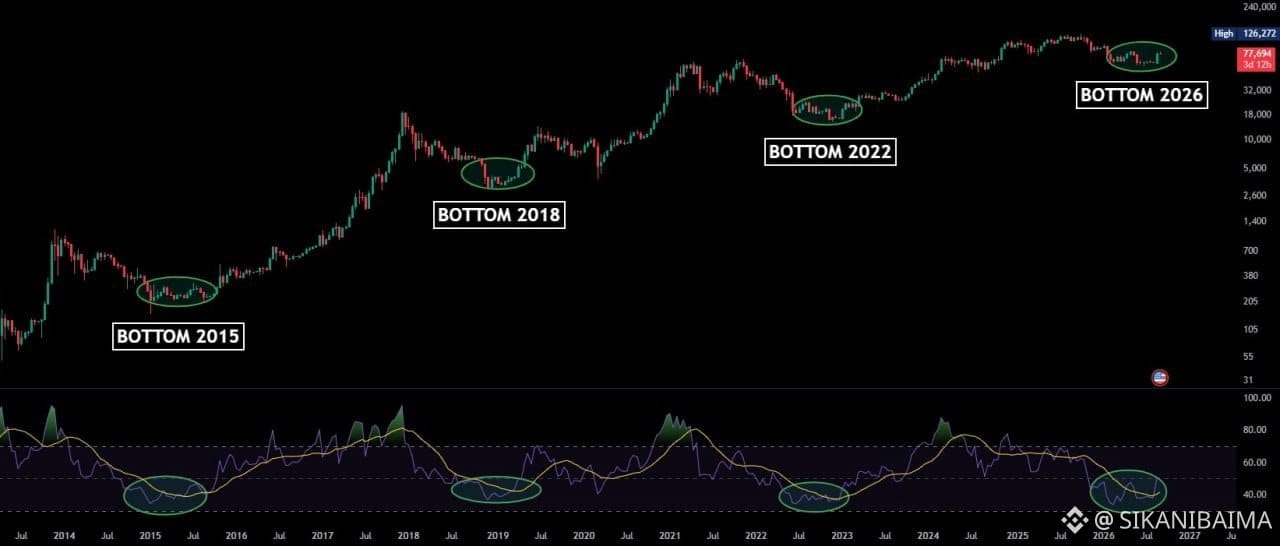
Hey guys! It's been a while since we last posted here, but we're back with plenty of exciting things to share! The bottom may not be far away anymore... August is the month of the bottom. Stay tuned. The best is yet to come. 🚀
Hey guys!
It's been a while since we last posted here, but we're back with plenty of exciting things to share!
The bottom may not be far away anymore... August is the month of the bottom.

Stay tuned. The best is yet to come. 🚀
Este dump también fue predicho perfectamente. Ahora es posible que Bitcoin intente un rally de alivio hasta los $62K antes de ir más profundo. Así es como veo el camino desde aquí: $59K $57K → $62K $ 62K → $55K → $47K $47K $75K → $180K La zona de $47K será el punto más bajo del ciclo. Después de eso empieza el próximo mercado alcista. Recuerda, he acertado cada giro importante en los últimos 10 años, incluyendo el corto de BTC desde $111K en octubre. No querrás perderte mi próxima llamada. Activa las notificaciones. La mayoría de la gente me seguirá demasiado tarde.
Este dump también fue predicho perfectamente.

Ahora es posible que Bitcoin intente un rally de alivio hasta los $62K antes de ir más profundo.

Así es como veo el camino desde aquí:

$59K

$57K →

$62K

$

62K → $55K →

$47K

$47K

$75K →

$180K

La zona de $47K será el punto más bajo del ciclo.

Después de eso empieza el próximo mercado alcista.

Recuerda, he acertado cada giro importante en los últimos 10 años, incluyendo el corto de BTC desde $111K en octubre.

No querrás perderte mi próxima llamada.

Activa las notificaciones. La mayoría de la gente me seguirá demasiado tarde.
Hola chicos Es hora de comenzar DCA
Hola chicos

Es hora de comenzar DCA
Los gráficos de altcoins se ven rotos. Los minoristas han capitulado. Perfecto. Estamos comprando el silencio. La rotación macro de cripto se está calentando miércoles/jueves. Prepárense para una expansión brusca en la primera mitad de junio, seguida de un pico local a mediados de mes.
Los gráficos de altcoins se ven rotos. Los minoristas han capitulado.

Perfecto. Estamos comprando el silencio.

La rotación macro de cripto se está calentando miércoles/jueves.

Prepárense para una expansión brusca en la primera mitad de junio, seguida de un pico local a mediados de mes.
🔼Plan Alcista de Bitcoin - Semanal 📈💰 💎Análisis no exhaustivo: - Retesteo del límite inferior del canal alcista a largo plazo - Retroceso al nivel de retroceso de Fibonacci 0.618 de la anterior ola alcista - Retroceso a la cima del ciclo anterior, que también corresponde a una zona de demanda - RSI ha salido del territorio de sobreventa (las últimas veces que esto ocurrió, el fondo estaba cerca) - Media móvil exponencial de 300 períodos actuando como soporte dinámico (habiendo funcionado como soporte en múltiples ocasiones) ⏳🚀
🔼Plan Alcista de Bitcoin - Semanal 📈💰

💎Análisis no exhaustivo:

- Retesteo del límite inferior del canal alcista a largo plazo
- Retroceso al nivel de retroceso de Fibonacci 0.618 de la anterior ola alcista
- Retroceso a la cima del ciclo anterior, que también corresponde a una zona de demanda
- RSI ha salido del territorio de sobreventa (las últimas veces que esto ocurrió, el fondo estaba cerca)
- Media móvil exponencial de 300 períodos actuando como soporte dinámico (habiendo funcionado como soporte en múltiples ocasiones)

⏳🚀
🟢Oportunidad alcista a largo plazo en la criptomoneda FET/USD - Semanal 📈🔥 - Tendencia alcista a largo plazo sigue siendo viable - Reversión del límite inferior del canal alcista a largo plazo - Reversión de una zona de demanda importante - Confirmación de una divergencia en el RSI - Formación de un cuña descendente en el RSI - Ruptura de la línea de tendencia bajista desde los máximos del RSI - Liquidez a encontrar en la parte superior Alcista 🚀
🟢Oportunidad alcista a largo plazo en la criptomoneda FET/USD - Semanal 📈🔥

- Tendencia alcista a largo plazo sigue siendo viable
- Reversión del límite inferior del canal alcista a largo plazo
- Reversión de una zona de demanda importante
- Confirmación de una divergencia en el RSI
- Formación de un cuña descendente en el RSI
- Ruptura de la línea de tendencia bajista desde los máximos del RSI
- Liquidez a encontrar en la parte superior

Alcista 🚀
🏦 Anchorage Digital | Las Finanzas Entran en su Era Autónoma: Presentando la Banca Agente "¿Cómo sería un sistema financiero que asume que el actor no es humano?" La banca agente ofrece una nueva categoría de infraestructura diseñada para dar a los sistemas de IA acceso regulado y conforme al capital. Proporciona identidad, aplicación de políticas y liquidación que son tanto cripto como tradicionales, para que los agentes puedan operar dentro del sistema financiero, no fuera de él. Un sistema donde el software no solo genera resultados, sino que participa directamente en la actividad económica, de manera segura y a gran escala. Google está construyendo la capa de inteligencia para la economía agente. Anchorage será la capa de ejecución cuando los agentes lleguen al punto de la transacción. 👇
🏦 Anchorage Digital | Las Finanzas Entran en su Era Autónoma: Presentando la Banca Agente

"¿Cómo sería un sistema financiero que asume que el actor no es humano?"

La banca agente ofrece una nueva categoría de infraestructura diseñada para dar a los sistemas de IA acceso regulado y conforme al capital.

Proporciona identidad, aplicación de políticas y liquidación que son tanto cripto como tradicionales, para que los agentes puedan operar dentro del sistema financiero, no fuera de él.

Un sistema donde el software no solo genera resultados, sino que participa directamente en la actividad económica, de manera segura y a gran escala.

Google está construyendo la capa de inteligencia para la economía agente. Anchorage será la capa de ejecución cuando los agentes lleguen al punto de la transacción. 👇
⚡ Jito Anuncia JTX, una Plataforma de Trading Autogestionada Unificada en Solana Jito está desarrollando JTX, una aplicación de trading unificada que combina velas, ejecución, gestión de portafolio y capital en una interfaz fluida para traders en la cadena que están frustrados por experiencias fragmentadas y de baja calidad en múltiples aplicaciones desconectadas.
⚡ Jito Anuncia JTX, una Plataforma de Trading Autogestionada Unificada en Solana

Jito está desarrollando JTX, una aplicación de trading unificada que combina velas, ejecución, gestión de portafolio y capital en una interfaz fluida para traders en la cadena que están frustrados por experiencias fragmentadas y de baja calidad en múltiples aplicaciones desconectadas.
🧠 OpenAI presenta GPT-5.5 Instant: Más inteligente, claro y personalizado GPT-5.5 Instant es más fiable, con mejoras significativas en la precisión de los hechos, especialmente en campos donde la exactitud es crucial, como la medicina, el derecho y las finanzas. Rinde mejor en tareas cotidianas, desde analizar imágenes subidas y responder preguntas de STEM hasta detectar cuándo las búsquedas en la web pueden ser útiles.
🧠 OpenAI presenta GPT-5.5 Instant: Más inteligente, claro y personalizado

GPT-5.5 Instant es más fiable, con mejoras significativas en la precisión de los hechos, especialmente en campos donde la exactitud es crucial, como la medicina, el derecho y las finanzas.

Rinde mejor en tareas cotidianas, desde analizar imágenes subidas y responder preguntas de STEM hasta detectar cuándo las búsquedas en la web pueden ser útiles.
KelpDAO Migra rsETH a Chainlink CCIP Tras el Explotación de LayerZero Después del incidente del 18 de abril, está claro que la infraestructura propietaria de LayerZero fue explotada, resultando en pérdidas de $300 millones para el ecosistema DeFi. Hay preguntas que el ecosistema merece que se respondan. Y garantizamos que rsETH está asegurado por una infraestructura que no deja estas preguntas sin respuesta. Por eso estamos aclarando las cosas.
KelpDAO Migra rsETH a Chainlink CCIP Tras el Explotación de LayerZero

Después del incidente del 18 de abril, está claro que la infraestructura propietaria de LayerZero fue explotada, resultando en pérdidas de $300 millones para el ecosistema DeFi.

Hay preguntas que el ecosistema merece que se respondan. Y garantizamos que rsETH está asegurado por una infraestructura que no deja estas preguntas sin respuesta. Por eso estamos aclarando las cosas.
Inicia sesión para explorar más contenidos
Únete a usuarios de criptomonedas de todo el mundo en Binance Square
⚡️ Obtén la información más reciente y útil sobre criptomonedas.
💬 Confía en el mayor exchange de criptomonedas del mundo.
👍 Descubre opiniones reales de creadores verificados.
Correo electrónico/número de teléfono
Mapa del sitio
Preferencias de cookies
Términos y condiciones de la plataforma