

Inflectiv AI
226 Publicaciones

Inflectiv AI
Denunciar
Bloquear usuario
Liberating Trapped Intelligence.
Fueling agents, automation, and robotics.
Structured, tokenized, perpetual.
0 Siguiendo
83 Seguidores
3.2K+ Me gusta
Publicaciones
Todo
Cotizaciones
Vídeos
PINNED
·
--
Crear un conjunto de datos suena técnico. No lo es.
Sube PDFs, documentos, enlaces, hojas, lo que tengas. Inflectiv lo estructura todo automáticamente.
Así es como puedes crear uno al instante utilizando múltiples fuentes de datos 👇
🔗 Enlace en los comentarios para crear tu conjunto de datos ahora
Crear un conjunto de datos suena técnico. No lo es.
Sube PDFs, documentos, enlaces, hojas, lo que tengas. Inflectiv lo estructura todo automáticamente.
Así es como puedes crear uno al instante utilizando múltiples fuentes de datos 👇
🔗 Enlace en los comentarios para crear tu conjunto de datos ahora
Sube PDFs, documentos, enlaces, hojas, lo que tengas. Inflectiv lo estructura todo automáticamente.
Así es como puedes crear uno al instante utilizando múltiples fuentes de datos 👇
🔗 Enlace en los comentarios para crear tu conjunto de datos ahora
6
2
52
690
·
--
Ver traducción
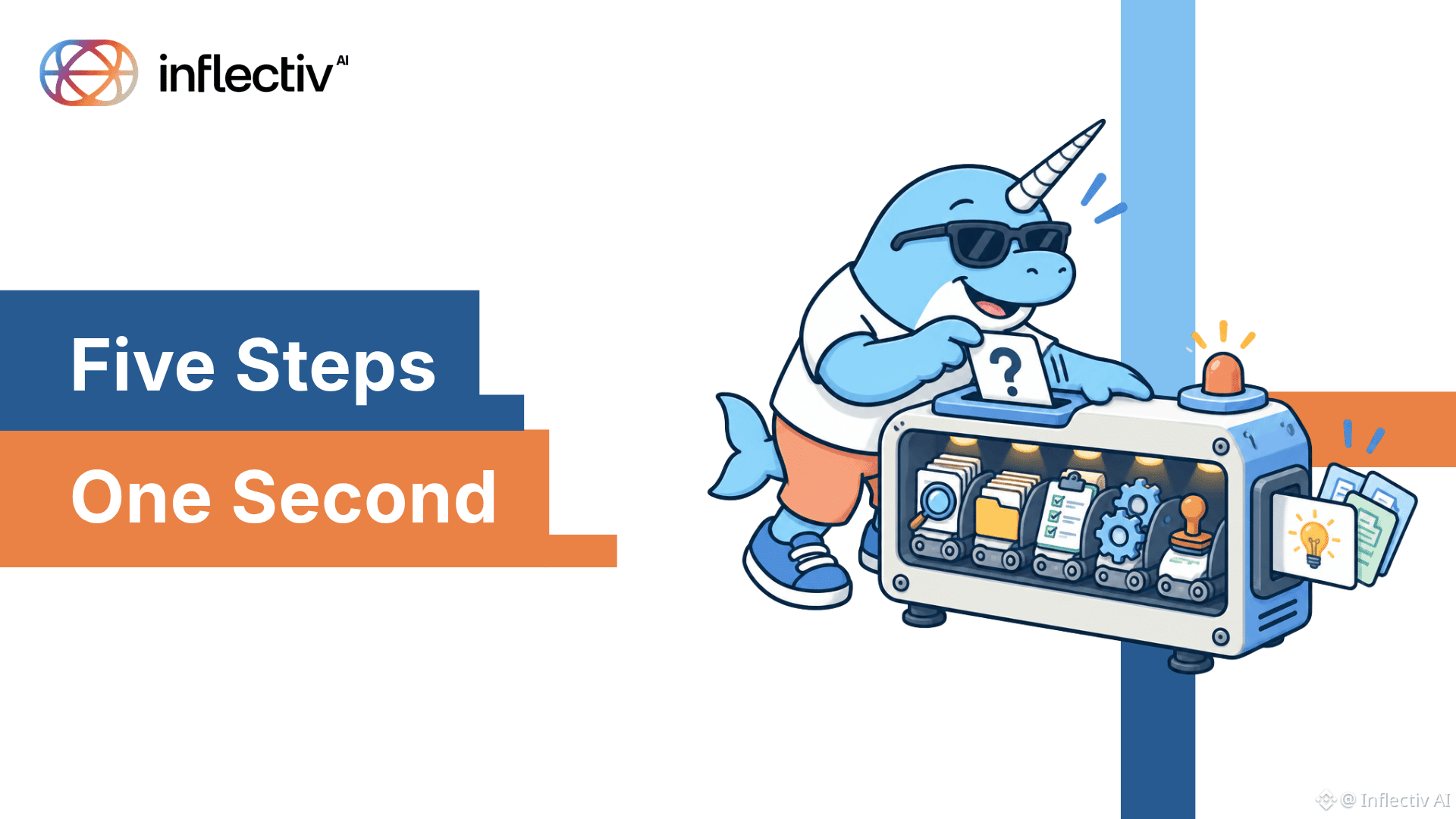
What actually happens when your agent asks a dataset a question?
👉 Five steps: https://x.com/inflectivAI/status/2102704093353615523
What actually happens when your agent asks a dataset a question?
👉 Five steps: https://x.com/inflectivAI/status/2102704093353615523
👉 Five steps: https://x.com/inflectivAI/status/2102704093353615523
73
·
--
Ver traducción
Trying to work out who is actually reading this.
Where are you right now?
Trying to work out who is actually reading this.
Where are you right now?
Where are you right now?
Data, no agent
0%
Agent, no data
0%
Both
0%
Neither yet
0%
0 Votos • Votación cerrada
58
·
--
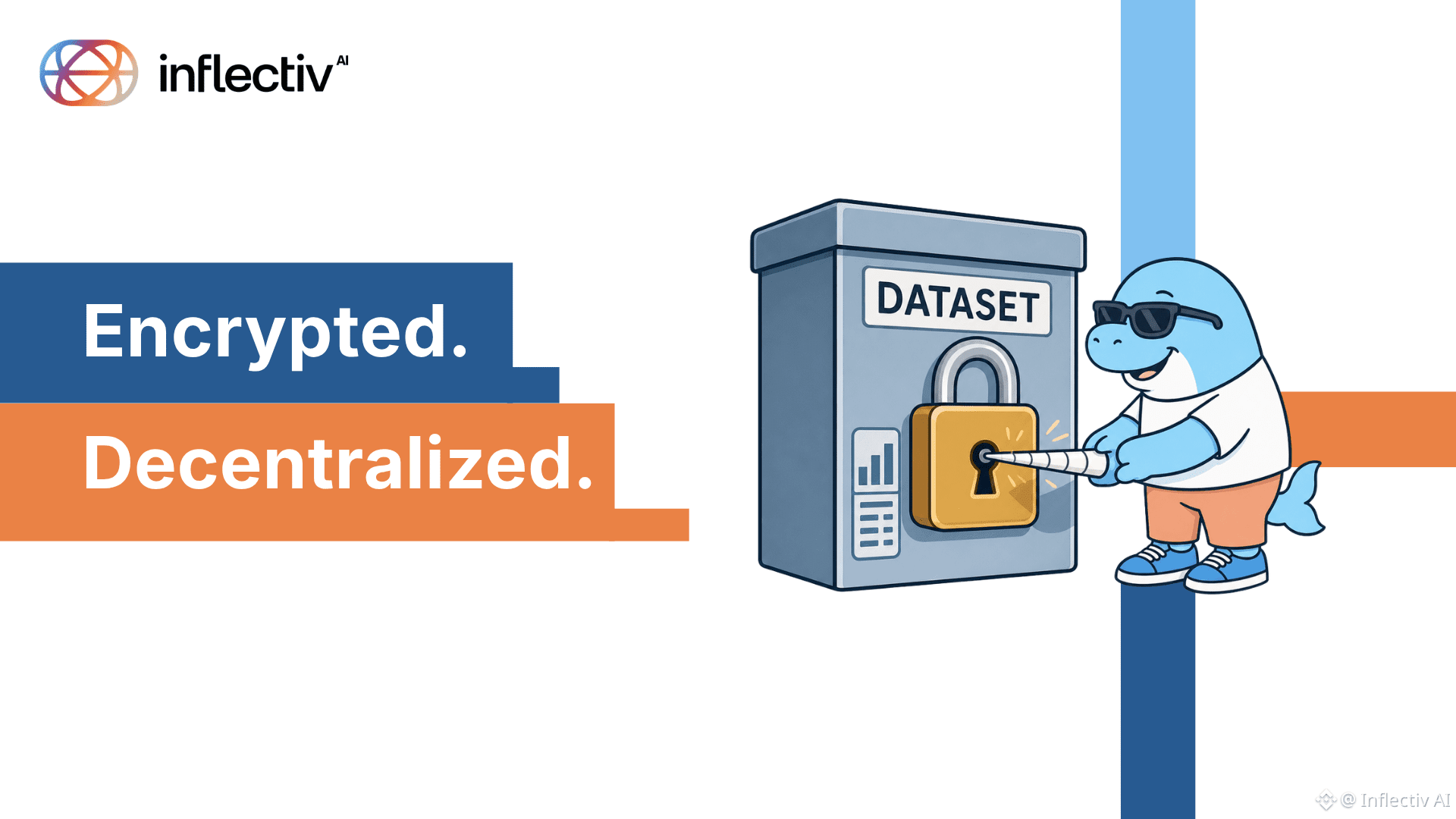
Conjuntos de datos cifrados en Inflectiv:
✔️ Cifrados con Seal antes de compartirse
✔️ Almacenados en Walrus, una red descentralizada
✔️ Registrados en Sui con un ID de blob criptográfico
✔️ Ya hay 4.000+ conjuntos de datos anclados
Privado. Verificable. Antimanipulación.
Cifra el tuyo 👉 https://app.inflectiv.ai
Conjuntos de datos cifrados en Inflectiv:
✔️ Cifrados con Seal antes de compartirse
✔️ Almacenados en Walrus, una red descentralizada
✔️ Registrados en Sui con un ID de blob criptográfico
✔️ Ya hay 4.000+ conjuntos de datos anclados
Privado. Verificable. Antimanipulación.
Cifra el tuyo 👉 https://app.inflectiv.ai
✔️ Cifrados con Seal antes de compartirse
✔️ Almacenados en Walrus, una red descentralizada
✔️ Registrados en Sui con un ID de blob criptográfico
✔️ Ya hay 4.000+ conjuntos de datos anclados
Privado. Verificable. Antimanipulación.
Cifra el tuyo 👉 https://app.inflectiv.ai
99
·
--
Usted listó un dataset. Nadie lo compró.
Nueve de cada diez veces, los datos están bien. Lo que te está costando ventas es el anuncio.
Aquí están las cinco soluciones que convierten visitas en compradores 👇
https://x.com/inflectivAI/status/2098368912018592028
Usted listó un dataset. Nadie lo compró.
Nueve de cada diez veces, los datos están bien. Lo que te está costando ventas es el anuncio.
Aquí están las cinco soluciones que convierten visitas en compradores 👇
https://x.com/inflectivAI/status/2098368912018592028
Nueve de cada diez veces, los datos están bien. Lo que te está costando ventas es el anuncio.
Aquí están las cinco soluciones que convierten visitas en compradores 👇
https://x.com/inflectivAI/status/2098368912018592028

50
·
--
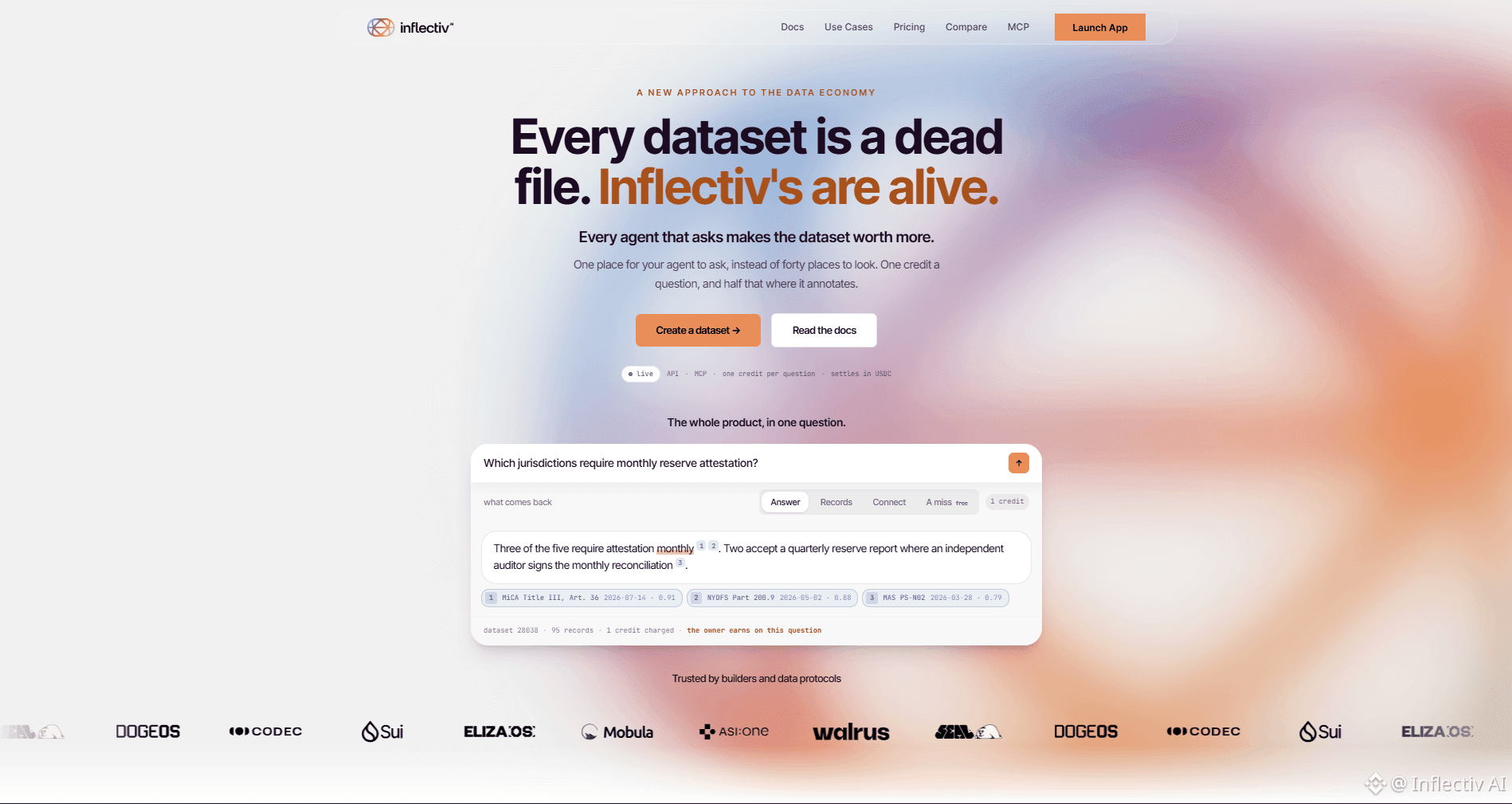
Nuestro nuevo sitio web ya está disponible.
La mayoría de los conjuntos de datos son archivos muertos. El nuestro se mantiene vivo. Tu agente hace una pregunta, paga 1 crédito, obtiene una respuesta con fuentes y vuelve a añadir lo que aprendió.
Lee más aquí: https://x.com/inflectivAI/status/2096929336662086117
Míralo: https://inflectiv.ai
Nuestro nuevo sitio web ya está disponible.
La mayoría de los conjuntos de datos son archivos muertos. El nuestro se mantiene vivo. Tu agente hace una pregunta, paga 1 crédito, obtiene una respuesta con fuentes y vuelve a añadir lo que aprendió.
Lee más aquí: https://x.com/inflectivAI/status/2096929336662086117
Míralo: https://inflectiv.ai
La mayoría de los conjuntos de datos son archivos muertos. El nuestro se mantiene vivo. Tu agente hace una pregunta, paga 1 crédito, obtiene una respuesta con fuentes y vuelve a añadir lo que aprendió.
Lee más aquí: https://x.com/inflectivAI/status/2096929336662086117
Míralo: https://inflectiv.ai
64
·
--
La experiencia en el dominio siempre ha sido rentable por horas. Nunca ha sido consultable por el segundo.
Haz que la tuya sea consultable: https://app.inflectiv.ai
La experiencia en el dominio siempre ha sido rentable por horas. Nunca ha sido consultable por el segundo.
Haz que la tuya sea consultable: https://app.inflectiv.ai
Haz que la tuya sea consultable: https://app.inflectiv.ai
71
·
--
Inflectiv no se ejecuta solo.
Conecta datos, inteligencia y casos de uso del mundo real en una sola capa poderosa.
Una capa solo vale lo que se conecta a ella.
Explora Inflectiv: https://inflectiv.ai
Inflectiv no se ejecuta solo.
Conecta datos, inteligencia y casos de uso del mundo real en una sola capa poderosa.
Una capa solo vale lo que se conecta a ella.
Explora Inflectiv: https://inflectiv.ai
Conecta datos, inteligencia y casos de uso del mundo real en una sola capa poderosa.
Una capa solo vale lo que se conecta a ella.
Explora Inflectiv: https://inflectiv.ai

101
·
--
El mejor momento para estructurar tu conocimiento fue cuando lo creaste por primera vez.
El segundo mejor momento es ahora mismo.
Sube un archivo hoy. Mira qué sucede.
Inicio: app.inflectiv.ai
El mejor momento para estructurar tu conocimiento fue cuando lo creaste por primera vez.
El segundo mejor momento es ahora mismo.
Sube un archivo hoy. Mira qué sucede.
Inicio: app.inflectiv.ai
El segundo mejor momento es ahora mismo.
Sube un archivo hoy. Mira qué sucede.
Inicio: app.inflectiv.ai
81
·
--
Artículo
Tu agente ahora puede decirte si una cartera es seguraCada agente que toca cripto eventualmente se enfrenta a la misma pregunta: ¿esta cartera es segura con la que tratar? Hasta hoy, la mayoría de las plataformas de agentes respondían con un gesto de indiferencia.
Los agentes de Inflectiv ahora incorporan la inteligencia de carteras de ChainAware: una lectura en vivo sobre la probabilidad de fraude, el riesgo de rug-pull, el comportamiento de la cartera, la segmentación, el scoring de crédito cripto y el ranking de comunidades de tokens.
Piensa en ello como una oficina de crédito para carteras cripto, incorporada directamente en las respuestas de tu agente.
Lo que tu agente puede hacer ahora
Haz una pregunta directa: "¿Esta cartera es segura para pagar?", y tu agente de Inflectiv consulta ChainAware en vivo, en medio de la conversación, y responde en lenguaje claro con el resultado adjunto.
Tu agente ahora puede decirte si una cartera es segura
Cada agente que toca cripto eventualmente se enfrenta a la misma pregunta: ¿esta cartera es segura con la que tratar? Hasta hoy, la mayoría de las plataformas de agentes respondían con un gesto de indiferencia.
Los agentes de Inflectiv ahora incorporan la inteligencia de carteras de ChainAware: una lectura en vivo sobre la probabilidad de fraude, el riesgo de rug-pull, el comportamiento de la cartera, la segmentación, el scoring de crédito cripto y el ranking de comunidades de tokens.
Piensa en ello como una oficina de crédito para carteras cripto, incorporada directamente en las respuestas de tu agente.
Lo que tu agente puede hacer ahora
Haz una pregunta directa: "¿Esta cartera es segura para pagar?", y tu agente de Inflectiv consulta ChainAware en vivo, en medio de la conversación, y responde en lenguaje claro con el resultado adjunto.
Los agentes de Inflectiv ahora incorporan la inteligencia de carteras de ChainAware: una lectura en vivo sobre la probabilidad de fraude, el riesgo de rug-pull, el comportamiento de la cartera, la segmentación, el scoring de crédito cripto y el ranking de comunidades de tokens.
Piensa en ello como una oficina de crédito para carteras cripto, incorporada directamente en las respuestas de tu agente.
Lo que tu agente puede hacer ahora
Haz una pregunta directa: "¿Esta cartera es segura para pagar?", y tu agente de Inflectiv consulta ChainAware en vivo, en medio de la conversación, y responde en lenguaje claro con el resultado adjunto.
71
·
--
Tu agente puede ejecutar una operación, firmar una transacción y mover fondos en segundos.
La velocidad nunca fue el problema. La confianza sí lo era. Hoy, eso cambia.
ChainAware YA está disponible dentro de Inflectiv.
Lee más aquí: https://x.com/inflectivAI/status/2091888510114349098
Tu agente puede ejecutar una operación, firmar una transacción y mover fondos en segundos.
La velocidad nunca fue el problema. La confianza sí lo era. Hoy, eso cambia.
ChainAware YA está disponible dentro de Inflectiv.
Lee más aquí: https://x.com/inflectivAI/status/2091888510114349098
La velocidad nunca fue el problema. La confianza sí lo era. Hoy, eso cambia.
ChainAware YA está disponible dentro de Inflectiv.
Lee más aquí: https://x.com/inflectivAI/status/2091888510114349098
78
·
--
Los conjuntos de datos se procesan más rápido que nunca en Inflectiv 2.5.
¿Qué es lo primero que construirás con esa velocidad?
Los conjuntos de datos se procesan más rápido que nunca en Inflectiv 2.5.
¿Qué es lo primero que construirás con esa velocidad?
¿Qué es lo primero que construirás con esa velocidad?
AI agent
0%
Tokenize a dataset
0%
Sell on marketplace
0%
Build with MCP
0%
0 Votos • Votación cerrada
94
·
--

Artículo
Inflectiv 2.5 ya está disponible: cada segundo cuentaInflectiv 2.5 ya está disponible.
Rehicimos la forma en que Inflectiv lee tus archivos y tus sitios web.
Aquí está todo lo nuevo.
Procesamiento de archivos más rápido
Los documentos grandes ahora se procesan en partes, todas al mismo tiempo.
• Si una parte falla, solo esa parte se reintenta, no todo el archivo
• Ya no hay límite de tamaño del archivo
• Sube hasta 20 archivos a la vez
Rastreo, reconstruido
El rastreo también se volvió más rápido, especialmente en sitios más grandes.
• Un rastreo de 20 páginas ahora tarda 4 segundos en lugar de 33
• Cuanto más grande el sitio, mayor la mejora
Inflectiv 2.5 ya está disponible: cada segundo cuenta
Inflectiv 2.5 ya está disponible.
Rehicimos la forma en que Inflectiv lee tus archivos y tus sitios web.
Aquí está todo lo nuevo.
Procesamiento de archivos más rápido
Los documentos grandes ahora se procesan en partes, todas al mismo tiempo.
• Si una parte falla, solo esa parte se reintenta, no todo el archivo
• Ya no hay límite de tamaño del archivo
• Sube hasta 20 archivos a la vez
Rastreo, reconstruido
El rastreo también se volvió más rápido, especialmente en sitios más grandes.
• Un rastreo de 20 páginas ahora tarda 4 segundos en lugar de 33
• Cuanto más grande el sitio, mayor la mejora
Rehicimos la forma en que Inflectiv lee tus archivos y tus sitios web.
Aquí está todo lo nuevo.
Procesamiento de archivos más rápido
Los documentos grandes ahora se procesan en partes, todas al mismo tiempo.
• Si una parte falla, solo esa parte se reintenta, no todo el archivo
• Ya no hay límite de tamaño del archivo
• Sube hasta 20 archivos a la vez
Rastreo, reconstruido
El rastreo también se volvió más rápido, especialmente en sitios más grandes.
• Un rastreo de 20 páginas ahora tarda 4 segundos en lugar de 33
• Cuanto más grande el sitio, mayor la mejora
77
·
--
Inflectiv 2.5 ya está en vivo. Y es rápido.
De 33 segundos a 4. El mismo rastreo de 20 páginas, más de 8 veces más rápido.
Procesamiento de archivos en paralelo. Colas más justas. Reembolsos que llegan automáticamente.
Esto es lo que cambió 👇
Lee el hilo completo aquí: https://x.com/inflectivAI/status/2088212709204513145
Inflectiv 2.5 ya está en vivo. Y es rápido.
De 33 segundos a 4. El mismo rastreo de 20 páginas, más de 8 veces más rápido.
Procesamiento de archivos en paralelo. Colas más justas. Reembolsos que llegan automáticamente.
Esto es lo que cambió 👇
Lee el hilo completo aquí: https://x.com/inflectivAI/status/2088212709204513145
De 33 segundos a 4. El mismo rastreo de 20 páginas, más de 8 veces más rápido.
Procesamiento de archivos en paralelo. Colas más justas. Reembolsos que llegan automáticamente.
Esto es lo que cambió 👇
Lee el hilo completo aquí: https://x.com/inflectivAI/status/2088212709204513145

81
·
--
La alucinación de la IA es un problema de datos. No un problema del modelo.
Y hoy es solucionable.
Hilo completo 👉 https://x.com/inflectivAI/status/2087464576975548755
La alucinación de la IA es un problema de datos. No un problema del modelo.
Y hoy es solucionable.
Hilo completo 👉 https://x.com/inflectivAI/status/2087464576975548755
Y hoy es solucionable.
Hilo completo 👉 https://x.com/inflectivAI/status/2087464576975548755
65
·
--
Inflectiv MCP significa que nunca sales de tu editor.
Crea agentes. Sube documentos. Busca conocimiento. Explora el marketplace. Paga con USDC.
26 herramientas. Un solo comando.
Conecta tu IDE: app.inflectiv.ai
Inflectiv MCP significa que nunca sales de tu editor.
Crea agentes. Sube documentos. Busca conocimiento. Explora el marketplace. Paga con USDC.
26 herramientas. Un solo comando.
Conecta tu IDE: app.inflectiv.ai
Crea agentes. Sube documentos. Busca conocimiento. Explora el marketplace. Paga con USDC.
26 herramientas. Un solo comando.
Conecta tu IDE: app.inflectiv.ai

72
·
--

Artículo
Cuando los agentes empiezan a escribir, todo cambia.Esta semana ocurrieron tres cosas, y todas apuntan al mismo cambio.
Durante dos años, los agentes fueron lectores. Toma el contexto, responde la pregunta, olvídalo para la siguiente ejecución. Una mala respuesta se quedó en la pantalla. Esta semana, nos quedamos con lo que cambia cuando dejan de leer y empiezan a actuar.
Primero, el número honesto. Nadie te lo dice cuando empiezas a construir agentes de IA: el modelo es el diez por ciento del trabajo. Los datos son el noventa por ciento. La mayoría de los equipos pasan su tiempo en el diez y se preguntan por qué su agente sigue sin dar en el blanco. Ese fue el post del lunes: breve, directo y la base para todo lo que vino después.
Cuando los agentes empiezan a escribir, todo cambia.
Esta semana ocurrieron tres cosas, y todas apuntan al mismo cambio.
Durante dos años, los agentes fueron lectores. Toma el contexto, responde la pregunta, olvídalo para la siguiente ejecución. Una mala respuesta se quedó en la pantalla. Esta semana, nos quedamos con lo que cambia cuando dejan de leer y empiezan a actuar.
Primero, el número honesto. Nadie te lo dice cuando empiezas a construir agentes de IA: el modelo es el diez por ciento del trabajo. Los datos son el noventa por ciento. La mayoría de los equipos pasan su tiempo en el diez y se preguntan por qué su agente sigue sin dar en el blanco. Ese fue el post del lunes: breve, directo y la base para todo lo que vino después.
Durante dos años, los agentes fueron lectores. Toma el contexto, responde la pregunta, olvídalo para la siguiente ejecución. Una mala respuesta se quedó en la pantalla. Esta semana, nos quedamos con lo que cambia cuando dejan de leer y empiezan a actuar.
Primero, el número honesto. Nadie te lo dice cuando empiezas a construir agentes de IA: el modelo es el diez por ciento del trabajo. Los datos son el noventa por ciento. La mayoría de los equipos pasan su tiempo en el diez y se preguntan por qué su agente sigue sin dar en el blanco. Ese fue el post del lunes: breve, directo y la base para todo lo que vino después.
68
·
--
Artículo
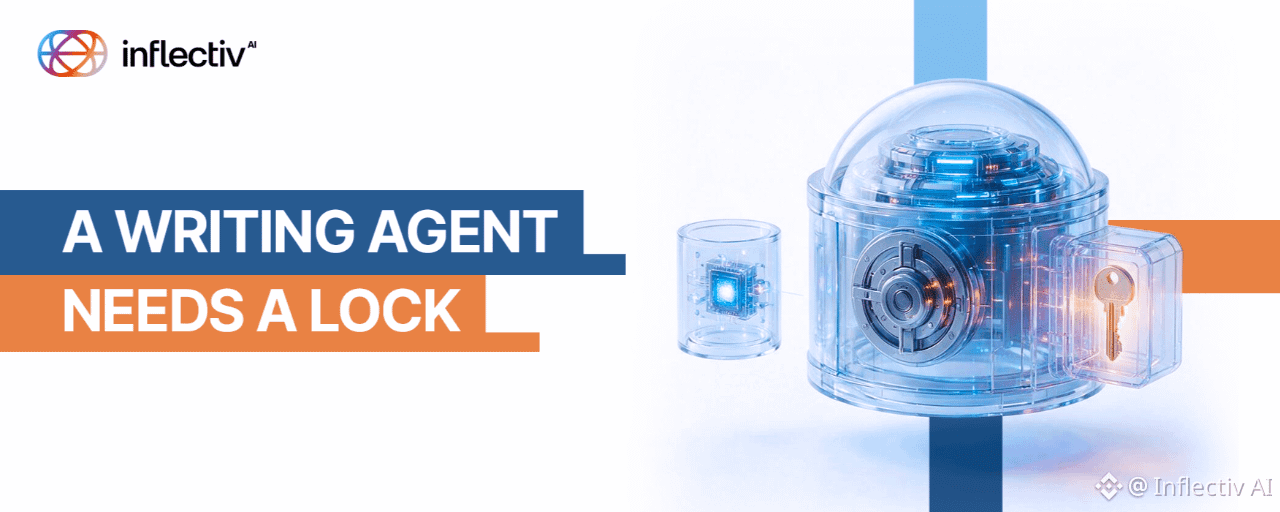
Un Agente de Lectura Es Seguro. Un Agente de Escritura No.Un agente que solo lee puede ponerte en evidencia. Un agente que escribe puede costarte caro.
Esa única línea es la razón por la que existe Agent Vault.
Durante la mayor parte de los últimos dos años, los agentes fueron lectores. Extraían contexto, respondían una pregunta y lo olvidaban todo en la siguiente ejecución. Una mala respuesta era una mala respuesta. La corregías y seguías adelante. El alcance del impacto terminaba en la pantalla.
Entonces los agentes empezaron a actuar. Enviando el correo. Moviendo los fondos. Actualizando el registro. Escribiendo de vuelta en el sistema del que otras personas dependen.
Un Agente de Lectura Es Seguro. Un Agente de Escritura No.
Un agente que solo lee puede ponerte en evidencia. Un agente que escribe puede costarte caro.
Esa única línea es la razón por la que existe Agent Vault.
Durante la mayor parte de los últimos dos años, los agentes fueron lectores. Extraían contexto, respondían una pregunta y lo olvidaban todo en la siguiente ejecución. Una mala respuesta era una mala respuesta. La corregías y seguías adelante. El alcance del impacto terminaba en la pantalla.
Entonces los agentes empezaron a actuar. Enviando el correo. Moviendo los fondos. Actualizando el registro. Escribiendo de vuelta en el sistema del que otras personas dependen.
Esa única línea es la razón por la que existe Agent Vault.
Durante la mayor parte de los últimos dos años, los agentes fueron lectores. Extraían contexto, respondían una pregunta y lo olvidaban todo en la siguiente ejecución. Una mala respuesta era una mala respuesta. La corregías y seguías adelante. El alcance del impacto terminaba en la pantalla.
Entonces los agentes empezaron a actuar. Enviando el correo. Moviendo los fondos. Actualizando el registro. Escribiendo de vuelta en el sistema del que otras personas dependen.
69
·
--
Lo que nadie te dice sobre cómo construir agentes de IA:
El modelo es el 10% del trabajo.
Los datos son el 90% del trabajo.
Inflectiv se encarga del difícil 90%.
Concéntrate en lo que importa: https://app.inflectiv.ai
Lo que nadie te dice sobre cómo construir agentes de IA:
El modelo es el 10% del trabajo.
Los datos son el 90% del trabajo.
Inflectiv se encarga del difícil 90%.
Concéntrate en lo que importa: https://app.inflectiv.ai
El modelo es el 10% del trabajo.
Los datos son el 90% del trabajo.
Inflectiv se encarga del difícil 90%.
Concéntrate en lo que importa: https://app.inflectiv.ai
71
·
--
¿Qué es lo primero que construirías en Inflectiv?
¿Qué es lo primero que construirías en Inflectiv?
Support agent
0%
Research tool
0%
Knowledge base
0%
Dataset to sell
0%
0 Votos • Votación cerrada
78
Inicia sesión para explorar más contenidos
Únete a usuarios de criptomonedas de todo el mundo en Binance Square
⚡️ Obtén la información más reciente y útil sobre criptomonedas.
💬 Confía en el mayor exchange de criptomonedas del mundo.
👍 Descubre opiniones reales de creadores verificados.
Correo electrónico/número de teléfono
Temas en tendencia
QNTRises39%
29,172 visualizaciones
1,017 participa(n) en el debate
🚨🔥 $QNT +40%: ¿RALLY REAL O YA DEMASIADO TARDE?
Quant acaba de convertirse en uno de los grandes protagonistas del mercado. 📈
$QNT llegó a dispararse cerca de 40% en el movimiento, alcanzando la zona de $97-$98, mientras gran parte del mercado estaba mucho más tranquilo.
¿El motivo? 👀
🏦 The Clearing House seleccionó a Quant como capa de interoperabilidad para su iniciativa de depósitos tokenizados en EE.UU.
Y esto es importante porque no estamos hablando solamente de especulación cripto: la noticia conecta directamente a Quant con infraestructura financiera institucional y con el crecimiento de la tokenización de activos.
Pero ojo ⚠️
Después de una subida tan vertical, entrar persiguiendo la vela puede ser peligroso. Los indicadores muestran un mercado extremadamente sobrecomprado y el volumen también se disparó con el movimiento.
Mi lectura:
🟢 Breakout + retest: interesante para buscar LONG
🟡 Precio extendido: esperar pullback puede tener más sentido
🔴 Pérdida de soportes: podría activar toma de ganancias
Ahora la pregunta es:
¿QNT tiene combustible para romper los $100 o primero necesita respirar? 👇
🔥 LONG QNT
⏳ ESPERO PULLBACK
🔴 SHORT QNT
$QNT #Quant #QNTRises39%
Mundo Cripto
·1 «Me gusta»
·86 visualizaciones
EthereumBreaksAbove$2700
2,731 visualizaciones
104 participa(n) en el debate
BitgetBreachForgedRequestsNotStolenKeys
25,952 visualizaciones
800 participa(n) en el debate