
#follow4more
follow4more
2.8M visualizaciones
8,756 participa(n) en el debate
Populares
Novedades

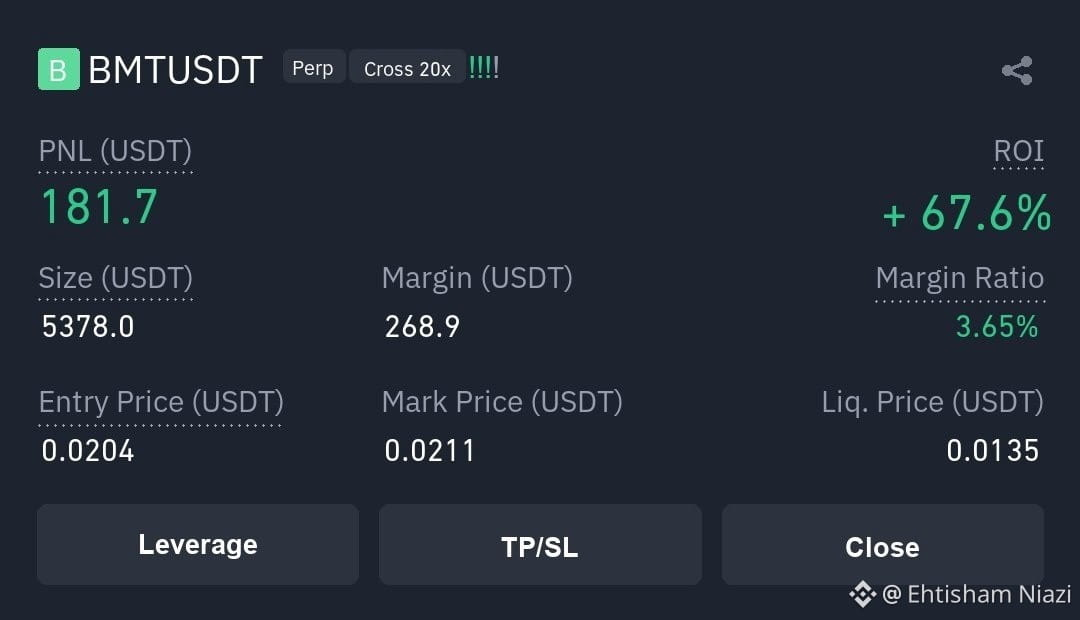
🪙 $BMT /USDT – RESULTADO DE OPERACIÓN GRATUITA
🎯 Estado del objetivo: 1 ✅
💸 Ganancia: +67%
Síguenos para obtener operaciones gratuitas #freesignal #Follow4more #SİGNAL #TradingSignals
🪙 $BMT /USDT – RESULTADO DE OPERACIÓN GRATUITA
🎯 Estado del objetivo: 1 ✅
💸 Ganancia: +67%
Síguenos para obtener operaciones gratuitas #freesignal #Follow4more #SİGNAL #TradingSignals
🎯 Estado del objetivo: 1 ✅
💸 Ganancia: +67%
Síguenos para obtener operaciones gratuitas #freesignal #Follow4more #SİGNAL #TradingSignals
Ehtisham Niazi
·
--
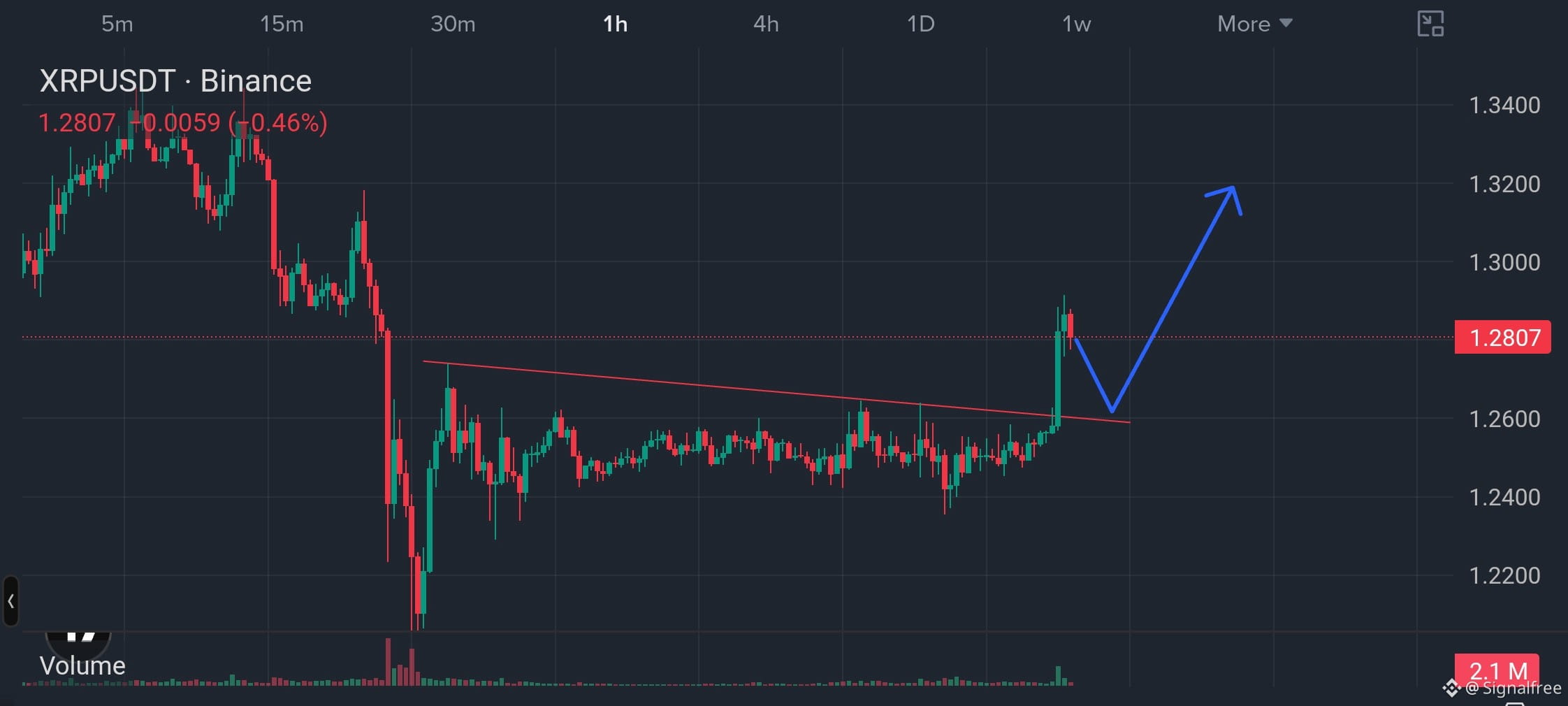
#BMT /USDT ahora al precio actual de mercado (Futuros)
Puedes usar un apalancamiento de 5-20x.
ENTRADA: - 0.02068- 0.02016
Objetivos 👇
1. $0.02110
2. $0.02174
3. $0.02248
Stop loss: $0.01950
#freesignals #freetrade #Follow $BMT
Puedes usar un apalancamiento de 5-20x.
ENTRADA: - 0.02068- 0.02016
Objetivos 👇
1. $0.02110
2. $0.02174
3. $0.02248
Stop loss: $0.01950
#freesignals #freetrade #Follow $BMT
9


·
--
Bajista
107

·
--
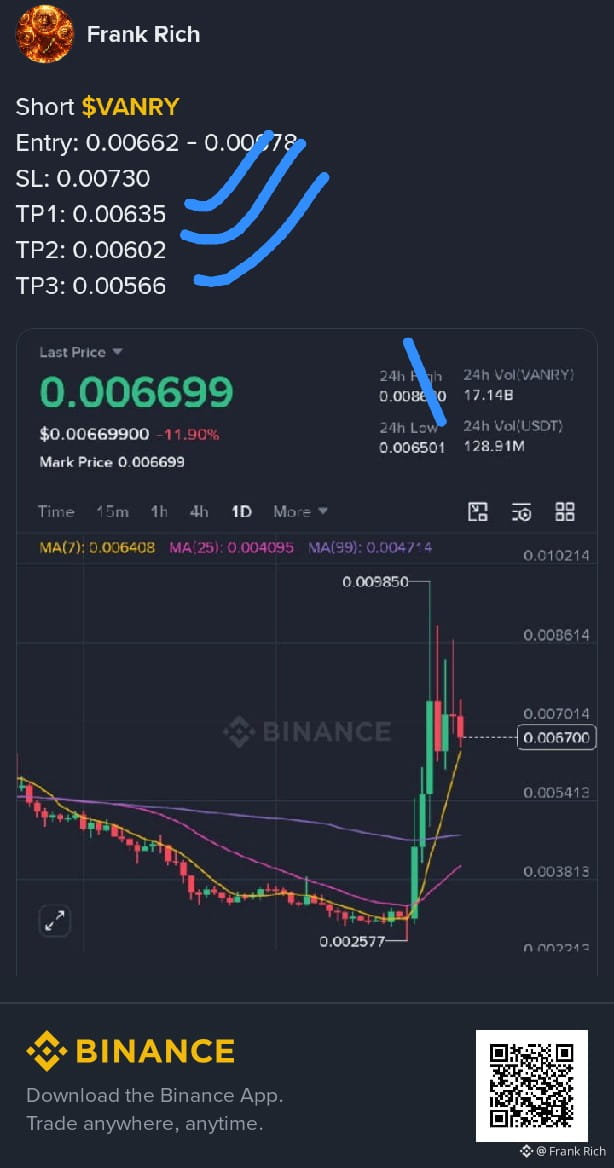
¡Felicitaciones a mis seguidores por todo lo que apuntaron al objetivo 🎯 acertado 🔥💯 #VANRYUSDT $VANRY #Follow4more
¡Felicitaciones a mis seguidores por todo lo que apuntaron al objetivo 🎯 acertado 🔥💯 #VANRYUSDT $VANRY #Follow4more
277

·
--
Idea de trading
#BTC USDT #Short
Orden límite: 62400
Segunda entrada: 66800
Apalancamiento: Cruzado 20x - 30x
Margen: 0.25% - 0.5%
Objetivos:
61400 - 60200 - 57600 - 53100 - 49800
Stop loss: 67800
Si la vela de 15m cierra por encima de 67800
Nota:
1) Opera bajo tu propia responsabilidad
2) Mueve el SL al precio de entrada después de alcanzar el primer TP
3) No se recomienda un apalancamiento alto
4) Debes seguir las reglas de los mensajes fijados
5) No abras más de 2 operaciones a la vez
Buena suerte
#Follow_Like_Comment
#Follow4more
#FollowMeAndGetReward
SMHZ 110:
already in short bro🤍
1
1
130

Ver traducción
Clawback policies and unvested equity rules apply when an executive exits amid an investigation?When an executive exits amid an investigation, clawback policies and unvested equity rules operate on two distinct tracks: mandatory financial-restatement clawbacks (which do not require proving personal fault) and misconduct / "for cause" clawbacks and equity forfeitures (which depend heavily on employment contracts, grant agreements, and investigative findings).
1. Mandatory Restatement Clawbacks vs. Misconduct Clawbacks
Accounting Restatement Clawbacks (No-Fault Trigger): Under exchange listing standards implementing SEC Rule 10D-1, public companies must recover erroneously awarded incentive-based compensation received by covered executive officers over the three completed fiscal years preceding an accounting restatement ("Big R" or "little r"). Crucially, this recovery is triggered by the accounting error itself—not by proving the departing executive acted with bad intent or personal misconduct—and applies to incentive awards tied to financial reporting measures, stock price, or total shareholder return (TSR).Misconduct / "Cause" Clawbacks (Fault-Based): Many companies also maintain separate supplemental clawback policies covering detrimental conduct, fraud, ethics violations, or regulatory/compliance breaches, even when no accounting restatement occurs. Enforcement here typically turns on whether the investigation establishes misconduct or a "for cause" violation under the company’s policy and contract terms.Limited Exceptions & No Indemnification: Mandatory restatement clawbacks allow only narrow exceptions (such as impracticability due to third-party recovery costs exceeding the amount recoverable or conflict with certain pre-existing home-country laws), and companies generally cannot indemnify executives for clawed-back incentive pay or pay insurance premiums shielding them from recovery.
2. How Unvested Equity Is Treated During & After an Exit
Unvested awards—such as RSUs (Restricted Stock Units), PSUs (Performance Stock Units), or unvested stock options—are governed primarily by the underlying equity plan and grant agreement rather than automatic statutory clawback rules:
Standard Forfeiture Upon Departure: In most equity plans, unvested shares or options are forfeited immediately upon termination or resignation unless a specific exception applies (such as retirement, death/disability, or negotiated severance).Good Reason / Without Cause vs. "For Cause": Departures during an investigation often create a dispute over how the exit is characterized. A "for cause" termination or finding of misconduct typically wipes out unvested equity and can cut off severance, whereas a resignation or negotiated separation without a "cause" finding may leave certain transition or severance terms open to negotiation—and potential legal challenge.Suspension or Tolling Pending Fact-Finding: Some equity agreements or transition arrangements allow the board or compensation committee to suspend vesting, hold back settlement, or toll forfeiture determinations while an active investigation is underway, preventing premature payouts before facts are verified.
3. Practical Friction Points for Boards and Departing Executives
4. What Boards Typically Watch
When an exit happens mid-probe, compensation and governance committees generally focus on documenting the factual record, applying policy terms consistently (to avoid selective enforcement or fiduciary claims), and aligning any separation or settlement terms with audit and legal findings so short-term expediency does not create larger regulatory or shareholder liability later.
#Binance #FollowLikeComment #Follow4more
Clawback policies and unvested equity rules apply when an executive exits amid an investigation?
When an executive exits amid an investigation, clawback policies and unvested equity rules operate on two distinct tracks: mandatory financial-restatement clawbacks (which do not require proving personal fault) and misconduct / "for cause" clawbacks and equity forfeitures (which depend heavily on employment contracts, grant agreements, and investigative findings).
1. Mandatory Restatement Clawbacks vs. Misconduct Clawbacks
Accounting Restatement Clawbacks (No-Fault Trigger): Under exchange listing standards implementing SEC Rule 10D-1, public companies must recover erroneously awarded incentive-based compensation received by covered executive officers over the three completed fiscal years preceding an accounting restatement ("Big R" or "little r"). Crucially, this recovery is triggered by the accounting error itself—not by proving the departing executive acted with bad intent or personal misconduct—and applies to incentive awards tied to financial reporting measures, stock price, or total shareholder return (TSR).Misconduct / "Cause" Clawbacks (Fault-Based): Many companies also maintain separate supplemental clawback policies covering detrimental conduct, fraud, ethics violations, or regulatory/compliance breaches, even when no accounting restatement occurs. Enforcement here typically turns on whether the investigation establishes misconduct or a "for cause" violation under the company’s policy and contract terms.Limited Exceptions & No Indemnification: Mandatory restatement clawbacks allow only narrow exceptions (such as impracticability due to third-party recovery costs exceeding the amount recoverable or conflict with certain pre-existing home-country laws), and companies generally cannot indemnify executives for clawed-back incentive pay or pay insurance premiums shielding them from recovery.
2. How Unvested Equity Is Treated During & After an Exit
Unvested awards—such as RSUs (Restricted Stock Units), PSUs (Performance Stock Units), or unvested stock options—are governed primarily by the underlying equity plan and grant agreement rather than automatic statutory clawback rules:
Standard Forfeiture Upon Departure: In most equity plans, unvested shares or options are forfeited immediately upon termination or resignation unless a specific exception applies (such as retirement, death/disability, or negotiated severance).Good Reason / Without Cause vs. "For Cause": Departures during an investigation often create a dispute over how the exit is characterized. A "for cause" termination or finding of misconduct typically wipes out unvested equity and can cut off severance, whereas a resignation or negotiated separation without a "cause" finding may leave certain transition or severance terms open to negotiation—and potential legal challenge.Suspension or Tolling Pending Fact-Finding: Some equity agreements or transition arrangements allow the board or compensation committee to suspend vesting, hold back settlement, or toll forfeiture determinations while an active investigation is underway, preventing premature payouts before facts are verified.
3. Practical Friction Points for Boards and Departing Executives
4. What Boards Typically Watch
When an exit happens mid-probe, compensation and governance committees generally focus on documenting the factual record, applying policy terms consistently (to avoid selective enforcement or fiduciary claims), and aligning any separation or settlement terms with audit and legal findings so short-term expediency does not create larger regulatory or shareholder liability later.
#Binance #FollowLikeComment #Follow4more
4
Ver traducción
Governance dimension—often overlooked until a leadership crisis hitsAnother key governance dimension—often overlooked until a leadership crisis hits—is how executive compensation, clawbacks, and retention packages are structured during and after an abrupt founder exit. When a founding CEO steps down amid an investigation or market turmoil, compensation committees must balance retaining essential technical or commercial talent against avoiding "rewards for failure" or payouts that could be clawed back or challenged by shareholders and regulators.
How Compensation & Retention Shape Post-Exit Stability
Clawbacks, Forfeitures & Unvested Equity: Investigations into compliance, accounting, or misconduct often trigger scrutiny over whether bonuses, performance awards, or unvested equity should be forfeited, frozen, or recovered under clawback policies. Leaving those mechanics ambiguous can fuel shareholder lawsuits and complicate negotiations with departing or interim executives.Interim & Successor Pay Alignment: Interim CEOs frequently take on outsized legal, regulatory, and operational risk without knowing how long their tenure will last. Boards typically pair base salary adjustments or time-bound retention grants with clear performance and governance milestones rather than open-ended windfalls.Preventing Secondary Talent Flight: Key engineers, product leads, or finance and compliance executives often hold equity or career plans closely tied to the founder’s vision. Targeted retention awards—vesting across stabilization milestones—can keep critical operators in place while the board completes its review and builds a durable leadership team.
#BinanceSquareFamily #FollowLikeComment #Follow4more
Governance dimension—often overlooked until a leadership crisis hits
Another key governance dimension—often overlooked until a leadership crisis hits—is how executive compensation, clawbacks, and retention packages are structured during and after an abrupt founder exit. When a founding CEO steps down amid an investigation or market turmoil, compensation committees must balance retaining essential technical or commercial talent against avoiding "rewards for failure" or payouts that could be clawed back or challenged by shareholders and regulators.
How Compensation & Retention Shape Post-Exit Stability
Clawbacks, Forfeitures & Unvested Equity: Investigations into compliance, accounting, or misconduct often trigger scrutiny over whether bonuses, performance awards, or unvested equity should be forfeited, frozen, or recovered under clawback policies. Leaving those mechanics ambiguous can fuel shareholder lawsuits and complicate negotiations with departing or interim executives.Interim & Successor Pay Alignment: Interim CEOs frequently take on outsized legal, regulatory, and operational risk without knowing how long their tenure will last. Boards typically pair base salary adjustments or time-bound retention grants with clear performance and governance milestones rather than open-ended windfalls.Preventing Secondary Talent Flight: Key engineers, product leads, or finance and compliance executives often hold equity or career plans closely tied to the founder’s vision. Targeted retention awards—vesting across stabilization milestones—can keep critical operators in place while the board completes its review and builds a durable leadership team.
#BinanceSquareFamily #FollowLikeComment #Follow4more
4
Ver traducción
Government or regulatory investigations influence CEO succession timelines and board disclosures?Active government or regulatory investigations reshape CEO succession timelines and board disclosures by turning leadership transitions from pre-planned talent moves into high-stakes legal and reputational events. Boards must align leadership decisions with fact-finding milestones so they neither rush into a permanent appointment before key facts emerge nor leave markets and regulators with stale or misleading disclosures.
How Investigations Affect CEO Succession Timelines
Interim Bridges Over Immediate Permanent Hires: When regulators or enforcement bodies are actively probing conduct, controls, or compliance, boards frequently install an interim CEO (often the CFO or another senior insider) rather than naming a permanent successor right away. Naming a permanent CEO too early risks locking in someone whose judgment or proximity to the issue later comes under scrutiny—or saddling a new leader with an unresolved investigative overhang.Extended Search & Vetting Cycles: Search firms and nominating/governance committees spend extra time vetting candidates’ risk-management track records, regulatory comfort, and willingness to enforce strict compliance guardrails. Strong external candidates may hesitate to commit until the scope of the inquiry and potential liability are clearer.Deadlines Driven by External Inquiries: Government response windows, subpoenas, agency interviews, or congressional schedules often dictate decision points more than internal board calendars. A board may wait until an investigative milestone or document production is complete before taking decisive action on leadership roles or reinstatement questions.Separation, Clawback & Settlement Terms: Active probes complicate departure agreements, severance, equity treatment, and potential clawbacks. Boards often delay finalizing certain separation terms or negotiate conditional provisions tied to cooperation and investigative findings.
How Investigations Shape Board Disclosures
Boards and disclosure committees face a tight balancing act: complying with securities and regulatory disclosure duties while avoiding speculation or compromising legal privilege and active inquiries.
Materiality & Risk Factor Updates: When an investigation rises to a level reasonably likely to be material to investors—or exposes control weaknesses, contingent liabilities, or operational restrictions—boards update risk factors, MD&A, or periodic/current filings as facts solidify. Vague boilerplate risks criticism if known issues are omitted, while premature speculation risks inaccuracy if facts later change.Leadership & Transition Narratives: Boards must explain executive departures, interim appointments, or governance changes clearly without prejudicing ongoing fact-finding. Investors and analysts look closely for consistency between what the company says about leadership accountability, internal controls, and the scope of the inquiry.Consistent Messaging Across Channels: Public statements by directors, executives, or political/market commentators can create friction if off-script remarks clash with formal filings or ongoing regulatory cooperation. Disciplined boards channel external communications through authorized spokespeople and legal counsel.Board Oversight & Governance Signals: Beyond the immediate investigation, boards increasingly face scrutiny over how they oversee succession planning, director independence, and internal controls—especially as governance expectations and disclosure rules evolve.
Succession vs. Disclosure Trade-Offs at a Glance
#BİNANCE #Follow_Like_Comment #Follow4more
Government or regulatory investigations influence CEO succession timelines and board disclosures?
Active government or regulatory investigations reshape CEO succession timelines and board disclosures by turning leadership transitions from pre-planned talent moves into high-stakes legal and reputational events. Boards must align leadership decisions with fact-finding milestones so they neither rush into a permanent appointment before key facts emerge nor leave markets and regulators with stale or misleading disclosures.
How Investigations Affect CEO Succession Timelines
Interim Bridges Over Immediate Permanent Hires: When regulators or enforcement bodies are actively probing conduct, controls, or compliance, boards frequently install an interim CEO (often the CFO or another senior insider) rather than naming a permanent successor right away. Naming a permanent CEO too early risks locking in someone whose judgment or proximity to the issue later comes under scrutiny—or saddling a new leader with an unresolved investigative overhang.Extended Search & Vetting Cycles: Search firms and nominating/governance committees spend extra time vetting candidates’ risk-management track records, regulatory comfort, and willingness to enforce strict compliance guardrails. Strong external candidates may hesitate to commit until the scope of the inquiry and potential liability are clearer.Deadlines Driven by External Inquiries: Government response windows, subpoenas, agency interviews, or congressional schedules often dictate decision points more than internal board calendars. A board may wait until an investigative milestone or document production is complete before taking decisive action on leadership roles or reinstatement questions.Separation, Clawback & Settlement Terms: Active probes complicate departure agreements, severance, equity treatment, and potential clawbacks. Boards often delay finalizing certain separation terms or negotiate conditional provisions tied to cooperation and investigative findings.
How Investigations Shape Board Disclosures
Boards and disclosure committees face a tight balancing act: complying with securities and regulatory disclosure duties while avoiding speculation or compromising legal privilege and active inquiries.
Materiality & Risk Factor Updates: When an investigation rises to a level reasonably likely to be material to investors—or exposes control weaknesses, contingent liabilities, or operational restrictions—boards update risk factors, MD&A, or periodic/current filings as facts solidify. Vague boilerplate risks criticism if known issues are omitted, while premature speculation risks inaccuracy if facts later change.Leadership & Transition Narratives: Boards must explain executive departures, interim appointments, or governance changes clearly without prejudicing ongoing fact-finding. Investors and analysts look closely for consistency between what the company says about leadership accountability, internal controls, and the scope of the inquiry.Consistent Messaging Across Channels: Public statements by directors, executives, or political/market commentators can create friction if off-script remarks clash with formal filings or ongoing regulatory cooperation. Disciplined boards channel external communications through authorized spokespeople and legal counsel.Board Oversight & Governance Signals: Beyond the immediate investigation, boards increasingly face scrutiny over how they oversee succession planning, director independence, and internal controls—especially as governance expectations and disclosure rules evolve.
Succession vs. Disclosure Trade-Offs at a Glance
#BİNANCE #Follow_Like_Comment #Follow4more
4
¿Cómo evalúan los comités de auditoría y cumplimiento los controles internos y los riesgos de información financiera?Los comités de auditoría y cumplimiento de la junta directiva evalúan los controles internos y los riesgos de información financiera poniendo a prueba de manera independiente las afirmaciones de la gerencia, en lugar de aceptar sin cuestionamientos los estados financieros o los resúmenes de aseguramiento. Se basan en un ciclo estructurado de mapeo de riesgos, supervisión de auditorías internas y externas, seguimiento de deficiencias de control y acceso directo a denunciantes y especialistas legales o forenses cuando surgen señales de alerta.
1. Mapeo de cuentas de alto riesgo, estimaciones y exposiciones regulatorias
¿Cómo evalúan los comités de auditoría y cumplimiento los controles internos y los riesgos de información financiera?
Los comités de auditoría y cumplimiento de la junta directiva evalúan los controles internos y los riesgos de información financiera poniendo a prueba de manera independiente las afirmaciones de la gerencia, en lugar de aceptar sin cuestionamientos los estados financieros o los resúmenes de aseguramiento. Se basan en un ciclo estructurado de mapeo de riesgos, supervisión de auditorías internas y externas, seguimiento de deficiencias de control y acceso directo a denunciantes y especialistas legales o forenses cuando surgen señales de alerta.
1. Mapeo de cuentas de alto riesgo, estimaciones y exposiciones regulatorias
1. Mapeo de cuentas de alto riesgo, estimaciones y exposiciones regulatorias
4
Ver traducción
How do time-based and event-based sunset clauses work in dual-class stock chartersIn a dual-class share structure, a sunset clause is a charter or bylaw rule that automatically terminates super-voting stock—converting high-vote shares (for example, 10 votes per share) into standard low-vote shares (typically 1 vote per share)—when a defined trigger occurs. Rather than locking in founder voting control forever, sunset clauses are designed to realign voting power with economic ownership over time or after major transitions.
How Time-Based Sunsets Work
A time-based sunset sets a fixed calendar date or duration after an IPO or charter adoption—commonly 5, 7, 10, or 15 years—after which all remaining super-voting shares convert automatically to standard voting rights.
Predictable Expiration: Investors and boards know the exact horizon when special voting privileges end, giving outside shareholders a clear date for eventual accountability.Extension Mechanics: Some charters allow a time-based sunset to be extended only if approved by a supermajority of shareholders, a majority of unaffiliated (disinterested) shares, or a special committee of independent directors.Arbitrary Cutoff Risk: A fixed calendar year ignores whether the business is mid-cycle, in the middle of a multi-year R&D buildout, or still led by an active, high-performing founder.
How Event-Based Sunsets Work
An event-based sunset ties conversion to specific corporate, ownership, or leadership milestones rather than the passage of calendar time alone. Common triggers include:
Founder Departure, Disability, or Death: Super-voting shares convert automatically if the founder steps down as CEO or executive chair, becomes incapacitated, or passes away—preventing control from passing to heirs or successors who did not build the company.Ownership Dilution Thresholds: Conversion triggers once the founder’s or insiders’ economic stake falls below a set percentage of total shares (for example, less than 5% or 10% of outstanding stock), curbing "skin-in-the-game" asymmetry after major stock sales.Transfer / Sale Restrictions: When super-voting shares are sold or transferred outside permitted family trusts or estate vehicles, those transferred shares convert into standard 1-vote shares.
Side-by-Side Comparison
Why Boards Debate Sunset Clauses
Boards—especially those pre-IPO or navigating governance engagement with institutional shareholders—debate sunset design across several practical fault lines:
Preventing Permanent Entrenchment vs. Preserving Long-Term Vision: Governance advocates argue that perpetual super-voting control insulates management from accountability over decades, whereas founders and some directors contend that major product, infrastructure, or market bets often take longer than a standard 7-to-10-year window to mature.Protecting Against Succession & Misconduct Shocks: When a founder exits abruptly or faces a major controversy, event-based sunsets tied to leadership departure or ownership thresholds can force a clean reset—whereas a long, unconditioned time-based sunset leaves super-voting power intact even after the founder leaves.Drafting Loopholes & Minority Protections: Investors scrutinize how sunsets are written. Weak dilution thresholds (such as 1% or 2% of equity) or sweeping exceptions allowing shares to stay super-voting when moved into trusts can render a sunset largely symbolic in practice.Investor & Index Pressure: Institutional stewardship guidelines frequently push for sunsets (often 7 years or less, or strong event-based triggers), forcing boards to weigh valuation, IPO readiness, and shareholder support against founder preferences for control.
#Binance #Follow_Like_Comment #Follow4more
How do time-based and event-based sunset clauses work in dual-class stock charters
In a dual-class share structure, a sunset clause is a charter or bylaw rule that automatically terminates super-voting stock—converting high-vote shares (for example, 10 votes per share) into standard low-vote shares (typically 1 vote per share)—when a defined trigger occurs. Rather than locking in founder voting control forever, sunset clauses are designed to realign voting power with economic ownership over time or after major transitions.
How Time-Based Sunsets Work
A time-based sunset sets a fixed calendar date or duration after an IPO or charter adoption—commonly 5, 7, 10, or 15 years—after which all remaining super-voting shares convert automatically to standard voting rights.
Predictable Expiration: Investors and boards know the exact horizon when special voting privileges end, giving outside shareholders a clear date for eventual accountability.Extension Mechanics: Some charters allow a time-based sunset to be extended only if approved by a supermajority of shareholders, a majority of unaffiliated (disinterested) shares, or a special committee of independent directors.Arbitrary Cutoff Risk: A fixed calendar year ignores whether the business is mid-cycle, in the middle of a multi-year R&D buildout, or still led by an active, high-performing founder.
How Event-Based Sunsets Work
An event-based sunset ties conversion to specific corporate, ownership, or leadership milestones rather than the passage of calendar time alone. Common triggers include:
Founder Departure, Disability, or Death: Super-voting shares convert automatically if the founder steps down as CEO or executive chair, becomes incapacitated, or passes away—preventing control from passing to heirs or successors who did not build the company.Ownership Dilution Thresholds: Conversion triggers once the founder’s or insiders’ economic stake falls below a set percentage of total shares (for example, less than 5% or 10% of outstanding stock), curbing "skin-in-the-game" asymmetry after major stock sales.Transfer / Sale Restrictions: When super-voting shares are sold or transferred outside permitted family trusts or estate vehicles, those transferred shares convert into standard 1-vote shares.
Side-by-Side Comparison
Why Boards Debate Sunset Clauses
Boards—especially those pre-IPO or navigating governance engagement with institutional shareholders—debate sunset design across several practical fault lines:
Preventing Permanent Entrenchment vs. Preserving Long-Term Vision: Governance advocates argue that perpetual super-voting control insulates management from accountability over decades, whereas founders and some directors contend that major product, infrastructure, or market bets often take longer than a standard 7-to-10-year window to mature.Protecting Against Succession & Misconduct Shocks: When a founder exits abruptly or faces a major controversy, event-based sunsets tied to leadership departure or ownership thresholds can force a clean reset—whereas a long, unconditioned time-based sunset leaves super-voting power intact even after the founder leaves.Drafting Loopholes & Minority Protections: Investors scrutinize how sunsets are written. Weak dilution thresholds (such as 1% or 2% of equity) or sweeping exceptions allowing shares to stay super-voting when moved into trusts can render a sunset largely symbolic in practice.Investor & Index Pressure: Institutional stewardship guidelines frequently push for sunsets (often 7 years or less, or strong event-based triggers), forcing boards to weigh valuation, IPO readiness, and shareholder support against founder preferences for control.
#Binance #Follow_Like_Comment #Follow4more
4
Ver traducción
dual-class share structures work in public companies and why do institutional investors debate them?A dual-class share structure separates a company’s economic ownership (who gets dividends and sale proceeds) from its voting power (who elects directors and approves major corporate actions). By issuing two or more classes of stock with unequal votes per share—commonly 1 vote per share for public investors and 10 or more votes per share for founders or insiders—founders can raise public equity while retaining majority control even after their economic stake shrinks.
How Dual-Class Share Structures Work
Unequal Voting Rights: A standard model uses Class A shares (1 vote each, publicly traded) and Class B shares (e.g., 10 votes each, held by founders, early insiders, or trusts). Even if insiders hold 15% of total equity, super-voting shares can give them well over 50% of the voting power.Economic Parity (Usually): Both share classes typically participate equally—or nearly equally—in dividends and liquidation proceeds per share, meaning outside shareholders share in financial upside while holding far less say in board elections or mergers.Transfer & Conversion Mechanics: Super-voting shares are often non-publicly traded and subject to conversion rules. When sold to an outside buyer, they frequently convert automatically into standard 1-vote shares—unless an exception lets a founder transfer shares into a family trust or estate vehicle without losing control.Sunset Clauses (Time vs. Event): Some charters include sunset provisions that convert super-voting shares into 1-vote shares after a set number of years (a time-based sunset), upon a founder’s death or departure, or once insider ownership drops below a set threshold (an event-based sunset). Many high-profile tech issuers, however, omit time-based sunsets or set very long horizons.
Why Institutional Investors Debate Them
Institutional investors—such as pension funds, asset managers, and stewardship teams—weigh a classic governance tension between long-term founder conviction and accountability to outside capital.
Arguments Made by Critics (Institutional Skeptics)
Weakened Accountability & "One Share, One Vote": When a controlling shareholder cannot be voted out by ordinary shareholders, boards face less market discipline over executive pay, related-party transactions, capital allocation, or leadership missteps.Misaligned Risk & Downside Protection: Because super-voting insiders can retain control even after selling down much of their economic stake, they may pursue high-risk strategies whose downside falls heavily on minority holders—or block value-enhancing buyouts that a controlling insider dislikes.Index & Governance Friction: Many stewardship guidelines favor "one share, one vote" or mandatory sunset clauses, and several major equity index providers have debated or adjusted rules around non-voting or multi-class listings over the years.
Arguments Made by Proponents (Founders & Supportive Investors)
Protection Against Short-Termism: Supporters argue that activist campaigns or quarterly earnings pressure can force management to cut R&D, cloud/infrastructure capex, or multi-year product bets that take years to pay off.Shielding Strategic Continuity: Concentrated voting power helps prevent hostile takeovers or boardroom disruptions during long-horizon builds, letting founders steer product and technical direction consistently.Market Pricing & Choice: Proponents point out that institutional investors are not forced to buy dual-class stock—if governance discounts outweigh growth prospects, investors can price that risk into valuation or pass on the shares entirely.
Key Governance Trade-Offs at a Glance
#Binance #Follow_Like_Comment #Follow4more
dual-class share structures work in public companies and why do institutional investors debate them?
A dual-class share structure separates a company’s economic ownership (who gets dividends and sale proceeds) from its voting power (who elects directors and approves major corporate actions). By issuing two or more classes of stock with unequal votes per share—commonly 1 vote per share for public investors and 10 or more votes per share for founders or insiders—founders can raise public equity while retaining majority control even after their economic stake shrinks.
How Dual-Class Share Structures Work
Unequal Voting Rights: A standard model uses Class A shares (1 vote each, publicly traded) and Class B shares (e.g., 10 votes each, held by founders, early insiders, or trusts). Even if insiders hold 15% of total equity, super-voting shares can give them well over 50% of the voting power.Economic Parity (Usually): Both share classes typically participate equally—or nearly equally—in dividends and liquidation proceeds per share, meaning outside shareholders share in financial upside while holding far less say in board elections or mergers.Transfer & Conversion Mechanics: Super-voting shares are often non-publicly traded and subject to conversion rules. When sold to an outside buyer, they frequently convert automatically into standard 1-vote shares—unless an exception lets a founder transfer shares into a family trust or estate vehicle without losing control.Sunset Clauses (Time vs. Event): Some charters include sunset provisions that convert super-voting shares into 1-vote shares after a set number of years (a time-based sunset), upon a founder’s death or departure, or once insider ownership drops below a set threshold (an event-based sunset). Many high-profile tech issuers, however, omit time-based sunsets or set very long horizons.
Why Institutional Investors Debate Them
Institutional investors—such as pension funds, asset managers, and stewardship teams—weigh a classic governance tension between long-term founder conviction and accountability to outside capital.
Arguments Made by Critics (Institutional Skeptics)
Weakened Accountability & "One Share, One Vote": When a controlling shareholder cannot be voted out by ordinary shareholders, boards face less market discipline over executive pay, related-party transactions, capital allocation, or leadership missteps.Misaligned Risk & Downside Protection: Because super-voting insiders can retain control even after selling down much of their economic stake, they may pursue high-risk strategies whose downside falls heavily on minority holders—or block value-enhancing buyouts that a controlling insider dislikes.Index & Governance Friction: Many stewardship guidelines favor "one share, one vote" or mandatory sunset clauses, and several major equity index providers have debated or adjusted rules around non-voting or multi-class listings over the years.
Arguments Made by Proponents (Founders & Supportive Investors)
Protection Against Short-Termism: Supporters argue that activist campaigns or quarterly earnings pressure can force management to cut R&D, cloud/infrastructure capex, or multi-year product bets that take years to pay off.Shielding Strategic Continuity: Concentrated voting power helps prevent hostile takeovers or boardroom disruptions during long-horizon builds, letting founders steer product and technical direction consistently.Market Pricing & Choice: Proponents point out that institutional investors are not forced to buy dual-class stock—if governance discounts outweigh growth prospects, investors can price that risk into valuation or pass on the shares entirely.
Key Governance Trade-Offs at a Glance
#Binance #Follow_Like_Comment #Follow4more
4
Ver traducción
Governance pros and cons of founder-led companies versus professionally managed public companies.Founder-led companies and professionally managed public companies sit on opposite ends of a classic corporate governance trade-off: strategic speed, long-horizon vision, and concentrated ownership versus institutional checks, board accountability, and clear separation of ownership and control. Neither model is automatically superior; each excels at different growth stages and carries distinct agency and operational risks
Founder-Led Companies
Pros
Long-Term Horizon & R&D Conviction: Founders with meaningful equity—or dual-class voting control—are often more willing to fund multi-year research, capital expenditures, and bold strategic bets that might depress near-term earnings.Speed & Product/Customer Intuition: Decisions can move quickly without layers of bureaucratic sign-off, particularly when the founder has deep technical or commercial insight into the core product.Distinct Cultural Identity: A strong founder often anchors a cohesive mission and high internal urgency that attracts talent and customers.
Cons
Entrenchment & Weaker Board Oversight: Concentrated voting power or informal founder authority can turn the board into a rubber stamp, making it harder to challenge risky bets, replace underperforming leadership, or enforce compliance boundaries.Key-Person & Bottleneck Risk: Over-reliance on one individual creates bottlenecks as the organization scales and exposes the firm to sharp market or operational shocks if the founder steps back or faces scrutiny.Related-Party & Governance Blind Spots: Blurred lines between personal vision, family/inner-circle influence, and corporate assets can raise red flags for minority shareholders and regulators.
Professionally Managed Public Companies
Pros
Stronger Checks, Balances & Fiduciary Accountability: Independent directors, audit and compensation committees, and formal approval thresholds reduce reliance on any single personality and protect minority shareholders.Scalable Processes & Succession Readiness: Clear reporting lines, delegation-of-authority matrices, and structured executive pipelines help operations run smoothly across leadership transitions.Capital Market & Regulatory Discipline: Standardized disclosures, internal controls, and institutional oversight often make governance expectations more predictable for broad institutional investors.
Cons
Short-Termism & Risk Aversion: Hired executives evaluated on quarterly metrics or share-price targets may underinvest in long-gestation innovation or favor defensive, incremental moves over bold pivots.Agency Costs & Bureaucracy: When managers hold small equity stakes relative to their compensation, incentives can diverge from long-term owners; heavy committee processes can also slow execution.Leadership Turnover Friction: CEO changes can bring strategic whiplash or cost-cutting cycles that erode institutional knowledge if the board prioritizes short-term optics over operational depth.
Side-by-Side Comparison
The strongest organizations often treat this as a structural evolution rather than a binary choice—pairing entrepreneurial drive and strategic clarity with documented authority, independent audit/compliance oversight, and clear succession planning before a crisis forces the issue.
#Binance #Follow_Like_Comment #Follow4more
Governance pros and cons of founder-led companies versus professionally managed public companies.
Founder-led companies and professionally managed public companies sit on opposite ends of a classic corporate governance trade-off: strategic speed, long-horizon vision, and concentrated ownership versus institutional checks, board accountability, and clear separation of ownership and control. Neither model is automatically superior; each excels at different growth stages and carries distinct agency and operational risks
Founder-Led Companies
Pros
Long-Term Horizon & R&D Conviction: Founders with meaningful equity—or dual-class voting control—are often more willing to fund multi-year research, capital expenditures, and bold strategic bets that might depress near-term earnings.Speed & Product/Customer Intuition: Decisions can move quickly without layers of bureaucratic sign-off, particularly when the founder has deep technical or commercial insight into the core product.Distinct Cultural Identity: A strong founder often anchors a cohesive mission and high internal urgency that attracts talent and customers.
Cons
Entrenchment & Weaker Board Oversight: Concentrated voting power or informal founder authority can turn the board into a rubber stamp, making it harder to challenge risky bets, replace underperforming leadership, or enforce compliance boundaries.Key-Person & Bottleneck Risk: Over-reliance on one individual creates bottlenecks as the organization scales and exposes the firm to sharp market or operational shocks if the founder steps back or faces scrutiny.Related-Party & Governance Blind Spots: Blurred lines between personal vision, family/inner-circle influence, and corporate assets can raise red flags for minority shareholders and regulators.
Professionally Managed Public Companies
Pros
Stronger Checks, Balances & Fiduciary Accountability: Independent directors, audit and compensation committees, and formal approval thresholds reduce reliance on any single personality and protect minority shareholders.Scalable Processes & Succession Readiness: Clear reporting lines, delegation-of-authority matrices, and structured executive pipelines help operations run smoothly across leadership transitions.Capital Market & Regulatory Discipline: Standardized disclosures, internal controls, and institutional oversight often make governance expectations more predictable for broad institutional investors.
Cons
Short-Termism & Risk Aversion: Hired executives evaluated on quarterly metrics or share-price targets may underinvest in long-gestation innovation or favor defensive, incremental moves over bold pivots.Agency Costs & Bureaucracy: When managers hold small equity stakes relative to their compensation, incentives can diverge from long-term owners; heavy committee processes can also slow execution.Leadership Turnover Friction: CEO changes can bring strategic whiplash or cost-cutting cycles that erode institutional knowledge if the board prioritizes short-term optics over operational depth.
Side-by-Side Comparison
The strongest organizations often treat this as a structural evolution rather than a binary choice—pairing entrepreneurial drive and strategic clarity with documented authority, independent audit/compliance oversight, and clear succession planning before a crisis forces the issue.
#Binance #Follow_Like_Comment #Follow4more
4
Riesgos y dinámicas de sucesión cuando un CEO fundador deja el cargo repentinamente durante una investigación.Cuando un CEO fundador deja el cargo repentinamente mientras hay una investigación en curso, la empresa se enfrenta a una doble prueba de resistencia: proteger la independencia de la investigación y los controles internos, a la vez que evita la parálisis operativa y la pérdida de visión institucional. A diferencia de una jubilación planificada, una salida imprevista bajo escrutinio regulatorio o por presunta conducta indebida obliga al consejo a tomar decisiones de alto impacto con información incompleta.
Riesgos fundamentales de gobierno corporativo
Independencia comprometida de la investigación: Si un fundador conserva influencia informal, puestos en el consejo o vínculos estrechos con ejecutivos de larga trayectoria, las investigaciones internas sobre cumplimiento, contabilidad o conducta pueden parecer sesgadas. Los reguladores y auditores examinan minuciosamente si los comités especiales del consejo cuentan con verdadera autonomía y acceso irrestricto a los registros.
Riesgos y dinámicas de sucesión cuando un CEO fundador deja el cargo repentinamente durante una investigación.
Cuando un CEO fundador deja el cargo repentinamente mientras hay una investigación en curso, la empresa se enfrenta a una doble prueba de resistencia: proteger la independencia de la investigación y los controles internos, a la vez que evita la parálisis operativa y la pérdida de visión institucional. A diferencia de una jubilación planificada, una salida imprevista bajo escrutinio regulatorio o por presunta conducta indebida obliga al consejo a tomar decisiones de alto impacto con información incompleta.
Riesgos fundamentales de gobierno corporativo
Independencia comprometida de la investigación: Si un fundador conserva influencia informal, puestos en el consejo o vínculos estrechos con ejecutivos de larga trayectoria, las investigaciones internas sobre cumplimiento, contabilidad o conducta pueden parecer sesgadas. Los reguladores y auditores examinan minuciosamente si los comités especiales del consejo cuentan con verdadera autonomía y acceso irrestricto a los registros.
4
bessent suaviza su postura sobre el regreso de huang a nvidia#bessentsoftensstanceonhuang’snvidiareturn
El secretario del Tesoro de EE. UU., Scott Bessent, ha suavizado su postura pública sobre un posible regreso del exdirector ejecutivo de Nvidia, Jensen Huang. En Face the Nation, de CBS (22 de noviembre de 2026), evitó descartar que Huang vuelva a dirigir la empresa, apenas unos días después de pedir una «reorganización drástica» y un sucesor externo.
Qué cambió en la postura de Bessent
De CEO externo a «dónde recae la responsabilidad»: A mediados de noviembre, tras la renuncia de Huang el 12 de noviembre en medio de informes sobre relaciones extramatrimoniales, Bessent había pedido a Nvidia que incorporara a un líder externo y dio al consejo y a los asesores legales externos un plazo de 10 días (que vencía alrededor del 25 de noviembre) para responder preguntas sobre el cumplimiento de las normas de exportación. El domingo, cuando le preguntaron por los llamamientos públicos del presidente Donald Trump para que Huang volviera al cargo, Bessent cambió el enfoque y centró la cuestión en la rendición de cuentas: preguntó si el incumplimiento se originó en los niveles inferiores o intermedios, o si llegó hasta la cúpula, y señaló que «Jensen ahora está fuera» mientras avanza la investigación.
bessent suaviza su postura sobre el regreso de huang a nvidia
#bessentsoftensstanceonhuang’snvidiareturn
El secretario del Tesoro de EE. UU., Scott Bessent, ha suavizado su postura pública sobre un posible regreso del exdirector ejecutivo de Nvidia, Jensen Huang. En Face the Nation, de CBS (22 de noviembre de 2026), evitó descartar que Huang vuelva a dirigir la empresa, apenas unos días después de pedir una «reorganización drástica» y un sucesor externo.
Qué cambió en la postura de Bessent
De CEO externo a «dónde recae la responsabilidad»: A mediados de noviembre, tras la renuncia de Huang el 12 de noviembre en medio de informes sobre relaciones extramatrimoniales, Bessent había pedido a Nvidia que incorporara a un líder externo y dio al consejo y a los asesores legales externos un plazo de 10 días (que vencía alrededor del 25 de noviembre) para responder preguntas sobre el cumplimiento de las normas de exportación. El domingo, cuando le preguntaron por los llamamientos públicos del presidente Donald Trump para que Huang volviera al cargo, Bessent cambió el enfoque y centró la cuestión en la rendición de cuentas: preguntó si el incumplimiento se originó en los niveles inferiores o intermedios, o si llegó hasta la cúpula, y señaló que «Jensen ahora está fuera» mientras avanza la investigación.
58

·
--
Alcista
Ver traducción
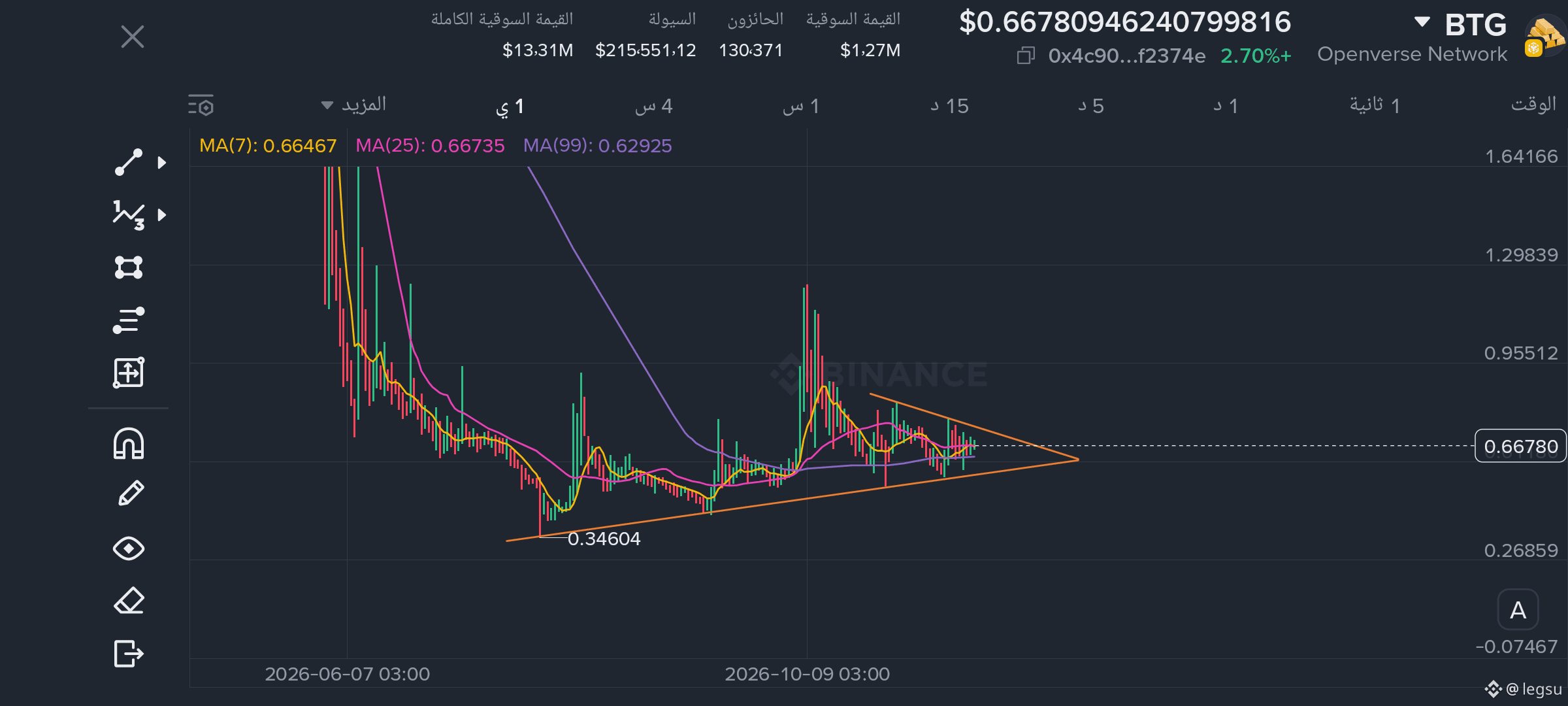
تحليل شخصي لعملة $BTG
العملة في مسار عرضي تجميعي والمعروض منها 1.9M قطعة فقط.
فرصة استثمارية على المدى القريب والمتوسط.
ليست توصية،قم ببحثك الخاص.
{alpha}(560x4c9027e10c5271efca82379d3123917ae3f2374e)
#Follow4more
تحليل شخصي لعملة $BTG
العملة في مسار عرضي تجميعي والمعروض منها 1.9M قطعة فقط.
فرصة استثمارية على المدى القريب والمتوسط.
ليست توصية،قم ببحثك الخاص.
#Follow4more
العملة في مسار عرضي تجميعي والمعروض منها 1.9M قطعة فقط.
فرصة استثمارية على المدى القريب والمتوسط.
ليست توصية،قم ببحثك الخاص.
#Follow4more
39
Excepciones específicas del IRS que permiten resumir las operaciones del Formulario 8949 u omitirlo por completoSegún las instrucciones del IRS para el Formulario 8949, normalmente debe indicar cada venta o enajenación de un activo de capital en una fila separada. Sin embargo, el IRS contempla dos excepciones principales (Excepción 1 y Excepción 2) que le permiten omitir el detalle de las operaciones individuales en el Formulario 8949 o resumirlas en líneas consolidadas.
Comparación rápida: Excepción 1 frente a Excepción 2
Excepción 1: Omitir por completo el Formulario 8949 (pasar directamente al Anexo D)
La Excepción 1 le permite omitir por completo el Formulario 8949 e informar las transacciones que cumplan los requisitos directamente en el Anexo D, línea 1a (a corto plazo) o línea 8a (a largo plazo).
Excepciones específicas del IRS que permiten resumir las operaciones del Formulario 8949 u omitirlo por completo
Según las instrucciones del IRS para el Formulario 8949, normalmente debe indicar cada venta o enajenación de un activo de capital en una fila separada. Sin embargo, el IRS contempla dos excepciones principales (Excepción 1 y Excepción 2) que le permiten omitir el detalle de las operaciones individuales en el Formulario 8949 o resumirlas en líneas consolidadas.
Comparación rápida: Excepción 1 frente a Excepción 2
Excepción 1: Omitir por completo el Formulario 8949 (pasar directamente al Anexo D)
La Excepción 1 le permite omitir por completo el Formulario 8949 e informar las transacciones que cumplan los requisitos directamente en el Anexo D, línea 1a (a corto plazo) o línea 8a (a largo plazo).
5
¿Las pérdidas a corto y largo plazo trasladadas de años anteriores compensan las ganancias cuando ambos tipos existen en un año posterior?Cuando en un año fiscal posterior existen tanto pérdidas a corto plazo trasladadas de años anteriores como pérdidas a largo plazo trasladadas de años anteriores, junto con ganancias del año en curso, el IRS aplica un orden estricto de compensación en dos etapas en el Anexo D.
Las pérdidas trasladadas de años anteriores conservan indefinidamente su carácter original (a corto o largo plazo).
1. Etapa 1: Compensación dentro de cada categoría (primero, mismo carácter)
Antes de que las partidas a corto y largo plazo se crucen, cada categoría se compensa dentro de su propio conjunto en el Anexo D:
Conjunto a corto plazo (Anexo D, Parte I): Las ganancias y pérdidas a corto plazo del año en curso se compensan con las pérdidas a corto plazo trasladadas de años anteriores (anotadas en la línea 6). El resultado es la ganancia o pérdida neta a corto plazo (línea 7).
¿Las pérdidas a corto y largo plazo trasladadas de años anteriores compensan las ganancias cuando ambos tipos existen en un año posterior?
Cuando en un año fiscal posterior existen tanto pérdidas a corto plazo trasladadas de años anteriores como pérdidas a largo plazo trasladadas de años anteriores, junto con ganancias del año en curso, el IRS aplica un orden estricto de compensación en dos etapas en el Anexo D.
Las pérdidas trasladadas de años anteriores conservan indefinidamente su carácter original (a corto o largo plazo).
1. Etapa 1: Compensación dentro de cada categoría (primero, mismo carácter)
Antes de que las partidas a corto y largo plazo se crucen, cada categoría se compensa dentro de su propio conjunto en el Anexo D:
Conjunto a corto plazo (Anexo D, Parte I): Las ganancias y pérdidas a corto plazo del año en curso se compensan con las pérdidas a corto plazo trasladadas de años anteriores (anotadas en la línea 6). El resultado es la ganancia o pérdida neta a corto plazo (línea 7).
4
¿Cómo se trasladan los totales del Formulario 8949 al Anexo D (Formulario 1040)?#willmarketsstageathanksgivingreliefrally?
Los totales del Formulario 8949 se trasladan al Anexo D (Formulario 1040) mediante la transferencia de los subtotales agregados de las columnas —ingresos, base de costo, ajustes y ganancia o pérdida— de cada categoría de casilla del Formulario 8949 a la línea correspondiente del Anexo D.
Paso 1: Asignar las categorías del Formulario 8949 al Anexo D
El Formulario 8949 se divide en la Parte I (corto plazo: $\le$ 1 año) y la Parte II (largo plazo: $>$ 1 año). En cada parte, las transacciones se agrupan por categoría de casilla, según cómo se hayan informado en el Formulario 1099-B o el Formulario 1099-DA:
¿Cómo se trasladan los totales del Formulario 8949 al Anexo D (Formulario 1040)?
#willmarketsstageathanksgivingreliefrally?
Los totales del Formulario 8949 se trasladan al Anexo D (Formulario 1040) mediante la transferencia de los subtotales agregados de las columnas —ingresos, base de costo, ajustes y ganancia o pérdida— de cada categoría de casilla del Formulario 8949 a la línea correspondiente del Anexo D.
Paso 1: Asignar las categorías del Formulario 8949 al Anexo D
El Formulario 8949 se divide en la Parte I (corto plazo: $\le$ 1 año) y la Parte II (largo plazo: $>$ 1 año). En cada parte, las transacciones se agrupan por categoría de casilla, según cómo se hayan informado en el Formulario 1099-B o el Formulario 1099-DA:
4
¿Cómo concilio las discrepancias del Formulario 1099-DA en el Formulario 8949 al declarar impuestos?#willmarketsstageathanksgivingreliefrally?
Conciliar las discrepancias del Formulario 1099-DA en el Formulario 8949 (Ventas y otras enajenaciones de activos de capital) requiere hacer coincidir los datos de ventas informados por el corredor con los registros reales de tu libro auxiliar y, al mismo tiempo, corregir el costo base incorrecto o la información faltante.
El IRS compara los ingresos brutos informados en el Formulario 1099-DA con tu declaración de impuestos. Si un corredor omite tu costo base, calcula mal una transferencia o informa una cifra incorrecta, concilias la diferencia en el Formulario 8949 usando casillas específicas para informar activos digitales y códigos de ajuste.
¿Cómo concilio las discrepancias del Formulario 1099-DA en el Formulario 8949 al declarar impuestos?
#willmarketsstageathanksgivingreliefrally?
Conciliar las discrepancias del Formulario 1099-DA en el Formulario 8949 (Ventas y otras enajenaciones de activos de capital) requiere hacer coincidir los datos de ventas informados por el corredor con los registros reales de tu libro auxiliar y, al mismo tiempo, corregir el costo base incorrecto o la información faltante.
El IRS compara los ingresos brutos informados en el Formulario 1099-DA con tu declaración de impuestos. Si un corredor omite tu costo base, calcula mal una transferencia o informa una cifra incorrecta, concilias la diferencia en el Formulario 8949 usando casillas específicas para informar activos digitales y códigos de ajuste.
8
¿Identificación específica (SpecID) al materializar pérdidas en criptomonedas?#willmarketsstageathanksgivingreliefrally?
Según las normas del IRS (Reglamento del Tesoro § 1.1012-1(j) y Procedimiento de Ingresos 2024-28), para usar la identificación específica (SpecID) al materializar pérdidas en criptomonedas, es necesario cumplir reglas estrictas de procedimiento, plazos y mantenimiento de registros.
Si no cumples estos requisitos en el momento de la venta, el IRS asignará automáticamente a tu transacción el método FIFO (primero en entrar, primero en salir), lo que podría eliminar inadvertidamente tu pérdida fiscal de alto costo.
1. Registros sustantivos obligatorios
Para justificar legalmente la venta con pérdidas de un lote específico, tus libros y registros deben documentar los siguientes cuatro datos de cada unidad individual:
¿Identificación específica (SpecID) al materializar pérdidas en criptomonedas?
#willmarketsstageathanksgivingreliefrally?
Según las normas del IRS (Reglamento del Tesoro § 1.1012-1(j) y Procedimiento de Ingresos 2024-28), para usar la identificación específica (SpecID) al materializar pérdidas en criptomonedas, es necesario cumplir reglas estrictas de procedimiento, plazos y mantenimiento de registros.
Si no cumples estos requisitos en el momento de la venta, el IRS asignará automáticamente a tu transacción el método FIFO (primero en entrar, primero en salir), lo que podría eliminar inadvertidamente tu pérdida fiscal de alto costo.
1. Registros sustantivos obligatorios
Para justificar legalmente la venta con pérdidas de un lote específico, tus libros y registros deben documentar los siguientes cuatro datos de cada unidad individual:
18
Inicia sesión para explorar más contenidos
Únete a usuarios de criptomonedas de todo el mundo en Binance Square
⚡️ Obtén la información más reciente y útil sobre criptomonedas.
💬 Confía en el mayor exchange de criptomonedas del mundo.
👍 Descubre opiniones reales de creadores verificados.
Correo electrónico/número de teléfono
Temas en tendencia
1
#WillMarketsStageAThanksgivingReliefRally?
38,710 visualizaciones
715 participa(n) en el debate
2
#WillOctCorePCEShiftFedHikeExpectations?
3,686 visualizaciones
104 participa(n) en el debate
3
#BessentSoftensStanceOnHuang’sNvidiaReturn
25,459 visualizaciones
477 participa(n) en el debate
4
#EvolveAtBinanceBlockchainWeek
28,967 visualizaciones
335 participa(n) en el debate
5
#MuskWarnsOfAICashCrunch
22,579 visualizaciones
363 participa(n) en el debate
6
#ChinaKoreaTaiwanPrepareStockRescuesAheadOfMonday
693 visualizaciones
25 participa(n) en el debate
7
#SouthKoreaToTightenOversightOfCryptoTransfersAbroad
2,313 visualizaciones
39 participa(n) en el debate
8
#TrumpToGive18KGoldWatchesToTopFourTRUMPHolders
105 visualizaciones
12 participa(n) en el debate
9
#RussiaAllowsExchangesToOfferCryptoTrading
16,254 visualizaciones
205 participa(n) en el debate
10
#俄罗斯允许交易所开展加密交易
11,599 visualizaciones
37 participa(n) en el debate