
D E X O R A
8.8k Publicaciones

D E X O R A
 Verificado Plus de Binance Square
Denunciar
Bloquear usuario
Vision refined, Precision defined | Binance KOL & Crypto Mentor 🙌
Abrir trade

Holder de ASTER
Trader ocasional
3.6 año(s)
121 Siguiendo
39.0K+ Seguidores
107.5K+ Me gusta
Publicaciones
Cartera
Todo
Citas
Live
PINNED
·
--
Artículo
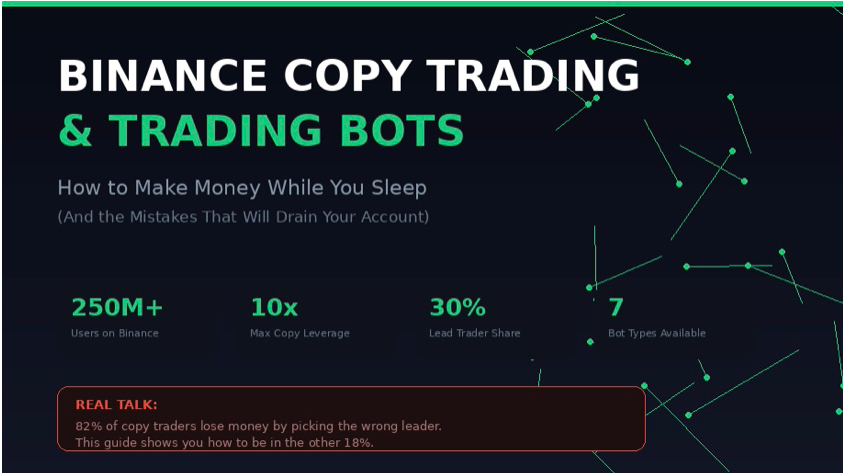
Binance Copy Trading & Bots: La guía que desearía que alguien me hubiera dado antes de perder $400Voy a ser directo contigo. La primera vez que intenté el copy trading en Binance, elegí al líder con el ROI más alto. El tipo tenía algo como 800% en dos semanas. Pensé que había encontrado una mina de oro. Tres días después, la mitad de mi dinero se había ido. Hizo una apuesta masiva apalancada, salió mal, y todos los que lo copiaron se arruinaron.
Esa fue una lección barata comparada con lo que algunas personas pagan. Y me enseñó algo importante: el copy trading y los bots de trading son herramientas reales que pueden hacerte ganar dinero. Pero solo si entiendes cómo funcionan por dentro. La mayoría de las personas no lo hacen. Ven los grandes números verdes en la tabla de clasificación y lanzan dinero al primer nombre que ven. Eso es jugar, no comerciar.
Binance Copy Trading & Bots: La guía que desearía que alguien me hubiera dado antes de perder $400
Voy a ser directo contigo. La primera vez que intenté el copy trading en Binance, elegí al líder con el ROI más alto. El tipo tenía algo como 800% en dos semanas. Pensé que había encontrado una mina de oro. Tres días después, la mitad de mi dinero se había ido. Hizo una apuesta masiva apalancada, salió mal, y todos los que lo copiaron se arruinaron.
Esa fue una lección barata comparada con lo que algunas personas pagan. Y me enseñó algo importante: el copy trading y los bots de trading son herramientas reales que pueden hacerte ganar dinero. Pero solo si entiendes cómo funcionan por dentro. La mayoría de las personas no lo hacen. Ven los grandes números verdes en la tabla de clasificación y lanzan dinero al primer nombre que ven. Eso es jugar, no comerciar.
Esa fue una lección barata comparada con lo que algunas personas pagan. Y me enseñó algo importante: el copy trading y los bots de trading son herramientas reales que pueden hacerte ganar dinero. Pero solo si entiendes cómo funcionan por dentro. La mayoría de las personas no lo hacen. Ven los grandes números verdes en la tabla de clasificación y lanzan dinero al primer nombre que ven. Eso es jugar, no comerciar.
41
16
156
47.5k
·
--
BNB Chain Está Entrando Tranquilamente en un Juego Mucho Más Grande: El Auge de las Acciones TokenizadasDurante mucho tiempo, cuando la gente hablaba de BNB Chain, la conversación normalmente se iba directamente a DeFi, memecoins, gaming o cualquier token que estuviera de moda esa semana. Pero últimamente he estado prestando atención a una historia diferente que se está desarrollando alrededor del ecosistema y, sinceramente, creo que podría volverse mucho más grande que la narrativa cripto habitual. La conversación sobre acciones tokenizadas y activos del mundo real está creciendo, y BNB Chain está convirtiéndose cada vez más en parte de esa conversación.
La idea suena complicada al principio, pero el concepto básico en realidad es bastante simple. La tokenización significa llevar activos que existen en los mercados financieros tradicionales a una infraestructura de blockchain en forma digital. En lugar de tratar la blockchain como un mundo financiero completamente separado, la idea es usarla como otra capa para acceder y transferir activos financieros.
BNB Chain Está Entrando Tranquilamente en un Juego Mucho Más Grande: El Auge de las Acciones Tokenizadas
Durante mucho tiempo, cuando la gente hablaba de BNB Chain, la conversación normalmente se iba directamente a DeFi, memecoins, gaming o cualquier token que estuviera de moda esa semana. Pero últimamente he estado prestando atención a una historia diferente que se está desarrollando alrededor del ecosistema y, sinceramente, creo que podría volverse mucho más grande que la narrativa cripto habitual. La conversación sobre acciones tokenizadas y activos del mundo real está creciendo, y BNB Chain está convirtiéndose cada vez más en parte de esa conversación.
La idea suena complicada al principio, pero el concepto básico en realidad es bastante simple. La tokenización significa llevar activos que existen en los mercados financieros tradicionales a una infraestructura de blockchain en forma digital. En lugar de tratar la blockchain como un mundo financiero completamente separado, la idea es usarla como otra capa para acceder y transferir activos financieros.
La idea suena complicada al principio, pero el concepto básico en realidad es bastante simple. La tokenización significa llevar activos que existen en los mercados financieros tradicionales a una infraestructura de blockchain en forma digital. En lugar de tratar la blockchain como un mundo financiero completamente separado, la idea es usarla como otra capa para acceder y transferir activos financieros.
273
·
--
El trading al contado en Binance parece sencillo… hasta que te das cuenta de cuánta estrategia hay detrásCuando la gente entra por primera vez en las criptomonedas, el trading al contado (spot) normalmente se siente como lo más fácil de entender. Eliges un activo, decides cuánto quieres comprar y envías una orden. En comparación con los futuros o con productos apalancados complicados, el trading al contado se percibe directo. Pero después de pasar más tiempo en el mercado, me di cuenta de que la parte difícil nunca era presionar el botón de comprar o vender. La parte difícil era saber por qué estabas tomando esa decisión desde el principio.
Eso es lo que hace que Binance Spot me resulte interesante.
El trading al contado en Binance parece sencillo… hasta que te das cuenta de cuánta estrategia hay detrás
Cuando la gente entra por primera vez en las criptomonedas, el trading al contado (spot) normalmente se siente como lo más fácil de entender. Eliges un activo, decides cuánto quieres comprar y envías una orden. En comparación con los futuros o con productos apalancados complicados, el trading al contado se percibe directo. Pero después de pasar más tiempo en el mercado, me di cuenta de que la parte difícil nunca era presionar el botón de comprar o vender. La parte difícil era saber por qué estabas tomando esa decisión desde el principio.
Eso es lo que hace que Binance Spot me resulte interesante.
Eso es lo que hace que Binance Spot me resulte interesante.
283
·
--
Binance Square es más que un feed cripto: silenciosamente se está convirtiendo en un ecosistema comunitarioCuando la gente piensa en Binance, lo primero que normalmente se le viene a la mente es el trading. Gráficos, precios, Bitcoin, BNB y las oportunidades del mercado naturalmente acaparan la atención. Pero cuanto más tiempo paso dentro del ecosistema de Binance, más me doy cuenta de que una de sus funciones más interesantes no está directamente relacionada con comprar o vender criptomonedas.
Es Binance Square.
Al principio, puede parecer un simple feed social donde las personas comparten opiniones del mercado y noticias cripto. Pero una vez que empiezas a usarlo con regularidad, entiendes que Binance Square intenta resolver un problema mucho más grande en el mundo cripto: la información está en todas partes, pero la información útil es difícil de encontrar en el momento adecuado.
Binance Square es más que un feed cripto: silenciosamente se está convirtiendo en un ecosistema comunitario
Cuando la gente piensa en Binance, lo primero que normalmente se le viene a la mente es el trading. Gráficos, precios, Bitcoin, BNB y las oportunidades del mercado naturalmente acaparan la atención. Pero cuanto más tiempo paso dentro del ecosistema de Binance, más me doy cuenta de que una de sus funciones más interesantes no está directamente relacionada con comprar o vender criptomonedas.
Es Binance Square.
Al principio, puede parecer un simple feed social donde las personas comparten opiniones del mercado y noticias cripto. Pero una vez que empiezas a usarlo con regularidad, entiendes que Binance Square intenta resolver un problema mucho más grande en el mundo cripto: la información está en todas partes, pero la información útil es difícil de encontrar en el momento adecuado.
Es Binance Square.
Al principio, puede parecer un simple feed social donde las personas comparten opiniones del mercado y noticias cripto. Pero una vez que empiezas a usarlo con regularidad, entiendes que Binance Square intenta resolver un problema mucho más grande en el mundo cripto: la información está en todas partes, pero la información útil es difícil de encontrar en el momento adecuado.
210
·
--
Bitcoin Vuelve a Subir... Pero Lo Más Interesante Es Que No Todos Creen Que Ya Es AsíCada vez que Bitcoin realiza un movimiento fuerte, comienza el mismo patrón. Los precios suben, regresa la emoción y, de repente, todos empiezan a preguntarse si el mercado alcista ya volvió oficialmente. Pero esta vez, para mí, se siente que algo es ligeramente diferente. Bitcoin se está moviendo hacia arriba, Ethereum y varios altcoins importantes lo están siguiendo, y la conversación sobre cripto vuelve a ser más optimista. Sin embargo, todavía hay una cantidad sorprendente de dudas en el mercado.
Y, honestamente, esa indecisión podría ser la parte más interesante de la historia.
Bitcoin Vuelve a Subir... Pero Lo Más Interesante Es Que No Todos Creen Que Ya Es Así
Cada vez que Bitcoin realiza un movimiento fuerte, comienza el mismo patrón. Los precios suben, regresa la emoción y, de repente, todos empiezan a preguntarse si el mercado alcista ya volvió oficialmente. Pero esta vez, para mí, se siente que algo es ligeramente diferente. Bitcoin se está moviendo hacia arriba, Ethereum y varios altcoins importantes lo están siguiendo, y la conversación sobre cripto vuelve a ser más optimista. Sin embargo, todavía hay una cantidad sorprendente de dudas en el mercado.
Y, honestamente, esa indecisión podría ser la parte más interesante de la historia.
Y, honestamente, esa indecisión podría ser la parte más interesante de la historia.
257
·
--
Todos Esperan la Próxima Moneda 100x… Pero la Mayor Revolución Cripto Quizá Ya Esté AquíSi le hubieras preguntado a alguien hace unos años qué eran las stablecoins, la respuesta probablemente habría sido sencilla. Eran solo dólares digitales que los traders usaban para entrar y salir de Bitcoin o de otras altcoins sin convertirlos de nuevo en dinero tradicional. Esa era su identidad, y durante mucho tiempo fue cierto.
Hoy, creo que esa historia ha cambiado por completo.
Cuanto más sigo el mercado cripto, más me doy cuenta de que las stablecoins están convirtiéndose en silencio en una de las piezas más importantes de todo el ecosistema blockchain. Ya no se limitan a ayudar a los traders a gestionar la volatilidad. Se están convirtiendo en la infraestructura que impulsa los pagos, las transferencias transfronterizas, las liquidaciones e incluso los servicios financieros tradicionales. Mientras todos están ocupados buscando el próximo token que podría duplicar su precio, la base de la economía cripto se está reconstruyendo a plena vista.
Todos Esperan la Próxima Moneda 100x… Pero la Mayor Revolución Cripto Quizá Ya Esté Aquí
Si le hubieras preguntado a alguien hace unos años qué eran las stablecoins, la respuesta probablemente habría sido sencilla. Eran solo dólares digitales que los traders usaban para entrar y salir de Bitcoin o de otras altcoins sin convertirlos de nuevo en dinero tradicional. Esa era su identidad, y durante mucho tiempo fue cierto.
Hoy, creo que esa historia ha cambiado por completo.
Cuanto más sigo el mercado cripto, más me doy cuenta de que las stablecoins están convirtiéndose en silencio en una de las piezas más importantes de todo el ecosistema blockchain. Ya no se limitan a ayudar a los traders a gestionar la volatilidad. Se están convirtiendo en la infraestructura que impulsa los pagos, las transferencias transfronterizas, las liquidaciones e incluso los servicios financieros tradicionales. Mientras todos están ocupados buscando el próximo token que podría duplicar su precio, la base de la economía cripto se está reconstruyendo a plena vista.
Hoy, creo que esa historia ha cambiado por completo.
Cuanto más sigo el mercado cripto, más me doy cuenta de que las stablecoins están convirtiéndose en silencio en una de las piezas más importantes de todo el ecosistema blockchain. Ya no se limitan a ayudar a los traders a gestionar la volatilidad. Se están convirtiendo en la infraestructura que impulsa los pagos, las transferencias transfronterizas, las liquidaciones e incluso los servicios financieros tradicionales. Mientras todos están ocupados buscando el próximo token que podría duplicar su precio, la base de la economía cripto se está reconstruyendo a plena vista.
3
237
·
--
🎙️ Hablemos sobre la mentalidad de inversión y la inversión periódica (DCA) de BNB al contado.
Finalizado
03 h 39 m 01 s
30.2k
38
40
·
--
Artículo
Nueve Años Después, Binance Ya No es Solo un Exchange: Es Parte de la Historia de las CriptomonedasNueve años quizá no suenen como mucho tiempo en las finanzas tradicionales, pero en las criptomonedas se siente como toda una generación. Los mercados han vivido increíbles rallys, caídas dolorosas, incertidumbre regulatoria, avances tecnológicos y un sinfín de narrativas que aparecieron y desaparecieron. A través de todos esos cambios, una cosa se ha mantenido sorprendentemente constante: Binance ha seguido evolucionando junto con la industria.
Por eso, el noveno aniversario de Binance se siente como algo más que un simple hito de la empresa. En muchos sentidos, refleja hasta dónde ha llegado todo el ecosistema cripto.
Nueve Años Después, Binance Ya No es Solo un Exchange: Es Parte de la Historia de las Criptomonedas
Nueve años quizá no suenen como mucho tiempo en las finanzas tradicionales, pero en las criptomonedas se siente como toda una generación. Los mercados han vivido increíbles rallys, caídas dolorosas, incertidumbre regulatoria, avances tecnológicos y un sinfín de narrativas que aparecieron y desaparecieron. A través de todos esos cambios, una cosa se ha mantenido sorprendentemente constante: Binance ha seguido evolucionando junto con la industria.
Por eso, el noveno aniversario de Binance se siente como algo más que un simple hito de la empresa. En muchos sentidos, refleja hasta dónde ha llegado todo el ecosistema cripto.
Por eso, el noveno aniversario de Binance se siente como algo más que un simple hito de la empresa. En muchos sentidos, refleja hasta dónde ha llegado todo el ecosistema cripto.
6
216
·
--
🎙️ Hablemos sobre la mentalidad de inversión y la compra periódica (DCA) de BNB spot
Finalizado
03 h 33 m 40 s
30.2k
31
38
·
--
Alcista
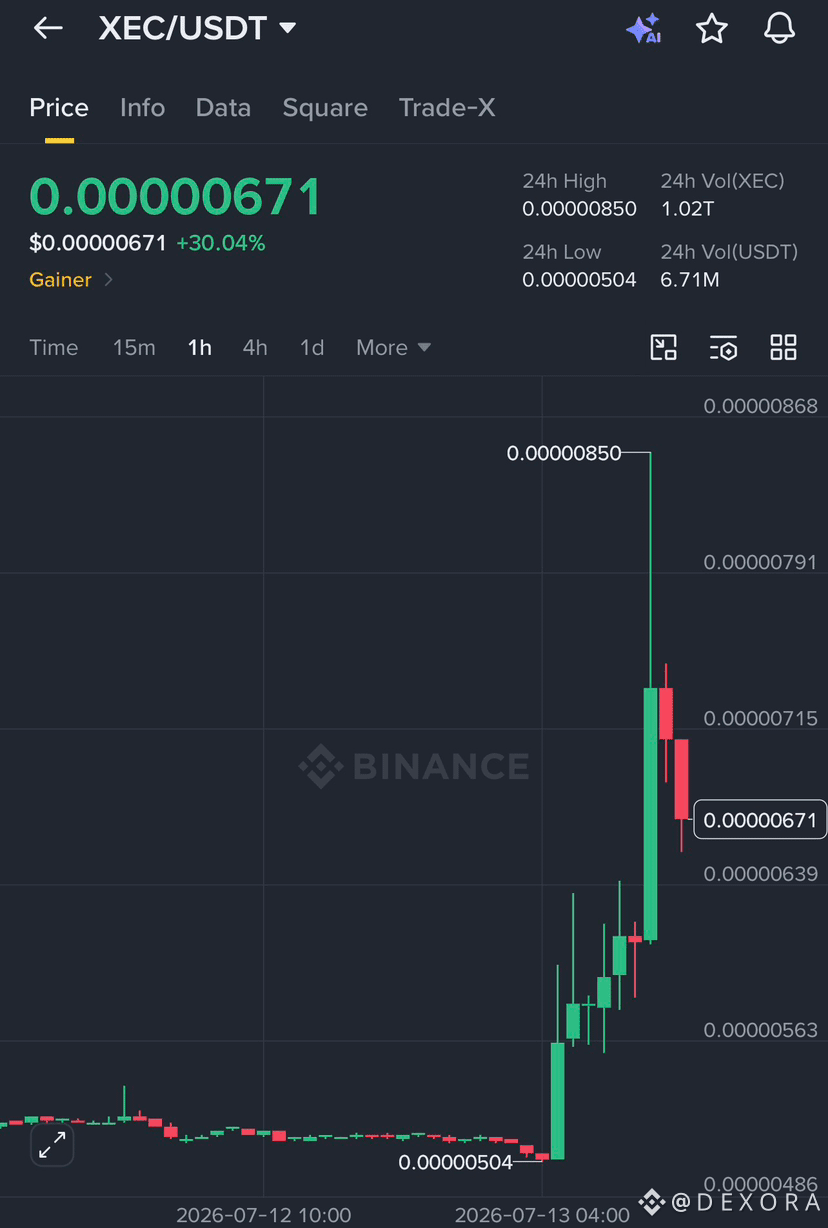
$XEC
acaba de realizar un movimiento fuerte. 🚀
Un salto del 30% llamó la atención y ahora todos están pendientes de si los compradores pueden mantener el impulso después del rápido retroceso.
¿Mirando o esperando? 👀
$XEC
acaba de realizar un movimiento fuerte. 🚀
Un salto del 30% llamó la atención y ahora todos están pendientes de si los compradores pueden mantener el impulso después del rápido retroceso.
¿Mirando o esperando? 👀
acaba de realizar un movimiento fuerte. 🚀
Un salto del 30% llamó la atención y ahora todos están pendientes de si los compradores pueden mantener el impulso después del rápido retroceso.
¿Mirando o esperando? 👀

Best Wishes!
De D E X O R A
3
168
·
--
Artículo
El mercado aún no se siente eufórico… y eso podría ser la señal más alcistaUna cosa que he notado en las últimas semanas es que los precios de las criptomonedas han empezado a recuperarse, pero aún falta la emoción que normalmente trae consigo una gran subida. Las redes sociales no están inundadas de historias de millonarios que se hicieron de la noche a la mañana, y muchos inversores todavía esperan la “confirmación perfecta” antes de creer de verdad que el mercado ha cambiado. Irónicamente, esa duda es exactamente lo que hace que este periodo me parezca tan interesante.
Todo gran mercado alcista comienza con dudas. Después de un periodo difícil, los inversores se vuelven naturalmente cautos porque recuerdan más la volatilidad que la oportunidad. Incluso cuando Bitcoin recupera fuerza y el capital regresa lentamente al mercado, muchas personas todavía esperan otra corrección brusca antes de comprometerse. Esa mentalidad cautelosa es totalmente comprensible, pero la historia ha demostrado que los mercados rara vez esperan a que todo el mundo se sienta cómodo. Para cuando la confianza se vuelve universal, a menudo ya se ha producido una parte importante del movimiento. Los datos recientes del mercado también apuntan a una mejora del sentimiento: Bitcoin está respaldado por un renovado interés comprador y entradas frescas a los ETF.
El mercado aún no se siente eufórico… y eso podría ser la señal más alcista
Una cosa que he notado en las últimas semanas es que los precios de las criptomonedas han empezado a recuperarse, pero aún falta la emoción que normalmente trae consigo una gran subida. Las redes sociales no están inundadas de historias de millonarios que se hicieron de la noche a la mañana, y muchos inversores todavía esperan la “confirmación perfecta” antes de creer de verdad que el mercado ha cambiado. Irónicamente, esa duda es exactamente lo que hace que este periodo me parezca tan interesante.
Todo gran mercado alcista comienza con dudas. Después de un periodo difícil, los inversores se vuelven naturalmente cautos porque recuerdan más la volatilidad que la oportunidad. Incluso cuando Bitcoin recupera fuerza y el capital regresa lentamente al mercado, muchas personas todavía esperan otra corrección brusca antes de comprometerse. Esa mentalidad cautelosa es totalmente comprensible, pero la historia ha demostrado que los mercados rara vez esperan a que todo el mundo se sienta cómodo. Para cuando la confianza se vuelve universal, a menudo ya se ha producido una parte importante del movimiento. Los datos recientes del mercado también apuntan a una mejora del sentimiento: Bitcoin está respaldado por un renovado interés comprador y entradas frescas a los ETF.
Todo gran mercado alcista comienza con dudas. Después de un periodo difícil, los inversores se vuelven naturalmente cautos porque recuerdan más la volatilidad que la oportunidad. Incluso cuando Bitcoin recupera fuerza y el capital regresa lentamente al mercado, muchas personas todavía esperan otra corrección brusca antes de comprometerse. Esa mentalidad cautelosa es totalmente comprensible, pero la historia ha demostrado que los mercados rara vez esperan a que todo el mundo se sienta cómodo. Para cuando la confianza se vuelve universal, a menudo ya se ha producido una parte importante del movimiento. Los datos recientes del mercado también apuntan a una mejora del sentimiento: Bitcoin está respaldado por un renovado interés comprador y entradas frescas a los ETF.
3
209
·
--
Artículo
Todos Quieren un Mercado Alcista… Pero Creo Que La Mayoría De La Gente No Está Lista Para UnoDurante meses, la comunidad cripto ha estado haciendo la misma pregunta: “¿Cuándo comenzará finalmente el mercado alcista?” Cada pequeña ruptura enciende la emoción, cada retroceso genera dudas y las redes sociales oscilan entre un optimismo extremo y un miedo extremo casi de un día para otro. Sin embargo, últimamente, algo se siente diferente. Las conversaciones están cambiando. En lugar de preguntarse si es posible un mercado alcista, cada vez más personas empiezan a preguntarse cuánto tiempo podría durar.
Lo que capta mi atención no es solo el precio de Bitcoin. Es la confianza que vuelve lentamente al mercado. La actividad de trading está aumentando, los desarrolladores están lanzando nuevos proyectos, las instituciones siguen explorando los activos digitales y los inversores cotidianos vuelven a sentirse curiosos. Ninguna de estas señales garantiza que los precios solo se muevan al alza, pero juntas crean un entorno que se siente mucho más saludable que el de hace un año.
Todos Quieren un Mercado Alcista… Pero Creo Que La Mayoría De La Gente No Está Lista Para Uno
Durante meses, la comunidad cripto ha estado haciendo la misma pregunta: “¿Cuándo comenzará finalmente el mercado alcista?” Cada pequeña ruptura enciende la emoción, cada retroceso genera dudas y las redes sociales oscilan entre un optimismo extremo y un miedo extremo casi de un día para otro. Sin embargo, últimamente, algo se siente diferente. Las conversaciones están cambiando. En lugar de preguntarse si es posible un mercado alcista, cada vez más personas empiezan a preguntarse cuánto tiempo podría durar.
Lo que capta mi atención no es solo el precio de Bitcoin. Es la confianza que vuelve lentamente al mercado. La actividad de trading está aumentando, los desarrolladores están lanzando nuevos proyectos, las instituciones siguen explorando los activos digitales y los inversores cotidianos vuelven a sentirse curiosos. Ninguna de estas señales garantiza que los precios solo se muevan al alza, pero juntas crean un entorno que se siente mucho más saludable que el de hace un año.
Lo que capta mi atención no es solo el precio de Bitcoin. Es la confianza que vuelve lentamente al mercado. La actividad de trading está aumentando, los desarrolladores están lanzando nuevos proyectos, las instituciones siguen explorando los activos digitales y los inversores cotidianos vuelven a sentirse curiosos. Ninguna de estas señales garantiza que los precios solo se muevan al alza, pero juntas crean un entorno que se siente mucho más saludable que el de hace un año.
3
234
·
--
Artículo
Todos Están Esperando el Rally Alcista… Pero ¿Y Si Ya Empezó en una Dirección Diferente?Cada ciclo cripto tiene una narrativa que crece en silencio mientras todos los demás miran hacia otro lado. En el ciclo anterior fue DeFi. Luego se impusieron los NFT. Después llegaron las monedas meme y la IA. Hoy, creo que otra historia se está construyendo lentamente, pero no está recibiendo la atención que merece porque no está impulsada por el hype. Está siendo impulsada por la adopción.
Cuanto más sigo el mercado, más noto que las instituciones ya no se preguntan si blockchain tiene futuro. Se están preguntando cómo pueden usarlo. Esa es una conversación completamente distinta. En lugar de debatir si los activos digitales llegaron para quedarse, las empresas están explorando activos tokenizados, pagos con stablecoins e infraestructura blockchain que puede mejorar los sistemas financieros existentes. Este cambio se ha convertido en uno de los temas de largo plazo más sólidos en toda la industria cripto.
Todos Están Esperando el Rally Alcista… Pero ¿Y Si Ya Empezó en una Dirección Diferente?
Cada ciclo cripto tiene una narrativa que crece en silencio mientras todos los demás miran hacia otro lado. En el ciclo anterior fue DeFi. Luego se impusieron los NFT. Después llegaron las monedas meme y la IA. Hoy, creo que otra historia se está construyendo lentamente, pero no está recibiendo la atención que merece porque no está impulsada por el hype. Está siendo impulsada por la adopción.
Cuanto más sigo el mercado, más noto que las instituciones ya no se preguntan si blockchain tiene futuro. Se están preguntando cómo pueden usarlo. Esa es una conversación completamente distinta. En lugar de debatir si los activos digitales llegaron para quedarse, las empresas están explorando activos tokenizados, pagos con stablecoins e infraestructura blockchain que puede mejorar los sistemas financieros existentes. Este cambio se ha convertido en uno de los temas de largo plazo más sólidos en toda la industria cripto.
Cuanto más sigo el mercado, más noto que las instituciones ya no se preguntan si blockchain tiene futuro. Se están preguntando cómo pueden usarlo. Esa es una conversación completamente distinta. En lugar de debatir si los activos digitales llegaron para quedarse, las empresas están explorando activos tokenizados, pagos con stablecoins e infraestructura blockchain que puede mejorar los sistemas financieros existentes. Este cambio se ha convertido en uno de los temas de largo plazo más sólidos en toda la industria cripto.
6
268
·
--
Verificado
Artículo
Por qué RE Protocol se destaca en el sector de los RWAEl sector de Activos del Mundo Real (RWA) se ha convertido en una de las áreas de más rápido crecimiento en cripto. La mayoría de los proyectos se enfocan en letras del Tesoro tokenizadas, crédito privado o bienes raíces, pero RE Protocol está tomando un enfoque diferente al conectar DeFi con el mercado global de reaseguro.
Eso captó inmediatamente mi atención porque el reaseguro es una de las industrias financieras más grandes del mundo, aunque rara vez se habla de ello en cripto.
Entonces, ¿qué hace
¿interesante?
En lugar de depender principalmente de incentivos en forma de tokens, RE Protocol permite a los usuarios depositar stablecoins que ayudan a respaldar acuerdos de reaseguro totalmente colateralizados a través de socios de seguros con licencia. A cambio, los usuarios obtienen rendimiento respaldado por ingresos reales de primas de seguros, además de fuentes en cadena.
Por qué RE Protocol se destaca en el sector de los RWA
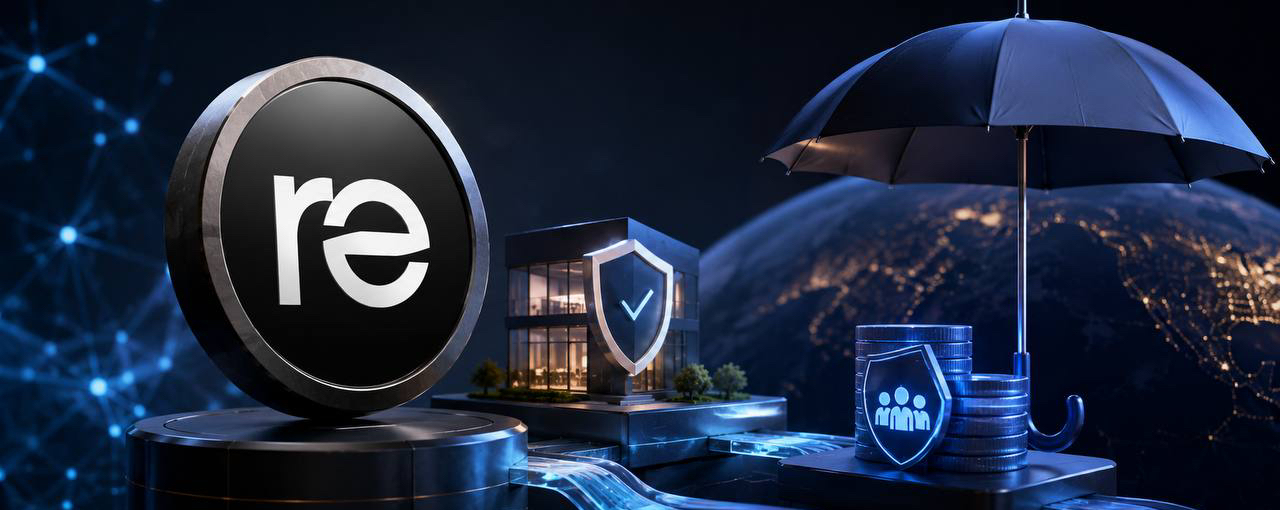
El sector de Activos del Mundo Real (RWA) se ha convertido en una de las áreas de más rápido crecimiento en cripto. La mayoría de los proyectos se enfocan en letras del Tesoro tokenizadas, crédito privado o bienes raíces, pero RE Protocol está tomando un enfoque diferente al conectar DeFi con el mercado global de reaseguro.
Eso captó inmediatamente mi atención porque el reaseguro es una de las industrias financieras más grandes del mundo, aunque rara vez se habla de ello en cripto.
Entonces, ¿qué hace
¿interesante?
En lugar de depender principalmente de incentivos en forma de tokens, RE Protocol permite a los usuarios depositar stablecoins que ayudan a respaldar acuerdos de reaseguro totalmente colateralizados a través de socios de seguros con licencia. A cambio, los usuarios obtienen rendimiento respaldado por ingresos reales de primas de seguros, además de fuentes en cadena.
Eso captó inmediatamente mi atención porque el reaseguro es una de las industrias financieras más grandes del mundo, aunque rara vez se habla de ello en cripto.
Entonces, ¿qué hace
¿interesante?
En lugar de depender principalmente de incentivos en forma de tokens, RE Protocol permite a los usuarios depositar stablecoins que ayudan a respaldar acuerdos de reaseguro totalmente colateralizados a través de socios de seguros con licencia. A cambio, los usuarios obtienen rendimiento respaldado por ingresos reales de primas de seguros, además de fuentes en cadena.
60
75
10.7k
·
--
Artículo
Binance Alpha Está Cambiando Silenciosamente la Forma en que las Personas Descubren OportunidadesUna cosa que he notado recientemente es que muchos usuarios de cripto todavía abren Binance con la misma mentalidad que tenían hace unos años. Inician sesión, revisan precios, realizan una operación y se van. No hay nada de malo en eso, pero creo que se están perdiendo uno de los desarrollos más interesantes que están ocurriendo en la plataforma hoy. Binance está pasando gradualmente de ser solo un lugar para operar a ser un sitio donde los usuarios pueden descubrir oportunidades mucho antes en su ciclo de vida, y Binance Alpha es uno de los ejemplos más claros de esa evolución.
Binance Alpha Está Cambiando Silenciosamente la Forma en que las Personas Descubren Oportunidades
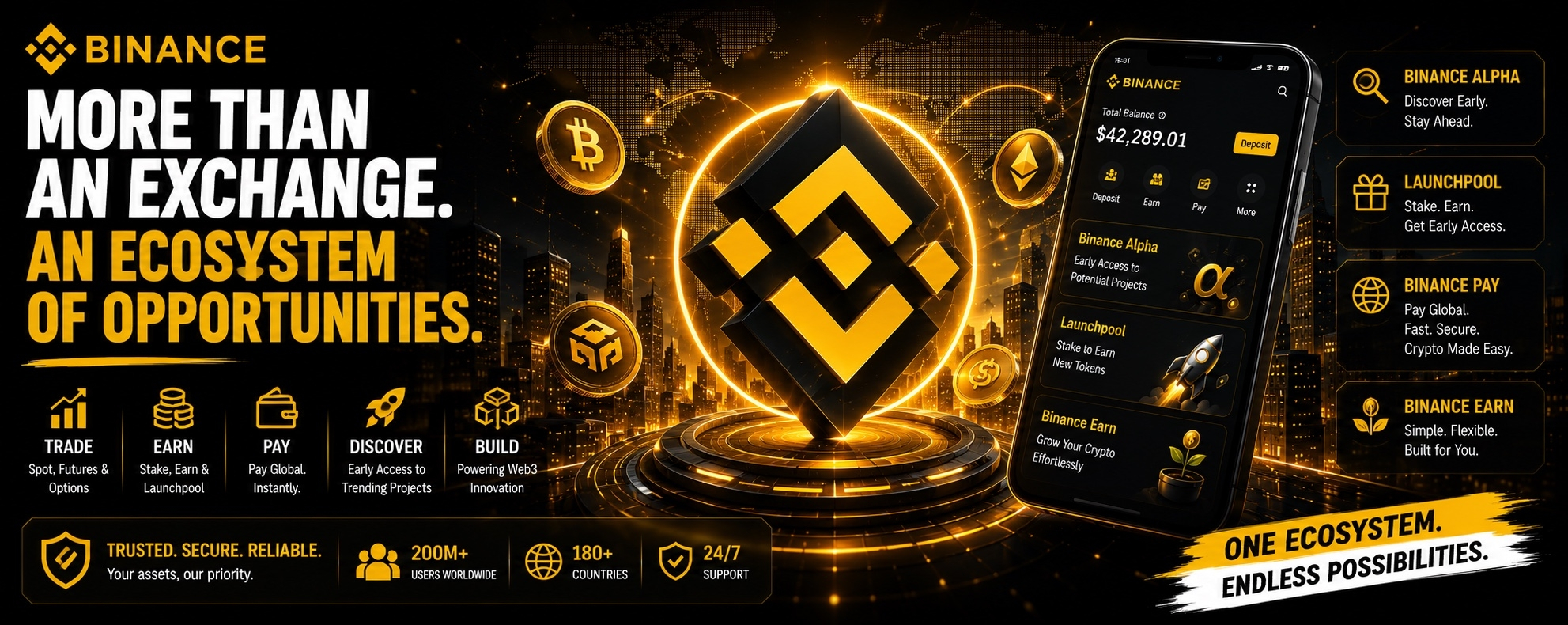
Una cosa que he notado recientemente es que muchos usuarios de cripto todavía abren Binance con la misma mentalidad que tenían hace unos años. Inician sesión, revisan precios, realizan una operación y se van. No hay nada de malo en eso, pero creo que se están perdiendo uno de los desarrollos más interesantes que están ocurriendo en la plataforma hoy. Binance está pasando gradualmente de ser solo un lugar para operar a ser un sitio donde los usuarios pueden descubrir oportunidades mucho antes en su ciclo de vida, y Binance Alpha es uno de los ejemplos más claros de esa evolución.
1
3
465
·
--
El Mayor Error en Cripto No es Comprar la Moneda Equivocada. Es Esperar Demasiado para AprenderCuando entré por primera vez en cripto, pensé que el éxito consistía en encontrar la moneda perfecta antes que todos los demás. Todos los días buscaba joyas ocultas, miraba gráficos de precios durante horas y seguía cada narrativa que estaba de moda en redes sociales. Creí que si pudiera descubrir solo el próximo proyecto 100x, todo lo demás se resolvería por sí solo. Mirándolo ahora, me doy cuenta de que estaba haciendo la pregunta equivocada.
La mayor diferencia entre inversores experimentados y principiantes no es que un grupo siempre elija mejores monedas. Es que los inversores experimentados pasan más tiempo entendiendo el mercado que persiguiéndolo. Saben que los precios cambian cada minuto, pero el conocimiento se queda contigo durante cada ciclo de mercado. Una vez que entiendes cómo funciona la cripto, cada mercado alcista y cada corrección se vuelve más fácil de navegar porque estás tomando decisiones basadas en comprensión en lugar de emoción.
El Mayor Error en Cripto No es Comprar la Moneda Equivocada. Es Esperar Demasiado para Aprender
Cuando entré por primera vez en cripto, pensé que el éxito consistía en encontrar la moneda perfecta antes que todos los demás. Todos los días buscaba joyas ocultas, miraba gráficos de precios durante horas y seguía cada narrativa que estaba de moda en redes sociales. Creí que si pudiera descubrir solo el próximo proyecto 100x, todo lo demás se resolvería por sí solo. Mirándolo ahora, me doy cuenta de que estaba haciendo la pregunta equivocada.
La mayor diferencia entre inversores experimentados y principiantes no es que un grupo siempre elija mejores monedas. Es que los inversores experimentados pasan más tiempo entendiendo el mercado que persiguiéndolo. Saben que los precios cambian cada minuto, pero el conocimiento se queda contigo durante cada ciclo de mercado. Una vez que entiendes cómo funciona la cripto, cada mercado alcista y cada corrección se vuelve más fácil de navegar porque estás tomando decisiones basadas en comprensión en lugar de emoción.
La mayor diferencia entre inversores experimentados y principiantes no es que un grupo siempre elija mejores monedas. Es que los inversores experimentados pasan más tiempo entendiendo el mercado que persiguiéndolo. Saben que los precios cambian cada minuto, pero el conocimiento se queda contigo durante cada ciclo de mercado. Una vez que entiendes cómo funciona la cripto, cada mercado alcista y cada corrección se vuelve más fácil de navegar porque estás tomando decisiones basadas en comprensión en lugar de emoción.
3
230
·
--
Todos Están Mirando Bitcoin… Pero el Dinero Inteligente Está Sigilosamente Observando las StablecoinsCada vez que Bitcoin comienza a hacer movimientos importantes, naturalmente se convierte en el centro de cada conversación. Las líneas de tiempo se llenan de predicciones de precio, los traders empiezan a compartir gráficos y todos comienzan a debatir si el próximo rally ya ha comenzado. Pero durante los últimos días, me he encontrado prestando atención a algo mucho más silencioso y, sinceramente, creo que podría convertirse en una de las historias más grandes de este ciclo.
Esa historia son las stablecoins.
Hace unos años, las stablecoins se veían principalmente como herramientas para traders. Simplemente eran un lugar para aparcar fondos mientras se esperaba la próxima oportunidad. Hoy, esa idea se siente obsoleta. Las stablecoins se están convirtiendo gradualmente en parte de la infraestructura financiera que impulsa todo el ecosistema cripto. Se están usando para pagos transfronterizos, liquidaciones, remesas y, cada vez más, como el puente entre las finanzas tradicionales y la tecnología blockchain. Los recientes avances regulatorios solo están añadiendo más atención a esta tendencia, mostrando que gobiernos e instituciones están empezando a tomarse este sector mucho más en serio.
Todos Están Mirando Bitcoin… Pero el Dinero Inteligente Está Sigilosamente Observando las Stablecoins
Cada vez que Bitcoin comienza a hacer movimientos importantes, naturalmente se convierte en el centro de cada conversación. Las líneas de tiempo se llenan de predicciones de precio, los traders empiezan a compartir gráficos y todos comienzan a debatir si el próximo rally ya ha comenzado. Pero durante los últimos días, me he encontrado prestando atención a algo mucho más silencioso y, sinceramente, creo que podría convertirse en una de las historias más grandes de este ciclo.
Esa historia son las stablecoins.
Hace unos años, las stablecoins se veían principalmente como herramientas para traders. Simplemente eran un lugar para aparcar fondos mientras se esperaba la próxima oportunidad. Hoy, esa idea se siente obsoleta. Las stablecoins se están convirtiendo gradualmente en parte de la infraestructura financiera que impulsa todo el ecosistema cripto. Se están usando para pagos transfronterizos, liquidaciones, remesas y, cada vez más, como el puente entre las finanzas tradicionales y la tecnología blockchain. Los recientes avances regulatorios solo están añadiendo más atención a esta tendencia, mostrando que gobiernos e instituciones están empezando a tomarse este sector mucho más en serio.
Esa historia son las stablecoins.
Hace unos años, las stablecoins se veían principalmente como herramientas para traders. Simplemente eran un lugar para aparcar fondos mientras se esperaba la próxima oportunidad. Hoy, esa idea se siente obsoleta. Las stablecoins se están convirtiendo gradualmente en parte de la infraestructura financiera que impulsa todo el ecosistema cripto. Se están usando para pagos transfronterizos, liquidaciones, remesas y, cada vez más, como el puente entre las finanzas tradicionales y la tecnología blockchain. Los recientes avances regulatorios solo están añadiendo más atención a esta tendencia, mostrando que gobiernos e instituciones están empezando a tomarse este sector mucho más en serio.
3
215
·
--
Creo que la mayoría de la gente está mirando a Binance de la manera equivocadaÚltimamente, he notado algo interesante. Siempre que el mercado se vuelve volátil, la gente empieza a hablar de precios de inmediato. Discuten sobre Bitcoin, altcoins, capitalización de mercado y predicciones. Pero muy pocas personas hablan de las plataformas que hacen funcionar todo el ecosistema. Por eso creo que muchos inversores están pasando por alto una de las historias más grandes que están sucediendo en cripto ahora mismo.
La historia no se trata de un solo token.
Se trata de ecosistemas.
Y Binance puede ser uno de los ejemplos más fuertes de esa tendencia.
Creo que la mayoría de la gente está mirando a Binance de la manera equivocada
Últimamente, he notado algo interesante. Siempre que el mercado se vuelve volátil, la gente empieza a hablar de precios de inmediato. Discuten sobre Bitcoin, altcoins, capitalización de mercado y predicciones. Pero muy pocas personas hablan de las plataformas que hacen funcionar todo el ecosistema. Por eso creo que muchos inversores están pasando por alto una de las historias más grandes que están sucediendo en cripto ahora mismo.
La historia no se trata de un solo token.
Se trata de ecosistemas.
Y Binance puede ser uno de los ejemplos más fuertes de esa tendencia.
La historia no se trata de un solo token.
Se trata de ecosistemas.
Y Binance puede ser uno de los ejemplos más fuertes de esa tendencia.
3
153
·
--

Artículo
El Acuerdo Trump-Irán Podría Ser Más Grande para Cripto de lo que la Mayoría de la Gente Se Da CuentaEn las últimas semanas, la mayoría de los traders de cripto han estado enfocados en las velas, lanzamientos de tokens y el próximo catalizador del mercado. Pero a veces, los movimientos más grandes comienzan lejos de la industria cripto misma. Por eso he estado prestando mucha atención a los recientes desarrollos en torno al acuerdo Trump-Irán. Si bien puede parecer una historia geopolítica en la superficie, la realidad es que los eventos políticos globales a menudo moldean el sentimiento del mercado mucho antes de que los inversores comprendan completamente el impacto.
El acuerdo entre Estados Unidos e Irán ya ha desencadenado reacciones fuertes en los mercados tradicionales. Los precios del petróleo cayeron drásticamente después de que surgieron esperanzas de que las tensiones en la región pudieran calmarse y que el Estrecho de Ormuz se mantuviera abierto para el suministro energético global. Al mismo tiempo, los mercados bursátiles repuntaron a medida que los inversores comenzaron a valorar riesgos de inflación más bajos y una estabilidad económica mejorada. Los mercados tienden a reaccionar rápidamente cuando la incertidumbre comienza a desaparecer.
El Acuerdo Trump-Irán Podría Ser Más Grande para Cripto de lo que la Mayoría de la Gente Se Da Cuenta
En las últimas semanas, la mayoría de los traders de cripto han estado enfocados en las velas, lanzamientos de tokens y el próximo catalizador del mercado. Pero a veces, los movimientos más grandes comienzan lejos de la industria cripto misma. Por eso he estado prestando mucha atención a los recientes desarrollos en torno al acuerdo Trump-Irán. Si bien puede parecer una historia geopolítica en la superficie, la realidad es que los eventos políticos globales a menudo moldean el sentimiento del mercado mucho antes de que los inversores comprendan completamente el impacto.
El acuerdo entre Estados Unidos e Irán ya ha desencadenado reacciones fuertes en los mercados tradicionales. Los precios del petróleo cayeron drásticamente después de que surgieron esperanzas de que las tensiones en la región pudieran calmarse y que el Estrecho de Ormuz se mantuviera abierto para el suministro energético global. Al mismo tiempo, los mercados bursátiles repuntaron a medida que los inversores comenzaron a valorar riesgos de inflación más bajos y una estabilidad económica mejorada. Los mercados tienden a reaccionar rápidamente cuando la incertidumbre comienza a desaparecer.
El acuerdo entre Estados Unidos e Irán ya ha desencadenado reacciones fuertes en los mercados tradicionales. Los precios del petróleo cayeron drásticamente después de que surgieron esperanzas de que las tensiones en la región pudieran calmarse y que el Estrecho de Ormuz se mantuviera abierto para el suministro energético global. Al mismo tiempo, los mercados bursátiles repuntaron a medida que los inversores comenzaron a valorar riesgos de inflación más bajos y una estabilidad económica mejorada. Los mercados tienden a reaccionar rápidamente cuando la incertidumbre comienza a desaparecer.
1
4
488
Inicia sesión para explorar más contenidos
Únete a usuarios globales de criptomonedas en Binance Square
⚡️ Obtén información útil y actualizada sobre criptos.
💬 Avalado por el mayor exchange de criptomonedas en el mundo.
👍 Descubre perspectivas reales de creadores verificados.
Email/número de teléfono
Temas populares
FedRateWatch
1.6M vistas
7,127 están debatiendo
Comparte y gana recompensas de tráfico en nuestra campaña de hashtag en tendencia
✨Tema: FOMC septiembre, ¿cuál será el próximo movimiento de la Fed?
👉Cómo unirte:
Publica una publicación breve o un artículo con el hashtag #FedRateWatch
Crea contenido basado en los siguientes enfoques:
- El CPI subyacente de agosto aumentó 0.3% mes a mes, y las probabilidades de una subida de 25 pb esta semana ahora están cerca del 90%. ¿Anticipas una subida de tasas esta semana? ¿Es algo puntual o el inicio de un ciclo de subidas más largo?
- Si la subida ocurre, ¿cómo se desarrolla para BTC, acciones tecnológicas y oro? ¿Alcista o bajista?
- ¿Cómo planeas operar a continuación? Comparte tu operación/tenencias de BTC, acciones u oro con nuestro widget para compartir operaciones.
⏰Periodo de la campaña:
- 2026-09-15 11:00 - 2026-09-17 3:00 UTC
🎁Recompensa:
- Las publicaciones que cumplan con las pautas anteriores y tengan más de 100 palabras serán revisadas y podrían recibir un impulso aleatorio de tráfico de 500 a 3,000 visitas. Recibirás una notificación de tu secretario/a de feed si tu publicación es seleccionada.
- Obtén la oportunidad de que tu artículo aparezca destacado en Binance Square Official
¿Necesitas ideas para tu publicación? Visita la página del tema #FedRateWatch o la Square Guide on How to Post for Better Reach.
Binance Square Official
·669 me gusta
·1.7M vistas
FedHikes25BpsUSStocksClose
2 vistas
13 están debatiendo
CryptoVCFundingRebounds$5.6BInQ2
0 vistas
4 están debatiendo