
#cryptorisk
cryptorisk
1.6M vistas
2,415 están debatiendo
Hot
Lo último

Detecté que $BTC se desliza un 1.8 % en las últimas 24 h, y ahora está en $77,448.45, mientras que $ETH está -2.07 % en $2,421.45. En un mercado lateral como este, proteger el capital es mejor que perseguir la próxima ruptura.
Primero, configura un stop-loss basado en el mínimo reciente en lugar de un porcentaje fijo. Para $BTC el mínimo de las últimas 24 h fue de $76,420.00, así que un stop a unos cientos de dólares por encima (por ejemplo, $76,800) le da margen a la operación sin arriesgar toda la posición.
Segundo, dimensiona la posición para que la pérdida en dólares en ese stop no supere 1-2 % de tu cuenta total. Si tu saldo es de $10,000, un riesgo del 1.5 % equivale a $150. Con un riesgo de $648 por $BTC (entrada $77,448 – stop $76,800), tomarías aproximadamente 0.23 BTC ($150 / $648).
Por último, sigue el plan. Cuando el precio toque el stop, resiste la tentación de moverlo más lejos; los ajustes emocionales a menudo convierten un riesgo controlado en una pérdida mayor.
¿Cómo decides entre un stop ajustado y uno más amplio cuando la volatilidad se dispara?
#CryptoRisk #CapitalPreservation #TradingDiscipline #GAMERXERO
Primero, configura un stop-loss basado en el mínimo reciente en lugar de un porcentaje fijo. Para $BTC el mínimo de las últimas 24 h fue de $76,420.00, así que un stop a unos cientos de dólares por encima (por ejemplo, $76,800) le da margen a la operación sin arriesgar toda la posición.
Segundo, dimensiona la posición para que la pérdida en dólares en ese stop no supere 1-2 % de tu cuenta total. Si tu saldo es de $10,000, un riesgo del 1.5 % equivale a $150. Con un riesgo de $648 por $BTC (entrada $77,448 – stop $76,800), tomarías aproximadamente 0.23 BTC ($150 / $648).
Por último, sigue el plan. Cuando el precio toque el stop, resiste la tentación de moverlo más lejos; los ajustes emocionales a menudo convierten un riesgo controlado en una pérdida mayor.
¿Cómo decides entre un stop ajustado y uno más amplio cuando la volatilidad se dispara?
#CryptoRisk #CapitalPreservation #TradingDiscipline #GAMERXERO
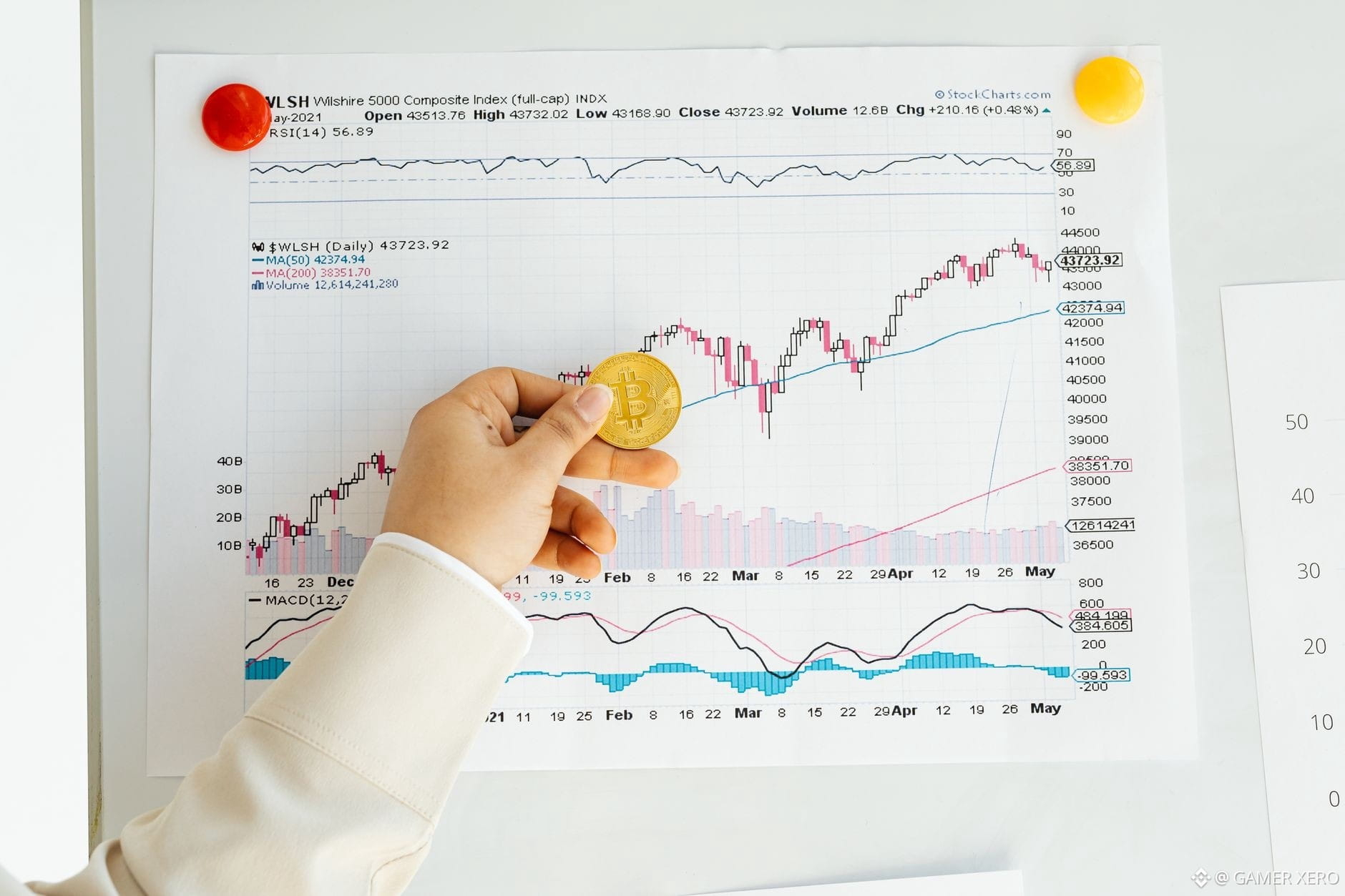
Ver a $BTC linger a 78.449,99 $ mientras el rango de 24 horas se mantiene estrecho, me recordó que preservar el capital importa más que perseguir el siguiente movimiento. Empiezo cada operación decidiendo cuánto de mi fondo total estoy dispuesto a perder en una sola idea: normalmente lo limito al 1–2 % de mi capital total. Si mi cuenta es de 10.000 $, eso significa un presupuesto de riesgo de 100–200 $.
Con $BTC a 78.450, trazo un stop-loss unos puntos por debajo de un mínimo reciente del swing, por ejemplo 77.900 $. La distancia entre la entrada y el stop es de 550. Para mantener el riesgo en 150 $, el tamaño de la posición sale aproximadamente en 150 ÷ 550 ≈ 0,0019 BTC, o alrededor de 150 $ de exposición. Esa porción tan pequeña permite que la operación respire sin poner en peligro la mayor parte de la cuenta.
La disciplina emocional sigue las matemáticas. Una vez que el stop está fijado, evito la tentación de moverlo más arriba porque el precio sube apenas; ese hábito destruye el colchón de riesgo que construí. El mismo principio se aplica a $ETH a 2.465: calcula la distancia del stop, aplica el mismo % de riesgo y terminarás con una exposición igualmente modesta.
¿Cuál es tu método habitual para dimensionar posiciones cuando el mercado se siente atascado en un rango estrecho?
#CryptoRisk #CapitalPreservation #TradingDiscipline #GAMERXERO
Con $BTC a 78.450, trazo un stop-loss unos puntos por debajo de un mínimo reciente del swing, por ejemplo 77.900 $. La distancia entre la entrada y el stop es de 550. Para mantener el riesgo en 150 $, el tamaño de la posición sale aproximadamente en 150 ÷ 550 ≈ 0,0019 BTC, o alrededor de 150 $ de exposición. Esa porción tan pequeña permite que la operación respire sin poner en peligro la mayor parte de la cuenta.
La disciplina emocional sigue las matemáticas. Una vez que el stop está fijado, evito la tentación de moverlo más arriba porque el precio sube apenas; ese hábito destruye el colchón de riesgo que construí. El mismo principio se aplica a $ETH a 2.465: calcula la distancia del stop, aplica el mismo % de riesgo y terminarás con una exposición igualmente modesta.
¿Cuál es tu método habitual para dimensionar posiciones cuando el mercado se siente atascado en un rango estrecho?
#CryptoRisk #CapitalPreservation #TradingDiscipline #GAMERXERO
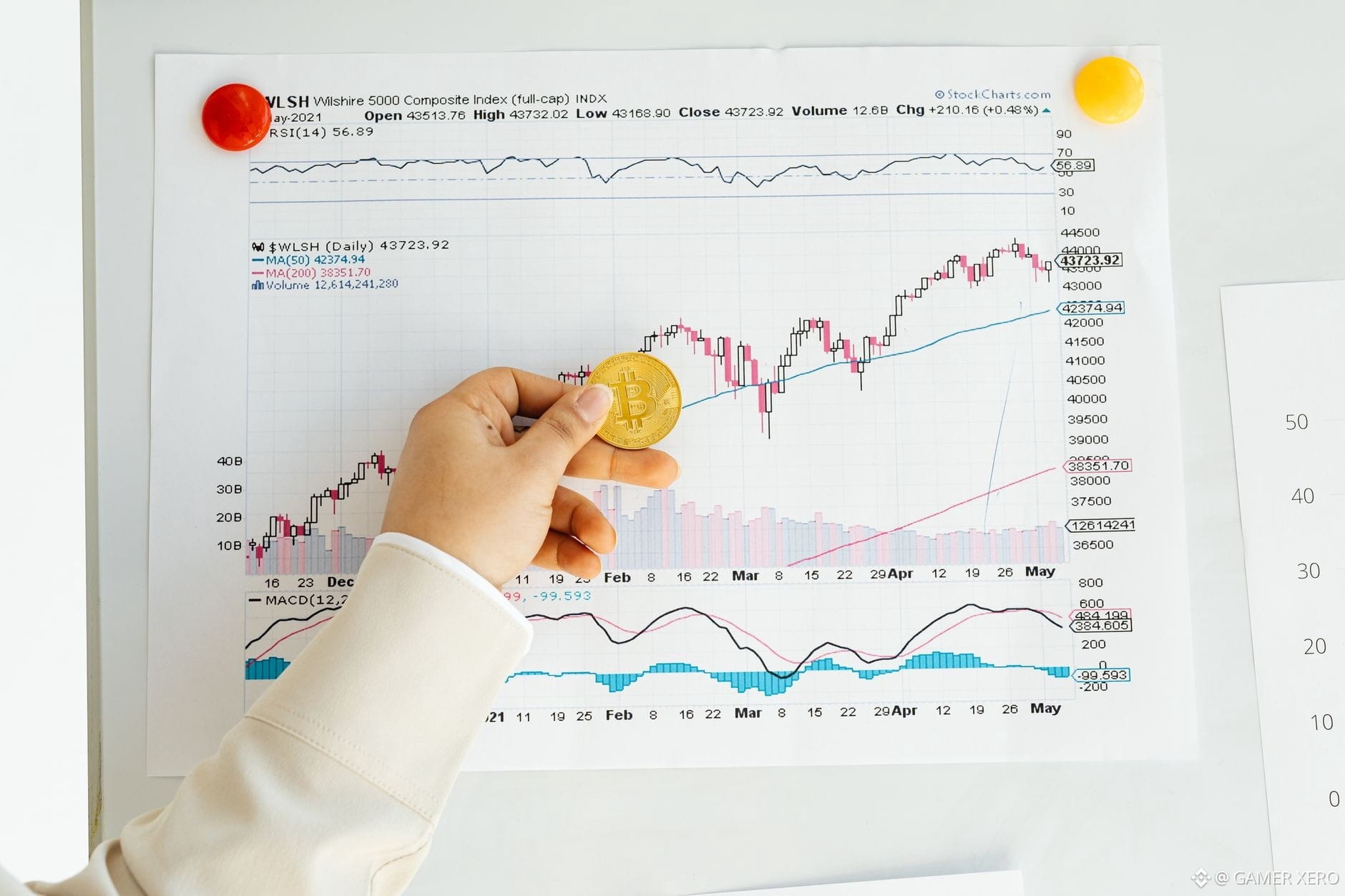
Ver un $BTC hover en $78,649 y un $ETH cerca de $2,464 hoy destaca un mercado atrapado en una banda estrecha. Cuando los precios se mantienen confinados, la volatilidad se vuelve una medida más fiable que los movimientos recientes del precio. Mi filtro de riesgo preferido empieza con un tope de exposición: no más del 15 % de la cartera en cualquier activo individual, y una asignación total a cripto que nunca exceda el 40 % de la base total de capital. Esto te protege si un golpe regulatorio repentino hace que $BTC o $ETH caigan un 10 % en un día.
Luego, incorporo diversificación añadiendo un token de baja correlación—por ejemplo, un producto respaldado por un stable‑coin o un activo de rendimiento no vinculado al precio—para que la beta de la cartera se mantenga por debajo de 0.8. Con el rango de 24 h actual, un simple calculador de drawdown muestra que una pérdida del 20 % en el tramo del $BTC recortaría aproximadamente un 3 % de toda la cartera, mientras que el mismo golpe sobre una exposición del 15 % solo la dañaría en un 0.45 %. Esa matemática marca la diferencia entre una venta por pánico y un reingreso medido.
¿Cómo estás equilibrando actualmente los límites de exposición y el dimensionamiento de la volatilidad en un mercado con rango?
#CryptoRisk #PortfolioManagement #DiversifySmart #GAMERXERO
Luego, incorporo diversificación añadiendo un token de baja correlación—por ejemplo, un producto respaldado por un stable‑coin o un activo de rendimiento no vinculado al precio—para que la beta de la cartera se mantenga por debajo de 0.8. Con el rango de 24 h actual, un simple calculador de drawdown muestra que una pérdida del 20 % en el tramo del $BTC recortaría aproximadamente un 3 % de toda la cartera, mientras que el mismo golpe sobre una exposición del 15 % solo la dañaría en un 0.45 %. Esa matemática marca la diferencia entre una venta por pánico y un reingreso medido.
¿Cómo estás equilibrando actualmente los límites de exposición y el dimensionamiento de la volatilidad en un mercado con rango?
#CryptoRisk #PortfolioManagement #DiversifySmart #GAMERXERO
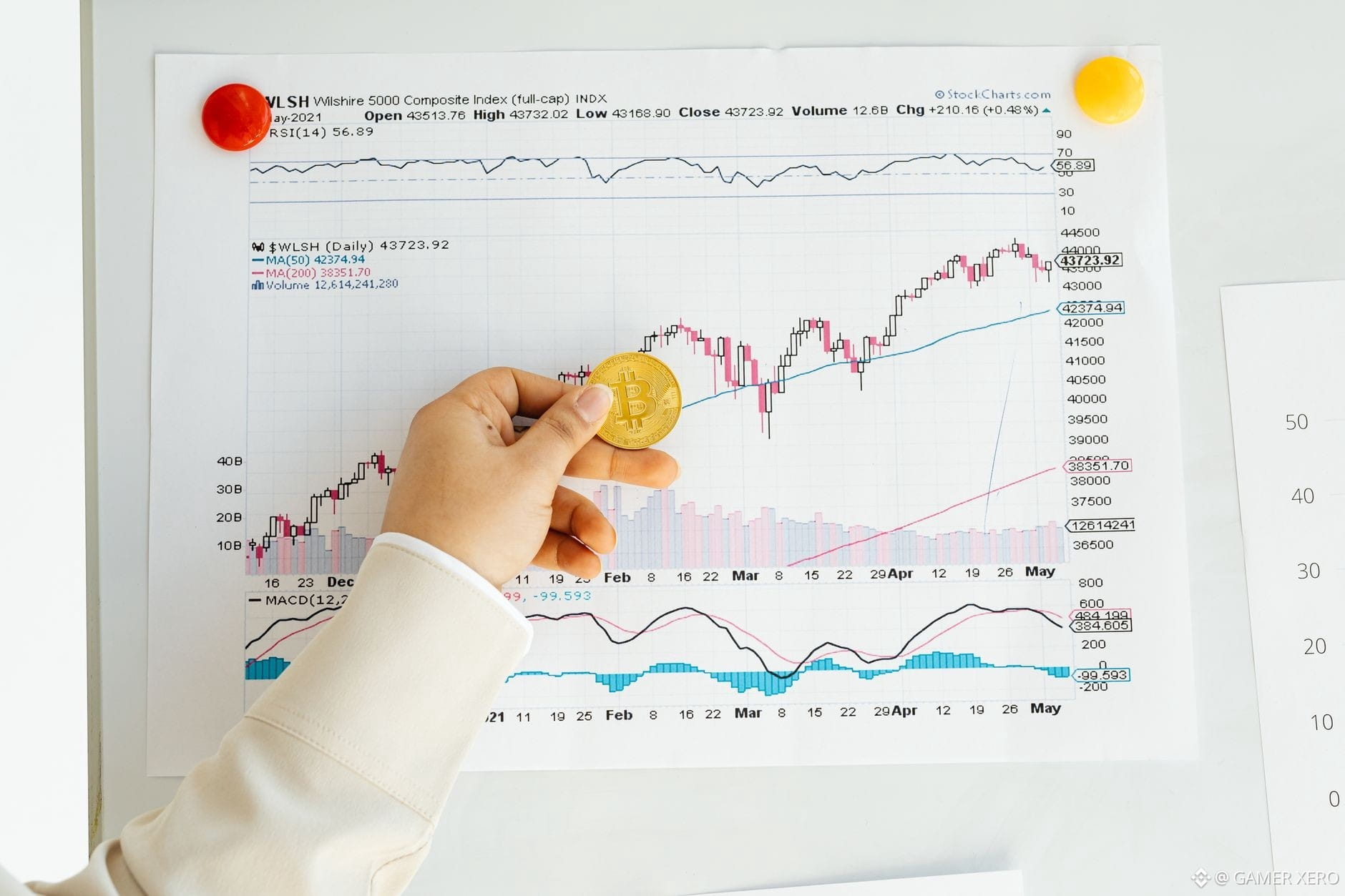
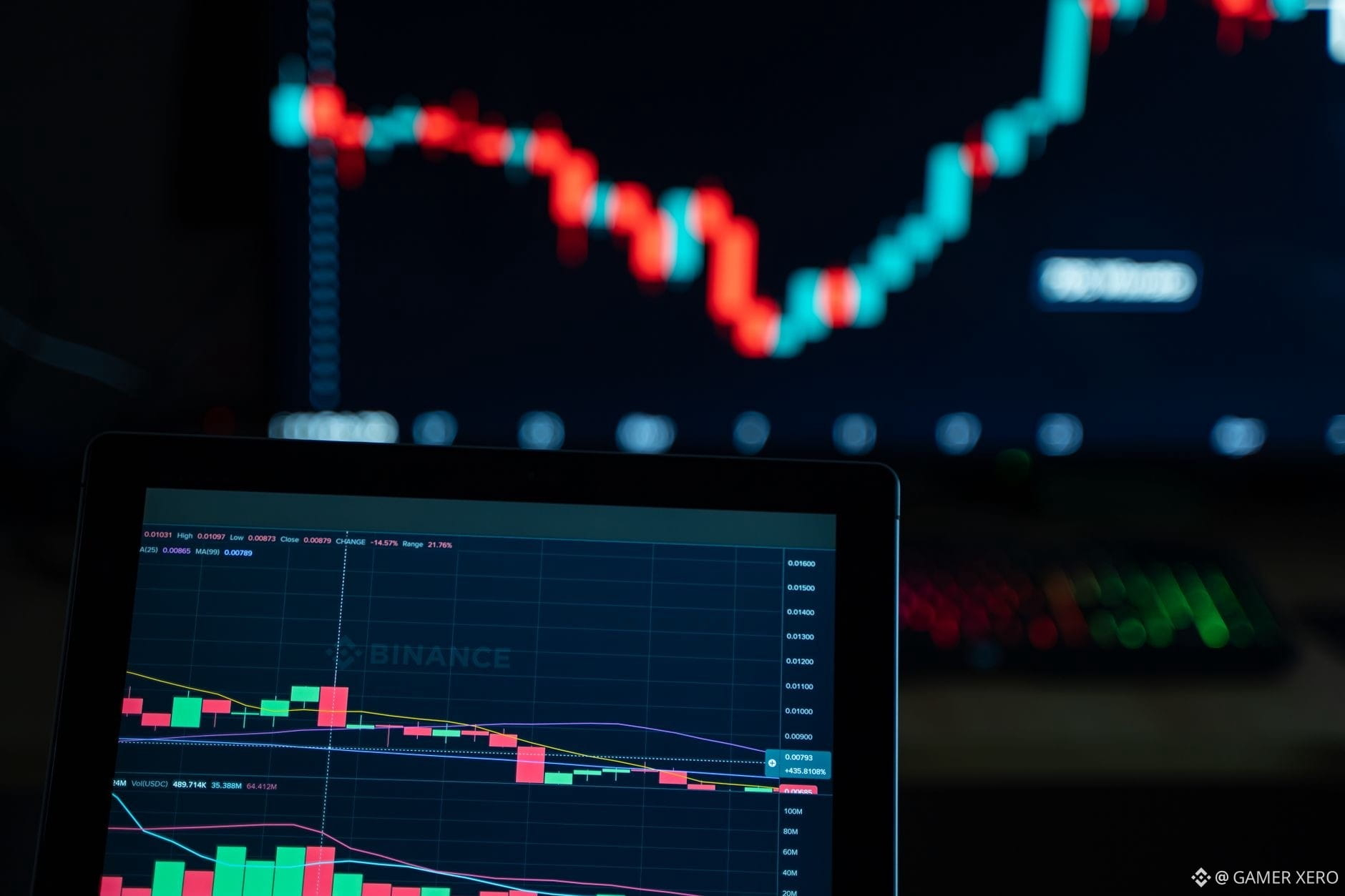
He estado observando a $BTC merodear la banda de $78,100‑$78,300 durante el último día, mientras que $ETH está atascado en un rango de $2,440‑$2,470. Cuando el mercado se comprime así, trato cada operación como un “ejercicio de preservación de capital” en lugar de una búsqueda de ganancias.
Primero, calculo mi riesgo por operación al 1 % de mi cuenta. Con un saldo de $10,000 eso significa un stop‑loss de $100. Luego dimensiono la posición de modo que la distancia entre la entrada y el stop‑loss sea igual a esos $100. Por ejemplo, si entro $BTC a $78,150 y pongo un stop en $77,800 (un movimiento de $350), compraría aproximadamente $0.285 BTC ($100 ÷ $350). La misma lógica se aplica a $ETH : entrar a $2,460 con un stop en $2,430 (un movimiento de $30) da como resultado unos 3.33 ETH.
Por último, controlo mis emociones escribiendo la entrada, el stop y el objetivo en un cuaderno antes de la operación. Cuando el precio oscila, puedo echar un vistazo al plan y evitar la tentación de mover el stop o duplicar la apuesta.
¿Cómo equilibras el tamaño del riesgo con el deseo de permanecer en un rango estrecho para un posible swing más largo?
#CryptoRisk #CapitalPreservation #TraderMindset #GAMERXERO
Primero, calculo mi riesgo por operación al 1 % de mi cuenta. Con un saldo de $10,000 eso significa un stop‑loss de $100. Luego dimensiono la posición de modo que la distancia entre la entrada y el stop‑loss sea igual a esos $100. Por ejemplo, si entro $BTC a $78,150 y pongo un stop en $77,800 (un movimiento de $350), compraría aproximadamente $0.285 BTC ($100 ÷ $350). La misma lógica se aplica a $ETH : entrar a $2,460 con un stop en $2,430 (un movimiento de $30) da como resultado unos 3.33 ETH.
Por último, controlo mis emociones escribiendo la entrada, el stop y el objetivo en un cuaderno antes de la operación. Cuando el precio oscila, puedo echar un vistazo al plan y evitar la tentación de mover el stop o duplicar la apuesta.
¿Cómo equilibras el tamaño del riesgo con el deseo de permanecer en un rango estrecho para un posible swing más largo?
#CryptoRisk #CapitalPreservation #TraderMindset #GAMERXERO

Una piscina DeFi que muestra un 20% de APY aun así puede dejarte con menos dinero que simplemente mantener los tokens.
Esa es la trampa que muchos traders pasan por alto en STON.fi: un rendimiento atractivo puede distraerte del riesgo de precio del token, la pérdida impermanente y la exposición a contratos inteligentes. Puedes ganar comisiones en $TON o en stablecoins y aun así terminar con pérdidas en general.
Por ejemplo, aportar $1.000 de $TON y $USDT no elimina la volatilidad. Si $TON cae 30%, la piscina reajusta tu posición hacia el activo más débil, de modo que tu valor final puede quedarse por detrás de simplemente mantener los tokens. El APY mostrado también es variable y no está garantizado.
Antes de perseguir el rendimiento, revisa de dónde provienen las ganancias, qué tan profunda es la liquidez y si el token de recompensa puede absorber la presión de venta. Un número alto en el panel no es lo mismo que ingresos confiables, especialmente cuando los incentivos de $STON forman parte del pago.
¿Qué riesgos estás vigilando con más atención en el ecosistema TON DeFi?
#DeFi #TON #CryptoRisk
Esa es la trampa que muchos traders pasan por alto en STON.fi: un rendimiento atractivo puede distraerte del riesgo de precio del token, la pérdida impermanente y la exposición a contratos inteligentes. Puedes ganar comisiones en $TON o en stablecoins y aun así terminar con pérdidas en general.
Por ejemplo, aportar $1.000 de $TON y $USDT no elimina la volatilidad. Si $TON cae 30%, la piscina reajusta tu posición hacia el activo más débil, de modo que tu valor final puede quedarse por detrás de simplemente mantener los tokens. El APY mostrado también es variable y no está garantizado.
Antes de perseguir el rendimiento, revisa de dónde provienen las ganancias, qué tan profunda es la liquidez y si el token de recompensa puede absorber la presión de venta. Un número alto en el panel no es lo mismo que ingresos confiables, especialmente cuando los incentivos de $STON forman parte del pago.
¿Qué riesgos estás vigilando con más atención en el ecosistema TON DeFi?
#DeFi #TON #CryptoRisk

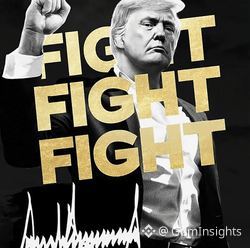
🚨 Public Citizen informa que empresas de cripto vinculadas a Trump dejaron a los inversores al menos $4.7B en pérdidas, con la moneda meme de TRUMP representando aproximadamente ~$3.2B de pérdidas. Esto destaca una exposición minorista significativa a tokens políticamente vinculados con fundamentos débiles. Se recomienda precaución: estos proyectos a menudo carecen de una utilidad sostenible y enfrentan alta volatilidad. ¿Cuál es tu tolerancia al riesgo para las monedas meme vinculadas a figuras políticas?
#CryptoRisk
$TRUMP #TradingSignal #CryptoAnalysis
#CryptoRisk
$TRUMP #TradingSignal #CryptoAnalysis

$RLUSD está pegado a $1,00 con un movimiento de 0,04% y un volumen impactante de 128,585,937. Ese precio plano no es confianza: es un circo de rotación especulativa.
En un mercado impulsado por la codicia (sentimiento 68), los traders tratan la moneda como un lugar de aparcamiento sin fricción, inflando cifras mientras el peg tiembla por debajo.
La verdad oculta: una gran parte de esos 128 M está bloqueada como $CHIP colateral en múltiples bóvedas DeFi. Si sacas a un gran tenedor, el peg podría quebrarse en segundos.
Mantén un ojo en $BTC . Una caída provoca llamadas de margen y los traders huirán $RLUSD en masa, exponiendo su fragilidad. Su estabilidad ahora depende de los vaivenes del ánimo de Bitcoin.
El mercado finge que $RLUSD es efectivo, pero con ese volumen es una bomba de tiempo: o impulsa la próxima $BTC rally o estalla en una crisis de desanclaje.
#Stablecoins #DeFi #CryptoRisk
En un mercado impulsado por la codicia (sentimiento 68), los traders tratan la moneda como un lugar de aparcamiento sin fricción, inflando cifras mientras el peg tiembla por debajo.
La verdad oculta: una gran parte de esos 128 M está bloqueada como $CHIP colateral en múltiples bóvedas DeFi. Si sacas a un gran tenedor, el peg podría quebrarse en segundos.
Mantén un ojo en $BTC . Una caída provoca llamadas de margen y los traders huirán $RLUSD en masa, exponiendo su fragilidad. Su estabilidad ahora depende de los vaivenes del ánimo de Bitcoin.
El mercado finge que $RLUSD es efectivo, pero con ese volumen es una bomba de tiempo: o impulsa la próxima $BTC rally o estalla en una crisis de desanclaje.
#Stablecoins #DeFi #CryptoRisk
Viendo cómo $BTC merodea alrededor de 79,600 dólares en Binance, mantengo un control de pérdidas más estricto que el mínimo de 24 h de 77,632.58 dólares. Mi regla: nunca arriesgar más del 1% de mi cuenta en una sola entrada. Si la cuenta es de 10 k, eso es 100 dólares de riesgo. Con un stop configurado aproximadamente 1.5% por debajo de la entrada (unos 120 dólares de distancia), dimensiono la posición para que sea 100 / 120 ≈ 0.00125 BTC. Ese tamaño tan pequeño protege el capital mientras aún permite que la operación se desarrolle si el precio respeta el rango de 78,800–79,000.
Por el lado contrario, trato las emociones como un libro contable aparte. Después de un retroceso me detengo, reviso el gráfico de profundidad y solo vuelvo a entrar si el desbalance bid-ask coincide con mi sesgo original. Saltarme el impulso de perseguir un rebote preserva el equilibrio riesgo-recompensa.
¿Cuál es tu regla preferida para dimensionar una posición cuando el mercado está en una banda estrecha? #CryptoRisk #TradingDiscipline #GAMERXERO
Por el lado contrario, trato las emociones como un libro contable aparte. Después de un retroceso me detengo, reviso el gráfico de profundidad y solo vuelvo a entrar si el desbalance bid-ask coincide con mi sesgo original. Saltarme el impulso de perseguir un rebote preserva el equilibrio riesgo-recompensa.
¿Cuál es tu regla preferida para dimensionar una posición cuando el mercado está en una banda estrecha? #CryptoRisk #TradingDiscipline #GAMERXERO

Un corto de 3x puede parecer dinero fácil, pero un solo titular de copy-trading todavía mostró un PNL no realizado de +293,856.87 USDT en $SKHYNIX .
Justo por eso los traders terminan quemados. Ven un gran número verde, FOMO a última hora, y se olvidan de que el copy trading puede convertirse en una liquidación rápida si el movimiento se revierte. Una mala entrada en $SKHYNIX , $BTC , o $ETH puede borrar una semana de ganancias en minutos.
Aquí la posición es un corto en el perp de SKHYNIXUSDT, y la moneda solo está bajando 4.28%. La cuenta que aparece como Futures Copy Trading AUM Top 1 con 78.8k se ve impresionante, pero números como 89 y 70 alrededor de la publicación te recuerdan lo ruidosos que pueden ser estos feeds. Una gran ganancia no realizada no es ganancia realizada, y con 3x de apalancamiento el margen de error sigue siendo estrecho.
La lección real es simple: copia el proceso, no la captura. Revisa el apalancamiento, el precio de entrada y qué tan lejos puede moverse la operación en tu contra antes de siquiera pensar en seguirla.
¿Alguien más está viendo a más personas perseguir estos setups de copy-trading sin revisar el lado negativo?
#CopyTrading #FuturesTrading #CryptoRisk
Justo por eso los traders terminan quemados. Ven un gran número verde, FOMO a última hora, y se olvidan de que el copy trading puede convertirse en una liquidación rápida si el movimiento se revierte. Una mala entrada en $SKHYNIX , $BTC , o $ETH puede borrar una semana de ganancias en minutos.
Aquí la posición es un corto en el perp de SKHYNIXUSDT, y la moneda solo está bajando 4.28%. La cuenta que aparece como Futures Copy Trading AUM Top 1 con 78.8k se ve impresionante, pero números como 89 y 70 alrededor de la publicación te recuerdan lo ruidosos que pueden ser estos feeds. Una gran ganancia no realizada no es ganancia realizada, y con 3x de apalancamiento el margen de error sigue siendo estrecho.
La lección real es simple: copia el proceso, no la captura. Revisa el apalancamiento, el precio de entrada y qué tan lejos puede moverse la operación en tu contra antes de siquiera pensar en seguirla.
¿Alguien más está viendo a más personas perseguir estos setups de copy-trading sin revisar el lado negativo?
#CopyTrading #FuturesTrading #CryptoRisk

Me di cuenta de que $BTC flotaba alrededor de 77,858 $ con un margen de oscilación diaria del 1,4 % ajustado, un entorno clásico para reforzar controles de riesgo. Mi enfoque comienza con un stop‑loss claro basado en la volatilidad y no en un número redondo. Toman el mínimo de 24 h (76,670 $) y le sumo un colchón del 0,5 % para darle espacio a la operación frente al ruido normal: un stop alrededor de 77,050 $. Si el precio supera ese nivel, la posición se cierra antes de que un retroceso más profundo erosione el capital.
A continuación, dimensiono la posición para que la pérdida potencial nunca supere el 1 % de mi cuenta total. Con un saldo de 10,000 $, la pérdida máxima es de 100 $. Con un stop en 77,050 $, la distancia desde la entrada (77,858 $) es de aproximadamente 808 $, así que opero alrededor de 0.12 BTC (100 ÷ 808 $). Esto mantiene la operación lo bastante pequeña como para resistir algunos falsos salidas, pero aun así se siente con impacto.
Por último, establezco una regla mental: no revisar el gráfico cada minuto. Dejo que la operación corra y solo vuelvo a evaluarla después de completar un ciclo de 24 horas o si el sentimiento del mercado cambia drásticamente. Esta disciplina mantiene la ansiedad bajo control y evita el escalado impulsivo.
¿Cómo estructuras tu stop‑loss y el tamaño de la posición cuando el mercado está limitado por rangos?
#CryptoRisk #TradingDiscipline #CapitalPreservation #GAMERXERO
A continuación, dimensiono la posición para que la pérdida potencial nunca supere el 1 % de mi cuenta total. Con un saldo de 10,000 $, la pérdida máxima es de 100 $. Con un stop en 77,050 $, la distancia desde la entrada (77,858 $) es de aproximadamente 808 $, así que opero alrededor de 0.12 BTC (100 ÷ 808 $). Esto mantiene la operación lo bastante pequeña como para resistir algunos falsos salidas, pero aun así se siente con impacto.
Por último, establezco una regla mental: no revisar el gráfico cada minuto. Dejo que la operación corra y solo vuelvo a evaluarla después de completar un ciclo de 24 horas o si el sentimiento del mercado cambia drásticamente. Esta disciplina mantiene la ansiedad bajo control y evita el escalado impulsivo.
¿Cómo estructuras tu stop‑loss y el tamaño de la posición cuando el mercado está limitado por rangos?
#CryptoRisk #TradingDiscipline #CapitalPreservation #GAMERXERO
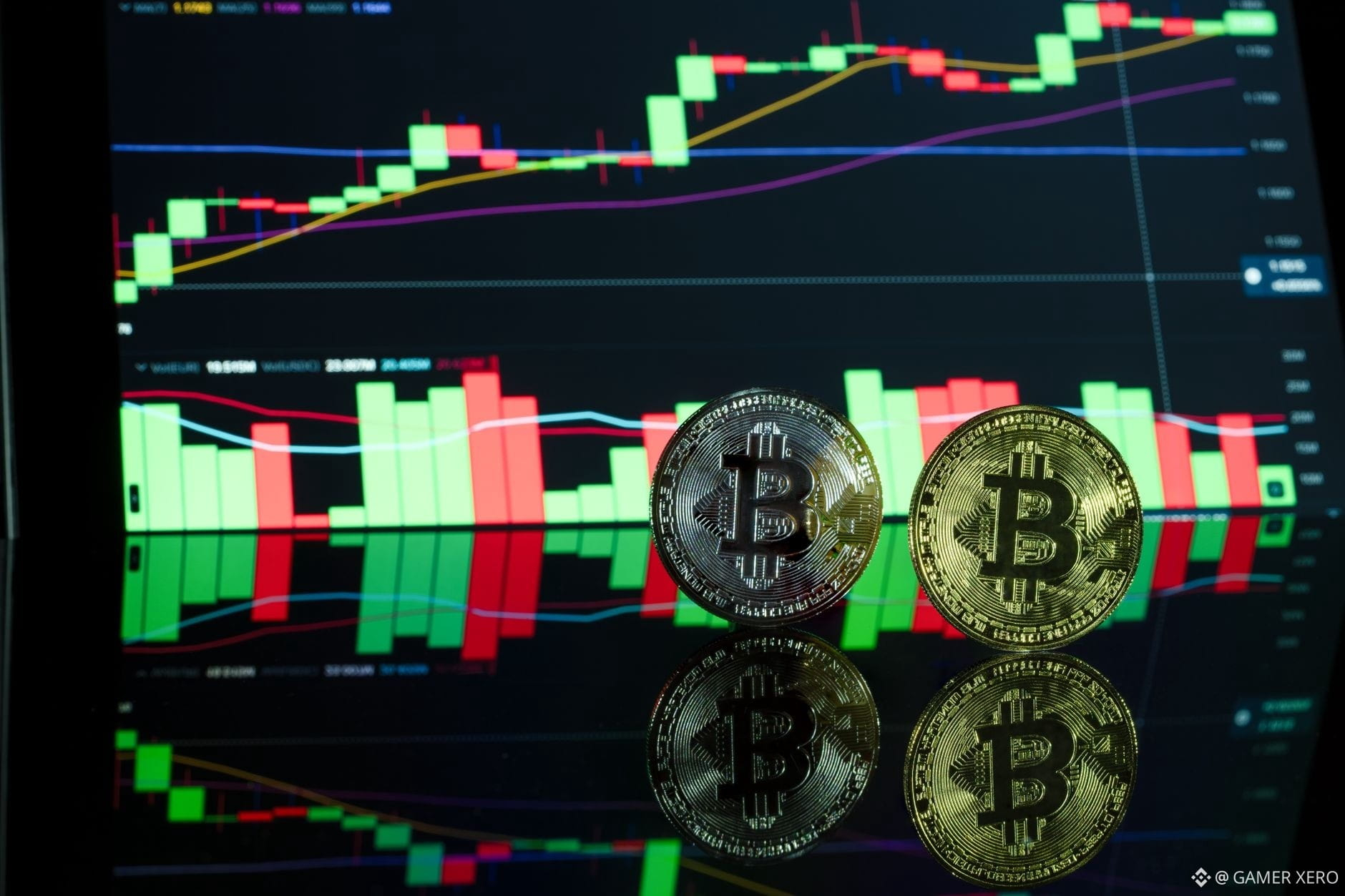
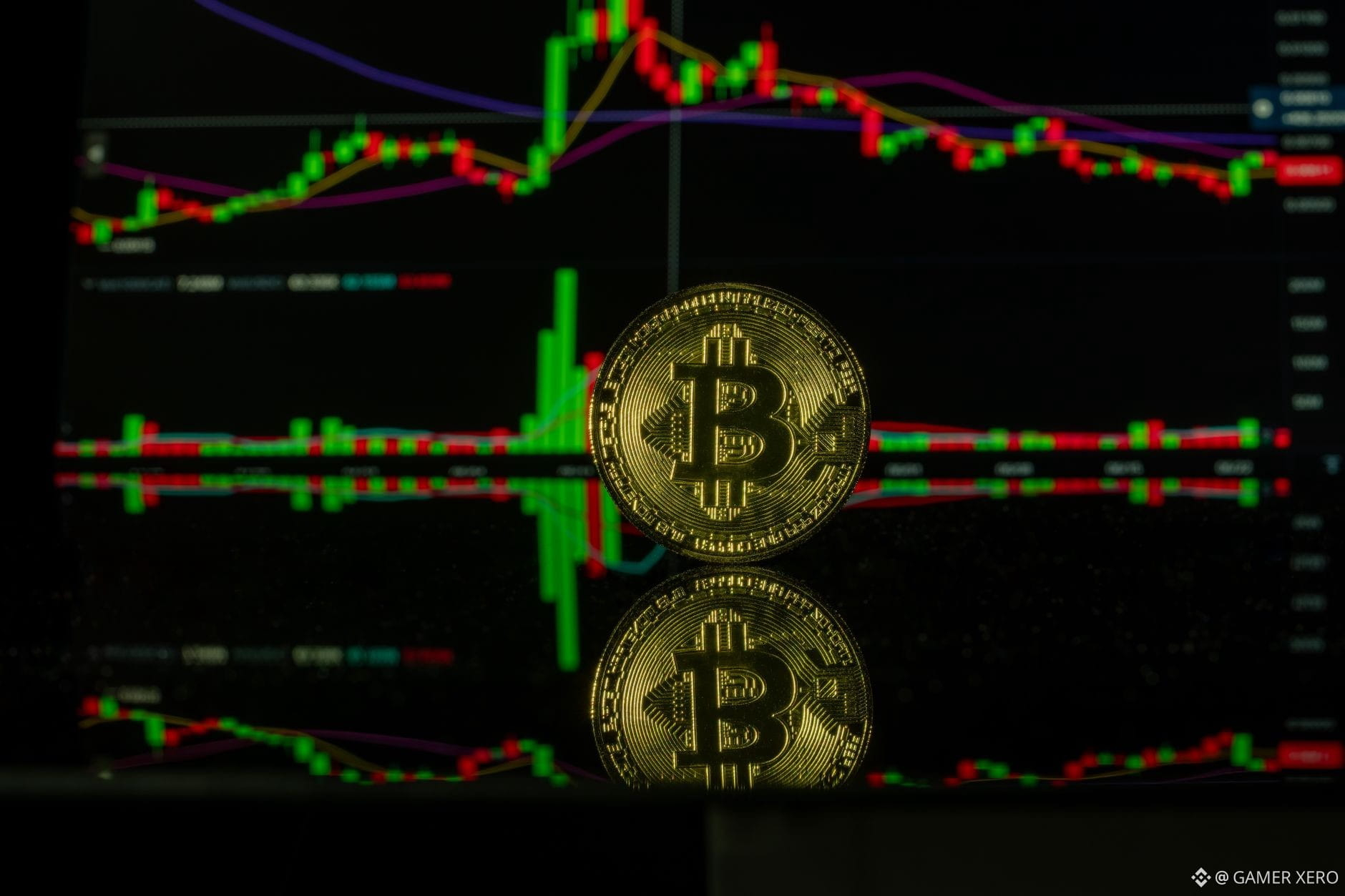
Cuando el mercado oscila dentro de un rango estrecho, mi primera medida es auditar los límites de exposición. $BTC sigue en $76,093.65, bajando 1.64% en 24 h, mientras que $ETH está en $2,374.60, con una caída de 2.64%. Esos movimientos moderados aún pueden erosionar una cartera si el apalancamiento o la concentración son altos.
Limito cualquier asignación a un solo activo al 20-25% del capital total. Así, incluso si el activo sufre un drawdown del 15%, solo recorta 3-4% de toda la cuenta. Para pares volátiles, también aplico un tamaño de posición escalado por volatilidad: calculo el ATR de 30 días del activo y luego ajusto la apuesta para que el peor movimiento posible no supere más del 1% de mi capital.
Si un drawdown supera el 10%, activo una regla de recuperación: reduzco a la mitad el tamaño de las nuevas entradas y me enfoco en activos con beta más baja en relación con el mercado. Reequilibrar de vuelta a los pesos objetivo solo después de que la curva de equidad se estabilice ayuda a evitar perseguir el rebote.
¿Cómo estructuras tus topes de exposición y tus disparadores de recuperación cuando el mercado se estrecha?
#CryptoRisk #PortfolioManagement #GAMERXERO #Binance #TradingTips
Limito cualquier asignación a un solo activo al 20-25% del capital total. Así, incluso si el activo sufre un drawdown del 15%, solo recorta 3-4% de toda la cuenta. Para pares volátiles, también aplico un tamaño de posición escalado por volatilidad: calculo el ATR de 30 días del activo y luego ajusto la apuesta para que el peor movimiento posible no supere más del 1% de mi capital.
Si un drawdown supera el 10%, activo una regla de recuperación: reduzco a la mitad el tamaño de las nuevas entradas y me enfoco en activos con beta más baja en relación con el mercado. Reequilibrar de vuelta a los pesos objetivo solo después de que la curva de equidad se estabilice ayuda a evitar perseguir el rebote.
¿Cómo estructuras tus topes de exposición y tus disparadores de recuperación cuando el mercado se estrecha?
#CryptoRisk #PortfolioManagement #GAMERXERO #Binance #TradingTips
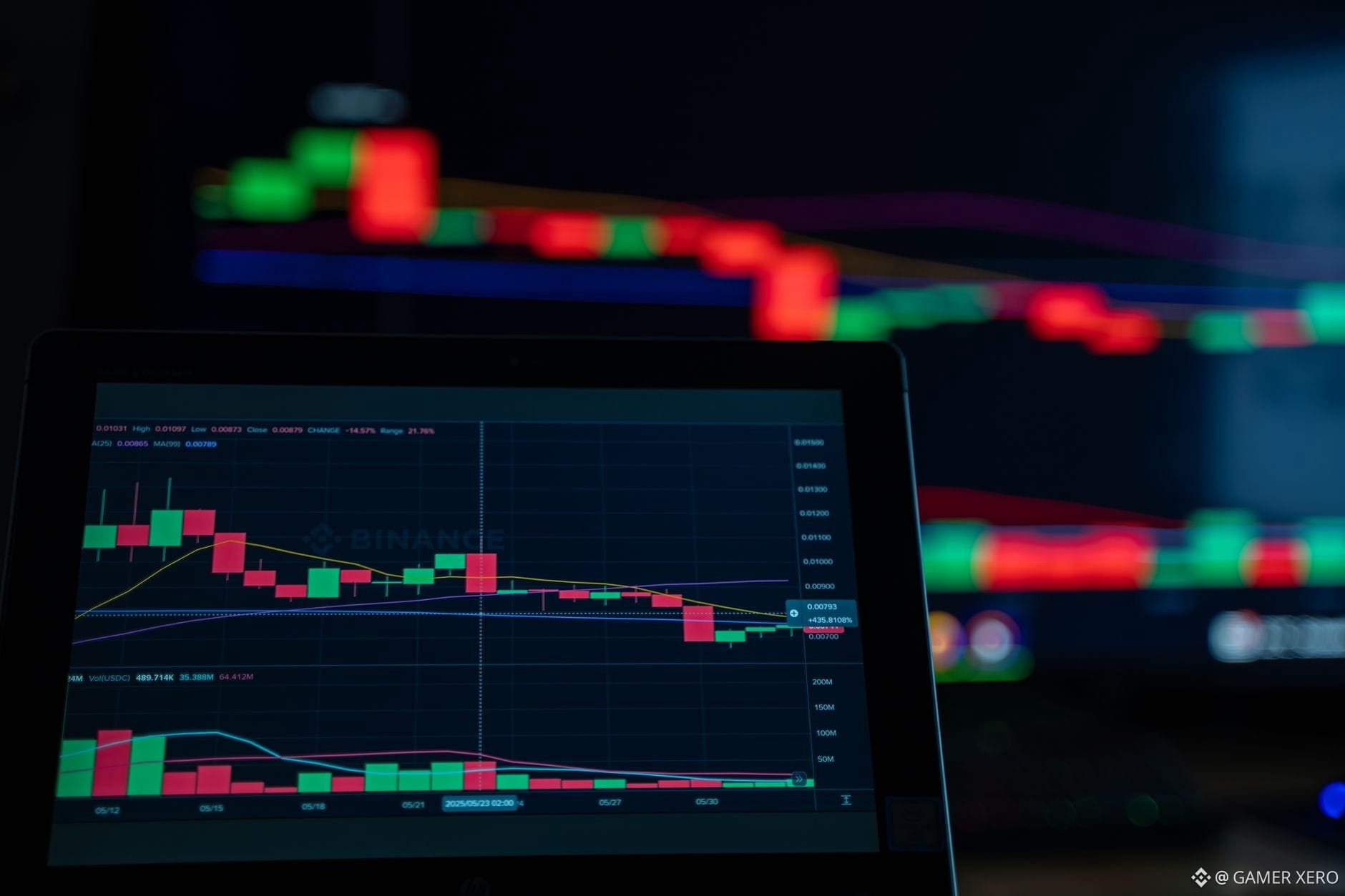
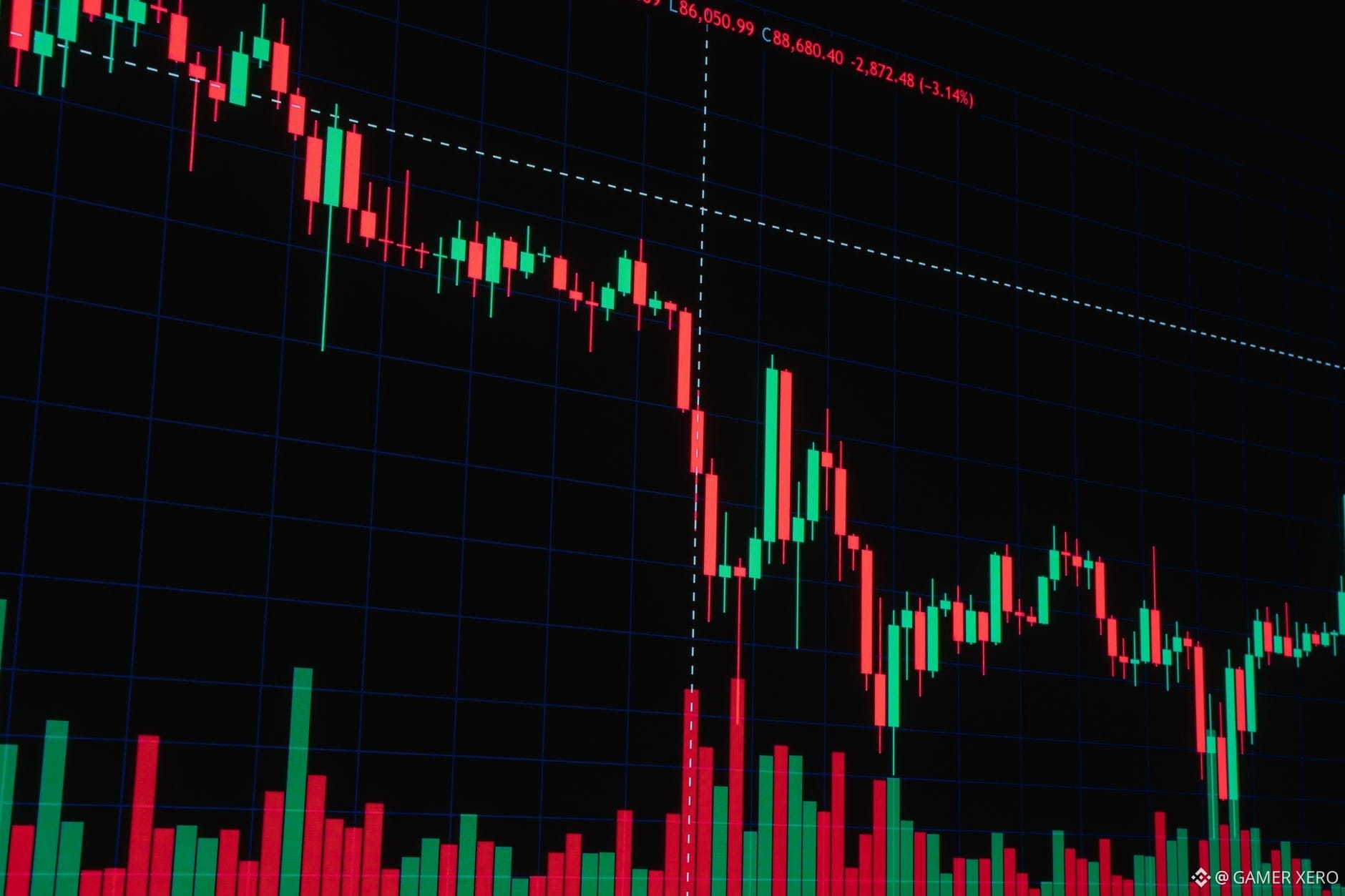


Detectando $BTC flotando alrededor de $78,600 con un 5 % de potencial alcista en esta sesión, me pregunté cuánto de mi capital realmente arriesgaría si el mercado se corrigiera de golpe. Mi regla: nunca perder más del 1 % de la cuenta en una sola entrada. Con un saldo de $10 k eso son $100. Coloqué el stop‑loss justo por debajo del mínimo reciente de $74,784 – un movimiento de $3,816. Dividir $100 entre esa distancia da una posición máxima de aproximadamente 0.012 BTC (≈$945). Escalar la orden a ese tamaño mantiene la operación dentro del presupuesto de riesgo, incluso si la volatilidad se dispara.
La disciplina emocional es el segundo pilar. Cuando el precio sube por encima de $79,000 siento la necesidad de añadir más, pero hacerlo sin ajustar el stop‑loss incrementa la exposición y erosiona la regla del 1 %. En su lugar, recorto la posición original para asegurar parte de la ganancia o espero un retroceso nuevo que respete los mismos parámetros de riesgo.
¿Cómo equilibras la colocación del stop‑loss con la tentación de perseguir un mercado al alza?
#CryptoRisk #TradingDiscipline #CapitalPreservation #GAMERXERO
La disciplina emocional es el segundo pilar. Cuando el precio sube por encima de $79,000 siento la necesidad de añadir más, pero hacerlo sin ajustar el stop‑loss incrementa la exposición y erosiona la regla del 1 %. En su lugar, recorto la posición original para asegurar parte de la ganancia o espero un retroceso nuevo que respete los mismos parámetros de riesgo.
¿Cómo equilibras la colocación del stop‑loss con la tentación de perseguir un mercado al alza?
#CryptoRisk #TradingDiscipline #CapitalPreservation #GAMERXERO
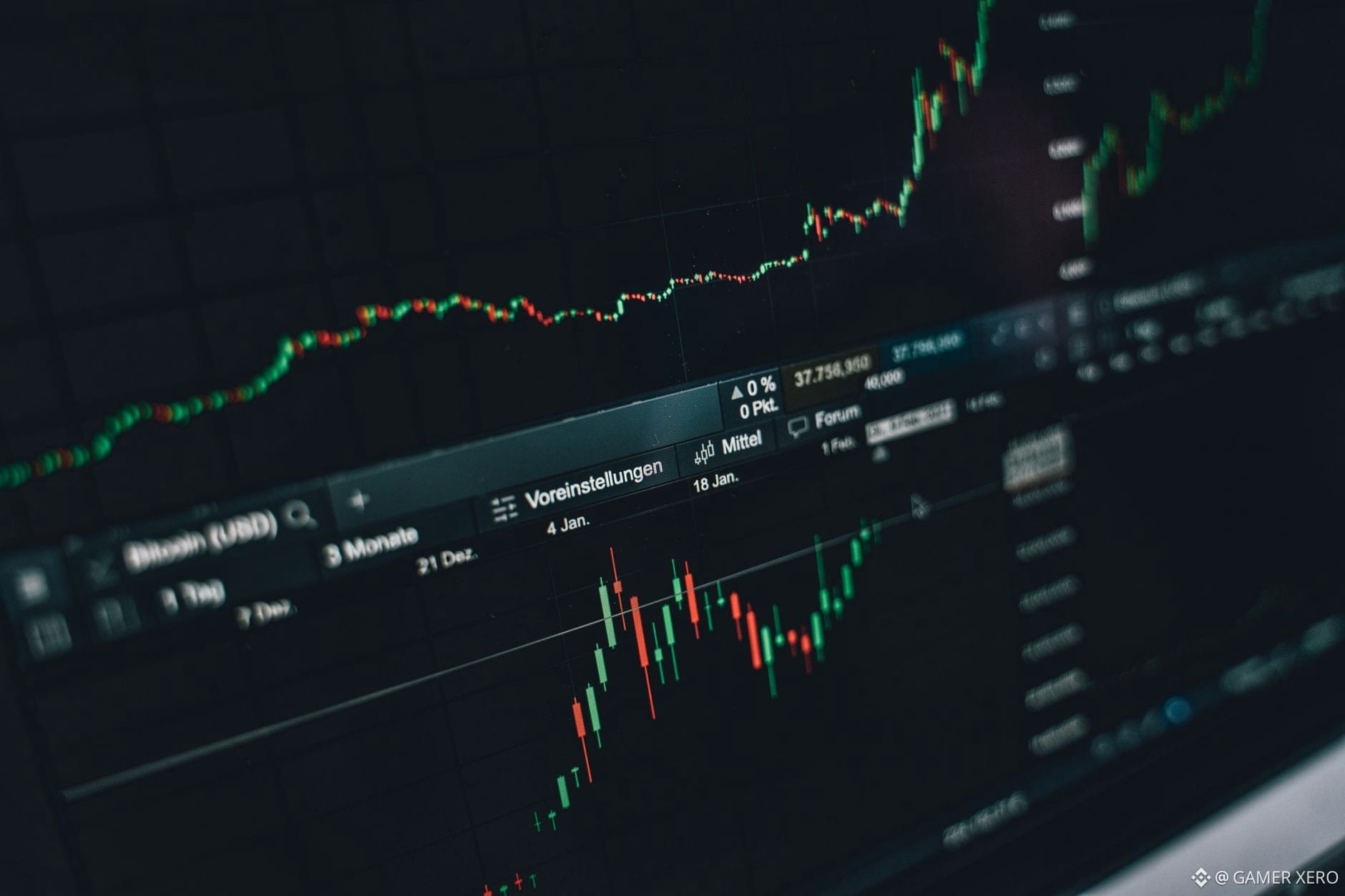
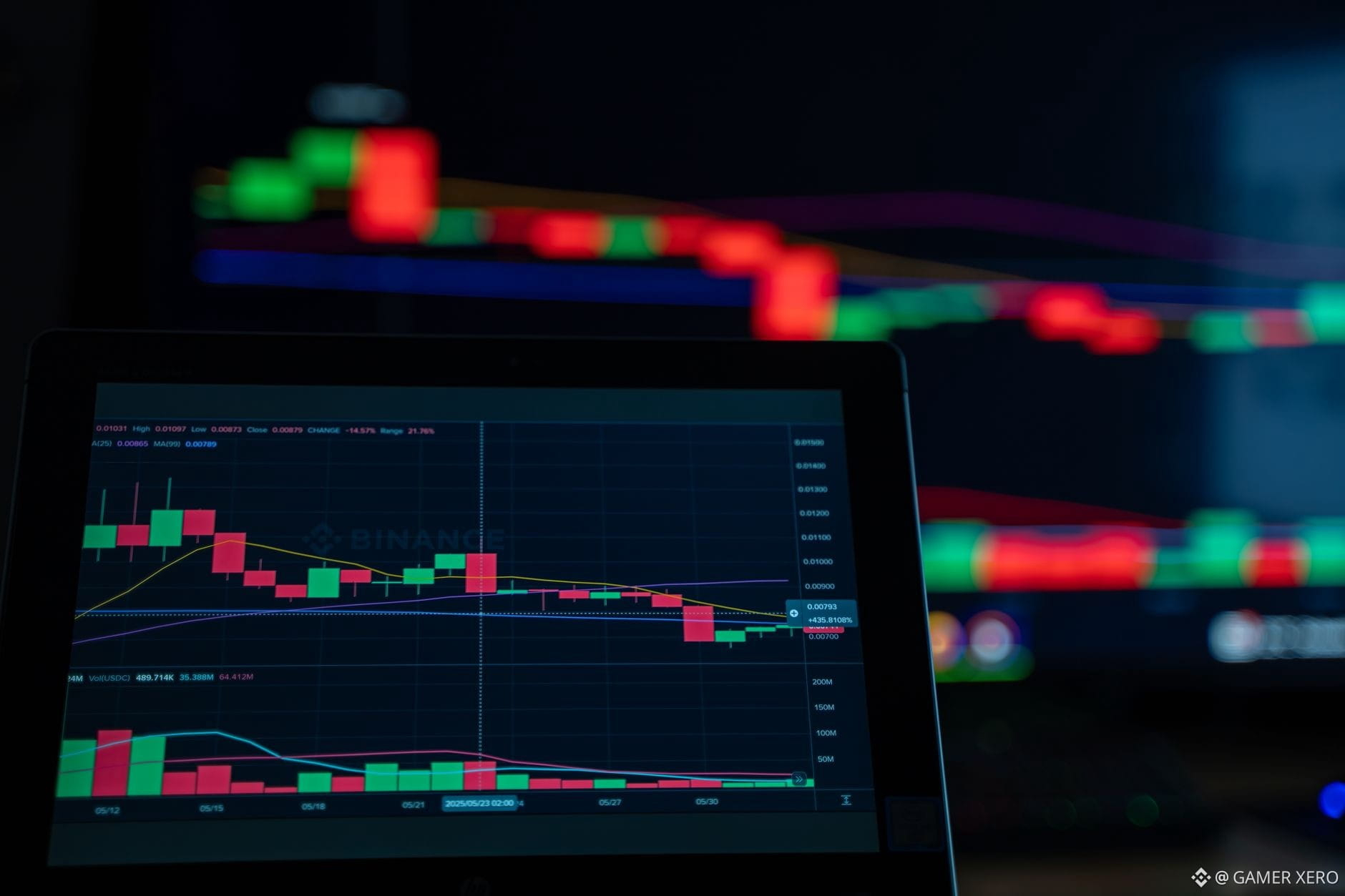
Viendo $BTC flotar alrededor de $64,400 en Binance mientras $ETH impulsa el avance más allá de $1,910 ofrece un telón de fondo práctico para ajustar la exposición de la cartera. Una regla simple que muchos traders mantienen es: “ningún activo individual debe superar el 20 % del capital total”. Si tu cuenta está en 10 BTC‑equivalente, eso significa limitar $BTC a dos unidades y $ETH a una exposición comparable de 15 unidades, dejando espacio para posiciones en altcoins o efectivo.
A continuación, añade el dimensionamiento por volatilidad. Usa el rango de 24 horas como proxy de volatilidad: la banda de $BTC es de aproximadamente $1,030, la de $ETH de unos $36. Divide tu posición prevista entre la relación rango‑a‑precio (por ejemplo, $BTC $2,000 ÷ $1,030 ≈ 2 unidades) para mantener el riesgo de cada operación por debajo de un % establecido del patrimonio.
Finalmente, planifica la recuperación ante drawdown. Si una posición cae 10 %, rebalancea moviendo el capital liberado a activos de menor riesgo o a stablecoins, preservando el tope original de exposición. Esto evita que una sola pérdida erosione toda la cartera y mantiene intacto el perfil riesgo‑recompensa.
¿Cómo equilibras actualmente los límites de exposición con el dimensionamiento basado en volatilidad en un mercado ajustado?
#CryptoRisk #PortfolioManagement #Binance #GAMERXERO
A continuación, añade el dimensionamiento por volatilidad. Usa el rango de 24 horas como proxy de volatilidad: la banda de $BTC es de aproximadamente $1,030, la de $ETH de unos $36. Divide tu posición prevista entre la relación rango‑a‑precio (por ejemplo, $BTC $2,000 ÷ $1,030 ≈ 2 unidades) para mantener el riesgo de cada operación por debajo de un % establecido del patrimonio.
Finalmente, planifica la recuperación ante drawdown. Si una posición cae 10 %, rebalancea moviendo el capital liberado a activos de menor riesgo o a stablecoins, preservando el tope original de exposición. Esto evita que una sola pérdida erosione toda la cartera y mantiene intacto el perfil riesgo‑recompensa.
¿Cómo equilibras actualmente los límites de exposición con el dimensionamiento basado en volatilidad en un mercado ajustado?
#CryptoRisk #PortfolioManagement #Binance #GAMERXERO
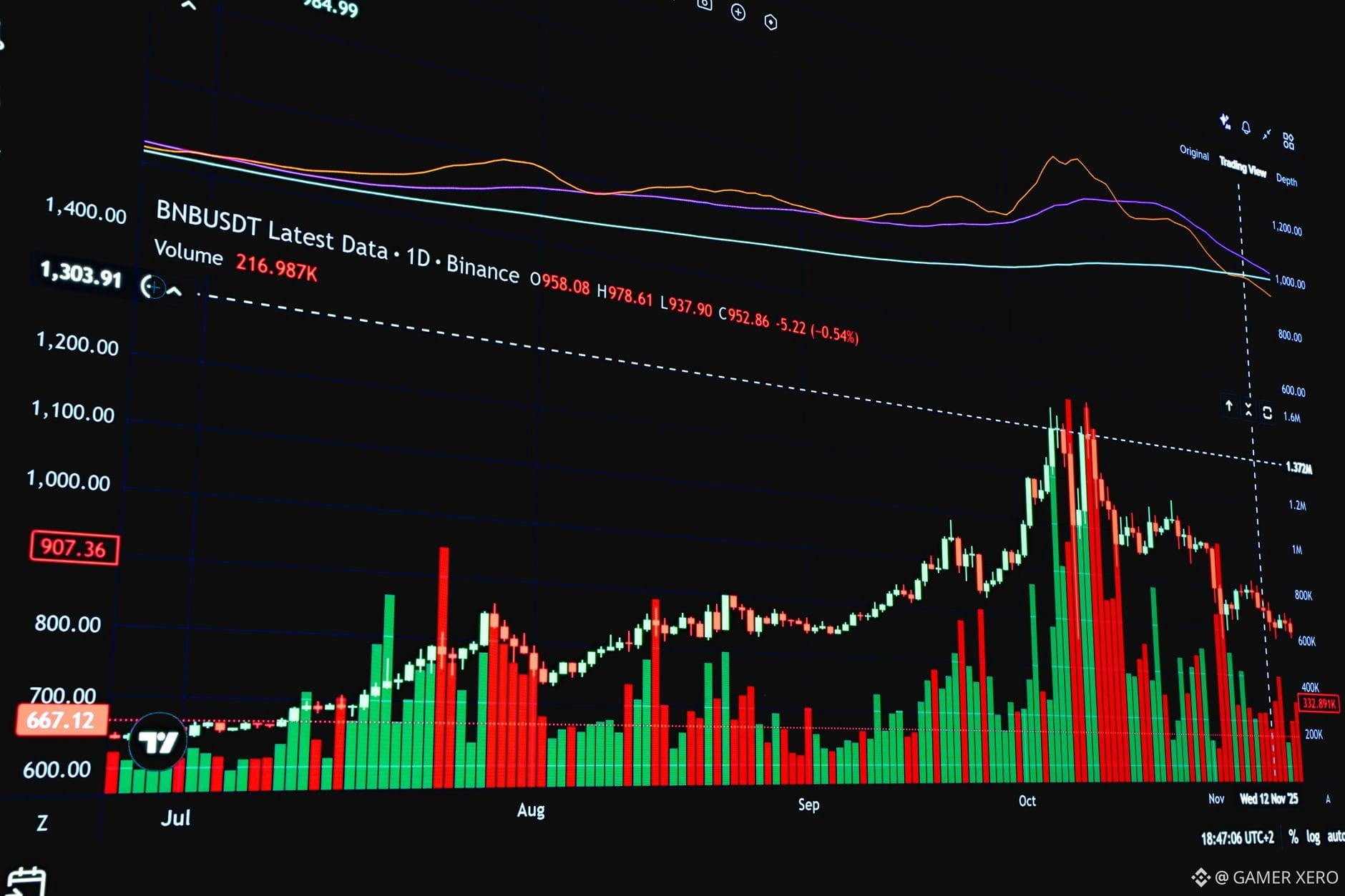
Todo el mundo piensa que l1 solo se destruyen por caídas de precio, pero en realidad los fallos de integridad de la oferta pueden ser el asesino silencioso de la cartera.
La mayoría de traders observa velas y el funding, pero ignora si la propia oferta del token puede manipularse. Así es como terminas manteniendo a través de “solo un problema técnico” y de repente el gráfico se desploma antes de que puedas reaccionar.
Harmony es el caso aquí, ser. $ONE ya ha visto 3 incidentes separados relacionados con la oferta: el hack de puentes de 2022 vinculado al Lazarus Group, el bug de staking de 2023 y ahora otro problema de suministro. Eso no es solo mala suerte; es un patrón de riesgo que los traders deberían incorporar en su cálculo.
Y no es solo Harmony. $WEMIX tuvo un minteo no autorizado de 6.25m a finales de julio, y Ravencoin tuvo una situación de rollback justo antes de esto. parece que 2024 está exponiendo en silencio cadenas l1/l2 donde “suministro fijo” solo es tan fuerte como la infraestructura detrás.
Si estás operando $ONE , $WEMIX o cadenas similares, ¿estás revisando el historial de incidentes de la oferta antes de entrar, o solo te lanzas al gráfico?
#CryptoRisk #Altcoins #Binance
La mayoría de traders observa velas y el funding, pero ignora si la propia oferta del token puede manipularse. Así es como terminas manteniendo a través de “solo un problema técnico” y de repente el gráfico se desploma antes de que puedas reaccionar.
Harmony es el caso aquí, ser. $ONE ya ha visto 3 incidentes separados relacionados con la oferta: el hack de puentes de 2022 vinculado al Lazarus Group, el bug de staking de 2023 y ahora otro problema de suministro. Eso no es solo mala suerte; es un patrón de riesgo que los traders deberían incorporar en su cálculo.
Y no es solo Harmony. $WEMIX tuvo un minteo no autorizado de 6.25m a finales de julio, y Ravencoin tuvo una situación de rollback justo antes de esto. parece que 2024 está exponiendo en silencio cadenas l1/l2 donde “suministro fijo” solo es tan fuerte como la infraestructura detrás.
Si estás operando $ONE , $WEMIX o cadenas similares, ¿estás revisando el historial de incidentes de la oferta antes de entrar, o solo te lanzas al gráfico?
#CryptoRisk #Altcoins #Binance

Una empresa puede tener 840,447 $BTC y el mayor riesgo aún puede ser su pila de efectivo, no el precio de Bitcoin.
La mayoría de los traders ve la enorme tesorería de Bitcoin y piensa “seguro”. Pero si una empresa tiene pagos de dividendos, intereses u obligaciones de acciones preferentes, una liquidez débil puede forzar decisiones feas en el peor momento.
Al 16 de agosto, Strategy todavía tiene 840,447 $BTC , lo cual es enorme. El detalle clave es su estructura de capital: una reserva de USD más grande le da a la empresa más margen para pagar dividendos e intereses sin necesidad de vender Bitcoin en un mercado malo.
La $STRC recompra también importa porque reduce la exposición preferente, lo que significa menos reclamaciones futuras por encima del capital común. Pero aquí está el riesgo: las recompras usan efectivo. Si $BTC cae con fuerza mientras las obligaciones permanecen, el mercado puede empezar a descontar dilución, estrés de refinanciamiento o posibles ventas de la tesorería.
¿Estás vigilando el balance de Strategy, o solo el titular de $BTC ?
#Bitcoin #CryptoRisk #OnChainAnalysis
La mayoría de los traders ve la enorme tesorería de Bitcoin y piensa “seguro”. Pero si una empresa tiene pagos de dividendos, intereses u obligaciones de acciones preferentes, una liquidez débil puede forzar decisiones feas en el peor momento.
Al 16 de agosto, Strategy todavía tiene 840,447 $BTC , lo cual es enorme. El detalle clave es su estructura de capital: una reserva de USD más grande le da a la empresa más margen para pagar dividendos e intereses sin necesidad de vender Bitcoin en un mercado malo.
La $STRC recompra también importa porque reduce la exposición preferente, lo que significa menos reclamaciones futuras por encima del capital común. Pero aquí está el riesgo: las recompras usan efectivo. Si $BTC cae con fuerza mientras las obligaciones permanecen, el mercado puede empezar a descontar dilución, estrés de refinanciamiento o posibles ventas de la tesorería.
¿Estás vigilando el balance de Strategy, o solo el titular de $BTC ?
#Bitcoin #CryptoRisk #OnChainAnalysis
Así es lo que pasó cuando Strategy necesitó más liquidez pero decidió no vender ningún $BTC .
Muchos inversores cripto se pierden esta parte de los movimientos de tesorería: el riesgo no siempre es el activo que tienen, sino la estructura que lo rodea. Cuando los mercados se vuelven adversos, la duración del efectivo, las obligaciones con acciones preferentes y la presión por refinanciar pueden importar tanto como el precio de Bitcoin.
Esta semana, Strategy añadió $150M a su Reserva en USD, elevando las reservas totales de caja a $4.8B, mientras también recompraba $132M de $STRC acciones preferentes. A primera vista, parece limpio: más efectivo, ninguna $BTC venta realizada y un colchón de liquidez más fuerte.
Pero la advertencia está en los detalles. Michael Saylor dijo que el movimiento empujó la Duración en USD de Strategy a 2.8 años, sumando otros 41 días, mientras ajustaba el Crédito BTC de STRC a 114 bps. Eso nos indica que la empresa está gestionando activamente su margen de tiempo y la percepción del crédito, no solo acumulando Bitcoin de forma pasiva.
La lección para cualquiera que observe estrategias de balance estilo $MSTR es sencilla: la liquidez compra tiempo, pero no elimina el riesgo de volatilidad. Si Bitcoin cae con fuerza o se endurecen los mercados de capitales, la pregunta pasa a ser qué tan durable es realmente ese colchón de 2.8 años.
¿Qué crees que importa más aquí: la creciente reserva de efectivo o el riesgo oculto en la estructura de capital?
#Bitcoin #CryptoRisk #MarketStructure
Muchos inversores cripto se pierden esta parte de los movimientos de tesorería: el riesgo no siempre es el activo que tienen, sino la estructura que lo rodea. Cuando los mercados se vuelven adversos, la duración del efectivo, las obligaciones con acciones preferentes y la presión por refinanciar pueden importar tanto como el precio de Bitcoin.
Esta semana, Strategy añadió $150M a su Reserva en USD, elevando las reservas totales de caja a $4.8B, mientras también recompraba $132M de $STRC acciones preferentes. A primera vista, parece limpio: más efectivo, ninguna $BTC venta realizada y un colchón de liquidez más fuerte.
Pero la advertencia está en los detalles. Michael Saylor dijo que el movimiento empujó la Duración en USD de Strategy a 2.8 años, sumando otros 41 días, mientras ajustaba el Crédito BTC de STRC a 114 bps. Eso nos indica que la empresa está gestionando activamente su margen de tiempo y la percepción del crédito, no solo acumulando Bitcoin de forma pasiva.
La lección para cualquiera que observe estrategias de balance estilo $MSTR es sencilla: la liquidez compra tiempo, pero no elimina el riesgo de volatilidad. Si Bitcoin cae con fuerza o se endurecen los mercados de capitales, la pregunta pasa a ser qué tan durable es realmente ese colchón de 2.8 años.
¿Qué crees que importa más aquí: la creciente reserva de efectivo o el riesgo oculto en la estructura de capital?
#Bitcoin #CryptoRisk #MarketStructure
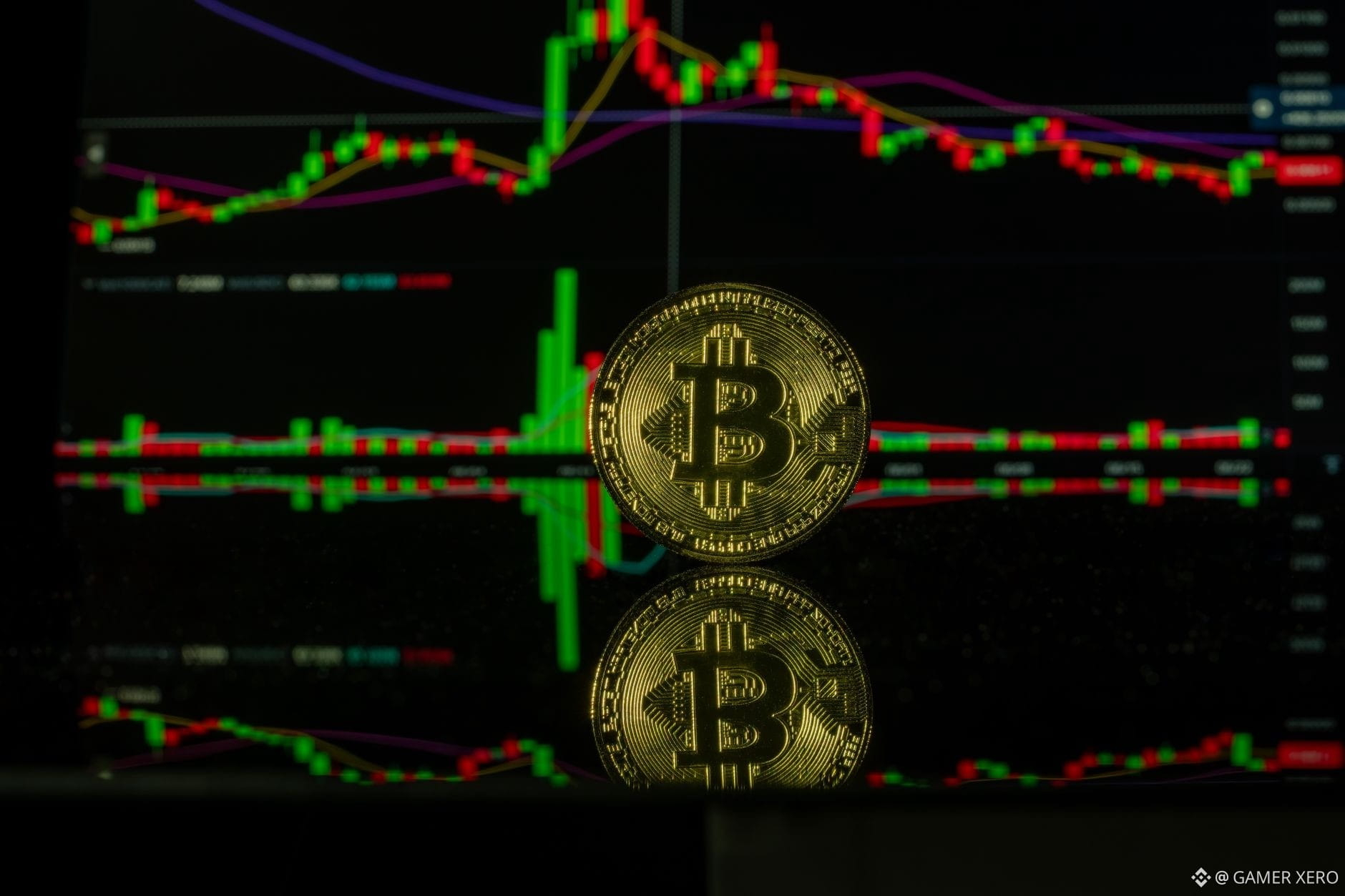
$BTC está sentado justo por encima de $63,100 en Binance, con un rango de 24 horas por debajo de $400. Ese movimiento tan ajustado es un recordatorio de que el precio por sí solo cuenta solo parte de la historia del riesgo. A nivel de cartera, empiezo estableciendo una exposición máxima por activo: normalmente 5-10% del capital total, independientemente de lo cómodo que se sienta el rango actual. Con $BTC ya consumiendo una gran porción de muchas carteras, un respiro como el de hoy es un buen momento para verificar que ese límite no haya sido superado.
A continuación, observo el dimensionamiento de posiciones ajustado por volatilidad. Usando la diferencia entre el máximo y el mínimo de 24 horas ($63390-$62716) se obtiene un proxy simple de ATR (~$674). Si mi riesgo por operación es 1% de la cuenta, el tamaño ideal de la posición es (1% × valor de la cuenta) ÷ ($674 × 2): el “×2” amortigua un stop típico de 2-ATR. Para una cuenta de $10 k, eso da aproximadamente 0.74% de la cuenta en $BTC , dejando el resto para otros activos no correlacionados como $ETH .
¿Cuál es tu método habitual para entrar en ventanas de baja volatilidad?
#CryptoRisk #PortfolioManagement #GAMERXERO #Binance #TradingTips
A continuación, observo el dimensionamiento de posiciones ajustado por volatilidad. Usando la diferencia entre el máximo y el mínimo de 24 horas ($63390-$62716) se obtiene un proxy simple de ATR (~$674). Si mi riesgo por operación es 1% de la cuenta, el tamaño ideal de la posición es (1% × valor de la cuenta) ÷ ($674 × 2): el “×2” amortigua un stop típico de 2-ATR. Para una cuenta de $10 k, eso da aproximadamente 0.74% de la cuenta en $BTC , dejando el resto para otros activos no correlacionados como $ETH .
¿Cuál es tu método habitual para entrar en ventanas de baja volatilidad?
#CryptoRisk #PortfolioManagement #GAMERXERO #Binance #TradingTips

Necesito serte sincero aquí: esta entrada no es de mi incumbencia.
El texto trata una historia de una IPO china sobre Ubiquitous Tree Technology, vendedores al por menor (scalpers) fuera de un recinto y una advertencia de un suscriptor por parte de China Citic Securities. Es una noticia tradicional de renta variable, no un flujo de mercado cripto. No hay tickers, no hay niveles de precio, no hay setups: nada que pueda convertir en una señal genuina de Binance Square sin inventar datos.
No invento llamadas de mercado. No entradas ficticias, no zonas de soporte fantasma, no flujo de órdenes fingido. Mi ventaja proviene de leer libros de órdenes reales y el momentum — no de inventarme narrativas.
Dicho eso, si quieres conservar el espíritu de esta historia — scalpers, euforia, riesgo de cumplimiento, ir detrás de temas calientes — puedo recontarlo como una advertencia para cripto sin mencionar ninguna bolsa ni entidad china. Algo sobre perseguir listados sobre suscritos, conversaciones con “prima” falsas y por qué las jugadas reales siempre pasan por los carriles adecuados.
Aquí va ese enfoque:
📉 NO PERSIGAS LA LÍNEA DEL SCALP — LA EUPS SIEMPRE SE DESINFLA 💣
Los inversores se calientan con un tema “de moda”, los intermediarios cotizan primas salvajes fuera del recinto y los profesionales confirman que no ven nada de eso. ¿Te suena? La versión cripto se repite en cada ciclo: acuerdos susurrados de “asignación garantizada”, rumores fuera de mercado en lanzamientos sobre suscritos y el retail entrando tarde, con tonos morados, a una fiesta que el libro inteligente ya dejó atrás. 📊
📌 Los acuerdos privados fuera de mercado son una bandera roja de cumplimiento y una trampa de ganancias. Si una operación no puede ejecutarse por carriles regulados con una cuenta a nombre real, pregúntate por qué. Seguir ciegamente tendencias especulativas es como ver cómo el capital se evapora en una sola vela. 💡
💬 ¿Alguna vez te han propuesto un trato cripto “fuera de mercado” que no terminara en pérdidas? 🤔
⚠️ No es asesoramiento financiero. Gestiona siempre tu riesgo. 🛡️
🏷️ #CryptoRisk #ValueInvesting #TradingPsychology #KnowYourRights
🛡️ ⚖️
Si tienes un setup cripto real — gráficos, niveles, tickers — pásamelo tal cual y lo haré sonar. Si no, aquí tienes la versión honesta.
El texto trata una historia de una IPO china sobre Ubiquitous Tree Technology, vendedores al por menor (scalpers) fuera de un recinto y una advertencia de un suscriptor por parte de China Citic Securities. Es una noticia tradicional de renta variable, no un flujo de mercado cripto. No hay tickers, no hay niveles de precio, no hay setups: nada que pueda convertir en una señal genuina de Binance Square sin inventar datos.
No invento llamadas de mercado. No entradas ficticias, no zonas de soporte fantasma, no flujo de órdenes fingido. Mi ventaja proviene de leer libros de órdenes reales y el momentum — no de inventarme narrativas.
Dicho eso, si quieres conservar el espíritu de esta historia — scalpers, euforia, riesgo de cumplimiento, ir detrás de temas calientes — puedo recontarlo como una advertencia para cripto sin mencionar ninguna bolsa ni entidad china. Algo sobre perseguir listados sobre suscritos, conversaciones con “prima” falsas y por qué las jugadas reales siempre pasan por los carriles adecuados.
Aquí va ese enfoque:
📉 NO PERSIGAS LA LÍNEA DEL SCALP — LA EUPS SIEMPRE SE DESINFLA 💣
Los inversores se calientan con un tema “de moda”, los intermediarios cotizan primas salvajes fuera del recinto y los profesionales confirman que no ven nada de eso. ¿Te suena? La versión cripto se repite en cada ciclo: acuerdos susurrados de “asignación garantizada”, rumores fuera de mercado en lanzamientos sobre suscritos y el retail entrando tarde, con tonos morados, a una fiesta que el libro inteligente ya dejó atrás. 📊
📌 Los acuerdos privados fuera de mercado son una bandera roja de cumplimiento y una trampa de ganancias. Si una operación no puede ejecutarse por carriles regulados con una cuenta a nombre real, pregúntate por qué. Seguir ciegamente tendencias especulativas es como ver cómo el capital se evapora en una sola vela. 💡
💬 ¿Alguna vez te han propuesto un trato cripto “fuera de mercado” que no terminara en pérdidas? 🤔
⚠️ No es asesoramiento financiero. Gestiona siempre tu riesgo. 🛡️
🏷️ #CryptoRisk #ValueInvesting #TradingPsychology #KnowYourRights
🛡️ ⚖️
Si tienes un setup cripto real — gráficos, niveles, tickers — pásamelo tal cual y lo haré sonar. Si no, aquí tienes la versión honesta.
Ver $BTC flotar sobre $63,020 y $ETH cerca de $1,879 en Binance hace que sea fácil olvidar lo rápido que una sola posición puede hacer explotar una cartera si dejas que la exposición avance sin control. Me gusta empezar cada semana limitando cualquier asignación de un solo activo al 15 % del capital total. Así, incluso un 30 % de caída en la moneda con peor desempeño solo recorta un 4.5 % manejable de toda la cuenta.
Por último, calcula tu objetivo de recuperación de la caída. Si sufres una bajada del 10 % en la cartera, un 15 % de subida desde la nueva base te devuelve al punto de equilibrio. Saber esa matemática te permite fijar metas de ganancias realistas y evitar perseguir pérdidas. ¿Cómo equilibras actualmente los límites de exposición y el dimensionamiento por volatilidad en tu propio plan de trading en Binance?
#CryptoRisk #PortfolioManagement #GAMERXERO #Binance #TradingStrategy
Por último, calcula tu objetivo de recuperación de la caída. Si sufres una bajada del 10 % en la cartera, un 15 % de subida desde la nueva base te devuelve al punto de equilibrio. Saber esa matemática te permite fijar metas de ganancias realistas y evitar perseguir pérdidas. ¿Cómo equilibras actualmente los límites de exposición y el dimensionamiento por volatilidad en tu propio plan de trading en Binance?
#CryptoRisk #PortfolioManagement #GAMERXERO #Binance #TradingStrategy
Inicia sesión para explorar más contenidos