

EmPtY⁰
51 Publicaciones

EmPtY⁰
Denunciar
Bloquear usuario
Abrir trade
Trader frecuente
4.1 año(s)
5 Siguiendo
49 Seguidores
152 Me gusta
Publicaciones
Cartera
Todo
Citas
·
--
Acabo de pasar por la red de pruebas pública para el préstamo nativo respaldado por Bitcoin en Aave v4. Esta es la verdadera apertura.
Las Bóvedas de Bitcoin sin confianza (TBV) de @BabylonLabs_io te permiten aportar BTC real como garantía sin envolverlo, transferirlo mediante puentes ni entregar las claves a nadie. Autosoberanía de principio a fin. Tú mantienes tu Bitcoin, obtienes las tasas de préstamo DeFi y todo permanece sin confianza.
La eficiencia de capital por fin se encuentra con el modelo de seguridad de Bitcoin. Ya no más quedarse con bolsas inactivas mientras el resto de DeFi avanza. TBV convierte el BTC nativo en una garantía utilizable entre cadenas y aplicaciones, empezando con Aave.
La testnet está en marcha. Ve a probar el flujo tú mismo si aún no lo hiciste. Este es el tipo de primitiva que realmente mueve la aguja para los poseedores de BTC que quieren utilidad sin los compromisos habituales.
#baby $BABY
Acabo de pasar por la red de pruebas pública para el préstamo nativo respaldado por Bitcoin en Aave v4. Esta es la verdadera apertura.
Las Bóvedas de Bitcoin sin confianza (TBV) de @BabylonLabs_io te permiten aportar BTC real como garantía sin envolverlo, transferirlo mediante puentes ni entregar las claves a nadie. Autosoberanía de principio a fin. Tú mantienes tu Bitcoin, obtienes las tasas de préstamo DeFi y todo permanece sin confianza.
La eficiencia de capital por fin se encuentra con el modelo de seguridad de Bitcoin. Ya no más quedarse con bolsas inactivas mientras el resto de DeFi avanza. TBV convierte el BTC nativo en una garantía utilizable entre cadenas y aplicaciones, empezando con Aave.
La testnet está en marcha. Ve a probar el flujo tú mismo si aún no lo hiciste. Este es el tipo de primitiva que realmente mueve la aguja para los poseedores de BTC que quieren utilidad sin los compromisos habituales.
#baby $BABY
Las Bóvedas de Bitcoin sin confianza (TBV) de @BabylonLabs_io te permiten aportar BTC real como garantía sin envolverlo, transferirlo mediante puentes ni entregar las claves a nadie. Autosoberanía de principio a fin. Tú mantienes tu Bitcoin, obtienes las tasas de préstamo DeFi y todo permanece sin confianza.
La eficiencia de capital por fin se encuentra con el modelo de seguridad de Bitcoin. Ya no más quedarse con bolsas inactivas mientras el resto de DeFi avanza. TBV convierte el BTC nativo en una garantía utilizable entre cadenas y aplicaciones, empezando con Aave.
La testnet está en marcha. Ve a probar el flujo tú mismo si aún no lo hiciste. Este es el tipo de primitiva que realmente mueve la aguja para los poseedores de BTC que quieren utilidad sin los compromisos habituales.
#baby $BABY
74
·
--
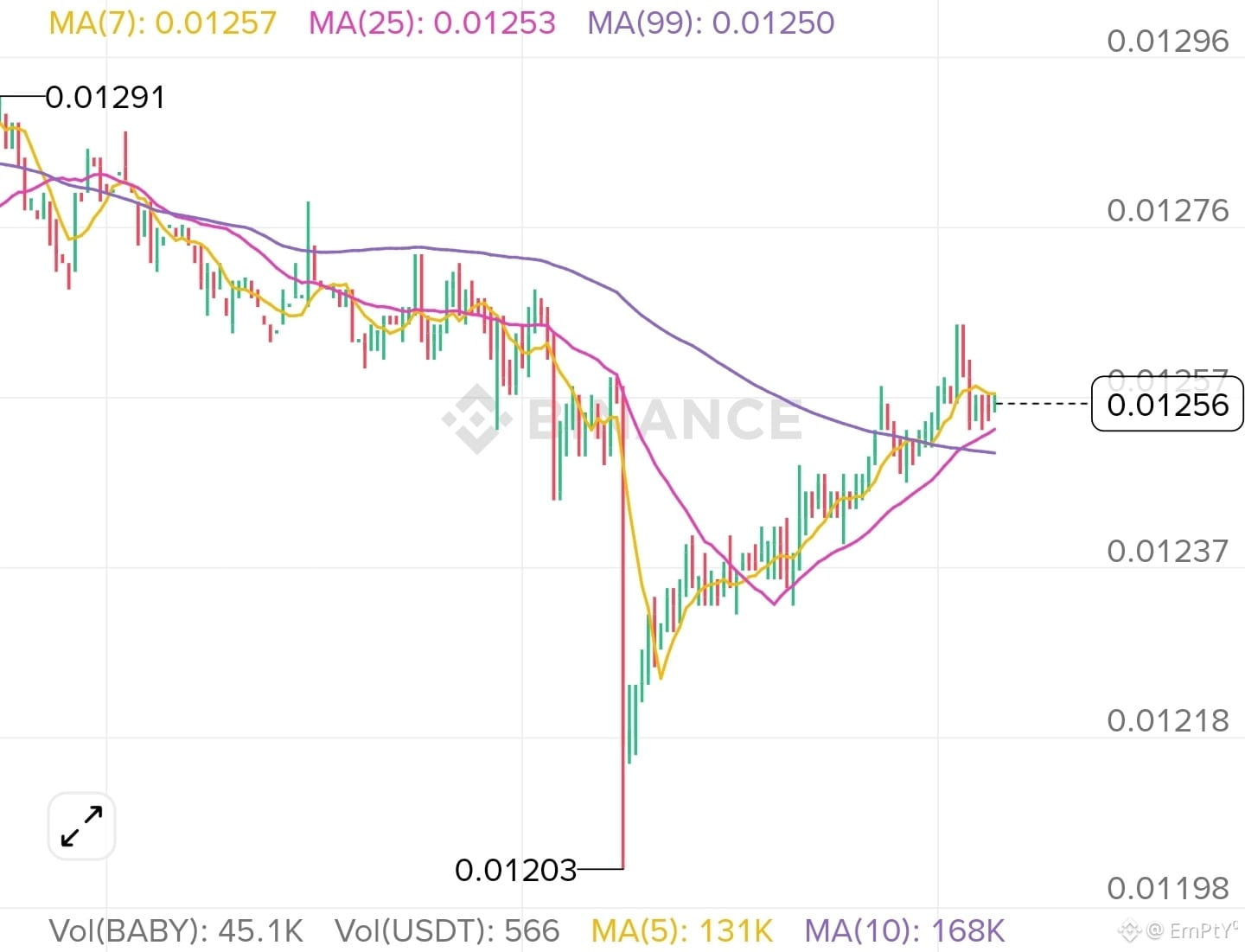
Llevo más rato mirando la configuración de las bóvedas de Bitcoin sin confianza de Babylon que mis posiciones abiertas esta semana, honestamente. Como alguien que ya se quemó con exploits de BTC envuelto antes, este es el primer modelo de BTC como colateral que elimina la parte que más odio: tener que confiar en algún operador de multisig o de puente con mis monedas. Con TBV puedes pedir prestados stablecoins contra tu Bitcoin bloqueado sin envolverlo, sin puentearlo y sin renunciar a tus llaves. Pagas el préstamo y se desbloquea la garantía, así de simple.
Pero el número que me detuvo al desplazar: el token de Babylon se está comerciando a aproximadamente el 1% de su TVL, mientras que el BTC nunca sale de la cadena de Bitcoin y ningún custodio lo toca. Es un desajuste brutal para cualquiera que negocie con narrativas: o el mercado aún no se ha puesto al día con lo que realmente está bloqueado aquí, o esto sigue estando peligrosamente fuera del radar.
Estoy siguiendo de cerca a @BabylonLabs_io en este ciclo. $BABY no es solo un token de gobernanza montado en el hype; está conectado de forma estructural a cómo funcionan estas bóvedas a medida que la adopción escala entre cadenas. Si BTCFi va a ir a algún lado este ciclo, la garantía sin confianza sin los intercambios habituales de custodia es el setup que realmente sobrevive una prueba de estrés de mercado bajista. #baby $BABY
Llevo más rato mirando la configuración de las bóvedas de Bitcoin sin confianza de Babylon que mis posiciones abiertas esta semana, honestamente. Como alguien que ya se quemó con exploits de BTC envuelto antes, este es el primer modelo de BTC como colateral que elimina la parte que más odio: tener que confiar en algún operador de multisig o de puente con mis monedas. Con TBV puedes pedir prestados stablecoins contra tu Bitcoin bloqueado sin envolverlo, sin puentearlo y sin renunciar a tus llaves. Pagas el préstamo y se desbloquea la garantía, así de simple.
Pero el número que me detuvo al desplazar: el token de Babylon se está comerciando a aproximadamente el 1% de su TVL, mientras que el BTC nunca sale de la cadena de Bitcoin y ningún custodio lo toca. Es un desajuste brutal para cualquiera que negocie con narrativas: o el mercado aún no se ha puesto al día con lo que realmente está bloqueado aquí, o esto sigue estando peligrosamente fuera del radar.
Estoy siguiendo de cerca a @BabylonLabs_io en este ciclo. $BABY no es solo un token de gobernanza montado en el hype; está conectado de forma estructural a cómo funcionan estas bóvedas a medida que la adopción escala entre cadenas. Si BTCFi va a ir a algún lado este ciclo, la garantía sin confianza sin los intercambios habituales de custodia es el setup que realmente sobrevive una prueba de estrés de mercado bajista. #baby $BABY
Pero el número que me detuvo al desplazar: el token de Babylon se está comerciando a aproximadamente el 1% de su TVL, mientras que el BTC nunca sale de la cadena de Bitcoin y ningún custodio lo toca. Es un desajuste brutal para cualquiera que negocie con narrativas: o el mercado aún no se ha puesto al día con lo que realmente está bloqueado aquí, o esto sigue estando peligrosamente fuera del radar.
Estoy siguiendo de cerca a @BabylonLabs_io en este ciclo. $BABY no es solo un token de gobernanza montado en el hype; está conectado de forma estructural a cómo funcionan estas bóvedas a medida que la adopción escala entre cadenas. Si BTCFi va a ir a algún lado este ciclo, la garantía sin confianza sin los intercambios habituales de custodia es el setup que realmente sobrevive una prueba de estrés de mercado bajista. #baby $BABY
1
2
75
·
--
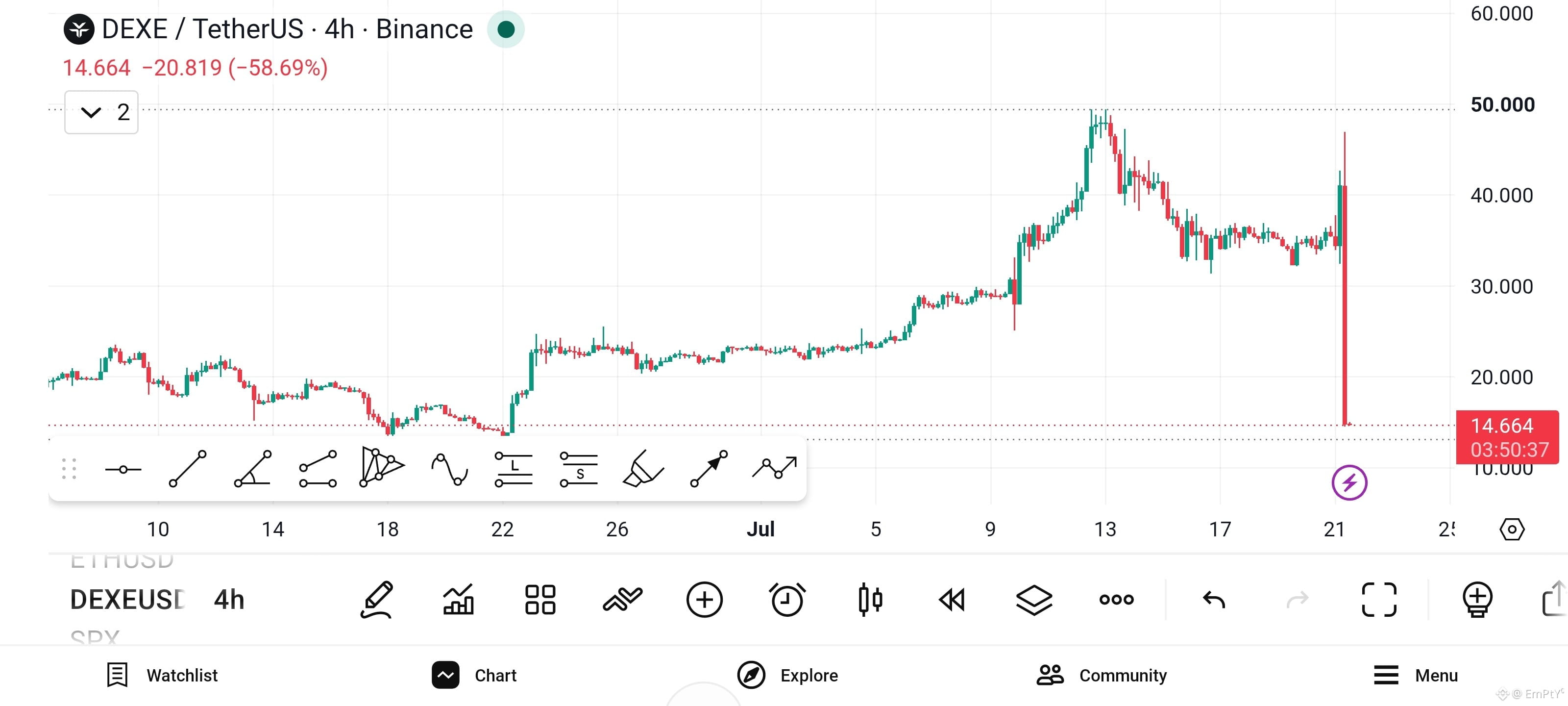
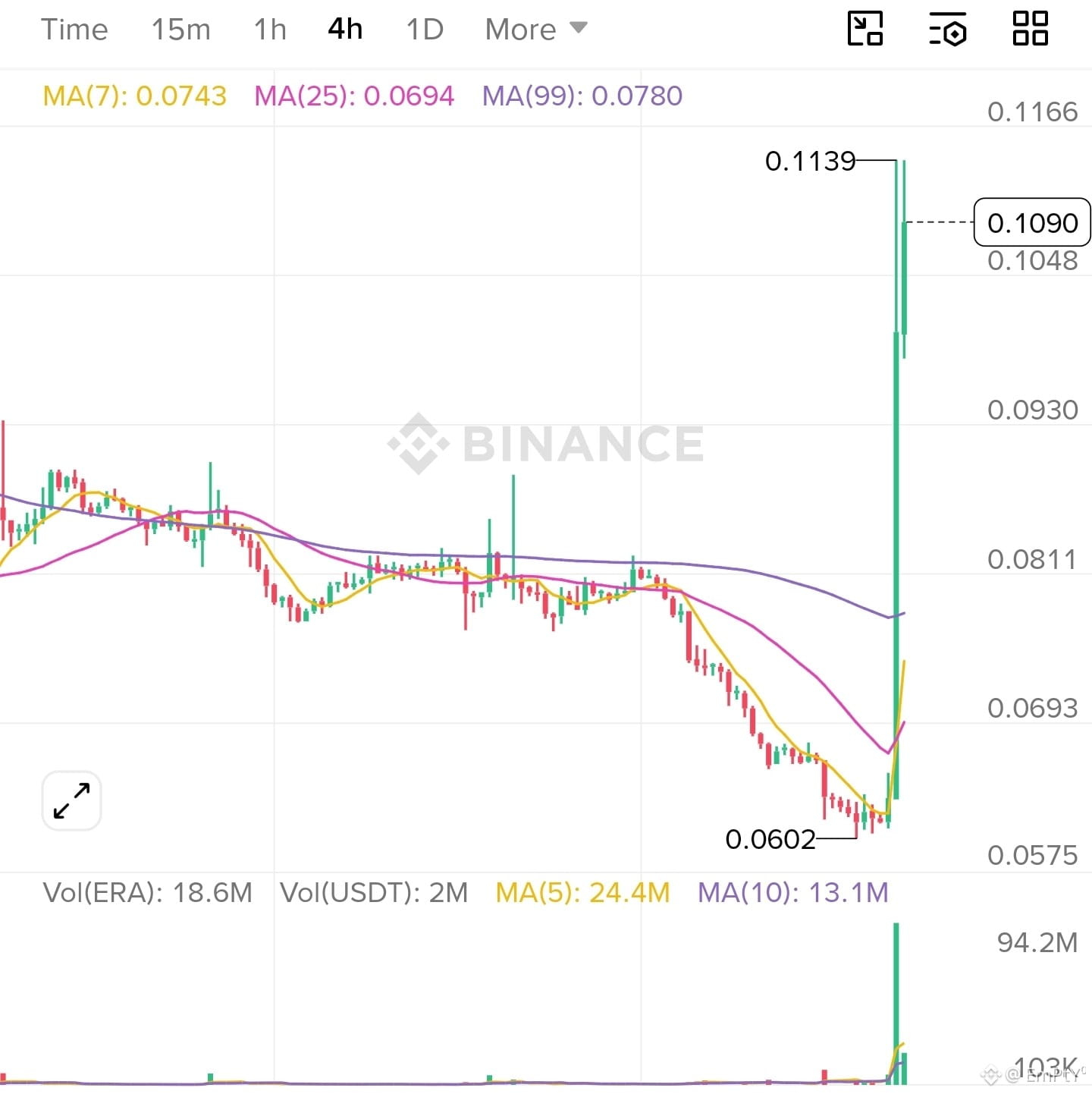
Dije que $DEXE es como $AIA $MYX aquí está la razón
Dije que $DEXE es como $AIA $MYX aquí está la razón
2
1.1k
·
--
Artículo
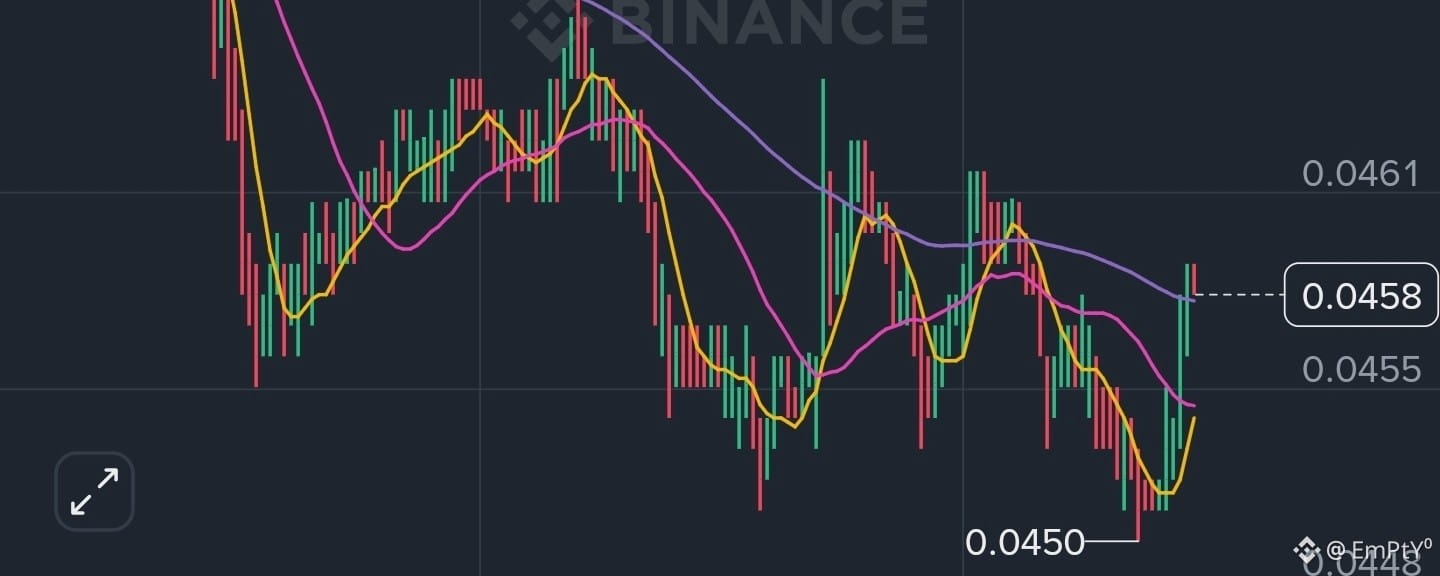
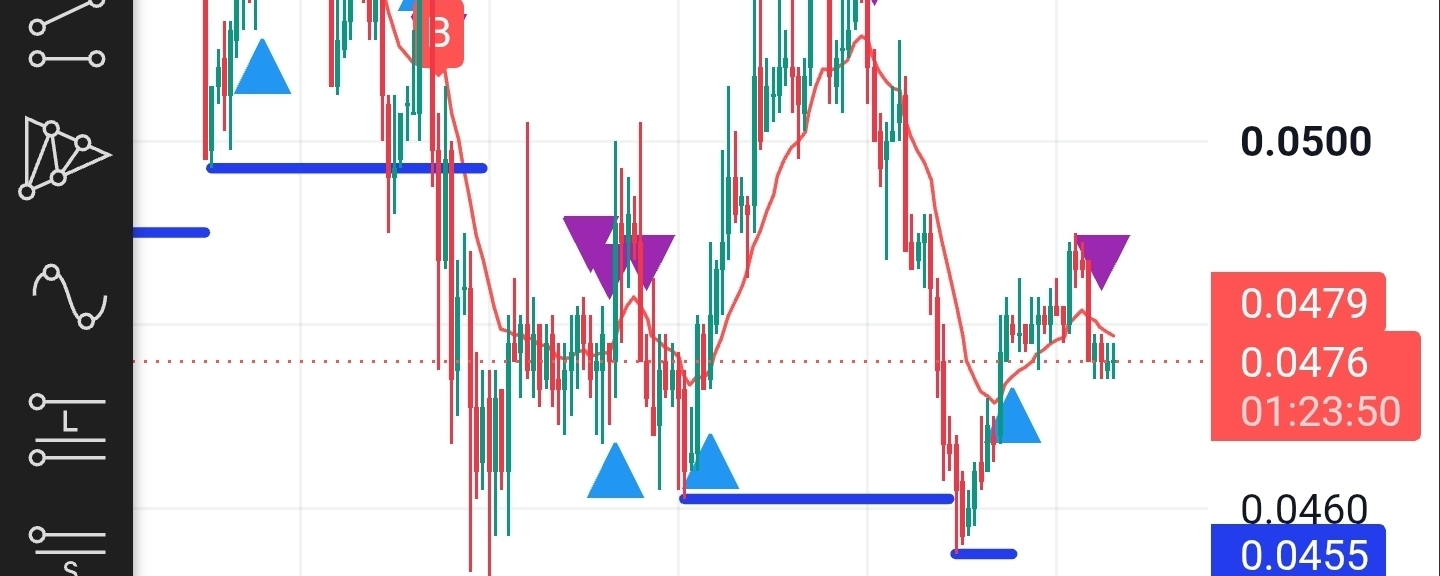
¿El Fondo Absoluto o un Cuchillo que Cae? Mi Brutal y Honesta Opinión sobre $NEWTSaltémonos la charla típica del gurú de gráficos y vayamos directo a la mecánica del libro de órdenes. Si has estado monitoreando el par spot NEWT/USDT en Binance, ya sabes que está en un punto de cruce crítico. Estamos operando justo alrededor de $0.0458.Para ponerlo en perspectiva, su mínimo absoluto de todos los tiempos es $0.0449. Estamos flotando literalmente a un 2% de la invalidación total del precio.Aquí tienes exactamente cómo estoy jugando este gráfico como trader spot.📉 La Realidad Técnica: Compresión en el SueloMira el gráfico diario macro: esto es una Cuña Bajista clásica. Normalmente, cuando un activo se comprime en una cuña estrecha justo encima de su piso histórico, nos indica una de dos cosas:Agotamiento de vendedores: ya no queda nadie dispuesto a soltar sus bolsas a estos precios de derribo. El volumen va girando lentamente alrededor de $5.2M a $5.4M diarios, señalando que el dinero inteligente está absorbiendo el flujo sin empujar el precio todavía.Caída en forma de acantilado: si el mercado global sufre un golpe y $0.0440 se rompe en un cierre diario, el suelo se desploma.Y como el downside está tan cerca, la relación riesgo-recompensa aquí es matemáticamente hermosa—si sabes cómo gestionar el riesgo.⚡ El Catalizador: Infraestructura Web3 & Agentes de IA No compro monedas meme inútiles en el fondo; busco utilidad estructural que pueda engancharse a una narrativa. Newton Protocol no es otro wrapper superficial de IA. Están construyendo ejecución on-chain e infraestructura segura para trading automatizado y agentes de IA autónomos.Con los recientes avances del mainnet y asociaciones de datos con creadores como Magic Labs y RedStone, la tecnología es real. Cuando el mercado vuelva a la narrativa de IA e infraestructura Web3 automatizada, $NEWT está perfectamente posicionad@NewtonProtocol para captar una inyección masiva de liquidez. @NewtonProtocol #Newt $NEWT
¿El Fondo Absoluto o un Cuchillo que Cae? Mi Brutal y Honesta Opinión sobre $NEWT
Saltémonos la charla típica del gurú de gráficos y vayamos directo a la mecánica del libro de órdenes. Si has estado monitoreando el par spot NEWT/USDT en Binance, ya sabes que está en un punto de cruce crítico. Estamos operando justo alrededor de $0.0458.Para ponerlo en perspectiva, su mínimo absoluto de todos los tiempos es $0.0449. Estamos flotando literalmente a un 2% de la invalidación total del precio.Aquí tienes exactamente cómo estoy jugando este gráfico como trader spot.📉 La Realidad Técnica: Compresión en el SueloMira el gráfico diario macro: esto es una Cuña Bajista clásica. Normalmente, cuando un activo se comprime en una cuña estrecha justo encima de su piso histórico, nos indica una de dos cosas:Agotamiento de vendedores: ya no queda nadie dispuesto a soltar sus bolsas a estos precios de derribo. El volumen va girando lentamente alrededor de $5.2M a $5.4M diarios, señalando que el dinero inteligente está absorbiendo el flujo sin empujar el precio todavía.Caída en forma de acantilado: si el mercado global sufre un golpe y $0.0440 se rompe en un cierre diario, el suelo se desploma.Y como el downside está tan cerca, la relación riesgo-recompensa aquí es matemáticamente hermosa—si sabes cómo gestionar el riesgo.⚡ El Catalizador: Infraestructura Web3 & Agentes de IA No compro monedas meme inútiles en el fondo; busco utilidad estructural que pueda engancharse a una narrativa. Newton Protocol no es otro wrapper superficial de IA. Están construyendo ejecución on-chain e infraestructura segura para trading automatizado y agentes de IA autónomos.Con los recientes avances del mainnet y asociaciones de datos con creadores como Magic Labs y RedStone, la tecnología es real. Cuando el mercado vuelva a la narrativa de IA e infraestructura Web3 automatizada, $NEWT está perfectamente posicionad@NewtonProtocol para captar una inyección masiva de liquidez. @NewtonProtocol #Newt $NEWT
1
62
·
--
Las operaciones NEWT/USDT cotizan a 0,0458 USD, justo 2% por encima de su suelo de 0,0449 USD. Esta cuña macro señala una extenuación extrema de los vendedores. Acumula spot entre 0,0450 y 0,0465 USD, con un stop estricto por cierre por debajo de 0,0440 USD. Los objetivos de ruptura inmediata son 0,0520 y 0,0650 USD. Revisa los libros de órdenes en vivo antes de entrar. #newt $NEWT
Las operaciones NEWT/USDT cotizan a 0,0458 USD, justo 2% por encima de su suelo de 0,0449 USD. Esta cuña macro señala una extenuación extrema de los vendedores. Acumula spot entre 0,0450 y 0,0465 USD, con un stop estricto por cierre por debajo de 0,0440 USD. Los objetivos de ruptura inmediata son 0,0520 y 0,0650 USD. Revisa los libros de órdenes en vivo antes de entrar. #newt $NEWT
3
3
93
·
--
Artículo
Por qué la Mainnet Beta de Newton Protocol podría ser la pieza que la financiación onchain necesitabaDurante años, DeFi se ha optimizado para una sola cosa: la liquidación. Mover dinero de A a B, rápido y sin confianza. Pero cualquiera que haya visto cómo el capital institucional intenta entrar en mercados onchain sabe que la liquidación nunca fue la parte difícil: lo que lo era, era la aplicación de la norma. Controles de cumplimiento, límites de riesgo, verificación de sanciones: todo vivía en documentos offchain que los curadores prometían seguir, sin una forma real de comprobar que lo hicieran.
Ahí está el vacío @NewtonProtocol en el que entra la Newton Mainnet Beta, ahora activa en Base y Ethereum. En lugar de confiar en la palabra de un curador, Newton convierte las reglas de un vault en una política que se comprueba antes de que se liquide cada transacción, no después. Si se infringe una regla, la transacción simplemente no se procesa.
Por qué la Mainnet Beta de Newton Protocol podría ser la pieza que la financiación onchain necesitaba
Durante años, DeFi se ha optimizado para una sola cosa: la liquidación. Mover dinero de A a B, rápido y sin confianza. Pero cualquiera que haya visto cómo el capital institucional intenta entrar en mercados onchain sabe que la liquidación nunca fue la parte difícil: lo que lo era, era la aplicación de la norma. Controles de cumplimiento, límites de riesgo, verificación de sanciones: todo vivía en documentos offchain que los curadores prometían seguir, sin una forma real de comprobar que lo hicieran.
Ahí está el vacío @NewtonProtocol en el que entra la Newton Mainnet Beta, ahora activa en Base y Ethereum. En lugar de confiar en la palabra de un curador, Newton convierte las reglas de un vault en una política que se comprueba antes de que se liquide cada transacción, no después. Si se infringe una regla, la transacción simplemente no se procesa.
Ahí está el vacío @NewtonProtocol en el que entra la Newton Mainnet Beta, ahora activa en Base y Ethereum. En lugar de confiar en la palabra de un curador, Newton convierte las reglas de un vault en una política que se comprueba antes de que se liquide cada transacción, no después. Si se infringe una regla, la transacción simplemente no se procesa.
2
2
63
·
--
#newt $NEWT El capital institucional ha estado vertiéndose en cadena, pero la "capa de reglas" que lo rige no ha seguido el ritmo: ahí está la brecha que @NewtonProtocol está cerrando con el Newton Mainnet Beta.
En lugar de que el cumplimiento viva en un PDF fuera de la cadena que nadie hace cumplir, Newton convierte la política en código que verifica cada transacción antes de que se liquide, ya disponible en Base y Ethereum. Lo que me llama la atención es el conjunto de oráculos ya integrado: filtrado de riesgos, calificaciones de la salud de las bóvedas, fuentes de precios en tiempo real y puntuación de reputación de carteras, todo ello conformando una política onchain exigible.
#newt $NEWT El capital institucional ha estado vertiéndose en cadena, pero la "capa de reglas" que lo rige no ha seguido el ritmo: ahí está la brecha que @NewtonProtocol está cerrando con el Newton Mainnet Beta.
En lugar de que el cumplimiento viva en un PDF fuera de la cadena que nadie hace cumplir, Newton convierte la política en código que verifica cada transacción antes de que se liquide, ya disponible en Base y Ethereum. Lo que me llama la atención es el conjunto de oráculos ya integrado: filtrado de riesgos, calificaciones de la salud de las bóvedas, fuentes de precios en tiempo real y puntuación de reputación de carteras, todo ello conformando una política onchain exigible.
En lugar de que el cumplimiento viva en un PDF fuera de la cadena que nadie hace cumplir, Newton convierte la política en código que verifica cada transacción antes de que se liquide, ya disponible en Base y Ethereum. Lo que me llama la atención es el conjunto de oráculos ya integrado: filtrado de riesgos, calificaciones de la salud de las bóvedas, fuentes de precios en tiempo real y puntuación de reputación de carteras, todo ello conformando una política onchain exigible.
1
68
·
--
La capa faltante en la automatización de Web3: por qué necesitamos seguridad antes de la transacciónA todo el mundo le encanta la idea de agentes de IA y bóvedas automatizadas en DeFi… hasta que un contrato inteligente se drena. Hemos pasado los últimos años construyendo una infraestructura increíble para el settlement y la ejecución, pero si somos totalmente honestos con nosotros mismos, la industria se saltó por completo la capa de autorización. Hoy en día, entregar las llaves a un bot de trading automatizado o a una estrategia de bóveda compleja requiere una cantidad aterradora de confianza ciega.
Justo por eso me llamó la atención el lanzamiento reciente de @NewtonProtocol caught. Acaban de poner en marcha en vivo el Newton Mainnet Beta en Base y Ethereum, y aborda el problema de la seguridad de la automatización desde un ángulo totalmente distinto. En lugar de depender del monitoreo posterior a la ejecución—donde básicamente te enteras de que te han explotado después de que la liquidez ya se fue—han construido una capa de autorización verificable que hace cumplir políticas antes de que una transacción pueda asentarse en cadena [1.1.2].
La capa faltante en la automatización de Web3: por qué necesitamos seguridad antes de la transacción
A todo el mundo le encanta la idea de agentes de IA y bóvedas automatizadas en DeFi… hasta que un contrato inteligente se drena. Hemos pasado los últimos años construyendo una infraestructura increíble para el settlement y la ejecución, pero si somos totalmente honestos con nosotros mismos, la industria se saltó por completo la capa de autorización. Hoy en día, entregar las llaves a un bot de trading automatizado o a una estrategia de bóveda compleja requiere una cantidad aterradora de confianza ciega.
Justo por eso me llamó la atención el lanzamiento reciente de @NewtonProtocol caught. Acaban de poner en marcha en vivo el Newton Mainnet Beta en Base y Ethereum, y aborda el problema de la seguridad de la automatización desde un ángulo totalmente distinto. En lugar de depender del monitoreo posterior a la ejecución—donde básicamente te enteras de que te han explotado después de que la liquidez ya se fue—han construido una capa de autorización verificable que hace cumplir políticas antes de que una transacción pueda asentarse en cadena [1.1.2].
Justo por eso me llamó la atención el lanzamiento reciente de @NewtonProtocol caught. Acaban de poner en marcha en vivo el Newton Mainnet Beta en Base y Ethereum, y aborda el problema de la seguridad de la automatización desde un ángulo totalmente distinto. En lugar de depender del monitoreo posterior a la ejecución—donde básicamente te enteras de que te han explotado después de que la liquidez ya se fue—han construido una capa de autorización verificable que hace cumplir políticas antes de que una transacción pueda asentarse en cadena [1.1.2].
1
2
65
·
--
Alcista
Acabo de pasar la mañana poniéndome al día con lo que @NewtonProtocol l está haciendo para arreglar el caos del estado de la automatización en cadena y, sinceramente, es una bocanada de aire fresca.
La Newton Mainnet Beta se lanzó recientemente en Base y Ethereum, y su enfoque de la autorización verificable es exactamente lo que necesitamos para detener la confianza ciega en agentes de trading con IA. En lugar de esperar que un bot no destruya tu portafolio, Newton Protocol te permite programar límites estrictos y reglas de cumplimiento directamente en el flujo de la transacción usando $NEWT . Cada acción se verifica en un Entorno de Ejecución Confiable antes incluso de ejecutarse: en esencia, convertir la seguridad en código inalterable.
Siento que ahora mismo todo el mundo está distraído con cambios rápidos y está pasando por alto mejoras reales de infraestructura. ¿Alguno de ustedes ya ha revisado la mainnet beta o ha trasteado con VaultKit? ¡Me da curiosidad saber qué opinan! #newt
Acabo de pasar la mañana poniéndome al día con lo que @NewtonProtocol l está haciendo para arreglar el caos del estado de la automatización en cadena y, sinceramente, es una bocanada de aire fresca.
La Newton Mainnet Beta se lanzó recientemente en Base y Ethereum, y su enfoque de la autorización verificable es exactamente lo que necesitamos para detener la confianza ciega en agentes de trading con IA. En lugar de esperar que un bot no destruya tu portafolio, Newton Protocol te permite programar límites estrictos y reglas de cumplimiento directamente en el flujo de la transacción usando $NEWT . Cada acción se verifica en un Entorno de Ejecución Confiable antes incluso de ejecutarse: en esencia, convertir la seguridad en código inalterable.
Siento que ahora mismo todo el mundo está distraído con cambios rápidos y está pasando por alto mejoras reales de infraestructura. ¿Alguno de ustedes ya ha revisado la mainnet beta o ha trasteado con VaultKit? ¡Me da curiosidad saber qué opinan! #newt
La Newton Mainnet Beta se lanzó recientemente en Base y Ethereum, y su enfoque de la autorización verificable es exactamente lo que necesitamos para detener la confianza ciega en agentes de trading con IA. En lugar de esperar que un bot no destruya tu portafolio, Newton Protocol te permite programar límites estrictos y reglas de cumplimiento directamente en el flujo de la transacción usando $NEWT . Cada acción se verifica en un Entorno de Ejecución Confiable antes incluso de ejecutarse: en esencia, convertir la seguridad en código inalterable.
Siento que ahora mismo todo el mundo está distraído con cambios rápidos y está pasando por alto mejoras reales de infraestructura. ¿Alguno de ustedes ya ha revisado la mainnet beta o ha trasteado con VaultKit? ¡Me da curiosidad saber qué opinan! #newt
1
1
70
·
--
DeFi Acaba de Tener Su Primer Guardián Real. Y Ya Era Hora.Okay. Siéntate. Agarra tu café — o lo que sea que tengas entre manos a las 2am mientras te pones a scrollear degen por Twitter sobre cripto. Este en realidad vale la pena leerlo.
No estoy aquí para hacer shill. Estoy aquí para hablar de algo que se envió en silencio y, de alguna manera, no rompió Internet — aunque más o menos debería haberlo hecho.
Vamos a ello.
Primero, asemos un poco el cripto por un segundo. Con cariño.
Construimos todo un sistema financiero sobre la idea de que "sin necesidad de confiar" significa mejor.
Y en muchos sentidos, ¿lo hace? Sí. Sin intermediarios. Sin banqueros controlando quién puede acceder a tu cartera. Autocustodia. Acceso sin permisos. Cosas preciosas. Realmente revolucionario.
DeFi Acaba de Tener Su Primer Guardián Real. Y Ya Era Hora.
Okay. Siéntate. Agarra tu café — o lo que sea que tengas entre manos a las 2am mientras te pones a scrollear degen por Twitter sobre cripto. Este en realidad vale la pena leerlo.
No estoy aquí para hacer shill. Estoy aquí para hablar de algo que se envió en silencio y, de alguna manera, no rompió Internet — aunque más o menos debería haberlo hecho.
Vamos a ello.
Primero, asemos un poco el cripto por un segundo. Con cariño.
Construimos todo un sistema financiero sobre la idea de que "sin necesidad de confiar" significa mejor.
Y en muchos sentidos, ¿lo hace? Sí. Sin intermediarios. Sin banqueros controlando quién puede acceder a tu cartera. Autocustodia. Acceso sin permisos. Cosas preciosas. Realmente revolucionario.
No estoy aquí para hacer shill. Estoy aquí para hablar de algo que se envió en silencio y, de alguna manera, no rompió Internet — aunque más o menos debería haberlo hecho.
Vamos a ello.
Primero, asemos un poco el cripto por un segundo. Con cariño.
Construimos todo un sistema financiero sobre la idea de que "sin necesidad de confiar" significa mejor.
Y en muchos sentidos, ¿lo hace? Sí. Sin intermediarios. Sin banqueros controlando quién puede acceder a tu cartera. Autocustodia. Acceso sin permisos. Cosas preciosas. Realmente revolucionario.
1
2
74
·
--
#newt $NEWT VaultKit SDK aterrizó junto con el lanzamiento. Los desarrolladores pueden empezar a construir políticas de transacciones programables hoy. No es “planificado para hoy”. No es “para Q3”. Es “hoy, de verdad”. El toolkit está ahí, funciona; ve y constrúyelo.
#newt $NEWT VaultKit SDK aterrizó junto con el lanzamiento. Los desarrolladores pueden empezar a construir políticas de transacciones programables hoy. No es “planificado para hoy”. No es “para Q3”. Es “hoy, de verdad”. El toolkit está ahí, funciona; ve y constrúyelo.
3
2
79
·
--
Nadie Habla de Esto. Pero Deberían.Desplazo más de un centenar de publicaciones sobre el “próximo gran avance” cada día. La mayoría son ruido. Hype reciclado con un nuevo ticker encima. Así que cuando digo que el Protocolo Newton realmente me detuvo a mitad de scroll — quiero decir que me frenó de verdad.
Déjame explicar por qué.
Las criptomonedas tienen un problema vergonzoso que nadie quiere admitir
Aquí hay algo que no se dice lo suficiente.
La blockchain es increíble para registrar lo que pasó. Es genuinamente terrible para decidir qué debería pasar antes de que ocurra.
En el mundo real — el aburrido y lento mundo de las finanzas tradicionales que todos amamos para criticar — hay capas de controles antes de que se mueva un solo dólar. Cribado de sanciones. Evaluación de riesgos. Filtros de cumplimiento. Verificación de identidad. Es molesto, sí. Pero también significa que el sistema no se derrumba cada vez que aparece un actor malintencionado.
Nadie Habla de Esto. Pero Deberían.
Desplazo más de un centenar de publicaciones sobre el “próximo gran avance” cada día. La mayoría son ruido. Hype reciclado con un nuevo ticker encima. Así que cuando digo que el Protocolo Newton realmente me detuvo a mitad de scroll — quiero decir que me frenó de verdad.
Déjame explicar por qué.
Las criptomonedas tienen un problema vergonzoso que nadie quiere admitir
Aquí hay algo que no se dice lo suficiente.
La blockchain es increíble para registrar lo que pasó. Es genuinamente terrible para decidir qué debería pasar antes de que ocurra.
En el mundo real — el aburrido y lento mundo de las finanzas tradicionales que todos amamos para criticar — hay capas de controles antes de que se mueva un solo dólar. Cribado de sanciones. Evaluación de riesgos. Filtros de cumplimiento. Verificación de identidad. Es molesto, sí. Pero también significa que el sistema no se derrumba cada vez que aparece un actor malintencionado.
Déjame explicar por qué.
Las criptomonedas tienen un problema vergonzoso que nadie quiere admitir
Aquí hay algo que no se dice lo suficiente.
La blockchain es increíble para registrar lo que pasó. Es genuinamente terrible para decidir qué debería pasar antes de que ocurra.
En el mundo real — el aburrido y lento mundo de las finanzas tradicionales que todos amamos para criticar — hay capas de controles antes de que se mueva un solo dólar. Cribado de sanciones. Evaluación de riesgos. Filtros de cumplimiento. Verificación de identidad. Es molesto, sí. Pero también significa que el sistema no se derrumba cada vez que aparece un actor malintencionado.
3
2
72
·
--
la criptografía tiene un secreto sucio: se liquida rápido pero nunca comprueba realmente si debería.
eso cambia ahora.
@NewtonProtocol acaba de lanzar su Mainnet Beta en Ethereum & Base y, honestamente, ¿qué pasó? es la capa de la que casi nadie hablaba, pero que todo el mundo necesitaba.
piénsalo como un portero para tus transacciones. tú pones las reglas, Newton las aplica onchain — antes de que se mueva cualquier cosa. no después. no "confía en mí, hermano".
lanzaron con VaultKit SDK, conectado con Chainalysis, RedStone, Credora & Webacy para infraestructura real de gestión de riesgos, y todo funciona como un EigenLayer AVS con slashing real. los operadores no pueden simplemente marcar con el visto bueno transacciones malas y marcharse.
¿cada aprobación? viene con un recibo criptográfico. prueba de que realmente pasó las reglas. ¿idea loca, verdad?
RWA, agentes de IA, stablecoins — Newton está construyendo en silencio el pilar de cumplimiento para todo.
$NEWT es el combustible. suministro fijo de 1B, sin inflación, derechos de gobernanza para los stakers.
defi madurando en tiempo real fr 👀
$NEWT #Newt #NewtonProtocol #Eigenlayer #Web3 #newt $NEWT
la criptografía tiene un secreto sucio: se liquida rápido pero nunca comprueba realmente si debería.
eso cambia ahora.
@NewtonProtocol acaba de lanzar su Mainnet Beta en Ethereum & Base y, honestamente, ¿qué pasó? es la capa de la que casi nadie hablaba, pero que todo el mundo necesitaba.
piénsalo como un portero para tus transacciones. tú pones las reglas, Newton las aplica onchain — antes de que se mueva cualquier cosa. no después. no "confía en mí, hermano".
lanzaron con VaultKit SDK, conectado con Chainalysis, RedStone, Credora & Webacy para infraestructura real de gestión de riesgos, y todo funciona como un EigenLayer AVS con slashing real. los operadores no pueden simplemente marcar con el visto bueno transacciones malas y marcharse.
¿cada aprobación? viene con un recibo criptográfico. prueba de que realmente pasó las reglas. ¿idea loca, verdad?
RWA, agentes de IA, stablecoins — Newton está construyendo en silencio el pilar de cumplimiento para todo.
$NEWT es el combustible. suministro fijo de 1B, sin inflación, derechos de gobernanza para los stakers.
defi madurando en tiempo real fr 👀
$NEWT #Newt #NewtonProtocol #Eigenlayer #Web3 #newt $NEWT
eso cambia ahora.
@NewtonProtocol acaba de lanzar su Mainnet Beta en Ethereum & Base y, honestamente, ¿qué pasó? es la capa de la que casi nadie hablaba, pero que todo el mundo necesitaba.
piénsalo como un portero para tus transacciones. tú pones las reglas, Newton las aplica onchain — antes de que se mueva cualquier cosa. no después. no "confía en mí, hermano".
lanzaron con VaultKit SDK, conectado con Chainalysis, RedStone, Credora & Webacy para infraestructura real de gestión de riesgos, y todo funciona como un EigenLayer AVS con slashing real. los operadores no pueden simplemente marcar con el visto bueno transacciones malas y marcharse.
¿cada aprobación? viene con un recibo criptográfico. prueba de que realmente pasó las reglas. ¿idea loca, verdad?
RWA, agentes de IA, stablecoins — Newton está construyendo en silencio el pilar de cumplimiento para todo.
$NEWT es el combustible. suministro fijo de 1B, sin inflación, derechos de gobernanza para los stakers.
defi madurando en tiempo real fr 👀
$NEWT #Newt #NewtonProtocol #Eigenlayer #Web3 #newt $NEWT
Newt will pump
0%
Newt will dump
0%
0 Voto(s) • Votación cerrada
2
52
·
--
Artículo
Miré Newton Protocol para que no lo tuvieras que hacer — Esto es lo que encontréHonestamente, Newton Protocol acaba de corregir algo que DeFi ha estado ignorando durante años 🧵
Déjame ser sincera contigo por un momento.
Cada vez que usé un protocolo DeFi, había una suposición silenciosa incorporada: que si el contrato inteligente lo permite, está bien. Sin revisiones. Sin contexto. Solo: ¿el código permite esto? ¿Sí? Entonces adelante.
Siempre me molestó eso. Porque en el mundo real, una transacción no es solo "¿se movió el valor?" Es "¿debería haberse movido?" Son preguntas muy distintas y, durante mucho tiempo, DeFi solo respondió la primera.
Miré Newton Protocol para que no lo tuvieras que hacer — Esto es lo que encontré
Honestamente, Newton Protocol acaba de corregir algo que DeFi ha estado ignorando durante años 🧵
Déjame ser sincera contigo por un momento.
Cada vez que usé un protocolo DeFi, había una suposición silenciosa incorporada: que si el contrato inteligente lo permite, está bien. Sin revisiones. Sin contexto. Solo: ¿el código permite esto? ¿Sí? Entonces adelante.
Siempre me molestó eso. Porque en el mundo real, una transacción no es solo "¿se movió el valor?" Es "¿debería haberse movido?" Son preguntas muy distintas y, durante mucho tiempo, DeFi solo respondió la primera.
Déjame ser sincera contigo por un momento.
Cada vez que usé un protocolo DeFi, había una suposición silenciosa incorporada: que si el contrato inteligente lo permite, está bien. Sin revisiones. Sin contexto. Solo: ¿el código permite esto? ¿Sí? Entonces adelante.
Siempre me molestó eso. Porque en el mundo real, una transacción no es solo "¿se movió el valor?" Es "¿debería haberse movido?" Son preguntas muy distintas y, durante mucho tiempo, DeFi solo respondió la primera.
3
3
71
·
--
#newt $NEWT Acabo de pasar un tiempo sumergiéndome en @NewtonProtocol y, sinceramente, me impresiona bastante lo que están construyendo aquí.
Básicamente, $NEWT está creando este rollup especializado, hecho específicamente para bots de trading de IA y estrategias automatizadas. Lo que llamó mi atención es su idea de marketplace: los desarrolladores pueden construir y compartir agentes de IA para operar, algo que se siente como a donde naturalmente se dirige el cripto.
La Newton Mainnet Beta ya está en vivo y, por lo que puedo ver, están abordando un problema real. La mayoría de las blockchains no fueron creadas pensando en automatización con IA, pero la arquitectura de Newton está diseñada desde cero para eso.
El punto es que ahora vemos IA por todas partes, pero la mayoría de proyectos solo le ponen “impulsado por IA” a su marketing. Newton sí tiene la infraestructura para respaldarlo: tecnología de rollup segura que puede gestionar el trading automatizado sin comprometer la seguridad.
Me da curiosidad ver cómo evoluciona su marketplace para desarrolladores. Podría ser un cambio de juego si se ejecuta bien.
¿Alguien más siguiendo #Newt? Me encantaría escuchar sus ideas sobre la integración de IA en DeFi.
#newt $NEWT Acabo de pasar un tiempo sumergiéndome en @NewtonProtocol y, sinceramente, me impresiona bastante lo que están construyendo aquí.
Básicamente, $NEWT está creando este rollup especializado, hecho específicamente para bots de trading de IA y estrategias automatizadas. Lo que llamó mi atención es su idea de marketplace: los desarrolladores pueden construir y compartir agentes de IA para operar, algo que se siente como a donde naturalmente se dirige el cripto.
La Newton Mainnet Beta ya está en vivo y, por lo que puedo ver, están abordando un problema real. La mayoría de las blockchains no fueron creadas pensando en automatización con IA, pero la arquitectura de Newton está diseñada desde cero para eso.
El punto es que ahora vemos IA por todas partes, pero la mayoría de proyectos solo le ponen “impulsado por IA” a su marketing. Newton sí tiene la infraestructura para respaldarlo: tecnología de rollup segura que puede gestionar el trading automatizado sin comprometer la seguridad.
Me da curiosidad ver cómo evoluciona su marketplace para desarrolladores. Podría ser un cambio de juego si se ejecuta bien.
¿Alguien más siguiendo #Newt? Me encantaría escuchar sus ideas sobre la integración de IA en DeFi.
Básicamente, $NEWT está creando este rollup especializado, hecho específicamente para bots de trading de IA y estrategias automatizadas. Lo que llamó mi atención es su idea de marketplace: los desarrolladores pueden construir y compartir agentes de IA para operar, algo que se siente como a donde naturalmente se dirige el cripto.
La Newton Mainnet Beta ya está en vivo y, por lo que puedo ver, están abordando un problema real. La mayoría de las blockchains no fueron creadas pensando en automatización con IA, pero la arquitectura de Newton está diseñada desde cero para eso.
El punto es que ahora vemos IA por todas partes, pero la mayoría de proyectos solo le ponen “impulsado por IA” a su marketing. Newton sí tiene la infraestructura para respaldarlo: tecnología de rollup segura que puede gestionar el trading automatizado sin comprometer la seguridad.
Me da curiosidad ver cómo evoluciona su marketplace para desarrolladores. Podría ser un cambio de juego si se ejecuta bien.
¿Alguien más siguiendo #Newt? Me encantaría escuchar sus ideas sobre la integración de IA en DeFi.
7
4
95
·
--
Pasos fáciles para unirte#BinancePickAndWin
Enlace👉 [Join Now](https://www.binance.com/activity/pick-and-win/2026-football-challenge?ref=503003698)
Visita la página de la actividad durante el Periodo de Promoción.
Haz tu primera selección para desbloquear al instante una Caja de Recompensa de Bienvenida gratis.
Completa las tareas de participación diaria para desbloquear más participaciones en la selección.
Las selecciones exitosas pueden desbloquear recompensas adicionales de la Caja de Recompensa.
Nota: Los resultados de las selecciones ya resueltas se actualizarán continuamente a diario antes de las 08:00 (UTC).
Pasos fáciles para unirte#BinancePickAndWin
Enlace👉 Join Now
Visita la página de la actividad durante el Periodo de Promoción.
Haz tu primera selección para desbloquear al instante una Caja de Recompensa de Bienvenida gratis.
Completa las tareas de participación diaria para desbloquear más participaciones en la selección.
Las selecciones exitosas pueden desbloquear recompensas adicionales de la Caja de Recompensa.
Nota: Los resultados de las selecciones ya resueltas se actualizarán continuamente a diario antes de las 08:00 (UTC).
Enlace👉 Join Now
Visita la página de la actividad durante el Periodo de Promoción.
Haz tu primera selección para desbloquear al instante una Caja de Recompensa de Bienvenida gratis.
Completa las tareas de participación diaria para desbloquear más participaciones en la selección.
Las selecciones exitosas pueden desbloquear recompensas adicionales de la Caja de Recompensa.
Nota: Los resultados de las selecciones ya resueltas se actualizarán continuamente a diario antes de las 08:00 (UTC).
2
4
·
--
6
143
·
--
#binanceholderairdrop $BARD está cocinando algo grande.
#binanceholderairdrop $BARD está cocinando algo grande.
1
42
Inicia sesión para explorar más contenidos
Únete a usuarios globales de criptomonedas en Binance Square
⚡️ Obtén información útil y actualizada sobre criptos.
💬 Avalado por el mayor exchange de criptomonedas en el mundo.
👍 Descubre perspectivas reales de creadores verificados.
Email/número de teléfono
Temas populares
FedMinutesFocusOnOctoberPause
361,247 vistas
2,221 están debatiendo
🚨 LA FED ACABA DE DAR UNA GRAN PISTA: ¿PAUSA EN OCTUBRE A LA VISTA?
Wall Street apuesta a que la Fed PISARÁ EL FRENO en octubre. Y los operadores de criptomonedas están muy atentos. 👀
Las últimas actas del FOMC han centrado la atención en una posible pausa en la reunión del 27 y 28 de octubre.
📊 El panorama del mercado:
🔥 Mantener las tasas en octubre: aproximadamente un 82,8 % según las últimas probabilidades publicadas.
🔥 Probabilidad de una subida de tasas: aproximadamente un 17,2 %.
🔥 El debilitamiento del mercado laboral hace más difícil justificar una subida inmediata.
Pero aquí viene el giro.
UNA PAUSA NO ES UN RECORTE DE TASAS.
La Fed podría mantener las tasas en octubre y dejar abierta la posibilidad de volver a endurecer la política monetaria más adelante.
Para $BTC, $ ETH y $XAU, esa diferencia importa.
Una pausa podría aliviar la presión inmediata sobre los activos de riesgo. Pero la inflación persistente y los elevados rendimientos de los bonos del Tesoro aún podrían frenar el impulso alcista.
⚠️ LA GRAN PREGUNTA:
¿Se está posicionando Wall Street ante una ruptura alcista de las criptomonedas o preparando otra enorme trampa alcista antes de la próxima decisión de la Fed?
$BTC $ETH $BNB $SOL $XAU
#fedminutesfocusonoctoberpause #BinanceLaunchesBinanceIntelligence #EvernorthDelaysNasdaqDebutToOct12 #RobinhoodAdds25MInBitcoinToBalanceSheet $25MInBitcoinToBalanceSh #SP500AndNasdaqHitRecordHighs
Carmelita Gilliland zXSW
·8 me gusta
·13.4k vistas
VitalikWarnsAICouldWeakenCryptographySecurity
91 vistas
42 están debatiendo
XRPSpotETFsHold$1.7BWeeklyInflowsSlow
216 vistas
18 están debatiendo