

Crypto NexusX
5.1k Publicaciones

Crypto NexusX
Denunciar
Bloquear usuario
Abrir trade
Trader frecuente
10.1 mes(es)
252 Siguiendo
25.2K+ Seguidores
4.7K+ Me gusta
Publicaciones
Cartera
Todo
Citas
Live
·
--
Alcista
🚨 #EarningsSeason está calentándose! 📊
No se trata solo de cumplir o no cumplir con las expectativas: se trata de la historia detrás de los números.
💰 Crecimiento de los ingresos
📈 Márgenes de beneficio
🎯 Guía futura
🔍 Perspectiva de la dirección
El mercado mira. Los inversores reaccionan. Las empresas revelan lo que realmente está pasando entre bastidores.
Deja que hablen los números. 👀📊
#Investing #StockMarket #Finance #Markets
🚨 #EarningsSeason está calentándose! 📊
No se trata solo de cumplir o no cumplir con las expectativas: se trata de la historia detrás de los números.
💰 Crecimiento de los ingresos
📈 Márgenes de beneficio
🎯 Guía futura
🔍 Perspectiva de la dirección
El mercado mira. Los inversores reaccionan. Las empresas revelan lo que realmente está pasando entre bastidores.
Deja que hablen los números. 👀📊
#Investing #StockMarket #Finance #Markets
No se trata solo de cumplir o no cumplir con las expectativas: se trata de la historia detrás de los números.
💰 Crecimiento de los ingresos
📈 Márgenes de beneficio
🎯 Guía futura
🔍 Perspectiva de la dirección
El mercado mira. Los inversores reaccionan. Las empresas revelan lo que realmente está pasando entre bastidores.
Deja que hablen los números. 👀📊
#Investing #StockMarket #Finance #Markets
96
·
--
Alcista
🚨 LA SEÑAL MACRO SE ESTÁ VOLVIENDO MÁS FUERTE
El diésel de EE. UU. acaba de marcar un récord de 6,29 USD por galón.
Al mismo tiempo:
₿ Bitcoin está cayendo
🥇 El oro se mantiene relativamente firme
⛽ Los costos de la energía están explotando
🏦 Las tasas de interés siguen siendo un problema
Y esta es exactamente la razón por la que los traders de cripto necesitan mirar más allá del gráfico de BTC.
Los precios más altos del diésel no solo significan viajes caros a la gasolinera.
También pueden aumentar el costo del envío, el transporte, la fabricación y los productos cotidianos — potencialmente manteniendo la inflación pegajosa.
Y cuando la inflación se mantiene obstinada, la liquidez puede seguir ajustada.
Normalmente, ese no es el entorno que quieren los activos de riesgo.
Bitcoin puede ser un activo descentralizado, pero su precio aún se mueve dentro del sistema financiero global.
Así que, mientras todos miran las velas, el juego más grande está ocurriendo en:
Energía → Inflación → Tasas → Liquidez → Activos de riesgo
Que el oro se mantenga mientras BTC tiene dificultades es otra pieza interesante del rompecabezas.
Las próximas semanas podrían decirnos mucho sobre si Bitcoin está listo para desacoplarse de la presión macro… o si la liquidez sigue mandando.
La cripto nunca se negocia en aislamiento. 🌎
#Bitcoin #BTC #Crypto #Macro #Oro #Inflación #Fed #Mercados #Web3
🚨 LA SEÑAL MACRO SE ESTÁ VOLVIENDO MÁS FUERTE
El diésel de EE. UU. acaba de marcar un récord de 6,29 USD por galón.
Al mismo tiempo:
₿ Bitcoin está cayendo
🥇 El oro se mantiene relativamente firme
⛽ Los costos de la energía están explotando
🏦 Las tasas de interés siguen siendo un problema
Y esta es exactamente la razón por la que los traders de cripto necesitan mirar más allá del gráfico de BTC.
Los precios más altos del diésel no solo significan viajes caros a la gasolinera.
También pueden aumentar el costo del envío, el transporte, la fabricación y los productos cotidianos — potencialmente manteniendo la inflación pegajosa.
Y cuando la inflación se mantiene obstinada, la liquidez puede seguir ajustada.
Normalmente, ese no es el entorno que quieren los activos de riesgo.
Bitcoin puede ser un activo descentralizado, pero su precio aún se mueve dentro del sistema financiero global.
Así que, mientras todos miran las velas, el juego más grande está ocurriendo en:
Energía → Inflación → Tasas → Liquidez → Activos de riesgo
Que el oro se mantenga mientras BTC tiene dificultades es otra pieza interesante del rompecabezas.
Las próximas semanas podrían decirnos mucho sobre si Bitcoin está listo para desacoplarse de la presión macro… o si la liquidez sigue mandando.
La cripto nunca se negocia en aislamiento. 🌎
#Bitcoin #BTC #Crypto #Macro #Oro #Inflación #Fed #Mercados #Web3
El diésel de EE. UU. acaba de marcar un récord de 6,29 USD por galón.
Al mismo tiempo:
₿ Bitcoin está cayendo
🥇 El oro se mantiene relativamente firme
⛽ Los costos de la energía están explotando
🏦 Las tasas de interés siguen siendo un problema
Y esta es exactamente la razón por la que los traders de cripto necesitan mirar más allá del gráfico de BTC.
Los precios más altos del diésel no solo significan viajes caros a la gasolinera.
También pueden aumentar el costo del envío, el transporte, la fabricación y los productos cotidianos — potencialmente manteniendo la inflación pegajosa.
Y cuando la inflación se mantiene obstinada, la liquidez puede seguir ajustada.
Normalmente, ese no es el entorno que quieren los activos de riesgo.
Bitcoin puede ser un activo descentralizado, pero su precio aún se mueve dentro del sistema financiero global.
Así que, mientras todos miran las velas, el juego más grande está ocurriendo en:
Energía → Inflación → Tasas → Liquidez → Activos de riesgo
Que el oro se mantenga mientras BTC tiene dificultades es otra pieza interesante del rompecabezas.
Las próximas semanas podrían decirnos mucho sobre si Bitcoin está listo para desacoplarse de la presión macro… o si la liquidez sigue mandando.
La cripto nunca se negocia en aislamiento. 🌎
#Bitcoin #BTC #Crypto #Macro #Oro #Inflación #Fed #Mercados #Web3
107
·
--
Alcista
⚠️ EL PRÓXIMO GRAN MOVIMIENTO EN CRIPTO PUEDE EMPEZAR CON LA FED.
#FedRateWatch 🏦📉📈
Operadores de BTC: olvida el ruido.
El juego real es posicionarse antes de que llegue la volatilidad.
🔥 Halcón → presión sobre los activos de riesgo
🚀 Paloma → narrativa de liquidez
🪤 Señales mixtas → falsas rupturas y sacudidas
El primer movimiento puede ser la trampa. La reacción es la operación.
Mantén tus niveles limpios.
Mantén tus stops definidos.
Haz que el precio confirme el escenario.
Sin predicciones. Sin FOMO. Solo ejecución.
#Bitcoin #BTC #Crypto #ETH #Ethereum #Fed #TradingStrategy $DGAI $BULLA $DEBIT
⚠️ EL PRÓXIMO GRAN MOVIMIENTO EN CRIPTO PUEDE EMPEZAR CON LA FED.
#FedRateWatch 🏦📉📈
Operadores de BTC: olvida el ruido.
El juego real es posicionarse antes de que llegue la volatilidad.
🔥 Halcón → presión sobre los activos de riesgo
🚀 Paloma → narrativa de liquidez
🪤 Señales mixtas → falsas rupturas y sacudidas
El primer movimiento puede ser la trampa. La reacción es la operación.
Mantén tus niveles limpios.
Mantén tus stops definidos.
Haz que el precio confirme el escenario.
Sin predicciones. Sin FOMO. Solo ejecución.
#Bitcoin #BTC #Crypto #ETH #Ethereum #Fed #TradingStrategy $DGAI $BULLA $DEBIT
#FedRateWatch 🏦📉📈
Operadores de BTC: olvida el ruido.
El juego real es posicionarse antes de que llegue la volatilidad.
🔥 Halcón → presión sobre los activos de riesgo
🚀 Paloma → narrativa de liquidez
🪤 Señales mixtas → falsas rupturas y sacudidas
El primer movimiento puede ser la trampa. La reacción es la operación.
Mantén tus niveles limpios.
Mantén tus stops definidos.
Haz que el precio confirme el escenario.
Sin predicciones. Sin FOMO. Solo ejecución.
#Bitcoin #BTC #Crypto #ETH #Ethereum #Fed #TradingStrategy $DGAI $BULLA $DEBIT
Bullish
84%
Bearish
16%
19 Voto(s) • Votación cerrada
462
Artículo
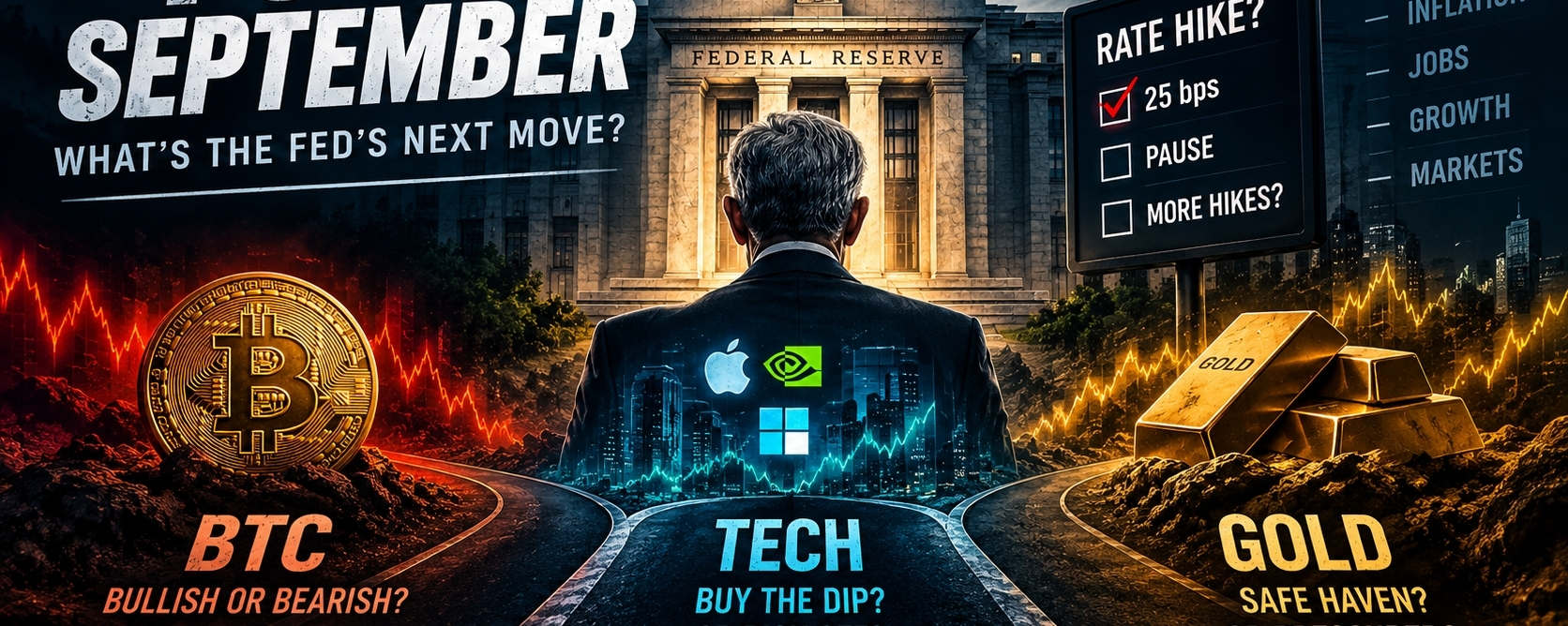
FOMC septiembre: se avecina una subida de la Fed ¿Qué sigue para BTC, tecnología y oro?FedRateWatch: ¿Cuál será el próximo movimiento de la Fed?
La Fed vuelve a tomar el control del volante, y los traders de cripto están observando cada número.
El IPC básico de agosto llegó a 0,3% mes a mes, manteniendo vivas las preocupaciones por la inflación y empujando a los mercados hacia una probabilidad de aproximadamente 90% de una subida de 25 pb de la tasa esta semana.
En este punto, la caminata en sí no es exactamente la sorpresa. La pregunta más grande es qué viene después.
¿Subida o no subida?
Mi escenario base: una subida de 25 pb.
Lo interesante es si la Fed lo presenta como un ajuste puntual o si señala que las tasas podrían mantenerse más altas por más tiempo.
FOMC septiembre: se avecina una subida de la Fed ¿Qué sigue para BTC, tecnología y oro?
FedRateWatch: ¿Cuál será el próximo movimiento de la Fed?
La Fed vuelve a tomar el control del volante, y los traders de cripto están observando cada número.
El IPC básico de agosto llegó a 0,3% mes a mes, manteniendo vivas las preocupaciones por la inflación y empujando a los mercados hacia una probabilidad de aproximadamente 90% de una subida de 25 pb de la tasa esta semana.
En este punto, la caminata en sí no es exactamente la sorpresa. La pregunta más grande es qué viene después.
¿Subida o no subida?
Mi escenario base: una subida de 25 pb.
Lo interesante es si la Fed lo presenta como un ajuste puntual o si señala que las tasas podrían mantenerse más altas por más tiempo.
La Fed vuelve a tomar el control del volante, y los traders de cripto están observando cada número.
El IPC básico de agosto llegó a 0,3% mes a mes, manteniendo vivas las preocupaciones por la inflación y empujando a los mercados hacia una probabilidad de aproximadamente 90% de una subida de 25 pb de la tasa esta semana.
En este punto, la caminata en sí no es exactamente la sorpresa. La pregunta más grande es qué viene después.
¿Subida o no subida?
Mi escenario base: una subida de 25 pb.
Lo interesante es si la Fed lo presenta como un ajuste puntual o si señala que las tasas podrían mantenerse más altas por más tiempo.
247
·
--
Alcista
🔥 Crecimiento del 619.1% en tenedores de acciones tokenizadas.
El cambio de los mercados tradicionales a la inversión en cadena (on-chain) está ganando un impulso serio. 📊
Las acciones tokenizadas podrían ser uno de los mayores puentes entre Wall Street y Web3. 🌐
#TokenizedStockHoldersUp619.1% $龙虾
$NES $LAB
{alpha}(560x7ec43cf65f1663f820427c62a5780b8f2e25593a)
🔥 Crecimiento del 619.1% en tenedores de acciones tokenizadas.
El cambio de los mercados tradicionales a la inversión en cadena (on-chain) está ganando un impulso serio. 📊
Las acciones tokenizadas podrían ser uno de los mayores puentes entre Wall Street y Web3. 🌐
#TokenizedStockHoldersUp619.1% $龙虾
$NES $LAB
El cambio de los mercados tradicionales a la inversión en cadena (on-chain) está ganando un impulso serio. 📊
Las acciones tokenizadas podrían ser uno de los mayores puentes entre Wall Street y Web3. 🌐
#TokenizedStockHoldersUp619.1% $龙虾
$NES $LAB
1
538
·
--
Alcista
#CPIWatch 🚨
¿La inflación por fin se está enfriando o estamos a punto de recibir otra sorpresa?
Los últimos datos del IPC podrían marcar el rumbo de las tasas de interés, las divisas, los mercados y el sentimiento de los inversores.
📊 ¿Qué estás esperando: IPC al alza, a la baja o en línea?
Deja tu pronóstico abajo 👇
#CPI #Inflation #Markets #Economy #Inversión
#CPIWatch 🚨
¿La inflación por fin se está enfriando o estamos a punto de recibir otra sorpresa?
Los últimos datos del IPC podrían marcar el rumbo de las tasas de interés, las divisas, los mercados y el sentimiento de los inversores.
📊 ¿Qué estás esperando: IPC al alza, a la baja o en línea?
Deja tu pronóstico abajo 👇
#CPI #Inflation #Markets #Economy #Inversión
¿La inflación por fin se está enfriando o estamos a punto de recibir otra sorpresa?
Los últimos datos del IPC podrían marcar el rumbo de las tasas de interés, las divisas, los mercados y el sentimiento de los inversores.
📊 ¿Qué estás esperando: IPC al alza, a la baja o en línea?
Deja tu pronóstico abajo 👇
#CPI #Inflation #Markets #Economy #Inversión

151
·
--
Alcista
Trump está presionando a la Fed para que recorte los tipos, incluso cuando el mercado laboral estadounidense muestra una fortaleza sorprendente, con 162 mil empleos añadidos en agosto.
La gran pregunta: ¿priorizará la Fed el crecimiento, o mantendrá los tipos más altos para combatir la inflación? 🇺🇸📊
#TRUMP #BREAKING
Trump está presionando a la Fed para que recorte los tipos, incluso cuando el mercado laboral estadounidense muestra una fortaleza sorprendente, con 162 mil empleos añadidos en agosto.
La gran pregunta: ¿priorizará la Fed el crecimiento, o mantendrá los tipos más altos para combatir la inflación? 🇺🇸📊
#TRUMP #BREAKING
La gran pregunta: ¿priorizará la Fed el crecimiento, o mantendrá los tipos más altos para combatir la inflación? 🇺🇸📊
#TRUMP #BREAKING
110
·
--
Alcista
🚨 URGENTE: Las tensiones aumentan en el Golfo
#IranStrikesUSBaseInKuwait
Los ataques reportados de Irán contra una base militar de EE. UU. en Kuwait han empujado la ya tensa confrontación entre EE. UU. e Irán a otra fase peligrosa.
Con misiles y drones supuestamente involucrados, la atención ahora se centra en la magnitud de los daños, las posibles víctimas y cómo Washington y Teherán responderán a continuación.
El Golfo está observando. 🌍
#Iran #Kuwait #USA #OrienteMedio #IranStrikesUSBaseInKuwait #Breaking #Geopolitics
🚨 URGENTE: Las tensiones aumentan en el Golfo
#IranStrikesUSBaseInKuwait
Los ataques reportados de Irán contra una base militar de EE. UU. en Kuwait han empujado la ya tensa confrontación entre EE. UU. e Irán a otra fase peligrosa.
Con misiles y drones supuestamente involucrados, la atención ahora se centra en la magnitud de los daños, las posibles víctimas y cómo Washington y Teherán responderán a continuación.
El Golfo está observando. 🌍
#Iran #Kuwait #USA #OrienteMedio #IranStrikesUSBaseInKuwait #Breaking #Geopolitics
#IranStrikesUSBaseInKuwait
Los ataques reportados de Irán contra una base militar de EE. UU. en Kuwait han empujado la ya tensa confrontación entre EE. UU. e Irán a otra fase peligrosa.
Con misiles y drones supuestamente involucrados, la atención ahora se centra en la magnitud de los daños, las posibles víctimas y cómo Washington y Teherán responderán a continuación.
El Golfo está observando. 🌍
#Iran #Kuwait #USA #OrienteMedio #IranStrikesUSBaseInKuwait #Breaking #Geopolitics
113
·
--
Alcista
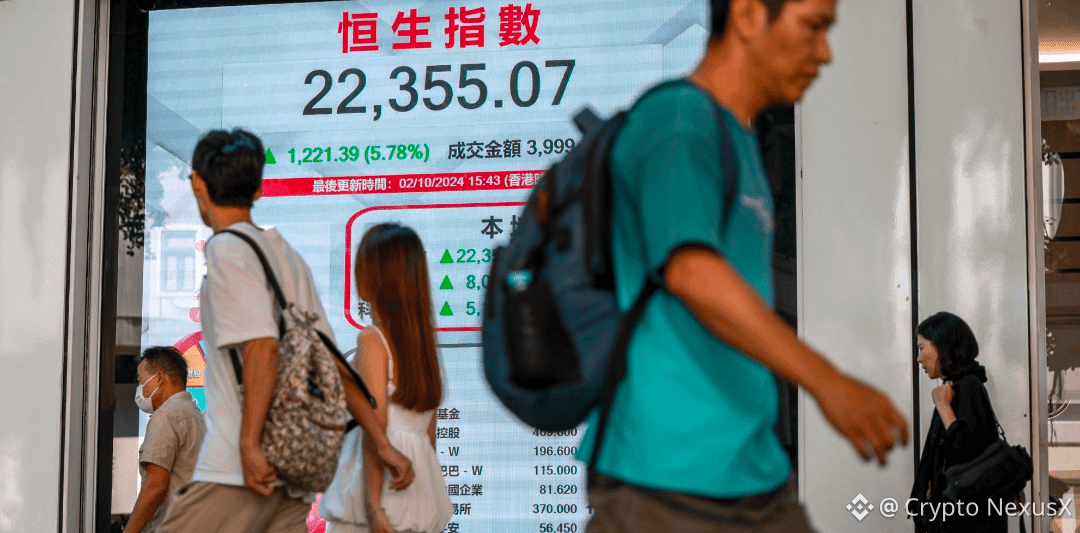
📊 El Hang Seng cierra ligeramente a la baja
#HangSengCloses18PointsLower
El índice Hang Seng cerró 18 puntos más bajo, ya que los inversores se mantuvieron cautelosos ante señales mixtas del mercado. La modesta caída refleja la persistente incertidumbre en las acciones de Hong Kong mientras los operadores evalúan datos económicos y tendencias de los mercados globales.
#HangSeng #HongKongStocks #StockMarket #ActualizaciónDeMercado #Investing
📊 El Hang Seng cierra ligeramente a la baja
#HangSengCloses18PointsLower
El índice Hang Seng cerró 18 puntos más bajo, ya que los inversores se mantuvieron cautelosos ante señales mixtas del mercado. La modesta caída refleja la persistente incertidumbre en las acciones de Hong Kong mientras los operadores evalúan datos económicos y tendencias de los mercados globales.
#HangSeng #HongKongStocks #StockMarket #ActualizaciónDeMercado #Investing
#HangSengCloses18PointsLower
El índice Hang Seng cerró 18 puntos más bajo, ya que los inversores se mantuvieron cautelosos ante señales mixtas del mercado. La modesta caída refleja la persistente incertidumbre en las acciones de Hong Kong mientras los operadores evalúan datos económicos y tendencias de los mercados globales.
#HangSeng #HongKongStocks #StockMarket #ActualizaciónDeMercado #Investing
175
·
--
Alcista
🚀 ARB vuelve con fuerza
#ARBRises30%OnRobinhoodChainRevenue
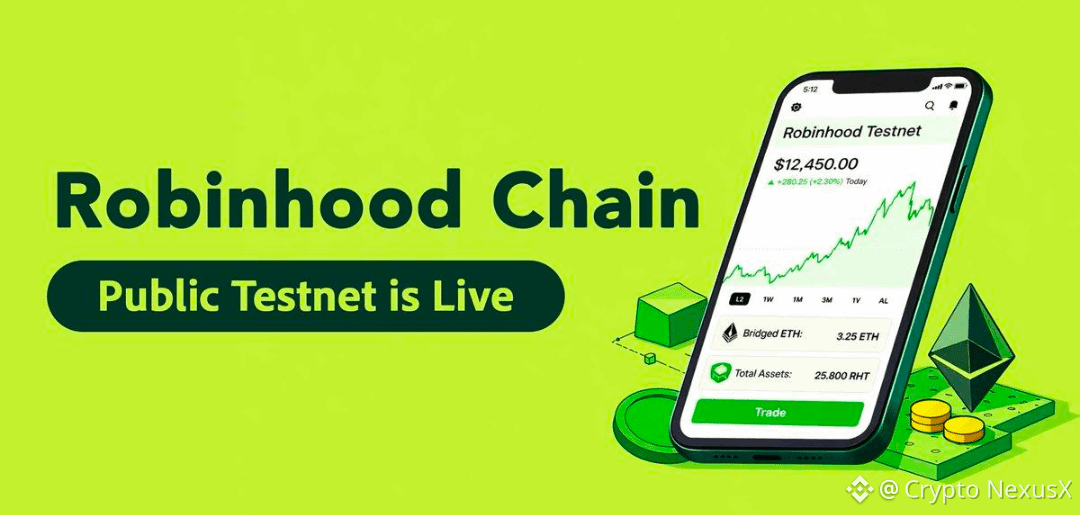
ARB regresa al centro de atención. El token se disparó más de un 30% en 24 horas después de que los ingresos por transacciones de Robinhood Chain superaran los $2 millones, impulsando la confianza en el creciente ecosistema de Arbitrum.
Robinhood Chain se construye utilizando tecnología de Arbitrum, y el 10% de sus ingresos netos del protocolo regresa al ecosistema de Arbitrum. El repunte les da a los traders una razón renovada para seguir muy de cerca a ARB.
📈 Gran movimiento. Gran pregunta: ¿Puede ARB sostener el impulso?
🚀 ARB vuelve con fuerza
#ARBRises30%OnRobinhoodChainRevenue
ARB regresa al centro de atención. El token se disparó más de un 30% en 24 horas después de que los ingresos por transacciones de Robinhood Chain superaran los $2 millones, impulsando la confianza en el creciente ecosistema de Arbitrum.
Robinhood Chain se construye utilizando tecnología de Arbitrum, y el 10% de sus ingresos netos del protocolo regresa al ecosistema de Arbitrum. El repunte les da a los traders una razón renovada para seguir muy de cerca a ARB.
📈 Gran movimiento. Gran pregunta: ¿Puede ARB sostener el impulso?
#ARBRises30%OnRobinhoodChainRevenue
ARB regresa al centro de atención. El token se disparó más de un 30% en 24 horas después de que los ingresos por transacciones de Robinhood Chain superaran los $2 millones, impulsando la confianza en el creciente ecosistema de Arbitrum.
Robinhood Chain se construye utilizando tecnología de Arbitrum, y el 10% de sus ingresos netos del protocolo regresa al ecosistema de Arbitrum. El repunte les da a los traders una razón renovada para seguir muy de cerca a ARB.
📈 Gran movimiento. Gran pregunta: ¿Puede ARB sostener el impulso?
166
·
--
Alcista
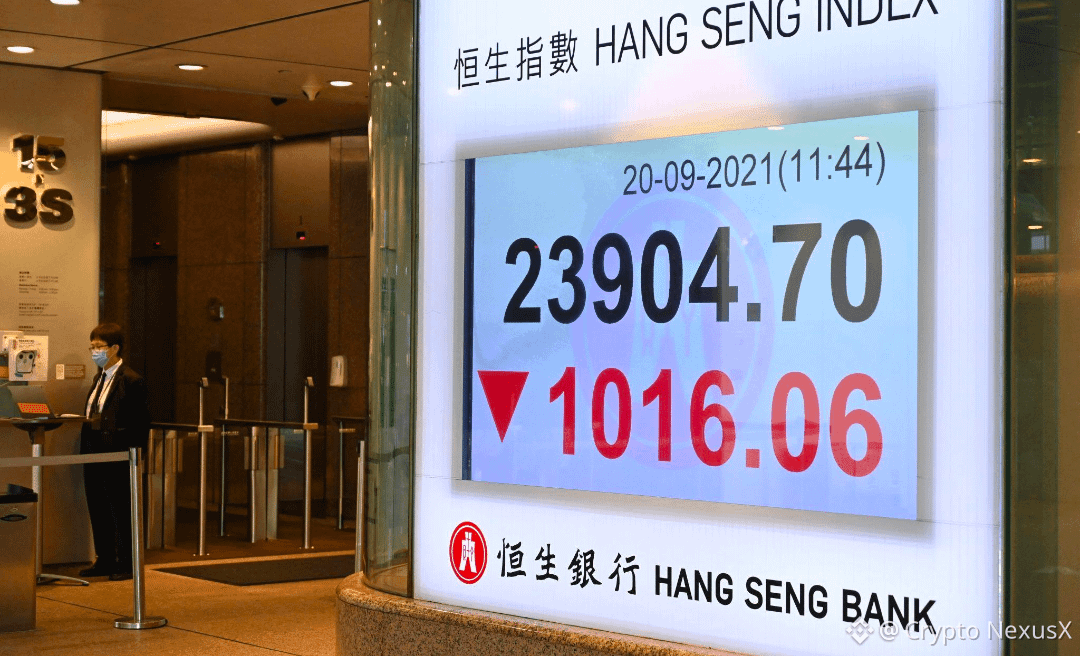
📉 El Hang Seng Cae Casi 1%
#HangSengFalls1%
Las acciones de Hong Kong se vieron presionadas después de que el índice Hang Seng cayera cerca de un 0.95% a 25,324, con tensiones renovadas entre EE. UU. e Irán, precios del petróleo más altos y preocupaciones sobre el aumento de la inflación que pesaron en el sentimiento de los inversores.
#HangSeng #HongKong #BolsaDeValores #AsiaMarkets #Investing
📉 El Hang Seng Cae Casi 1%
#HangSengFalls1%
Las acciones de Hong Kong se vieron presionadas después de que el índice Hang Seng cayera cerca de un 0.95% a 25,324, con tensiones renovadas entre EE. UU. e Irán, precios del petróleo más altos y preocupaciones sobre el aumento de la inflación que pesaron en el sentimiento de los inversores.
#HangSeng #HongKong #BolsaDeValores #AsiaMarkets #Investing
#HangSengFalls1%
Las acciones de Hong Kong se vieron presionadas después de que el índice Hang Seng cayera cerca de un 0.95% a 25,324, con tensiones renovadas entre EE. UU. e Irán, precios del petróleo más altos y preocupaciones sobre el aumento de la inflación que pesaron en el sentimiento de los inversores.
#HangSeng #HongKong #BolsaDeValores #AsiaMarkets #Investing
155

Artículo
El rublo digital de Rusia entra en una nueva era el 1 de septiembreRusia avanza con el despliegue a gran escala de su rublo digital el 1 de septiembre de 2026, marcando un paso importante en el proyecto de divisa digital del banco central (CBDC) del país. La iniciativa se ha probado desde 2023 y ahora se ampliará a los bancos principales y a los grandes comercios.
A partir de la fecha de lanzamiento, se exigirá a 12 bancos sistémicamente importantes que respalden las transacciones con el rublo digital, mientras que los comercios con ingresos anuales superiores a 120 millones de rublos también tendrán que aceptar el nuevo método de pago. Las empresas más pequeñas se incorporarán al sistema por etapas hasta 2028.
El rublo digital de Rusia entra en una nueva era el 1 de septiembre
Rusia avanza con el despliegue a gran escala de su rublo digital el 1 de septiembre de 2026, marcando un paso importante en el proyecto de divisa digital del banco central (CBDC) del país. La iniciativa se ha probado desde 2023 y ahora se ampliará a los bancos principales y a los grandes comercios.
A partir de la fecha de lanzamiento, se exigirá a 12 bancos sistémicamente importantes que respalden las transacciones con el rublo digital, mientras que los comercios con ingresos anuales superiores a 120 millones de rublos también tendrán que aceptar el nuevo método de pago. Las empresas más pequeñas se incorporarán al sistema por etapas hasta 2028.
A partir de la fecha de lanzamiento, se exigirá a 12 bancos sistémicamente importantes que respalden las transacciones con el rublo digital, mientras que los comercios con ingresos anuales superiores a 120 millones de rublos también tendrán que aceptar el nuevo método de pago. Las empresas más pequeñas se incorporarán al sistema por etapas hasta 2028.
1
159
·
--
Alcista
📊 ¡El impulso de los altcoins se está calentando!
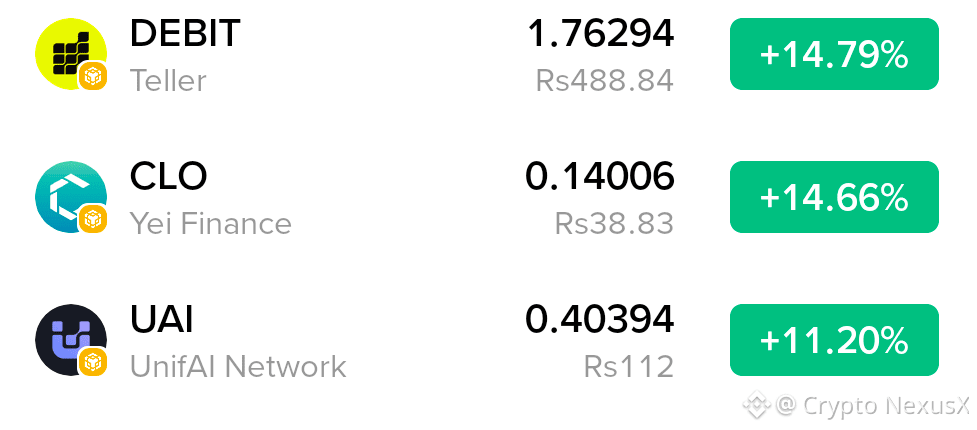
$DEBIT lidera el movimiento con +14.79%, seguido de cerca por $CLO con +14.66% y $UAI con +11.20%. 🔥
Las velas verdes siempre llaman la atención, pero el dinero inteligente observa el impulso y los fundamentos. 👀
#Crypto #DeFi #Altcoins #BNBChain #CryptoTrading
📊 ¡El impulso de los altcoins se está calentando!
$DEBIT lidera el movimiento con +14.79%, seguido de cerca por $CLO con +14.66% y $UAI con +11.20%. 🔥
Las velas verdes siempre llaman la atención, pero el dinero inteligente observa el impulso y los fundamentos. 👀
#Crypto #DeFi #Altcoins #BNBChain #CryptoTrading
$DEBIT lidera el movimiento con +14.79%, seguido de cerca por $CLO con +14.66% y $UAI con +11.20%. 🔥
Las velas verdes siempre llaman la atención, pero el dinero inteligente observa el impulso y los fundamentos. 👀
#Crypto #DeFi #Altcoins #BNBChain #CryptoTrading
601
·
--
Alcista
🇯🇵 El yen cae pese a casi 97 mil millones de dólares de apoyo de Japón
El enorme esfuerzo de Japón para respaldar el yen está luchando por frenar la caída de la divisa. Tokio gastó un récord de 15,4 billones de yenes (unos 96,5 mil millones de dólares) en intervenciones cambiarias entre el 30 de julio y el 26 de agosto, pero el yen se ha debilitado nuevamente por encima de los 160 yenes por dólar.
La principal presión es la ampliación de la brecha de tipos entre EE. UU. y Japón. Señales más firmes por parte de la Reserva Federal han fortalecido el dólar y han reducido las expectativas de que la brecha se estreche pronto.
Conclusión: Japón puede gastar miles de millones para defender el yen, pero los mercados, en última instancia, quieren ver un respaldo más sólido de la política monetaria y de los diferenciales de tipos de interés.
#Yen #Japan #USDJPY #YenFallsDespite$97BJapanSupport #Economy
🇯🇵 El yen cae pese a casi 97 mil millones de dólares de apoyo de Japón
El enorme esfuerzo de Japón para respaldar el yen está luchando por frenar la caída de la divisa. Tokio gastó un récord de 15,4 billones de yenes (unos 96,5 mil millones de dólares) en intervenciones cambiarias entre el 30 de julio y el 26 de agosto, pero el yen se ha debilitado nuevamente por encima de los 160 yenes por dólar.
La principal presión es la ampliación de la brecha de tipos entre EE. UU. y Japón. Señales más firmes por parte de la Reserva Federal han fortalecido el dólar y han reducido las expectativas de que la brecha se estreche pronto.
Conclusión: Japón puede gastar miles de millones para defender el yen, pero los mercados, en última instancia, quieren ver un respaldo más sólido de la política monetaria y de los diferenciales de tipos de interés.
#Yen #Japan #USDJPY #YenFallsDespite$97BJapanSupport #Economy
El enorme esfuerzo de Japón para respaldar el yen está luchando por frenar la caída de la divisa. Tokio gastó un récord de 15,4 billones de yenes (unos 96,5 mil millones de dólares) en intervenciones cambiarias entre el 30 de julio y el 26 de agosto, pero el yen se ha debilitado nuevamente por encima de los 160 yenes por dólar.
La principal presión es la ampliación de la brecha de tipos entre EE. UU. y Japón. Señales más firmes por parte de la Reserva Federal han fortalecido el dólar y han reducido las expectativas de que la brecha se estreche pronto.
Conclusión: Japón puede gastar miles de millones para defender el yen, pero los mercados, en última instancia, quieren ver un respaldo más sólido de la política monetaria y de los diferenciales de tipos de interés.
#Yen #Japan #USDJPY #YenFallsDespite$97BJapanSupport #Economy
114
·
--
Alcista
🔥 ¡Velas verdes por todas partes!
El mercado está mostrando un impulso serio ahora mismo.
$牛来 lidera con un enorme +138.70%, mientras que $UAI y $CYS también están impulsando fuertes ganancias. 📈
Atentos al siguiente movimiento. 👀🚀
Mantente alerta, haz tu propia investigación (DYOR) y gestiona tu riesgo.
🔥 ¡Velas verdes por todas partes!
El mercado está mostrando un impulso serio ahora mismo.
$牛来 lidera con un enorme +138.70%, mientras que $UAI y $CYS también están impulsando fuertes ganancias. 📈
Atentos al siguiente movimiento. 👀🚀
Mantente alerta, haz tu propia investigación (DYOR) y gestiona tu riesgo.
El mercado está mostrando un impulso serio ahora mismo.
$牛来 lidera con un enorme +138.70%, mientras que $UAI y $CYS también están impulsando fuertes ganancias. 📈
Atentos al siguiente movimiento. 👀🚀
Mantente alerta, haz tu propia investigación (DYOR) y gestiona tu riesgo.
504
·
--
Alcista
#BitcoinSpotETFEnds9DayInflowStreak
Los ETF de bitcoin al contado han puesto fin a una racha de nueve días de entradas netas, un recordatorio de que la demanda institucional puede cambiar rápidamente con las condiciones del mercado.
Un día no cambia el panorama general, pero los flujos de los ETF siguen siendo una métrica importante a vigilar para obtener pistas sobre el sentimiento y la liquidez en torno a Bitcoin. ₿📊
#Bitcoin #BTC #BitcoinETF #Crypto
#BitcoinSpotETFEnds9DayInflowStreak
Los ETF de bitcoin al contado han puesto fin a una racha de nueve días de entradas netas, un recordatorio de que la demanda institucional puede cambiar rápidamente con las condiciones del mercado.
Un día no cambia el panorama general, pero los flujos de los ETF siguen siendo una métrica importante a vigilar para obtener pistas sobre el sentimiento y la liquidez en torno a Bitcoin. ₿📊
#Bitcoin #BTC #BitcoinETF #Crypto
Los ETF de bitcoin al contado han puesto fin a una racha de nueve días de entradas netas, un recordatorio de que la demanda institucional puede cambiar rápidamente con las condiciones del mercado.
Un día no cambia el panorama general, pero los flujos de los ETF siguen siendo una métrica importante a vigilar para obtener pistas sobre el sentimiento y la liquidez en torno a Bitcoin. ₿📊
#Bitcoin #BTC #BitcoinETF #Crypto
1
143
·
--
Alcista
#AntiQuantumBitcoinTransactionMinedOnMainnet
Bitcoin está hecho para el largo plazo, y prepararse para la era cuántica forma parte de ese camino. ⚡₿
La minería de una transacción resistente al poscuántico en la red principal destaca cómo la innovación puede ayudar a fortalecer Bitcoin frente a los desafíos criptográficos futuros.
La era cuántica puede estar llegando, pero Bitcoin puede prepararse hoy.
#Bitcoin #QuantumResistance #BTC #Blockchain
#AntiQuantumBitcoinTransactionMinedOnMainnet
Bitcoin está hecho para el largo plazo, y prepararse para la era cuántica forma parte de ese camino. ⚡₿
La minería de una transacción resistente al poscuántico en la red principal destaca cómo la innovación puede ayudar a fortalecer Bitcoin frente a los desafíos criptográficos futuros.
La era cuántica puede estar llegando, pero Bitcoin puede prepararse hoy.
#Bitcoin #QuantumResistance #BTC #Blockchain
Bitcoin está hecho para el largo plazo, y prepararse para la era cuántica forma parte de ese camino. ⚡₿
La minería de una transacción resistente al poscuántico en la red principal destaca cómo la innovación puede ayudar a fortalecer Bitcoin frente a los desafíos criptográficos futuros.
La era cuántica puede estar llegando, pero Bitcoin puede prepararse hoy.
#Bitcoin #QuantumResistance #BTC #Blockchain
131
·
--
Alcista
#dusk $DUSK @Dusk_Foundation
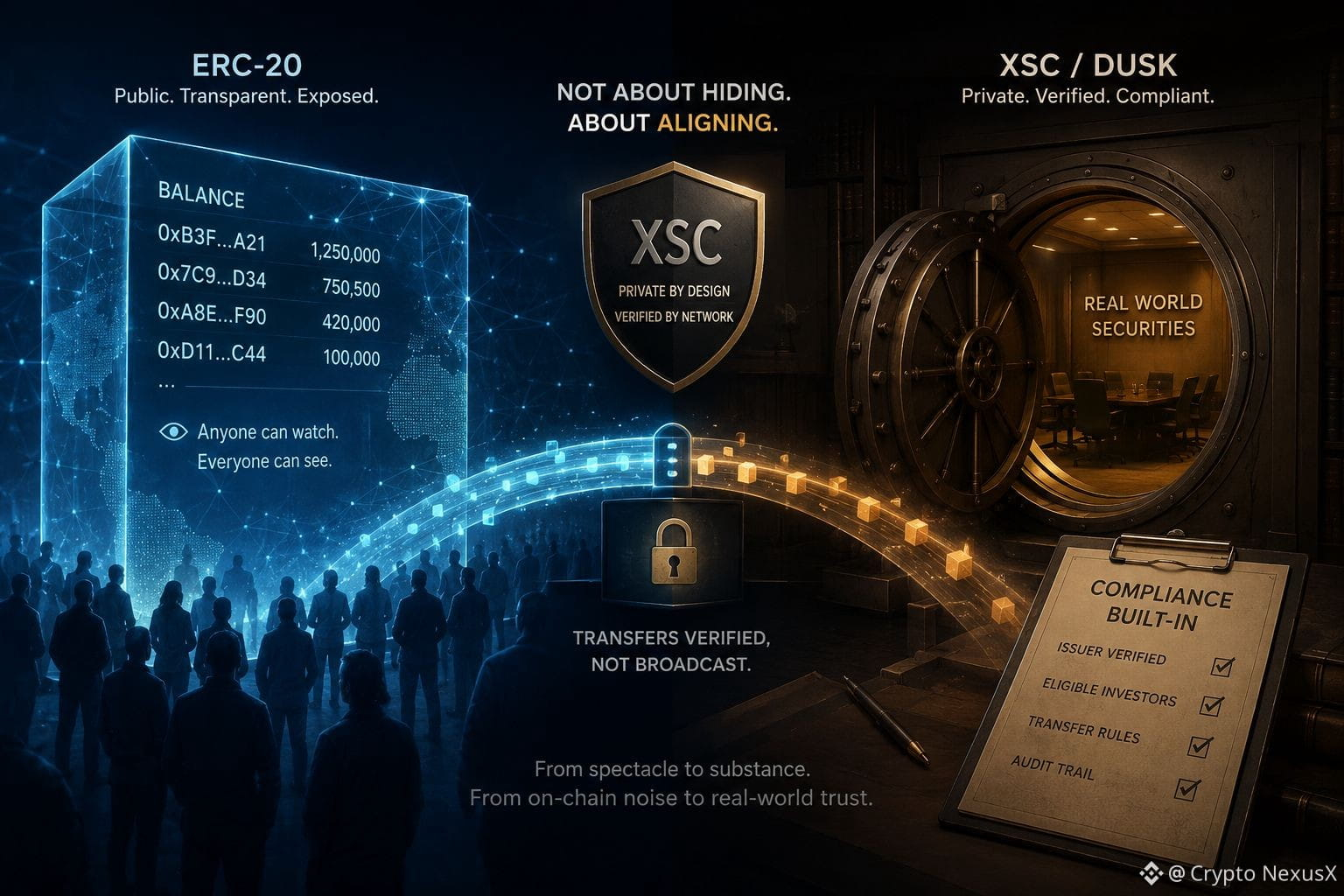
Honestamente, lo que me atrajo a XSC no fue la propuesta tecnológica; fue una realización tonta: la mayoría de las "security tokens" no son más que un ERC-20 en una cadena pública, vestido de otra cosa. Cualquiera puede ver cómo se mueven los saldos, ver quién tiene qué. Ningún fondo real opera así fuera de la cadena, así que, ¿por qué lo harían en la cadena? XSC en realidad intenta arreglar eso en lugar de ignorarlo: las transferencias siguen verificándose por la red, solo que no se transmiten a todos los que están mirando.
Pasé un rato en el testnet de Dusk esperando quedarme impresionado por la criptografía, pero lo que se me quedó fue lo aburrido que se sentía el settlement. En el buen sentido: rápido, silencioso, nada de qué quedarse mirando.
Lo que me gusta en la práctica es que la conformidad está integrada en la lógica del contrato en lugar de estar añadida a posteriori en una hoja de cálculo. Lo que me preocupa es que todo esto no sirve de nada si las instituciones no confían lo suficiente como para emitir valores reales sobre ello, y ese tipo de confianza se construye durante años, no con testnets.
¿Cambiarías la transparencia total en cadena por algo más parecido a cómo ya funcionan hoy los valores?
#dusk $DUSK @Dusk
Honestamente, lo que me atrajo a XSC no fue la propuesta tecnológica; fue una realización tonta: la mayoría de las "security tokens" no son más que un ERC-20 en una cadena pública, vestido de otra cosa. Cualquiera puede ver cómo se mueven los saldos, ver quién tiene qué. Ningún fondo real opera así fuera de la cadena, así que, ¿por qué lo harían en la cadena? XSC en realidad intenta arreglar eso en lugar de ignorarlo: las transferencias siguen verificándose por la red, solo que no se transmiten a todos los que están mirando.
Pasé un rato en el testnet de Dusk esperando quedarme impresionado por la criptografía, pero lo que se me quedó fue lo aburrido que se sentía el settlement. En el buen sentido: rápido, silencioso, nada de qué quedarse mirando.
Lo que me gusta en la práctica es que la conformidad está integrada en la lógica del contrato en lugar de estar añadida a posteriori en una hoja de cálculo. Lo que me preocupa es que todo esto no sirve de nada si las instituciones no confían lo suficiente como para emitir valores reales sobre ello, y ese tipo de confianza se construye durante años, no con testnets.
¿Cambiarías la transparencia total en cadena por algo más parecido a cómo ya funcionan hoy los valores?
Honestamente, lo que me atrajo a XSC no fue la propuesta tecnológica; fue una realización tonta: la mayoría de las "security tokens" no son más que un ERC-20 en una cadena pública, vestido de otra cosa. Cualquiera puede ver cómo se mueven los saldos, ver quién tiene qué. Ningún fondo real opera así fuera de la cadena, así que, ¿por qué lo harían en la cadena? XSC en realidad intenta arreglar eso en lugar de ignorarlo: las transferencias siguen verificándose por la red, solo que no se transmiten a todos los que están mirando.
Pasé un rato en el testnet de Dusk esperando quedarme impresionado por la criptografía, pero lo que se me quedó fue lo aburrido que se sentía el settlement. En el buen sentido: rápido, silencioso, nada de qué quedarse mirando.
Lo que me gusta en la práctica es que la conformidad está integrada en la lógica del contrato en lugar de estar añadida a posteriori en una hoja de cálculo. Lo que me preocupa es que todo esto no sirve de nada si las instituciones no confían lo suficiente como para emitir valores reales sobre ello, y ese tipo de confianza se construye durante años, no con testnets.
¿Cambiarías la transparencia total en cadena por algo más parecido a cómo ya funcionan hoy los valores?
1
177
·
--
Alcista
ÚLTIMA HORA: ¿Una pausa después de la tormenta? 🇺🇸🇮🇷
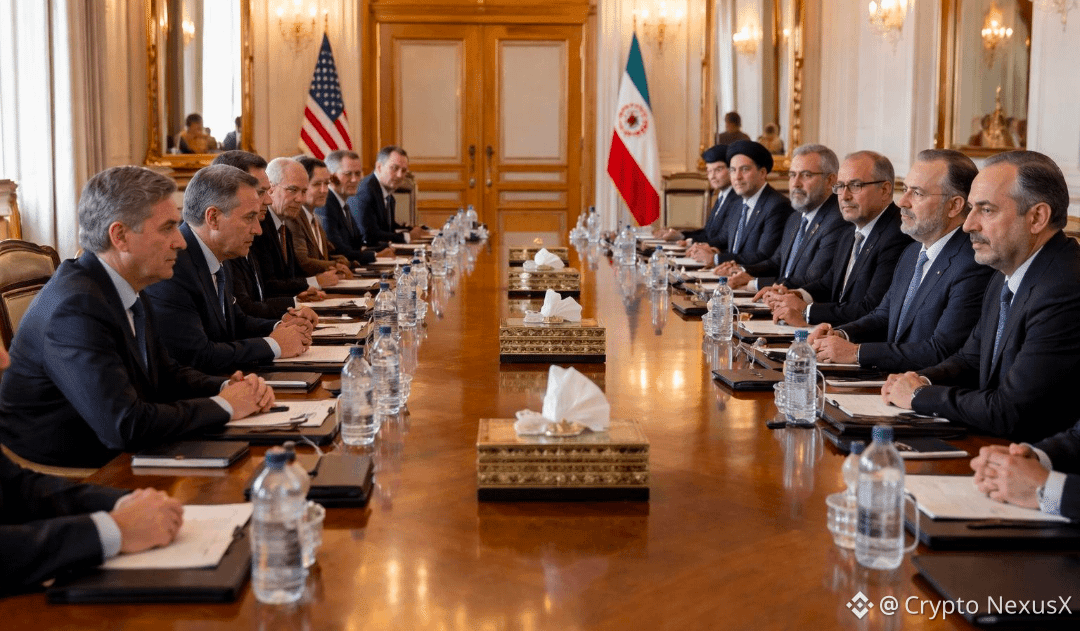
Los informes sobre un posible consenso de alto el fuego entre Estados Unidos e Irán están elevando las esperanzas de que la región podría estar alejándose de la escalada y acercándose a la diplomacia.
Aún no hay motivos para celebrar: los detalles, la implementación y la solidez de cualquier acuerdo serán lo más importante. Pero si se confirma, incluso una pausa en las hostilidades podría abrir espacio para el diálogo y un camino más amplio hacia la paz. 🕊️
La diplomacia, ahora, tiene la palabra.
#USIran #Ceasefire #PeaceTalks #MiddleEast #Diplomacy #USIranReportedlyReachCeasefireConsensus
ÚLTIMA HORA: ¿Una pausa después de la tormenta? 🇺🇸🇮🇷
Los informes sobre un posible consenso de alto el fuego entre Estados Unidos e Irán están elevando las esperanzas de que la región podría estar alejándose de la escalada y acercándose a la diplomacia.
Aún no hay motivos para celebrar: los detalles, la implementación y la solidez de cualquier acuerdo serán lo más importante. Pero si se confirma, incluso una pausa en las hostilidades podría abrir espacio para el diálogo y un camino más amplio hacia la paz. 🕊️
La diplomacia, ahora, tiene la palabra.
#USIran #Ceasefire #PeaceTalks #MiddleEast #Diplomacy #USIranReportedlyReachCeasefireConsensus
Los informes sobre un posible consenso de alto el fuego entre Estados Unidos e Irán están elevando las esperanzas de que la región podría estar alejándose de la escalada y acercándose a la diplomacia.
Aún no hay motivos para celebrar: los detalles, la implementación y la solidez de cualquier acuerdo serán lo más importante. Pero si se confirma, incluso una pausa en las hostilidades podría abrir espacio para el diálogo y un camino más amplio hacia la paz. 🕊️
La diplomacia, ahora, tiene la palabra.
#USIran #Ceasefire #PeaceTalks #MiddleEast #Diplomacy #USIranReportedlyReachCeasefireConsensus
152
Inicia sesión para explorar más contenidos
Únete a usuarios globales de criptomonedas en Binance Square
⚡️ Obtén información útil y actualizada sobre criptos.
💬 Avalado por el mayor exchange de criptomonedas en el mundo.
👍 Descubre perspectivas reales de creadores verificados.
Email/número de teléfono
Temas populares
DriftHackVictimsBeginClaims
57,642 vistas
685 están debatiendo
#DriftHackVictimsBeginClaims #writetoearn
El Drift Protocol, el destacado intercambio de futuros perpetuos descentralizado basado en Solana, abrió oficialmente su portal de reclamaciones y redenciones para el token de recuperación DFX. Esta medida busca compensar a los usuarios afectados por el devastador hackeo masivo del 1 de abril, que drenó aproximadamente 295.4 millones de dólares de la plataforma en un ataque perpetrado por actores vinculados a Corea del Norte. Los afectados recibirán un token DFX por cada USDT de pérdida verificada en la instantánea (snapshot) de ese día. Sin embargo, la asignación inicial del fondo de recuperación, que cuenta con unos 3.11 millones de USDT, sitúa la tasa de redención inicial en apenas 0.0104 USDT por cada DFX; es decir, los usuarios recibirán aproximadamente un centavo por cada dólar perdido en esta primera fase. Los afectados tienen hasta el 1 de enero de 2028 para reclamar sus tokens a través del portal oficial, fecha tras la cual todo el suministro de DFX que no haya sido reclamado será quemado de forma permanente.
A continuación se presentan imágenes reales relacionadas con portales y anuncios de alertas financieras digitales:
WorldWideWeb The World ARPANET Archie EFF
·5 me gusta
·498 vistas
SolanaTokenizedStockVolumeTops$4.4BInSeptember
6,967 vistas
71 están debatiendo
BitcoinSpotETFsDraw$6.34BInflowsInQ3
23,059 vistas
184 están debatiendo