
#proofofstake
proofofstake
49,395 vistas
217 están debatiendo
Hot
Lo último

·
--
La prueba de participación es la apuesta a largo plazo más infravalorada en cripto
Todo el mundo debate qué Capa 1 gana la carrera de rendimiento. Pocos se hacen una pregunta más importante: ¿qué redes están diseñadas para seguir funcionando y prosperar en 2035?
La Prueba de Participación no es solo una mejora eficiente en energía. Es un mecanismo de gobernanza y alineación económica. Los validadores que apuestan capital para asegurar la red tienen interés real en el resultado. Se benefician cuando el protocolo prospera y sufren cuando falla. Ese ciclo de incentivos es estructuralmente superior a la carrera armamentista entre mineros y fabricantes de Proof-of-Work.
$ADA ha pasado años construyendo Voltaire, una capa de gobernanza totalmente on-chain donde los titulares votan el gasto del tesoro y las actualizaciones del protocolo. Esa es una red que se gobierna a sí misma sin depender del equipo central. $DOT lleva esto más lejos con OpenGov: cualquier titular de tokens puede proponer un referéndum, y la gobernanza de vía rápida hace que las actualizaciones se envíen sin hard forks.
$ETH apuestando, se asegura un valor de más de 100 mil millones, con colas de retiro y condiciones de slashing que crean una rendición de cuentas real para los validadores. El rendimiento de la apuesta, los derechos de gobernanza y la longevidad del protocolo se combinan y se potencian con el tiempo.
La apuesta a largo plazo no es solo la apreciación del precio. Los holders pasivos se diluyen. Los participantes activos son recompensados.
Esto es lo que significa realmente tener convicción a largo plazo en ecosistemas de PoS: no solo mantener, sino participar.
#ProofOfStake #CryptoGovernance #LongTermInvesting #CryptoInsights #BinanceSquare
La prueba de participación es la apuesta a largo plazo más infravalorada en cripto
Todo el mundo debate qué Capa 1 gana la carrera de rendimiento. Pocos se hacen una pregunta más importante: ¿qué redes están diseñadas para seguir funcionando y prosperar en 2035?
La Prueba de Participación no es solo una mejora eficiente en energía. Es un mecanismo de gobernanza y alineación económica. Los validadores que apuestan capital para asegurar la red tienen interés real en el resultado. Se benefician cuando el protocolo prospera y sufren cuando falla. Ese ciclo de incentivos es estructuralmente superior a la carrera armamentista entre mineros y fabricantes de Proof-of-Work.
$ADA ha pasado años construyendo Voltaire, una capa de gobernanza totalmente on-chain donde los titulares votan el gasto del tesoro y las actualizaciones del protocolo. Esa es una red que se gobierna a sí misma sin depender del equipo central. $DOT lleva esto más lejos con OpenGov: cualquier titular de tokens puede proponer un referéndum, y la gobernanza de vía rápida hace que las actualizaciones se envíen sin hard forks.
$ETH apuestando, se asegura un valor de más de 100 mil millones, con colas de retiro y condiciones de slashing que crean una rendición de cuentas real para los validadores. El rendimiento de la apuesta, los derechos de gobernanza y la longevidad del protocolo se combinan y se potencian con el tiempo.
La apuesta a largo plazo no es solo la apreciación del precio. Los holders pasivos se diluyen. Los participantes activos son recompensados.
Esto es lo que significa realmente tener convicción a largo plazo en ecosistemas de PoS: no solo mantener, sino participar.
#ProofOfStake #CryptoGovernance #LongTermInvesting #CryptoInsights #BinanceSquare
Todo el mundo debate qué Capa 1 gana la carrera de rendimiento. Pocos se hacen una pregunta más importante: ¿qué redes están diseñadas para seguir funcionando y prosperar en 2035?
La Prueba de Participación no es solo una mejora eficiente en energía. Es un mecanismo de gobernanza y alineación económica. Los validadores que apuestan capital para asegurar la red tienen interés real en el resultado. Se benefician cuando el protocolo prospera y sufren cuando falla. Ese ciclo de incentivos es estructuralmente superior a la carrera armamentista entre mineros y fabricantes de Proof-of-Work.
$ADA ha pasado años construyendo Voltaire, una capa de gobernanza totalmente on-chain donde los titulares votan el gasto del tesoro y las actualizaciones del protocolo. Esa es una red que se gobierna a sí misma sin depender del equipo central. $DOT lleva esto más lejos con OpenGov: cualquier titular de tokens puede proponer un referéndum, y la gobernanza de vía rápida hace que las actualizaciones se envíen sin hard forks.
$ETH apuestando, se asegura un valor de más de 100 mil millones, con colas de retiro y condiciones de slashing que crean una rendición de cuentas real para los validadores. El rendimiento de la apuesta, los derechos de gobernanza y la longevidad del protocolo se combinan y se potencian con el tiempo.
La apuesta a largo plazo no es solo la apreciación del precio. Los holders pasivos se diluyen. Los participantes activos son recompensados.
Esto es lo que significa realmente tener convicción a largo plazo en ecosistemas de PoS: no solo mantener, sino participar.
#ProofOfStake #CryptoGovernance #LongTermInvesting #CryptoInsights #BinanceSquare
100

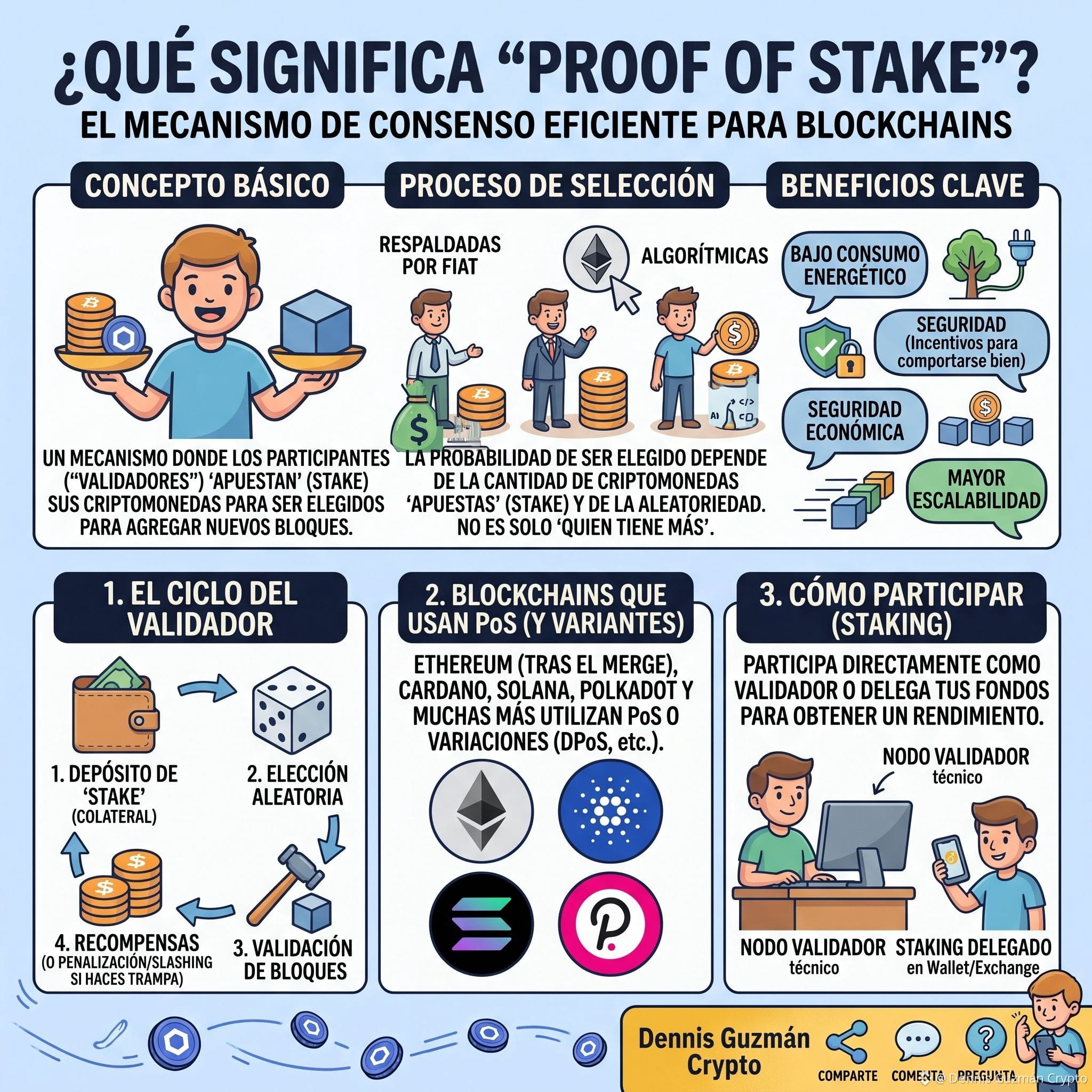
Proof of Stake es un mecanismo utilizado por algunas blockchains para validar transacciones y mantener la seguridad de la red.
En lugar de depender principalmente de minería tradicional, la red utiliza validadores que participan con activos bloqueados o delegados.
Cardano, cuya criptomoneda es $ADA , utiliza un modelo basado en Proof of Stake.
El objetivo es mantener una red distribuida mientras los participantes ayudan a validar y asegurar las operaciones.
Cada blockchain puede implementar este mecanismo de forma diferente, por lo que entender sus particularidades es importante.
#Cardano #ProofOfStake
Proof of Stake es un mecanismo utilizado por algunas blockchains para validar transacciones y mantener la seguridad de la red.
En lugar de depender principalmente de minería tradicional, la red utiliza validadores que participan con activos bloqueados o delegados.
Cardano, cuya criptomoneda es $ADA , utiliza un modelo basado en Proof of Stake.
El objetivo es mantener una red distribuida mientras los participantes ayudan a validar y asegurar las operaciones.
Cada blockchain puede implementar este mecanismo de forma diferente, por lo que entender sus particularidades es importante.
#Cardano #ProofOfStake
En lugar de depender principalmente de minería tradicional, la red utiliza validadores que participan con activos bloqueados o delegados.
Cardano, cuya criptomoneda es $ADA , utiliza un modelo basado en Proof of Stake.
El objetivo es mantener una red distribuida mientras los participantes ayudan a validar y asegurar las operaciones.
Cada blockchain puede implementar este mecanismo de forma diferente, por lo que entender sus particularidades es importante.
#Cardano #ProofOfStake
1
203

·
--
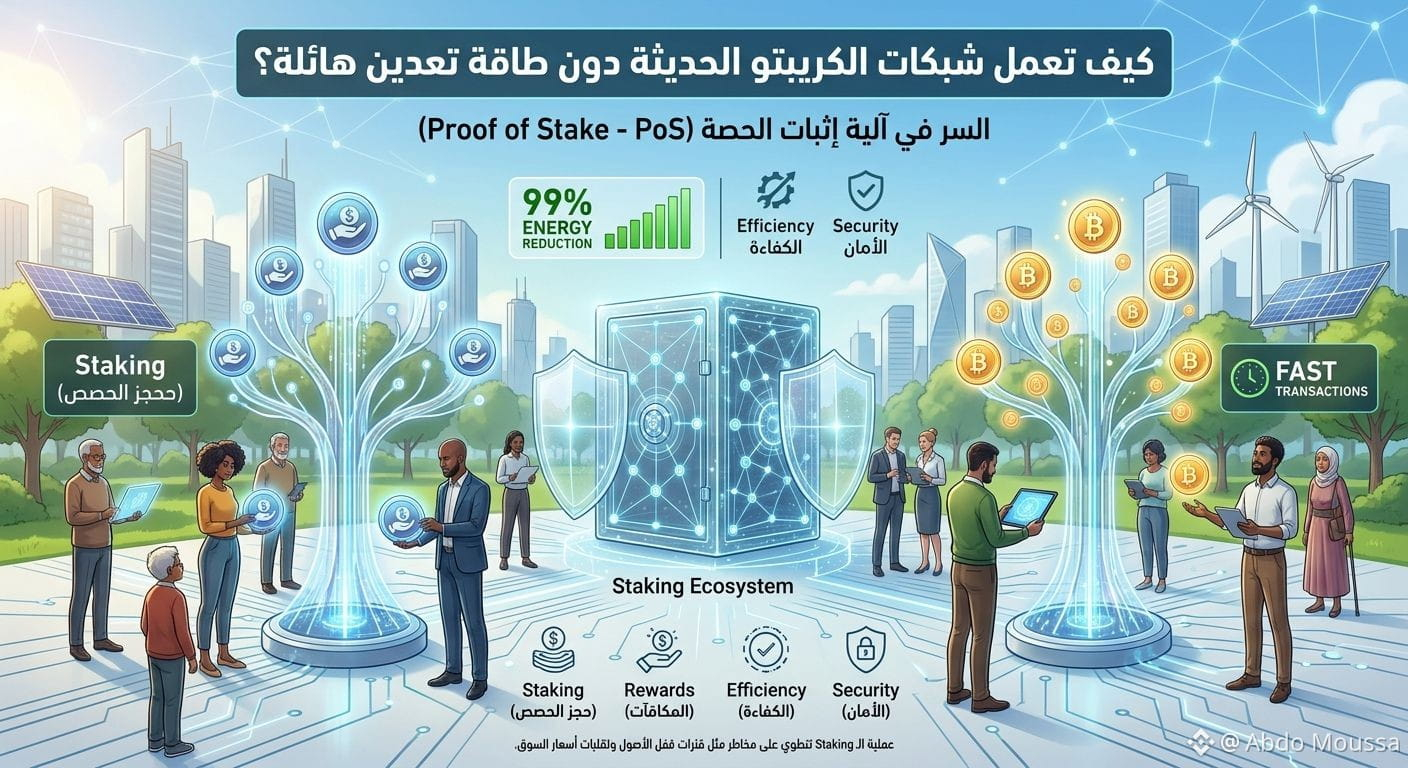
¿Cómo funcionan las redes cripto modernas sin necesitar una enorme potencia de minería? 🤔⚡
La clave está en un mecanismo de consenso llamado "Proof of Stake" (Prueba de Participación - PoS), que es uno de los conceptos más importantes en el mundo de la blockchain.
💡 ¿Qué es la Prueba de Participación (PoS)?
En lugar de usar potentes dispositivos informáticos para resolver ecuaciones complejas (como en la Prueba de Trabajo - PoW), las redes PoS dependen de "los participantes", quienes bloquean partes de sus activos digitales para reforzar la seguridad de la red y verificar las transacciones.
🔍 ¿Qué es el Staking?
• Es el proceso de reservar o bloquear tus activos digitales para servir a la red blockchain y apoyar su seguridad.
• A cambio de respaldar la red, los participantes reciben recompensas según las reglas del protocolo.
✨ Beneficios esenciales de las redes PoS:
1️⃣ Eficiencia energética: consumo de energía mucho menor, hasta un 99% menos, en comparación con los mecanismos de minería tradicionales.
2️⃣ Escalabilidad (Scalability): procesamiento más rápido de transacciones y, por lo general, comisiones de red más bajas.
⚠️ Aviso importante:
El proceso de Staking conlleva riesgos, como períodos de bloqueo de activos y fluctuaciones de precios del mercado durante el período de bloqueo. Este contenido es solo con fines educativos y no constituye asesoramiento de inversión ni una promesa de ganancias.
Para más explicaciones académicas sobre mecanismos de consenso y tecnologías blockchain, visita #BinanceAcademy .
Aprende con conciencia y, siempre, haz tu propia investigación #dyor 💡
#Binance #learnwithbinance #ProofOfStake
¿Cómo funcionan las redes cripto modernas sin necesitar una enorme potencia de minería? 🤔⚡
La clave está en un mecanismo de consenso llamado "Proof of Stake" (Prueba de Participación - PoS), que es uno de los conceptos más importantes en el mundo de la blockchain.
💡 ¿Qué es la Prueba de Participación (PoS)?
En lugar de usar potentes dispositivos informáticos para resolver ecuaciones complejas (como en la Prueba de Trabajo - PoW), las redes PoS dependen de "los participantes", quienes bloquean partes de sus activos digitales para reforzar la seguridad de la red y verificar las transacciones.
🔍 ¿Qué es el Staking?
• Es el proceso de reservar o bloquear tus activos digitales para servir a la red blockchain y apoyar su seguridad.
• A cambio de respaldar la red, los participantes reciben recompensas según las reglas del protocolo.
✨ Beneficios esenciales de las redes PoS:
1️⃣ Eficiencia energética: consumo de energía mucho menor, hasta un 99% menos, en comparación con los mecanismos de minería tradicionales.
2️⃣ Escalabilidad (Scalability): procesamiento más rápido de transacciones y, por lo general, comisiones de red más bajas.
⚠️ Aviso importante:
El proceso de Staking conlleva riesgos, como períodos de bloqueo de activos y fluctuaciones de precios del mercado durante el período de bloqueo. Este contenido es solo con fines educativos y no constituye asesoramiento de inversión ni una promesa de ganancias.
Para más explicaciones académicas sobre mecanismos de consenso y tecnologías blockchain, visita #BinanceAcademy .
Aprende con conciencia y, siempre, haz tu propia investigación #dyor 💡
#Binance #learnwithbinance #ProofOfStake
La clave está en un mecanismo de consenso llamado "Proof of Stake" (Prueba de Participación - PoS), que es uno de los conceptos más importantes en el mundo de la blockchain.
💡 ¿Qué es la Prueba de Participación (PoS)?
En lugar de usar potentes dispositivos informáticos para resolver ecuaciones complejas (como en la Prueba de Trabajo - PoW), las redes PoS dependen de "los participantes", quienes bloquean partes de sus activos digitales para reforzar la seguridad de la red y verificar las transacciones.
🔍 ¿Qué es el Staking?
• Es el proceso de reservar o bloquear tus activos digitales para servir a la red blockchain y apoyar su seguridad.
• A cambio de respaldar la red, los participantes reciben recompensas según las reglas del protocolo.
✨ Beneficios esenciales de las redes PoS:
1️⃣ Eficiencia energética: consumo de energía mucho menor, hasta un 99% menos, en comparación con los mecanismos de minería tradicionales.
2️⃣ Escalabilidad (Scalability): procesamiento más rápido de transacciones y, por lo general, comisiones de red más bajas.
⚠️ Aviso importante:
El proceso de Staking conlleva riesgos, como períodos de bloqueo de activos y fluctuaciones de precios del mercado durante el período de bloqueo. Este contenido es solo con fines educativos y no constituye asesoramiento de inversión ni una promesa de ganancias.
Para más explicaciones académicas sobre mecanismos de consenso y tecnologías blockchain, visita #BinanceAcademy .
Aprende con conciencia y, siempre, haz tu propia investigación #dyor 💡
#Binance #learnwithbinance #ProofOfStake
5
90

📚 Explicación del staking: ganar ingresos pasivos en redes blockchain
El 11 de julio de 2026, el staking se ha convertido en una forma popular de obtener ingresos pasivos en cripto. Al bloquear tokens, se ayuda a asegurar blockchains basadas en prueba de participación a cambio de recompensas de red distribuidas a los participantes.
Varias redes importantes ahora usan consenso de prueba de participación. Ethereum pasó a ello en 2022, lo que permite a los titulares obtener rendimientos al participar en la seguridad de la red. Solana y TRON también dependen de validadores en staking.
Las recompensas varían según la red, pero normalmente oscilan entre el 3% y el 15% anual. El staking pone las tenencias de cripto a trabajar en lugar de dejarlas inactivas en una billetera.
📌 Idea clave:
El staking convierte las tenencias de cripto en activos que generan ingresos en las redes ETH, SOL y TRX.
#Staking #PassiveIncome #ProofOfStake
#BinanceAlphaAlert
📚 Explicación del staking: ganar ingresos pasivos en redes blockchain
El 11 de julio de 2026, el staking se ha convertido en una forma popular de obtener ingresos pasivos en cripto. Al bloquear tokens, se ayuda a asegurar blockchains basadas en prueba de participación a cambio de recompensas de red distribuidas a los participantes.
Varias redes importantes ahora usan consenso de prueba de participación. Ethereum pasó a ello en 2022, lo que permite a los titulares obtener rendimientos al participar en la seguridad de la red. Solana y TRON también dependen de validadores en staking.
Las recompensas varían según la red, pero normalmente oscilan entre el 3% y el 15% anual. El staking pone las tenencias de cripto a trabajar en lugar de dejarlas inactivas en una billetera.
📌 Idea clave:
El staking convierte las tenencias de cripto en activos que generan ingresos en las redes ETH, SOL y TRX.
#Staking #PassiveIncome #ProofOfStake
#BinanceAlphaAlert
El 11 de julio de 2026, el staking se ha convertido en una forma popular de obtener ingresos pasivos en cripto. Al bloquear tokens, se ayuda a asegurar blockchains basadas en prueba de participación a cambio de recompensas de red distribuidas a los participantes.
Varias redes importantes ahora usan consenso de prueba de participación. Ethereum pasó a ello en 2022, lo que permite a los titulares obtener rendimientos al participar en la seguridad de la red. Solana y TRON también dependen de validadores en staking.
Las recompensas varían según la red, pero normalmente oscilan entre el 3% y el 15% anual. El staking pone las tenencias de cripto a trabajar en lugar de dejarlas inactivas en una billetera.
📌 Idea clave:
El staking convierte las tenencias de cripto en activos que generan ingresos en las redes ETH, SOL y TRX.
#Staking #PassiveIncome #ProofOfStake
#BinanceAlphaAlert
1
53
📚 ¿Qué es Staking?: Generar ingresos pasivos participando en la seguridad de la red
El 19 de julio de 2026, el Staking consiste en bloquear tu criptomoneda para ayudar a asegurar una blockchain de Proof of Stake. A cambio, obtienes recompensas, normalmente pagadas en el mismo token que has apostado. Ethereum $ETH, Solana $SOL y TRON $TRX usan Proof of Stake.
Las rentabilidades anuales actuales del staking varían: $ETH normalmente ofrece entre 3-5%, mientras que las redes de mayor riesgo pueden ofrecer entre 7-12%. El staking contribuye a la seguridad de la red y la descentralización, al tiempo que genera ingresos pasivos para los tenedores de tokens.
📌 Idea clave:
El staking convierte las criptomonedas de un activo puramente especulativo en uno productivo. Al participar en la seguridad de la red, obtienes rendimientos mientras apoyas la salud a largo plazo de la blockchain: una situación beneficiosa para los tenedores activos.
#Staking #PassiveIncome #ProofOfStake
#BinanceAlphaAlert
📚 ¿Qué es Staking?: Generar ingresos pasivos participando en la seguridad de la red
El 19 de julio de 2026, el Staking consiste en bloquear tu criptomoneda para ayudar a asegurar una blockchain de Proof of Stake. A cambio, obtienes recompensas, normalmente pagadas en el mismo token que has apostado. Ethereum $ETH , Solana $SOL y TRON $TRX usan Proof of Stake.
Las rentabilidades anuales actuales del staking varían: $ETH normalmente ofrece entre 3-5%, mientras que las redes de mayor riesgo pueden ofrecer entre 7-12%. El staking contribuye a la seguridad de la red y la descentralización, al tiempo que genera ingresos pasivos para los tenedores de tokens.
📌 Idea clave:
El staking convierte las criptomonedas de un activo puramente especulativo en uno productivo. Al participar en la seguridad de la red, obtienes rendimientos mientras apoyas la salud a largo plazo de la blockchain: una situación beneficiosa para los tenedores activos.
#Staking #PassiveIncome #ProofOfStake
#BinanceAlphaAlert
El 19 de julio de 2026, el Staking consiste en bloquear tu criptomoneda para ayudar a asegurar una blockchain de Proof of Stake. A cambio, obtienes recompensas, normalmente pagadas en el mismo token que has apostado. Ethereum $ETH , Solana $SOL y TRON $TRX usan Proof of Stake.
Las rentabilidades anuales actuales del staking varían: $ETH normalmente ofrece entre 3-5%, mientras que las redes de mayor riesgo pueden ofrecer entre 7-12%. El staking contribuye a la seguridad de la red y la descentralización, al tiempo que genera ingresos pasivos para los tenedores de tokens.
📌 Idea clave:
El staking convierte las criptomonedas de un activo puramente especulativo en uno productivo. Al participar en la seguridad de la red, obtienes rendimientos mientras apoyas la salud a largo plazo de la blockchain: una situación beneficiosa para los tenedores activos.
#Staking #PassiveIncome #ProofOfStake
#BinanceAlphaAlert
55

·
--
Cardano ($ADA) opera con un suministro máximo fijo de 45 mil millones de tokens, lo que garantiza la escasez. Su protocolo de Prueba de Participación (Proof-of-Stake) Ouroboros permite que los titulares de ADA hagan staking de sus tokens, asegurando la red y obteniendo recompensas sin inmovilizar activos. Este diseño promueve la descentralización y la validación eficiente de transacciones. #Cardano #ADA #ProofOfStake Sigue para más desgloses on-chain.
Cardano ($ADA ) opera con un suministro máximo fijo de 45 mil millones de tokens, lo que garantiza la escasez. Su protocolo de Prueba de Participación (Proof-of-Stake) Ouroboros permite que los titulares de ADA hagan staking de sus tokens, asegurando la red y obteniendo recompensas sin inmovilizar activos. Este diseño promueve la descentralización y la validación eficiente de transacciones. #Cardano #ADA #ProofOfStake Sigue para más desgloses on-chain.
169
📚 Staking: Gana mientras mantienes: Ingresos pasivos mediante la validación de la red
El 22 de julio de 2026, el Staking consiste en bloquear tokens como $ADA, Solana $SOL o $ETH to para ayudar a asegurar la red a cambio de recompensas.
Los rendimientos anuales varían según la red: normalmente 3-12%, y ofrecen una forma de generar ingresos pasivos sin vender posiciones.
El Staking alinea los incentivos de los titulares con la seguridad de la red, creando un ciclo virtuoso para los ecosistemas blockchain.
📌 Idea clave:
El Staking convierte la cripto que mantienes en una corriente de ingresos: ganando 3-12% anualmente mientras apoyas la seguridad de la red.
#Staking #ProofOfStake #CryptoIncome
#BinanceAlphaAlert
📚 Staking: Gana mientras mantienes: Ingresos pasivos mediante la validación de la red
El 22 de julio de 2026, el Staking consiste en bloquear tokens como $ADA , Solana $SOL o $ETH to para ayudar a asegurar la red a cambio de recompensas.
Los rendimientos anuales varían según la red: normalmente 3-12%, y ofrecen una forma de generar ingresos pasivos sin vender posiciones.
El Staking alinea los incentivos de los titulares con la seguridad de la red, creando un ciclo virtuoso para los ecosistemas blockchain.
📌 Idea clave:
El Staking convierte la cripto que mantienes en una corriente de ingresos: ganando 3-12% anualmente mientras apoyas la seguridad de la red.
#Staking #ProofOfStake #CryptoIncome
#BinanceAlphaAlert
El 22 de julio de 2026, el Staking consiste en bloquear tokens como $ADA , Solana $SOL o $ETH to para ayudar a asegurar la red a cambio de recompensas.
Los rendimientos anuales varían según la red: normalmente 3-12%, y ofrecen una forma de generar ingresos pasivos sin vender posiciones.
El Staking alinea los incentivos de los titulares con la seguridad de la red, creando un ciclo virtuoso para los ecosistemas blockchain.
📌 Idea clave:
El Staking convierte la cripto que mantienes en una corriente de ingresos: ganando 3-12% anualmente mientras apoyas la seguridad de la red.
#Staking #ProofOfStake #CryptoIncome
#BinanceAlphaAlert
58
📚 Staking y Prueba de Participación: Ganar mediante la participación: cómo los validadores aseguran las redes y obtienen recompensas
El 29 de julio de 2026, el staking sigue creciendo como un mecanismo fundamental en cripto. Las redes de prueba de participación (PoS) permiten a los titulares de tokens bloquear sus activos como garantía para validar transacciones. A cambio, los validadores ganan recompensas en proporción a su participación. Este modelo impulsa Ethereum y Solana.
$ETH operaciones a $1,902, +1.33% hoy, y su transición a PoS reduce el consumo de energía en más del 99%. De forma similar, $SOL a $73.29 opera en un sistema PoS híbrido que procesa miles de transacciones por segundo. El staking alinea la participación a largo plazo con la seguridad de la red.
📌 Idea clave:
La prueba de participación convierte la tenencia de tokens en una actividad productiva: asegura la red mientras se obtienen rendimientos, con un uso de energía drásticamente menor que en la prueba de trabajo.
#Staking #ProofOfStake #CryptoEarnings
#BinanceAlphaAlert
📚 Staking y Prueba de Participación: Ganar mediante la participación: cómo los validadores aseguran las redes y obtienen recompensas
El 29 de julio de 2026, el staking sigue creciendo como un mecanismo fundamental en cripto. Las redes de prueba de participación (PoS) permiten a los titulares de tokens bloquear sus activos como garantía para validar transacciones. A cambio, los validadores ganan recompensas en proporción a su participación. Este modelo impulsa Ethereum y Solana.
$ETH operaciones a $1,902, +1.33% hoy, y su transición a PoS reduce el consumo de energía en más del 99%. De forma similar, $SOL a $73.29 opera en un sistema PoS híbrido que procesa miles de transacciones por segundo. El staking alinea la participación a largo plazo con la seguridad de la red.
📌 Idea clave:
La prueba de participación convierte la tenencia de tokens en una actividad productiva: asegura la red mientras se obtienen rendimientos, con un uso de energía drásticamente menor que en la prueba de trabajo.
#Staking #ProofOfStake #CryptoEarnings
#BinanceAlphaAlert
El 29 de julio de 2026, el staking sigue creciendo como un mecanismo fundamental en cripto. Las redes de prueba de participación (PoS) permiten a los titulares de tokens bloquear sus activos como garantía para validar transacciones. A cambio, los validadores ganan recompensas en proporción a su participación. Este modelo impulsa Ethereum y Solana.
$ETH operaciones a $1,902, +1.33% hoy, y su transición a PoS reduce el consumo de energía en más del 99%. De forma similar, $SOL a $73.29 opera en un sistema PoS híbrido que procesa miles de transacciones por segundo. El staking alinea la participación a largo plazo con la seguridad de la red.
📌 Idea clave:
La prueba de participación convierte la tenencia de tokens en una actividad productiva: asegura la red mientras se obtienen rendimientos, con un uso de energía drásticamente menor que en la prueba de trabajo.
#Staking #ProofOfStake #CryptoEarnings
#BinanceAlphaAlert
31
📚 Prueba de Participación Explicada: Por qué el staking asegura las blockchains modernas
El 1 de agosto de 2026, la Prueba de Participación (PoS) es un mecanismo de consenso en el que los validadores bloquean tokens como garantía para asegurar una red. Ethereum, el segundo activo más grande con una capitalización de $225.43B, ha funcionado con PoS desde 2022.
Los validadores son recompensados por un comportamiento honesto y penalizados por fallas; un diseño que alinea incentivos sin el enorme consumo de energía de la minería. Es el estándar para la mayoría de las redes nuevas.
📌 Idea clave:
PoS reemplazó la competencia energética por la alineación económica. Entender el staking significa entender la columna vertebral moderna de la mayoría de las blockchains importantes.
#ProofOfStake #CryptoEducation
#BinanceAlphaAlert
📚 Prueba de Participación Explicada: Por qué el staking asegura las blockchains modernas
El 1 de agosto de 2026, la Prueba de Participación (PoS) es un mecanismo de consenso en el que los validadores bloquean tokens como garantía para asegurar una red. Ethereum, el segundo activo más grande con una capitalización de $225.43B, ha funcionado con PoS desde 2022.
Los validadores son recompensados por un comportamiento honesto y penalizados por fallas; un diseño que alinea incentivos sin el enorme consumo de energía de la minería. Es el estándar para la mayoría de las redes nuevas.
📌 Idea clave:
PoS reemplazó la competencia energética por la alineación económica. Entender el staking significa entender la columna vertebral moderna de la mayoría de las blockchains importantes.
#ProofOfStake #CryptoEducation
#BinanceAlphaAlert
El 1 de agosto de 2026, la Prueba de Participación (PoS) es un mecanismo de consenso en el que los validadores bloquean tokens como garantía para asegurar una red. Ethereum, el segundo activo más grande con una capitalización de $225.43B, ha funcionado con PoS desde 2022.
Los validadores son recompensados por un comportamiento honesto y penalizados por fallas; un diseño que alinea incentivos sin el enorme consumo de energía de la minería. Es el estándar para la mayoría de las redes nuevas.
📌 Idea clave:
PoS reemplazó la competencia energética por la alineación económica. Entender el staking significa entender la columna vertebral moderna de la mayoría de las blockchains importantes.
#ProofOfStake #CryptoEducation
#BinanceAlphaAlert
18

·
--
Durante una conversación con un ingeniero de protocolo, una idea se quedó conmigo: si el consenso cambia demasiado rápido, la seguridad se vuelve más difícil de razonar. No estuve convencido hasta que seguí yo mismo el flujo de staking de Babylon. Entonces me di cuenta de que el protocolo está ralentizando intencionalmente las transiciones de estado en lugar de intentar maximizar la velocidad del capital.
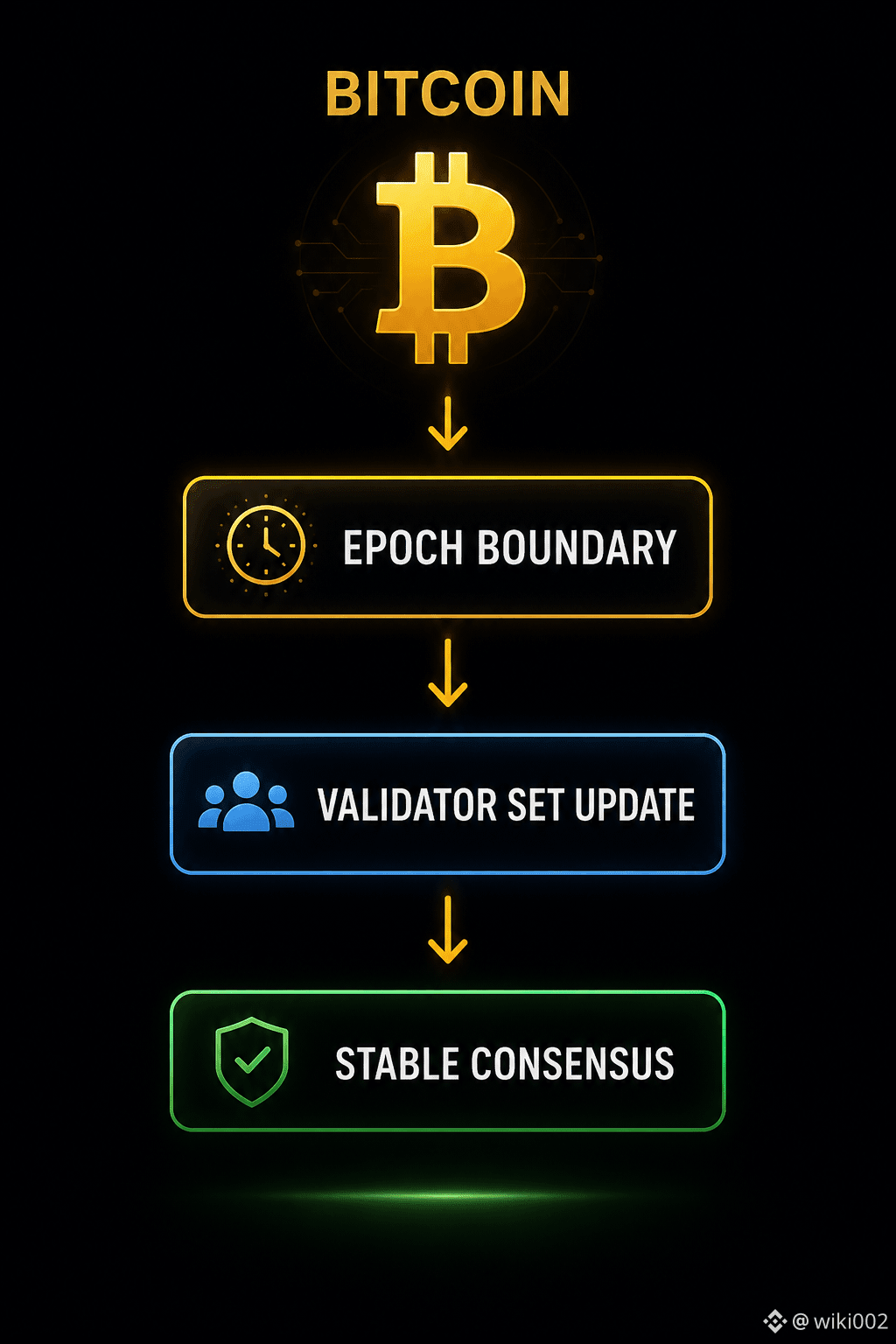
Lo que destaca no es el desabonado más rápido ni los periodos de espera más cortos, sino la decisión de procesar las operaciones de staking en los límites de epoch y finalizar el desabonado mediante la confirmación de un checkpoint de Bitcoin. Desde la perspectiva de un usuario, eso retrasa la disponibilidad del capital. Desde la perspectiva de un diseñador de protocolos, esto crea actualizaciones deterministas del conjunto de validadores, reduce cambios bruscos del poder de voto y hace que el comportamiento del consenso sea más predecible bajo condiciones de red cambiantes.
El trade-off es fácil de subestimar. La eficiencia del capital se reduce porque los activos no pueden reaccionar instantáneamente; sin embargo, un consenso predecible en sí mismo es una ventaja económica. Las aplicaciones pueden construir en torno a transiciones de estado deterministas mucho más fácilmente que alrededor de dinámicas de validadores que cambian continuamente.
Quizá el diseño del protocolo debería dejar de tratar la liquidez como el objetivo de optimización predeterminado. Cuando inevitablemente compiten la seguridad y la eficiencia del capital, ¿cuál de las dos debería sacrificar primero la infraestructura y por qué?🤔
#baby #Bitcoin #ProofOfStake $BABY $RIF
@babylonlabs_io @Binance_Square_Official
{future}(BABYUSDT)
Durante una conversación con un ingeniero de protocolo, una idea se quedó conmigo: si el consenso cambia demasiado rápido, la seguridad se vuelve más difícil de razonar. No estuve convencido hasta que seguí yo mismo el flujo de staking de Babylon. Entonces me di cuenta de que el protocolo está ralentizando intencionalmente las transiciones de estado en lugar de intentar maximizar la velocidad del capital.
Lo que destaca no es el desabonado más rápido ni los periodos de espera más cortos, sino la decisión de procesar las operaciones de staking en los límites de epoch y finalizar el desabonado mediante la confirmación de un checkpoint de Bitcoin. Desde la perspectiva de un usuario, eso retrasa la disponibilidad del capital. Desde la perspectiva de un diseñador de protocolos, esto crea actualizaciones deterministas del conjunto de validadores, reduce cambios bruscos del poder de voto y hace que el comportamiento del consenso sea más predecible bajo condiciones de red cambiantes.
El trade-off es fácil de subestimar. La eficiencia del capital se reduce porque los activos no pueden reaccionar instantáneamente; sin embargo, un consenso predecible en sí mismo es una ventaja económica. Las aplicaciones pueden construir en torno a transiciones de estado deterministas mucho más fácilmente que alrededor de dinámicas de validadores que cambian continuamente.
Quizá el diseño del protocolo debería dejar de tratar la liquidez como el objetivo de optimización predeterminado. Cuando inevitablemente compiten la seguridad y la eficiencia del capital, ¿cuál de las dos debería sacrificar primero la infraestructura y por qué?🤔
#baby #Bitcoin #ProofOfStake $BABY $RIF
@BabylonLabs_io @Binance Square Official
Lo que destaca no es el desabonado más rápido ni los periodos de espera más cortos, sino la decisión de procesar las operaciones de staking en los límites de epoch y finalizar el desabonado mediante la confirmación de un checkpoint de Bitcoin. Desde la perspectiva de un usuario, eso retrasa la disponibilidad del capital. Desde la perspectiva de un diseñador de protocolos, esto crea actualizaciones deterministas del conjunto de validadores, reduce cambios bruscos del poder de voto y hace que el comportamiento del consenso sea más predecible bajo condiciones de red cambiantes.
El trade-off es fácil de subestimar. La eficiencia del capital se reduce porque los activos no pueden reaccionar instantáneamente; sin embargo, un consenso predecible en sí mismo es una ventaja económica. Las aplicaciones pueden construir en torno a transiciones de estado deterministas mucho más fácilmente que alrededor de dinámicas de validadores que cambian continuamente.
Quizá el diseño del protocolo debería dejar de tratar la liquidez como el objetivo de optimización predeterminado. Cuando inevitablemente compiten la seguridad y la eficiencia del capital, ¿cuál de las dos debería sacrificar primero la infraestructura y por qué?🤔
#baby #Bitcoin #ProofOfStake $BABY $RIF
@BabylonLabs_io @Binance Square Official
43
15
233

·
--
Alcista
¿Qué es el Staking en Cripto y cómo funciona la Prueba de Participación (Proof of Stake)?
Si eres nuevo en Cripto, probablemente hayas escuchado el término "Staking". Pero, ¿qué significa realmente? ¡Vamos a explicarlo de forma sencilla!
¿Qué es el Staking?
El staking es el proceso de bloquear tu criptomoneda como garantía para respaldar la seguridad y el funcionamiento de una red blockchain de Prueba de Participación (Proof of Stake, PoS).
¡A cambio de asegurar la red, ganas Recompensas por Staking (similar a ganar intereses en una cuenta bancaria tradicional)!
Prueba de Trabajo (PoW) vs. Prueba de Participación (PoS)
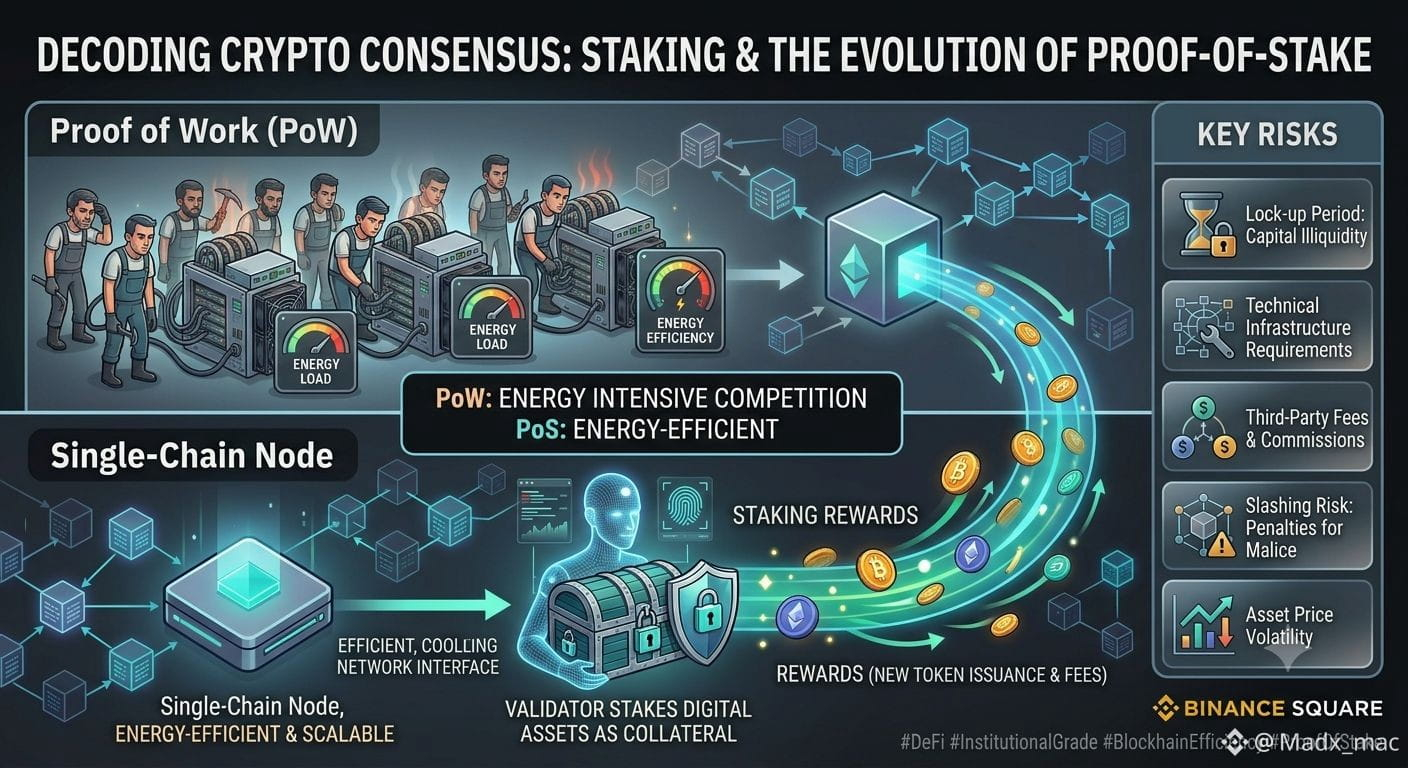
Prueba de Trabajo (Bitcoin): Miles de mineros compiten usando mucha electricidad y potencia de cómputo. Solo 1 gana, y el resto desperdicia energía.
Prueba de Participación (PoS): La red selecciona UN validador para verificar transacciones según su participación. ¡Es eficiente en energía, más rápido y más escalable!
¿Por qué las blockchains usan PoS?
Eficiencia energética: Usa un 99% menos de electricidad que PoW.
Distribución más justa: Reduce el dominio de enormes granjas de minería.
Ingreso pasivo: Permite que los titulares obtengan rendimientos sobre sus activos.
5 riesgos clave que debes conocer antes de hacer staking:
1 Periodo de bloqueo: Tus tokens pueden quedar bloqueados por días o meses, lo que impide venderlos de inmediato.
2 Complejidad técnica: Ejecutar un nodo validador requiere conocimientos técnicos.
3 Comisión del validador: Hacer staking a través de pools de terceros implica pagar comisiones.
4 Riesgo de slashing: La validación maliciosa o incorrecta de la red puede resultar en que pierdas tu participación.
5 Volatilidad del precio: Los precios de los tokens pueden bajar incluso mientras estás ganando recompensas por staking.
Resumen:
El staking en cripto es una de las formas más populares de obtener ingresos pasivos en Web3, pero asegúrate siempre de calcular los periodos de bloqueo y los riesgos antes de invertir tu dinero.
¿Ya probaste Binance Earn o Staking en On-Chain? ¡Cuéntamelo en los comentarios!
#CryptoEducation #Staking #ProofOfStake #BinanceSquare $SOL
{spot}(SOLUSDT)
¿Qué es el Staking en Cripto y cómo funciona la Prueba de Participación (Proof of Stake)?
Si eres nuevo en Cripto, probablemente hayas escuchado el término "Staking". Pero, ¿qué significa realmente? ¡Vamos a explicarlo de forma sencilla!
¿Qué es el Staking?
El staking es el proceso de bloquear tu criptomoneda como garantía para respaldar la seguridad y el funcionamiento de una red blockchain de Prueba de Participación (Proof of Stake, PoS).
¡A cambio de asegurar la red, ganas Recompensas por Staking (similar a ganar intereses en una cuenta bancaria tradicional)!
Prueba de Trabajo (PoW) vs. Prueba de Participación (PoS)
Prueba de Trabajo (Bitcoin): Miles de mineros compiten usando mucha electricidad y potencia de cómputo. Solo 1 gana, y el resto desperdicia energía.
Prueba de Participación (PoS): La red selecciona UN validador para verificar transacciones según su participación. ¡Es eficiente en energía, más rápido y más escalable!
¿Por qué las blockchains usan PoS?
Eficiencia energética: Usa un 99% menos de electricidad que PoW.
Distribución más justa: Reduce el dominio de enormes granjas de minería.
Ingreso pasivo: Permite que los titulares obtengan rendimientos sobre sus activos.
5 riesgos clave que debes conocer antes de hacer staking:
1 Periodo de bloqueo: Tus tokens pueden quedar bloqueados por días o meses, lo que impide venderlos de inmediato.
2 Complejidad técnica: Ejecutar un nodo validador requiere conocimientos técnicos.
3 Comisión del validador: Hacer staking a través de pools de terceros implica pagar comisiones.
4 Riesgo de slashing: La validación maliciosa o incorrecta de la red puede resultar en que pierdas tu participación.
5 Volatilidad del precio: Los precios de los tokens pueden bajar incluso mientras estás ganando recompensas por staking.
Resumen:
El staking en cripto es una de las formas más populares de obtener ingresos pasivos en Web3, pero asegúrate siempre de calcular los periodos de bloqueo y los riesgos antes de invertir tu dinero.
¿Ya probaste Binance Earn o Staking en On-Chain? ¡Cuéntamelo en los comentarios!
#CryptoEducation #Staking #ProofOfStake #BinanceSquare $SOL
Si eres nuevo en Cripto, probablemente hayas escuchado el término "Staking". Pero, ¿qué significa realmente? ¡Vamos a explicarlo de forma sencilla!
¿Qué es el Staking?
El staking es el proceso de bloquear tu criptomoneda como garantía para respaldar la seguridad y el funcionamiento de una red blockchain de Prueba de Participación (Proof of Stake, PoS).
¡A cambio de asegurar la red, ganas Recompensas por Staking (similar a ganar intereses en una cuenta bancaria tradicional)!
Prueba de Trabajo (PoW) vs. Prueba de Participación (PoS)
Prueba de Trabajo (Bitcoin): Miles de mineros compiten usando mucha electricidad y potencia de cómputo. Solo 1 gana, y el resto desperdicia energía.
Prueba de Participación (PoS): La red selecciona UN validador para verificar transacciones según su participación. ¡Es eficiente en energía, más rápido y más escalable!
¿Por qué las blockchains usan PoS?
Eficiencia energética: Usa un 99% menos de electricidad que PoW.
Distribución más justa: Reduce el dominio de enormes granjas de minería.
Ingreso pasivo: Permite que los titulares obtengan rendimientos sobre sus activos.
5 riesgos clave que debes conocer antes de hacer staking:
1 Periodo de bloqueo: Tus tokens pueden quedar bloqueados por días o meses, lo que impide venderlos de inmediato.
2 Complejidad técnica: Ejecutar un nodo validador requiere conocimientos técnicos.
3 Comisión del validador: Hacer staking a través de pools de terceros implica pagar comisiones.
4 Riesgo de slashing: La validación maliciosa o incorrecta de la red puede resultar en que pierdas tu participación.
5 Volatilidad del precio: Los precios de los tokens pueden bajar incluso mientras estás ganando recompensas por staking.
Resumen:
El staking en cripto es una de las formas más populares de obtener ingresos pasivos en Web3, pero asegúrate siempre de calcular los periodos de bloqueo y los riesgos antes de invertir tu dinero.
¿Ya probaste Binance Earn o Staking en On-Chain? ¡Cuéntamelo en los comentarios!
#CryptoEducation #Staking #ProofOfStake #BinanceSquare $SOL
100


·
--
Descripción general de Ethereum ($ETH )
Ethereum sigue siendo la principal blockchain de contratos inteligentes, impulsando miles de aplicaciones descentralizadas (dApps), protocolos DeFi, NFT y soluciones de escalado de Capa 2. Su consenso de Prueba de Participación mejora la eficiencia energética y, al mismo tiempo, fortalece la seguridad de la red.
Aspectos clave • Plataforma líder para DeFi, NFT, gaming y aplicaciones Web3. • La Prueba de Participación (PoS) ofrece una red más sostenible y segura. • Los ecosistemas de Capa 2 ayudan a reducir los costos de transacción y mejorar la escalabilidad. • Gran comunidad de desarrolladores y crecimiento continuo del ecosistema. • ETH se usa para comisiones de gas, staking y para asegurar la red.
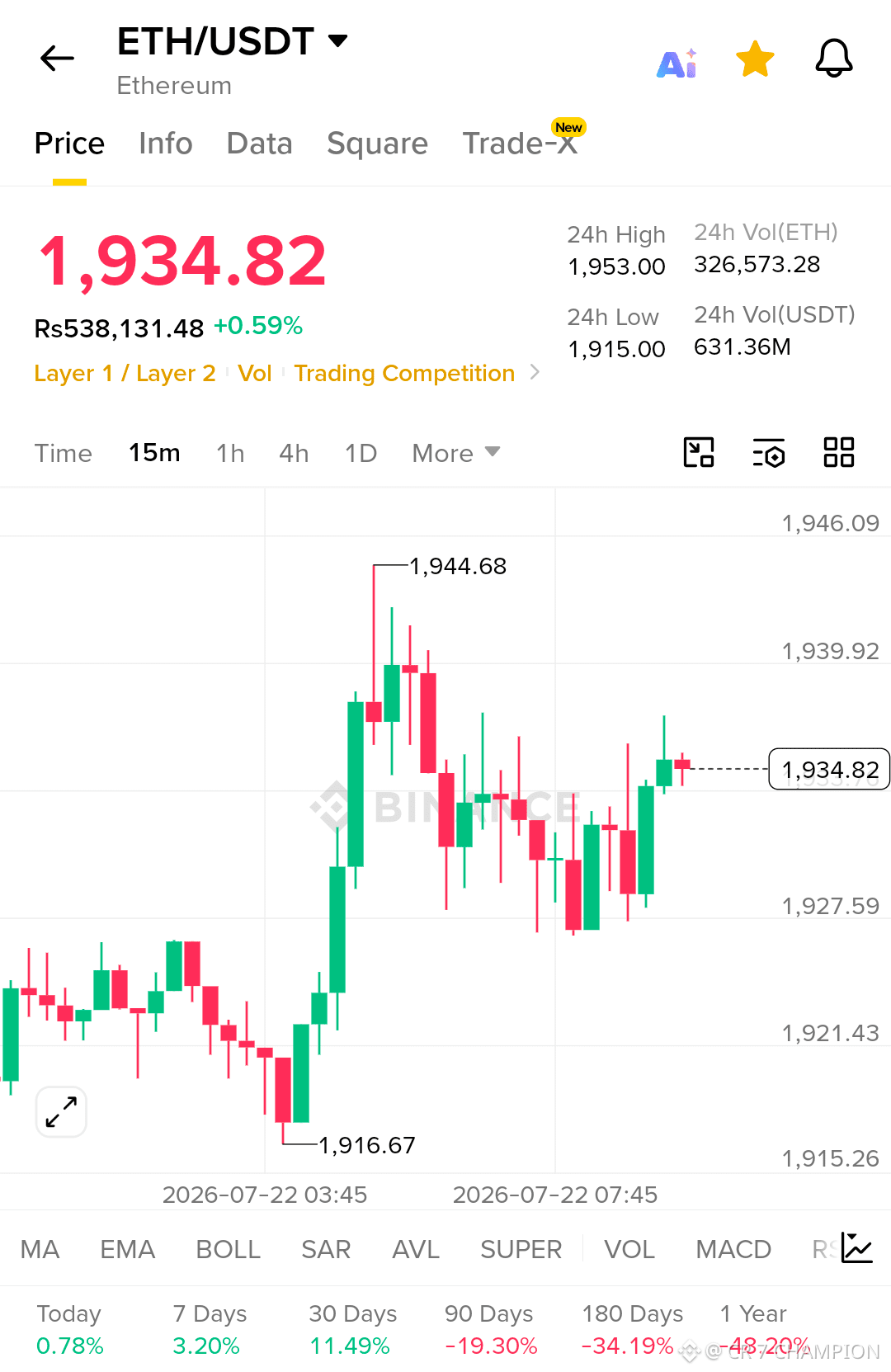
Resumen del mercado • Par: ETH/USDT • Precio actual: 1,934.82 USD • Máximo de 24h: 1,953.00 USD • Mínimo de 24h: 1,915.00 USD • Cambio de 24h: +0.59%
Ethereum sigue siendo una de las bases más sólidas de la industria cripto, impulsando la innovación en finanzas descentralizadas, tokenización y aplicaciones blockchain de próxima generación.
#Ethereum #ETH #Crypto #Blockchain #ProofOfStake
Descripción general de Ethereum ($ETH )
Ethereum sigue siendo la principal blockchain de contratos inteligentes, impulsando miles de aplicaciones descentralizadas (dApps), protocolos DeFi, NFT y soluciones de escalado de Capa 2. Su consenso de Prueba de Participación mejora la eficiencia energética y, al mismo tiempo, fortalece la seguridad de la red.
Aspectos clave • Plataforma líder para DeFi, NFT, gaming y aplicaciones Web3. • La Prueba de Participación (PoS) ofrece una red más sostenible y segura. • Los ecosistemas de Capa 2 ayudan a reducir los costos de transacción y mejorar la escalabilidad. • Gran comunidad de desarrolladores y crecimiento continuo del ecosistema. • ETH se usa para comisiones de gas, staking y para asegurar la red.
Resumen del mercado • Par: ETH/USDT • Precio actual: 1,934.82 USD • Máximo de 24h: 1,953.00 USD • Mínimo de 24h: 1,915.00 USD • Cambio de 24h: +0.59%
Ethereum sigue siendo una de las bases más sólidas de la industria cripto, impulsando la innovación en finanzas descentralizadas, tokenización y aplicaciones blockchain de próxima generación.
#Ethereum #ETH #Crypto #Blockchain #ProofOfStake
Ethereum sigue siendo la principal blockchain de contratos inteligentes, impulsando miles de aplicaciones descentralizadas (dApps), protocolos DeFi, NFT y soluciones de escalado de Capa 2. Su consenso de Prueba de Participación mejora la eficiencia energética y, al mismo tiempo, fortalece la seguridad de la red.
Aspectos clave • Plataforma líder para DeFi, NFT, gaming y aplicaciones Web3. • La Prueba de Participación (PoS) ofrece una red más sostenible y segura. • Los ecosistemas de Capa 2 ayudan a reducir los costos de transacción y mejorar la escalabilidad. • Gran comunidad de desarrolladores y crecimiento continuo del ecosistema. • ETH se usa para comisiones de gas, staking y para asegurar la red.
Resumen del mercado • Par: ETH/USDT • Precio actual: 1,934.82 USD • Máximo de 24h: 1,953.00 USD • Mínimo de 24h: 1,915.00 USD • Cambio de 24h: +0.59%
Ethereum sigue siendo una de las bases más sólidas de la industria cripto, impulsando la innovación en finanzas descentralizadas, tokenización y aplicaciones blockchain de próxima generación.
#Ethereum #ETH #Crypto #Blockchain #ProofOfStake
1
58
📚 Prueba de Trabajo vs Prueba de Participación: dos mecanismos de consenso comparados
El 16 de julio de 2026, ambos mecanismos impulsan la economía cripto. Bitcoin $BTC utiliza Prueba de Trabajo (PoW), donde los mineros compiten para resolver acertijos complejos usando energía. Ethereum $ETH utiliza Prueba de Participación (PoS), donde los validadores bloquean capital como garantía.
La PoW ofrece seguridad y descentralización probadas, pero requiere una cantidad significativa de energía. La PoS es más eficiente en energía y ofrece una finalización más rápida, pero introduce riesgos de centralización distintos mediante la concentración de la participación.
Ninguna es objetivamente mejor: hacen concesiones diferentes. La PoW prioriza la seguridad y la neutralidad. La PoS prioriza la eficiencia y la escalabilidad. El ecosistema cripto se beneficia de que ambos enfoques coexistan.
📌 Idea clave:
La PoW (Bitcoin) prioriza la seguridad mediante el gasto de energía. La PoS (Ethereum) prioriza la eficiencia mediante el capital en participación. Ambas tienen concesiones válidas y coexisten en el ecosistema.
#ProofOfWork #ProofOfStake
#BinanceAlphaAlert
📚 Prueba de Trabajo vs Prueba de Participación: dos mecanismos de consenso comparados
El 16 de julio de 2026, ambos mecanismos impulsan la economía cripto. Bitcoin $BTC utiliza Prueba de Trabajo (PoW), donde los mineros compiten para resolver acertijos complejos usando energía. Ethereum $ETH utiliza Prueba de Participación (PoS), donde los validadores bloquean capital como garantía.
La PoW ofrece seguridad y descentralización probadas, pero requiere una cantidad significativa de energía. La PoS es más eficiente en energía y ofrece una finalización más rápida, pero introduce riesgos de centralización distintos mediante la concentración de la participación.
Ninguna es objetivamente mejor: hacen concesiones diferentes. La PoW prioriza la seguridad y la neutralidad. La PoS prioriza la eficiencia y la escalabilidad. El ecosistema cripto se beneficia de que ambos enfoques coexistan.
📌 Idea clave:
La PoW (Bitcoin) prioriza la seguridad mediante el gasto de energía. La PoS (Ethereum) prioriza la eficiencia mediante el capital en participación. Ambas tienen concesiones válidas y coexisten en el ecosistema.
#ProofOfWork #ProofOfStake
#BinanceAlphaAlert
El 16 de julio de 2026, ambos mecanismos impulsan la economía cripto. Bitcoin $BTC utiliza Prueba de Trabajo (PoW), donde los mineros compiten para resolver acertijos complejos usando energía. Ethereum $ETH utiliza Prueba de Participación (PoS), donde los validadores bloquean capital como garantía.
La PoW ofrece seguridad y descentralización probadas, pero requiere una cantidad significativa de energía. La PoS es más eficiente en energía y ofrece una finalización más rápida, pero introduce riesgos de centralización distintos mediante la concentración de la participación.
Ninguna es objetivamente mejor: hacen concesiones diferentes. La PoW prioriza la seguridad y la neutralidad. La PoS prioriza la eficiencia y la escalabilidad. El ecosistema cripto se beneficia de que ambos enfoques coexistan.
📌 Idea clave:
La PoW (Bitcoin) prioriza la seguridad mediante el gasto de energía. La PoS (Ethereum) prioriza la eficiencia mediante el capital en participación. Ambas tienen concesiones válidas y coexisten en el ecosistema.
#ProofOfWork #ProofOfStake
#BinanceAlphaAlert
56
·
--
Alcista
Hoy estaba comprando mangos a un vendedor ambulante cuando me dijo: “Los negocios no se tratan de tener más fruta. Se trata de tener gente que vuelva mañana”. Sonó como un consejo de negocio ordinario, pero más tarde, mientras leía sobre Babilonia, me di cuenta de que la misma pregunta se aplica a los mercados de seguridad.
Babilonia amplía la oferta de Seguridad respaldada por Bitcoin para redes PoS sin cambiar el diseño central de Bitcoin. La mayor parte del análisis se centra en qué tan eficientemente se puede suministrar esa seguridad. Mucho menos se pregunta si las redes PoS generarán una demanda recurrente suficiente para sostener ese mercado a Largo plazo.
No se compra seguridad porque exista. Se compra cuando el valor económico que una red protege justifica el costo recurrente. Las redes con recursos limitados en su tesorería a menudo priorizan atraer usuarios, aplicaciones y la generación de comisiones antes de pagar por una protección más sólida. Eso significa que la oportunidad de Babilonia a Largo plazo puede depender no solo de su arquitectura, sino también de si las economías PoS maduran hasta convertirse en compradores constantes de seguridad.
¿Qué evidencia te convencería de que la seguridad respaldada por Bitcoin se está convirtiendo en un gasto operativo recurrente en lugar de una prima de infraestructura opcional? 🤔
#baby #Bitcoin #ProofOfStake $BABY $AAVE $BTC @babylonlabs_io @BinancePk
{future}(BABYUSDT)
Hoy estaba comprando mangos a un vendedor ambulante cuando me dijo: “Los negocios no se tratan de tener más fruta. Se trata de tener gente que vuelva mañana”. Sonó como un consejo de negocio ordinario, pero más tarde, mientras leía sobre Babilonia, me di cuenta de que la misma pregunta se aplica a los mercados de seguridad.
Babilonia amplía la oferta de Seguridad respaldada por Bitcoin para redes PoS sin cambiar el diseño central de Bitcoin. La mayor parte del análisis se centra en qué tan eficientemente se puede suministrar esa seguridad. Mucho menos se pregunta si las redes PoS generarán una demanda recurrente suficiente para sostener ese mercado a Largo plazo.
No se compra seguridad porque exista. Se compra cuando el valor económico que una red protege justifica el costo recurrente. Las redes con recursos limitados en su tesorería a menudo priorizan atraer usuarios, aplicaciones y la generación de comisiones antes de pagar por una protección más sólida. Eso significa que la oportunidad de Babilonia a Largo plazo puede depender no solo de su arquitectura, sino también de si las economías PoS maduran hasta convertirse en compradores constantes de seguridad.
¿Qué evidencia te convencería de que la seguridad respaldada por Bitcoin se está convirtiendo en un gasto operativo recurrente en lugar de una prima de infraestructura opcional? 🤔
#baby #Bitcoin #ProofOfStake $BABY $AAVE $BTC @BabylonLabs_io @Binance Pakistan
Babilonia amplía la oferta de Seguridad respaldada por Bitcoin para redes PoS sin cambiar el diseño central de Bitcoin. La mayor parte del análisis se centra en qué tan eficientemente se puede suministrar esa seguridad. Mucho menos se pregunta si las redes PoS generarán una demanda recurrente suficiente para sostener ese mercado a Largo plazo.
No se compra seguridad porque exista. Se compra cuando el valor económico que una red protege justifica el costo recurrente. Las redes con recursos limitados en su tesorería a menudo priorizan atraer usuarios, aplicaciones y la generación de comisiones antes de pagar por una protección más sólida. Eso significa que la oportunidad de Babilonia a Largo plazo puede depender no solo de su arquitectura, sino también de si las economías PoS maduran hasta convertirse en compradores constantes de seguridad.
¿Qué evidencia te convencería de que la seguridad respaldada por Bitcoin se está convirtiendo en un gasto operativo recurrente en lugar de una prima de infraestructura opcional? 🤔
#baby #Bitcoin #ProofOfStake $BABY $AAVE $BTC @BabylonLabs_io @Binance Pakistan
32
11
231
⚖️ Explicación del staking cripto: gana recompensas asegurando redes: la prueba de participación permite que los titulares de tokens participen en la validación de la red
El 17 de julio de 2026, el staking es el proceso de bloquear tokens de criptomonedas para respaldar la seguridad y las operaciones de una blockchain de prueba de participación. A cambio de este compromiso, los stakers reciben recompensas en forma de tokens adicionales, similar a ganar intereses en una cuenta de ahorros.
Redes como Ethereum, Solana y Cardano utilizan consenso de prueba de participación. Los validadores se eligen para proponer y confirmar nuevos bloques en función de la cantidad de tokens que tienen en staking, lo que hace que el sistema sea eficiente en energía y, a la vez, económicamente seguro.
Los stakers pueden participar de forma directa ejecutando un nodo validador o de forma indirecta mediante pools de staking y servicios de intercambio que se encargan de los requisitos técnicos. Las tasas de recompensa varían según la red, pero normalmente oscilan entre el 3% y el 15% anual.
📌 Idea clave:
El staking permite a los titulares de cripto ganar recompensas pasivas al bloquear tokens para ayudar a asegurar las redes blockchain de prueba de participación.
#Staking #ProofOfStake #CryptoEducation
#BinanceAlphaAlert
⚖️ Explicación del staking cripto: gana recompensas asegurando redes: la prueba de participación permite que los titulares de tokens participen en la validación de la red
El 17 de julio de 2026, el staking es el proceso de bloquear tokens de criptomonedas para respaldar la seguridad y las operaciones de una blockchain de prueba de participación. A cambio de este compromiso, los stakers reciben recompensas en forma de tokens adicionales, similar a ganar intereses en una cuenta de ahorros.
Redes como Ethereum, Solana y Cardano utilizan consenso de prueba de participación. Los validadores se eligen para proponer y confirmar nuevos bloques en función de la cantidad de tokens que tienen en staking, lo que hace que el sistema sea eficiente en energía y, a la vez, económicamente seguro.
Los stakers pueden participar de forma directa ejecutando un nodo validador o de forma indirecta mediante pools de staking y servicios de intercambio que se encargan de los requisitos técnicos. Las tasas de recompensa varían según la red, pero normalmente oscilan entre el 3% y el 15% anual.
📌 Idea clave:
El staking permite a los titulares de cripto ganar recompensas pasivas al bloquear tokens para ayudar a asegurar las redes blockchain de prueba de participación.
#Staking #ProofOfStake #CryptoEducation
#BinanceAlphaAlert
El 17 de julio de 2026, el staking es el proceso de bloquear tokens de criptomonedas para respaldar la seguridad y las operaciones de una blockchain de prueba de participación. A cambio de este compromiso, los stakers reciben recompensas en forma de tokens adicionales, similar a ganar intereses en una cuenta de ahorros.
Redes como Ethereum, Solana y Cardano utilizan consenso de prueba de participación. Los validadores se eligen para proponer y confirmar nuevos bloques en función de la cantidad de tokens que tienen en staking, lo que hace que el sistema sea eficiente en energía y, a la vez, económicamente seguro.
Los stakers pueden participar de forma directa ejecutando un nodo validador o de forma indirecta mediante pools de staking y servicios de intercambio que se encargan de los requisitos técnicos. Las tasas de recompensa varían según la red, pero normalmente oscilan entre el 3% y el 15% anual.
📌 Idea clave:
El staking permite a los titulares de cripto ganar recompensas pasivas al bloquear tokens para ayudar a asegurar las redes blockchain de prueba de participación.
#Staking #ProofOfStake #CryptoEducation
#BinanceAlphaAlert
28

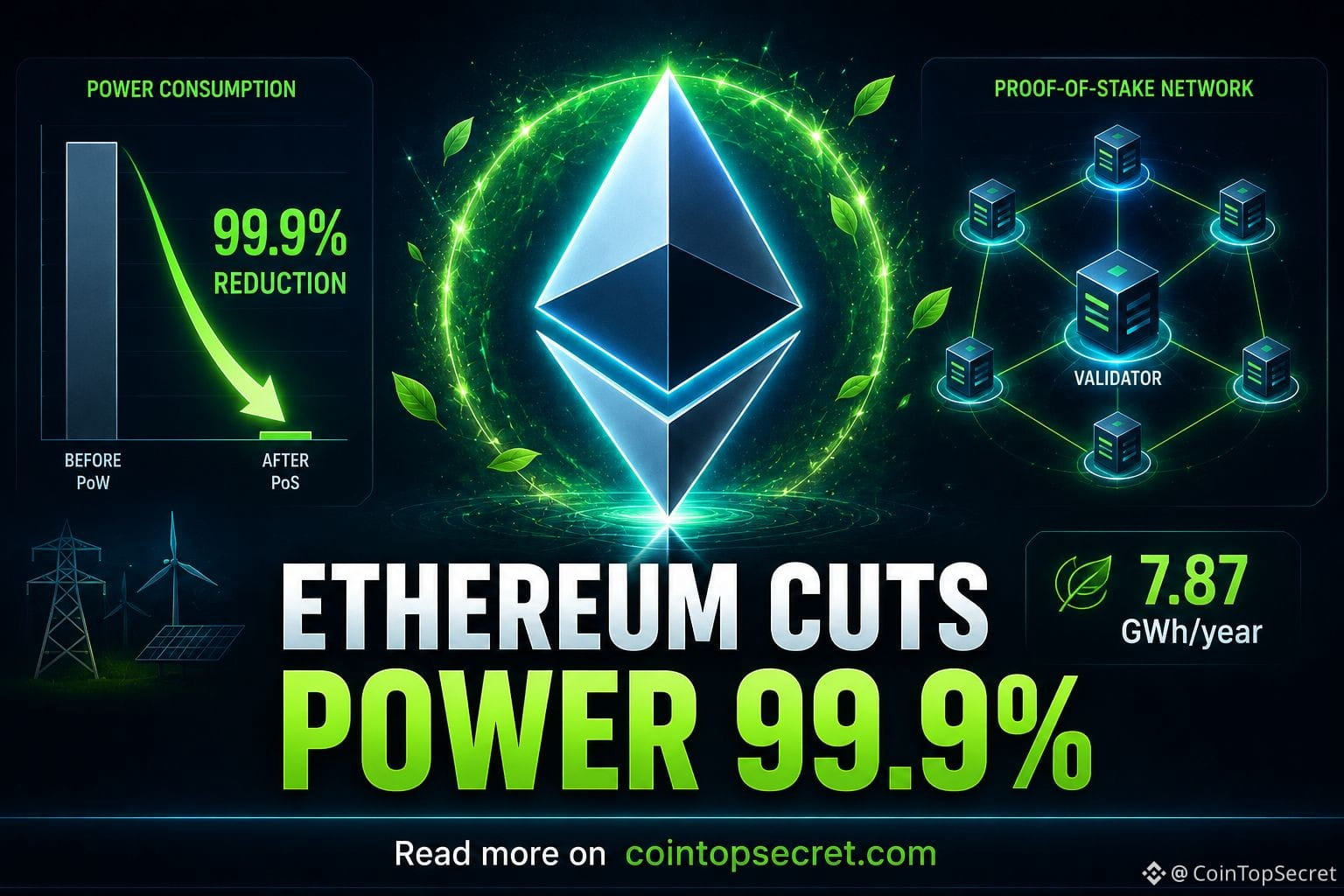
Las estimaciones de Cambridge indican que Ethereum ahora consume solo 7,87 GWh al año, tras una reducción del 99,9%+ en el uso de electricidad desde la Fusión. La red también se sitúa entre las cadenas principales Proof-of-Stake con menor intensidad energética.
#Ethereum #ETH #ProofOfStake #Blockchain #Crypto #Markets
Las estimaciones de Cambridge indican que Ethereum ahora consume solo 7,87 GWh al año, tras una reducción del 99,9%+ en el uso de electricidad desde la Fusión. La red también se sitúa entre las cadenas principales Proof-of-Stake con menor intensidad energética.
#Ethereum #ETH #ProofOfStake #Blockchain #Crypto #Markets
#Ethereum #ETH #ProofOfStake #Blockchain #Crypto #Markets
78
📚 Cómo funciona Proof-of-Stake: El mecanismo de consenso que impulsa las blockchains modernas
El 22 de julio de 2026, los validadores de Proof-of-Stake bloquean tokens como garantía para asegurar la red, a diferencia de Proof-of-Work, que requiere minería intensiva en energía.
Ethereum $ETH, Cardano $ADA y Solana $SOL utilizan variantes de PoS, reduciendo el uso de energía en un 99%+ en comparación con la minería.
Los validadores obtienen recompensas proporcionales a la cantidad apostada, alineando los incentivos entre seguridad y rentabilidad.
📌 Idea clave:
Proof-of-Stake asegura redes mediante garantía económica en lugar de gasto de energía: el futuro del consenso en blockchain.
#ProofOfStake #Blockchain #Educational
#BinanceAlphaAlert
📚 Cómo funciona Proof-of-Stake: El mecanismo de consenso que impulsa las blockchains modernas
El 22 de julio de 2026, los validadores de Proof-of-Stake bloquean tokens como garantía para asegurar la red, a diferencia de Proof-of-Work, que requiere minería intensiva en energía.
Ethereum $ETH , Cardano $ADA y Solana $SOL utilizan variantes de PoS, reduciendo el uso de energía en un 99%+ en comparación con la minería.
Los validadores obtienen recompensas proporcionales a la cantidad apostada, alineando los incentivos entre seguridad y rentabilidad.
📌 Idea clave:
Proof-of-Stake asegura redes mediante garantía económica en lugar de gasto de energía: el futuro del consenso en blockchain.
#ProofOfStake #Blockchain #Educational
#BinanceAlphaAlert
El 22 de julio de 2026, los validadores de Proof-of-Stake bloquean tokens como garantía para asegurar la red, a diferencia de Proof-of-Work, que requiere minería intensiva en energía.
Ethereum $ETH , Cardano $ADA y Solana $SOL utilizan variantes de PoS, reduciendo el uso de energía en un 99%+ en comparación con la minería.
Los validadores obtienen recompensas proporcionales a la cantidad apostada, alineando los incentivos entre seguridad y rentabilidad.
📌 Idea clave:
Proof-of-Stake asegura redes mediante garantía económica en lugar de gasto de energía: el futuro del consenso en blockchain.
#ProofOfStake #Blockchain #Educational
#BinanceAlphaAlert
39
📚 Mecanismos de consenso: cómo las blockchains se ponen de acuerdo: de la prueba de trabajo a la prueba de participación y más allá
El 29 de julio de 2026, entender el consenso es clave para comprender la cripto. Los mecanismos de consenso son las reglas mediante las cuales los participantes de una blockchain acuerdan el estado válido del libro mayor. Bitcoin usa prueba de trabajo (PoW), donde los mineros resuelven acertijos computacionales: el hashrate de la red representa una energía inmensa dedicada a la seguridad.
La prueba de participación, usada por $ETH y $SOL, reemplaza el trabajo computacional por un colateral económico. Otros mecanismos incluyen la prueba de participación delegada, la prueba de autoridad y la tolerancia a fallos bizantinos. Cada uno equilibra la seguridad, la descentralización y la escalabilidad de manera diferente.
📌 Idea clave:
Los mecanismos de consenso son la base de la confianza en redes descentralizadas: determinan cómo los participantes acuerdan la verdad sin una autoridad central.
#ConsensusMechanism #ProofOfWork #ProofOfStake
#BinanceAlphaAlert
📚 Mecanismos de consenso: cómo las blockchains se ponen de acuerdo: de la prueba de trabajo a la prueba de participación y más allá
El 29 de julio de 2026, entender el consenso es clave para comprender la cripto. Los mecanismos de consenso son las reglas mediante las cuales los participantes de una blockchain acuerdan el estado válido del libro mayor. Bitcoin usa prueba de trabajo (PoW), donde los mineros resuelven acertijos computacionales: el hashrate de la red representa una energía inmensa dedicada a la seguridad.
La prueba de participación, usada por $ETH y $SOL , reemplaza el trabajo computacional por un colateral económico. Otros mecanismos incluyen la prueba de participación delegada, la prueba de autoridad y la tolerancia a fallos bizantinos. Cada uno equilibra la seguridad, la descentralización y la escalabilidad de manera diferente.
📌 Idea clave:
Los mecanismos de consenso son la base de la confianza en redes descentralizadas: determinan cómo los participantes acuerdan la verdad sin una autoridad central.
#ConsensusMechanism #ProofOfWork #ProofOfStake
#BinanceAlphaAlert
El 29 de julio de 2026, entender el consenso es clave para comprender la cripto. Los mecanismos de consenso son las reglas mediante las cuales los participantes de una blockchain acuerdan el estado válido del libro mayor. Bitcoin usa prueba de trabajo (PoW), donde los mineros resuelven acertijos computacionales: el hashrate de la red representa una energía inmensa dedicada a la seguridad.
La prueba de participación, usada por $ETH y $SOL , reemplaza el trabajo computacional por un colateral económico. Otros mecanismos incluyen la prueba de participación delegada, la prueba de autoridad y la tolerancia a fallos bizantinos. Cada uno equilibra la seguridad, la descentralización y la escalabilidad de manera diferente.
📌 Idea clave:
Los mecanismos de consenso son la base de la confianza en redes descentralizadas: determinan cómo los participantes acuerdan la verdad sin una autoridad central.
#ConsensusMechanism #ProofOfWork #ProofOfStake
#BinanceAlphaAlert
36

·
--
El día en que Ethereum murió, en términos de crecimiento de precio, puede haber sido el día en que dejó de ser minado.
El 15 de septiembre de 2022, Ethereum completó The Merge (La Fusión) y pasó de prueba de trabajo a prueba de participación. Técnicamente, fue una de las mayores actualizaciones de la historia de las criptomonedas. El uso de energía cayó masivamente. La emisión de ETH se redujo drásticamente. El staking se convirtió en el nuevo modelo de seguridad. Los desarrolladores lo llamaron progreso.
Pero para el crecimiento del precio, el debate es distinto.
Antes de The Merge, Ethereum crecía bajo prueba de trabajo. Los mineros tenían costos. Compraban máquinas, pagaban electricidad, competían por las recompensas de bloque y creaban una demanda industrial real en torno a ETH. Como Bitcoin, Ethereum tenía una economía de producción. El mercado podía entender la escasez, la presión minera y el costo de crear nuevas monedas.
Después de la prueba de participación, eso cambió.
ETH se volvió más financiero. En lugar de que los mineros lucharan por producir nuevo ETH, los grandes tenedores podían apostar ETH existente y ganar más ETH.
Bitcoin todavía tiene prueba de trabajo, halving(s), dificultad de minería, costo de energía y una historia de escasez simple. Ethereum tiene recompensas por staking, liquid staking (staking líquido), restaking, el crecimiento de la capa 2, la actividad de DeFi y la utilidad de contratos inteligentes. Son cosas poderosas, pero son más complejas. La complejidad puede construir tecnología, pero la simplicidad a menudo construye una creencia más fuerte en el mercado.
Esto no significa que Ethereum sea inútil. Ethereum sigue liderando en contratos inteligentes, DeFi, actividad de stablecoins, tokenización y la preferencia de los desarrolladores. Pero el crecimiento del precio no se trata solo de tecnología. También se trata de narrativa, escasez, demanda y psicología del inversor.
La prueba de participación puede haber hecho a Ethereum más eficiente, pero también desplazó a ETH de un activo minado a un activo generador de rendimiento (yield). Eso cambió la forma en que el mercado lo valora.
Quizá The Merge fue la mayor actualización técnica de Ethereum. Quizá también fue el momento en que ETH perdió la única narrativa que podría haberlo hecho subir como Bitcoin.
¿Qué piensas, el proof of stake (prueba de participación) salvó a Ethereum, o debilitó silenciosamente a ETH como un activo de crecimiento de precio a largo plazo?
#Ethereum #bitcoin #proofofwork #ProofOfStake
El día en que Ethereum murió, en términos de crecimiento de precio, puede haber sido el día en que dejó de ser minado.
El 15 de septiembre de 2022, Ethereum completó The Merge (La Fusión) y pasó de prueba de trabajo a prueba de participación. Técnicamente, fue una de las mayores actualizaciones de la historia de las criptomonedas. El uso de energía cayó masivamente. La emisión de ETH se redujo drásticamente. El staking se convirtió en el nuevo modelo de seguridad. Los desarrolladores lo llamaron progreso.
Pero para el crecimiento del precio, el debate es distinto.
Antes de The Merge, Ethereum crecía bajo prueba de trabajo. Los mineros tenían costos. Compraban máquinas, pagaban electricidad, competían por las recompensas de bloque y creaban una demanda industrial real en torno a ETH. Como Bitcoin, Ethereum tenía una economía de producción. El mercado podía entender la escasez, la presión minera y el costo de crear nuevas monedas.
Después de la prueba de participación, eso cambió.
ETH se volvió más financiero. En lugar de que los mineros lucharan por producir nuevo ETH, los grandes tenedores podían apostar ETH existente y ganar más ETH.
Bitcoin todavía tiene prueba de trabajo, halving(s), dificultad de minería, costo de energía y una historia de escasez simple. Ethereum tiene recompensas por staking, liquid staking (staking líquido), restaking, el crecimiento de la capa 2, la actividad de DeFi y la utilidad de contratos inteligentes. Son cosas poderosas, pero son más complejas. La complejidad puede construir tecnología, pero la simplicidad a menudo construye una creencia más fuerte en el mercado.
Esto no significa que Ethereum sea inútil. Ethereum sigue liderando en contratos inteligentes, DeFi, actividad de stablecoins, tokenización y la preferencia de los desarrolladores. Pero el crecimiento del precio no se trata solo de tecnología. También se trata de narrativa, escasez, demanda y psicología del inversor.
La prueba de participación puede haber hecho a Ethereum más eficiente, pero también desplazó a ETH de un activo minado a un activo generador de rendimiento (yield). Eso cambió la forma en que el mercado lo valora.
Quizá The Merge fue la mayor actualización técnica de Ethereum. Quizá también fue el momento en que ETH perdió la única narrativa que podría haberlo hecho subir como Bitcoin.
¿Qué piensas, el proof of stake (prueba de participación) salvó a Ethereum, o debilitó silenciosamente a ETH como un activo de crecimiento de precio a largo plazo?
#Ethereum #bitcoin #proofofwork #ProofOfStake
El 15 de septiembre de 2022, Ethereum completó The Merge (La Fusión) y pasó de prueba de trabajo a prueba de participación. Técnicamente, fue una de las mayores actualizaciones de la historia de las criptomonedas. El uso de energía cayó masivamente. La emisión de ETH se redujo drásticamente. El staking se convirtió en el nuevo modelo de seguridad. Los desarrolladores lo llamaron progreso.
Pero para el crecimiento del precio, el debate es distinto.
Antes de The Merge, Ethereum crecía bajo prueba de trabajo. Los mineros tenían costos. Compraban máquinas, pagaban electricidad, competían por las recompensas de bloque y creaban una demanda industrial real en torno a ETH. Como Bitcoin, Ethereum tenía una economía de producción. El mercado podía entender la escasez, la presión minera y el costo de crear nuevas monedas.
Después de la prueba de participación, eso cambió.
ETH se volvió más financiero. En lugar de que los mineros lucharan por producir nuevo ETH, los grandes tenedores podían apostar ETH existente y ganar más ETH.
Bitcoin todavía tiene prueba de trabajo, halving(s), dificultad de minería, costo de energía y una historia de escasez simple. Ethereum tiene recompensas por staking, liquid staking (staking líquido), restaking, el crecimiento de la capa 2, la actividad de DeFi y la utilidad de contratos inteligentes. Son cosas poderosas, pero son más complejas. La complejidad puede construir tecnología, pero la simplicidad a menudo construye una creencia más fuerte en el mercado.
Esto no significa que Ethereum sea inútil. Ethereum sigue liderando en contratos inteligentes, DeFi, actividad de stablecoins, tokenización y la preferencia de los desarrolladores. Pero el crecimiento del precio no se trata solo de tecnología. También se trata de narrativa, escasez, demanda y psicología del inversor.
La prueba de participación puede haber hecho a Ethereum más eficiente, pero también desplazó a ETH de un activo minado a un activo generador de rendimiento (yield). Eso cambió la forma en que el mercado lo valora.
Quizá The Merge fue la mayor actualización técnica de Ethereum. Quizá también fue el momento en que ETH perdió la única narrativa que podría haberlo hecho subir como Bitcoin.
¿Qué piensas, el proof of stake (prueba de participación) salvó a Ethereum, o debilitó silenciosamente a ETH como un activo de crecimiento de precio a largo plazo?
#Ethereum #bitcoin #proofofwork #ProofOfStake
105
Descubre cómo generar rendimientos pasivos estables con $SOL 🏛️.
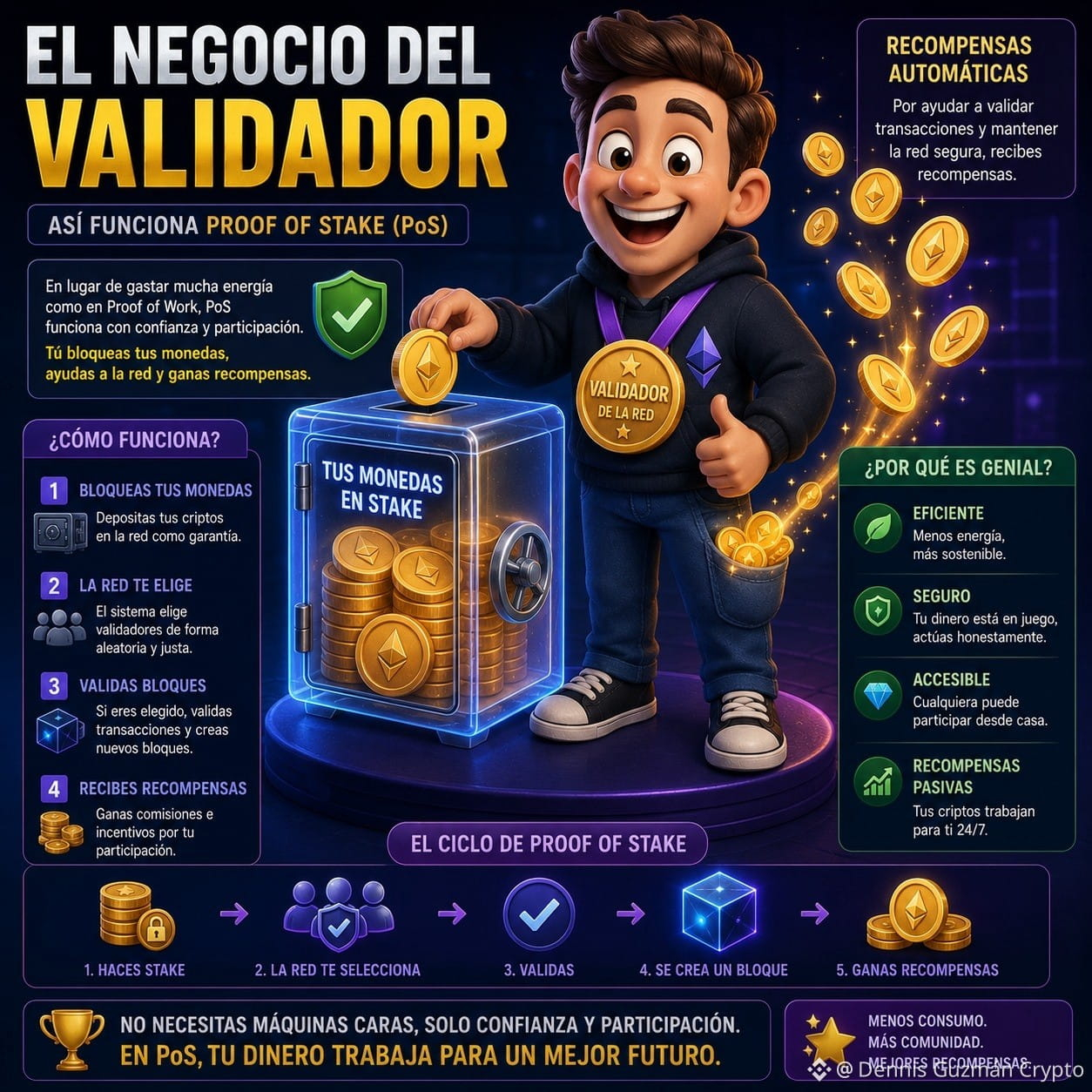
¿Sabías que tus monedas pueden trabajar por ti los domingos? En las redes Proof of Stake (Prueba de Participación), dejas tus activos respaldando la seguridad de la red y a cambio recibes recompensas constantes. Es el equivalente Web3 a los intereses bancarios, pero sin bancos. 💸
¿Ya estás haciendo Stake de tus activos o prefieres tenerlos líquidos? 👇
#ProofOfStake #staking
👇 Haz clic aquí para operar 👇
{future}(SOLUSDT)
Descubre cómo generar rendimientos pasivos estables con $SOL 🏛️.
¿Sabías que tus monedas pueden trabajar por ti los domingos? En las redes Proof of Stake (Prueba de Participación), dejas tus activos respaldando la seguridad de la red y a cambio recibes recompensas constantes. Es el equivalente Web3 a los intereses bancarios, pero sin bancos. 💸
¿Ya estás haciendo Stake de tus activos o prefieres tenerlos líquidos? 👇
#ProofOfStake #staking
👇 Haz clic aquí para operar 👇
¿Sabías que tus monedas pueden trabajar por ti los domingos? En las redes Proof of Stake (Prueba de Participación), dejas tus activos respaldando la seguridad de la red y a cambio recibes recompensas constantes. Es el equivalente Web3 a los intereses bancarios, pero sin bancos. 💸
¿Ya estás haciendo Stake de tus activos o prefieres tenerlos líquidos? 👇
#ProofOfStake #staking
👇 Haz clic aquí para operar 👇
1
1
286
Inicia sesión para explorar más contenidos
Únete a usuarios globales de criptomonedas en Binance Square
⚡️ Obtén información útil y actualizada sobre criptos.
💬 Avalado por el mayor exchange de criptomonedas en el mundo.
👍 Descubre perspectivas reales de creadores verificados.
Email/número de teléfono
Temas populares
1
#CPIWatch
86.2M vistas
499,837 están debatiendo
2
#CLARITYActRevisionToRuleNonDeFiControllers
298 vistas
42 están debatiendo
3
#TencentBackedEnflameToStartTradingAfter$911MIPO
279 vistas
11 están debatiendo
4
#BlockstreamRefusesToPayRansomToLiquidAttacker
1,090 vistas
69 están debatiendo
5
#LiquidNetworkResumesBlocksAfter$320MExploit
573 vistas
44 están debatiendo
6
#USToSanctionBigBankMonday
7,182 vistas
234 están debatiendo
7
#TrumpDeclinesSaudiRequestToStrikeHouthis
13,847 vistas
320 están debatiendo
8
#CryptoSectorsFallSecondDay
22,045 vistas
593 están debatiendo
9
#BitcoinGoldenCrossConfirms
18,464 vistas
560 están debatiendo
10
#AppleRises3.56%AfterIPhoneDuoLaunch
8,287 vistas
234 están debatiendo