
#btcminingdifficultyincrease
btcminingdifficultyincrease
2.8M vistas
25,880 están debatiendo
Hot
Lo último



·
--
Alcista
☕ El FOGO Lounge: ¿Alpha o solo otro meme? ☕
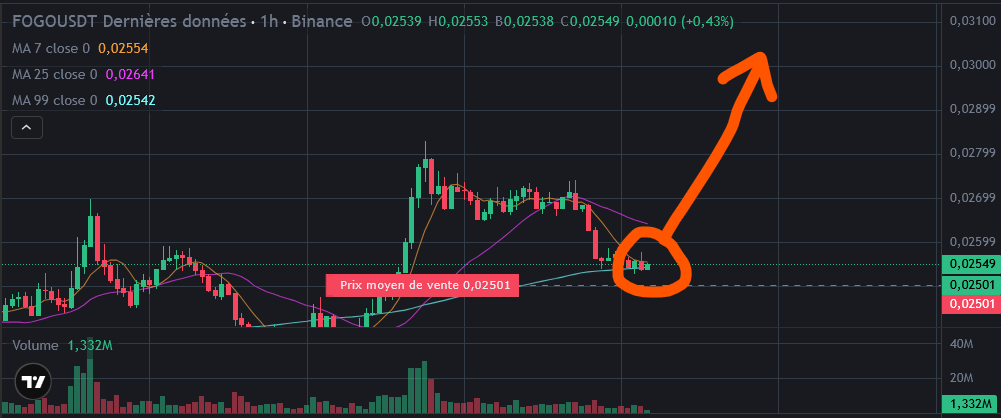
Mientras el resto del mercado está mirando las velas de $BTC, la $FOGO comunidad está construyendo algo diferente en silencio. Pero seamos realistas por un segundo, ¿es FOGO el "Asesino de Solana" que hemos estado esperando, o estamos aquí solo por la volatilidad de 100x? 🌊
$FOGO
{spot}(FOGOUSDT)
Las estadísticas "Bajo el Capó":
Flujo Neto Entrante: Las billeteras de ballenas han aumentado un 14% esta semana. Alguien sabe algo.
Velocidad: Finalidad en sub-segundos. Es más rápido que el efecto de tu café de la mañana.
Desafío de la Comunidad:
Si $FOGO es tu objetivo de precio mañana, ¿cuál es el primer "lujo" que vas a comprar? 🏎️🏠
@fogo
#fogo #TrumpNewTariffs #TokenizedRealEstate #BTCMiningDifficultyIncrease
☕ El FOGO Lounge: ¿Alpha o solo otro meme? ☕
Mientras el resto del mercado está mirando las velas de $BTC, la $FOGO comunidad está construyendo algo diferente en silencio. Pero seamos realistas por un segundo, ¿es FOGO el "Asesino de Solana" que hemos estado esperando, o estamos aquí solo por la volatilidad de 100x? 🌊
$FOGO
Las estadísticas "Bajo el Capó":
Flujo Neto Entrante: Las billeteras de ballenas han aumentado un 14% esta semana. Alguien sabe algo.
Velocidad: Finalidad en sub-segundos. Es más rápido que el efecto de tu café de la mañana.
Desafío de la Comunidad:
Si $FOGO es tu objetivo de precio mañana, ¿cuál es el primer "lujo" que vas a comprar? 🏎️🏠
@Fogo Official
#fogo #TrumpNewTariffs #TokenizedRealEstate #BTCMiningDifficultyIncrease
Mientras el resto del mercado está mirando las velas de $BTC, la $FOGO comunidad está construyendo algo diferente en silencio. Pero seamos realistas por un segundo, ¿es FOGO el "Asesino de Solana" que hemos estado esperando, o estamos aquí solo por la volatilidad de 100x? 🌊
$FOGO
Las estadísticas "Bajo el Capó":
Flujo Neto Entrante: Las billeteras de ballenas han aumentado un 14% esta semana. Alguien sabe algo.
Velocidad: Finalidad en sub-segundos. Es más rápido que el efecto de tu café de la mañana.
Desafío de la Comunidad:
Si $FOGO es tu objetivo de precio mañana, ¿cuál es el primer "lujo" que vas a comprar? 🏎️🏠
@Fogo Official
#fogo #TrumpNewTariffs #TokenizedRealEstate #BTCMiningDifficultyIncrease
6
175

·
--

Artículo
Ondo Finance transfiere 24 millones de tokens al intercambio: hermanos holders tengan cuidado, la billetera multisig acaba de actuarLa billetera multifirma relacionada con Ondo Finance ha transferido 24,475 millones de ONDO a Coinbase, equivalente a aproximadamente 6,12 millones de USD al precio actual.
Los datos on-chain de Ember Monitoring muestran que la transacción tuvo lugar hace unas horas, lo que ha llamado la atención sobre la posibilidad de mover liquidez o preparar una transacción en un intercambio centralizado.
CONTENIDO PRINCIPAL
24,475 millones de ONDO fueron transferidos de la billetera multifirma a Coinbase.
El valor estimado es de aproximadamente 6,12 millones de USD al precio actual.
Ondo Finance transfiere 24 millones de tokens al intercambio: hermanos holders tengan cuidado, la billetera multisig acaba de actuar
La billetera multifirma relacionada con Ondo Finance ha transferido 24,475 millones de ONDO a Coinbase, equivalente a aproximadamente 6,12 millones de USD al precio actual.
Los datos on-chain de Ember Monitoring muestran que la transacción tuvo lugar hace unas horas, lo que ha llamado la atención sobre la posibilidad de mover liquidez o preparar una transacción en un intercambio centralizado.
CONTENIDO PRINCIPAL
24,475 millones de ONDO fueron transferidos de la billetera multifirma a Coinbase.
El valor estimado es de aproximadamente 6,12 millones de USD al precio actual.
Los datos on-chain de Ember Monitoring muestran que la transacción tuvo lugar hace unas horas, lo que ha llamado la atención sobre la posibilidad de mover liquidez o preparar una transacción en un intercambio centralizado.
CONTENIDO PRINCIPAL
24,475 millones de ONDO fueron transferidos de la billetera multifirma a Coinbase.
El valor estimado es de aproximadamente 6,12 millones de USD al precio actual.
3
3.8k

·
--
Alcista
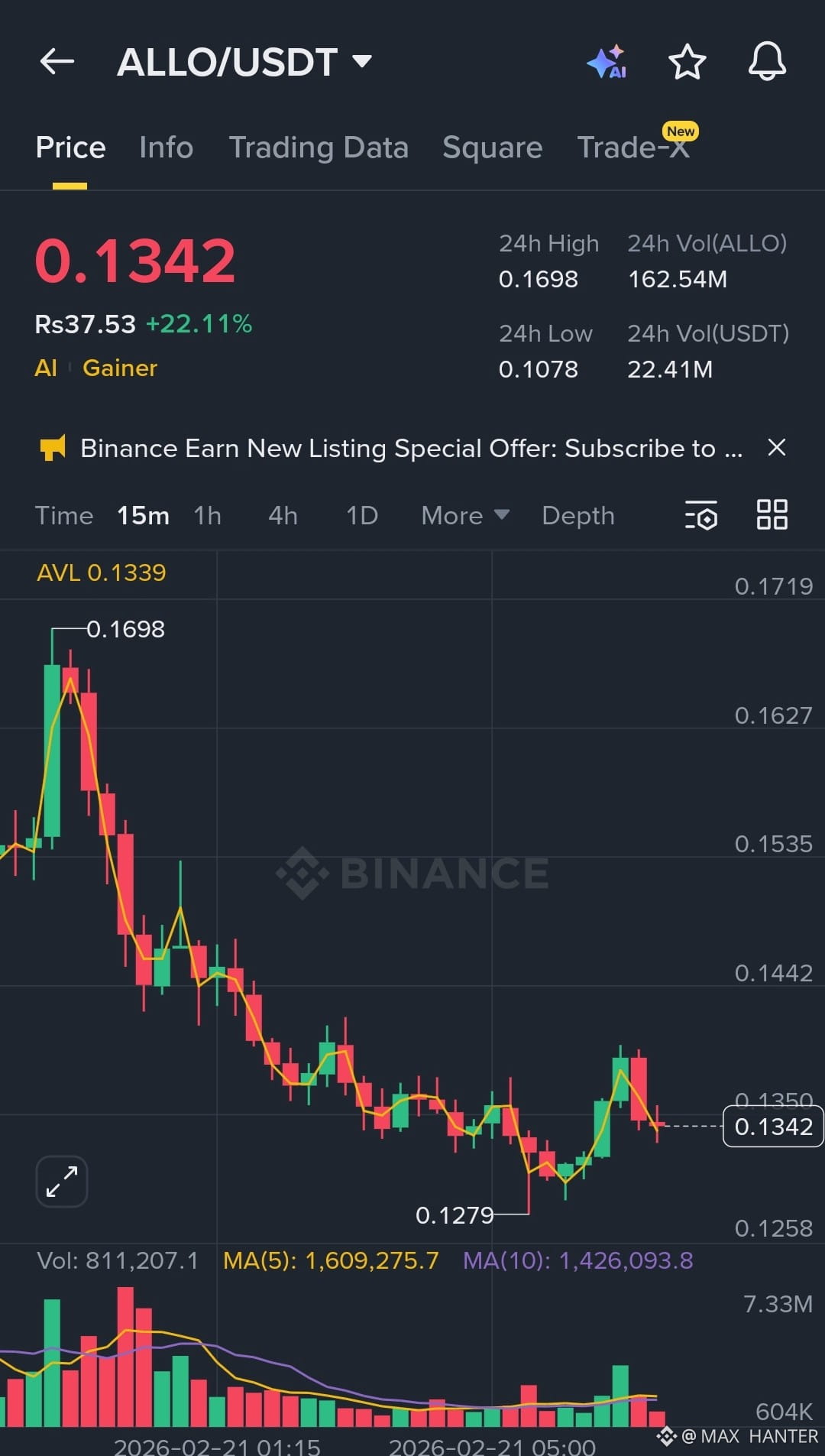
📉 $ALLO EL MOMENTO SE DESVANECE 📉
Después de un fuerte repunte, está comenzando a perder impulso. El rechazo desde los máximos y los máximos más bajos impresos cuentan una historia clara: los compradores están retrocediendo, y una corrección parece cada vez más probable.
Esto se siente como distribución después de la expansión. La presión está cambiando, y los objetivos a la baja se están abriendo si la venta continúa.
El riesgo está definido. La estructura es clara.
Deja que el precio haga el resto.
Corto $ALLO 👇
$ALLO
{future}(ALLOUSDT)
#HarvardAddsETHExposure #PredictionMarketsCFTCBacking #WhenWillCLARITYActPass #BTCMiningDifficultyIncrease #TokenizedRealEstate
📉 $ALLO EL MOMENTO SE DESVANECE 📉
Después de un fuerte repunte, está comenzando a perder impulso. El rechazo desde los máximos y los máximos más bajos impresos cuentan una historia clara: los compradores están retrocediendo, y una corrección parece cada vez más probable.
Esto se siente como distribución después de la expansión. La presión está cambiando, y los objetivos a la baja se están abriendo si la venta continúa.
El riesgo está definido. La estructura es clara.
Deja que el precio haga el resto.
Corto $ALLO 👇
$ALLO
#HarvardAddsETHExposure #PredictionMarketsCFTCBacking #WhenWillCLARITYActPass #BTCMiningDifficultyIncrease #TokenizedRealEstate
Después de un fuerte repunte, está comenzando a perder impulso. El rechazo desde los máximos y los máximos más bajos impresos cuentan una historia clara: los compradores están retrocediendo, y una corrección parece cada vez más probable.
Esto se siente como distribución después de la expansión. La presión está cambiando, y los objetivos a la baja se están abriendo si la venta continúa.
El riesgo está definido. La estructura es clara.
Deja que el precio haga el resto.
Corto $ALLO 👇
$ALLO
#HarvardAddsETHExposure #PredictionMarketsCFTCBacking #WhenWillCLARITYActPass #BTCMiningDifficultyIncrease #TokenizedRealEstate
1
2
142


·
--
Bajista
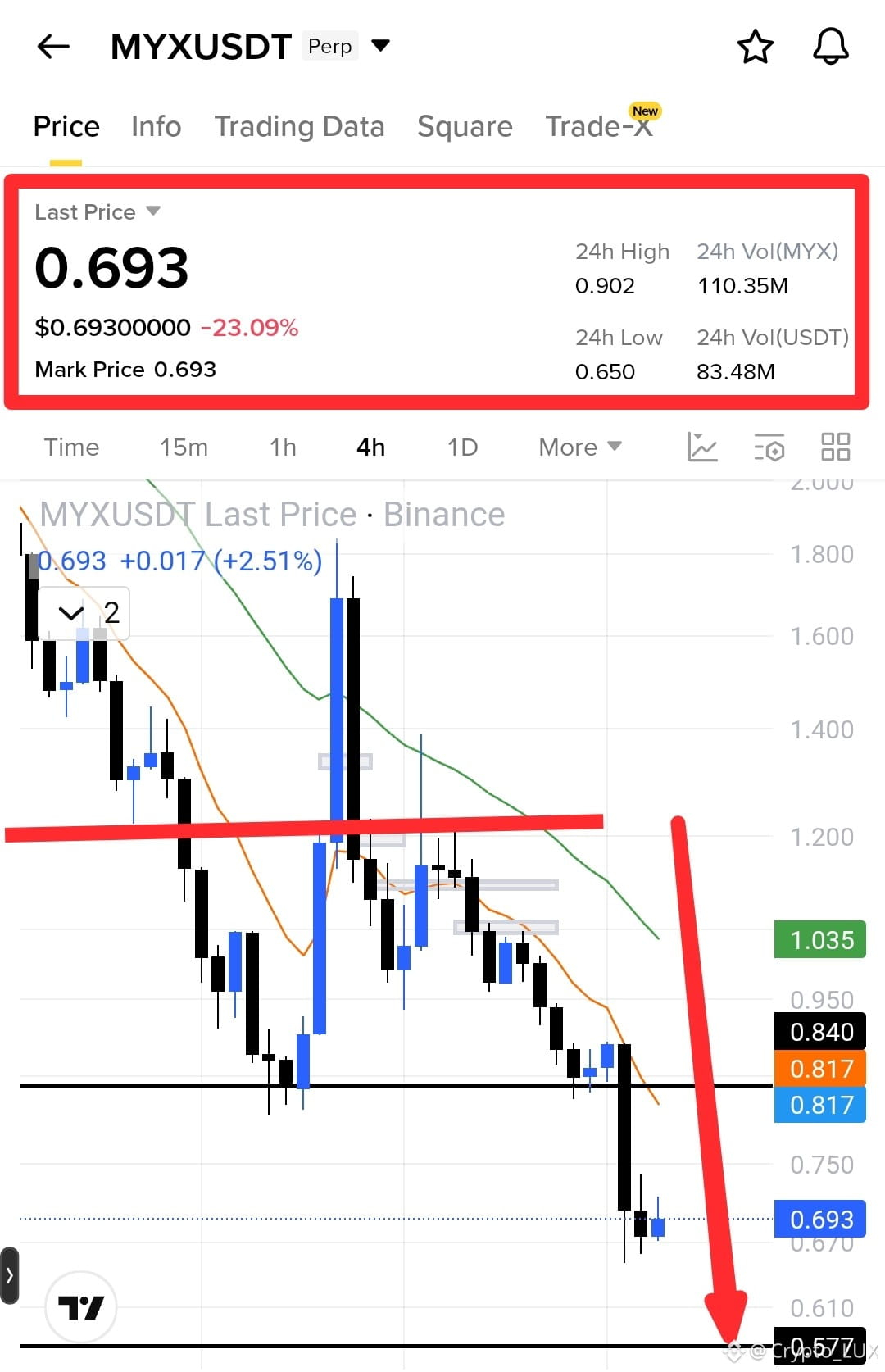
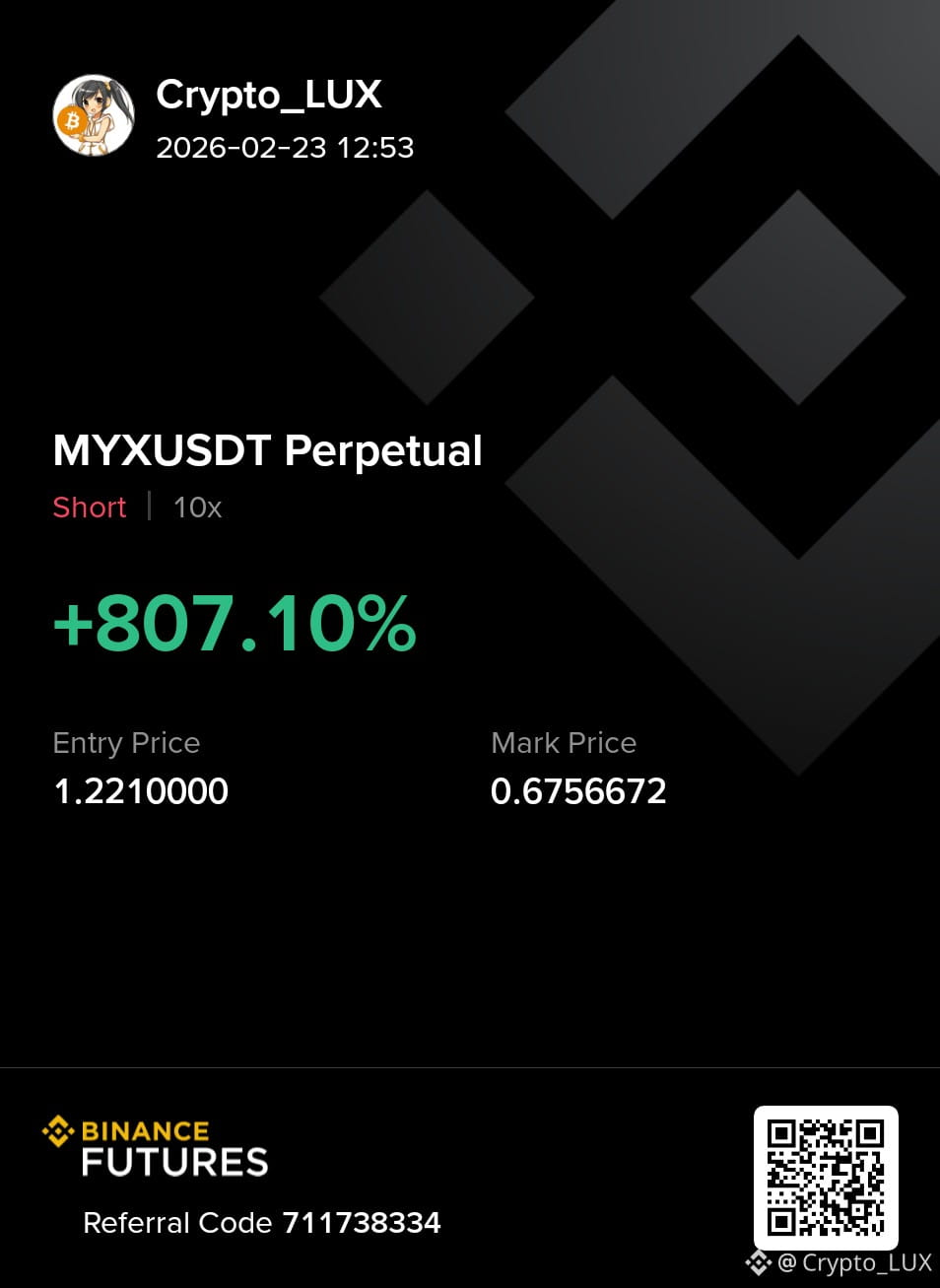
$MYX — ¡solo mira la ejecución!
El desglose se desarrolló exactamente como estaba planeado.
Desde una entrada de 1.22$ hasta un precio de marca de 0.67$ — pura precisión.
Esto fue paciencia, estructura y tiempo.
¿Quién atrapó este movimiento conmigo antes?
Y eso seguramente merece un "ME GUSTA"
#Crypto_LUXcomeback
#TrumpNewTariffs
#BTCMiningDifficultyIncrease
#WhenWillCLARITYActPass
$PIPPIN obtuvo el aumento como te conseguí!!
$ALLO se mantiene bajista!
$MYX — ¡solo mira la ejecución!
El desglose se desarrolló exactamente como estaba planeado.
Desde una entrada de 1.22$ hasta un precio de marca de 0.67$ — pura precisión.
Esto fue paciencia, estructura y tiempo.
¿Quién atrapó este movimiento conmigo antes?
Y eso seguramente merece un "ME GUSTA"
#Crypto_LUXcomeback
#TrumpNewTariffs
#BTCMiningDifficultyIncrease
#WhenWillCLARITYActPass
$PIPPIN obtuvo el aumento como te conseguí!!
$ALLO se mantiene bajista!
El desglose se desarrolló exactamente como estaba planeado.
Desde una entrada de 1.22$ hasta un precio de marca de 0.67$ — pura precisión.
Esto fue paciencia, estructura y tiempo.
¿Quién atrapó este movimiento conmigo antes?
Y eso seguramente merece un "ME GUSTA"
#Crypto_LUXcomeback
#TrumpNewTariffs
#BTCMiningDifficultyIncrease
#WhenWillCLARITYActPass
$PIPPIN obtuvo el aumento como te conseguí!!
$ALLO se mantiene bajista!
2
1
21
2.7k
·
--
Bajista
$BTC está bajo una fuerte presión bajista.
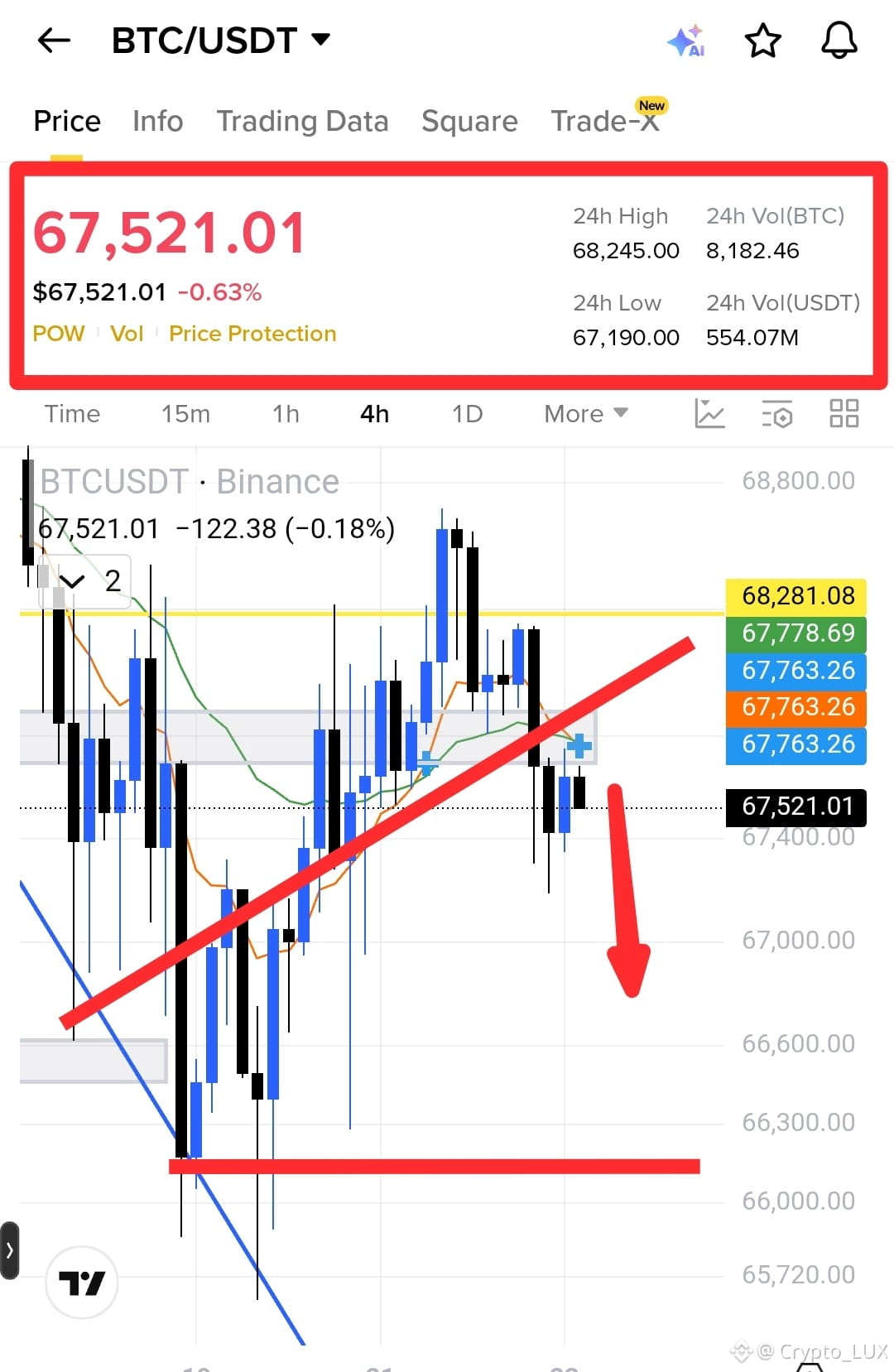
El precio está negociando alrededor de $67,500, perdiendo la estructura a corto plazo. El soporte de la línea de tendencia se está rompiendo y se están formando máximos más bajos en el gráfico de 4H.
Si esta debilidad continúa, es probable que se produzca un movimiento hacia la zona de $66,500–$66,000. Los toros necesitan recuperar $68,200+ para cambiar la dinámica.
En este momento, los vendedores tienen el control.
Gestiona el riesgo. No luches contra la estructura.
Esta semana va a ser loca. Solo necesito tu presencia aquí conmigo. ¿Estás listo? Estoy listo con toda la energía — rápidas scalps y swings nos están esperando. #Crypto_LUXcomeback
Dale un "ME GUSTA" si estás listo.
#TrumpNewTariffs
#BTCVSGOLD
#WhenWillCLARITYActPass
#BTCMiningDifficultyIncrease
$PIPPIN aún en una zona indecisa! y Ojos en $OPN por ahora ¡Mira el boom!!!
$BTC está bajo una fuerte presión bajista.
El precio está negociando alrededor de $67,500, perdiendo la estructura a corto plazo. El soporte de la línea de tendencia se está rompiendo y se están formando máximos más bajos en el gráfico de 4H.
Si esta debilidad continúa, es probable que se produzca un movimiento hacia la zona de $66,500–$66,000. Los toros necesitan recuperar $68,200+ para cambiar la dinámica.
En este momento, los vendedores tienen el control.
Gestiona el riesgo. No luches contra la estructura.
Esta semana va a ser loca. Solo necesito tu presencia aquí conmigo. ¿Estás listo? Estoy listo con toda la energía — rápidas scalps y swings nos están esperando. #Crypto_LUXcomeback
Dale un "ME GUSTA" si estás listo.
#TrumpNewTariffs
#BTCVSGOLD
#WhenWillCLARITYActPass
#BTCMiningDifficultyIncrease
$PIPPIN aún en una zona indecisa! y Ojos en $OPN por ahora ¡Mira el boom!!!
El precio está negociando alrededor de $67,500, perdiendo la estructura a corto plazo. El soporte de la línea de tendencia se está rompiendo y se están formando máximos más bajos en el gráfico de 4H.
Si esta debilidad continúa, es probable que se produzca un movimiento hacia la zona de $66,500–$66,000. Los toros necesitan recuperar $68,200+ para cambiar la dinámica.
En este momento, los vendedores tienen el control.
Gestiona el riesgo. No luches contra la estructura.
Esta semana va a ser loca. Solo necesito tu presencia aquí conmigo. ¿Estás listo? Estoy listo con toda la energía — rápidas scalps y swings nos están esperando. #Crypto_LUXcomeback
Dale un "ME GUSTA" si estás listo.
#TrumpNewTariffs
#BTCVSGOLD
#WhenWillCLARITYActPass
#BTCMiningDifficultyIncrease
$PIPPIN aún en una zona indecisa! y Ojos en $OPN por ahora ¡Mira el boom!!!

6
4
16
2.2k

·
--
Bajista
Solo mira esa vela de desglose $BTC .
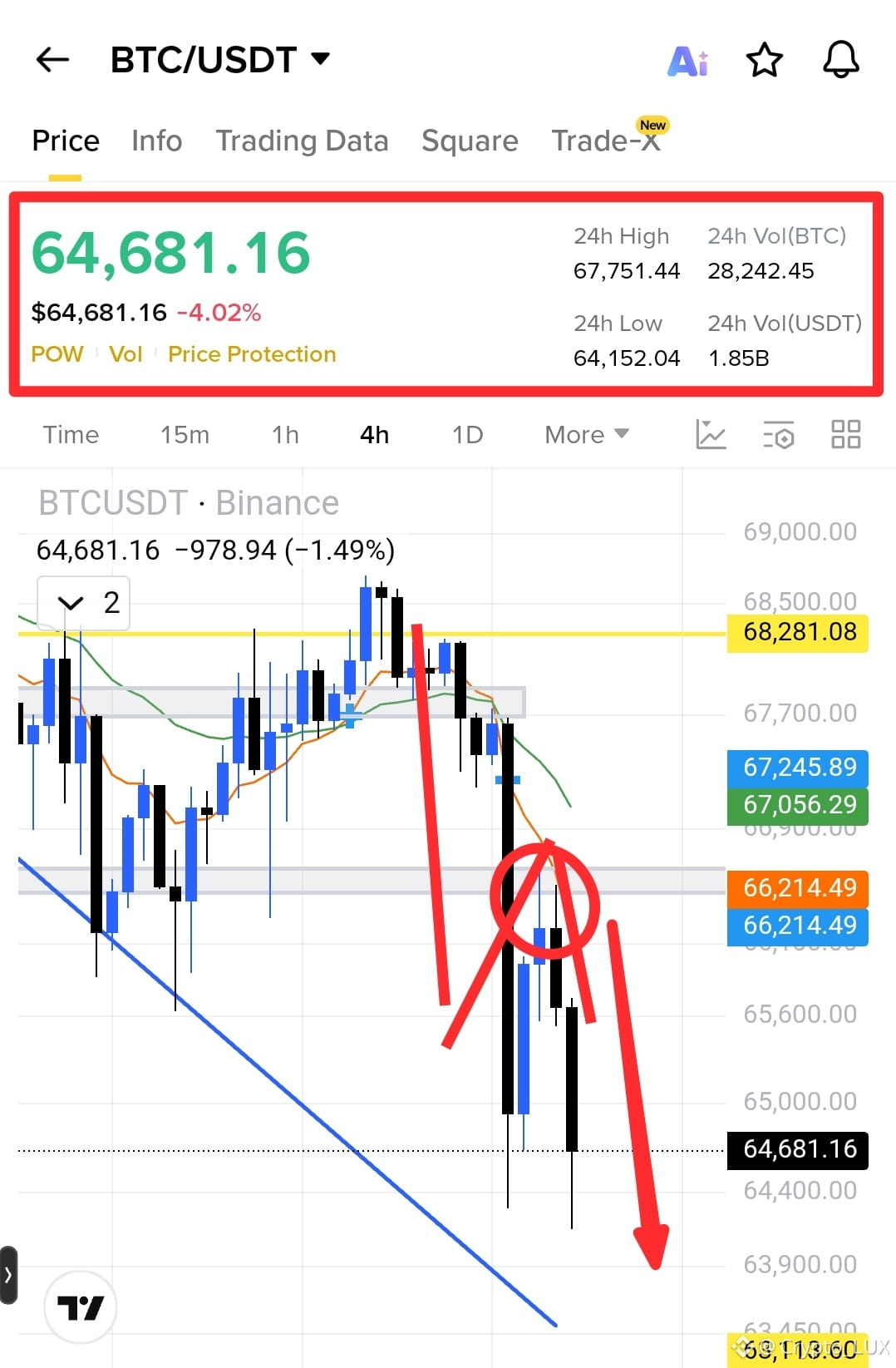
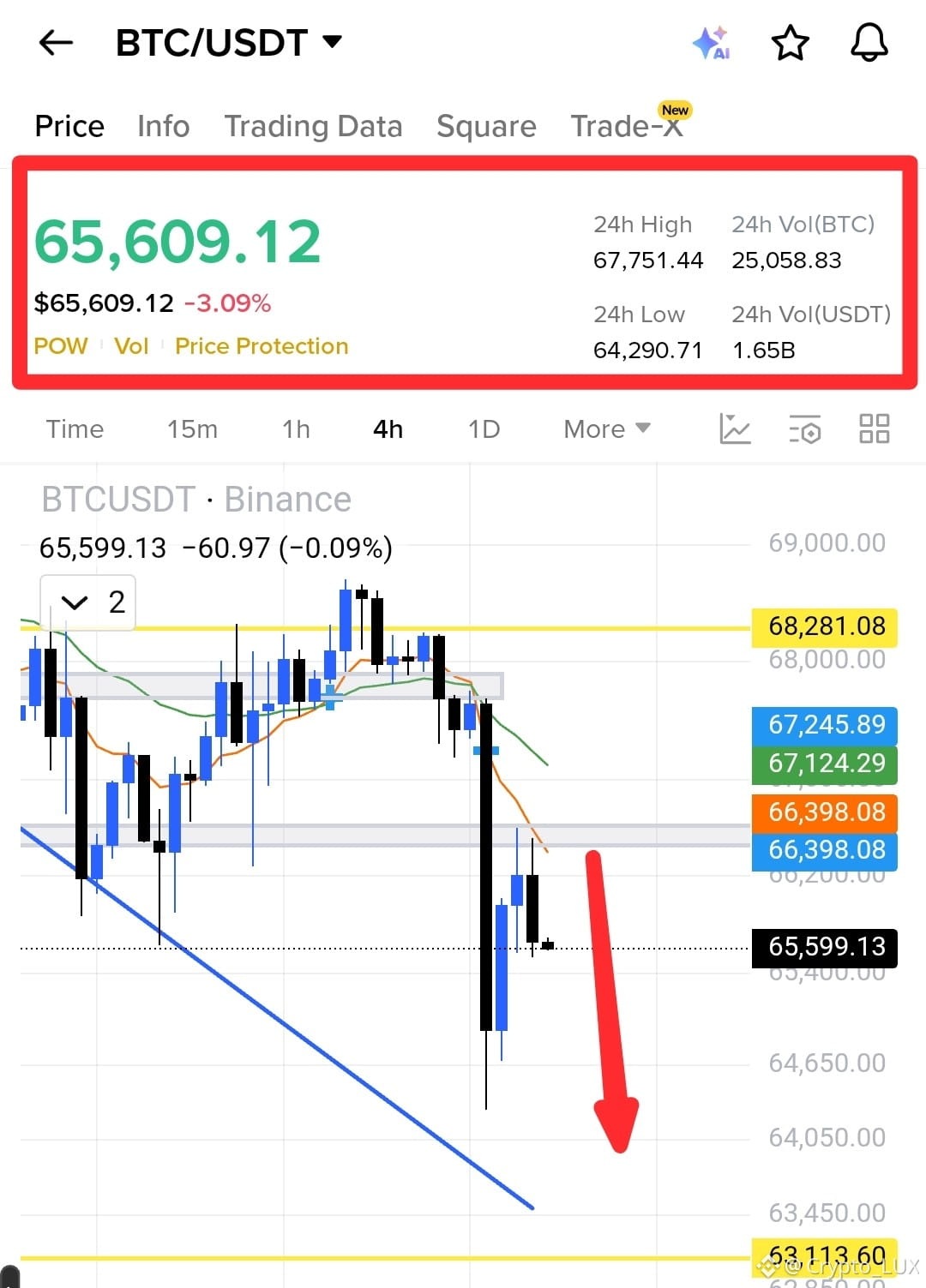
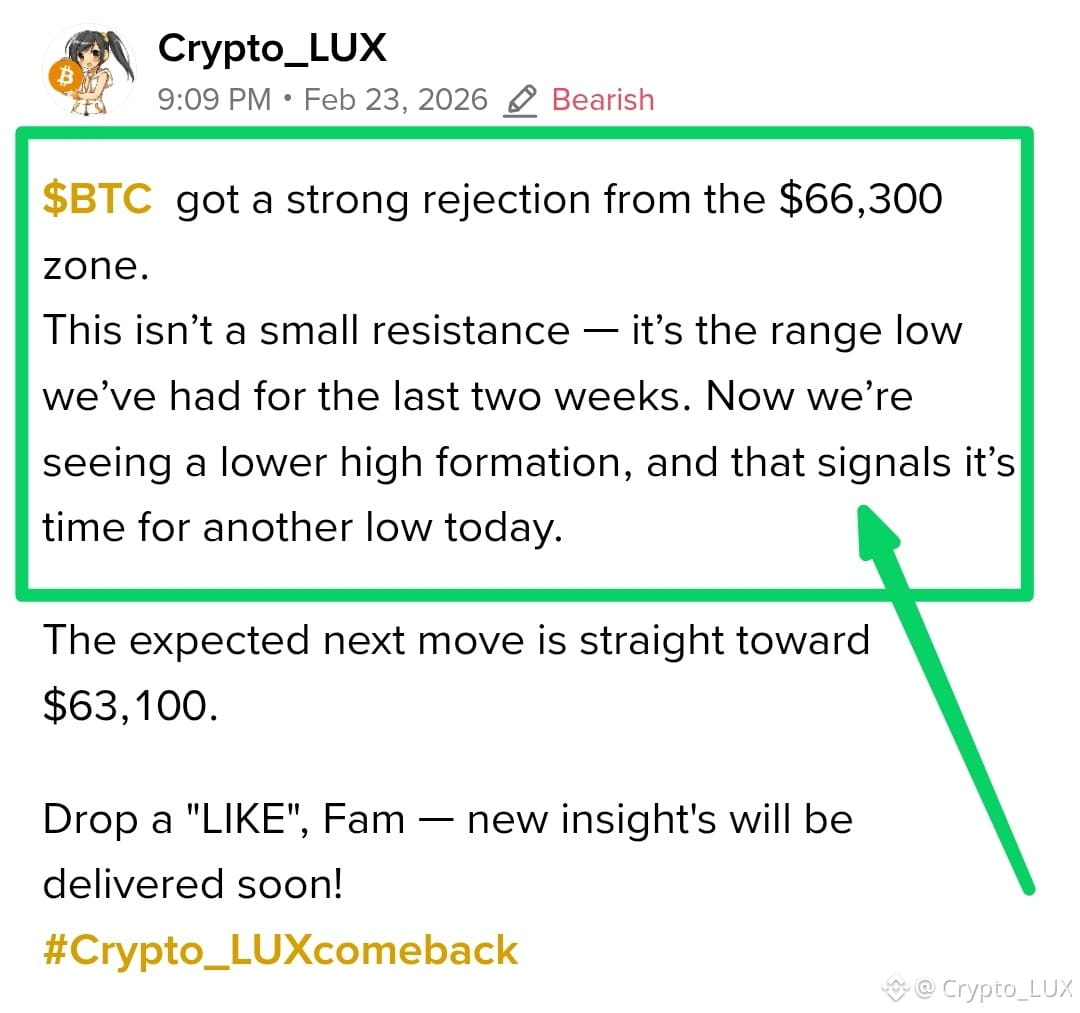
Hice la llamada en $65,600 después de un fuerte rechazo de la importante zona de resistencia de $66,300. Esperaba un colapso hacia un nuevo mínimo del día — y lo cumplió, cotizando a $64,100.
¿Qué sigue?
Si lo atrapaste, asegura ganancias parciales y ajusta tu SL. El mercado es volátil, y podríamos ver otro máximo más bajo antes de un movimiento hacia el nivel de $63,100.
¿Estás dentro?
Mi última publicación no llegó a muchos de ustedes porque Binance la puso bajo revisión. No estoy seguro de qué provocó eso. Por favor, revísalo, comparte tu opinión e interactúa con un like para que mis publicaciones puedan llegar a ti a tiempo. Estuve ausente durante más de un mes, y eso afectó mi alcance — realmente apreciaría tu apoyo.
Interactúa con las publicaciones regularmente a través de likes y comentarios para que te lleguen temprano cada vez.
Construyamos una comunidad fuerte en Binance Square y dominemos los futuros juntos con @RiseHigh_Community
Y una vez que el mercado baje adecuadamente, compartiré las mejores monedas spot para la próxima rally — oportunidades potenciales de 10–15x.
#Crypto_LUXcomeback
#BTCMiningDifficultyIncrease
#StrategyBTCPurchase
#BTCVSGOLD
$PIPPIN ¡siguiente movimiento!
$MYX con un colapso de más del 30% hoy...
Solo mira esa vela de desglose $BTC .
Hice la llamada en $65,600 después de un fuerte rechazo de la importante zona de resistencia de $66,300. Esperaba un colapso hacia un nuevo mínimo del día — y lo cumplió, cotizando a $64,100.
¿Qué sigue?
Si lo atrapaste, asegura ganancias parciales y ajusta tu SL. El mercado es volátil, y podríamos ver otro máximo más bajo antes de un movimiento hacia el nivel de $63,100.
¿Estás dentro?
Mi última publicación no llegó a muchos de ustedes porque Binance la puso bajo revisión. No estoy seguro de qué provocó eso. Por favor, revísalo, comparte tu opinión e interactúa con un like para que mis publicaciones puedan llegar a ti a tiempo. Estuve ausente durante más de un mes, y eso afectó mi alcance — realmente apreciaría tu apoyo.
Interactúa con las publicaciones regularmente a través de likes y comentarios para que te lleguen temprano cada vez.
Construyamos una comunidad fuerte en Binance Square y dominemos los futuros juntos con @Crypto_LUX
Y una vez que el mercado baje adecuadamente, compartiré las mejores monedas spot para la próxima rally — oportunidades potenciales de 10–15x.
#Crypto_LUXcomeback
#BTCMiningDifficultyIncrease
#StrategyBTCPurchase
#BTCVSGOLD
$PIPPIN ¡siguiente movimiento!
$MYX con un colapso de más del 30% hoy...
Hice la llamada en $65,600 después de un fuerte rechazo de la importante zona de resistencia de $66,300. Esperaba un colapso hacia un nuevo mínimo del día — y lo cumplió, cotizando a $64,100.
¿Qué sigue?
Si lo atrapaste, asegura ganancias parciales y ajusta tu SL. El mercado es volátil, y podríamos ver otro máximo más bajo antes de un movimiento hacia el nivel de $63,100.
¿Estás dentro?
Mi última publicación no llegó a muchos de ustedes porque Binance la puso bajo revisión. No estoy seguro de qué provocó eso. Por favor, revísalo, comparte tu opinión e interactúa con un like para que mis publicaciones puedan llegar a ti a tiempo. Estuve ausente durante más de un mes, y eso afectó mi alcance — realmente apreciaría tu apoyo.
Interactúa con las publicaciones regularmente a través de likes y comentarios para que te lleguen temprano cada vez.
Construyamos una comunidad fuerte en Binance Square y dominemos los futuros juntos con @Crypto_LUX
Y una vez que el mercado baje adecuadamente, compartiré las mejores monedas spot para la próxima rally — oportunidades potenciales de 10–15x.
#Crypto_LUXcomeback
#BTCMiningDifficultyIncrease
#StrategyBTCPurchase
#BTCVSGOLD
$PIPPIN ¡siguiente movimiento!
$MYX con un colapso de más del 30% hoy...
6
1
26
2.6k

·
--
Bajista
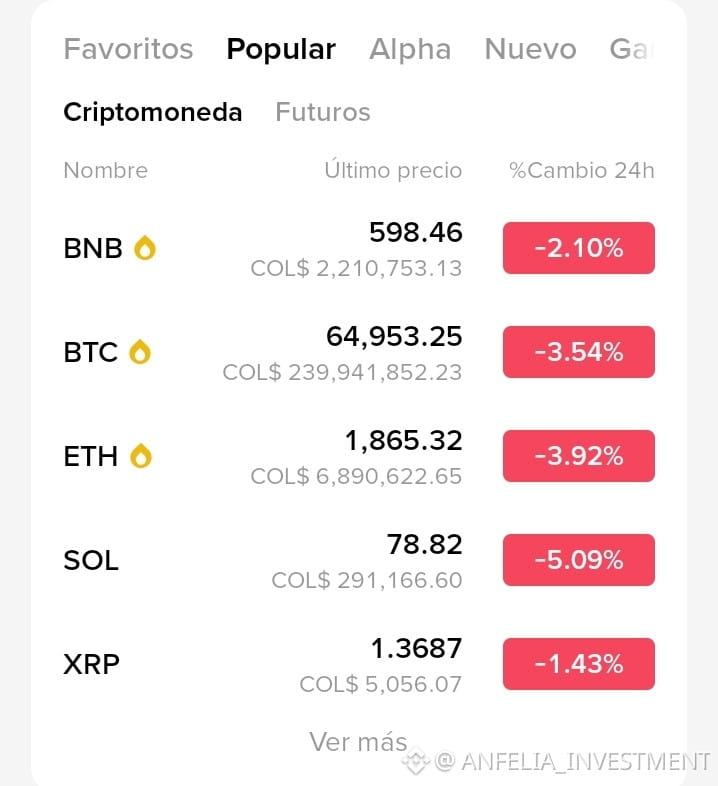
¿Por qué están cayendo las criptos hoy?
Hoy el mercado crypto está sangrando:
Bitcoin cae -3.5% y prueba soportes cerca de $64,500–$65,000 USD
Ethereum -3.9%, acercándose a los $1,850
Solana lidera las pérdidas con -5.1% (muy sensible a noticias de red y memecoins)
En pesos colombianos (con TRM ~$3,700):
1 BTC ≈ COL$ 240 millones
1 ETH ≈ COL$ 6.9 millones
1 SOL ≈ COL$ 291 mil
Factores probables:
Incertidumbre por políticas comerciales / aranceles (noticias de EE.UU. afectan riesgo global)
Liquidaciones en futuros y baja liquidez en Asia
Rotación de capital hacia otros activos (¿oro subiendo?)
¿Es momento de comprar el dip o esperar confirmación? Mi opinión: si BTC mantiene >$64k, puede ser oportunidad. Si rompe para abajo, cuidado con pánico.
¿Qué opinas tú? ¿HODL o vendes? 🔥📉
$BTC $ETH $BNB #StrategyBTCPurchase #BTCMiningDifficultyIncrease #AnfeliaInvestment
¿Por qué están cayendo las criptos hoy?
Hoy el mercado crypto está sangrando:
Bitcoin cae -3.5% y prueba soportes cerca de $64,500–$65,000 USD
Ethereum -3.9%, acercándose a los $1,850
Solana lidera las pérdidas con -5.1% (muy sensible a noticias de red y memecoins)
En pesos colombianos (con TRM ~$3,700):
1 BTC ≈ COL$ 240 millones
1 ETH ≈ COL$ 6.9 millones
1 SOL ≈ COL$ 291 mil
Factores probables:
Incertidumbre por políticas comerciales / aranceles (noticias de EE.UU. afectan riesgo global)
Liquidaciones en futuros y baja liquidez en Asia
Rotación de capital hacia otros activos (¿oro subiendo?)
¿Es momento de comprar el dip o esperar confirmación? Mi opinión: si BTC mantiene >$64k, puede ser oportunidad. Si rompe para abajo, cuidado con pánico.
¿Qué opinas tú? ¿HODL o vendes? 🔥📉
$BTC $ETH $BNB #StrategyBTCPurchase #BTCMiningDifficultyIncrease #AnfeliaInvestment
Hoy el mercado crypto está sangrando:
Bitcoin cae -3.5% y prueba soportes cerca de $64,500–$65,000 USD
Ethereum -3.9%, acercándose a los $1,850
Solana lidera las pérdidas con -5.1% (muy sensible a noticias de red y memecoins)
En pesos colombianos (con TRM ~$3,700):
1 BTC ≈ COL$ 240 millones
1 ETH ≈ COL$ 6.9 millones
1 SOL ≈ COL$ 291 mil
Factores probables:
Incertidumbre por políticas comerciales / aranceles (noticias de EE.UU. afectan riesgo global)
Liquidaciones en futuros y baja liquidez en Asia
Rotación de capital hacia otros activos (¿oro subiendo?)
¿Es momento de comprar el dip o esperar confirmación? Mi opinión: si BTC mantiene >$64k, puede ser oportunidad. Si rompe para abajo, cuidado con pánico.
¿Qué opinas tú? ¿HODL o vendes? 🔥📉
$BTC $ETH $BNB #StrategyBTCPurchase #BTCMiningDifficultyIncrease #AnfeliaInvestment
1
2
244

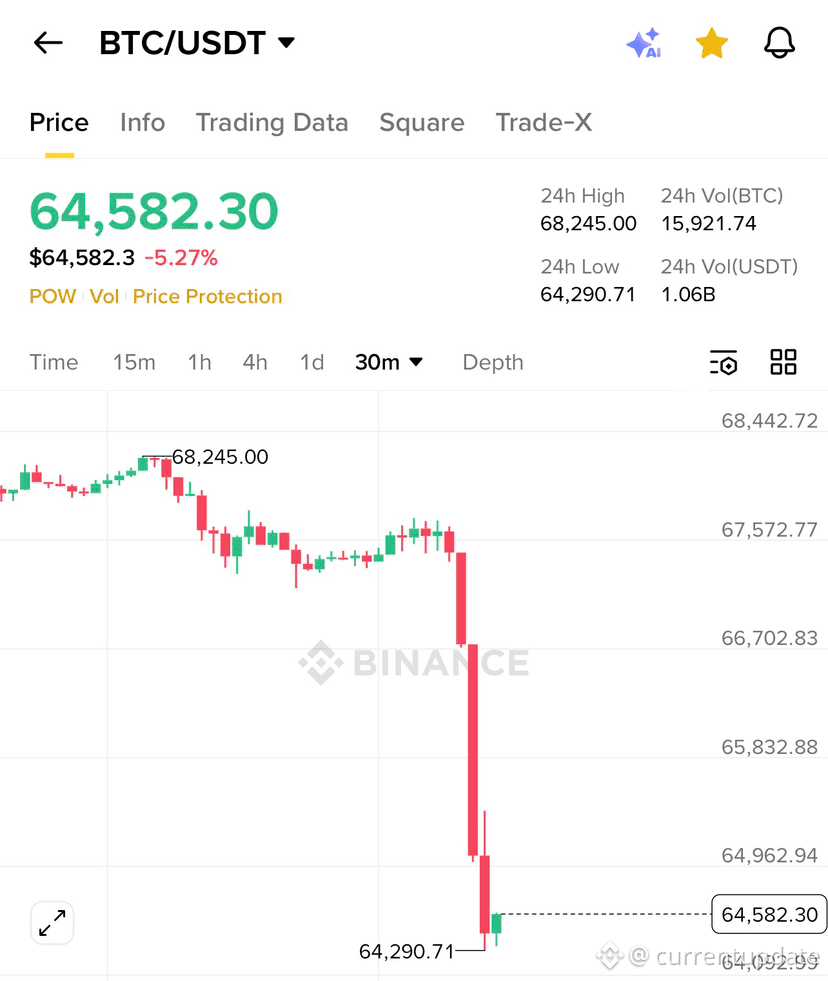
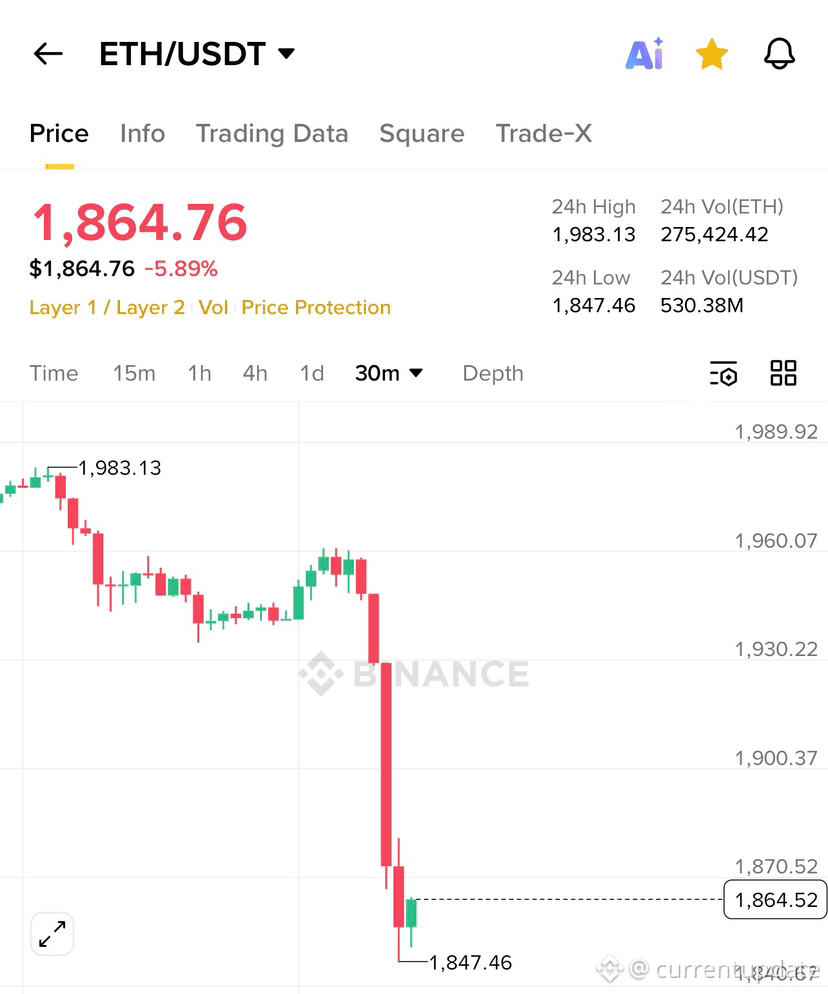
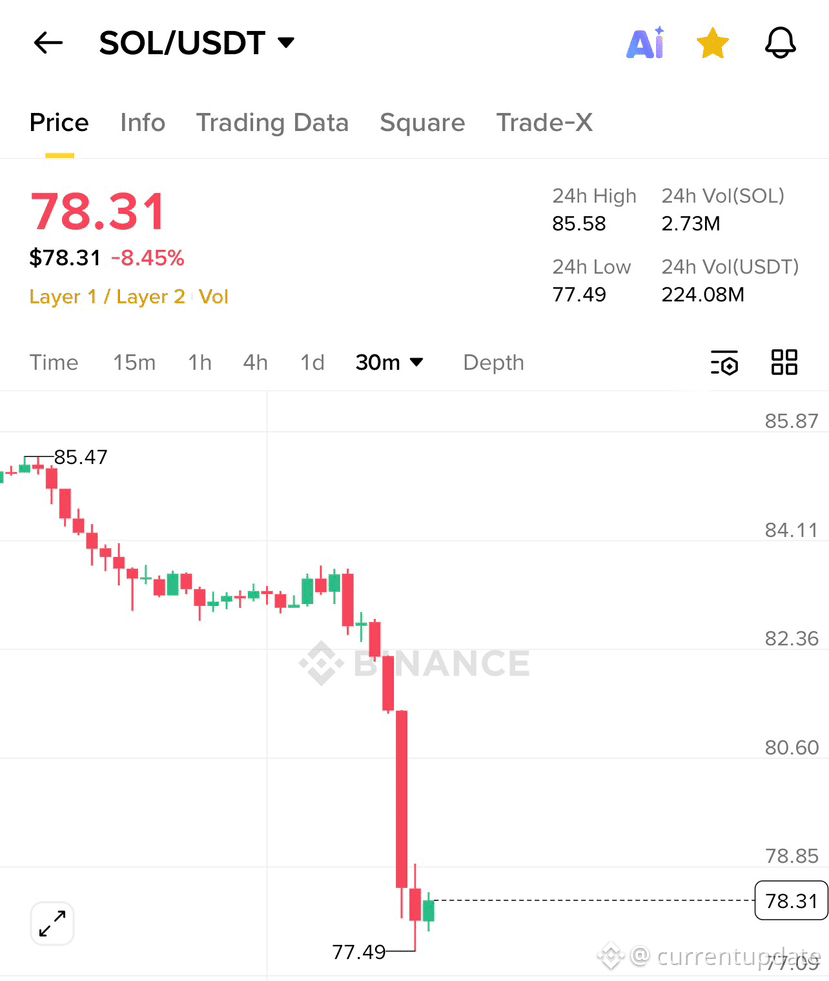
Cuando $BTC baja, entonces $ETH y $SOL también muestran sangrado.
Bitcoin cae duro (como esa caída brusca a alrededor de $64-65k que estás viendo), ETH y SOL generalmente sangran aún más. En este momento, BTC ha bajado aproximadamente un 5%, ETH alrededor de un 6%, y SOL está sufriendo la mayor caída con más del 8% en el último día.
Es muy común porque todo se mueve junto en modo de aversión al riesgo: BTC lidera, los altcoins siguen (y a menudo caen más fuerte ya que se consideran más arriesgados). La alta correlación los mantiene sincronizados, especialmente en ventas como esta.
#TrumpNewTariffs
#TokenizedRealEstate
#BTCMiningDifficultyIncrease
#currentupdate
#dyor
Cuando $BTC baja, entonces $ETH y $SOL también muestran sangrado.
Bitcoin cae duro (como esa caída brusca a alrededor de $64-65k que estás viendo), ETH y SOL generalmente sangran aún más. En este momento, BTC ha bajado aproximadamente un 5%, ETH alrededor de un 6%, y SOL está sufriendo la mayor caída con más del 8% en el último día.
Es muy común porque todo se mueve junto en modo de aversión al riesgo: BTC lidera, los altcoins siguen (y a menudo caen más fuerte ya que se consideran más arriesgados). La alta correlación los mantiene sincronizados, especialmente en ventas como esta.
#TrumpNewTariffs
#TokenizedRealEstate
#BTCMiningDifficultyIncrease
#currentupdate
#dyor
Bitcoin cae duro (como esa caída brusca a alrededor de $64-65k que estás viendo), ETH y SOL generalmente sangran aún más. En este momento, BTC ha bajado aproximadamente un 5%, ETH alrededor de un 6%, y SOL está sufriendo la mayor caída con más del 8% en el último día.
Es muy común porque todo se mueve junto en modo de aversión al riesgo: BTC lidera, los altcoins siguen (y a menudo caen más fuerte ya que se consideran más arriesgados). La alta correlación los mantiene sincronizados, especialmente en ventas como esta.
#TrumpNewTariffs
#TokenizedRealEstate
#BTCMiningDifficultyIncrease
#currentupdate
#dyor
1
184

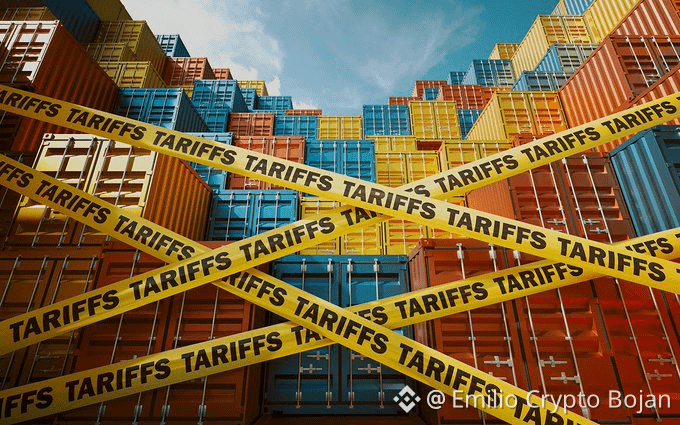
👀AQUÍ HAY OTRO RUMOR 👀
🇺🇸 Se informa que el Presidente Trump está listo para anunciar un nuevo marco arancelario el lunes.
Si se confirma, los mercados estarán atentos.
#TrumpNewTariffs #TokenizedRealEstate #BTCMiningDifficultyIncrease #PredictionMarketsCFTCBacking
👀AQUÍ HAY OTRO RUMOR 👀
🇺🇸 Se informa que el Presidente Trump está listo para anunciar un nuevo marco arancelario el lunes.
Si se confirma, los mercados estarán atentos.
#TrumpNewTariffs #TokenizedRealEstate #BTCMiningDifficultyIncrease #PredictionMarketsCFTCBacking
🇺🇸 Se informa que el Presidente Trump está listo para anunciar un nuevo marco arancelario el lunes.
Si se confirma, los mercados estarán atentos.
#TrumpNewTariffs #TokenizedRealEstate #BTCMiningDifficultyIncrease #PredictionMarketsCFTCBacking

1
9
6.3k
·
--
Alcista
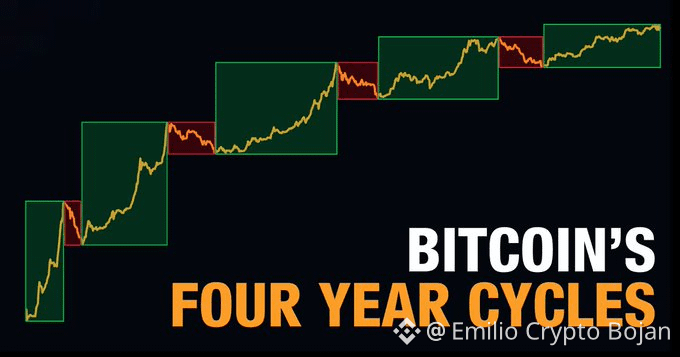
Los ciclos de reducción a la mitad de 4 años de #Bitcoin han explicado mucho del comportamiento pasado de los precios, pero pueden estar debilitándose a medida que Bitcoin madura.
Con los ETF y las instituciones ahora profundamente involucrados, la volatilidad se está atenuando y la liquidez macro se está convirtiendo en un motor más grande que la reducción a la mitad en sí. De hecho, desde el ciclo anterior, la participación institucional y la exposición a ETF se han más que duplicado. La estructura de este mercado ya no es la misma.
Los ciclos no están necesariamente muertos, pero son menos confiables y podrían verse muy diferentes en el futuro.
Esperar la clásica caída del 70%+ solo porque "eso es lo que siempre ha sucedido" podría no funcionar esta vez.
Los ETF y las instituciones no trajeron la misma locura minorista en la cima. No hubo el mismo nivel de apalancamiento de pánico. Eso cambia la dinámica a la baja.
Ten en cuenta: esta vez podría ser realmente diferente.
NFA. DYOR.
#StrategyBTCPurchase #VitalikSells #TrumpNewTariffs #BTCMiningDifficultyIncrease
Los ciclos de reducción a la mitad de 4 años de #Bitcoin han explicado mucho del comportamiento pasado de los precios, pero pueden estar debilitándose a medida que Bitcoin madura.
Con los ETF y las instituciones ahora profundamente involucrados, la volatilidad se está atenuando y la liquidez macro se está convirtiendo en un motor más grande que la reducción a la mitad en sí. De hecho, desde el ciclo anterior, la participación institucional y la exposición a ETF se han más que duplicado. La estructura de este mercado ya no es la misma.
Los ciclos no están necesariamente muertos, pero son menos confiables y podrían verse muy diferentes en el futuro.
Esperar la clásica caída del 70%+ solo porque "eso es lo que siempre ha sucedido" podría no funcionar esta vez.
Los ETF y las instituciones no trajeron la misma locura minorista en la cima. No hubo el mismo nivel de apalancamiento de pánico. Eso cambia la dinámica a la baja.
Ten en cuenta: esta vez podría ser realmente diferente.
NFA. DYOR.
#StrategyBTCPurchase #VitalikSells #TrumpNewTariffs #BTCMiningDifficultyIncrease
Con los ETF y las instituciones ahora profundamente involucrados, la volatilidad se está atenuando y la liquidez macro se está convirtiendo en un motor más grande que la reducción a la mitad en sí. De hecho, desde el ciclo anterior, la participación institucional y la exposición a ETF se han más que duplicado. La estructura de este mercado ya no es la misma.
Los ciclos no están necesariamente muertos, pero son menos confiables y podrían verse muy diferentes en el futuro.
Esperar la clásica caída del 70%+ solo porque "eso es lo que siempre ha sucedido" podría no funcionar esta vez.
Los ETF y las instituciones no trajeron la misma locura minorista en la cima. No hubo el mismo nivel de apalancamiento de pánico. Eso cambia la dinámica a la baja.
Ten en cuenta: esta vez podría ser realmente diferente.
NFA. DYOR.
#StrategyBTCPurchase #VitalikSells #TrumpNewTariffs #BTCMiningDifficultyIncrease
7
6
8.7k

·
--
Bajista
Hay una fuerte caída en la moneda KITEUSDT $BTC $BNB $ETH #WhenWillCLARITYActPass #PredictionMarketsCFTCBacking #BTCMiningDifficultyIncrease #BTCMiningDifficultyIncrease #ETHTrendAnalysis
Hay una fuerte caída en la moneda KITEUSDT $BTC $BNB $ETH #WhenWillCLARITYActPass #PredictionMarketsCFTCBacking #BTCMiningDifficultyIncrease #BTCMiningDifficultyIncrease #ETHTrendAnalysis
12

Artículo
PREGUNTÉ AL GROK
-
IAobservando el patrón de los últimos 16 años de subidas y caídas del bitcoin, ¿hasta dónde crees que va a caer?
Buscando en la Web
41 resultados
Observando los patrones históricos de los últimos 16 años (desde ~2010), el Bitcoin siempre ha pasado por ciclos de alza explosiva (bull markets) seguidos de caídas profundas (bear markets o "crypto winters"). Estos ciclos están ligados a los halvings (cada ~4 años), pero también a factores macroeconómicos, adopción y especulación. Caídas históricas máximas (del pico al fondo del bear market): Ciclo inicial (~2011): ~ -93%
PREGUNTÉ AL GROK - IA
observando el patrón de los últimos 16 años de subidas y caídas del bitcoin, ¿hasta dónde crees que va a caer?
Buscando en la Web
41 resultados
Observando los patrones históricos de los últimos 16 años (desde ~2010), el Bitcoin siempre ha pasado por ciclos de alza explosiva (bull markets) seguidos de caídas profundas (bear markets o "crypto winters"). Estos ciclos están ligados a los halvings (cada ~4 años), pero también a factores macroeconómicos, adopción y especulación. Caídas históricas máximas (del pico al fondo del bear market): Ciclo inicial (~2011): ~ -93%
Buscando en la Web
41 resultados
Observando los patrones históricos de los últimos 16 años (desde ~2010), el Bitcoin siempre ha pasado por ciclos de alza explosiva (bull markets) seguidos de caídas profundas (bear markets o "crypto winters"). Estos ciclos están ligados a los halvings (cada ~4 años), pero también a factores macroeconómicos, adopción y especulación. Caídas históricas máximas (del pico al fondo del bear market): Ciclo inicial (~2011): ~ -93%
2
145

·
--
Bajista
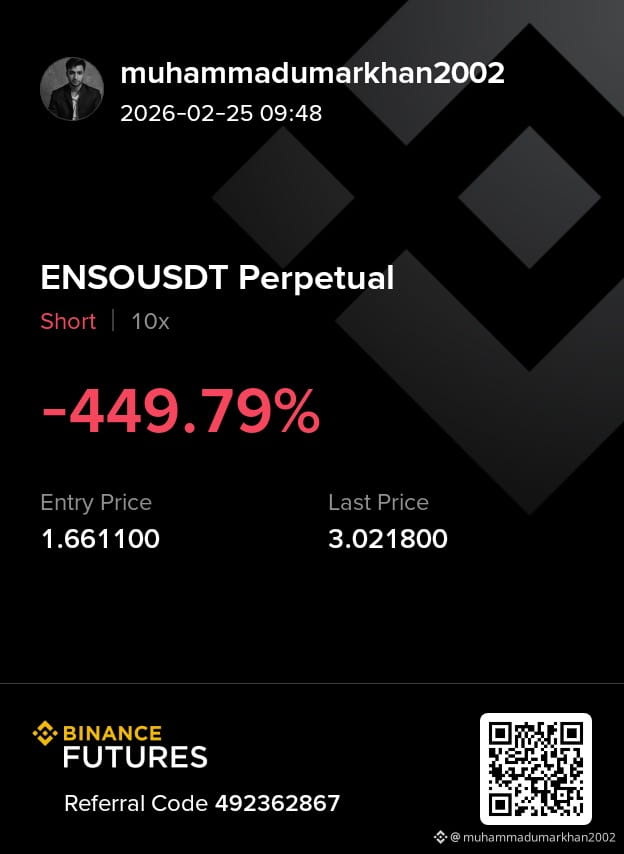
Estoy harto. Cada vez que opero, pierdo. ¿Debería dejar el trading?
#ENSO #BTCMiningDifficultyIncrease
Estoy harto. Cada vez que opero, pierdo. ¿Debería dejar el trading?
#ENSO #BTCMiningDifficultyIncrease
#ENSO #BTCMiningDifficultyIncrease
7
7
378

Artículo
El precio actual de Bitcoin es de $63,500, y la capitalización de mercado es de 1.36 billones de dólares. Según los analistas,El precio actual de Bitcoin es de $63,500, y la capitalización de mercado es de 1.36 billones de dólares. Según los analistas, para finales de 2026, el precio de Bitcoin podría estar entre $79,579 y $150,000, mientras que para el periodo de 2030 a 2050, las predicciones son de $166,372 hasta $1.53 millones. Predicciones de precios de Bitcoin:
2026: $79,579 - $150,000
2030: $166,372
2040: $968,339
2050: $1.53 Según algunos expertos, el precio de Bitcoin podría estar en el rango de $120,000 a $225,000 entre 2026 y 2030#StrategyBTCPurchase #BTCMiningDifficultyIncrease #TrumpNewTariffs $BTC #TrendingTopic
$METAon
El precio actual de Bitcoin es de $63,500, y la capitalización de mercado es de 1.36 billones de dólares. Según los analistas,
El precio actual de Bitcoin es de $63,500, y la capitalización de mercado es de 1.36 billones de dólares. Según los analistas, para finales de 2026, el precio de Bitcoin podría estar entre $79,579 y $150,000, mientras que para el periodo de 2030 a 2050, las predicciones son de $166,372 hasta $1.53 millones. Predicciones de precios de Bitcoin:
2026: $79,579 - $150,000
2030: $166,372
2040: $968,339
2050: $1.53 Según algunos expertos, el precio de Bitcoin podría estar en el rango de $120,000 a $225,000 entre 2026 y 2030#StrategyBTCPurchase #BTCMiningDifficultyIncrease #TrumpNewTariffs $BTC #TrendingTopic
$METAon
2026: $79,579 - $150,000
2030: $166,372
2040: $968,339
2050: $1.53 Según algunos expertos, el precio de Bitcoin podría estar en el rango de $120,000 a $225,000 entre 2026 y 2030#StrategyBTCPurchase #BTCMiningDifficultyIncrease #TrumpNewTariffs $BTC #TrendingTopic
$METAon
8
97

·
--
Alcista
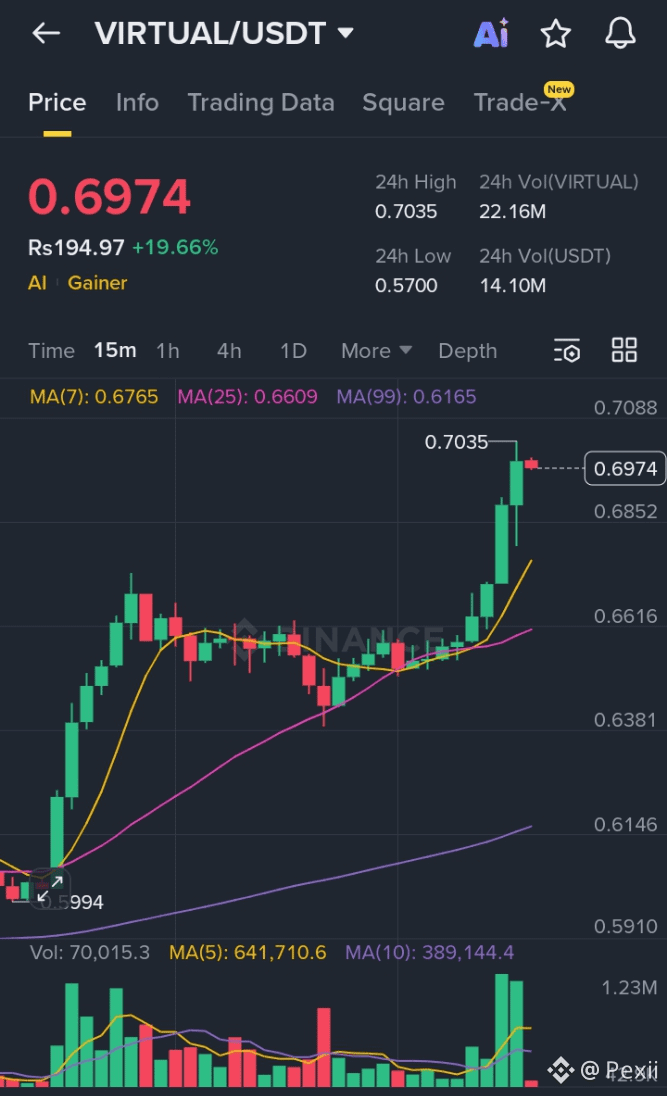
$VIRTUAL USDT (15m) AI Rocket — ¡Ruptura y Mantener!
Precio: 0.6974 | Máximo 24h: 0.7035 | Mínimo 24h: 0.5700
EP (Punto de Entrada):
0.694 – 0.698 (zona de mantenimiento actual)
Más seguro: 0.676 – 0.682 (retest de MA7 / compra en retroceso)
TP (Tomar Beneficio):
TP1: 0.7035 (toque del máximo diario)
TP2: 0.712 – 0.718 (próxima zona de extensión)
TP3: 0.730 – 0.745 (solo si el volumen sigue aumentando)
SI (Parada / Invalidación):
SL: 0.661 (debajo del soporte de estructura)
SL extra seguro: 0.617 (cerca de MA99 / seguridad de tendencia)
Plan
TP1 parcial, SL en punto de equilibrio, runner ko TP3 hasta el final
(No es asesoramiento financiero — riesgo pequeño.)
Vamos
{future}(VIRTUALUSDT)
#StrategyBTCPurchase #TrumpStateoftheUnion #BTCMiningDifficultyIncrease #USJobsData #ADPWatch
$VIRTUAL USDT (15m) AI Rocket — ¡Ruptura y Mantener!
Precio: 0.6974 | Máximo 24h: 0.7035 | Mínimo 24h: 0.5700
EP (Punto de Entrada):
0.694 – 0.698 (zona de mantenimiento actual)
Más seguro: 0.676 – 0.682 (retest de MA7 / compra en retroceso)
TP (Tomar Beneficio):
TP1: 0.7035 (toque del máximo diario)
TP2: 0.712 – 0.718 (próxima zona de extensión)
TP3: 0.730 – 0.745 (solo si el volumen sigue aumentando)
SI (Parada / Invalidación):
SL: 0.661 (debajo del soporte de estructura)
SL extra seguro: 0.617 (cerca de MA99 / seguridad de tendencia)
Plan
TP1 parcial, SL en punto de equilibrio, runner ko TP3 hasta el final
(No es asesoramiento financiero — riesgo pequeño.)
Vamos
#StrategyBTCPurchase #TrumpStateoftheUnion #BTCMiningDifficultyIncrease #USJobsData #ADPWatch
Precio: 0.6974 | Máximo 24h: 0.7035 | Mínimo 24h: 0.5700
EP (Punto de Entrada):
0.694 – 0.698 (zona de mantenimiento actual)
Más seguro: 0.676 – 0.682 (retest de MA7 / compra en retroceso)
TP (Tomar Beneficio):
TP1: 0.7035 (toque del máximo diario)
TP2: 0.712 – 0.718 (próxima zona de extensión)
TP3: 0.730 – 0.745 (solo si el volumen sigue aumentando)
SI (Parada / Invalidación):
SL: 0.661 (debajo del soporte de estructura)
SL extra seguro: 0.617 (cerca de MA99 / seguridad de tendencia)
Plan
TP1 parcial, SL en punto de equilibrio, runner ko TP3 hasta el final
(No es asesoramiento financiero — riesgo pequeño.)
Vamos
#StrategyBTCPurchase #TrumpStateoftheUnion #BTCMiningDifficultyIncrease #USJobsData #ADPWatch
2
67

·
--
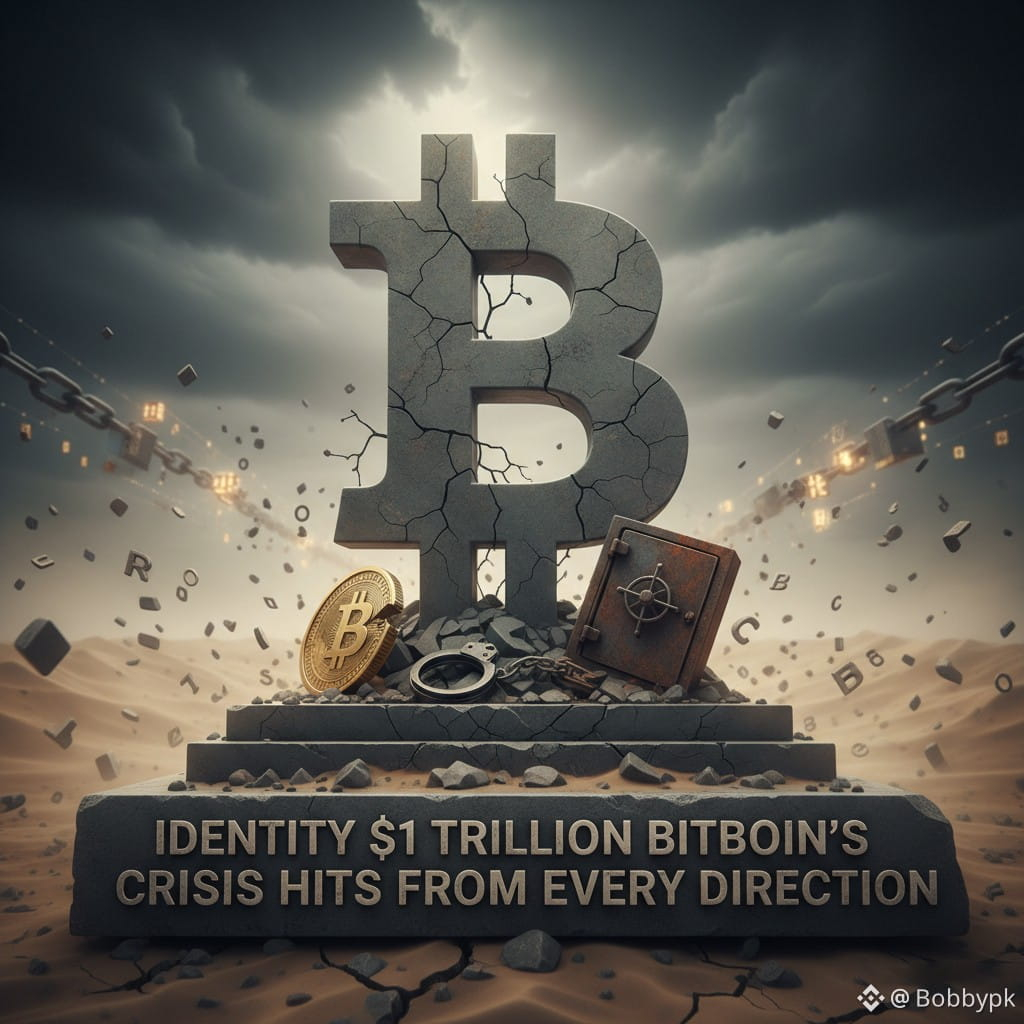
🚨 Identidad $1 billón La crisis de Bitcoin golpea desde todas direcciones
Ahora más que nunca, el futuro de Bitcoin es incierto debido a una deriva (más que a la volatilidad del precio). Ha dejado de ser relevante, aunque la blockchain sigue operativa (es decir, se están produciendo bloques y las transacciones están avanzando). Las narrativas que una vez proporcionaron el impulso de convicción detrás de Bitcoin (es decir, oro digital; dinero de libertad; o reserva institucional $BTC ) están siendo cuestionadas actualmente al mismo tiempo; como tal, la atención y el capital se están dispersando gradualmente. El verdadero riesgo para el futuro de Bitcoin no será un nuevo activo que lo supere, sino más bien la erosión de la fe en el activo mismo. Si esta erosión es simplemente una fase de turbulencia, entonces el futuro de Bitcoin permanecerá intacto; sin embargo, si se convierte en un declive sostenido, entonces Bitcoin se volverá obsoleto.
#BTCMiningDifficultyIncrease #TrumpNewTarrifs #Write2Earn
{spot}(BTCUSDT)
{spot}(ETHUSDT)
{spot}(BNBUSDT)
🚨 Identidad $1 billón La crisis de Bitcoin golpea desde todas direcciones
Ahora más que nunca, el futuro de Bitcoin es incierto debido a una deriva (más que a la volatilidad del precio). Ha dejado de ser relevante, aunque la blockchain sigue operativa (es decir, se están produciendo bloques y las transacciones están avanzando). Las narrativas que una vez proporcionaron el impulso de convicción detrás de Bitcoin (es decir, oro digital; dinero de libertad; o reserva institucional $BTC ) están siendo cuestionadas actualmente al mismo tiempo; como tal, la atención y el capital se están dispersando gradualmente. El verdadero riesgo para el futuro de Bitcoin no será un nuevo activo que lo supere, sino más bien la erosión de la fe en el activo mismo. Si esta erosión es simplemente una fase de turbulencia, entonces el futuro de Bitcoin permanecerá intacto; sin embargo, si se convierte en un declive sostenido, entonces Bitcoin se volverá obsoleto.
#BTCMiningDifficultyIncrease #TrumpNewTarrifs #Write2Earn
Ahora más que nunca, el futuro de Bitcoin es incierto debido a una deriva (más que a la volatilidad del precio). Ha dejado de ser relevante, aunque la blockchain sigue operativa (es decir, se están produciendo bloques y las transacciones están avanzando). Las narrativas que una vez proporcionaron el impulso de convicción detrás de Bitcoin (es decir, oro digital; dinero de libertad; o reserva institucional $BTC ) están siendo cuestionadas actualmente al mismo tiempo; como tal, la atención y el capital se están dispersando gradualmente. El verdadero riesgo para el futuro de Bitcoin no será un nuevo activo que lo supere, sino más bien la erosión de la fe en el activo mismo. Si esta erosión es simplemente una fase de turbulencia, entonces el futuro de Bitcoin permanecerá intacto; sin embargo, si se convierte en un declive sostenido, entonces Bitcoin se volverá obsoleto.
#BTCMiningDifficultyIncrease #TrumpNewTarrifs #Write2Earn
1
1
5
170
Esta moneda obtendrá 10x 🔥
👇👇👇👇👇
{spot}(FOGOUSDT)
@fogo Fogo (FOGO) es una blockchain de Capa 1 de alto rendimiento que lanzó oficialmente su mainnet en enero de 2026. Está diseñada específicamente para DeFi de ultra-baja latencia y trading de alta frecuencia en cadena.
Si estás considerando a Fogo como una inversión o simplemente tienes curiosidad sobre la tecnología, aquí tienes un desglose de lo que la hace funcionar.
## ¿Qué es $FOGO ?
Fogo está construido sobre la Máquina Virtual de Solana (SVM), lo que significa que es compatible con las herramientas y aplicaciones existentes de Solana, pero busca ser aún más rápido. Su objetivo principal es proporcionar un entorno de trading "de grado institucional" en cadena.
Velocidad: Apunta a tiempos de bloque de 40 milisegundos, lo cual es significativamente más rápido que la mayoría de las actuales Capa 1.
Tecnología: Utiliza una implementación de nodo personalizada basada en Firedancer (un cliente validador de alto rendimiento) y un modelo de "consenso multi-local" para reducir la latencia geográfica de la red.
Enfoque: A diferencia de las blockchains generales que albergan todo, desde NFTs hasta juegos, Fogo está "integrado verticalmente" para transacciones financieras, incluidos libros de órdenes y derivados.
#fogo
#WhenWillCLARITYActPass
#BTCMiningDifficultyIncrease
#¿Cuándo pasará la Ley de CLARIDAD?
Esta moneda obtendrá 10x 🔥
👇👇👇👇👇
@Fogo Official Fogo (FOGO) es una blockchain de Capa 1 de alto rendimiento que lanzó oficialmente su mainnet en enero de 2026. Está diseñada específicamente para DeFi de ultra-baja latencia y trading de alta frecuencia en cadena.
Si estás considerando a Fogo como una inversión o simplemente tienes curiosidad sobre la tecnología, aquí tienes un desglose de lo que la hace funcionar.
## ¿Qué es $FOGO ?
Fogo está construido sobre la Máquina Virtual de Solana (SVM), lo que significa que es compatible con las herramientas y aplicaciones existentes de Solana, pero busca ser aún más rápido. Su objetivo principal es proporcionar un entorno de trading "de grado institucional" en cadena.
Velocidad: Apunta a tiempos de bloque de 40 milisegundos, lo cual es significativamente más rápido que la mayoría de las actuales Capa 1.
Tecnología: Utiliza una implementación de nodo personalizada basada en Firedancer (un cliente validador de alto rendimiento) y un modelo de "consenso multi-local" para reducir la latencia geográfica de la red.
Enfoque: A diferencia de las blockchains generales que albergan todo, desde NFTs hasta juegos, Fogo está "integrado verticalmente" para transacciones financieras, incluidos libros de órdenes y derivados.
#fogo
#WhenWillCLARITYActPass
#BTCMiningDifficultyIncrease
#¿Cuándo pasará la Ley de CLARIDAD?
👇👇👇👇👇
@Fogo Official Fogo (FOGO) es una blockchain de Capa 1 de alto rendimiento que lanzó oficialmente su mainnet en enero de 2026. Está diseñada específicamente para DeFi de ultra-baja latencia y trading de alta frecuencia en cadena.
Si estás considerando a Fogo como una inversión o simplemente tienes curiosidad sobre la tecnología, aquí tienes un desglose de lo que la hace funcionar.
## ¿Qué es $FOGO ?
Fogo está construido sobre la Máquina Virtual de Solana (SVM), lo que significa que es compatible con las herramientas y aplicaciones existentes de Solana, pero busca ser aún más rápido. Su objetivo principal es proporcionar un entorno de trading "de grado institucional" en cadena.
Velocidad: Apunta a tiempos de bloque de 40 milisegundos, lo cual es significativamente más rápido que la mayoría de las actuales Capa 1.
Tecnología: Utiliza una implementación de nodo personalizada basada en Firedancer (un cliente validador de alto rendimiento) y un modelo de "consenso multi-local" para reducir la latencia geográfica de la red.
Enfoque: A diferencia de las blockchains generales que albergan todo, desde NFTs hasta juegos, Fogo está "integrado verticalmente" para transacciones financieras, incluidos libros de órdenes y derivados.
#fogo
#WhenWillCLARITYActPass
#BTCMiningDifficultyIncrease
#¿Cuándo pasará la Ley de CLARIDAD?

8
316

·
--
Alcista
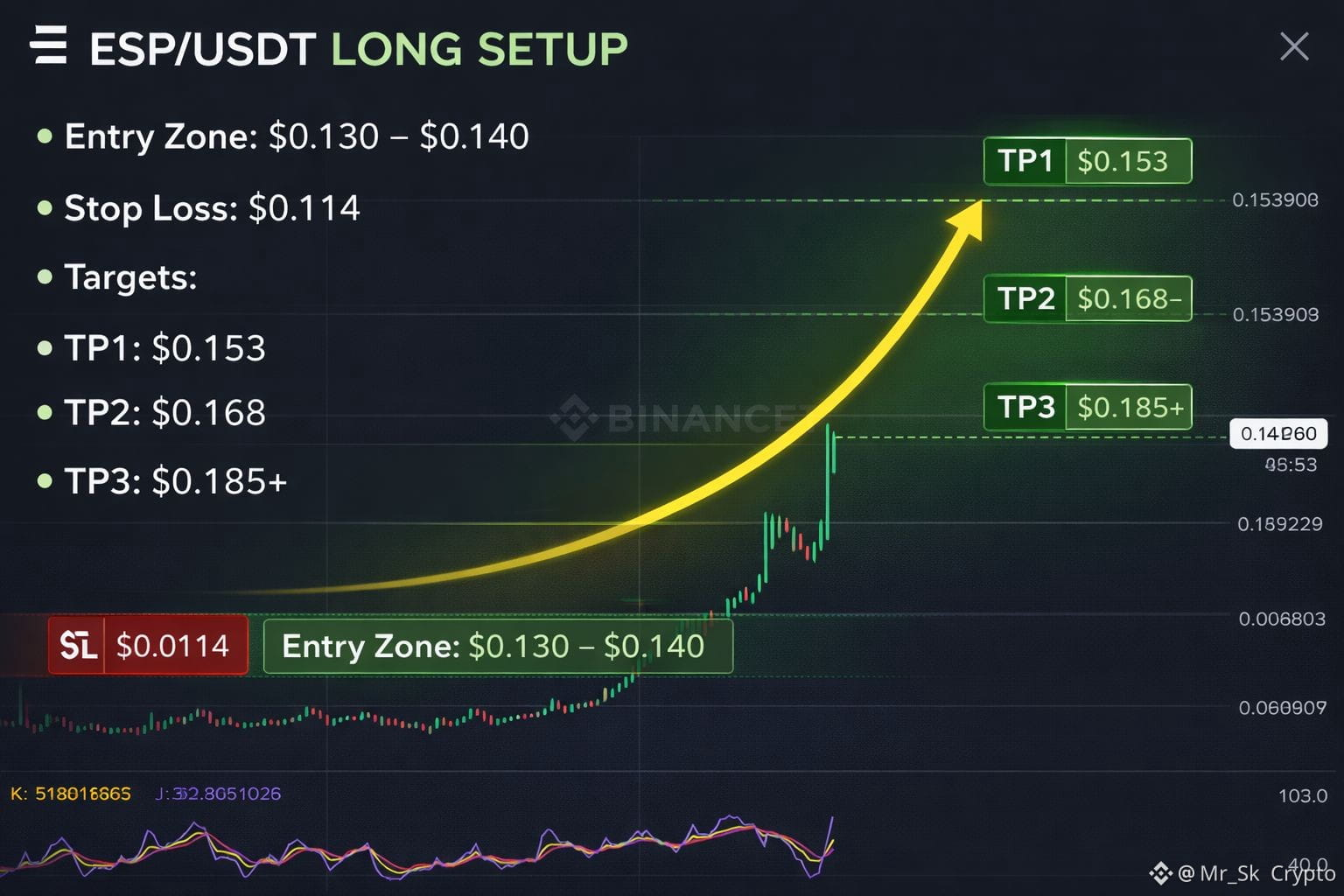
🚀 $ESP /USDT LONG SETUP
ESP ha completado un fuerte breakout después de una larga fase de acumulación.
El precio está mostrando un impulso alcista con una clara estructura de máximos más altos.
Zona de Entrada:
0.130 – 0.140
Stop Loss:
0.114
Objetivos:
TP1: 0.153
TP2: 0.168
TP3: 0.185+
La fuerza del precio se mantiene intacta mientras se mantenga por encima de la zona de breakout.
Retrocesos hacia el soporte pueden ofrecer entradas de continuación.
{spot}(ESPUSDT)
#TrumpNewTariffs #StrategyBTCPurchase #TokenizedRealEstate #BTCMiningDifficultyIncrease #esp
🚀 $ESP /USDT LONG SETUP
ESP ha completado un fuerte breakout después de una larga fase de acumulación.
El precio está mostrando un impulso alcista con una clara estructura de máximos más altos.
Zona de Entrada:
0.130 – 0.140
Stop Loss:
0.114
Objetivos:
TP1: 0.153
TP2: 0.168
TP3: 0.185+
La fuerza del precio se mantiene intacta mientras se mantenga por encima de la zona de breakout.
Retrocesos hacia el soporte pueden ofrecer entradas de continuación.
#TrumpNewTariffs #StrategyBTCPurchase #TokenizedRealEstate #BTCMiningDifficultyIncrease #esp
ESP ha completado un fuerte breakout después de una larga fase de acumulación.
El precio está mostrando un impulso alcista con una clara estructura de máximos más altos.
Zona de Entrada:
0.130 – 0.140
Stop Loss:
0.114
Objetivos:
TP1: 0.153
TP2: 0.168
TP3: 0.185+
La fuerza del precio se mantiene intacta mientras se mantenga por encima de la zona de breakout.
Retrocesos hacia el soporte pueden ofrecer entradas de continuación.
#TrumpNewTariffs #StrategyBTCPurchase #TokenizedRealEstate #BTCMiningDifficultyIncrease #esp
4
167
Inicia sesión para explorar más contenidos
Únete a usuarios globales de criptomonedas en Binance Square
⚡️ Obtén información útil y actualizada sobre criptos.
💬 Avalado por el mayor exchange de criptomonedas en el mundo.
👍 Descubre perspectivas reales de creadores verificados.
Email/número de teléfono
Temas populares
1
#BitcoinHoldsAbove$77000
1,723 vistas
78 están debatiendo
2
#FedHikeOddsRiseTo89%
6,303 vistas
266 están debatiendo
3
#BitcoinCrosses$78000
4,324 vistas
152 están debatiendo
4
#RLUSDSupplyHitsRecord$2.442B
33 vistas
4 están debatiendo
5
#AvalancheIntegratesIntoUAEPassDigitalVault
20,532 vistas
495 están debatiendo
6
#UKSeeksViewsOnTokenizingGold
13,947 vistas
337 están debatiendo
7
#AnthropicCEOCallsForAISlowdown
175,734 vistas
2,816 están debatiendo
8
#RevolutDataLeakReportedlyPostedAttackersThreatenDailyReleases
3,152 vistas
73 están debatiendo
9
#BrazilCentralBankRaisesVASPCapitalRequirements
21,923 vistas
561 están debatiendo
10
#BitcoinThirdSingleBlockReorgInFourWeeks
60,079 vistas
1,314 están debatiendo