Binance Square

Linh invest

Frequent Trader
5.6 Years
52 Following
126 Followers
216 Liked
19 Shared
Posts
·
--
"If you want to act, you need a reason" BinanceAIPro helps me understand that. I used to make trades just because the price was moving. Seeing green meant buy. I didn't care who was buying, didn't care where the money came from, I entered trades without observation or analysis. Since I started using BinanceAIPro: I will open BinanceAIPro first to observe funding, open interest, and then look at the price. If funding is positive, open interest increases by more than 10% in a few hours but spot volume hardly increases, I skip it. That is the position. Setups like that look very nice. But in reality, it just means many people are on one side. And they will create opposing pressure when the price stops. The Binance Futures whitepaper is very clear. Funding is a tool to force balance. When one side is too crowded, the cost of holding a position increases. If there is no new cash flow to support, the market will dump. Previously, I used TradingView to find entry points. But the chart only shows me the shape. It doesn't give me a reason. With the same setup, the chart says breakout. The position data indicates risk. I choose to trust the harder-to-see thing. It's not always right. But at least I know what I'm betting on. There is still risk, if you only look at derivatives, it's easy to miss pushes from spot or unexpected news. So I keep it very simple: no real cash flow, no entry, it's not that the market is difficult, but when acting, there needs to be a reason, not just seeing an opportunity and acting. @Binance_Vietnam $XAU #BinanceAIPro "Trading always carries risks. AI-generated suggestions are not financial advice. Past performance does not reflect future results. Please check the availability of products in your area."
"If you want to act, you need a reason" BinanceAIPro helps me understand that.

I used to make trades just because the price was moving.
Seeing green meant buy. I didn't care who was buying, didn't care where the money came from, I entered trades without observation or analysis.

Since I started using BinanceAIPro: I will open BinanceAIPro first to observe funding, open interest, and then look at the price. If funding is positive, open interest increases by more than 10% in a few hours but spot volume hardly increases, I skip it. That is the position.

Setups like that look very nice. But in reality, it just means many people are on one side. And they will create opposing pressure when the price stops.

The Binance Futures whitepaper is very clear. Funding is a tool to force balance. When one side is too crowded, the cost of holding a position increases. If there is no new cash flow to support, the market will dump.

Previously, I used TradingView to find entry points. But the chart only shows me the shape. It doesn't give me a reason.

With the same setup, the chart says breakout. The position data indicates risk. I choose to trust the harder-to-see thing. It's not always right. But at least I know what I'm betting on.

There is still risk, if you only look at derivatives, it's easy to miss pushes from spot or unexpected news.

So I keep it very simple: no real cash flow, no entry, it's not that the market is difficult, but when acting, there needs to be a reason, not just seeing an opportunity and acting.
@Binance Vietnam $XAU #BinanceAIPro

"Trading always carries risks. AI-generated suggestions are not financial advice. Past performance does not reflect future results. Please check the availability of products in your area."
Article
See translation
Hãy nhìn cách "Trader lâu năm" và "Trader mới" sử dụng BinanceAIPro thế nào nhéNhà mình có 2 Trader mọi người ạ. Và mình bắt đầu để ý cách dùng BinanceAIPro từ trong nhà mình luôn nè. Anh mình trade lâu hơn mình khá nhiều, có thể nói anh ấy là một trader lâu năm. Còn mình vào thị trường sau, kiểu người mới đi lên từ cảm giác FOMO, nhìn chart thấy breakout là muốn vào ngay. Còn anh thì ngược lại, lúc nào cũng chậm hơn một nhịp. Không phải vì không thấy cơ hội, mà vì luôn dừng lại trước khi bấm lệnh. Có lần BTC đang chạy trong một đoạn khá khó chịu, kiểu lên không dứt khoát mà xuống cũng không rõ ràng. Mình đã gần như muốn vào lệnh vì cảm giác “lỡ nhịp là mất cơ hội”. Còn anh mình thì mở BinanceAIPro, nhìn một lúc rồi tắt đi. Không giải thích gì nhiều. Mình hỏi sau đó vì sao không vào. Anh chỉ nói một câu rất ngắn: “Chưa chắc là do thị trường, hay do mình đang xót ruột sợ bỏ lỡ cơ hội.” Câu đó lúc đầu mình không hiểu, nhưng nghĩ lại thì mình đang lo lắng thật. Mình dùng BinanceAIPro theo kiểu khác. Mỗi lần mở lên là để tìm câu trả lời. Có nên vào không, trend có còn không, lúc này là long hay short. Nó giống như một nơi xác nhận quyết định thay mình. Nếu tool nói hợp lý, mình vào nhanh hơn. Nếu không rõ, mình lại quay về nhìn chart thêm. Nhưng càng dùng như vậy, mình càng thấy mình phụ thuộc vào nó lúc nào không hay. Có những lệnh không phải vì chắc chắn, mà vì cảm giác đã được “hợp thức hóa” bởi một lớp phân tích nào đó. Anh mình thì không dùng kiểu đó. Anh không hỏi BinanceAIPro nên làm gì. Anh chỉ dùng nó sau khi đã có một ý định hình thành trong đầu. Như một cách kiểm tra xem ý định đó có đang quá nhanh hay không. Có lần mình thấy anh đã đặt sẵn lệnh, nhưng rồi lại hủy. Không phải vì tool bảo sai, mà vì sau khi nhìn lại dữ liệu, anh cảm thấy mình đang vào sớm hơn nhịp thị trường. Điều này làm mình bắt đầu để ý một điểm rất lạ giữa hai cách dùng. Mình dùng công cụ để tăng sự chắc chắn. Anh dùng công cụ để làm giảm sự chắc chắn. Nghe thì giống nhau, nhưng thực ra hoàn toàn khác. Một bên muốn được xác nhận để hành động nhanh hơn. Một bên muốn bị làm chậm lại trước khi hành động. Có lần mình vào lệnh sớm vì nghĩ đã thấy rõ xu hướng. Nhưng thị trường quay đầu rất nhanh. Anh không nói gì nhiều, chỉ hỏi lại một câu: “Lúc đó em vào vì thấy đúng, hay vì không muốn bỏ lỡ?” Mình không trả lời được ngay. Sau này mình mới hiểu, BinanceAIPro với mình là một kiểu công cụ để tìm câu trả lời. Còn với anh, nó giống một thứ đặt thêm độ trễ vào quyết định. Không phải để biết nhiều hơn, mà để tránh hành động quá sớm. Có một thời điểm mình thử đổi cách dùng giống anh. Không hỏi tool nên làm gì nữa, mà chỉ mở lên sau khi đã có ý định vào lệnh. Lạ là mình bắt đầu thấy ít trade hơn, nhưng cũng ít lệnh sai hơn. Không phải vì tool giỏi hơn, mà vì mình bắt đầu nhìn lại chính phản ứng của mình. Nhưng đổi lại, có những cơ hội mình bỏ lỡ. Vì khi chờ đủ lâu để “chắc chắn lần hai”, thị trường đã đi mất. Anh mình nói một câu mà mình nhớ khá lâu: “Trading không phải là đúng nhiều hơn, mà là sai ít hơn ở những lần quan trọng.” Bây giờ nhìn lại, mình thấy sự khác nhau giữa hai người không nằm ở kỹ năng phân tích. Mà nằm ở cách dùng cùng một công cụ. Mình dùng BinanceAIPro để tìm câu trả lời cho thị trường. Anh dùng nó để kiểm tra xem mình có đang vội trả lời thị trường hay không. Và đôi khi, thứ thay đổi kết quả không phải là tool. Mà là việc bạn đứng ở phía nào trong chính quyết định của mình. Sau này mình nhận ra một điều: BinanceAIPro không làm mình giỏi hơn, cũng không làm anh mình giỏi hơn. Nó chỉ làm rõ hơn một thứ đã luôn tồn tại: cách mỗi người phản ứng với cùng một cơ hội. Có người cần câu trả lời để hành động nhanh hơn. Có người cần sự nghi ngờ để không hành động sai. Và đôi khi, khác biệt không nằm ở thị trường, không nằm ở công cụ, mà nằm ở khoảnh khắc rất nhỏ giữa “muốn vào lệnh” và “thực sự bấm lệnh”. Chỉ vậy thôi. @Binance_Vietnam $XAU #BinanceAIPro "Giao dịch luôn tiềm ẩn rủi ro. Các đề xuất do AI tạo ra không phải là lời khuyên tài chính. Hiệu quả hoạt động trong quá khứ không phản ánh kết quả trong tương lai. Vui lòng kiểm tra tình trạng sản phẩm có sẵn tại khu vực của bạn."

Hãy nhìn cách "Trader lâu năm" và "Trader mới" sử dụng BinanceAIPro thế nào nhé

Nhà mình có 2 Trader mọi người ạ. Và mình bắt đầu để ý cách dùng BinanceAIPro từ trong nhà mình luôn nè.
Anh mình trade lâu hơn mình khá nhiều, có thể nói anh ấy là một trader lâu năm. Còn mình vào thị trường sau, kiểu người mới đi lên từ cảm giác FOMO, nhìn chart thấy breakout là muốn vào ngay. Còn anh thì ngược lại, lúc nào cũng chậm hơn một nhịp. Không phải vì không thấy cơ hội, mà vì luôn dừng lại trước khi bấm lệnh.
Có lần BTC đang chạy trong một đoạn khá khó chịu, kiểu lên không dứt khoát mà xuống cũng không rõ ràng. Mình đã gần như muốn vào lệnh vì cảm giác “lỡ nhịp là mất cơ hội”. Còn anh mình thì mở BinanceAIPro, nhìn một lúc rồi tắt đi. Không giải thích gì nhiều.
Mình hỏi sau đó vì sao không vào. Anh chỉ nói một câu rất ngắn: “Chưa chắc là do thị trường, hay do mình đang xót ruột sợ bỏ lỡ cơ hội.”
Câu đó lúc đầu mình không hiểu, nhưng nghĩ lại thì mình đang lo lắng thật.
Mình dùng BinanceAIPro theo kiểu khác. Mỗi lần mở lên là để tìm câu trả lời. Có nên vào không, trend có còn không, lúc này là long hay short. Nó giống như một nơi xác nhận quyết định thay mình. Nếu tool nói hợp lý, mình vào nhanh hơn. Nếu không rõ, mình lại quay về nhìn chart thêm.
Nhưng càng dùng như vậy, mình càng thấy mình phụ thuộc vào nó lúc nào không hay. Có những lệnh không phải vì chắc chắn, mà vì cảm giác đã được “hợp thức hóa” bởi một lớp phân tích nào đó.
Anh mình thì không dùng kiểu đó.
Anh không hỏi BinanceAIPro nên làm gì. Anh chỉ dùng nó sau khi đã có một ý định hình thành trong đầu. Như một cách kiểm tra xem ý định đó có đang quá nhanh hay không. Có lần mình thấy anh đã đặt sẵn lệnh, nhưng rồi lại hủy. Không phải vì tool bảo sai, mà vì sau khi nhìn lại dữ liệu, anh cảm thấy mình đang vào sớm hơn nhịp thị trường.

Điều này làm mình bắt đầu để ý một điểm rất lạ giữa hai cách dùng.
Mình dùng công cụ để tăng sự chắc chắn. Anh dùng công cụ để làm giảm sự chắc chắn.
Nghe thì giống nhau, nhưng thực ra hoàn toàn khác. Một bên muốn được xác nhận để hành động nhanh hơn. Một bên muốn bị làm chậm lại trước khi hành động.
Có lần mình vào lệnh sớm vì nghĩ đã thấy rõ xu hướng. Nhưng thị trường quay đầu rất nhanh. Anh không nói gì nhiều, chỉ hỏi lại một câu: “Lúc đó em vào vì thấy đúng, hay vì không muốn bỏ lỡ?”
Mình không trả lời được ngay.
Sau này mình mới hiểu, BinanceAIPro với mình là một kiểu công cụ để tìm câu trả lời. Còn với anh, nó giống một thứ đặt thêm độ trễ vào quyết định. Không phải để biết nhiều hơn, mà để tránh hành động quá sớm.
Có một thời điểm mình thử đổi cách dùng giống anh. Không hỏi tool nên làm gì nữa, mà chỉ mở lên sau khi đã có ý định vào lệnh. Lạ là mình bắt đầu thấy ít trade hơn, nhưng cũng ít lệnh sai hơn. Không phải vì tool giỏi hơn, mà vì mình bắt đầu nhìn lại chính phản ứng của mình.
Nhưng đổi lại, có những cơ hội mình bỏ lỡ. Vì khi chờ đủ lâu để “chắc chắn lần hai”, thị trường đã đi mất.
Anh mình nói một câu mà mình nhớ khá lâu: “Trading không phải là đúng nhiều hơn, mà là sai ít hơn ở những lần quan trọng.”
Bây giờ nhìn lại, mình thấy sự khác nhau giữa hai người không nằm ở kỹ năng phân tích. Mà nằm ở cách dùng cùng một công cụ.
Mình dùng BinanceAIPro để tìm câu trả lời cho thị trường. Anh dùng nó để kiểm tra xem mình có đang vội trả lời thị trường hay không.
Và đôi khi, thứ thay đổi kết quả không phải là tool. Mà là việc bạn đứng ở phía nào trong chính quyết định của mình.
Sau này mình nhận ra một điều: BinanceAIPro không làm mình giỏi hơn, cũng không làm anh mình giỏi hơn. Nó chỉ làm rõ hơn một thứ đã luôn tồn tại: cách mỗi người phản ứng với cùng một cơ hội.
Có người cần câu trả lời để hành động nhanh hơn. Có người cần sự nghi ngờ để không hành động sai.
Và đôi khi, khác biệt không nằm ở thị trường, không nằm ở công cụ, mà nằm ở khoảnh khắc rất nhỏ giữa “muốn vào lệnh” và “thực sự bấm lệnh”.
Chỉ vậy thôi.
@Binance Vietnam $XAU #BinanceAIPro
"Giao dịch luôn tiềm ẩn rủi ro. Các đề xuất do AI tạo ra không phải là lời khuyên tài chính. Hiệu quả hoạt động trong quá khứ không phản ánh kết quả trong tương lai. Vui lòng kiểm tra tình trạng sản phẩm có sẵn tại khu vực của bạn."
“What does Pixels have that you keep coming back for?” This is the question my friend asked while we were sitting at a cafe. I just smiled because I really didn't know how to answer concisely. There are no big winning moments. No shocking scenes. It's just opening the game, doing a few small daily tasks. Chop down a tree. Pick up a few items. Take a few more steps. New players might find it a bit boring, but give it a try, because you will also get "addicted" to the game like I did. I remember every time I logged into the game, there was always a more exciting feeling: the inventory changed, a few numbers went up, the world was no longer the same, a few small rewards were enough to make the whole day enjoyable. Although not significant enough to be called progress, it was enough for the brain to connect it into a continuous line. There were days when I intended to play for just a few minutes. But I ended up wandering around, seeing old places still unfinished, and my hands just continued to work. No plans, no clear goals. Just “let's finish this first.” By the time I looked up, it was 20 minutes instead of the 10 I thought it would be; it took longer than I expected. I feel that the team of @pixels is doing very well; they know how to listen to users and continuously add new features. Pixels breaks everything down. So small that you can no longer see “I am making progress,” just a very gentle, regular repetition of actions. Pixels does not rely on one big hit. It keeps players engaged with a continuous chain of small tasks, almost with no clear stopping point. That is the interesting thing about Pixels. Then, when I got up from the game, I realized one thing: The foundation of Pixels is based on three main basic factors: rewarding loyal players, maintaining a strong Web3 gaming environment, and retaining users for the long term. @pixels $PIXEL #pixel
“What does Pixels have that you keep coming back for?” This is the question my friend asked while we were sitting at a cafe. I just smiled because I really didn't know how to answer concisely.

There are no big winning moments. No shocking scenes. It's just opening the game, doing a few small daily tasks.

Chop down a tree. Pick up a few items. Take a few more steps. New players might find it a bit boring, but give it a try, because you will also get "addicted" to the game like I did.

I remember every time I logged into the game, there was always a more exciting feeling: the inventory changed, a few numbers went up, the world was no longer the same, a few small rewards were enough to make the whole day enjoyable. Although not significant enough to be called progress, it was enough for the brain to connect it into a continuous line.

There were days when I intended to play for just a few minutes. But I ended up wandering around, seeing old places still unfinished, and my hands just continued to work. No plans, no clear goals. Just “let's finish this first.” By the time I looked up, it was 20 minutes instead of the 10 I thought it would be; it took longer than I expected.

I feel that the team of @Pixels is doing very well; they know how to listen to users and continuously add new features.

Pixels breaks everything down. So small that you can no longer see “I am making progress,” just a very gentle, regular repetition of actions.

Pixels does not rely on one big hit. It keeps players engaged with a continuous chain of small tasks, almost with no clear stopping point. That is the interesting thing about Pixels.

Then, when I got up from the game, I realized one thing: The foundation of Pixels is based on three main basic factors: rewarding loyal players, maintaining a strong Web3 gaming environment, and retaining users for the long term.
@Pixels $PIXEL #pixel
Article
Pixels defines behavioral ownership as a form of habit ownership rather than ownership of itemsI used to think that “ownership” in Web3 was quite clear. Where the wallet is, how many tokens, who owns the NFTs, all of it can be verified instantly on the blockchain. But as I observed Pixels long enough, I began to see that concept is no longer simple. There is another layer of “ownership” forming, not in assets, but in behavior. And if I had to define it more clearly, I call it: behavioral ownership when the system does not hold your assets but keeps your return pattern. This is a type of ownership that is not on the wallet or NFT, but lies in how you repeat behaviors throughout the day. It is intangible but much more durable than assets.

Pixels defines behavioral ownership as a form of habit ownership rather than ownership of items

I used to think that “ownership” in Web3 was quite clear. Where the wallet is, how many tokens, who owns the NFTs, all of it can be verified instantly on the blockchain. But as I observed Pixels long enough, I began to see that concept is no longer simple. There is another layer of “ownership” forming, not in assets, but in behavior.
And if I had to define it more clearly, I call it: behavioral ownership when the system does not hold your assets but keeps your return pattern. This is a type of ownership that is not on the wallet or NFT, but lies in how you repeat behaviors throughout the day. It is intangible but much more durable than assets.
Article
THE "SIMPlicity" IS THE MOST VALUABLE ASPECT OF PIXELThere was a time I opened Pixel late one evening, initially intending to just try it for a few minutes and then exit. I had no plans, and didn't expect much. It was just a matter of opening it to keep my hands busy. My first impression is still a very clear feeling: it is simple. Not the kind of simple that is 'lacking substance', but simply to the extent that I don't know where to latch on to evaluate it immediately. Everything unfolds slowly, neatly, and almost nothing tries too hard to attract me.

THE "SIMPlicity" IS THE MOST VALUABLE ASPECT OF PIXEL

There was a time I opened Pixel late one evening, initially intending to just try it for a few minutes and then exit. I had no plans, and didn't expect much. It was just a matter of opening it to keep my hands busy.
My first impression is still a very clear feeling: it is simple. Not the kind of simple that is 'lacking substance', but simply to the extent that I don't know where to latch on to evaluate it immediately. Everything unfolds slowly, neatly, and almost nothing tries too hard to attract me.
See translation
Khi mình thấy PIXEL sau khi được niêm yết trên Binance, mình không xem đó là một “điểm kết”, mà là khoảnh khắc dự án bước ra khỏi không gian quen thuộc của nó để đi vào một thế giới lớn hơn, ồn ào hơn và thực tế hơn. Trước khi niêm yết, Pixels (PIXEL) giống như một hệ sinh thái tự vận hành: ổn định, và tập trung vào trải nghiệm trong game. Giá lúc đó chỉ là một lớp phản chiếu thứ yếu, không phải thứ chi phối hành vi của người tham gia. Nhưng sau Binance, mình nhận ra dự án không thay đổi, nhưng “trọng lực” xung quanh nó thì thay đổi hoàn toàn. Thanh khoản tăng không chỉ đơn thuần là việc giao dịch dễ hơn. Nó là thời điểm một dự án nhỏ lần đầu tiên phải đối mặt với hàng chục dạng kỳ vọng khác nhau cùng lúc: người chơi muốn game tốt hơn, nhà đầu tư muốn giá tăng, trader muốn biến động. Tất cả cùng nhìn vào một biểu đồ, nhưng lại thấy những câu chuyện khác nhau. Điều thú vị là biến động không làm PIXEL yếu đi nó khiến nó “bộc lộ” nhanh hơn. Những gì trước đây cần rất nhiều thời gian để quan sát thì giờ bị nén lại trong vài cây nến. Tâm lý thị trường, chất lượng giữ chân người dùng, sức bền của dòng tiền… tất cả đều bị đẩy lên bề mặt. Mình cũng bắt đầu nhìn lại khái niệm "Lissting" giống như một cánh cửa mở ra nơi mọi thứ đều bị khuếch đại: cơ hội lớn hơn, nhưng cũng không còn vùng đệm an toàn. Sau khi listing Binance, Pixels (PIXEL) không còn chỉ là một game token nữa. Nó trở thành một bài kiểm tra tốc độ: tốc độ của dòng tiền, tốc độ của kỳ vọng, và tốc độ mà một dự án có thể chứng minh giá trị thật của mình giữa nhiễu loạn. @pixels $PIXEL #pixel
Khi mình thấy PIXEL sau khi được niêm yết trên Binance, mình không xem đó là một “điểm kết”, mà là khoảnh khắc dự án bước ra khỏi không gian quen thuộc của nó để đi vào một thế giới lớn hơn, ồn ào hơn và thực tế hơn.

Trước khi niêm yết, Pixels (PIXEL) giống như một hệ sinh thái tự vận hành: ổn định, và tập trung vào trải nghiệm trong game. Giá lúc đó chỉ là một lớp phản chiếu thứ yếu, không phải thứ chi phối hành vi của người tham gia.

Nhưng sau Binance, mình nhận ra dự án không thay đổi, nhưng “trọng lực” xung quanh nó thì thay đổi hoàn toàn.

Thanh khoản tăng không chỉ đơn thuần là việc giao dịch dễ hơn. Nó là thời điểm một dự án nhỏ lần đầu tiên phải đối mặt với hàng chục dạng kỳ vọng khác nhau cùng lúc: người chơi muốn game tốt hơn, nhà đầu tư muốn giá tăng, trader muốn biến động. Tất cả cùng nhìn vào một biểu đồ, nhưng lại thấy những câu chuyện khác nhau.

Điều thú vị là biến động không làm PIXEL yếu đi nó khiến nó “bộc lộ” nhanh hơn. Những gì trước đây cần rất nhiều thời gian để quan sát thì giờ bị nén lại trong vài cây nến. Tâm lý thị trường, chất lượng giữ chân người dùng, sức bền của dòng tiền… tất cả đều bị đẩy lên bề mặt.

Mình cũng bắt đầu nhìn lại khái niệm "Lissting" giống như một cánh cửa mở ra nơi mọi thứ đều bị khuếch đại: cơ hội lớn hơn, nhưng cũng không còn vùng đệm an toàn.

Sau khi listing Binance, Pixels (PIXEL) không còn chỉ là một game token nữa. Nó trở thành một bài kiểm tra tốc độ: tốc độ của dòng tiền, tốc độ của kỳ vọng, và tốc độ mà một dự án có thể chứng minh giá trị thật của mình giữa nhiễu loạn.
@Pixels $PIXEL #pixel
See translation
Những lúc mình trade tệ nhất không phải là khi mình mất nhiều tiền nhất. Mà là khi mình vẫn thấy những quyết định đó “có lý”. Trước đây, mình có thể nhìn lại bất kỳ lệnh nào và kể lại theo cách khiến nó hợp lý hơn. Và mình đã tin vào những phiên bản đó lâu hơn mình nghĩ. Từ khi dùng Binance AI Pro, mình bắt đầu thấy những câu chuyện đó không còn đứng vững nữa. Không phải vì mình thay đổi nhanh, mà vì mọi thứ được ghi lại rất rõ. Mình vào lệch plan bao nhiêu, phá kỷ luật lúc nào, lặp lại lỗi gì. Gần như không còn nhiều chỗ để giải thích lại theo hướng có lợi cho mình. Có lần mình xem lại lịch sử lệnh, chỉ kéo xuống xem. Mình nhận ra những lệnh vào rất nhanh, gần như không do dự, thường là những lệnh mình tự tin nhất. Nhưng nhóm đó lại có hiệu suất tệ nhất. Ban đầu mình nghĩ là trùng hợp, nhưng vài tuần sau vẫn lặp lại như vậy. Cảm giác lúc đó không phải là “mình học được điều gì mới”, mà là sự khó chịu. Kiểu như mình đã biết vấn đề ở đâu, nhưng chưa từng nhìn thẳng vào nó. Và một khi đã thấy rõ, rất khó để quay lại tin vào cảm giác như trước. Điều thay đổi lớn nhất là mình không còn thoải mái với những quyết định kiểu cũ. Không phải vì mình tốt lên ngay, mà vì mình không còn tin vào cách mình từng tự giải thích mọi thứ. Và một khi đã có cảm giác đó, thì rất khó mất đi. @Binance_Vietnam $XAU #BinanceAIPro "Giao dịch luôn tiềm ẩn rủi ro. Các đề xuất do AI tạo ra không phải là lời khuyên tài chính. Hiệu quả hoạt động trong quá khứ không phản ánh kết quả trong tương lai. Vui lòng kiểm tra tình trạng sản phẩm có sẵn tại khu vực của bạn."
Những lúc mình trade tệ nhất không phải là khi mình mất nhiều tiền nhất. Mà là khi mình vẫn thấy những quyết định đó “có lý”. Trước đây, mình có thể nhìn lại bất kỳ lệnh nào và kể lại theo cách khiến nó hợp lý hơn. Và mình đã tin vào những phiên bản đó lâu hơn mình nghĩ.

Từ khi dùng Binance AI Pro, mình bắt đầu thấy những câu chuyện đó không còn đứng vững nữa. Không phải vì mình thay đổi nhanh, mà vì mọi thứ được ghi lại rất rõ. Mình vào lệch plan bao nhiêu, phá kỷ luật lúc nào, lặp lại lỗi gì. Gần như không còn nhiều chỗ để giải thích lại theo hướng có lợi cho mình.

Có lần mình xem lại lịch sử lệnh, chỉ kéo xuống xem. Mình nhận ra những lệnh vào rất nhanh, gần như không do dự, thường là những lệnh mình tự tin nhất. Nhưng nhóm đó lại có hiệu suất tệ nhất. Ban đầu mình nghĩ là trùng hợp, nhưng vài tuần sau vẫn lặp lại như vậy.

Cảm giác lúc đó không phải là “mình học được điều gì mới”, mà là sự khó chịu. Kiểu như mình đã biết vấn đề ở đâu, nhưng chưa từng nhìn thẳng vào nó. Và một khi đã thấy rõ, rất khó để quay lại tin vào cảm giác như trước.

Điều thay đổi lớn nhất là mình không còn thoải mái với những quyết định kiểu cũ. Không phải vì mình tốt lên ngay, mà vì mình không còn tin vào cách mình từng tự giải thích mọi thứ. Và một khi đã có cảm giác đó, thì rất khó mất đi.
@Binance Vietnam $XAU #BinanceAIPro

"Giao dịch luôn tiềm ẩn rủi ro. Các đề xuất do AI tạo ra không phải là lời khuyên tài chính. Hiệu quả hoạt động trong quá khứ không phản ánh kết quả trong tương lai. Vui lòng kiểm tra tình trạng sản phẩm có sẵn tại khu vực của bạn."
Article
See translation
BinanceAIPro giúp mình nhẹ nhàng hơn khi vào lệnh mà không cần thay đổi chiến lược.Có một giai đoạn mình trade mà gần như ngày nào cũng kết thúc trong trạng thái mệt mỏi, dù tài khoản không hẳn là thua. Điều khiến mình kiệt sức không phải là thị trường mà là chính quá trình ra quyết định. Mỗi lần mở chart, mình nhìn thấy rất nhiều thứ: cấu trúc, trend, vùng giá, volume… Mọi thứ đều “có lý” theo một cách nào đó. Nhưng càng nhiều dữ kiện, mình lại càng thiếu chắc chắn. Cuối cùng, quyết định vào lệnh thường không phải vì mình đã rõ mà vì mình muốn chốt một hướng để thoát khỏi việc suy nghĩ quá nhiều. Và khi đã vào lệnh, áp lực mới bắt đầu. Giá chỉ cần đi ngược một nhịp nhỏ là mình dao động. Không phải vì setup xấu, mà vì mình không tin hoàn toàn vào chính nhận định của mình. Mình bắt đầu sửa lệnh, dời stop, hoặc cắt non chỉ để giảm cảm giác bất an. Điều trớ trêu là rất nhiều lần sau đó, giá lại đi đúng hướng ban đầu. Có một lệnh entry ổn nhưng chỉ vì một cú quét nhẹ, mình thoát ra. Lúc đó, vấn đề không còn là tiền nữa. Mình nhận ra mình đang trade trong trạng thái không hiểu rõ chính mình đang làm gì. Và mình bắt đầu tìm một cách tiếp cận khác. Không phải học thêm indicator. Không phải đổi chiến lược. Mà là tìm một cách để kiểm chứng lại suy nghĩ của mình một cách đủ khách quan để mình không tự lừa chính mình. Khi bắt đầu dùng BinanceAIPro, trải nghiệm đầu tiên không phải là “dễ hơn”. Ngược lại, nó khiến mình khó chịu. Vì những gì mình nghĩ là hợp lý, khi đưa vào, không được xác nhận. Nó bị bóc tách. Những giả định yếu lộ ra. Những kịch bản mình bỏ qua bị đặt ngay trước mắt. Có lần mình định long vì thấy cấu trúc giữ tốt. Trong đầu mình lúc đó rất chắc: đây là continuation. Nhưng khi đưa qua BinanceAIPro, nó chỉ ra một điều mình không để ý phía trên có liquidity chưa được khai thác, và xác suất sweep trước khi đi tiếp là cao hơn mình nghĩ. Trước đây, mình vẫn sẽ vào lệnh. Nhưng lần đó mình không vào mình đứng ngoài và quan sát và nó đã đúng. Khoảnh khắc đó không khiến mình cảm thấy “giỏi hơn”. Nó khiến mình nhận ra một điều khá thẳng: trước giờ mình không thiếu kiến thức mình thiếu một cơ chế để kiểm soát cách mình sử dụng kiến thức đó. Từ sau đó, cách mình trade không thay đổi về chiến lược, nhưng thay đổi hoàn toàn về trạng thái. Mình vẫn phân tích, vẫn có bias. Nhưng thay vì giữ mọi thứ trong đầu và tự tranh luận với chính mình, mình đưa nó ra ngoài. Mỗi nhận định đều được kiểm lại: nó dựa trên dữ kiện gì, có điểm mù nào không, có kịch bản nào mình đang bỏ qua. Dần dần, mình không còn bị kéo qua lại giữa “có vẻ đúng” và “có thể sai” nữa. Nếu một setup đủ tốt, nó đứng vững. Nếu không, nó tự lộ ra vấn đề trước khi mình phải trả giá bằng tiền. Cái “nhẹ” xuất hiện từ đó. Không phải vì mình thắng nhiều hơn ngay lập tức. Mà vì mình không còn phải gồng lên để tin vào quyết định của mình nữa. Và điều mình nhận ra sau một thời gian không phải là “BinanceAIPro giúp mình trade tốt hơn”. Mà là nó giúp mình ngừng việc biến trading thành một cuộc chiến tâm lý với chính mình. Khi không còn phải cố đúng, không còn phải bảo vệ quan điểm, và không còn phải ôm hết mọi nghi ngờ trong đầu trading trở về đúng bản chất của nó: một quá trình ra quyết định dưới điều kiện không chắc chắn. Và khi bạn chấp nhận điều đó một cách rõ ràng, thay vì chống lại nó, mọi thứ tự nhiên nhẹ đi. Không phải vì bạn kiểm soát được thị trường. Mà vì cuối cùng, bạn kiểm soát được cách mình phản ứng với nó. @Binance_Vietnam $XAU #BinanceAIPro "Giao dịch luôn tiềm ẩn rủi ro. Các đề xuất do AI tạo ra không phải là lời khuyên tài chính. Hiệu quả hoạt động trong quá khứ không phản ánh kết quả trong tương lai. Vui lòng kiểm tra tình trạng sản phẩm có sẵn tại khu vực của bạn."

BinanceAIPro giúp mình nhẹ nhàng hơn khi vào lệnh mà không cần thay đổi chiến lược.

Có một giai đoạn mình trade mà gần như ngày nào cũng kết thúc trong trạng thái mệt mỏi, dù tài khoản không hẳn là thua. Điều khiến mình kiệt sức không phải là thị trường mà là chính quá trình ra quyết định.
Mỗi lần mở chart, mình nhìn thấy rất nhiều thứ: cấu trúc, trend, vùng giá, volume… Mọi thứ đều “có lý” theo một cách nào đó. Nhưng càng nhiều dữ kiện, mình lại càng thiếu chắc chắn. Cuối cùng, quyết định vào lệnh thường không phải vì mình đã rõ mà vì mình muốn chốt một hướng để thoát khỏi việc suy nghĩ quá nhiều.
Và khi đã vào lệnh, áp lực mới bắt đầu. Giá chỉ cần đi ngược một nhịp nhỏ là mình dao động. Không phải vì setup xấu, mà vì mình không tin hoàn toàn vào chính nhận định của mình. Mình bắt đầu sửa lệnh, dời stop, hoặc cắt non chỉ để giảm cảm giác bất an. Điều trớ trêu là rất nhiều lần sau đó, giá lại đi đúng hướng ban đầu.
Có một lệnh entry ổn nhưng chỉ vì một cú quét nhẹ, mình thoát ra. Lúc đó, vấn đề không còn là tiền nữa. Mình nhận ra mình đang trade trong trạng thái không hiểu rõ chính mình đang làm gì.
Và mình bắt đầu tìm một cách tiếp cận khác.
Không phải học thêm indicator. Không phải đổi chiến lược. Mà là tìm một cách để kiểm chứng lại suy nghĩ của mình một cách đủ khách quan để mình không tự lừa chính mình.

Khi bắt đầu dùng BinanceAIPro, trải nghiệm đầu tiên không phải là “dễ hơn”. Ngược lại, nó khiến mình khó chịu. Vì những gì mình nghĩ là hợp lý, khi đưa vào, không được xác nhận. Nó bị bóc tách. Những giả định yếu lộ ra. Những kịch bản mình bỏ qua bị đặt ngay trước mắt.
Có lần mình định long vì thấy cấu trúc giữ tốt. Trong đầu mình lúc đó rất chắc: đây là continuation. Nhưng khi đưa qua BinanceAIPro, nó chỉ ra một điều mình không để ý phía trên có liquidity chưa được khai thác, và xác suất sweep trước khi đi tiếp là cao hơn mình nghĩ. Trước đây, mình vẫn sẽ vào lệnh. Nhưng lần đó mình không vào mình đứng ngoài và quan sát và nó đã đúng.
Khoảnh khắc đó không khiến mình cảm thấy “giỏi hơn”. Nó khiến mình nhận ra một điều khá thẳng: trước giờ mình không thiếu kiến thức mình thiếu một cơ chế để kiểm soát cách mình sử dụng kiến thức đó.
Từ sau đó, cách mình trade không thay đổi về chiến lược, nhưng thay đổi hoàn toàn về trạng thái. Mình vẫn phân tích, vẫn có bias. Nhưng thay vì giữ mọi thứ trong đầu và tự tranh luận với chính mình, mình đưa nó ra ngoài. Mỗi nhận định đều được kiểm lại: nó dựa trên dữ kiện gì, có điểm mù nào không, có kịch bản nào mình đang bỏ qua.
Dần dần, mình không còn bị kéo qua lại giữa “có vẻ đúng” và “có thể sai” nữa. Nếu một setup đủ tốt, nó đứng vững. Nếu không, nó tự lộ ra vấn đề trước khi mình phải trả giá bằng tiền.
Cái “nhẹ” xuất hiện từ đó. Không phải vì mình thắng nhiều hơn ngay lập tức. Mà vì mình không còn phải gồng lên để tin vào quyết định của mình nữa.
Và điều mình nhận ra sau một thời gian không phải là “BinanceAIPro giúp mình trade tốt hơn”.
Mà là nó giúp mình ngừng việc biến trading thành một cuộc chiến tâm lý với chính mình.
Khi không còn phải cố đúng, không còn phải bảo vệ quan điểm, và không còn phải ôm hết mọi nghi ngờ trong đầu trading trở về đúng bản chất của nó: một quá trình ra quyết định dưới điều kiện không chắc chắn.
Và khi bạn chấp nhận điều đó một cách rõ ràng, thay vì chống lại nó, mọi thứ tự nhiên nhẹ đi. Không phải vì bạn kiểm soát được thị trường. Mà vì cuối cùng, bạn kiểm soát được cách mình phản ứng với nó.
@Binance Vietnam $XAU #BinanceAIPro
"Giao dịch luôn tiềm ẩn rủi ro. Các đề xuất do AI tạo ra không phải là lời khuyên tài chính. Hiệu quả hoạt động trong quá khứ không phản ánh kết quả trong tương lai. Vui lòng kiểm tra tình trạng sản phẩm có sẵn tại khu vực của bạn."
See translation
14$ mỗi nhà cái còn hàng :( $RAVE {future}(RAVEUSDT)
14$ mỗi nhà cái còn hàng :(
$RAVE
There is one thing I realize when observing BinanceAIPro in trading: it may not make you trade perfectly right away, but it exposes how you are thinking. With the same data, the same signal, users are divided into two distinct groups. One group sees AI as a confirmation signal to enter the market, while the other group sees it as a layer of critique before making a decision. In a session where ETH fluctuates strongly around the resistance zone, AI leans towards a correction scenario due to the funding rate being skewed and long liquidity being squeezed. The first group goes short immediately because they believe this is a strong enough signal. The second group is not in a hurry; they further check the larger trend structure and the spot flow before deciding to stay out or reduce risk. The result: the correction occurs exactly as predicted, but what’s more important is that some people win, while others avoid risk — not depending on whether to “trust AI or not”, but depending on how they use AI. This is the paradox: the more accurate AI is, the easier it is for humans to stop questioning. At that point, AI is no longer a tool for supporting thought, but becomes something that replaces thought. Therefore, BinanceAIPro is not just a trading tool, but a test of thinking. It amplifies the person you are: a decision-maker or someone who merely confirms existing decisions. And the real boundary does not lie in having AI or not, but in whether, after getting the answer, you still have the habit of asking again the second time or not. #BinanceAIPro $XAU @Binance_Vietnam "Trading always carries risk. AI-generated suggestions are not financial advice. Past performance does not reflect future results. Please check the availability of products in your area."
There is one thing I realize when observing BinanceAIPro in trading: it may not make you trade perfectly right away, but it exposes how you are thinking.

With the same data, the same signal, users are divided into two distinct groups. One group sees AI as a confirmation signal to enter the market, while the other group sees it as a layer of critique before making a decision.

In a session where ETH fluctuates strongly around the resistance zone, AI leans towards a correction scenario due to the funding rate being skewed and long liquidity being squeezed. The first group goes short immediately because they believe this is a strong enough signal. The second group is not in a hurry; they further check the larger trend structure and the spot flow before deciding to stay out or reduce risk.

The result: the correction occurs exactly as predicted, but what’s more important is that some people win, while others avoid risk — not depending on whether to “trust AI or not”, but depending on how they use AI.

This is the paradox: the more accurate AI is, the easier it is for humans to stop questioning. At that point, AI is no longer a tool for supporting thought, but becomes something that replaces thought.

Therefore, BinanceAIPro is not just a trading tool, but a test of thinking. It amplifies the person you are: a decision-maker or someone who merely confirms existing decisions.

And the real boundary does not lie in having AI or not, but in whether, after getting the answer, you still have the habit of asking again the second time or not.
#BinanceAIPro $XAU @Binance Vietnam

"Trading always carries risk. AI-generated suggestions are not financial advice. Past performance does not reflect future results. Please check the availability of products in your area."
Article
The difference between BinanceAIPro and ChatGPT in tradingAfter many failures, I realized that I no longer trade based on feelings, but trade based on 'reasons'. Every time I look at Bitcoin on Binance, I want to find a reasonable answer immediately. Why does it stay still, why does it bounce, why does it drop. Then I opened ChatGPT more often. Not to place orders, but to understand. But the more I understand, the more I see a small gap: I understood, but the market had already moved on.

The difference between BinanceAIPro and ChatGPT in trading

After many failures, I realized that I no longer trade based on feelings, but trade based on 'reasons'. Every time I look at Bitcoin on Binance, I want to find a reasonable answer immediately. Why does it stay still, why does it bounce, why does it drop.
Then I opened ChatGPT more often. Not to place orders, but to understand. But the more I understand, the more I see a small gap: I understood, but the market had already moved on.
I realized after entering and exiting trades many times that Binance AI Pro does not make me trade better immediately, but forces me to think like a system designer. Previously, I focused on where to enter each trade and when to exit. But with AI in the middle, the more important question is what logic is driving those decisions. The clearest point is that it helps me eliminate noise. The market is always full of conflicting signals, and if handled manually, it's easy to get caught up in short-term fluctuations. When decisions are 'compressed', I no longer react to every movement, but start to view the market from a higher level where I adjust the system. I once let AI run a simple momentum strategy. Prices fluctuated strongly after entering a trade, but I did not intervene like before. At that moment, I realized that most of what I used to react to was just noise. The results were not perfect, but discipline was maintained better. For me, the greatest value is the shift in mindset: trading is no longer a short-term reflex, but rather a problem about how the system operates. I no longer ask 'will this trade win?', but ask 'is this system still suitable?'. AI does not make you better. It forces you to be clearer about how you think. And in a market where everyone has the same tools, the advantage lies in how your system acts. @Binance_Vietnam $XAU #BinanceAIPro "Trading always carries risks. The proposals generated by AI are not financial advice. Past performance does not reflect future results. Please check the availability of products in your area."
I realized after entering and exiting trades many times that Binance AI Pro does not make me trade better immediately, but forces me to think like a system designer. Previously, I focused on where to enter each trade and when to exit. But with AI in the middle, the more important question is what logic is driving those decisions.

The clearest point is that it helps me eliminate noise. The market is always full of conflicting signals, and if handled manually, it's easy to get caught up in short-term fluctuations. When decisions are 'compressed', I no longer react to every movement, but start to view the market from a higher level where I adjust the system.

I once let AI run a simple momentum strategy. Prices fluctuated strongly after entering a trade, but I did not intervene like before. At that moment, I realized that most of what I used to react to was just noise. The results were not perfect, but discipline was maintained better.

For me, the greatest value is the shift in mindset: trading is no longer a short-term reflex, but rather a problem about how the system operates. I no longer ask 'will this trade win?', but ask 'is this system still suitable?'.

AI does not make you better. It forces you to be clearer about how you think.
And in a market where everyone has the same tools, the advantage lies in how your system acts.
@Binance Vietnam $XAU #BinanceAIPro

"Trading always carries risks. The proposals generated by AI are not financial advice. Past performance does not reflect future results. Please check the availability of products in your area."
Article
What is the difference between BinanceAIPro and Copy trading?I have been involved in the market for quite a while, and today someone asked me: What is the difference between BinanceAIPro and Copy trading? And which one should be prioritized when trading? I revisited an old log of the market, the time when BTC reacted strongly to the ETF flow and the funding rate was deeply skewed among exchanges. There was one detail that made me pause longer than usual. With the same volatility, copy trading on Binance Futures reacted with inertia. On the other hand, the BinanceAIPro system reacted based on a lower level of data, where the order book and liquidity gap shifted before the price 'had time' to appear on the chart.

What is the difference between BinanceAIPro and Copy trading?

I have been involved in the market for quite a while, and today someone asked me: What is the difference between BinanceAIPro and Copy trading? And which one should be prioritized when trading?
I revisited an old log of the market, the time when BTC reacted strongly to the ETF flow and the funding rate was deeply skewed among exchanges. There was one detail that made me pause longer than usual. With the same volatility, copy trading on Binance Futures reacted with inertia. On the other hand, the BinanceAIPro system reacted based on a lower level of data, where the order book and liquidity gap shifted before the price 'had time' to appear on the chart.
You've traded a lot, but have you ever asked yourself: Does BinanceAIPro help me avoid major mistakes when trading? For me, not really. But what I see more clearly is that it makes me feel safer. In the past, every time I entered a large position, I was a bit hesitant. Even if the setup looked good, there was still something to be cautious about. But since using BinanceAIPro, everything seems more reasonable: there are signals, probabilities, and data backing me up. And suddenly, I feel more confident. There was a time I entered a position with a size larger than usual. Not because that setup was too special, but because I felt "okay". Everything just seemed reasonable. But in the end, I still lost like with any other trades. At that moment, I realized: the issue wasn't with the setup. It was that I was overconfident relative to what I could actually control. The AI didn’t tell me to go larger, but I interpreted things in a way that favored me. And that’s the dangerous part. Not every mistake is a big mistake. But if I misjudge the risks, just one trade is enough to pay the price. Especially when I believe that I have the advantage. So in the end, BinanceAIPro didn’t help me avoid major mistakes. It just gave me another perspective. Whether I use that perspective to be more careful or to be overly confident, that still depends on me. Note: "Trading always carries risks. The suggestions generated by AI are not financial advice. Past performance does not reflect future results. Please check the availability of products in your area." $XAU #BinanceAIPro @Binance_Vietnam
You've traded a lot, but have you ever asked yourself: Does BinanceAIPro help me avoid major mistakes when trading?

For me, not really. But what I see more clearly is that it makes me feel safer.

In the past, every time I entered a large position, I was a bit hesitant. Even if the setup looked good, there was still something to be cautious about. But since using BinanceAIPro, everything seems more reasonable: there are signals, probabilities, and data backing me up. And suddenly, I feel more confident.

There was a time I entered a position with a size larger than usual. Not because that setup was too special, but because I felt "okay". Everything just seemed reasonable. But in the end, I still lost like with any other trades.

At that moment, I realized: the issue wasn't with the setup. It was that I was overconfident relative to what I could actually control. The AI didn’t tell me to go larger, but I interpreted things in a way that favored me.

And that’s the dangerous part. Not every mistake is a big mistake. But if I misjudge the risks, just one trade is enough to pay the price. Especially when I believe that I have the advantage.

So in the end, BinanceAIPro didn’t help me avoid major mistakes. It just gave me another perspective. Whether I use that perspective to be more careful or to be overly confident, that still depends on me.

Note: "Trading always carries risks. The suggestions generated by AI are not financial advice. Past performance does not reflect future results. Please check the availability of products in your area."
$XAU #BinanceAIPro @Binance Vietnam
Article
BinanceAIPro does not change my results immediately but changes my long-term mindsetWhen I first used BinanceAIPro, I thought it was simple. With AI added, trading should be less of a struggle, and the PnL would surely improve. But in the first few weeks... no. It’s still the same. The same old mistakes, just now I see them more clearly. I still hesitate when I need to enter a trade. There are still some phases where I'm in profit but close early because I'm afraid of losing. There are some bets that look fine, AI is okay too, but in the end, I still don't click. At that moment, I start to feel a bit uneasy: it must not be due to a lack of tools.

BinanceAIPro does not change my results immediately but changes my long-term mindset

When I first used BinanceAIPro, I thought it was simple. With AI added, trading should be less of a struggle, and the PnL would surely improve. But in the first few weeks... no. It’s still the same. The same old mistakes, just now I see them more clearly.
I still hesitate when I need to enter a trade. There are still some phases where I'm in profit but close early because I'm afraid of losing. There are some bets that look fine, AI is okay too, but in the end, I still don't click. At that moment, I start to feel a bit uneasy: it must not be due to a lack of tools.
One of the most underrated aspects of using BinanceAIPro is the ability to utilize multiple AI models within the same system, such as GPT, Claude, or Qwen. It may seem like just adding options, but in reality, this is a significant change in the decision-making process in trading. In the past, most traders operated with a single viewpoint. The strategy reflects how you understand the market. If that viewpoint is wrong, the entire system will be wrong as well. The more dangerous aspect is that you often do not realize it until your account is depleted. When multiple models coexist, you no longer rely on a single bias. Each model offers a different way of “understanding” the market. This creates a form of ensemble intelligence where viewpoints check and balance each other before execution occurs. I once tried combining a trend-following model and a mean-reversion model. At times, the signals were conflicting. If I manually traded, it was easy to choose according to what I wanted to believe, but when putting it into the system, I had to clearly define when to prioritize and when to stay out. And it was then that I realized the issue was not a lack of signals, but a lack of a mechanism to handle conflicts. In trading, the biggest risk is not having a viewpoint but having only one viewpoint. A wrong bias, if executed consistently, can destroy an entire account. Conversely, having multiple viewpoints helps to limit mistakes. *Trading always entails risk. The proposals generated by AI are not financial advice. Past performance does not reflect future results. Please check the availability of the product in your area. "@Binance_Vietnam #BinanceAIPro $XAU "
One of the most underrated aspects of using BinanceAIPro is the ability to utilize multiple AI models within the same system, such as GPT, Claude, or Qwen. It may seem like just adding options, but in reality, this is a significant change in the decision-making process in trading.

In the past, most traders operated with a single viewpoint. The strategy reflects how you understand the market. If that viewpoint is wrong, the entire system will be wrong as well. The more dangerous aspect is that you often do not realize it until your account is depleted.

When multiple models coexist, you no longer rely on a single bias. Each model offers a different way of “understanding” the market. This creates a form of ensemble intelligence where viewpoints check and balance each other before execution occurs.

I once tried combining a trend-following model and a mean-reversion model. At times, the signals were conflicting. If I manually traded, it was easy to choose according to what I wanted to believe, but when putting it into the system, I had to clearly define when to prioritize and when to stay out. And it was then that I realized the issue was not a lack of signals, but a lack of a mechanism to handle conflicts.

In trading, the biggest risk is not having a viewpoint but having only one viewpoint. A wrong bias, if executed consistently, can destroy an entire account. Conversely, having multiple viewpoints helps to limit mistakes.

*Trading always entails risk. The proposals generated by AI are not financial advice. Past performance does not reflect future results. Please check the availability of the product in your area.
"@Binance Vietnam #BinanceAIPro $XAU "
Article
Why is BinanceAIPro considered the first step towards an 'AI-native trading account'?There is another perspective on Binance AI Pro that I see becoming clearer as I use it: it is not merely a trading support tool, but the first step towards something that could be called an 'AI-native trading account.' In the past, my trading approach was very familiar: observe - analyze - decide - place orders. Everything went through me and it seemed reasonable. But the problem is that closer to the execution moment, I no longer feel like the same person I was during analysis. What I believed was true when the market was calm gets replaced by emotions when the price starts to move. The decision is not wrong but the execution is skewed.

Why is BinanceAIPro considered the first step towards an 'AI-native trading account'?

There is another perspective on Binance AI Pro that I see becoming clearer as I use it: it is not merely a trading support tool, but the first step towards something that could be called an 'AI-native trading account.'
In the past, my trading approach was very familiar: observe - analyze - decide - place orders. Everything went through me and it seemed reasonable. But the problem is that closer to the execution moment, I no longer feel like the same person I was during analysis. What I believed was true when the market was calm gets replaced by emotions when the price starts to move. The decision is not wrong but the execution is skewed.
In the past, I always thought the hardest part of trading was finding the perfect entry point or reading the trend correctly. But after many times entering and then manually breaking my trades, I realized a simpler truth: making money isn't as hard as maintaining discipline. I have a clear plan when the market is calm, but when the price starts to move, I always find a way to bend that very plan. And that's when I began to reassess the role of BinanceAIPro. What I see clearly is that BinanceAIPro doesn't make me better, but it doesn't give me the opportunity to break the rules. When I trade on my own, I always have reasons to deviate from the plan: "maybe this time will be different," "just wait a bit longer," "cutting now feels a bit wasteful." But with AI, once the conditions are set, it simply executes. No arguments, no emotions, no adjustments based on the market. The biggest difference lies in what happens after entering a trade. I have often entered correctly but exited early just because the price moved slightly against me. The issue isn't that I was wrong, but that I lacked the discipline to stick to a correct decision. AI doesn't have that fear. It doesn't panic, doesn't hope, just does exactly what has been defined beforehand. In the end, I realize that BinanceAIPro doesn't help me win more immediately. But it helps me eliminate the most dangerous thing: my own inconsistency. And in trading, simply not causing myself to lose is already a huge advantage. Note: "Trading always carries risks. The suggestions generated by AI are not financial advice. Past performance does not reflect future results. Please check the availability of products in your area." @Binance_Vietnam $XAU #BinanceAIPro
In the past, I always thought the hardest part of trading was finding the perfect entry point or reading the trend correctly. But after many times entering and then manually breaking my trades, I realized a simpler truth: making money isn't as hard as maintaining discipline. I have a clear plan when the market is calm, but when the price starts to move, I always find a way to bend that very plan. And that's when I began to reassess the role of BinanceAIPro.

What I see clearly is that BinanceAIPro doesn't make me better, but it doesn't give me the opportunity to break the rules. When I trade on my own, I always have reasons to deviate from the plan: "maybe this time will be different," "just wait a bit longer," "cutting now feels a bit wasteful." But with AI, once the conditions are set, it simply executes. No arguments, no emotions, no adjustments based on the market.

The biggest difference lies in what happens after entering a trade. I have often entered correctly but exited early just because the price moved slightly against me. The issue isn't that I was wrong, but that I lacked the discipline to stick to a correct decision. AI doesn't have that fear. It doesn't panic, doesn't hope, just does exactly what has been defined beforehand.

In the end, I realize that BinanceAIPro doesn't help me win more immediately. But it helps me eliminate the most dangerous thing: my own inconsistency. And in trading, simply not causing myself to lose is already a huge advantage.

Note: "Trading always carries risks. The suggestions generated by AI are not financial advice. Past performance does not reflect future results. Please check the availability of products in your area."
@Binance Vietnam $XAU #BinanceAIPro
Article
Why is BinanceAIPro suitable for those who are not good at trading?In this market, I may have been someone who has lost a lot. I once thought that losing in trading was due to a lack of knowledge. I learned more indicators, watched more analyses, but the results remained the same: I always entered the wrong timing. Later, I realized that the problem wasn't about "not knowing", but knowing yet not acting at the right time. I had a plan, but when the market really moved, I always found ways to bend that very plan. And that's when I started to reassess the role of tools like BinanceAIPro.

Why is BinanceAIPro suitable for those who are not good at trading?

In this market, I may have been someone who has lost a lot. I once thought that losing in trading was due to a lack of knowledge. I learned more indicators, watched more analyses, but the results remained the same: I always entered the wrong timing. Later, I realized that the problem wasn't about "not knowing", but knowing yet not acting at the right time. I had a plan, but when the market really moved, I always found ways to bend that very plan. And that's when I started to reassess the role of tools like BinanceAIPro.
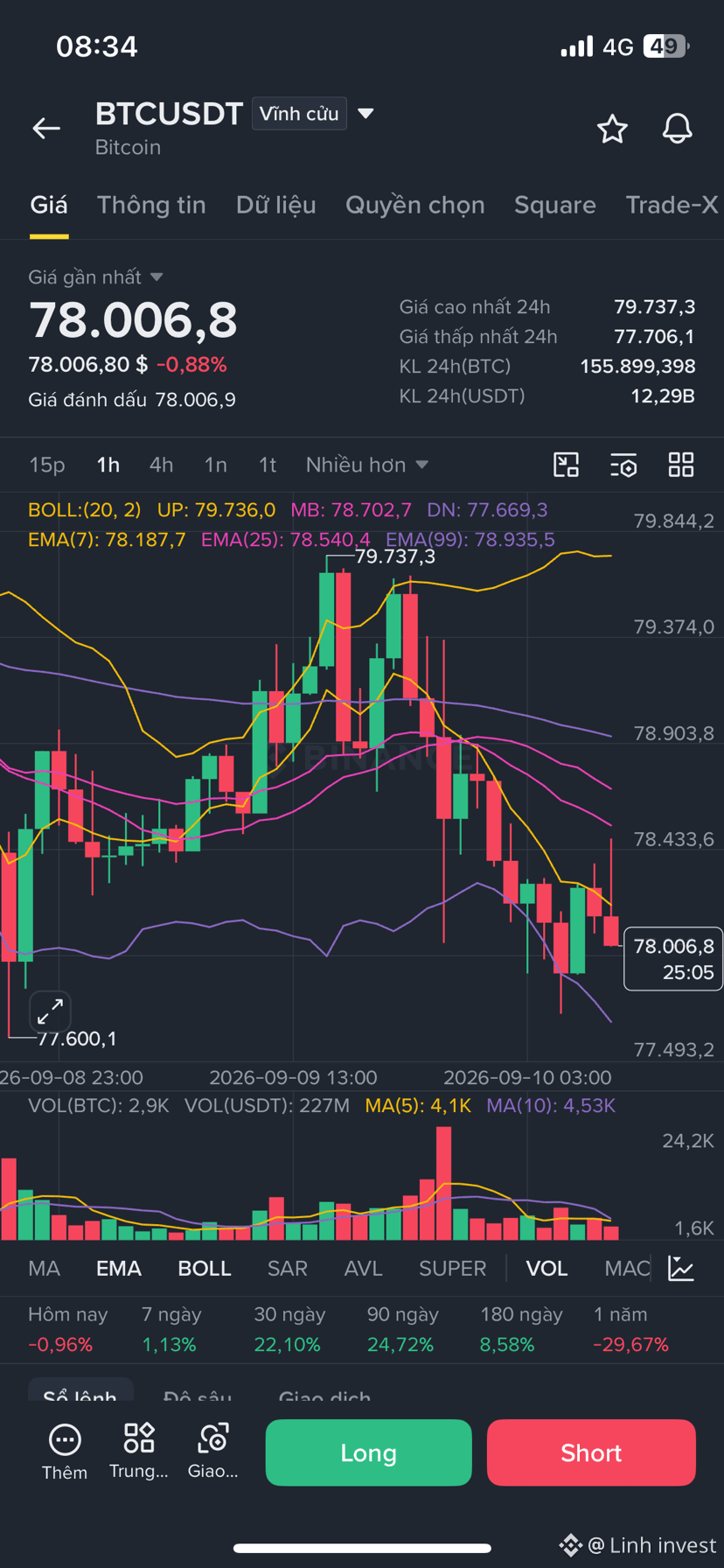
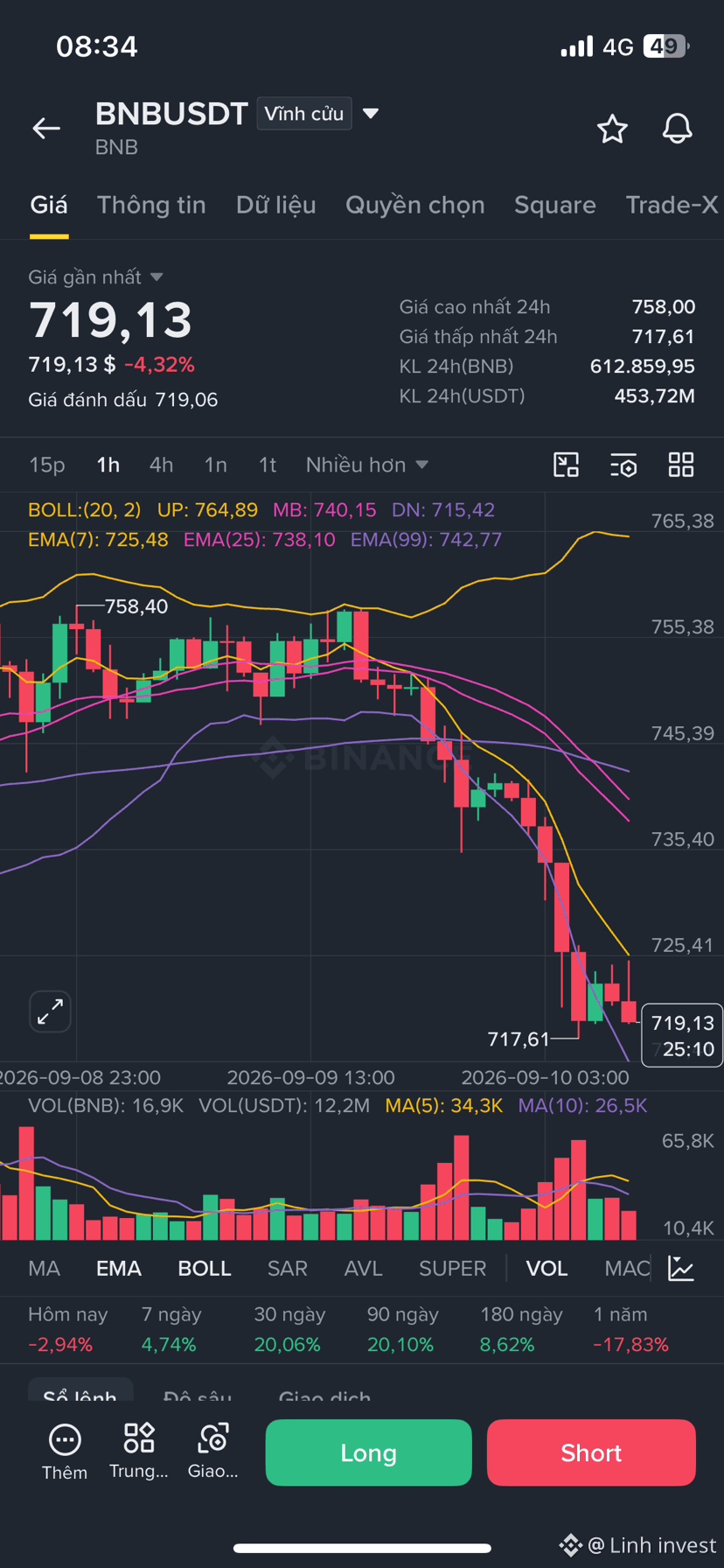
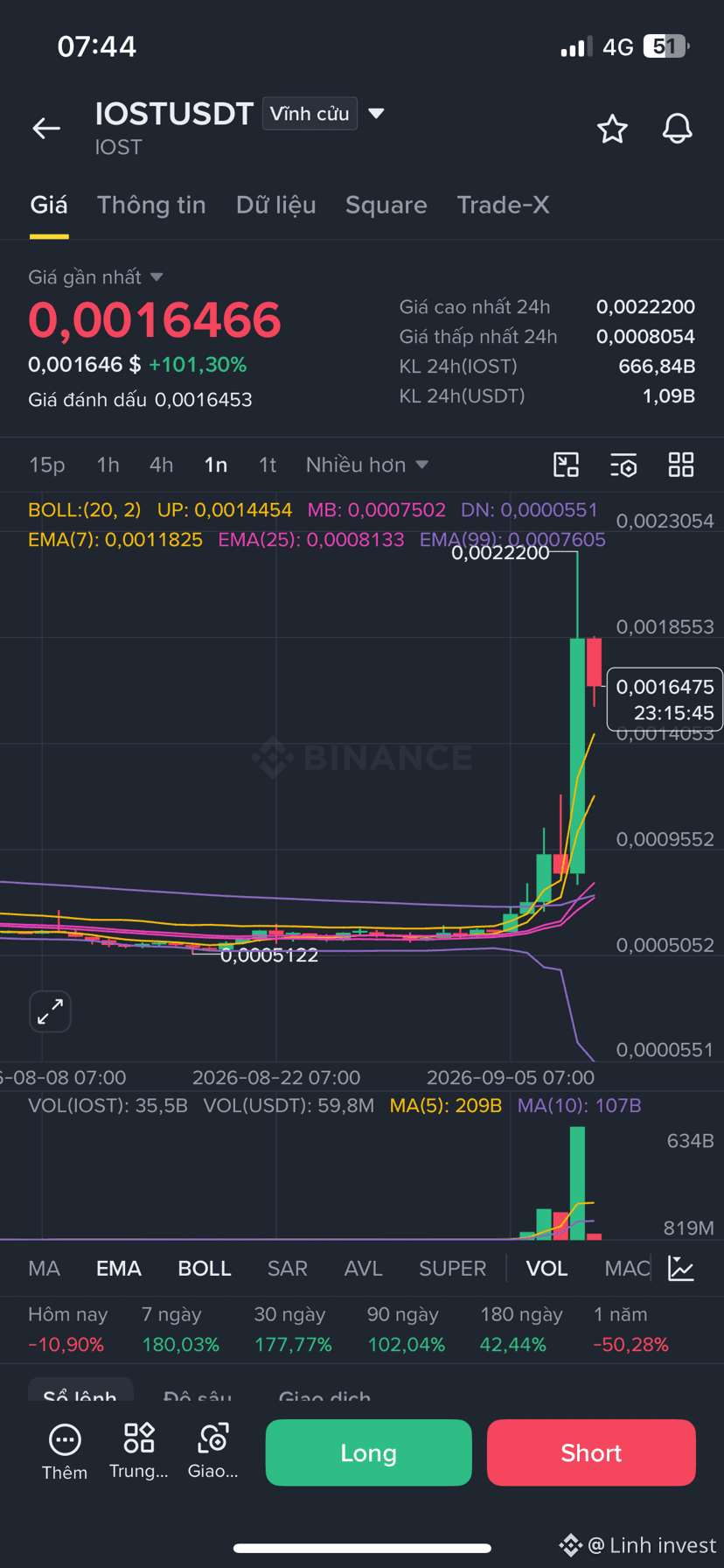
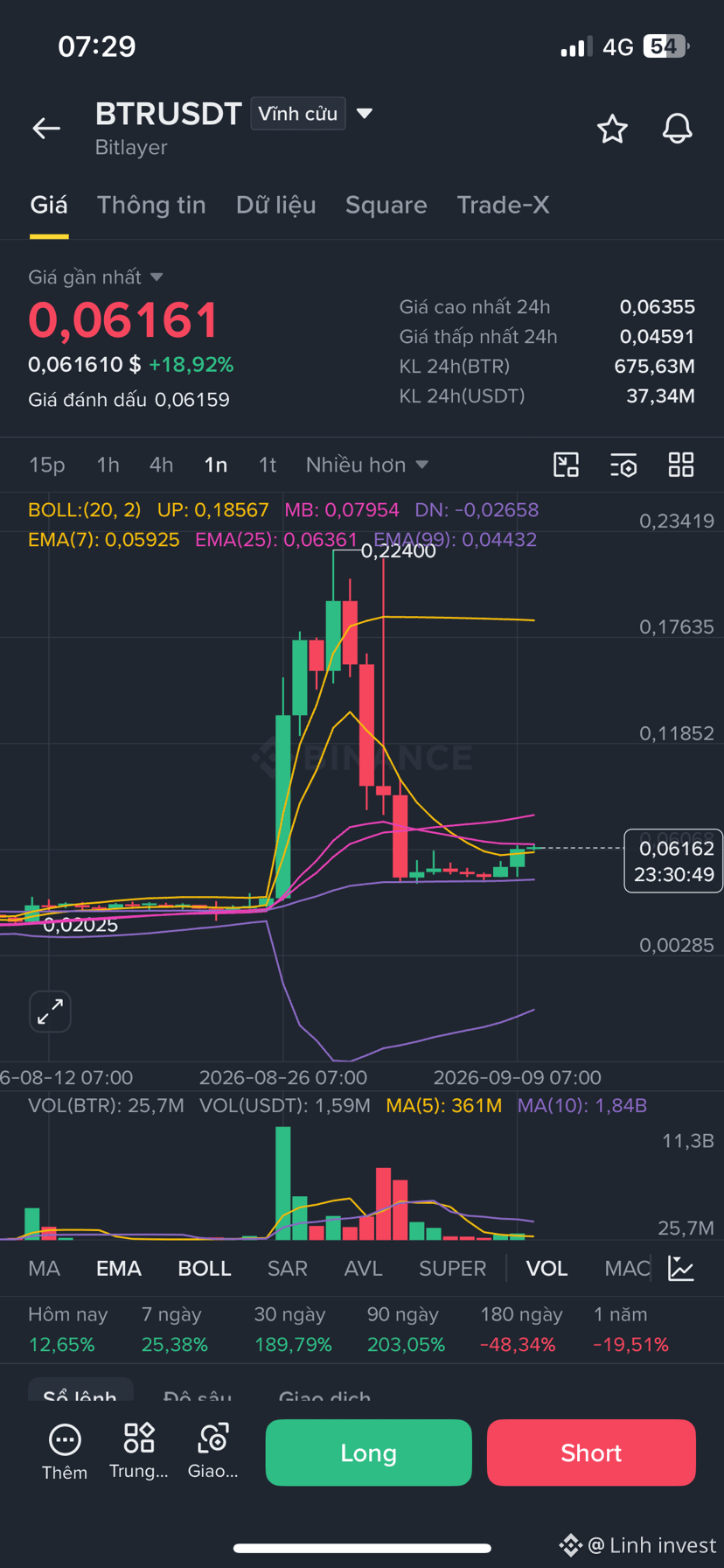
Recently, it was really interesting or the conclusion $BTC
Recently, it was really interesting or the conclusion
$BTC
Login to explore more contents
Join global crypto users on Binance Square
⚡️ Get latest and useful information about crypto.
💬 Trusted by the world’s largest crypto exchange.
👍 Discover real insights from verified creators.
Email / Phone number
Sitemap
Cookie Preferences
Platform T&Cs