
阿Bob波哥说币
344 Posts
阿Bob波哥说币
公众号:《恋上波哥》 关注我,多交流,祝各位钱包越来越鼓!多年交易经验,走过多轮牛熊,对市场节奏和资金动向有成熟判断。依靠稳定的信息源和实战策略做交易,不空谈理论。长期用同一套逻辑操作,胜率保持在 80%–85%。分享真实思路,追求稳健、长期收益。
7 Following
22 Followers
194 Liked
Posts
A small amount of capital wants to turn things around—the biggest enemy isn’t losing, it’s the hands that can’t stop.
Everyone can’t avoid losses, but blind trading is different—you know you shouldn’t do it, yet you still click confirm; you know you should wait, yet you rush in.
After people lose money, their first reaction isn’t to stop and review—it’s to open the next trade in a hurry, trying to fill the loss. The more急(agitated) you are, the more you trade; the more you trade, the more you mess up; and the more you mess up, the more you lose. Even if the direction is right but the timing is off, you still lose. If the direction is wrong and you blindly average down, you’ll only dig yourself deeper.
Your account gets worn down little by little through these repeated actions.
Opening trades frequently is like giving yourself more opportunities to make mistakes, and what small capital lacks most is room for error. Miss once and your principal shrinks; miss a few times and the account is gone. You think you’re “grabbing opportunities,” but you’re actually providing liquidity to the market. The market won’t reward you for trading more—it will punish you for being wrong more.
How do you break the cycle? A few practical rules:
Set a fixed maximum number of trades per day. When you’re done, close the software—don’t let staring at the screen drain your decision-making power. No signal means no action. When the market is ranging, take a break—don’t let restlessness make you trade.
After two consecutive losing trades, stop—this isn’t because your skills aren’t good; it’s because your state is messed up. Rest is a hundred times better than forcing the hard way.
Before entering, ask yourself three questions:
Have you confirmed the direction? How much loss can you accept? How much profit should make you exit?
If you can’t answer, don’t trade.
A small-capital comeback doesn’t rely on doing more—it relies on making fewer mistakes. You don’t need to catch every wave of the market. You just need to make the right decisions when there’s truly a reason to act. Being in cash isn’t doing nothing—it’s waiting for the moment that really deserves your move.
#美获委内瑞拉石油田控制权
Everyone can’t avoid losses, but blind trading is different—you know you shouldn’t do it, yet you still click confirm; you know you should wait, yet you rush in.
After people lose money, their first reaction isn’t to stop and review—it’s to open the next trade in a hurry, trying to fill the loss. The more急(agitated) you are, the more you trade; the more you trade, the more you mess up; and the more you mess up, the more you lose. Even if the direction is right but the timing is off, you still lose. If the direction is wrong and you blindly average down, you’ll only dig yourself deeper.
Your account gets worn down little by little through these repeated actions.
Opening trades frequently is like giving yourself more opportunities to make mistakes, and what small capital lacks most is room for error. Miss once and your principal shrinks; miss a few times and the account is gone. You think you’re “grabbing opportunities,” but you’re actually providing liquidity to the market. The market won’t reward you for trading more—it will punish you for being wrong more.
How do you break the cycle? A few practical rules:
Set a fixed maximum number of trades per day. When you’re done, close the software—don’t let staring at the screen drain your decision-making power. No signal means no action. When the market is ranging, take a break—don’t let restlessness make you trade.
After two consecutive losing trades, stop—this isn’t because your skills aren’t good; it’s because your state is messed up. Rest is a hundred times better than forcing the hard way.
Before entering, ask yourself three questions:
Have you confirmed the direction? How much loss can you accept? How much profit should make you exit?
If you can’t answer, don’t trade.
A small-capital comeback doesn’t rely on doing more—it relies on making fewer mistakes. You don’t need to catch every wave of the market. You just need to make the right decisions when there’s truly a reason to act. Being in cash isn’t doing nothing—it’s waiting for the moment that really deserves your move.
#美获委内瑞拉石油田控制权
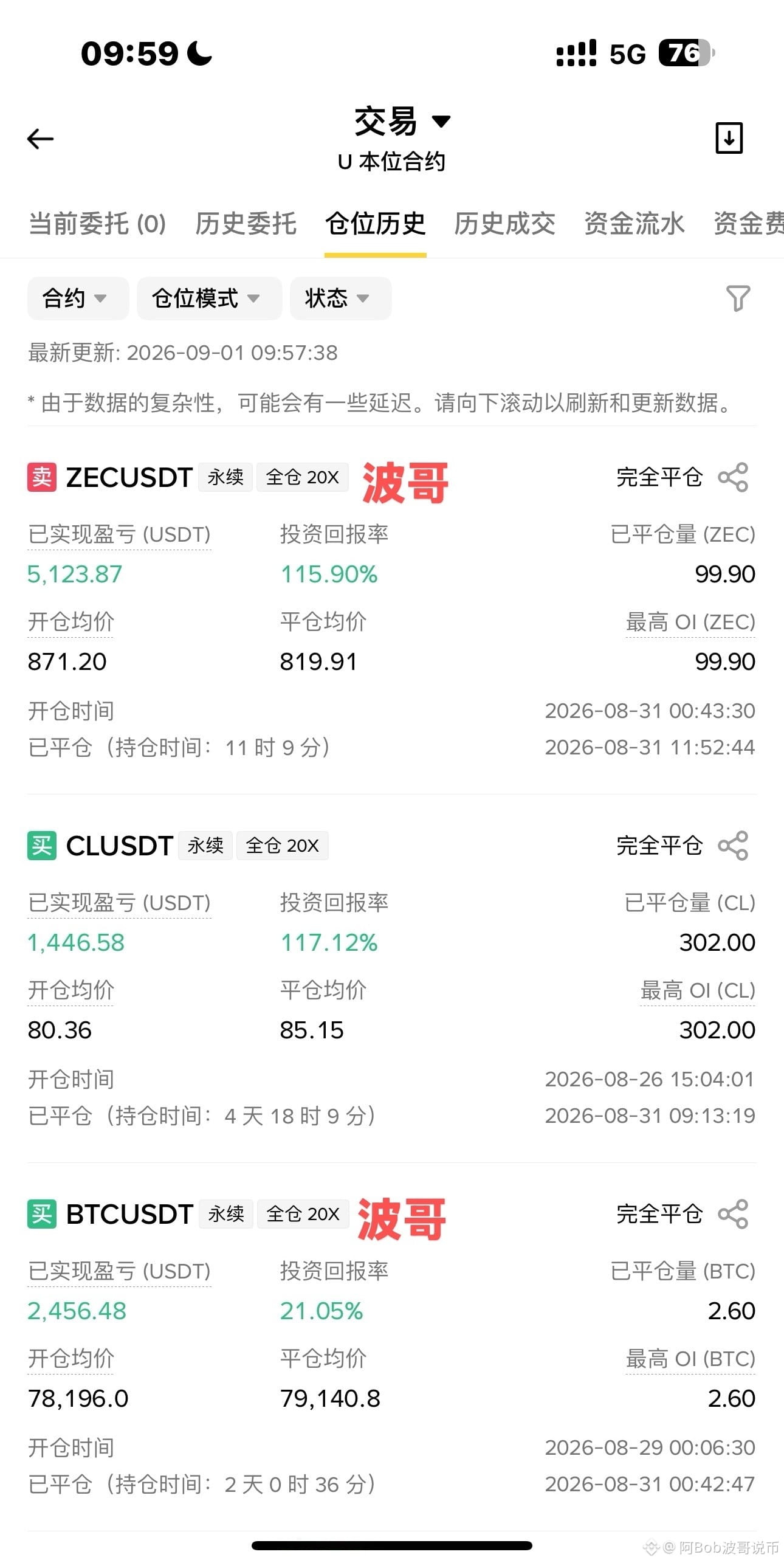
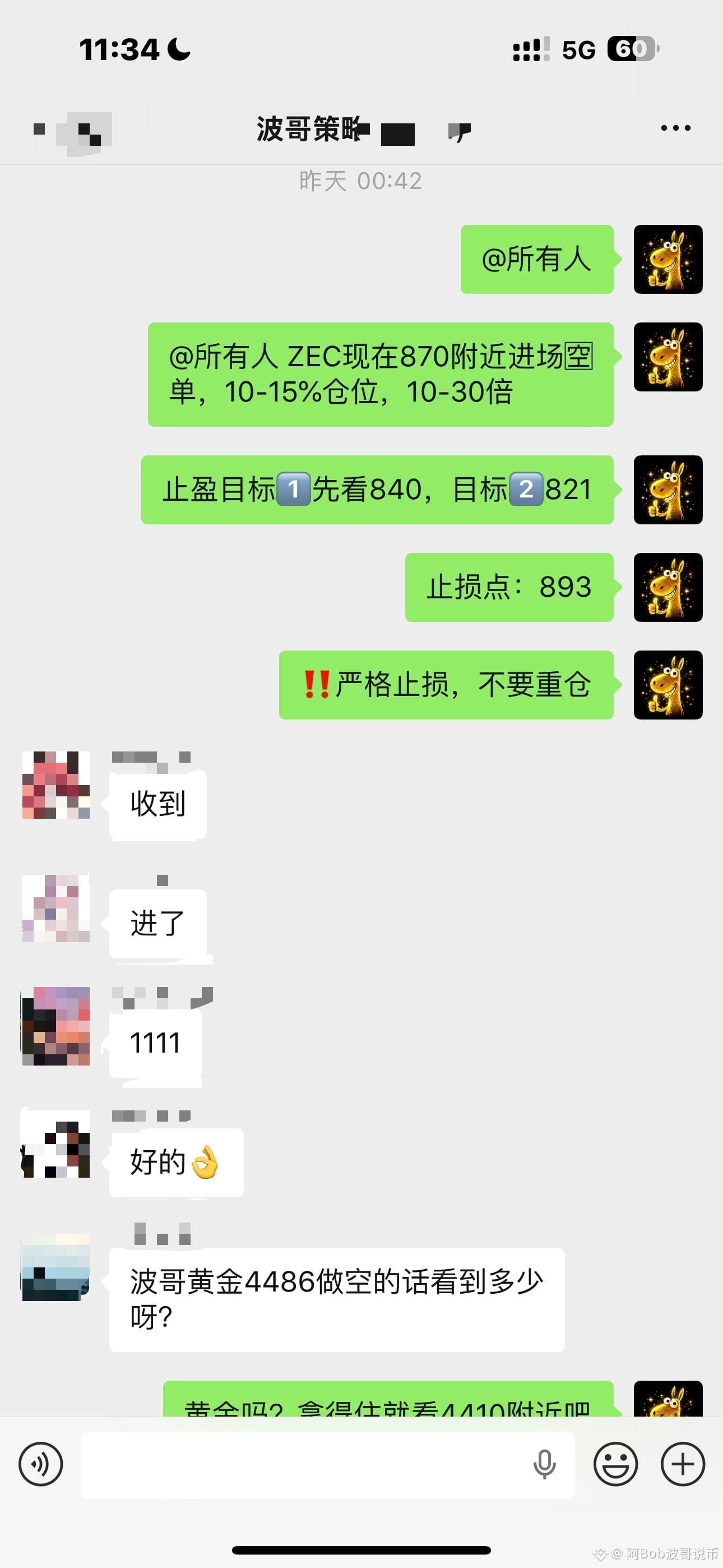

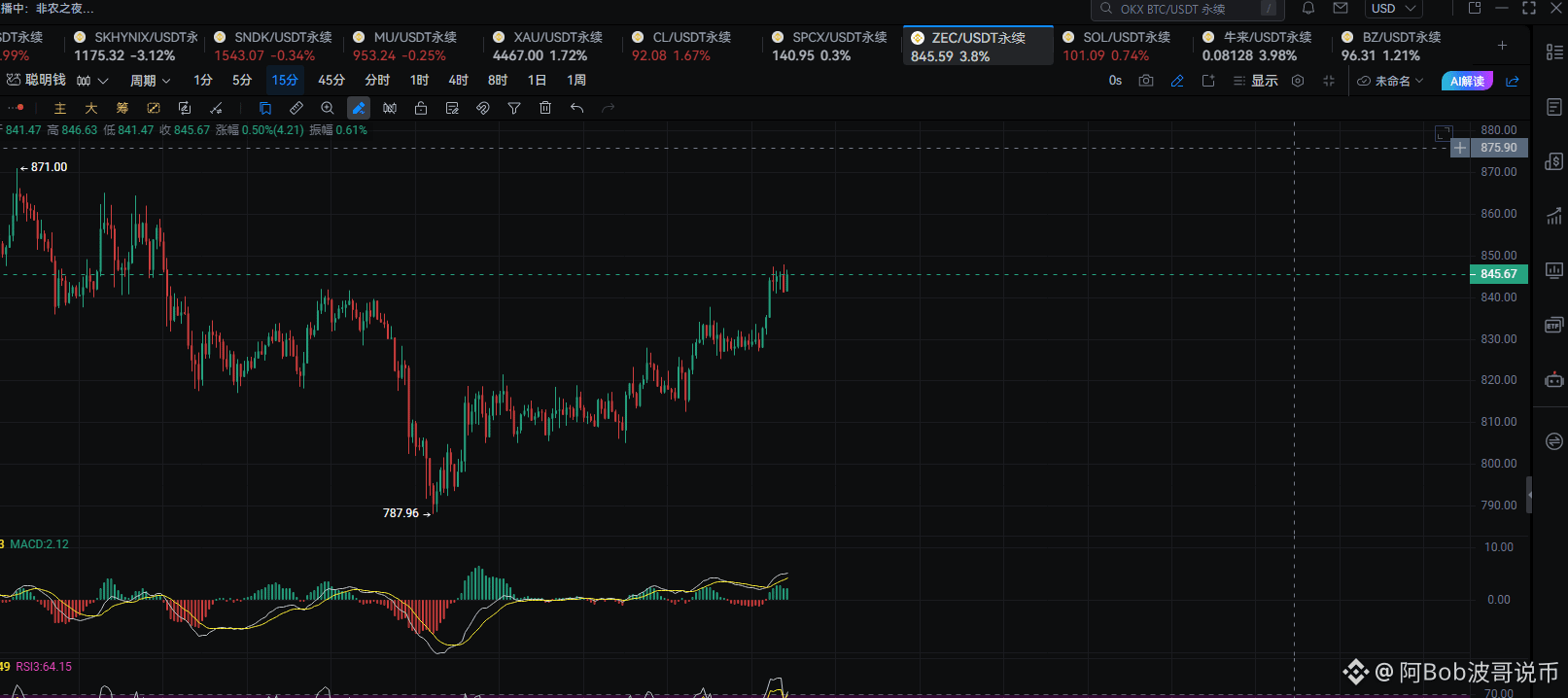
Many people think that trading coins is about technique. Actually, it’s about timing.
Indicators can be learned, candlestick charts can be drawn, and news can be scrolled—but timing is the thing you know when to move and when to stop, so your account can follow.
When the trend hasn’t arrived yet, rushing in is random movement. When the trend arrives but you don’t dare to act, that’s missing the chance. When you should hold a heavy position but you keep it light—when you should exit but you don’t—when you should hold but you can’t hold. Even if you got the direction right, if the timing gets off, you still can’t execute the trade.
How do you find good timing? Three things:
First, set the timeframe. Do short-term trades for short-term goals, and long-term trades for long-term goals—don’t keep switching back and forth. If you try to catch both timeframes at once, in the end you’ll do poorly on both.
Next, control your hands. Don’t trade without signals. When you have a signal, don’t hesitate. Missing the move doesn’t lose money; doing random trades loses money. Most people don’t lose because they’re wrong about direction—they lose because they didn’t wait when they should, and didn’t stop when they should.
Finally, don’t let other people’s timing pull you off course. How much other people make has nothing to do with you. You’re responsible for your own account. If you follow others’ timing, you’ll never find your own path.
Once your timing is on point, even rougher technique can still make money. If your timing is off, no matter how good your technique is, it can’t save your account.@阿Bob波哥说币
#CLARITY法案2026年立法概率15%
Indicators can be learned, candlestick charts can be drawn, and news can be scrolled—but timing is the thing you know when to move and when to stop, so your account can follow.
When the trend hasn’t arrived yet, rushing in is random movement. When the trend arrives but you don’t dare to act, that’s missing the chance. When you should hold a heavy position but you keep it light—when you should exit but you don’t—when you should hold but you can’t hold. Even if you got the direction right, if the timing gets off, you still can’t execute the trade.
How do you find good timing? Three things:
First, set the timeframe. Do short-term trades for short-term goals, and long-term trades for long-term goals—don’t keep switching back and forth. If you try to catch both timeframes at once, in the end you’ll do poorly on both.
Next, control your hands. Don’t trade without signals. When you have a signal, don’t hesitate. Missing the move doesn’t lose money; doing random trades loses money. Most people don’t lose because they’re wrong about direction—they lose because they didn’t wait when they should, and didn’t stop when they should.
Finally, don’t let other people’s timing pull you off course. How much other people make has nothing to do with you. You’re responsible for your own account. If you follow others’ timing, you’ll never find your own path.
Once your timing is on point, even rougher technique can still make money. If your timing is off, no matter how good your technique is, it can’t save your account.@阿Bob波哥说币
#CLARITY法案2026年立法概率15%
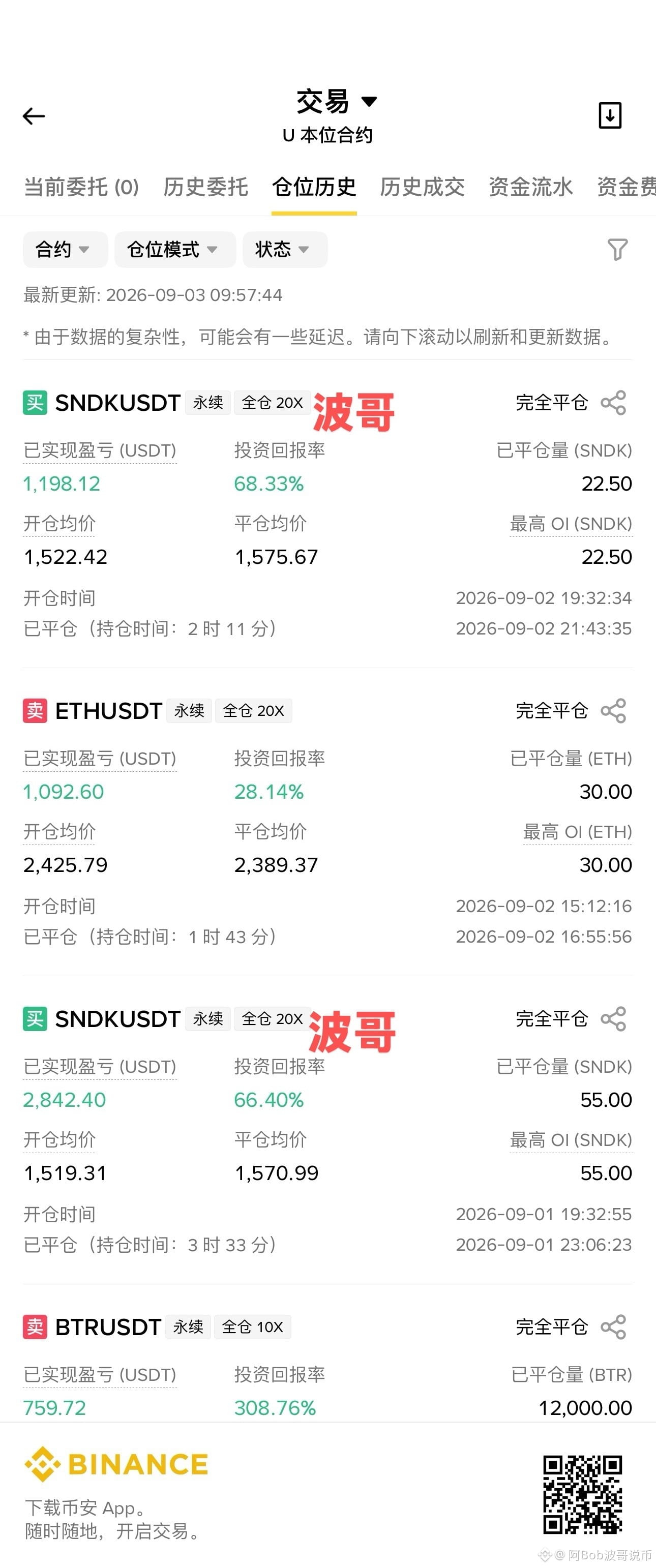
This funding rate thing can be positive or negative at times. A lot of people see a positive funding rate and go long immediately—then they end up losing money. Let’s make it clear first: the funding rate is a thermometer of market sentiment, not a compass for direction.
A positive funding rate means longs are paying shorts, and the market’s bullish sentiment is highly consistent. When longs are crowded and you jump in chasing, you’re not only facing the risk of a pullback—you also have the ongoing cost of paying funding. Once the market turns downward, long positions tend to exit in clusters, and the price action often drops faster. The higher the positive funding rate is, the more it indicates the market is overheated—chasing in at that point means there’s a fairly high chance you’ll be the one left holding the bag.
A negative funding rate is similar—it doesn’t mean it’s a good time to bottom-fish. When shorts are crowded, going long may allow you to receive the funding payment, but if the price is supposed to fall, it will still fall. That little funding won’t cover the losses. A negative funding rate indicates the market is relatively weak, and in such an environment, bottom-fishing doesn’t have favorable odds to begin with.
So how should you use the funding rate?
If the rate is wildly high, it signals the market is overheated—be more cautious instead. If it’s wildly low, it suggests the market is too cold—watch for the possibility of a rebound, but make sure your stop-loss is set properly. When the rate is normal, just follow your trading plan as usual.
In one sentence: the funding rate reflects sentiment, not direction. It can tell you whether the market is hot or not, but it won’t tell you where the next candlestick will go.
Once you understand this logic, you won’t blindly go long just because the funding rate is positive, or blindly bottom-fish just because it’s negative.
A positive funding rate means longs are paying shorts, and the market’s bullish sentiment is highly consistent. When longs are crowded and you jump in chasing, you’re not only facing the risk of a pullback—you also have the ongoing cost of paying funding. Once the market turns downward, long positions tend to exit in clusters, and the price action often drops faster. The higher the positive funding rate is, the more it indicates the market is overheated—chasing in at that point means there’s a fairly high chance you’ll be the one left holding the bag.
A negative funding rate is similar—it doesn’t mean it’s a good time to bottom-fish. When shorts are crowded, going long may allow you to receive the funding payment, but if the price is supposed to fall, it will still fall. That little funding won’t cover the losses. A negative funding rate indicates the market is relatively weak, and in such an environment, bottom-fishing doesn’t have favorable odds to begin with.
So how should you use the funding rate?
If the rate is wildly high, it signals the market is overheated—be more cautious instead. If it’s wildly low, it suggests the market is too cold—watch for the possibility of a rebound, but make sure your stop-loss is set properly. When the rate is normal, just follow your trading plan as usual.
In one sentence: the funding rate reflects sentiment, not direction. It can tell you whether the market is hot or not, but it won’t tell you where the next candlestick will go.
Once you understand this logic, you won’t blindly go long just because the funding rate is positive, or blindly bottom-fish just because it’s negative.
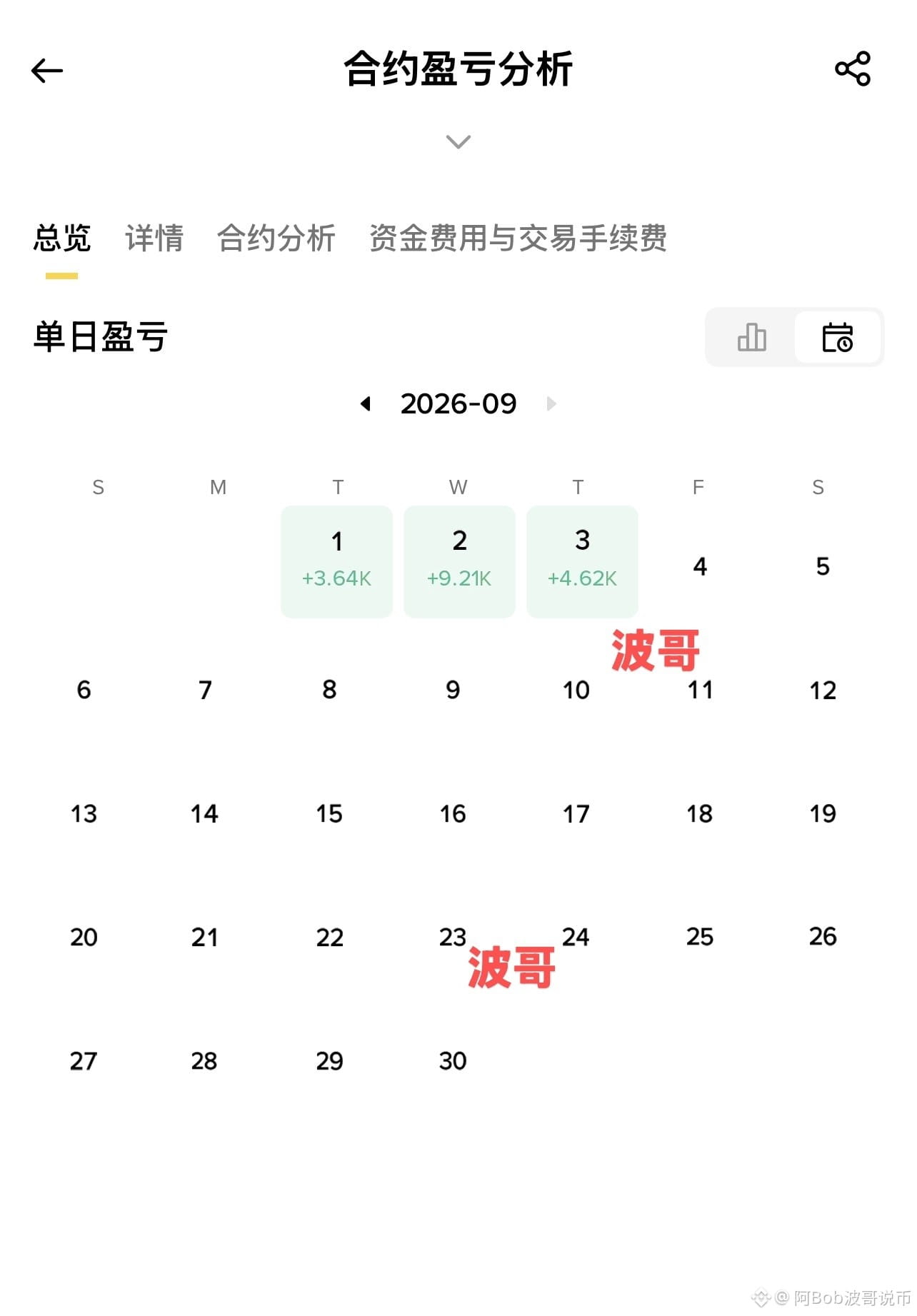
The person who comes in holding 2000U—nine out of ten are thinking in their heads, “When will it double?” But those who truly manage to keep the money are often the ones who forget about this.
In the first phase, don’t think about making money. First, think about not dying.
With 2000U as the starting point, the first thing isn’t how to roll it up to 50,000—it’s how to keep this 2000U alive for three months. If your direction is right but you can’t withstand pullbacks, it’s basically like you never even saw anything. If your direction is wrong, and your principal gets wiped out, you don’t even get the chance to multiply again. The goal in this stage is simple: run the rhythm. Know when to enter, when to wait, and when to leave. Split the capital and move only a small portion at a time. If the direction is right, use profits to add; if it’s wrong, cut losses quickly and leave with only a small loss. Once the rhythm is set, the money that comes later will naturally follow.
In the second phase, the principal is locked while you roll using profits.
Once the account has some foundation, change the style. The principal is already safe—now use the profits you’ve earned to take bigger swings. If your direction is right, gradually increase the position size. If your direction is wrong, you only lose profits; the principal isn’t affected. When it reaches the target, reduce a portion—don’t try to eat everything from start to finish. Leave the fish head and tail for others; only take the most reliable stretch. People who try to sell at the absolute highest point often end up selling at the lowest.
In the third phase, rhythm matters more than direction.
From start to finish, this strategy doesn’t rely on how accurate any single judgment is. It relies on the fact that every step is taken within the rules. If your direction is right, you dare to hold. If your direction is wrong, you recognize it quickly. And when you don’t have a direction, you can afford to wait. Get these three things right, and compounding will naturally push you forward.
In the first phase, don’t think about making money. First, think about not dying.
With 2000U as the starting point, the first thing isn’t how to roll it up to 50,000—it’s how to keep this 2000U alive for three months. If your direction is right but you can’t withstand pullbacks, it’s basically like you never even saw anything. If your direction is wrong, and your principal gets wiped out, you don’t even get the chance to multiply again. The goal in this stage is simple: run the rhythm. Know when to enter, when to wait, and when to leave. Split the capital and move only a small portion at a time. If the direction is right, use profits to add; if it’s wrong, cut losses quickly and leave with only a small loss. Once the rhythm is set, the money that comes later will naturally follow.
In the second phase, the principal is locked while you roll using profits.
Once the account has some foundation, change the style. The principal is already safe—now use the profits you’ve earned to take bigger swings. If your direction is right, gradually increase the position size. If your direction is wrong, you only lose profits; the principal isn’t affected. When it reaches the target, reduce a portion—don’t try to eat everything from start to finish. Leave the fish head and tail for others; only take the most reliable stretch. People who try to sell at the absolute highest point often end up selling at the lowest.
In the third phase, rhythm matters more than direction.
From start to finish, this strategy doesn’t rely on how accurate any single judgment is. It relies on the fact that every step is taken within the rules. If your direction is right, you dare to hold. If your direction is wrong, you recognize it quickly. And when you don’t have a direction, you can afford to wait. Get these three things right, and compounding will naturally push you forward.
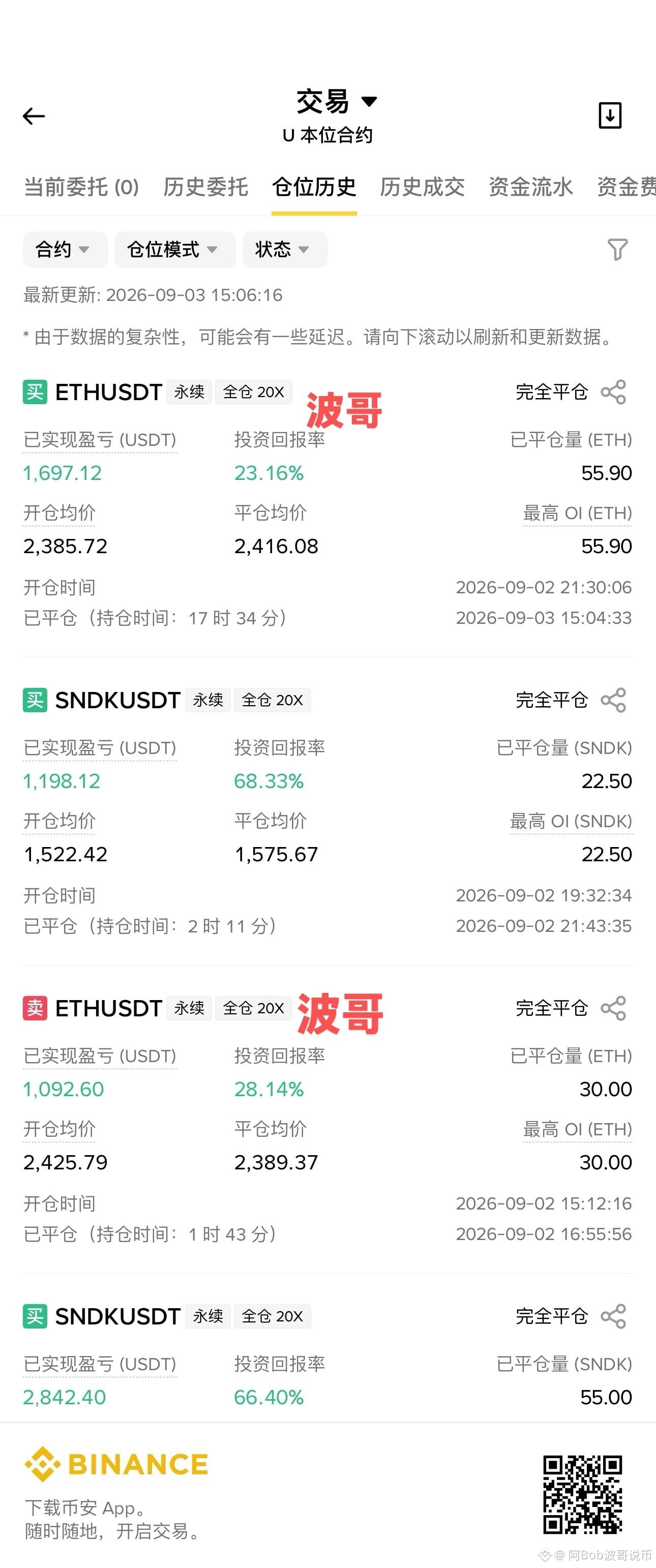
You watch for one minute and all you see is noise. Each candlestick is telling you “it’s going up, it’s going down,” but when you zoom out, there’s really no direction. Trading back and forth at this level makes small profits and big losses. It’s not that the market is targeting you—it's that the time frame you chose isn’t suitable for making decisions: the level is too small, the signals are too mixed, and you can’t tell which moves are trends and which are random fluctuations.
How to solve it? Use multiple time frames together.
Set the direction with the higher time frame, and find the entry point on the lower time frame. The 4-hour or daily chart determines which way it should go, then switch to the 1-hour or 15-minute chart and wait for a pullback stabilization signal before entering. When the direction aligns, your win rate naturally improves. If the higher time frame is bullish and the lower time frame is pulling back, then you’re waiting for the right time to enter—not panicking out.
Many people do it backwards—when the higher time frame is bullish but the lower time frame dips, they panic and rush to leave. After they run out, the price continues to follow the higher time frame, and they can only watch. Remember this: until the higher time frame has finished, all the fluctuations on the lower time frame are noise. You can look for opportunities within the noise, but don’t let the noise scare you away.
#美获委内瑞拉石油田控制权
#比特币难破8万美元
How to solve it? Use multiple time frames together.
Set the direction with the higher time frame, and find the entry point on the lower time frame. The 4-hour or daily chart determines which way it should go, then switch to the 1-hour or 15-minute chart and wait for a pullback stabilization signal before entering. When the direction aligns, your win rate naturally improves. If the higher time frame is bullish and the lower time frame is pulling back, then you’re waiting for the right time to enter—not panicking out.
Many people do it backwards—when the higher time frame is bullish but the lower time frame dips, they panic and rush to leave. After they run out, the price continues to follow the higher time frame, and they can only watch. Remember this: until the higher time frame has finished, all the fluctuations on the lower time frame are noise. You can look for opportunities within the noise, but don’t let the noise scare you away.
#美获委内瑞拉石油田控制权
#比特币难破8万美元
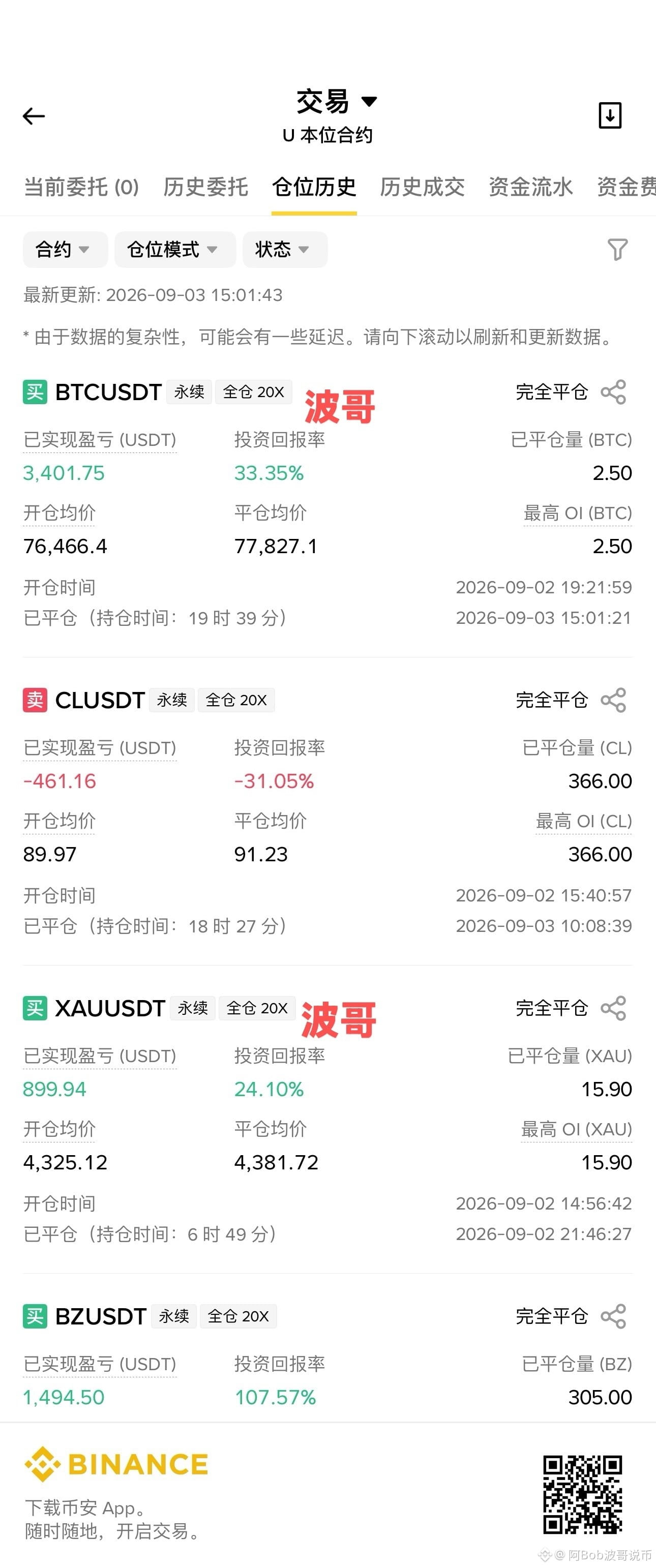
There’s really nothing to brag about with this move—it’s just that I finally stopped messing around.
I blew two orders earlier. My head was buzzing, and the account was left with only 800U. I didn’t even dare to have the thought of going heavy again. So I had to pause, go back through the trades one by one, pick out the habits I’d had of losing money, and tell myself: no more gambling, no more stubborn holding.
The first wave of ETH long trades wasn’t pretty in terms of entry, but the position was at least reasonably placed. With low leverage, when others didn’t dare to take it, I did—just enough to earn some confidence back. The real gap-maker was the second wave: the BNB short. Once the direction was right, it just kept moving smoothly. No adding positions, no messing around—held it and got out.
Then there was the obvious bull-trap on BTC that day. I watched it for a bit, then shorted in batches. Held all the way to 6000.
After these trades were done, I finally realized—this isn’t that the market got simpler; it’s that I stopped playing blindly. I started getting used to being flat, getting used to missing out. I no longer treat every trade as “the chance to change my fate,” but as just one step in a system. Control position sizing on every trade, set stop-loss and take-profit in advance, open the trade and then don’t keep staring at it.
Flipping the account is the result, not the goal. Starting with 800U isn’t actually that little. Whether you can turn it around depends on whether you learned something from your liquidation. Until you understand that, don’t rush in with full margin—don’t come to contracts to donate money.
#比特币难破8万美元
I blew two orders earlier. My head was buzzing, and the account was left with only 800U. I didn’t even dare to have the thought of going heavy again. So I had to pause, go back through the trades one by one, pick out the habits I’d had of losing money, and tell myself: no more gambling, no more stubborn holding.
The first wave of ETH long trades wasn’t pretty in terms of entry, but the position was at least reasonably placed. With low leverage, when others didn’t dare to take it, I did—just enough to earn some confidence back. The real gap-maker was the second wave: the BNB short. Once the direction was right, it just kept moving smoothly. No adding positions, no messing around—held it and got out.
Then there was the obvious bull-trap on BTC that day. I watched it for a bit, then shorted in batches. Held all the way to 6000.
After these trades were done, I finally realized—this isn’t that the market got simpler; it’s that I stopped playing blindly. I started getting used to being flat, getting used to missing out. I no longer treat every trade as “the chance to change my fate,” but as just one step in a system. Control position sizing on every trade, set stop-loss and take-profit in advance, open the trade and then don’t keep staring at it.
Flipping the account is the result, not the goal. Starting with 800U isn’t actually that little. Whether you can turn it around depends on whether you learned something from your liquidation. Until you understand that, don’t rush in with full margin—don’t come to contracts to donate money.
#比特币难破8万美元
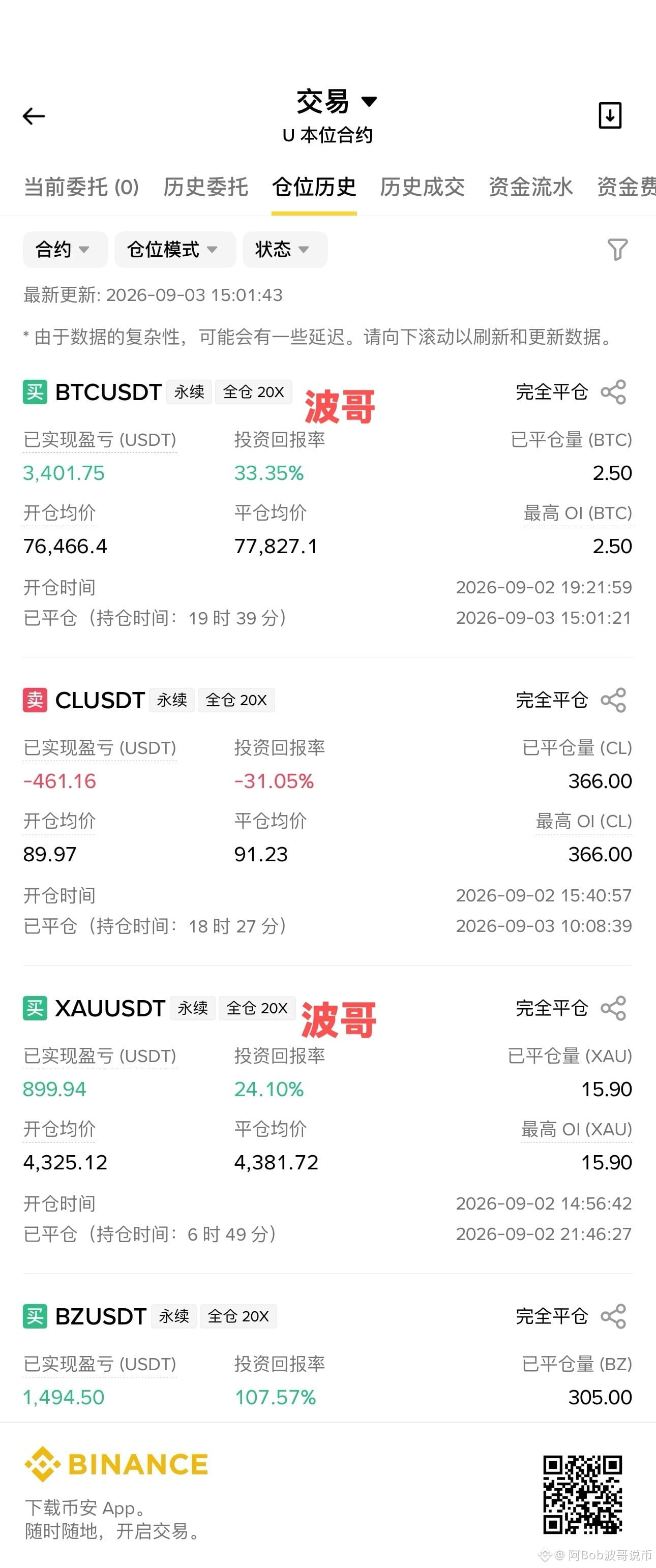
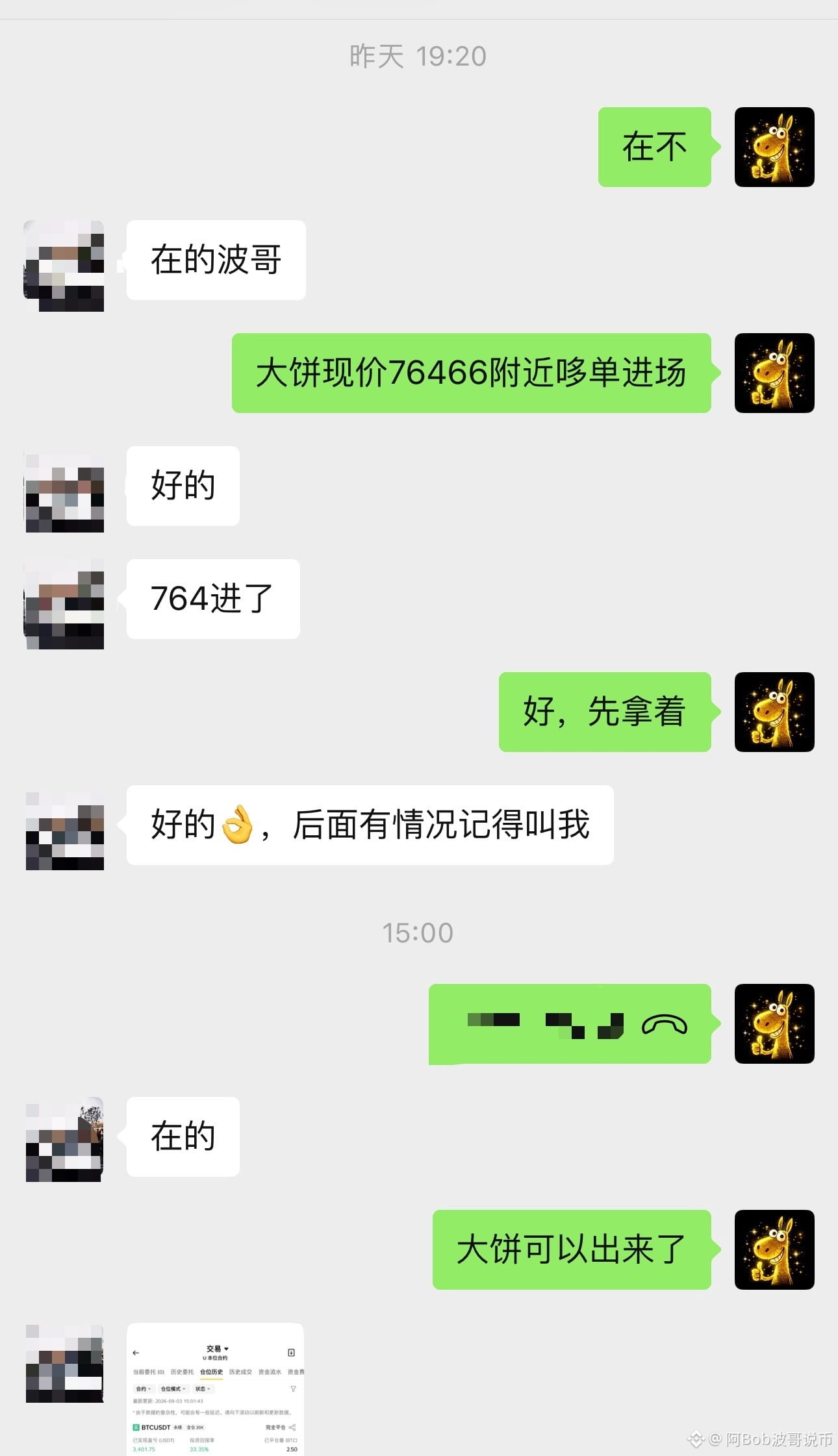

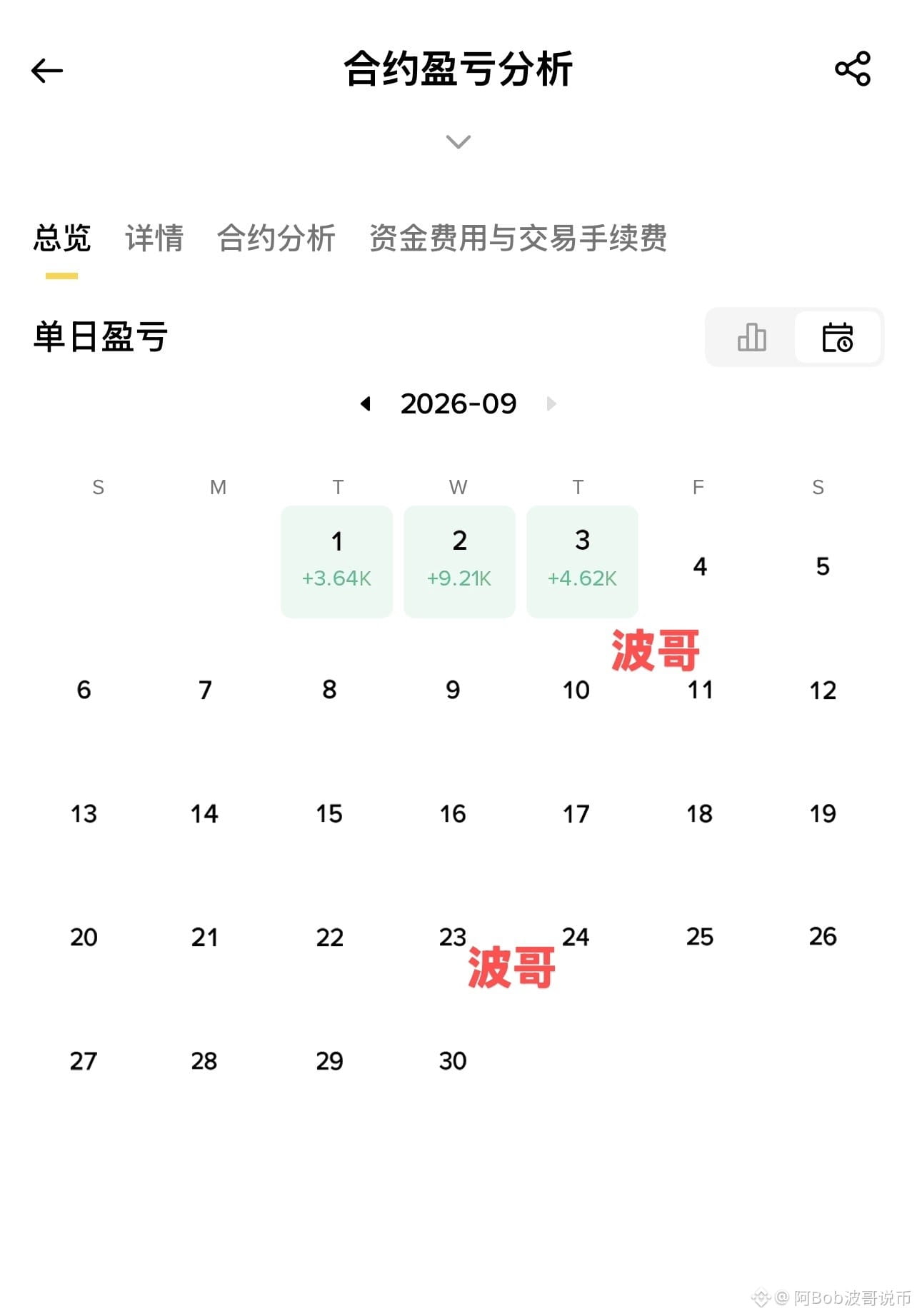
Verified
📊 U.S. initial jobless claims edge higher; continuing claims fall short of expectations
The latest employment data released on September 3 shows the U.S. labor market remains in a balance of “low hiring and low layoffs.”
📈 Initial jobless claims: Slightly higher, still at low levels
For the week ending August 29, the number of initial jobless claims in the U.S. came in at 206,000, slightly above the market expectation of 205,000. The prior figure was revised from 203,000 to 204,000.
Initial jobless claims are a measure of layoffs. Over the past year, the initial claims data has largely stayed within the historic low range of 200,000 to 230,000. Companies still appear reluctant to carry out large-scale layoffs, and they are also not in a rush to hire new workers. This has created what economists call a “no hiring, no layoffs” labor market.
📉 Continuing jobless claims: Drops more than expected
For the week ending August 22, the number of people receiving continuing unemployment benefits in the U.S. was 1.779 million, below the market expectation of 1.795 million. The prior figure was 1.778 million.
Continuing jobless claims reflect how quickly unemployed people find new jobs. The data’s bigger-than-expected drop suggests the pace of reemployment after unemployment has accelerated, and labor absorption remains strong.
💡 What does this mean for the Fed?
Taken together, the two reports show that layoffs have not worsened (initial claims remain low) and that the job-finding pace for the unemployed is improving (continuing claims are below expectations).
However, pressure for a September rate hike has not eased as a result. CME FedWatch shows market pricing for a September rate increase remains elevated at 66%-68%. The key variable driving expectations of a rate hike is the jump in oil prices that is lifting inflation expectations—not loosening conditions in the labor market.
The real test is on Friday. Market attention has quickly shifted to the August nonfarm payroll report scheduled for September 4—if the nonfarm data comes in strong, the probability of a September rate hike could continue to rise; if the data is weak, markets may reprice the rate-hike path.
#美国初请失业金人数升至20.6万
#美国续请失业金人数降至177.9万
The latest employment data released on September 3 shows the U.S. labor market remains in a balance of “low hiring and low layoffs.”
📈 Initial jobless claims: Slightly higher, still at low levels
For the week ending August 29, the number of initial jobless claims in the U.S. came in at 206,000, slightly above the market expectation of 205,000. The prior figure was revised from 203,000 to 204,000.
Initial jobless claims are a measure of layoffs. Over the past year, the initial claims data has largely stayed within the historic low range of 200,000 to 230,000. Companies still appear reluctant to carry out large-scale layoffs, and they are also not in a rush to hire new workers. This has created what economists call a “no hiring, no layoffs” labor market.
📉 Continuing jobless claims: Drops more than expected
For the week ending August 22, the number of people receiving continuing unemployment benefits in the U.S. was 1.779 million, below the market expectation of 1.795 million. The prior figure was 1.778 million.
Continuing jobless claims reflect how quickly unemployed people find new jobs. The data’s bigger-than-expected drop suggests the pace of reemployment after unemployment has accelerated, and labor absorption remains strong.
💡 What does this mean for the Fed?
Taken together, the two reports show that layoffs have not worsened (initial claims remain low) and that the job-finding pace for the unemployed is improving (continuing claims are below expectations).
However, pressure for a September rate hike has not eased as a result. CME FedWatch shows market pricing for a September rate increase remains elevated at 66%-68%. The key variable driving expectations of a rate hike is the jump in oil prices that is lifting inflation expectations—not loosening conditions in the labor market.
The real test is on Friday. Market attention has quickly shifted to the August nonfarm payroll report scheduled for September 4—if the nonfarm data comes in strong, the probability of a September rate hike could continue to rise; if the data is weak, markets may reprice the rate-hike path.
#美国初请失业金人数升至20.6万
#美国续请失业金人数降至177.9万

From 1,000U to 200,000+—I’ve run this line before.
I ran it myself through a full cycle—over ten times, and I even got blown up a few times. In the end, what keeps you alive isn’t a good market. It’s finding the right rhythm. The core isn’t much—figure it out yourself.
First: what you’re labeling is the premise.
Don’t touch sideways consolidation, and don’t touch niche/obscure plays. Only look for assets with a trend and volatility. Either pick something that has volume when a new coin first launches, or when the mainstream is trending, choose something with strong “elasticity.” Choose the wrong direction, and everything after that is wasted.
Second: the first trade isn’t a charge—it’s a test.
Keep the position size small, and set a hard stop-loss. Only when you’ve worked enough floating profit should you consider adding. Adding should be in batches, not all at once. The essence of “rolling the position” is that profits roll into more profits—not using principal to fight for direction.
Third: after you make money, first get your capital back.
Once the account has grown for a bit, pull out the principal first. What remains is all profit running. No matter how volatile things get afterward, your mindset won’t collapse. Many people can’t “roll positions” not because of technique, but because of mindset. They don’t dare to add when they should, and they舍不得走 when they should exit—so the longer they delay, the deeper they get. Rolling positions means using profits to buy the next wave, not using principal to gamble on the next round.
Fourth: if you’re wrong, leave—don’t look back.
If the direction is wrong, exit immediately. If you don’t exit, you’re betting it will turn back. Bet once or twice and it might be fine, but if you bet the third time, you’ll wipe out everything from before.
Most people can’t roll positions not because of technical issues, but because of psychology. The timing doesn’t match? If you rush in, you’re just炮灰.
$BTC .$SOL .$SNDK
#美CFTC审查预测市场关联交易
I ran it myself through a full cycle—over ten times, and I even got blown up a few times. In the end, what keeps you alive isn’t a good market. It’s finding the right rhythm. The core isn’t much—figure it out yourself.
First: what you’re labeling is the premise.
Don’t touch sideways consolidation, and don’t touch niche/obscure plays. Only look for assets with a trend and volatility. Either pick something that has volume when a new coin first launches, or when the mainstream is trending, choose something with strong “elasticity.” Choose the wrong direction, and everything after that is wasted.
Second: the first trade isn’t a charge—it’s a test.
Keep the position size small, and set a hard stop-loss. Only when you’ve worked enough floating profit should you consider adding. Adding should be in batches, not all at once. The essence of “rolling the position” is that profits roll into more profits—not using principal to fight for direction.
Third: after you make money, first get your capital back.
Once the account has grown for a bit, pull out the principal first. What remains is all profit running. No matter how volatile things get afterward, your mindset won’t collapse. Many people can’t “roll positions” not because of technique, but because of mindset. They don’t dare to add when they should, and they舍不得走 when they should exit—so the longer they delay, the deeper they get. Rolling positions means using profits to buy the next wave, not using principal to gamble on the next round.
Fourth: if you’re wrong, leave—don’t look back.
If the direction is wrong, exit immediately. If you don’t exit, you’re betting it will turn back. Bet once or twice and it might be fine, but if you bet the third time, you’ll wipe out everything from before.
Most people can’t roll positions not because of technical issues, but because of psychology. The timing doesn’t match? If you rush in, you’re just炮灰.
$BTC .$SOL .$SNDK
#美CFTC审查预测市场关联交易
🔥 Bitcoin battles around $77,000! Big whales are scooping up, but rate-hike shadows remain
On September 3, Bitcoin repeatedly traded in the $77,000–$78,000 range. It briefly broke above $78,000 during Thursday’s session, then pulled back. Over the past 24 hours, BTC rebounded about 1.5% from an overnight low of $76,400, recouping part of the losses caused by escalating tensions between Iran and the U.S.
Key levels: $77,000 is the line in the sand.
Downside support: $76,800–$77,000 is the most critical defense zone in the near term, while near-term support sits at $76,500–$76,800. If that breaks, the next support zone to watch is $75,000–$76,000.
Overhead resistance: $78,500–$79,000 is the most immediate resistance area. After a breakout, the next target points to $80,500–$81,000.
On-chain data: whales are accumulating, retail is selling.
CryptoQuant shows that wallets holding at least 100 BTC increased their holdings by about 60,000 BTC in August, while small addresses collectively offloaded about 47,000 BTC. Binance’s BTC reserves have risen to around 687,000 BTC, the highest level since 2026. Retail is selling, while whales are taking on—this kind of “coin flow” structure has often been a characteristic of medium-term market bottoms in history.
Macro: rate-hike expectations are the biggest headwind.
Brent crude has broken above $95 per barrel, lifting inflation expectations. By September, rate-hike bets have rebounded to 66%–68%. The 10-year U.S. Treasury yield has climbed to 4.78%–4.81%, continuing to weigh on non–yielding assets like BTC.
What’s next?
Friday’s Nonfarm Payrolls data is the first key variable. The market expects an additional 80,000 jobs; if the number is stronger than expected, rate-hike expectations may keep heating up, pressuring BTC. If it’s weaker, the market may reprice the rate-hike path. The September 15 CLARITY Act vote is another important catalyst, and while market expectations are pessimistic (Polymarket probability is only 15%), the SEC Chair’s remarks have been optimistic.
In the short term, BTC has been whipsawing around $77,000—institutions are accumulating, but the macro picture is applying pressure; direction remains unclear. Once Nonfarm Payrolls lands, we’ll see the next move.
#比特币难破8万美元
On September 3, Bitcoin repeatedly traded in the $77,000–$78,000 range. It briefly broke above $78,000 during Thursday’s session, then pulled back. Over the past 24 hours, BTC rebounded about 1.5% from an overnight low of $76,400, recouping part of the losses caused by escalating tensions between Iran and the U.S.
Key levels: $77,000 is the line in the sand.
Downside support: $76,800–$77,000 is the most critical defense zone in the near term, while near-term support sits at $76,500–$76,800. If that breaks, the next support zone to watch is $75,000–$76,000.
Overhead resistance: $78,500–$79,000 is the most immediate resistance area. After a breakout, the next target points to $80,500–$81,000.
On-chain data: whales are accumulating, retail is selling.
CryptoQuant shows that wallets holding at least 100 BTC increased their holdings by about 60,000 BTC in August, while small addresses collectively offloaded about 47,000 BTC. Binance’s BTC reserves have risen to around 687,000 BTC, the highest level since 2026. Retail is selling, while whales are taking on—this kind of “coin flow” structure has often been a characteristic of medium-term market bottoms in history.
Macro: rate-hike expectations are the biggest headwind.
Brent crude has broken above $95 per barrel, lifting inflation expectations. By September, rate-hike bets have rebounded to 66%–68%. The 10-year U.S. Treasury yield has climbed to 4.78%–4.81%, continuing to weigh on non–yielding assets like BTC.
What’s next?
Friday’s Nonfarm Payrolls data is the first key variable. The market expects an additional 80,000 jobs; if the number is stronger than expected, rate-hike expectations may keep heating up, pressuring BTC. If it’s weaker, the market may reprice the rate-hike path. The September 15 CLARITY Act vote is another important catalyst, and while market expectations are pessimistic (Polymarket probability is only 15%), the SEC Chair’s remarks have been optimistic.
In the short term, BTC has been whipsawing around $77,000—institutions are accumulating, but the macro picture is applying pressure; direction remains unclear. Once Nonfarm Payrolls lands, we’ll see the next move.
#比特币难破8万美元

Seeing is not useful; doing is.
When the price moves, you want to change your plan. When you see unrealized profit, you want to add more—it's all inner demons.
People who can survive in this market are not without emotions. It's when emotions surge that their hands can still follow the rules.
Decide, then act. When the time comes, close it. No matter how much it rises or falls afterward, it has nothing to do with you. Only when you dare to extinguish fantasies when your emotions run hot are you worthy of making it to the next round.
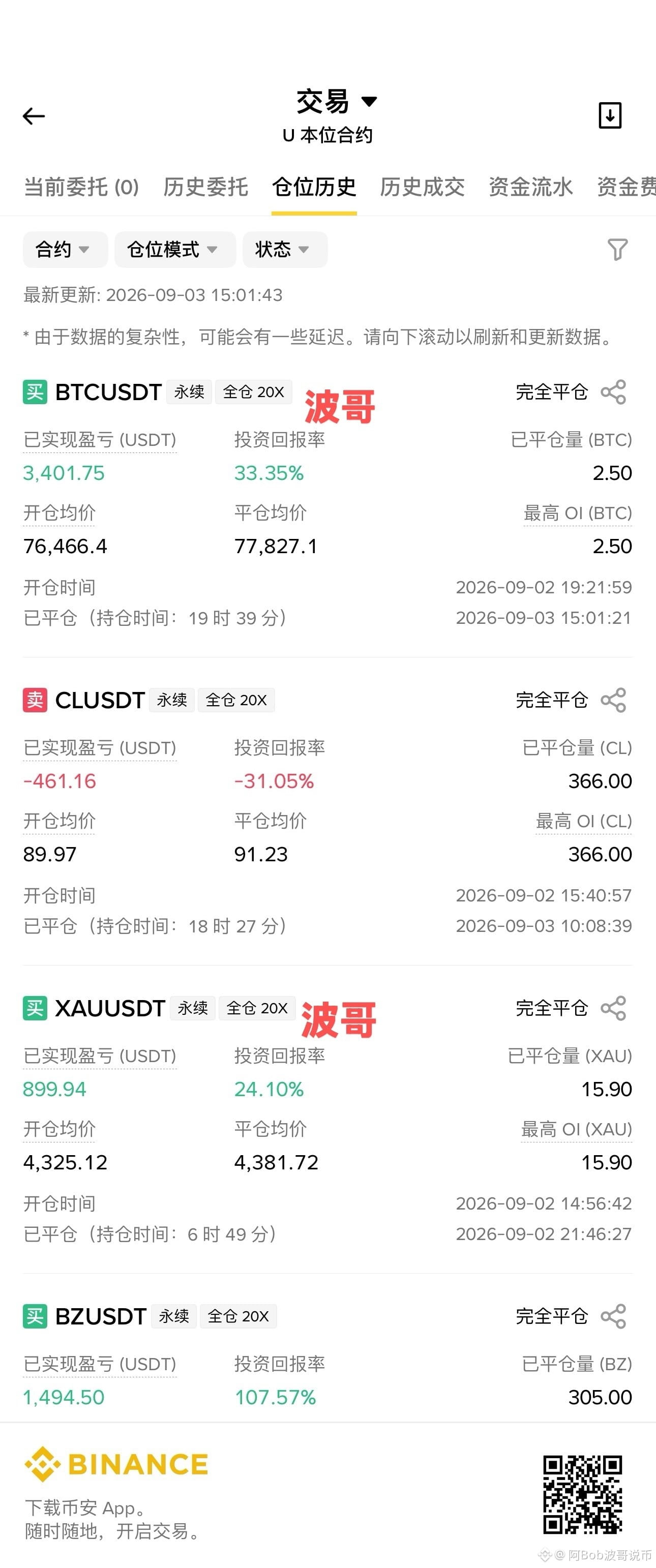
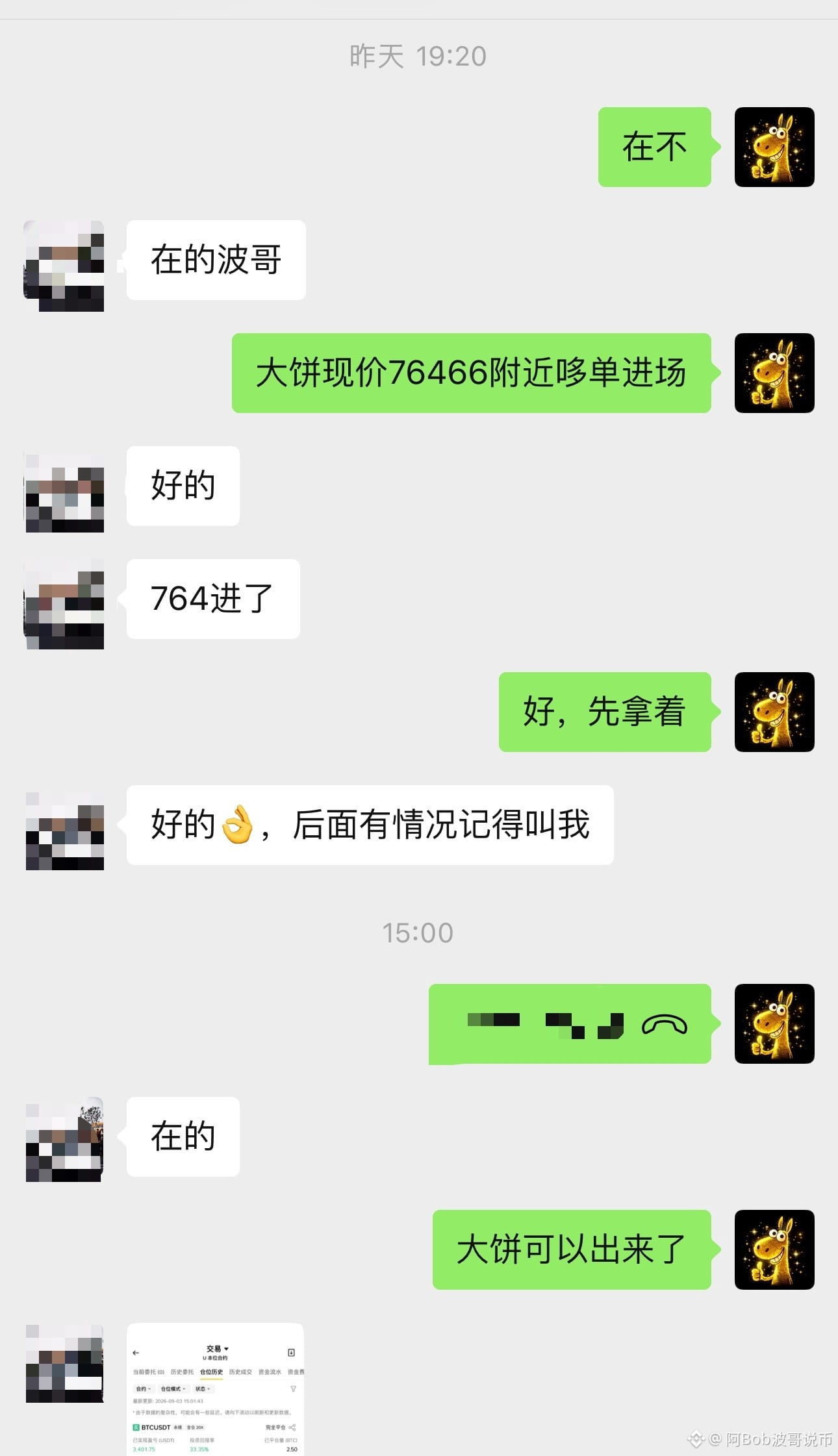
From this execution onward, once the actions are right, people change. I’ve already been watching the market; whether you can keep up depends on whether you still want to keep missing out this time.
$BTC .$SNDK .$BZ
#CLARITY法案2026年立法概率15%
When the price moves, you want to change your plan. When you see unrealized profit, you want to add more—it's all inner demons.
People who can survive in this market are not without emotions. It's when emotions surge that their hands can still follow the rules.
Decide, then act. When the time comes, close it. No matter how much it rises or falls afterward, it has nothing to do with you. Only when you dare to extinguish fantasies when your emotions run hot are you worthy of making it to the next round.
From this execution onward, once the actions are right, people change. I’ve already been watching the market; whether you can keep up depends on whether you still want to keep missing out this time.
$BTC .$SNDK .$BZ
#CLARITY法案2026年立法概率15%

From 10,000 U to 80,000 U—it's about rhythm, not luck
This market move really is perfect for rolling your position. Sideways action plus fakeouts for shorting—it's basically a “money-delivery” kind of setup. Buy the dips and sell the highs, keep the momentum by going with the trend, take profits when you should—no reckless all-ins and no stubborn holds. Just steady execution. A profit cycle every day, and the account quietly grows.
Some people ask me if I’m using insider information—no, not at all. I just understand the structure and know when to enter. When the rhythm is right and the positioning is stable, the market will naturally “pay you.” The way ETH and BTC move together has been so smooth—when they’re shaking out shorts, I add; when they rally, I exit; if there’s a pullback, I re-enter. I fully harvest the swings.
Rolling positions isn’t that mysterious. The key isn’t the market—it’s whether you have your own system. This approach is something I figured out from losses, not from “seeing it coming.” If you can understand it, you’ll get it. If you can’t, no amount of explaining helps.
Don’t ask me why I’m making money—I’m just not being chaotic right now
$ETH .$SOL .$ZEC
#美国8月ADP就业创1月来最小增幅
This market move really is perfect for rolling your position. Sideways action plus fakeouts for shorting—it's basically a “money-delivery” kind of setup. Buy the dips and sell the highs, keep the momentum by going with the trend, take profits when you should—no reckless all-ins and no stubborn holds. Just steady execution. A profit cycle every day, and the account quietly grows.
Some people ask me if I’m using insider information—no, not at all. I just understand the structure and know when to enter. When the rhythm is right and the positioning is stable, the market will naturally “pay you.” The way ETH and BTC move together has been so smooth—when they’re shaking out shorts, I add; when they rally, I exit; if there’s a pullback, I re-enter. I fully harvest the swings.
Rolling positions isn’t that mysterious. The key isn’t the market—it’s whether you have your own system. This approach is something I figured out from losses, not from “seeing it coming.” If you can understand it, you’ll get it. If you can’t, no amount of explaining helps.
Don’t ask me why I’m making money—I’m just not being chaotic right now
$ETH .$SOL .$ZEC
#美国8月ADP就业创1月来最小增幅
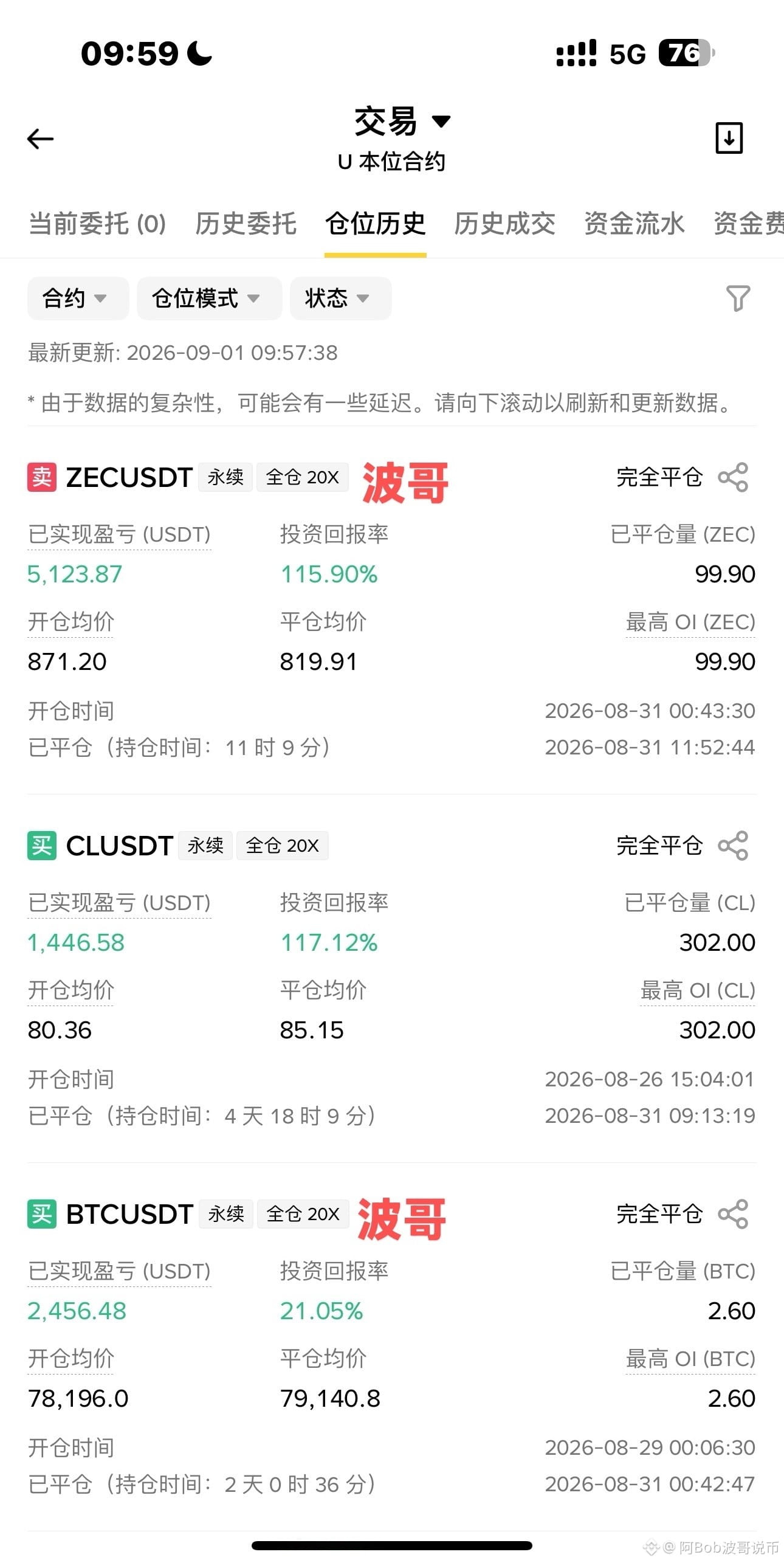
Verified
🔥 Brent once neared $100! Oil prices consolidate at high levels, but geopolitical risks are far from gone
In Thursday’s Asian session, Brent traded around $95.04, while WTI was near $90.63. During Wednesday’s trading, Brent briefly touched $97, and WTI rose as high as $92.28—both the highest levels since July 24. After three straight days of sharp gains, the market has entered a high-level consolidation phase.
⚔️ Driving force: the Iran–Iraq conflict escalates into a qualitative change
On September 1, U.S. forces for the first time directly attacked two Iranian government oil tankers, citing retaliation for an Iranian attack on commercial vessels in the Strait of Hormuz. The “oil for tankers” policy approved by Trump marks an escalation of the conflict.
Iran then retaliated on multiple fronts: firing missiles and drones at U.S. military bases in Kuwait; explosions triggered by mines affecting two oil tankers in the Strait of Hormuz; and expanding the blacklist of vessels barred from transiting the strait.
📊 Fundamentals stoke the fire
According to EIA data, U.S. commercial crude oil inventories fell by 4.45 million barrels last week, far exceeding expectations for a 1.085 million-barrel decline—marking the second consecutive week of unexpected inventory draw. Strategic petroleum reserves also dropped to 286.6 million barrels.
Kpler data shows that on Wednesday only four vessels passed through the Strait of Hormuz, while the average over the past 10 days has been about 13 vessels—traffic levels remain low.
🎯 Key resistance levels
WTI is testing a strong resistance zone at $90–$92, while Brent faces a decision zone of $94–$98. Analysts note that if WTI can break convincingly above $90–$92, it could open further upside space; if it fails, there may be a pullback risk. A sustained close above $98 for Brent would open room toward about $113.85.
📌 What to watch next?
This week’s OPEC+ meeting—expected to keep the October production policy unchanged. But given the dramatic collapse in Hormuz transit volumes, even increased output may not make up for the supply shortfall.
The Iran–Iraq conflict remains the biggest variable—each round of cycle-level momentum could be stronger than the previous one.
$BZ .$CL
#原油三日上涨后企稳
In Thursday’s Asian session, Brent traded around $95.04, while WTI was near $90.63. During Wednesday’s trading, Brent briefly touched $97, and WTI rose as high as $92.28—both the highest levels since July 24. After three straight days of sharp gains, the market has entered a high-level consolidation phase.
⚔️ Driving force: the Iran–Iraq conflict escalates into a qualitative change
On September 1, U.S. forces for the first time directly attacked two Iranian government oil tankers, citing retaliation for an Iranian attack on commercial vessels in the Strait of Hormuz. The “oil for tankers” policy approved by Trump marks an escalation of the conflict.
Iran then retaliated on multiple fronts: firing missiles and drones at U.S. military bases in Kuwait; explosions triggered by mines affecting two oil tankers in the Strait of Hormuz; and expanding the blacklist of vessels barred from transiting the strait.
📊 Fundamentals stoke the fire
According to EIA data, U.S. commercial crude oil inventories fell by 4.45 million barrels last week, far exceeding expectations for a 1.085 million-barrel decline—marking the second consecutive week of unexpected inventory draw. Strategic petroleum reserves also dropped to 286.6 million barrels.
Kpler data shows that on Wednesday only four vessels passed through the Strait of Hormuz, while the average over the past 10 days has been about 13 vessels—traffic levels remain low.
🎯 Key resistance levels
WTI is testing a strong resistance zone at $90–$92, while Brent faces a decision zone of $94–$98. Analysts note that if WTI can break convincingly above $90–$92, it could open further upside space; if it fails, there may be a pullback risk. A sustained close above $98 for Brent would open room toward about $113.85.
📌 What to watch next?
This week’s OPEC+ meeting—expected to keep the October production policy unchanged. But given the dramatic collapse in Hormuz transit volumes, even increased output may not make up for the supply shortfall.
The Iran–Iraq conflict remains the biggest variable—each round of cycle-level momentum could be stronger than the previous one.
$BZ .$CL
#原油三日上涨后企稳

From 2000U to 40,000, not gambled into—it’s built into stability.
He asked me: “We only have 2000U left—can we still save it? Can we reach 40,000 in half a year?”
I said yes, but not a single step can be messed up.
He didn’t hesitate and trusted that last 2000U. We didn’t pull any flashy moves. Step one was to dismantle the position—divide it into layers: one layer for trial and error, the second layer with the main position, the third layer for the key breakout, and the final layer left unmoved as the bottom. Just this one rule already wiped out most of the people who were recklessly trading contracts.
In the first three months, we hardly went heavy; it was all small orders to test the waters. After confirmation, we added positions accordingly. When it hit take-profit, we left—no greed, no fear of earning less. We rolled it forward steadily, slowly.
On Day 42 we reached the first target; on Day 93, we climbed to the next level; on Day 176, we hit the goal. It’s not luck. It’s stabilizing your mind and your hands—then you can roll it out.
Many people ask if this strategy can be replicated. Yes, it can—but most people can’t stick with it. Because it’s too against human nature. They don’t want to earn slowly, they don’t want quick money, and they don’t want to wait for more than one trade to double—it’s hard to endure.
If you really are scared because you’ve been losing, and you only have a last breath left—I’m willing to teach you once. How to enter, how to split the position, and how to control the tempo—I’ll explain it. If you get it, you get it @阿Bob波哥说币
$BTC .$ETH .$XAU
#CLARITY法案2026年立法概率15%
He asked me: “We only have 2000U left—can we still save it? Can we reach 40,000 in half a year?”
I said yes, but not a single step can be messed up.
He didn’t hesitate and trusted that last 2000U. We didn’t pull any flashy moves. Step one was to dismantle the position—divide it into layers: one layer for trial and error, the second layer with the main position, the third layer for the key breakout, and the final layer left unmoved as the bottom. Just this one rule already wiped out most of the people who were recklessly trading contracts.
In the first three months, we hardly went heavy; it was all small orders to test the waters. After confirmation, we added positions accordingly. When it hit take-profit, we left—no greed, no fear of earning less. We rolled it forward steadily, slowly.
On Day 42 we reached the first target; on Day 93, we climbed to the next level; on Day 176, we hit the goal. It’s not luck. It’s stabilizing your mind and your hands—then you can roll it out.
Many people ask if this strategy can be replicated. Yes, it can—but most people can’t stick with it. Because it’s too against human nature. They don’t want to earn slowly, they don’t want quick money, and they don’t want to wait for more than one trade to double—it’s hard to endure.
If you really are scared because you’ve been losing, and you only have a last breath left—I’m willing to teach you once. How to enter, how to split the position, and how to control the tempo—I’ll explain it. If you get it, you get it @阿Bob波哥说币
$BTC .$ETH .$XAU
#CLARITY法案2026年立法概率15%
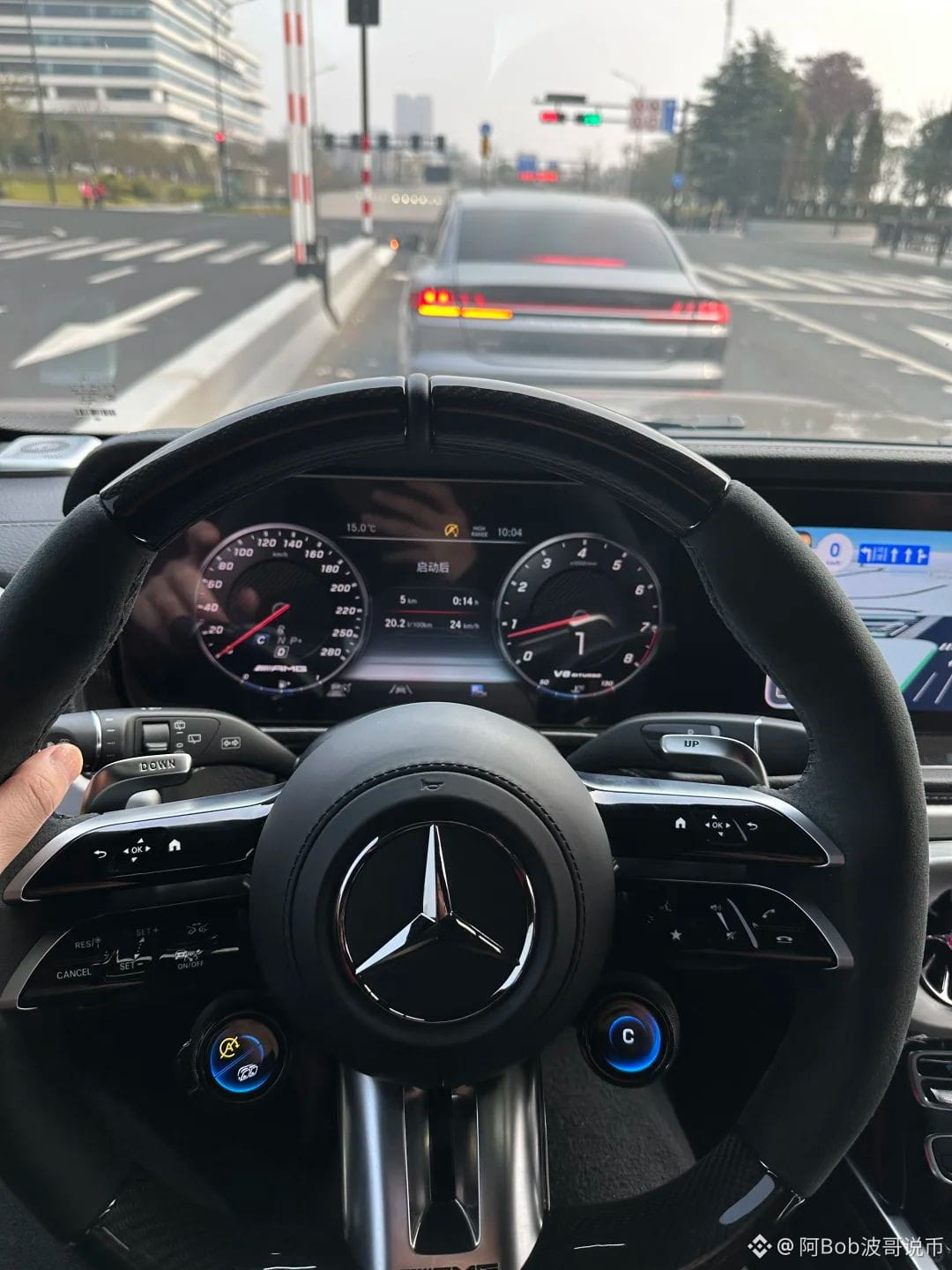
After staying in the crypto circle for a while, you’ll find that most people care about “how much they can make,” yet very few ask “what happens when they lose.”
After hearing too many stories about doubling, it’s easy to overlook one thing—that some money you lose won’t affect your life, while other money you lose can affect you for years.
In investing, the greatest risk is never missing an opportunity—it’s staking on a chance by paying a cost you can’t afford.
Ten years from now, some people truly have changed their lives through investing. Others, because of one wrong decision, never recover for ten years.
Before entering, think clearly: how much can this money lose at most? Only when your principal is secure and your life is stable do you have the right to wait for the next opportunity. Making money matters—but don’t, just for money, block the road to the next ten years. @阿Bob波哥说币
#以太坊XRPETF连涨终结
After hearing too many stories about doubling, it’s easy to overlook one thing—that some money you lose won’t affect your life, while other money you lose can affect you for years.
In investing, the greatest risk is never missing an opportunity—it’s staking on a chance by paying a cost you can’t afford.
Ten years from now, some people truly have changed their lives through investing. Others, because of one wrong decision, never recover for ten years.
Before entering, think clearly: how much can this money lose at most? Only when your principal is secure and your life is stable do you have the right to wait for the next opportunity. Making money matters—but don’t, just for money, block the road to the next ten years. @阿Bob波哥说币
#以太坊XRPETF连涨终结
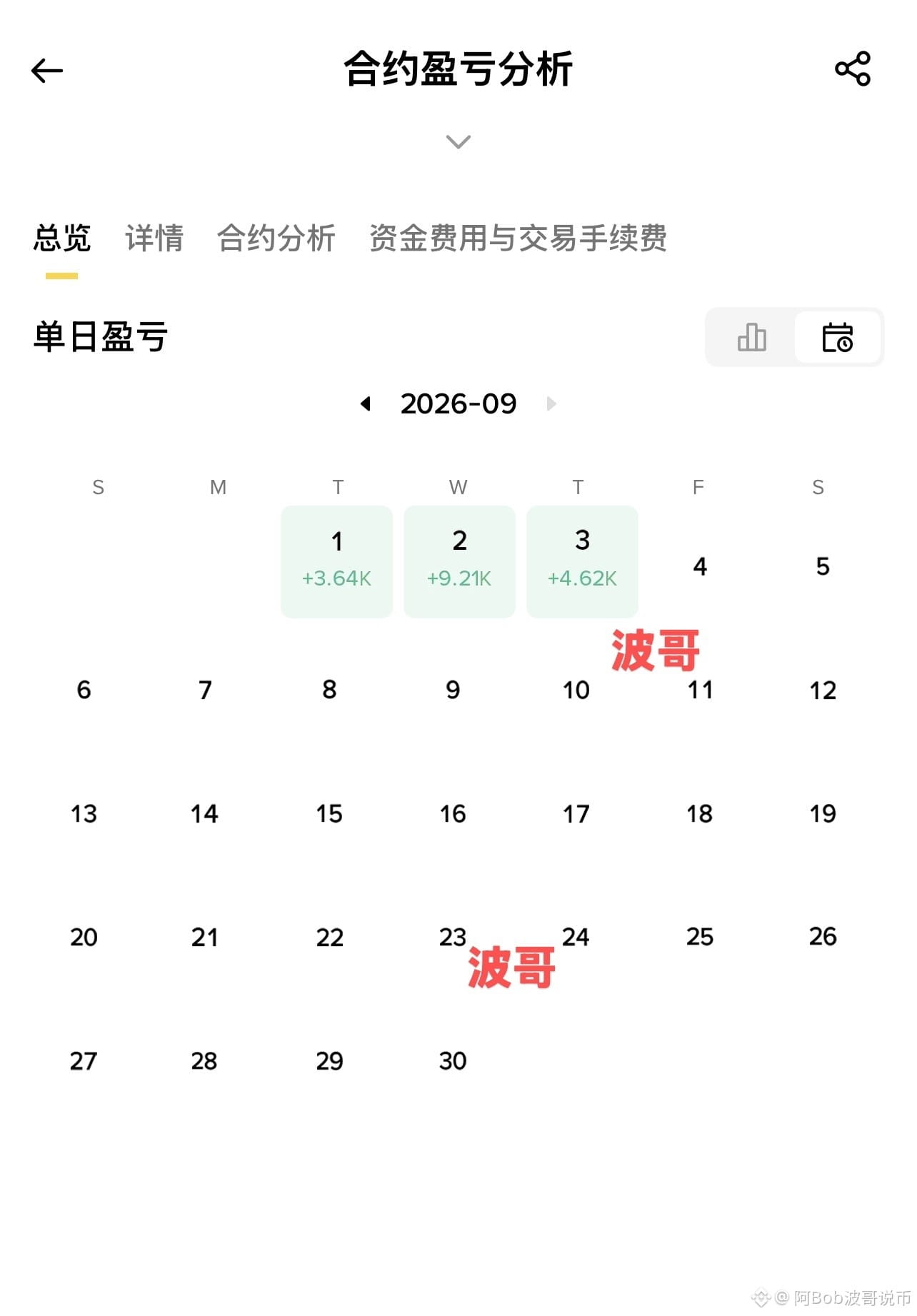
What’s the first thing you do after you lose money?
I once asked someone and they said they lost because they didn’t get the direction right. I followed up: then how can you be sure you’ll get the next one right? He couldn’t answer.
After most people lose money, their first reaction is to find the next trade to earn it back. Very few stop to figure out exactly what they did wrong in the first place. The result is that this trade is a loss, and the next one is also a loss, for the same reason.
I have a habit: I record every loss—when I entered, why I bought, whether I followed the plan, and whether I chased it because I was afraid of missing out.
$CL
When I first started reviewing, I didn’t want to admit it was my problem either. I kept thinking the market was targeting me. Later, after seeing more, I realized that most losses aren’t really because the direction was wrong at all—they’re because of impulse. I entered without signals, and I added positions without a plan.
$ETH
Losing once isn’t scary. What’s scary is repeatedly making the same mistake. Real progress isn’t about how much money you make—it’s that after you’ve lost, you’re steadier than you were before.
$SNDK
#以太坊XRPETF连涨终结
I once asked someone and they said they lost because they didn’t get the direction right. I followed up: then how can you be sure you’ll get the next one right? He couldn’t answer.
After most people lose money, their first reaction is to find the next trade to earn it back. Very few stop to figure out exactly what they did wrong in the first place. The result is that this trade is a loss, and the next one is also a loss, for the same reason.
I have a habit: I record every loss—when I entered, why I bought, whether I followed the plan, and whether I chased it because I was afraid of missing out.
$CL
When I first started reviewing, I didn’t want to admit it was my problem either. I kept thinking the market was targeting me. Later, after seeing more, I realized that most losses aren’t really because the direction was wrong at all—they’re because of impulse. I entered without signals, and I added positions without a plan.
$ETH
Losing once isn’t scary. What’s scary is repeatedly making the same mistake. Real progress isn’t about how much money you make—it’s that after you’ve lost, you’re steadier than you were before.
$SNDK
#以太坊XRPETF连涨终结
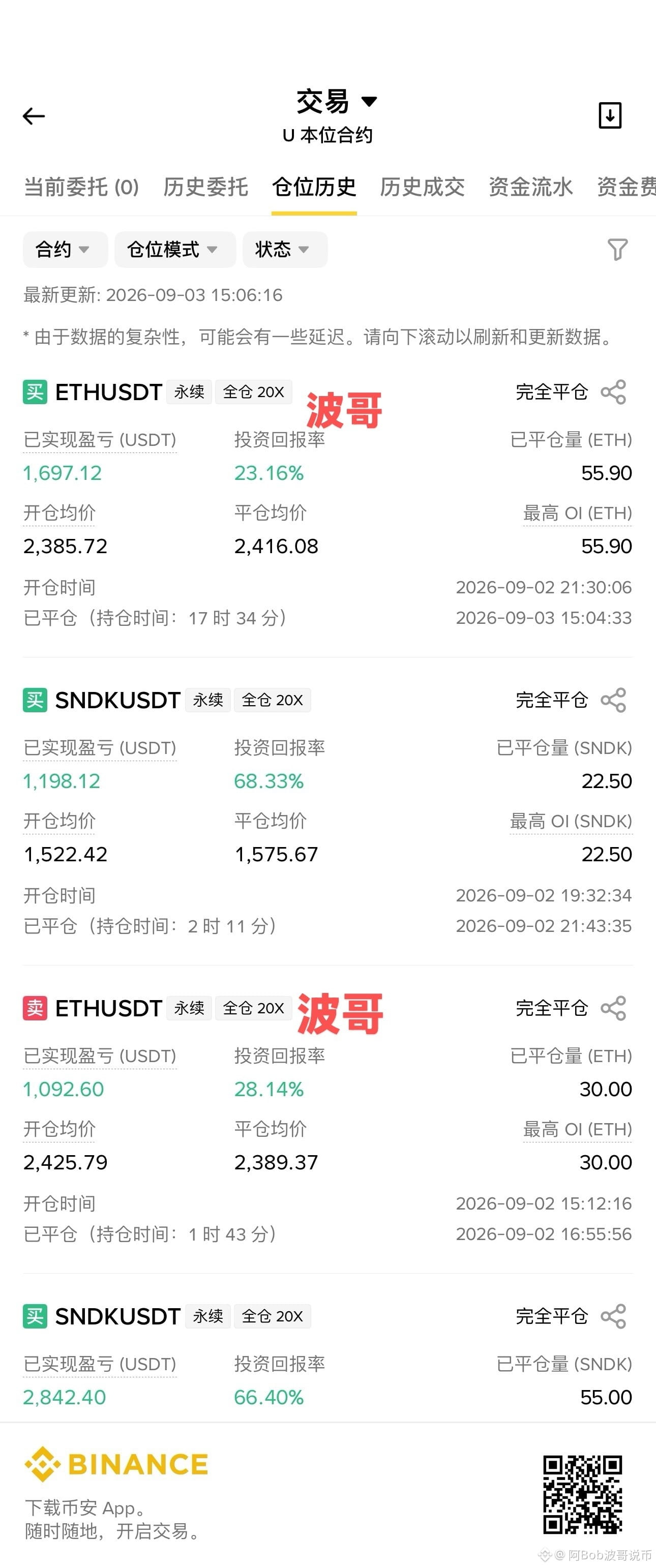
When you enter without fully figuring out both the target entry point and the stop-loss level, then this trade is essentially a bet.
If you make a profit, you don’t know when to exit; if you lose, you don’t know whether to hold. You’re just propping it up on instinct. Instinct—out there in the market—is the least reliable thing.
First, set the rules, then place the trade. When the target is reached, you exit. When the stop-loss is hit, you cut. In between, you don’t second-guess or ignore the plan. Price goes up and down—that’s normal. As long as the logic hasn’t broken, you hold steady. Don’t get startled and reactive.
Not exiting when you should is because there was no plan. Not holding what you should hold is also because there was no plan. Write out every step clearly—have reasons for both entry and exit. Once execution is solid, your mindset will naturally stay stable. Not many people can do this, so not many people end up making money.
Whether you’re currently losing, confused, or unable to read the market, as long as you don’t just blindly push trades, and you follow Boss Bo’s rhythm, I can help you live steadily and earn slowly.@阿Bob波哥说币
$BTC .$CL .$XAU
#CFTC请求驳回CME永续合约诉讼
If you make a profit, you don’t know when to exit; if you lose, you don’t know whether to hold. You’re just propping it up on instinct. Instinct—out there in the market—is the least reliable thing.
First, set the rules, then place the trade. When the target is reached, you exit. When the stop-loss is hit, you cut. In between, you don’t second-guess or ignore the plan. Price goes up and down—that’s normal. As long as the logic hasn’t broken, you hold steady. Don’t get startled and reactive.
Not exiting when you should is because there was no plan. Not holding what you should hold is also because there was no plan. Write out every step clearly—have reasons for both entry and exit. Once execution is solid, your mindset will naturally stay stable. Not many people can do this, so not many people end up making money.
Whether you’re currently losing, confused, or unable to read the market, as long as you don’t just blindly push trades, and you follow Boss Bo’s rhythm, I can help you live steadily and earn slowly.@阿Bob波哥说币
$BTC .$CL .$XAU
#CFTC请求驳回CME永续合约诉讼
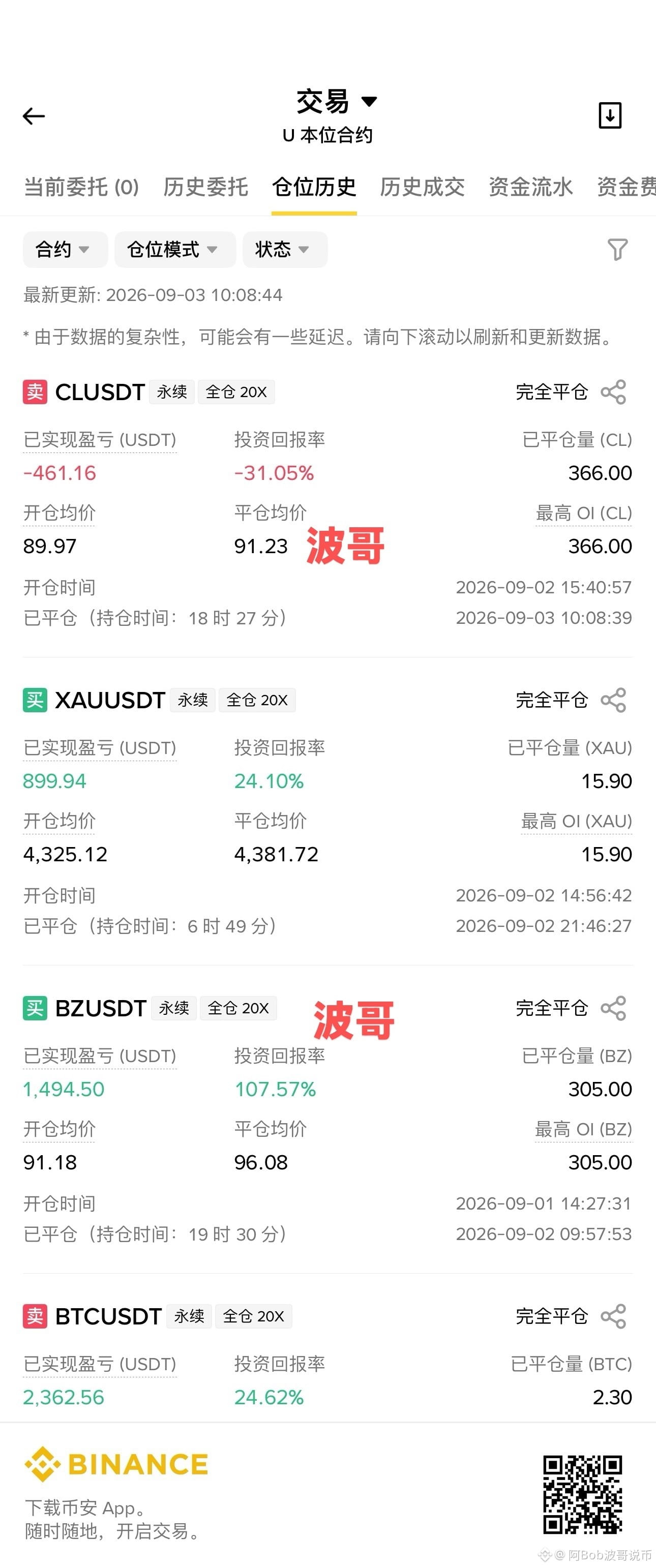
Wash-and-dump and distribution—if you can’t tell the difference, no matter which way the market goes you’ll end up losing.
Many people die inside a wash-and-dump. They don’t get the direction wrong—then a single bearish candle slams down and they panic. After they’ve cut their position, they look again and the price has already bounced back. It’s not that they misjudged; it’s that their emotions were being led around by the candlesticks.
A wash-and-dump comes on fast. The candles look fierce, but the volume doesn’t follow through. The big money hasn’t left—it just wants to clear out the floating shares.
Distribution is different. Distribution moves more slowly. The candles grind you down, but the volume keeps building. Price doesn’t swing much, yet trading is quietly stacking up—shares are rotating hands.
Before entering, look at your position—where you are in the bigger picture—more important than reading the candlesticks. In a low zone, a sudden selloff on rising volume: stabilize first, don’t rush to exit. In a high zone, stalled highs on rising volume: don’t chase right away—first check whether this is actually distribution.
Only those who can hold through a wash-and-dump can capture the trend. If you can’t tell the difference, you’ll get beaten at both ends. If you can’t read it clearly, step back first and then act once the structure is clear.
If you want to learn how to stay steady during a wash-and-dump and how to get out before distribution starts, come chat with BoGe at @阿Bob波哥说币 #原油三日上涨后企稳
Many people die inside a wash-and-dump. They don’t get the direction wrong—then a single bearish candle slams down and they panic. After they’ve cut their position, they look again and the price has already bounced back. It’s not that they misjudged; it’s that their emotions were being led around by the candlesticks.
A wash-and-dump comes on fast. The candles look fierce, but the volume doesn’t follow through. The big money hasn’t left—it just wants to clear out the floating shares.
Distribution is different. Distribution moves more slowly. The candles grind you down, but the volume keeps building. Price doesn’t swing much, yet trading is quietly stacking up—shares are rotating hands.
Before entering, look at your position—where you are in the bigger picture—more important than reading the candlesticks. In a low zone, a sudden selloff on rising volume: stabilize first, don’t rush to exit. In a high zone, stalled highs on rising volume: don’t chase right away—first check whether this is actually distribution.
Only those who can hold through a wash-and-dump can capture the trend. If you can’t tell the difference, you’ll get beaten at both ends. If you can’t read it clearly, step back first and then act once the structure is clear.
If you want to learn how to stay steady during a wash-and-dump and how to get out before distribution starts, come chat with BoGe at @阿Bob波哥说币 #原油三日上涨后企稳
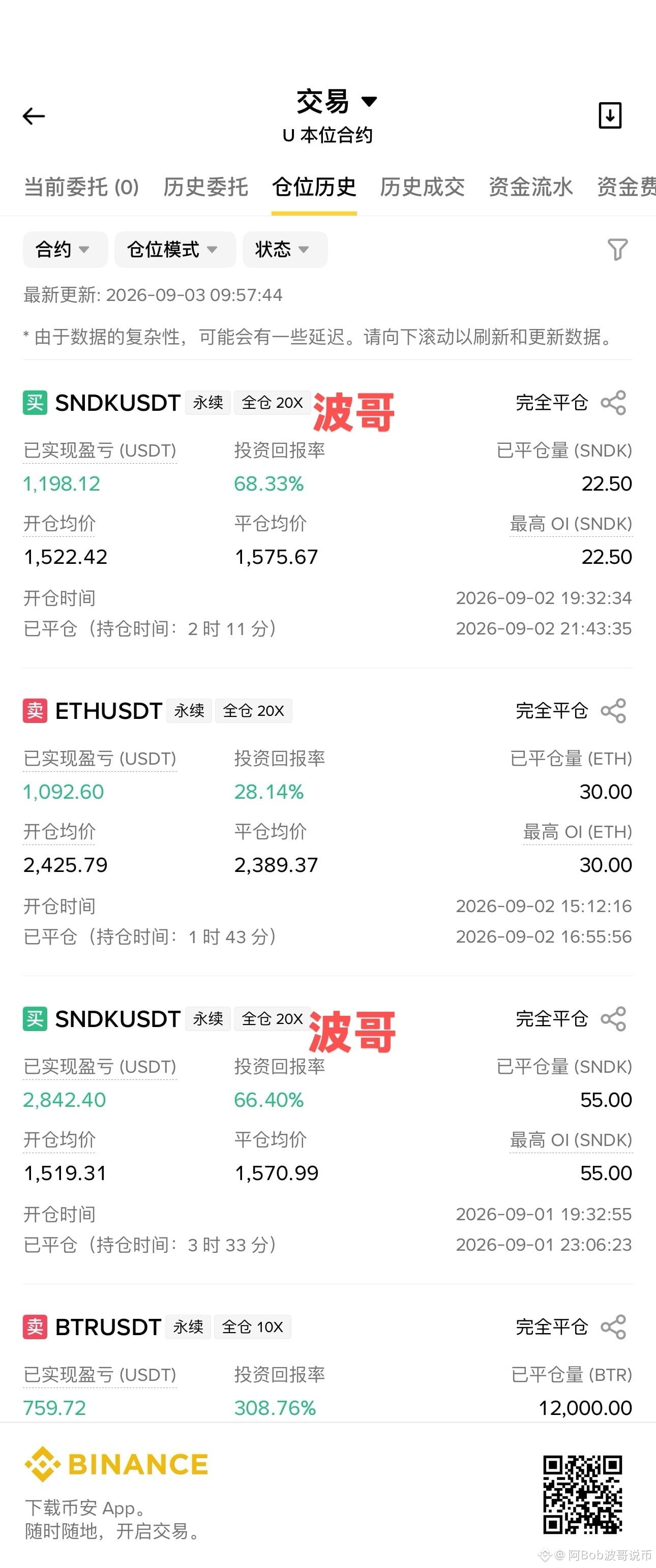
Opening an order isn’t hard—the difficulty is making it through every subsequent step according to the rules—when you should take something, you can hold your nerve; when you should exit, you don’t hesitate.
If the direction is right, dare to hold the position. If the direction is wrong, recognize it and act the first time.
Many people aren’t unable to understand the market—they just can’t control themselves. You can’t hold profitable trades, you stubbornly hold losing trades until the end, and you keep back-and-forth trading until the account is wiped out.
Set the rules clearly: before entering each trade, decide in advance where your stop-loss will be. When it hits, you exit. Take profits in batches—you don’t expect to sell at the very top. Control your position size, control your trading frequency, control your emotions—get these three things right, and making money becomes a byproduct.
Repeating simple things correctly is more useful than learning a hundred complicated strategies.
If you’re still confused and don’t have a clear direction, feel free to see how I do it.@阿Bob波哥说币
#CLARITY法案2026年立法概率15%
#美国10年期美债收益率触及2023年11月来最高
If the direction is right, dare to hold the position. If the direction is wrong, recognize it and act the first time.
Many people aren’t unable to understand the market—they just can’t control themselves. You can’t hold profitable trades, you stubbornly hold losing trades until the end, and you keep back-and-forth trading until the account is wiped out.
Set the rules clearly: before entering each trade, decide in advance where your stop-loss will be. When it hits, you exit. Take profits in batches—you don’t expect to sell at the very top. Control your position size, control your trading frequency, control your emotions—get these three things right, and making money becomes a byproduct.
Repeating simple things correctly is more useful than learning a hundred complicated strategies.
If you’re still confused and don’t have a clear direction, feel free to see how I do it.@阿Bob波哥说币
#CLARITY法案2026年立法概率15%
#美国10年期美债收益率触及2023年11月来最高
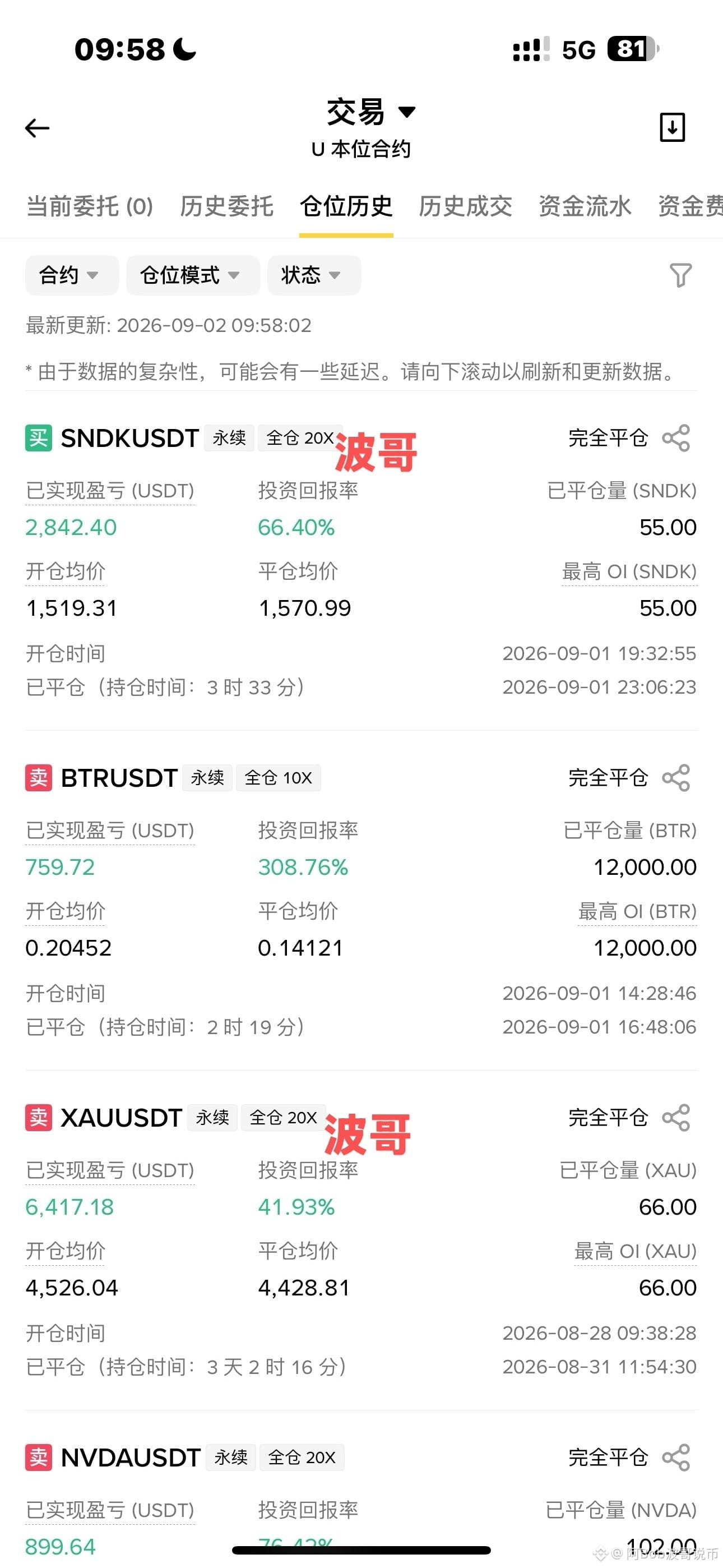
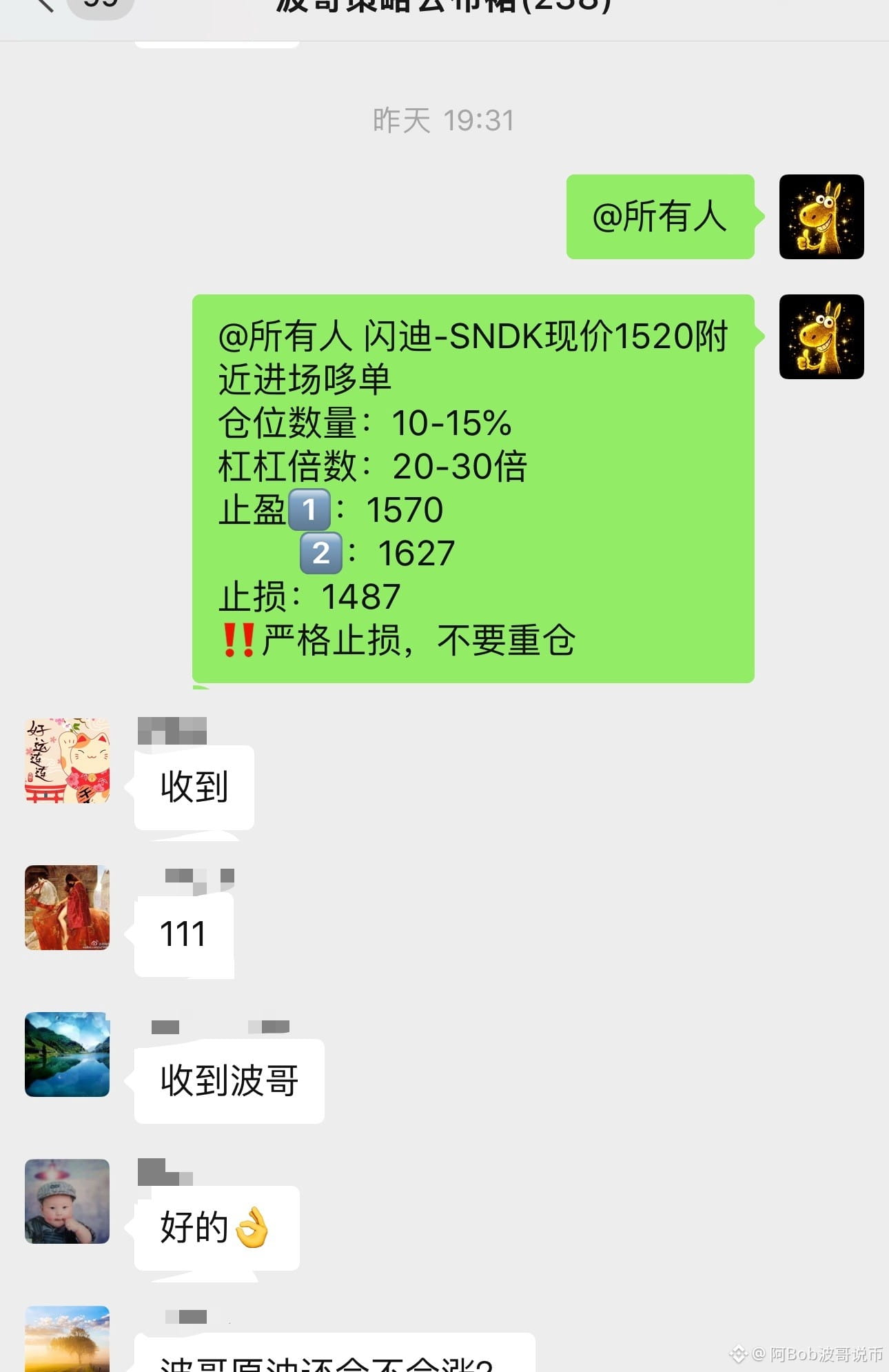

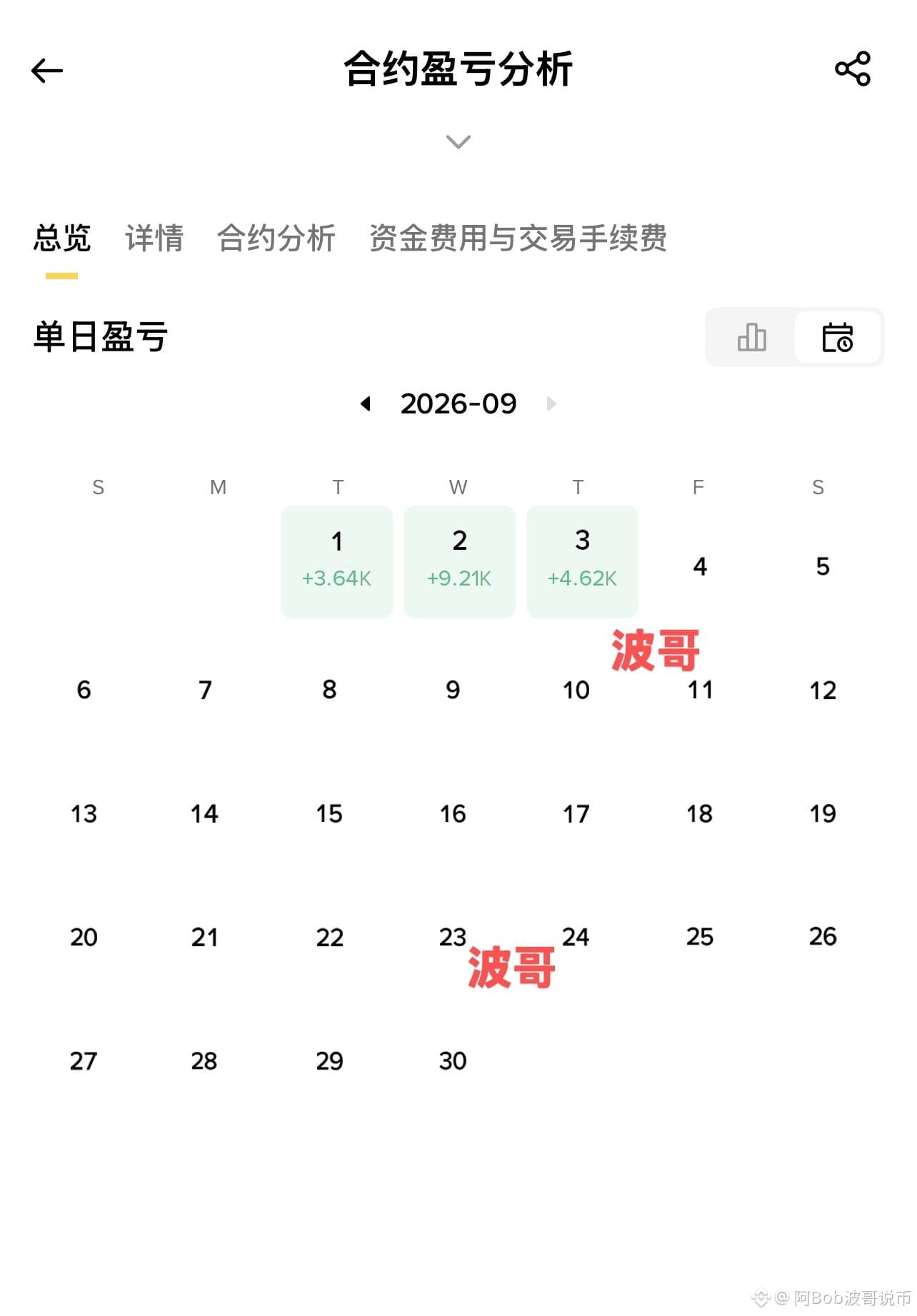
To avoid every risk, just do nothing—then your account is the safest. But trading has never been a place for safety. If you’re afraid of losing money, you often can’t even find the door to make money.
Before entering every trade, there’s uncertainty. But this uncertainty itself is a source of profit. Only those willing to take risks have the right to talk about returns. If you won’t reach out, then no matter how good the market is, it has nothing to do with you.
The market isn’t short of opportunities—what’s lacking is whether you dare to take them when they appear. Those who have always watched other people profit haven’t missed opportunities; instead, every time, they chose to stand outside the arena.
If you still don’t know what direction to take right now—watching the market but not sure whether to act—why not take a step and try? I’ve been walking this path, and my thinking has been there as well. As long as you want to follow, I’m here anytime.
Want to learn how to dare to act in the face of risk—and how to keep losses under control? Come chat with Boge. @阿Bob波哥说币
#CLARITY法案2026年立法概率15%
Before entering every trade, there’s uncertainty. But this uncertainty itself is a source of profit. Only those willing to take risks have the right to talk about returns. If you won’t reach out, then no matter how good the market is, it has nothing to do with you.
The market isn’t short of opportunities—what’s lacking is whether you dare to take them when they appear. Those who have always watched other people profit haven’t missed opportunities; instead, every time, they chose to stand outside the arena.
If you still don’t know what direction to take right now—watching the market but not sure whether to act—why not take a step and try? I’ve been walking this path, and my thinking has been there as well. As long as you want to follow, I’m here anytime.
Want to learn how to dare to act in the face of risk—and how to keep losses under control? Come chat with Boge. @阿Bob波哥说币
#CLARITY法案2026年立法概率15%
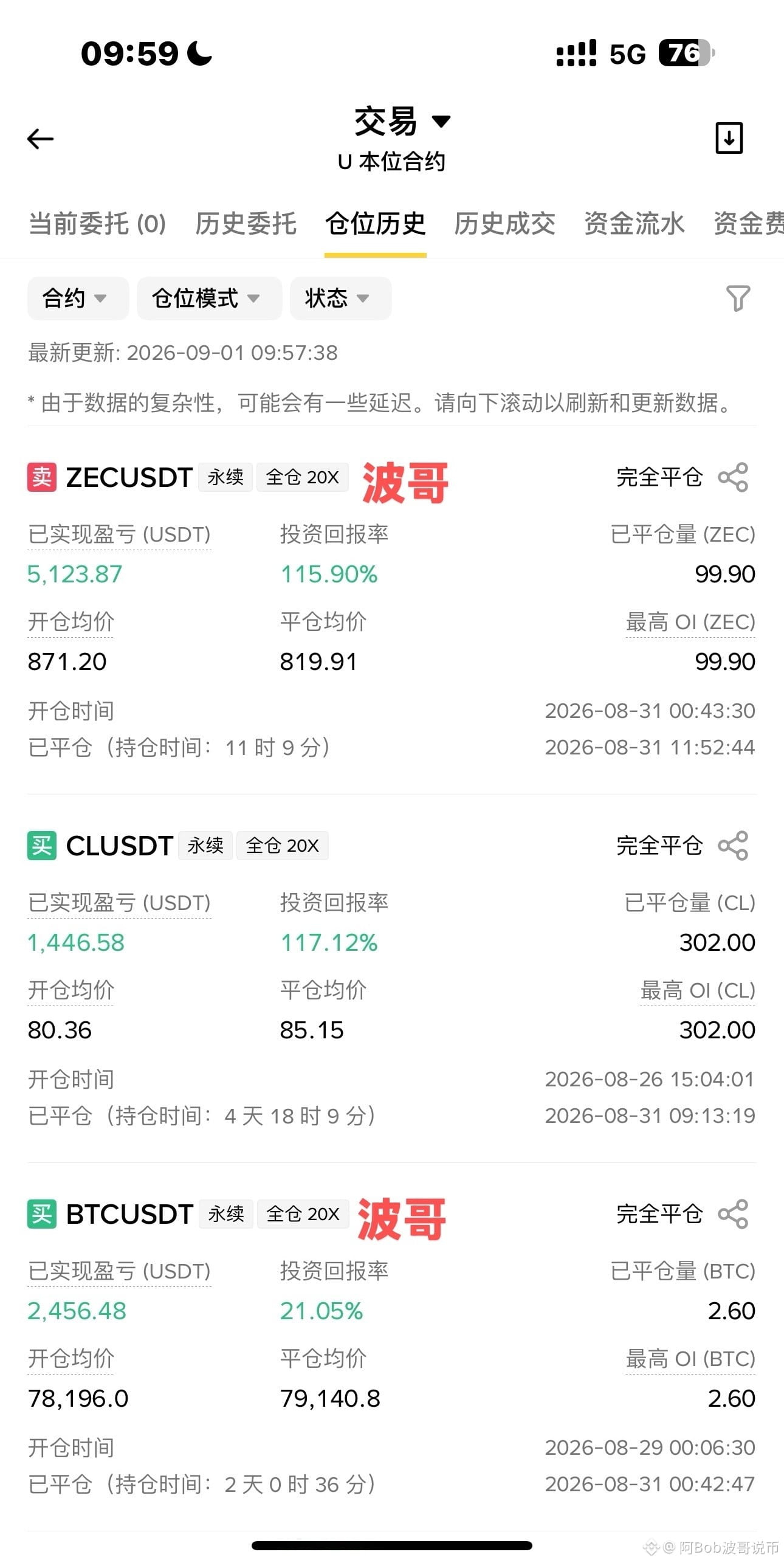
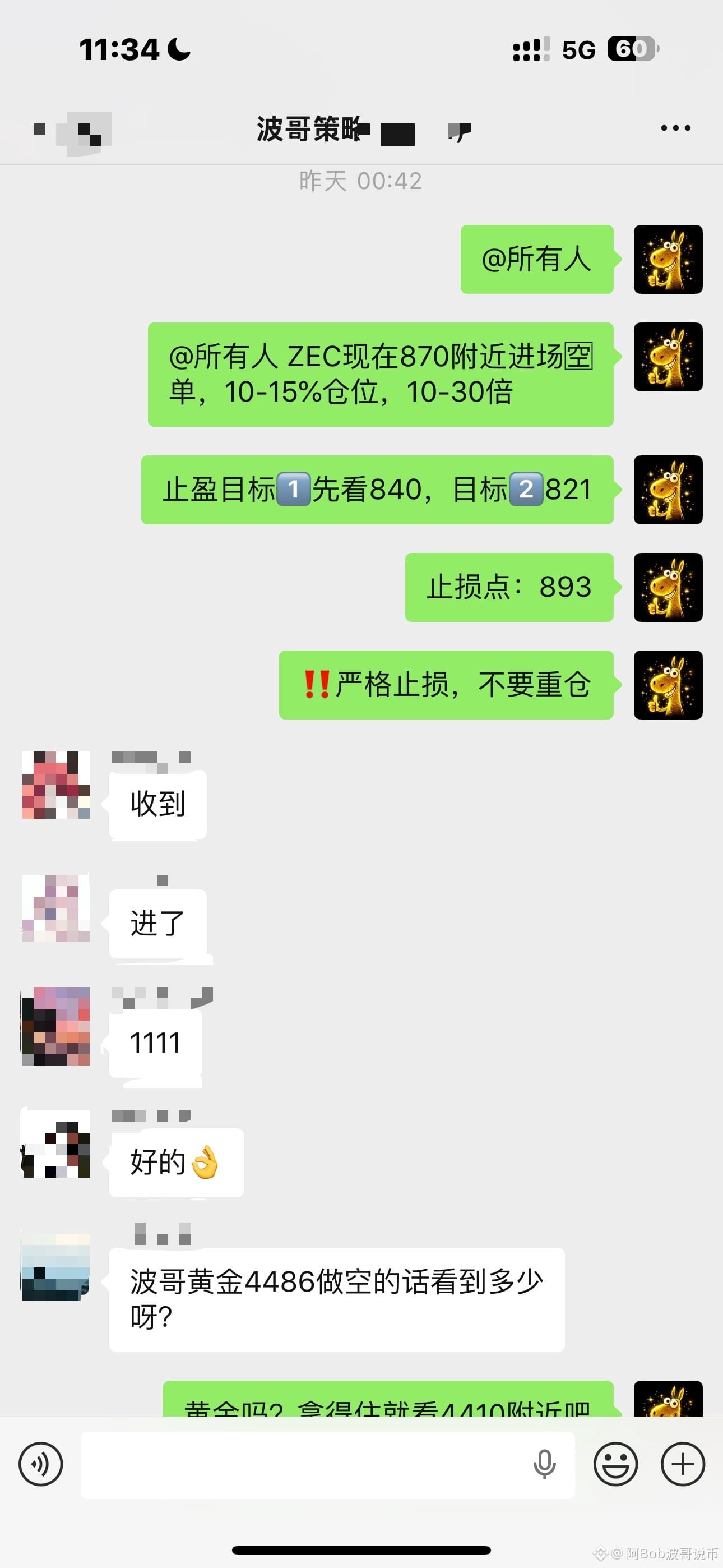

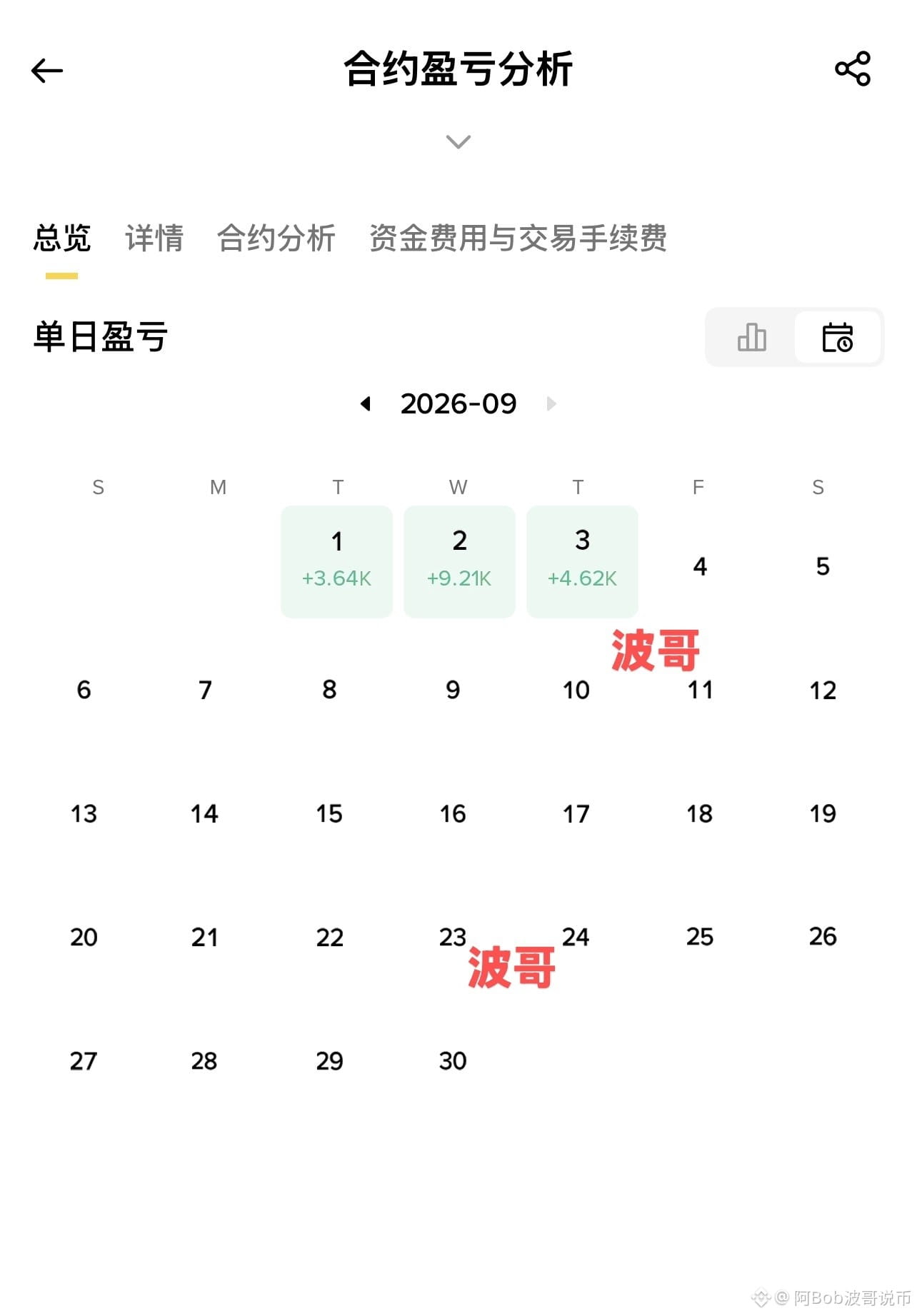
Cycle analysis is the most reliable method I’ve used.
First, look at the 4-hour chart to set the big direction—if it’s an uptrend, only look for longs; if it’s a downtrend, only look for shorts; if it’s ranging, skip it altogether. Once the direction is set, use the 1-hour chart to find support and resistance levels and key moving-average reference points.
Then on the last 15 minutes, wait for the entry signal. Only take action when price and volume are aligned.
Only trade when all three cycle logics match. If even one doesn’t line up, wait. This framework helps me filter out a lot of unproductive market noise, and that’s why my win rate improves—it reduces the number of times I act impulsively.
I only trade when direction, positioning, and signals all line up. If any piece is missing, I don’t move. Execute this process repeatedly, and the traps naturally get avoided. Want to learn a steadier, more controlled style? Come chat with BoGe.
First, look at the 4-hour chart to set the big direction—if it’s an uptrend, only look for longs; if it’s a downtrend, only look for shorts; if it’s ranging, skip it altogether. Once the direction is set, use the 1-hour chart to find support and resistance levels and key moving-average reference points.
Then on the last 15 minutes, wait for the entry signal. Only take action when price and volume are aligned.
Only trade when all three cycle logics match. If even one doesn’t line up, wait. This framework helps me filter out a lot of unproductive market noise, and that’s why my win rate improves—it reduces the number of times I act impulsively.
I only trade when direction, positioning, and signals all line up. If any piece is missing, I don’t move. Execute this process repeatedly, and the traps naturally get avoided. Want to learn a steadier, more controlled style? Come chat with BoGe.

Log in to explore more content