
Eaglesky
53 Posts

Eaglesky
Report
Block User
Passionate about cryptocurrencies, wisignificant experience using Binance. Constantly learning and staying updated on crypto developments and market trends.

#BinanceTurns7
Open Trade

DOGE Holder
High-Frequency Trader
6.2 Years
13 Following
21 Followers
49 Liked
1 Badges
Posts
Portfolio
All
Quotes
·
--
Binance Market Update: 24h Leaders and Meme-Coin MomentumBinance market update — a data-led snapshot of the strongest USDT pairs over the past 24 hours.
Top 24h gainers:
$SYN: +158.78% in 24h, last price 0.20708 USDT, 24h volume 33,883,803 USDT
$LSK: +70.10% in 24h, last price 0.6508 USDT, 24h volume 53,252,738 USDT
Meme-coin momentum watchlist, ranked by 24h USDT volume:
$DOGE: -3.32% in 24h, last price 0.07997 USDT, 24h volume 67,541,567 USDT
The gainers list is ranked by reported 24-hour price change. The meme-coin list is a watchlist ranked by current USDT volume, with price performance used as a tie-breaker. Volatility can change quickly, so this is market commentary rather than financial advice. Do your own research before trading.
#crypto #Binance #Bitcoin #altcoins
Binance Market Update: 24h Leaders and Meme-Coin Momentum
Binance market update — a data-led snapshot of the strongest USDT pairs over the past 24 hours.
Top 24h gainers:
$SYN : +158.78% in 24h, last price 0.20708 USDT, 24h volume 33,883,803 USDT
$LSK : +70.10% in 24h, last price 0.6508 USDT, 24h volume 53,252,738 USDT
Meme-coin momentum watchlist, ranked by 24h USDT volume:
$DOGE : -3.32% in 24h, last price 0.07997 USDT, 24h volume 67,541,567 USDT
The gainers list is ranked by reported 24-hour price change. The meme-coin list is a watchlist ranked by current USDT volume, with price performance used as a tie-breaker. Volatility can change quickly, so this is market commentary rather than financial advice. Do your own research before trading.
#crypto #Binance #Bitcoin #altcoins
Top 24h gainers:
$SYN : +158.78% in 24h, last price 0.20708 USDT, 24h volume 33,883,803 USDT
$LSK : +70.10% in 24h, last price 0.6508 USDT, 24h volume 53,252,738 USDT
Meme-coin momentum watchlist, ranked by 24h USDT volume:
$DOGE : -3.32% in 24h, last price 0.07997 USDT, 24h volume 67,541,567 USDT
The gainers list is ranked by reported 24-hour price change. The meme-coin list is a watchlist ranked by current USDT volume, with price performance used as a tie-breaker. Volatility can change quickly, so this is market commentary rather than financial advice. Do your own research before trading.
#crypto #Binance #Bitcoin #altcoins
213
·
--

Article
Digital Sovereign InfrastructureDigital Sovereign Infrastructure (#signdigitalsovereigninfra) represents a transformative approach to national digital strategy, enabling countries to fully control their critical technology and data ecosystems. Unlike conventional reliance on foreign cloud providers or international platforms, sovereign infrastructure gives governments autonomy over digital operations, ensuring that sensitive information, public services, and economic systems remain secure and under domestic oversight. In an era of growing cyber threats, data privacy concerns, and global political tension, this self-reliant approach is increasingly seen as essential for national resilience.
At its foundation, sovereign digital infrastructure integrates multiple core elements: national digital identity systems, secure cloud and data storage, local payment networks, and interconnected public services. These systems collectively allow a country to maintain oversight and governance over all critical digital processes. For citizens, this means safer and more efficient access to government services, while for organizations, it ensures that proprietary data is managed according to national standards, free from foreign interference or control.
Cybersecurity is one of the most compelling reasons for adopting a sovereign approach. By designing infrastructure in-house or under national supervision, governments can implement strong encryption, advanced authentication, and continuous monitoring, minimizing exposure to vulnerabilities inherent in externally managed systems. Transparent oversight mechanisms further strengthen trust among citizens and businesses, ensuring accountability and operational reliability. This level of control also allows rapid response to emerging cyber threats, enabling countries to act decisively without depending on external entities.
Equally important is the economic and technological dimension. Sovereign infrastructure stimulates local innovation and technological development, supporting domestic tech industries, startups, and research initiatives. By creating national capabilities in cloud computing, software development, and data analytics, countries reduce dependency on global technology providers, enhancing economic self-sufficiency and creating skilled employment opportunities. Businesses benefit from platforms that are compliant with national regulations, reliable, and optimized for local needs, giving them a competitive advantage in both domestic and international markets.
Global connectivity and interoperability are also considered. While sovereignty emphasizes control, modern frameworks encourage compatibility with international standards. This balance allows countries to participate in global digital commerce, adhere to international cybersecurity protocols, and share innovations across borders, without compromising their autonomy or security.
Ultimately, #signdigitalsovereigninfra is a strategic investment in security, efficiency, and national sovereignty. It enables governments to protect citizens’ data, foster innovation, and maintain resilient digital systems in the face of technological disruption or geopolitical risk. By prioritizing the development of domestic digital infrastructure, countries position themselves to navigate the complexities of the modern digital landscape confidently, ensuring that they remain secure, competitive, and independent.
#signdigitalsovereigninfra $SIGN
{spot}(SIGNUSDT)
Digital Sovereign Infrastructure
Digital Sovereign Infrastructure (#signdigitalsovereigninfra) represents a transformative approach to national digital strategy, enabling countries to fully control their critical technology and data ecosystems. Unlike conventional reliance on foreign cloud providers or international platforms, sovereign infrastructure gives governments autonomy over digital operations, ensuring that sensitive information, public services, and economic systems remain secure and under domestic oversight. In an era of growing cyber threats, data privacy concerns, and global political tension, this self-reliant approach is increasingly seen as essential for national resilience.
At its foundation, sovereign digital infrastructure integrates multiple core elements: national digital identity systems, secure cloud and data storage, local payment networks, and interconnected public services. These systems collectively allow a country to maintain oversight and governance over all critical digital processes. For citizens, this means safer and more efficient access to government services, while for organizations, it ensures that proprietary data is managed according to national standards, free from foreign interference or control.
Cybersecurity is one of the most compelling reasons for adopting a sovereign approach. By designing infrastructure in-house or under national supervision, governments can implement strong encryption, advanced authentication, and continuous monitoring, minimizing exposure to vulnerabilities inherent in externally managed systems. Transparent oversight mechanisms further strengthen trust among citizens and businesses, ensuring accountability and operational reliability. This level of control also allows rapid response to emerging cyber threats, enabling countries to act decisively without depending on external entities.
Equally important is the economic and technological dimension. Sovereign infrastructure stimulates local innovation and technological development, supporting domestic tech industries, startups, and research initiatives. By creating national capabilities in cloud computing, software development, and data analytics, countries reduce dependency on global technology providers, enhancing economic self-sufficiency and creating skilled employment opportunities. Businesses benefit from platforms that are compliant with national regulations, reliable, and optimized for local needs, giving them a competitive advantage in both domestic and international markets.
Global connectivity and interoperability are also considered. While sovereignty emphasizes control, modern frameworks encourage compatibility with international standards. This balance allows countries to participate in global digital commerce, adhere to international cybersecurity protocols, and share innovations across borders, without compromising their autonomy or security.
Ultimately, #signdigitalsovereigninfra is a strategic investment in security, efficiency, and national sovereignty. It enables governments to protect citizens’ data, foster innovation, and maintain resilient digital systems in the face of technological disruption or geopolitical risk. By prioritizing the development of domestic digital infrastructure, countries position themselves to navigate the complexities of the modern digital landscape confidently, ensuring that they remain secure, competitive, and independent.
#signdigitalsovereigninfra $SIGN
At its foundation, sovereign digital infrastructure integrates multiple core elements: national digital identity systems, secure cloud and data storage, local payment networks, and interconnected public services. These systems collectively allow a country to maintain oversight and governance over all critical digital processes. For citizens, this means safer and more efficient access to government services, while for organizations, it ensures that proprietary data is managed according to national standards, free from foreign interference or control.
Cybersecurity is one of the most compelling reasons for adopting a sovereign approach. By designing infrastructure in-house or under national supervision, governments can implement strong encryption, advanced authentication, and continuous monitoring, minimizing exposure to vulnerabilities inherent in externally managed systems. Transparent oversight mechanisms further strengthen trust among citizens and businesses, ensuring accountability and operational reliability. This level of control also allows rapid response to emerging cyber threats, enabling countries to act decisively without depending on external entities.
Equally important is the economic and technological dimension. Sovereign infrastructure stimulates local innovation and technological development, supporting domestic tech industries, startups, and research initiatives. By creating national capabilities in cloud computing, software development, and data analytics, countries reduce dependency on global technology providers, enhancing economic self-sufficiency and creating skilled employment opportunities. Businesses benefit from platforms that are compliant with national regulations, reliable, and optimized for local needs, giving them a competitive advantage in both domestic and international markets.
Global connectivity and interoperability are also considered. While sovereignty emphasizes control, modern frameworks encourage compatibility with international standards. This balance allows countries to participate in global digital commerce, adhere to international cybersecurity protocols, and share innovations across borders, without compromising their autonomy or security.
Ultimately, #signdigitalsovereigninfra is a strategic investment in security, efficiency, and national sovereignty. It enables governments to protect citizens’ data, foster innovation, and maintain resilient digital systems in the face of technological disruption or geopolitical risk. By prioritizing the development of domestic digital infrastructure, countries position themselves to navigate the complexities of the modern digital landscape confidently, ensuring that they remain secure, competitive, and independent.
#signdigitalsovereigninfra $SIGN
1
65
·
--
#signdigitalsovereigninfra $SIGN
Digital Sovereign Infrastructure (#signdigitalsovereigninfra) represents a strategic foundation enabling countries to fully control their data and digital services without relying on external providers. This infrastructure ensures the integration of digital identity systems, payments, and sovereign cloud computing, while enhancing cybersecurity and privacy protection. Its goal is to support national digital sovereignty, foster innovation, and reduce technological dependence. It relies on open standards, strong encryption, and transparent governance mechanisms that build trust among citizens and government entities. Through this framework, any nation can develop a reliable, scalable, and resilient digital system that improves public services and strengthens economic competitiveness.
{future}(SIGNUSDT)
#signdigitalsovereigninfra $SIGN
Digital Sovereign Infrastructure (#signdigitalsovereigninfra) represents a strategic foundation enabling countries to fully control their data and digital services without relying on external providers. This infrastructure ensures the integration of digital identity systems, payments, and sovereign cloud computing, while enhancing cybersecurity and privacy protection. Its goal is to support national digital sovereignty, foster innovation, and reduce technological dependence. It relies on open standards, strong encryption, and transparent governance mechanisms that build trust among citizens and government entities. Through this framework, any nation can develop a reliable, scalable, and resilient digital system that improves public services and strengthens economic competitiveness.
Digital Sovereign Infrastructure (#signdigitalsovereigninfra) represents a strategic foundation enabling countries to fully control their data and digital services without relying on external providers. This infrastructure ensures the integration of digital identity systems, payments, and sovereign cloud computing, while enhancing cybersecurity and privacy protection. Its goal is to support national digital sovereignty, foster innovation, and reduce technological dependence. It relies on open standards, strong encryption, and transparent governance mechanisms that build trust among citizens and government entities. Through this framework, any nation can develop a reliable, scalable, and resilient digital system that improves public services and strengthens economic competitiveness.
4
·
--

Article
Digital Sovereignty Infrastructure: The Next Frontier of Global Power#signdigitalsovereigninfra $SIGN
In the evolving digital economy, the concept of sovereignty is no longer confined to physical borders. A new paradigm is emerging—Digital Sovereignty Infrastructure (DSI)—where nations, organizations, and even individuals seek control over their data, digital assets, and technological dependencies.
At its core, digital sovereignty refers to the ability to operate independently in cyberspace without overreliance on external platforms or foreign-controlled systems. This shift is being driven by growing concerns around data privacy, cybersecurity risks, and geopolitical tensions in the technology sector.
Blockchain technology plays a central role in enabling this transformation. By design, decentralized networks eliminate the need for centralized authorities, allowing users to retain ownership and control over their digital identities and assets. This aligns directly with the principles of sovereignty—autonomy, transparency, and resilience.
One of the most critical components of Digital Sovereignty Infrastructure is decentralized identity (DID). Instead of relying on centralized databases, individuals can manage their identity credentials through cryptographic proofs stored on blockchain networks. This reduces exposure to data breaches and enhances user privacy.
In parallel, decentralized storage solutions are gaining traction. Traditional cloud providers concentrate data in centralized servers, creating single points of failure. In contrast, distributed storage networks ensure redundancy, censorship resistance, and greater system integrity.
Financial sovereignty is another key pillar. With the rise of cryptocurrencies and decentralized finance (DeFi), users can transact, save, and invest without intermediaries. This reduces dependency on traditional banking systems and enables borderless economic participation.
However, the transition toward digital sovereignty is not without challenges. Regulatory frameworks remain fragmented, and interoperability between systems is still evolving. Additionally, scalability and user experience must improve to support mass adoption.
Looking ahead, Digital Sovereignty Infrastructure will likely become a strategic priority for governments and enterprises alike. Countries investing in local data centers, sovereign cloud solutions, and blockchain ecosystems are positioning themselves for long-term digital independence.
In conclusion, Digital Sovereignty Infrastructure represents more than a technological shift—it is a redefinition of control in the digital age. As adoption accelerates, those who embrace decentralized, secure, and self-sovereign systems will play a leading role in shaping the future of global digital power.
#DigitalSovereignty #Blockchain #DeFi #Web3 #DigitalSovereignty #Blockchain #DeFi #Web3 #signdigitalsovereigninfra
{spot}(SIGNUSDT)
$BTC $USDC
Digital Sovereignty Infrastructure: The Next Frontier of Global Power
#signdigitalsovereigninfra $SIGN
In the evolving digital economy, the concept of sovereignty is no longer confined to physical borders. A new paradigm is emerging—Digital Sovereignty Infrastructure (DSI)—where nations, organizations, and even individuals seek control over their data, digital assets, and technological dependencies.
At its core, digital sovereignty refers to the ability to operate independently in cyberspace without overreliance on external platforms or foreign-controlled systems. This shift is being driven by growing concerns around data privacy, cybersecurity risks, and geopolitical tensions in the technology sector.
Blockchain technology plays a central role in enabling this transformation. By design, decentralized networks eliminate the need for centralized authorities, allowing users to retain ownership and control over their digital identities and assets. This aligns directly with the principles of sovereignty—autonomy, transparency, and resilience.
One of the most critical components of Digital Sovereignty Infrastructure is decentralized identity (DID). Instead of relying on centralized databases, individuals can manage their identity credentials through cryptographic proofs stored on blockchain networks. This reduces exposure to data breaches and enhances user privacy.
In parallel, decentralized storage solutions are gaining traction. Traditional cloud providers concentrate data in centralized servers, creating single points of failure. In contrast, distributed storage networks ensure redundancy, censorship resistance, and greater system integrity.
Financial sovereignty is another key pillar. With the rise of cryptocurrencies and decentralized finance (DeFi), users can transact, save, and invest without intermediaries. This reduces dependency on traditional banking systems and enables borderless economic participation.
However, the transition toward digital sovereignty is not without challenges. Regulatory frameworks remain fragmented, and interoperability between systems is still evolving. Additionally, scalability and user experience must improve to support mass adoption.
Looking ahead, Digital Sovereignty Infrastructure will likely become a strategic priority for governments and enterprises alike. Countries investing in local data centers, sovereign cloud solutions, and blockchain ecosystems are positioning themselves for long-term digital independence.
In conclusion, Digital Sovereignty Infrastructure represents more than a technological shift—it is a redefinition of control in the digital age. As adoption accelerates, those who embrace decentralized, secure, and self-sovereign systems will play a leading role in shaping the future of global digital power.
#DigitalSovereignty #Blockchain #DeFi #Web3 #DigitalSovereignty #Blockchain #DeFi #Web3 #signdigitalsovereigninfra
$BTC $USDC
In the evolving digital economy, the concept of sovereignty is no longer confined to physical borders. A new paradigm is emerging—Digital Sovereignty Infrastructure (DSI)—where nations, organizations, and even individuals seek control over their data, digital assets, and technological dependencies.
At its core, digital sovereignty refers to the ability to operate independently in cyberspace without overreliance on external platforms or foreign-controlled systems. This shift is being driven by growing concerns around data privacy, cybersecurity risks, and geopolitical tensions in the technology sector.
Blockchain technology plays a central role in enabling this transformation. By design, decentralized networks eliminate the need for centralized authorities, allowing users to retain ownership and control over their digital identities and assets. This aligns directly with the principles of sovereignty—autonomy, transparency, and resilience.
One of the most critical components of Digital Sovereignty Infrastructure is decentralized identity (DID). Instead of relying on centralized databases, individuals can manage their identity credentials through cryptographic proofs stored on blockchain networks. This reduces exposure to data breaches and enhances user privacy.
In parallel, decentralized storage solutions are gaining traction. Traditional cloud providers concentrate data in centralized servers, creating single points of failure. In contrast, distributed storage networks ensure redundancy, censorship resistance, and greater system integrity.
Financial sovereignty is another key pillar. With the rise of cryptocurrencies and decentralized finance (DeFi), users can transact, save, and invest without intermediaries. This reduces dependency on traditional banking systems and enables borderless economic participation.
However, the transition toward digital sovereignty is not without challenges. Regulatory frameworks remain fragmented, and interoperability between systems is still evolving. Additionally, scalability and user experience must improve to support mass adoption.
Looking ahead, Digital Sovereignty Infrastructure will likely become a strategic priority for governments and enterprises alike. Countries investing in local data centers, sovereign cloud solutions, and blockchain ecosystems are positioning themselves for long-term digital independence.
In conclusion, Digital Sovereignty Infrastructure represents more than a technological shift—it is a redefinition of control in the digital age. As adoption accelerates, those who embrace decentralized, secure, and self-sovereign systems will play a leading role in shaping the future of global digital power.
#DigitalSovereignty #Blockchain #DeFi #Web3 #DigitalSovereignty #Blockchain #DeFi #Web3 #signdigitalsovereigninfra
$BTC $USDC
2
61
·
--
Article
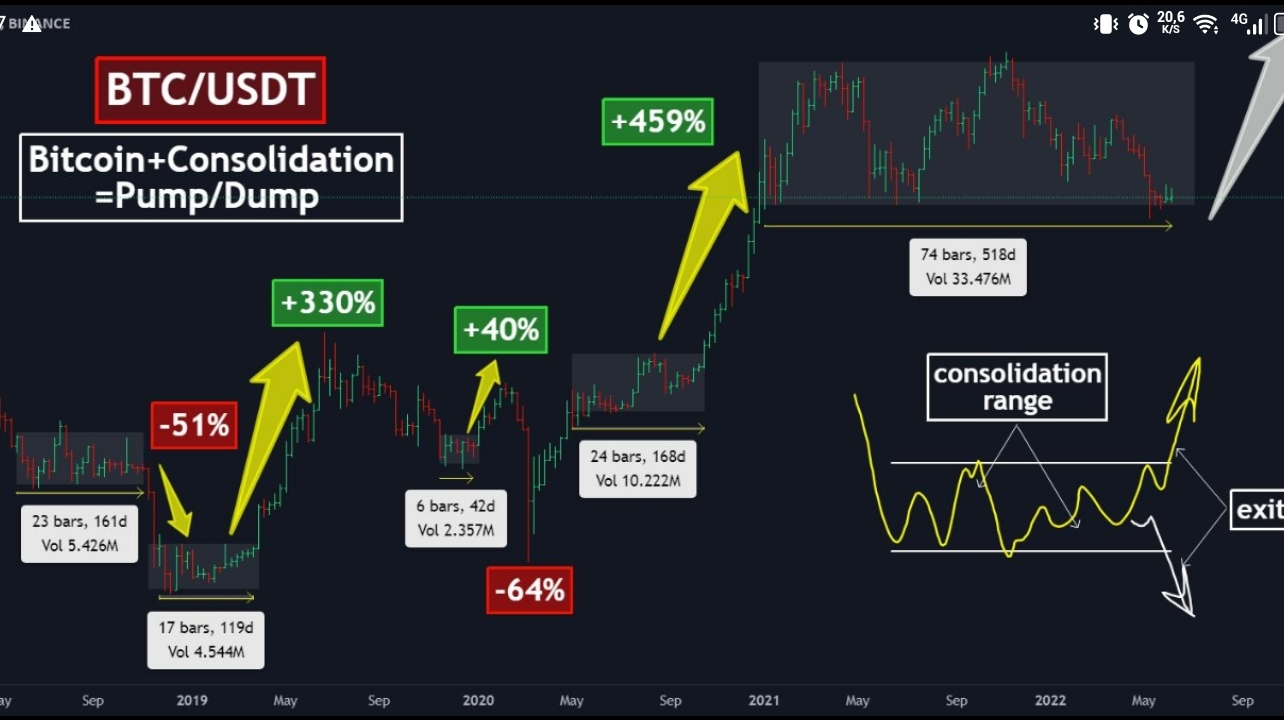
The Future of Crypto Adoption: From Speculation to Real UtilityThe cryptocurrency market has evolved significantly over the past decade. What started as a niche experiment driven by early adopters and technologists has now become a global financial ecosystem attracting institutions, governments, and millions of retail users. However, the real transformation of crypto is only just beginning.
In its early stages, the market was heavily driven by speculation. Price volatility, hype cycles, and short-term trading dominated user behavior. While this phase played a role in attracting attention and liquidity, it also overshadowed the true potential of blockchain technology.
Today, we are witnessing a shift toward real-world utility. Decentralized Finance (DeFi) is enabling users to access financial services without intermediaries. From lending and borrowing to yield generation, these systems are creating a parallel financial infrastructure that operates 24/7, globally, and transparently.
Another key area of growth is tokenization. Real-world assets such as real estate, commodities, and even intellectual property are being digitized and traded on blockchain networks. This has the potential to unlock liquidity in traditionally illiquid markets and democratize investment opportunities.
Moreover, the integration of blockchain into everyday applications is accelerating. Payment systems, gaming ecosystems, and digital identity solutions are increasingly leveraging crypto technologies. As user experience improves and regulatory frameworks become clearer, adoption barriers are gradually being reduced.
However, challenges remain. Scalability, security risks, and regulatory uncertainty continue to impact the pace of adoption. Education also plays a critical role, as many users still lack a clear understanding of how to safely and effectively interact with crypto platforms.
Looking ahead, the future of crypto will depend on its ability to deliver tangible value. Projects that focus on solving real problems, improving efficiency, and enhancing user trust are more likely to succeed in the long term.
In conclusion, the crypto industry is transitioning from a speculative market to a utility-driven ecosystem. This evolution marks a critical phase that will define the next generation of financial innovation. For users, investors, and builders alike, the opportunity lies in identifying and supporting solutions that create sustainable and meaningful impact.
#Btc
$BTC $ETH $BNB
{future}(ETHUSDT)
[BTC/USDT](https://www.binance.com/en/trade/btc_usdt?type=spot)
The Future of Crypto Adoption: From Speculation to Real Utility
The cryptocurrency market has evolved significantly over the past decade. What started as a niche experiment driven by early adopters and technologists has now become a global financial ecosystem attracting institutions, governments, and millions of retail users. However, the real transformation of crypto is only just beginning.
In its early stages, the market was heavily driven by speculation. Price volatility, hype cycles, and short-term trading dominated user behavior. While this phase played a role in attracting attention and liquidity, it also overshadowed the true potential of blockchain technology.
Today, we are witnessing a shift toward real-world utility. Decentralized Finance (DeFi) is enabling users to access financial services without intermediaries. From lending and borrowing to yield generation, these systems are creating a parallel financial infrastructure that operates 24/7, globally, and transparently.
Another key area of growth is tokenization. Real-world assets such as real estate, commodities, and even intellectual property are being digitized and traded on blockchain networks. This has the potential to unlock liquidity in traditionally illiquid markets and democratize investment opportunities.
Moreover, the integration of blockchain into everyday applications is accelerating. Payment systems, gaming ecosystems, and digital identity solutions are increasingly leveraging crypto technologies. As user experience improves and regulatory frameworks become clearer, adoption barriers are gradually being reduced.
However, challenges remain. Scalability, security risks, and regulatory uncertainty continue to impact the pace of adoption. Education also plays a critical role, as many users still lack a clear understanding of how to safely and effectively interact with crypto platforms.
Looking ahead, the future of crypto will depend on its ability to deliver tangible value. Projects that focus on solving real problems, improving efficiency, and enhancing user trust are more likely to succeed in the long term.
In conclusion, the crypto industry is transitioning from a speculative market to a utility-driven ecosystem. This evolution marks a critical phase that will define the next generation of financial innovation. For users, investors, and builders alike, the opportunity lies in identifying and supporting solutions that create sustainable and meaningful impact.
#Btc
$BTC $ETH $BNB
BTC/USDT
In its early stages, the market was heavily driven by speculation. Price volatility, hype cycles, and short-term trading dominated user behavior. While this phase played a role in attracting attention and liquidity, it also overshadowed the true potential of blockchain technology.
Today, we are witnessing a shift toward real-world utility. Decentralized Finance (DeFi) is enabling users to access financial services without intermediaries. From lending and borrowing to yield generation, these systems are creating a parallel financial infrastructure that operates 24/7, globally, and transparently.
Another key area of growth is tokenization. Real-world assets such as real estate, commodities, and even intellectual property are being digitized and traded on blockchain networks. This has the potential to unlock liquidity in traditionally illiquid markets and democratize investment opportunities.
Moreover, the integration of blockchain into everyday applications is accelerating. Payment systems, gaming ecosystems, and digital identity solutions are increasingly leveraging crypto technologies. As user experience improves and regulatory frameworks become clearer, adoption barriers are gradually being reduced.
However, challenges remain. Scalability, security risks, and regulatory uncertainty continue to impact the pace of adoption. Education also plays a critical role, as many users still lack a clear understanding of how to safely and effectively interact with crypto platforms.
Looking ahead, the future of crypto will depend on its ability to deliver tangible value. Projects that focus on solving real problems, improving efficiency, and enhancing user trust are more likely to succeed in the long term.
In conclusion, the crypto industry is transitioning from a speculative market to a utility-driven ecosystem. This evolution marks a critical phase that will define the next generation of financial innovation. For users, investors, and builders alike, the opportunity lies in identifying and supporting solutions that create sustainable and meaningful impact.
#Btc
$BTC $ETH $BNB
BTC/USDT
1
104
·
--
#2025withBinance Start your crypto journey with the annual review @Binance and share your highlights! #2025withBinance.
👉 Sign up with my link and get 100 USD in rewards! https://www.binance.com/year-in-review/2025-with-binance?ref=44216238
#2025withBinance Start your crypto journey with the annual review @Binance and share your highlights! #2025withBinance.
👉 Sign up with my link and get 100 USD in rewards! https://www.binance.com/year-in-review/2025-with-binance?ref=44216238
👉 Sign up with my link and get 100 USD in rewards! https://www.binance.com/year-in-review/2025-with-binance?ref=44216238
·
--
📉 **Volatility Risk in Cryptocurrency Prices — Ethereum Example (ETH)** ⚡
Cryptocurrencies such as Ethereum are highly volatile assets.
Their prices can fluctuate sharply within short periods due to:
- 🌍 Market sentiment and global news
- 🧠 Investor psychology and speculation
- 🏦 Regulatory decisions and macroeconomic events
📊 This volatility creates both **opportunities** and **risks** — while traders may profit from rapid movements, investors must stay aware of potential losses.
Risk management and continuous monitoring are essential when dealing with assets like ETH. 🔐#ETH #btc #BNB_Market_Update
📉 **Volatility Risk in Cryptocurrency Prices — Ethereum Example (ETH)** ⚡
Cryptocurrencies such as Ethereum are highly volatile assets.
Their prices can fluctuate sharply within short periods due to:
- 🌍 Market sentiment and global news
- 🧠 Investor psychology and speculation
- 🏦 Regulatory decisions and macroeconomic events
📊 This volatility creates both **opportunities** and **risks** — while traders may profit from rapid movements, investors must stay aware of potential losses.
Risk management and continuous monitoring are essential when dealing with assets like ETH. 🔐#ETH #btc #BNB_Market_Update
Cryptocurrencies such as Ethereum are highly volatile assets.
Their prices can fluctuate sharply within short periods due to:
- 🌍 Market sentiment and global news
- 🧠 Investor psychology and speculation
- 🏦 Regulatory decisions and macroeconomic events
📊 This volatility creates both **opportunities** and **risks** — while traders may profit from rapid movements, investors must stay aware of potential losses.
Risk management and continuous monitoring are essential when dealing with assets like ETH. 🔐#ETH #btc #BNB_Market_Update
1
33
·
--
Invite Friends and Share a $430K Prize Pool – Win Up to $10K+ Personally! https://www.binance.com/activity/trading-competition/referral-carnival
Invite Friends and Share a $430K Prize Pool – Win Up to $10K+ Personally! https://www.binance.com/activity/trading-competition/referral-carnival
2
·
--
🐉 I heard that @holoworldai created an "AI that is smart enough to be scary" using $HOLO 😳
#HoloworldAI 🤖 I tried chatting with it, and it advised me to have a cup of tea first ☕️ to calm down 😂
It seems that even AI understands etiquette in the metaverse, knowing to treat guests before discussing the future 🧧🍵
I hope next time it can teach me how to trade cryptocurrencies, otherwise I can only continue eating instant noodles 🍜
But speaking of which, this project really has potential — it has a hint of Eastern wisdom 🀄️
📣 Follow @holoworldai, and let's welcome the new era of AI with a smile! 😉
🐉 I heard that @holoworldai created an "AI that is smart enough to be scary" using $HOLO 😳
#HoloworldAI 🤖 I tried chatting with it, and it advised me to have a cup of tea first ☕️ to calm down 😂
It seems that even AI understands etiquette in the metaverse, knowing to treat guests before discussing the future 🧧🍵
I hope next time it can teach me how to trade cryptocurrencies, otherwise I can only continue eating instant noodles 🍜
But speaking of which, this project really has potential — it has a hint of Eastern wisdom 🀄️
📣 Follow @holoworldai, and let's welcome the new era of AI with a smile! 😉
#HoloworldAI 🤖 I tried chatting with it, and it advised me to have a cup of tea first ☕️ to calm down 😂
It seems that even AI understands etiquette in the metaverse, knowing to treat guests before discussing the future 🧧🍵
I hope next time it can teach me how to trade cryptocurrencies, otherwise I can only continue eating instant noodles 🍜
But speaking of which, this project really has potential — it has a hint of Eastern wisdom 🀄️
📣 Follow @holoworldai, and let's welcome the new era of AI with a smile! 😉

17
·
--
$BNB
### 🧭 Part 6: Final Takeaway
BNB breaking its **All-Time High** marks a new chapter in its market cycle.
The key question isn’t *if* it can hold the level — but *how* it will build stability above it.
👉 Long-term investors should monitor volume and ecosystem fundamentals.
👉 Short-term traders should focus on support levels and trend strength.
**BNB’s new ATH isn’t the end — it’s the beginning of a new discovery phase. 🌐🔥**
$BNB
### 🧭 Part 6: Final Takeaway
BNB breaking its **All-Time High** marks a new chapter in its market cycle.
The key question isn’t *if* it can hold the level — but *how* it will build stability above it.
👉 Long-term investors should monitor volume and ecosystem fundamentals.
👉 Short-term traders should focus on support levels and trend strength.
**BNB’s new ATH isn’t the end — it’s the beginning of a new discovery phase. 🌐🔥**
### 🧭 Part 6: Final Takeaway
BNB breaking its **All-Time High** marks a new chapter in its market cycle.
The key question isn’t *if* it can hold the level — but *how* it will build stability above it.
👉 Long-term investors should monitor volume and ecosystem fundamentals.
👉 Short-term traders should focus on support levels and trend strength.
**BNB’s new ATH isn’t the end — it’s the beginning of a new discovery phase. 🌐🔥**
·
--
### 🧭 Part 6: Final Takeaway
BNB breaking its **All-Time High** marks a new chapter in its market cycle.
The key question isn’t *if* it can hold the level — but *how* it will build stability above it.
👉 Long-term investors should monitor volume and ecosystem fundamentals.
👉 Short-term traders should focus on support levels and trend strength.
**BNB’s new ATH isn’t the end — it’s the beginning of a new discovery phase. 🌐🔥**$BNB
### 🧭 Part 6: Final Takeaway
BNB breaking its **All-Time High** marks a new chapter in its market cycle.
The key question isn’t *if* it can hold the level — but *how* it will build stability above it.
👉 Long-term investors should monitor volume and ecosystem fundamentals.
👉 Short-term traders should focus on support levels and trend strength.
**BNB’s new ATH isn’t the end — it’s the beginning of a new discovery phase. 🌐🔥**$BNB
BNB breaking its **All-Time High** marks a new chapter in its market cycle.
The key question isn’t *if* it can hold the level — but *how* it will build stability above it.
👉 Long-term investors should monitor volume and ecosystem fundamentals.
👉 Short-term traders should focus on support levels and trend strength.
**BNB’s new ATH isn’t the end — it’s the beginning of a new discovery phase. 🌐🔥**$BNB
1
22
·
--
### ⚠️ Part 4: Key Risks to Watch
1. 📉 **Price Exhaustion (Overbought Zone)**
Technical indicators may show overbought signals, suggesting a short-term correction.
2. 💵 **Profit-Taking Near ATH**
Some investors may sell at record levels, creating temporary resistance.
3. 🌍 **Macro & Regulatory Factors**
Global regulations or economic tightening could influence liquidity and sentiment.
4. 🔄 **Failed Retest of Support**
If BNB fails to hold above $1,000, it could drop to the $900–$950 range before rebounding.$BNB
### ⚠️ Part 4: Key Risks to Watch
1. 📉 **Price Exhaustion (Overbought Zone)**
Technical indicators may show overbought signals, suggesting a short-term correction.
2. 💵 **Profit-Taking Near ATH**
Some investors may sell at record levels, creating temporary resistance.
3. 🌍 **Macro & Regulatory Factors**
Global regulations or economic tightening could influence liquidity and sentiment.
4. 🔄 **Failed Retest of Support**
If BNB fails to hold above $1,000, it could drop to the $900–$950 range before rebounding.$BNB
1. 📉 **Price Exhaustion (Overbought Zone)**
Technical indicators may show overbought signals, suggesting a short-term correction.
2. 💵 **Profit-Taking Near ATH**
Some investors may sell at record levels, creating temporary resistance.
3. 🌍 **Macro & Regulatory Factors**
Global regulations or economic tightening could influence liquidity and sentiment.
4. 🔄 **Failed Retest of Support**
If BNB fails to hold above $1,000, it could drop to the $900–$950 range before rebounding.$BNB
1
11
·
--
### 💰 Part 3: Opportunities Ahead
1. 🚀 **Positive Momentum After the Breakout**
Sustained high volume after the ATH breakout could push BNB into uncharted territory with higher price discovery.
2. 🏦 **Institutional Entry**
Reports of fund accumulation and corporate exposure suggest long-term interest, not just short-term speculation.
3. 🔥 **Utility Growth in Binance Ecosystem**
Every burn, staking pool, and transaction made in BNB adds intrinsic value to the asset.$BNB
### 💰 Part 3: Opportunities Ahead
1. 🚀 **Positive Momentum After the Breakout**
Sustained high volume after the ATH breakout could push BNB into uncharted territory with higher price discovery.
2. 🏦 **Institutional Entry**
Reports of fund accumulation and corporate exposure suggest long-term interest, not just short-term speculation.
3. 🔥 **Utility Growth in Binance Ecosystem**
Every burn, staking pool, and transaction made in BNB adds intrinsic value to the asset.$BNB
1. 🚀 **Positive Momentum After the Breakout**
Sustained high volume after the ATH breakout could push BNB into uncharted territory with higher price discovery.
2. 🏦 **Institutional Entry**
Reports of fund accumulation and corporate exposure suggest long-term interest, not just short-term speculation.
3. 🔥 **Utility Growth in Binance Ecosystem**
Every burn, staking pool, and transaction made in BNB adds intrinsic value to the asset.$BNB
1
14
·
--
### 📊 Part 2: Current Market Context
Recent data shows **BNB has surged above $1,000**, reaching a new historical high.
According to market analysts, this breakout was fueled by **institutional demand**, **network activity**, and **high trading volumes**.
- 🔸 Key resistance: $1,100 and above
- 🔹 Major support: $900–$950 range
- 📈 Strong inflows from Binance ecosystem usage (fees, burns, staking)$BNB
### 📊 Part 2: Current Market Context
Recent data shows **BNB has surged above $1,000**, reaching a new historical high.
According to market analysts, this breakout was fueled by **institutional demand**, **network activity**, and **high trading volumes**.
- 🔸 Key resistance: $1,100 and above
- 🔹 Major support: $900–$950 range
- 📈 Strong inflows from Binance ecosystem usage (fees, burns, staking)$BNB
Recent data shows **BNB has surged above $1,000**, reaching a new historical high.
According to market analysts, this breakout was fueled by **institutional demand**, **network activity**, and **high trading volumes**.
- 🔸 Key resistance: $1,100 and above
- 🔹 Major support: $900–$950 range
- 📈 Strong inflows from Binance ecosystem usage (fees, burns, staking)$BNB
1
8
·
--
### 🟢 Part 1: What Does “BNB Break ATH” Mean?
When we say **BNB has broken its ATH (All-Time High)**, it means the token has surpassed its previous historical peak — a key technical and psychological resistance.
💡 This signals strong buying pressure, market confidence, and a potential shift from accumulation to price discovery.
However, a break of ATH doesn’t guarantee continuous growth — it opens multiple scenarios depending on **volume, momentum, and market context**.$BNB
### 🟢 Part 1: What Does “BNB Break ATH” Mean?
When we say **BNB has broken its ATH (All-Time High)**, it means the token has surpassed its previous historical peak — a key technical and psychological resistance.
💡 This signals strong buying pressure, market confidence, and a potential shift from accumulation to price discovery.
However, a break of ATH doesn’t guarantee continuous growth — it opens multiple scenarios depending on **volume, momentum, and market context**.$BNB
When we say **BNB has broken its ATH (All-Time High)**, it means the token has surpassed its previous historical peak — a key technical and psychological resistance.
💡 This signals strong buying pressure, market confidence, and a potential shift from accumulation to price discovery.
However, a break of ATH doesn’t guarantee continuous growth — it opens multiple scenarios depending on **volume, momentum, and market context**.$BNB
1
23
·
--
# 🧭 5. Conclusion
Zcash (ZEC) continues to pioneer blockchain privacy technology. 🔐
Its combination of advanced cryptography, decentralization, and constant research sets it apart in a competitive landscape. 🌍
The next two years will be decisive — the **NU7 upgrade** and **Dev Fund transition** in 2025 will shape Zcash’s evolution.
If executed successfully, ZEC could become a **universal privacy layer** across DeFi and Web3. ✨
*Written in 2025 — summarizing Zcash’s current market and technological outlook.*$ZEC
# 🧭 5. Conclusion
Zcash (ZEC) continues to pioneer blockchain privacy technology. 🔐
Its combination of advanced cryptography, decentralization, and constant research sets it apart in a competitive landscape. 🌍
The next two years will be decisive — the **NU7 upgrade** and **Dev Fund transition** in 2025 will shape Zcash’s evolution.
If executed successfully, ZEC could become a **universal privacy layer** across DeFi and Web3. ✨
*Written in 2025 — summarizing Zcash’s current market and technological outlook.*$ZEC
Zcash (ZEC) continues to pioneer blockchain privacy technology. 🔐
Its combination of advanced cryptography, decentralization, and constant research sets it apart in a competitive landscape. 🌍
The next two years will be decisive — the **NU7 upgrade** and **Dev Fund transition** in 2025 will shape Zcash’s evolution.
If executed successfully, ZEC could become a **universal privacy layer** across DeFi and Web3. ✨
*Written in 2025 — summarizing Zcash’s current market and technological outlook.*$ZEC
1
426
·
--
# 🔮 4. Future Outlook and Roadmap
## ⏳ Short to Mid-Term (2025–2027)
- 🚀 Launch of **NU7** and new governance model.
- 💸 Wider shielded transaction usage through improved UX.
- 🌉 Deployment of **Zcash Shielded Assets (ZSA)**.
- 🔗 Expansion of cross-chain bridges to Ethereum and Avalanche.
## 🌌 Long-Term (Beyond 2027)
- 🔁 Transition to **hybrid PoW/PoS consensus**.
- ⚙️ Improved scalability with next-gen ZK systems (Halo 2+).
- 🗳️ Stronger community-driven governance.
- 💼 Integration into **DeFi & Web3 privacy layers**.$ZEC
# 🔮 4. Future Outlook and Roadmap
## ⏳ Short to Mid-Term (2025–2027)
- 🚀 Launch of **NU7** and new governance model.
- 💸 Wider shielded transaction usage through improved UX.
- 🌉 Deployment of **Zcash Shielded Assets (ZSA)**.
- 🔗 Expansion of cross-chain bridges to Ethereum and Avalanche.
## 🌌 Long-Term (Beyond 2027)
- 🔁 Transition to **hybrid PoW/PoS consensus**.
- ⚙️ Improved scalability with next-gen ZK systems (Halo 2+).
- 🗳️ Stronger community-driven governance.
- 💼 Integration into **DeFi & Web3 privacy layers**.$ZEC
## ⏳ Short to Mid-Term (2025–2027)
- 🚀 Launch of **NU7** and new governance model.
- 💸 Wider shielded transaction usage through improved UX.
- 🌉 Deployment of **Zcash Shielded Assets (ZSA)**.
- 🔗 Expansion of cross-chain bridges to Ethereum and Avalanche.
## 🌌 Long-Term (Beyond 2027)
- 🔁 Transition to **hybrid PoW/PoS consensus**.
- ⚙️ Improved scalability with next-gen ZK systems (Halo 2+).
- 🗳️ Stronger community-driven governance.
- 💼 Integration into **DeFi & Web3 privacy layers**.$ZEC
·
--
# 🔮 4. Future Outlook and Roadmap
## ⏳ Short to Mid-Term (2025–2027)
- 🚀 Launch of **NU7** and new governance model.
- 💸 Wider shielded transaction usage through improved UX.
- 🌉 Deployment of **Zcash Shielded Assets (ZSA)**.
- 🔗 Expansion of cross-chain bridges to Ethereum and Avalanche.
## 🌌 Long-Term (Beyond 2027)
- 🔁 Transition to **hybrid PoW/PoS consensus**.
- ⚙️ Improved scalability with next-gen ZK systems (Halo 2+).
- 🗳️ Stronger community-driven governance.
- 💼 Integration into **DeFi & Web3 privacy layers**.$ZEC
# 🔮 4. Future Outlook and Roadmap
## ⏳ Short to Mid-Term (2025–2027)
- 🚀 Launch of **NU7** and new governance model.
- 💸 Wider shielded transaction usage through improved UX.
- 🌉 Deployment of **Zcash Shielded Assets (ZSA)**.
- 🔗 Expansion of cross-chain bridges to Ethereum and Avalanche.
## 🌌 Long-Term (Beyond 2027)
- 🔁 Transition to **hybrid PoW/PoS consensus**.
- ⚙️ Improved scalability with next-gen ZK systems (Halo 2+).
- 🗳️ Stronger community-driven governance.
- 💼 Integration into **DeFi & Web3 privacy layers**.$ZEC
## ⏳ Short to Mid-Term (2025–2027)
- 🚀 Launch of **NU7** and new governance model.
- 💸 Wider shielded transaction usage through improved UX.
- 🌉 Deployment of **Zcash Shielded Assets (ZSA)**.
- 🔗 Expansion of cross-chain bridges to Ethereum and Avalanche.
## 🌌 Long-Term (Beyond 2027)
- 🔁 Transition to **hybrid PoW/PoS consensus**.
- ⚙️ Improved scalability with next-gen ZK systems (Halo 2+).
- 🗳️ Stronger community-driven governance.
- 💼 Integration into **DeFi & Web3 privacy layers**.$ZEC
1
111
·
--
# ⚠️ 3. Key Challenges
1. 🕵️ Low adoption of shielded transactions reduces privacy strength.
2. ⚔️ Strong competition from Monero (XMR) and zk-based blockchains.
3. ⚖️ Regulatory pressure on privacy-oriented assets.
4. 🧩 Governance uncertainty after 2025’s Dev Fund expiration.
5. 🚧 Scalability and computational limits of zk-proofs.
Despite these issues, Zcash remains a leading project for those who believe **privacy is a financial right**. 🕊️$ZEC
# ⚠️ 3. Key Challenges
1. 🕵️ Low adoption of shielded transactions reduces privacy strength.
2. ⚔️ Strong competition from Monero (XMR) and zk-based blockchains.
3. ⚖️ Regulatory pressure on privacy-oriented assets.
4. 🧩 Governance uncertainty after 2025’s Dev Fund expiration.
5. 🚧 Scalability and computational limits of zk-proofs.
Despite these issues, Zcash remains a leading project for those who believe **privacy is a financial right**. 🕊️$ZEC
1. 🕵️ Low adoption of shielded transactions reduces privacy strength.
2. ⚔️ Strong competition from Monero (XMR) and zk-based blockchains.
3. ⚖️ Regulatory pressure on privacy-oriented assets.
4. 🧩 Governance uncertainty after 2025’s Dev Fund expiration.
5. 🚧 Scalability and computational limits of zk-proofs.
Despite these issues, Zcash remains a leading project for those who believe **privacy is a financial right**. 🕊️$ZEC
1
134
·
--
# 📊 2. Current Market Overview (2025)
As of 2025, **ZEC trades near $145**. Despite short-term volatility, it remains one of the top privacy coins on exchanges like Binance and Coinbase. 💹
## 🧩 Adoption & Ecosystem
- 🔸 Only a small portion of transactions use full privacy.
- 📱 The **Zashi wallet** simplifies private transfers for mobile users.
- 🌉 Work continues on **bridges** to Ethereum and Avalanche.
- 🏛️ The community is preparing a **new development fund** after November 2025.
## ⚙️ Technical Progress
- 🔧 **NU7 upgrade** scheduled for 2025–2026 with key governance updates.
- 🧩 **Legacy cleanup:** Replacing the old `zcashd` client with modular nodes.
- 🔬 **Research projects:** FROST signatures, Shielded Assets (ZSA), hybrid PoW/PoS models.
# 📊 2. Current Market Overview (2025)
As of 2025, **ZEC trades near $145**. Despite short-term volatility, it remains one of the top privacy coins on exchanges like Binance and Coinbase. 💹
## 🧩 Adoption & Ecosystem
- 🔸 Only a small portion of transactions use full privacy.
- 📱 The **Zashi wallet** simplifies private transfers for mobile users.
- 🌉 Work continues on **bridges** to Ethereum and Avalanche.
- 🏛️ The community is preparing a **new development fund** after November 2025.
## ⚙️ Technical Progress
- 🔧 **NU7 upgrade** scheduled for 2025–2026 with key governance updates.
- 🧩 **Legacy cleanup:** Replacing the old `zcashd` client with modular nodes.
- 🔬 **Research projects:** FROST signatures, Shielded Assets (ZSA), hybrid PoW/PoS models.
As of 2025, **ZEC trades near $145**. Despite short-term volatility, it remains one of the top privacy coins on exchanges like Binance and Coinbase. 💹
## 🧩 Adoption & Ecosystem
- 🔸 Only a small portion of transactions use full privacy.
- 📱 The **Zashi wallet** simplifies private transfers for mobile users.
- 🌉 Work continues on **bridges** to Ethereum and Avalanche.
- 🏛️ The community is preparing a **new development fund** after November 2025.
## ⚙️ Technical Progress
- 🔧 **NU7 upgrade** scheduled for 2025–2026 with key governance updates.
- 🧩 **Legacy cleanup:** Replacing the old `zcashd` client with modular nodes.
- 🔬 **Research projects:** FROST signatures, Shielded Assets (ZSA), hybrid PoW/PoS models.
1
171
Log in to explore more content
Join global crypto users on Binance Square
⚡️ Get latest and useful information about crypto.
💬 Trusted by the world’s largest crypto exchange.
👍 Discover real insights from verified creators.
Email / Phone number
Trending Topics
FedRateWatch
1.2M views
5,571 Discussing
Share & Win Traffic Reward in our Trending Hashtag Campaign
✨Topic: FOMC September, What's The Fed's Next Move?
👉How to Join:
Publish a short post or article with hashtag #FedRateWatch
Create content based on the below angles:
- August core CPI rose 0.3% month-over-month, and the odds of a 25bp hike this week are now close to 90%. Do you anticipate a rate hike this week? Is it a one-off, or the start of a longer hiking cycle?
- If the hike lands, how does it play out for BTC, tech stocks, and gold? Bullish or bearish?
- How are you planning to trade next? Share your BTC, stocks or gold trade/holdings with our trade sharing widget.
⏰Campaign Period:
- 2026-09-15 11:00 - 2026-09-17 3:00 UTC
🎁Reward:
- Qualified posts that comply with the above guidelines and contain more than 100 words will be reviewed and may receive a random traffic boost of 500 to 3,000 views. You will receive a notification from your feed secretary if your post is selected.
- Get a chance to have your article featured on Binance Square Official
Need ideas for your post? Visit the topic page #FedRateWatch or the Square Guide on How to Post for Better Reach.
Binance Square Official
·593 Likes
·1.4M views
ZcashRises6%
5,852 views
160 Discussing
XRPSinks10%
2,726 views
107 Discussing