

danishKhan125
445 Posts

danishKhan125
Report
Block User
crypto master
13 Following
206 Followers
1.0K+ Liked
Posts
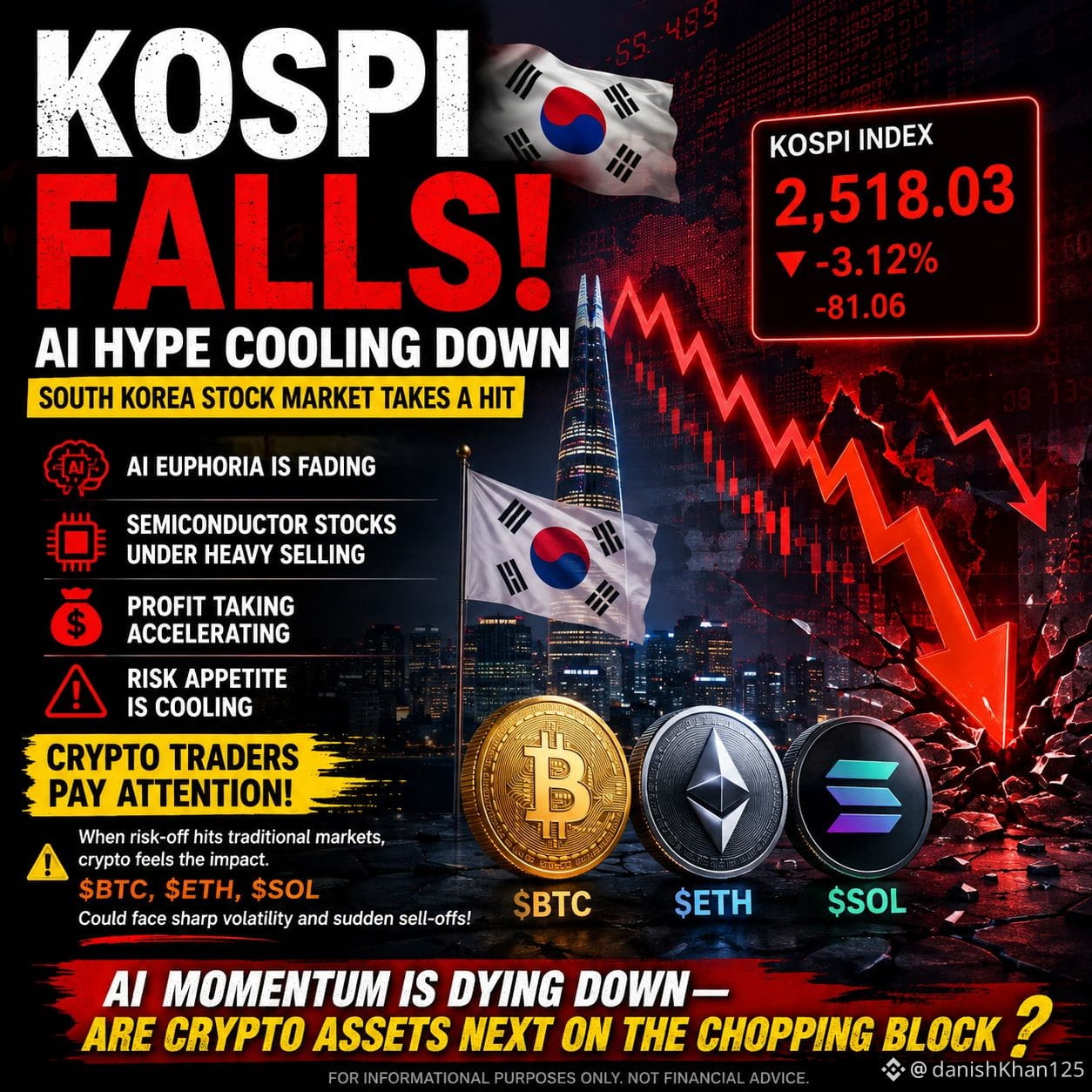
#kospifallsasaitradingeuphoriacools🚨🔥
🇰🇷 THE AI TRADE IS LOSING STEAM… AND MARKETS ARE WATCHING!
The KOSPI just delivered a serious warning sign. 📉
After an explosive AI-fueled run, South Korean tech and semiconductor stocks are facing renewed selling pressure as traders start taking profits.
💥 HERE’S THE BIG PICTURE:
🔻 AI euphoria is cooling
🔻 Semiconductor stocks are under pressure
🔻 Profit-taking is accelerating
🔻 Risk appetite is starting to fade
And here’s where it gets interesting…
🌐 CRYPTO MAY NOT BE IMMUNE.
If the global risk-off mood spreads, high-beta assets could get hit next. That puts $BTC , $ETH and $SOL directly on the radar.
One market starts selling → another market reacts. ⚡
But is this simply a temporary reset before another rally…
OR IS THE AI BUBBLE FINALLY STARTING TO DEFLATE? 👀
The next few sessions could get VERY interesting. 📊🔥
For informational purposes only. Not financial advice.
#kospifallsasaitradingeuphoriacools🚨🔥
🇰🇷 THE AI TRADE IS LOSING STEAM… AND MARKETS ARE WATCHING!
The KOSPI just delivered a serious warning sign. 📉
After an explosive AI-fueled run, South Korean tech and semiconductor stocks are facing renewed selling pressure as traders start taking profits.
💥 HERE’S THE BIG PICTURE:
🔻 AI euphoria is cooling
🔻 Semiconductor stocks are under pressure
🔻 Profit-taking is accelerating
🔻 Risk appetite is starting to fade
And here’s where it gets interesting…
🌐 CRYPTO MAY NOT BE IMMUNE.
If the global risk-off mood spreads, high-beta assets could get hit next. That puts $BTC , $ETH and $SOL directly on the radar.
One market starts selling → another market reacts. ⚡
But is this simply a temporary reset before another rally…
OR IS THE AI BUBBLE FINALLY STARTING TO DEFLATE? 👀
The next few sessions could get VERY interesting. 📊🔥
For informational purposes only. Not financial advice.
🇰🇷 THE AI TRADE IS LOSING STEAM… AND MARKETS ARE WATCHING!
The KOSPI just delivered a serious warning sign. 📉
After an explosive AI-fueled run, South Korean tech and semiconductor stocks are facing renewed selling pressure as traders start taking profits.
💥 HERE’S THE BIG PICTURE:
🔻 AI euphoria is cooling
🔻 Semiconductor stocks are under pressure
🔻 Profit-taking is accelerating
🔻 Risk appetite is starting to fade
And here’s where it gets interesting…
🌐 CRYPTO MAY NOT BE IMMUNE.
If the global risk-off mood spreads, high-beta assets could get hit next. That puts $BTC , $ETH and $SOL directly on the radar.
One market starts selling → another market reacts. ⚡
But is this simply a temporary reset before another rally…
OR IS THE AI BUBBLE FINALLY STARTING TO DEFLATE? 👀
The next few sessions could get VERY interesting. 📊🔥
For informational purposes only. Not financial advice.
56
Verified
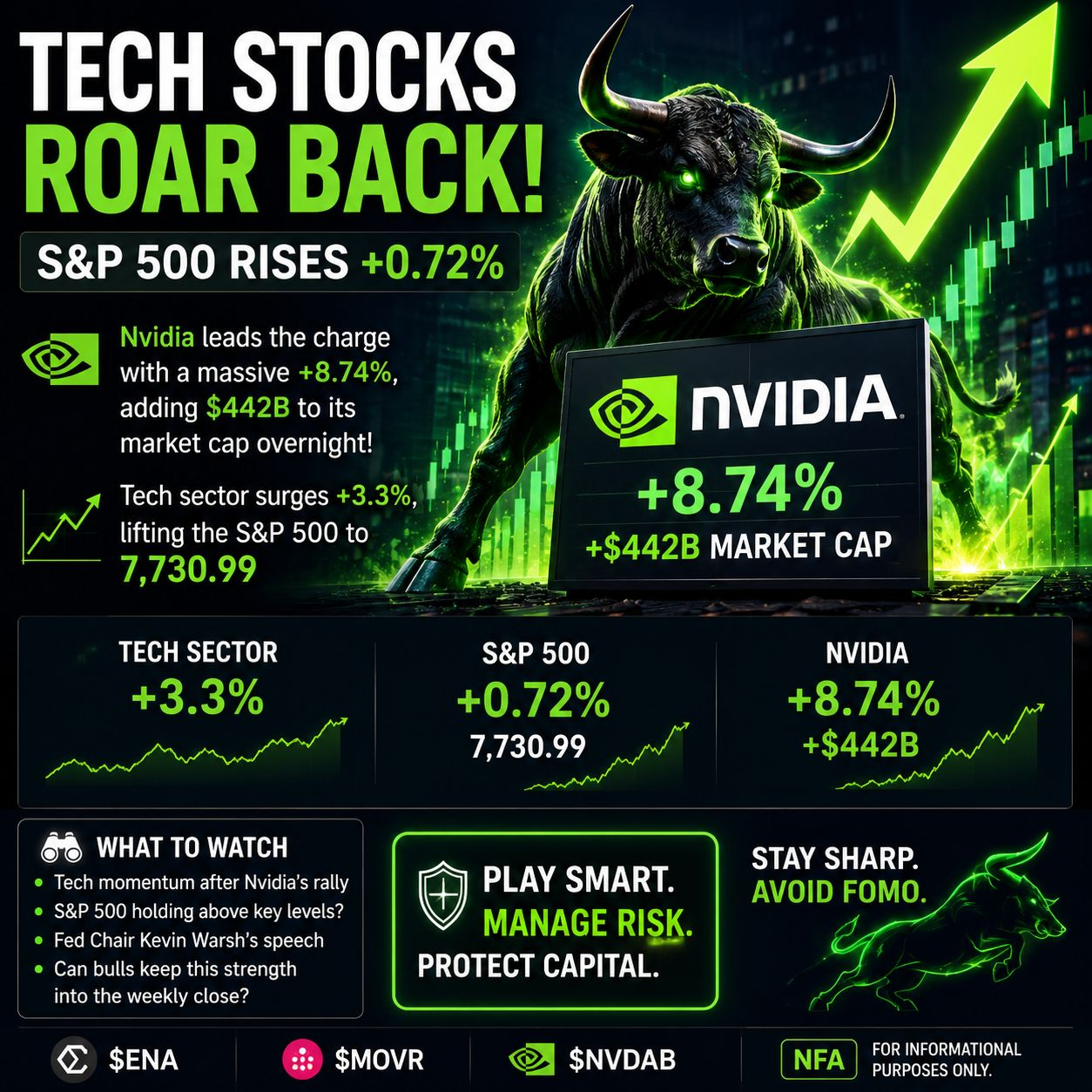
#sp500rises0.7%techsectorgains3.3%
🚀 TECH STOCKS ROAR BACK — S&P 500 FOLLOWS!
The bulls just made a serious comeback. 📈🔥
Nvidia stole the spotlight with an explosive +8.74% move, adding roughly $442B to its market value in a single session. That strength spread across the sector, lifting tech stocks around 3.3% and pushing the S&P 500 +0.72% to 7,730.99.
After last week’s sharp pullback from the highs, the big question is now:
👀 Is this the start of another breakout, or just a relief rally before sellers return?
⚡ What I’m watching:
• Tech momentum after Nvidia’s surge
• S&P 500 holding the latest gains
• Fed Chair Kevin Warsh’s speech
• Whether buyers can sustain this strength into the weekly close
FOMO can be expensive. Stay patient, manage risk, and let price action confirm the next move. 🛡️
NFA — For informational purposes only.
$ENA $MOVR $NVDAB
#SP500 #Nvidia #TechStocks #StockMarket #Crypto #Trading
#sp500rises0.7%techsectorgains3.3%
🚀 TECH STOCKS ROAR BACK — S&P 500 FOLLOWS!
The bulls just made a serious comeback. 📈🔥
Nvidia stole the spotlight with an explosive +8.74% move, adding roughly $442B to its market value in a single session. That strength spread across the sector, lifting tech stocks around 3.3% and pushing the S&P 500 +0.72% to 7,730.99.
After last week’s sharp pullback from the highs, the big question is now:
👀 Is this the start of another breakout, or just a relief rally before sellers return?
⚡ What I’m watching:
• Tech momentum after Nvidia’s surge
• S&P 500 holding the latest gains
• Fed Chair Kevin Warsh’s speech
• Whether buyers can sustain this strength into the weekly close
FOMO can be expensive. Stay patient, manage risk, and let price action confirm the next move. 🛡️
NFA — For informational purposes only.
$ENA $MOVR $NVDAB
#SP500 #Nvidia #TechStocks #StockMarket #Crypto #Trading
🚀 TECH STOCKS ROAR BACK — S&P 500 FOLLOWS!
The bulls just made a serious comeback. 📈🔥
Nvidia stole the spotlight with an explosive +8.74% move, adding roughly $442B to its market value in a single session. That strength spread across the sector, lifting tech stocks around 3.3% and pushing the S&P 500 +0.72% to 7,730.99.
After last week’s sharp pullback from the highs, the big question is now:
👀 Is this the start of another breakout, or just a relief rally before sellers return?
⚡ What I’m watching:
• Tech momentum after Nvidia’s surge
• S&P 500 holding the latest gains
• Fed Chair Kevin Warsh’s speech
• Whether buyers can sustain this strength into the weekly close
FOMO can be expensive. Stay patient, manage risk, and let price action confirm the next move. 🛡️
NFA — For informational purposes only.
$ENA $MOVR $NVDAB
#SP500 #Nvidia #TechStocks #StockMarket #Crypto #Trading
1.5k
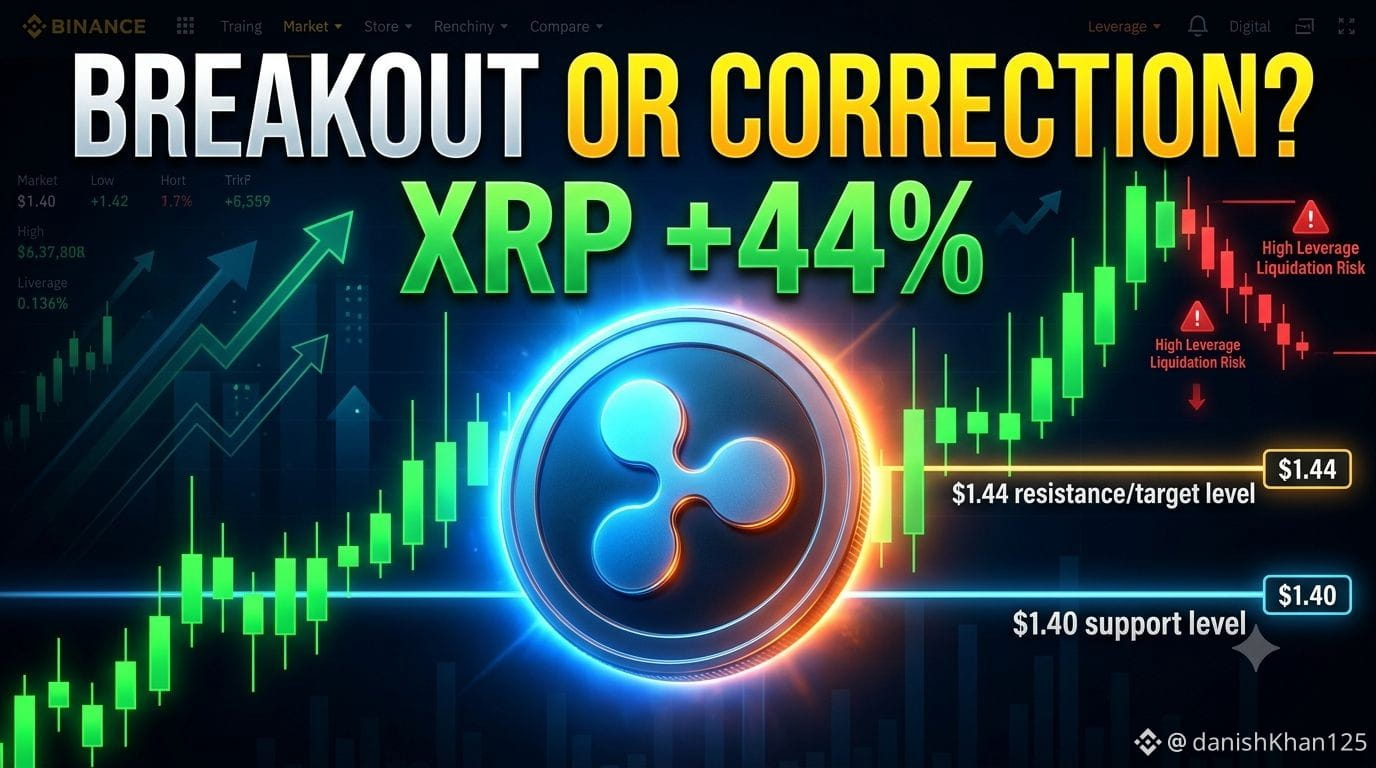
#xrprallies44%inaweek 🚨 XRP IS MOVING FAST — BUT CAN THE MOMENTUM LAST? 🔥
$XRP has delivered an impressive 44% weekly surge, pushing traders to watch every major support and resistance level. The move toward $1.44 is being fueled by growing optimism around the CLARITY Act, stronger institutional interest, ETF-related flows, and expectations around Ripple’s management of its escrow supply.
But there’s another side to the story. ⚠️
📊 Leverage is climbing.
Reports suggest XRP’s Binance leverage ratio has reached its highest level in roughly seven months, while futures activity is outpacing genuine spot buying.
That creates a potential volatility trap.
If XRP loses the $1.40 area, leveraged positions could face liquidations, potentially accelerating a short-term pullback. 📉
On the other hand, continued buying from larger investors could keep the bullish structure alive and push XRP toward new levels. 🚀
👀 The real question:
Is XRP preparing for another breakout, or is excessive leverage setting the stage for a correction?
Stay disciplined. Protect your capital. Don’t chase green candles. ⚡
#XRP #Ripple #Crypto #CryptoNews $XRP
#xrprallies44%inaweek 🚨 XRP IS MOVING FAST — BUT CAN THE MOMENTUM LAST? 🔥
$XRP has delivered an impressive 44% weekly surge, pushing traders to watch every major support and resistance level. The move toward $1.44 is being fueled by growing optimism around the CLARITY Act, stronger institutional interest, ETF-related flows, and expectations around Ripple’s management of its escrow supply.
But there’s another side to the story. ⚠️
📊 Leverage is climbing.
Reports suggest XRP’s Binance leverage ratio has reached its highest level in roughly seven months, while futures activity is outpacing genuine spot buying.
That creates a potential volatility trap.
If XRP loses the $1.40 area, leveraged positions could face liquidations, potentially accelerating a short-term pullback. 📉
On the other hand, continued buying from larger investors could keep the bullish structure alive and push XRP toward new levels. 🚀
👀 The real question:
Is XRP preparing for another breakout, or is excessive leverage setting the stage for a correction?
Stay disciplined. Protect your capital. Don’t chase green candles. ⚡
#XRP #Ripple #Crypto #CryptoNews $XRP
$XRP has delivered an impressive 44% weekly surge, pushing traders to watch every major support and resistance level. The move toward $1.44 is being fueled by growing optimism around the CLARITY Act, stronger institutional interest, ETF-related flows, and expectations around Ripple’s management of its escrow supply.
But there’s another side to the story. ⚠️
📊 Leverage is climbing.
Reports suggest XRP’s Binance leverage ratio has reached its highest level in roughly seven months, while futures activity is outpacing genuine spot buying.
That creates a potential volatility trap.
If XRP loses the $1.40 area, leveraged positions could face liquidations, potentially accelerating a short-term pullback. 📉
On the other hand, continued buying from larger investors could keep the bullish structure alive and push XRP toward new levels. 🚀
👀 The real question:
Is XRP preparing for another breakout, or is excessive leverage setting the stage for a correction?
Stay disciplined. Protect your capital. Don’t chase green candles. ⚡
#XRP #Ripple #Crypto #CryptoNews $XRP
94
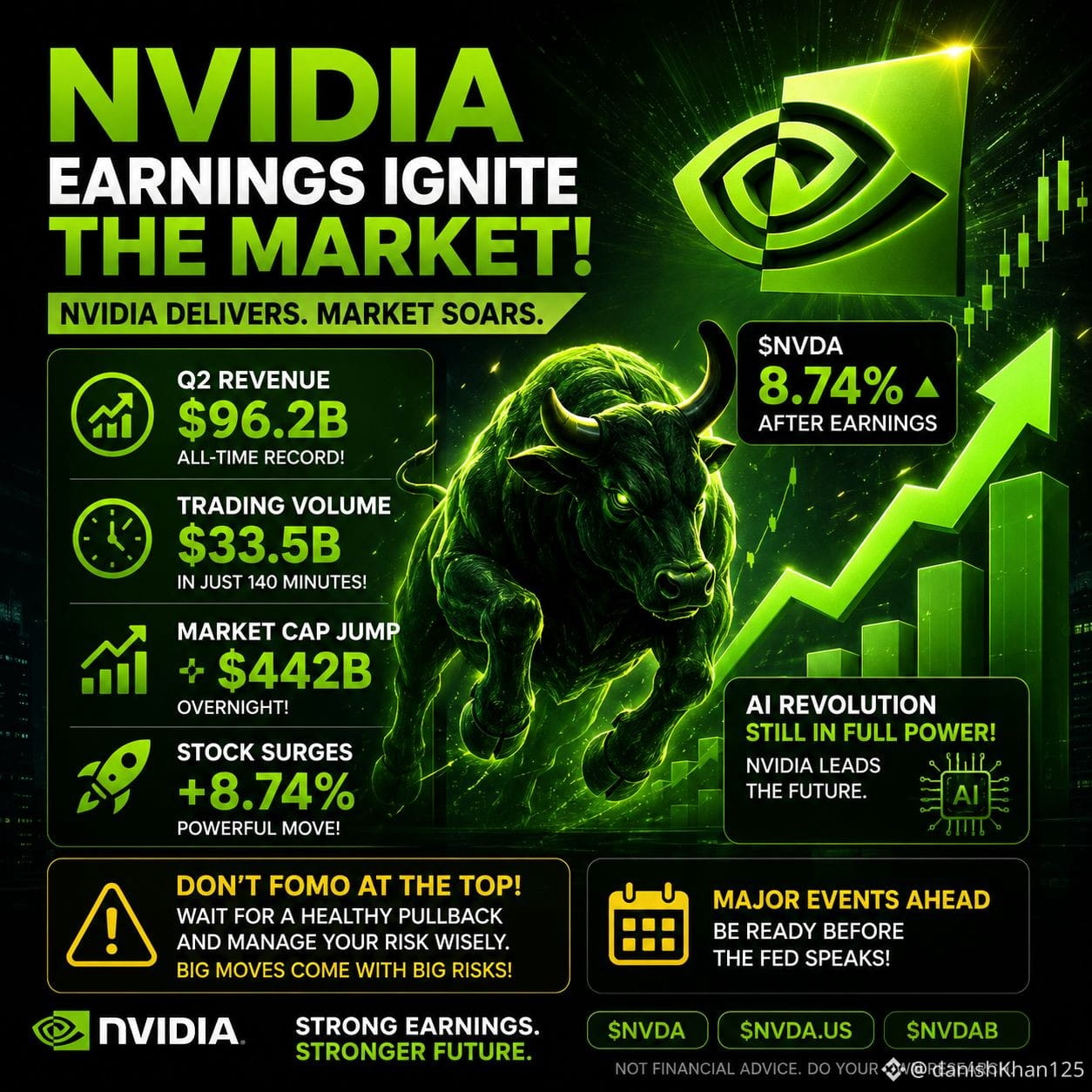
#NvidiaRises8.74%AfterEarnings 🚀 NVIDIA Just Set the Market on Fire! 🔥
NVIDIA is once again stealing the spotlight after delivering another blockbuster earnings report. 🤯
📊 The Numbers Are Wild:
• Q2 revenue reached an incredible $96.2B
• Trading activity exploded, with around $33.5B changing hands in the first 140 minutes
• NVDA jumped 8.74%, adding roughly $442B to its market value
💡 Why it matters:
NVIDIA remains at the center of the AI boom, and its earnings continue to have a major impact on the broader tech and crypto market sentiment.
⚠️ But chasing a huge green candle can be risky. Instead of FOMOing after a sharp move, traders may want to watch for consolidation or a healthy pullback and manage risk carefully around upcoming Fed commentary.
🔥 AI momentum is still running hot — but smart risk management matters more than hype.
Not financial advice. DYOR.
$NVDAB
{spot}(NVDABUSDT)
$NVDA.US
{stock_us}(NVDA.US)
$NVDA
{future}(NVDAUSDT)
#NvidiaRises8.74%AfterEarnings 🚀 NVIDIA Just Set the Market on Fire! 🔥
NVIDIA is once again stealing the spotlight after delivering another blockbuster earnings report. 🤯
📊 The Numbers Are Wild:
• Q2 revenue reached an incredible $96.2B
• Trading activity exploded, with around $33.5B changing hands in the first 140 minutes
• NVDA jumped 8.74%, adding roughly $442B to its market value
💡 Why it matters:
NVIDIA remains at the center of the AI boom, and its earnings continue to have a major impact on the broader tech and crypto market sentiment.
⚠️ But chasing a huge green candle can be risky. Instead of FOMOing after a sharp move, traders may want to watch for consolidation or a healthy pullback and manage risk carefully around upcoming Fed commentary.
🔥 AI momentum is still running hot — but smart risk management matters more than hype.
Not financial advice. DYOR.
$NVDAB
$NVDA.US
$NVDA
NVIDIA is once again stealing the spotlight after delivering another blockbuster earnings report. 🤯
📊 The Numbers Are Wild:
• Q2 revenue reached an incredible $96.2B
• Trading activity exploded, with around $33.5B changing hands in the first 140 minutes
• NVDA jumped 8.74%, adding roughly $442B to its market value
💡 Why it matters:
NVIDIA remains at the center of the AI boom, and its earnings continue to have a major impact on the broader tech and crypto market sentiment.
⚠️ But chasing a huge green candle can be risky. Instead of FOMOing after a sharp move, traders may want to watch for consolidation or a healthy pullback and manage risk carefully around upcoming Fed commentary.
🔥 AI momentum is still running hot — but smart risk management matters more than hype.
Not financial advice. DYOR.
$NVDAB
$NVDA.US
$NVDA
NVDAB+1.20%
NVDAUS+1.89%
91
Verified
#centralbanksbuy289tonsgoldinq2
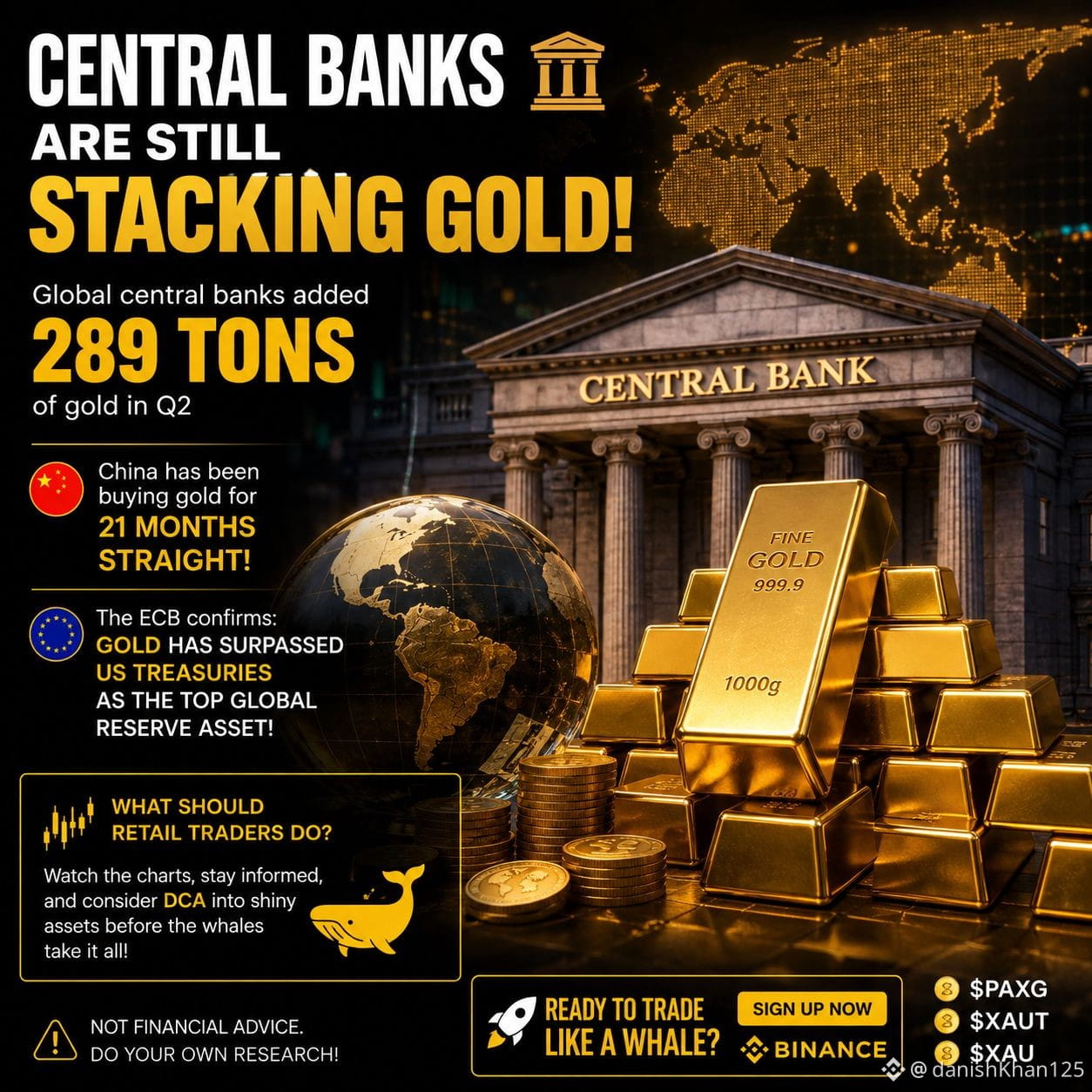
🏦 CENTRAL BANKS ARE STILL STACKING GOLD! 🪙
Global central banks added around 289 tons of gold in Q2, marking a massive 62% year-over-year increase, according to the World Gold Council. 🤯
China has also continued its gold-buying streak for 21 consecutive months, showing that official demand for the metal remains strong.
📊 Why does this matter for traders?
When major institutions increase their gold reserves, it can signal growing demand for traditional safe-haven assets and changing views on global reserves.
For retail traders, the takeaway is simple: don’t ignore the bigger macro picture. 👀
Keep an eye on gold, dollar liquidity, interest rates, and crypto correlations. Institutional money can move markets long before retail traders notice the trend.
🐳 The whales are positioning. Are you watching?
⚠️ Not financial advice. Always do your own research.
$PAXG $XAUT $XAU
#centralbanksbuy289tonsgoldinq2
🏦 CENTRAL BANKS ARE STILL STACKING GOLD! 🪙
Global central banks added around 289 tons of gold in Q2, marking a massive 62% year-over-year increase, according to the World Gold Council. 🤯
China has also continued its gold-buying streak for 21 consecutive months, showing that official demand for the metal remains strong.
📊 Why does this matter for traders?
When major institutions increase their gold reserves, it can signal growing demand for traditional safe-haven assets and changing views on global reserves.
For retail traders, the takeaway is simple: don’t ignore the bigger macro picture. 👀
Keep an eye on gold, dollar liquidity, interest rates, and crypto correlations. Institutional money can move markets long before retail traders notice the trend.
🐳 The whales are positioning. Are you watching?
⚠️ Not financial advice. Always do your own research.
$PAXG $XAUT $XAU
🏦 CENTRAL BANKS ARE STILL STACKING GOLD! 🪙
Global central banks added around 289 tons of gold in Q2, marking a massive 62% year-over-year increase, according to the World Gold Council. 🤯
China has also continued its gold-buying streak for 21 consecutive months, showing that official demand for the metal remains strong.
📊 Why does this matter for traders?
When major institutions increase their gold reserves, it can signal growing demand for traditional safe-haven assets and changing views on global reserves.
For retail traders, the takeaway is simple: don’t ignore the bigger macro picture. 👀
Keep an eye on gold, dollar liquidity, interest rates, and crypto correlations. Institutional money can move markets long before retail traders notice the trend.
🐳 The whales are positioning. Are you watching?
⚠️ Not financial advice. Always do your own research.
$PAXG $XAUT $XAU
1
1.1k
#xrpleadscryptopullbackdropsnearly7%
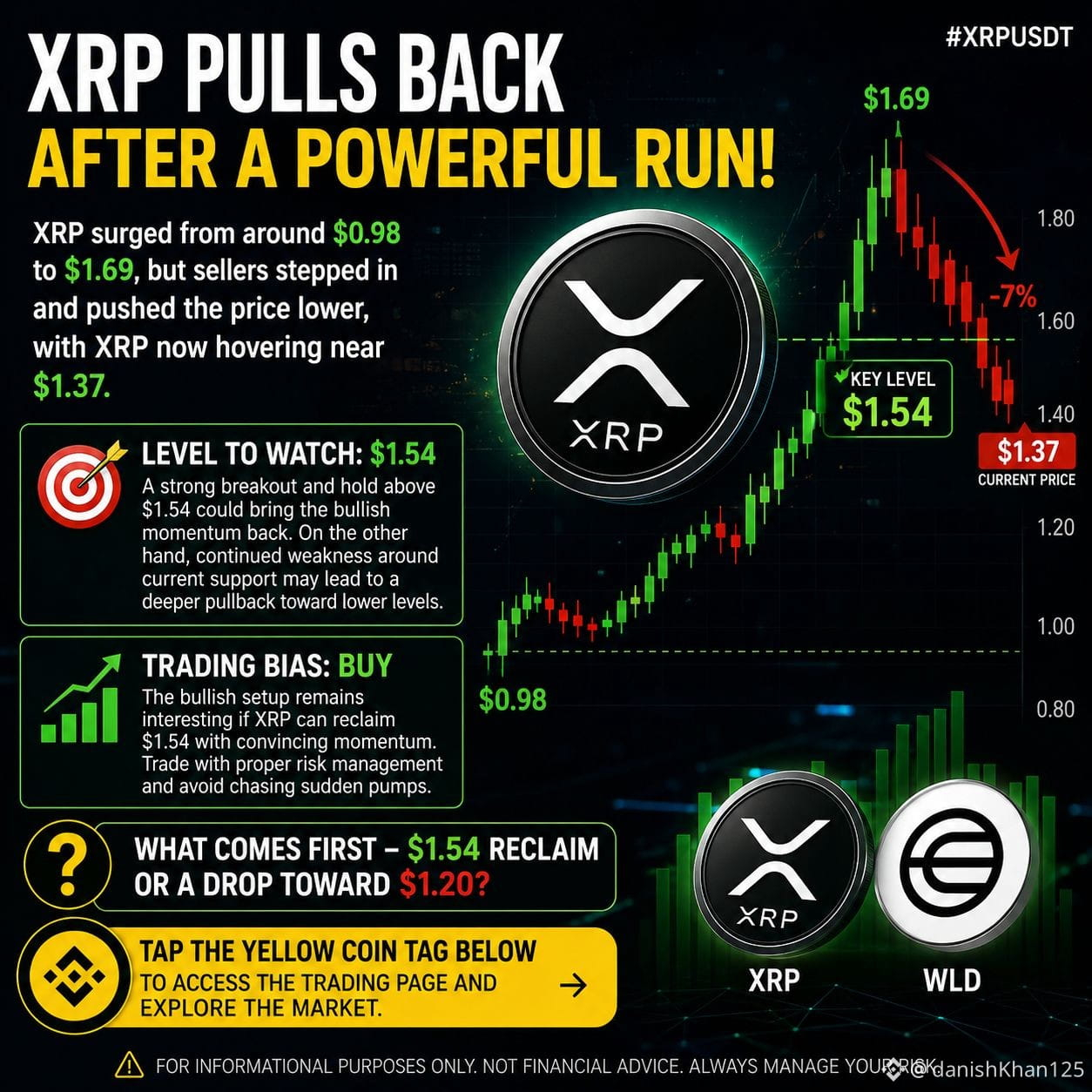
🚨 XRP COOLS OFF AFTER A POWERFUL RUN!
XRP made a strong move from around $0.98 to $1.69, but sellers stepped in and pushed the price lower, with XRP now hovering near $1.37.
📌 LEVEL TO WATCH: $1.54
A strong breakout and hold above $1.54 could bring the bullish momentum back. On the other hand, continued weakness around current support may lead to a deeper pullback toward lower levels.
📈 TRADING BIAS: BUY
The bullish setup remains interesting if XRP can reclaim $1.54 with convincing momentum. Trade with proper risk management and avoid chasing sudden pumps.
🎯 What comes first — $1.54 reclaim or a drop toward $1.20?
👇 Tap the yellow coin tag below to access the trading page and explore the market.
$XRP $WLD
⚠️ For informational purposes only. Not financial advice. Always manage your risk.
#xrpleadscryptopullbackdropsnearly7%
🚨 XRP COOLS OFF AFTER A POWERFUL RUN!
XRP made a strong move from around $0.98 to $1.69, but sellers stepped in and pushed the price lower, with XRP now hovering near $1.37.
📌 LEVEL TO WATCH: $1.54
A strong breakout and hold above $1.54 could bring the bullish momentum back. On the other hand, continued weakness around current support may lead to a deeper pullback toward lower levels.
📈 TRADING BIAS: BUY
The bullish setup remains interesting if XRP can reclaim $1.54 with convincing momentum. Trade with proper risk management and avoid chasing sudden pumps.
🎯 What comes first — $1.54 reclaim or a drop toward $1.20?
👇 Tap the yellow coin tag below to access the trading page and explore the market.
$XRP $WLD
⚠️ For informational purposes only. Not financial advice. Always manage your risk.
🚨 XRP COOLS OFF AFTER A POWERFUL RUN!
XRP made a strong move from around $0.98 to $1.69, but sellers stepped in and pushed the price lower, with XRP now hovering near $1.37.
📌 LEVEL TO WATCH: $1.54
A strong breakout and hold above $1.54 could bring the bullish momentum back. On the other hand, continued weakness around current support may lead to a deeper pullback toward lower levels.
📈 TRADING BIAS: BUY
The bullish setup remains interesting if XRP can reclaim $1.54 with convincing momentum. Trade with proper risk management and avoid chasing sudden pumps.
🎯 What comes first — $1.54 reclaim or a drop toward $1.20?
👇 Tap the yellow coin tag below to access the trading page and explore the market.
$XRP $WLD
⚠️ For informational purposes only. Not financial advice. Always manage your risk.
100
Verified
#oktacrowdstrikesurgeonearningsbeat
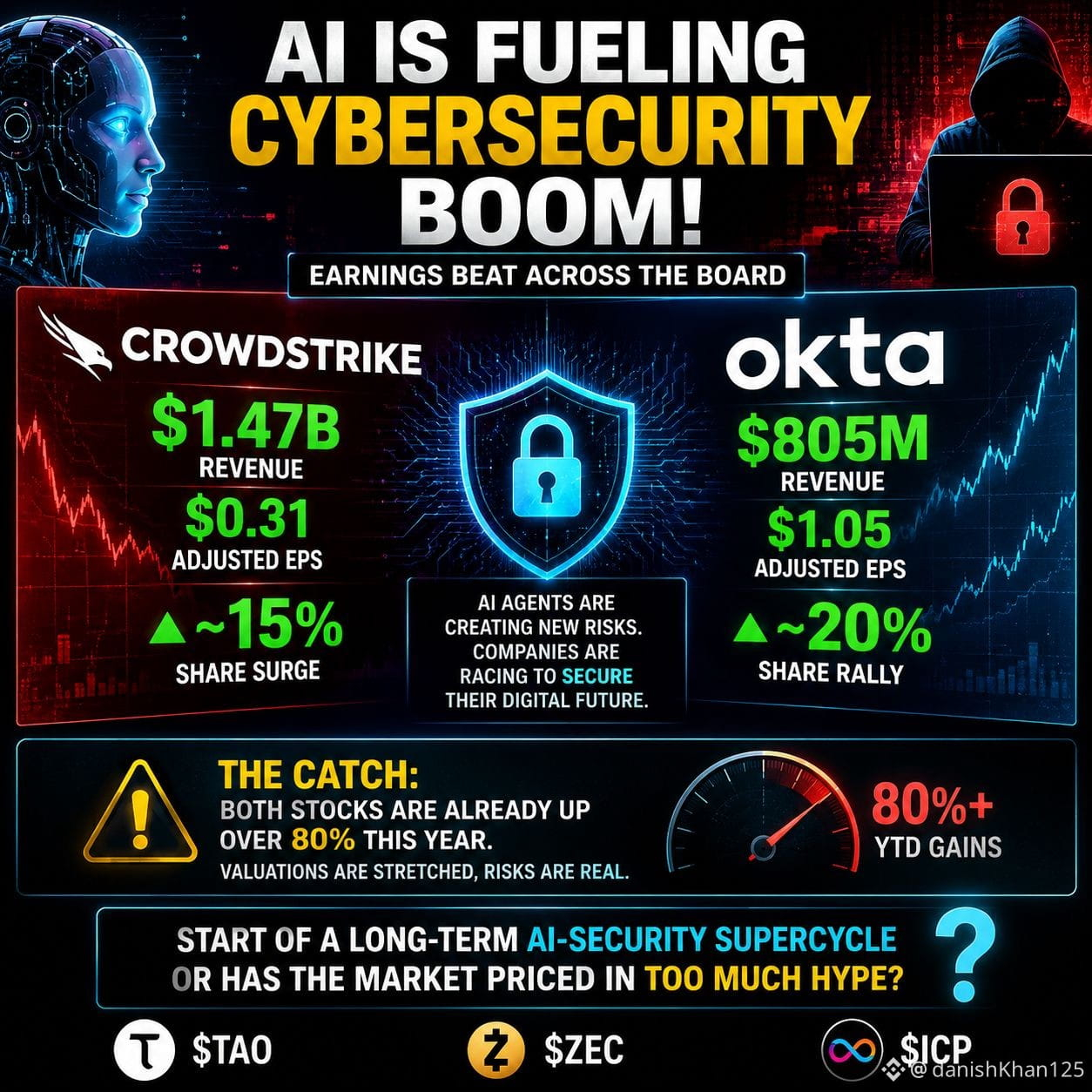
🚨 AI + CYBERSECURITY = THE NEXT BIG TECH TRADE? 🚨
Artificial intelligence isn’t just transforming software — it’s creating an entirely new battlefield for cybersecurity. 🛡️🤖
🔥 CrowdStrike came in strong with $1.47B revenue and $0.31 adjusted EPS, sending the stock roughly 15% higher.
⚡ Okta also crushed expectations, posting $805M revenue and $1.05 adjusted EPS, with shares jumping around 20%.
💡 Why are investors reacting so aggressively?
As companies deploy more AI agents and automate critical workflows, the number of potential attack surfaces is expanding rapidly. That means cybersecurity is becoming less of an optional expense and more of a core requirement.
But there’s a ⚠️ BIG risk:
Both stocks have already gained more than 80% this year, meaning expectations are extremely high. Even strong earnings could struggle to justify current valuations if growth starts slowing.
🎯 The real question:
Are CrowdStrike and Okta signaling the beginning of a massive AI-driven cybersecurity cycle, or has Wall Street already priced in too much optimism?
The next phase of the AI boom may not only be about building smarter models — it could be about protecting them. 🔐🚀
#AI #CyberSecurity #CrowdStrike #Okta #TechStocks #CryptoNews
$TAO $ZEC $ICP
#oktacrowdstrikesurgeonearningsbeat
🚨 AI + CYBERSECURITY = THE NEXT BIG TECH TRADE? 🚨
Artificial intelligence isn’t just transforming software — it’s creating an entirely new battlefield for cybersecurity. 🛡️🤖
🔥 CrowdStrike came in strong with $1.47B revenue and $0.31 adjusted EPS, sending the stock roughly 15% higher.
⚡ Okta also crushed expectations, posting $805M revenue and $1.05 adjusted EPS, with shares jumping around 20%.
💡 Why are investors reacting so aggressively?
As companies deploy more AI agents and automate critical workflows, the number of potential attack surfaces is expanding rapidly. That means cybersecurity is becoming less of an optional expense and more of a core requirement.
But there’s a ⚠️ BIG risk:
Both stocks have already gained more than 80% this year, meaning expectations are extremely high. Even strong earnings could struggle to justify current valuations if growth starts slowing.
🎯 The real question:
Are CrowdStrike and Okta signaling the beginning of a massive AI-driven cybersecurity cycle, or has Wall Street already priced in too much optimism?
The next phase of the AI boom may not only be about building smarter models — it could be about protecting them. 🔐🚀
#AI #CyberSecurity #CrowdStrike #Okta #TechStocks #CryptoNews
$TAO $ZEC $ICP
🚨 AI + CYBERSECURITY = THE NEXT BIG TECH TRADE? 🚨
Artificial intelligence isn’t just transforming software — it’s creating an entirely new battlefield for cybersecurity. 🛡️🤖
🔥 CrowdStrike came in strong with $1.47B revenue and $0.31 adjusted EPS, sending the stock roughly 15% higher.
⚡ Okta also crushed expectations, posting $805M revenue and $1.05 adjusted EPS, with shares jumping around 20%.
💡 Why are investors reacting so aggressively?
As companies deploy more AI agents and automate critical workflows, the number of potential attack surfaces is expanding rapidly. That means cybersecurity is becoming less of an optional expense and more of a core requirement.
But there’s a ⚠️ BIG risk:
Both stocks have already gained more than 80% this year, meaning expectations are extremely high. Even strong earnings could struggle to justify current valuations if growth starts slowing.
🎯 The real question:
Are CrowdStrike and Okta signaling the beginning of a massive AI-driven cybersecurity cycle, or has Wall Street already priced in too much optimism?
The next phase of the AI boom may not only be about building smarter models — it could be about protecting them. 🔐🚀
#AI #CyberSecurity #CrowdStrike #Okta #TechStocks #CryptoNews
$TAO $ZEC $ICP
3
2.6k
#solanarwaholderstop300000
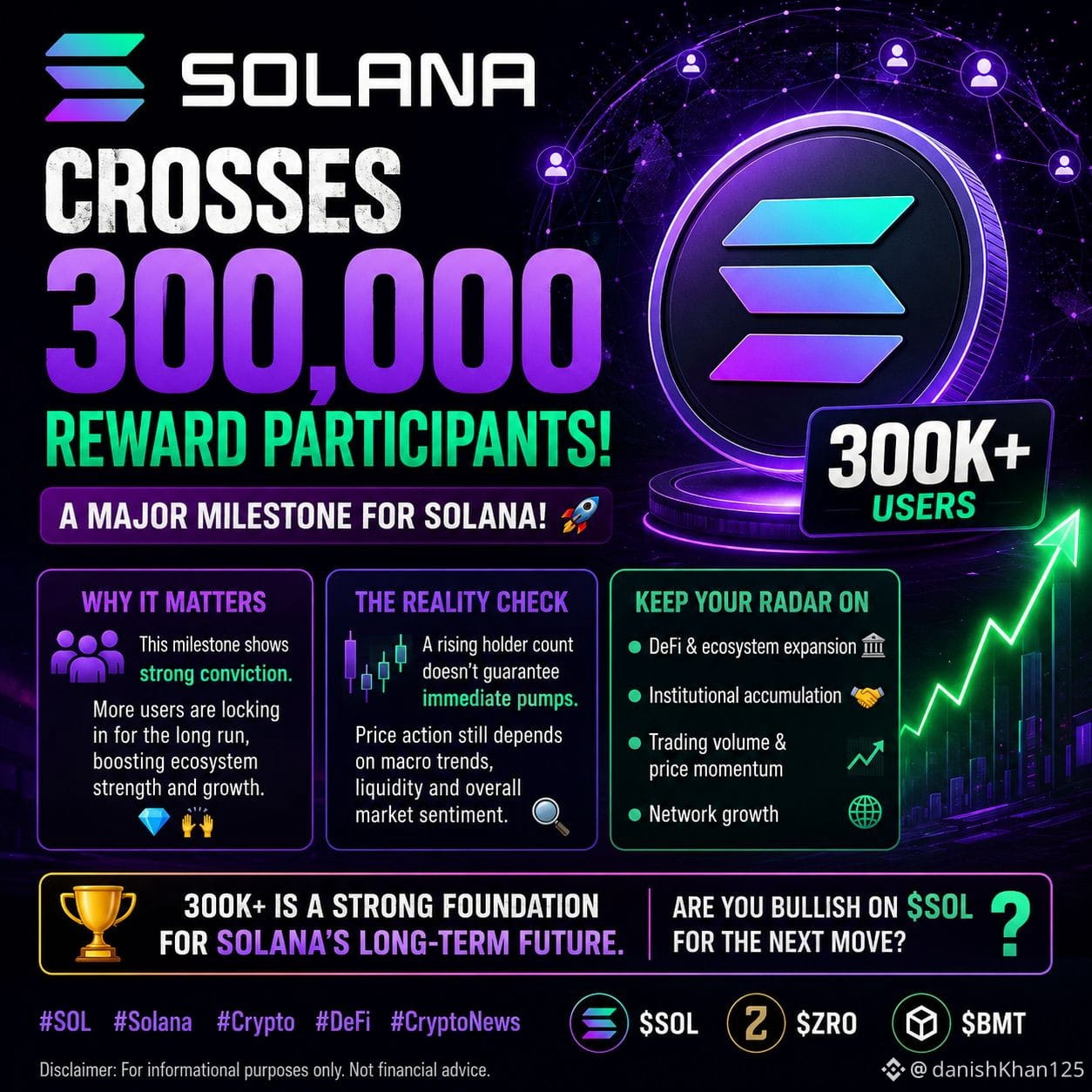
🟣 SOL Crosses the 300K Mark! 🚀
Solana is hitting another major adoption milestone, with more than 300,000 participants now involved in SOL rewards. That kind of growth points to rising engagement and stronger confidence in the ecosystem. 💜
But here’s the key point 👇
A growing holder base doesn’t automatically mean the price will pump tomorrow. 📊 SOL’s next move will still depend on liquidity, macro conditions, market sentiment, and overall trading momentum.
🔥 Things worth watching:
• DeFi activity & ecosystem growth
• Institutional interest
• Network participation
• Trading volume & price strength
300K+ is a strong signal for Solana’s long-term ecosystem growth.
Are you bullish on SOL for the next move? 👀🚀
#SOL #Solana #Crypto #DeFi #CryptoNews
Disclaimer: For informational purposes only. Not financial advice.
$SOL $ZRO $BMT
#solanarwaholderstop300000
🟣 SOL Crosses the 300K Mark! 🚀
Solana is hitting another major adoption milestone, with more than 300,000 participants now involved in SOL rewards. That kind of growth points to rising engagement and stronger confidence in the ecosystem. 💜
But here’s the key point 👇
A growing holder base doesn’t automatically mean the price will pump tomorrow. 📊 SOL’s next move will still depend on liquidity, macro conditions, market sentiment, and overall trading momentum.
🔥 Things worth watching:
• DeFi activity & ecosystem growth
• Institutional interest
• Network participation
• Trading volume & price strength
300K+ is a strong signal for Solana’s long-term ecosystem growth.
Are you bullish on SOL for the next move? 👀🚀
#SOL #Solana #Crypto #DeFi #CryptoNews
Disclaimer: For informational purposes only. Not financial advice.
$SOL $ZRO $BMT
🟣 SOL Crosses the 300K Mark! 🚀
Solana is hitting another major adoption milestone, with more than 300,000 participants now involved in SOL rewards. That kind of growth points to rising engagement and stronger confidence in the ecosystem. 💜
But here’s the key point 👇
A growing holder base doesn’t automatically mean the price will pump tomorrow. 📊 SOL’s next move will still depend on liquidity, macro conditions, market sentiment, and overall trading momentum.
🔥 Things worth watching:
• DeFi activity & ecosystem growth
• Institutional interest
• Network participation
• Trading volume & price strength
300K+ is a strong signal for Solana’s long-term ecosystem growth.
Are you bullish on SOL for the next move? 👀🚀
#SOL #Solana #Crypto #DeFi #CryptoNews
Disclaimer: For informational purposes only. Not financial advice.
$SOL $ZRO $BMT
264
#nvidiarises4%onrevenuebeat
🚨 NVIDIA Earnings Shock: The Market Reacts
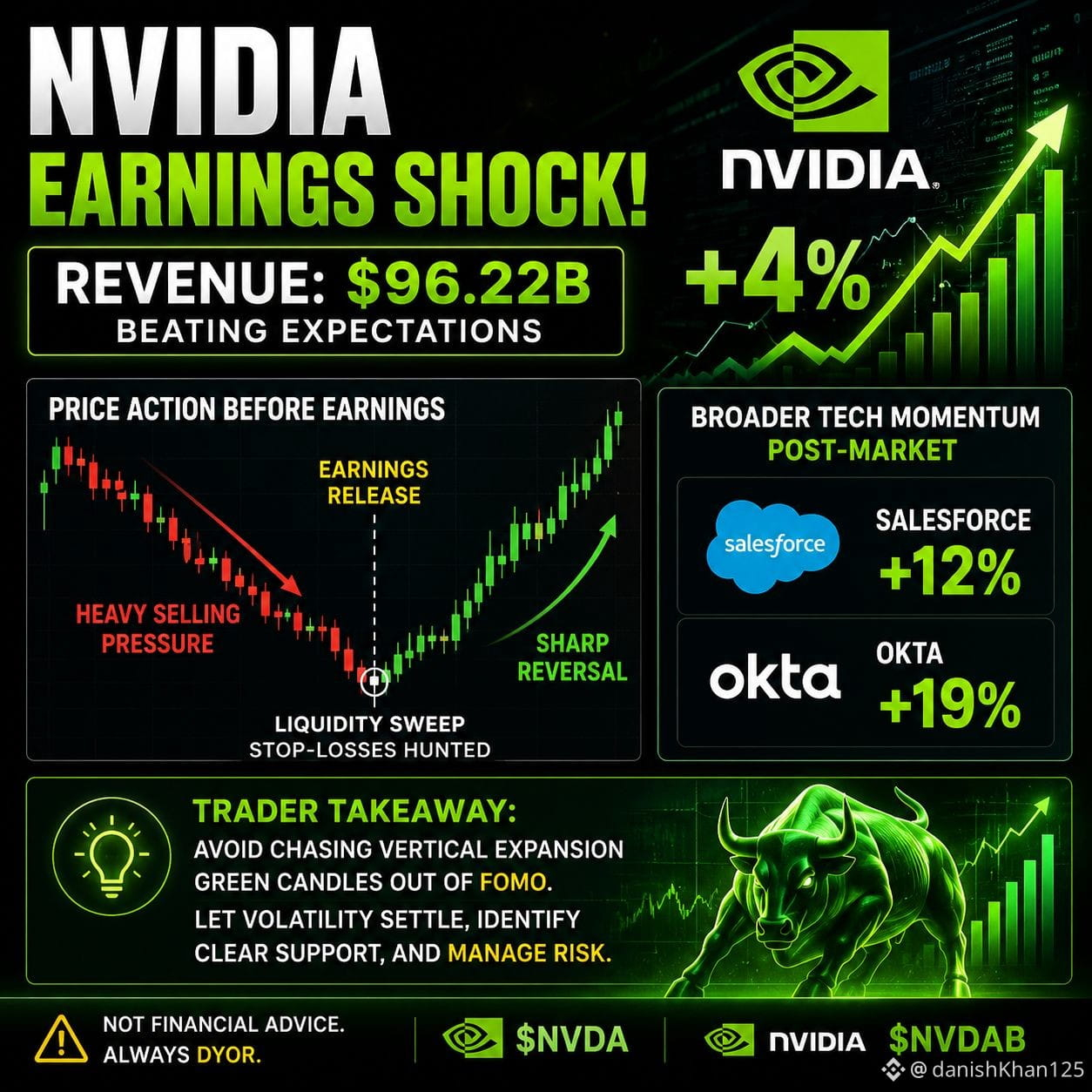
NVIDIA ($NVDA) jumped around 4% after reporting a huge $96.22B in revenue, beating expectations and reigniting momentum across the tech sector.
But the interesting part came just before the earnings release. Selling pressure pushed the stock lower ahead of the announcement, followed by a sharp reversal once the numbers hit — a reminder of how volatile earnings events can become.
🔥 Post-Market Movers:
• Salesforce: +12%
• Okta: +19%
📌 Trader’s Takeaway:
Don’t chase explosive green candles out of FOMO. Let the volatility cool down, watch for a solid support area, and manage risk before entering.
DYOR. Not financial advice.
#NVIDIA #NVDA #TechStocks #Earnings #StockMarket #Trading #Crypto #BinanceSquare
$NVDA $NVDAB
#nvidiarises4%onrevenuebeat
🚨 NVIDIA Earnings Shock: The Market Reacts
NVIDIA ($NVDA ) jumped around 4% after reporting a huge $96.22B in revenue, beating expectations and reigniting momentum across the tech sector.
But the interesting part came just before the earnings release. Selling pressure pushed the stock lower ahead of the announcement, followed by a sharp reversal once the numbers hit — a reminder of how volatile earnings events can become.
🔥 Post-Market Movers:
• Salesforce: +12%
• Okta: +19%
📌 Trader’s Takeaway:
Don’t chase explosive green candles out of FOMO. Let the volatility cool down, watch for a solid support area, and manage risk before entering.
DYOR. Not financial advice.
#NVIDIA #NVDA #TechStocks #Earnings #StockMarket #Trading #Crypto #BinanceSquare
$NVDA $NVDAB
🚨 NVIDIA Earnings Shock: The Market Reacts
NVIDIA ($NVDA ) jumped around 4% after reporting a huge $96.22B in revenue, beating expectations and reigniting momentum across the tech sector.
But the interesting part came just before the earnings release. Selling pressure pushed the stock lower ahead of the announcement, followed by a sharp reversal once the numbers hit — a reminder of how volatile earnings events can become.
🔥 Post-Market Movers:
• Salesforce: +12%
• Okta: +19%
📌 Trader’s Takeaway:
Don’t chase explosive green candles out of FOMO. Let the volatility cool down, watch for a solid support area, and manage risk before entering.
DYOR. Not financial advice.
#NVIDIA #NVDA #TechStocks #Earnings #StockMarket #Trading #Crypto #BinanceSquare
$NVDA $NVDAB
127
#uscryptoequityindexrises5.04%
🚨 US CRYPTO EQUITIES ARE MOVING DIFFERENT!
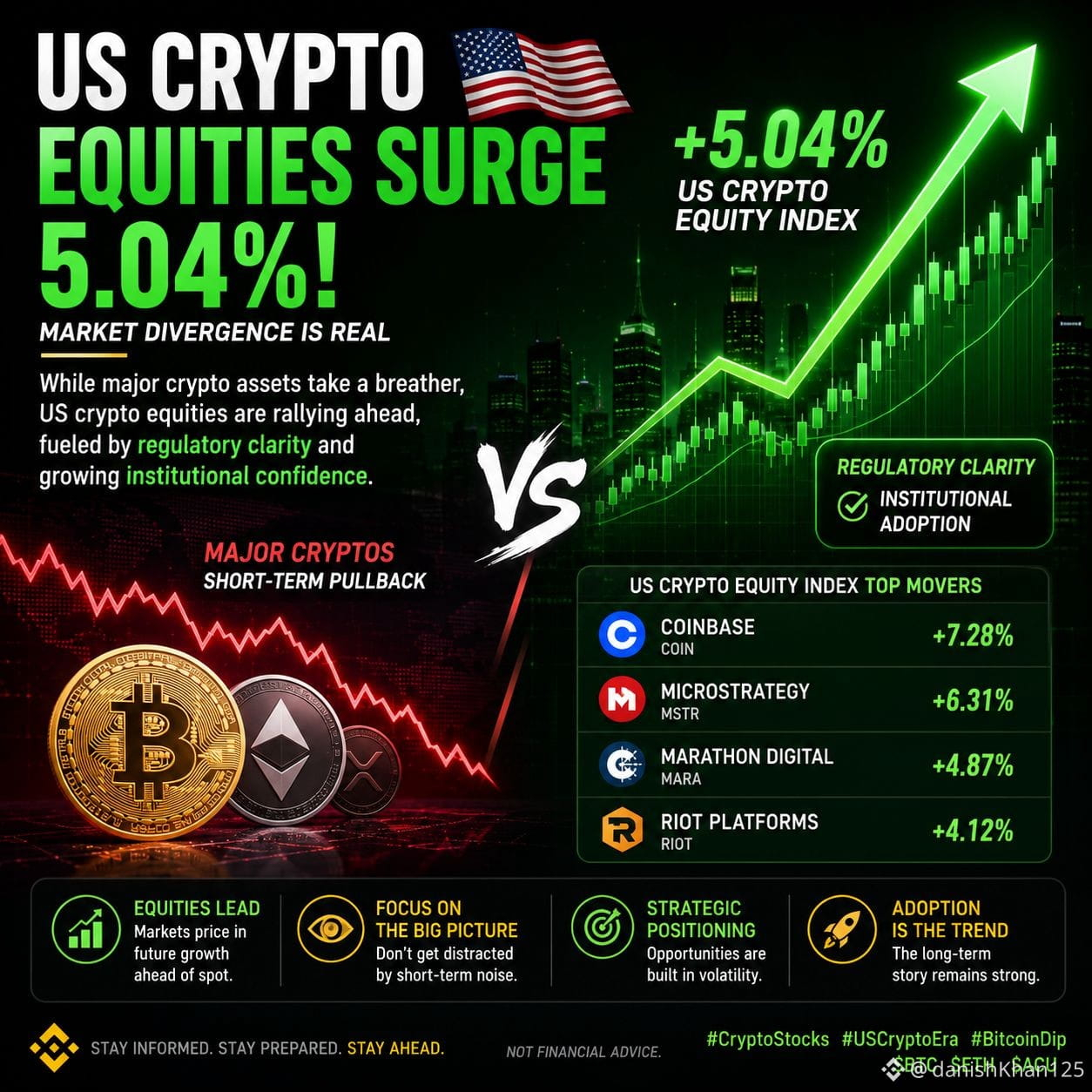
While BTC and other major crypto assets cool off, US-listed crypto stocks are pushing higher, climbing 5.04% 📈
The divergence is getting interesting: equity markets appear to be pricing in improving regulatory clarity and stronger institutional adoption, even as spot crypto takes a breather.
📊 What to watch:
• Crypto equities: +5.04%
• Spot market: Short-term consolidation
• Regulation: Key catalyst
• Bigger picture: Adoption trend remains intact
Volatility can create noise, but the macro trend is what matters. 👀
Not financial advice.
#CryptoStocks #Bitcoin #Ethereum #CryptoMarket $BTC $ETH $ACU
#uscryptoequityindexrises5.04%
🚨 US CRYPTO EQUITIES ARE MOVING DIFFERENT!
While BTC and other major crypto assets cool off, US-listed crypto stocks are pushing higher, climbing 5.04% 📈
The divergence is getting interesting: equity markets appear to be pricing in improving regulatory clarity and stronger institutional adoption, even as spot crypto takes a breather.
📊 What to watch:
• Crypto equities: +5.04%
• Spot market: Short-term consolidation
• Regulation: Key catalyst
• Bigger picture: Adoption trend remains intact
Volatility can create noise, but the macro trend is what matters. 👀
Not financial advice.
#CryptoStocks #Bitcoin #Ethereum #CryptoMarket $BTC $ETH $ACU
🚨 US CRYPTO EQUITIES ARE MOVING DIFFERENT!
While BTC and other major crypto assets cool off, US-listed crypto stocks are pushing higher, climbing 5.04% 📈
The divergence is getting interesting: equity markets appear to be pricing in improving regulatory clarity and stronger institutional adoption, even as spot crypto takes a breather.
📊 What to watch:
• Crypto equities: +5.04%
• Spot market: Short-term consolidation
• Regulation: Key catalyst
• Bigger picture: Adoption trend remains intact
Volatility can create noise, but the macro trend is what matters. 👀
Not financial advice.
#CryptoStocks #Bitcoin #Ethereum #CryptoMarket $BTC $ETH $ACU
958
🛢️ OIL SLIDES AS IRAN SANCTIONS FAIL TO SPARK SUPPLY FEARS 📉
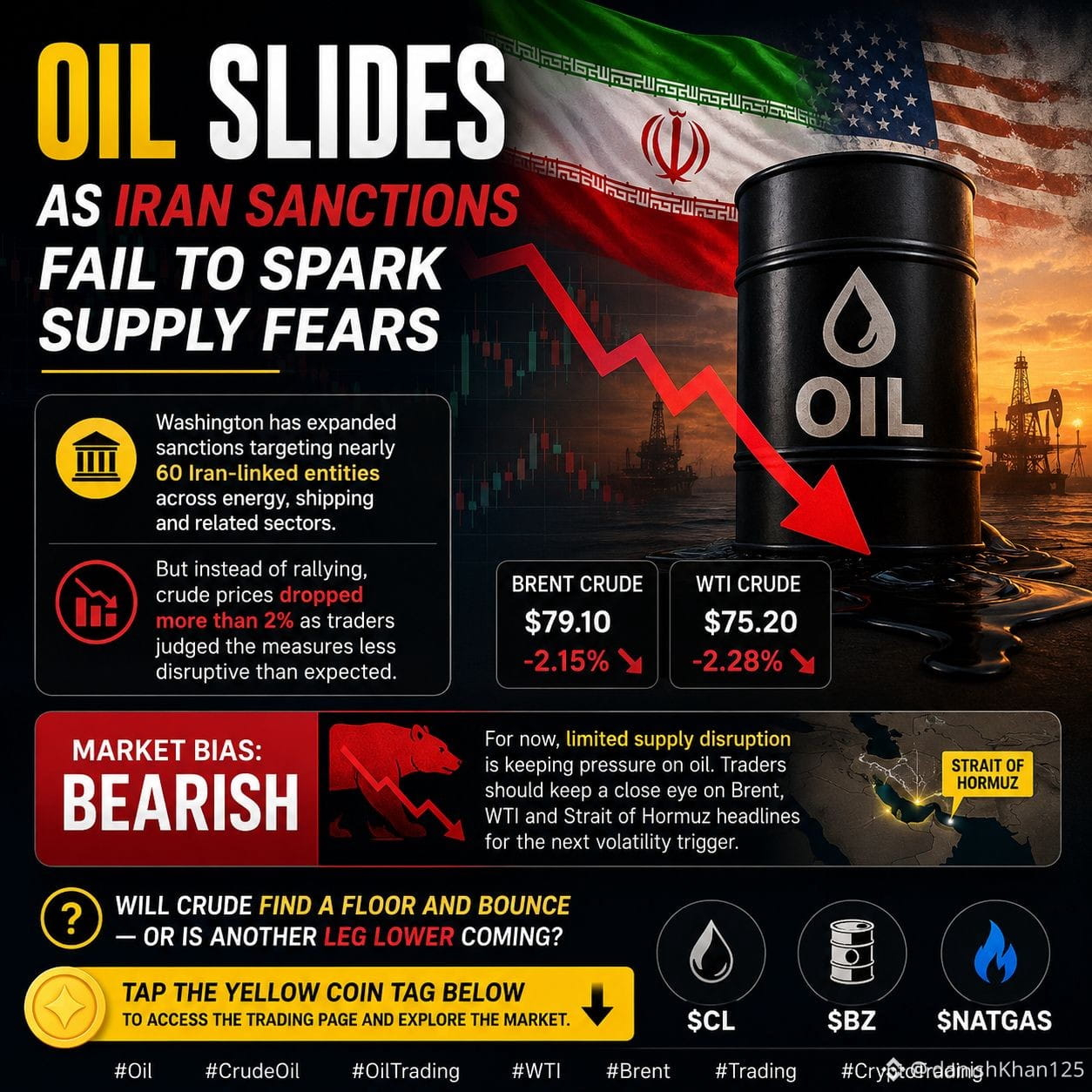
Washington has expanded sanctions targeting nearly 60 Iran-linked entities across energy, shipping and related sectors. But instead of rallying, crude prices dropped more than 2% as traders judged the measures less disruptive than expected.
📊 MARKET BIAS: BEARISH
For now, limited supply disruption is keeping pressure on oil. Traders should keep a close eye on Brent, WTI and Strait of Hormuz headlines for the next volatility trigger.
🔥 Will crude find a floor and bounce — or is another leg lower coming?
👇 Tap the yellow coin tag below to access the trading page and explore the market.
$CL $BZ $NATGAS
#Oil #CrudeOil #OilTrading #WTI #Brent #Trading #CryptoTrading
🛢️ OIL SLIDES AS IRAN SANCTIONS FAIL TO SPARK SUPPLY FEARS 📉
Washington has expanded sanctions targeting nearly 60 Iran-linked entities across energy, shipping and related sectors. But instead of rallying, crude prices dropped more than 2% as traders judged the measures less disruptive than expected.
📊 MARKET BIAS: BEARISH
For now, limited supply disruption is keeping pressure on oil. Traders should keep a close eye on Brent, WTI and Strait of Hormuz headlines for the next volatility trigger.
🔥 Will crude find a floor and bounce — or is another leg lower coming?
👇 Tap the yellow coin tag below to access the trading page and explore the market.
$CL $BZ $NATGAS
#Oil #CrudeOil #OilTrading #WTI #Brent #Trading #CryptoTrading
Washington has expanded sanctions targeting nearly 60 Iran-linked entities across energy, shipping and related sectors. But instead of rallying, crude prices dropped more than 2% as traders judged the measures less disruptive than expected.
📊 MARKET BIAS: BEARISH
For now, limited supply disruption is keeping pressure on oil. Traders should keep a close eye on Brent, WTI and Strait of Hormuz headlines for the next volatility trigger.
🔥 Will crude find a floor and bounce — or is another leg lower coming?
👇 Tap the yellow coin tag below to access the trading page and explore the market.
$CL $BZ $NATGAS
#Oil #CrudeOil #OilTrading #WTI #Brent #Trading #CryptoTrading
210
#bitcoinrises23.6%weekly
🚨 BITCOIN JUST HAD A MONSTER WEEK — WHAT COMES NEXT? 🚨
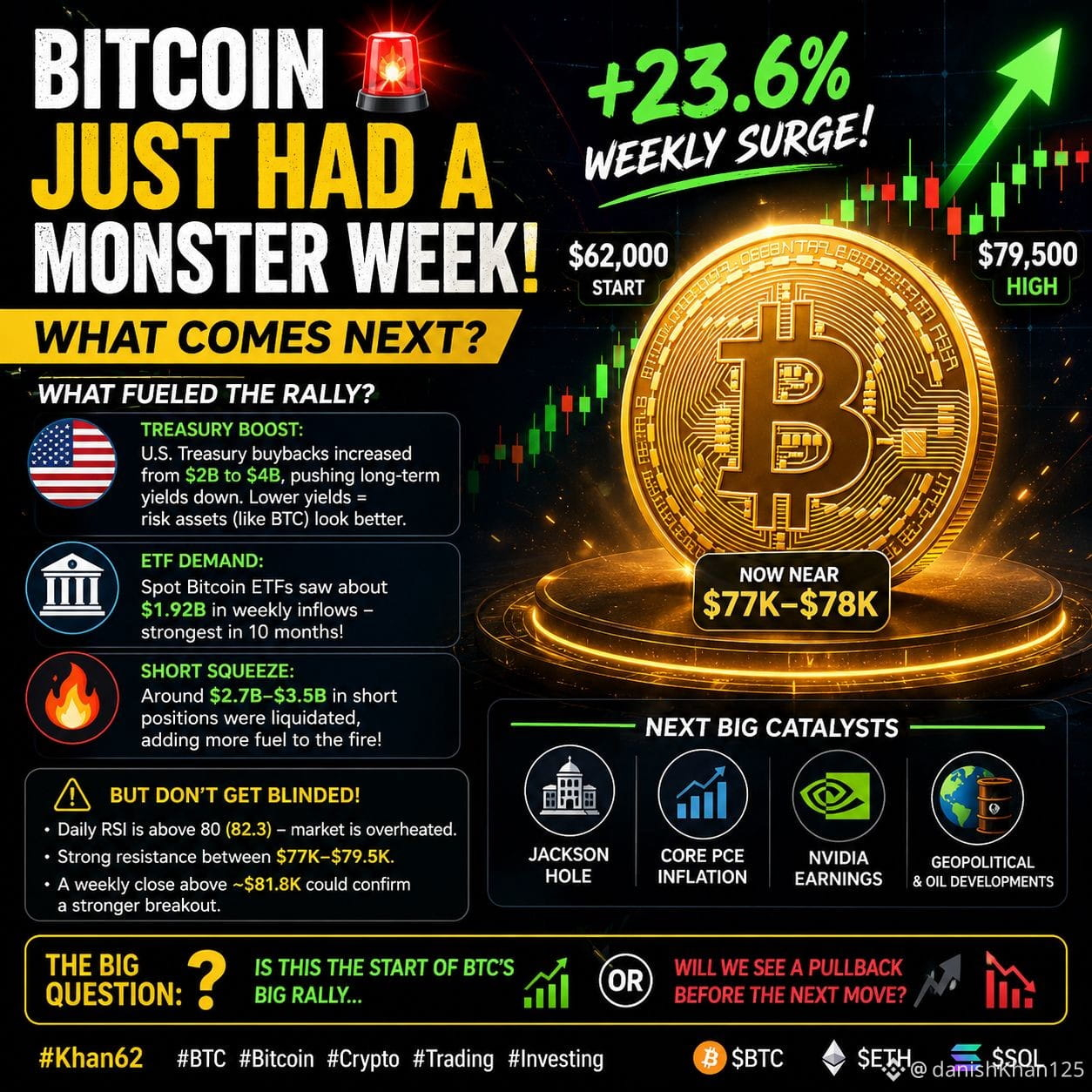
🔥 Bitcoin delivered one of its strongest weekly rallies in years, climbing roughly 23.6% from around $62K toward $79.5K before cooling back near the $77K–$78K zone.
But after a move this explosive, the real question is: Can BTC keep running, or is a pullback coming first? 👀
💰 What fueled the rally?
🇺🇸 Treasury Boost: U.S. Treasury buybacks reportedly increased from $2B to $4B, helping push long-term yields lower. Falling yields can improve the appeal of risk assets like BTC.
🏦 ETF Demand: Spot Bitcoin ETFs saw roughly $1.92B in weekly inflows, showing strong institutional appetite.
🔥 Short Squeeze: Around $2.7B–$3.5B in short positions were wiped out, adding extra fuel to the upside.
⚠️ But here's the danger…
Bitcoin’s daily RSI has climbed above 80, signaling an overheated short-term market. Meanwhile, $77K–$79.5K remains an important resistance zone.
🎯 A weekly close above roughly $81.8K could make the bullish breakout scenario much stronger.
📅 Eyes on the next catalysts:
• Jackson Hole 🏦
• Core PCE inflation 📊
• Nvidia earnings 💻
• Geopolitical & oil developments 🌍🛢️
💥 The big question:
Is Bitcoin preparing for another leg higher…
or will the market shake out late buyers before the next move? 👀📉📈
#BTC #Bitcoin #Crypto #Trading #Investing $BTC $ETH $SOL
#bitcoinrises23.6%weekly
🚨 BITCOIN JUST HAD A MONSTER WEEK — WHAT COMES NEXT? 🚨
🔥 Bitcoin delivered one of its strongest weekly rallies in years, climbing roughly 23.6% from around $62K toward $79.5K before cooling back near the $77K–$78K zone.
But after a move this explosive, the real question is: Can BTC keep running, or is a pullback coming first? 👀
💰 What fueled the rally?
🇺🇸 Treasury Boost: U.S. Treasury buybacks reportedly increased from $2B to $4B, helping push long-term yields lower. Falling yields can improve the appeal of risk assets like BTC.
🏦 ETF Demand: Spot Bitcoin ETFs saw roughly $1.92B in weekly inflows, showing strong institutional appetite.
🔥 Short Squeeze: Around $2.7B–$3.5B in short positions were wiped out, adding extra fuel to the upside.
⚠️ But here's the danger…
Bitcoin’s daily RSI has climbed above 80, signaling an overheated short-term market. Meanwhile, $77K–$79.5K remains an important resistance zone.
🎯 A weekly close above roughly $81.8K could make the bullish breakout scenario much stronger.
📅 Eyes on the next catalysts:
• Jackson Hole 🏦
• Core PCE inflation 📊
• Nvidia earnings 💻
• Geopolitical & oil developments 🌍🛢️
💥 The big question:
Is Bitcoin preparing for another leg higher…
or will the market shake out late buyers before the next move? 👀📉📈
#BTC #Bitcoin #Crypto #Trading #Investing $BTC $ETH $SOL
🚨 BITCOIN JUST HAD A MONSTER WEEK — WHAT COMES NEXT? 🚨
🔥 Bitcoin delivered one of its strongest weekly rallies in years, climbing roughly 23.6% from around $62K toward $79.5K before cooling back near the $77K–$78K zone.
But after a move this explosive, the real question is: Can BTC keep running, or is a pullback coming first? 👀
💰 What fueled the rally?
🇺🇸 Treasury Boost: U.S. Treasury buybacks reportedly increased from $2B to $4B, helping push long-term yields lower. Falling yields can improve the appeal of risk assets like BTC.
🏦 ETF Demand: Spot Bitcoin ETFs saw roughly $1.92B in weekly inflows, showing strong institutional appetite.
🔥 Short Squeeze: Around $2.7B–$3.5B in short positions were wiped out, adding extra fuel to the upside.
⚠️ But here's the danger…
Bitcoin’s daily RSI has climbed above 80, signaling an overheated short-term market. Meanwhile, $77K–$79.5K remains an important resistance zone.
🎯 A weekly close above roughly $81.8K could make the bullish breakout scenario much stronger.
📅 Eyes on the next catalysts:
• Jackson Hole 🏦
• Core PCE inflation 📊
• Nvidia earnings 💻
• Geopolitical & oil developments 🌍🛢️
💥 The big question:
Is Bitcoin preparing for another leg higher…
or will the market shake out late buyers before the next move? 👀📉📈
#BTC #Bitcoin #Crypto #Trading #Investing $BTC $ETH $SOL
151
Verified
#hkjulygoldnetexportstomainland56.193tons
🚨 GOLD IS MOVING EAST — AND THE SIGNAL IS LOUD 🚨
Hong Kong shipped 56.193 tons of gold into mainland China in July alone, pushing recent inflows beyond 75 tons. 🥇🇨🇳
Big money is clearly increasing exposure to hard assets while global uncertainty stays elevated.
And here’s the interesting part for crypto traders 👀👇
When capital starts chasing physical gold for safety, Bitcoin often becomes the digital alternative to watch. 🟠₿
💰 Follow the money.
📊 Watch the macro flow.
⚡ Stay ready for the next rotation.
Not financial advice. DYOR.
$XAU $BTC $STAR $ZRO
#Gold #Bitcoin #Crypto #China #BTC #BinanceSquare
#hkjulygoldnetexportstomainland56.193tons
🚨 GOLD IS MOVING EAST — AND THE SIGNAL IS LOUD 🚨
Hong Kong shipped 56.193 tons of gold into mainland China in July alone, pushing recent inflows beyond 75 tons. 🥇🇨🇳
Big money is clearly increasing exposure to hard assets while global uncertainty stays elevated.
And here’s the interesting part for crypto traders 👀👇
When capital starts chasing physical gold for safety, Bitcoin often becomes the digital alternative to watch. 🟠₿
💰 Follow the money.
📊 Watch the macro flow.
⚡ Stay ready for the next rotation.
Not financial advice. DYOR.
$XAU $BTC $STAR $ZRO
#Gold #Bitcoin #Crypto #China #BTC #BinanceSquare
🚨 GOLD IS MOVING EAST — AND THE SIGNAL IS LOUD 🚨
Hong Kong shipped 56.193 tons of gold into mainland China in July alone, pushing recent inflows beyond 75 tons. 🥇🇨🇳
Big money is clearly increasing exposure to hard assets while global uncertainty stays elevated.
And here’s the interesting part for crypto traders 👀👇
When capital starts chasing physical gold for safety, Bitcoin often becomes the digital alternative to watch. 🟠₿
💰 Follow the money.
📊 Watch the macro flow.
⚡ Stay ready for the next rotation.
Not financial advice. DYOR.
$XAU $BTC $STAR $ZRO
#Gold #Bitcoin #Crypto #China #BTC #BinanceSquare

1
1
2.2k
🚨
#skhynixsecondpremarketflashcrash30%
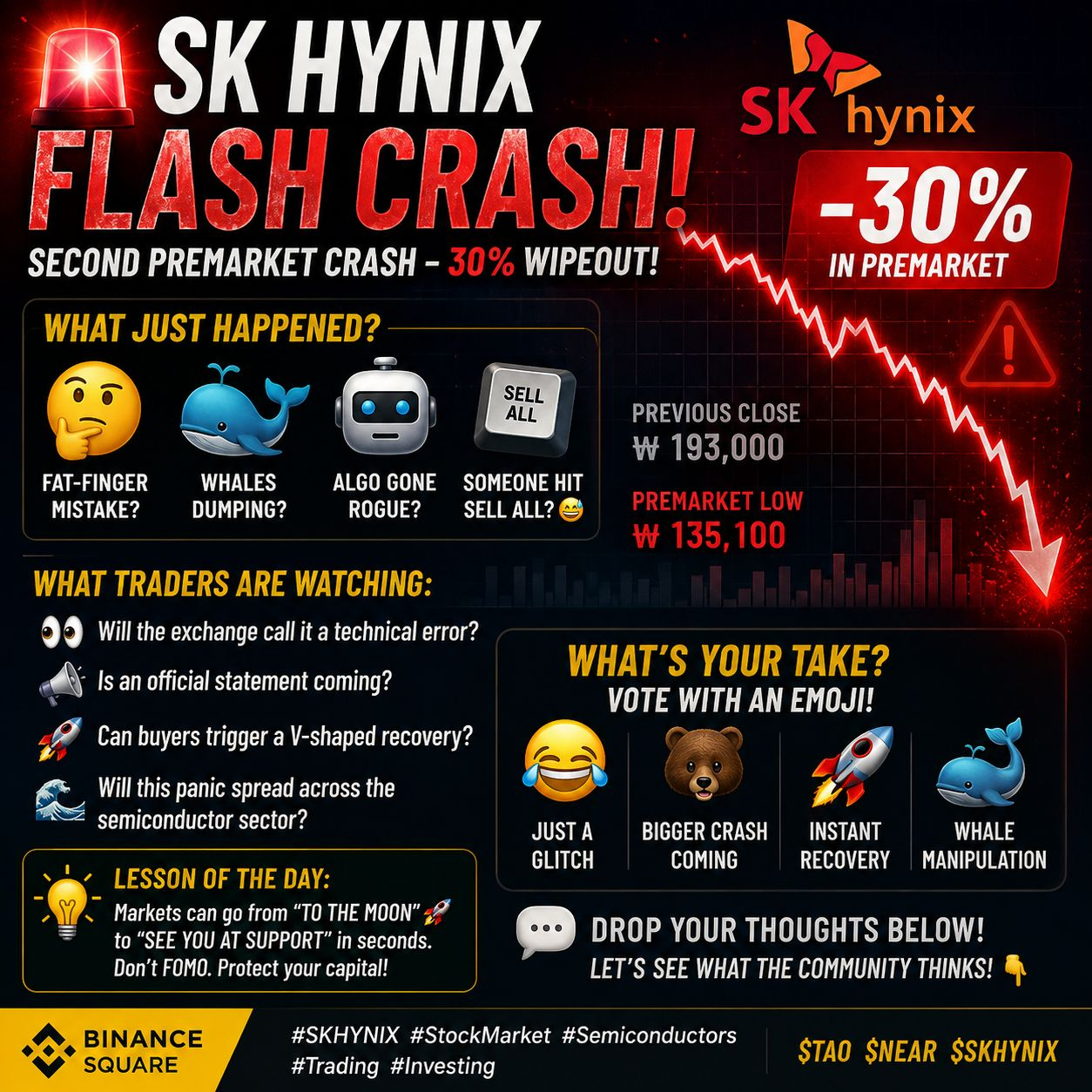
🚑 Who forgot to put a seatbelt on SK Hynix? 💀
SK Hynix just face-planted nearly 30% in premarket, and Crypto Twitter isn't the only place serving liquidations today. 📉😂
Now everyone is asking the million-dollar question...
🤔 Was it:
💥 A fat-finger mistake?
🐋 Whales smashing the sell button?
🤖 An algorithm having a full-blown meltdown?
😅 Or did someone's keyboard accidentally hit "SELL ALL"?
👀 Here's what traders are watching:
🔥 Will the exchange call it a technical error?
📢 Is an official statement coming?
🚀 Can buyers pull off a legendary V-shaped recovery?
🌊 Or will this panic spread across the entire semiconductor sector?
⚠️ Lesson of the day:
Markets can go from "To the Moon" 🌕 to "See You at Support" in seconds. Don't FOMO. Protect your capital and wait for confirmation.
💬 Your turn!
👇 Vote with one emoji:
😂 = Just a glitch
🐻 = Bigger crash coming
🚀 = Instant recovery
🐋 = Whale manipulation
Let's see what the community thinks! 👇
#SKHYNIX #StockMarket #Semiconductors #Trading #Investing #BinanceSquare
$TAO $NEAR $SKHYNIX
🚨
#skhynixsecondpremarketflashcrash30%
🚑 Who forgot to put a seatbelt on SK Hynix? 💀
SK Hynix just face-planted nearly 30% in premarket, and Crypto Twitter isn't the only place serving liquidations today. 📉😂
Now everyone is asking the million-dollar question...
🤔 Was it:
💥 A fat-finger mistake?
🐋 Whales smashing the sell button?
🤖 An algorithm having a full-blown meltdown?
😅 Or did someone's keyboard accidentally hit "SELL ALL"?
👀 Here's what traders are watching:
🔥 Will the exchange call it a technical error?
📢 Is an official statement coming?
🚀 Can buyers pull off a legendary V-shaped recovery?
🌊 Or will this panic spread across the entire semiconductor sector?
⚠️ Lesson of the day:
Markets can go from "To the Moon" 🌕 to "See You at Support" in seconds. Don't FOMO. Protect your capital and wait for confirmation.
💬 Your turn!
👇 Vote with one emoji:
😂 = Just a glitch
🐻 = Bigger crash coming
🚀 = Instant recovery
🐋 = Whale manipulation
Let's see what the community thinks! 👇
#SKHYNIX #StockMarket #Semiconductors #Trading #Investing #BinanceSquare
$TAO $NEAR $SKHYNIX
#skhynixsecondpremarketflashcrash30%
🚑 Who forgot to put a seatbelt on SK Hynix? 💀
SK Hynix just face-planted nearly 30% in premarket, and Crypto Twitter isn't the only place serving liquidations today. 📉😂
Now everyone is asking the million-dollar question...
🤔 Was it:
💥 A fat-finger mistake?
🐋 Whales smashing the sell button?
🤖 An algorithm having a full-blown meltdown?
😅 Or did someone's keyboard accidentally hit "SELL ALL"?
👀 Here's what traders are watching:
🔥 Will the exchange call it a technical error?
📢 Is an official statement coming?
🚀 Can buyers pull off a legendary V-shaped recovery?
🌊 Or will this panic spread across the entire semiconductor sector?
⚠️ Lesson of the day:
Markets can go from "To the Moon" 🌕 to "See You at Support" in seconds. Don't FOMO. Protect your capital and wait for confirmation.
💬 Your turn!
👇 Vote with one emoji:
😂 = Just a glitch
🐻 = Bigger crash coming
🚀 = Instant recovery
🐋 = Whale manipulation
Let's see what the community thinks! 👇
#SKHYNIX #StockMarket #Semiconductors #Trading #Investing #BinanceSquare
$TAO $NEAR $SKHYNIX
1
232
Verified
#kospiledlowerbyskhynixsamsung
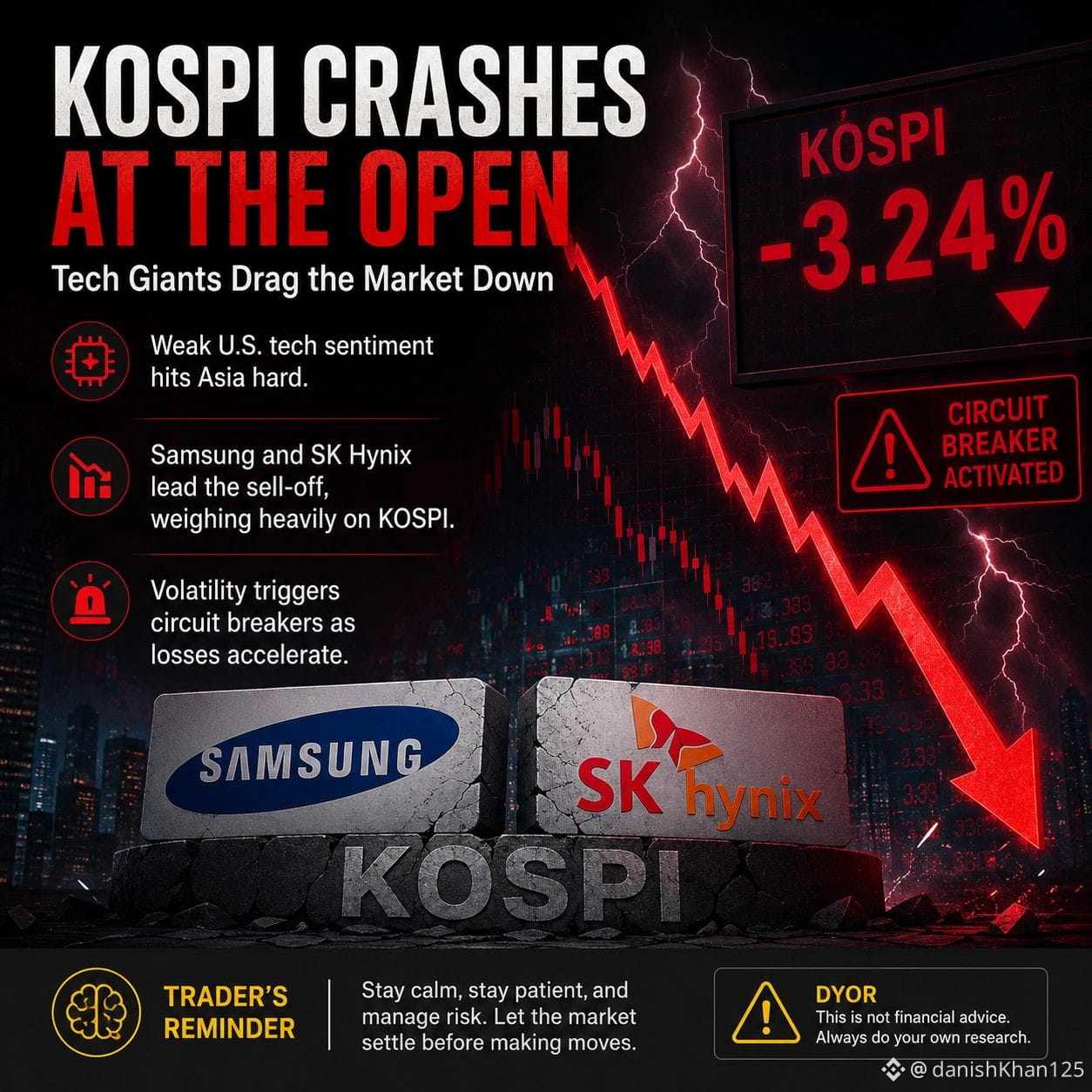
🚨 KOSPI Opens Deep in the Red as Chip Giants Weigh on the Market 📉
South Korea's stock market faced heavy selling pressure after weak sentiment from the U.S. tech sector spilled over into Asia. Major semiconductor leaders like Samsung and SK Hynix were among the biggest drags, pushing the KOSPI sharply lower right from the opening bell.
The decline became so intense that volatility controls were activated, reminding traders how quickly fear can spread across global markets. ⚠️
💡 What should traders do?
Stay patient, avoid emotional decisions, and let the market settle before chasing moves. Volatile sessions often create opportunities—but only for those who manage risk wisely.
🔍 Always do your own research and never invest more than you can afford to lose.
#KOSPI #Stocks #NASDAQ #Samsung #SKHynix #Trading #Investing
$SKHY
{future}(SKHYUSDT)
$SKHYNIX
{future}(SKHYNIXUSDT)
$SAMSUNG
{future}(SAMSUNGUSDT)
#kospiledlowerbyskhynixsamsung
🚨 KOSPI Opens Deep in the Red as Chip Giants Weigh on the Market 📉
South Korea's stock market faced heavy selling pressure after weak sentiment from the U.S. tech sector spilled over into Asia. Major semiconductor leaders like Samsung and SK Hynix were among the biggest drags, pushing the KOSPI sharply lower right from the opening bell.
The decline became so intense that volatility controls were activated, reminding traders how quickly fear can spread across global markets. ⚠️
💡 What should traders do?
Stay patient, avoid emotional decisions, and let the market settle before chasing moves. Volatile sessions often create opportunities—but only for those who manage risk wisely.
🔍 Always do your own research and never invest more than you can afford to lose.
#KOSPI #Stocks #NASDAQ #Samsung #SKHynix #Trading #Investing
$SKHY
$SKHYNIX
$SAMSUNG
🚨 KOSPI Opens Deep in the Red as Chip Giants Weigh on the Market 📉
South Korea's stock market faced heavy selling pressure after weak sentiment from the U.S. tech sector spilled over into Asia. Major semiconductor leaders like Samsung and SK Hynix were among the biggest drags, pushing the KOSPI sharply lower right from the opening bell.
The decline became so intense that volatility controls were activated, reminding traders how quickly fear can spread across global markets. ⚠️
💡 What should traders do?
Stay patient, avoid emotional decisions, and let the market settle before chasing moves. Volatile sessions often create opportunities—but only for those who manage risk wisely.
🔍 Always do your own research and never invest more than you can afford to lose.
#KOSPI #Stocks #NASDAQ #Samsung #SKHynix #Trading #Investing
$SKHY
$SKHYNIX
$SAMSUNG
1
281
#goldbreaksoutabovedowntrend
🚨 Gold just broke the downtrend... and the FOMO squad has entered the chat! 😂🟡
For weeks everyone was saying, "I'll buy when it dips."
Now Gold is sitting around $4,280/oz, and suddenly everyone's asking, "Is it too late?" 🤡📈
👀 The real battlefield is $4,300–$4,400.
If the bulls smash through that zone, things could get wild. Inflation fears may return, and the Fed could be forced into another difficult decision.
🎯 Smart traders don't chase candles—they wait for confirmation, manage risk, and let the market come to them.
So... are you:
🐂 Team "Breakout to the Moon"?
😅 Or Team "Waiting for the Dip That Never Comes"?
Drop your prediction below! 👇🔥
⚠️ DYOR. This is not financial advice.
#Gold #XAU #PAXG #Fed #BinanceSquare #Bullish
$XAUT $XAU $PAXG
#goldbreaksoutabovedowntrend
🚨 Gold just broke the downtrend... and the FOMO squad has entered the chat! 😂🟡
For weeks everyone was saying, "I'll buy when it dips."
Now Gold is sitting around $4,280/oz, and suddenly everyone's asking, "Is it too late?" 🤡📈
👀 The real battlefield is $4,300–$4,400.
If the bulls smash through that zone, things could get wild. Inflation fears may return, and the Fed could be forced into another difficult decision.
🎯 Smart traders don't chase candles—they wait for confirmation, manage risk, and let the market come to them.
So... are you:
🐂 Team "Breakout to the Moon"?
😅 Or Team "Waiting for the Dip That Never Comes"?
Drop your prediction below! 👇🔥
⚠️ DYOR. This is not financial advice.
#Gold #XAU #PAXG #Fed #BinanceSquare #Bullish
$XAUT $XAU $PAXG
🚨 Gold just broke the downtrend... and the FOMO squad has entered the chat! 😂🟡
For weeks everyone was saying, "I'll buy when it dips."
Now Gold is sitting around $4,280/oz, and suddenly everyone's asking, "Is it too late?" 🤡📈
👀 The real battlefield is $4,300–$4,400.
If the bulls smash through that zone, things could get wild. Inflation fears may return, and the Fed could be forced into another difficult decision.
🎯 Smart traders don't chase candles—they wait for confirmation, manage risk, and let the market come to them.
So... are you:
🐂 Team "Breakout to the Moon"?
😅 Or Team "Waiting for the Dip That Never Comes"?
Drop your prediction below! 👇🔥
⚠️ DYOR. This is not financial advice.
#Gold #XAU #PAXG #Fed #BinanceSquare #Bullish
$XAUT $XAU $PAXG

3
3.2k
Verified
#usismservicesindexrisesto54.1
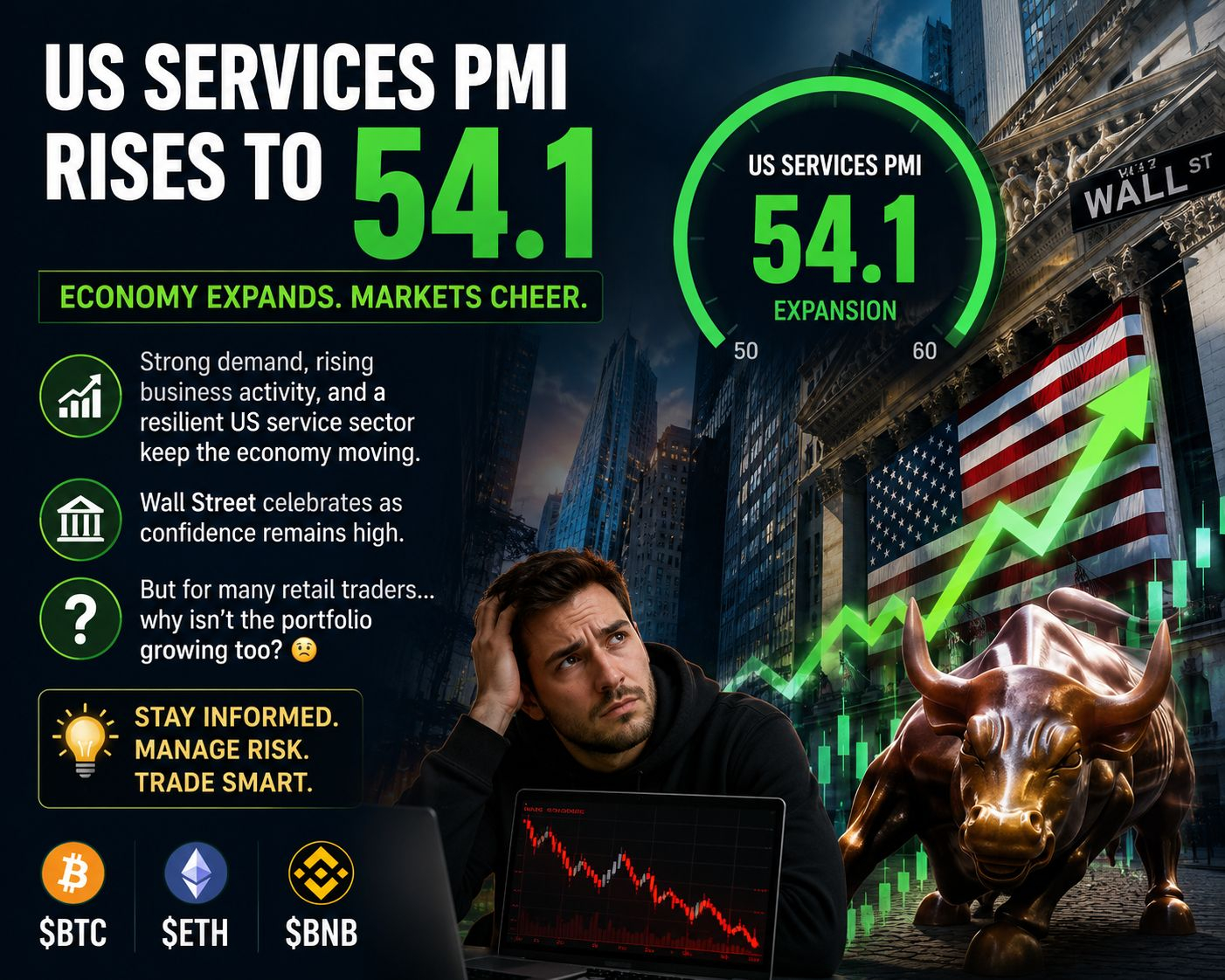
📈 US Services Stay Strong!
The latest US Services PMI climbed to 54.1, signaling that the services sector continues to expand at a healthy pace. Strong consumer demand and steady business activity are keeping confidence high across the market. 💪🇺🇸
For crypto traders, this could influence expectations around interest rates and overall market sentiment. A stronger economy often brings both opportunities and volatility, so risk management remains essential.
Meanwhile, the economy is showing strength… but many retail portfolios are still waiting for their breakout. 😅📊
💬 What's your strategy right now? Are you accumulating, trading short-term, or staying on the sidelines?
#Macro #TradFi #US #Crypto #Investing
$BTC $ETH $BNB
#usismservicesindexrisesto54.1
📈 US Services Stay Strong!
The latest US Services PMI climbed to 54.1, signaling that the services sector continues to expand at a healthy pace. Strong consumer demand and steady business activity are keeping confidence high across the market. 💪🇺🇸
For crypto traders, this could influence expectations around interest rates and overall market sentiment. A stronger economy often brings both opportunities and volatility, so risk management remains essential.
Meanwhile, the economy is showing strength… but many retail portfolios are still waiting for their breakout. 😅📊
💬 What's your strategy right now? Are you accumulating, trading short-term, or staying on the sidelines?
#Macro #TradFi #US #Crypto #Investing
$BTC $ETH $BNB
📈 US Services Stay Strong!
The latest US Services PMI climbed to 54.1, signaling that the services sector continues to expand at a healthy pace. Strong consumer demand and steady business activity are keeping confidence high across the market. 💪🇺🇸
For crypto traders, this could influence expectations around interest rates and overall market sentiment. A stronger economy often brings both opportunities and volatility, so risk management remains essential.
Meanwhile, the economy is showing strength… but many retail portfolios are still waiting for their breakout. 😅📊
💬 What's your strategy right now? Are you accumulating, trading short-term, or staying on the sidelines?
#Macro #TradFi #US #Crypto #Investing
$BTC $ETH $BNB
3
2.1k
#saudioiltankersreroutearoundafrica
🚨 Oil Shipping Disruption Could Shake Global Markets
The situation in the Red Sea continues to disrupt international trade, with Saudi crude tankers increasingly choosing the much longer route around Africa instead of the Suez corridor.
📍 Transit times have surged from roughly 19 days to nearly 48 days, adding significant delays across the energy supply chain.
💰 Each voyage is estimated to cost an additional $2M–$5M, increasing transportation expenses and creating fresh uncertainty for oil markets.
📊 For traders, this could translate into higher volatility in crude prices, shifting market sentiment, and ripple effects across global assets. Keep an eye on geopolitical developments and manage risk accordingly.
This post is for informational purposes only and is not financial advice.
#SaudiOil #RedSea #OilMarket #SupplyChain #Geopolitics #BinanceSquare #Trading
$BTC $CL $KOMA
#saudioiltankersreroutearoundafrica
🚨 Oil Shipping Disruption Could Shake Global Markets
The situation in the Red Sea continues to disrupt international trade, with Saudi crude tankers increasingly choosing the much longer route around Africa instead of the Suez corridor.
📍 Transit times have surged from roughly 19 days to nearly 48 days, adding significant delays across the energy supply chain.
💰 Each voyage is estimated to cost an additional $2M–$5M, increasing transportation expenses and creating fresh uncertainty for oil markets.
📊 For traders, this could translate into higher volatility in crude prices, shifting market sentiment, and ripple effects across global assets. Keep an eye on geopolitical developments and manage risk accordingly.
This post is for informational purposes only and is not financial advice.
#SaudiOil #RedSea #OilMarket #SupplyChain #Geopolitics #BinanceSquare #Trading
$BTC $CL $KOMA
🚨 Oil Shipping Disruption Could Shake Global Markets
The situation in the Red Sea continues to disrupt international trade, with Saudi crude tankers increasingly choosing the much longer route around Africa instead of the Suez corridor.
📍 Transit times have surged from roughly 19 days to nearly 48 days, adding significant delays across the energy supply chain.
💰 Each voyage is estimated to cost an additional $2M–$5M, increasing transportation expenses and creating fresh uncertainty for oil markets.
📊 For traders, this could translate into higher volatility in crude prices, shifting market sentiment, and ripple effects across global assets. Keep an eye on geopolitical developments and manage risk accordingly.
This post is for informational purposes only and is not financial advice.
#SaudiOil #RedSea #OilMarket #SupplyChain #Geopolitics #BinanceSquare #Trading
$BTC $CL $KOMA

1
259
#fundmanagersmostbullishongoldsincemarch2023 🚨
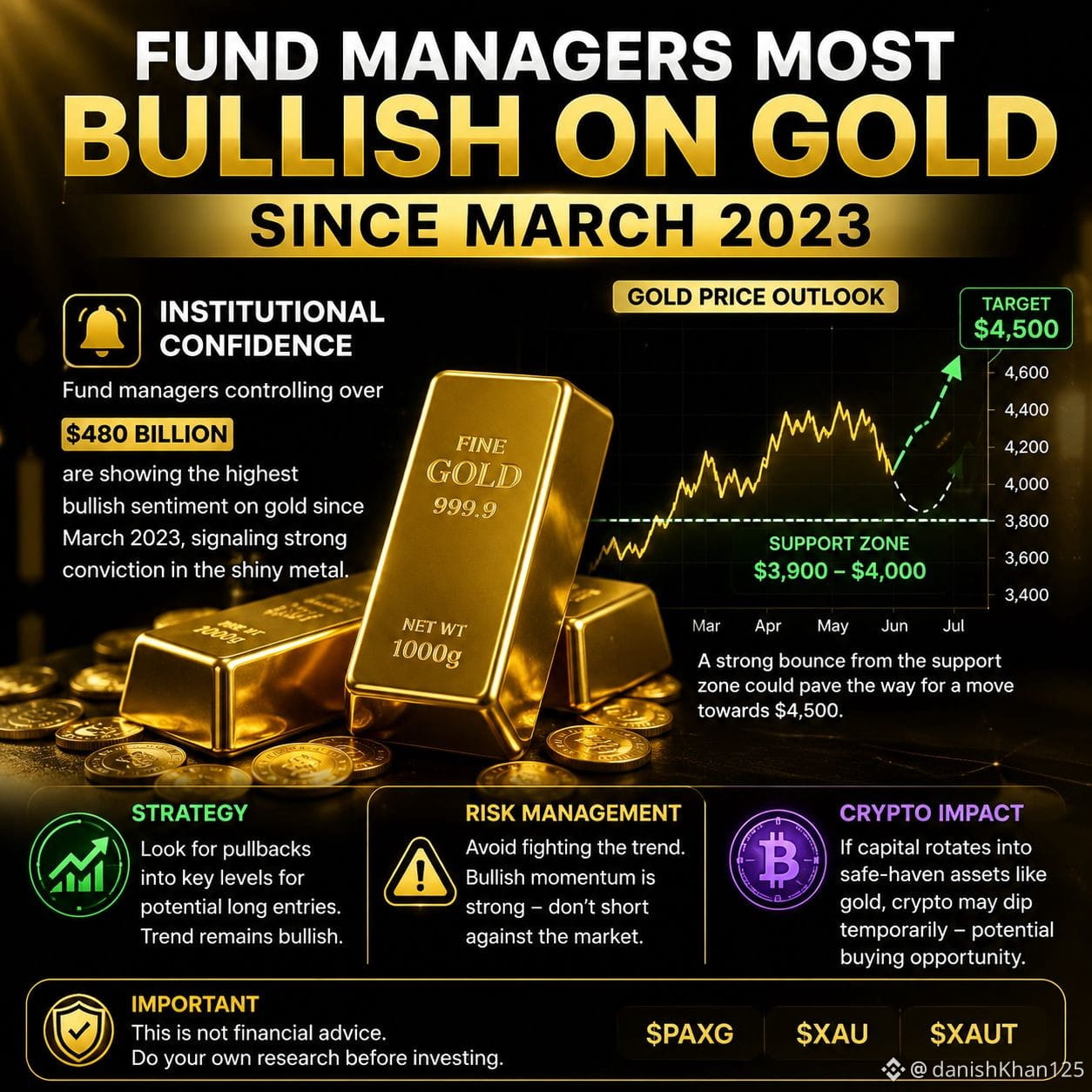
Gold is back in the spotlight. Institutional fund managers overseeing more than $480B are showing their strongest bullish sentiment on gold since March 2023, signaling that many big players still see value in the precious metal.
📈 Market Outlook
• The $3,900–$4,000 area remains an important support zone to watch.
• A strong rebound from this region could open the door for a move toward $4,500 if buying momentum continues.
• Rather than chasing price, many traders may prefer to wait for healthy pullbacks before considering new long opportunities.
⚠️ Risk Reminder
With sentiment heavily favoring bulls, betting aggressively against the trend could be risky. Markets can change quickly, so proper risk management is essential.
🪙 Crypto Watch
If investors continue shifting funds into safe-haven assets like gold, the crypto market could experience short-term volatility. For long-term investors, those dips may create attractive opportunities.
Not financial advice. Always do your own research before investing.
#Gold #XAU #PAXG #XAUT #CryptoNews #Trading #Investing
$PAXG $XAU $XAUT
#fundmanagersmostbullishongoldsincemarch2023 🚨
Gold is back in the spotlight. Institutional fund managers overseeing more than $480B are showing their strongest bullish sentiment on gold since March 2023, signaling that many big players still see value in the precious metal.
📈 Market Outlook
• The $3,900–$4,000 area remains an important support zone to watch.
• A strong rebound from this region could open the door for a move toward $4,500 if buying momentum continues.
• Rather than chasing price, many traders may prefer to wait for healthy pullbacks before considering new long opportunities.
⚠️ Risk Reminder
With sentiment heavily favoring bulls, betting aggressively against the trend could be risky. Markets can change quickly, so proper risk management is essential.
🪙 Crypto Watch
If investors continue shifting funds into safe-haven assets like gold, the crypto market could experience short-term volatility. For long-term investors, those dips may create attractive opportunities.
Not financial advice. Always do your own research before investing.
#Gold #XAU #PAXG #XAUT #CryptoNews #Trading #Investing
$PAXG $XAU $XAUT
Gold is back in the spotlight. Institutional fund managers overseeing more than $480B are showing their strongest bullish sentiment on gold since March 2023, signaling that many big players still see value in the precious metal.
📈 Market Outlook
• The $3,900–$4,000 area remains an important support zone to watch.
• A strong rebound from this region could open the door for a move toward $4,500 if buying momentum continues.
• Rather than chasing price, many traders may prefer to wait for healthy pullbacks before considering new long opportunities.
⚠️ Risk Reminder
With sentiment heavily favoring bulls, betting aggressively against the trend could be risky. Markets can change quickly, so proper risk management is essential.
🪙 Crypto Watch
If investors continue shifting funds into safe-haven assets like gold, the crypto market could experience short-term volatility. For long-term investors, those dips may create attractive opportunities.
Not financial advice. Always do your own research before investing.
#Gold #XAU #PAXG #XAUT #CryptoNews #Trading #Investing
$PAXG $XAU $XAUT
1
152
#fedsepthikeoddsjumptoabout82%
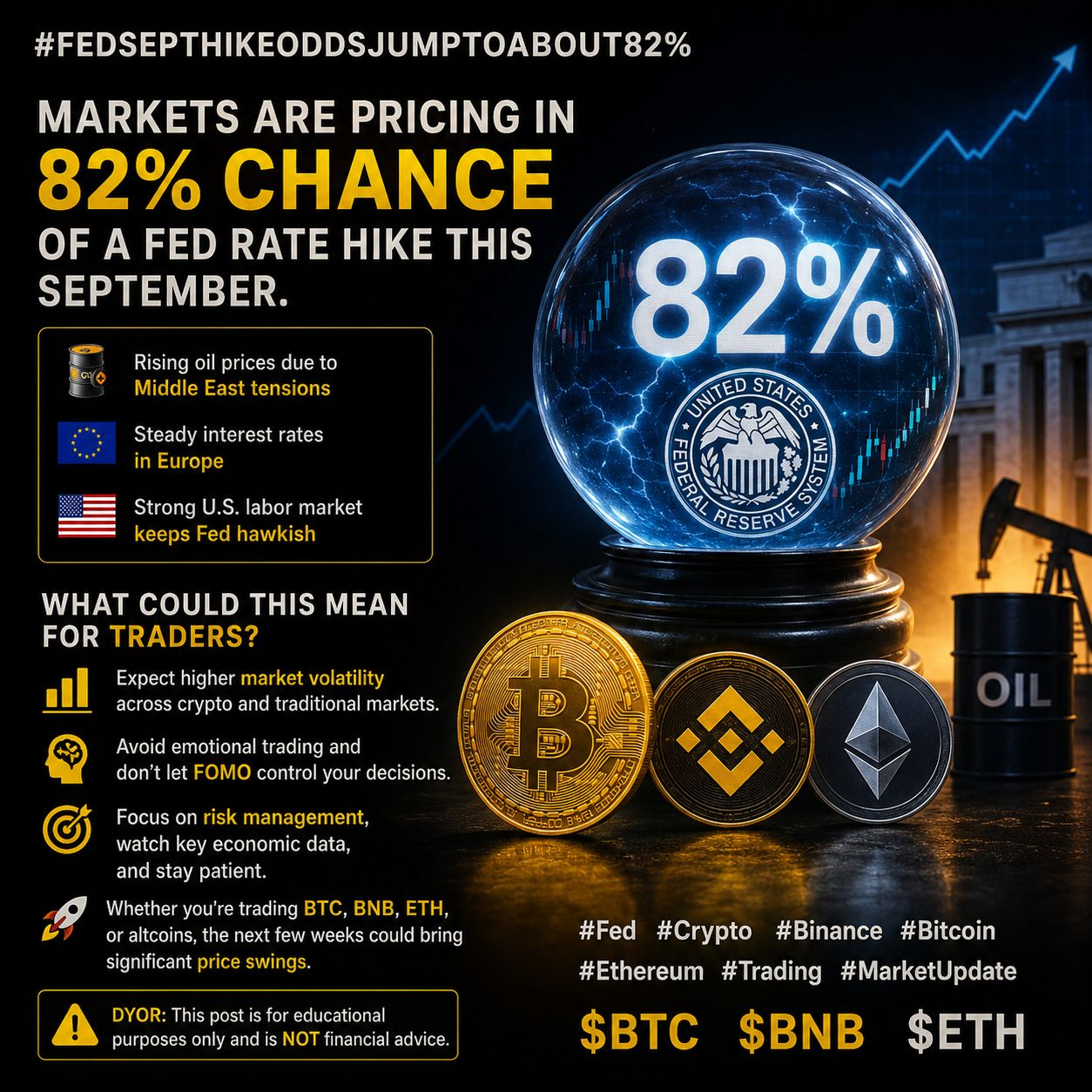
🚨 Markets are pricing in an 82% chance of a Fed rate hike this September.
Rising oil prices driven by Middle East tensions, steady European interest rates, and a resilient U.S. jobs report have strengthened expectations that the Federal Reserve could keep its hawkish stance.
What could this mean for traders?
📊 Expect higher market volatility across crypto and traditional markets.
⚡ Avoid emotional trading and don't let FOMO control your decisions.
🎯 Focus on risk management, watch key economic data, and stay patient.
Whether you're trading BTC, BNB, ETH, or altcoins, the next few weeks could bring significant price swings.
⚠️ DYOR: This post is for educational purposes only and is not financial advice.
#Fed #Crypto #Binance #Bitcoin #Ethereum #Trading #MarketUpdate
$BTC $BNB $ETH
#fedsepthikeoddsjumptoabout82%
🚨 Markets are pricing in an 82% chance of a Fed rate hike this September.
Rising oil prices driven by Middle East tensions, steady European interest rates, and a resilient U.S. jobs report have strengthened expectations that the Federal Reserve could keep its hawkish stance.
What could this mean for traders?
📊 Expect higher market volatility across crypto and traditional markets.
⚡ Avoid emotional trading and don't let FOMO control your decisions.
🎯 Focus on risk management, watch key economic data, and stay patient.
Whether you're trading BTC, BNB, ETH, or altcoins, the next few weeks could bring significant price swings.
⚠️ DYOR: This post is for educational purposes only and is not financial advice.
#Fed #Crypto #Binance #Bitcoin #Ethereum #Trading #MarketUpdate
$BTC $BNB $ETH
🚨 Markets are pricing in an 82% chance of a Fed rate hike this September.
Rising oil prices driven by Middle East tensions, steady European interest rates, and a resilient U.S. jobs report have strengthened expectations that the Federal Reserve could keep its hawkish stance.
What could this mean for traders?
📊 Expect higher market volatility across crypto and traditional markets.
⚡ Avoid emotional trading and don't let FOMO control your decisions.
🎯 Focus on risk management, watch key economic data, and stay patient.
Whether you're trading BTC, BNB, ETH, or altcoins, the next few weeks could bring significant price swings.
⚠️ DYOR: This post is for educational purposes only and is not financial advice.
#Fed #Crypto #Binance #Bitcoin #Ethereum #Trading #MarketUpdate
$BTC $BNB $ETH
1
432
Log in to explore more content
Join global crypto users on Binance Square
⚡️ Get latest and useful information about crypto.
💬 Trusted by the world’s largest crypto exchange.
👍 Discover real insights from verified creators.
Email / Phone number