
Crypto_view123
96 Posts

Crypto_view123
Report
Block User
4 Following
1.7K+ Followers
3 Liked
Posts
The main sources of on-chain malware are no longer scammer amateurs; it’s North Korea and Iran. The two names are placed side by side, indicating that the attacks have long been an industry with infrastructure, schedules, and budgets.
We tend to treat security as a matter of habit: don’t click on unfamiliar links, don’t sign, don’t authorize. But the adversary doesn’t lack patience—waiting for one click a year is enough.
Institutionalized operations beat habits from the start. People who lose assets have usually done everything right beforehand; they just don’t know they’re facing a national countdown timer.
In the same week, CoinEx shut down. When one exchange closes, it doesn’t necessarily mean it was breached—it might simply be unable to hold on.
This is where the limits of risk control lie: you can prevent a single click, but you can’t defend against waiting for an entire year. The question isn’t how I can be more careful—it’s how many assets can’t rely on my caution alone.
In the group, we’re discussing the other half—what steps can be fully taken offline, and which ones must assume they’ve already been leaked. Scan the QR code below👇 to join.
#链上安全 #加密 #Risk Control
The main sources of on-chain malware are no longer scammer amateurs; it’s North Korea and Iran. The two names are placed side by side, indicating that the attacks have long been an industry with infrastructure, schedules, and budgets.
We tend to treat security as a matter of habit: don’t click on unfamiliar links, don’t sign, don’t authorize. But the adversary doesn’t lack patience—waiting for one click a year is enough.
Institutionalized operations beat habits from the start. People who lose assets have usually done everything right beforehand; they just don’t know they’re facing a national countdown timer.
In the same week, CoinEx shut down. When one exchange closes, it doesn’t necessarily mean it was breached—it might simply be unable to hold on.
This is where the limits of risk control lie: you can prevent a single click, but you can’t defend against waiting for an entire year. The question isn’t how I can be more careful—it’s how many assets can’t rely on my caution alone.
In the group, we’re discussing the other half—what steps can be fully taken offline, and which ones must assume they’ve already been leaked. Scan the QR code below👇 to join.
#链上安全 #加密 #Risk Control
We tend to treat security as a matter of habit: don’t click on unfamiliar links, don’t sign, don’t authorize. But the adversary doesn’t lack patience—waiting for one click a year is enough.
Institutionalized operations beat habits from the start. People who lose assets have usually done everything right beforehand; they just don’t know they’re facing a national countdown timer.
In the same week, CoinEx shut down. When one exchange closes, it doesn’t necessarily mean it was breached—it might simply be unable to hold on.
This is where the limits of risk control lie: you can prevent a single click, but you can’t defend against waiting for an entire year. The question isn’t how I can be more careful—it’s how many assets can’t rely on my caution alone.
In the group, we’re discussing the other half—what steps can be fully taken offline, and which ones must assume they’ve already been leaked. Scan the QR code below👇 to join.
#链上安全 #加密 #Risk Control


8
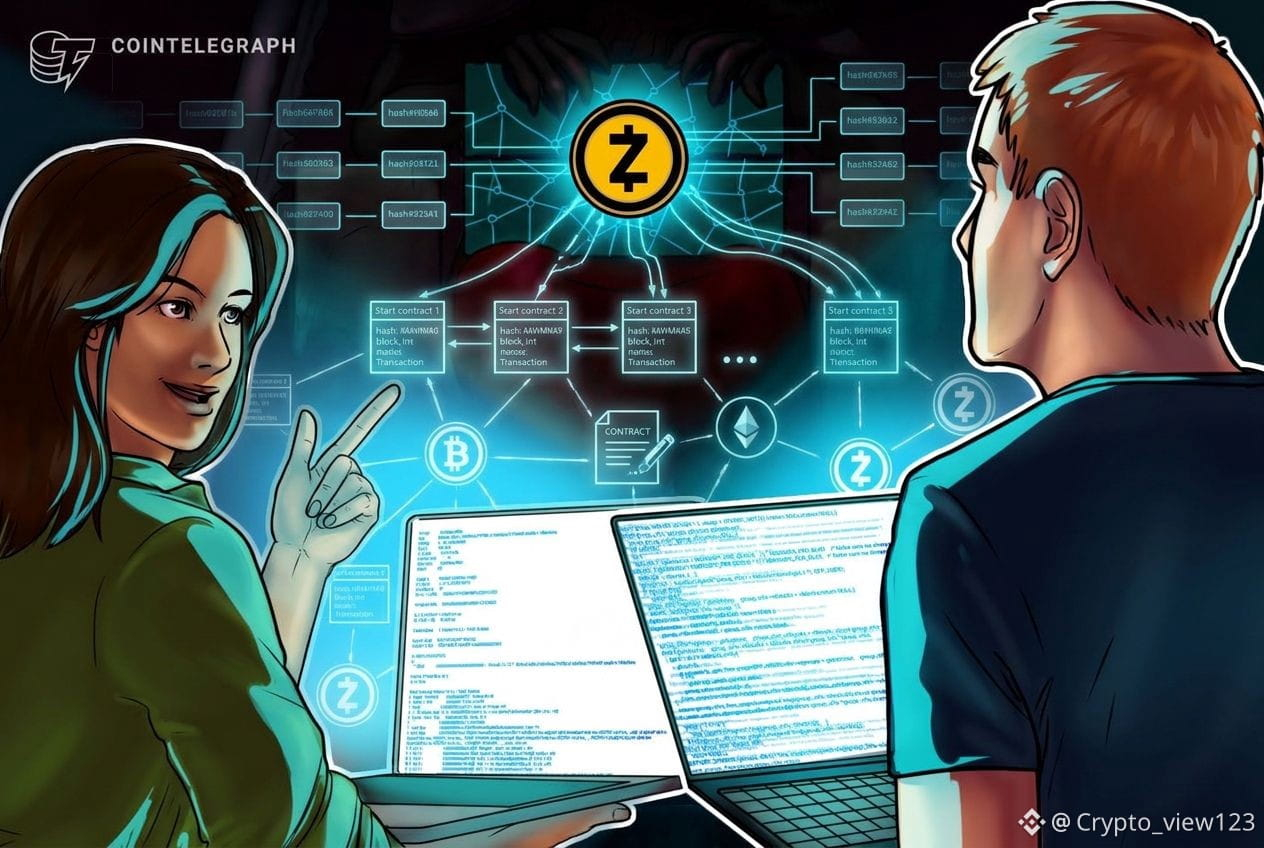
Zcash has scheduled the mainnet upgrade for November. Block production time will be cut to 25 seconds, and the testnet will run first on October 6. In the same announcement, there is another line: “The halving timeline remains unchanged.” These two sentences should be read together.
The chain is three times faster, but the scarcity rhythm of the coin hasn’t changed. What they’re fixing is speed, not demand. The upgrade can change block time, but it can’t change who uses it.
With the halving schedule unchanged, it means there won’t be more coins mined in the same year. What speeds up is time—not supply.
Privacy coins have been delisted by exchanges and scrutinized by compliance authorities, and not once has the reason been that blocks are too slow. Slow is a technical issue, and technical issues have patches; whether people want it is another matter.
In the two weeks after going live in November, the on-chain transfer counts are more honest than the block time. With 25 seconds, the ledger turns over faster—but that doesn’t mean someone is turning it.
The real suspense isn’t speed; it’s how many new addresses show up for the first time during those two weeks.
That’s what they’re watching in the group: before and after the upgrade, who appears more on-chain and who disappears, and how to separate real usage from volume-farming. Join the group by scanning the QR code below👇
#Zcash #隐私币 #升级
Zcash has scheduled the mainnet upgrade for November. Block production time will be cut to 25 seconds, and the testnet will run first on October 6. In the same announcement, there is another line: “The halving timeline remains unchanged.” These two sentences should be read together.
The chain is three times faster, but the scarcity rhythm of the coin hasn’t changed. What they’re fixing is speed, not demand. The upgrade can change block time, but it can’t change who uses it.
With the halving schedule unchanged, it means there won’t be more coins mined in the same year. What speeds up is time—not supply.
Privacy coins have been delisted by exchanges and scrutinized by compliance authorities, and not once has the reason been that blocks are too slow. Slow is a technical issue, and technical issues have patches; whether people want it is another matter.
In the two weeks after going live in November, the on-chain transfer counts are more honest than the block time. With 25 seconds, the ledger turns over faster—but that doesn’t mean someone is turning it.
The real suspense isn’t speed; it’s how many new addresses show up for the first time during those two weeks.
That’s what they’re watching in the group: before and after the upgrade, who appears more on-chain and who disappears, and how to separate real usage from volume-farming. Join the group by scanning the QR code below👇
#Zcash #隐私币 #升级
The chain is three times faster, but the scarcity rhythm of the coin hasn’t changed. What they’re fixing is speed, not demand. The upgrade can change block time, but it can’t change who uses it.
With the halving schedule unchanged, it means there won’t be more coins mined in the same year. What speeds up is time—not supply.
Privacy coins have been delisted by exchanges and scrutinized by compliance authorities, and not once has the reason been that blocks are too slow. Slow is a technical issue, and technical issues have patches; whether people want it is another matter.
In the two weeks after going live in November, the on-chain transfer counts are more honest than the block time. With 25 seconds, the ledger turns over faster—but that doesn’t mean someone is turning it.
The real suspense isn’t speed; it’s how many new addresses show up for the first time during those two weeks.
That’s what they’re watching in the group: before and after the upgrade, who appears more on-chain and who disappears, and how to separate real usage from volume-farming. Join the group by scanning the QR code below👇
#Zcash #隐私币 #升级

11
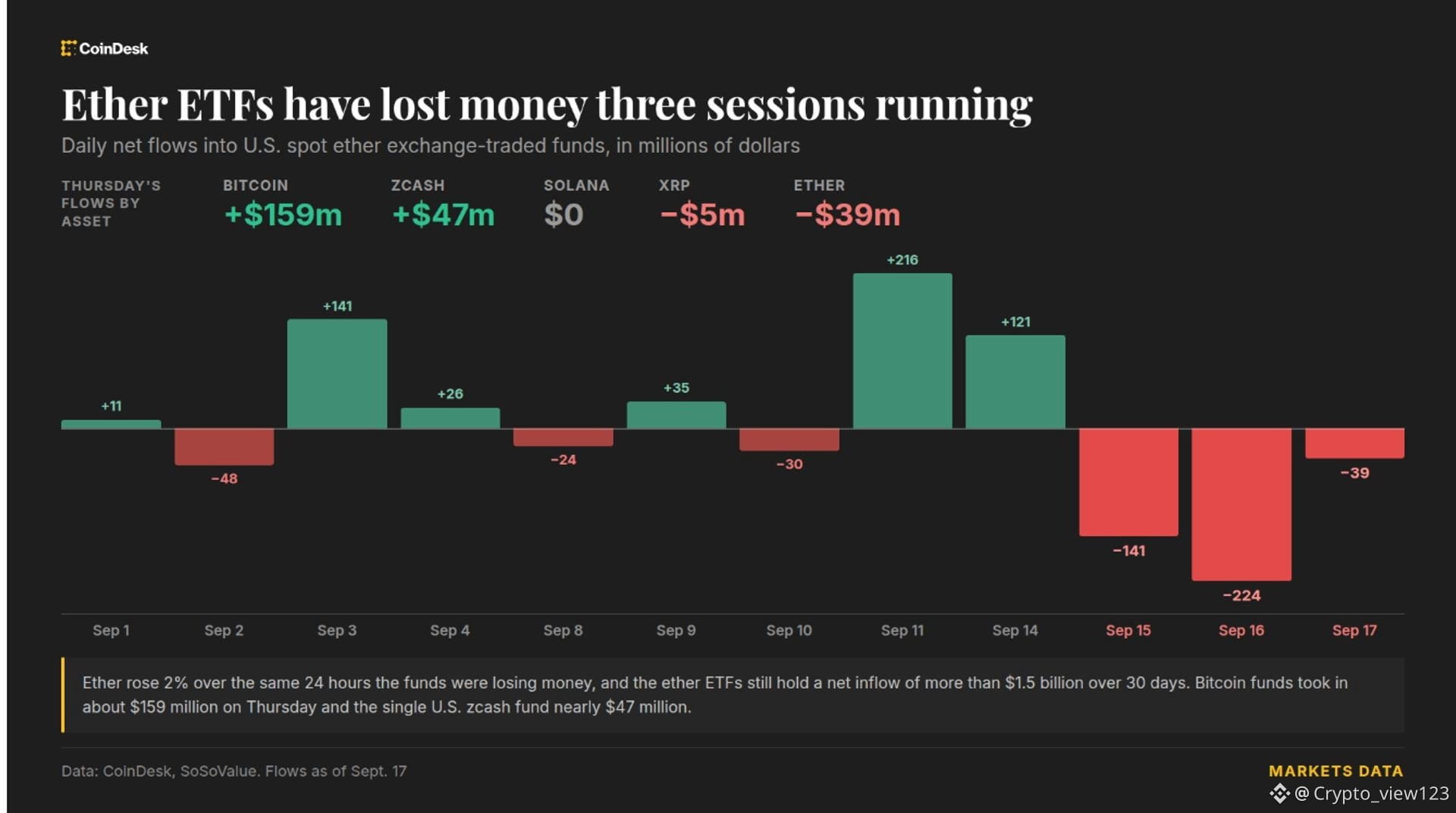
As Ethereum is rising, Ethereum ETFs have been bleeding money for three straight days; Bitcoin is above 77,000, and XRP’s ETF is also leaking—yet Zcash is climbing steadily.
The same asset, two groups of buyers. Looking at the same price list, they read two different books. The ETF crowd are the people sitting in the accounting office: they have to file, pay taxes, and explain to the risk controls behind pension funds. When the coin price goes up, they may not be pleased—the unrealized gains on paper first become a line of fine print on the tax bill; they watch quarterly reports, not that single candle line at midnight.
So you get this curious scene: spot trading is playing music upstairs, while funds flows are moving furniture downstairs. The price sounds good, but the money looks ugly—both are true.
I won’t guess the direction; I’ll only leave one checkable opening: over the next month, if Ethereum spot keeps rising while the ETF continues to have net outflows, that would mean this buying wave has nothing to do with institutions. The more impressive the rally looks, the more it resembles retail traders making noise in their own yard. If the fund flows turn positive and prices rise in sync, then that’s a different story. We can talk about institutional entry on that day—it's not too late.
#ETF #比特币 #资金流
As Ethereum is rising, Ethereum ETFs have been bleeding money for three straight days; Bitcoin is above 77,000, and XRP’s ETF is also leaking—yet Zcash is climbing steadily.
The same asset, two groups of buyers. Looking at the same price list, they read two different books. The ETF crowd are the people sitting in the accounting office: they have to file, pay taxes, and explain to the risk controls behind pension funds. When the coin price goes up, they may not be pleased—the unrealized gains on paper first become a line of fine print on the tax bill; they watch quarterly reports, not that single candle line at midnight.
So you get this curious scene: spot trading is playing music upstairs, while funds flows are moving furniture downstairs. The price sounds good, but the money looks ugly—both are true.
I won’t guess the direction; I’ll only leave one checkable opening: over the next month, if Ethereum spot keeps rising while the ETF continues to have net outflows, that would mean this buying wave has nothing to do with institutions. The more impressive the rally looks, the more it resembles retail traders making noise in their own yard. If the fund flows turn positive and prices rise in sync, then that’s a different story. We can talk about institutional entry on that day—it's not too late.
#ETF #比特币 #资金流
The same asset, two groups of buyers. Looking at the same price list, they read two different books. The ETF crowd are the people sitting in the accounting office: they have to file, pay taxes, and explain to the risk controls behind pension funds. When the coin price goes up, they may not be pleased—the unrealized gains on paper first become a line of fine print on the tax bill; they watch quarterly reports, not that single candle line at midnight.
So you get this curious scene: spot trading is playing music upstairs, while funds flows are moving furniture downstairs. The price sounds good, but the money looks ugly—both are true.
I won’t guess the direction; I’ll only leave one checkable opening: over the next month, if Ethereum spot keeps rising while the ETF continues to have net outflows, that would mean this buying wave has nothing to do with institutions. The more impressive the rally looks, the more it resembles retail traders making noise in their own yard. If the fund flows turn positive and prices rise in sync, then that’s a different story. We can talk about institutional entry on that day—it's not too late.
#ETF #比特币 #资金流
314
See translation
五年,不用注册。美国证监会开了一扇门:代币化证券的挂牌与交易,可以先不按交易所那套规矩登记。名字好听,叫创新豁免。
豁免这东西像替人上的妆,出门体面,回家得卸。卸的时候什么样,才是真的。
门开给谁?开给能把资产搬上链、又把账对清楚的人。光挂个牌子说能发股票,链上没账本,链下没托管,进得去,出不来。
更要紧的是期限。五年这个数有意思:长到够一茬项目长大,短到不够一茬风险走完。真要出事,多半在第四第五年——那时候,怕是没人再提创新。
别问这政策利好谁。看一桩事就够:这五年里,有多少代币化证券真的赎回,真的有人拿到钱。
群里做的就是这件事:把各家代币化证券的托管人、赎回记录、注册地一条条摊开比对。想跟着看,看下面👇的二维码进群。
#RWA #SEC #代币化证券
五年,不用注册。美国证监会开了一扇门:代币化证券的挂牌与交易,可以先不按交易所那套规矩登记。名字好听,叫创新豁免。
豁免这东西像替人上的妆,出门体面,回家得卸。卸的时候什么样,才是真的。
门开给谁?开给能把资产搬上链、又把账对清楚的人。光挂个牌子说能发股票,链上没账本,链下没托管,进得去,出不来。
更要紧的是期限。五年这个数有意思:长到够一茬项目长大,短到不够一茬风险走完。真要出事,多半在第四第五年——那时候,怕是没人再提创新。
别问这政策利好谁。看一桩事就够:这五年里,有多少代币化证券真的赎回,真的有人拿到钱。
群里做的就是这件事:把各家代币化证券的托管人、赎回记录、注册地一条条摊开比对。想跟着看,看下面👇的二维码进群。
#RWA #SEC #代币化证券
豁免这东西像替人上的妆,出门体面,回家得卸。卸的时候什么样,才是真的。
门开给谁?开给能把资产搬上链、又把账对清楚的人。光挂个牌子说能发股票,链上没账本,链下没托管,进得去,出不来。
更要紧的是期限。五年这个数有意思:长到够一茬项目长大,短到不够一茬风险走完。真要出事,多半在第四第五年——那时候,怕是没人再提创新。
别问这政策利好谁。看一桩事就够:这五年里,有多少代币化证券真的赎回,真的有人拿到钱。
群里做的就是这件事:把各家代币化证券的托管人、赎回记录、注册地一条条摊开比对。想跟着看,看下面👇的二维码进群。
#RWA #SEC #代币化证券

4
On Hyperliquid, RWA trades have picked up, and it even drew Dragonfly’s Haseeb Qureshi to come out specifically to speak in defense of multi-chain. The rally is lively—I’d rather see the rest.
On-chain, when you buy a share, what you’re buying is the price, not the paper. It’s like renting an apartment: you live comfortably, but the deed isn’t in your name. Only when you’re actually ready to move out—whether the keys can be handed over—does it count as the real deal.
Whether it’s multi-chain or not isn’t the main issue. What matters is who holds those off-chain assets, whether they hold them properly, and whether redemption can actually be fulfilled. Even if trading volume keeps rising, it can’t lift the issue of a custodian.
I’ll watch two numbers slowly: over the next six months, whether there’s a big RWA redemption that is publicly completed end to end; and whether the on-chain price-to-spot price spread gradually narrows. Once these two are stable, then we can talk about maturity.
That’s what we do in our group: line up and record each platform’s RWA reserve proofs, redemption records, and price-spread curves one by one. If you want to look together, scan the QR code below👇 to join the group.
#RWA #链上交易 #tokenized
On Hyperliquid, RWA trades have picked up, and it even drew Dragonfly’s Haseeb Qureshi to come out specifically to speak in defense of multi-chain. The rally is lively—I’d rather see the rest.
On-chain, when you buy a share, what you’re buying is the price, not the paper. It’s like renting an apartment: you live comfortably, but the deed isn’t in your name. Only when you’re actually ready to move out—whether the keys can be handed over—does it count as the real deal.
Whether it’s multi-chain or not isn’t the main issue. What matters is who holds those off-chain assets, whether they hold them properly, and whether redemption can actually be fulfilled. Even if trading volume keeps rising, it can’t lift the issue of a custodian.
I’ll watch two numbers slowly: over the next six months, whether there’s a big RWA redemption that is publicly completed end to end; and whether the on-chain price-to-spot price spread gradually narrows. Once these two are stable, then we can talk about maturity.
That’s what we do in our group: line up and record each platform’s RWA reserve proofs, redemption records, and price-spread curves one by one. If you want to look together, scan the QR code below👇 to join the group.
#RWA #链上交易 #tokenized
On-chain, when you buy a share, what you’re buying is the price, not the paper. It’s like renting an apartment: you live comfortably, but the deed isn’t in your name. Only when you’re actually ready to move out—whether the keys can be handed over—does it count as the real deal.
Whether it’s multi-chain or not isn’t the main issue. What matters is who holds those off-chain assets, whether they hold them properly, and whether redemption can actually be fulfilled. Even if trading volume keeps rising, it can’t lift the issue of a custodian.
I’ll watch two numbers slowly: over the next six months, whether there’s a big RWA redemption that is publicly completed end to end; and whether the on-chain price-to-spot price spread gradually narrows. Once these two are stable, then we can talk about maturity.
That’s what we do in our group: line up and record each platform’s RWA reserve proofs, redemption records, and price-spread curves one by one. If you want to look together, scan the QR code below👇 to join the group.
#RWA #链上交易 #tokenized

6
In a single day it surged to nearly three times, with trading volume close to 40 billion yuan and a turnover rate exceeding 80%. This new stock of Shengu Group used all the excitement of an entire year in just half a day.
There are similar scenes in the market, too: a batch of rare goods arrives, people gather around shouting bids. When the price is called up to the point where no one dares to take it, in the end that one person is left clutching a pile of goods. Excitement itself isn’t value—it merely transfers later entrants’ money to those who arrived first.
An 80% turnover rate is a clear signal: within the same day, the chips almost completely changed hands. That means the price isn’t being pushed up because people “believe in it,” but because trading is pushing it up. To judge whether it’s expensive or not, you shouldn’t look at today’s percentage gain—you should look at how much this batch of shares is truly worth: orders, gross margin, and industry conditions.
So the key to this matter lies in a detail that no one mentions: how large the tradable float is. The smaller the float, the easier it is for a small amount of capital to push the price around—and the easier it is for the price to fall back just as quickly.
#A股 #新股 #打新
In a single day it surged to nearly three times, with trading volume close to 40 billion yuan and a turnover rate exceeding 80%. This new stock of Shengu Group used all the excitement of an entire year in just half a day.
There are similar scenes in the market, too: a batch of rare goods arrives, people gather around shouting bids. When the price is called up to the point where no one dares to take it, in the end that one person is left clutching a pile of goods. Excitement itself isn’t value—it merely transfers later entrants’ money to those who arrived first.
An 80% turnover rate is a clear signal: within the same day, the chips almost completely changed hands. That means the price isn’t being pushed up because people “believe in it,” but because trading is pushing it up. To judge whether it’s expensive or not, you shouldn’t look at today’s percentage gain—you should look at how much this batch of shares is truly worth: orders, gross margin, and industry conditions.
So the key to this matter lies in a detail that no one mentions: how large the tradable float is. The smaller the float, the easier it is for a small amount of capital to push the price around—and the easier it is for the price to fall back just as quickly.
#A股 #新股 #打新
There are similar scenes in the market, too: a batch of rare goods arrives, people gather around shouting bids. When the price is called up to the point where no one dares to take it, in the end that one person is left clutching a pile of goods. Excitement itself isn’t value—it merely transfers later entrants’ money to those who arrived first.
An 80% turnover rate is a clear signal: within the same day, the chips almost completely changed hands. That means the price isn’t being pushed up because people “believe in it,” but because trading is pushing it up. To judge whether it’s expensive or not, you shouldn’t look at today’s percentage gain—you should look at how much this batch of shares is truly worth: orders, gross margin, and industry conditions.
So the key to this matter lies in a detail that no one mentions: how large the tradable float is. The smaller the float, the easier it is for a small amount of capital to push the price around—and the easier it is for the price to fall back just as quickly.
#A股 #新股 #打新

6
6.7, this threshold has not been touched since after 2023. Today, both onshore and offshore rates broke through at the same time.
Exchange rates are the most honest thing among all prices. They don’t listen to spin—they only recognize the bid-ask spread and settlement of foreign exchange. When the RMB strengthens, it means two things are happening simultaneously: first, external USD is no longer as tight, and second, the willingness to convert/export foreign exchange inside the country is returning. The former is the water level dropping; the latter is the water flowing back.
But appreciation is never just good news. In the ledgers of export companies, every 1-percentage-point rise erodes profits by another layer; for small and medium manufacturers doing foreign trade, they rely on a few points of gross margin—when exchange rates move, it can mean a year of work goes to waste. That’s also why people in the industry say, “appreciate first, then stabilize.” Half of it is comfort.
So don’t rush to read appreciation as a trend. What matters is whether this round of exchange settlement can be sustained: if companies start to slow down their FX settlement near 7.0, then this is a repair, not a reversal.
Scan the QR code below👇 to join the group. In the group, we track—every week—the changes in RMB and USD liquidity.
#人民币 #汇率 #宏观
6.7, this threshold has not been touched since after 2023. Today, both onshore and offshore rates broke through at the same time.
Exchange rates are the most honest thing among all prices. They don’t listen to spin—they only recognize the bid-ask spread and settlement of foreign exchange. When the RMB strengthens, it means two things are happening simultaneously: first, external USD is no longer as tight, and second, the willingness to convert/export foreign exchange inside the country is returning. The former is the water level dropping; the latter is the water flowing back.
But appreciation is never just good news. In the ledgers of export companies, every 1-percentage-point rise erodes profits by another layer; for small and medium manufacturers doing foreign trade, they rely on a few points of gross margin—when exchange rates move, it can mean a year of work goes to waste. That’s also why people in the industry say, “appreciate first, then stabilize.” Half of it is comfort.
So don’t rush to read appreciation as a trend. What matters is whether this round of exchange settlement can be sustained: if companies start to slow down their FX settlement near 7.0, then this is a repair, not a reversal.
Scan the QR code below👇 to join the group. In the group, we track—every week—the changes in RMB and USD liquidity.
#人民币 #汇率 #宏观
Exchange rates are the most honest thing among all prices. They don’t listen to spin—they only recognize the bid-ask spread and settlement of foreign exchange. When the RMB strengthens, it means two things are happening simultaneously: first, external USD is no longer as tight, and second, the willingness to convert/export foreign exchange inside the country is returning. The former is the water level dropping; the latter is the water flowing back.
But appreciation is never just good news. In the ledgers of export companies, every 1-percentage-point rise erodes profits by another layer; for small and medium manufacturers doing foreign trade, they rely on a few points of gross margin—when exchange rates move, it can mean a year of work goes to waste. That’s also why people in the industry say, “appreciate first, then stabilize.” Half of it is comfort.
So don’t rush to read appreciation as a trend. What matters is whether this round of exchange settlement can be sustained: if companies start to slow down their FX settlement near 7.0, then this is a repair, not a reversal.
Scan the QR code below👇 to join the group. In the group, we track—every week—the changes in RMB and USD liquidity.
#人民币 #汇率 #宏观

1
15
See translation
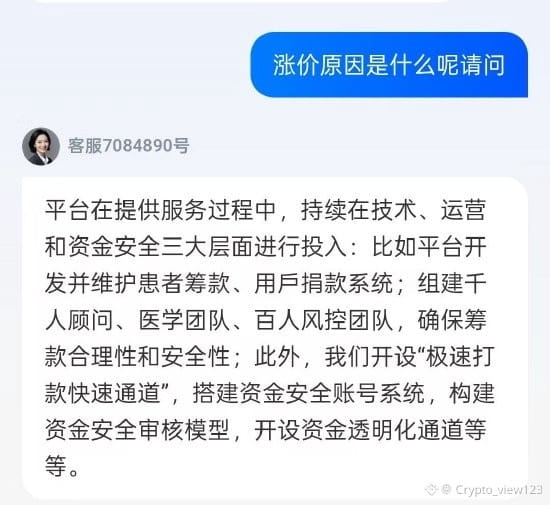
六千八百三十一块的救命钱,提现时先短了五百八十七。水滴筹把提现服务费从六个点提到八个点,另加零点六的支付通道费。客服话说得漂亮:技术、运营、资金,都得持续投入。
翻成大白话就是:我们也得吃饭。
平台不是善堂,这话我认。可账得掰开算:向捐款人收,人家可以不掏;向发起人收,人家正等着钱进医院。谁最没法讲价,账就递给谁。
更实在的是另一笔:抽头一高,家属就学精了,私下拉个群,发张银行卡,绕开平台。流水小了,费率又得往上提。
我不担心它涨到八,我担心明年涨到十。要判断就盯两样:提现申请量掉不掉,私下收款的多不多。
群里干的就是这桩事:各家筹款渠道的到账率、费率、到手剩几成,一笔一笔算清楚。想看你的钱还剩几成,看下面👇的二维码进群。
#互联网 #费率 #公益
六千八百三十一块的救命钱,提现时先短了五百八十七。水滴筹把提现服务费从六个点提到八个点,另加零点六的支付通道费。客服话说得漂亮:技术、运营、资金,都得持续投入。
翻成大白话就是:我们也得吃饭。
平台不是善堂,这话我认。可账得掰开算:向捐款人收,人家可以不掏;向发起人收,人家正等着钱进医院。谁最没法讲价,账就递给谁。
更实在的是另一笔:抽头一高,家属就学精了,私下拉个群,发张银行卡,绕开平台。流水小了,费率又得往上提。
我不担心它涨到八,我担心明年涨到十。要判断就盯两样:提现申请量掉不掉,私下收款的多不多。
群里干的就是这桩事:各家筹款渠道的到账率、费率、到手剩几成,一笔一笔算清楚。想看你的钱还剩几成,看下面👇的二维码进群。
#互联网 #费率 #公益
翻成大白话就是:我们也得吃饭。
平台不是善堂,这话我认。可账得掰开算:向捐款人收,人家可以不掏;向发起人收,人家正等着钱进医院。谁最没法讲价,账就递给谁。
更实在的是另一笔:抽头一高,家属就学精了,私下拉个群,发张银行卡,绕开平台。流水小了,费率又得往上提。
我不担心它涨到八,我担心明年涨到十。要判断就盯两样:提现申请量掉不掉,私下收款的多不多。
群里干的就是这桩事:各家筹款渠道的到账率、费率、到手剩几成,一笔一笔算清楚。想看你的钱还剩几成,看下面👇的二维码进群。
#互联网 #费率 #公益

See translation
一条上架限制,让日本交易平台Mercari的股价两天里坐了一趟过山车。周二限制宝可梦三十周年系列上架,抛售一轮;周五又涨逾4%。
这情形和中国旧日的邮票、美国七十年代的棒球卡是一路的。物件本身不值钱,值钱的是后来的人肯出多少。平台一拧水龙头,价格先冲上去,凑热闹的人跟着涌进来;等大家慢慢发觉货源并不稀缺,水又退回去,最快的那个已经上岸。平台赚的是手续费,成交越多越好、价钱越高越好,限制上架虽拧住了货源,也顺手把注意力放大了一圈。真正被留在场内的,从来是最后接手的那一批。
看这类平台,不必看卡面,要看它下一轮规则怎么写。
真正的分水岭不是这两天涨了多少,而是三十周年补货落地那天,还有多少人肯按原价收货。
#收藏品 #交易平台 #投机
一条上架限制,让日本交易平台Mercari的股价两天里坐了一趟过山车。周二限制宝可梦三十周年系列上架,抛售一轮;周五又涨逾4%。
这情形和中国旧日的邮票、美国七十年代的棒球卡是一路的。物件本身不值钱,值钱的是后来的人肯出多少。平台一拧水龙头,价格先冲上去,凑热闹的人跟着涌进来;等大家慢慢发觉货源并不稀缺,水又退回去,最快的那个已经上岸。平台赚的是手续费,成交越多越好、价钱越高越好,限制上架虽拧住了货源,也顺手把注意力放大了一圈。真正被留在场内的,从来是最后接手的那一批。
看这类平台,不必看卡面,要看它下一轮规则怎么写。
真正的分水岭不是这两天涨了多少,而是三十周年补货落地那天,还有多少人肯按原价收货。
#收藏品 #交易平台 #投机
这情形和中国旧日的邮票、美国七十年代的棒球卡是一路的。物件本身不值钱,值钱的是后来的人肯出多少。平台一拧水龙头,价格先冲上去,凑热闹的人跟着涌进来;等大家慢慢发觉货源并不稀缺,水又退回去,最快的那个已经上岸。平台赚的是手续费,成交越多越好、价钱越高越好,限制上架虽拧住了货源,也顺手把注意力放大了一圈。真正被留在场内的,从来是最后接手的那一批。
看这类平台,不必看卡面,要看它下一轮规则怎么写。
真正的分水岭不是这两天涨了多少,而是三十周年补货落地那天,还有多少人肯按原价收货。
#收藏品 #交易平台 #投机

38
See translation
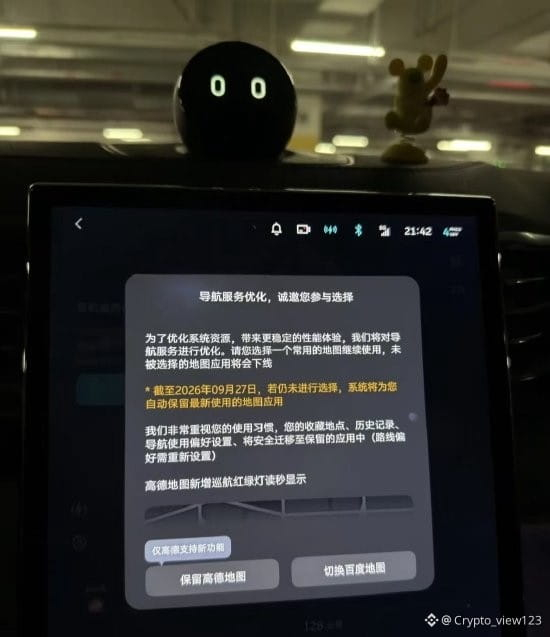
蔚来车主收到一条通知:车机地图,高德和百度只能留一个。客服的说法是合作未到期,为的是提升车辆系统的稳定性。
地图本是安静的东西,如今要人来挑。挑,就意味着有人要退场——退场的那家不会开发布会,留下的那家也不便声张。车主夹在中间,多了一次取舍,少了一次选择。
车机不是手机,换一张地图,要重学一遍路线习惯、语音口令、常去的充电站。所谓稳定性,是系统的稳定,还是账本的稳定,暂时没人说透。
要验证这件事,盯住下一次系统更新:若地图真的只剩一个,而说明里没有一个字提到成本与合约,答案就已经写在用户这一侧了。
看下面👇的二维码进群,群里专做智能汽车供应链与订阅制的拆解,这类变化的账,我们替车主算清楚。
#智能汽车 #供应链 #订阅
蔚来车主收到一条通知:车机地图,高德和百度只能留一个。客服的说法是合作未到期,为的是提升车辆系统的稳定性。
地图本是安静的东西,如今要人来挑。挑,就意味着有人要退场——退场的那家不会开发布会,留下的那家也不便声张。车主夹在中间,多了一次取舍,少了一次选择。
车机不是手机,换一张地图,要重学一遍路线习惯、语音口令、常去的充电站。所谓稳定性,是系统的稳定,还是账本的稳定,暂时没人说透。
要验证这件事,盯住下一次系统更新:若地图真的只剩一个,而说明里没有一个字提到成本与合约,答案就已经写在用户这一侧了。
看下面👇的二维码进群,群里专做智能汽车供应链与订阅制的拆解,这类变化的账,我们替车主算清楚。
#智能汽车 #供应链 #订阅
地图本是安静的东西,如今要人来挑。挑,就意味着有人要退场——退场的那家不会开发布会,留下的那家也不便声张。车主夹在中间,多了一次取舍,少了一次选择。
车机不是手机,换一张地图,要重学一遍路线习惯、语音口令、常去的充电站。所谓稳定性,是系统的稳定,还是账本的稳定,暂时没人说透。
要验证这件事,盯住下一次系统更新:若地图真的只剩一个,而说明里没有一个字提到成本与合约,答案就已经写在用户这一侧了。
看下面👇的二维码进群,群里专做智能汽车供应链与订阅制的拆解,这类变化的账,我们替车主算清楚。
#智能汽车 #供应链 #订阅

Apple’s first foldable phone has just appeared, and sales first rose—not for Apple, but for Samsung. Galaxy Z Fold 8’s local sales increased this week, according to industry insiders.
It sounds plain, but it’s interesting: people truly convinced by foldable screens don’t necessarily pay right away—they first go find a machine that’s already been sold for a few generations. Apple effectively advertised for the entire industry, while Samsung took the orders. The “old hands” in the supply chain had long figured it out: the first wave of dividends from new technology often lands in someone else’s hands—where there’s no risk of experimenting, only mature pricing.
To judge this business, you look at whether, after Apple goes on sale, Samsung’s share gets pulled away—or whether it gets expanded. The competitor spends money to educate the market, while you’re the one doing the collection. That deal isn’t bad.
The real suspense isn’t in the specs, but in who the buyer’s second phone will be from.
Scan the QR code below 👇 to join the group. In the group, we share real daily data on consumer electronics and the supply chain—who is educating the market and who is harvesting the orders. We’ll lay it out and calculate.
#消费电子 #供应链 #Competition
Apple’s first foldable phone has just appeared, and sales first rose—not for Apple, but for Samsung. Galaxy Z Fold 8’s local sales increased this week, according to industry insiders.
It sounds plain, but it’s interesting: people truly convinced by foldable screens don’t necessarily pay right away—they first go find a machine that’s already been sold for a few generations. Apple effectively advertised for the entire industry, while Samsung took the orders. The “old hands” in the supply chain had long figured it out: the first wave of dividends from new technology often lands in someone else’s hands—where there’s no risk of experimenting, only mature pricing.
To judge this business, you look at whether, after Apple goes on sale, Samsung’s share gets pulled away—or whether it gets expanded. The competitor spends money to educate the market, while you’re the one doing the collection. That deal isn’t bad.
The real suspense isn’t in the specs, but in who the buyer’s second phone will be from.
Scan the QR code below 👇 to join the group. In the group, we share real daily data on consumer electronics and the supply chain—who is educating the market and who is harvesting the orders. We’ll lay it out and calculate.
#消费电子 #供应链 #Competition
It sounds plain, but it’s interesting: people truly convinced by foldable screens don’t necessarily pay right away—they first go find a machine that’s already been sold for a few generations. Apple effectively advertised for the entire industry, while Samsung took the orders. The “old hands” in the supply chain had long figured it out: the first wave of dividends from new technology often lands in someone else’s hands—where there’s no risk of experimenting, only mature pricing.
To judge this business, you look at whether, after Apple goes on sale, Samsung’s share gets pulled away—or whether it gets expanded. The competitor spends money to educate the market, while you’re the one doing the collection. That deal isn’t bad.
The real suspense isn’t in the specs, but in who the buyer’s second phone will be from.
Scan the QR code below 👇 to join the group. In the group, we share real daily data on consumer electronics and the supply chain—who is educating the market and who is harvesting the orders. We’ll lay it out and calculate.
#消费电子 #供应链 #Competition


44
Chery chairman Yin Tongyue appeared at Huawei’s Bantian base, met with Yu Chengdong, and neither of the two explained a single sentence. The photos were taken by netizens, and the buzz has started first.
What matters isn’t what they discussed, but who went to see whom. The more cars an automaker sells, the more it depends on solution providers; the more solution providers deploy their systems, the more confidence they have with automakers. A few years ago, the automaker was the “client,” and solution providers had to line up; now, the person visiting is the “boss.” Selling more cars still doesn’t mean the steering wheel is in your own hands. Yin Tongyue personally made the visit—by then, the scales had already tipped.
If Huawei truly didn’t lack automaker partners, it wouldn’t need to welcome guests in its own backyard. As for “cooperation,” it’s a handshake between two parties who’ve already done the accounting.
So the quality of this deal isn’t judged by the group photo, but by who defines the next car’s intelligent driving, and whose brand it belongs to. On the day the new car is announced, whoever is speaking about intelligent driving from the stands will be enough.
The real issue isn’t what they managed to agree on, but in the next contract—whose name is written first.
#智能汽车 #产业链 #合作
Chery chairman Yin Tongyue appeared at Huawei’s Bantian base, met with Yu Chengdong, and neither of the two explained a single sentence. The photos were taken by netizens, and the buzz has started first.
What matters isn’t what they discussed, but who went to see whom. The more cars an automaker sells, the more it depends on solution providers; the more solution providers deploy their systems, the more confidence they have with automakers. A few years ago, the automaker was the “client,” and solution providers had to line up; now, the person visiting is the “boss.” Selling more cars still doesn’t mean the steering wheel is in your own hands. Yin Tongyue personally made the visit—by then, the scales had already tipped.
If Huawei truly didn’t lack automaker partners, it wouldn’t need to welcome guests in its own backyard. As for “cooperation,” it’s a handshake between two parties who’ve already done the accounting.
So the quality of this deal isn’t judged by the group photo, but by who defines the next car’s intelligent driving, and whose brand it belongs to. On the day the new car is announced, whoever is speaking about intelligent driving from the stands will be enough.
The real issue isn’t what they managed to agree on, but in the next contract—whose name is written first.
#智能汽车 #产业链 #合作
What matters isn’t what they discussed, but who went to see whom. The more cars an automaker sells, the more it depends on solution providers; the more solution providers deploy their systems, the more confidence they have with automakers. A few years ago, the automaker was the “client,” and solution providers had to line up; now, the person visiting is the “boss.” Selling more cars still doesn’t mean the steering wheel is in your own hands. Yin Tongyue personally made the visit—by then, the scales had already tipped.
If Huawei truly didn’t lack automaker partners, it wouldn’t need to welcome guests in its own backyard. As for “cooperation,” it’s a handshake between two parties who’ve already done the accounting.
So the quality of this deal isn’t judged by the group photo, but by who defines the next car’s intelligent driving, and whose brand it belongs to. On the day the new car is announced, whoever is speaking about intelligent driving from the stands will be enough.
The real issue isn’t what they managed to agree on, but in the next contract—whose name is written first.
#智能汽车 #产业链 #合作

2.8k
A company that makes air conditioners won a United Nations Environment Programme award called “Global Sustainable Cooling Leader.” It sounds like an honor, but to me it feels more like an unexpired pass.
Right now, the most expensive component isn’t the compressor—it’s the refrigerant. That Refrigerant Alliance is busy with exactly what: getting the batch of refrigerants with high global warming potential out of the picture. The share of appliance exports is even bigger than what’s shown in the ads.
Whoever figures out the replacement model first will hold its ground in the next round of export standards. The award itself isn’t worth much; what’s valuable is that it gives overseas clients a reason: this factory’s machines won’t have to be replaced again just to meet the new standards.
On the other side of the ledger, there are people. Small and medium-sized manufacturers don’t have replacement technology, and they can’t get this kind of label. Once quotas land in the customs clearance list, there are only two paths left: cut prices, or withdraw.
That’s the rather bleak part—someone’s celebrating a wedding, while I’m flipping through the accounts book beside them.
In the group, people have recently been watching this line closely: the timetable for refrigerant substitution, updates to the export compliance list, and monthly changes in appliance overseas shipments. Scan the QR code below 👇 to join the group.
#制造业 #品牌 #出海
A company that makes air conditioners won a United Nations Environment Programme award called “Global Sustainable Cooling Leader.” It sounds like an honor, but to me it feels more like an unexpired pass.
Right now, the most expensive component isn’t the compressor—it’s the refrigerant. That Refrigerant Alliance is busy with exactly what: getting the batch of refrigerants with high global warming potential out of the picture. The share of appliance exports is even bigger than what’s shown in the ads.
Whoever figures out the replacement model first will hold its ground in the next round of export standards. The award itself isn’t worth much; what’s valuable is that it gives overseas clients a reason: this factory’s machines won’t have to be replaced again just to meet the new standards.
On the other side of the ledger, there are people. Small and medium-sized manufacturers don’t have replacement technology, and they can’t get this kind of label. Once quotas land in the customs clearance list, there are only two paths left: cut prices, or withdraw.
That’s the rather bleak part—someone’s celebrating a wedding, while I’m flipping through the accounts book beside them.
In the group, people have recently been watching this line closely: the timetable for refrigerant substitution, updates to the export compliance list, and monthly changes in appliance overseas shipments. Scan the QR code below 👇 to join the group.
#制造业 #品牌 #出海
Right now, the most expensive component isn’t the compressor—it’s the refrigerant. That Refrigerant Alliance is busy with exactly what: getting the batch of refrigerants with high global warming potential out of the picture. The share of appliance exports is even bigger than what’s shown in the ads.
Whoever figures out the replacement model first will hold its ground in the next round of export standards. The award itself isn’t worth much; what’s valuable is that it gives overseas clients a reason: this factory’s machines won’t have to be replaced again just to meet the new standards.
On the other side of the ledger, there are people. Small and medium-sized manufacturers don’t have replacement technology, and they can’t get this kind of label. Once quotas land in the customs clearance list, there are only two paths left: cut prices, or withdraw.
That’s the rather bleak part—someone’s celebrating a wedding, while I’m flipping through the accounts book beside them.
In the group, people have recently been watching this line closely: the timetable for refrigerant substitution, updates to the export compliance list, and monthly changes in appliance overseas shipments. Scan the QR code below 👇 to join the group.
#制造业 #品牌 #出海


53
A soy milk-selling brand was pushed to the trending list by “borderline” videos uploaded by its own authorized account—pulled down, apologized, and stronger management implemented, like a ritual rehearsed many times.
What’s worth questioning isn’t just that those few videos went too far. The real question is: why would an established food company hand its name to an authorized account that is only responsible for chasing traffic? Brand licensing isn’t only collecting licensing fees; it’s also renting out the name. What they get back is an apology, but what they can’t recover is the little associations people keep in their memories.
Even more humiliating is this: in the content ecosystem, proper promotional content often doesn’t convert, while the out-of-bounds “extra bits” get exposure. Whatever the platform rewards, the brand grows into. This isn’t a morality problem of operations—it’s the incentive structure making choices on behalf of everyone.
The key observation is: after the takedown, whether that account’s incentives and evaluation metrics were actually changed. If within three months similar boundary-pushing content returns in a different form, it shows they only suppressed the symptoms.
Scan the QR code below 👇 to join the group. In the group, we’ll turn changes in brand licensing and the platform’s traffic rules into long-term tracking.
#品牌 #流量 #marketing
A soy milk-selling brand was pushed to the trending list by “borderline” videos uploaded by its own authorized account—pulled down, apologized, and stronger management implemented, like a ritual rehearsed many times.
What’s worth questioning isn’t just that those few videos went too far. The real question is: why would an established food company hand its name to an authorized account that is only responsible for chasing traffic? Brand licensing isn’t only collecting licensing fees; it’s also renting out the name. What they get back is an apology, but what they can’t recover is the little associations people keep in their memories.
Even more humiliating is this: in the content ecosystem, proper promotional content often doesn’t convert, while the out-of-bounds “extra bits” get exposure. Whatever the platform rewards, the brand grows into. This isn’t a morality problem of operations—it’s the incentive structure making choices on behalf of everyone.
The key observation is: after the takedown, whether that account’s incentives and evaluation metrics were actually changed. If within three months similar boundary-pushing content returns in a different form, it shows they only suppressed the symptoms.
Scan the QR code below 👇 to join the group. In the group, we’ll turn changes in brand licensing and the platform’s traffic rules into long-term tracking.
#品牌 #流量 #marketing
What’s worth questioning isn’t just that those few videos went too far. The real question is: why would an established food company hand its name to an authorized account that is only responsible for chasing traffic? Brand licensing isn’t only collecting licensing fees; it’s also renting out the name. What they get back is an apology, but what they can’t recover is the little associations people keep in their memories.
Even more humiliating is this: in the content ecosystem, proper promotional content often doesn’t convert, while the out-of-bounds “extra bits” get exposure. Whatever the platform rewards, the brand grows into. This isn’t a morality problem of operations—it’s the incentive structure making choices on behalf of everyone.
The key observation is: after the takedown, whether that account’s incentives and evaluation metrics were actually changed. If within three months similar boundary-pushing content returns in a different form, it shows they only suppressed the symptoms.
Scan the QR code below 👇 to join the group. In the group, we’ll turn changes in brand licensing and the platform’s traffic rules into long-term tracking.
#品牌 #流量 #marketing


7
Verified
Less than two months remain until the election, and a Democratic congressman has already read out the list of targets under investigation: the Trump family, and Musk.
The list isn’t a verdict—it’s a futures contract. It doesn’t hedge evidence; it hedges seats in November. The real audience isn’t the people being singled out, but donors and voters—first get supporters convinced that “taking the House means liquidation,” and only then will the donations come freely.
Both sides know this game well. Last cycle, the other side was shouting “investigation”; this time, the voices have changed, but the script hasn’t been rewritten. The market’s pricing for it has always been lazy: only when the case is actually filed will it move.
So in the short term, what to watch isn’t who will be speaking—it’s a number: the seat margin in the House. If polling shows the advantage is large enough, these “preview-style investigations” will grow more frequent; if the advantage narrows, it will suddenly go quiet.
The real question isn’t whether the Trump family will be investigated, but which categories of assets this round of oversight power struggles will pull in—that will determine what happens over the next three months.
#美国 #中期选举 #Celebrity
Less than two months remain until the election, and a Democratic congressman has already read out the list of targets under investigation: the Trump family, and Musk.
The list isn’t a verdict—it’s a futures contract. It doesn’t hedge evidence; it hedges seats in November. The real audience isn’t the people being singled out, but donors and voters—first get supporters convinced that “taking the House means liquidation,” and only then will the donations come freely.
Both sides know this game well. Last cycle, the other side was shouting “investigation”; this time, the voices have changed, but the script hasn’t been rewritten. The market’s pricing for it has always been lazy: only when the case is actually filed will it move.
So in the short term, what to watch isn’t who will be speaking—it’s a number: the seat margin in the House. If polling shows the advantage is large enough, these “preview-style investigations” will grow more frequent; if the advantage narrows, it will suddenly go quiet.
The real question isn’t whether the Trump family will be investigated, but which categories of assets this round of oversight power struggles will pull in—that will determine what happens over the next three months.
#美国 #中期选举 #Celebrity
The list isn’t a verdict—it’s a futures contract. It doesn’t hedge evidence; it hedges seats in November. The real audience isn’t the people being singled out, but donors and voters—first get supporters convinced that “taking the House means liquidation,” and only then will the donations come freely.
Both sides know this game well. Last cycle, the other side was shouting “investigation”; this time, the voices have changed, but the script hasn’t been rewritten. The market’s pricing for it has always been lazy: only when the case is actually filed will it move.
So in the short term, what to watch isn’t who will be speaking—it’s a number: the seat margin in the House. If polling shows the advantage is large enough, these “preview-style investigations” will grow more frequent; if the advantage narrows, it will suddenly go quiet.
The real question isn’t whether the Trump family will be investigated, but which categories of assets this round of oversight power struggles will pull in—that will determine what happens over the next three months.
#美国 #中期选举 #Celebrity

1
1.1k
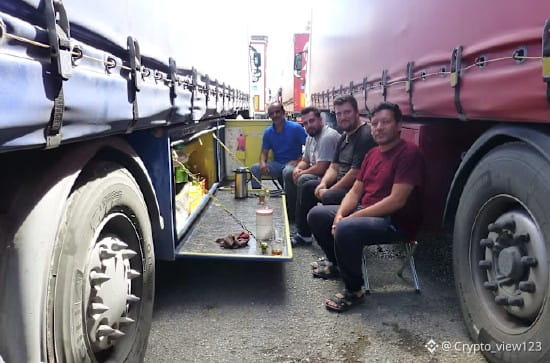
A sea route that a single ship can’t manage has to be carried by trucks. Iran moved its trade from the Strait of Hormuz to the mainland—using the border gateway ports of its neighboring country, Turkey.
Overland isn’t another route; it’s another way of life. One sea voyage can carry 20,000 tons, while one truck carries 20 tons. When the multiples differ that much, freight costs become a second tax laid on the cargo. The time spent queuing at the border is more expensive than the journey itself.
In this world, the costliest thing is never the goods—it’s the route that gets the goods into people’s hands. Truck convoys stuck at the border eventually turn into higher prices: reflected in Turkey’s flour, and also in the fuel prices far away.
To see how long this shift can last, you don’t need to watch battle reports—just look at one number: the average detention time at border gateway ports. If it keeps stretching out, it means overland transport isn’t a stopgap measure, but the new normal for the years ahead.
Scan the QR code below 👇 to join the group. In the group, we check in once a week on changes in the prices of bulk commodities and transportation costs.
#地缘政治 #贸易 #cost
A sea route that a single ship can’t manage has to be carried by trucks. Iran moved its trade from the Strait of Hormuz to the mainland—using the border gateway ports of its neighboring country, Turkey.
Overland isn’t another route; it’s another way of life. One sea voyage can carry 20,000 tons, while one truck carries 20 tons. When the multiples differ that much, freight costs become a second tax laid on the cargo. The time spent queuing at the border is more expensive than the journey itself.
In this world, the costliest thing is never the goods—it’s the route that gets the goods into people’s hands. Truck convoys stuck at the border eventually turn into higher prices: reflected in Turkey’s flour, and also in the fuel prices far away.
To see how long this shift can last, you don’t need to watch battle reports—just look at one number: the average detention time at border gateway ports. If it keeps stretching out, it means overland transport isn’t a stopgap measure, but the new normal for the years ahead.
Scan the QR code below 👇 to join the group. In the group, we check in once a week on changes in the prices of bulk commodities and transportation costs.
#地缘政治 #贸易 #cost
Overland isn’t another route; it’s another way of life. One sea voyage can carry 20,000 tons, while one truck carries 20 tons. When the multiples differ that much, freight costs become a second tax laid on the cargo. The time spent queuing at the border is more expensive than the journey itself.
In this world, the costliest thing is never the goods—it’s the route that gets the goods into people’s hands. Truck convoys stuck at the border eventually turn into higher prices: reflected in Turkey’s flour, and also in the fuel prices far away.
To see how long this shift can last, you don’t need to watch battle reports—just look at one number: the average detention time at border gateway ports. If it keeps stretching out, it means overland transport isn’t a stopgap measure, but the new normal for the years ahead.
Scan the QR code below 👇 to join the group. In the group, we check in once a week on changes in the prices of bulk commodities and transportation costs.
#地缘政治 #贸易 #cost

On September 10, a newly listed pharmaceutical stock had its trading halted. 2592.HK, BOCOM Vision Cloud. Citing Rule 8(1) of the Listing Rules, the Hong Kong Securities and Futures Commission suspended trading.
A trading halt is not the end. It’s a sentence: some numbers were already wrong at the time of issuance.
Rule 8(1) isn’t a commonly used clause. Using it is tantamount to admitting that what is damaged isn’t any single company, but the market order itself. This means the place to investigate isn’t the secondary market—it’s in the placement process.
The world of new listings is always crowded: some read the prospectus, while others only care about the subscription-to-issue ratio. This time, what you need to learn is how to spot anomalies in issuance data at the subscription stage—the breakdown of the subscription multiple, the quality of the cornerstone investors, and the proportion of the float. Anomalies never hide in the conclusion; they hide in the structure.
Scan the QR code below 👇 to join the group, where the group breaks down the placing and subscription structure of Hong Kong new stocks, item by item.
#港股IPO #监管 #打新
On September 10, a newly listed pharmaceutical stock had its trading halted. 2592.HK, BOCOM Vision Cloud. Citing Rule 8(1) of the Listing Rules, the Hong Kong Securities and Futures Commission suspended trading.
A trading halt is not the end. It’s a sentence: some numbers were already wrong at the time of issuance.
Rule 8(1) isn’t a commonly used clause. Using it is tantamount to admitting that what is damaged isn’t any single company, but the market order itself. This means the place to investigate isn’t the secondary market—it’s in the placement process.
The world of new listings is always crowded: some read the prospectus, while others only care about the subscription-to-issue ratio. This time, what you need to learn is how to spot anomalies in issuance data at the subscription stage—the breakdown of the subscription multiple, the quality of the cornerstone investors, and the proportion of the float. Anomalies never hide in the conclusion; they hide in the structure.
Scan the QR code below 👇 to join the group, where the group breaks down the placing and subscription structure of Hong Kong new stocks, item by item.
#港股IPO #监管 #打新
A trading halt is not the end. It’s a sentence: some numbers were already wrong at the time of issuance.
Rule 8(1) isn’t a commonly used clause. Using it is tantamount to admitting that what is damaged isn’t any single company, but the market order itself. This means the place to investigate isn’t the secondary market—it’s in the placement process.
The world of new listings is always crowded: some read the prospectus, while others only care about the subscription-to-issue ratio. This time, what you need to learn is how to spot anomalies in issuance data at the subscription stage—the breakdown of the subscription multiple, the quality of the cornerstone investors, and the proportion of the float. Anomalies never hide in the conclusion; they hide in the structure.
Scan the QR code below 👇 to join the group, where the group breaks down the placing and subscription structure of Hong Kong new stocks, item by item.
#港股IPO #监管 #打新


39
Solana compresses the target block production time to 250 milliseconds. Officially, they say it speeds things up by 17%. In the same document, there’s half a sentence more: the amount of work each block can fit has been cut down.
Capacity hasn’t changed—the only thing that’s changed is the length of the waiting.
The path from when a transaction is sent to when it’s confirmed is shorter; the bidding and settlement/clearing operations run tighter to the edge. The cost lands on the validators—because the window to gain control is shorter, there’s a higher probability that latency jitter gets amplified.
What nobody mentions in the headline is this: with blocks produced more frequently, the number of times per unit time that clearing, settlement, and reward distribution happen all increases. “Counts” are the new cost; it doesn’t show up as higher throughput, it shows up as more operations—monitoring more failed attempts rather than a larger total volume.
The beneficiaries aren’t the applications that just shout “high throughput,” but rather the few categories that eat on the latest state: quoting, arbitrage, and clearing. They’re buying time, not capacity.
After the upgrade, look at one number: the effective number of transactions per unit time—does it rise along with the number of block productions? If it doesn’t keep up, then that 17% buys freshness, not liquidity.
#Solana #公链 #性能
Solana compresses the target block production time to 250 milliseconds. Officially, they say it speeds things up by 17%. In the same document, there’s half a sentence more: the amount of work each block can fit has been cut down.
Capacity hasn’t changed—the only thing that’s changed is the length of the waiting.
The path from when a transaction is sent to when it’s confirmed is shorter; the bidding and settlement/clearing operations run tighter to the edge. The cost lands on the validators—because the window to gain control is shorter, there’s a higher probability that latency jitter gets amplified.
What nobody mentions in the headline is this: with blocks produced more frequently, the number of times per unit time that clearing, settlement, and reward distribution happen all increases. “Counts” are the new cost; it doesn’t show up as higher throughput, it shows up as more operations—monitoring more failed attempts rather than a larger total volume.
The beneficiaries aren’t the applications that just shout “high throughput,” but rather the few categories that eat on the latest state: quoting, arbitrage, and clearing. They’re buying time, not capacity.
After the upgrade, look at one number: the effective number of transactions per unit time—does it rise along with the number of block productions? If it doesn’t keep up, then that 17% buys freshness, not liquidity.
#Solana #公链 #性能
Capacity hasn’t changed—the only thing that’s changed is the length of the waiting.
The path from when a transaction is sent to when it’s confirmed is shorter; the bidding and settlement/clearing operations run tighter to the edge. The cost lands on the validators—because the window to gain control is shorter, there’s a higher probability that latency jitter gets amplified.
What nobody mentions in the headline is this: with blocks produced more frequently, the number of times per unit time that clearing, settlement, and reward distribution happen all increases. “Counts” are the new cost; it doesn’t show up as higher throughput, it shows up as more operations—monitoring more failed attempts rather than a larger total volume.
The beneficiaries aren’t the applications that just shout “high throughput,” but rather the few categories that eat on the latest state: quoting, arbitrage, and clearing. They’re buying time, not capacity.
After the upgrade, look at one number: the effective number of transactions per unit time—does it rise along with the number of block productions? If it doesn’t keep up, then that 17% buys freshness, not liquidity.
#Solana #公链 #性能

131
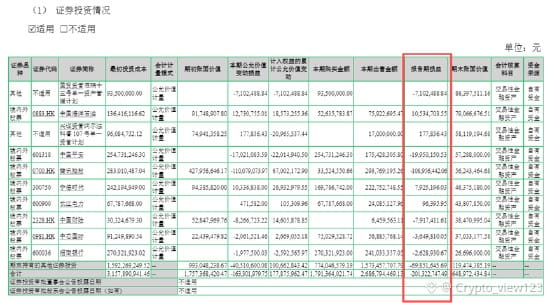
Seven Wolves that make clothes—its first-half revenue was 1.415 billion yuan, up only 2.93% year over year. Net profit attributable to shareholders swung from a profit of 160 million yuan to a loss of 27.30 million yuan. The missing 175 million yuan was due to losses from securities investments.
For a clothing company’s income statement, the biggest swings come from the stocks it buys itself.
But the issue isn’t that 175 million yuan: missing the mark happens to everyone.
The problem is the “thickness” of the core business. With revenue of 1.415 billion yuan growing by less than 3%, the money it earns on its own was never thick to begin with. Putting so much effort into securities investment usually isn’t because you have too much idle cash—it’s because the core business returns aren’t enough to “report back” with results.
You only learn the limits when you hit them. A company is no different. It didn’t plan to lose—it simply placed its hopes on other people’s stock prices. And that stock price doesn’t take responsibility for anyone.
It’s also possible the core business is strong enough—purely a coincidence. Then we’ll see from next year’s mid-year report: revenue growth rebounds to the high single digits, securities investment is zeroed out, and the 175 million yuan is an accident, not an illness.
In the group, dig out the company’s second set of business numbers and take a look. Scan the QR code below👇 to join the group
#A股 #上市公司 #资本市场
Seven Wolves that make clothes—its first-half revenue was 1.415 billion yuan, up only 2.93% year over year. Net profit attributable to shareholders swung from a profit of 160 million yuan to a loss of 27.30 million yuan. The missing 175 million yuan was due to losses from securities investments.
For a clothing company’s income statement, the biggest swings come from the stocks it buys itself.
But the issue isn’t that 175 million yuan: missing the mark happens to everyone.
The problem is the “thickness” of the core business. With revenue of 1.415 billion yuan growing by less than 3%, the money it earns on its own was never thick to begin with. Putting so much effort into securities investment usually isn’t because you have too much idle cash—it’s because the core business returns aren’t enough to “report back” with results.
You only learn the limits when you hit them. A company is no different. It didn’t plan to lose—it simply placed its hopes on other people’s stock prices. And that stock price doesn’t take responsibility for anyone.
It’s also possible the core business is strong enough—purely a coincidence. Then we’ll see from next year’s mid-year report: revenue growth rebounds to the high single digits, securities investment is zeroed out, and the 175 million yuan is an accident, not an illness.
In the group, dig out the company’s second set of business numbers and take a look. Scan the QR code below👇 to join the group
#A股 #上市公司 #资本市场
For a clothing company’s income statement, the biggest swings come from the stocks it buys itself.
But the issue isn’t that 175 million yuan: missing the mark happens to everyone.
The problem is the “thickness” of the core business. With revenue of 1.415 billion yuan growing by less than 3%, the money it earns on its own was never thick to begin with. Putting so much effort into securities investment usually isn’t because you have too much idle cash—it’s because the core business returns aren’t enough to “report back” with results.
You only learn the limits when you hit them. A company is no different. It didn’t plan to lose—it simply placed its hopes on other people’s stock prices. And that stock price doesn’t take responsibility for anyone.
It’s also possible the core business is strong enough—purely a coincidence. Then we’ll see from next year’s mid-year report: revenue growth rebounds to the high single digits, securities investment is zeroed out, and the 175 million yuan is an accident, not an illness.
In the group, dig out the company’s second set of business numbers and take a look. Scan the QR code below👇 to join the group
#A股 #上市公司 #资本市场

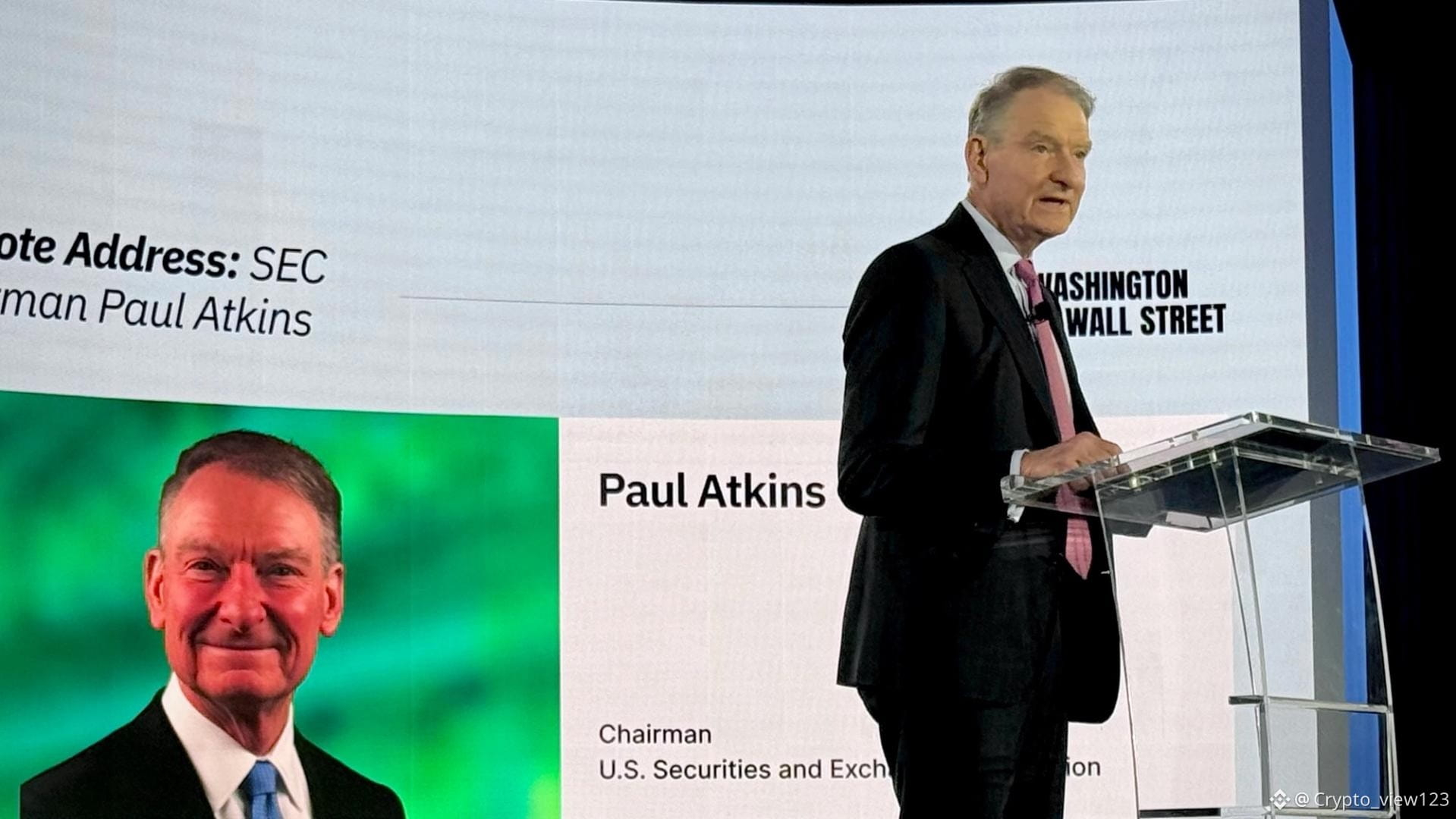
On the morning of September 17, the U.S. SEC approved tokenized securities; that same morning, another meeting’s agenda was to allow stocks to trade 24 hours a day. Putting these two things into the same morning isn’t a coincidence.
The crypto market is very familiar with the never-sleep idea. Prices jump at midnight, while people make up for lost sleep during the day. Regulators want to transplant this whole setup to stocks.
Everyone says it’s for retail investors’ convenience—placing orders is possible even at 3 a.m. Convenience is real, but it’s not the point.
The real change is in the chairs in the back office. Clearing, risk control, market making—during the day someone is watching; at night, nobody is. If you switch to all-day trading, someone has to take the night shift. The extra night-shift chairs won’t be occupied by retail investors.
Rules can be changed first; people’s bodies won’t change along with them. This is the hardest part.
Look at the details to verify it: if, during those overnight hours, only a few designated market makers are used to prop up liquidity, then that’s two different things from retail investors’ “order anytime.”
In the group, every day the background staff are the ones dissecting this kind of news—not looking at how it looks, but at who’s on duty. Scan the QR code below 👇 to join the group
#SEC #交易机制 #监管
On the morning of September 17, the U.S. SEC approved tokenized securities; that same morning, another meeting’s agenda was to allow stocks to trade 24 hours a day. Putting these two things into the same morning isn’t a coincidence.
The crypto market is very familiar with the never-sleep idea. Prices jump at midnight, while people make up for lost sleep during the day. Regulators want to transplant this whole setup to stocks.
Everyone says it’s for retail investors’ convenience—placing orders is possible even at 3 a.m. Convenience is real, but it’s not the point.
The real change is in the chairs in the back office. Clearing, risk control, market making—during the day someone is watching; at night, nobody is. If you switch to all-day trading, someone has to take the night shift. The extra night-shift chairs won’t be occupied by retail investors.
Rules can be changed first; people’s bodies won’t change along with them. This is the hardest part.
Look at the details to verify it: if, during those overnight hours, only a few designated market makers are used to prop up liquidity, then that’s two different things from retail investors’ “order anytime.”
In the group, every day the background staff are the ones dissecting this kind of news—not looking at how it looks, but at who’s on duty. Scan the QR code below 👇 to join the group
#SEC #交易机制 #监管
The crypto market is very familiar with the never-sleep idea. Prices jump at midnight, while people make up for lost sleep during the day. Regulators want to transplant this whole setup to stocks.
Everyone says it’s for retail investors’ convenience—placing orders is possible even at 3 a.m. Convenience is real, but it’s not the point.
The real change is in the chairs in the back office. Clearing, risk control, market making—during the day someone is watching; at night, nobody is. If you switch to all-day trading, someone has to take the night shift. The extra night-shift chairs won’t be occupied by retail investors.
Rules can be changed first; people’s bodies won’t change along with them. This is the hardest part.
Look at the details to verify it: if, during those overnight hours, only a few designated market makers are used to prop up liquidity, then that’s two different things from retail investors’ “order anytime.”
In the group, every day the background staff are the ones dissecting this kind of news—not looking at how it looks, but at who’s on duty. Scan the QR code below 👇 to join the group
#SEC #交易机制 #监管


11
Log in to explore more content
Join global crypto users on Binance Square
⚡️ Get latest and useful information about crypto.
💬 Trusted by the world’s largest crypto exchange.
👍 Discover real insights from verified creators.
Email / Phone number
Trending Topics
BTCBreaks80K
80,077 views
1,526 Discussing
$BTC
What price is BTC going to hit in 2026?
Spot is sitting at $80,748. 104 days to go
↑ $90k - 58%
↑ $100k - 24%
↓ $70k dip first - 48%
The bull case floating around the floor:
>August had a proper run from $62,275 up to $81,479 — up 31% bottom to top
>The CLARITY Act flopped its Senate cloture vote 49-50 on 15 Sept. BTC was already sliding well before the vote, touched $74,968 in that hour, and won it all back inside three days
>The Fed hiked rates on 16 Sept — first time since July 2023. Spot is currently floating 7.4% above that day's low
>The altcoins are proper outrunning it. 30-day view: SOL up 38%, XRP up 35%, ETH up 32% versus BTC up 23%
>The timeline is still packed with reasons why this ought to break down — and that’s precisely the wall of worry bull markets tend to climb
>The midterms land on 3 Nov, right smack in the middle of this market window
So, what would you put down for a punt at +24% in 104 days?
$ETH
$SOL
#BTCBreaks80K #solonapumping #ETH🔥🔥🔥🔥🔥🔥 #BullMarket📈
Wealthy bloke
·5 Likes
·4.9k views
BuffettBecomesBerkshireChairmanEmeritus
19,974 views
530 Discussing
ZcashSpotETFTops$230MMonthlyInflow
5,288 views
80 Discussing