
三才交易员 财盈
25 Posts

三才交易员 财盈
Report
Block User
22 Following
8 Followers
7 Liked
Posts
·
--
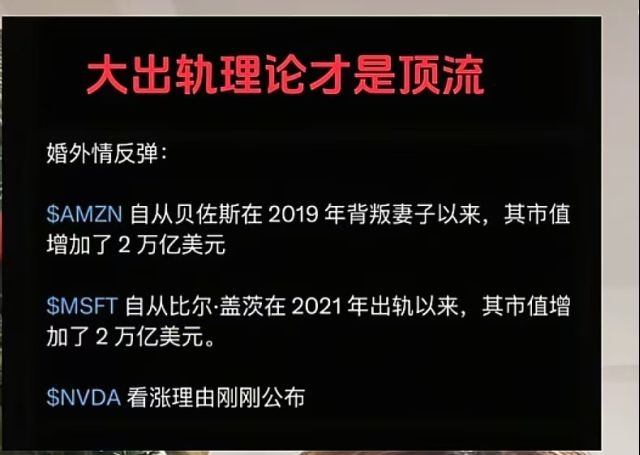
I announce that Nvidia will surpass $10 trillion within two years.
I announce that Nvidia will surpass $10 trillion within two years.
107

·
--
Bullish
Upcoming dates to watch:
11/09 Monday
China October CPI; Coinbase delists BAL and TNSR (around 03:00 Beijing time); Binance Pool service suspension (15:00). Watch to see whether the weekend gap gets filled.
11/10 Tuesday
U.S. October CPI (21:30 Beijing time)—the only major data release this week. On the same day, Bitget opens public subscriptions for the Anthropic IPO; CoreWeave reports earnings after the market close (a bellwether for AI capital spending).
11/11 Wednesday
MSCI announces the final list of companies affected by its index rule changes; South Korea’s public consultation on amendments to its security token laws closes. Watch to see whether ETF flows turn positive for consecutive days.
11/13 Friday
U.S. October PPI (21:30) and initial jobless claims; Cisco and Applied Materials report earnings (after market close Thursday). See whether upstream prices confirm the CPI reading.
11/17 Tuesday
Nvidia earnings—the most important date this month for crypto, potentially more important than any crypto event.
12/01 Tuesday
Moscow Exchange launches a retail trading pilot for BTC/ETH/USDT.
12/08–09
Federal Reserve FOMC meeting—markets are currently pricing in a rate hike. This is the final verdict for this market cycle.
Upcoming dates to watch:
11/09 Monday
China October CPI; Coinbase delists BAL and TNSR (around 03:00 Beijing time); Binance Pool service suspension (15:00). Watch to see whether the weekend gap gets filled.
11/10 Tuesday
U.S. October CPI (21:30 Beijing time)—the only major data release this week. On the same day, Bitget opens public subscriptions for the Anthropic IPO; CoreWeave reports earnings after the market close (a bellwether for AI capital spending).
11/11 Wednesday
MSCI announces the final list of companies affected by its index rule changes; South Korea’s public consultation on amendments to its security token laws closes. Watch to see whether ETF flows turn positive for consecutive days.
11/13 Friday
U.S. October PPI (21:30) and initial jobless claims; Cisco and Applied Materials report earnings (after market close Thursday). See whether upstream prices confirm the CPI reading.
11/17 Tuesday
Nvidia earnings—the most important date this month for crypto, potentially more important than any crypto event.
12/01 Tuesday
Moscow Exchange launches a retail trading pilot for BTC/ETH/USDT.
12/08–09
Federal Reserve FOMC meeting—markets are currently pricing in a rate hike. This is the final verdict for this market cycle.
11/09 Monday
China October CPI; Coinbase delists BAL and TNSR (around 03:00 Beijing time); Binance Pool service suspension (15:00). Watch to see whether the weekend gap gets filled.
11/10 Tuesday
U.S. October CPI (21:30 Beijing time)—the only major data release this week. On the same day, Bitget opens public subscriptions for the Anthropic IPO; CoreWeave reports earnings after the market close (a bellwether for AI capital spending).
11/11 Wednesday
MSCI announces the final list of companies affected by its index rule changes; South Korea’s public consultation on amendments to its security token laws closes. Watch to see whether ETF flows turn positive for consecutive days.
11/13 Friday
U.S. October PPI (21:30) and initial jobless claims; Cisco and Applied Materials report earnings (after market close Thursday). See whether upstream prices confirm the CPI reading.
11/17 Tuesday
Nvidia earnings—the most important date this month for crypto, potentially more important than any crypto event.
12/01 Tuesday
Moscow Exchange launches a retail trading pilot for BTC/ETH/USDT.
12/08–09
Federal Reserve FOMC meeting—markets are currently pricing in a rate hike. This is the final verdict for this market cycle.
379

·
--
Bearish
1. Macroeconomics is the biggest headwind — October nonfarm payrolls rose by 165,000 (vs. 65,000 expected), the unemployment rate fell to 4.1%, the dollar index gained 0.74% in a single day, and the probability of a December rate hike surged to around 80%. BTC is now a classic high-beta liquidity asset: rising real interest rates trigger ETF redemptions, which in turn push prices lower. This entire chain of transmission played out this week.
2. Two headwinds specific to crypto — Although Binance has replenished about 98% of the assets in the $6.36 billion theft and withdrawals have gradually resumed in batches, the 18,270 BTC and 420,000 ETH held by the attacker have remained untouched—a source of potential selling pressure that has yet to be unleashed. Ethereum’s Glamsterdam upgrade has been indefinitely delayed on the Hoodi testnet due to eight contract-assumption risks related to gas pricing in its EIPs. This is a headwind unique to ETH.
3. China has significantly broadened the scope of its regulatory oversight — The central bank explicitly halted a Solana event in Shanghai and launched an investigation. The key determination is that “brand marketing and technical evangelism” themselves count as violations. This means all routes for “indirectly entering China” are blocked, directly weighing on SOL and China-related tokens.
1. Macroeconomics is the biggest headwind — October nonfarm payrolls rose by 165,000 (vs. 65,000 expected), the unemployment rate fell to 4.1%, the dollar index gained 0.74% in a single day, and the probability of a December rate hike surged to around 80%. BTC is now a classic high-beta liquidity asset: rising real interest rates trigger ETF redemptions, which in turn push prices lower. This entire chain of transmission played out this week.
2. Two headwinds specific to crypto — Although Binance has replenished about 98% of the assets in the $6.36 billion theft and withdrawals have gradually resumed in batches, the 18,270 BTC and 420,000 ETH held by the attacker have remained untouched—a source of potential selling pressure that has yet to be unleashed. Ethereum’s Glamsterdam upgrade has been indefinitely delayed on the Hoodi testnet due to eight contract-assumption risks related to gas pricing in its EIPs. This is a headwind unique to ETH.
3. China has significantly broadened the scope of its regulatory oversight — The central bank explicitly halted a Solana event in Shanghai and launched an investigation. The key determination is that “brand marketing and technical evangelism” themselves count as violations. This means all routes for “indirectly entering China” are blocked, directly weighing on SOL and China-related tokens.
2. Two headwinds specific to crypto — Although Binance has replenished about 98% of the assets in the $6.36 billion theft and withdrawals have gradually resumed in batches, the 18,270 BTC and 420,000 ETH held by the attacker have remained untouched—a source of potential selling pressure that has yet to be unleashed. Ethereum’s Glamsterdam upgrade has been indefinitely delayed on the Hoodi testnet due to eight contract-assumption risks related to gas pricing in its EIPs. This is a headwind unique to ETH.
3. China has significantly broadened the scope of its regulatory oversight — The central bank explicitly halted a Solana event in Shanghai and launched an investigation. The key determination is that “brand marketing and technical evangelism” themselves count as violations. This means all routes for “indirectly entering China” are blocked, directly weighing on SOL and China-related tokens.
345
·
--
Bearish
Possible scenarios for tonight’s nonfarm payrolls:
Stronger-than-expected payrolls (both jobs and wages run hot): December rate-hike odds return to 80%+ → Treasury yields rebound and the dollar strengthens → BTC weakens.
A clear downside surprise in payrolls (jobs far below expectations / unemployment rises): Rate-hike expectations cool further → BTC could recover to 78,000–79,900, but only if U.S. tech stocks also find a floor.
In line with expectations: Pricing remains unchanged, and the market returns to being driven by technicals and intraday moves in U.S. stocks, with range-bound trading.
Place your bets, everyone. Big or small?
Possible scenarios for tonight’s nonfarm payrolls:
Stronger-than-expected payrolls (both jobs and wages run hot): December rate-hike odds return to 80%+ → Treasury yields rebound and the dollar strengthens → BTC weakens.
A clear downside surprise in payrolls (jobs far below expectations / unemployment rises): Rate-hike expectations cool further → BTC could recover to 78,000–79,900, but only if U.S. tech stocks also find a floor.
In line with expectations: Pricing remains unchanged, and the market returns to being driven by technicals and intraday moves in U.S. stocks, with range-bound trading.
Place your bets, everyone. Big or small?
Stronger-than-expected payrolls (both jobs and wages run hot): December rate-hike odds return to 80%+ → Treasury yields rebound and the dollar strengthens → BTC weakens.
A clear downside surprise in payrolls (jobs far below expectations / unemployment rises): Rate-hike expectations cool further → BTC could recover to 78,000–79,900, but only if U.S. tech stocks also find a floor.
In line with expectations: Pricing remains unchanged, and the market returns to being driven by technicals and intraday moves in U.S. stocks, with range-bound trading.
Place your bets, everyone. Big or small?
209
·
--
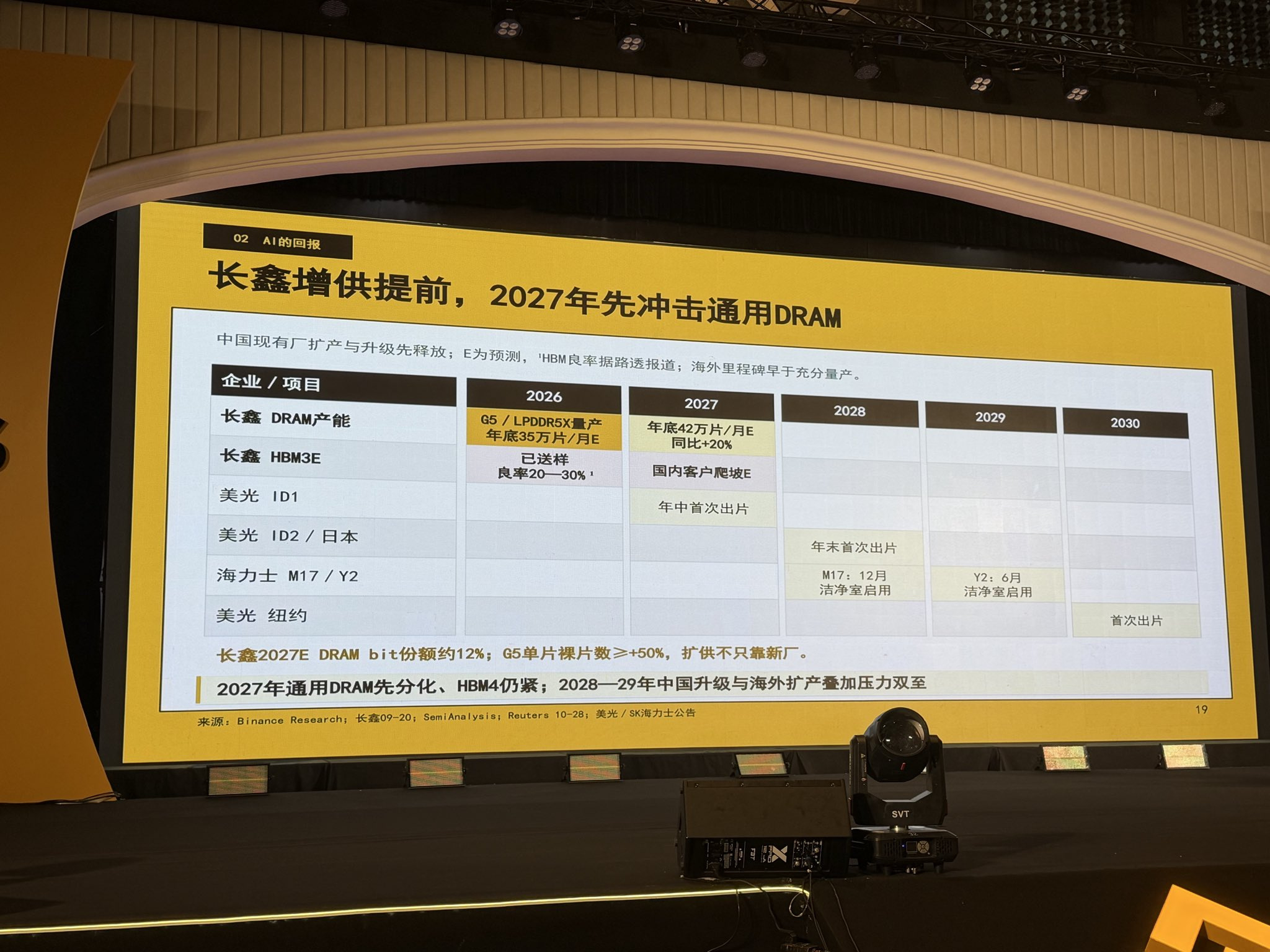
According to Bloomberg, Micron has suspended construction on project 11E at its Taoyuan factory, a $4.5 billion investment in Taiwan, due to labor disputes involving local unions. Micron said operations at the factory in Taiwan continue as usual. The factory was originally scheduled to begin production in 2028, so this represents long-term production capacity. It will keep falling. Empty, empty, empty; live in a palace. #SNDK #SKHy
According to Bloomberg, Micron has suspended construction on project 11E at its Taoyuan factory, a $4.5 billion investment in Taiwan, due to labor disputes involving local unions. Micron said operations at the factory in Taiwan continue as usual. The factory was originally scheduled to begin production in 2028, so this represents long-term production capacity. It will keep falling. Empty, empty, empty; live in a palace. #SNDK #SKHy
342
·
--
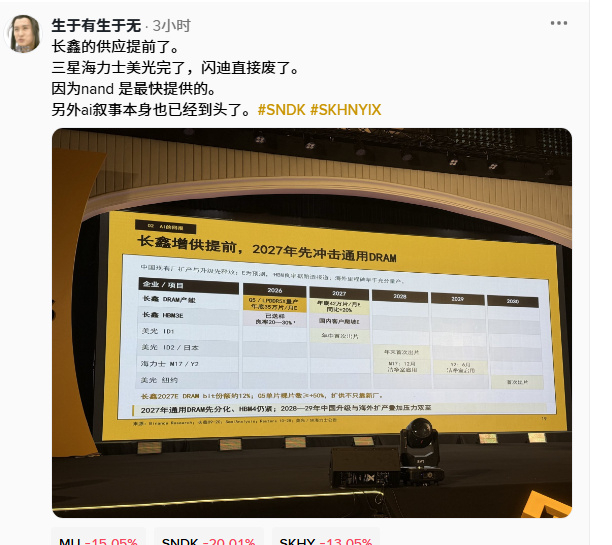
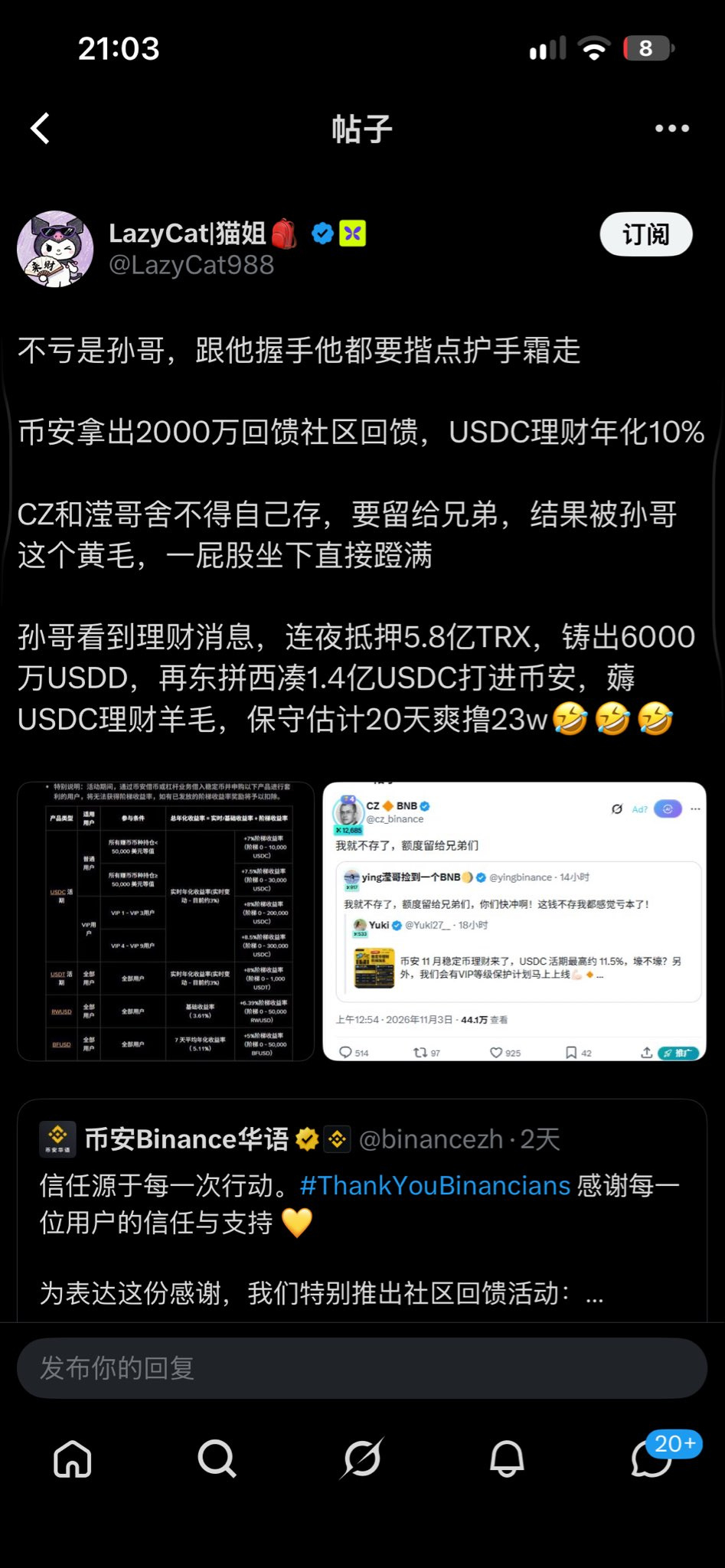
We talked about it in the afternoon. By evening, it was already wrecked. The AI storage is ruined...#SNDK
We talked about it in the afternoon. By evening, it was already wrecked. The AI storage is ruined...#SNDK
804
·
--
This Friday (11/6), the nonfarm payrolls report: the real pricing bomb.
😖 Hot data (>100K): December rate-hike odds surge to 90%+, with hikes potentially coming sooner and the total number of hikes being revised higher → dollar rebounds → BTC likely gives back today's gains and tests below 78,000.
😍 Weak data (<40K) or unemployment jumps to 4.4%+: the rate-hike narrative loses steam → the only scenario that could drive BTC to decisively break 82,000 and challenge 84,000.
😂 In line with expectations (50–80K): pricing unchanged, the market returns to being driven by technicals, and range-bound trading continues.
This Friday (11/6), the nonfarm payrolls report: the real pricing bomb.
😖 Hot data (>100K): December rate-hike odds surge to 90%+, with hikes potentially coming sooner and the total number of hikes being revised higher → dollar rebounds → BTC likely gives back today's gains and tests below 78,000.
😍 Weak data (<40K) or unemployment jumps to 4.4%+: the rate-hike narrative loses steam → the only scenario that could drive BTC to decisively break 82,000 and challenge 84,000.
😂 In line with expectations (50–80K): pricing unchanged, the market returns to being driven by technicals, and range-bound trading continues.
😖 Hot data (>100K): December rate-hike odds surge to 90%+, with hikes potentially coming sooner and the total number of hikes being revised higher → dollar rebounds → BTC likely gives back today's gains and tests below 78,000.
😍 Weak data (<40K) or unemployment jumps to 4.4%+: the rate-hike narrative loses steam → the only scenario that could drive BTC to decisively break 82,000 and challenge 84,000.
😂 In line with expectations (50–80K): pricing unchanged, the market returns to being driven by technicals, and range-bound trading continues.
147
·
--
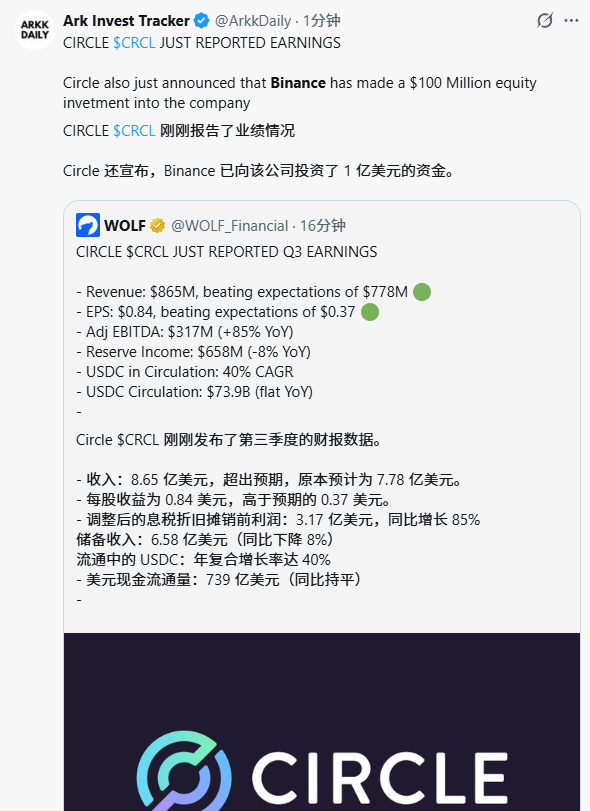
#CRCL Circle released its financial results. Circle also announced that Binance has invested $100 million in the company.
#CRCL Circle released its financial results. Circle also announced that Binance has invested $100 million in the company.
233
·
--
The probability of a Fed rate hike in December has risen to 73%–75%, disproving the rate-cut narrative. Rising real-rate expectations → the dollar index remains elevated at 101.7–101.9 → global dollar financing costs stay high → highly volatile assets with no cash flow (gold fell as much as 6.7% in a single week; BTC and ETH likewise) are hit first. This is the fundamental cause of the current downturn; the hacking incident was merely an accelerant, not the cause.#btc #eth #sndk
The probability of a Fed rate hike in December has risen to 73%–75%, disproving the rate-cut narrative. Rising real-rate expectations → the dollar index remains elevated at 101.7–101.9 → global dollar financing costs stay high → highly volatile assets with no cash flow (gold fell as much as 6.7% in a single week; BTC and ETH likewise) are hit first. This is the fundamental cause of the current downturn; the hacking incident was merely an accelerant, not the cause.#btc #eth #sndk
474
·
--
U.S. midterm elections take place today: the results will determine the 2027 window for crypto legislation. If the presidency and Congress are divided, fiscal expansion will be constrained and pressure on long-term yields will ease, boosting U.S. stock valuations. But legislative gridlock will delay a crypto framework, weighing on altcoins and DeFi. BTC and stablecoins are relatively less affected by market-structure legislation. However, a divergence may emerge, with stocks rising ahead of crypto: improving risk appetite may flow first into stocks, then spill over into BTC, and only later reach DeFi and long-tail assets. #BTC #ETH #SNDK #MU
U.S. midterm elections take place today: the results will determine the 2027 window for crypto legislation. If the presidency and Congress are divided, fiscal expansion will be constrained and pressure on long-term yields will ease, boosting U.S. stock valuations. But legislative gridlock will delay a crypto framework, weighing on altcoins and DeFi. BTC and stablecoins are relatively less affected by market-structure legislation. However, a divergence may emerge, with stocks rising ahead of crypto: improving risk appetite may flow first into stocks, then spill over into BTC, and only later reach DeFi and long-tail assets. #BTC #ETH #SNDK #MU
240
·
--
There are two days left until the U.S. midterm elections. JPMorgan has laid out its trading playbook: short crypto-related assets, on the grounds that “the regulatory path is narrowing, not opening up.” A Democratic majority in the House means Maxine Waters will retake the helm of the Financial Services Committee, gaining subpoena power for investigations into the CZ pardon and the Trump family’s crypto business → regulatory uncertainty rises. Crypto stocks have already started pricing this in: COIN fell from 183.81 to 143.54 in two weeks, while MSTR dropped from 151.29 to 130.51. But Grayscale Head of Research Pandl makes a point worth remembering: crypto is no longer a partisan asset; the GENIUS Act has bipartisan support, and 80%–85% of global trading takes place outside the U.S. Elections affect the “pace” more than the “direction.” The historical pattern: in the 30 days after the past three midterm elections, BTC’s trading range was -45% to +13%, and crypto-specific events typically have a greater impact than election results.
There are two days left until the U.S. midterm elections. JPMorgan has laid out its trading playbook: short crypto-related assets, on the grounds that “the regulatory path is narrowing, not opening up.” A Democratic majority in the House means Maxine Waters will retake the helm of the Financial Services Committee, gaining subpoena power for investigations into the CZ pardon and the Trump family’s crypto business → regulatory uncertainty rises. Crypto stocks have already started pricing this in: COIN fell from 183.81 to 143.54 in two weeks, while MSTR dropped from 151.29 to 130.51. But Grayscale Head of Research Pandl makes a point worth remembering: crypto is no longer a partisan asset; the GENIUS Act has bipartisan support, and 80%–85% of global trading takes place outside the U.S. Elections affect the “pace” more than the “direction.” The historical pattern: in the 30 days after the past three midterm elections, BTC’s trading range was -45% to +13%, and crypto-specific events typically have a greater impact than election results.
439
·
--
Binance’s $6.3 billion hack is an accelerant of this downturn, not its cause—the real pressure comes from a liquidity squeeze driven by “no Fed rate cuts + $114 oil + a repricing of the AI narrative in U.S. stocks.” The Binance incident simply kicked an already fragile market while it was down (21Shares data: BTC fell only 2% in 24 hours, far less than the 26% drop after FTX, showing the market doesn’t view it as a systemic risk). Over the next 24 hours, the most likely scenario is low-volume bottoming between 75,500 and 79,000. The real directional catalyst will be withdrawals opening on Sunday and proof of reserves on Monday. The key to the medium-term outlook isn’t the BTC price, but whether ETFs continue to see net inflows—that’s where institutions vote with real money.
Binance’s $6.3 billion hack is an accelerant of this downturn, not its cause—the real pressure comes from a liquidity squeeze driven by “no Fed rate cuts + $114 oil + a repricing of the AI narrative in U.S. stocks.” The Binance incident simply kicked an already fragile market while it was down (21Shares data: BTC fell only 2% in 24 hours, far less than the 26% drop after FTX, showing the market doesn’t view it as a systemic risk). Over the next 24 hours, the most likely scenario is low-volume bottoming between 75,500 and 79,000. The real directional catalyst will be withdrawals opening on Sunday and proof of reserves on Monday. The key to the medium-term outlook isn’t the BTC price, but whether ETFs continue to see net inflows—that’s where institutions vote with real money.
152
·
--
The full picture: 10 chains drained in 20 minutes in the largest single cryptocurrency theft in historyOn October 29 at 16:05 (US Eastern Time, UTC 20:05), a Binance hot wallet was attacked. TRM Labs put the stolen funds at $6.36 billion based on prices at the time of transfer (Chainalysis estimated about $6.4 billion; Arkham estimated $6.01 billion), surpassing the 2025 Bybit incident (about $1.5 billion) to become the largest single cryptocurrency theft in history. Within about 20 minutes, funds were drained from at least 10 chains, including XRP, Solana, Optimism, Bitcoin (18,270 BTC), Tron ($612.7 million USDT), and Ethereum (about 200,000 ETH + $1.615 billion USDT + $823 million USDC + 61 tokens). Ethereum accounted for about 60% of the total.
The full picture: 10 chains drained in 20 minutes in the largest single cryptocurrency theft in history
On October 29 at 16:05 (US Eastern Time, UTC 20:05), a Binance hot wallet was attacked. TRM Labs put the stolen funds at $6.36 billion based on prices at the time of transfer (Chainalysis estimated about $6.4 billion; Arkham estimated $6.01 billion), surpassing the 2025 Bybit incident (about $1.5 billion) to become the largest single cryptocurrency theft in history. Within about 20 minutes, funds were drained from at least 10 chains, including XRP, Solana, Optimism, Bitcoin (18,270 BTC), Tron ($612.7 million USDT), and Ethereum (about 200,000 ETH + $1.615 billion USDT + $823 million USDC + 61 tokens). Ethereum accounted for about 60% of the total.
730
·
--
1. Binance suspected of being hacked: about $2.5 billion frozen, withdrawals suspended — Officials say they are investigating a potential security incident. Withdrawals have been suspended and about $2.54 billion frozen; assets worth up to about $6.3 billion were briefly exposed. Initial indications point to a breach of transaction-signing infrastructure, rather than stolen private keys. Binance has pledged to make users whole and expects withdrawals to resume within 48 hours; deposits are operating normally. → Confidence in exchanges takes a hit, and funds may move to self-custody and regulated platforms. Bearish, days.
2. BTC falls below $77,000 to a six-week low — Down 5% in 24 hours, hitting a low of $77,266; $1.1–1.5 billion in liquidations, affecting over 240,000 traders. ETH fell below $2,200, while SOL and XRP also declined. → Leverage is being flushed out, with $76,540 as the line in the sand. Bearish, days.
3. ETFs post three days of net inflows; October turns positive — About $137 million in a single day, with net inflows for three consecutive days, bringing October’s cumulative total from negative to positive. → Passive capital is buying against the trend, but the scale is insufficient to offset an exchange-level shock. Bullish, weeks.
4. Stablecoin issuers freeze $2.38 billion — Tether and Circle cooperate to freeze stablecoins linked to alleged crimes. → The “freezable” nature of stablecoins is reaffirmed, benefiting the case for regulation while hurting the permissionless narrative. Neutral, days.
5. Altcoins catch up on the downside, spreading risk across the market — ETH down 4% in 24 hours; SOL, XRP, and DOGE also weakened. → Rebound potential remains weaker than BTC’s. Bearish, days.
6. Security concerns are being repriced — Six incidents have occurred in October alone: Bitget, Ledger, Coldcard, Bithumb, Diamante, and now Binance. → Custody risk premiums are rising, increasing demand for hardware wallets and self-custody. Bearish, weeks.
1. Binance suspected of being hacked: about $2.5 billion frozen, withdrawals suspended — Officials say they are investigating a potential security incident. Withdrawals have been suspended and about $2.54 billion frozen; assets worth up to about $6.3 billion were briefly exposed. Initial indications point to a breach of transaction-signing infrastructure, rather than stolen private keys. Binance has pledged to make users whole and expects withdrawals to resume within 48 hours; deposits are operating normally. → Confidence in exchanges takes a hit, and funds may move to self-custody and regulated platforms. Bearish, days.
2. BTC falls below $77,000 to a six-week low — Down 5% in 24 hours, hitting a low of $77,266; $1.1–1.5 billion in liquidations, affecting over 240,000 traders. ETH fell below $2,200, while SOL and XRP also declined. → Leverage is being flushed out, with $76,540 as the line in the sand. Bearish, days.
3. ETFs post three days of net inflows; October turns positive — About $137 million in a single day, with net inflows for three consecutive days, bringing October’s cumulative total from negative to positive. → Passive capital is buying against the trend, but the scale is insufficient to offset an exchange-level shock. Bullish, weeks.
4. Stablecoin issuers freeze $2.38 billion — Tether and Circle cooperate to freeze stablecoins linked to alleged crimes. → The “freezable” nature of stablecoins is reaffirmed, benefiting the case for regulation while hurting the permissionless narrative. Neutral, days.
5. Altcoins catch up on the downside, spreading risk across the market — ETH down 4% in 24 hours; SOL, XRP, and DOGE also weakened. → Rebound potential remains weaker than BTC’s. Bearish, days.
6. Security concerns are being repriced — Six incidents have occurred in October alone: Bitget, Ledger, Coldcard, Bithumb, Diamante, and now Binance. → Custody risk premiums are rising, increasing demand for hardware wallets and self-custody. Bearish, weeks.
2. BTC falls below $77,000 to a six-week low — Down 5% in 24 hours, hitting a low of $77,266; $1.1–1.5 billion in liquidations, affecting over 240,000 traders. ETH fell below $2,200, while SOL and XRP also declined. → Leverage is being flushed out, with $76,540 as the line in the sand. Bearish, days.
3. ETFs post three days of net inflows; October turns positive — About $137 million in a single day, with net inflows for three consecutive days, bringing October’s cumulative total from negative to positive. → Passive capital is buying against the trend, but the scale is insufficient to offset an exchange-level shock. Bullish, weeks.
4. Stablecoin issuers freeze $2.38 billion — Tether and Circle cooperate to freeze stablecoins linked to alleged crimes. → The “freezable” nature of stablecoins is reaffirmed, benefiting the case for regulation while hurting the permissionless narrative. Neutral, days.
5. Altcoins catch up on the downside, spreading risk across the market — ETH down 4% in 24 hours; SOL, XRP, and DOGE also weakened. → Rebound potential remains weaker than BTC’s. Bearish, days.
6. Security concerns are being repriced — Six incidents have occurred in October alone: Bitget, Ledger, Coldcard, Bithumb, Diamante, and now Binance. → Custody risk premiums are rising, increasing demand for hardware wallets and self-custody. Bearish, weeks.
604
Log in to explore more content
Join global crypto users on Binance Square
⚡️ Get latest and useful information about crypto.
💬 Trusted by the world’s largest crypto exchange.
👍 Discover real insights from verified creators.
Email / Phone number
Trending Topics
HotCPIDecemberHikePriced
198,649 views
2,112 Discussing
CPI Market Watch | US CPI Rises 0.4% in October, Hotter Than 0.3% Forecast
Binance News
·31 Likes
·42.5k views
StrategyFaces$2.8BSelloffRiskFromMSCIRemoval
4,931 views
64 Discussing
AnthropicRejectsIPODelayValuationinQuestion
292,983 views
2,481 Discussing