
SAC-King-你真棒-带我走
5.5k Posts

SAC-King-你真棒-带我走
 Square Verified+
Report
Block User
内容创作者🔹精准预测🔹未来规划师🔹深度高级研究员与分析师🔹高精度预测🔹深度研究与高频现货交易策略🔹区块链 | WEB3 | 未来科技研究 | 🔹积极思考者🔹影响力人物🔹 ID#1187016486 | X.@sac_king666 | X.@sachanna74
950 Following
33.8K+ Followers
12.6K+ Liked
Posts
Portfolio
All
Quotes
Videos
Live
PINNED
·
--
Bullish
Verified
#SXT $SXT @SpaceandTimeDB
Space and Time Enterprise: Why Bringing Verifiable AI to Private Servers Matters
I initially read Space and Time Enterprise as another AI infrastructure announcement, but one detail deserves closer attention: businesses can now verify calculations without moving their sensitive records onto a blockchain.
Think about a financial institution using AI to evaluate portfolios, calculate collateral, or prepare financial reports.
The AI may produce an impressive answer, but how can auditors or business partners confirm that the underlying calculations were performed correctly without exposing confidential information?
This is where Space and Time Enterprise introduces an interesting approach.
Powered by Proof of SQL, it generates cryptographic proofs showing that SQL calculations were executed correctly against committed data. Businesses can keep their underlying records in their own environment while allowing applications, auditors, and stakeholders to verify the results.
Its November 9 launch included Maple Finance, Indomobil, Trenez, and The Data Foundation as launch partners.
But there is an important distinction: proving a calculation is correct does not automatically prove that the original data was truthful. Data integrity and reliable inputs still matter.
Another interesting decision is that Enterprise can operate without requiring businesses to run a blockchain. That lowers one adoption barrier, while keeping its decentralized SXT Chain focused on onchain data infrastructure.
For @SpaceandTimeDB , the bigger opportunity is connecting verifiable computation with real business workflows. That is a more meaningful challenge than simply making AI faster.
The real test is whether enterprises make verification a standard part of their operations.
$SXT #SXT #GrowWithSAC
#SXT $SXT @SpaceandTime
Space and Time Enterprise: Why Bringing Verifiable AI to Private Servers Matters
I initially read Space and Time Enterprise as another AI infrastructure announcement, but one detail deserves closer attention: businesses can now verify calculations without moving their sensitive records onto a blockchain.
Think about a financial institution using AI to evaluate portfolios, calculate collateral, or prepare financial reports.
The AI may produce an impressive answer, but how can auditors or business partners confirm that the underlying calculations were performed correctly without exposing confidential information?
This is where Space and Time Enterprise introduces an interesting approach.
Powered by Proof of SQL, it generates cryptographic proofs showing that SQL calculations were executed correctly against committed data. Businesses can keep their underlying records in their own environment while allowing applications, auditors, and stakeholders to verify the results.
Its November 9 launch included Maple Finance, Indomobil, Trenez, and The Data Foundation as launch partners.
But there is an important distinction: proving a calculation is correct does not automatically prove that the original data was truthful. Data integrity and reliable inputs still matter.
Another interesting decision is that Enterprise can operate without requiring businesses to run a blockchain. That lowers one adoption barrier, while keeping its decentralized SXT Chain focused on onchain data infrastructure.
For @SpaceandTime , the bigger opportunity is connecting verifiable computation with real business workflows. That is a more meaningful challenge than simply making AI faster.
The real test is whether enterprises make verification a standard part of their operations.
$SXT #SXT #GrowWithSAC

1
5
177
PINNED
·
--
Bullish
💥🌹SAC-KING Square Family 🏡
✳️ Follow & 🔃🔃 REPOST
✳️ LIKE & COMMENT
✳️ SHARE
✳️ GO FAST ⏩ ➡️ ⏩ ➡️
#BinanceSquareFamily #GrowWithSAC #Write2Earn $BNB $CYBER $STPT
💥🌹SAC-KING Square Family 🏡
✳️ Follow & 🔃🔃 REPOST
✳️ LIKE & COMMENT
✳️ SHARE
✳️ GO FAST ⏩ ➡️ ⏩ ➡️
#BinanceSquareFamily #GrowWithSAC #Write2Earn $BNB $CYBER $STPT
✳️ Follow & 🔃🔃 REPOST
✳️ LIKE & COMMENT
✳️ SHARE
✳️ GO FAST ⏩ ➡️ ⏩ ➡️
#BinanceSquareFamily #GrowWithSAC #Write2Earn $BNB $CYBER $STPT

556
6
56
556
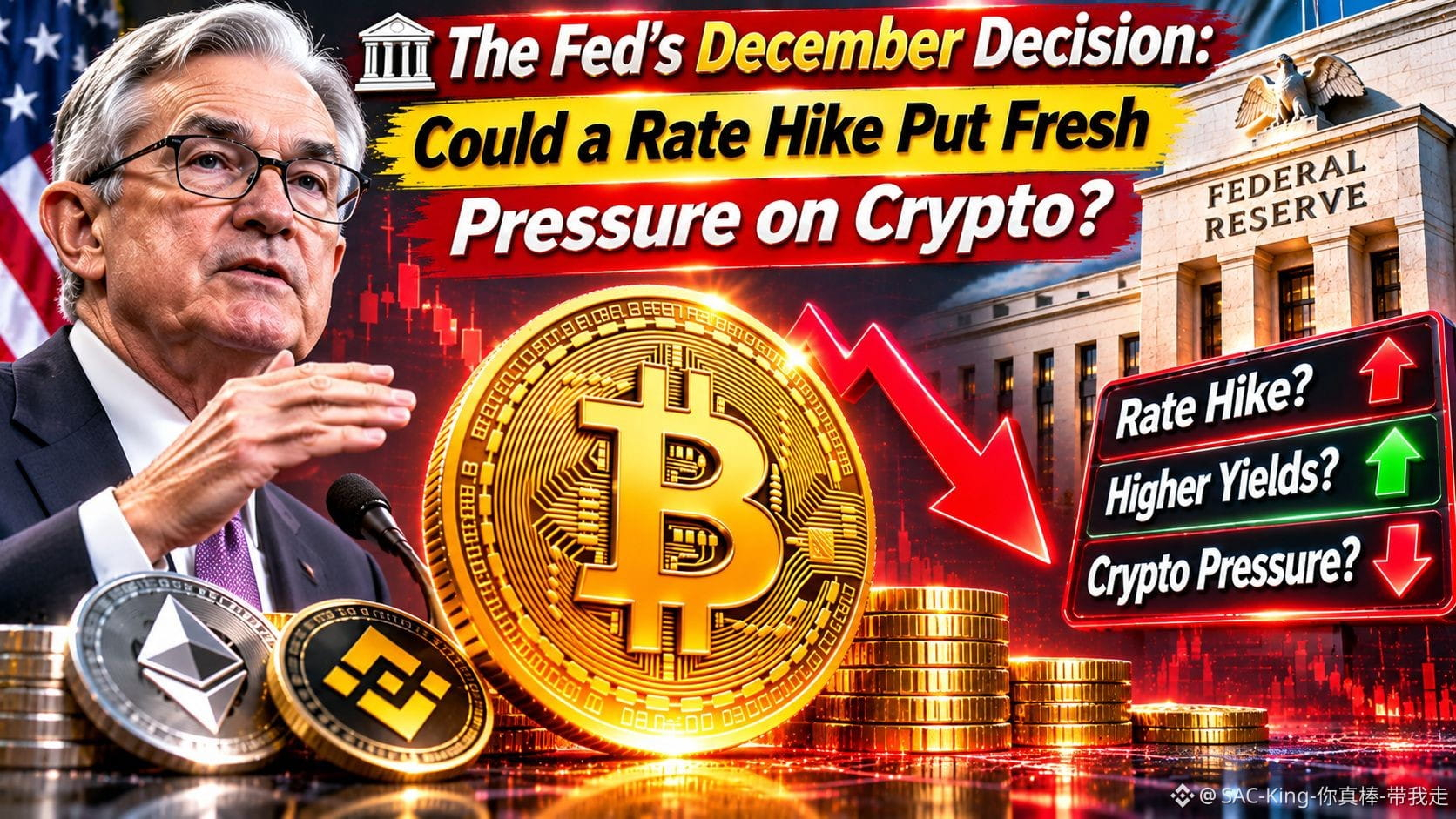
🚨 The Fed’s December Decision: Could a Rate Hike Put Fresh Pressure on Crypto? 💥
Imagine waking up to a red crypto market. Bitcoin is sliding, altcoins are bleeding, and investors are suddenly asking one question: what did the Federal Reserve just do?
That risk is becoming harder to ignore. The Fed held rates at 3.75%–4.00% in October, while persistent inflation keeps the possibility of another increase on investors’ radar.
Why does this matter for crypto? Higher interest rates can make cash and government bonds more attractive while increasing borrowing costs. That can reduce appetite for volatile assets such as Bitcoin.
Crypto markets are already facing pressure. A shift toward tighter monetary policy could add another challenge for digital assets, especially if investors begin expecting rates to stay elevated for longer.
My take: the biggest danger may not be a single rate decision. It is the possibility that markets have underestimated how long restrictive monetary policy could last. That uncertainty can influence liquidity, risk appetite, and crypto valuations.
Watch inflation data, Fed commentary, Treasury yields, and Bitcoin’s reaction. If markets have already priced in a rate increase, the actual decision could produce a very different reaction than many expect.
In crypto, liquidity often matters more than headlines.
Could a December rate hike trigger another wave of selling, or has the market already priced in the risk?
Disclaimer: This is market analysis, not financial advice.
#FederalReserve #Bitcoin #GrowWithSAC $BTC $SHELL $DODO
175
🛢️₿ Oil Prices vs Bitcoin: Could Falling Energy Costs Give the Federal Reserve Room to Support Risk Assets? ₿🛢️
Imagine waking up to a market where oil prices are falling, inflation fears are easing, and investors are suddenly looking for opportunities again. Could Bitcoin become one of the biggest beneficiaries?
There is an interesting development. On November 13, Brent crude settled at $95.84 per barrel, while WTI closed at $88.56. Both benchmarks recorded their second consecutive weekly decline.
The key driver is a changing supply-demand balance. Growing expectations of a global oil surplus and weaker US demand are putting pressure on energy prices.
Why should Bitcoin traders care? Lower energy costs can reduce inflationary pressure, potentially giving the Federal Reserve more flexibility over time.
But there is a catch. The Fed held interest rates at 3.75% to 4% in October, while officials continue warning that inflation remains elevated. Falling oil alone is not enough to guarantee rate cuts.
My take: If energy prices continue declining and broader inflation follows, expectations of easier monetary policy could improve liquidity conditions and support Bitcoin and other risk assets.
However, if oil falls because economic demand is weakening sharply, the same development could signal trouble for financial markets.
The real Bitcoin catalyst may not be cheaper oil itself, but what cheaper oil allows the Federal Reserve to do next.
Do you think falling oil prices could open the door to a more supportive Fed policy and a Bitcoin recovery?
Disclaimer: Educational content only, not financial advice. Always manage your risk.
#Bitcoin #CryptoMarket #GrowWithSAC $BTC $SHELL $DODO

414
🏦⚔️ BlackRock vs Bitcoin Bears: Could Institutional Money Reverse the Entire Crypto Downtrend? ⚔️₿
Imagine a market where Bitcoin keeps falling, traders lose confidence, and fear dominates every headline. Then a familiar giant enters the conversation: BlackRock. But can institutional money really turn the tide?
The latest market picture is challenging. Bitcoin is trading around $67,267, down nearly 3% over 24 hours, while the broader crypto market remains under pressure.
Here is the important detail: institutional capital is not currently providing a clear bullish signal. Recent US spot Bitcoin ETF data showed approximately $324 million in combined net outflows, with BlackRock's IBIT accounting for roughly $212 million.
My take? BlackRock's influence is significant, but its name alone cannot reverse a bear market. What matters is sustained net inflows, stronger spot demand, improving liquidity, and buyers willing to defend higher prices.
If institutional inflows return consistently, they could strengthen Bitcoin's recovery and eventually improve sentiment across altcoins. However, one positive ETF session would not confirm a trend reversal.
The biggest mistake right now would be confusing institutional potential with actual institutional buying.
Bitcoin does not need another bullish headline; it needs buyers who are willing to stay.
Do you believe BlackRock and institutional investors can reverse Bitcoin's downtrend, or does the market need more time?
Disclaimer: This content is for educational purposes only, not financial advice. Always manage your risk.
#Bitcoin #CryptoMarket #GrowWithSAC $BTC $SHELL $MITO

BTC-3.28%
BLKUS-0.05%
289
Verified
🌍⚡ Trump and Iran: Could One Unexpected Geopolitical Decision Send Bitcoin Up 10% or Trigger Another Market Crash? ⚡₿
Imagine waking up to breaking news: Washington has changed its position on Iran. Oil markets react, global investors reassess risk, and Bitcoin suddenly faces a completely different trading environment.
That scenario is no longer purely hypothetical. On November 14, reports indicate Donald Trump is considering holding off further attacks on Iran unless new provocations occur. However, no final decision has been made.
Meanwhile, Bitcoin is trading around $67,000, struggling under broader market pressure. The geopolitical situation adds another layer of uncertainty.
Here is where things get interesting. Escalation could push energy prices higher, intensify inflation concerns, and encourage investors to reduce exposure to risky assets.
But de-escalation could produce the opposite reaction. Lower geopolitical risk may improve investor confidence, support liquidity expectations, and create room for Bitcoin to recover.
My take? A 10% Bitcoin move is possible, but one political headline cannot guarantee it. The real confirmation would come from sustained buying, improving market liquidity, and stronger spot demand.
Watch three things closely: Trump's next decision, oil price movements, and Bitcoin's ability to reclaim important price levels.
In today's market, one geopolitical headline can change sentiment, but sustained capital flows determine the direction.
If tensions between Trump and Iran ease, would you expect Bitcoin to rally 10%, or could macroeconomic pressure overpower the recovery?
Disclaimer: Educational content only, not financial advice. Always manage your risk.
#Bitcoin #CryptoMarket #GrowWithSAC $BTC $SHELL $SOPH

119
🐕🔥 $SHIB Is Waking Up: Could Shiba Inu Deliver a Surprise 10% Rally in the Next 24 Hours? 🔥🐕
Imagine checking the market tomorrow and finding Shiba Inu suddenly moving while the rest of the market is still struggling. For meme-coin traders, that possibility is exciting. But is SHIB actually preparing for a comeback?
As of November 14, SHIB is trading around $0.00000415, down approximately 2.8% over 24 hours. Its recent trading range sits between $0.00000412 and $0.00000436.
Here is what makes the situation interesting: SHIB is trading close to its recent 24-hour low. That creates an opportunity for buyers to defend support, but it also shows that selling pressure has not disappeared.
A potential 10% rally would require more than social-media excitement. Strong buying volume, improving Bitcoin sentiment, and renewed demand for meme coins would make the bullish case more convincing.
My view? Watch the $0.00000436 area first. A convincing breakout with rising volume could strengthen the recovery scenario. However, losing the recent low could expose SHIB to further downside.
Remember, a 10% move is a possibility, not a prediction. In a weak market, even popular meme coins can struggle to attract fresh capital.
Sometimes the biggest opportunity begins when buyers quietly return, not when everyone starts celebrating.
Do you think SHIB can deliver a surprise 10% rally within the next 24 hours, or will sellers remain in control?
Disclaimer: This article is for educational purposes only, not financial advice. Always manage your risk.
#ShibaInu #Memecoin #GrowWithSAC $SHELL $DODO

283
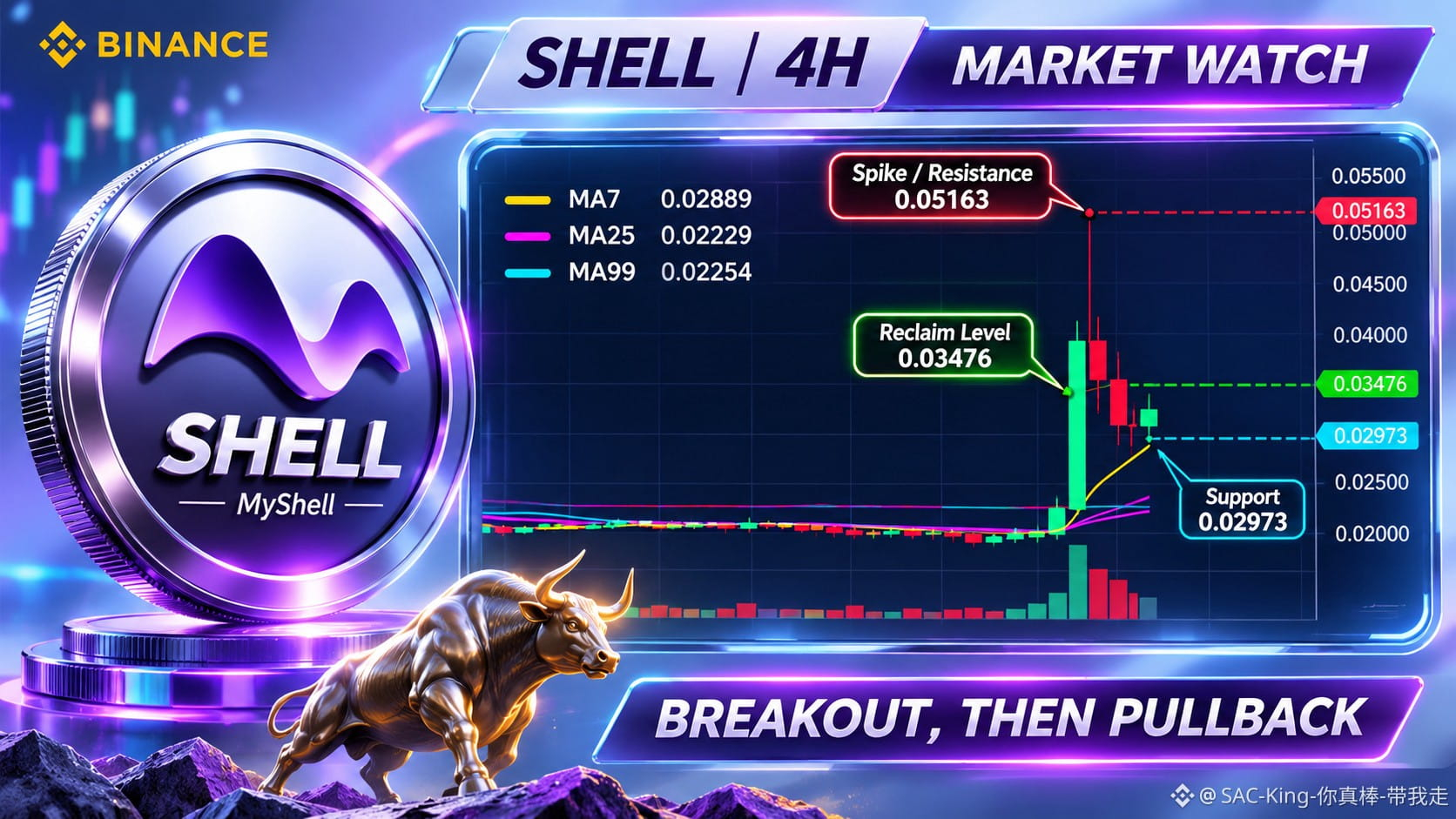
🚀 $SHELL : Can This Explosive Rally Push Toward $0.05 Again? ⚡
👀 SHELL has made a powerful breakout from the $0.020 area, but the first major pullback is testing buyers' confidence.
4H Structure: Price remains above MA7 ($0.02889), MA25 ($0.02229) and MA99 ($0.02254). The latest candle is recovering after testing $0.02973.
Bullish Trigger: Reclaim $0.03476, then watch $0.04000 and $0.05163 as potential resistance targets.
Support: $0.02973, followed by $0.02889. A confirmed breakdown below both would weaken the recovery setup.
SHELL 04-Hour Prediction: WAIT / HOLD
Sentiment: Bullish 55% / Bearish 45%.
My take: The trend is strong, but chasing a 70% rally is risky. Wait for confirmation and a controlled retest.
Live price is not reliably confirmed. Screenshot shows $0.03315, while live market sources differ. No precise entry, TP or SL.
Protect capital before chasing momentum.
DYOR. Not financial advice.
#SHELL #MyShell #CryptoTrading #Write2Earn #GrowWithSAC
{future}(SHELLUSDT)
🚀 $SHELL : Can This Explosive Rally Push Toward $0.05 Again? ⚡
👀 SHELL has made a powerful breakout from the $0.020 area, but the first major pullback is testing buyers' confidence.
4H Structure: Price remains above MA7 ($0.02889), MA25 ($0.02229) and MA99 ($0.02254). The latest candle is recovering after testing $0.02973.
Bullish Trigger: Reclaim $0.03476, then watch $0.04000 and $0.05163 as potential resistance targets.
Support: $0.02973, followed by $0.02889. A confirmed breakdown below both would weaken the recovery setup.
SHELL 04-Hour Prediction: WAIT / HOLD
Sentiment: Bullish 55% / Bearish 45%.
My take: The trend is strong, but chasing a 70% rally is risky. Wait for confirmation and a controlled retest.
Live price is not reliably confirmed. Screenshot shows $0.03315, while live market sources differ. No precise entry, TP or SL.
Protect capital before chasing momentum.
DYOR. Not financial advice.
#SHELL #MyShell #CryptoTrading #Write2Earn #GrowWithSAC
257
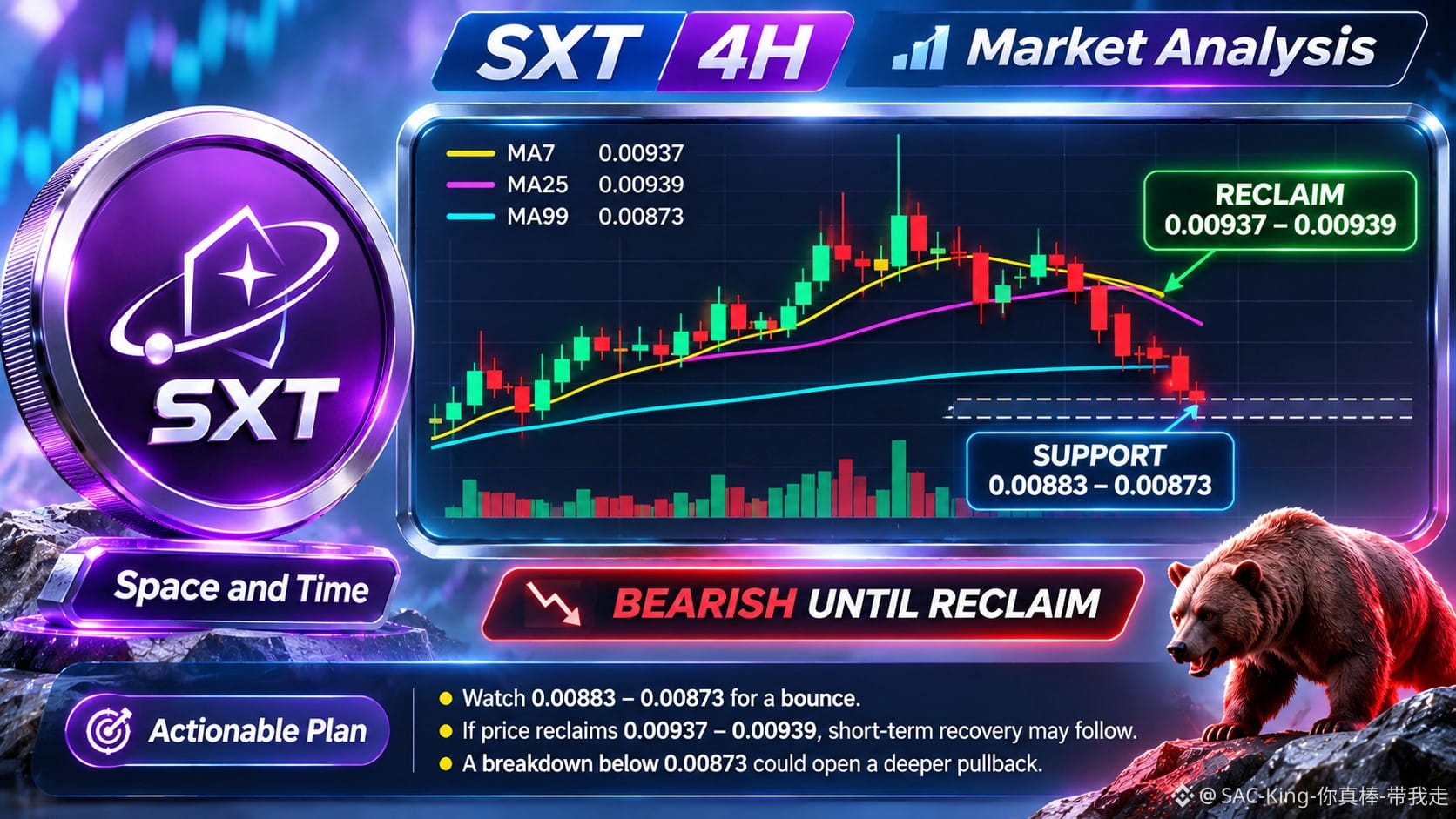
🚀 Will $SXT Bounce Back or Face Another Drop? 🔴📉
👀 Interesting moment for SXT! The 4H chart shows sellers taking control after the recent rejection near $0.0100.
Price is trading below MA7 ($0.00937) and MA25 ($0.00939), showing short-term weakness. However, MA99 near $0.00873 remains an important support reference.
Recent red candles suggest selling pressure. A sustained move below support could extend the decline, while reclaiming the short-term moving averages would improve the recovery outlook.
SXT 04-Hour Prediction: WAIT / HOLD
Live price is not reliably confirmed: the screenshot shows $0.00888, while newer market observations differ. No precise entry, TP or SL is justified.
Sentiment: Bullish 28% / Bearish 72%
My take: I would wait for buyers to defend support and confirm a recovery rather than catch a falling candle.
Patience is also a trading strategy.
⚠️ DYOR. Not financial advice.
#SXT #SpaceAndTime #CryptoTrading #Write2Earn #GrowWithSAC
300
Verified
#usppimissmayeasebtcpressure
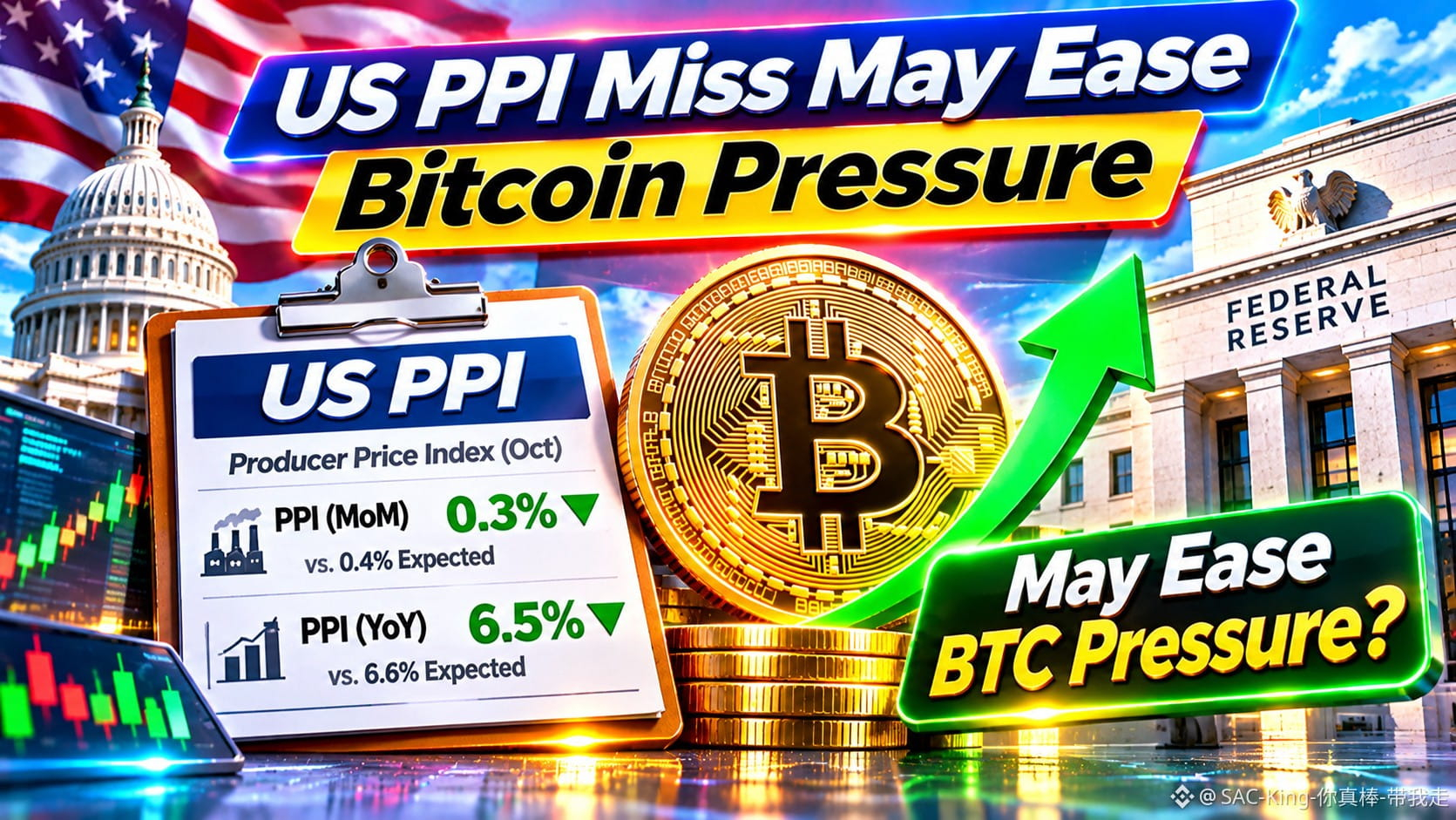
📊 US PPI Miss May Ease $BITCOIN Pressure: Is Relief Finally Coming? ₿
Imagine markets waiting for one economic report to change the mood. Inflation numbers arrive slightly cooler, but investors still hesitate to celebrate. That's where Bitcoin finds itself today.
The October US Producer Price Index (PPI) increased 0.3% month over month, below economists' 0.4% forecast. Annual producer inflation came in at 6.5%, also below the 6.6% expectation.
Why does this matter for Bitcoin?
Cooler producer inflation can reduce expectations of aggressive Federal Reserve tightening. That could eventually ease pressure on borrowing costs, the US dollar, and risk-sensitive assets.
However, there's a catch. Core PPI increased 0.3% monthly, matching expectations, while annual core inflation reached 5%, slightly above the 4.9% forecast. Inflation is not defeated yet.
Bitcoin remains under pressure near $69,000, while Treasury yields continue climbing. The latest market reaction shows that one softer inflation reading cannot immediately reverse broader risk-off sentiment.
My take: This PPI miss is a small positive development, not a confirmed market turning point. Investors need sustained inflation improvement and a more supportive Federal Reserve outlook.
Bitcoin doesn't need one good inflation report. It needs a lasting change in financial conditions.
Will softer inflation finally help BTC recover, or will rising yields continue controlling the market?
Disclaimer: Educational content only. Not financial advice.
#Bitcoin #USInflation #GrowWithSAC $MEGA $ONE
#USPPIMissMayEaseBTCPressure
1
2
653
#bitcoincoredisclosestortrafficvulnerability
🔐 $BITCOIN Core Discloses Tor Traffic Vulnerability: What Users Need to Know ⚠️
Imagine connecting to Bitcoin through Tor because you value privacy, only to discover that a software configuration could accidentally treat anonymous visitors as trusted connections.
That's exactly the concern behind Bitcoin Core's newly disclosed vulnerability, CVE-2025-62860, published on November 10, 2026.
The flaw allowed incoming Tor connections to inherit trusted whitelist permissions on thousands of reachable Bitcoin nodes under specific configurations.
Here's how it happened: Bitcoin Core sometimes identified incoming Tor connections through the local Tor proxy's IP address. When that address matched an operator's configured whitelist range, outside connections received privileges intended for trusted peers.
Those privileges bypassed certain denial-of-service limits and privacy protections. Importantly, this was not a vulnerability allowing attackers to steal Bitcoin or access private keys.
The critical detail? Only nodes using the affected, non-default whitelist configuration were vulnerable. Nodes without that setting were never affected.
Developers had already released fixes in Bitcoin Core 28.3, 29.2, and 30.0 during October 2025. The November disclosure followed the project's security disclosure policy.
My take: Bitcoin's security depends not only on its blockchain, but also on thousands of independently operated nodes. Even configuration mistakes deserve serious attention.
True decentralization requires constant security maintenance, not blind trust in software.
Do you think node operators pay enough attention to privacy and security updates?
Disclaimer: Educational content only. Not financial advice.
#BitcoinSecurity #CryptoPrivacy #GrowWithSAC $FF $TSLA
#BitcoinCoreDisclosesTorTrafficVulnerability

170
#whatwilldrivecryptoandstocks’nextrebound?
🌍 What Will Drive Crypto and Stocks’ Next Rebound? 🚀
Imagine opening your portfolio after a brutal market decline. Bitcoin is struggling, technology stocks are under pressure, and investors are waiting for one reason to believe again.
The latest market weakness suggests that rising borrowing costs, inflation concerns, a stronger US dollar, and institutional selling are weighing on risk assets.
Bitcoin has fallen below $70,000, while crypto sentiment has slipped into extreme fear. US spot Bitcoin ETFs have also experienced substantial withdrawals, adding pressure to market demand.
So what could actually trigger the next recovery?
First, interest rates. If inflation cools and expectations of further Federal Reserve tightening ease, financial conditions could become more supportive of both stocks and crypto.
Second, institutional capital. Consistent ETF inflows and renewed demand for digital assets would provide a stronger foundation for Bitcoin's recovery.
Third, corporate earnings. Strong earnings, especially from major technology companies, could restore confidence in equity markets and improve appetite for risk.
My perspective: The next rebound probably won't depend on a single headline. It will require several conditions to improve together: liquidity, investor confidence, and genuine buying demand.
One green trading session is not a trend reversal. Confirmation matters more than excitement.
The strongest recovery begins when investors stop selling and start committing fresh capital.
Which will lead the next rebound: Bitcoin, technology stocks, or a broader improvement in global liquidity?
Disclaimer: Educational content only. Not financial advice.
#CryptoMarket #Bitcoin #GrowWithSAC $BTC $BARD $HUMA
#WhatWillDriveCryptoandStocks’NextRebound?

982
#bitcoinbreaksbelow200weekmovingaverage
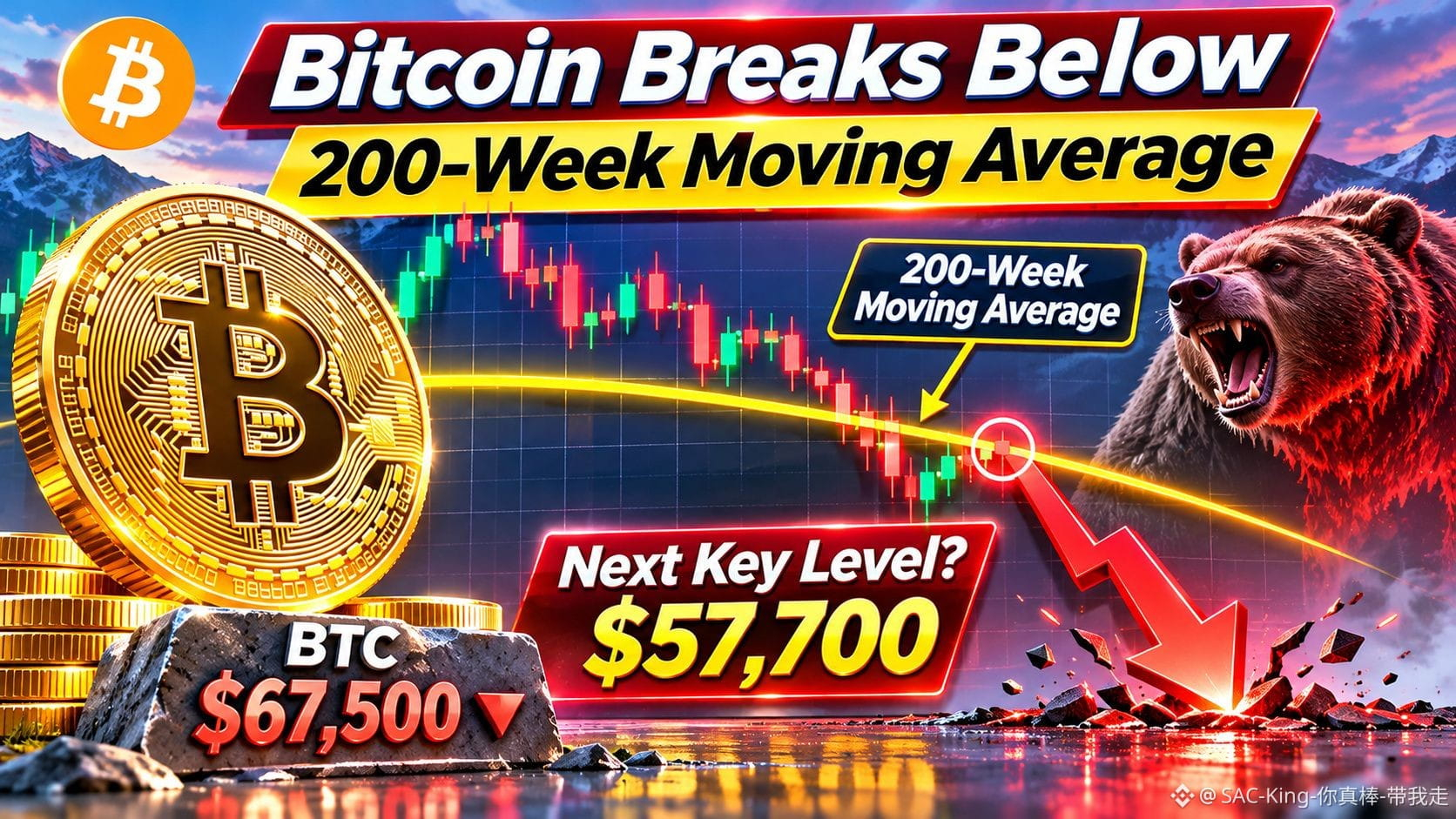
🚨 Bitcoin $BTC Breaks Below the 200-Week Moving Average: A Critical Warning? 📉
Imagine watching Bitcoin survive multiple market crashes, only to see it approach one of its most important long-term support levels again. This is where market confidence gets tested.
On November 13, Bitcoin slipped below the 200-week Simple Moving Average (SMA), trading near $67,500 as the long-term trend line hovered around $68,000.
This matters because the 200-week moving average has historically served as an important reference point during major Bitcoin market downturns.
But here's the detail many traders overlook: touching or briefly breaking this level is not the same as confirming a long-term breakdown. The weekly candle close will carry much greater significance.
External pressure is also building. Rising US Treasury yields, a stronger dollar, and weakness across technology markets are making risk-sensitive assets less attractive.
If Bitcoin fails to reclaim the $68,000 region, sellers could gain further control. Some analysts are watching $57,700 as a potential downside area if weekly momentum deteriorates further.
However, a recovery above this moving average could turn today's breakdown into a temporary liquidity shakeout.
My view: Don't rush to call the bottom or declare a bear market. Watch the weekly close, trading volume, and whether buyers defend the next support zone.
Bitcoin's next weekly candle could tell us more than a hundred bullish or bearish headlines.
Will BTC reclaim its 200-week moving average, or are we entering a deeper correction?
Disclaimer: Educational content only. Not financial advice.
#Bitcoin #CryptoMarket #GrowWithSAC $CBRSB $HUMA
#BitcoinBreaksBelow200WeekMovingAverage
1
1.3k
#spacexteslamergertalkswouldcombine30220btc
🚀 SpaceX–Tesla Merger Talks: A Combined 30,220 BTC Bitcoin Treasury? ₿
Imagine two of Elon Musk's biggest companies joining forces. Beyond electric vehicles, rockets, and artificial intelligence, there's another asset that could attract Bitcoin investors' attention.
₿ Bitcoin.
Reports on November 12 indicate that SpaceX and Tesla are advancing merger discussions, with a possible announcement in December or early 2027. However, no final merger agreement has been confirmed.
Here's what makes the story interesting: Tesla officially reported holding 11,509 BTC in its September 2026 filing, while public treasury tracking estimates SpaceX's holdings at approximately 18,712 BTC.
Together, that's roughly 30,220 BTC, worth a substantial amount at current market prices.
My take: The real significance isn't simply the Bitcoin balance. It's the possibility of bringing two major corporate ecosystems under one structure, combining aerospace, electric mobility, AI, robotics, and substantial Bitcoin exposure.
But there's an important distinction. A corporate merger would not automatically mean new Bitcoin purchases, additional market demand, or a change in existing holdings.
If the merger proceeds, investors may pay closer attention to how the combined company manages its Bitcoin treasury and long-term capital strategy.
For Bitcoin, this is a corporate-finance story worth watching, not yet a confirmed bullish catalyst.
Sometimes the biggest Bitcoin story isn't who is buying, but who already owns it.
Would a SpaceX–Tesla merger make Bitcoin an even more important corporate treasury asset?
Disclaimer: Educational content only. Not financial advice.
#Bitcoin #Tesla #GrowWithSAC $TSLA $DOGE $BTC
#SpaceXTeslaMergerTalksWouldCombine30220BTC

2
1.7k
#anthropic’s6xipodemandsignalspotentialrecordraise
🚀 Anthropic’s 6x IPO Demand Signals a Potential Record-Breaking Raise 💰
Imagine entering an auction where every available seat has six buyers competing for it. Now imagine the auction involves one of the world's most ambitious AI companies.
That's the attention surrounding Anthropic's upcoming IPO. The company behind Claude has reportedly attracted approximately six times more orders than the shares available.
According to its November 10 prospectus, Anthropic is targeting up to $64.4 billion through its IPO, offering 825 million shares at $70 to $78 each. A separate $26 billion private placement could push the combined fundraising package to approximately $90.4 billion.
But the real story goes beyond fundraising. Investors are competing for exposure to the AI infrastructure race, where advanced models, computing capacity, and enterprise adoption are becoming major investment themes.
My take: Six-times oversubscription demonstrates extraordinary investor appetite, but it doesn't automatically prove the proposed valuation is justified. Strong demand and attractive long-term returns are two very different things.
There's another side investors should examine. Anthropic's prospectus highlights substantial infrastructure commitments, ongoing losses, and the enormous cost of developing increasingly powerful AI systems.
The biggest question isn't whether investors want Anthropic shares. It's whether future revenue and operating efficiency can justify the capital being committed today.
An oversubscribed IPO measures demand. Long-term profitability measures whether that demand was worth it.
Would you consider investing in Anthropic at its IPO valuation, or wait for the market to establish a fair price?
Disclaimer: For educational purposes only. Not financial advice.
#ArtificialIntelligence #IPO #GrowWithSAC $SOPH $DODO $HUMA
#Anthropic’s6xIPODemandSignalsPotentialRecordRaise

407
#USCryptoETFsLose$1.48BInFiveDays
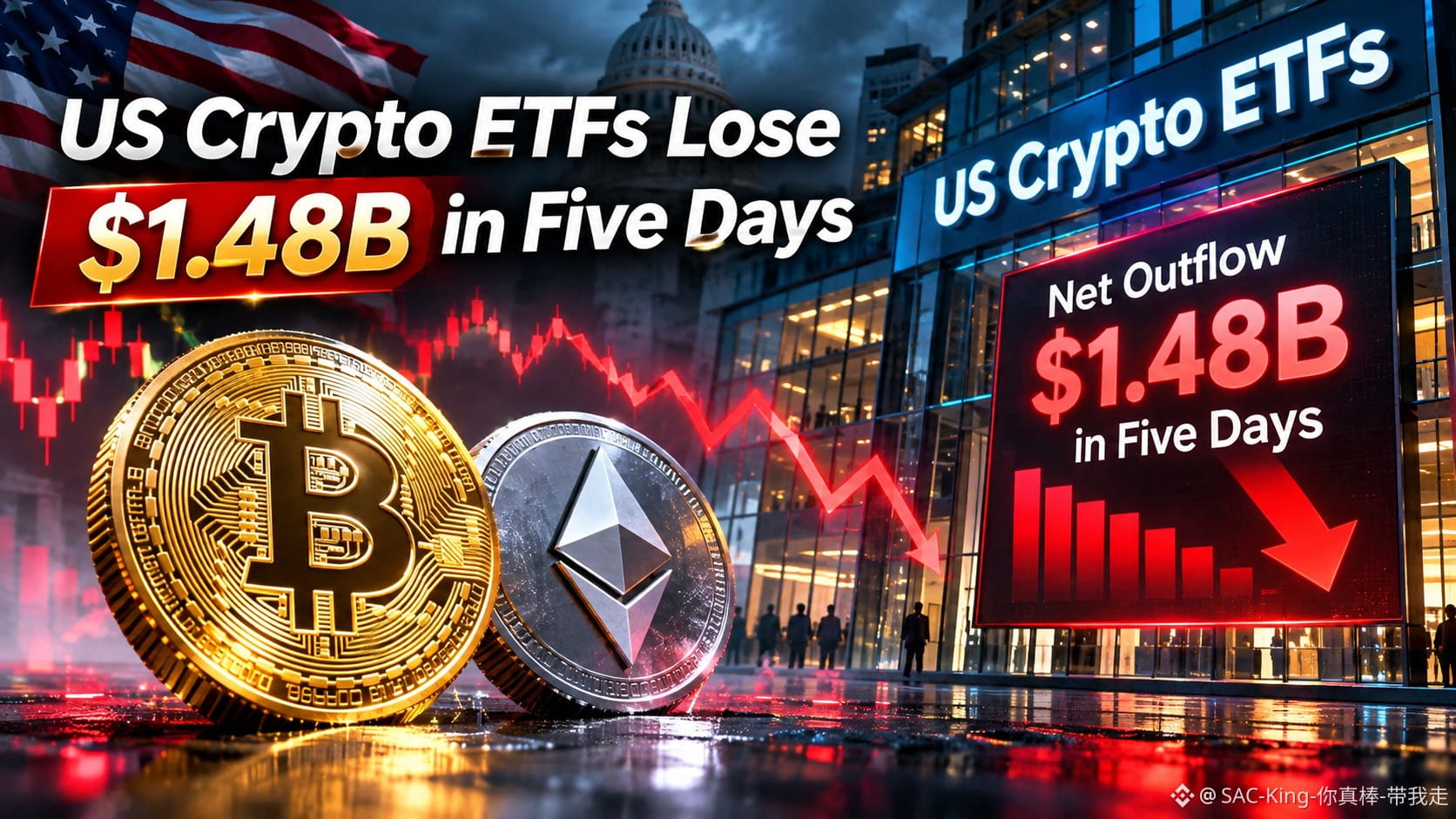
🚨 US Crypto ETFs Lose $1.48B in Just Five Days: What Changed? 📉
Imagine watching billions enter the financial markets, only to see institutional money suddenly take the exit door. For crypto investors, the latest five-day flow data delivers a difficult message.
US spot crypto ETFs recorded $1.48 billion in net outflows between November 4 and 10, 2026. Even more concerning, all six tracked crypto ETF groups recorded net withdrawals.
Bitcoin ETFs accounted for approximately $1.06 billion in outflows, while Ethereum funds lost another $326 million. The remaining four asset groups collectively shed $89.4 million.
But here's the bigger story: this isn't simply about investors losing confidence in crypto. During the same five trading days, ten major US stock ETFs attracted $37.5 billion.
This contrast suggests capital is becoming selective. Investors appear more comfortable returning to traditional equities while reducing exposure to digital assets.
For Bitcoin and Ethereum, sustained ETF withdrawals matter because institutional funds represent an important channel of investment demand. When that demand weakens, market recoveries can become harder to sustain.
However, five days of outflows do not establish a permanent trend. A return to consistent daily inflows would provide a stronger signal that institutional appetite is recovering.
My takeaway: Watch the money, not just the headlines. ETF flows can reveal where institutional conviction is strengthening or fading.
Are these outflows a temporary market shakeout, or the beginning of a deeper institutional retreat?
Disclaimer: This content is for educational purposes only, not financial advice.
#CryptoETFs #Bitcoin #GrowWithSAC $BTC $ETH $BARD
166
Verified
#ripplerlusdmarketcapsurpassespaypalpyusd
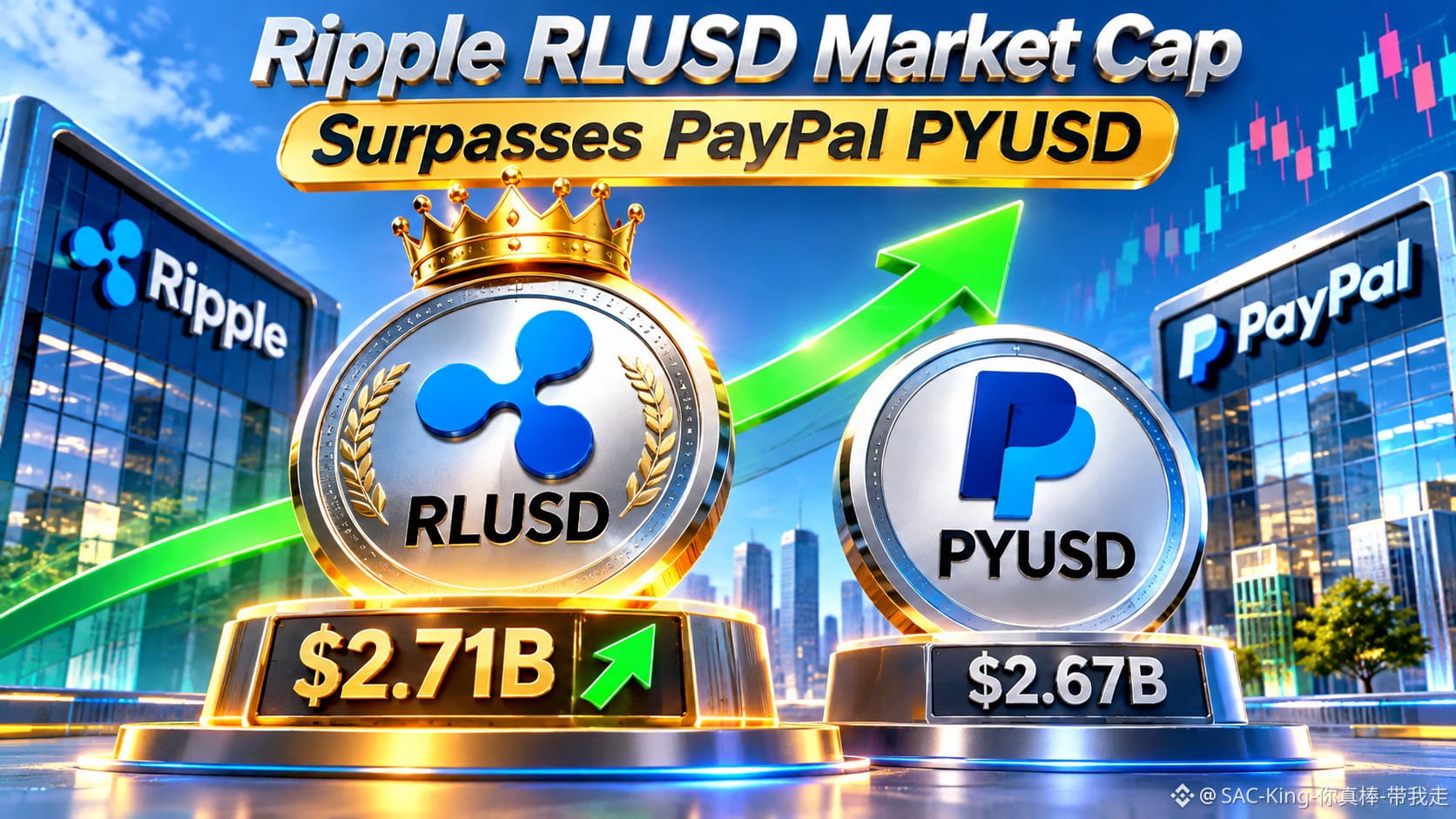
💵 🚀 Ripple $RLUSD Surpasses PayPal PYUSD in Market Cap: A New Stablecoin Challenger Emerges 🚀
Imagine two financial giants competing for the same market, but one suddenly moves ahead. No dramatic price explosion, no speculative rally, just growing demand for digital dollars.
Ripple's RLUSD has overtaken PayPal's PYUSD in market capitalization, reaching approximately $2.71 billion, compared with PYUSD's $2.67 billion, according to CoinGecko data from November 12, 2026.
The bigger story is what happened behind the numbers. RLUSD added approximately $258.2 million in market capitalization over the past 30 days, making Ripple one of the strongest-growing stablecoin issuers.
Several developments are supporting this expansion. Coinbase expanded RLUSD trading access, while BNY and Standard Chartered strengthened their institutional custody connections with Ripple.
My Take: This competition is not simply about which stablecoin has the larger market cap. It is about distribution, institutional trust, accessibility, and real-world financial utility.
However, one important distinction remains: market capitalization measures circulating supply multiplied by token price. It does not independently prove payment adoption or transaction demand.
RLUSD has won an important milestone, but maintaining that position will require something more powerful than temporary growth: consistent real-world usage.
Can Ripple's RLUSD eventually become a serious competitor to USDT and USDC?
Disclaimer: Educational content only. Not financial advice.
#RLUSD #Stablecoins #GrowWithSAC $HUMA $PROM
#RippleRLUSDMarketCapSurpassesPayPalPYUSD
2
408
#KoreaDigitalAssetBasicActFinalDraftExpectedEarlyJanuary
🇰🇷 🚀 South Korea's Digital Asset Basic Act: Final Draft Expected in January? 🚀
Imagine waking up to a new regulatory environment where crypto exchanges, stablecoin issuers, and digital asset businesses finally know the rules of the game. For South Korea's crypto industry, that possibility is getting closer.
South Korea's long-awaited Digital Asset Basic Act is approaching a critical stage. The Financial Services Commission (FSC) has reportedly entered final consultations on a comprehensive framework covering the country's digital asset industry.
The proposed legislation is expected to address several major areas:
🔹 Licensing requirements for crypto exchanges and service providers.
🔹 Rules governing stablecoin issuance and distribution.
🔹 Exchange ownership limits and corporate governance.
🔹 Stronger investor protection and market oversight.
One particularly important debate concerns Korean won-backed stablecoins. Regulators are still working through whether issuance should primarily favor bank-led consortiums or allow broader participation from fintech companies.
My Take: This legislation could reshape South Korea's position in the global crypto economy. Clear rules may encourage institutional participation, improve investor confidence, and create opportunities for regulated digital asset businesses.
However, regulation is not automatically bullish. Strict licensing and ownership requirements could increase compliance costs and make market entry harder for smaller companies.
The immediate milestone is the government's expected November bill unveiling, while parliamentary approval remains a separate step. The January timing should not be treated as a confirmed final deadline.
South Korea's next crypto breakthrough may come not from a new token, but from clearer rules.
Will stronger regulation make South Korea a global crypto leader?
Disclaimer: Educational content only. Not financial advice.
#CryptoRegulation #SouthKorea #GrowWithSAC $CBRSB $SOPH $OSMO

225
#janestreetnearlyoctuplesfidelitybitcoinetfholdings
🚀 Jane Street Nearly Octuples Fidelity Bitcoin ETF Holdings: What's Behind the Move? 🚀
Imagine a major Wall Street trading firm dramatically increasing one Bitcoin ETF position while quietly reducing another. That is exactly the kind of portfolio shift that deserves attention.
Jane Street's Q3 2026 regulatory filing revealed that its Fidelity Wise Origin Bitcoin ETF (FBTC) holdings jumped from approximately 887,000 shares to 7.01 million shares by September 30.
The expanded FBTC position was valued at approximately $509 million.
But there is another side to this story. Jane Street reduced its BlackRock IBIT holdings by 19%, from 24.88 million to 20.22 million shares. Interestingly, the position's reported value increased from $828 million to $957 million because of the higher share price.
Jane Street also added nearly 9 million ARKB shares and significantly increased its exposure to BlackRock's Ethereum ETF.
My Take: This looks less like a simple exit or entry and more like portfolio repositioning across digital assets. The important signal is that institutional exposure is evolving, not necessarily disappearing.
However, 13F filings show historical positions, not real-time trading decisions. They cannot establish whether these investments represent long-term conviction or broader trading strategies.
Bitcoin's institutional story is no longer just about who enters the market, but how major players allocate their exposure.
Is this evidence of growing institutional confidence in Bitcoin ETFs?
Disclaimer: Educational content only. Not financial advice.
#Bitcoin #BitcoinETF #GrowWithSAC $BTC $BARD $DODO
#JaneStreetNearlyOctuplesFidelityBitcoinETFHoldings

1
3
972
#huangexitnvidiastrategyinfocus
🚨 Jensen Huang's Exit: Nvidia's Future Strategy Now in Focus 📉
Imagine building a company into one of the world's most powerful technology giants, becoming the face of an entire industry, and then suddenly stepping away. The market is now confronting a difficult question: Can Nvidia maintain its dominance without Jensen Huang?
On November 12, Nvidia officially announced Huang's resignation as CEO, president, and board member, effective immediately. CFO Colette Kress has been appointed interim CEO while the board searches for a permanent successor.
Huang spent more than three decades building Nvidia into the backbone of the AI computing revolution. His departure creates uncertainty around leadership, product strategy, investor confidence, and relationships with major technology customers.
But there is another important issue investors should watch: Nvidia's role in financing and supporting the wider AI infrastructure ecosystem. Its investments and financial commitments have helped accelerate data-center expansion. Any change in this strategy could affect companies beyond Nvidia itself.
My take: Nvidia's biggest challenge is not simply replacing its CEO. It must prove that its innovation pipeline, customer relationships, and long-term AI strategy can operate effectively without its founding leader.
Colette Kress brings financial and operational experience, but the permanent leadership decision will be crucial.
Nvidia built the AI era around its technology. Now it must prove its future is bigger than one person.
Can Nvidia maintain its AI leadership without Jensen Huang?
Disclaimer: Educational content only. Not financial advice.
#Nvidia #AI #GrowWithSAC $NVDA $TSLA $DOLO
#HuangExitNvidiaStrategyInFocus

1
1
4.3k
Log in to explore more content
Join global crypto users on Binance Square
⚡️ Get latest and useful information about crypto.
💬 Trusted by the world’s largest crypto exchange.
👍 Discover real insights from verified creators.
Email / Phone number
Trending Topics
CryptoSelloffTriggersMultipleWhaleLiquidations
8 views
10 Discussing
Crypto Liquidations Top $2B in 24 Hours as 329,000 Traders Are Wiped Out
Binance News
·1 Likes
·341 views
USSpotXRPETFsSeeLargestWeeklyOutflowIn8Months
41,445 views
470 Discussing
BitcoinActiveSupplyInProfitDropsBelow45%
97,985 views
887 Discussing