

橙子Joyce
 Square Verified+
十年以上专注美股市场实战投资策略与资产管理|2015年入币圈.十年以上投资BTC.ETH.BNB.|直播北京时间晚上20:00—23:00|每日分享美股实盘与宏观盘面解盘|追踪美联储货币政策解读|前瞻·宏观数据点评·加密市场的联动分析|贵金属投资策略黄金.白银.铜|中长期价值投资者|✨星河社区联合创始人✨

NVDAB Holder
Frequent Trader
8.9 Years
2.7K+ Following
45.0K+ Followers
51.2K+ Liked
Posts
All
Quotes
Videos
Live
PINNED

PINNED


@钞机八蛋
is speaking[LIVE] 🎙️ With the market outlook uncertain, let's build Binance Square!
6.2k listens

橙子Joyce
·
--
JPMorgan’s blockbuster report: The “ChatGPT moment” for Physical AI could arrive as early as 2027!
Humanoid robots and Physical AI are moving beyond “lab demonstrations” and accelerating toward real-world commercial deployment. JPMorgan’s latest in-depth report says the industry’s inflection point for scaling is arriving sooner than expected, with the sector on the eve of an S-curve takeoff.
Key takeaways:
The window for breakthroughs is moving up, and data is becoming an absolute moat. As multimodal large models such as Astra and Fable continue to evolve, robots’ ability to generalize from zero-shot learning could undergo a step change in 2027. But in complex real-world environments, “smart models” are only the starting point. The deciding factor is the data flywheel: whether real-world operations, human demonstrations, and simulation data can be efficiently combined, and whether hands-on training across hundreds of thousands of robots can deliver high reliability and genuine ROI (return on investment).
Technology architecture: Layered collaboration beats pure end-to-end
The industry consensus favors “large models for understanding intent and planning + specialized models for motion control and safety tasks.” This leaves significant room for differentiated gains among hardware and foundational-solution providers focused on specialized Physical AI capabilities.
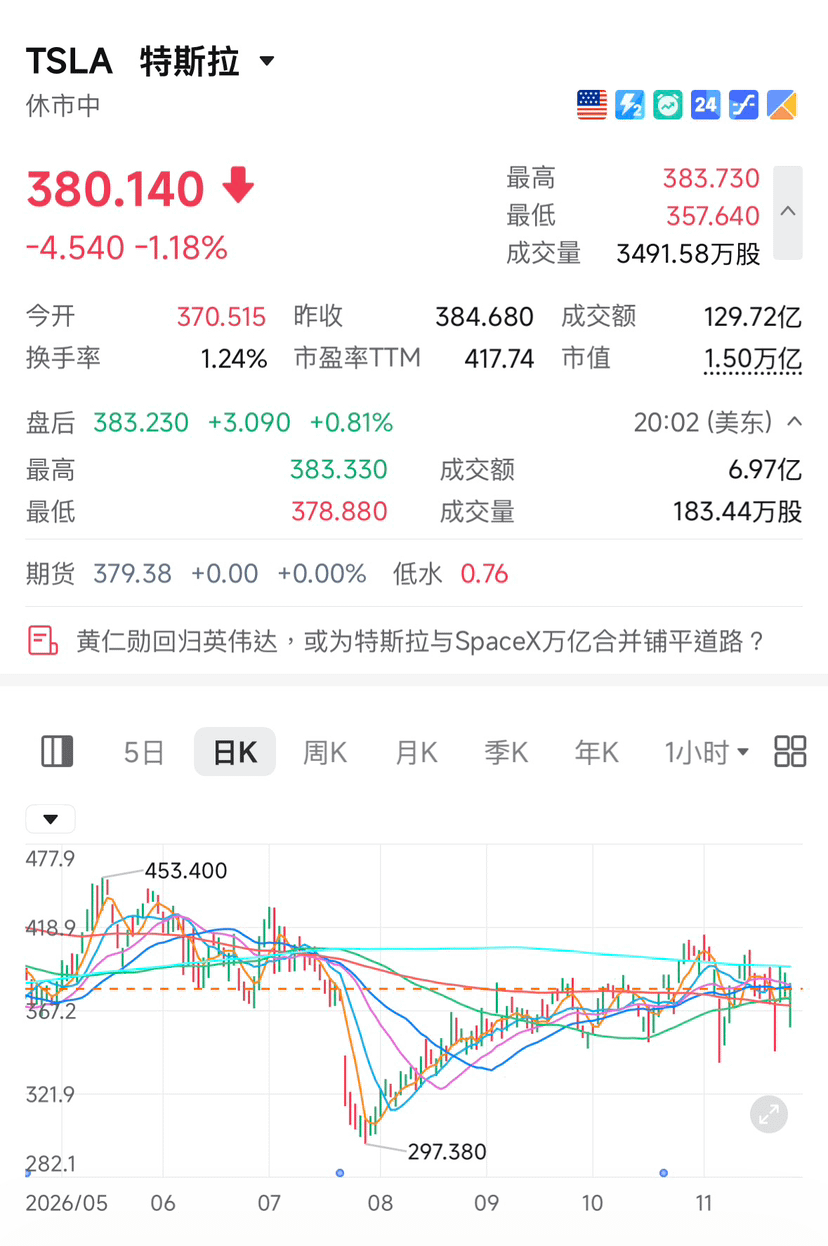
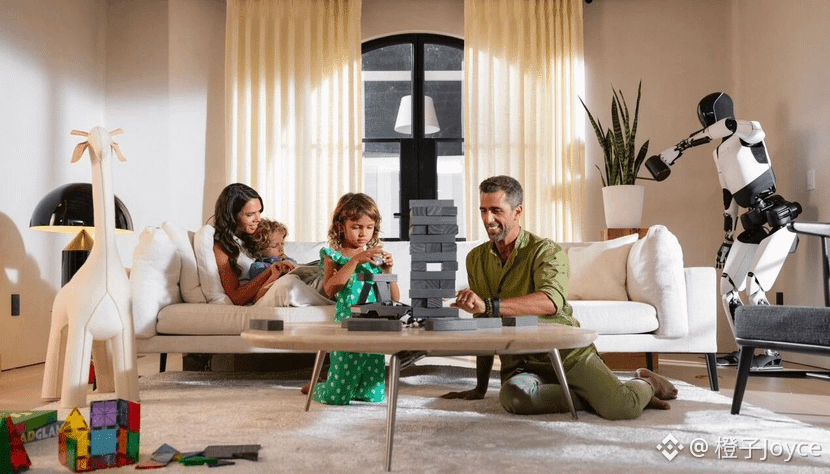
Tesla takes the lead: Unified architecture and production ramp-up. Tesla’s latest FSD V15 has unified the visual encoders and world models of FSD, Robotaxi, and Optimus, enabling data sharing across business lines. Before sales to external customers begin, Tesla plans to deploy 10,000 to 20,000 Optimus robots internally for hands-on training. Morgan Stanley expects Tesla’s weekly production capacity to ramp up to 2,000 units over the next 12–15 months (around 200,000 units annualized).
Policy push: From planning to binding implementation targets
China’s leading cities are accelerating efforts to secure a commanding position in the industry. Beijing plans to reach annual production capacity of 200,000 units by 2028 and accumulate more than 1 million hours of high-quality data. Shanghai aims to deploy 8,000 humanoid robots in factories by 2028. Meanwhile, bringing eldercare and childcare into the mix will also unlock incremental opportunities for service robots and exoskeletons.
Physical AI is following the same pre-boom playbook as large models did: “computing power/model infrastructure comes first \rightarrow real-world data loops build a moat \rightarrow leading manufacturers scale production and cut costs.” From AI infrastructure and robotics leaders in U.S. equities to on-chain AI agents and decentralized data/computing-power sectors, a new wave of valuation resets and narrative convergence is on the way.
#HumanoidRobotsAndPhysicalAIAreMovingFromTechDemosToRealWorldDeployment


橙子Joyce
·
--
JPMorgan’s blockbuster report: The “ChatGPT moment” for Physical AI could arrive as early as 2027!
Humanoid robots and Physical AI are moving beyond “lab demonstrations” and accelerating toward real-world commercial deployment. JPMorgan’s latest in-depth report says the industry’s inflection point for scaling is arriving sooner than expected, with the sector on the eve of an S-curve takeoff.
Key takeaways:
The window for breakthroughs is moving up, and data is becoming an absolute moat. As multimodal large models such as Astra and Fable continue to evolve, robots’ ability to generalize from zero-shot learning could undergo a step change in 2027. But in complex real-world environments, “smart models” are only the starting point. The deciding factor is the data flywheel: whether real-world operations, human demonstrations, and simulation data can be efficiently combined, and whether hands-on training across hundreds of thousands of robots can deliver high reliability and genuine ROI (return on investment).
Technology architecture: Layered collaboration beats pure end-to-end
The industry consensus favors “large models for understanding intent and planning + specialized models for motion control and safety tasks.” This leaves significant room for differentiated gains among hardware and foundational-solution providers focused on specialized Physical AI capabilities.
Tesla takes the lead: Unified architecture and production ramp-up. Tesla’s latest FSD V15 has unified the visual encoders and world models of FSD, Robotaxi, and Optimus, enabling data sharing across business lines. Before sales to external customers begin, Tesla plans to deploy 10,000 to 20,000 Optimus robots internally for hands-on training. Morgan Stanley expects Tesla’s weekly production capacity to ramp up to 2,000 units over the next 12–15 months (around 200,000 units annualized).
Policy push: From planning to binding implementation targets
China’s leading cities are accelerating efforts to secure a commanding position in the industry. Beijing plans to reach annual production capacity of 200,000 units by 2028 and accumulate more than 1 million hours of high-quality data. Shanghai aims to deploy 8,000 humanoid robots in factories by 2028. Meanwhile, bringing eldercare and childcare into the mix will also unlock incremental opportunities for service robots and exoskeletons.
Physical AI is following the same pre-boom playbook as large models did: “computing power/model infrastructure comes first \rightarrow real-world data loops build a moat \rightarrow leading manufacturers scale production and cut costs.” From AI infrastructure and robotics leaders in U.S. equities to on-chain AI agents and decentralized data/computing-power sectors, a new wave of valuation resets and narrative convergence is on the way.
#HumanoidRobotsAndPhysicalAIAreMovingFromTechDemosToRealWorldDeployment
Humanoid robots and Physical AI are moving beyond “lab demonstrations” and accelerating toward real-world commercial deployment. JPMorgan’s latest in-depth report says the industry’s inflection point for scaling is arriving sooner than expected, with the sector on the eve of an S-curve takeoff.
Key takeaways:
The window for breakthroughs is moving up, and data is becoming an absolute moat. As multimodal large models such as Astra and Fable continue to evolve, robots’ ability to generalize from zero-shot learning could undergo a step change in 2027. But in complex real-world environments, “smart models” are only the starting point. The deciding factor is the data flywheel: whether real-world operations, human demonstrations, and simulation data can be efficiently combined, and whether hands-on training across hundreds of thousands of robots can deliver high reliability and genuine ROI (return on investment).
Technology architecture: Layered collaboration beats pure end-to-end
The industry consensus favors “large models for understanding intent and planning + specialized models for motion control and safety tasks.” This leaves significant room for differentiated gains among hardware and foundational-solution providers focused on specialized Physical AI capabilities.
Tesla takes the lead: Unified architecture and production ramp-up. Tesla’s latest FSD V15 has unified the visual encoders and world models of FSD, Robotaxi, and Optimus, enabling data sharing across business lines. Before sales to external customers begin, Tesla plans to deploy 10,000 to 20,000 Optimus robots internally for hands-on training. Morgan Stanley expects Tesla’s weekly production capacity to ramp up to 2,000 units over the next 12–15 months (around 200,000 units annualized).
Policy push: From planning to binding implementation targets
China’s leading cities are accelerating efforts to secure a commanding position in the industry. Beijing plans to reach annual production capacity of 200,000 units by 2028 and accumulate more than 1 million hours of high-quality data. Shanghai aims to deploy 8,000 humanoid robots in factories by 2028. Meanwhile, bringing eldercare and childcare into the mix will also unlock incremental opportunities for service robots and exoskeletons.
Physical AI is following the same pre-boom playbook as large models did: “computing power/model infrastructure comes first \rightarrow real-world data loops build a moat \rightarrow leading manufacturers scale production and cut costs.” From AI infrastructure and robotics leaders in U.S. equities to on-chain AI agents and decentralized data/computing-power sectors, a new wave of valuation resets and narrative convergence is on the way.
#HumanoidRobotsAndPhysicalAIAreMovingFromTechDemosToRealWorldDeployment

江阳ETH
·
--
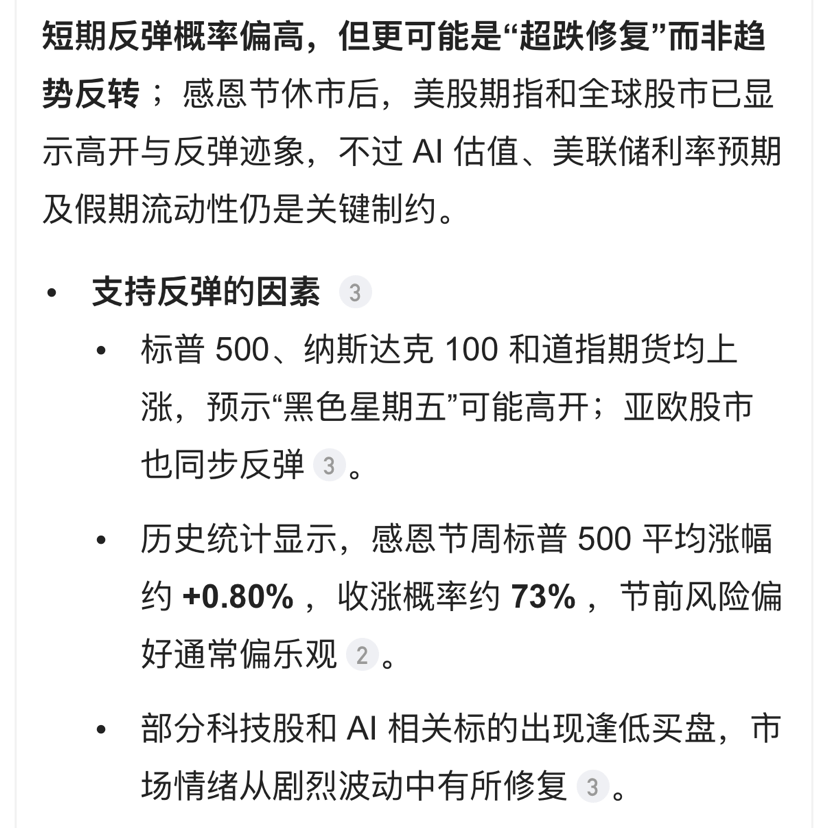
#感恩节美股休市,市场休整后能否迎来反弹?
$BTC
$BTC

HF火烽
·
--
Bullish🧧🧧🎁🎁Keep it up, brothers!$BTC $ETH


路人1688-luren
·
--
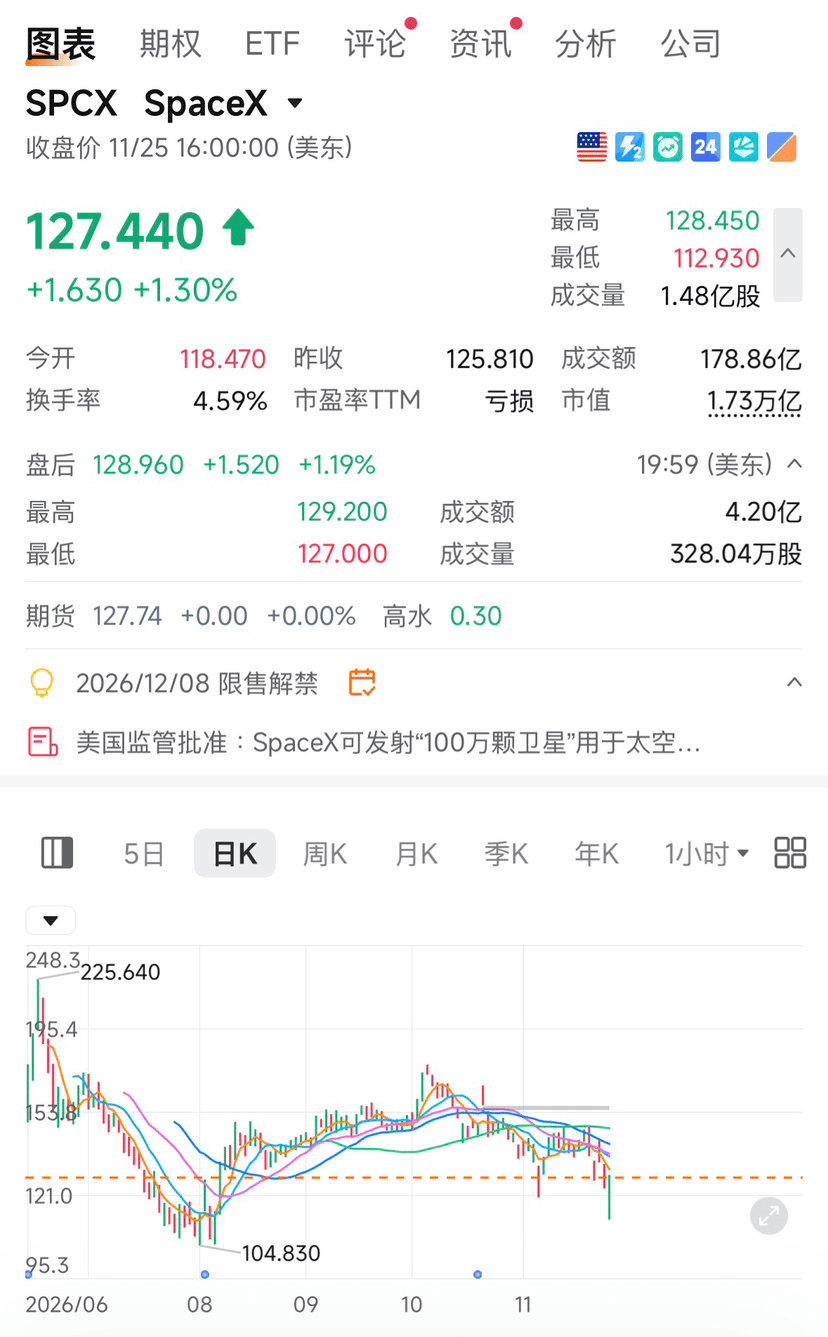
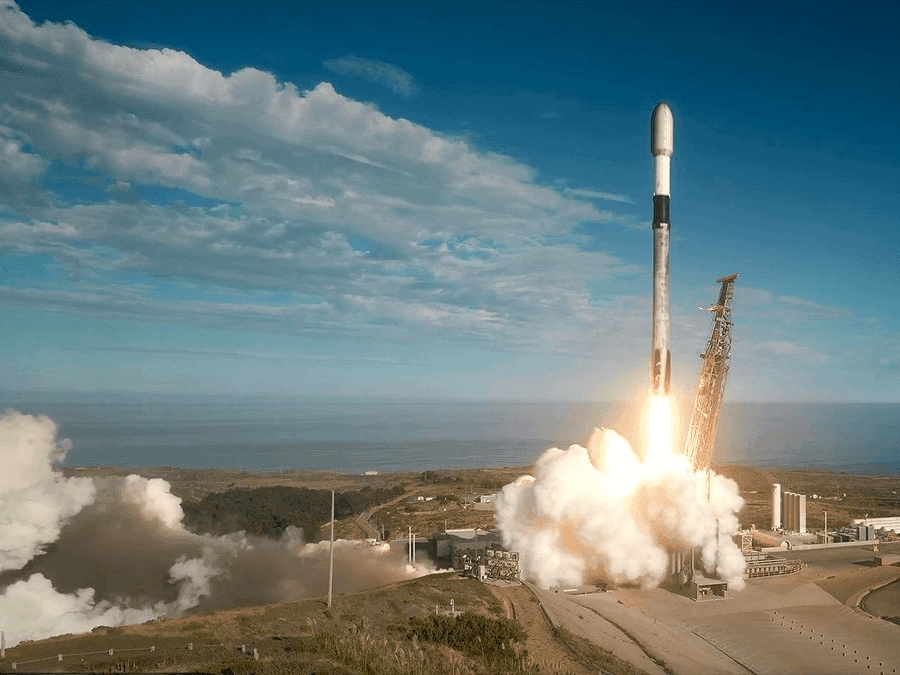
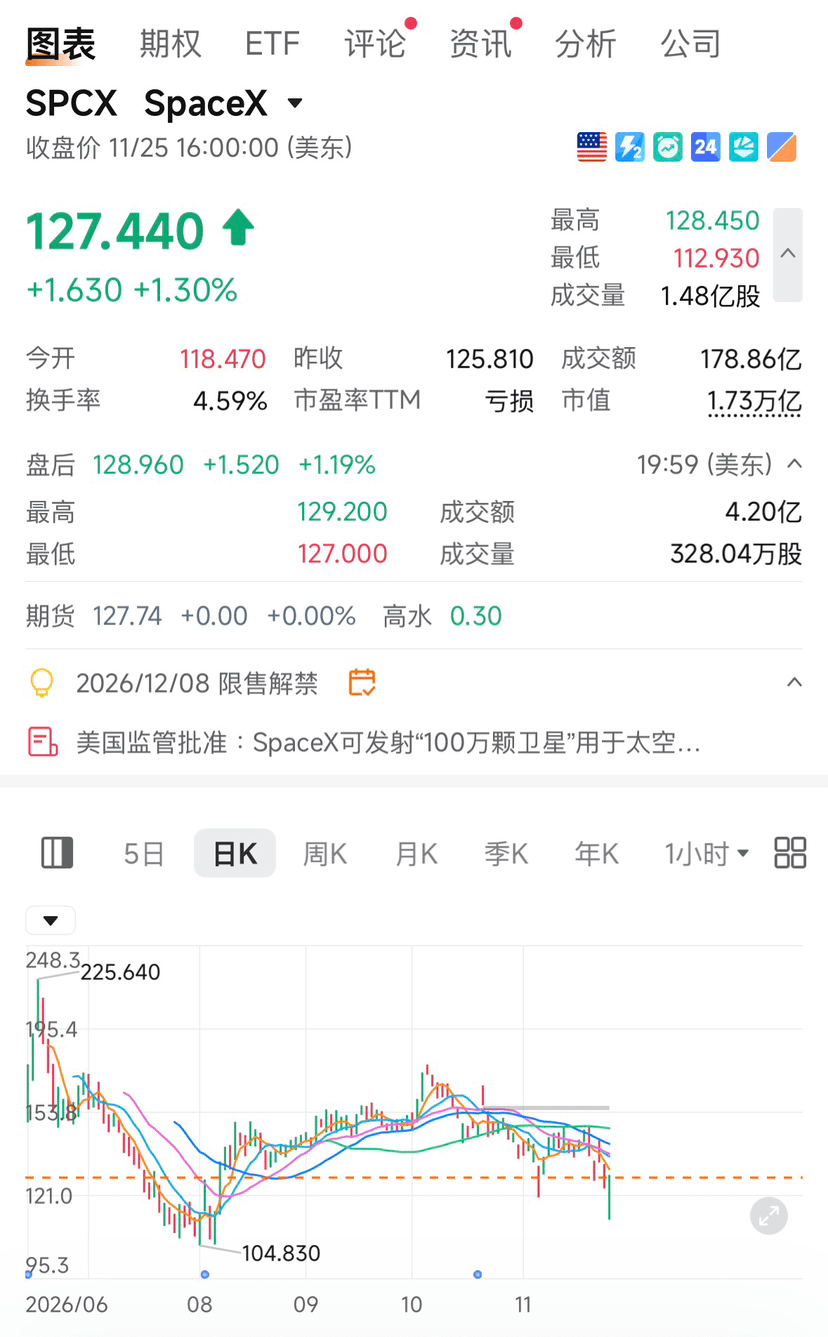
$SPCX There probably won't be another chance for a two-digit number of people to get on board! The FCC has approved SpaceX's application to build data centers in space, and one million satellites are about to be launched into orbit!
Moreover, the FCC is also reviewing applications from other competitors. So far, only SPCX has been approved, which shows that only SpaceX has the operational experience and launch capability. With Musk having gained this first-mover advantage, other companies have no chance of overtaking $SPCX .#SpaceX太空数据中心获批,AI芯片需求迎来新增长点?
Moreover, the FCC is also reviewing applications from other competitors. So far, only SPCX has been approved, which shows that only SpaceX has the operational experience and launch capability. With Musk having gained this first-mover advantage, other companies have no chance of overtaking $SPCX .#SpaceX太空数据中心获批,AI芯片需求迎来新增长点?



江阳ETH
·
--
BearishAbove $ETH 1700, it’s not just a matter of staying bearish—I’m going all-in short! It can’t go up before the daily chart turns around. Target: 1660! The short position is already open! Just waiting for the plunge!

江阳ETH
·
--
Jiang Yang is aiming for 30k followers🧧🧧
Thanks to everyone who follows!
Follow to get a red envelope🧧
Thanks to everyone who follows!
Follow to get a red envelope🧧



Verified


NVDAUS-0.40%
Log in to explore more content