
Aria Daisy 阿莉娅_黛西
590 Posts

Aria Daisy 阿莉娅_黛西
Aria Daisy 🌸 | Crypto Trader & Binance Expert Sharing market insights, trading ideas & Web3 opportunities Trade smart • Stay updated • Keep growing | DYOR
Open Trade
High-Frequency Trader
1.6 Years
389 Following
13.9K+ Followers
7.6K+ Liked
Posts
Portfolio
All
Quotes
PINNED

灼见
·
--
Bullish🚨 BNB is quietly strengthening, but what’s really worth watching may not be how much it’s going up.
It’s that—
the market is re-pricing the ecosystem value of $BNB.
One clear recent change is:
🟡 BNB trend keeps strengthening
🔥 BNB Chain on-chain activity is rebounding
🌐 Applications like DeFi, RWA, and more continue to expand
👥 Users, capital, and developers are re-concentrating
So the question now isn’t:
“Can BNB still go up?”
It’s:
Is this just a price rally driven by sentiment—or an ecosystem revaluation?
If it’s only emotion driving the move, the heat will fade.
But if on-chain activity, capital, and applications keep growing, this BNB trend could be more worth关注 than you might expect.
Next, I’ll only watch three signals:
On-chain activity → capital inflows → ecosystem growth.
👇 What do you think?
Short-term price action 🔴 / ecosystem revaluation 🟢?
#BTC #ETH #BNB
It’s that—
the market is re-pricing the ecosystem value of $BNB.
One clear recent change is:
🟡 BNB trend keeps strengthening
🔥 BNB Chain on-chain activity is rebounding
🌐 Applications like DeFi, RWA, and more continue to expand
👥 Users, capital, and developers are re-concentrating
So the question now isn’t:
“Can BNB still go up?”
It’s:
Is this just a price rally driven by sentiment—or an ecosystem revaluation?
If it’s only emotion driving the move, the heat will fade.
But if on-chain activity, capital, and applications keep growing, this BNB trend could be more worth关注 than you might expect.
Next, I’ll only watch three signals:
On-chain activity → capital inflows → ecosystem growth.
👇 What do you think?
Short-term price action 🔴 / ecosystem revaluation 🟢?
#BTC #ETH #BNB


白鲨观点马来西亚
·
--
This morning I checked the news—the Clear Act was not passed by the Senate.
Unexpected, but in a way it also makes sense.
In truth, anyone paying attention to this bill knows that the two parties have never been able to agree on many key issues—conflicts of interest, stablecoin regulation, anti-money-laundering… They’ve been going back and forth for nearly two years. This time the vote failed; bluntly, it’s the result of political maneuvering and has little to do with the crypto industry itself.
But the market doesn’t care about that. As soon as the news broke, BTC and ETH collectively plunged, and Coinbase’s stock price dropped by 10 points. All sorts of “experts” came out again—calling for a bear market, predicting a collapse, saying regulators should crush the crypto space. It’s exactly the same script as every time there’s a negative headline.
I don’t think there’s anything to panic about.
First, this isn’t a rejection—it's just that it didn’t pass a procedural vote. Later it can still be revised and voted on again. Second, even if the bill dies, the sky won’t fall. Crypto has not been living its first day under uncertain regulatory conditions. For all these years, haven’t we made it through?
Besides, what truly affects crypto’s long-term trajectory has never been any single bill or policy. It’s always been the development of the technology itself and people’s demand for it. Those who need to use it will still use it. Those who want to buy will still buy. Short-term sentiment swings, when you zoom out, are just small waves.
Of course, the risks that should be avoided in the short term should still be avoided.
Reduce position size a bit if you’re heavily allocated, lower leverage a bit if it’s high,
Don’t fight the market.
At 4 p.m. I’ll chat in the group about what exactly happened with this bill and what impact it may have on the future行情. If you’re interested, come and join.
$BTC $ETH #BinanceSquare #加密监管 #行情分析📈 📈
Unexpected, but in a way it also makes sense.
In truth, anyone paying attention to this bill knows that the two parties have never been able to agree on many key issues—conflicts of interest, stablecoin regulation, anti-money-laundering… They’ve been going back and forth for nearly two years. This time the vote failed; bluntly, it’s the result of political maneuvering and has little to do with the crypto industry itself.
But the market doesn’t care about that. As soon as the news broke, BTC and ETH collectively plunged, and Coinbase’s stock price dropped by 10 points. All sorts of “experts” came out again—calling for a bear market, predicting a collapse, saying regulators should crush the crypto space. It’s exactly the same script as every time there’s a negative headline.
I don’t think there’s anything to panic about.
First, this isn’t a rejection—it's just that it didn’t pass a procedural vote. Later it can still be revised and voted on again. Second, even if the bill dies, the sky won’t fall. Crypto has not been living its first day under uncertain regulatory conditions. For all these years, haven’t we made it through?
Besides, what truly affects crypto’s long-term trajectory has never been any single bill or policy. It’s always been the development of the technology itself and people’s demand for it. Those who need to use it will still use it. Those who want to buy will still buy. Short-term sentiment swings, when you zoom out, are just small waves.
Of course, the risks that should be avoided in the short term should still be avoided.
Reduce position size a bit if you’re heavily allocated, lower leverage a bit if it’s high,
Don’t fight the market.
At 4 p.m. I’ll chat in the group about what exactly happened with this bill and what impact it may have on the future行情. If you’re interested, come and join.
$BTC $ETH #BinanceSquare #加密监管 #行情分析📈 📈


jack jacky
·
--
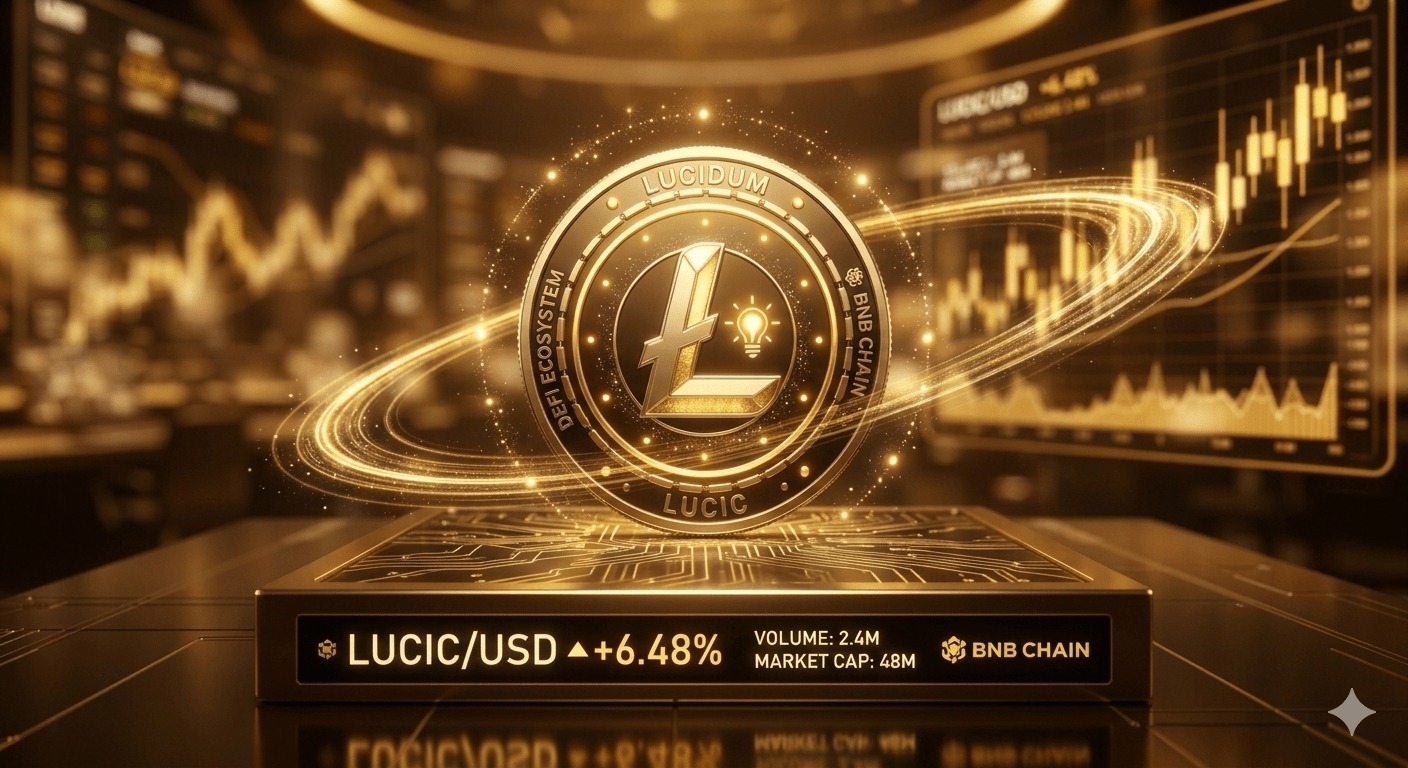
What exactly is Lucidum Coin ($LUCIC)? At its core, it’s a BEP-20 token that combines the viral appeal of meme culture with serious decentralized utility. It addresses common DeFi trust issues by implementing an automatic 1% token burn to reduce supply over time and introducing governance-based NFTs that provide payment bonuses. Through a collective DAO, every holder has a say in the project’s direction.

生蚝哥Oyster
·
--
Crypto Briefing: On September 22, 2026, Bitcoin briefly surged to about $87,300, hitting an eight-month high. It then pulled back to the $85,000–$86,500 range, with a weekly gain of roughly 10%–13%. U.S. spot Bitcoin ETFs saw nearly $1 billion in net inflows in a single day, and combined with short liquidations exceeding $800 million, this pushed the global crypto market cap back above $3 trillion. Strategy also increased its holdings by about 950 BTC.
This rebound was mainly driven by ETF capital returning and forced short covering. In the short term, sentiment has clearly improved, but Bitcoin is still more than 30% below its all-time peak, and the fundamentals have not undergone any fundamental change. Regulatory uncertainty and the macro interest-rate environment remain potential risks. Personally, I’m more inclined to view this kind of rapid rally as a stage of technical repair rather than confirmation of a new bull market. For a truly sustainable uptrend, we need to see continued spot buying and clearer policy implementation. Near-term volatility is likely to remain high—staying cautious is recommended.
This rebound was mainly driven by ETF capital returning and forced short covering. In the short term, sentiment has clearly improved, but Bitcoin is still more than 30% below its all-time peak, and the fundamentals have not undergone any fundamental change. Regulatory uncertainty and the macro interest-rate environment remain potential risks. Personally, I’m more inclined to view this kind of rapid rally as a stage of technical repair rather than confirmation of a new bull market. For a truly sustainable uptrend, we need to see continued spot buying and clearer policy implementation. Near-term volatility is likely to remain high—staying cautious is recommended.


Sara_ k
·
--
good morning 🌞 🌞 🌞
claim here 🧧🧧🧧🧧
.
claim 1 🧧🧧🧧🧧👈
.
claim 2 🧧🧧🧧🧧🧧👈
claim here 🧧🧧🧧🧧
.
claim 1 🧧🧧🧧🧧👈
.
claim 2 🧧🧧🧧🧧🧧👈

慢就是快Mike
·
--
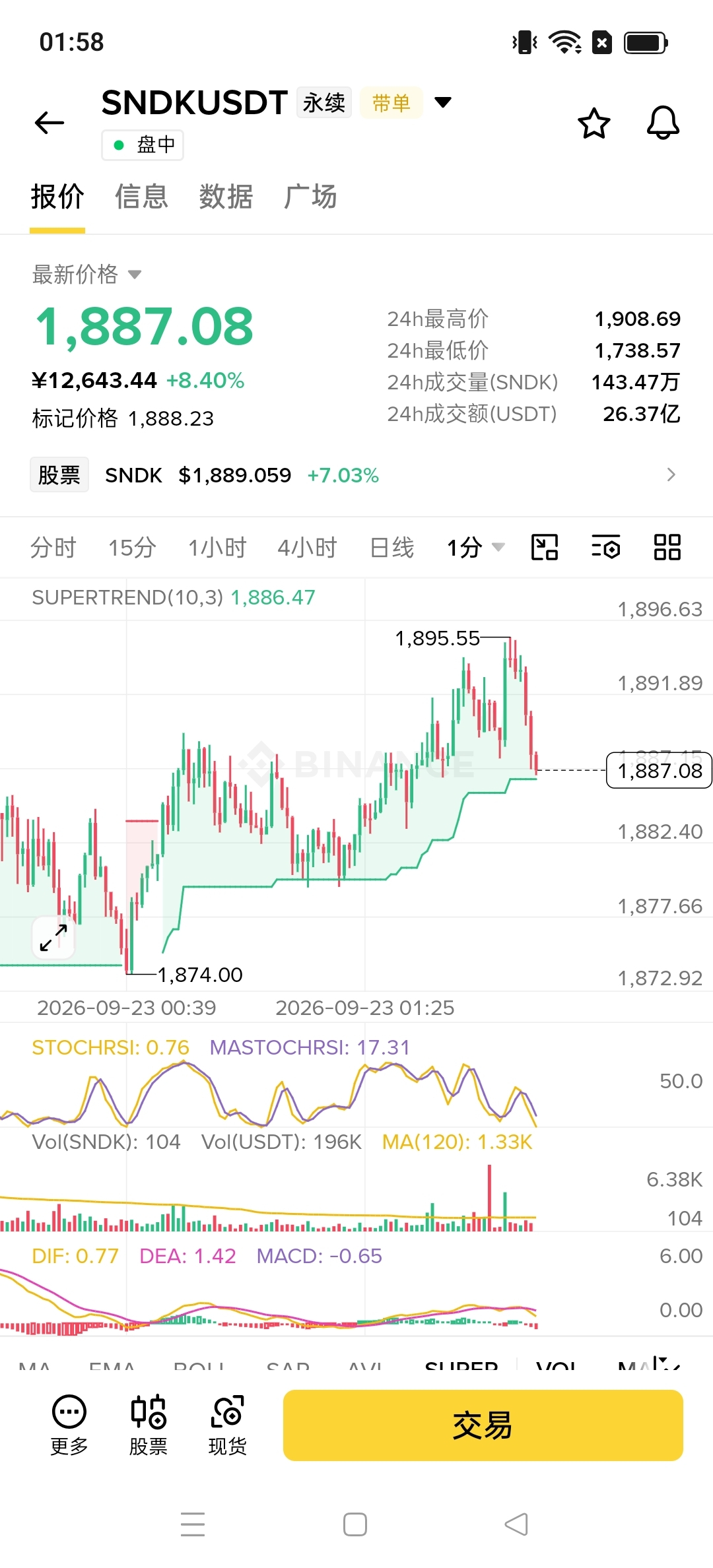
$SNDK Roseenblatt Securities' first coverage gives a buy rating and positive outlook, with a target price of 2400. In the long term it may go there, but in the short term it's unlikely. After a rally like this, it surely has to pull back—being short is the way to go! Comment for a big red envelope!!!



Ahmed Ali Nizamani
·
--
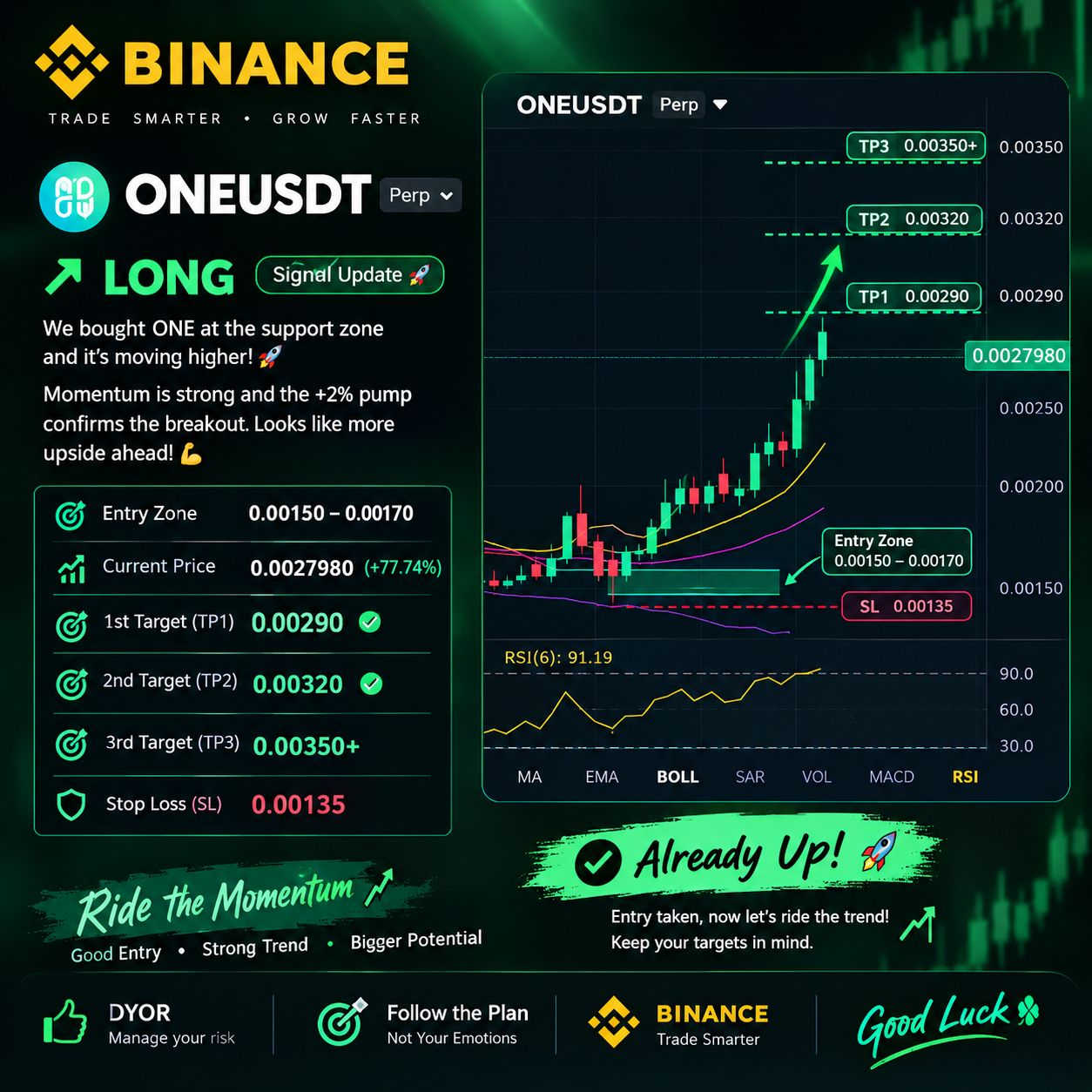
If we add 0 into 99 than = 🎁🎁🎁🎁







Verified
Log in to explore more content