
AiCoin官方
24.1k Posts

AiCoin官方
 Square Verified+
Report
Block User
AiCoin是全球领先的数据分析平台,提供专业K线、价格预警、AI分析、链上数据、热点快讯、KOL社区、智能下单及套利工具等服务。🎁币安邀请码:aicoin668
8 Following
12.2K+ Followers
16.0K+ Liked
Posts
All
Quotes
Videos
Live
·
--
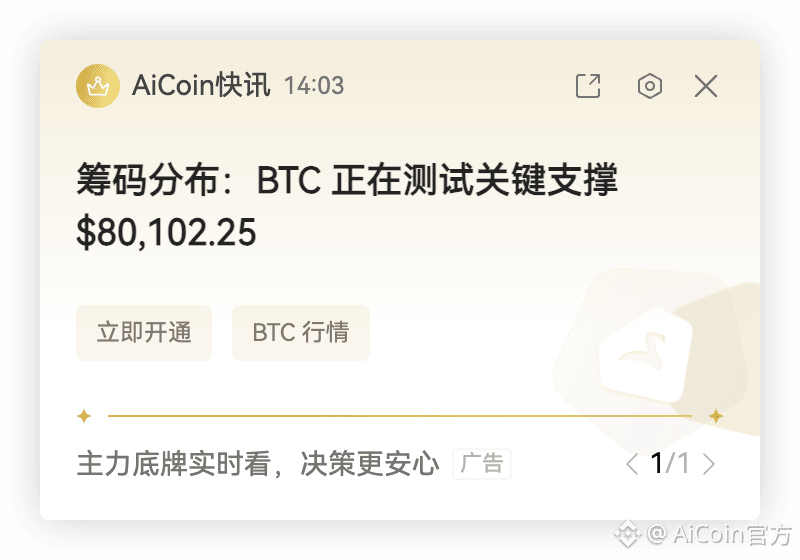
#比特币突破8万美元大关 chips have started concentrating here
BTC is back around $80,000.
According to the chip distribution data over the past 48 hours, about 50% of the trading volume is concentrated in the $80,100–$81,600 range, with the POC around $80,850.
The price is now close to the lower end of the range at $80,100.
From here downward, focus on the trading volume.
If it breaks down on increased volume, it suggests this batch of chips is starting to loosen, and there may be a need to find a new area with dense trading below.
If it breaks down but with no increase in volume, and then quickly reclaims the level, it indicates that buy-side support below is still present, so it cannot be simply interpreted as a loss of support for now.
So the market structure is fairly clear at the moment:
$80,100 is support; $80,850 is the area where chips are densely concentrated. After a break, look at the trading volume.
How the price moves is one thing, but whether the chip distribution has been pierced is another.
Data is for reference only and does not constitute investment advice.
#比特币突破8万美元大关 chips have started concentrating here
BTC is back around $80,000.
According to the chip distribution data over the past 48 hours, about 50% of the trading volume is concentrated in the $80,100–$81,600 range, with the POC around $80,850.
The price is now close to the lower end of the range at $80,100.
From here downward, focus on the trading volume.
If it breaks down on increased volume, it suggests this batch of chips is starting to loosen, and there may be a need to find a new area with dense trading below.
If it breaks down but with no increase in volume, and then quickly reclaims the level, it indicates that buy-side support below is still present, so it cannot be simply interpreted as a loss of support for now.
So the market structure is fairly clear at the moment:
$80,100 is support; $80,850 is the area where chips are densely concentrated. After a break, look at the trading volume.
How the price moves is one thing, but whether the chip distribution has been pierced is another.
Data is for reference only and does not constitute investment advice.
BTC is back around $80,000.
According to the chip distribution data over the past 48 hours, about 50% of the trading volume is concentrated in the $80,100–$81,600 range, with the POC around $80,850.
The price is now close to the lower end of the range at $80,100.
From here downward, focus on the trading volume.
If it breaks down on increased volume, it suggests this batch of chips is starting to loosen, and there may be a need to find a new area with dense trading below.
If it breaks down but with no increase in volume, and then quickly reclaims the level, it indicates that buy-side support below is still present, so it cannot be simply interpreted as a loss of support for now.
So the market structure is fairly clear at the moment:
$80,100 is support; $80,850 is the area where chips are densely concentrated. After a break, look at the trading volume.
How the price moves is one thing, but whether the chip distribution has been pierced is another.
Data is for reference only and does not constitute investment advice.
5
1.2k
·
--
Article
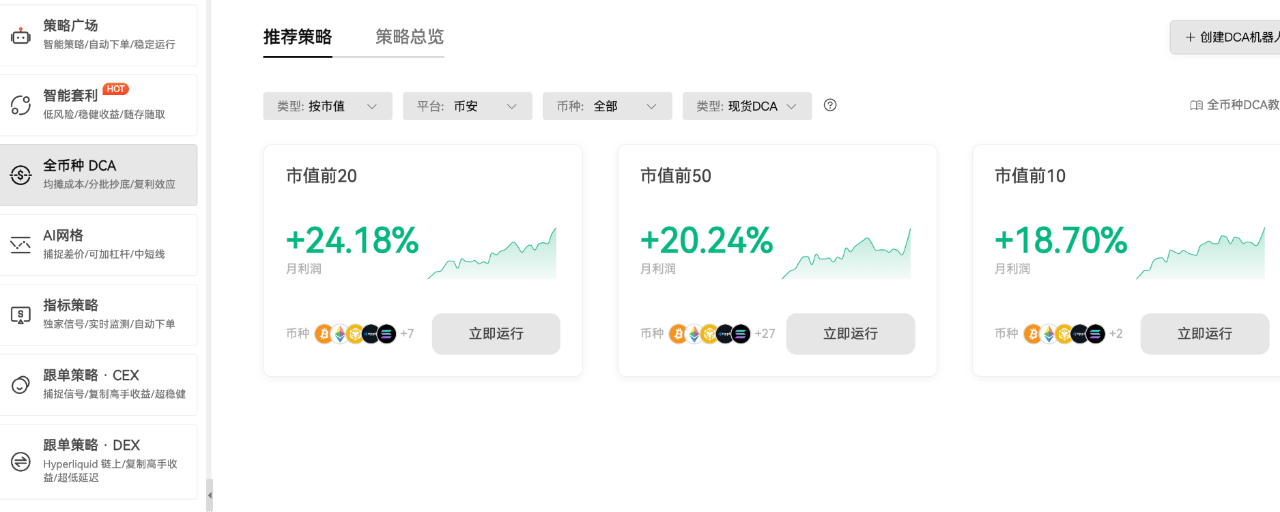
The long holiday is almost here—don’t want to keep watching the charts but afraid of missing the market? Beginners can first learn about spot DCAThe long holiday is almost here.
For people who usually have to work or go to school, the holidays finally mean you don’t have to keep staring at your computer and phone all the time.
But the crypto market won’t take a break.
When you go out to play, the market may be moving; in the evening, when you open your phone, it might already be up for a while—or it might have already fallen quite a bit.
For new traders just entering the space, this situation is especially easy to get stuck in:
When you see it go up, you’re afraid of chasing;
When you see it drop, you don’t dare to buy;
After you finally decide to enter, the market conditions change again.
When I first started getting into trading myself, I went through something similar too.
The long holiday is almost here—don’t want to keep watching the charts but afraid of missing the market? Beginners can first learn about spot DCA
The long holiday is almost here.
For people who usually have to work or go to school, the holidays finally mean you don’t have to keep staring at your computer and phone all the time.
But the crypto market won’t take a break.
When you go out to play, the market may be moving; in the evening, when you open your phone, it might already be up for a while—or it might have already fallen quite a bit.
For new traders just entering the space, this situation is especially easy to get stuck in:
When you see it go up, you’re afraid of chasing;
When you see it drop, you don’t dare to buy;
After you finally decide to enter, the market conditions change again.
When I first started getting into trading myself, I went through something similar too.
For people who usually have to work or go to school, the holidays finally mean you don’t have to keep staring at your computer and phone all the time.
But the crypto market won’t take a break.
When you go out to play, the market may be moving; in the evening, when you open your phone, it might already be up for a while—or it might have already fallen quite a bit.
For new traders just entering the space, this situation is especially easy to get stuck in:
When you see it go up, you’re afraid of chasing;
When you see it drop, you don’t dare to buy;
After you finally decide to enter, the market conditions change again.
When I first started getting into trading myself, I went through something similar too.
837
·
--
Verified
【AiCoin丨9.20 Snapshot: Whale inflows, SEC innovation exemption, USDT issuance increase】1. In the past 24 hours, 5,422 BTC were transferred into exchange wallets, worth $542 million. Coinbase Pro saw the most inflows.
According to AiCoin’s real-time data, over the past 24 hours, a total of 5,422 BTC were transferred into exchange wallets, valued at $542 million. Among them, the largest inflow was to Coinbase Pro, with 4,454 BTC, followed by Bitfinex with 1,161 BTC. For more exchange fund flow directions, please visit the AiCoin webpage—Data—Hyperliquid: https://www.aicoin.com/zh-Hans/hyperliquid - original text
2. Huang Licheng increased his position to $131 million, going long on ETH, BTC, and HYPE
【AiCoin丨9.20 Snapshot: Whale inflows, SEC innovation exemption, USDT issuance increase】
1. In the past 24 hours, 5,422 BTC were transferred into exchange wallets, worth $542 million. Coinbase Pro saw the most inflows.
According to AiCoin’s real-time data, over the past 24 hours, a total of 5,422 BTC were transferred into exchange wallets, valued at $542 million. Among them, the largest inflow was to Coinbase Pro, with 4,454 BTC, followed by Bitfinex with 1,161 BTC. For more exchange fund flow directions, please visit the AiCoin webpage—Data—Hyperliquid: https://www.aicoin.com/zh-Hans/hyperliquid - original text
2. Huang Licheng increased his position to $131 million, going long on ETH, BTC, and HYPE
According to AiCoin’s real-time data, over the past 24 hours, a total of 5,422 BTC were transferred into exchange wallets, valued at $542 million. Among them, the largest inflow was to Coinbase Pro, with 4,454 BTC, followed by Bitfinex with 1,161 BTC. For more exchange fund flow directions, please visit the AiCoin webpage—Data—Hyperliquid: https://www.aicoin.com/zh-Hans/hyperliquid - original text
2. Huang Licheng increased his position to $131 million, going long on ETH, BTC, and HYPE
2
2.1k
·
--
Verified
【AiCoin丨9.19 Snapshot: Fed rate hike, giant whale moves to exchanges, liquidations of 101 million】1. U.S. Federal Reserve Schmidt: Voted in favor of a rate hike; the recent inflation trend has exceeded 3%
The U.S. Federal Reserve Schmidt said that it voted in favor of a rate hike. Recent data show that the inflation trend has exceeded 3%. The rate hike is a step toward restoring the 2% inflation target. The current inflation problem is not just an energy issue; price growth remains hot across a broad range of goods and services. AI interpretation: The Fed official clearly delivered a hawkish signal, emphasizing that inflation persistence has spread into a wide range of goods and services. Current inflation is far above the target range, forcing policymakers to suppress price pressures through tightening measures. This statement directly negates expectations of shifting toward easing in the near term and reinforces the policy tone of maintaining a high-interest-rate environment for the long term. The market needs to reassess the Fed’s tough stance in the fight against inflation, as the risk of keeping rates at high levels has increased significantly. - Original text
【AiCoin丨9.19 Snapshot: Fed rate hike, giant whale moves to exchanges, liquidations of 101 million】
1. U.S. Federal Reserve Schmidt: Voted in favor of a rate hike; the recent inflation trend has exceeded 3%
The U.S. Federal Reserve Schmidt said that it voted in favor of a rate hike. Recent data show that the inflation trend has exceeded 3%. The rate hike is a step toward restoring the 2% inflation target. The current inflation problem is not just an energy issue; price growth remains hot across a broad range of goods and services. AI interpretation: The Fed official clearly delivered a hawkish signal, emphasizing that inflation persistence has spread into a wide range of goods and services. Current inflation is far above the target range, forcing policymakers to suppress price pressures through tightening measures. This statement directly negates expectations of shifting toward easing in the near term and reinforces the policy tone of maintaining a high-interest-rate environment for the long term. The market needs to reassess the Fed’s tough stance in the fight against inflation, as the risk of keeping rates at high levels has increased significantly. - Original text
The U.S. Federal Reserve Schmidt said that it voted in favor of a rate hike. Recent data show that the inflation trend has exceeded 3%. The rate hike is a step toward restoring the 2% inflation target. The current inflation problem is not just an energy issue; price growth remains hot across a broad range of goods and services. AI interpretation: The Fed official clearly delivered a hawkish signal, emphasizing that inflation persistence has spread into a wide range of goods and services. Current inflation is far above the target range, forcing policymakers to suppress price pressures through tightening measures. This statement directly negates expectations of shifting toward easing in the near term and reinforces the policy tone of maintaining a high-interest-rate environment for the long term. The market needs to reassess the Fed’s tough stance in the fight against inflation, as the risk of keeping rates at high levels has increased significantly. - Original text
4
1.6k
·
--
Verified
Goldman Sachs expects another 25-basis-point rate hike in October. Macquarie, meanwhile, lays out a path with a cumulative additional 50 basis points, clearly pushing the rate-hike outlook further in a more hawkish direction.
Goldman has shifted its assumption from “pause after September” to “at least one more time this year,” and rated this meeting overall as leaning hawkish. Macquarie goes even further, extending the rate-hike schedule to December this year and the first quarter of 2027, adding 25 basis points each time—effectively assuming rates stay at the peak for longer.
At the same time, BlackRock warns that the market may be interpreting the chairman’s remarks too forcefully, suggesting that current pricing may not fully reflect actual policy commitments. This contrast—investment bank models getting more hawkish while asset-management giants urge less noise—turns uncertainty about the rate path into a new source of volatility.
For the crypto market, this means near-term regulatory events may not be the main driver; instead, swings in macro rate expectations are the key variable affecting liquidity and risk appetite. After all, these rate-hike scenarios are still just institutional forecasts, not a finalized timetable.
Goldman Sachs expects another 25-basis-point rate hike in October. Macquarie, meanwhile, lays out a path with a cumulative additional 50 basis points, clearly pushing the rate-hike outlook further in a more hawkish direction.
Goldman has shifted its assumption from “pause after September” to “at least one more time this year,” and rated this meeting overall as leaning hawkish. Macquarie goes even further, extending the rate-hike schedule to December this year and the first quarter of 2027, adding 25 basis points each time—effectively assuming rates stay at the peak for longer.
At the same time, BlackRock warns that the market may be interpreting the chairman’s remarks too forcefully, suggesting that current pricing may not fully reflect actual policy commitments. This contrast—investment bank models getting more hawkish while asset-management giants urge less noise—turns uncertainty about the rate path into a new source of volatility.
For the crypto market, this means near-term regulatory events may not be the main driver; instead, swings in macro rate expectations are the key variable affecting liquidity and risk appetite. After all, these rate-hike scenarios are still just institutional forecasts, not a finalized timetable.
Goldman has shifted its assumption from “pause after September” to “at least one more time this year,” and rated this meeting overall as leaning hawkish. Macquarie goes even further, extending the rate-hike schedule to December this year and the first quarter of 2027, adding 25 basis points each time—effectively assuming rates stay at the peak for longer.
At the same time, BlackRock warns that the market may be interpreting the chairman’s remarks too forcefully, suggesting that current pricing may not fully reflect actual policy commitments. This contrast—investment bank models getting more hawkish while asset-management giants urge less noise—turns uncertainty about the rate path into a new source of volatility.
For the crypto market, this means near-term regulatory events may not be the main driver; instead, swings in macro rate expectations are the key variable affecting liquidity and risk appetite. After all, these rate-hike scenarios are still just institutional forecasts, not a finalized timetable.

6
1.6k
·
--
#sec批准代币化nms股票交易临时创新豁免 🔥 SEC gives stocks on-chain a 5-year window—will RWA start playing for real?
The U.S. SEC has just released a major signal.
On September 17, the SEC introduced a Temporary Innovation Exemption, allowing eligible platforms, under a specific regulatory framework, to trade real tokenized U.S. stocks, for up to 5 years.
Here are the key points laid out directly👇
✅ Tokens must correspond to real stock ownership rights
✅ Holders retain rights such as dividends and voting
✅ Permits trading via permissioned AMMs and liquidity pools
✅ Issuers have veto power
❌ Synthetic stock products are not covered by this exemption
So what does this mean?
In the past, it was Crypto trying to find a way into Wall Street.
Now, Wall Street stocks are starting to gain regulatory pathways to enter the chain.
For RWA, this is an important step from “telling a story” to “actually getting it done.”
Now look at BTC.
Currently, BTC is consolidating around $77,000, after bouncing back from the $75K area.
While the SEC’s regulatory signals are somewhat positive, short-term market action still depends on macro liquidity, interest-rate expectations, and overall risk appetite.
So going forward, what’s worth watching isn’t just the BTC price.
More importantly: when will the first batch of tokenized U.S. stocks truly go live? Can on-chain stock trading achieve real-scale adoption?
If this path runs, the RWA narrative may move into the next phase.
#BTC #RWA #SEC #TokenizedStocks
#sec批准代币化nms股票交易临时创新豁免 🔥 SEC gives stocks on-chain a 5-year window—will RWA start playing for real?
The U.S. SEC has just released a major signal.
On September 17, the SEC introduced a Temporary Innovation Exemption, allowing eligible platforms, under a specific regulatory framework, to trade real tokenized U.S. stocks, for up to 5 years.
Here are the key points laid out directly👇
✅ Tokens must correspond to real stock ownership rights
✅ Holders retain rights such as dividends and voting
✅ Permits trading via permissioned AMMs and liquidity pools
✅ Issuers have veto power
❌ Synthetic stock products are not covered by this exemption
So what does this mean?
In the past, it was Crypto trying to find a way into Wall Street.
Now, Wall Street stocks are starting to gain regulatory pathways to enter the chain.
For RWA, this is an important step from “telling a story” to “actually getting it done.”
Now look at BTC.
Currently, BTC is consolidating around $77,000, after bouncing back from the $75K area.
While the SEC’s regulatory signals are somewhat positive, short-term market action still depends on macro liquidity, interest-rate expectations, and overall risk appetite.
So going forward, what’s worth watching isn’t just the BTC price.
More importantly: when will the first batch of tokenized U.S. stocks truly go live? Can on-chain stock trading achieve real-scale adoption?
If this path runs, the RWA narrative may move into the next phase.
#BTC #RWA #SEC #TokenizedStocks
The U.S. SEC has just released a major signal.
On September 17, the SEC introduced a Temporary Innovation Exemption, allowing eligible platforms, under a specific regulatory framework, to trade real tokenized U.S. stocks, for up to 5 years.
Here are the key points laid out directly👇
✅ Tokens must correspond to real stock ownership rights
✅ Holders retain rights such as dividends and voting
✅ Permits trading via permissioned AMMs and liquidity pools
✅ Issuers have veto power
❌ Synthetic stock products are not covered by this exemption
So what does this mean?
In the past, it was Crypto trying to find a way into Wall Street.
Now, Wall Street stocks are starting to gain regulatory pathways to enter the chain.
For RWA, this is an important step from “telling a story” to “actually getting it done.”
Now look at BTC.
Currently, BTC is consolidating around $77,000, after bouncing back from the $75K area.
While the SEC’s regulatory signals are somewhat positive, short-term market action still depends on macro liquidity, interest-rate expectations, and overall risk appetite.
So going forward, what’s worth watching isn’t just the BTC price.
More importantly: when will the first batch of tokenized U.S. stocks truly go live? Can on-chain stock trading achieve real-scale adoption?
If this path runs, the RWA narrative may move into the next phase.
#BTC #RWA #SEC #TokenizedStocks

1
5
6.9k
·
--
Verified
【AiCoin丨9.18 Snapshot: Tokenized Stocks Milestone, BlackRock Deposits at Coinbase, Bitcoin Reserve Bill】1. In the week ending September 12, initial jobless claims in the United States fell to 196,000, hitting a new low since July
In the week ending September 12, the number of initial jobless claims in the United States fell to 196,000, down by 10,000 from the previous week. In the same period, the number of continuing claims for unemployment benefits dropped to 1.73 million, reaching the lowest level since 2024. (Source: Bloomberg) AI interpretation: The labor market has demonstrated strong resilience under pressure, with employment demand continuing to remain robust. The sharp drop in unemployment benefit claims directly dispels market concerns about an economic recession, indicating that the current economic fundamentals remain solid. This tight employment environment provides strong support for the Federal Reserve to maintain its high-interest-rate policy, further narrowing the room for rate cuts in the near term. The market needs to reassess how long the high-rate environment will persist and stay highly alert to the risk of the economy overheating. -Original text
【AiCoin丨9.18 Snapshot: Tokenized Stocks Milestone, BlackRock Deposits at Coinbase, Bitcoin Reserve Bill】
1. In the week ending September 12, initial jobless claims in the United States fell to 196,000, hitting a new low since July
In the week ending September 12, the number of initial jobless claims in the United States fell to 196,000, down by 10,000 from the previous week. In the same period, the number of continuing claims for unemployment benefits dropped to 1.73 million, reaching the lowest level since 2024. (Source: Bloomberg) AI interpretation: The labor market has demonstrated strong resilience under pressure, with employment demand continuing to remain robust. The sharp drop in unemployment benefit claims directly dispels market concerns about an economic recession, indicating that the current economic fundamentals remain solid. This tight employment environment provides strong support for the Federal Reserve to maintain its high-interest-rate policy, further narrowing the room for rate cuts in the near term. The market needs to reassess how long the high-rate environment will persist and stay highly alert to the risk of the economy overheating. -Original text
In the week ending September 12, the number of initial jobless claims in the United States fell to 196,000, down by 10,000 from the previous week. In the same period, the number of continuing claims for unemployment benefits dropped to 1.73 million, reaching the lowest level since 2024. (Source: Bloomberg) AI interpretation: The labor market has demonstrated strong resilience under pressure, with employment demand continuing to remain robust. The sharp drop in unemployment benefit claims directly dispels market concerns about an economic recession, indicating that the current economic fundamentals remain solid. This tight employment environment provides strong support for the Federal Reserve to maintain its high-interest-rate policy, further narrowing the room for rate cuts in the near term. The market needs to reassess how long the high-rate environment will persist and stay highly alert to the risk of the economy overheating. -Original text
2
1.8k
·
--
The Bank for International Settlements (BIS) released a working paper on September 16 analyzing nearly 100 billion on-chain records from three networks—Bitcoin, Ethereum, and TRON. It reported statistical results on Bitcoin transfer volumes, which can differ by as much as about six times.
The core reason lies in Bitcoin’s UTXO model: technical processes such as change-making and combining inputs/outputs. If the counting criteria differ during analysis, the same transaction may be magnified or diminished. As a result, the “total transfer amount” seen in on-chain metrics may be only an approximation under a particular algorithm.
In other words, on the typical on-chain data dashboards, those transfer volumes that appear to suddenly spike or large anomalies do not necessarily reflect real fund activity. Sometimes it’s simply a wallet consolidating UTXOs, but under a certain statistical method this gets interpreted as “massive liquidity movements.”
For market participants who are used to observing the market via on-chain data, this is a reminder: the data still has value, but it’s important to understand the statistical methodology and the bounds of error, so as not to treat every number as a direct trading signal.
The Bank for International Settlements (BIS) released a working paper on September 16 analyzing nearly 100 billion on-chain records from three networks—Bitcoin, Ethereum, and TRON. It reported statistical results on Bitcoin transfer volumes, which can differ by as much as about six times.
The core reason lies in Bitcoin’s UTXO model: technical processes such as change-making and combining inputs/outputs. If the counting criteria differ during analysis, the same transaction may be magnified or diminished. As a result, the “total transfer amount” seen in on-chain metrics may be only an approximation under a particular algorithm.
In other words, on the typical on-chain data dashboards, those transfer volumes that appear to suddenly spike or large anomalies do not necessarily reflect real fund activity. Sometimes it’s simply a wallet consolidating UTXOs, but under a certain statistical method this gets interpreted as “massive liquidity movements.”
For market participants who are used to observing the market via on-chain data, this is a reminder: the data still has value, but it’s important to understand the statistical methodology and the bounds of error, so as not to treat every number as a direct trading signal.
The core reason lies in Bitcoin’s UTXO model: technical processes such as change-making and combining inputs/outputs. If the counting criteria differ during analysis, the same transaction may be magnified or diminished. As a result, the “total transfer amount” seen in on-chain metrics may be only an approximation under a particular algorithm.
In other words, on the typical on-chain data dashboards, those transfer volumes that appear to suddenly spike or large anomalies do not necessarily reflect real fund activity. Sometimes it’s simply a wallet consolidating UTXOs, but under a certain statistical method this gets interpreted as “massive liquidity movements.”
For market participants who are used to observing the market via on-chain data, this is a reminder: the data still has value, but it’s important to understand the statistical methodology and the bounds of error, so as not to treat every number as a direct trading signal.

5
463
·
--
Article
Looking for opportunities from a Robinhood pullback: is it just a car waiting for others?Past involvement in Memes: for many people, the way is actually very simple:
See a new coin → check the price increase → find the contract → buy.
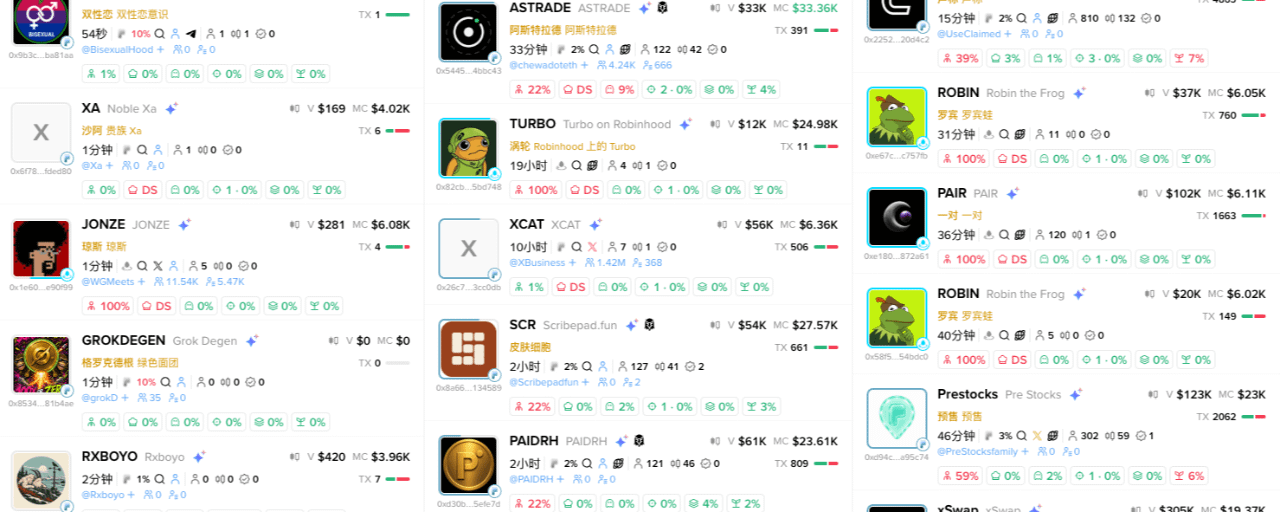
But once the number of new coins in an ecosystem keeps increasing, the truly difficult problem becomes: with so many new coins every day, what should you look at? Especially in an emerging Meme ecosystem like Robinhood Chain, project lifecycles are very short and market changes happen fast. A token might appear and go unnoticed, then within minutes its trading volume suddenly surges, and it rapidly comes into more people's view. This means that the real test for Meme trading is no longer just “whether you dare to buy,” but rather: can you spot the changes earlier and quickly make a judgment?
Looking for opportunities from a Robinhood pullback: is it just a car waiting for others?
Past involvement in Memes: for many people, the way is actually very simple:
See a new coin → check the price increase → find the contract → buy.
But once the number of new coins in an ecosystem keeps increasing, the truly difficult problem becomes: with so many new coins every day, what should you look at? Especially in an emerging Meme ecosystem like Robinhood Chain, project lifecycles are very short and market changes happen fast. A token might appear and go unnoticed, then within minutes its trading volume suddenly surges, and it rapidly comes into more people's view. This means that the real test for Meme trading is no longer just “whether you dare to buy,” but rather: can you spot the changes earlier and quickly make a judgment?
See a new coin → check the price increase → find the contract → buy.
But once the number of new coins in an ecosystem keeps increasing, the truly difficult problem becomes: with so many new coins every day, what should you look at? Especially in an emerging Meme ecosystem like Robinhood Chain, project lifecycles are very short and market changes happen fast. A token might appear and go unnoticed, then within minutes its trading volume suddenly surges, and it rapidly comes into more people's view. This means that the real test for Meme trading is no longer just “whether you dare to buy,” but rather: can you spot the changes earlier and quickly make a judgment?
2
1
3
1.3k
·
--
Verified
【AiCoin丨9.17 Snapshot: Fed Rate Hike, Bitcoin Reserves Bill, ETF Outflows】1. The Federal Reserve raised its benchmark interest rate by 25 basis points to 3.75%–4%, in line with market expectations
The Federal Reserve announced that it would raise the federal funds rate by 25 basis points to 3.75%–4%, in line with expectations. -Original text
2. The U.S. House Ways and Means Committee passed a proposal to exempt fees for small Bitcoin networks from tax
The U.S. House Ways and Means Committee passed a proposal to exempt tax on fees for small Bitcoin networks. -Original text
3. The Fed’s dot plot shows that among 19 officials, 16 expect another rate hike in 2026
On the 17th, the Federal Reserve announced a 25-basis-point rate hike, its first for 2026. The latest dot plot shows that of the 19 officials, 18 submitted forecasts, and 16 believe there should be another rate hike this year. Specifically, four officials think the cumulative rate hikes in 2026 should total 75 basis points, 12 officials believe they should total 50 basis points, 2 officials think they should total 25 basis points, 0 officials think the interest rate should be kept unchanged at 3.5%–3.75% this year, and 0 officials think there should be a cumulative rate cut of 25 basis points. (Source: Jinshi) AI interpretation: This rate-hike move by the Federal Reserve directly shatters the market’s fantasy of a shift toward easier monetary policy. The dot plot indicates that an overwhelming majority of officials support further tightening, clearly signaling a hardline stance against inflation. This policy path will continue to push up financing costs and exert direct pressure on capital market valuations. The continuation of a high-interest-rate environment is effectively set in stone, and capital flows will further concentrate toward safe-haven assets. -Original text
【AiCoin丨9.17 Snapshot: Fed Rate Hike, Bitcoin Reserves Bill, ETF Outflows】
1. The Federal Reserve raised its benchmark interest rate by 25 basis points to 3.75%–4%, in line with market expectations
The Federal Reserve announced that it would raise the federal funds rate by 25 basis points to 3.75%–4%, in line with expectations. -Original text
2. The U.S. House Ways and Means Committee passed a proposal to exempt fees for small Bitcoin networks from tax
The U.S. House Ways and Means Committee passed a proposal to exempt tax on fees for small Bitcoin networks. -Original text
3. The Fed’s dot plot shows that among 19 officials, 16 expect another rate hike in 2026
On the 17th, the Federal Reserve announced a 25-basis-point rate hike, its first for 2026. The latest dot plot shows that of the 19 officials, 18 submitted forecasts, and 16 believe there should be another rate hike this year. Specifically, four officials think the cumulative rate hikes in 2026 should total 75 basis points, 12 officials believe they should total 50 basis points, 2 officials think they should total 25 basis points, 0 officials think the interest rate should be kept unchanged at 3.5%–3.75% this year, and 0 officials think there should be a cumulative rate cut of 25 basis points. (Source: Jinshi) AI interpretation: This rate-hike move by the Federal Reserve directly shatters the market’s fantasy of a shift toward easier monetary policy. The dot plot indicates that an overwhelming majority of officials support further tightening, clearly signaling a hardline stance against inflation. This policy path will continue to push up financing costs and exert direct pressure on capital market valuations. The continuation of a high-interest-rate environment is effectively set in stone, and capital flows will further concentrate toward safe-haven assets. -Original text
The Federal Reserve announced that it would raise the federal funds rate by 25 basis points to 3.75%–4%, in line with expectations. -Original text
2. The U.S. House Ways and Means Committee passed a proposal to exempt fees for small Bitcoin networks from tax
The U.S. House Ways and Means Committee passed a proposal to exempt tax on fees for small Bitcoin networks. -Original text
3. The Fed’s dot plot shows that among 19 officials, 16 expect another rate hike in 2026
On the 17th, the Federal Reserve announced a 25-basis-point rate hike, its first for 2026. The latest dot plot shows that of the 19 officials, 18 submitted forecasts, and 16 believe there should be another rate hike this year. Specifically, four officials think the cumulative rate hikes in 2026 should total 75 basis points, 12 officials believe they should total 50 basis points, 2 officials think they should total 25 basis points, 0 officials think the interest rate should be kept unchanged at 3.5%–3.75% this year, and 0 officials think there should be a cumulative rate cut of 25 basis points. (Source: Jinshi) AI interpretation: This rate-hike move by the Federal Reserve directly shatters the market’s fantasy of a shift toward easier monetary policy. The dot plot indicates that an overwhelming majority of officials support further tightening, clearly signaling a hardline stance against inflation. This policy path will continue to push up financing costs and exert direct pressure on capital market valuations. The continuation of a high-interest-rate environment is effectively set in stone, and capital flows will further concentrate toward safe-haven assets. -Original text
1.3k
·
--
Verified
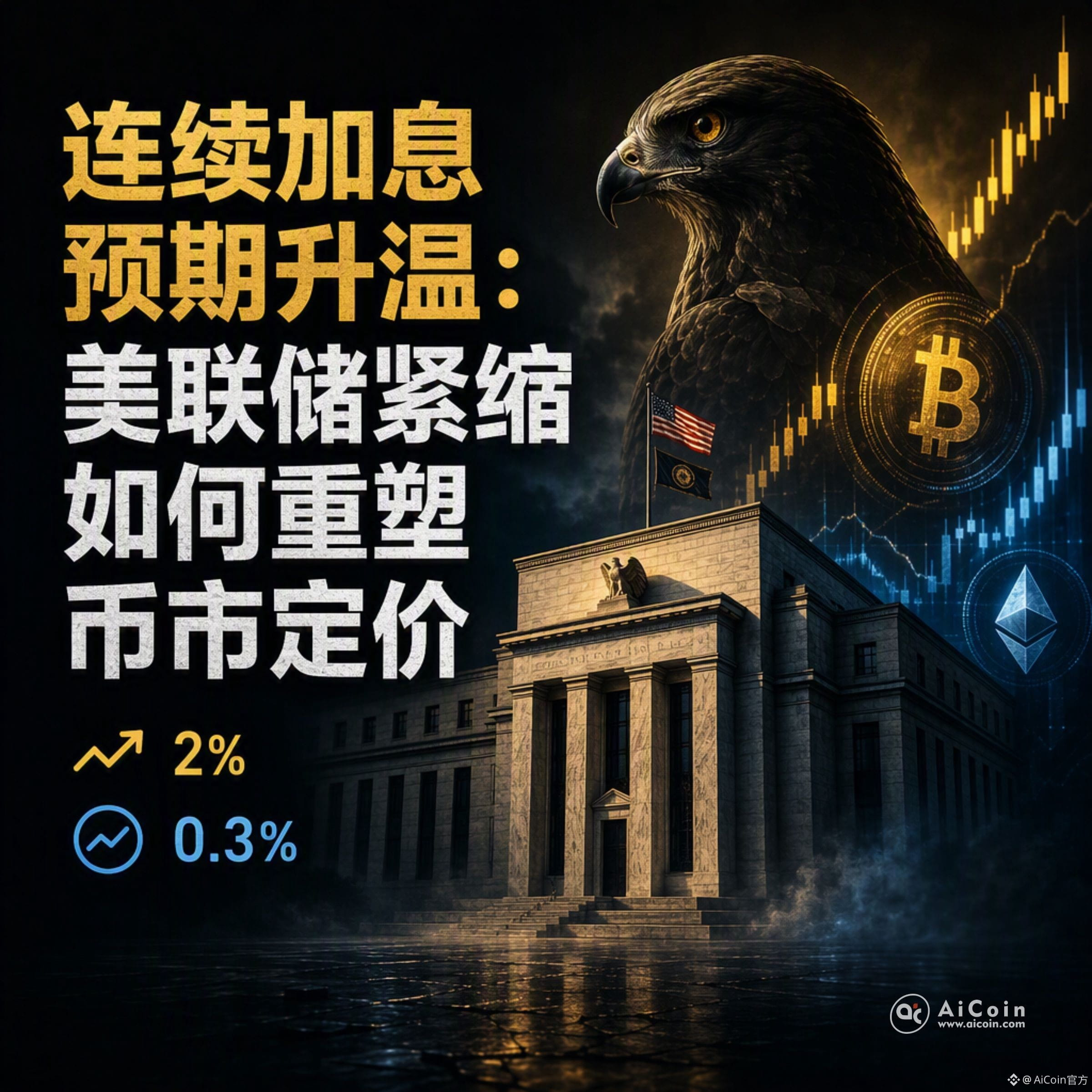
This week, former New York Fed chair Dudley said that a rate hike by the Federal Reserve is “almost a foregone conclusion,” and that it’s not a one-off action but the “start of a series of rate hikes.” The timing lines up: September 16 is the day of the interest rate decision.
The reasons he gave are typical: inflation is still above the 2% target; in August, core CPI rose by about 0.3% month over month; and the unemployment rate is also very low. In this combination, tightening is, in his view, “unusually clear-cut.”
Even more unusual is that he directly called out and criticized the current chair, Waller, for “outsourcing” monetary policy to financial markets, calling it an “extremely bad practice.” In other words, the Fed may not want to simply follow market expectations anymore—it may instead lay out a more rigid path for tightening.
For risk assets, including crypto, this combination of “continuous tightening + weakening market-led influence” often shows up in valuation discounting and liquidity premia. In the next few meetings, the Fed’s actual actions and how it communicates them will be key variables for judging the risk-appetite cycle.
This week, former New York Fed chair Dudley said that a rate hike by the Federal Reserve is “almost a foregone conclusion,” and that it’s not a one-off action but the “start of a series of rate hikes.” The timing lines up: September 16 is the day of the interest rate decision.
The reasons he gave are typical: inflation is still above the 2% target; in August, core CPI rose by about 0.3% month over month; and the unemployment rate is also very low. In this combination, tightening is, in his view, “unusually clear-cut.”
Even more unusual is that he directly called out and criticized the current chair, Waller, for “outsourcing” monetary policy to financial markets, calling it an “extremely bad practice.” In other words, the Fed may not want to simply follow market expectations anymore—it may instead lay out a more rigid path for tightening.
For risk assets, including crypto, this combination of “continuous tightening + weakening market-led influence” often shows up in valuation discounting and liquidity premia. In the next few meetings, the Fed’s actual actions and how it communicates them will be key variables for judging the risk-appetite cycle.
The reasons he gave are typical: inflation is still above the 2% target; in August, core CPI rose by about 0.3% month over month; and the unemployment rate is also very low. In this combination, tightening is, in his view, “unusually clear-cut.”
Even more unusual is that he directly called out and criticized the current chair, Waller, for “outsourcing” monetary policy to financial markets, calling it an “extremely bad practice.” In other words, the Fed may not want to simply follow market expectations anymore—it may instead lay out a more rigid path for tightening.
For risk assets, including crypto, this combination of “continuous tightening + weakening market-led influence” often shows up in valuation discounting and liquidity premia. In the next few meetings, the Fed’s actual actions and how it communicates them will be key variables for judging the risk-appetite cycle.
2
1
890
·
--
Verified
【AiCoin丨9.16 Snapshot: Clear Act Stalled, Crude Oil Soars, and BlackRock Seeks to Extract ETH】1. On the eve of a vote in the U.S. Senate (the Clear Act), Democrats put forward a counterproposal to tighten encryption-related regulation; the bill ultimately could not be advanced.
The U.S. Senate will hold a procedural vote on the (Clear Act) at 22:15 on September 15 (UTC+8). The bill needs 60 votes to proceed. The Republicans have made 126 amendments to the bill. On the eve of the vote, the Democrats put forward a counterproposal calling for tighter limits on large crypto holdings, blockchain regulatory provisions, and rules addressing conflicts of interest for exchanges. Patrick Witt, Executive Director of the White House Crypto Commission, said he feels good about the voting outcome. Eight financial industry groups, including the American Bankers Association, oppose the bill. The White House Council of Economic Advisers has introduced new tools to rebut the banking industry’s claims that stablecoins lead to deposit outflows. -Original text
【AiCoin丨9.16 Snapshot: Clear Act Stalled, Crude Oil Soars, and BlackRock Seeks to Extract ETH】
1. On the eve of a vote in the U.S. Senate (the Clear Act), Democrats put forward a counterproposal to tighten encryption-related regulation; the bill ultimately could not be advanced.
The U.S. Senate will hold a procedural vote on the (Clear Act) at 22:15 on September 15 (UTC+8). The bill needs 60 votes to proceed. The Republicans have made 126 amendments to the bill. On the eve of the vote, the Democrats put forward a counterproposal calling for tighter limits on large crypto holdings, blockchain regulatory provisions, and rules addressing conflicts of interest for exchanges. Patrick Witt, Executive Director of the White House Crypto Commission, said he feels good about the voting outcome. Eight financial industry groups, including the American Bankers Association, oppose the bill. The White House Council of Economic Advisers has introduced new tools to rebut the banking industry’s claims that stablecoins lead to deposit outflows. -Original text
The U.S. Senate will hold a procedural vote on the (Clear Act) at 22:15 on September 15 (UTC+8). The bill needs 60 votes to proceed. The Republicans have made 126 amendments to the bill. On the eve of the vote, the Democrats put forward a counterproposal calling for tighter limits on large crypto holdings, blockchain regulatory provisions, and rules addressing conflicts of interest for exchanges. Patrick Witt, Executive Director of the White House Crypto Commission, said he feels good about the voting outcome. Eight financial industry groups, including the American Bankers Association, oppose the bill. The White House Council of Economic Advisers has introduced new tools to rebut the banking industry’s claims that stablecoins lead to deposit outflows. -Original text
1
1.7k
·
--
Can’t get on—so anxious! Look at this kind person’s compilation.
Can’t get on—so anxious! Look at this kind person’s compilation.

Katharine Lesure hpPt
·
--
Just saw that a kind person put together a list ↓↓↓

16
2
1.6k
·
--
On September 14, analyst Darkfost said that Bitcoin ETFs saw approximately net outflows of 6,000 BTC last week, ending the prior streak of net inflows for three consecutive weeks.
This is not a small matter for the funding backdrop behind the recent rise. Previously, people viewed ETFs as a supplement when spot demand looked weak. Now, with funds flowing out in the opposite direction, it’s as if this support has temporarily weakened.
On-chain, Onchain Lens reported that the whale Machi is steadily reducing its HYPE long positions, but overall perpetual futures open interest still stands at about $150.85 million, and all of it is long. Of this, ETH is about $99.91 million, BTC about $44.10 million, HYPE longs about $6.84 million, and they are also layered with 10x leverage.
In other words, both capital and high-leverage longs are shifting from expansion to contraction, but the long-side structure remains heavy. If ETF funding demand continues to weaken further, or if the whale reduces leverage more, near-term volatility could be amplified, and market upside/downside responsiveness would likely increase as well.
On September 14, analyst Darkfost said that Bitcoin ETFs saw approximately net outflows of 6,000 BTC last week, ending the prior streak of net inflows for three consecutive weeks.
This is not a small matter for the funding backdrop behind the recent rise. Previously, people viewed ETFs as a supplement when spot demand looked weak. Now, with funds flowing out in the opposite direction, it’s as if this support has temporarily weakened.
On-chain, Onchain Lens reported that the whale Machi is steadily reducing its HYPE long positions, but overall perpetual futures open interest still stands at about $150.85 million, and all of it is long. Of this, ETH is about $99.91 million, BTC about $44.10 million, HYPE longs about $6.84 million, and they are also layered with 10x leverage.
In other words, both capital and high-leverage longs are shifting from expansion to contraction, but the long-side structure remains heavy. If ETF funding demand continues to weaken further, or if the whale reduces leverage more, near-term volatility could be amplified, and market upside/downside responsiveness would likely increase as well.
This is not a small matter for the funding backdrop behind the recent rise. Previously, people viewed ETFs as a supplement when spot demand looked weak. Now, with funds flowing out in the opposite direction, it’s as if this support has temporarily weakened.
On-chain, Onchain Lens reported that the whale Machi is steadily reducing its HYPE long positions, but overall perpetual futures open interest still stands at about $150.85 million, and all of it is long. Of this, ETH is about $99.91 million, BTC about $44.10 million, HYPE longs about $6.84 million, and they are also layered with 10x leverage.
In other words, both capital and high-leverage longs are shifting from expansion to contraction, but the long-side structure remains heavy. If ETF funding demand continues to weaken further, or if the whale reduces leverage more, near-term volatility could be amplified, and market upside/downside responsiveness would likely increase as well.

38
2k
·
--
Verified
【AiCoin丨9.15 Snapshot: US Treasury yields break 5%、gold plunges、a whale adds to its ETH short position】1、US 10-year Treasury yield rises to 5%, the first time in nearly three years
US 10-year Treasury yield rises to 5%, the first time in nearly three years. -original text
2、US Treasury Secretary Bessent: Winning the global technology competition is crucial through the Crypto Clarity Act
US Treasury Secretary Bessent said that the Clarity Act is crucial for the US to win the global technology competition. -original text
3、Spot gold prices fall by more than 2%, to $4,257.86 per ounce
4、US stocks crypto-related sector strengthens: Bullish up more than 9%, Coinbase up more than 7%
US stocks crypto-related sector strengthens: Bullish jumps over 9%, Coinbase up more than 7%, Circle up more than 4%, and Strategy up nearly 3%. -original text
【AiCoin丨9.15 Snapshot: US Treasury yields break 5%、gold plunges、a whale adds to its ETH short position】
1、US 10-year Treasury yield rises to 5%, the first time in nearly three years
US 10-year Treasury yield rises to 5%, the first time in nearly three years. -original text
2、US Treasury Secretary Bessent: Winning the global technology competition is crucial through the Crypto Clarity Act
US Treasury Secretary Bessent said that the Clarity Act is crucial for the US to win the global technology competition. -original text
3、Spot gold prices fall by more than 2%, to $4,257.86 per ounce
4、US stocks crypto-related sector strengthens: Bullish up more than 9%, Coinbase up more than 7%
US stocks crypto-related sector strengthens: Bullish jumps over 9%, Coinbase up more than 7%, Circle up more than 4%, and Strategy up nearly 3%. -original text
US 10-year Treasury yield rises to 5%, the first time in nearly three years. -original text
2、US Treasury Secretary Bessent: Winning the global technology competition is crucial through the Crypto Clarity Act
US Treasury Secretary Bessent said that the Clarity Act is crucial for the US to win the global technology competition. -original text
3、Spot gold prices fall by more than 2%, to $4,257.86 per ounce
4、US stocks crypto-related sector strengthens: Bullish up more than 9%, Coinbase up more than 7%
US stocks crypto-related sector strengthens: Bullish jumps over 9%, Coinbase up more than 7%, Circle up more than 4%, and Strategy up nearly 3%. -original text
1
2
2.9k
·
--
Oracle Q1 enters a renewal phase: all the GPU capacity under renewal is either fully renewed or resold. The transaction price is about 20% higher than the original contract, and many of the GPUs have already been in service for around four years.
From the perspective of traditional hardware depreciation, renewal for older equipment is usually done at a lower price—especially for GPUs with rapid update cycles. But this time, Oracle’s data goes the other way: the old GPUs not only continue to be purchased, they also fetch higher prices.
This sends the market an unusual signal: in an environment where AI and cloud services are driving up compute demand, GPUs in data centers are more like long-term operating assets rather than short-lived consumer electronics. As long as they can reliably generate compute cash flow, their economic lifespan could be extended.
Serenity interprets this as a positive for compute infrastructure companies such as Nebius and IREN, and it also poses a real-world challenge to Michael Burry’s earlier view that GPUs rapidly depreciate. What remains to be seen is whether this price increase in renewals is just a one-off quarterly phenomenon or whether it will gradually become the new normal for the compute industry.
Oracle Q1 enters a renewal phase: all the GPU capacity under renewal is either fully renewed or resold. The transaction price is about 20% higher than the original contract, and many of the GPUs have already been in service for around four years.
From the perspective of traditional hardware depreciation, renewal for older equipment is usually done at a lower price—especially for GPUs with rapid update cycles. But this time, Oracle’s data goes the other way: the old GPUs not only continue to be purchased, they also fetch higher prices.
This sends the market an unusual signal: in an environment where AI and cloud services are driving up compute demand, GPUs in data centers are more like long-term operating assets rather than short-lived consumer electronics. As long as they can reliably generate compute cash flow, their economic lifespan could be extended.
Serenity interprets this as a positive for compute infrastructure companies such as Nebius and IREN, and it also poses a real-world challenge to Michael Burry’s earlier view that GPUs rapidly depreciate. What remains to be seen is whether this price increase in renewals is just a one-off quarterly phenomenon or whether it will gradually become the new normal for the compute industry.
From the perspective of traditional hardware depreciation, renewal for older equipment is usually done at a lower price—especially for GPUs with rapid update cycles. But this time, Oracle’s data goes the other way: the old GPUs not only continue to be purchased, they also fetch higher prices.
This sends the market an unusual signal: in an environment where AI and cloud services are driving up compute demand, GPUs in data centers are more like long-term operating assets rather than short-lived consumer electronics. As long as they can reliably generate compute cash flow, their economic lifespan could be extended.
Serenity interprets this as a positive for compute infrastructure companies such as Nebius and IREN, and it also poses a real-world challenge to Michael Burry’s earlier view that GPUs rapidly depreciate. What remains to be seen is whether this price increase in renewals is just a one-off quarterly phenomenon or whether it will gradually become the new normal for the compute industry.

1
492
·
--
【BTC Returns to Around 77,000, First Focus on This This New Week】
At the start of the new week, let’s quickly review last week.
BTC fell from around $80,000, down about 4.4% on the week. During the day it briefly dipped to around $76,000. Then it rebounded, pushing back toward $80,000, but failed to hold. It’s now back around $77,000.
For the short term, watch three key levels:
Around $76,000: last week’s low point, key support
Around $78,000: reclaimed again, short-term pressure eases
Around $80,000: repeatedly met resistance recently; to regain strength again, watch here
If $76,000 can hold, the short term is still likely a range-bound market; if price breaks down on increased volume, weakness may continue.
ETH is relatively more resilient. Last week it dropped from around $2,500 to around $2,480, down about 1.5% for the week, but intraweek volatility exceeded 10%, so the swings are still significant.
Sentiment is also cooling. The Fear & Greed Index fell to 57, still in the “Greed” zone. Total liquidations across the whole market were about $670 million, and leveraged funds have been cleared again.
Some unusual movers today:
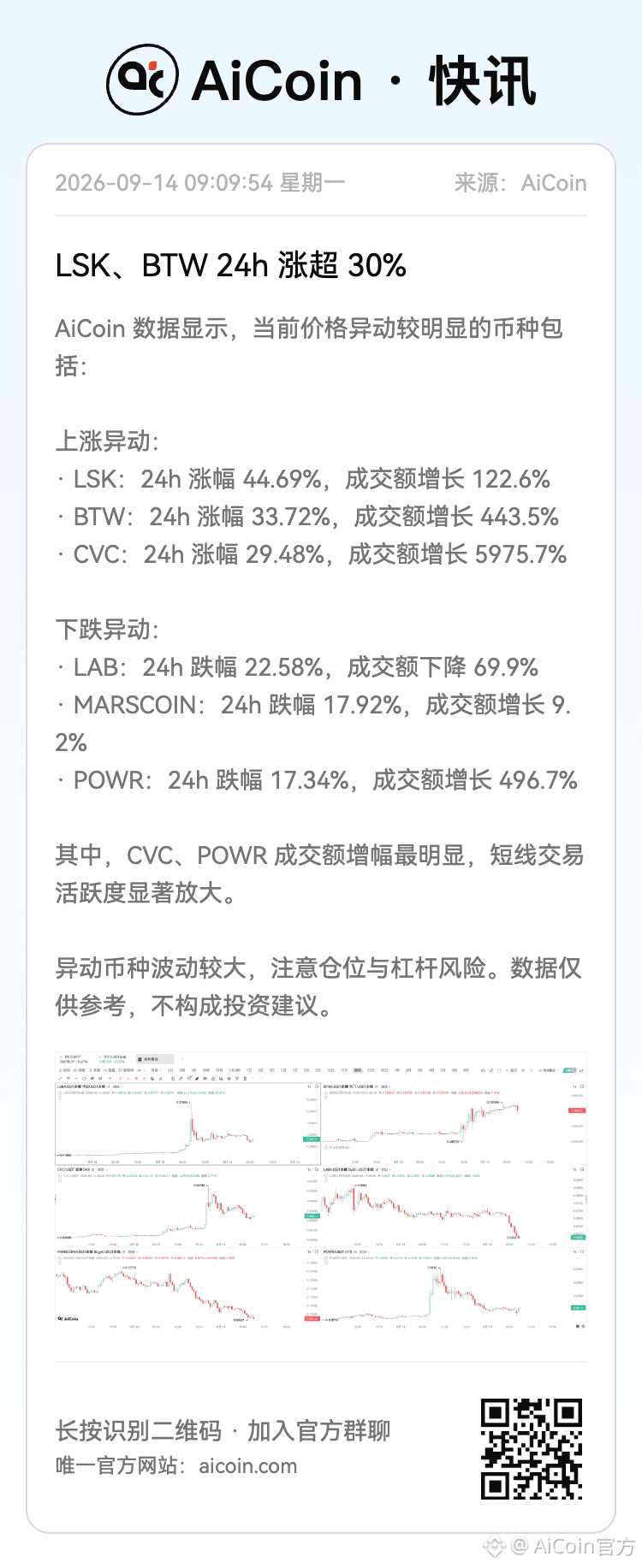
LSK is up 40%+, BTW is up more than 30%, CVC trading volume has clearly expanded; LAB is down more than 20%, and POWR is also down close to 20%.
These high-momentum coins have large swings—rallies can be fast, and pullbacks can also come quickly. Don’t chase just because it’s pumping.
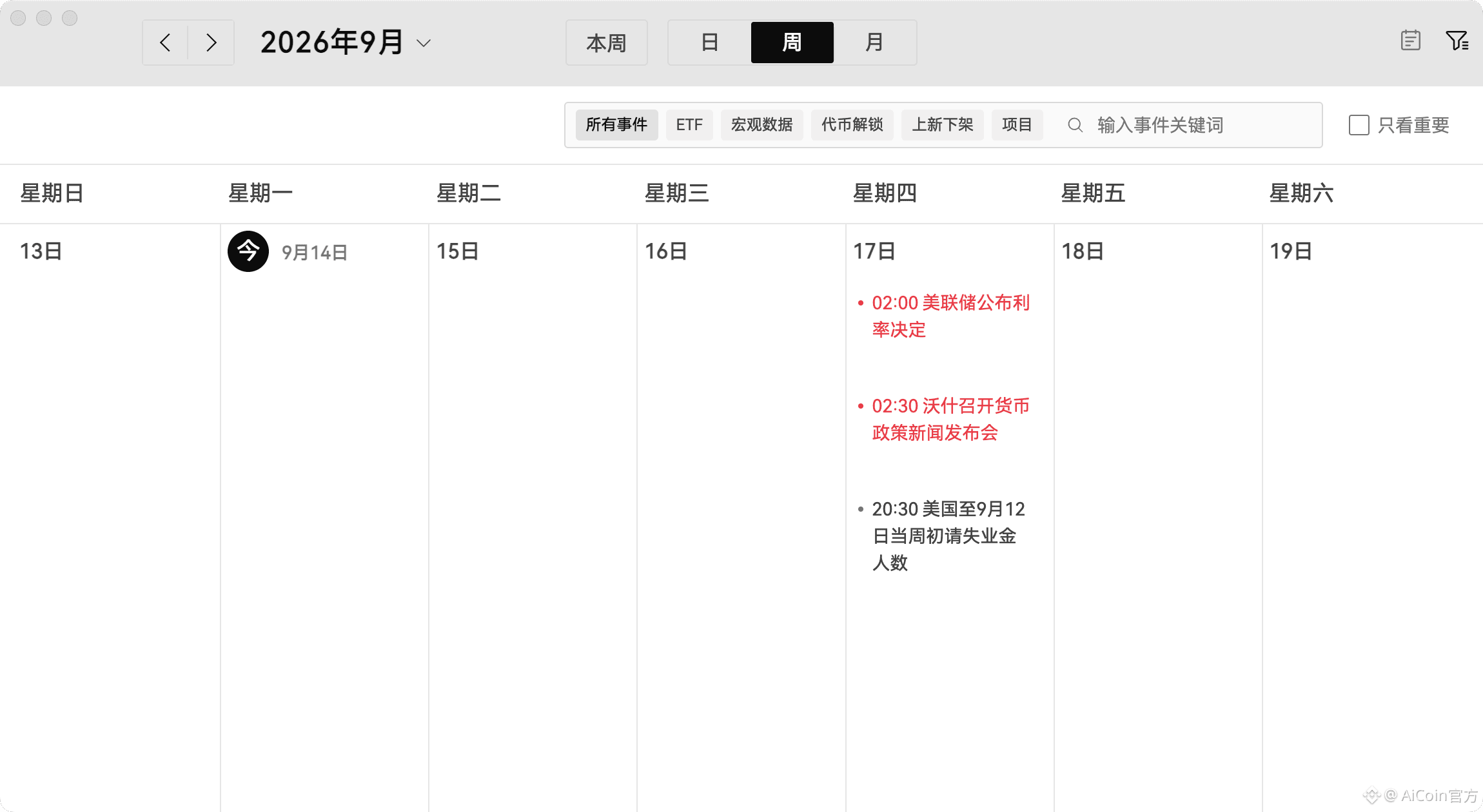
The main focus this week is the Federal Reserve interest rate decision on September 17—macro volatility could noticeably increase.
If you haven’t set up a trading account yet, you may want to prepare in advance. Binance’s September new-user benefits are still available; when registering, enter the invitation code: aicoin668.
On Monday, first watch demand/holding and capital flow around $76,000.
Control your position size well, and use leverage as little as possible. The above is only for sharing market information and does not constitute investment advice.
#LSK24小时上涨超515% #全网爆仓6.74亿美元 #BTC #行情回顾
【BTC Returns to Around 77,000, First Focus on This This New Week】
At the start of the new week, let’s quickly review last week.
BTC fell from around $80,000, down about 4.4% on the week. During the day it briefly dipped to around $76,000. Then it rebounded, pushing back toward $80,000, but failed to hold. It’s now back around $77,000.
For the short term, watch three key levels:
Around $76,000: last week’s low point, key support
Around $78,000: reclaimed again, short-term pressure eases
Around $80,000: repeatedly met resistance recently; to regain strength again, watch here
If $76,000 can hold, the short term is still likely a range-bound market; if price breaks down on increased volume, weakness may continue.
ETH is relatively more resilient. Last week it dropped from around $2,500 to around $2,480, down about 1.5% for the week, but intraweek volatility exceeded 10%, so the swings are still significant.
Sentiment is also cooling. The Fear & Greed Index fell to 57, still in the “Greed” zone. Total liquidations across the whole market were about $670 million, and leveraged funds have been cleared again.
Some unusual movers today:
LSK is up 40%+, BTW is up more than 30%, CVC trading volume has clearly expanded; LAB is down more than 20%, and POWR is also down close to 20%.
These high-momentum coins have large swings—rallies can be fast, and pullbacks can also come quickly. Don’t chase just because it’s pumping.
The main focus this week is the Federal Reserve interest rate decision on September 17—macro volatility could noticeably increase.
If you haven’t set up a trading account yet, you may want to prepare in advance. Binance’s September new-user benefits are still available; when registering, enter the invitation code: aicoin668.
On Monday, first watch demand/holding and capital flow around $76,000.
Control your position size well, and use leverage as little as possible. The above is only for sharing market information and does not constitute investment advice.
#LSK24小时上涨超515% #全网爆仓6.74亿美元 #BTC #行情回顾
At the start of the new week, let’s quickly review last week.
BTC fell from around $80,000, down about 4.4% on the week. During the day it briefly dipped to around $76,000. Then it rebounded, pushing back toward $80,000, but failed to hold. It’s now back around $77,000.
For the short term, watch three key levels:
Around $76,000: last week’s low point, key support
Around $78,000: reclaimed again, short-term pressure eases
Around $80,000: repeatedly met resistance recently; to regain strength again, watch here
If $76,000 can hold, the short term is still likely a range-bound market; if price breaks down on increased volume, weakness may continue.
ETH is relatively more resilient. Last week it dropped from around $2,500 to around $2,480, down about 1.5% for the week, but intraweek volatility exceeded 10%, so the swings are still significant.
Sentiment is also cooling. The Fear & Greed Index fell to 57, still in the “Greed” zone. Total liquidations across the whole market were about $670 million, and leveraged funds have been cleared again.
Some unusual movers today:
LSK is up 40%+, BTW is up more than 30%, CVC trading volume has clearly expanded; LAB is down more than 20%, and POWR is also down close to 20%.
These high-momentum coins have large swings—rallies can be fast, and pullbacks can also come quickly. Don’t chase just because it’s pumping.
The main focus this week is the Federal Reserve interest rate decision on September 17—macro volatility could noticeably increase.
If you haven’t set up a trading account yet, you may want to prepare in advance. Binance’s September new-user benefits are still available; when registering, enter the invitation code: aicoin668.
On Monday, first watch demand/holding and capital flow around $76,000.
Control your position size well, and use leverage as little as possible. The above is only for sharing market information and does not constitute investment advice.
#LSK24小时上涨超515% #全网爆仓6.74亿美元 #BTC #行情回顾
1
3.4k
·
--
【AiCoin丨9.14 Snapshot: Big Whales Accumulate More, Bridge Vulnerability Cash-Out, Reserves Hit a New High】1. White House economic adviser Hassett: Trump and I both believe there is no reason for the Federal Reserve to raise interest rates; Trump: The United States should have the world’s lowest interest rates
The White House economic adviser Hassett said that President Trump and Hassett himself both believe there is no reason to raise interest rates. Keeping the Federal Reserve’s current stance unchanged before the election is important, and Trump fully respects the independence of Federal Reserve Chair Kevin Wosh. - Original text
2. SEC Commissioner Peirce: The Bitcoin and Crypto Clarity Act is about to become law in the United States
SEC Commissioner Hester Peirce said that the Bitcoin and Crypto Clarity Act will soon become law in the United States, and she looks forward to the bill completing the legislative process. - Original text
【AiCoin丨9.14 Snapshot: Big Whales Accumulate More, Bridge Vulnerability Cash-Out, Reserves Hit a New High】
1. White House economic adviser Hassett: Trump and I both believe there is no reason for the Federal Reserve to raise interest rates; Trump: The United States should have the world’s lowest interest rates
The White House economic adviser Hassett said that President Trump and Hassett himself both believe there is no reason to raise interest rates. Keeping the Federal Reserve’s current stance unchanged before the election is important, and Trump fully respects the independence of Federal Reserve Chair Kevin Wosh. - Original text
2. SEC Commissioner Peirce: The Bitcoin and Crypto Clarity Act is about to become law in the United States
SEC Commissioner Hester Peirce said that the Bitcoin and Crypto Clarity Act will soon become law in the United States, and she looks forward to the bill completing the legislative process. - Original text
The White House economic adviser Hassett said that President Trump and Hassett himself both believe there is no reason to raise interest rates. Keeping the Federal Reserve’s current stance unchanged before the election is important, and Trump fully respects the independence of Federal Reserve Chair Kevin Wosh. - Original text
2. SEC Commissioner Peirce: The Bitcoin and Crypto Clarity Act is about to become law in the United States
SEC Commissioner Hester Peirce said that the Bitcoin and Crypto Clarity Act will soon become law in the United States, and she looks forward to the bill completing the legislative process. - Original text
3
1
1.4k
·
--
Verified
【AiCoin丨9.13 Snapshot: U.S.-Iran talks, no Fed rate hike, and the House considers a crypto tax】1. White House officials: Trump is optimistic about the passage of the Bitcoin and Crypto Clarity Act on September 15
A U.S. presidential official in the White House said that they are optimistic about the passage of the Bitcoin and Crypto Clarity Act on September 15. -Original
2. Trump said the U.S.-Iran war will end soon and that he is seeking to return to negotiations with Iran
U.S. President Donald Trump said that the U.S.-Iran war will end soon. -Original
3. Crypto analyst Darkfost: There is no urgency for the Fed to raise rates in September
Crypto analyst Darkfost said that the U.S. core CPI has reached a low in more than 5 years. Although monthly inflation remains high, the long-term downward trend since 2022 is clear. The Fed’s decisions are based on long-term developments, and there is no urgency to raise rates in September. (Source: the Federal Reserve) AI interpretation: The continued decline in core inflation indicators clearly shows a long-term trend of easing price pressure. The Fed’s current focus has shifted from suppressing inflation to balancing economic growth. Keeping rates unchanged in September is an inevitable choice supported by the data. This trend weakens the necessity for further tightening, and market consensus on a rate peak has been further reinforced. Policymakers will continue to maintain current high interest rates to observe how the economy responds next; the window for rate hikes has already closed in the near term. -Original
【AiCoin丨9.13 Snapshot: U.S.-Iran talks, no Fed rate hike, and the House considers a crypto tax】
1. White House officials: Trump is optimistic about the passage of the Bitcoin and Crypto Clarity Act on September 15
A U.S. presidential official in the White House said that they are optimistic about the passage of the Bitcoin and Crypto Clarity Act on September 15. -Original
2. Trump said the U.S.-Iran war will end soon and that he is seeking to return to negotiations with Iran
U.S. President Donald Trump said that the U.S.-Iran war will end soon. -Original
3. Crypto analyst Darkfost: There is no urgency for the Fed to raise rates in September
Crypto analyst Darkfost said that the U.S. core CPI has reached a low in more than 5 years. Although monthly inflation remains high, the long-term downward trend since 2022 is clear. The Fed’s decisions are based on long-term developments, and there is no urgency to raise rates in September. (Source: the Federal Reserve) AI interpretation: The continued decline in core inflation indicators clearly shows a long-term trend of easing price pressure. The Fed’s current focus has shifted from suppressing inflation to balancing economic growth. Keeping rates unchanged in September is an inevitable choice supported by the data. This trend weakens the necessity for further tightening, and market consensus on a rate peak has been further reinforced. Policymakers will continue to maintain current high interest rates to observe how the economy responds next; the window for rate hikes has already closed in the near term. -Original
A U.S. presidential official in the White House said that they are optimistic about the passage of the Bitcoin and Crypto Clarity Act on September 15. -Original
2. Trump said the U.S.-Iran war will end soon and that he is seeking to return to negotiations with Iran
U.S. President Donald Trump said that the U.S.-Iran war will end soon. -Original
3. Crypto analyst Darkfost: There is no urgency for the Fed to raise rates in September
Crypto analyst Darkfost said that the U.S. core CPI has reached a low in more than 5 years. Although monthly inflation remains high, the long-term downward trend since 2022 is clear. The Fed’s decisions are based on long-term developments, and there is no urgency to raise rates in September. (Source: the Federal Reserve) AI interpretation: The continued decline in core inflation indicators clearly shows a long-term trend of easing price pressure. The Fed’s current focus has shifted from suppressing inflation to balancing economic growth. Keeping rates unchanged in September is an inevitable choice supported by the data. This trend weakens the necessity for further tightening, and market consensus on a rate peak has been further reinforced. Policymakers will continue to maintain current high interest rates to observe how the economy responds next; the window for rate hikes has already closed in the near term. -Original
1
1.3k
Log in to explore more content
Join global crypto users on Binance Square
⚡️ Get latest and useful information about crypto.
💬 Trusted by the world’s largest crypto exchange.
👍 Discover real insights from verified creators.
Email / Phone number
Trending Topics
SaylorHintsStrategyBitcoinBuy
2.2M views
11,984 Discussing
#saylorhintsstrategybitcoinbuy
🚨 SAYLOR JUST DROPPED THE SUNDAY $BTC HINT 👀
Michael Saylor reposted his usual Bitcoin chart again.
If history repeats, those orange dots could be signaling another Strategy BTC purchase is coming. 🟠
And when Saylor buys, the market watches.
🐋 Massive BTC holdings
💰 Continued accumulation strategy
📈 Potential short-term sentiment boost
But here’s the key:
A repost is NOT confirmation of a purchase.
The real signal comes when Strategy officially reports the transaction.
🔥 If another major BTC buy is announced, will the market react this time?
Or is Saylor’s accumulation becoming so routine that traders barely react anymore?
👀 Watch the announcement.
$MSTRB
#BTC #strategy #crypto #BitcoinNews
sdatta
·4 Likes
·3.2k views
BOJRaisesRatesTo31YearHigh
212,903 views
3,013 Discussing
BuffettStepsDownAsBerkshireChairman
102,766 views
1,597 Discussing