
#onchainprivacy
onchainprivacy
466 views
14 Discussing
Hot
Latest

Can confidential payments make stablecoins more practical without making activity invisible?
Zama spin-off Raycash says its Ethereum mainnet private beta is live. It starts with USDC, which users can wrap 1:1 into confidential ERC-7984 tokens for payments; the app also offers Morpho yield and handles Ethereum gas fees in the background. Raycash says balances and transfer amounts stay encrypted; sender and recipient addresses remain visible onchain, so this is privacy of amounts—not transaction anonymity. Access is staged, with 500 private-beta spots reserved for the Zama community. The Block reported a waitlist above 75,000.
Sources: Raycash official X https://x.com/raycashxyz/status/2119728247550230957 · The Block https://www.theblock.co/news/defi/2026-11-09-zama-spin-off-raycash-launches-confidential-stablecoin-payments-private-yield-ethereum-435909 · Privacy caveat: Crypto Briefing https://cryptobriefing.com/raycash-confidential-stablecoin-payments-ethereum/
Conclusion: This is a beta-stage product launch, not evidence of adoption or price impact. $USDC chart: Binance Spot USDC/USDT https://www.binance.com/en/trade/USDC_USDT?type=spot. Check the chart for yourself, do your own research, and trade responsibly.
#Raycash #USDC #Ethereum #OnchainPrivacy

42

@nillionnetwork
Privacy could be the next major upgrade for onchain markets.
$NIL is exploring a model where trade instructions, bids, and payments stay encrypted until predefined conditions are met. Instead of exposing a strategy in advance, users could keep it sealed until execution.
That could help reduce information leakage, limit front-running concerns, and make automated DeFi strategies more flexible.
With DUSK bringing Covenants to Ethereum Layer 1, the bigger idea is clear: onchain markets where users control not just what they do, but when that information becomes visible.
#Nillion #NIL #DEFİ i #OnchainPrivacy
@Nillion
Privacy could be the next major upgrade for onchain markets.
$NIL is exploring a model where trade instructions, bids, and payments stay encrypted until predefined conditions are met. Instead of exposing a strategy in advance, users could keep it sealed until execution.
That could help reduce information leakage, limit front-running concerns, and make automated DeFi strategies more flexible.
With DUSK bringing Covenants to Ethereum Layer 1, the bigger idea is clear: onchain markets where users control not just what they do, but when that information becomes visible.
#Nillion #NIL #DEFİ i #OnchainPrivacy
3
106
·
--
The next stop for on-chain finance may not be more data, but less visibility.
Co-founder Illia, founder of $NEAR , just posted: near.com has already set “financial confidentiality” as the default option—balances, deposits, exchanges, earnings, and payment histories are all only visible to the user. This isn’t a mere UI toggle change; it represents a shift in the default stance of the entire chain—from an “open ledger” mindset toward a “privacy wallet” approach.
In recent years, we’ve seen too many narratives that say “on-chain visibility equals trust.” But in reality, open on-chain data doesn’t naturally equate to security. Address linkage, exposure of holdings, and leakage of transaction habits instead expand the attack surface and create entry points for emotional manipulation. MEV, tracking, copy-trading, targeted sniping—all of them are built on the premise that “others can see you.”
Building confidentiality into the default value flips the power dynamic in decision-making: we no longer ask users to actively enable privacy; instead, privacy becomes part of public infrastructure. This is on the same trajectory as account abstraction, payment channels, and the push for zk proofs—on-chain identity is moving from “full nudity transparency” toward “disclose only when needed.”
A few noteworthy points:
1. Once a default is established, tools across the ecosystem, DApps, and stablecoin issuers will all need to re-adapt their reading logic, and in the short term it may spark compatibility discussions.
2. Privacy ≠ anonymity. Regulators, compliance, and settlement layers still need verifiable paths. NEAR’s “financial confidentiality” this time is more like an application-layer privacy wrapper, rather than a change to the underlying consensus.
3. From a user-experience perspective, this is one of the rare changes that makes Web3 products “feel more like traditional banking,” and it will likely be more readily accepted by retail users.
If you’re concerned with the long-term evolution of wallet interactions, NEAR’s default reversal is worth recording as a milestone.
#NEAR #OnchainPrivacy
42
·
--
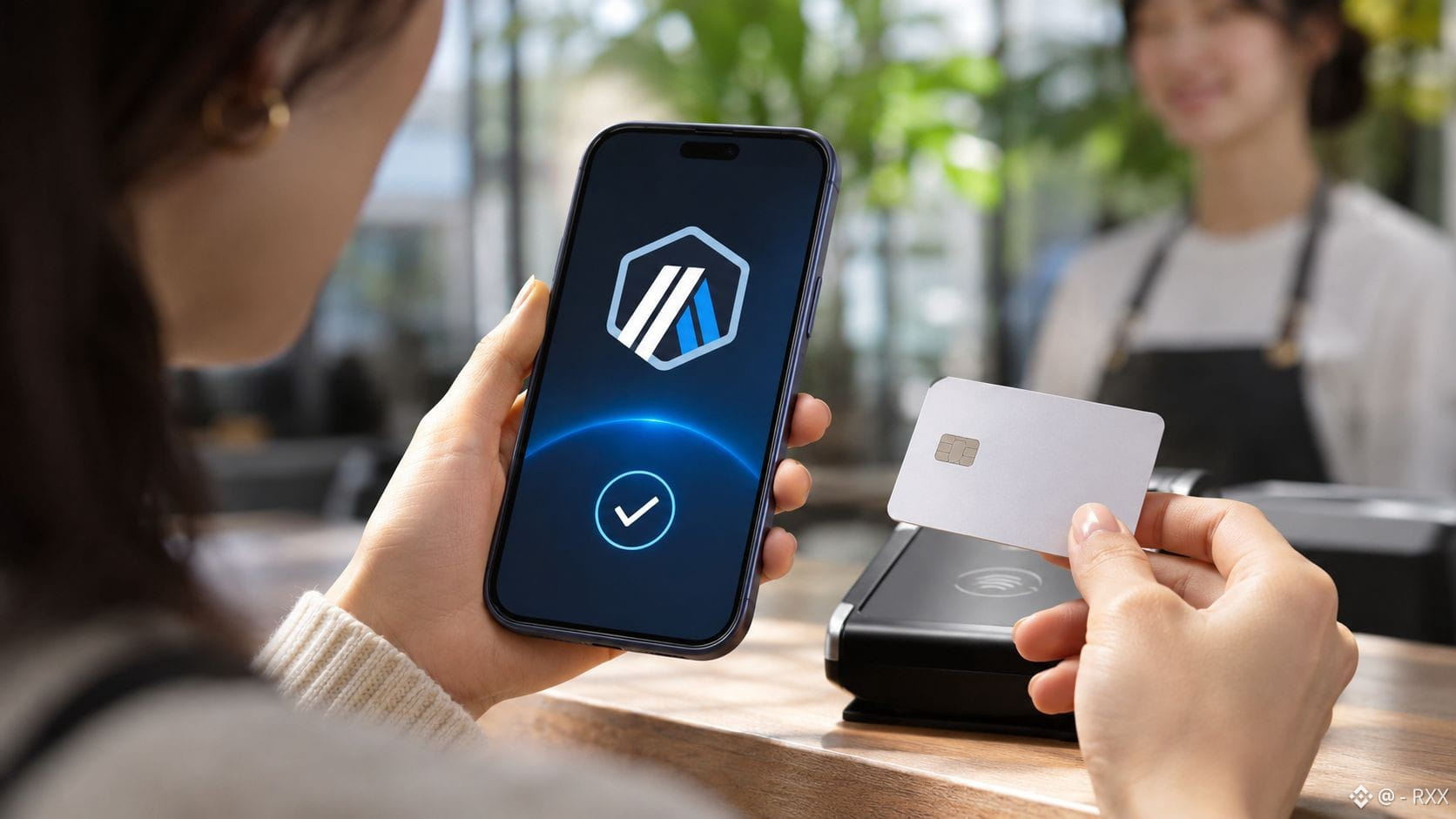
Arbitrum’s private stablecoin deposits
💳 Imagine buying digital dollars by card without funding a public wallet first.
That’s the shortcut Arbitrum just added through Hinkal. A supported on-ramp can send $USDC or $USDT straight to a confidential account.
Think about paying a contractor. They need to know the payment arrived. They don’t need a tour of the wallet you use for everything else.
That’s a much easier reason to care about what’s being built on $ARB than another thread telling me privacy is “the next narrative.”
#ARBİTRUM #Stablecoins #OnChainPrivacy #CryptoPayments #BinanceSquare
1
55

·
--
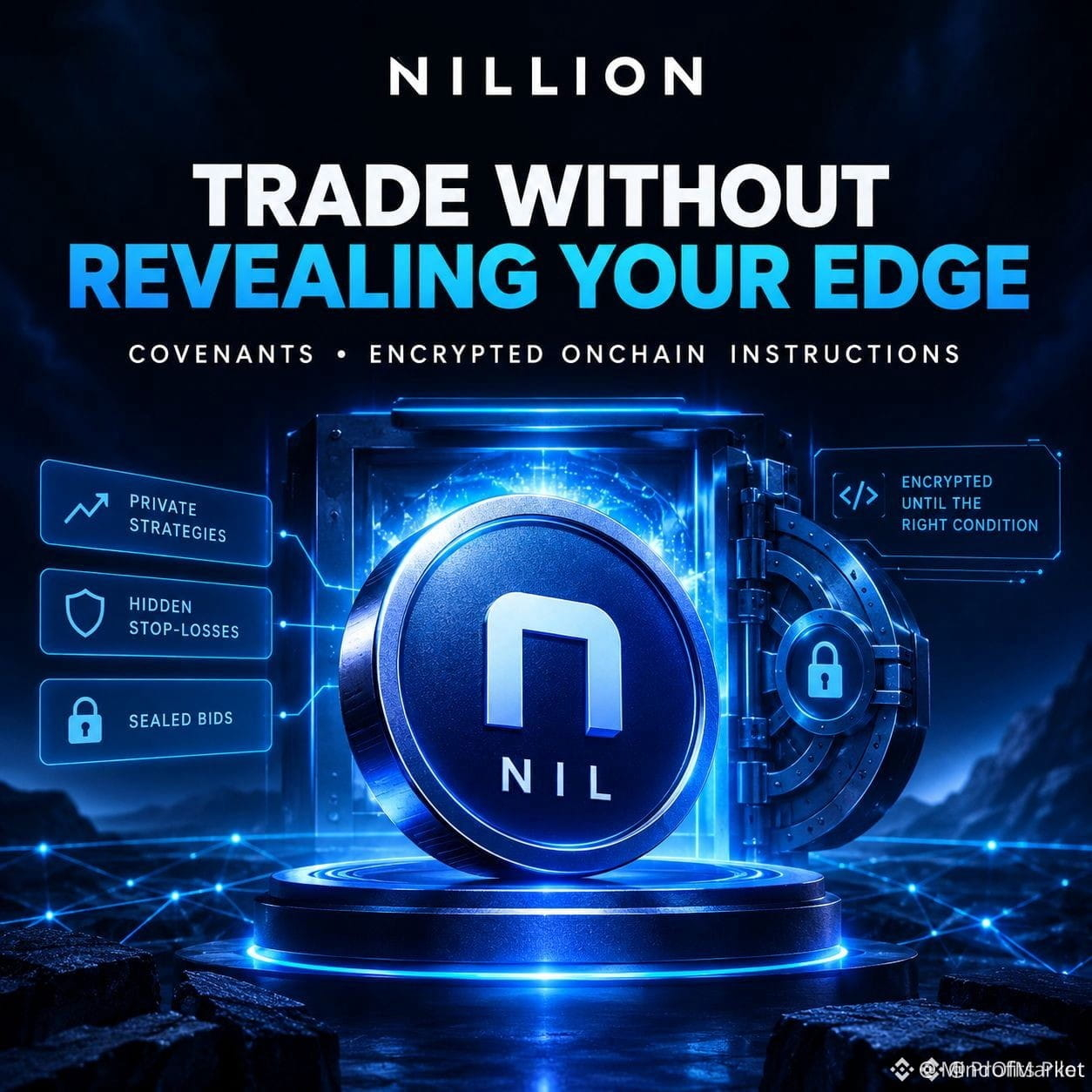
🚨 $NIL DRIVES ONCHAIN PRIVACY REWRITE FOR TRADERS 🦈
📊 Nillion’s covenant layer encrypts strategy parameters while keeping them executable under pre‑set conditions, giving smart‑money operators a stealthy edge. 🧩 This on‑chain privacy shield lets large players mask stop‑losses and order intent, reducing front‑running risk and preserving execution efficiency. 💡 The architecture mirrors institutional vaults: data is sealed yet callable, turning hidden liquidity into a tactical asset.
📌 Adoption will be the decisive catalyst—once developers embed covenants at scale, the market could see a structural shift where confidential order flow becomes a norm rather than an exception. 🤔 How will hidden strategy layers reshape liquidity dynamics on a major exchange? 💬
⚠️ Not financial advice. Always manage your risk. 🛡️
🏷️ #NIL #OnchainPrivacy #SmartMoney #Crypto #DeFi
🦈 🚀
18
Log in to explore more content
Join global crypto users on Binance Square
⚡️ Get latest and useful information about crypto.
💬 Trusted by the world’s largest crypto exchange.
👍 Discover real insights from verified creators.
Email / Phone number
Trending Topics
1
#CanMarketsReboundAfterThanksgiving?
135,592 views
1,683 Discussing
2
#CouldSpaceX’sOrbitalDataCentersBoostAIChipDemand?
65,225 views
1,024 Discussing
3
#SouthKoreaProposesMandatoryDigitalAssetTransactionDisclosure
1,919 views
58 Discussing
4
#EvolveAtBinanceBlockchainWeek
780,799 views
9,805 Discussing
5
#KoreaFSCSeeksPowerToSuspendCryptoListings
14,112 views
246 Discussing
6
#SouthKoreaPlansToRequireTetherCircleLocalReserves
11,569 views
182 Discussing
7
#UKFCAReportedlyPlansDeFiAuthorizationRules
9,414 views
117 Discussing
8
#ZcashDevelopersUrgeZECMoveToIronwood
19,958 views
119 Discussing
9
#TetherGoldFaces$2.55BUnrealizedLoss
2,070 views
12 Discussing
10
#CorePCEBeatLiftsFedHikeOdds
269,254 views
1,772 Discussing