

#hiv
hiv
7,578 views
10 Discussing
Hot
Latest

·
--
Not that kind of “injections beat pills”—this is a tougher kind of comparison.
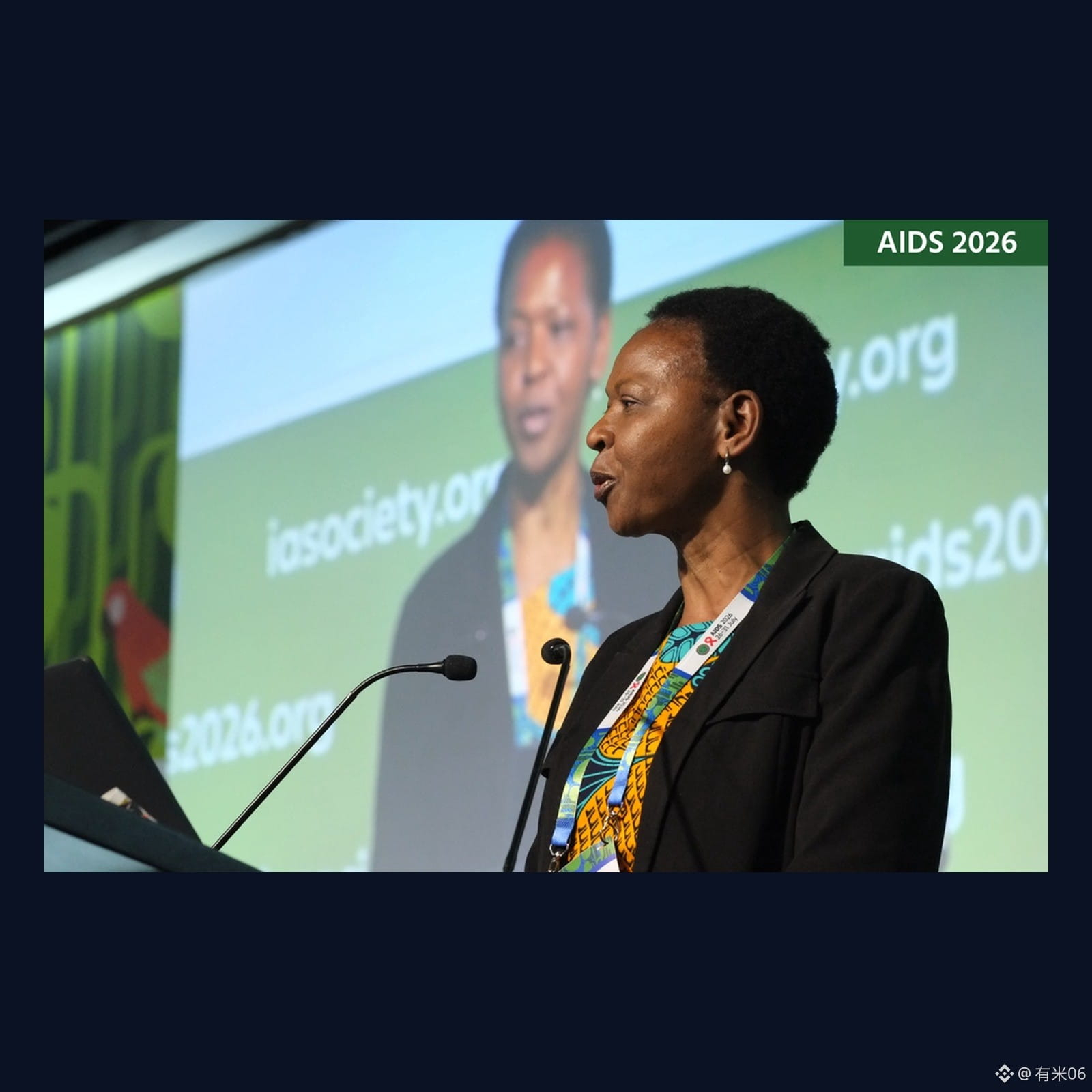
The LATA trial led by UCL: five clinics in Kenya, South Africa, Uganda, and Zimbabwe enrolled 476 adolescents aged 12 to 19 who already had viral suppression. They were randomly assigned to either daily tablets or a long-acting injection once every eight weeks (cabotegravir + rilpivirine). After about 96 weeks, in the injection group only 2 people (about 1%) had confirmed viral rebound, versus 15 people (about 6%) in the tablet group. In the injection group, 94% said it was much easier than having to take pills every day.
The boundaries were spelled out as well: those enrolled were people who had been taking pills for more than a year without treatment failure; most had had HIV since birth. This is not a one-size-fits-all solution for people who are not yet virally suppressed. Patent pricing, cold-chain storage, nurse scheduling—most African clinics still can’t make use of these things right now.
#HIV #medical research
Not that kind of “injections beat pills”—this is a tougher kind of comparison.
The LATA trial led by UCL: five clinics in Kenya, South Africa, Uganda, and Zimbabwe enrolled 476 adolescents aged 12 to 19 who already had viral suppression. They were randomly assigned to either daily tablets or a long-acting injection once every eight weeks (cabotegravir + rilpivirine). After about 96 weeks, in the injection group only 2 people (about 1%) had confirmed viral rebound, versus 15 people (about 6%) in the tablet group. In the injection group, 94% said it was much easier than having to take pills every day.
The boundaries were spelled out as well: those enrolled were people who had been taking pills for more than a year without treatment failure; most had had HIV since birth. This is not a one-size-fits-all solution for people who are not yet virally suppressed. Patent pricing, cold-chain storage, nurse scheduling—most African clinics still can’t make use of these things right now.
#HIV #medical research
The LATA trial led by UCL: five clinics in Kenya, South Africa, Uganda, and Zimbabwe enrolled 476 adolescents aged 12 to 19 who already had viral suppression. They were randomly assigned to either daily tablets or a long-acting injection once every eight weeks (cabotegravir + rilpivirine). After about 96 weeks, in the injection group only 2 people (about 1%) had confirmed viral rebound, versus 15 people (about 6%) in the tablet group. In the injection group, 94% said it was much easier than having to take pills every day.
The boundaries were spelled out as well: those enrolled were people who had been taking pills for more than a year without treatment failure; most had had HIV since birth. This is not a one-size-fits-all solution for people who are not yet virally suppressed. Patent pricing, cold-chain storage, nurse scheduling—most African clinics still can’t make use of these things right now.
#HIV #medical research

113
·
--
Instant takeaway: broad neutralizing antibodies (bNAbs) are not just a “temporary stop” for HIV—follow-up analyses of the RIO trial by teams including Rockefeller suggest they are more like “teaching” the immune system to jointly control the virus, while also accelerating the decline of the latent viral reservoir.
According to a Rockefeller press release (2026-09-17) and Nature Medicine: after administering a long-acting dual-antibody regimen (3BNC117-LS + 10-1074-LS) to 68 male participants, the researchers paused participants’ daily antiretroviral medication under intensive monitoring. Follow-up findings: among those who already had neutralizing antibodies of their own, the average time until restarting medication was about 108 weeks; among those without them, about 27.5 weeks. The estimated half-life of intact, potentially reactivatable proviral DNA was roughly 36 weeks—whereas with daily medication, it typically takes years to achieve similar effects. Some people remained virus-undetectable long after the antibodies had already cleared, while others showed low-level “fluctuating” viremia. Rebound viruses commonly developed resistance to one of the two antibodies, suggesting that more stable combinations are needed—or that a vaccine should first be used to add the “third teammate.”
This is not a cure claim, nor is it effective for everyone; the next question is how to make the good outcomes more widely applicable.
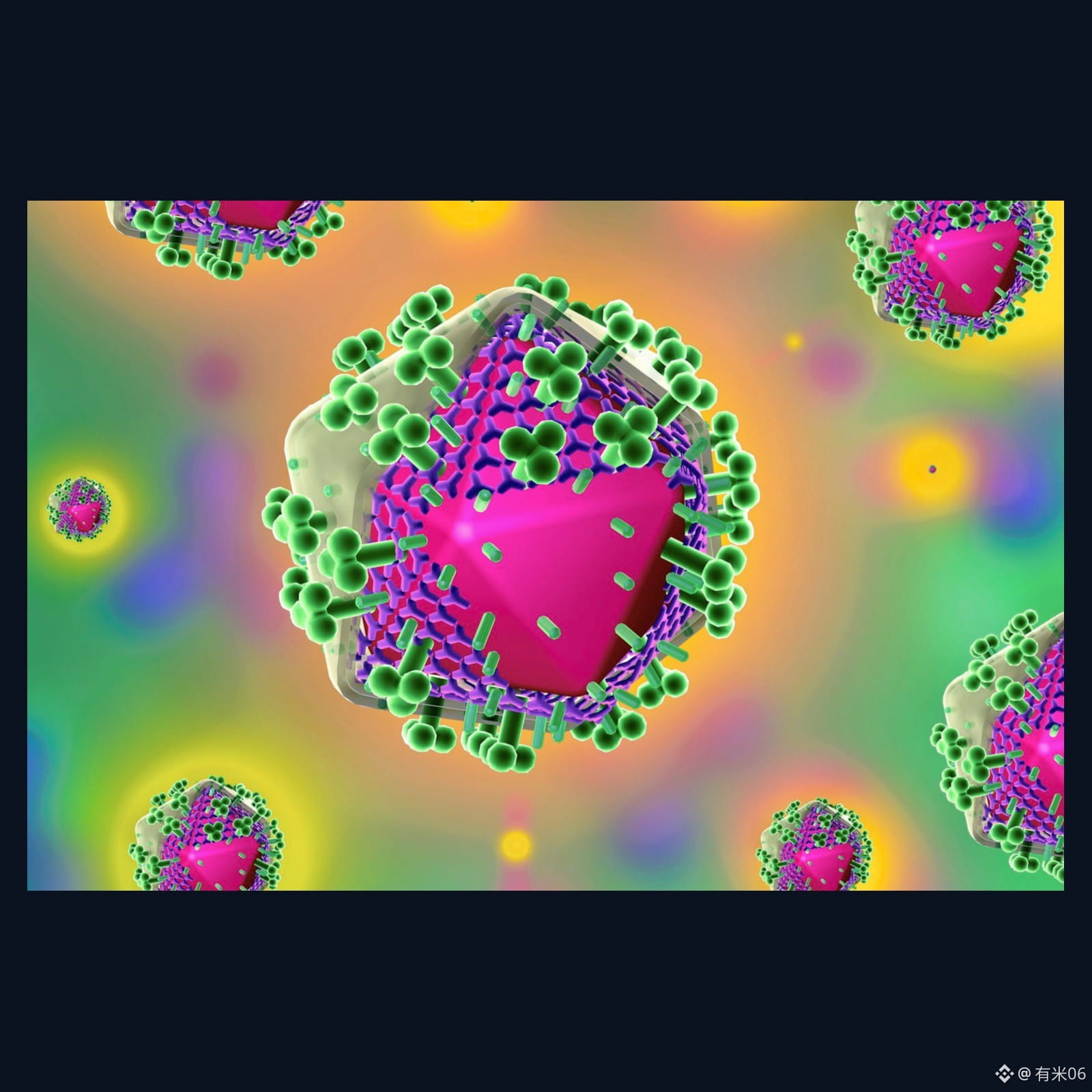
The figure is adapted from Rockefeller’s press-release materials (Science Photo Library illustration; not clinical imaging).
Data as of: 2026-09-17 (press-release date; journal online notation 2026-09-15)
#HIV #免疫 #Science
Instant takeaway: broad neutralizing antibodies (bNAbs) are not just a “temporary stop” for HIV—follow-up analyses of the RIO trial by teams including Rockefeller suggest they are more like “teaching” the immune system to jointly control the virus, while also accelerating the decline of the latent viral reservoir.
According to a Rockefeller press release (2026-09-17) and Nature Medicine: after administering a long-acting dual-antibody regimen (3BNC117-LS + 10-1074-LS) to 68 male participants, the researchers paused participants’ daily antiretroviral medication under intensive monitoring. Follow-up findings: among those who already had neutralizing antibodies of their own, the average time until restarting medication was about 108 weeks; among those without them, about 27.5 weeks. The estimated half-life of intact, potentially reactivatable proviral DNA was roughly 36 weeks—whereas with daily medication, it typically takes years to achieve similar effects. Some people remained virus-undetectable long after the antibodies had already cleared, while others showed low-level “fluctuating” viremia. Rebound viruses commonly developed resistance to one of the two antibodies, suggesting that more stable combinations are needed—or that a vaccine should first be used to add the “third teammate.”
This is not a cure claim, nor is it effective for everyone; the next question is how to make the good outcomes more widely applicable.
The figure is adapted from Rockefeller’s press-release materials (Science Photo Library illustration; not clinical imaging).
Data as of: 2026-09-17 (press-release date; journal online notation 2026-09-15)
#HIV #免疫 #Science
According to a Rockefeller press release (2026-09-17) and Nature Medicine: after administering a long-acting dual-antibody regimen (3BNC117-LS + 10-1074-LS) to 68 male participants, the researchers paused participants’ daily antiretroviral medication under intensive monitoring. Follow-up findings: among those who already had neutralizing antibodies of their own, the average time until restarting medication was about 108 weeks; among those without them, about 27.5 weeks. The estimated half-life of intact, potentially reactivatable proviral DNA was roughly 36 weeks—whereas with daily medication, it typically takes years to achieve similar effects. Some people remained virus-undetectable long after the antibodies had already cleared, while others showed low-level “fluctuating” viremia. Rebound viruses commonly developed resistance to one of the two antibodies, suggesting that more stable combinations are needed—or that a vaccine should first be used to add the “third teammate.”
This is not a cure claim, nor is it effective for everyone; the next question is how to make the good outcomes more widely applicable.
The figure is adapted from Rockefeller’s press-release materials (Science Photo Library illustration; not clinical imaging).
Data as of: 2026-09-17 (press-release date; journal online notation 2026-09-15)
#HIV #免疫 #Science
34

·
--
Bullish
🚀 HIVE POWERING COMMUNITIES!
$HIVE is gaining attention as a fast, decentralized blockchain powering social apps, gaming, and Web3 communities
With its fee less transactions and active ecosystem, HIVE continues to attract builders and users looking for scalable blockchain solutions. 🌐
Do you think $HIVE has the potential to become a major player in the next crypto bull cycle? 🤔
💬 Share your thoughts below:
🔹 Are you holding HIVE?
🔹 What's your price prediction for HIVE this year?
#HIV E #Crypto #Blockchain #Web3 #BinanceSquare 🚀
$HIVE
{spot}(HIVEUSDT)
🚀 HIVE POWERING COMMUNITIES!
$HIVE is gaining attention as a fast, decentralized blockchain powering social apps, gaming, and Web3 communities
With its fee less transactions and active ecosystem, HIVE continues to attract builders and users looking for scalable blockchain solutions. 🌐
Do you think $HIVE has the potential to become a major player in the next crypto bull cycle? 🤔
💬 Share your thoughts below:
🔹 Are you holding HIVE?
🔹 What's your price prediction for HIVE this year?
#HIV E #Crypto #Blockchain #Web3 #BinanceSquare 🚀
$HIVE
$HIVE is gaining attention as a fast, decentralized blockchain powering social apps, gaming, and Web3 communities
With its fee less transactions and active ecosystem, HIVE continues to attract builders and users looking for scalable blockchain solutions. 🌐
Do you think $HIVE has the potential to become a major player in the next crypto bull cycle? 🤔
💬 Share your thoughts below:
🔹 Are you holding HIVE?
🔹 What's your price prediction for HIVE this year?
#HIV E #Crypto #Blockchain #Web3 #BinanceSquare 🚀
$HIVE

1
170
Log in to explore more content
Join global crypto users on Binance Square
⚡️ Get latest and useful information about crypto.
💬 Trusted by the world’s largest crypto exchange.
👍 Discover real insights from verified creators.
Email / Phone number
Trending Topics
1
#EarningsSeason
300,308 views
2,443 Discussing
2
#BitwiseLaunchesFirstSpotNEARETF
24,443 views
506 Discussing
3
#USJobOpeningsFallToFiveMonthLow
29,573 views
385 Discussing
4
#ECBToTestAIAgentsInDigitalEuroPayments
24,038 views
525 Discussing
5
#JapanFSABacksFourthStablecoinTradeSettlementPilot
27,518 views
551 Discussing
6
#BitgetHackerFailsToMoveStolenFunds
43,041 views
615 Discussing
7
#BitMineETHHoldingsTop6Million
35,866 views
713 Discussing
8
#StrategyAdds1666BTCHoldingsReach847666
29,859 views
499 Discussing
9
#NvidiaApproves$150BBuyback
5,336 views
75 Discussing
10
#OpenAIDelaysGPT6.1OverSafetyIssues
44,768 views
889 Discussing