
#cedefi
cedefi
225,292 views
1,628 Discussing
Hot
Latest

·
--
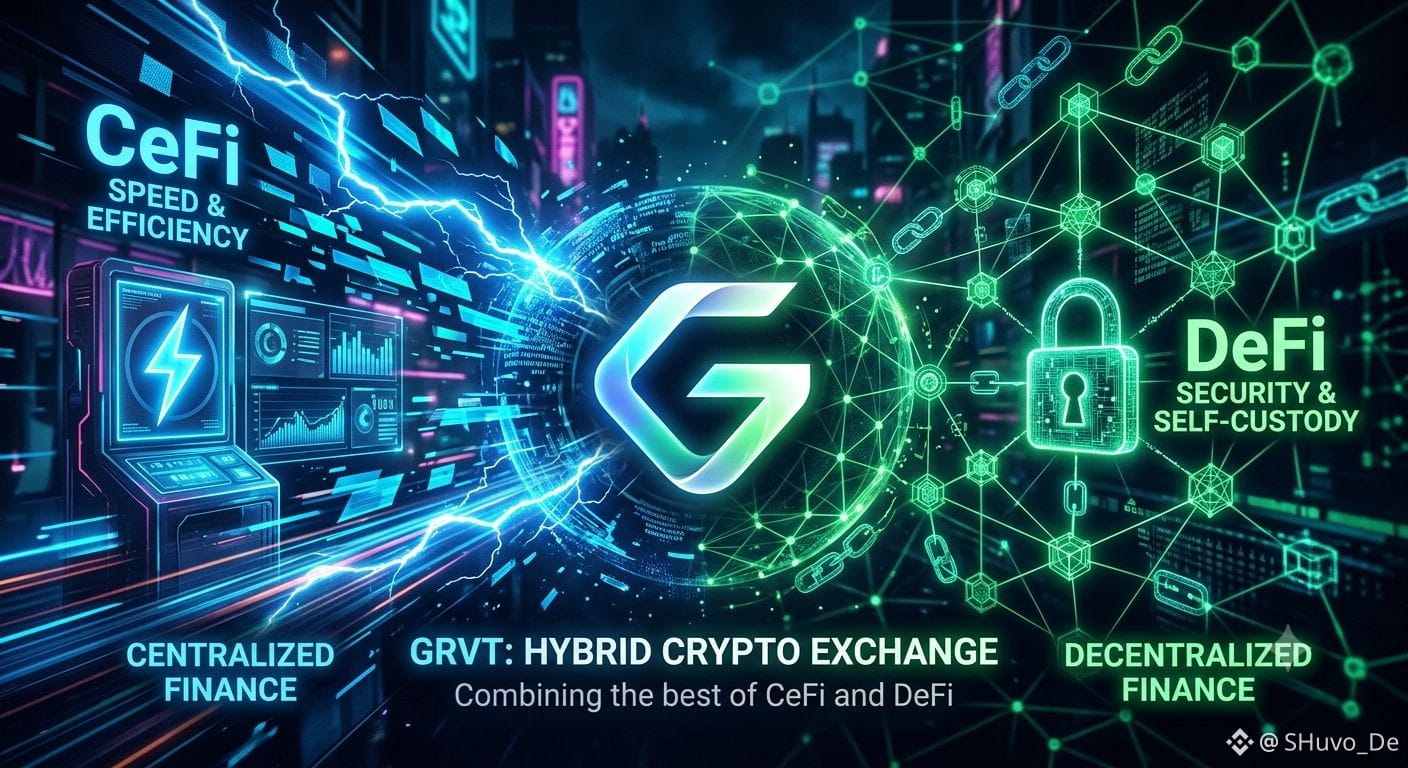
For years, crypto forced us into a toxic compromise.
You either chose the lightning speed of CeFi (and prayed the exchange wouldn't freeze your assets), or you chose the uncompromised security of DeFi (and suffered through high gas fees and slow execution).
@grvt_io is officially ending the trade-off.
As a next-generation Hybrid Exchange (HEX), GRVT fuses an off-chain order book’s hyper-efficiency with on-chain settlement's absolute self-custody.
No compromises. Your keys, your speed, your control. The paradigm has shifted. ⚡🛡️
#GRVT #HybridExchange #cryptotrading #Web3 #CeDeFi
For years, crypto forced us into a toxic compromise.
You either chose the lightning speed of CeFi (and prayed the exchange wouldn't freeze your assets), or you chose the uncompromised security of DeFi (and suffered through high gas fees and slow execution).
@grvt_io is officially ending the trade-off.
As a next-generation Hybrid Exchange (HEX), GRVT fuses an off-chain order book’s hyper-efficiency with on-chain settlement's absolute self-custody.
No compromises. Your keys, your speed, your control. The paradigm has shifted. ⚡🛡️
#GRVT #HybridExchange #cryptotrading #Web3 #CeDeFi
You either chose the lightning speed of CeFi (and prayed the exchange wouldn't freeze your assets), or you chose the uncompromised security of DeFi (and suffered through high gas fees and slow execution).
@grvt_io is officially ending the trade-off.
As a next-generation Hybrid Exchange (HEX), GRVT fuses an off-chain order book’s hyper-efficiency with on-chain settlement's absolute self-custody.
No compromises. Your keys, your speed, your control. The paradigm has shifted. ⚡🛡️
#GRVT #HybridExchange #cryptotrading #Web3 #CeDeFi
4
6
92

·
--
🚀 GRVT is just getting started.
The team is building beyond a typical exchange: ✅ Fast execution ✅ Self-custody ✅ Real-world asset (RWA) expansion ✅ Growing ecosystem & community
With the recent progress around $GRVT, this could be one of the most interesting CeDeFi projects to watch this cycle. The roadmap keeps expanding and the community remains active. �
Grvt +1
Question for the community 👇
If you had to choose only ONE reason to stay bullish on GRVT, what would it be?
🔁 Technology
💰 Rewards
🌍 RWA vision
🤝 Community
#grvt #cryptouniverseofficial #DeFi #CeDeFi
🚀 GRVT is just getting started.
The team is building beyond a typical exchange: ✅ Fast execution ✅ Self-custody ✅ Real-world asset (RWA) expansion ✅ Growing ecosystem & community
With the recent progress around $GRVT, this could be one of the most interesting CeDeFi projects to watch this cycle. The roadmap keeps expanding and the community remains active. �
Grvt +1
Question for the community 👇
If you had to choose only ONE reason to stay bullish on GRVT, what would it be?
🔁 Technology
💰 Rewards
🌍 RWA vision
🤝 Community
#grvt #cryptouniverseofficial #DeFi #CeDeFi
The team is building beyond a typical exchange: ✅ Fast execution ✅ Self-custody ✅ Real-world asset (RWA) expansion ✅ Growing ecosystem & community
With the recent progress around $GRVT, this could be one of the most interesting CeDeFi projects to watch this cycle. The roadmap keeps expanding and the community remains active. �
Grvt +1
Question for the community 👇
If you had to choose only ONE reason to stay bullish on GRVT, what would it be?
🔁 Technology
💰 Rewards
🌍 RWA vision
🤝 Community
#grvt #cryptouniverseofficial #DeFi #CeDeFi
1
93

·
--
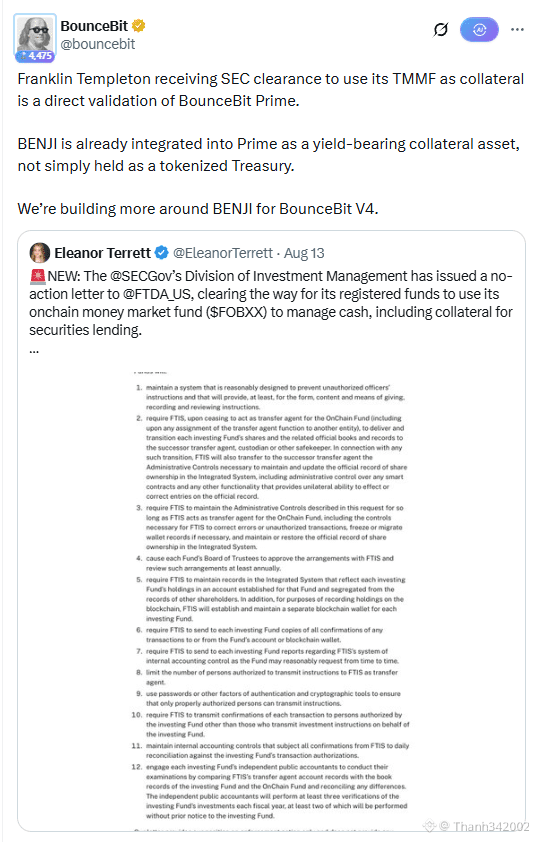
Tokenized Treasuries are moving from passive assets to productive collateral.
Franklin Templeton receiving SEC clearance related to using its tokenized money market fund as collateral is an important signal for the direction of institutional RWA infrastructure.
The significance goes beyond tokenization.
A yield-bearing money market position can potentially serve another function at the same time: collateral.
That is exactly the model BounceBit Prime has been building around.
BENJI is already integrated into Prime as a yield-bearing collateral asset.
It is not simply a tokenized Treasury sitting in a wallet.
Prime connects tokenized cash-equivalent assets with institutional trading workflows, allowing capital to remain productive while being used within a broader collateral structure.
And this is not the endpoint.
BounceBit is building more around BENJI for V4, pushing the asset deeper into the ecosystem’s capital stack.
The broader evolution looks like:
Tokenize → Earn → Collateralize → Trade → Redeploy
This is why RWA adoption should not be measured only by the amount of assets brought onchain.
The more important question is what those assets can actually do once they arrive.
Tokenization creates the asset layer.
Productive collateral creates the utility layer.
And institutional connectivity creates the pathway for that capital to move.
BENJI + Prime is already an example of this transition.
V4 could take that model further.
#BounceBit #BB $BB
{future}(BBUSDT)
#BENJI #Prime #RWA #Tokenization #CeDeFi
Tokenized Treasuries are moving from passive assets to productive collateral.
Franklin Templeton receiving SEC clearance related to using its tokenized money market fund as collateral is an important signal for the direction of institutional RWA infrastructure.
The significance goes beyond tokenization.
A yield-bearing money market position can potentially serve another function at the same time: collateral.
That is exactly the model BounceBit Prime has been building around.
BENJI is already integrated into Prime as a yield-bearing collateral asset.
It is not simply a tokenized Treasury sitting in a wallet.
Prime connects tokenized cash-equivalent assets with institutional trading workflows, allowing capital to remain productive while being used within a broader collateral structure.
And this is not the endpoint.
BounceBit is building more around BENJI for V4, pushing the asset deeper into the ecosystem’s capital stack.
The broader evolution looks like:
Tokenize → Earn → Collateralize → Trade → Redeploy
This is why RWA adoption should not be measured only by the amount of assets brought onchain.
The more important question is what those assets can actually do once they arrive.
Tokenization creates the asset layer.
Productive collateral creates the utility layer.
And institutional connectivity creates the pathway for that capital to move.
BENJI + Prime is already an example of this transition.
V4 could take that model further.
#BounceBit #BB $BB
#BENJI #Prime #RWA #Tokenization #CeDeFi
Franklin Templeton receiving SEC clearance related to using its tokenized money market fund as collateral is an important signal for the direction of institutional RWA infrastructure.
The significance goes beyond tokenization.
A yield-bearing money market position can potentially serve another function at the same time: collateral.
That is exactly the model BounceBit Prime has been building around.
BENJI is already integrated into Prime as a yield-bearing collateral asset.
It is not simply a tokenized Treasury sitting in a wallet.
Prime connects tokenized cash-equivalent assets with institutional trading workflows, allowing capital to remain productive while being used within a broader collateral structure.
And this is not the endpoint.
BounceBit is building more around BENJI for V4, pushing the asset deeper into the ecosystem’s capital stack.
The broader evolution looks like:
Tokenize → Earn → Collateralize → Trade → Redeploy
This is why RWA adoption should not be measured only by the amount of assets brought onchain.
The more important question is what those assets can actually do once they arrive.
Tokenization creates the asset layer.
Productive collateral creates the utility layer.
And institutional connectivity creates the pathway for that capital to move.
BENJI + Prime is already an example of this transition.
V4 could take that model further.
#BounceBit #BB $BB
#BENJI #Prime #RWA #Tokenization #CeDeFi
286
·
--
Tokenized Treasuries introduced one of the biggest upgrades to onchain finance by bringing the risk-free rate onto blockchain infrastructure.
But earning yield is only the first step.
The next challenge is making those assets productive beyond simply sitting in a wallet. Tokenized collateral should be able to support trading, improve capital efficiency, and remain available across multiple financial workflows.
That's where BounceBit Prime fits in.
By connecting tokenized Treasury collateral with perpetual markets, Prime helps transform passive yield-bearing assets into productive capital that can support execution, liquidity, and structured strategies.
The future of tokenization isn't just putting assets onchain—it's making them useful after they arrive.
$BB #BounceBit #Prime #RWA #CeDeFi
Tokenized Treasuries introduced one of the biggest upgrades to onchain finance by bringing the risk-free rate onto blockchain infrastructure.
But earning yield is only the first step.
The next challenge is making those assets productive beyond simply sitting in a wallet. Tokenized collateral should be able to support trading, improve capital efficiency, and remain available across multiple financial workflows.
That's where BounceBit Prime fits in.
By connecting tokenized Treasury collateral with perpetual markets, Prime helps transform passive yield-bearing assets into productive capital that can support execution, liquidity, and structured strategies.
The future of tokenization isn't just putting assets onchain—it's making them useful after they arrive.
$BB #BounceBit #Prime #RWA #CeDeFi
But earning yield is only the first step.
The next challenge is making those assets productive beyond simply sitting in a wallet. Tokenized collateral should be able to support trading, improve capital efficiency, and remain available across multiple financial workflows.
That's where BounceBit Prime fits in.
By connecting tokenized Treasury collateral with perpetual markets, Prime helps transform passive yield-bearing assets into productive capital that can support execution, liquidity, and structured strategies.
The future of tokenization isn't just putting assets onchain—it's making them useful after they arrive.
$BB #BounceBit #Prime #RWA #CeDeFi
1
176
·
--
Tokenization gives capital a better foundation. Perpetuals give it continuous utility.
As tokenized RWAs continue expanding beyond Treasuries into money market funds, credit, and other institutional assets, the next challenge isn't issuance—it's utilization.
High-quality collateral should generate yield while remaining available for trading, liquidity, and structured strategies.
That's why BounceBit combines Prime, institutional collateral, and the upcoming Perps layer into one capital stack.
The future of crypto won't be built by choosing between tokenization and perpetuals.
It will be built by connecting both.
$BB #BounceBit #RWA #Tokenization #Perps #CeDeFi
Tokenization gives capital a better foundation. Perpetuals give it continuous utility.
As tokenized RWAs continue expanding beyond Treasuries into money market funds, credit, and other institutional assets, the next challenge isn't issuance—it's utilization.
High-quality collateral should generate yield while remaining available for trading, liquidity, and structured strategies.
That's why BounceBit combines Prime, institutional collateral, and the upcoming Perps layer into one capital stack.
The future of crypto won't be built by choosing between tokenization and perpetuals.
It will be built by connecting both.
$BB #BounceBit #RWA #Tokenization #Perps #CeDeFi
As tokenized RWAs continue expanding beyond Treasuries into money market funds, credit, and other institutional assets, the next challenge isn't issuance—it's utilization.
High-quality collateral should generate yield while remaining available for trading, liquidity, and structured strategies.
That's why BounceBit combines Prime, institutional collateral, and the upcoming Perps layer into one capital stack.
The future of crypto won't be built by choosing between tokenization and perpetuals.
It will be built by connecting both.
$BB #BounceBit #RWA #Tokenization #Perps #CeDeFi

1
142

Cryptocurrencies and web3 are moving toward a more accessible ecosystem. The development of CeDeFi technology and automation tools allows users to interact with digital finance securely. The key to success in this market is continuous education and analyzing signals from the technological environment. Every day is an opportunity to participate and optimize our strategy in the digital world. ?What do you think about the future of intelligent tools in trading #Binance #wb3 #crypto #Trading #Cedefi
Cryptocurrencies and web3 are moving toward a more accessible ecosystem. The development of CeDeFi technology and automation tools allows users to interact with digital finance securely. The key to success in this market is continuous education and analyzing signals from the technological environment. Every day is an opportunity to participate and optimize our strategy in the digital world. ?What do you think about the future of intelligent tools in trading #Binance #wb3 #crypto #Trading #Cedefi
58

·
--
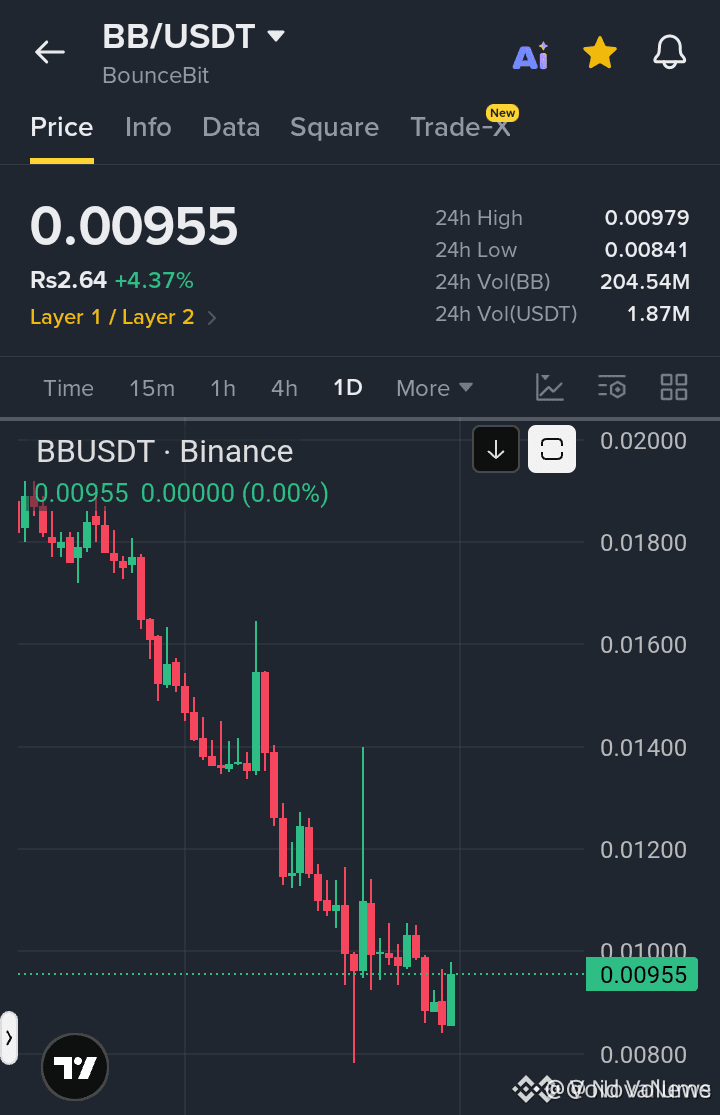
🚨 $BB CEDEFI ECOSYSTEM ABSORBS SELLING PRESSURE AT KEY STRUCTURAL SUPPORT! 🦈
Target: $0.0145 🚀
$BB is executing a textbook structural reversal as expanding CeDeFi yield adoption actively absorbs overhead selling pressure at lower-bound demand. Smart money is quietly absorbing sell-side liquidity across perpetual trading pairs, laying the foundation for an aggressive range reclaim. 🌊
As network metrics hit strategic benchmarks, order flow shows clear signs of seller exhaustion into key support. 📌 Secondary ecosystem tokens like $SKR and $BTR are beginning to reflect similar structural positioning across derivative markets. 🔍
💬 Are you front-running this CeDeFi demand rebalance or waiting for explicit market structure confirmation above resistance? 👇
⚠️ Not financial advice. Always manage your risk. 🛡️
🏷️ #BB #CeDeFi #BounceBit #Crypto #MarketStructure
🎯 🦈
🚨 $BB CEDEFI ECOSYSTEM ABSORBS SELLING PRESSURE AT KEY STRUCTURAL SUPPORT! 🦈
Target: $0.0145 🚀
$BB is executing a textbook structural reversal as expanding CeDeFi yield adoption actively absorbs overhead selling pressure at lower-bound demand. Smart money is quietly absorbing sell-side liquidity across perpetual trading pairs, laying the foundation for an aggressive range reclaim. 🌊
As network metrics hit strategic benchmarks, order flow shows clear signs of seller exhaustion into key support. 📌 Secondary ecosystem tokens like $SKR and $BTR are beginning to reflect similar structural positioning across derivative markets. 🔍
💬 Are you front-running this CeDeFi demand rebalance or waiting for explicit market structure confirmation above resistance? 👇
⚠️ Not financial advice. Always manage your risk. 🛡️
🏷️ #BB #CeDeFi #BounceBit #Crypto #MarketStructure
🎯 🦈
Target: $0.0145 🚀
$BB is executing a textbook structural reversal as expanding CeDeFi yield adoption actively absorbs overhead selling pressure at lower-bound demand. Smart money is quietly absorbing sell-side liquidity across perpetual trading pairs, laying the foundation for an aggressive range reclaim. 🌊
As network metrics hit strategic benchmarks, order flow shows clear signs of seller exhaustion into key support. 📌 Secondary ecosystem tokens like $SKR and $BTR are beginning to reflect similar structural positioning across derivative markets. 🔍
💬 Are you front-running this CeDeFi demand rebalance or waiting for explicit market structure confirmation above resistance? 👇
⚠️ Not financial advice. Always manage your risk. 🛡️
🏷️ #BB #CeDeFi #BounceBit #Crypto #MarketStructure
🎯 🦈
136

·
--
🔥 Tired of the ultimate crypto dilemma?
CEXs are fast but risky. DEXs are secure but slow and expensive with gas fees.
Enter @grvt_io — the hybrid powerhouse merging the speed of a CEX with the self-custody of a DEX into a unified CeDeFi ecosystem! 🌐
With their launch happening July 21 and $341B+ already traded in test phases, here is why GRVT is a game-changer with zero BS:
⚡ 1. Insane Speed, Zero Gas: Processes 600k trades/sec with sub-millisecond latency off-chain, but settles securely on-chain. Enjoy completely gasless trading! ⛽❌
🔑 2. 100% Self-Custody: GRVT never touches your funds. Even if the platform goes completely offline, smart contract emergency paths let you withdraw directly from the blockchain.
🔒 3. True Institutional Privacy: Powered by ZK-Validium, it keeps your trading data hidden off-chain to completely stop malicious front-running and MEV bots.
📈 4. Yield by Default: Don't let idle funds sit empty. Earn up to 10% annualized interest on your unused margin collateral automatically.
🏛️ 5. Elite Pedigree: Backed by $34M+ from tier-1 giants like Delphi Digital and Matter Labs, built by finance veterans from Goldman Sachs & Credit Suisse.
The Bottom Line: GRVT gives you the lightning speed of Binance with the rock-solid security of a hardware wallet. 💎
👇 Where do you see the future of trading heading? Let’s vote!
#grvt #BinanceSquare #defi #CeDeFi #zkProofs
🔥 Tired of the ultimate crypto dilemma?
CEXs are fast but risky. DEXs are secure but slow and expensive with gas fees.
Enter @grvt_io — the hybrid powerhouse merging the speed of a CEX with the self-custody of a DEX into a unified CeDeFi ecosystem! 🌐
With their launch happening July 21 and $341B+ already traded in test phases, here is why GRVT is a game-changer with zero BS:
⚡ 1. Insane Speed, Zero Gas: Processes 600k trades/sec with sub-millisecond latency off-chain, but settles securely on-chain. Enjoy completely gasless trading! ⛽❌
🔑 2. 100% Self-Custody: GRVT never touches your funds. Even if the platform goes completely offline, smart contract emergency paths let you withdraw directly from the blockchain.
🔒 3. True Institutional Privacy: Powered by ZK-Validium, it keeps your trading data hidden off-chain to completely stop malicious front-running and MEV bots.
📈 4. Yield by Default: Don't let idle funds sit empty. Earn up to 10% annualized interest on your unused margin collateral automatically.
🏛️ 5. Elite Pedigree: Backed by $34M+ from tier-1 giants like Delphi Digital and Matter Labs, built by finance veterans from Goldman Sachs & Credit Suisse.
The Bottom Line: GRVT gives you the lightning speed of Binance with the rock-solid security of a hardware wallet. 💎
👇 Where do you see the future of trading heading? Let’s vote!
#grvt #BinanceSquare #defi #CeDeFi #zkProofs
CEXs are fast but risky. DEXs are secure but slow and expensive with gas fees.
Enter @grvt_io — the hybrid powerhouse merging the speed of a CEX with the self-custody of a DEX into a unified CeDeFi ecosystem! 🌐
With their launch happening July 21 and $341B+ already traded in test phases, here is why GRVT is a game-changer with zero BS:
⚡ 1. Insane Speed, Zero Gas: Processes 600k trades/sec with sub-millisecond latency off-chain, but settles securely on-chain. Enjoy completely gasless trading! ⛽❌
🔑 2. 100% Self-Custody: GRVT never touches your funds. Even if the platform goes completely offline, smart contract emergency paths let you withdraw directly from the blockchain.
🔒 3. True Institutional Privacy: Powered by ZK-Validium, it keeps your trading data hidden off-chain to completely stop malicious front-running and MEV bots.
📈 4. Yield by Default: Don't let idle funds sit empty. Earn up to 10% annualized interest on your unused margin collateral automatically.
🏛️ 5. Elite Pedigree: Backed by $34M+ from tier-1 giants like Delphi Digital and Matter Labs, built by finance veterans from Goldman Sachs & Credit Suisse.
The Bottom Line: GRVT gives you the lightning speed of Binance with the rock-solid security of a hardware wallet. 💎
👇 Where do you see the future of trading heading? Let’s vote!
#grvt #BinanceSquare #defi #CeDeFi #zkProofs
Speed & Zero Gas Fees (CEX)
0%
Keeping 100% Custody of Funds
0%
Both equally — Hybrid models!
0%
0 votes • Voting closed
1
1
75

·
--
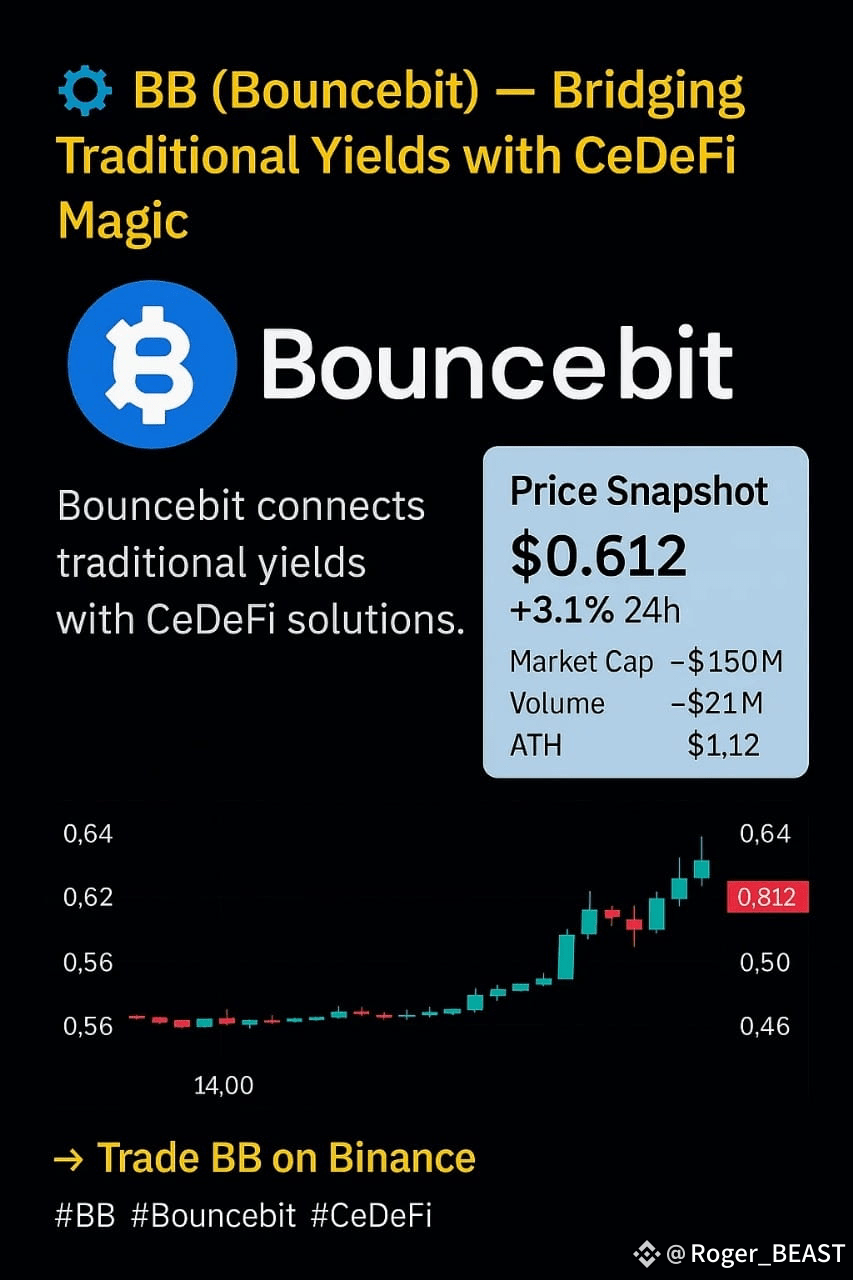
🧧🧧⚡ ⚙️ BB (Bouncebit) — Bridging Traditional Yields with CeDeFi Magic
💰 Price: ~$0.612 (+3.1% 24h)
📈 Market Cap: ~$150M | Volume: ~$21M
🎯 ATH: $1.12
BB’s Game-Changing Concept:
Bouncebit fuses centralized finance (CeFi) yield products with DeFi composability, offering investors the best of both worlds. BB isn’t just a token—it powers a hybrid yield ecosystem, allowing users to stake, earn, and trade across platforms safely and transparently.
🛠️ Key Innovations:
CeDeFi staking pools offering stable, predictable returns
Validator incentives driving BB demand and network security
Liquidity bridges with low slippage across chains
📉 Price Action: Sitting above $0.60 support, BB is showing strength. Eyes are on $0.65–0.68 resistance zones for potential rally.
🚀 Why It’s Growing: Institutions are starting to notice CeDeFi. Bouncebit’s regulatory-friendly approach could make it a prime entry point for TradFi into crypto yields.
🔗 Spot BB/USDT on Binance
#Bouncebit #CeDeFi #HybridFinance #YieldFarming #CryptoYields
$BB
{spot}(BBUSDT)
🧧🧧⚡ ⚙️ BB (Bouncebit) — Bridging Traditional Yields with CeDeFi Magic
💰 Price: ~$0.612 (+3.1% 24h)
📈 Market Cap: ~$150M | Volume: ~$21M
🎯 ATH: $1.12
BB’s Game-Changing Concept:
Bouncebit fuses centralized finance (CeFi) yield products with DeFi composability, offering investors the best of both worlds. BB isn’t just a token—it powers a hybrid yield ecosystem, allowing users to stake, earn, and trade across platforms safely and transparently.
🛠️ Key Innovations:
CeDeFi staking pools offering stable, predictable returns
Validator incentives driving BB demand and network security
Liquidity bridges with low slippage across chains
📉 Price Action: Sitting above $0.60 support, BB is showing strength. Eyes are on $0.65–0.68 resistance zones for potential rally.
🚀 Why It’s Growing: Institutions are starting to notice CeDeFi. Bouncebit’s regulatory-friendly approach could make it a prime entry point for TradFi into crypto yields.
🔗 Spot BB/USDT on Binance
#Bouncebit #CeDeFi #HybridFinance #YieldFarming #CryptoYields
$BB
💰 Price: ~$0.612 (+3.1% 24h)
📈 Market Cap: ~$150M | Volume: ~$21M
🎯 ATH: $1.12
BB’s Game-Changing Concept:
Bouncebit fuses centralized finance (CeFi) yield products with DeFi composability, offering investors the best of both worlds. BB isn’t just a token—it powers a hybrid yield ecosystem, allowing users to stake, earn, and trade across platforms safely and transparently.
🛠️ Key Innovations:
CeDeFi staking pools offering stable, predictable returns
Validator incentives driving BB demand and network security
Liquidity bridges with low slippage across chains
📉 Price Action: Sitting above $0.60 support, BB is showing strength. Eyes are on $0.65–0.68 resistance zones for potential rally.
🚀 Why It’s Growing: Institutions are starting to notice CeDeFi. Bouncebit’s regulatory-friendly approach could make it a prime entry point for TradFi into crypto yields.
🔗 Spot BB/USDT on Binance
#Bouncebit #CeDeFi #HybridFinance #YieldFarming #CryptoYields
$BB

1.4k
682
107
1.4k


·
--
🧠 When $MEME is not just a joke
Can BounceBit turn social sentiments into returns? 💸
🔥 MEME Economy Model in BounceBit:
- Converts community enthusiasm into tokens
- Links MEME to CeDeFi returns
- Allows the community to participate in governance and returns
🎯 User Experience:
- Staking MEME tokens = Profits
- Tasks and content = BB and MEME rewards
- Community voting = Distribution of returns
🔗 Integration with Prime:
- Accumulation of MEME returns + CeDeFi
- Continuous liquidity
- Distribution of returns based on community contribution
🌐 Ecosystem Value:
- MEME = Self-marketing + New flows
- MEME price harmonizes with BB returns
- CeDeFi evolves into an economy pulsating with sentiments
⚠️ Challenges:
- Excessive speculation
- Difficulty measuring long-term value
- Fair distribution of returns
📌 BounceBit is not just building a financial platform
It is establishing a self-sufficient cryptographic social system
💬 Let sentiments become assets, and let the community become an economy
📲 Follow #CryptoEmad for real-time analytics and deeper market insights
{future}(MEMEUSDT)
{future}(BBUSDT)
#BounceBit #MEME #CeDeFi #CryptoSetup
🧠 When $MEME is not just a joke
Can BounceBit turn social sentiments into returns? 💸
🔥 MEME Economy Model in BounceBit:
- Converts community enthusiasm into tokens
- Links MEME to CeDeFi returns
- Allows the community to participate in governance and returns
🎯 User Experience:
- Staking MEME tokens = Profits
- Tasks and content = BB and MEME rewards
- Community voting = Distribution of returns
🔗 Integration with Prime:
- Accumulation of MEME returns + CeDeFi
- Continuous liquidity
- Distribution of returns based on community contribution
🌐 Ecosystem Value:
- MEME = Self-marketing + New flows
- MEME price harmonizes with BB returns
- CeDeFi evolves into an economy pulsating with sentiments
⚠️ Challenges:
- Excessive speculation
- Difficulty measuring long-term value
- Fair distribution of returns
📌 BounceBit is not just building a financial platform
It is establishing a self-sufficient cryptographic social system
💬 Let sentiments become assets, and let the community become an economy
📲 Follow #CryptoEmad for real-time analytics and deeper market insights
#BounceBit #MEME #CeDeFi #CryptoSetup
Can BounceBit turn social sentiments into returns? 💸
🔥 MEME Economy Model in BounceBit:
- Converts community enthusiasm into tokens
- Links MEME to CeDeFi returns
- Allows the community to participate in governance and returns
🎯 User Experience:
- Staking MEME tokens = Profits
- Tasks and content = BB and MEME rewards
- Community voting = Distribution of returns
🔗 Integration with Prime:
- Accumulation of MEME returns + CeDeFi
- Continuous liquidity
- Distribution of returns based on community contribution
🌐 Ecosystem Value:
- MEME = Self-marketing + New flows
- MEME price harmonizes with BB returns
- CeDeFi evolves into an economy pulsating with sentiments
⚠️ Challenges:
- Excessive speculation
- Difficulty measuring long-term value
- Fair distribution of returns
📌 BounceBit is not just building a financial platform
It is establishing a self-sufficient cryptographic social system
💬 Let sentiments become assets, and let the community become an economy
📲 Follow #CryptoEmad for real-time analytics and deeper market insights
#BounceBit #MEME #CeDeFi #CryptoSetup

1
278

·
--
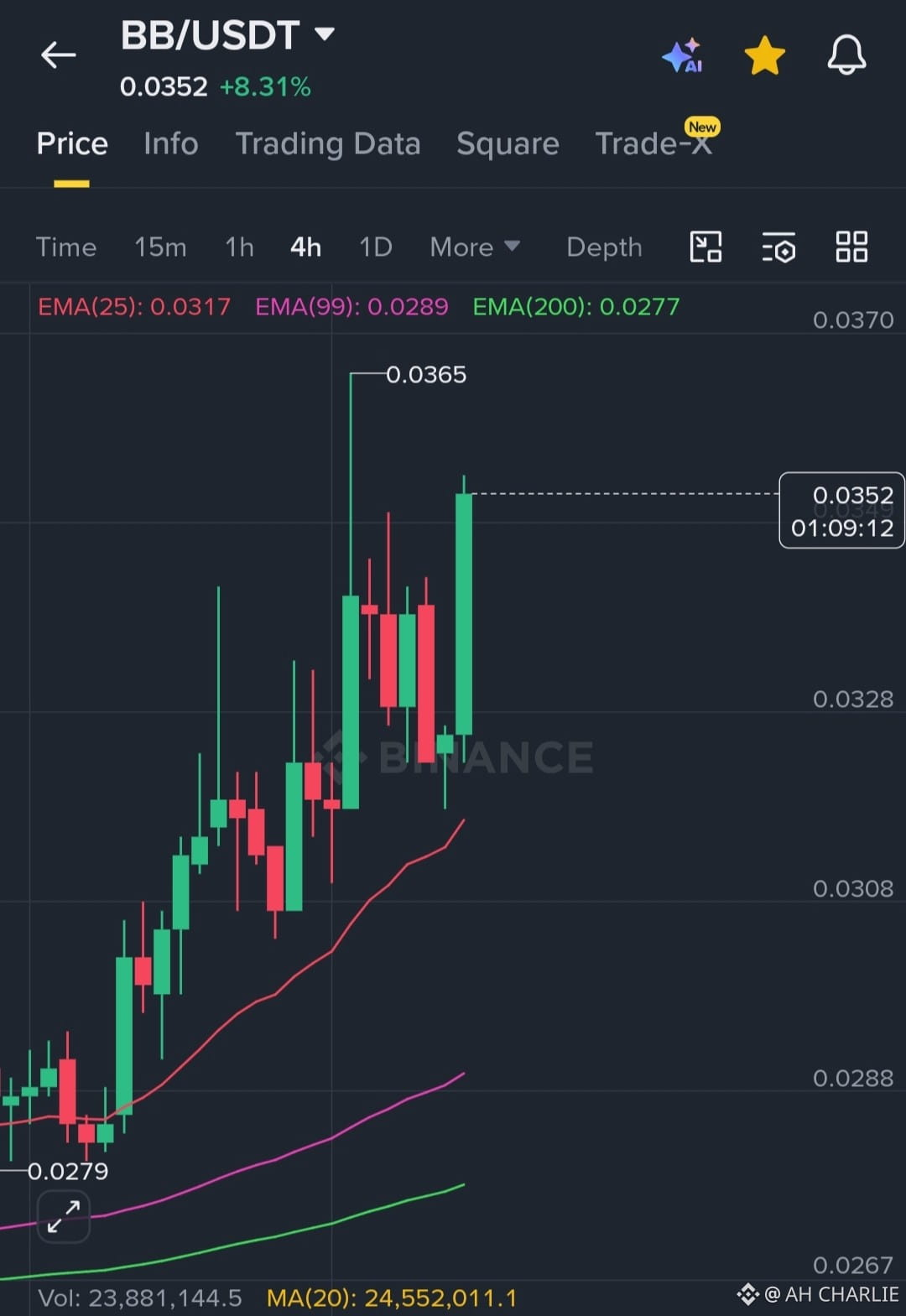
I’ve been watching $BB grind up the 4-hour chart... it’s clearly holding above the EMA 25 which acts as immediate support for this local uptrend.
The RSI sitting around 66 so there’s still room before it hits that overextended zone where things usually get messy and volatile. We saw small rejection near 0.0365 earlier today but the buyers aren’t letting go of control just yet.
Price discovery usually starts with these slow, boring climbs that shake out the weak hands before real structural move happens.
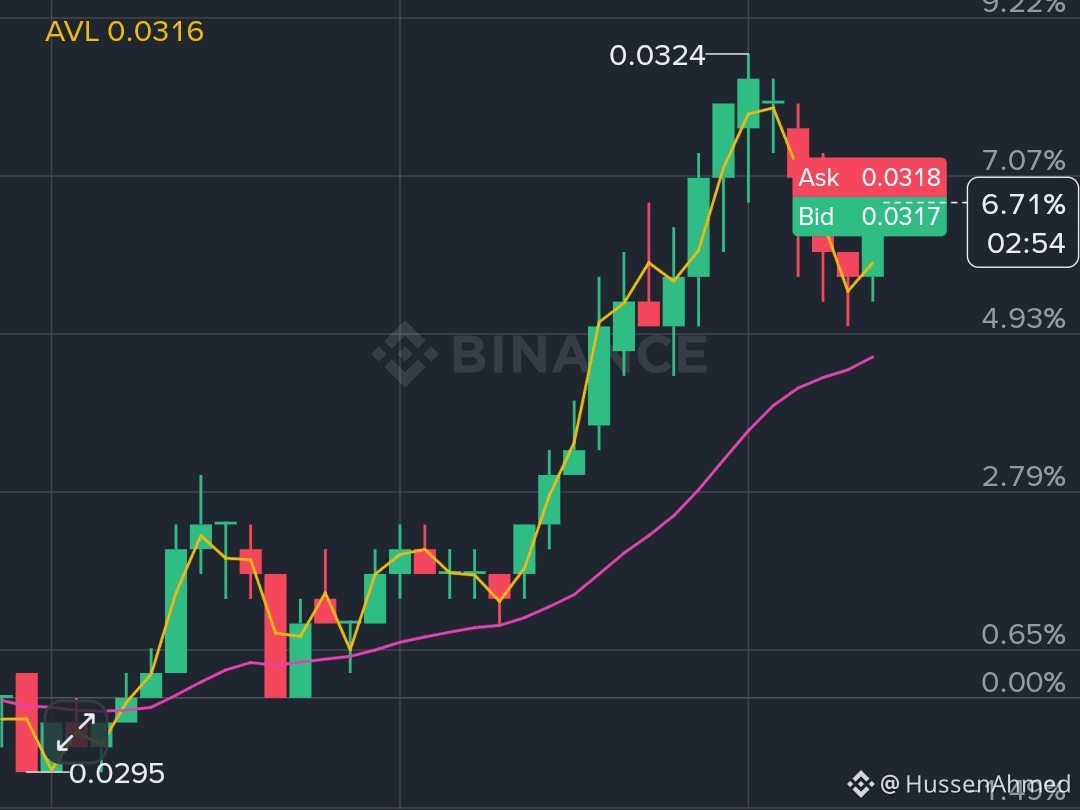
Don’t forget volume still decent compared to last week... but if we lose 0.0317 level things will likely cool down fast toward the EMA 200 support.
I’m just watching the 4-hour candle closes to see if momentum actually sticks this time around or if it’s another fakeout.
Keep your eyes on those liquidity levels and stay sharp while market decides its next direction.
#bouncebit #BB #CeDeFi
{spot}(BBUSDT)
I’ve been watching $BB grind up the 4-hour chart... it’s clearly holding above the EMA 25 which acts as immediate support for this local uptrend.
The RSI sitting around 66 so there’s still room before it hits that overextended zone where things usually get messy and volatile. We saw small rejection near 0.0365 earlier today but the buyers aren’t letting go of control just yet.
Price discovery usually starts with these slow, boring climbs that shake out the weak hands before real structural move happens.
Don’t forget volume still decent compared to last week... but if we lose 0.0317 level things will likely cool down fast toward the EMA 200 support.
I’m just watching the 4-hour candle closes to see if momentum actually sticks this time around or if it’s another fakeout.
Keep your eyes on those liquidity levels and stay sharp while market decides its next direction.
#bouncebit #BB #CeDeFi
The RSI sitting around 66 so there’s still room before it hits that overextended zone where things usually get messy and volatile. We saw small rejection near 0.0365 earlier today but the buyers aren’t letting go of control just yet.
Price discovery usually starts with these slow, boring climbs that shake out the weak hands before real structural move happens.
Don’t forget volume still decent compared to last week... but if we lose 0.0317 level things will likely cool down fast toward the EMA 200 support.
I’m just watching the 4-hour candle closes to see if momentum actually sticks this time around or if it’s another fakeout.
Keep your eyes on those liquidity levels and stay sharp while market decides its next direction.
#bouncebit #BB #CeDeFi
2
466

🚨 $GRVT POST-TGE ACCUMULATION COMPLETE? BREAKOUT WATCH AT 0.28! 💥
Entry: 0.24 - 0.26 ⚡
Target: 0.35 | 0.55 🚀
Stop Loss: Close below 0.22 🛑
📊 The narrow 0.24–0.26 range is classic post-airdrop absorption. Sellers from the initial TGE distribution are exhausting, and the footprint around 0.25 shows patient accumulation rather than distribution.
💡 With $28M raised and Tier-1 backers like ZKsync, Further Ventures, and EigenLayer behind the CeDeFi hybrid exchange, this base carries institutional fingerprints. A daily close above 0.28 with expanding volume triggers the next leg toward the 0.35–0.55 liquidity shelf. 🦈
🤔 Are you building a position inside this range or waiting for the breakout confirmation? 👇
⚠️ Not financial advice. Always manage your risk. 🛡️
🏷️ #GRVT #CeDeFi #Accumulation #Breakout #Crypto
🎯 🦈
🚨 $GRVT POST-TGE ACCUMULATION COMPLETE? BREAKOUT WATCH AT 0.28! 💥
Entry: 0.24 - 0.26 ⚡
Target: 0.35 | 0.55 🚀
Stop Loss: Close below 0.22 🛑
📊 The narrow 0.24–0.26 range is classic post-airdrop absorption. Sellers from the initial TGE distribution are exhausting, and the footprint around 0.25 shows patient accumulation rather than distribution.
💡 With $28M raised and Tier-1 backers like ZKsync, Further Ventures, and EigenLayer behind the CeDeFi hybrid exchange, this base carries institutional fingerprints. A daily close above 0.28 with expanding volume triggers the next leg toward the 0.35–0.55 liquidity shelf. 🦈
🤔 Are you building a position inside this range or waiting for the breakout confirmation? 👇
⚠️ Not financial advice. Always manage your risk. 🛡️
🏷️ #GRVT #CeDeFi #Accumulation #Breakout #Crypto
🎯 🦈
Entry: 0.24 - 0.26 ⚡
Target: 0.35 | 0.55 🚀
Stop Loss: Close below 0.22 🛑
📊 The narrow 0.24–0.26 range is classic post-airdrop absorption. Sellers from the initial TGE distribution are exhausting, and the footprint around 0.25 shows patient accumulation rather than distribution.
💡 With $28M raised and Tier-1 backers like ZKsync, Further Ventures, and EigenLayer behind the CeDeFi hybrid exchange, this base carries institutional fingerprints. A daily close above 0.28 with expanding volume triggers the next leg toward the 0.35–0.55 liquidity shelf. 🦈
🤔 Are you building a position inside this range or waiting for the breakout confirmation? 👇
⚠️ Not financial advice. Always manage your risk. 🛡️
🏷️ #GRVT #CeDeFi #Accumulation #Breakout #Crypto
🎯 🦈
160

📊 BounceBit ($BB ) – Analysis
1. What it is
#BB is the native token of the #bouncebit ecosystem, a #CeDeFi (Centralized + #defi ) blockchain focused on #bitcoin restaking.
It combines Bitcoin security with DeFi yield strategies and real-world assets (RWA).
2. Utility
Used for:
Staking & validator rewards
Gas fees & transactions
Governance voting
Total supply ≈ 2.1 billion tokens
3. Market performance (2026)
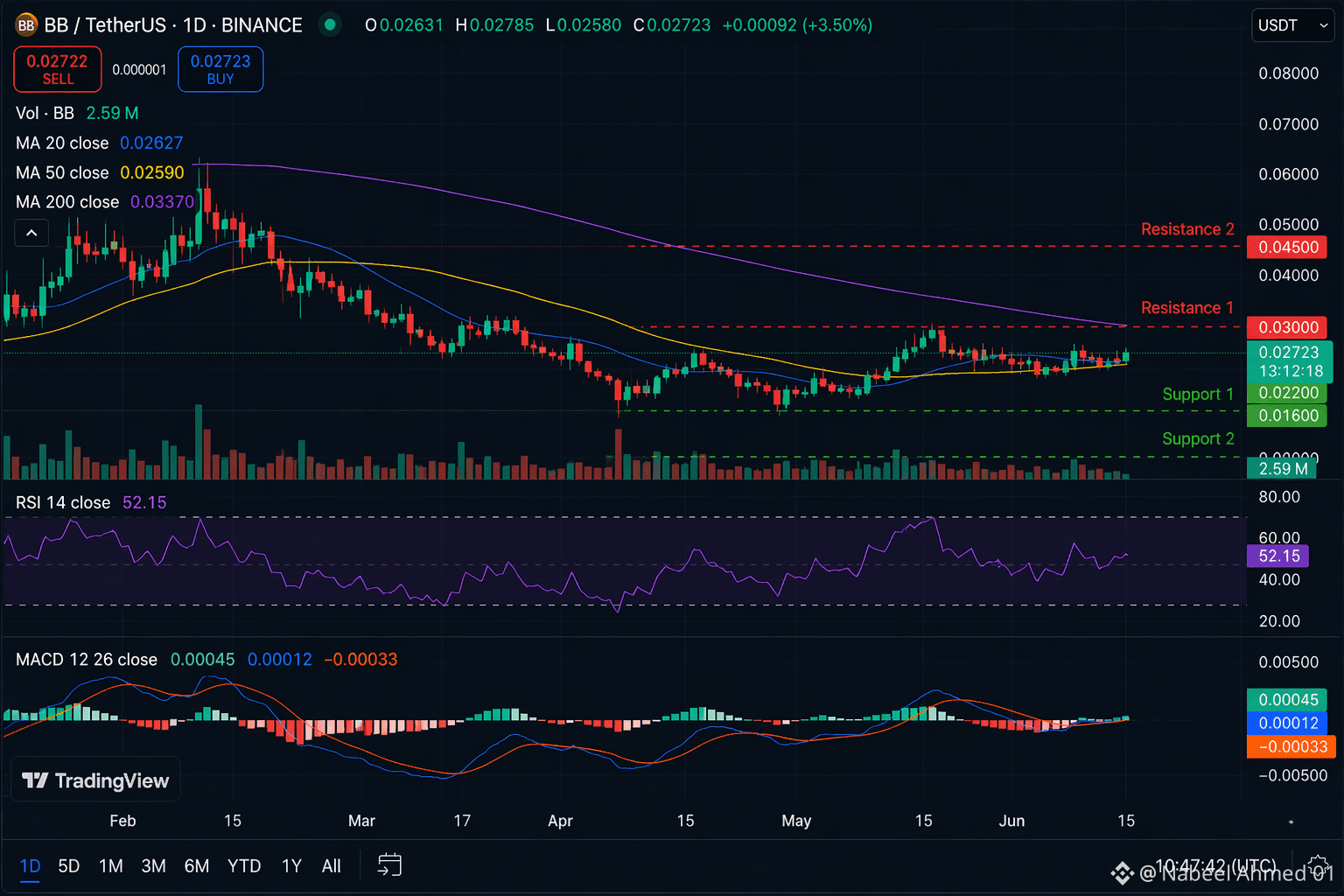
Price ~ $0.027
Market cap ~ $30M
Down ~ 96% from ATH (~$0.86)
👉 Indicates strong past hype followed by heavy correction
4. Outlook
Strength: Real utility (staking + BTC ecosystem integration)
Weakness: Still volatile, depends on adoption of CeDeFi & BTC restaking
🧾My Verdict
👉 BB is a fundamentally stronger altcoin than typical meme coins, but still mid-cap and risky with high volatility.
{future}(BBUSDT)
📊 BounceBit ($BB ) – Analysis
1. What it is
#BB is the native token of the #bouncebit ecosystem, a #CeDeFi (Centralized + #defi ) blockchain focused on #bitcoin restaking.
It combines Bitcoin security with DeFi yield strategies and real-world assets (RWA).
2. Utility
Used for:
Staking & validator rewards
Gas fees & transactions
Governance voting
Total supply ≈ 2.1 billion tokens
3. Market performance (2026)
Price ~ $0.027
Market cap ~ $30M
Down ~ 96% from ATH (~$0.86)
👉 Indicates strong past hype followed by heavy correction
4. Outlook
Strength: Real utility (staking + BTC ecosystem integration)
Weakness: Still volatile, depends on adoption of CeDeFi & BTC restaking
🧾My Verdict
👉 BB is a fundamentally stronger altcoin than typical meme coins, but still mid-cap and risky with high volatility.
1. What it is
#BB is the native token of the #bouncebit ecosystem, a #CeDeFi (Centralized + #defi ) blockchain focused on #bitcoin restaking.
It combines Bitcoin security with DeFi yield strategies and real-world assets (RWA).
2. Utility
Used for:
Staking & validator rewards
Gas fees & transactions
Governance voting
Total supply ≈ 2.1 billion tokens
3. Market performance (2026)
Price ~ $0.027
Market cap ~ $30M
Down ~ 96% from ATH (~$0.86)
👉 Indicates strong past hype followed by heavy correction
4. Outlook
Strength: Real utility (staking + BTC ecosystem integration)
Weakness: Still volatile, depends on adoption of CeDeFi & BTC restaking
🧾My Verdict
👉 BB is a fundamentally stronger altcoin than typical meme coins, but still mid-cap and risky with high volatility.
74

·
--
Bullish
😱 STOP SCROLLING! $BB JUST TRIGGERED A RARE "DEMAND ZONE" REVERSAL—THE BTC RESTAKING RALLY IS HERE! 🌋💎
BounceBit is officially breaking its silence! As of May 2, 2026, BB has bounced +5.7% from its macro bottom, currently trading at $0.0286. After a 96% correction from its ATH, the "CeDeFi" king has finally hit a rock-solid demand zone. If you missed the early BTC ecosystem pump, this is your entry signal! 🚀🚀
📊 THE KILLER SETUP (LIVE DATA):
PRICE: ~$0.0286 💹
ENTRY: Current Market Price ($0.0275 - $0.0295) ⚡
TARGET 1: $0.035 (Immediate Breakout Zone) 🎯
TARGET 2: $0.110 (Major 2026 Supply Wall) 🚀
STOP LOSS: $0.023 (Critical Demand Floor) 🧱
⚡ WHY YOU MUST TRADE BB NOW?
The BTC Restaking Narrative: 🛡️ BounceBit allows BTC holders to earn yield across multiple networks without unstaking. As BTC hits new highs in 2026, the demand for BBTC and BB is exploding!
Double Bottom Formation: 📐 On the 4H chart, BB has formed a textbook double bottom at $0.0221. This is a high-probability reversal pattern that often leads to a 50-100% bounce.
Short Squeeze Loading: 🩳 The funding rate is deeply negative, meaning shorts are over-leveraged. A break above $0.033 will force thousands of liquidations, sending $BB straight to $0.04+ in minutes! 🔥
Institutional Accumulation: 🐋 On-chain data confirms that "Smart Money" has been absorbing BB consistently throughout April. The supply on exchanges is at its lowest point in 6 months!
THE MOVE: BB is currently "oversold" and ignored by the retail crowd. Historically, this is exactly when the biggest pumps happen. Don't wait for BB to hit $0.10 before you start buying—position yourself NOW at the bottom! ⏳📉
Drop a "💎" if you're holding BB for the 2026 CeDeFi revolution! 👇
$BB
{spot}(BBUSDT)
#BB #BounceBit #CeDeFi #BitcoinRestaking #Crypto2026
😱 STOP SCROLLING! $BB JUST TRIGGERED A RARE "DEMAND ZONE" REVERSAL—THE BTC RESTAKING RALLY IS HERE! 🌋💎
BounceBit is officially breaking its silence! As of May 2, 2026, BB has bounced +5.7% from its macro bottom, currently trading at $0.0286. After a 96% correction from its ATH, the "CeDeFi" king has finally hit a rock-solid demand zone. If you missed the early BTC ecosystem pump, this is your entry signal! 🚀🚀
📊 THE KILLER SETUP (LIVE DATA):
PRICE: ~$0.0286 💹
ENTRY: Current Market Price ($0.0275 - $0.0295) ⚡
TARGET 1: $0.035 (Immediate Breakout Zone) 🎯
TARGET 2: $0.110 (Major 2026 Supply Wall) 🚀
STOP LOSS: $0.023 (Critical Demand Floor) 🧱
⚡ WHY YOU MUST TRADE BB NOW?
The BTC Restaking Narrative: 🛡️ BounceBit allows BTC holders to earn yield across multiple networks without unstaking. As BTC hits new highs in 2026, the demand for BBTC and BB is exploding!
Double Bottom Formation: 📐 On the 4H chart, BB has formed a textbook double bottom at $0.0221. This is a high-probability reversal pattern that often leads to a 50-100% bounce.
Short Squeeze Loading: 🩳 The funding rate is deeply negative, meaning shorts are over-leveraged. A break above $0.033 will force thousands of liquidations, sending $BB straight to $0.04+ in minutes! 🔥
Institutional Accumulation: 🐋 On-chain data confirms that "Smart Money" has been absorbing BB consistently throughout April. The supply on exchanges is at its lowest point in 6 months!
THE MOVE: BB is currently "oversold" and ignored by the retail crowd. Historically, this is exactly when the biggest pumps happen. Don't wait for BB to hit $0.10 before you start buying—position yourself NOW at the bottom! ⏳📉
Drop a "💎" if you're holding BB for the 2026 CeDeFi revolution! 👇
$BB
#BB #BounceBit #CeDeFi #BitcoinRestaking #Crypto2026
BounceBit is officially breaking its silence! As of May 2, 2026, BB has bounced +5.7% from its macro bottom, currently trading at $0.0286. After a 96% correction from its ATH, the "CeDeFi" king has finally hit a rock-solid demand zone. If you missed the early BTC ecosystem pump, this is your entry signal! 🚀🚀
📊 THE KILLER SETUP (LIVE DATA):
PRICE: ~$0.0286 💹
ENTRY: Current Market Price ($0.0275 - $0.0295) ⚡
TARGET 1: $0.035 (Immediate Breakout Zone) 🎯
TARGET 2: $0.110 (Major 2026 Supply Wall) 🚀
STOP LOSS: $0.023 (Critical Demand Floor) 🧱
⚡ WHY YOU MUST TRADE BB NOW?
The BTC Restaking Narrative: 🛡️ BounceBit allows BTC holders to earn yield across multiple networks without unstaking. As BTC hits new highs in 2026, the demand for BBTC and BB is exploding!
Double Bottom Formation: 📐 On the 4H chart, BB has formed a textbook double bottom at $0.0221. This is a high-probability reversal pattern that often leads to a 50-100% bounce.
Short Squeeze Loading: 🩳 The funding rate is deeply negative, meaning shorts are over-leveraged. A break above $0.033 will force thousands of liquidations, sending $BB straight to $0.04+ in minutes! 🔥
Institutional Accumulation: 🐋 On-chain data confirms that "Smart Money" has been absorbing BB consistently throughout April. The supply on exchanges is at its lowest point in 6 months!
THE MOVE: BB is currently "oversold" and ignored by the retail crowd. Historically, this is exactly when the biggest pumps happen. Don't wait for BB to hit $0.10 before you start buying—position yourself NOW at the bottom! ⏳📉
Drop a "💎" if you're holding BB for the 2026 CeDeFi revolution! 👇
$BB
#BB #BounceBit #CeDeFi #BitcoinRestaking #Crypto2026
81


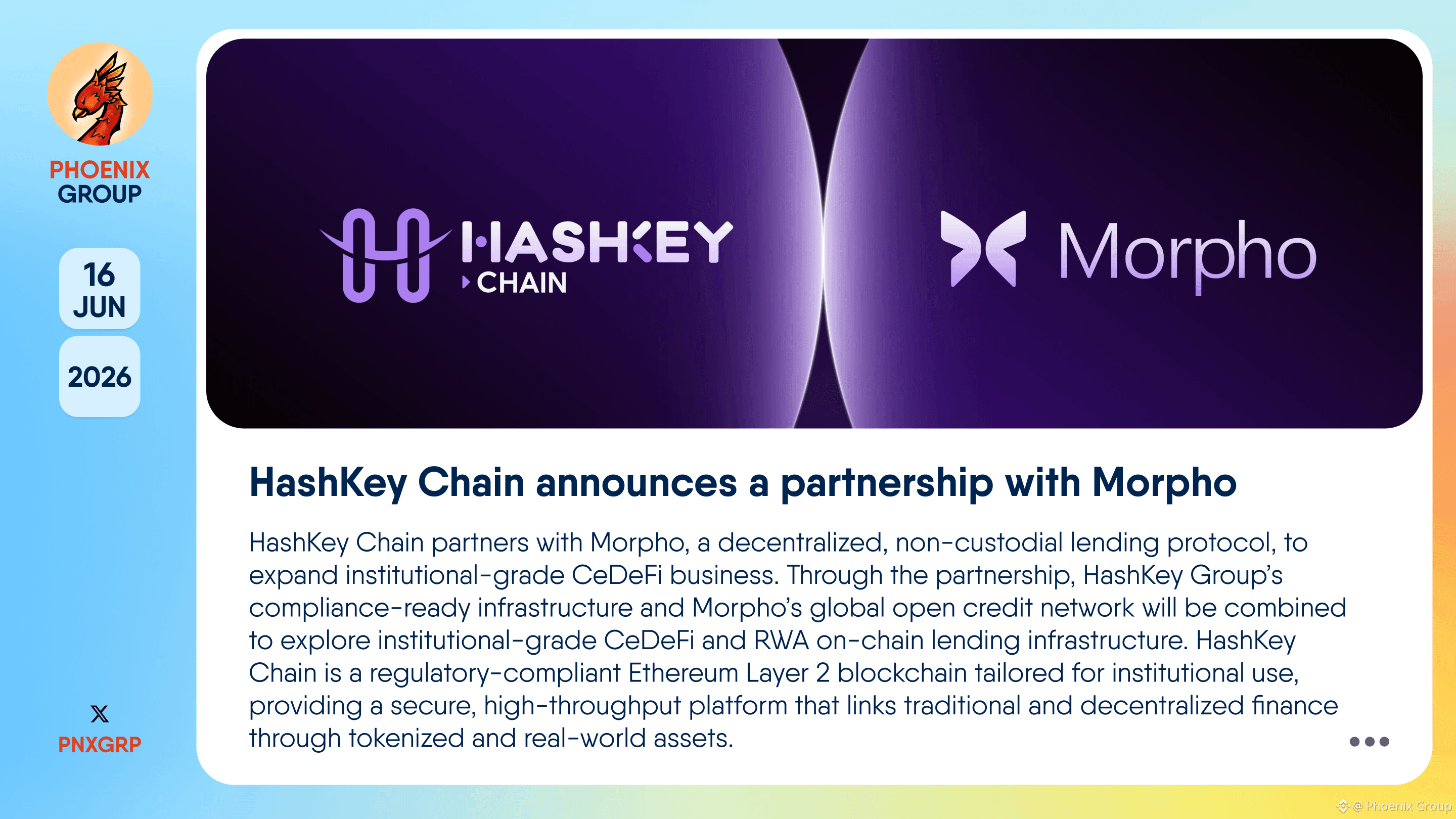
HashKey Chain announces a partnership with Morpho
#HashKeyChain partners with #Morpho , a decentralized, non-custodial lending protocol, to expand institutional-grade #CeDeFi business. Through the partnership, HashKey Group’s compliance-ready infrastructure and Morpho’s global open credit network will be combined to explore institutional-grade CeDeFi and #RWA on-chain lending infrastructure.
HashKey Chain is a regulatory-compliant #Ethereum #Layer2 blockchain tailored for institutional use, providing a secure, high-throughput platform that links traditional and decentralized finance through tokenized and real-world assets.
👉 x.com/HSKChain/status/2066734475581522042
HashKey Chain announces a partnership with Morpho
#HashKeyChain partners with #Morpho , a decentralized, non-custodial lending protocol, to expand institutional-grade #CeDeFi business. Through the partnership, HashKey Group’s compliance-ready infrastructure and Morpho’s global open credit network will be combined to explore institutional-grade CeDeFi and #RWA on-chain lending infrastructure.
HashKey Chain is a regulatory-compliant #Ethereum #Layer2 blockchain tailored for institutional use, providing a secure, high-throughput platform that links traditional and decentralized finance through tokenized and real-world assets.
👉 x.com/HSKChain/status/2066734475581522042
#HashKeyChain partners with #Morpho , a decentralized, non-custodial lending protocol, to expand institutional-grade #CeDeFi business. Through the partnership, HashKey Group’s compliance-ready infrastructure and Morpho’s global open credit network will be combined to explore institutional-grade CeDeFi and #RWA on-chain lending infrastructure.
HashKey Chain is a regulatory-compliant #Ethereum #Layer2 blockchain tailored for institutional use, providing a secure, high-throughput platform that links traditional and decentralized finance through tokenized and real-world assets.
👉 x.com/HSKChain/status/2066734475581522042
1
133
·
--
Verified
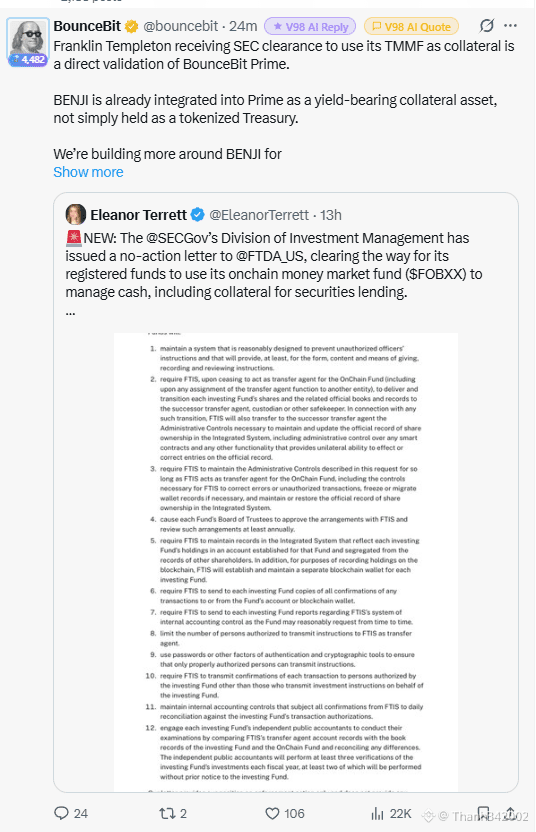
Franklin Templeton’s tokenized money market fund moving toward collateral use is a meaningful signal for the next phase of RWA adoption.
Tokenized assets are no longer just about bringing traditional financial products onchain.
The bigger question is what they can do once they are there.
BounceBit Prime is built around that idea.
BENJI is already integrated into Prime as a yield-bearing collateral asset, connecting tokenized money market exposure with institutional trading workflows.
That creates a more interesting capital cycle:
Tokenized asset → yield → collateral → trading → capital efficiency
The asset does not have to sit idle simply because it is tokenized.
And BounceBit is building more around BENJI for V4.
This is where tokenization becomes infrastructure rather than just representation.
#BounceBit #BB #BENJI #RWA #CeDeFi
Franklin Templeton’s tokenized money market fund moving toward collateral use is a meaningful signal for the next phase of RWA adoption.
Tokenized assets are no longer just about bringing traditional financial products onchain.
The bigger question is what they can do once they are there.
BounceBit Prime is built around that idea.
BENJI is already integrated into Prime as a yield-bearing collateral asset, connecting tokenized money market exposure with institutional trading workflows.
That creates a more interesting capital cycle:
Tokenized asset → yield → collateral → trading → capital efficiency
The asset does not have to sit idle simply because it is tokenized.
And BounceBit is building more around BENJI for V4.
This is where tokenization becomes infrastructure rather than just representation.
#BounceBit #BB #BENJI #RWA #CeDeFi
Tokenized assets are no longer just about bringing traditional financial products onchain.
The bigger question is what they can do once they are there.
BounceBit Prime is built around that idea.
BENJI is already integrated into Prime as a yield-bearing collateral asset, connecting tokenized money market exposure with institutional trading workflows.
That creates a more interesting capital cycle:
Tokenized asset → yield → collateral → trading → capital efficiency
The asset does not have to sit idle simply because it is tokenized.
And BounceBit is building more around BENJI for V4.
This is where tokenization becomes infrastructure rather than just representation.
#BounceBit #BB #BENJI #RWA #CeDeFi
304

·
--
$GRVT GROUNDING AT 0.25 – THE ACCUMULATION NEST BEFORE THE FLIGHT 🚀
Entry: 0.24 – 0.26 ⚡
Target: 0.35 | 0.55 🚀
Stop Loss: 0.22 ⚠️
Post-TGE exhaustion is finally over. $GRVT is compressing hard between 0.24 and 0.26, quietly absorbing the last waves of airdrop supply. That's not boredom — that's a coiled spring. 📊 Volume is drying up, and the sellers who punched the 0.55 high are losing their ammunition.
The fundamentals back the patience. A hybrid DEX on ZKsync with $28M raised and Tier-1 backers like ZKsync, EigenLayer, and 500 Global builds a serious floor under this base. 💡 The fuel gauge is set: a clean push through 0.28 with volume confirms the next leg, sending price toward 0.35 and then 0.55.
Accumulation at these lows is a game of timing. Are you loading the base early, or waiting for the breakout trigger to fire? 💬
⚠️ Not financial advice. Always manage your risk. 🛡️
🏷️ #GRVT #Accumulation #CeDeFi #ZKsync #Breakout
🎯 💎
$GRVT GROUNDING AT 0.25 – THE ACCUMULATION NEST BEFORE THE FLIGHT 🚀
Entry: 0.24 – 0.26 ⚡
Target: 0.35 | 0.55 🚀
Stop Loss: 0.22 ⚠️
Post-TGE exhaustion is finally over. $GRVT is compressing hard between 0.24 and 0.26, quietly absorbing the last waves of airdrop supply. That's not boredom — that's a coiled spring. 📊 Volume is drying up, and the sellers who punched the 0.55 high are losing their ammunition.
The fundamentals back the patience. A hybrid DEX on ZKsync with $28M raised and Tier-1 backers like ZKsync, EigenLayer, and 500 Global builds a serious floor under this base. 💡 The fuel gauge is set: a clean push through 0.28 with volume confirms the next leg, sending price toward 0.35 and then 0.55.
Accumulation at these lows is a game of timing. Are you loading the base early, or waiting for the breakout trigger to fire? 💬
⚠️ Not financial advice. Always manage your risk. 🛡️
🏷️ #GRVT #Accumulation #CeDeFi #ZKsync #Breakout
🎯 💎
Entry: 0.24 – 0.26 ⚡
Target: 0.35 | 0.55 🚀
Stop Loss: 0.22 ⚠️
Post-TGE exhaustion is finally over. $GRVT is compressing hard between 0.24 and 0.26, quietly absorbing the last waves of airdrop supply. That's not boredom — that's a coiled spring. 📊 Volume is drying up, and the sellers who punched the 0.55 high are losing their ammunition.
The fundamentals back the patience. A hybrid DEX on ZKsync with $28M raised and Tier-1 backers like ZKsync, EigenLayer, and 500 Global builds a serious floor under this base. 💡 The fuel gauge is set: a clean push through 0.28 with volume confirms the next leg, sending price toward 0.35 and then 0.55.
Accumulation at these lows is a game of timing. Are you loading the base early, or waiting for the breakout trigger to fire? 💬
⚠️ Not financial advice. Always manage your risk. 🛡️
🏷️ #GRVT #Accumulation #CeDeFi #ZKsync #Breakout
🎯 💎
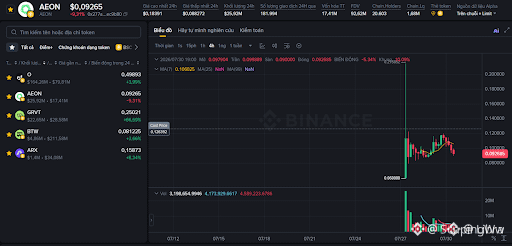
473

·
--
🚀 Meet $GRVT
Tired of choosing between the speed of centralized exchanges and the security of decentralized self-custody?
$GRVT (Gravity) solves both.
Here is everything you need to know about this brand-new token:
⚡️ Institutional Speed: Processes an incredible 600,000 transactions per second off-chain.
🔑 Ultimate Security: 100% self-custodial. Your keys, your crypto, always settled securely on-chain.
🇦🇪 Heavyweight Backing: Raised over $33M, co-led by the ZKsync Foundation and Further Ventures (backed by Abu Dhabi's sovereign wealth fund).
💰 Capital Efficiency: Earn passive DeFi yields on your idle assets while simultaneously using them as trading margin.
With its innovative anti-dump tokenomics rewarding long-term diamond hands, GRVT is building the blueprint for the future of derivatives trading.
Are you accumulating GRVT at these early price discovery levels, or waiting for the next platform milestone? Let me know below! 👇
{future}(GRVTUSDT)
#grvt #CeDeFi #Zksync #cryptotradingpro #Layer2
🚀 Meet $GRVT
Tired of choosing between the speed of centralized exchanges and the security of decentralized self-custody?
$GRVT (Gravity) solves both.
Here is everything you need to know about this brand-new token:
⚡️ Institutional Speed: Processes an incredible 600,000 transactions per second off-chain.
🔑 Ultimate Security: 100% self-custodial. Your keys, your crypto, always settled securely on-chain.
🇦🇪 Heavyweight Backing: Raised over $33M, co-led by the ZKsync Foundation and Further Ventures (backed by Abu Dhabi's sovereign wealth fund).
💰 Capital Efficiency: Earn passive DeFi yields on your idle assets while simultaneously using them as trading margin.
With its innovative anti-dump tokenomics rewarding long-term diamond hands, GRVT is building the blueprint for the future of derivatives trading.
Are you accumulating GRVT at these early price discovery levels, or waiting for the next platform milestone? Let me know below! 👇
#grvt #CeDeFi #Zksync #cryptotradingpro #Layer2
Tired of choosing between the speed of centralized exchanges and the security of decentralized self-custody?
$GRVT (Gravity) solves both.
Here is everything you need to know about this brand-new token:
⚡️ Institutional Speed: Processes an incredible 600,000 transactions per second off-chain.
🔑 Ultimate Security: 100% self-custodial. Your keys, your crypto, always settled securely on-chain.
🇦🇪 Heavyweight Backing: Raised over $33M, co-led by the ZKsync Foundation and Further Ventures (backed by Abu Dhabi's sovereign wealth fund).
💰 Capital Efficiency: Earn passive DeFi yields on your idle assets while simultaneously using them as trading margin.
With its innovative anti-dump tokenomics rewarding long-term diamond hands, GRVT is building the blueprint for the future of derivatives trading.
Are you accumulating GRVT at these early price discovery levels, or waiting for the next platform milestone? Let me know below! 👇
#grvt #CeDeFi #Zksync #cryptotradingpro #Layer2
223

·
--
BounceBit: Expanding the Power of Bitcoin Through Restaking with CeDeFi Technology within the Binance Ecosystem
🚀 Introduction
My family at Binance, today I would like to talk about the next phase in the evolution of Bitcoin — the BounceBit project, a Restaking platform built on a secure and integrated CeDeFi system.
It is designed to provide Bitcoin holders with more value, opportunities, and control, while maintaining the principles of transparency, security, and compliance that have always distinguished Binance.
BounceBit: Expanding the Power of Bitcoin Through Restaking with CeDeFi Technology within the Binance Ecosystem
🚀 Introduction
My family at Binance, today I would like to talk about the next phase in the evolution of Bitcoin — the BounceBit project, a Restaking platform built on a secure and integrated CeDeFi system.
It is designed to provide Bitcoin holders with more value, opportunities, and control, while maintaining the principles of transparency, security, and compliance that have always distinguished Binance.
My family at Binance, today I would like to talk about the next phase in the evolution of Bitcoin — the BounceBit project, a Restaking platform built on a secure and integrated CeDeFi system.
It is designed to provide Bitcoin holders with more value, opportunities, and control, while maintaining the principles of transparency, security, and compliance that have always distinguished Binance.
1
2
9
7.4k
Log in to explore more content
Join global crypto users on Binance Square
⚡️ Get latest and useful information about crypto.
💬 Trusted by the world’s largest crypto exchange.
👍 Discover real insights from verified creators.
Email / Phone number
Trending Topics
1
#BTCBreaks80K
10,633 views
315 Discussing
2
#BuffettBecomesBerkshireChairmanEmeritus
44 views
23 Discussing
3
#ZcashSpotETFTops$230MMonthlyInflow
184 views
21 Discussing
4
#HYPEJumpsOver11%
19,786 views
622 Discussing
5
#ZcashDevelopersTargetNU7MainnetActivationNov5
5,775 views
233 Discussing
6
#BitcoinSpotETFsNetInflow$159M
5,587 views
87 Discussing
7
#HKMAPlansWholesaleCBDCByYearEnd
22,997 views
672 Discussing
8
#NEARSurges26%Past$3.45
14,449 views
129 Discussing
9
#BOJHikesRatesTo31YearHigh
42,571 views
1,006 Discussing
10
#EvernorthRaises$30MToBuyXRP
1,393 views
34 Discussing