

Bit_Guru
45.5k Posts

Bit_Guru
 Square Verified+
Report
Block User
Only Live Trader on Binance Square 💛 // Binance, CMC & X kols handle @bitgu_ru // PnL is always Live

Live Trader

Creator Awards 2024
Open Trade
Occasional Trader
2.7 Years
65 Following
156.8K+ Followers
302.7K+ Liked
3 Badges
Posts
Portfolio
All
Quotes
Videos
Live
PINNED
·
--
Article
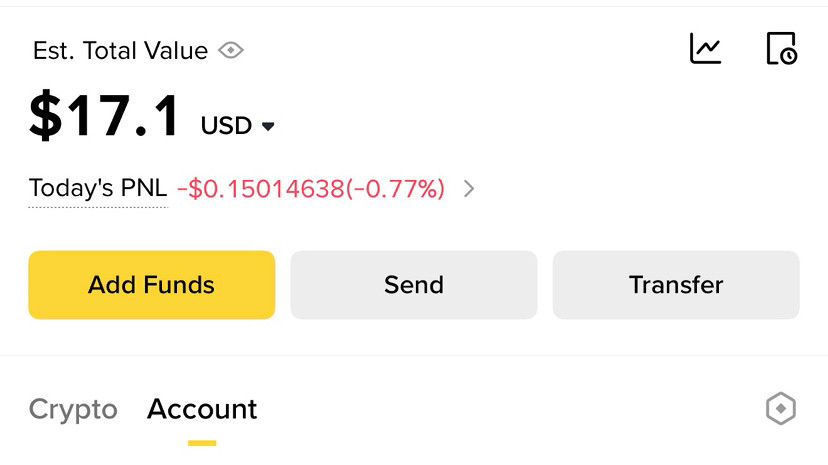
Is it possible to make $100 with only $17Many people think you need a big account to make real money in trading. That’s not true. The truth is simple it’s not about how much you start with, it’s about how you manage what you have.
Yes, it is absolutely possible to turn $17 into $100. But not by luck, not by gambling, and definitely not by chasing every pump you see. It requires discipline, patience, and a clear plan.
First, you need to understand one thing: small capital requires smart execution. You can’t afford big mistakes. One bad trade with high risk can wipe out your account. That’s why risk management becomes your strongest weapon.
Set a daily target. It doesn’t need to be huge. Even 3%–5% per day is enough. It may sound small, but consistency compounds faster than you think. If you stay disciplined, those small wins start building into something big.
Second, patience is everything. You don’t need to trade every day or every setup. Wait for clear opportunities strong support and resistance, clean breakouts, or obvious rejection zones. The market always gives chances, but only patient traders take the right ones.
Third, control your emotions. With a small account, people often overtrade because they want fast results. That’s where most fail. They increase leverage, take random entries, and ignore their plan. You have to do the opposite stay calm, follow your setup, and accept slow growth.
Another important point is consistency over hype. You don’t need one big win. You need many small correct decisions. That’s what builds your account. Even if you grow your account from $17 to $20, then $25, then $35 you are already winning.
Also, protect your capital at all costs. If you lose your account, the journey ends. If you protect it, you always have another chance.
In simple terms:
You don’t grow a small account by rushing
You grow it by repeating a disciplined process again and again
So yes, turning $17 into $100 is possible. But only for those who are willing to stay patient, follow a plan, and trade with control instead of emotion.
The market rewards consistency, not desperation
Start small
Stay focused
And let your discipline do the work
Trade Only coins Like $ETH , $BNB & $SOL
#cryptotradingpro #RiskManagementMastery
{future}(ETHUSDT)
{future}(BNBUSDT)
{future}(SOLUSDT)
Is it possible to make $100 with only $17
Many people think you need a big account to make real money in trading. That’s not true. The truth is simple it’s not about how much you start with, it’s about how you manage what you have.
Yes, it is absolutely possible to turn $17 into $100. But not by luck, not by gambling, and definitely not by chasing every pump you see. It requires discipline, patience, and a clear plan.
First, you need to understand one thing: small capital requires smart execution. You can’t afford big mistakes. One bad trade with high risk can wipe out your account. That’s why risk management becomes your strongest weapon.
Set a daily target. It doesn’t need to be huge. Even 3%–5% per day is enough. It may sound small, but consistency compounds faster than you think. If you stay disciplined, those small wins start building into something big.
Second, patience is everything. You don’t need to trade every day or every setup. Wait for clear opportunities strong support and resistance, clean breakouts, or obvious rejection zones. The market always gives chances, but only patient traders take the right ones.
Third, control your emotions. With a small account, people often overtrade because they want fast results. That’s where most fail. They increase leverage, take random entries, and ignore their plan. You have to do the opposite stay calm, follow your setup, and accept slow growth.
Another important point is consistency over hype. You don’t need one big win. You need many small correct decisions. That’s what builds your account. Even if you grow your account from $17 to $20, then $25, then $35 you are already winning.
Also, protect your capital at all costs. If you lose your account, the journey ends. If you protect it, you always have another chance.
In simple terms:
You don’t grow a small account by rushing
You grow it by repeating a disciplined process again and again
So yes, turning $17 into $100 is possible. But only for those who are willing to stay patient, follow a plan, and trade with control instead of emotion.
The market rewards consistency, not desperation
Start small
Stay focused
And let your discipline do the work
Trade Only coins Like $ETH , $BNB & $SOL
#cryptotradingpro #RiskManagementMastery
Yes, it is absolutely possible to turn $17 into $100. But not by luck, not by gambling, and definitely not by chasing every pump you see. It requires discipline, patience, and a clear plan.
First, you need to understand one thing: small capital requires smart execution. You can’t afford big mistakes. One bad trade with high risk can wipe out your account. That’s why risk management becomes your strongest weapon.
Set a daily target. It doesn’t need to be huge. Even 3%–5% per day is enough. It may sound small, but consistency compounds faster than you think. If you stay disciplined, those small wins start building into something big.
Second, patience is everything. You don’t need to trade every day or every setup. Wait for clear opportunities strong support and resistance, clean breakouts, or obvious rejection zones. The market always gives chances, but only patient traders take the right ones.
Third, control your emotions. With a small account, people often overtrade because they want fast results. That’s where most fail. They increase leverage, take random entries, and ignore their plan. You have to do the opposite stay calm, follow your setup, and accept slow growth.
Another important point is consistency over hype. You don’t need one big win. You need many small correct decisions. That’s what builds your account. Even if you grow your account from $17 to $20, then $25, then $35 you are already winning.
Also, protect your capital at all costs. If you lose your account, the journey ends. If you protect it, you always have another chance.
In simple terms:
You don’t grow a small account by rushing
You grow it by repeating a disciplined process again and again
So yes, turning $17 into $100 is possible. But only for those who are willing to stay patient, follow a plan, and trade with control instead of emotion.
The market rewards consistency, not desperation
Start small
Stay focused
And let your discipline do the work
Trade Only coins Like $ETH , $BNB & $SOL
#cryptotradingpro #RiskManagementMastery
324
58
772
689.2k
PINNED
·
--
Bullish
It took me 4 years in the crypto market to realize these things & you only need 2 minutes to read: 🤏
1. No matter the market condition, one thing stays the same: 8% of people will own 21 million Bitcoin.
2. Financial, capital, and risk management skills are 100 times more important than technical analysis or crypto research.
3. Earning while you sleep: There are many ways to make money in the crypto market without actively trading.
On average, #Bitcoin has increased more than 100% per year over the past 15 years. Yet, why do so few people make money? Because getting rich quickly is a common mentality. If you can't dedicate at least 4 hours a day to crypto, stick to Bitcoin and ETH—70% in BTC and 30% in ETH.
Trust no one: Trust leads to hope, disappointment, and errors. Learn independently and take responsibility for your actions. This is how to gain automatic minting experience!
The ultimate goal of investing: Make life more meaningful. If crypto investing can achieve that, do it. If not, reconsider.
Crypto is now a financial market: Originally born from technology, it's now influenced by macroeconomics and connected to mainstream financial markets.
People may discourage you from buying Bitcoin, but remember, once something is widely accepted, the opportunity might be gone. Seize your chance now!
Invest wisely, make meaningful choices, and let crypto pave the way to a better future.
#CryptoInvesting #ethbeta #Write2Earn! #BinanceTurns7 $BTC $ETH $SOL
{spot}(SOLUSDT)
{spot}(ETHUSDT)
{spot}(BTCUSDT)
It took me 4 years in the crypto market to realize these things & you only need 2 minutes to read: 🤏
1. No matter the market condition, one thing stays the same: 8% of people will own 21 million Bitcoin.
2. Financial, capital, and risk management skills are 100 times more important than technical analysis or crypto research.
3. Earning while you sleep: There are many ways to make money in the crypto market without actively trading.
On average, #Bitcoin has increased more than 100% per year over the past 15 years. Yet, why do so few people make money? Because getting rich quickly is a common mentality. If you can't dedicate at least 4 hours a day to crypto, stick to Bitcoin and ETH—70% in BTC and 30% in ETH.
Trust no one: Trust leads to hope, disappointment, and errors. Learn independently and take responsibility for your actions. This is how to gain automatic minting experience!
The ultimate goal of investing: Make life more meaningful. If crypto investing can achieve that, do it. If not, reconsider.
Crypto is now a financial market: Originally born from technology, it's now influenced by macroeconomics and connected to mainstream financial markets.
People may discourage you from buying Bitcoin, but remember, once something is widely accepted, the opportunity might be gone. Seize your chance now!
Invest wisely, make meaningful choices, and let crypto pave the way to a better future.
#CryptoInvesting #ethbeta #Write2Earn! #BinanceTurns7 $BTC $ETH $SOL
1. No matter the market condition, one thing stays the same: 8% of people will own 21 million Bitcoin.
2. Financial, capital, and risk management skills are 100 times more important than technical analysis or crypto research.
3. Earning while you sleep: There are many ways to make money in the crypto market without actively trading.
On average, #Bitcoin has increased more than 100% per year over the past 15 years. Yet, why do so few people make money? Because getting rich quickly is a common mentality. If you can't dedicate at least 4 hours a day to crypto, stick to Bitcoin and ETH—70% in BTC and 30% in ETH.
Trust no one: Trust leads to hope, disappointment, and errors. Learn independently and take responsibility for your actions. This is how to gain automatic minting experience!
The ultimate goal of investing: Make life more meaningful. If crypto investing can achieve that, do it. If not, reconsider.
Crypto is now a financial market: Originally born from technology, it's now influenced by macroeconomics and connected to mainstream financial markets.
People may discourage you from buying Bitcoin, but remember, once something is widely accepted, the opportunity might be gone. Seize your chance now!
Invest wisely, make meaningful choices, and let crypto pave the way to a better future.
#CryptoInvesting #ethbeta #Write2Earn! #BinanceTurns7 $BTC $ETH $SOL

302
103
2.2k
1.1M
·
--
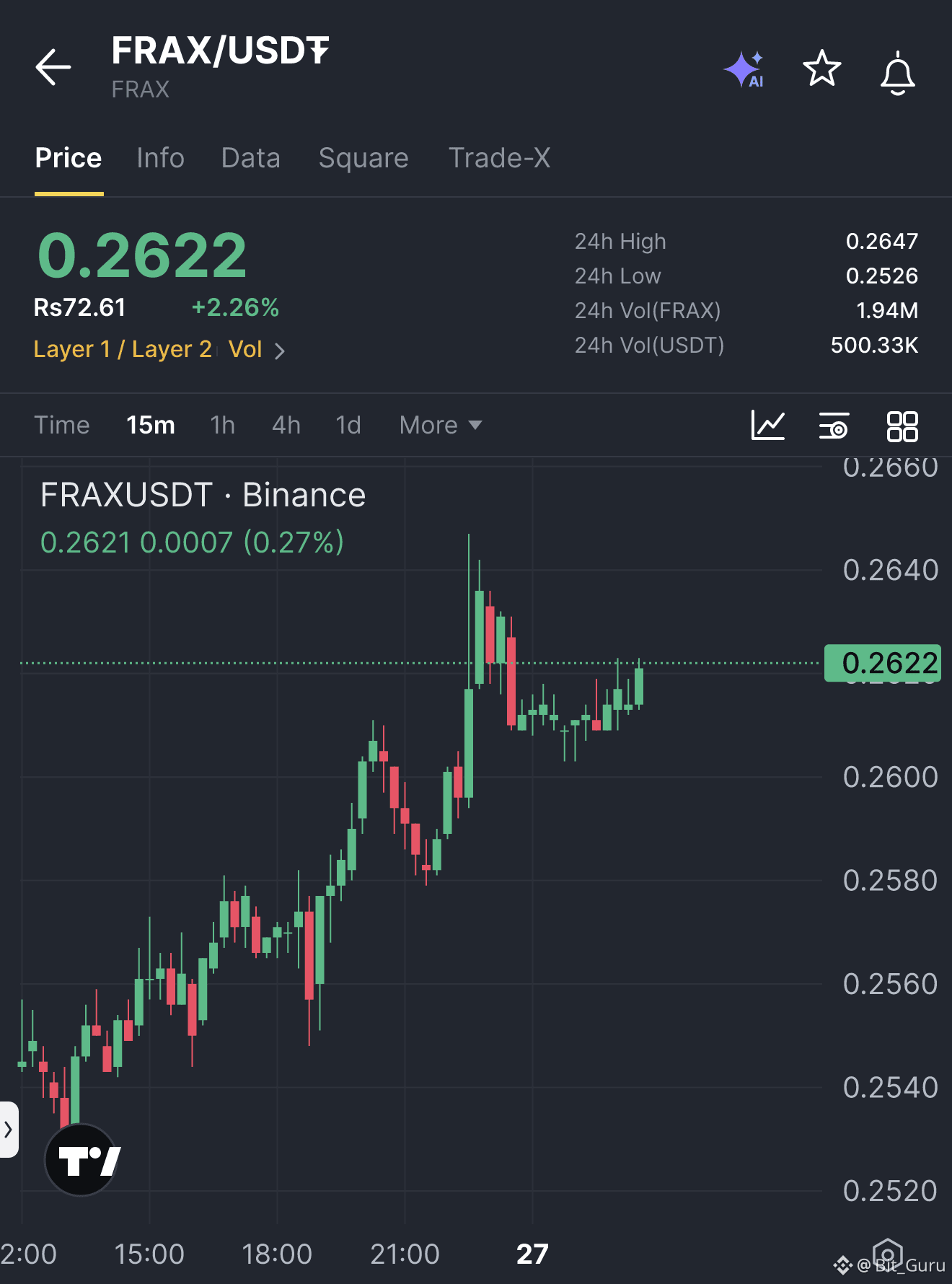
$FRAX is going up. Buyers just took over 0.2623 and the move looks strong.
Long entry: 0.2624
TP1: 0.26555 | TP2: 0.26765 | TP3: 0.2708
SL: 0.2603
Be patient on the entry and keep your stop loss in place.
#BinanceSquare #BitGuru
$FRAX is going up. Buyers just took over 0.2623 and the move looks strong.
Long entry: 0.2624
TP1: 0.26555 | TP2: 0.26765 | TP3: 0.2708
SL: 0.2603
Be patient on the entry and keep your stop loss in place.
#BinanceSquare #BitGuru
Long entry: 0.2624
TP1: 0.26555 | TP2: 0.26765 | TP3: 0.2708
SL: 0.2603
Be patient on the entry and keep your stop loss in place.
#BinanceSquare #BitGuru
14
·
--
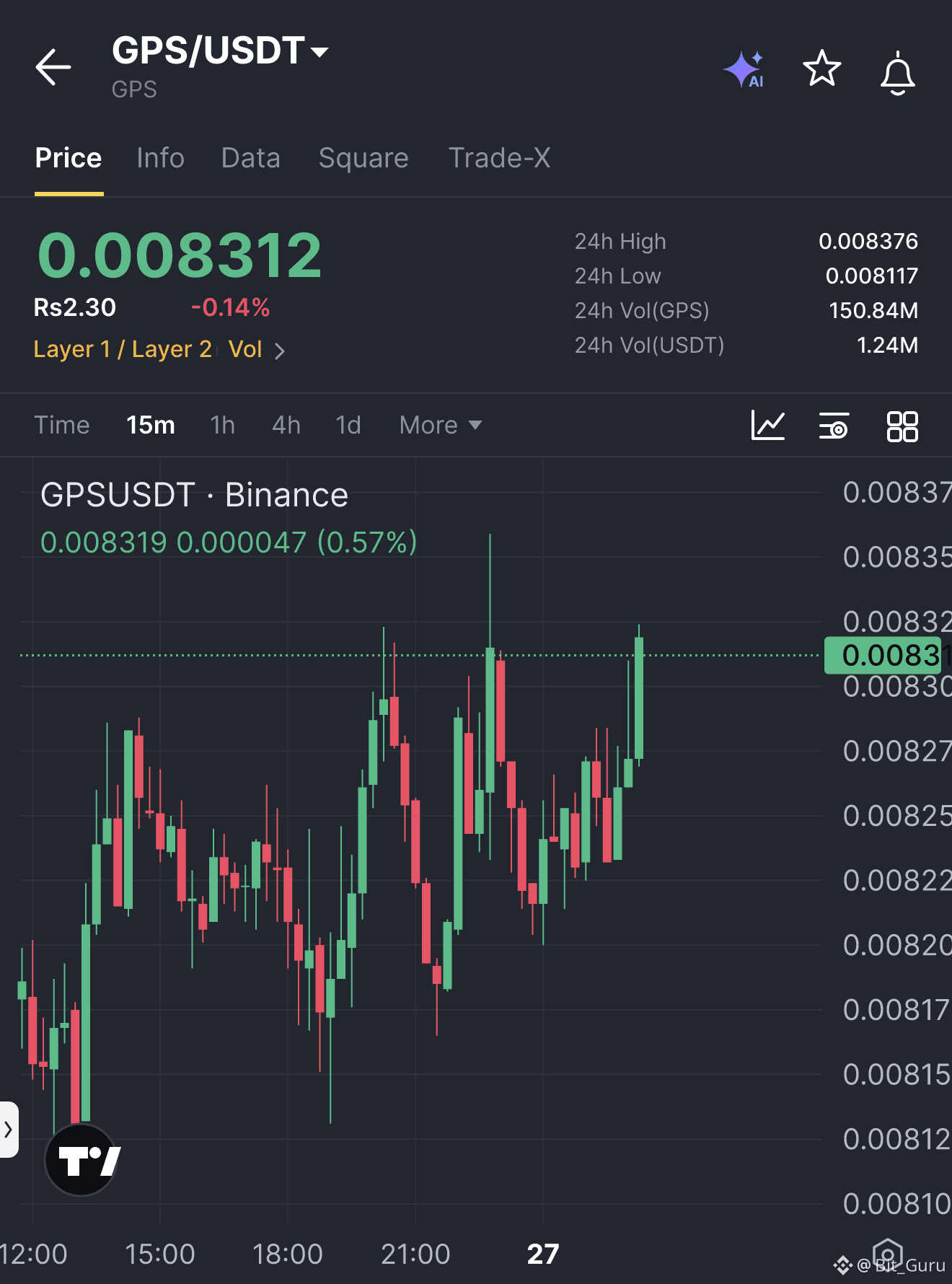
Do not sleep on $GPS. It is trading above 0.00831 and still moving up.
Long entry: 0.008319
TP1: 0.00846 | TP2: 0.008554 | TP3: 0.008695
SL: 0.008225
The entry zone is open right now. Do not chase if price runs far from it.
#BinanceSquare #BitGuru
Do not sleep on $GPS . It is trading above 0.00831 and still moving up.
Long entry: 0.008319
TP1: 0.00846 | TP2: 0.008554 | TP3: 0.008695
SL: 0.008225
The entry zone is open right now. Do not chase if price runs far from it.
#BinanceSquare #BitGuru
Long entry: 0.008319
TP1: 0.00846 | TP2: 0.008554 | TP3: 0.008695
SL: 0.008225
The entry zone is open right now. Do not chase if price runs far from it.
#BinanceSquare #BitGuru
144
·
--
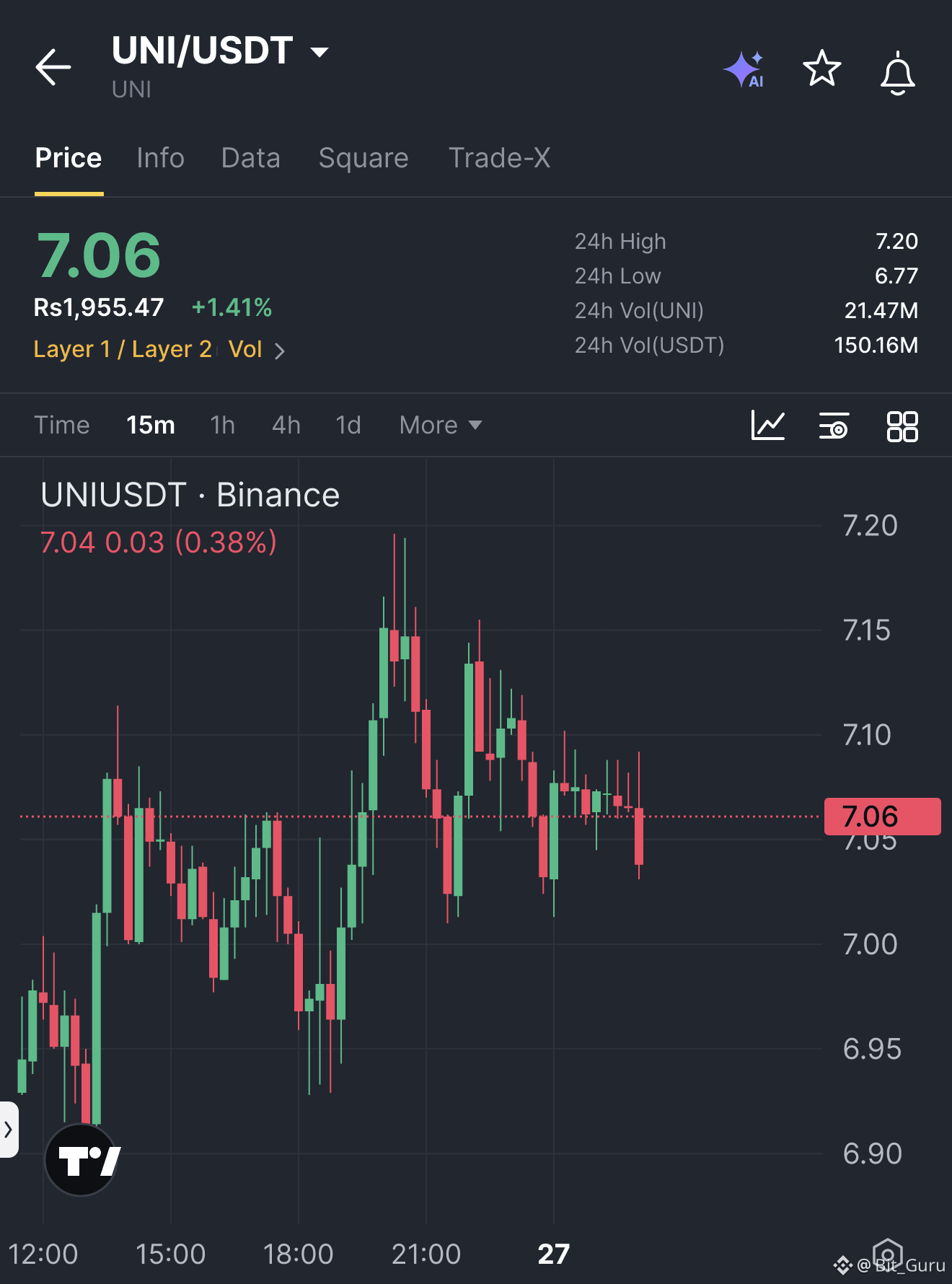
$UNI closed after TP1
The trade reached TP1 but did not go further, so the setup is now closed.
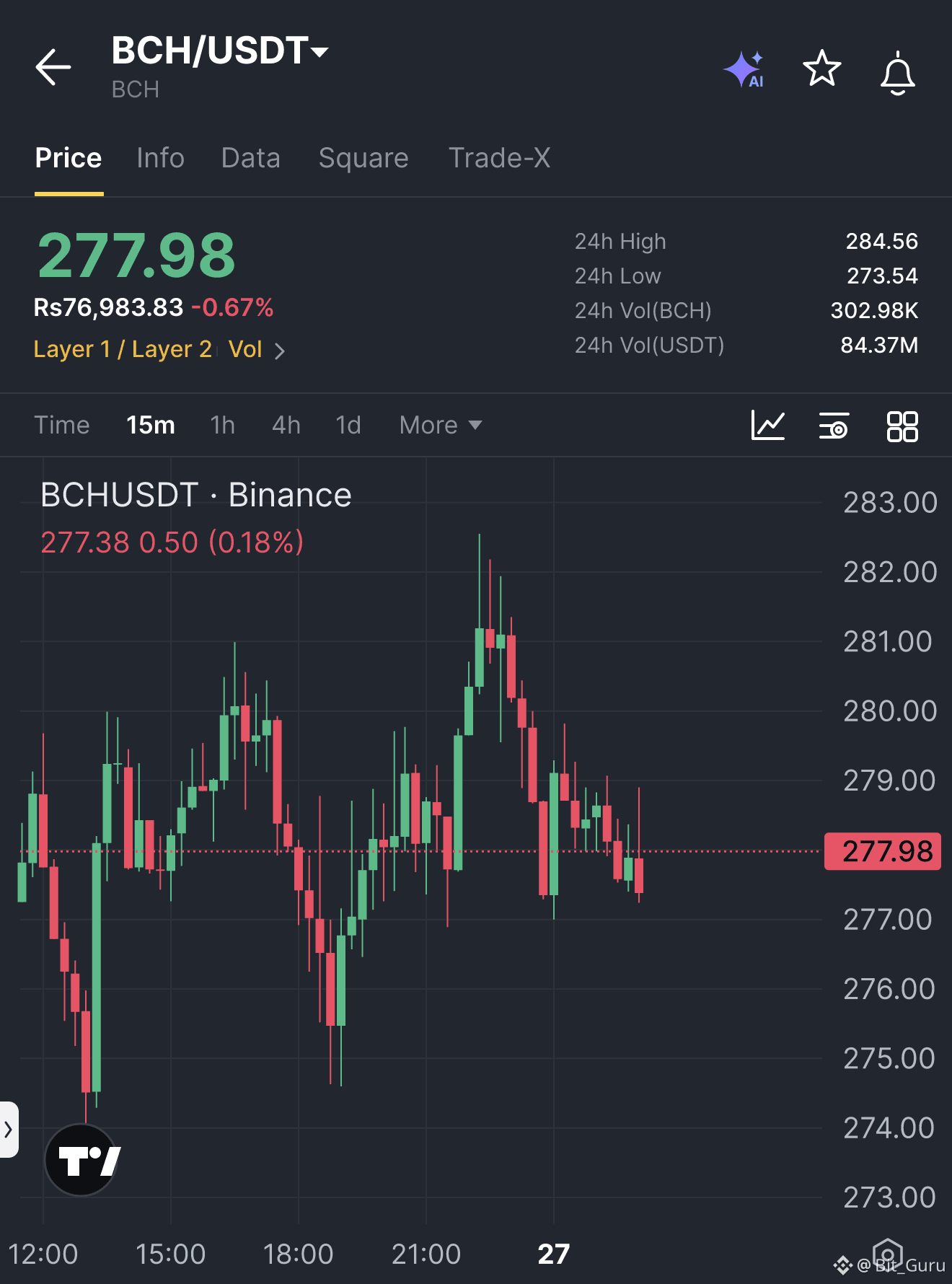
$BCH hit the stop loss
Price came back to 276.89 and the setup is closed.
A stop loss is part of trading. We cut it and move to the next setup.
$UNI closed after TP1
The trade reached TP1 but did not go further, so the setup is now closed.
$BCH hit the stop loss
Price came back to 276.89 and the setup is closed.
A stop loss is part of trading. We cut it and move to the next setup.
The trade reached TP1 but did not go further, so the setup is now closed.
$BCH hit the stop loss
Price came back to 276.89 and the setup is closed.
A stop loss is part of trading. We cut it and move to the next setup.
2
168
·
--
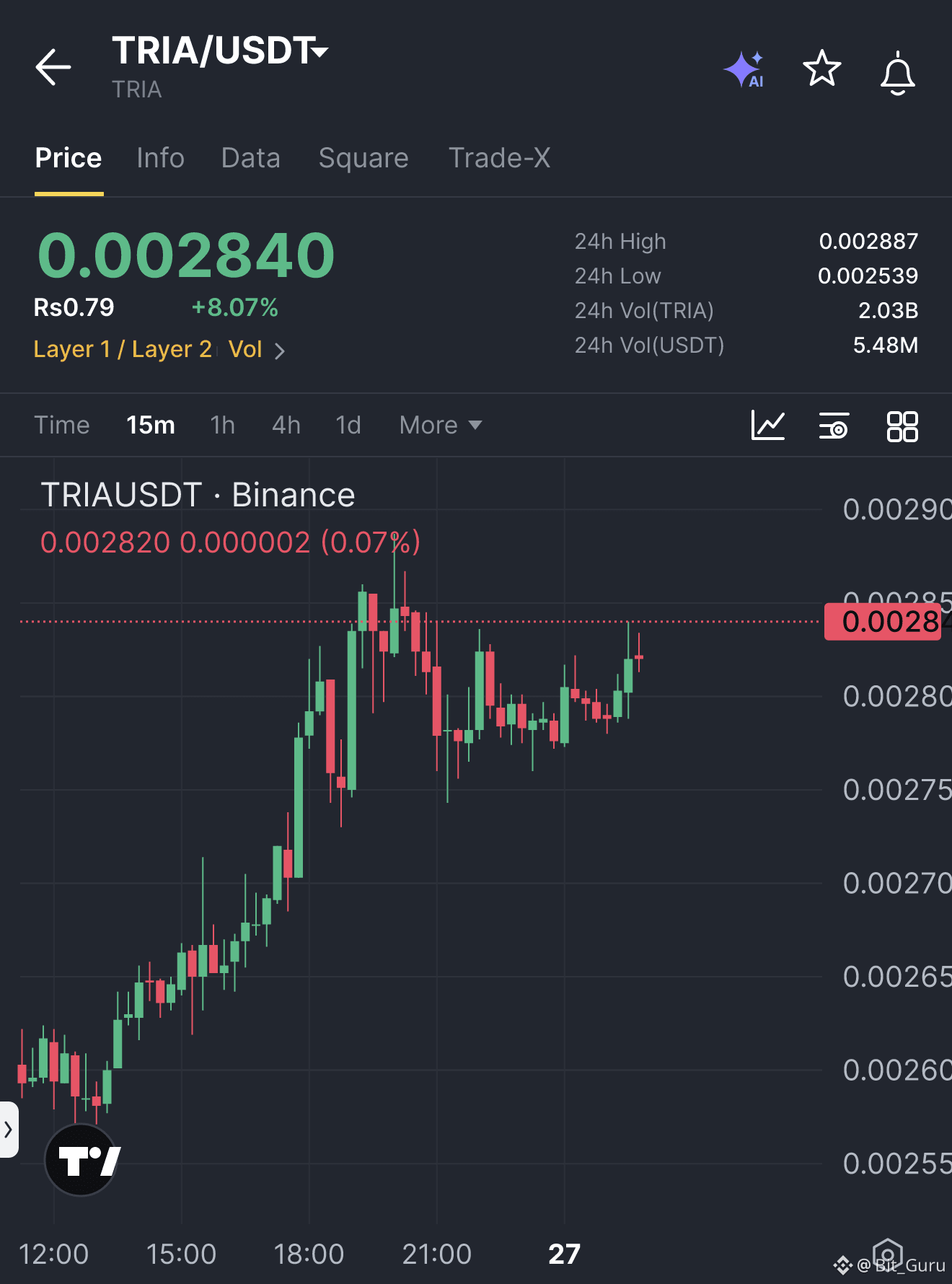
$TRIA just broke out. Buyers are in control above 0.00284.
Long entry: 0.002845
TP1: 0.0029425 | TP2: 0.0030075 | TP3: 0.003105
SL: 0.00278
Do not wait too long, the entry zone is live. Always use the stop loss.
#BinanceSquare #BitGuru
$TRIA just broke out. Buyers are in control above 0.00284.
Long entry: 0.002845
TP1: 0.0029425 | TP2: 0.0030075 | TP3: 0.003105
SL: 0.00278
Do not wait too long, the entry zone is live. Always use the stop loss.
#BinanceSquare #BitGuru
Long entry: 0.002845
TP1: 0.0029425 | TP2: 0.0030075 | TP3: 0.003105
SL: 0.00278
Do not wait too long, the entry zone is live. Always use the stop loss.
#BinanceSquare #BitGuru
1
1
233
·
--
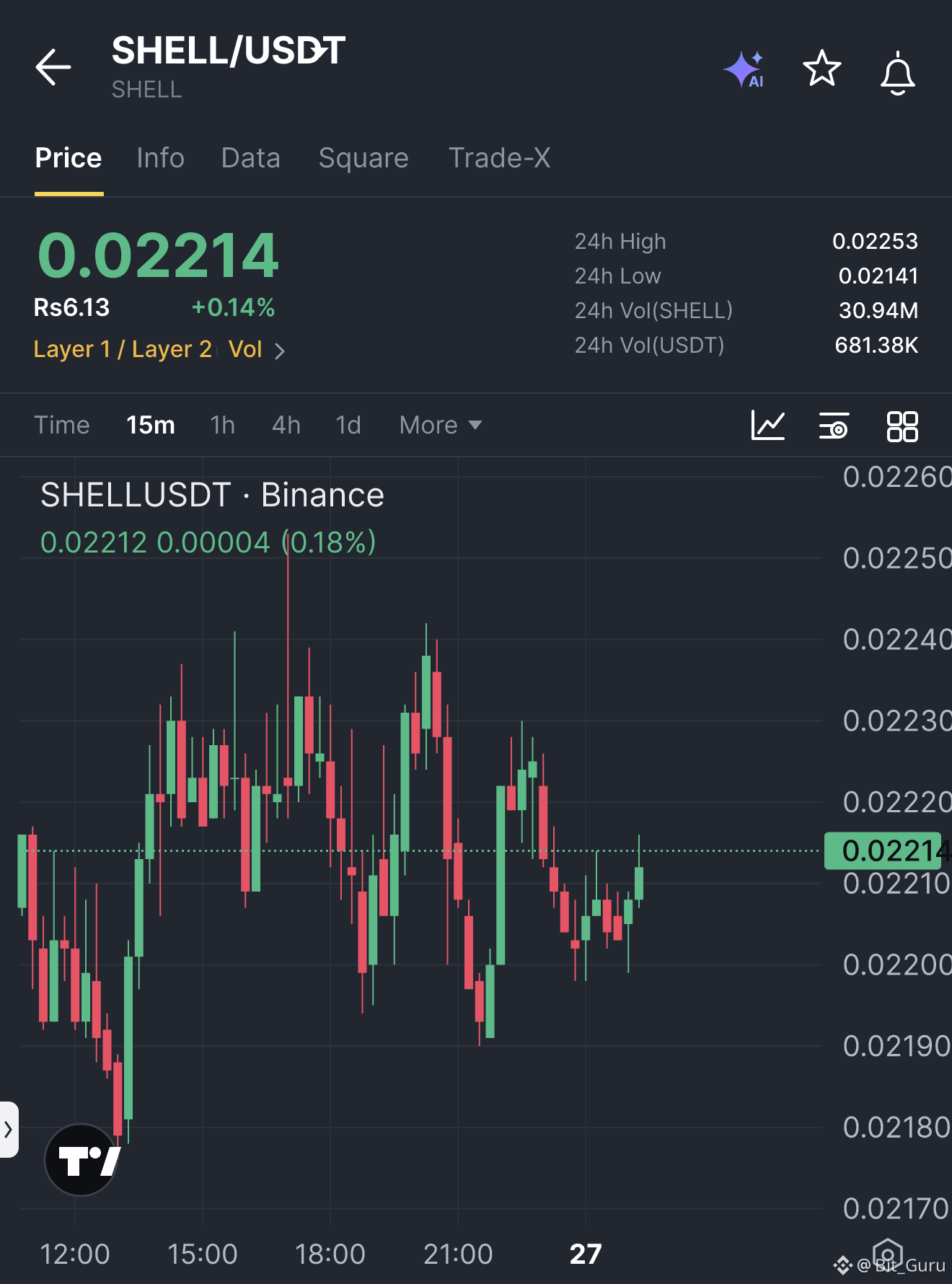
$SHELL is waking up. It broke above 0.02216 with real buying behind it.
Long entry: 0.02217
TP1: 0.022455 | TP2: 0.022645 | TP3: 0.02293
SL: 0.02198
Be patient on the entry and keep your stop loss in place.
#BinanceSquare #BitGuru
$SHELL is waking up. It broke above 0.02216 with real buying behind it.
Long entry: 0.02217
TP1: 0.022455 | TP2: 0.022645 | TP3: 0.02293
SL: 0.02198
Be patient on the entry and keep your stop loss in place.
#BinanceSquare #BitGuru
Long entry: 0.02217
TP1: 0.022455 | TP2: 0.022645 | TP3: 0.02293
SL: 0.02198
Be patient on the entry and keep your stop loss in place.
#BinanceSquare #BitGuru
1
275
·
--
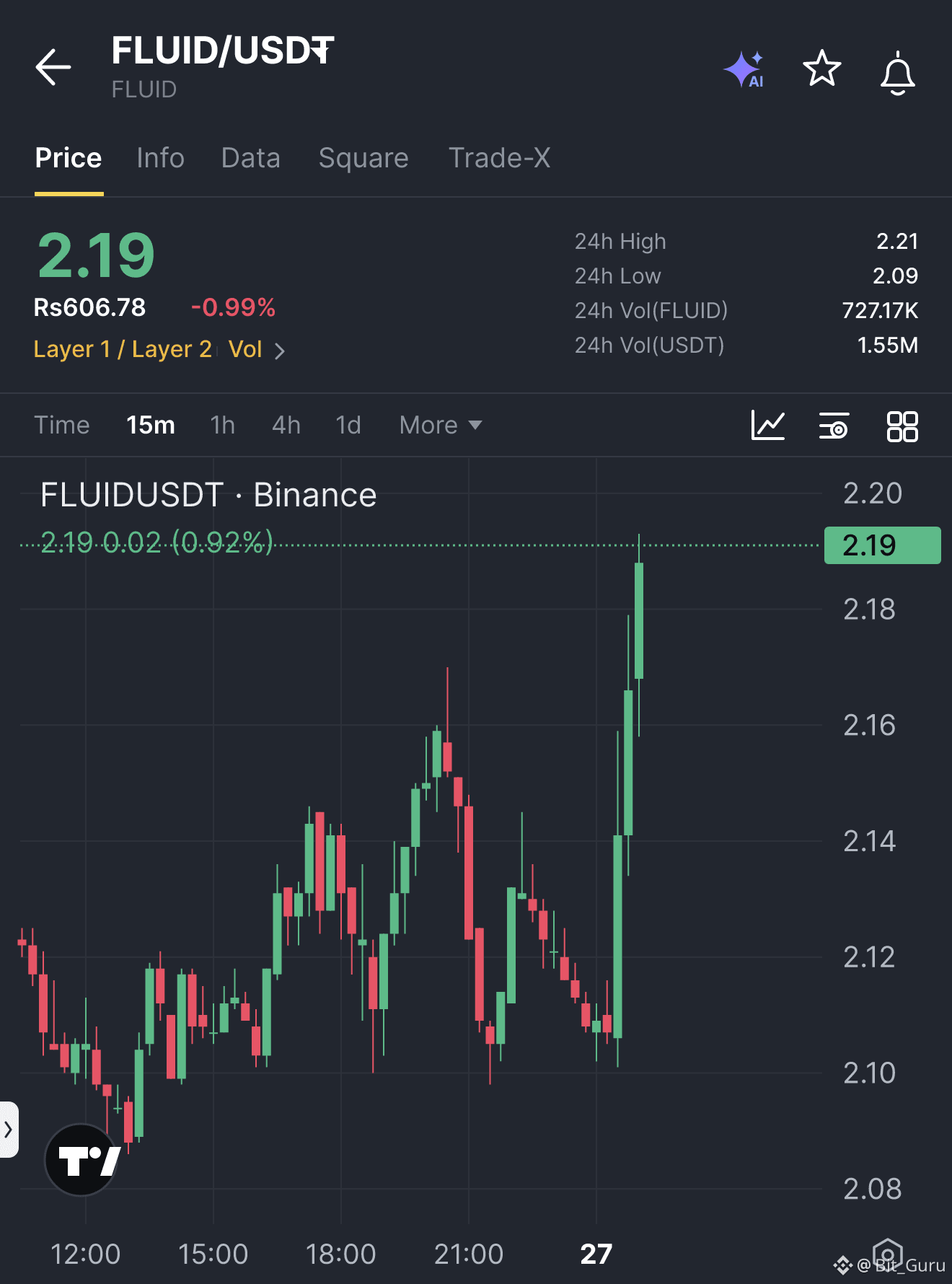
$FLUID hit TP1
Entry was 2.141 and price reached 2.201, a move of +2.80% from entry.
The trade is still running, so keep your stop loss in place.
$FLUID hit TP1
Entry was 2.141 and price reached 2.201, a move of +2.80% from entry.
The trade is still running, so keep your stop loss in place.
Entry was 2.141 and price reached 2.201, a move of +2.80% from entry.
The trade is still running, so keep your stop loss in place.
1
1
335
·
--
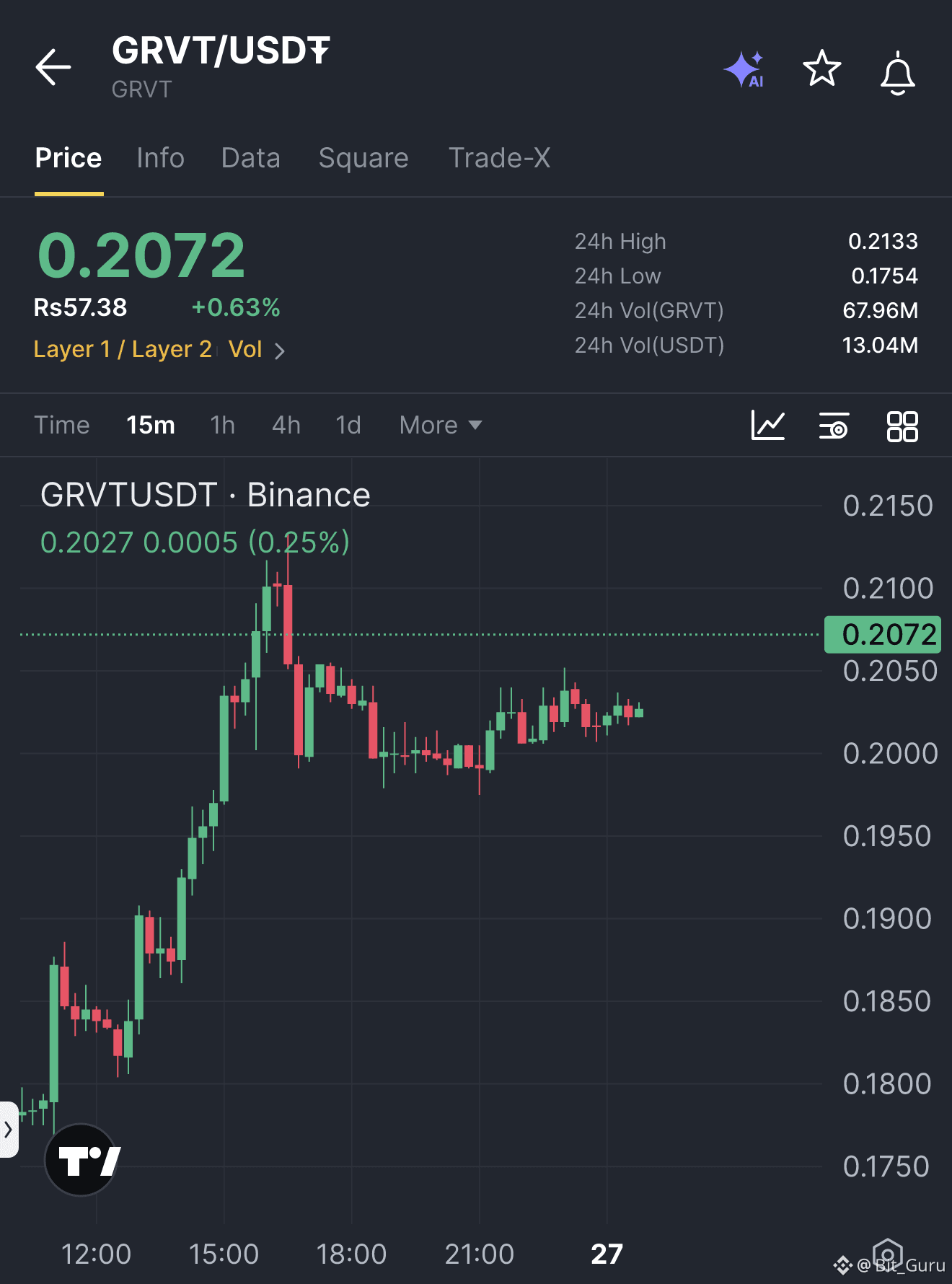
$GRVT is pushing higher right now. Price is holding above 0.2065, so buyers are in control.
Long entry: 0.2067
TP1: 0.2157 | TP2: 0.2217 | TP3: 0.2307
SL: 0.2007
The entry zone is open right now. Do not chase if price runs far from it.
#BinanceSquare #BitGuru
$GRVT is pushing higher right now. Price is holding above 0.2065, so buyers are in control.
Long entry: 0.2067
TP1: 0.2157 | TP2: 0.2217 | TP3: 0.2307
SL: 0.2007
The entry zone is open right now. Do not chase if price runs far from it.
#BinanceSquare #BitGuru
Long entry: 0.2067
TP1: 0.2157 | TP2: 0.2217 | TP3: 0.2307
SL: 0.2007
The entry zone is open right now. Do not chase if price runs far from it.
#BinanceSquare #BitGuru
236
·
--
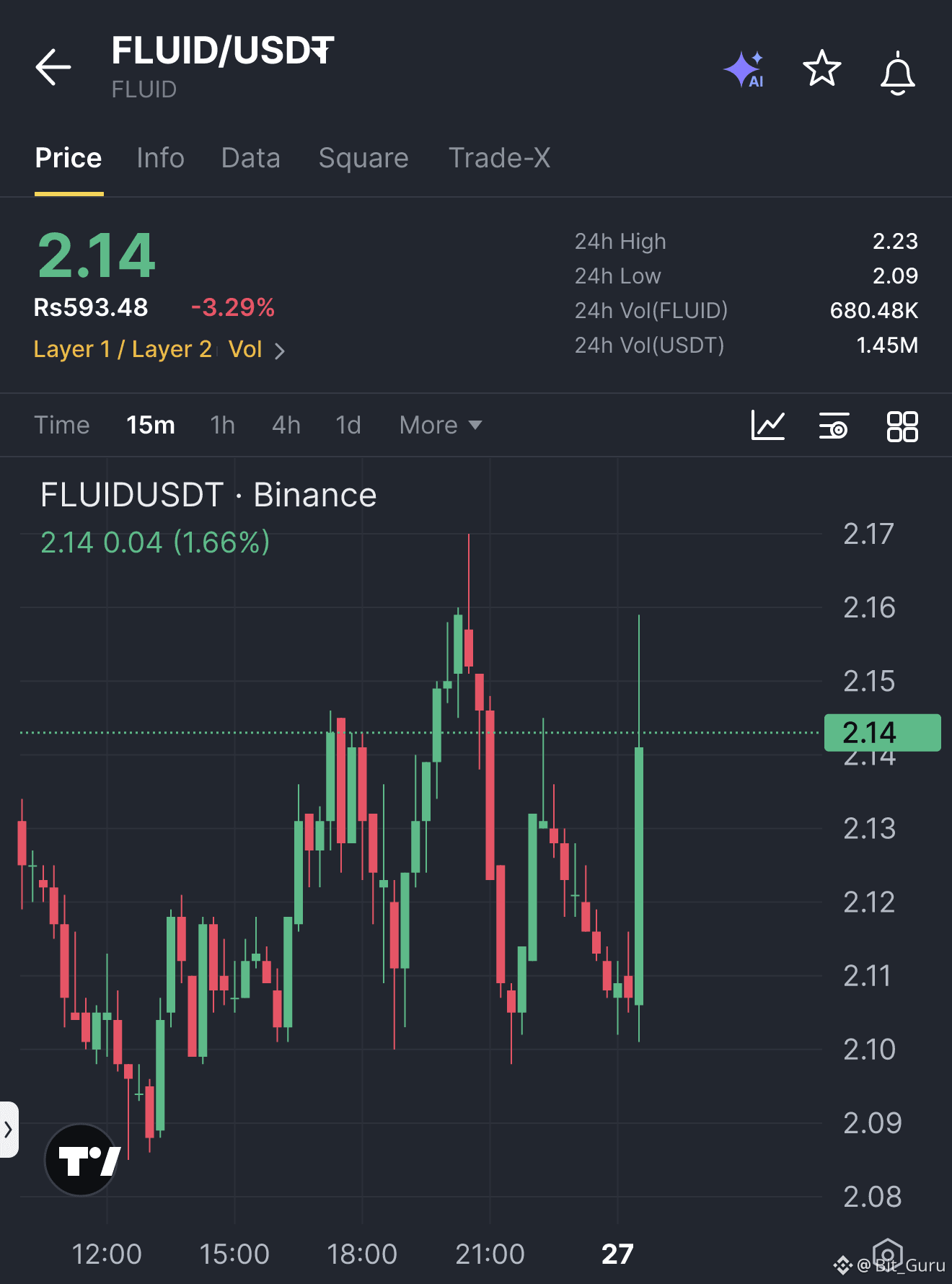
$FLUID is going up. Buyers just took over 2.133 and the move looks strong.
Long entry: 2.141
TP1: 2.201 | TP2: 2.241 | TP3: 2.301
SL: 2.101
Do not wait too long, the entry zone is live. Always use the stop loss.
#BinanceSquare #BitGuru
$FLUID is going up. Buyers just took over 2.133 and the move looks strong.
Long entry: 2.141
TP1: 2.201 | TP2: 2.241 | TP3: 2.301
SL: 2.101
Do not wait too long, the entry zone is live. Always use the stop loss.
#BinanceSquare #BitGuru
Long entry: 2.141
TP1: 2.201 | TP2: 2.241 | TP3: 2.301
SL: 2.101
Do not wait too long, the entry zone is live. Always use the stop loss.
#BinanceSquare #BitGuru
283
·
--
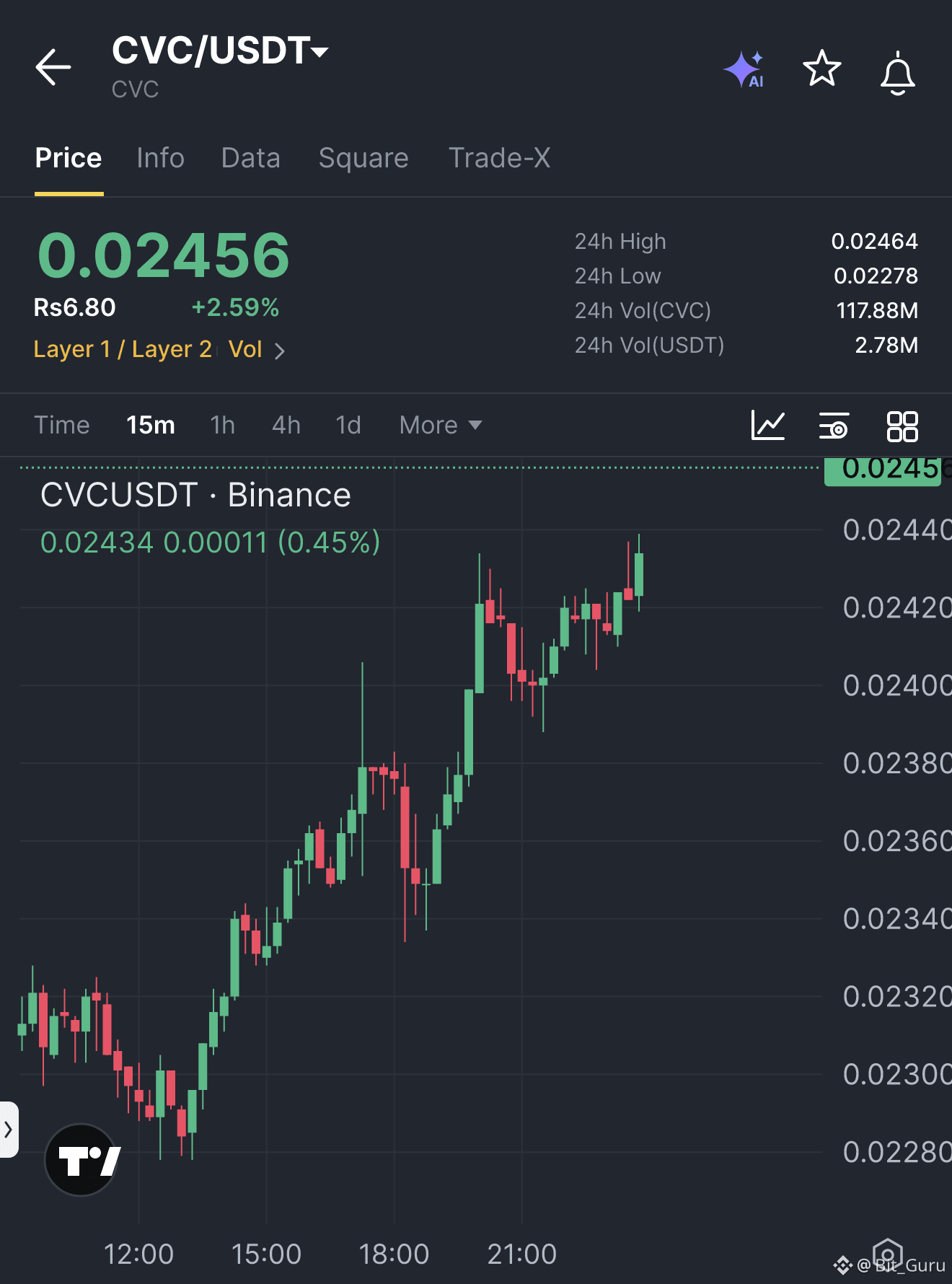
Do not sleep on $CVC. It is trading above 0.02439 and still moving up.
Long entry: 0.02452
TP1: 0.02524 | TP2: 0.02572 | TP3: 0.02644
SL: 0.02404
Be patient on the entry and keep your stop loss in place.
#BinanceSquare #BitGuru
Do not sleep on $CVC . It is trading above 0.02439 and still moving up.
Long entry: 0.02452
TP1: 0.02524 | TP2: 0.02572 | TP3: 0.02644
SL: 0.02404
Be patient on the entry and keep your stop loss in place.
#BinanceSquare #BitGuru
Long entry: 0.02452
TP1: 0.02524 | TP2: 0.02572 | TP3: 0.02644
SL: 0.02404
Be patient on the entry and keep your stop loss in place.
#BinanceSquare #BitGuru
269
·
--
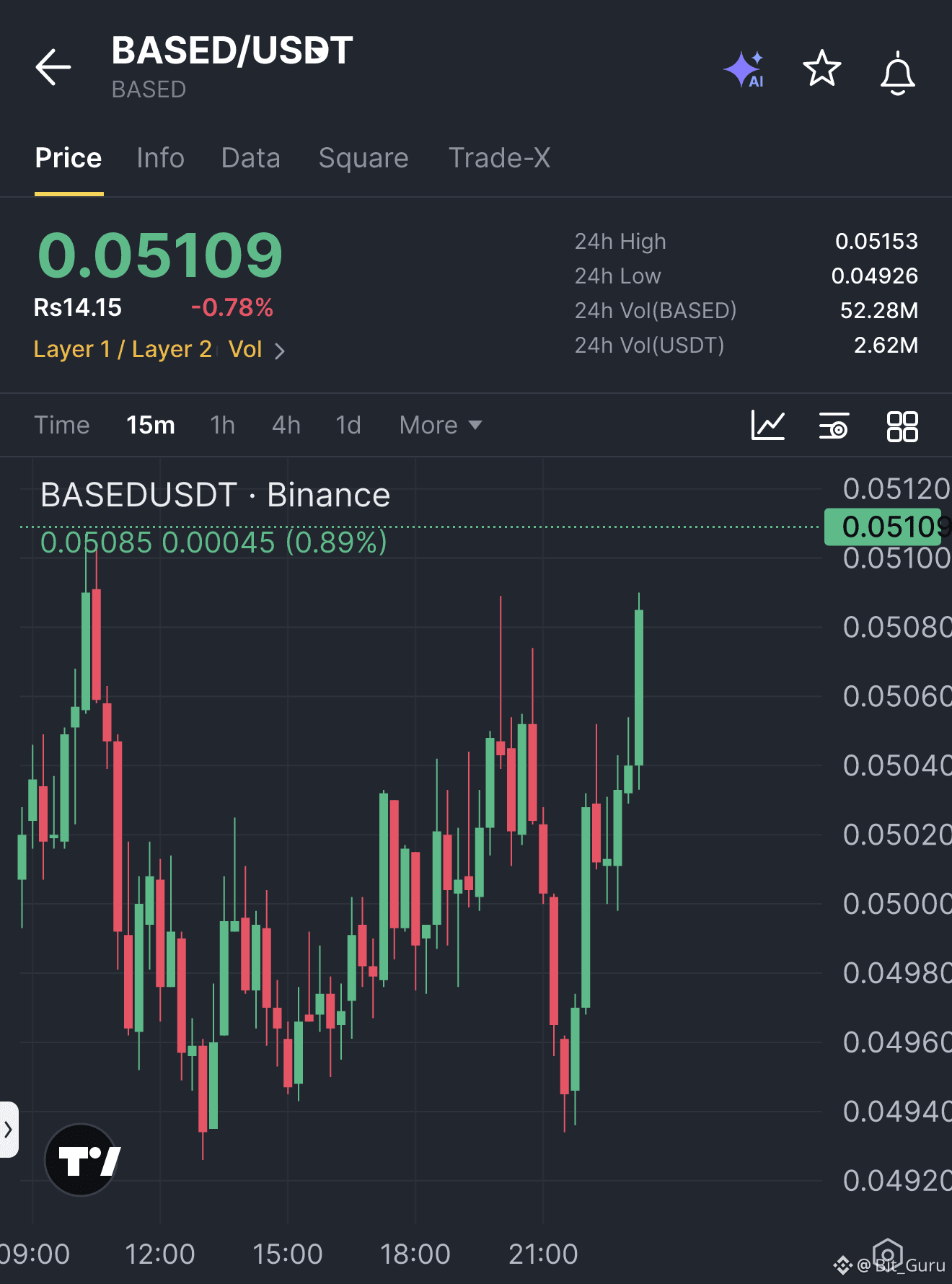
$BASED just broke out. Buyers are in control above 0.05095.
Long entry: 0.05099
TP1: 0.053135 | TP2: 0.054565 | TP3: 0.05671
SL: 0.04956
The entry zone is open right now. Do not chase if price runs far from it.
#BinanceSquare #BitGuru
$BASED just broke out. Buyers are in control above 0.05095.
Long entry: 0.05099
TP1: 0.053135 | TP2: 0.054565 | TP3: 0.05671
SL: 0.04956
The entry zone is open right now. Do not chase if price runs far from it.
#BinanceSquare #BitGuru
Long entry: 0.05099
TP1: 0.053135 | TP2: 0.054565 | TP3: 0.05671
SL: 0.04956
The entry zone is open right now. Do not chase if price runs far from it.
#BinanceSquare #BitGuru
263
·
--
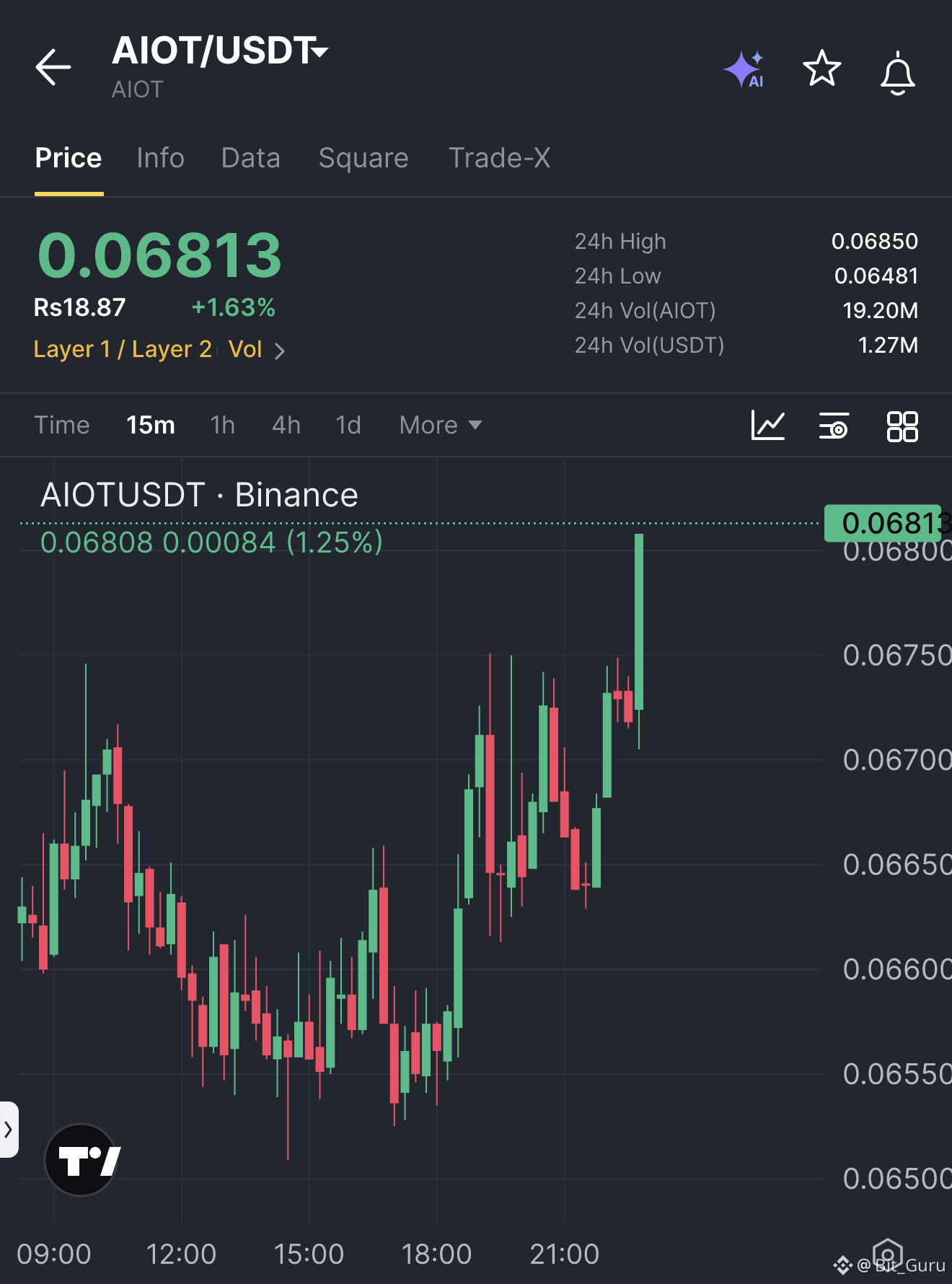
$AIOT is waking up. It broke above 0.06749 with real buying behind it.
Long entry: 0.06766
TP1: 0.069715 | TP2: 0.071085 | TP3: 0.07314
SL: 0.06629
Do not wait too long, the entry zone is live. Always use the stop loss.
#BinanceSquare #BitGuru
$AIOT is waking up. It broke above 0.06749 with real buying behind it.
Long entry: 0.06766
TP1: 0.069715 | TP2: 0.071085 | TP3: 0.07314
SL: 0.06629
Do not wait too long, the entry zone is live. Always use the stop loss.
#BinanceSquare #BitGuru
Long entry: 0.06766
TP1: 0.069715 | TP2: 0.071085 | TP3: 0.07314
SL: 0.06629
Do not wait too long, the entry zone is live. Always use the stop loss.
#BinanceSquare #BitGuru
231
·
--
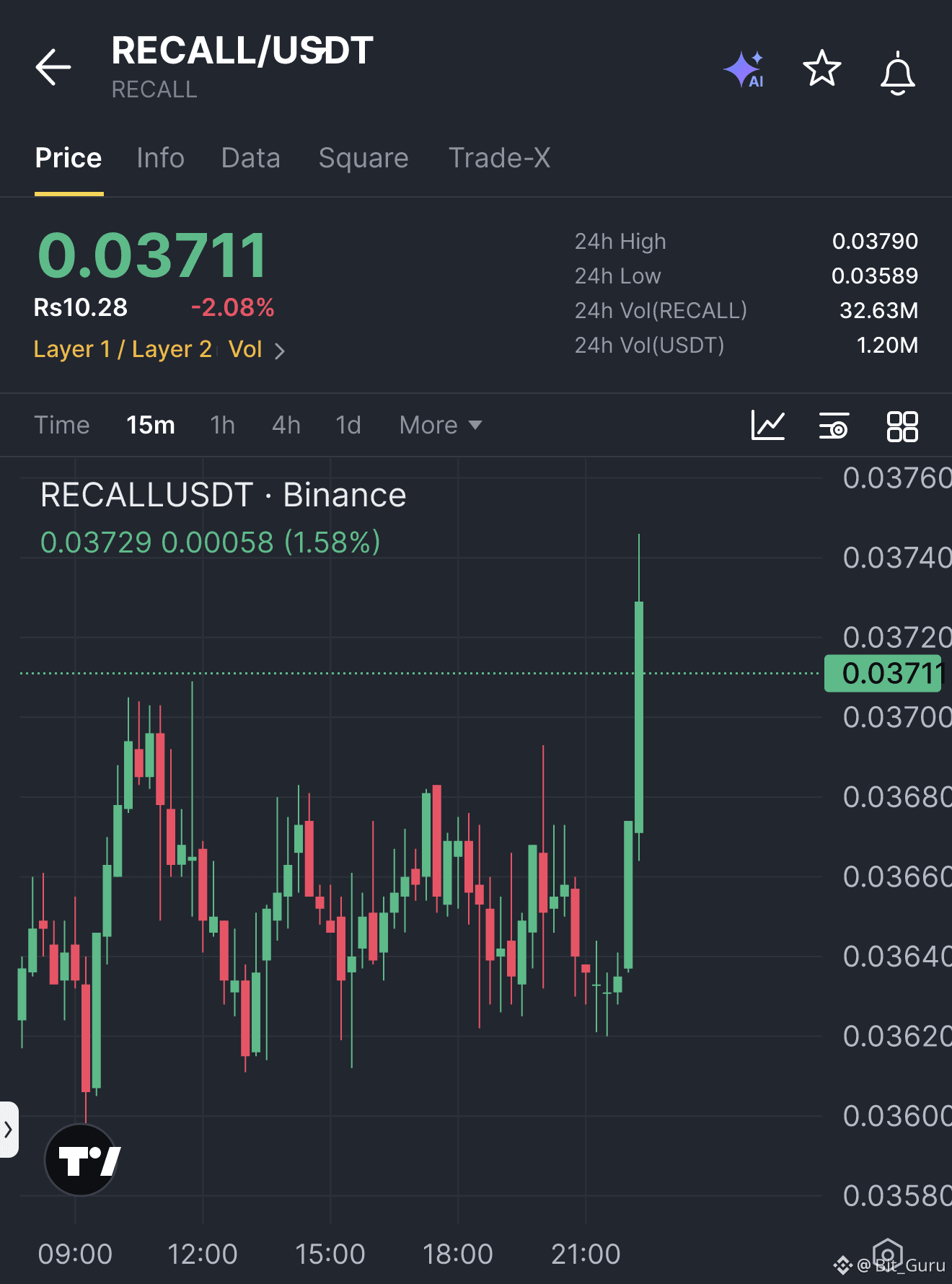
$RECALL is pushing higher right now. Price is holding above 0.0368, so buyers are in control.
Long entry: 0.03729
TP1: 0.038925 | TP2: 0.040015 | TP3: 0.04165
SL: 0.0362
Be patient on the entry and keep your stop loss in place.
#BinanceSquare #BitGuru
$RECALL is pushing higher right now. Price is holding above 0.0368, so buyers are in control.
Long entry: 0.03729
TP1: 0.038925 | TP2: 0.040015 | TP3: 0.04165
SL: 0.0362
Be patient on the entry and keep your stop loss in place.
#BinanceSquare #BitGuru
Long entry: 0.03729
TP1: 0.038925 | TP2: 0.040015 | TP3: 0.04165
SL: 0.0362
Be patient on the entry and keep your stop loss in place.
#BinanceSquare #BitGuru
301
·
--
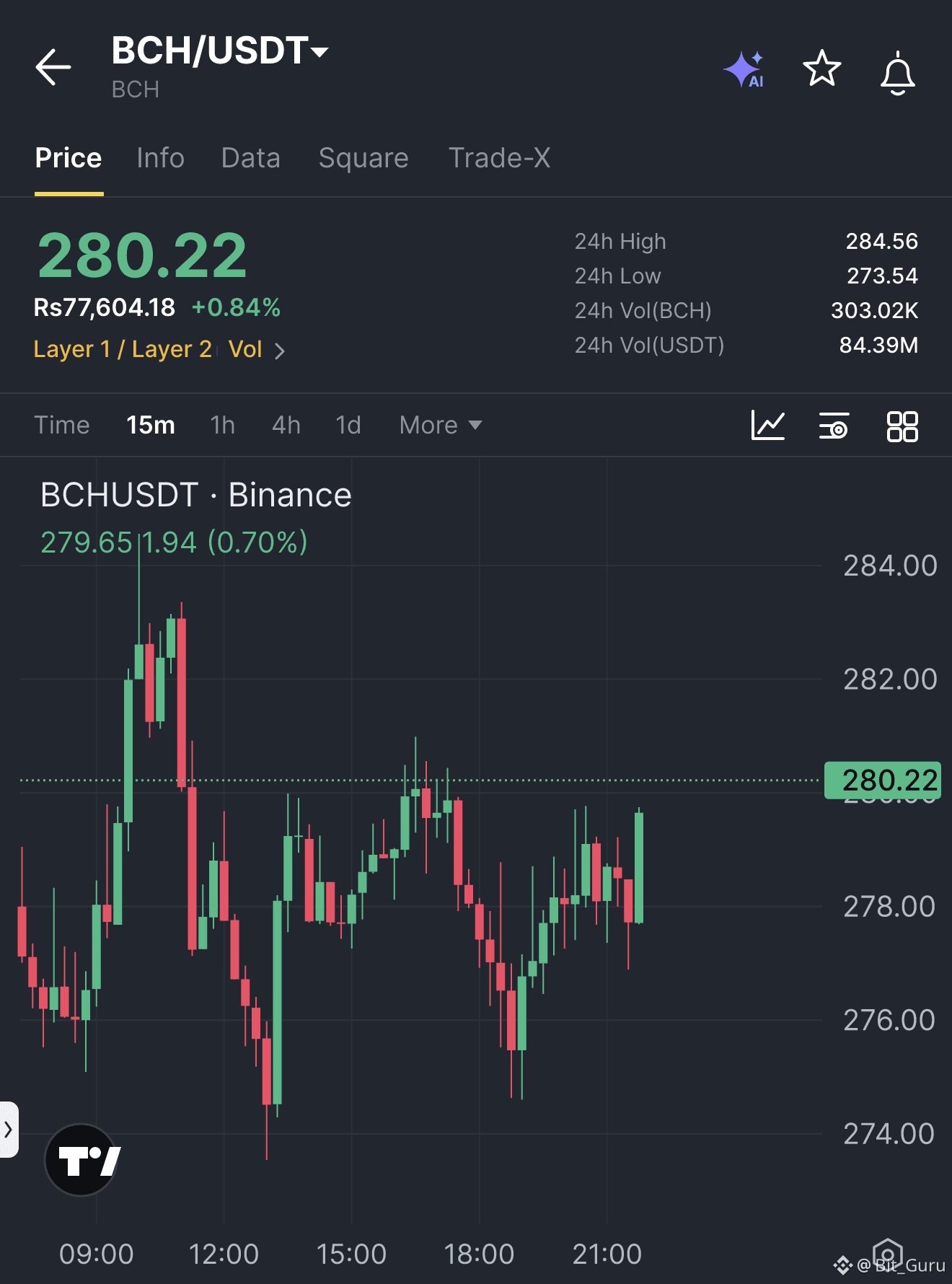
$BCH is waking up. It broke above 279.77 with real buying behind it.
Long entry: 280.38
TP1: 285.615 | TP2: 289.105 | TP3: 294.34
SL: 276.89
The entry zone is open right now. Do not chase if price runs far from it.
#BinanceSquare #BitGuru
$BCH is waking up. It broke above 279.77 with real buying behind it.
Long entry: 280.38
TP1: 285.615 | TP2: 289.105 | TP3: 294.34
SL: 276.89
The entry zone is open right now. Do not chase if price runs far from it.
#BinanceSquare #BitGuru
Long entry: 280.38
TP1: 285.615 | TP2: 289.105 | TP3: 294.34
SL: 276.89
The entry zone is open right now. Do not chase if price runs far from it.
#BinanceSquare #BitGuru
1
252
·
--
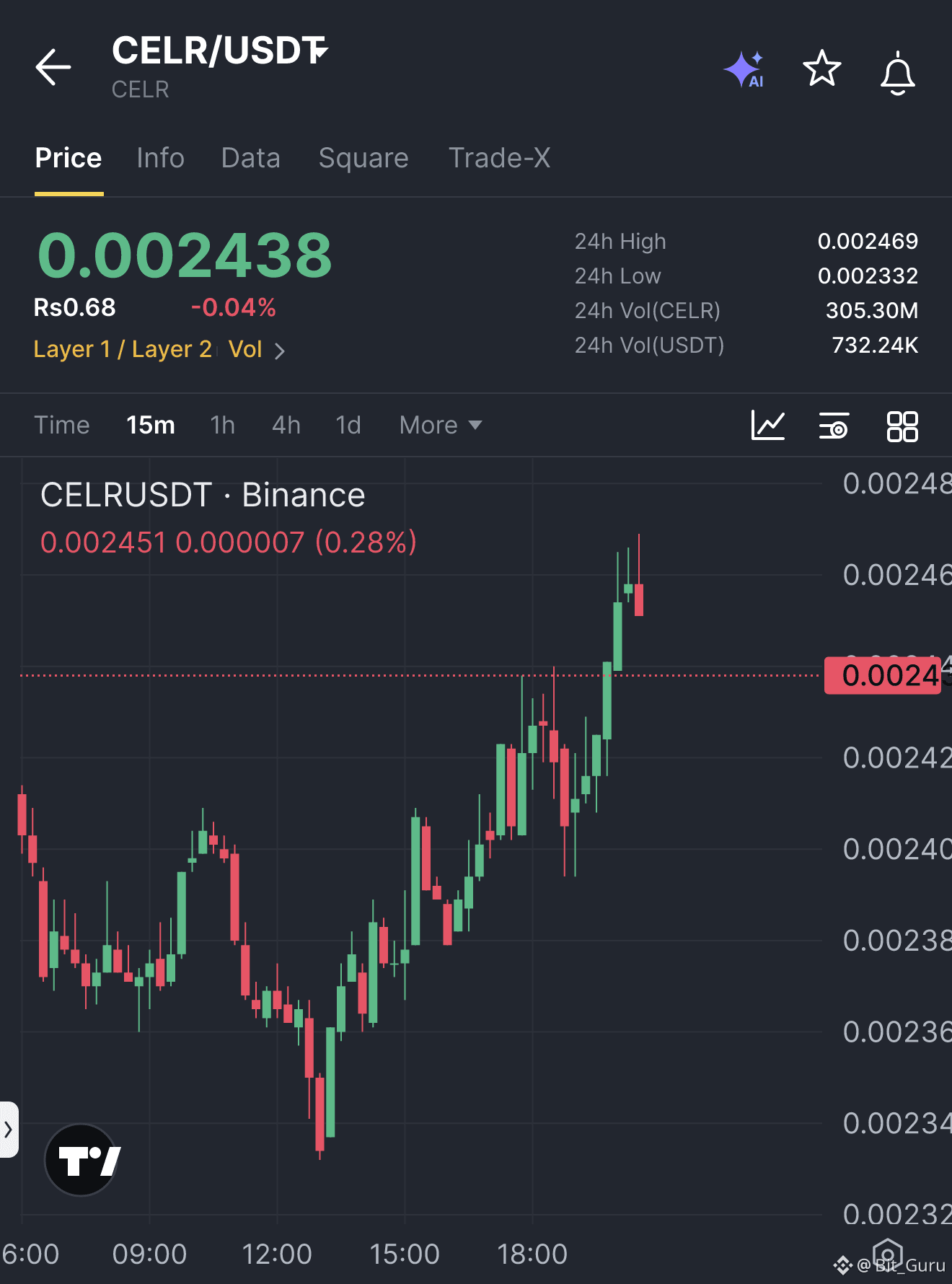
$CELR hit TP1
Entry was 0.002401 and price reached 0.0024625, a move of +2.56% from entry.
The trade is still running, so keep your stop loss in place.
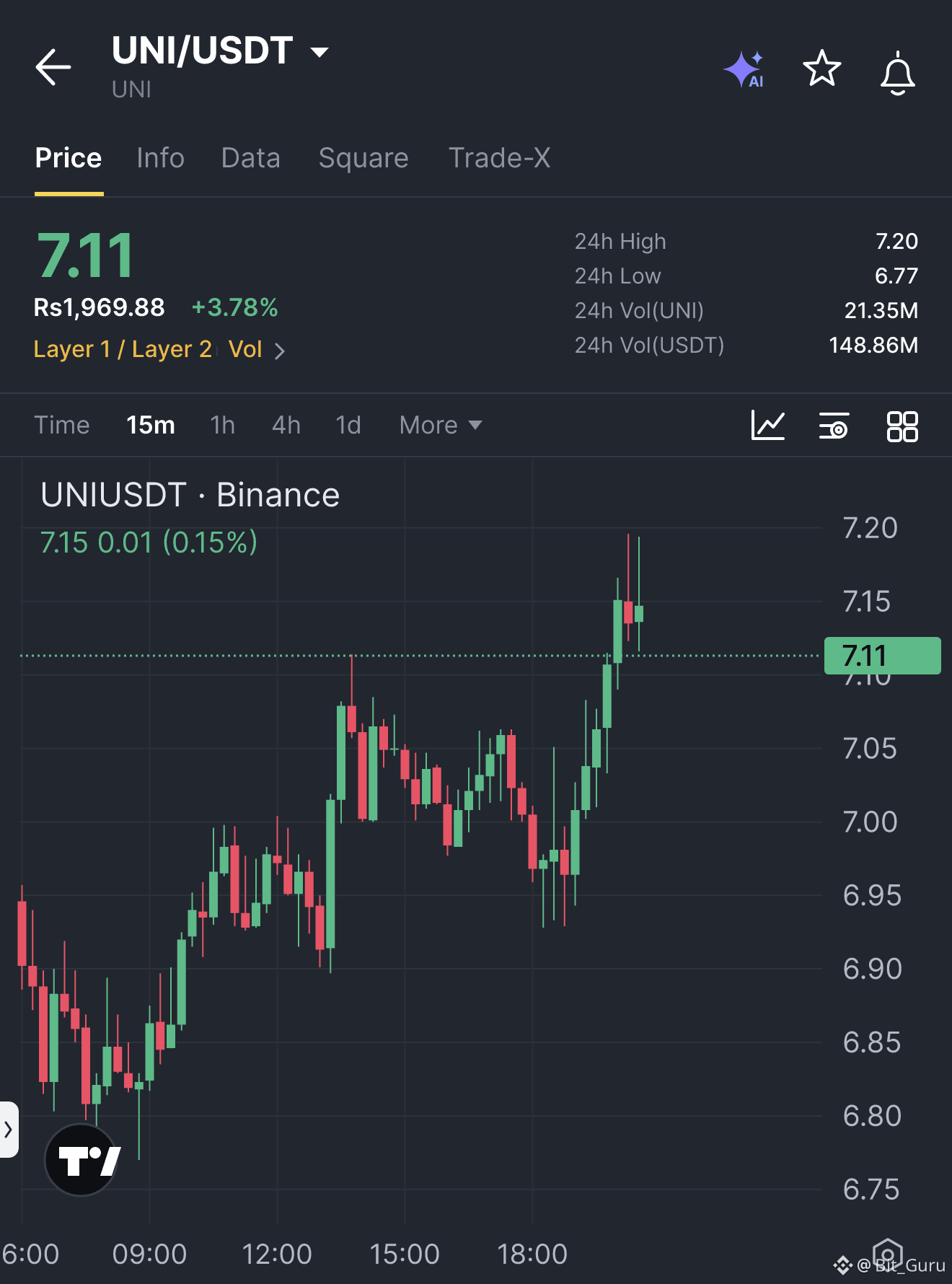
$UNI hit TP1
Entry was 7.015 and price reached 7.192, a move of +2.52% from entry.
The trade is still running, so keep your stop loss in place.
$CELR hit TP1
Entry was 0.002401 and price reached 0.0024625, a move of +2.56% from entry.
The trade is still running, so keep your stop loss in place.
$UNI hit TP1
Entry was 7.015 and price reached 7.192, a move of +2.52% from entry.
The trade is still running, so keep your stop loss in place.
Entry was 0.002401 and price reached 0.0024625, a move of +2.56% from entry.
The trade is still running, so keep your stop loss in place.
$UNI hit TP1
Entry was 7.015 and price reached 7.192, a move of +2.52% from entry.
The trade is still running, so keep your stop loss in place.
334
·
--
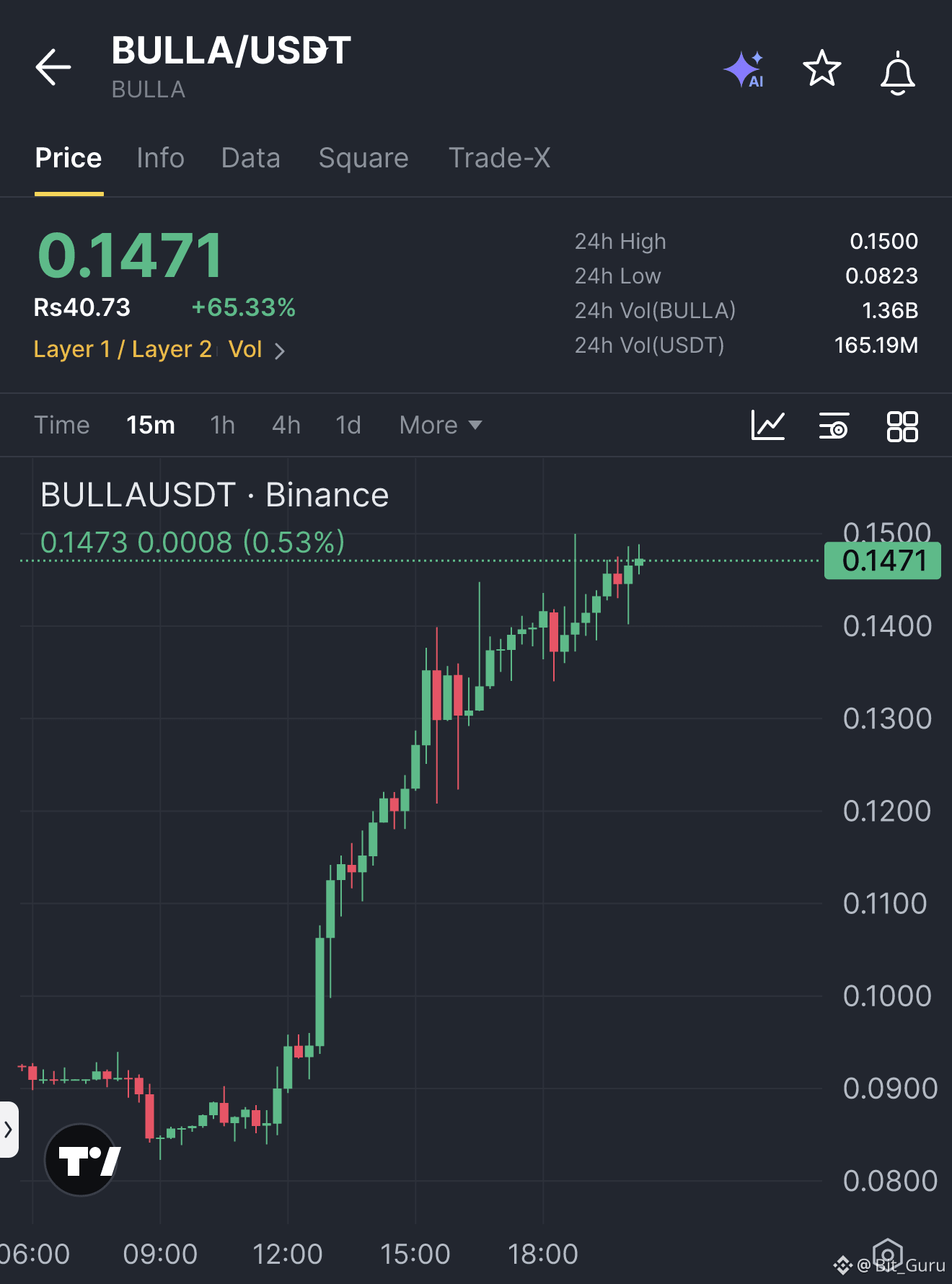
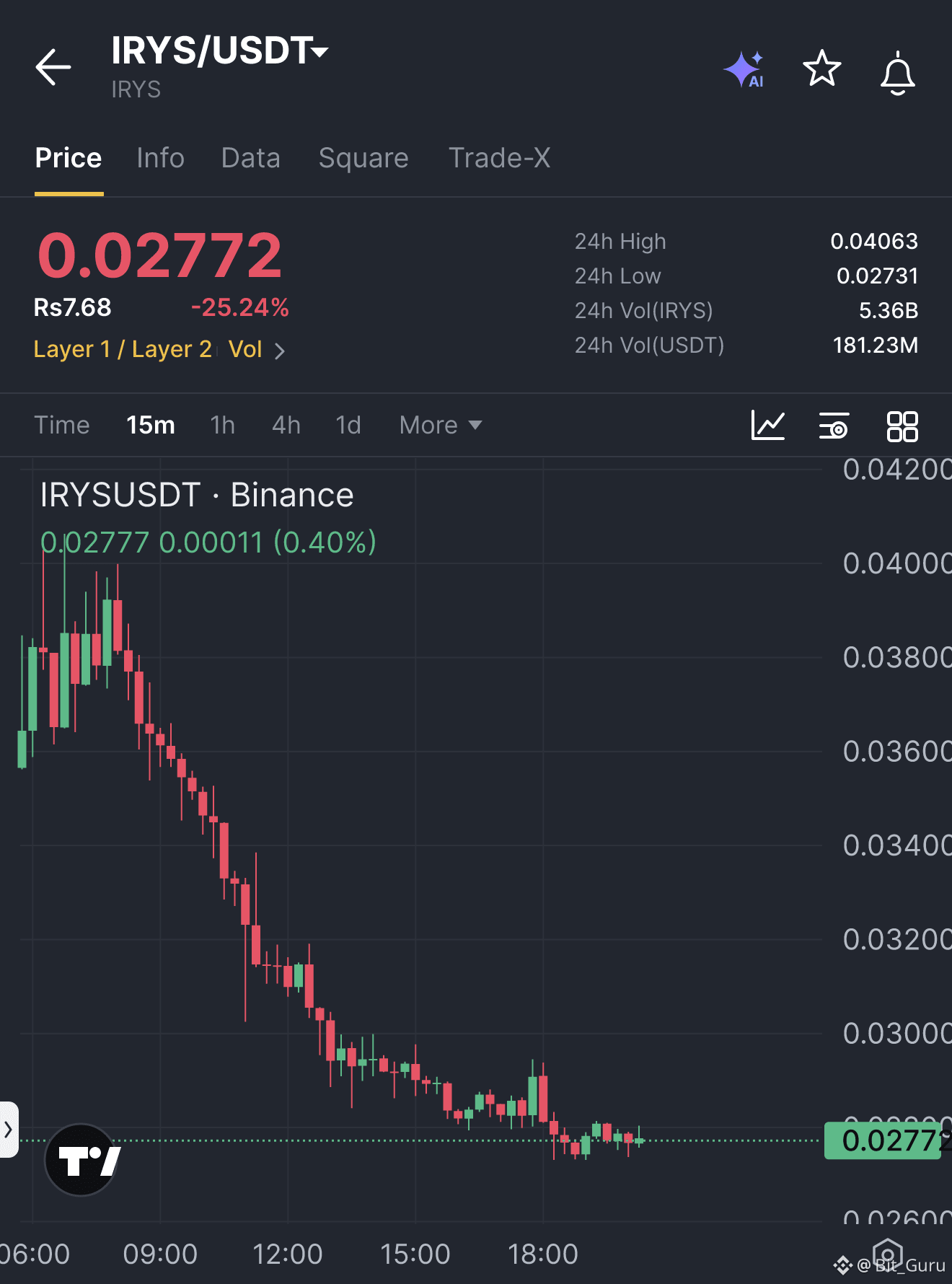
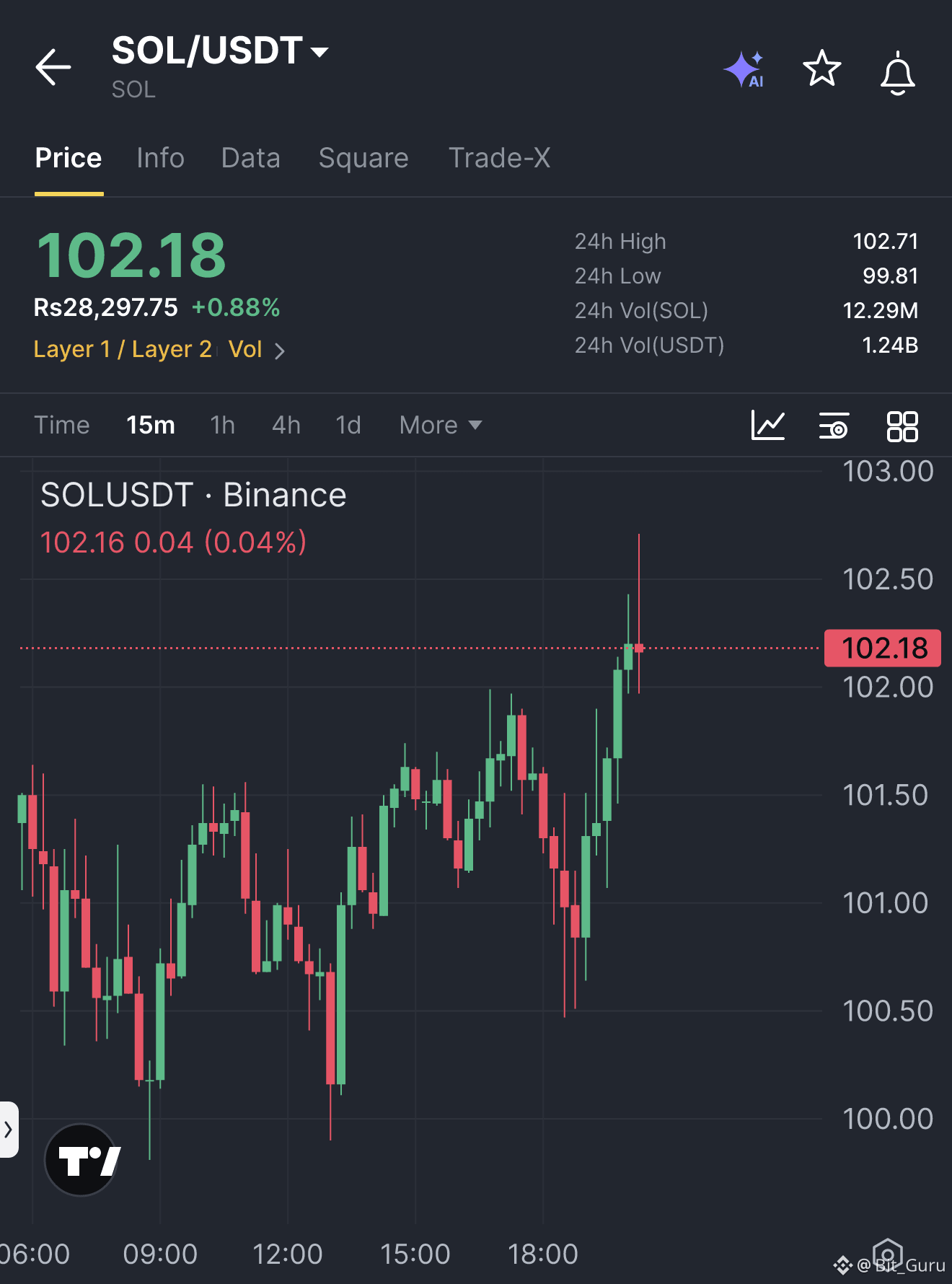
Biggest movers on Binance Futures right now
$BULLA is up 65.33% in 24 hours. It is moving sideways for now with weak volume.
$IRYS is down 25.24% in 24 hours. It is moving sideways for now with weak volume.
$SOL is up 0.88% in 24 hours. It is moving sideways for now with weak volume.
No clear breakout yet. Patience is better than chasing a big 24 hour move.
Market watch only, this is not a trade signal.
Biggest movers on Binance Futures right now
$BULLA is up 65.33% in 24 hours. It is moving sideways for now with weak volume.
$IRYS is down 25.24% in 24 hours. It is moving sideways for now with weak volume.
$SOL is up 0.88% in 24 hours. It is moving sideways for now with weak volume.
No clear breakout yet. Patience is better than chasing a big 24 hour move.
Market watch only, this is not a trade signal.
$BULLA is up 65.33% in 24 hours. It is moving sideways for now with weak volume.
$IRYS is down 25.24% in 24 hours. It is moving sideways for now with weak volume.
$SOL is up 0.88% in 24 hours. It is moving sideways for now with weak volume.
No clear breakout yet. Patience is better than chasing a big 24 hour move.
Market watch only, this is not a trade signal.
1
361
·
--
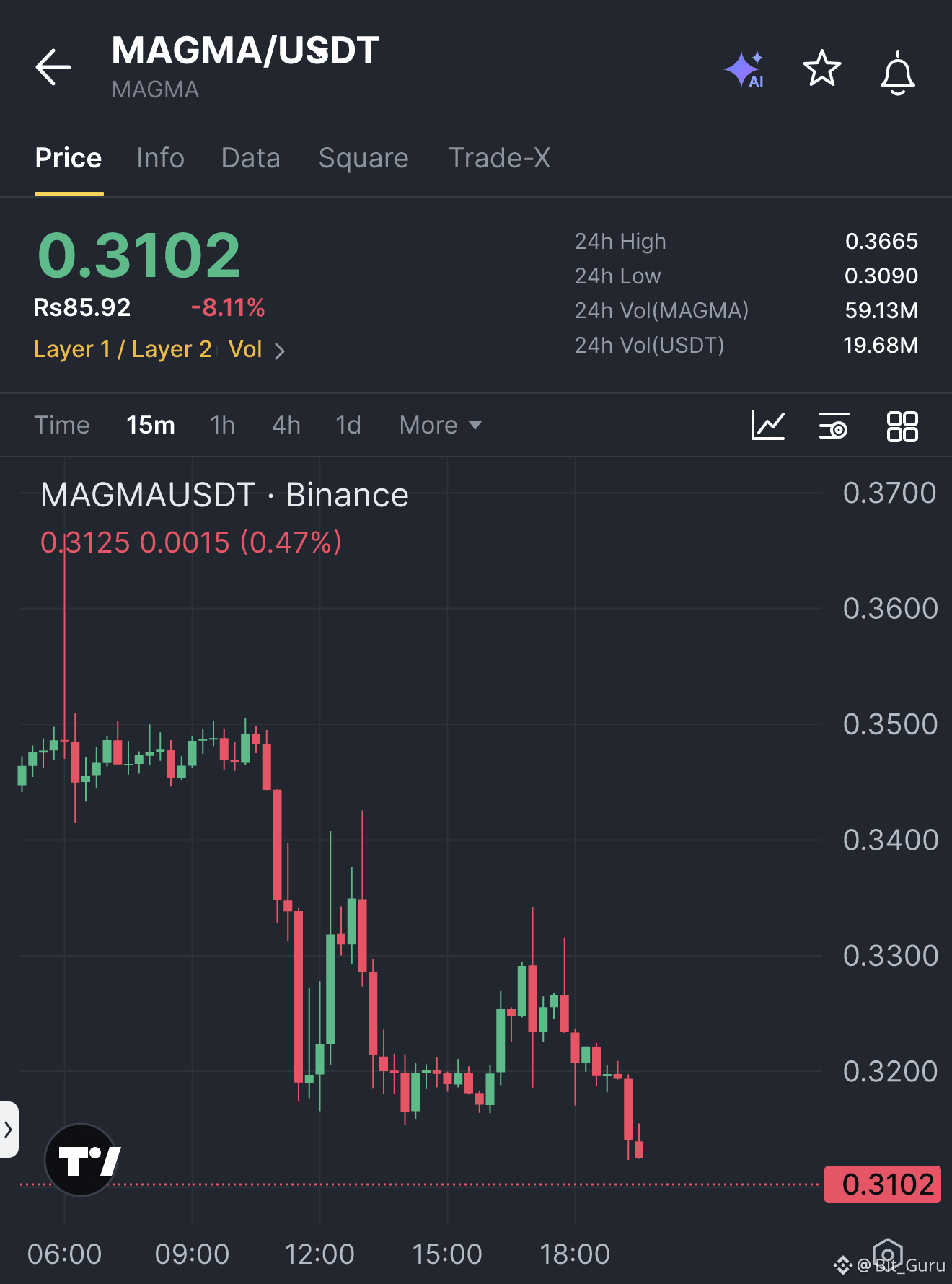
$MAGMA hit the stop loss
Price came back to 0.31639 and the setup is closed.
A stop loss is part of trading. We cut it and move to the next setup.
$MAGMA hit the stop loss
Price came back to 0.31639 and the setup is closed.
A stop loss is part of trading. We cut it and move to the next setup.
Price came back to 0.31639 and the setup is closed.
A stop loss is part of trading. We cut it and move to the next setup.
221
·
--
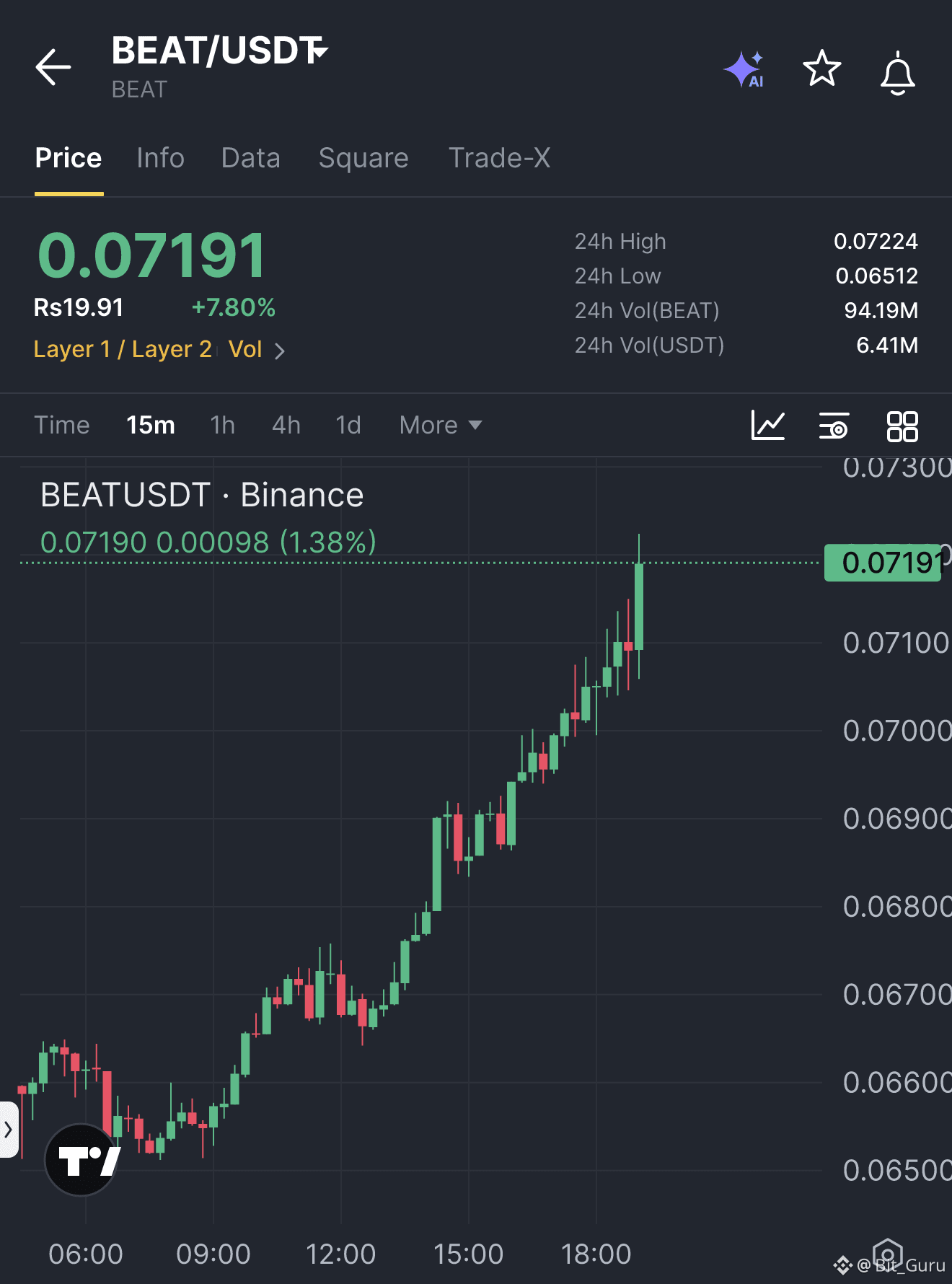
$BEAT is pushing higher right now. Price is holding above 0.0715, so buyers are in control.
Long entry: 0.0719
TP1: 0.074855 | TP2: 0.076825 | TP3: 0.07978
SL: 0.06993
Do not wait too long, the entry zone is live. Always use the stop loss.
#BinanceSquare #BitGuru
$BEAT is pushing higher right now. Price is holding above 0.0715, so buyers are in control.
Long entry: 0.0719
TP1: 0.074855 | TP2: 0.076825 | TP3: 0.07978
SL: 0.06993
Do not wait too long, the entry zone is live. Always use the stop loss.
#BinanceSquare #BitGuru
Long entry: 0.0719
TP1: 0.074855 | TP2: 0.076825 | TP3: 0.07978
SL: 0.06993
Do not wait too long, the entry zone is live. Always use the stop loss.
#BinanceSquare #BitGuru
1
438
·
--
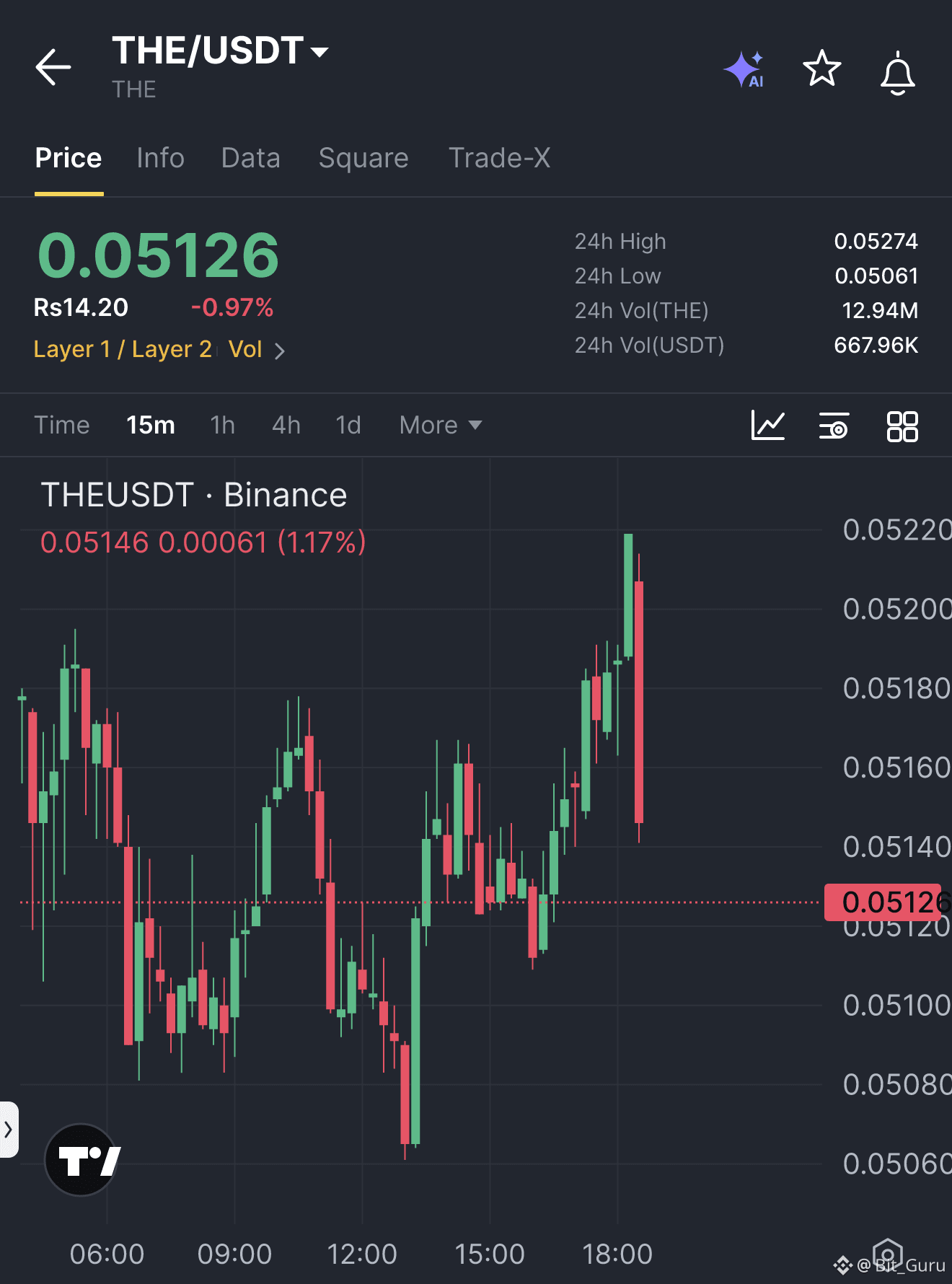
$THE hit the stop loss
Price came back to 0.0513 and the setup is closed.
A stop loss is part of trading. We cut it and move to the next setup.
$THE hit the stop loss
Price came back to 0.0513 and the setup is closed.
A stop loss is part of trading. We cut it and move to the next setup.
Price came back to 0.0513 and the setup is closed.
A stop loss is part of trading. We cut it and move to the next setup.
202
Log in to explore more content
Join global crypto users on Binance Square
⚡️ Get latest and useful information about crypto.
💬 Trusted by the world’s largest crypto exchange.
👍 Discover real insights from verified creators.
Email / Phone number