

#ustechfundflows
ustechfundflows
2.8M views
27,260 Discussing
Hot
Latest


·
--
Bullish
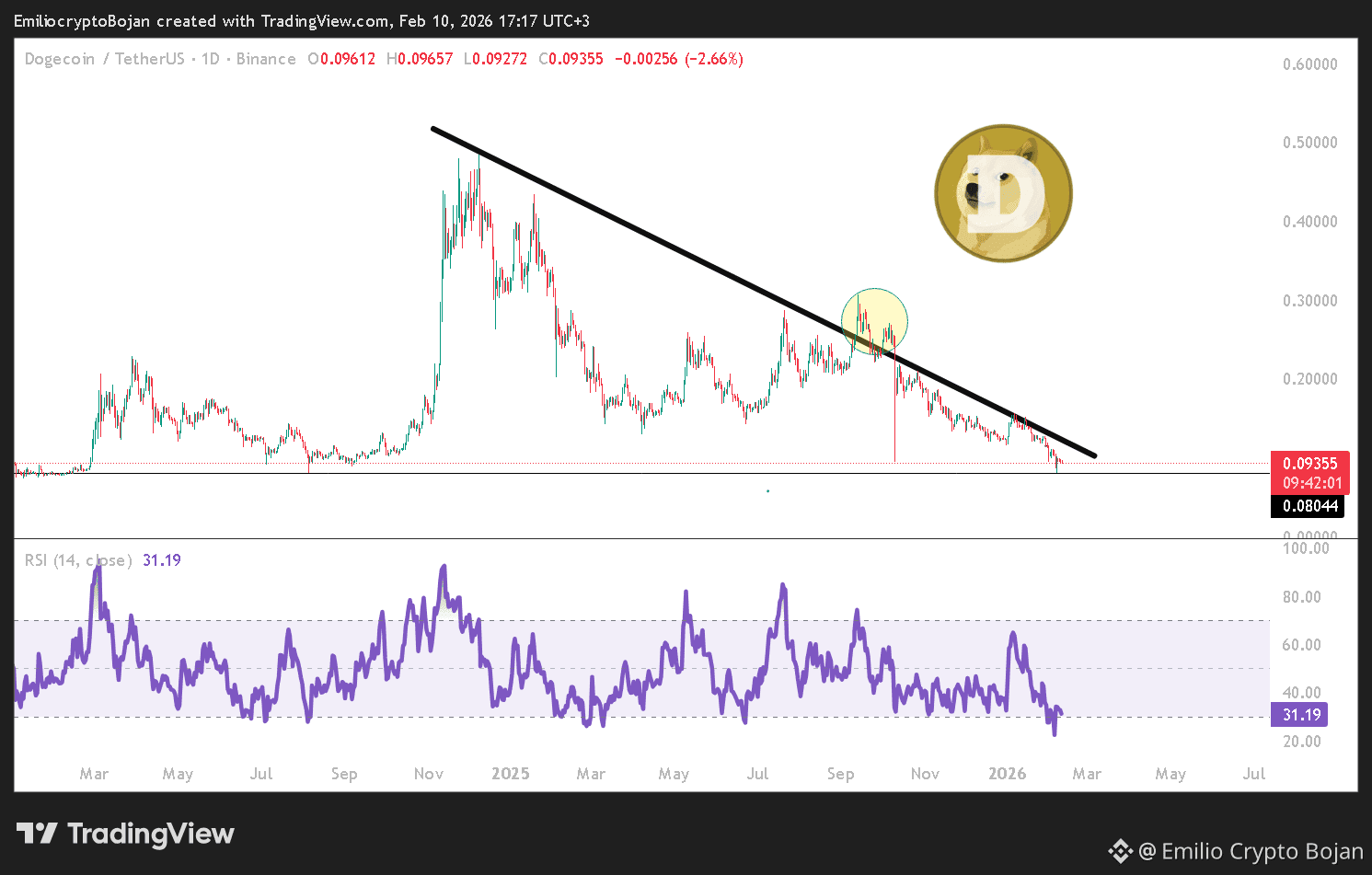
Most memecoins are still oversold.
#Dogecoin OI is rising, but price needs to follow.
#USRetailSalesMissForecast #USTechFundFlows #WhaleDeRiskETH #BinanceBitcoinSAFUFund
Most memecoins are still oversold.
#Dogecoin OI is rising, but price needs to follow.
#USRetailSalesMissForecast #USTechFundFlows #WhaleDeRiskETH #BinanceBitcoinSAFUFund
#Dogecoin OI is rising, but price needs to follow.
#USRetailSalesMissForecast #USTechFundFlows #WhaleDeRiskETH #BinanceBitcoinSAFUFund
7
7.4k

#USTechFundFlows
You said:
#USTechFundFlows. Write a shot latest with picture
Here’s a short latest update on #USTechFundFlows with an image-style snapshot (text representation):
📉 U.S. tech fund flows slowing as investors pull back – Recent data shows net inflows into U.S. equity funds dropped sharply to about $5.58 billion, nearly half of the previous week, as selling pressure hit technology stocks hardest. Investors withdrew roughly $2.34 billion from tech funds while bond and money-market funds saw strong inflows, reflecting a shift toward safer assets amid market uncertainty. Reuters
Market Snapshot:
Fund Flows (Weekly)
Tech funds ▼ – $2.34B out
Equity funds net +5.58B
Bond funds +11.11B
Money market funds +83.09B
(Tech still a major theme but losing momentum) Reuters
Trend: Investors are rotating out of pricey U.S. tech exposure and reallocating toward safer or alternative assets. Reuters
📸 Image-style graphic snapshot:
pgsql
Copy code
----------------------------- | #USTechFundFlows | | | | 📉 Tech Funds: -$2.34B | | 📊 Equity Funds: +$5.58B | | 💵 Bonds: +$11.11B | | 💰 Money Market: +$83B | | | | Tech stocks under pressure| -----------------------------
#USTechFundFlows
#WhaleDeRiskETH
#GoldSilverRally
$KSM
{future}(KSMUSDT)
$PHA
{future}(PHAUSDT)
$TON
#USTechFundFlows
You said:
#USTechFundFlows. Write a shot latest with picture
Here’s a short latest update on #USTechFundFlows with an image-style snapshot (text representation):
📉 U.S. tech fund flows slowing as investors pull back – Recent data shows net inflows into U.S. equity funds dropped sharply to about $5.58 billion, nearly half of the previous week, as selling pressure hit technology stocks hardest. Investors withdrew roughly $2.34 billion from tech funds while bond and money-market funds saw strong inflows, reflecting a shift toward safer assets amid market uncertainty. Reuters
Market Snapshot:
Fund Flows (Weekly)
Tech funds ▼ – $2.34B out
Equity funds net +5.58B
Bond funds +11.11B
Money market funds +83.09B
(Tech still a major theme but losing momentum) Reuters
Trend: Investors are rotating out of pricey U.S. tech exposure and reallocating toward safer or alternative assets. Reuters
📸 Image-style graphic snapshot:
pgsql
Copy code
----------------------------- | #USTechFundFlows | | | | 📉 Tech Funds: -$2.34B | | 📊 Equity Funds: +$5.58B | | 💵 Bonds: +$11.11B | | 💰 Money Market: +$83B | | | | Tech stocks under pressure| -----------------------------
#USTechFundFlows
#WhaleDeRiskETH
#GoldSilverRally
$KSM
$PHA
$TON
You said:
#USTechFundFlows. Write a shot latest with picture
Here’s a short latest update on #USTechFundFlows with an image-style snapshot (text representation):
📉 U.S. tech fund flows slowing as investors pull back – Recent data shows net inflows into U.S. equity funds dropped sharply to about $5.58 billion, nearly half of the previous week, as selling pressure hit technology stocks hardest. Investors withdrew roughly $2.34 billion from tech funds while bond and money-market funds saw strong inflows, reflecting a shift toward safer assets amid market uncertainty. Reuters
Market Snapshot:
Fund Flows (Weekly)
Tech funds ▼ – $2.34B out
Equity funds net +5.58B
Bond funds +11.11B
Money market funds +83.09B
(Tech still a major theme but losing momentum) Reuters
Trend: Investors are rotating out of pricey U.S. tech exposure and reallocating toward safer or alternative assets. Reuters
📸 Image-style graphic snapshot:
pgsql
Copy code
----------------------------- | #USTechFundFlows | | | | 📉 Tech Funds: -$2.34B | | 📊 Equity Funds: +$5.58B | | 💵 Bonds: +$11.11B | | 💰 Money Market: +$83B | | | | Tech stocks under pressure| -----------------------------
#USTechFundFlows
#WhaleDeRiskETH
#GoldSilverRally
$KSM
$PHA
$TON
6
671

Article
Binance denies allegations of massive outflows, stating that the data has been reported incorrectly.Binance denies the circulating concerns about being exposed to problems due to large outflows in recent days
Binance, the largest cryptocurrency trading platform in the world, is facing increasing rumors on social media that funds are flowing out at unprecedented rates.
One of the well-known cryptocurrency analysts on platform X wrote: "Withdraw your funds from Binance. $17 billion has been withdrawn over the past seven days. There is a risk of its bankruptcy, and you will not be able to recover your funds. Withdraw your money now or you will regret it later." Although the figures range between $10 billion and $17 billion, many other analysts have confirmed this opinion.
Binance denies allegations of massive outflows, stating that the data has been reported incorrectly.
Binance denies the circulating concerns about being exposed to problems due to large outflows in recent days
Binance, the largest cryptocurrency trading platform in the world, is facing increasing rumors on social media that funds are flowing out at unprecedented rates.
One of the well-known cryptocurrency analysts on platform X wrote: "Withdraw your funds from Binance. $17 billion has been withdrawn over the past seven days. There is a risk of its bankruptcy, and you will not be able to recover your funds. Withdraw your money now or you will regret it later." Although the figures range between $10 billion and $17 billion, many other analysts have confirmed this opinion.
Binance, the largest cryptocurrency trading platform in the world, is facing increasing rumors on social media that funds are flowing out at unprecedented rates.
One of the well-known cryptocurrency analysts on platform X wrote: "Withdraw your funds from Binance. $17 billion has been withdrawn over the past seven days. There is a risk of its bankruptcy, and you will not be able to recover your funds. Withdraw your money now or you will regret it later." Although the figures range between $10 billion and $17 billion, many other analysts have confirmed this opinion.
2
163

·
--
Bullish
🟢 $POWER — Shorts Got Smoked
POWER punished short sellers at $0.3737, signaling bullish pressure is alive and aggressive.
Support: $0.355 – $0.360
Resistance: $0.395 – $0.405
Next Target: $0.430
Above resistance, this can accelerate fast ⚡
{future}(POWERUSDT)
#USRetailSalesMissForecast #USTechFundFlows #GoldSilverRally #BTCMiningDifficultyDrop #WhenWillBTCRebound
🟢 $POWER — Shorts Got Smoked
POWER punished short sellers at $0.3737, signaling bullish pressure is alive and aggressive.
Support: $0.355 – $0.360
Resistance: $0.395 – $0.405
Next Target: $0.430
Above resistance, this can accelerate fast ⚡
#USRetailSalesMissForecast #USTechFundFlows #GoldSilverRally #BTCMiningDifficultyDrop #WhenWillBTCRebound
POWER punished short sellers at $0.3737, signaling bullish pressure is alive and aggressive.
Support: $0.355 – $0.360
Resistance: $0.395 – $0.405
Next Target: $0.430
Above resistance, this can accelerate fast ⚡
#USRetailSalesMissForecast #USTechFundFlows #GoldSilverRally #BTCMiningDifficultyDrop #WhenWillBTCRebound
1
257

·
--
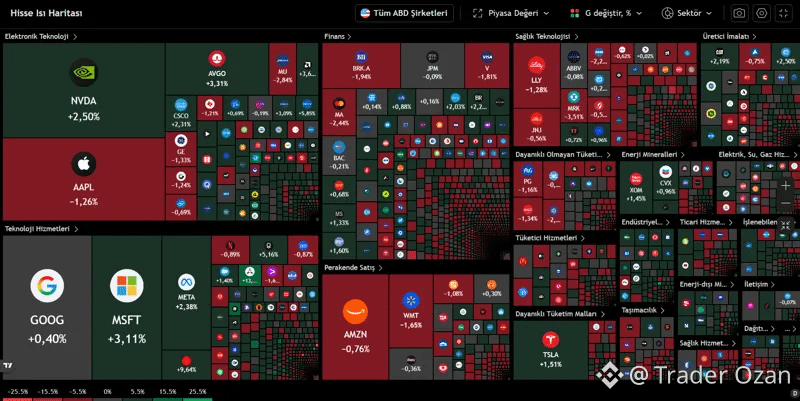
♠️When we look at the situation across all US companies, it becomes much clearer. Although the index seems to be rising, there is a serious liquidity war inside.
- Money is parked in $MSFT, $NVDA, and $META, which it sees as safe havens.
- Sharp declines in giants like $MA (-%7.44) and $MRK (-%3.51) raise question marks about the general direction of the economy.
-We are observing a market that is being carried on the backs of a few tech giants. While other sectors are bleeding, how sustainable is this rally?
#USTechFundFlows #GoldSilverRally #BinanceBitcoinSAFUFund
♠️When we look at the situation across all US companies, it becomes much clearer. Although the index seems to be rising, there is a serious liquidity war inside.
- Money is parked in $MSFT, $NVDA, and $META, which it sees as safe havens.
- Sharp declines in giants like $MA (-%7.44) and $MRK (-%3.51) raise question marks about the general direction of the economy.
-We are observing a market that is being carried on the backs of a few tech giants. While other sectors are bleeding, how sustainable is this rally?
#USTechFundFlows #GoldSilverRally #BinanceBitcoinSAFUFund
- Money is parked in $MSFT, $NVDA, and $META, which it sees as safe havens.
- Sharp declines in giants like $MA (-%7.44) and $MRK (-%3.51) raise question marks about the general direction of the economy.
-We are observing a market that is being carried on the backs of a few tech giants. While other sectors are bleeding, how sustainable is this rally?
#USTechFundFlows #GoldSilverRally #BinanceBitcoinSAFUFund
68

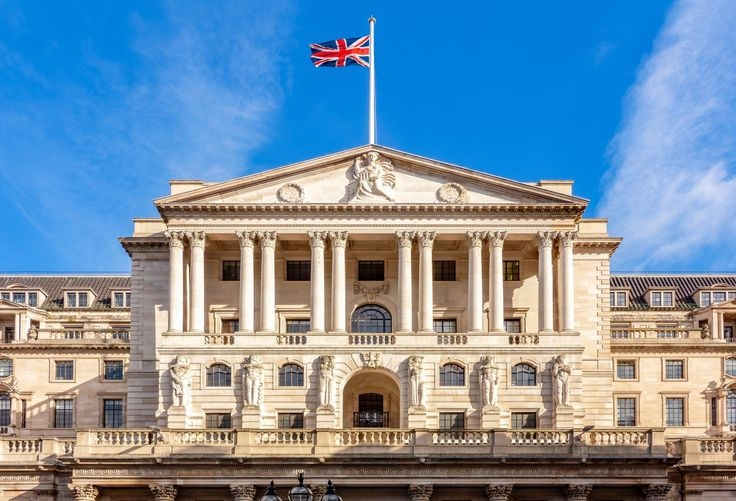
The Bank of England has chosen $LINK to pilot atomic settlement between tokenized assets and central bank money. This move aims to modernize the UK financial system by enabling instant, secure, and synchronized onchain settlements. Chainlink’s decentralized oracle technology is central to this experiment, highlighting growing institutional trust in blockchain for real-world asset integration. The pilot reflects broader momentum toward blockchain adoption in traditional finance. Don't forget to follow our account so you don't miss important information.
{spot}(LINKUSDT)
#USRetailSalesMissForecast #USTechFundFlows #WhaleDeRiskETH
The Bank of England has chosen $LINK to pilot atomic settlement between tokenized assets and central bank money. This move aims to modernize the UK financial system by enabling instant, secure, and synchronized onchain settlements. Chainlink’s decentralized oracle technology is central to this experiment, highlighting growing institutional trust in blockchain for real-world asset integration. The pilot reflects broader momentum toward blockchain adoption in traditional finance. Don't forget to follow our account so you don't miss important information.
#USRetailSalesMissForecast #USTechFundFlows #WhaleDeRiskETH
#USRetailSalesMissForecast #USTechFundFlows #WhaleDeRiskETH
4
1
3
407

#OM
{spot}(OMUSDT)
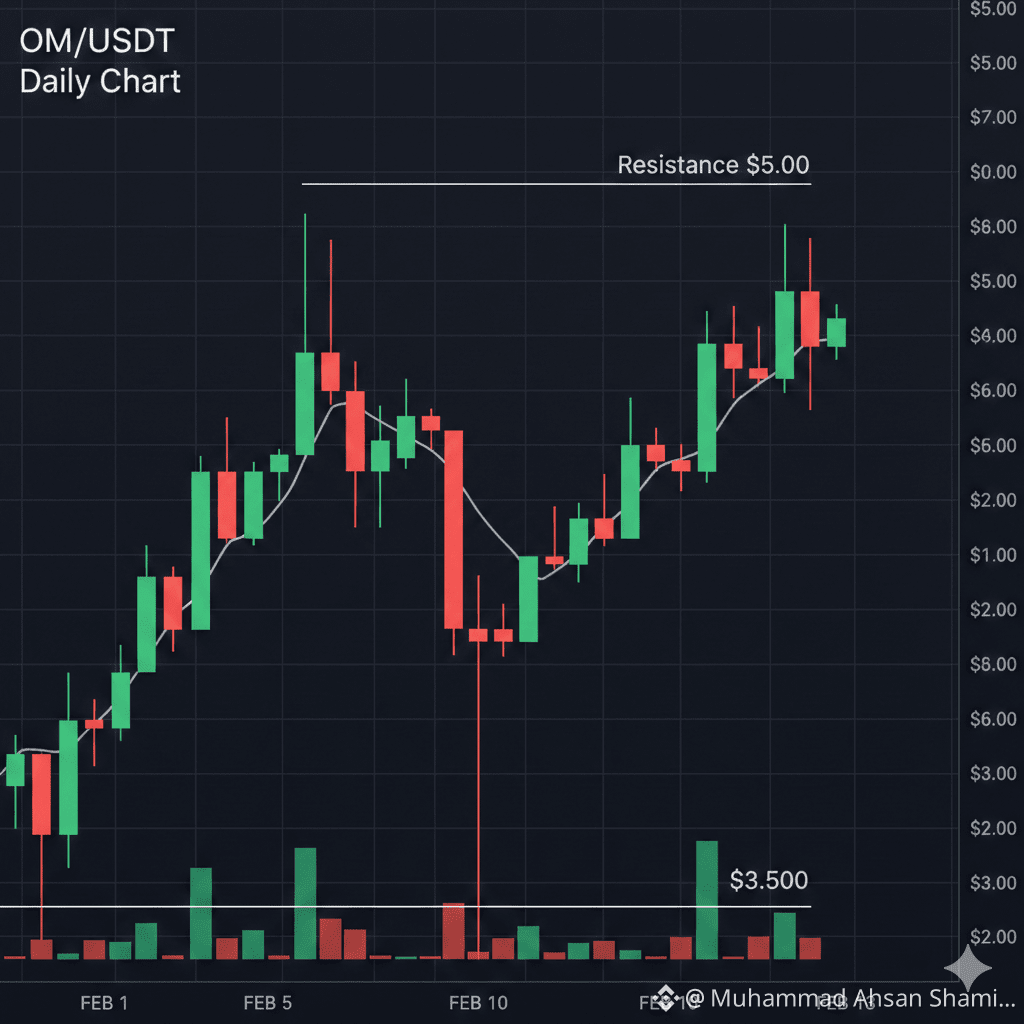
MANTRA (OM) has established itself as a premier Layer 1 blockchain specifically engineered for the tokenization of Real World Assets, currently trading with significant bullish momentum around the $4.25 to $4.50 range as of February 13, 2026. The project is benefiting immensely from its regulatory-first approach, particularly its licensing successes in the Middle East which have attracted substantial institutional capital into the ecosystem. Recent updates highlight the final stages of the MANTRA mainnet migration and the expansion of its RWA modules that allow for seamless integration of traditional finance assets onto the chain. Market sentiment remains highly positive as the network continues to lock in massive value through new real estate and private equity partnerships. Investors are currently watching the $5.00 psychological resistance level, which many analysts believe could trigger a massive rally if breached with high volume. The coin's utility has expanded significantly, now serving as the primary gas and governance token for a rapidly growing suite of decentralized financial applications.
#USRetailSalesMissForecast #USTechFundFlows #USNFPBlowout
#OM
MANTRA (OM) has established itself as a premier Layer 1 blockchain specifically engineered for the tokenization of Real World Assets, currently trading with significant bullish momentum around the $4.25 to $4.50 range as of February 13, 2026. The project is benefiting immensely from its regulatory-first approach, particularly its licensing successes in the Middle East which have attracted substantial institutional capital into the ecosystem. Recent updates highlight the final stages of the MANTRA mainnet migration and the expansion of its RWA modules that allow for seamless integration of traditional finance assets onto the chain. Market sentiment remains highly positive as the network continues to lock in massive value through new real estate and private equity partnerships. Investors are currently watching the $5.00 psychological resistance level, which many analysts believe could trigger a massive rally if breached with high volume. The coin's utility has expanded significantly, now serving as the primary gas and governance token for a rapidly growing suite of decentralized financial applications.
#USRetailSalesMissForecast #USTechFundFlows #USNFPBlowout
MANTRA (OM) has established itself as a premier Layer 1 blockchain specifically engineered for the tokenization of Real World Assets, currently trading with significant bullish momentum around the $4.25 to $4.50 range as of February 13, 2026. The project is benefiting immensely from its regulatory-first approach, particularly its licensing successes in the Middle East which have attracted substantial institutional capital into the ecosystem. Recent updates highlight the final stages of the MANTRA mainnet migration and the expansion of its RWA modules that allow for seamless integration of traditional finance assets onto the chain. Market sentiment remains highly positive as the network continues to lock in massive value through new real estate and private equity partnerships. Investors are currently watching the $5.00 psychological resistance level, which many analysts believe could trigger a massive rally if breached with high volume. The coin's utility has expanded significantly, now serving as the primary gas and governance token for a rapidly growing suite of decentralized financial applications.
#USRetailSalesMissForecast #USTechFundFlows #USNFPBlowout
2
6
292

BREAKING:
THE U.S. SENATE WILL VOTE ON $BTC AND THE CRYPTOCURRENCY MARKET BILL TODAY AT 2:00 PM
IF APPROVED, THIS BILL WILL INJECT OVER 2 TRILLION DOLLARS INTO THE MARKET
!!!ALL EYES ON THE SENATE TODAY!!!
#USRetailSalesMissForecast
#USTechFundFlows
#WhaleDeRiskETH
$XRP
$POL
BREAKING:
THE U.S. SENATE WILL VOTE ON $BTC AND THE CRYPTOCURRENCY MARKET BILL TODAY AT 2:00 PM
IF APPROVED, THIS BILL WILL INJECT OVER 2 TRILLION DOLLARS INTO THE MARKET
!!!ALL EYES ON THE SENATE TODAY!!!
#USRetailSalesMissForecast
#USTechFundFlows
#WhaleDeRiskETH
$XRP
$POL
THE U.S. SENATE WILL VOTE ON $BTC AND THE CRYPTOCURRENCY MARKET BILL TODAY AT 2:00 PM
IF APPROVED, THIS BILL WILL INJECT OVER 2 TRILLION DOLLARS INTO THE MARKET
!!!ALL EYES ON THE SENATE TODAY!!!
#USRetailSalesMissForecast
#USTechFundFlows
#WhaleDeRiskETH
$XRP
$POL


1
69



Article
Vanar’s Alliances with Emirates Digital Wallet for Fintech InnovationStrategic partnerships are becoming one of the most important drivers of blockchain adoption in traditional finance. As digital assets move closer to mainstream financial systems, collaborations between blockchain infrastructure providers and fintech institutions are accelerating innovation.
One example of this trend is @Vanar ’s alliance with Emirates Digital Wallet, a partnership aimed at exploring new possibilities in secure digital payments, identity solutions, and financial inclusion across different regions.
Financial technology is evolving rapidly as institutions seek faster, more secure, and cost-efficient ways to move money and manage digital identity. Blockchain networks like Vanar are designed to provide:
1. High-speed transaction processing
2. Low-cost payment infrastructure
3. Secure data handling
4. Scalable digital identity solutions
These capabilities make blockchain an attractive foundation for fintech platforms looking to modernize payment systems and expand digital services.
Emirates Digital Wallet is part of a broader effort to build cashless payment infrastructure and digital financial services within the United Arab Emirates. By working with blockchain infrastructure providers, fintech initiatives like this can explore next-generation payment rails that combine speed, transparency, and security.
How #vanar Contributes to the Partnership:
Vanar’s blockchain infrastructure is designed to support real-world applications at scale, making it suitable for fintech integration. The collaboration highlights several potential innovation areas such as: Instant payment settlement, Secure digital identity, Low-cost transaction infrastructure, and Scalable financial applications.
Closing thoughts: Vanar’s collaboration with Emirates Digital Wallet reflects a broader shift toward practical blockchain adoption in fintech.
$VANRY #WhaleDeRiskETH
#USTechFundFlows
Vanar’s Alliances with Emirates Digital Wallet for Fintech Innovation
Strategic partnerships are becoming one of the most important drivers of blockchain adoption in traditional finance. As digital assets move closer to mainstream financial systems, collaborations between blockchain infrastructure providers and fintech institutions are accelerating innovation.
One example of this trend is @Vanarchain ’s alliance with Emirates Digital Wallet, a partnership aimed at exploring new possibilities in secure digital payments, identity solutions, and financial inclusion across different regions.
Financial technology is evolving rapidly as institutions seek faster, more secure, and cost-efficient ways to move money and manage digital identity. Blockchain networks like Vanar are designed to provide:
1. High-speed transaction processing
2. Low-cost payment infrastructure
3. Secure data handling
4. Scalable digital identity solutions
These capabilities make blockchain an attractive foundation for fintech platforms looking to modernize payment systems and expand digital services.
Emirates Digital Wallet is part of a broader effort to build cashless payment infrastructure and digital financial services within the United Arab Emirates. By working with blockchain infrastructure providers, fintech initiatives like this can explore next-generation payment rails that combine speed, transparency, and security.
How #vanar Contributes to the Partnership:
Vanar’s blockchain infrastructure is designed to support real-world applications at scale, making it suitable for fintech integration. The collaboration highlights several potential innovation areas such as: Instant payment settlement, Secure digital identity, Low-cost transaction infrastructure, and Scalable financial applications.
Closing thoughts: Vanar’s collaboration with Emirates Digital Wallet reflects a broader shift toward practical blockchain adoption in fintech.
$VANRY #WhaleDeRiskETH
#USTechFundFlows
One example of this trend is @Vanarchain ’s alliance with Emirates Digital Wallet, a partnership aimed at exploring new possibilities in secure digital payments, identity solutions, and financial inclusion across different regions.
Financial technology is evolving rapidly as institutions seek faster, more secure, and cost-efficient ways to move money and manage digital identity. Blockchain networks like Vanar are designed to provide:
1. High-speed transaction processing
2. Low-cost payment infrastructure
3. Secure data handling
4. Scalable digital identity solutions
These capabilities make blockchain an attractive foundation for fintech platforms looking to modernize payment systems and expand digital services.
Emirates Digital Wallet is part of a broader effort to build cashless payment infrastructure and digital financial services within the United Arab Emirates. By working with blockchain infrastructure providers, fintech initiatives like this can explore next-generation payment rails that combine speed, transparency, and security.
How #vanar Contributes to the Partnership:
Vanar’s blockchain infrastructure is designed to support real-world applications at scale, making it suitable for fintech integration. The collaboration highlights several potential innovation areas such as: Instant payment settlement, Secure digital identity, Low-cost transaction infrastructure, and Scalable financial applications.
Closing thoughts: Vanar’s collaboration with Emirates Digital Wallet reflects a broader shift toward practical blockchain adoption in fintech.
$VANRY #WhaleDeRiskETH
#USTechFundFlows
3
1
6
4k

2026: the year of tokenized stocks..
$ONDO
ICYMI: Ondo has received EU regulatory approval to list the first round of Ondo tokenized stocks & ETFs.
500 million investors across 30 markets in the EU & EEA ...
#ONDO/USDT❤️
#RWA
#USTechFundFlows
2026: the year of tokenized stocks..
$ONDO
ICYMI: Ondo has received EU regulatory approval to list the first round of Ondo tokenized stocks & ETFs.
500 million investors across 30 markets in the EU & EEA ...
#ONDO/USDT❤️
#RWA
#USTechFundFlows
$ONDO
ICYMI: Ondo has received EU regulatory approval to list the first round of Ondo tokenized stocks & ETFs.
500 million investors across 30 markets in the EU & EEA ...
#ONDO/USDT❤️
#RWA
#USTechFundFlows

14
677

·
--
Bearish
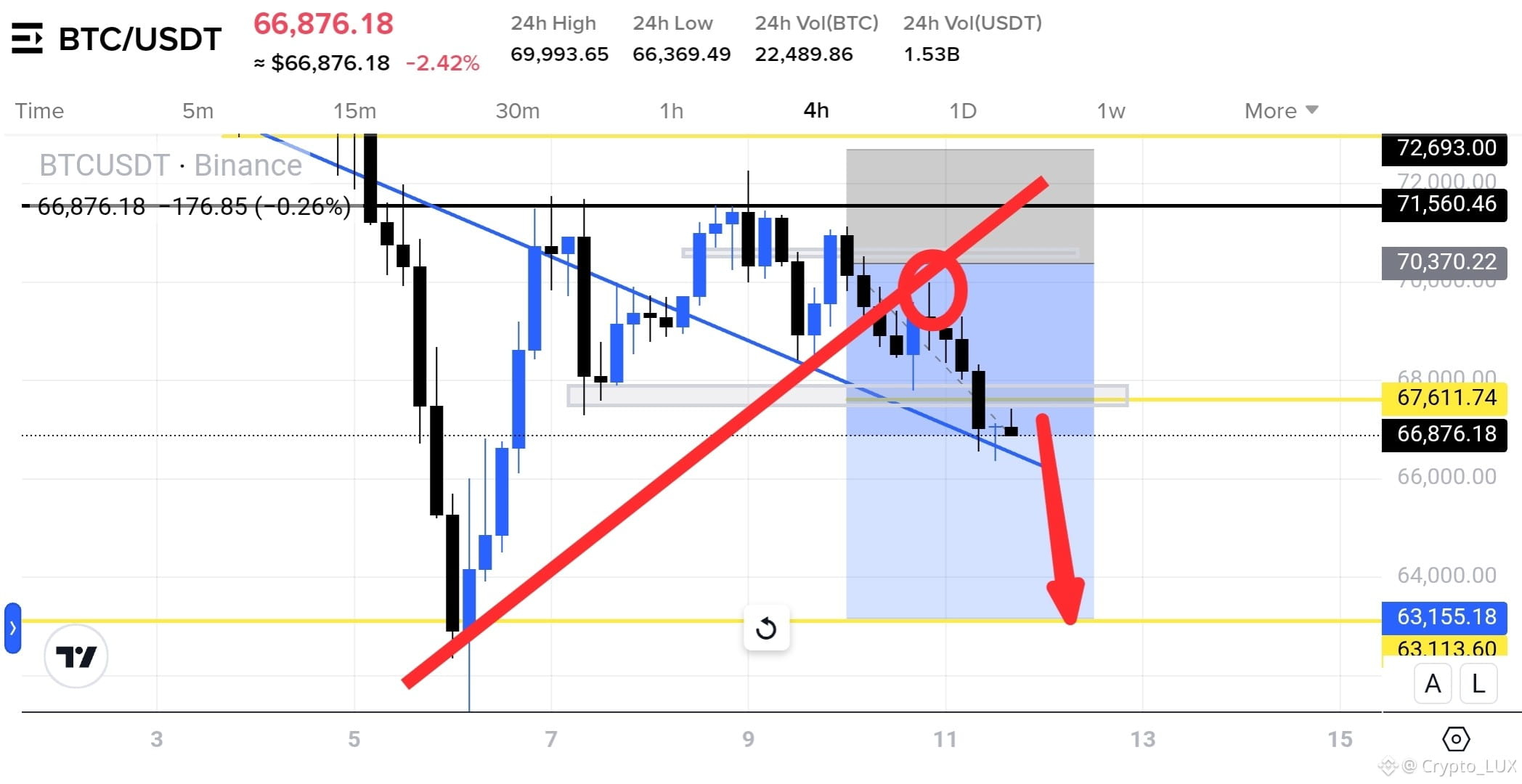
$BTC dipped below $67,000 — and remember, a day before yesterday we took our entries. Now look at the position of the trade.
Good? Or perfect?
On Monday, we talked about the move — yes, the $63,000 target this week. I clearly said sooner or later we would witness that level. For now, we’re trading around $66,000. Trendline is acting as minor support, but in reality price action is printing lower highs and lower lows — a beautiful bearish structure. Not random. Structured. Exactly as studied. That’s experience.
You may wonder how I predict these moves. It’s simple — study dominance, study the order book, and keep a close eye on fundamentals. That’s how you build conviction in trading.
If you want a complete breakdown of the CryptoLux trading technique, drop a text and a LIKE. Stay tuned, follow, and keep enjoying the setups 💫
Yes, I’m @RiseHigh_Community — and I can proudly say my community is the best in terms of support and engagement. I truly appreciate you all.
For any confusion, drop a comment.
#USIranStandoff #USRetailSalesMissForecast #USTechFundFlows #BTCMiningDifficultyDrop
#Crypto_LUX
$PIPPIN and $RIVER
$BTC dipped below $67,000 — and remember, a day before yesterday we took our entries. Now look at the position of the trade.
Good? Or perfect?
On Monday, we talked about the move — yes, the $63,000 target this week. I clearly said sooner or later we would witness that level. For now, we’re trading around $66,000. Trendline is acting as minor support, but in reality price action is printing lower highs and lower lows — a beautiful bearish structure. Not random. Structured. Exactly as studied. That’s experience.
You may wonder how I predict these moves. It’s simple — study dominance, study the order book, and keep a close eye on fundamentals. That’s how you build conviction in trading.
If you want a complete breakdown of the CryptoLux trading technique, drop a text and a LIKE. Stay tuned, follow, and keep enjoying the setups 💫
Yes, I’m @Crypto_LUX — and I can proudly say my community is the best in terms of support and engagement. I truly appreciate you all.
For any confusion, drop a comment.
#USIranStandoff #USRetailSalesMissForecast #USTechFundFlows #BTCMiningDifficultyDrop
#Crypto_LUX
$PIPPIN and $RIVER
Good? Or perfect?
On Monday, we talked about the move — yes, the $63,000 target this week. I clearly said sooner or later we would witness that level. For now, we’re trading around $66,000. Trendline is acting as minor support, but in reality price action is printing lower highs and lower lows — a beautiful bearish structure. Not random. Structured. Exactly as studied. That’s experience.
You may wonder how I predict these moves. It’s simple — study dominance, study the order book, and keep a close eye on fundamentals. That’s how you build conviction in trading.
If you want a complete breakdown of the CryptoLux trading technique, drop a text and a LIKE. Stay tuned, follow, and keep enjoying the setups 💫
Yes, I’m @Crypto_LUX — and I can proudly say my community is the best in terms of support and engagement. I truly appreciate you all.
For any confusion, drop a comment.
#USIranStandoff #USRetailSalesMissForecast #USTechFundFlows #BTCMiningDifficultyDrop
#Crypto_LUX
$PIPPIN and $RIVER
16
7
23
1.9k

·
--
you will never see the river in this price again.
#CPIWatch
#TrumpCanadaTariffsOverturned #USTechFundFlows #BTC☀️
you will never see the river in this price again.
#CPIWatch
#TrumpCanadaTariffsOverturned #USTechFundFlows #BTC☀️
#CPIWatch
#TrumpCanadaTariffsOverturned #USTechFundFlows #BTC☀️
1
13

The founder of Bitfury, Val Vavilov, considers the recent fall of the cryptocurrency market as an opportunity to increase his Bitcoin holdings at lower prices.
The 46-year-old Latvian billionaire, who has turned Bitfury into a major player in the industry over 15 years by designing hardware for Bitcoin mining, confirmed that he has been buying Bitcoin during the recent price drop, according to a Bloomberg News report.
"For us, the fall of Bitcoin is an opportunity to rebalance our portfolio and buy a certain amount of Bitcoin at a low price," Vavilov said in his statements via WhatsApp, although he did not disclose the specific amounts acquired.
Bitcoin fell below $67,000 during Asian trading hours on Wednesday, reaching its lowest level since the market sell-off on Friday. The cryptocurrency has dropped more than 50% from its October peak, causing significant losses for retail investors and raising concerns among long-time supporters.
While Michael Burry, known for his successful bet against the U.S. housing market before the financial crisis of 2008, has warned that the fall of Bitcoin could worsen into a "death spiral," some data indicates that large cryptocurrency holders may be buying again.$BTC #CZAMAonBinanceSquare
#TrumpCanadaTariffsOverturned
#TrumpCanadaTariffsOverturned
#USRetailSalesMissForecast
#USTechFundFlows
The founder of Bitfury, Val Vavilov, considers the recent fall of the cryptocurrency market as an opportunity to increase his Bitcoin holdings at lower prices.
The 46-year-old Latvian billionaire, who has turned Bitfury into a major player in the industry over 15 years by designing hardware for Bitcoin mining, confirmed that he has been buying Bitcoin during the recent price drop, according to a Bloomberg News report.
"For us, the fall of Bitcoin is an opportunity to rebalance our portfolio and buy a certain amount of Bitcoin at a low price," Vavilov said in his statements via WhatsApp, although he did not disclose the specific amounts acquired.
Bitcoin fell below $67,000 during Asian trading hours on Wednesday, reaching its lowest level since the market sell-off on Friday. The cryptocurrency has dropped more than 50% from its October peak, causing significant losses for retail investors and raising concerns among long-time supporters.
While Michael Burry, known for his successful bet against the U.S. housing market before the financial crisis of 2008, has warned that the fall of Bitcoin could worsen into a "death spiral," some data indicates that large cryptocurrency holders may be buying again.$BTC #CZAMAonBinanceSquare
#TrumpCanadaTariffsOverturned
#TrumpCanadaTariffsOverturned
#USRetailSalesMissForecast
#USTechFundFlows
The 46-year-old Latvian billionaire, who has turned Bitfury into a major player in the industry over 15 years by designing hardware for Bitcoin mining, confirmed that he has been buying Bitcoin during the recent price drop, according to a Bloomberg News report.
"For us, the fall of Bitcoin is an opportunity to rebalance our portfolio and buy a certain amount of Bitcoin at a low price," Vavilov said in his statements via WhatsApp, although he did not disclose the specific amounts acquired.
Bitcoin fell below $67,000 during Asian trading hours on Wednesday, reaching its lowest level since the market sell-off on Friday. The cryptocurrency has dropped more than 50% from its October peak, causing significant losses for retail investors and raising concerns among long-time supporters.
While Michael Burry, known for his successful bet against the U.S. housing market before the financial crisis of 2008, has warned that the fall of Bitcoin could worsen into a "death spiral," some data indicates that large cryptocurrency holders may be buying again.$BTC #CZAMAonBinanceSquare
#TrumpCanadaTariffsOverturned
#TrumpCanadaTariffsOverturned
#USRetailSalesMissForecast
#USTechFundFlows
129

Article
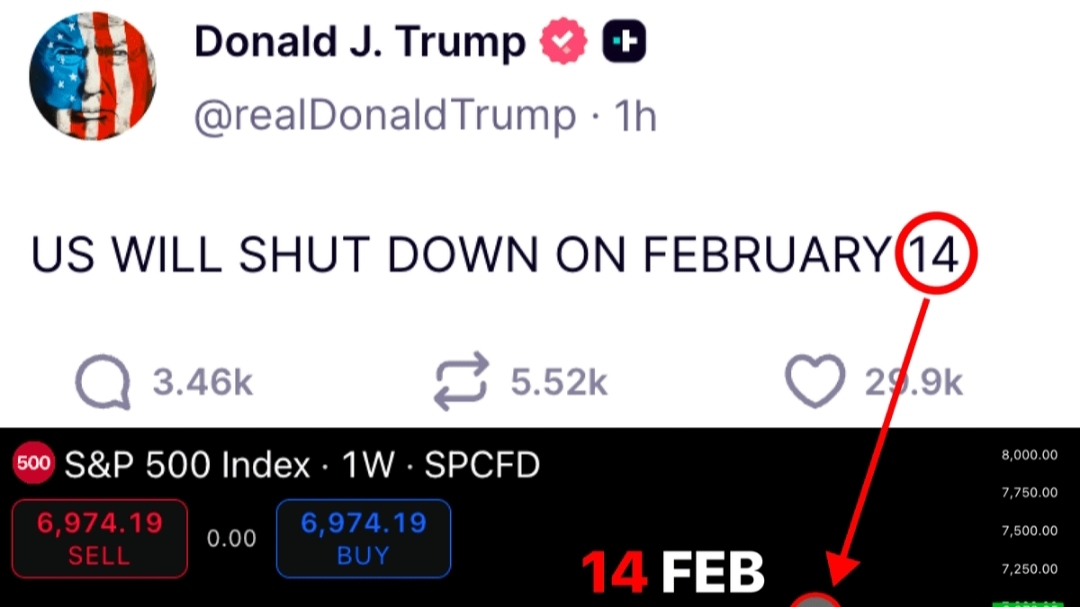
Happening Now - Debunking The News That USA Government Will Shut Down 🚨The claim that the USA government will shut down on February 14, 2026, is not true as a confirmed fact. It is a potential risk, not a certainty.
Here's the current situation based on recent reports (as of early February 2026):
✓There was a partial government shutdown from January 31 to February 3, 2026, due to a lapse in funding for several departments after a prior continuing resolution expired. Congress passed and President Trump signed legislation ending that shutdown, funding most agencies through September 30, 2026 (end of FY 2026).
✓However, the Department of Homeland Security (DHS) received only a short-term extension through February 13, 2026 (via a continuing resolution). This was to allow negotiations over immigration enforcement reforms (e.g., ICE operations), amid controversy following incidents like fatal shootings during enforcement actions.
✓ If Congress fails to pass new funding or another extension for DHS by midnight on February 13, 2026, a partial shutdown could begin on February 14, 2026, primarily affecting DHS agencies (e.g., parts of FEMA, TSA, Coast Guard, etc.). Most of the rest of the federal government would remain funded and operational.
✓ This is not a full government-wide shutdown like the earlier one in January 2026 or the longer one in late 2025. It's limited to DHS-related functions, and essential operations (like border security or law enforcement) often continue during such lapses.
✓ Prediction markets (e.g., Kalshi, Polymarket) show significant odds (ranging from ~50-70% in recent days) of a lapse occurring on February 14, with ongoing partisan standoffs in Congress over DHS policy changes. But no shutdown has been confirmed or started yet—negotiations are still active, and a last-minute deal or extension remains possible.
In summary: The U.S. government is not definitively shutting down on February 14, 2026. A partial DHS funding lapse is a real possibility if no agreement is reached by February 13, but the broader federal government is funded, and nothing is set in stone.
Stay Informed and trade wisely.
$BTC
#USTechFundFlows #USRetailSalesMissForecast
Happening Now - Debunking The News That USA Government Will Shut Down 🚨
The claim that the USA government will shut down on February 14, 2026, is not true as a confirmed fact. It is a potential risk, not a certainty.
Here's the current situation based on recent reports (as of early February 2026):
✓There was a partial government shutdown from January 31 to February 3, 2026, due to a lapse in funding for several departments after a prior continuing resolution expired. Congress passed and President Trump signed legislation ending that shutdown, funding most agencies through September 30, 2026 (end of FY 2026).
✓However, the Department of Homeland Security (DHS) received only a short-term extension through February 13, 2026 (via a continuing resolution). This was to allow negotiations over immigration enforcement reforms (e.g., ICE operations), amid controversy following incidents like fatal shootings during enforcement actions.
✓ If Congress fails to pass new funding or another extension for DHS by midnight on February 13, 2026, a partial shutdown could begin on February 14, 2026, primarily affecting DHS agencies (e.g., parts of FEMA, TSA, Coast Guard, etc.). Most of the rest of the federal government would remain funded and operational.
✓ This is not a full government-wide shutdown like the earlier one in January 2026 or the longer one in late 2025. It's limited to DHS-related functions, and essential operations (like border security or law enforcement) often continue during such lapses.
✓ Prediction markets (e.g., Kalshi, Polymarket) show significant odds (ranging from ~50-70% in recent days) of a lapse occurring on February 14, with ongoing partisan standoffs in Congress over DHS policy changes. But no shutdown has been confirmed or started yet—negotiations are still active, and a last-minute deal or extension remains possible.
In summary: The U.S. government is not definitively shutting down on February 14, 2026. A partial DHS funding lapse is a real possibility if no agreement is reached by February 13, but the broader federal government is funded, and nothing is set in stone.
Stay Informed and trade wisely.
$BTC
#USTechFundFlows #USRetailSalesMissForecast
Here's the current situation based on recent reports (as of early February 2026):
✓There was a partial government shutdown from January 31 to February 3, 2026, due to a lapse in funding for several departments after a prior continuing resolution expired. Congress passed and President Trump signed legislation ending that shutdown, funding most agencies through September 30, 2026 (end of FY 2026).
✓However, the Department of Homeland Security (DHS) received only a short-term extension through February 13, 2026 (via a continuing resolution). This was to allow negotiations over immigration enforcement reforms (e.g., ICE operations), amid controversy following incidents like fatal shootings during enforcement actions.
✓ If Congress fails to pass new funding or another extension for DHS by midnight on February 13, 2026, a partial shutdown could begin on February 14, 2026, primarily affecting DHS agencies (e.g., parts of FEMA, TSA, Coast Guard, etc.). Most of the rest of the federal government would remain funded and operational.
✓ This is not a full government-wide shutdown like the earlier one in January 2026 or the longer one in late 2025. It's limited to DHS-related functions, and essential operations (like border security or law enforcement) often continue during such lapses.
✓ Prediction markets (e.g., Kalshi, Polymarket) show significant odds (ranging from ~50-70% in recent days) of a lapse occurring on February 14, with ongoing partisan standoffs in Congress over DHS policy changes. But no shutdown has been confirmed or started yet—negotiations are still active, and a last-minute deal or extension remains possible.
In summary: The U.S. government is not definitively shutting down on February 14, 2026. A partial DHS funding lapse is a real possibility if no agreement is reached by February 13, but the broader federal government is funded, and nothing is set in stone.
Stay Informed and trade wisely.
$BTC
#USTechFundFlows #USRetailSalesMissForecast
10
3k


·
--
Bearish
Attention 🚨🐋
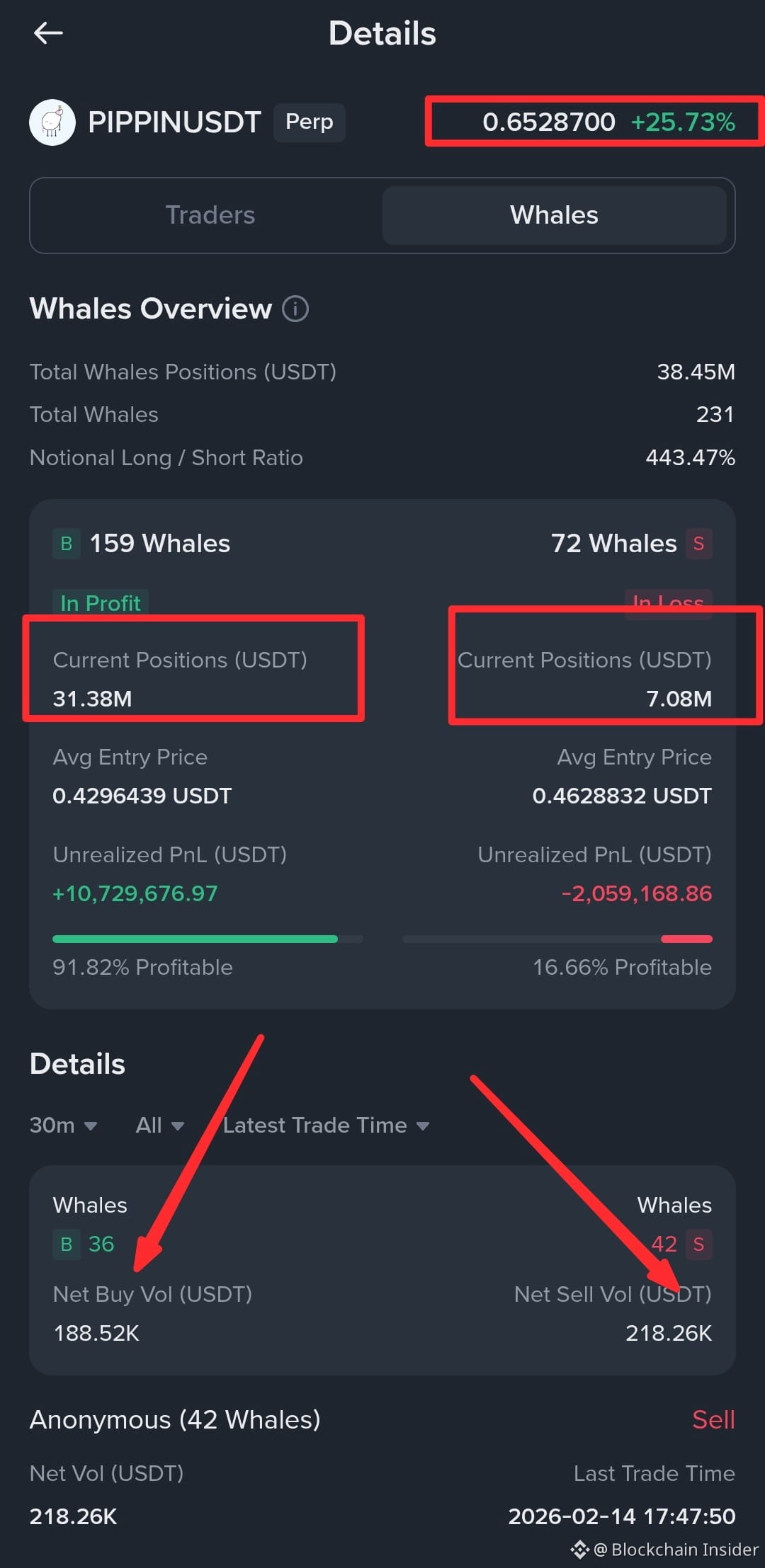
Whales are still holding their long position on $PIPPIN
If price will break $0.75 zone So , price will go to $1
I am still holding my short position on $PIPPIN 📉📉
But anytime it will crash hard ☠️
{future}(PIPPINUSDT)
#USNFPBlowout #MarketRebound #USTechFundFlows $POWER
Attention 🚨🐋
Whales are still holding their long position on $PIPPIN
If price will break $0.75 zone So , price will go to $1
I am still holding my short position on $PIPPIN 📉📉
But anytime it will crash hard ☠️
#USNFPBlowout #MarketRebound #USTechFundFlows $POWER
Whales are still holding their long position on $PIPPIN
If price will break $0.75 zone So , price will go to $1
I am still holding my short position on $PIPPIN 📉📉
But anytime it will crash hard ☠️
#USNFPBlowout #MarketRebound #USTechFundFlows $POWER
2
2
3
522
·
--
Bullish
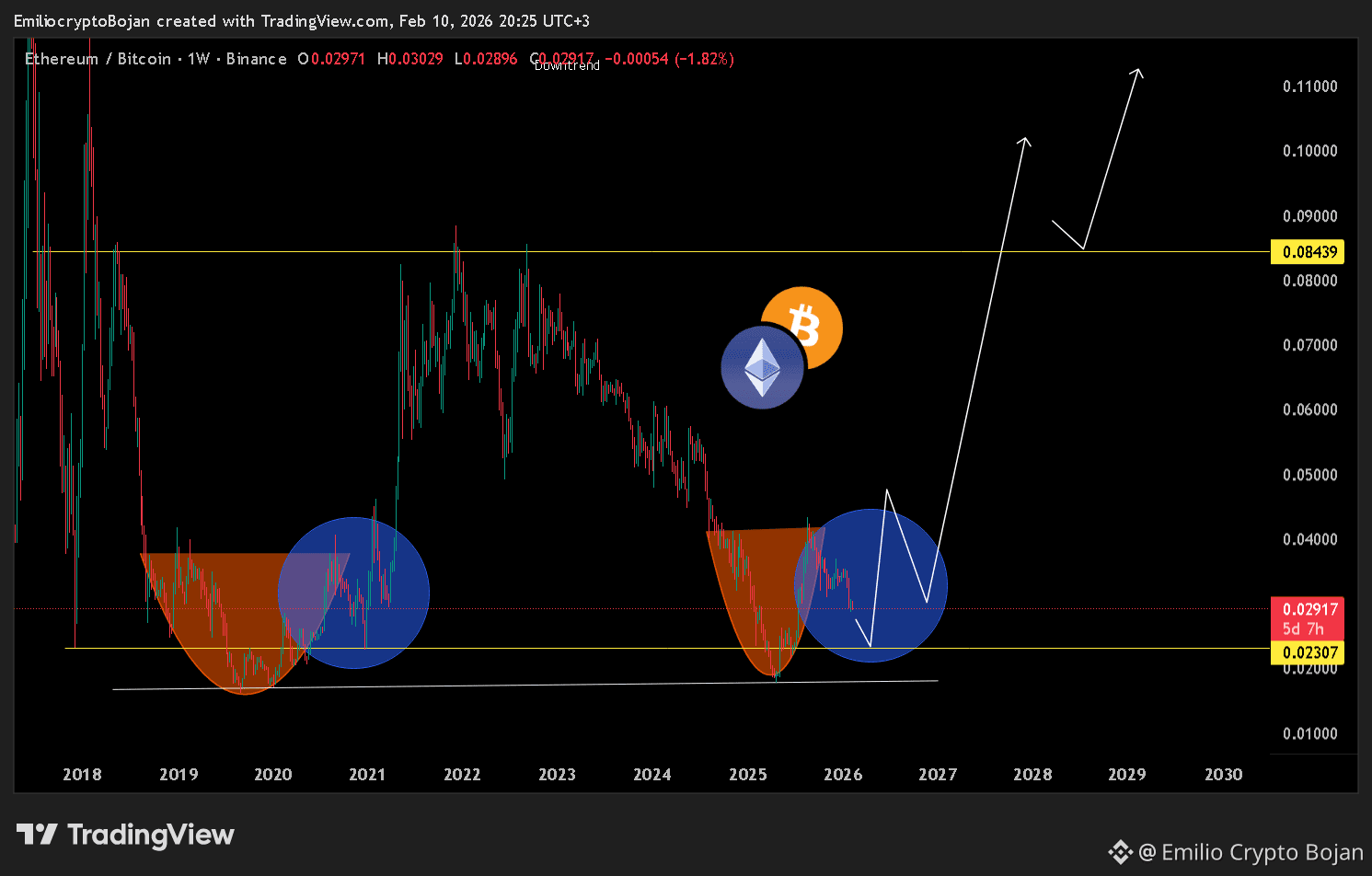
Ethereum is about to take over.
It’s just a matter of time.
Patience is key here. ⏳
#ETHBTC
$0.02307 is the line to watch.
That means alts explode
#USRetailSalesMissForecast #USTechFundFlows #GoldSilverRally #BinanceBitcoinSAFUFund
Ethereum is about to take over.
It’s just a matter of time.
Patience is key here. ⏳
#ETHBTC
$0.02307 is the line to watch.
That means alts explode
#USRetailSalesMissForecast #USTechFundFlows #GoldSilverRally #BinanceBitcoinSAFUFund
It’s just a matter of time.
Patience is key here. ⏳
#ETHBTC
$0.02307 is the line to watch.
That means alts explode
#USRetailSalesMissForecast #USTechFundFlows #GoldSilverRally #BinanceBitcoinSAFUFund
2
2
6
8.2k
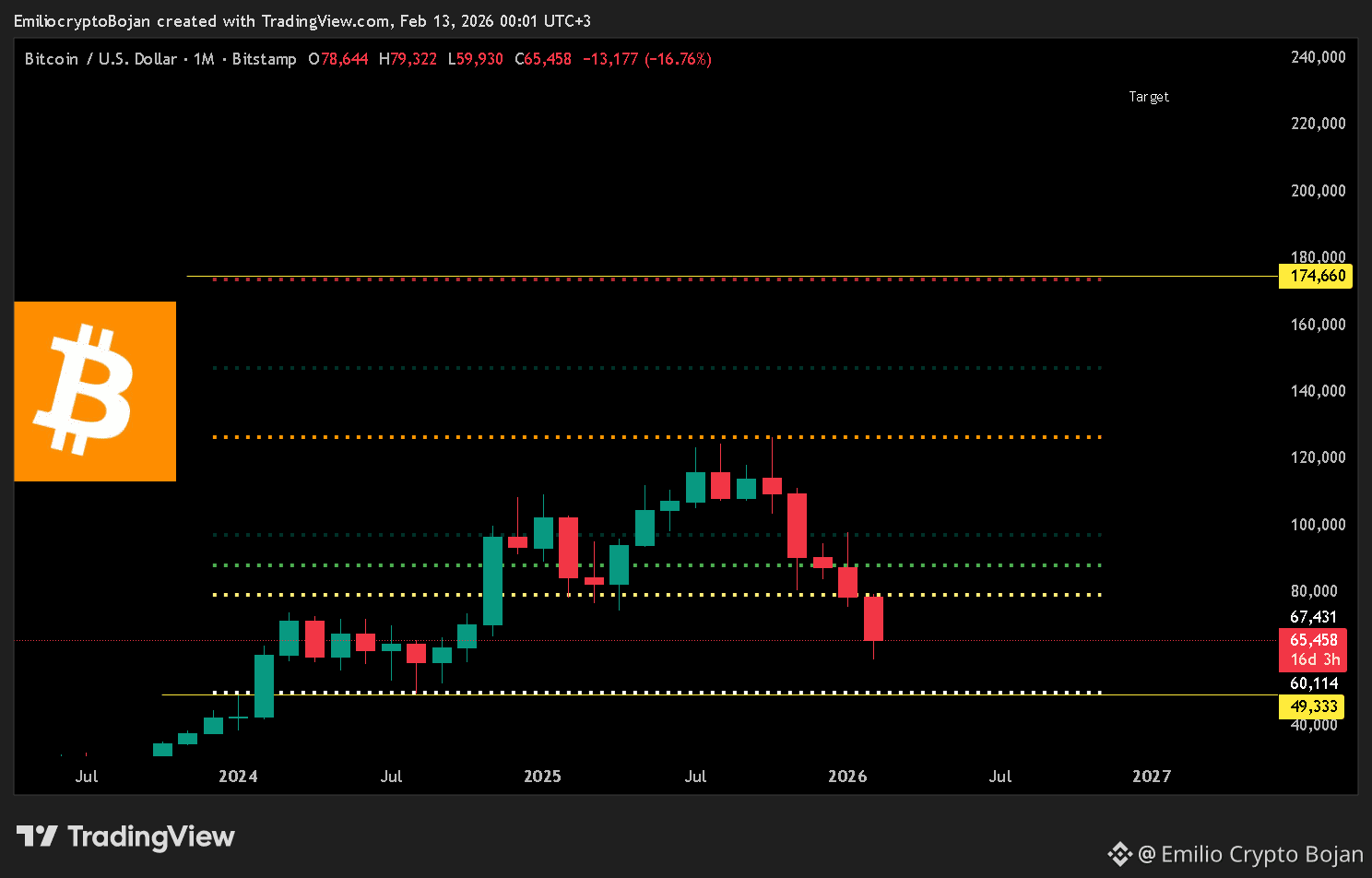
You didn’t short Bitcoin when Trump wanted Greenland.
Now you want to short it when he’s about to sign the Clarity Act?
Go ahead.
#CZAMAonBinanceSquare #USNFPBlowout #TrumpCanadaTariffsOverturned #USTechFundFlows
You didn’t short Bitcoin when Trump wanted Greenland.
Now you want to short it when he’s about to sign the Clarity Act?
Go ahead.
#CZAMAonBinanceSquare #USNFPBlowout #TrumpCanadaTariffsOverturned #USTechFundFlows
Now you want to short it when he’s about to sign the Clarity Act?
Go ahead.
#CZAMAonBinanceSquare #USNFPBlowout #TrumpCanadaTariffsOverturned #USTechFundFlows
1
1
3
6.5k

·
--
Bearish
The crypto market remains deeply linked to macroeconomics and, in particular, to expectations about the monetary policy of the Federal Reserve. Bitcoin continues to operate within a key range, with important technical levels concentrated in support zones where the RSI moves near neutral (40–50), reflecting market indecision. Liquidity remains the main catalyst: each data point on inflation, employment, or consumption adjusts the probabilities of rate cuts. Although consensus begins to lean towards eventual rate cuts, the Fed continues to be cautious, keeping risk assets — including cryptos — in a high volatility environment with rapid movements driven by news.
In parallel, the regulatory and fiscal front adds another layer of pressure. In the U.S., the advancement of mandatory reporting rules for crypto transactions and cost basis is changing the behavior of many investors, while in Europe the regulatory framework seeks greater traceability and control. In the short term, this generates friction and speculative exits; in the long term, it provides legitimacy and reduces structural risks. Technically, the market shows lower spot volume and greater weight of derivative trading, indicating that confidence has not yet solidified. Overall, the crypto ecosystem is going through a phase of transition: caught between the expectation of lower rates, a stricter regulatory framework, and institutional adoption that is progressing slowly but steadily.
$BTC
$ETH
$USD1
#USRetailSalesMissForecast
#USTechFundFlows
#WhaleDeRiskETH
#BTCMiningDifficultyDrop
#Olarjohn
The crypto market remains deeply linked to macroeconomics and, in particular, to expectations about the monetary policy of the Federal Reserve. Bitcoin continues to operate within a key range, with important technical levels concentrated in support zones where the RSI moves near neutral (40–50), reflecting market indecision. Liquidity remains the main catalyst: each data point on inflation, employment, or consumption adjusts the probabilities of rate cuts. Although consensus begins to lean towards eventual rate cuts, the Fed continues to be cautious, keeping risk assets — including cryptos — in a high volatility environment with rapid movements driven by news.
In parallel, the regulatory and fiscal front adds another layer of pressure. In the U.S., the advancement of mandatory reporting rules for crypto transactions and cost basis is changing the behavior of many investors, while in Europe the regulatory framework seeks greater traceability and control. In the short term, this generates friction and speculative exits; in the long term, it provides legitimacy and reduces structural risks. Technically, the market shows lower spot volume and greater weight of derivative trading, indicating that confidence has not yet solidified. Overall, the crypto ecosystem is going through a phase of transition: caught between the expectation of lower rates, a stricter regulatory framework, and institutional adoption that is progressing slowly but steadily.
$BTC
$ETH
$USD1
#USRetailSalesMissForecast
#USTechFundFlows
#WhaleDeRiskETH
#BTCMiningDifficultyDrop
#Olarjohn
In parallel, the regulatory and fiscal front adds another layer of pressure. In the U.S., the advancement of mandatory reporting rules for crypto transactions and cost basis is changing the behavior of many investors, while in Europe the regulatory framework seeks greater traceability and control. In the short term, this generates friction and speculative exits; in the long term, it provides legitimacy and reduces structural risks. Technically, the market shows lower spot volume and greater weight of derivative trading, indicating that confidence has not yet solidified. Overall, the crypto ecosystem is going through a phase of transition: caught between the expectation of lower rates, a stricter regulatory framework, and institutional adoption that is progressing slowly but steadily.
$BTC
$ETH
$USD1
#USRetailSalesMissForecast
#USTechFundFlows
#WhaleDeRiskETH
#BTCMiningDifficultyDrop
#Olarjohn

1
164
Log in to explore more content
Join global crypto users on Binance Square
⚡️ Get latest and useful information about crypto.
💬 Trusted by the world’s largest crypto exchange.
👍 Discover real insights from verified creators.
Email / Phone number
Trending Topics
1
#BitcoinClears$85200
4,210 views
127 Discussing
2
#AltcoinSeasonIndexHoldsAbove60For5Days
26,057 views
839 Discussing
3
#USADPAdds90000JobsInSeptember
10,547 views
475 Discussing
4
#USCorePCEEasesTo3%InAugust
8,649 views
392 Discussing
5
#KospiPostsWorstQuarterSince2020
6,934 views
405 Discussing
6
#SECToClarifyOnChainFundraisingRules
17,055 views
574 Discussing
7
#UKFCAOpensCryptoFirmAuthorization
18,849 views
495 Discussing
8
#JapanMOFStudyGroupOnTokenizedGovtBonds
15,905 views
396 Discussing
9
#QNTRises287%
70,072 views
833 Discussing
10
#TrumpRejectsAIRulesForVoluntaryAudits
42,695 views
734 Discussing