

#brazil
brazil
409,676 views
1,163 Discussing
Hot
Latest

·
--
📰 Prediction Markets Fail as Lula Wins Historic Brazil Runoff
Luiz Inácio Lula da Silva has won Brazil’s runoff election, securing a fourth term as Brazil’s president. Lula defied prediction markets that gave Senator Flavio Bolsonaro over 80% odds of winning after taking the lead in the first round and receiving the support of other candidates. Lula Defies Prediction Markets to Retain Brazil’s Presidency Luiz […]
Source : Bitcoin News
Time : 2026-10-26 02:11:10
Credit : sergio goschenko
#crypto_news #prediction_markets #brazil
Share your opinion in the comment section below

·
--
Bearish
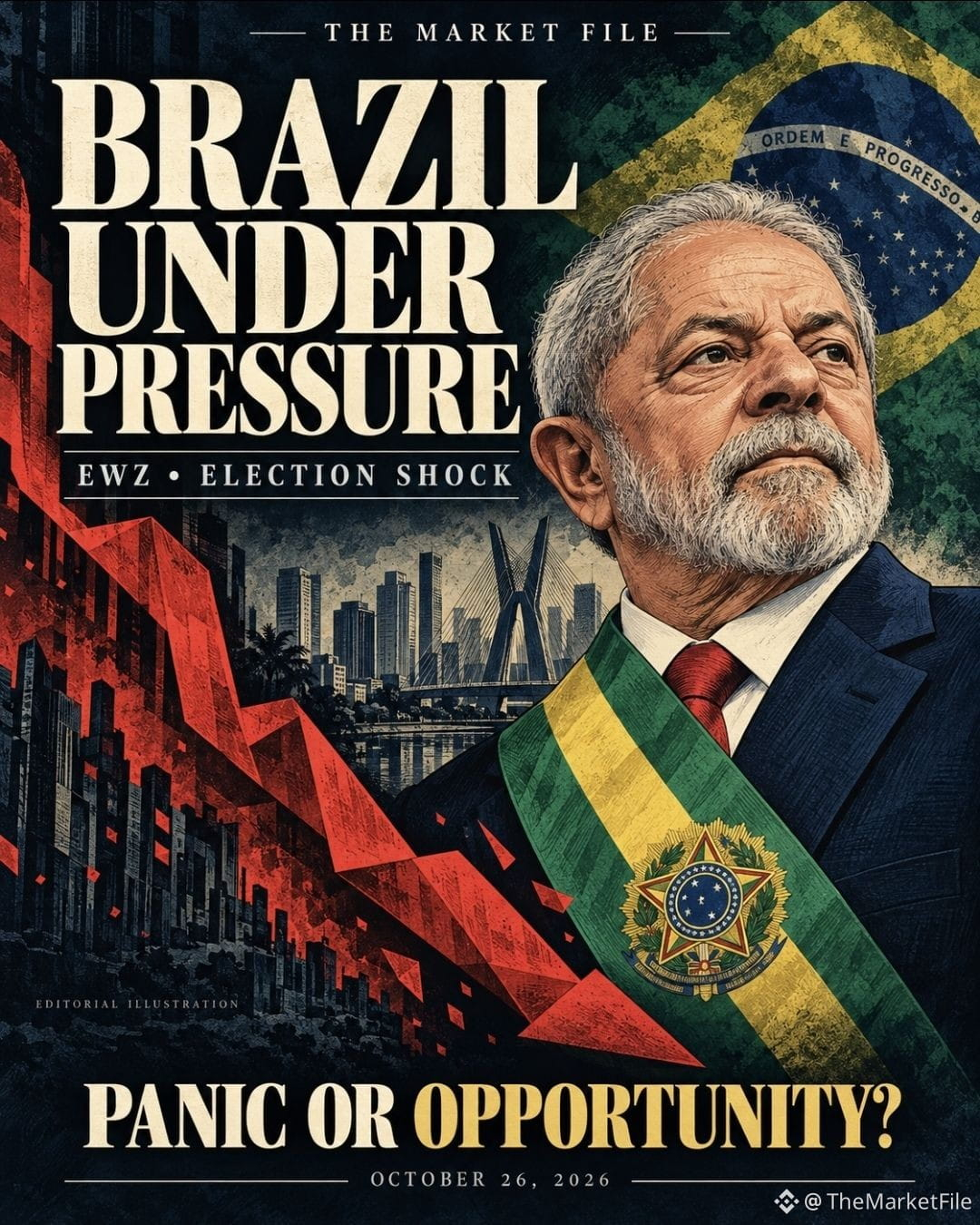
🇧🇷 Lula won the election. $EWZ took the hit.
Is the market overreacting—or pricing in the risks of the next four years?
THE MARKET FILE — BRAZIL UNDER PRESSURE
October 26, 2026
📉 THE NUMBER
EWZ fell 25.58% to $31.68 at 7:21 a.m. New York time, according to UOL.
That’s a snapshot from today’s premarket trading—not the closing price.
🏦 WHAT ARE YOU LOOKING AT?
EWZ is an ETF holding Brazilian stocks, giving investors exposure to a basket of the country’s companies through the U.S. market.
🗳️ WHY SUCH A VIOLENT REACTION?
Investors had positioned for a Flávio Bolsonaro victory and tighter fiscal policy. Lula’s reelection forced those expectations to reset.
Attention now shifts to his economic team and signals on spending, debt and fiscal discipline.
📖 MY READ:
Brazilian companies didn’t lose a quarter of their factories, customers or productive capacity overnight.
What changed sharply was the price investors were willing to pay for their future earnings.
That can create opportunities. It can also reflect risks that remain difficult to measure.
Buying simply because prices collapsed is an incomplete thesis. Selling solely because of who won deserves scrutiny too.
👀 I’m watching whether selling pressure persists during the regular session—and what economic announcements follow the result.
💬 Your call: would you buy Brazil after this selloff, or wait for clearer policy signals?
And the uncomfortable question: would you make the same decision if YOUR preferred candidate had won?
#EWZ #Brazil #markets
$EWZ
{future}(EWZUSDT)
🇧🇷 Lula won the election. $EWZ took the hit.
Is the market overreacting—or pricing in the risks of the next four years?
THE MARKET FILE — BRAZIL UNDER PRESSURE
October 26, 2026
📉 THE NUMBER
EWZ fell 25.58% to $31.68 at 7:21 a.m. New York time, according to UOL.
That’s a snapshot from today’s premarket trading—not the closing price.
🏦 WHAT ARE YOU LOOKING AT?
EWZ is an ETF holding Brazilian stocks, giving investors exposure to a basket of the country’s companies through the U.S. market.
🗳️ WHY SUCH A VIOLENT REACTION?
Investors had positioned for a Flávio Bolsonaro victory and tighter fiscal policy. Lula’s reelection forced those expectations to reset.
Attention now shifts to his economic team and signals on spending, debt and fiscal discipline.
📖 MY READ:
Brazilian companies didn’t lose a quarter of their factories, customers or productive capacity overnight.
What changed sharply was the price investors were willing to pay for their future earnings.
That can create opportunities. It can also reflect risks that remain difficult to measure.
Buying simply because prices collapsed is an incomplete thesis. Selling solely because of who won deserves scrutiny too.
👀 I’m watching whether selling pressure persists during the regular session—and what economic announcements follow the result.
💬 Your call: would you buy Brazil after this selloff, or wait for clearer policy signals?
And the uncomfortable question: would you make the same decision if YOUR preferred candidate had won?
#EWZ #Brazil #markets
$EWZ
1
1
552

·
--
Bullish
Brazil extends runoff voting, interrupting presidential result reporting
🗳️ The October 25 race between Lula and Flávio Bolsonaro saw a last-minute change as Justice Cristiano Zanin extended voting by two hours following transport and weather concerns raised by both campaigns.
⏳ The TSE clarified that only polling stations still open at 17:00 Brasília could continue voting. Closed stations would remain shut. The new deadline was 19:00, equivalent to 05:00 WIB on October 26.
📊 Before tabulation paused, Lula led with 57.66% against Flávio’s 42.34%, with just 0.25% reported. This small, unrepresentative share was insufficient to indicate a nationwide winner.
🔎 The TSE said tabulation and result reporting would resume after the extended deadline. Attention now turns to fuller results and both candidates’ responses.
#Brazil $BRKBB

33

Latin American financial markets were rocked by sharp volatility on Monday. After the results of Brazil’s election were announced, left-wing candidate Lula defeated right-wing senator Bolsonaro to win the presidency. Bovespa stock index futures plunged nearly 15% at one point in early trading, the Brazilian real fell 12.2% against the U.S. dollar in spot trading, and interest rate futures surged in tandem, with rates on contracts expiring in January 2031 jumping 182 basis points.
The election results exceeded some pollsters’ expectations, stoking market concerns about future fiscal expansion and a policy shift in Brazil. The surge in sovereign risk premiums directly reflected investors’ defensive stance toward an expansion of sovereign debt, as emerging-market sovereign assets faced a fresh crisis of confidence.
The sharp volatility quickly drove up risk discounts on regional currencies and bonds, prompting cross-border capital to flow back into dollar-denominated safe-haven assets at an accelerated pace. The steep drop in commodity-exporting countries’ currencies also cast a shadow over global liquidity expectations, worsening volatility across markets.
For crypto markets, although steep depreciation in sovereign fiat currencies may spur passive demand for inflation protection and asset preservation in some regions, in a global macro environment dominated by risk aversion, risk assets such as $BTC are more vulnerable to liquidity outflows. Investors should be alert to the risk of systemic sell-offs.📉
#Brazil #EmergingMarkets #MacroEconomics
55

·
--
Brazil’s financial markets were rocked at the start of trading on Monday after the election results were finalized. Left-wing candidate Lula’s victory over Bolsonaro sent Bovespa index futures plunging nearly 15% at one point.
The sell-off reflected concerns about fiscal policy and public spending during the new term. January 2031 interest rate futures surged by 182 basis points, signaling that markets are pricing in the risk of inflation returning.
In the currency market, the Brazilian real (BRL) fell as much as 12.2% against the U.S. dollar in spot trading. Capital flight pressures triggered a wave of hedging, driving significant flows from emerging markets into global safe-haven assets.
For crypto, currency depreciation in Latin America often fuels demand for alternative assets. Although $BTC faces short-term sentiment pressure, demand for Bitcoin and stablecoins in the region remains a long-term driver. 📊
#Brazil #GlobalEconomy #EmergingMarkets #Bitcoin
82

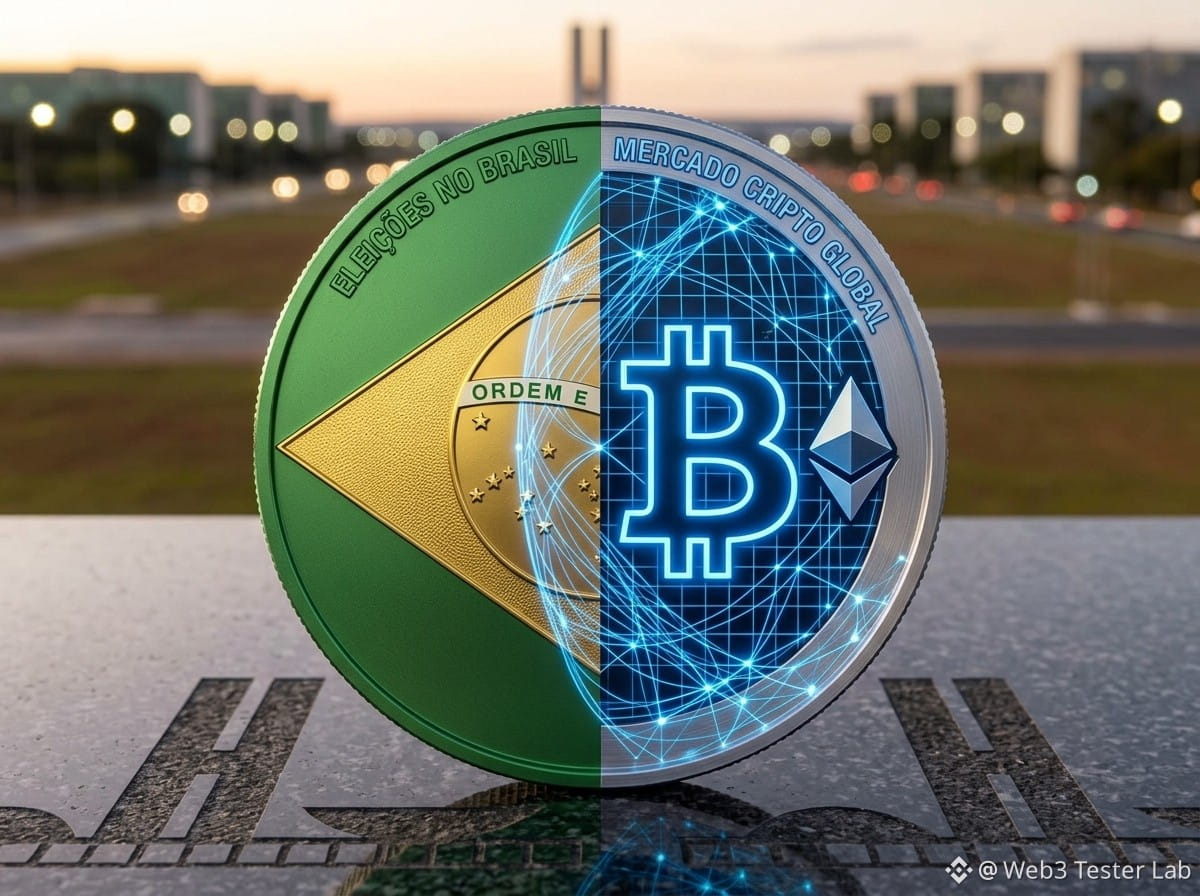
Brazil at the Center of the Crypto Economy
As a benchmark in regulation and the development of digital finance, Brazil’s political direction is drawing the attention of the international crypto market. Learn about the key aspects of this global influence
#Write2Earn #Brazil
{spot}(BNBUSDT)
Brazil at the Center of the Crypto Economy
As a benchmark in regulation and the development of digital finance, Brazil’s political direction is drawing the attention of the international crypto market. Learn about the key aspects of this global influence
#Write2Earn #Brazil
As a benchmark in regulation and the development of digital finance, Brazil’s political direction is drawing the attention of the international crypto market. Learn about the key aspects of this global influence
#Write2Earn #Brazil
1
174

·
--
Article
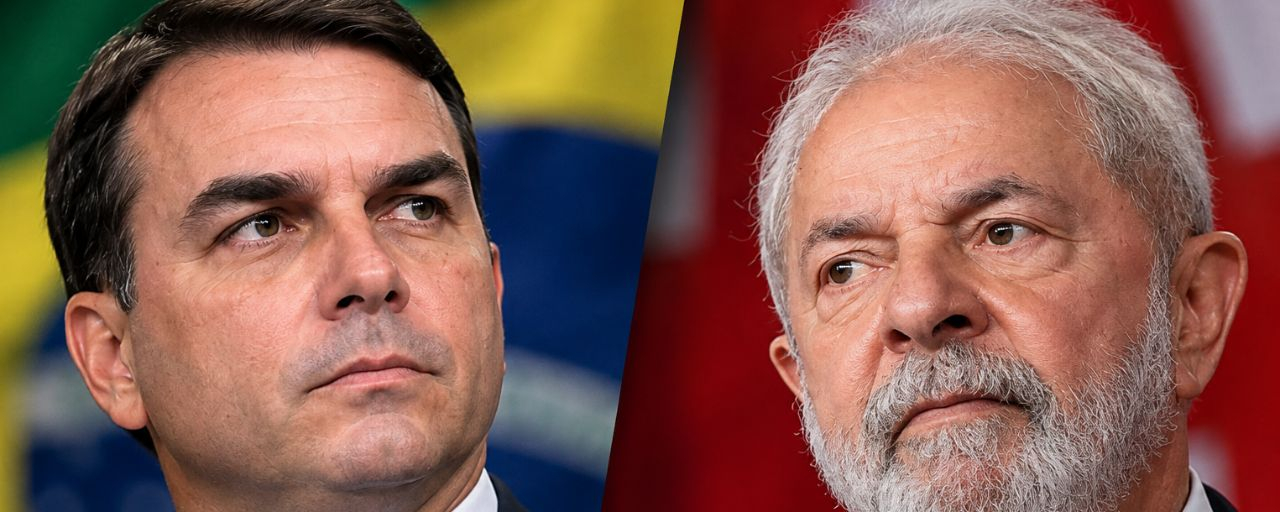
Brazil’s Presidential Runoff: Lula and Flávio Bolsonaro Face a Defining Political TestOctober 22, 2026
Brazil is approaching a decisive moment in its political future. On October 25, millions of voters will return to the polls to choose between incumbent President Luiz Inácio Lula da Silva and Senator Flávio Bolsonaro in a highly competitive presidential runoff. The election will determine not only who governs Latin America’s largest economy for the next four years, but also which political direction the country will pursue.
A Closely Contested Election
The first round, held on October 4, produced a close result. Flávio Bolsonaro finished ahead with 47.03% of valid votes, while Lula received 45.16%. Since neither candidate secured more than half of the valid votes, a second round became necessary.
The latest polling suggests that the contest remains tight. A Quaest poll published on October 21 placed Bolsonaro at 45% and Lula at 44%, with a margin of error of two percentage points. The figures indicate a competitive race in which the final outcome remains uncertain.
Two Different Visions for Brazil
The election represents a broader dispute over the role of government, economic management, public security and Brazil’s position in international affairs.
Lula, a longtime leader of the Workers’ Party, is campaigning on continuity, public investment and social programs. His economic approach emphasizes government participation in stimulating growth, investment in infrastructure and industrial development, and policies intended to support workers and lower-income families.
Flávio Bolsonaro, a senator from the Liberal Party and the son of former President Jair Bolsonaro, is presenting a more market-oriented alternative. His proposals include reducing government expenditure, shrinking the federal administration, lowering taxes and expanding private-sector participation in the economy.
Both candidates face the challenge of addressing public concerns about government debt, employment, purchasing power and economic growth. The central disagreement is how best to achieve these goals: through a more active state or by reducing government spending and expanding the role of private enterprise.
Security, Institutions and Social Divisions
Public security is another major issue in the campaign. Flávio Bolsonaro advocates tougher criminal penalties and expanded use of security technology, appealing to voters who prioritize law enforcement and stronger measures against crime. Lula's political approach places greater emphasis on coordinated public policy, social development and action against organized crime.
The election also reflects competing perspectives on democratic institutions, social policy and Brazil's international relationships. Lula has generally emphasized multilateral diplomacy and closer cooperation with emerging economies, including through the BRICS group. Bolsonaro favors closer alignment with the United States and other Western partners.
These differences extend beyond individual policies. They reflect competing ideas about the state's responsibilities, the country's economic priorities and Brazil's role in an increasingly divided international environment.
The Importance of the Final Vote
With the candidates separated by a narrow margin in recent polling, undecided voters and supporters of candidates eliminated in the first round could prove decisive. Voter turnout, regional differences and each campaign's ability to persuade moderates may play an important role in determining the outcome.
The next president will face significant challenges regardless of the result. Managing public finances, sustaining economic growth, improving public security and addressing social inequalities will require political negotiation and effective government.
The strength of Brazil's democratic institutions will also remain important. A competitive election places particular responsibility on political leaders to respect the electoral process and on citizens to evaluate proposals critically.
A Choice That Extends Beyond Two Candidates
Brazil's October 25 runoff is more than a contest between two political figures. It is a choice between distinct approaches to economic management, social policy, public security and international affairs.
The result will offer an indication of which vision commands the stronger mandate among Brazilian voters. Whatever the outcome, the country's ability to move forward will depend not only on the winning candidate's policies, but also on the government's willingness to govern a deeply divided society.
As election day approaches, one fact is clear: Brazil's political future will be shaped by a decision that carries consequences well beyond the presidential palace, affecting the economy, democratic institutions and the country's place on the world stage.
$BTC $XRP $LUNC #Brazil #Lula #Flavio #TeslaSlides5%PreMarket #EarningsSeason
Brazil’s Presidential Runoff: Lula and Flávio Bolsonaro Face a Defining Political Test
October 22, 2026
Brazil is approaching a decisive moment in its political future. On October 25, millions of voters will return to the polls to choose between incumbent President Luiz Inácio Lula da Silva and Senator Flávio Bolsonaro in a highly competitive presidential runoff. The election will determine not only who governs Latin America’s largest economy for the next four years, but also which political direction the country will pursue.
A Closely Contested Election
The first round, held on October 4, produced a close result. Flávio Bolsonaro finished ahead with 47.03% of valid votes, while Lula received 45.16%. Since neither candidate secured more than half of the valid votes, a second round became necessary.
The latest polling suggests that the contest remains tight. A Quaest poll published on October 21 placed Bolsonaro at 45% and Lula at 44%, with a margin of error of two percentage points. The figures indicate a competitive race in which the final outcome remains uncertain.
Two Different Visions for Brazil
The election represents a broader dispute over the role of government, economic management, public security and Brazil’s position in international affairs.
Lula, a longtime leader of the Workers’ Party, is campaigning on continuity, public investment and social programs. His economic approach emphasizes government participation in stimulating growth, investment in infrastructure and industrial development, and policies intended to support workers and lower-income families.
Flávio Bolsonaro, a senator from the Liberal Party and the son of former President Jair Bolsonaro, is presenting a more market-oriented alternative. His proposals include reducing government expenditure, shrinking the federal administration, lowering taxes and expanding private-sector participation in the economy.
Both candidates face the challenge of addressing public concerns about government debt, employment, purchasing power and economic growth. The central disagreement is how best to achieve these goals: through a more active state or by reducing government spending and expanding the role of private enterprise.
Security, Institutions and Social Divisions
Public security is another major issue in the campaign. Flávio Bolsonaro advocates tougher criminal penalties and expanded use of security technology, appealing to voters who prioritize law enforcement and stronger measures against crime. Lula's political approach places greater emphasis on coordinated public policy, social development and action against organized crime.
The election also reflects competing perspectives on democratic institutions, social policy and Brazil's international relationships. Lula has generally emphasized multilateral diplomacy and closer cooperation with emerging economies, including through the BRICS group. Bolsonaro favors closer alignment with the United States and other Western partners.
These differences extend beyond individual policies. They reflect competing ideas about the state's responsibilities, the country's economic priorities and Brazil's role in an increasingly divided international environment.
The Importance of the Final Vote
With the candidates separated by a narrow margin in recent polling, undecided voters and supporters of candidates eliminated in the first round could prove decisive. Voter turnout, regional differences and each campaign's ability to persuade moderates may play an important role in determining the outcome.
The next president will face significant challenges regardless of the result. Managing public finances, sustaining economic growth, improving public security and addressing social inequalities will require political negotiation and effective government.
The strength of Brazil's democratic institutions will also remain important. A competitive election places particular responsibility on political leaders to respect the electoral process and on citizens to evaluate proposals critically.
A Choice That Extends Beyond Two Candidates
Brazil's October 25 runoff is more than a contest between two political figures. It is a choice between distinct approaches to economic management, social policy, public security and international affairs.
The result will offer an indication of which vision commands the stronger mandate among Brazilian voters. Whatever the outcome, the country's ability to move forward will depend not only on the winning candidate's policies, but also on the government's willingness to govern a deeply divided society.
As election day approaches, one fact is clear: Brazil's political future will be shaped by a decision that carries consequences well beyond the presidential palace, affecting the economy, democratic institutions and the country's place on the world stage.
$BTC $XRP $LUNC #Brazil #Lula #Flavio #TeslaSlides5%PreMarket #EarningsSeason
CriptoGuy-XXX:
Sugestão de pesquisa: Cabelinho-Flavinho de Papai , um bom documentário
4
153

📰 Why Is Brazil’s CVM Launching a Tokenized Securities Pilot? What Is the Regulator Betting On?
Brazil’s securities regulator, the CVM, has begun testing a new pilot project to issue securities using blockchain technology. The core idea is to encode securities issuance and trading rules as smart-contract logic in a platform’s code. Put simply, Brazil wants traditional financial products like bonds and stocks to catch a ride on DeFi—but first, it’s testing the waters in a sandbox. This mainly affects companies looking to innovate in fintech, as well as Brazil’s domestic investment market.
Brazil’s pilot signals that regulators around the world are stepping up their exploration of how traditional finance can integrate with digital technology. Most countries are still taking a wait-and-see approach, while Brazil is pushing ahead with the relatively cutting-edge idea of encoding regulatory rules into smart contracts. If successful, it could become a model for other countries to follow. There are two deeper reasons behind this: first, traditional finance is inefficient and costly, and blockchain could help address those issues; second, DeFi is developing rapidly, and regulators don’t want to miss out. The U.S. Securities and Exchange Commission has recently been discussing similar ideas, but Brazil is taking a more aggressive approach. Why Brazil? Because it represents an emerging market, where the risks of policy experimentation are relatively low.
Market impact
In the short term, this will fuel discussion around regulatory sandbox projects, but it won’t directly drive up the prices of BTC or ETH. In the long term, if this model is adopted more widely, it could give rise to a new type of security product and make it easier for institutional investors to participate in crypto investments. There aren’t many historical precedents, but a similar initiative was the “blockchain securities trading” pilot launched last year by the U.S. DTCC, a clearing and custody organization. Most importantly, Brazil’s move could push other developing countries to accelerate fintech innovation, potentially helping digital currencies gain acceptance among institutional investors.
💡 Brazil’s pilot is unlikely to directly boost crypto prices, but it will strengthen the “regulation-friendly DeFi” narrative. If similar pilots emerge on a larger scale in the future and prove effective, they could provide medium-term support for ETH, since many new applications need compliant real-world use cases to take hold, and ETH is a Layer 1 network.
This article is not sponsored by any project. The author does not hold any of the assets mentioned.
⚠️ This is not investment advice. Predictions are for reference only.
#Brazil’sCVMTestsTokenizedSecuritiesMarketinNewPilotProgram
$ETH #ETH
151
·
--
Bullish
🚨⚠️ Urgent ⚠️🚨 🇧🇷
Binance’s new update in Brazil does not affect users who keep their cryptocurrencies in staking.
One of the best strategies is to keep a cryptocurrency in staking. This way, you help support a project’s market cap. The whales involved in the project can also benefit from this growth and eventually contribute to the project’s development. After all, one hand washes the other, and together they wash the face!
Binance’s update in Brazil aims to make it harder for drug traffickers to use the platform to store their money, as well as to combat money laundering by terrorist organizations. As a result, the expectation is that the environment will be safer and compliant with Brazilian law.
A smear campaign against Binance is circulating online, with messages encouraging users to withdraw their money from the exchange. You could be falling into a trap and end up sending your assets to another exchange with no KYC verification, only to lose everything.
#BinanceSquareTalks #BinanceSquareFamily #Brazil #staking
@heyi @binancebrasil @CZ @Binance_Labs
$FET $ORDI $BTC
🚨⚠️ Urgent ⚠️🚨 🇧🇷
Binance’s new update in Brazil does not affect users who keep their cryptocurrencies in staking.
One of the best strategies is to keep a cryptocurrency in staking. This way, you help support a project’s market cap. The whales involved in the project can also benefit from this growth and eventually contribute to the project’s development. After all, one hand washes the other, and together they wash the face!
Binance’s update in Brazil aims to make it harder for drug traffickers to use the platform to store their money, as well as to combat money laundering by terrorist organizations. As a result, the expectation is that the environment will be safer and compliant with Brazilian law.
A smear campaign against Binance is circulating online, with messages encouraging users to withdraw their money from the exchange. You could be falling into a trap and end up sending your assets to another exchange with no KYC verification, only to lose everything.
#BinanceSquareTalks #BinanceSquareFamily #Brazil #staking
@Yi He @Binance Brasil Official @CZ @Binance Labs
$FET $ORDI $BTC
1
187

·
--
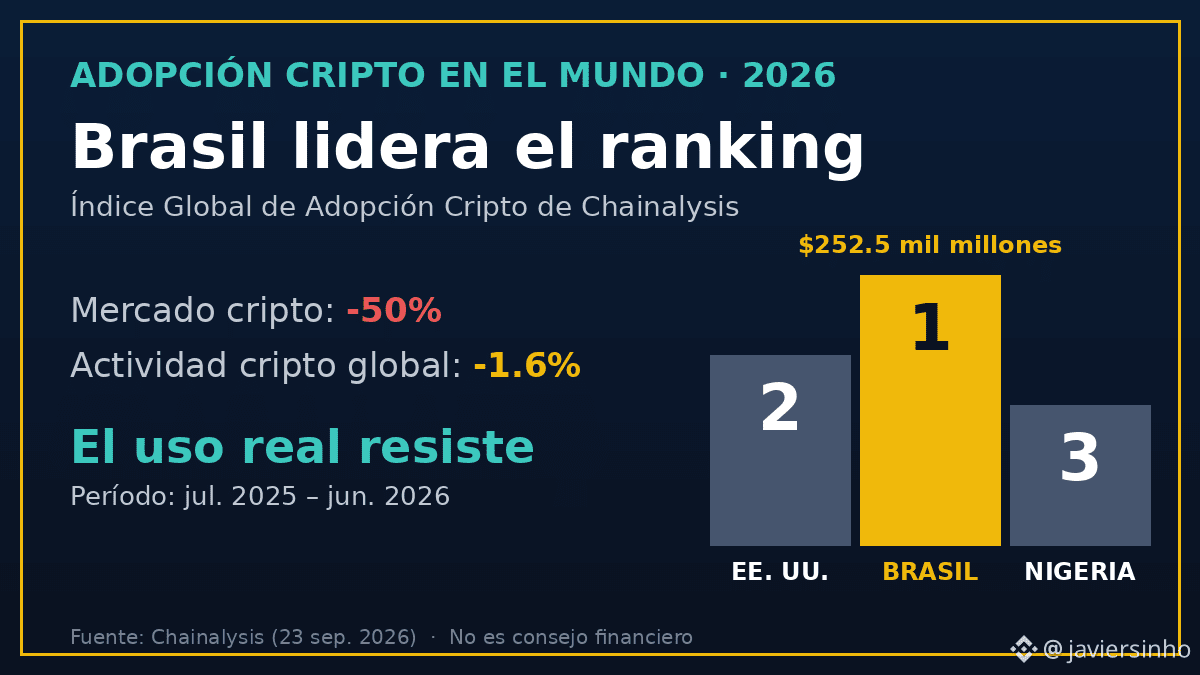
🌎 Brazil leads crypto adoption worldwide in 2026. According to the Chainalysis index, published on September 23, Brazil ranked first with a crypto economy worth $252.5 billion, followed by the U.S. and Nigeria. What's notable: the market value fell by nearly 50% during the period, but global crypto activity declined by just 1.6%. Real-world use is holding up. #crypto #Adoption #Binance #btc #brazil #lunc #eth
🌎 Brazil leads crypto adoption worldwide in 2026. According to the Chainalysis index, published on September 23, Brazil ranked first with a crypto economy worth $252.5 billion, followed by the U.S. and Nigeria. What's notable: the market value fell by nearly 50% during the period, but global crypto activity declined by just 1.6%. Real-world use is holding up. #crypto #Adoption #Binance #btc #brazil #lunc #eth
152

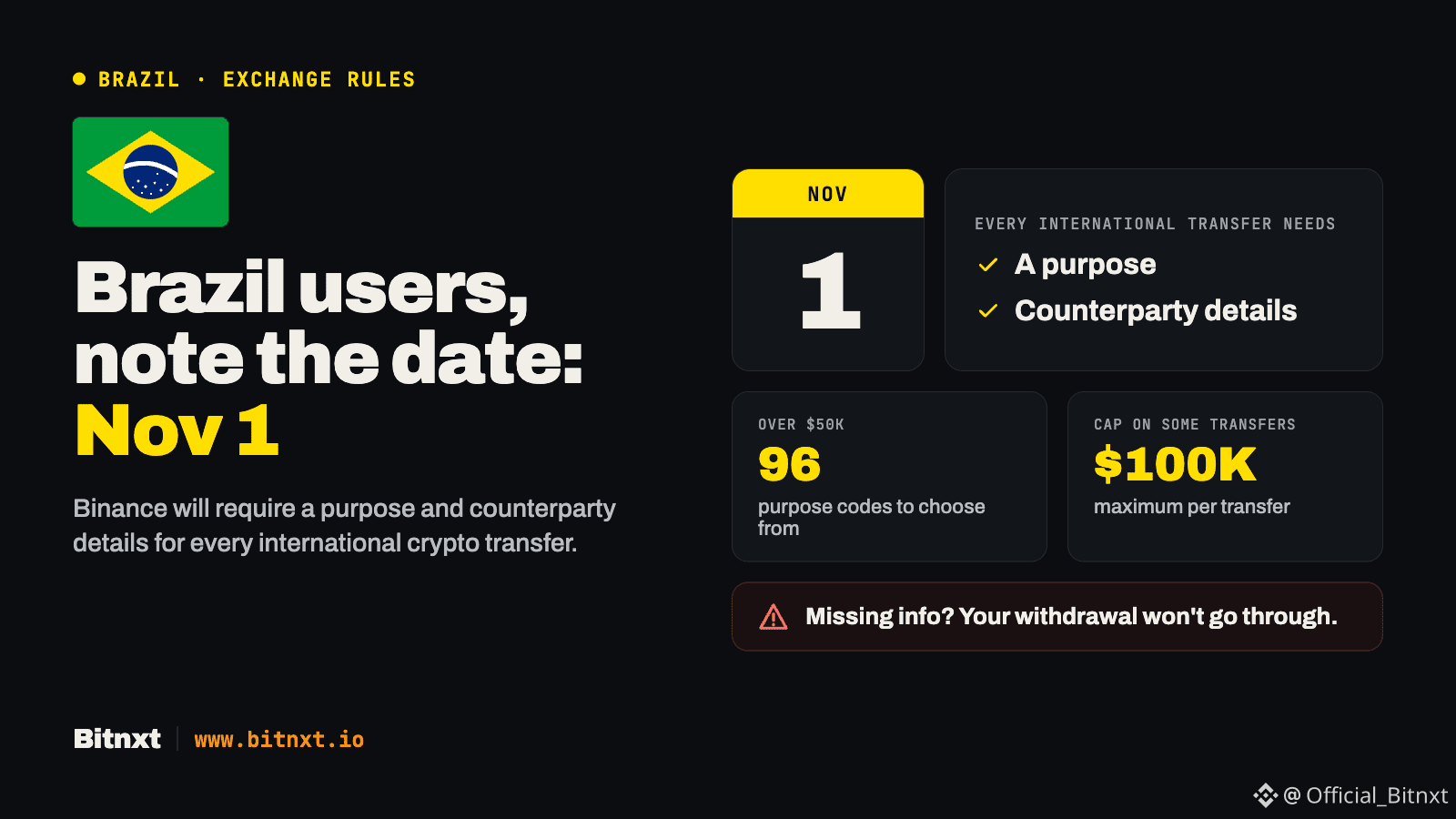
🇧🇷 Brazil users, note the date: Nov 1.
Binance will require a purpose and counterparty details for every international crypto transfer.
Over $50K: choose from 96 purpose codes Some transfers capped at $100K
Missing information means your withdrawal won't go through.
#Brazil #Binance #CryptoRegulation
Binance will require a purpose and counterparty details for every international crypto transfer.
Over $50K: choose from 96 purpose codes Some transfers capped at $100K
Missing information means your withdrawal won't go through.
#Brazil #Binance #CryptoRegulation
1
13
·
--
📰 Featherlend Brings Brazil’s Selic Rate On-Chain With BRZ Morpho Markets
Transfero's Brazilian real stablecoin can now be lent and borrowed in two isolated Morpho vaults on Polygon, with tokenized treasury and dollar collateral.
Source : Blockchainreporter
Time : 2026-10-04 16:00:00
Credit : samuel edyme
#polygon #defi #brazil #defi_news #stablecoins
$IMX $MATIC $ONE
Transfero's Brazilian real stablecoin can now be lent and borrowed in two isolated Morpho vaults on Polygon, with tokenized treasury and dollar collateral.
Source : Blockchainreporter
Time : 2026-10-04 16:00:00
Credit : samuel edyme
#polygon #defi #brazil #defi_news #stablecoins
$IMX $MATIC $ONE
319

Binance tightens controls on Brazilian users’ crypto transactions starting November 1
• Binance will tighten controls on Brazilian users’ cross-border crypto transactions starting November 1.
• Withdrawals may be blocked if required information is missing.
• Binance may freeze deposits if the required transaction information is not provided.
#BinanceSquare #CryptoNews #Brazil
$btc $eth
#vlikevn #Titanbot
Source: U.Today
20

·
--
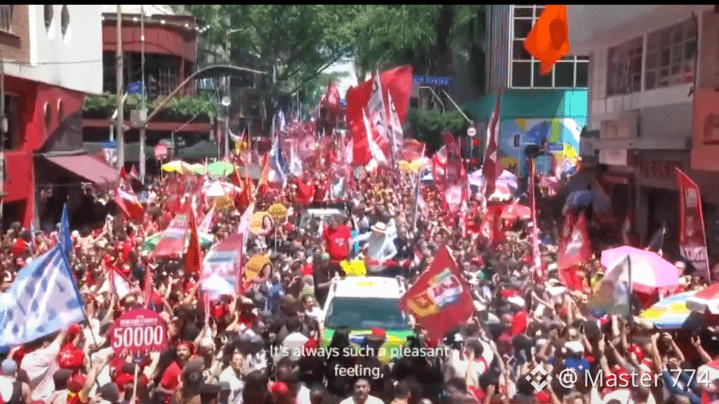
🇧🇷 Something that hasn’t happened in Brazil for nearly three decades is suddenly on the table tonight.
The last president to win outright in the first round was Fernando Henrique Cardoso in 1998.
Since then, every single presidential election has gone to a runoff: 2002, 2006, 2010, 2014, 2018 and 2022.
6 elections, in 28 years, and NOT ONE first-round winner!
Flávio Bolsonaro is currently holding the above 50% needed to end that streak.
And that would make tonight much bigger than simply another Bolsonaro victory.
If he holds above 50% once the count is complete, Brazil will have elected a president in the first round for the first time in a generation.
The last time that happened, his father hadn’t even begun his first term in Congress.
#Brazil
$AKT $STAR $PHAROS
408

·
--
Bullish
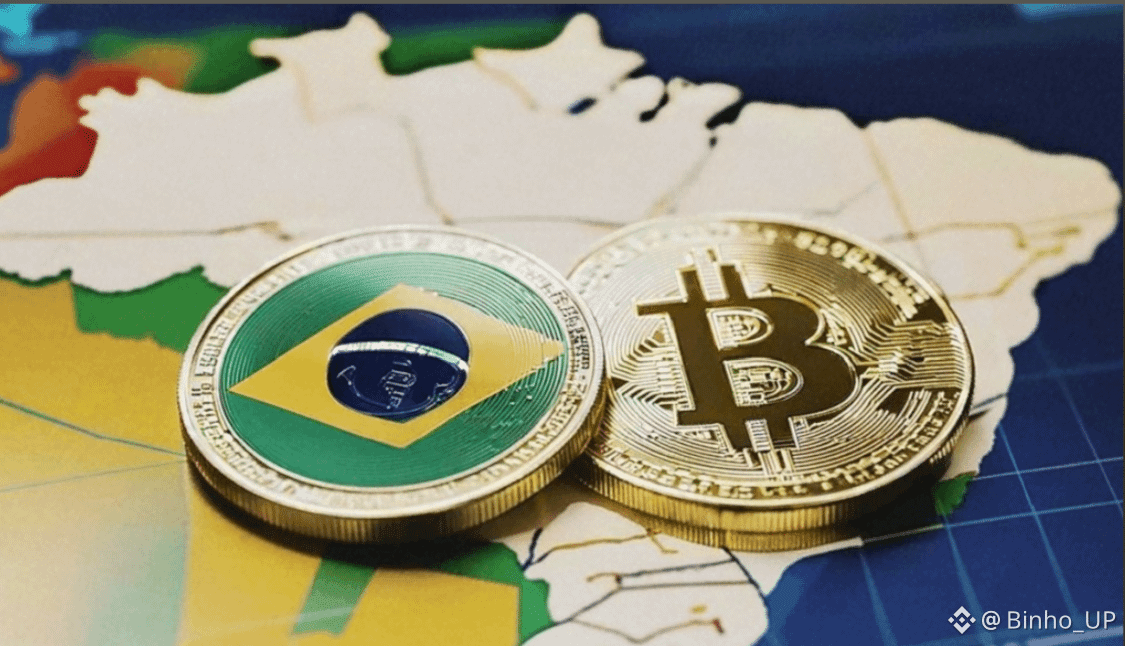
🗳 Strategic Interest in Brazil: What Moves Global Powers?
Brazil is among the 10 largest economies in the world and attracts the attention of international leaders for three central strategic reasons:
Food Security: Brazilian agribusiness (soy, meat, corn) feeds about 1 billion people, making it vital for world supply.
Geopolitics and Energy: The power struggle between the United States and China over the BRICS leader includes access to oil reserves and critical minerals (lithium and nickel) essential for technology.
Climate and Sustainability: With the Amazon and an electricity mix that is ~88% renewable, the country is a key piece in the global agenda on decarbonization and carbon credits.
With Brazil’s growing relevance on the global stage, do you think it will also become a leadership hub for the adoption of crypto assets and Web3?
👇 Leave your opinion in the comments!
#Crypto #Brazil #Economy #Web3 $BTC $ETH $SOL
4
4
1.2k

·
--
🇧🇷 Binance Updates Crypto Transfer Rules in Brazil
Binance is changing international crypto deposit/withdrawal procedures for Brazilian users to comply with local regulations.
Users making international transfers may need to provide additional information.
📌 No action is required if you don't make international crypto transfers.
#Binance #Crypto #Brazil $BTC
9

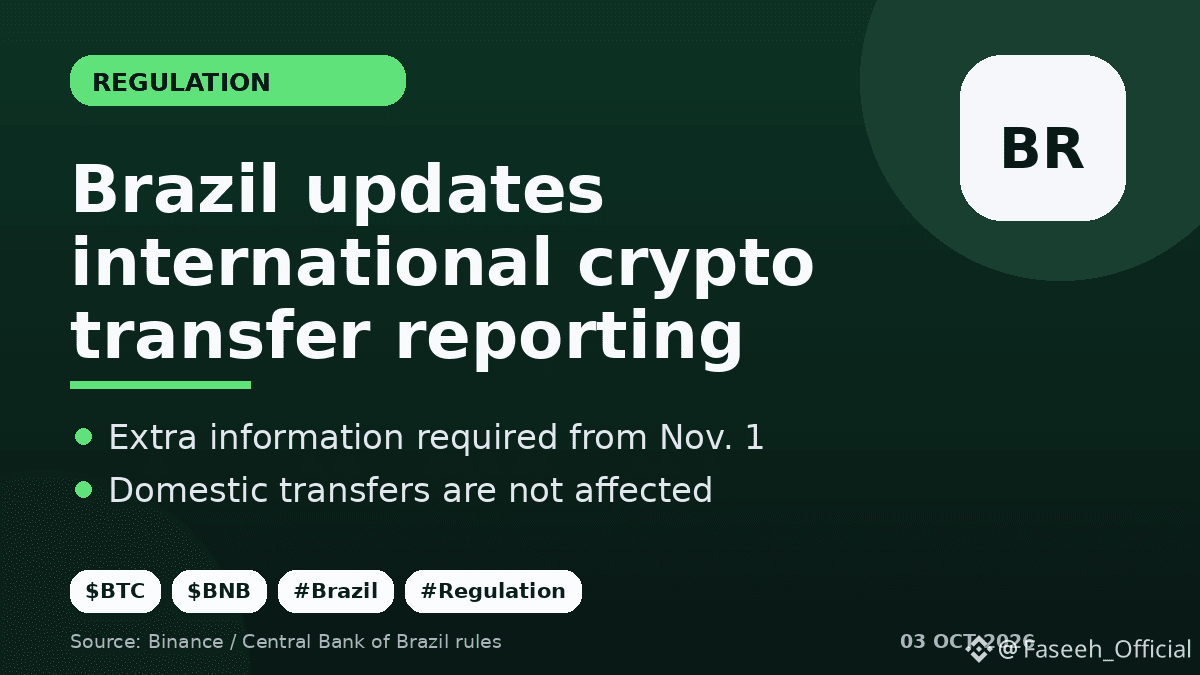
🇧🇷 CRYPTO REGULATION UPDATE: Binance says users in Brazil will need to provide extra information for certain international crypto transfers starting Nov. 1, 2026. Domestic transfers are unaffected. Cross-border crypto reporting is becoming more structured globally. $BTC $BNB #Binance #CryptoRegulation #Brazil #Blockchain
🇧🇷 CRYPTO REGULATION UPDATE: Binance says users in Brazil will need to provide extra information for certain international crypto transfers starting Nov. 1, 2026. Domestic transfers are unaffected. Cross-border crypto reporting is becoming more structured globally. $BTC $BNB #Binance #CryptoRegulation #Brazil #Blockchain
315

·
--
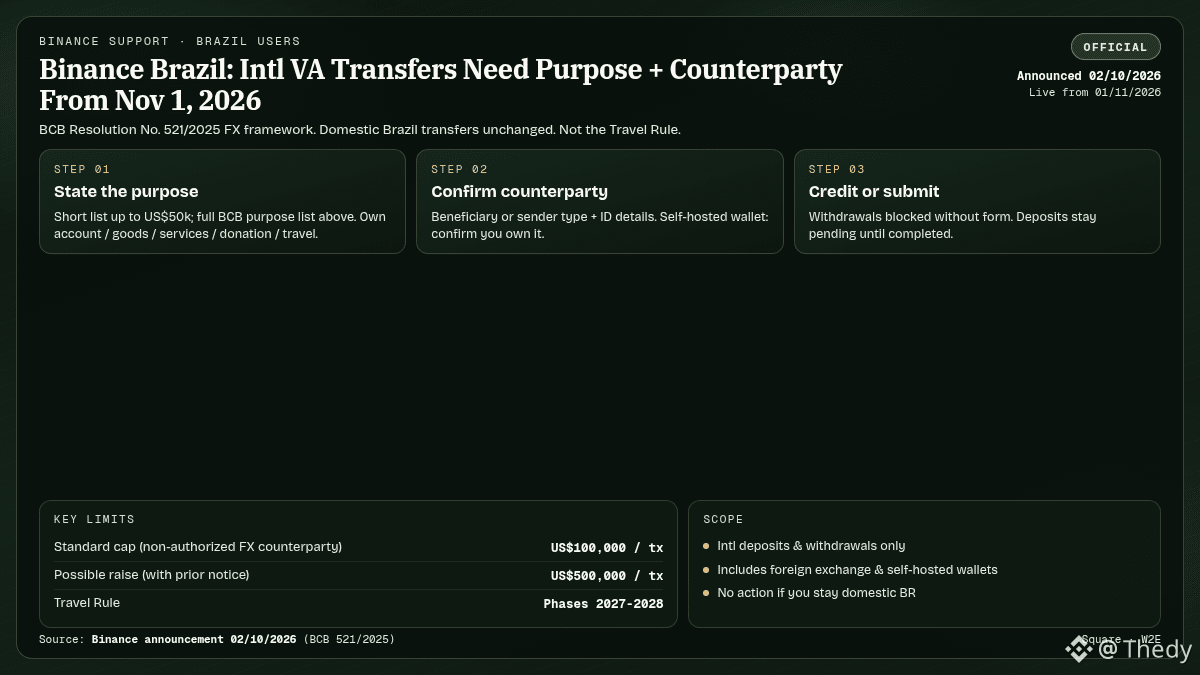
Binance updated the procedures for international transfers of virtual assets for users in Brazil.
Official announcement dated 02/10/2026: starting 01/11/2026, international deposits and withdrawals will require a questionnaire (transfer purpose + identity of the counterparty), in accordance with BCB Resolution No. 521/2025. Domestic transfers within Brazil do not change.
FACTS (source: Binance Support, 02/10/2026):
• Effective date: 01/11/2026
• Framework: Resolution BCB No. 521/2025 (foreign exchange market), not the Travel Rule (scheduled in phases for 2027-2028)
• Standard limit: USD 100,000 per transaction if the counterparty is not an authorized institution on the Brazilian FX market (may be raised to USD 500,000 with prior notice)
• Without information: withdrawal is not subject; deposit remains pending (sometimes returned to the sender)
INTERPRETATION:
This is not a “retail crypto ban.” It’s FX compliance on Binance’s side, separate from BCB resolutions 561/588 (eFX channel / self-custody reporting) that were already in effect as of 01/10.
SCENARIOS:
• Baseline: smooth adoption of the pop-up, domestic flows unchanged
• Extension: the cap increased to 500k after notification
• Risk: friction for large international transfers and self-hosted wallets
BR users who only do domestic activity: no action required. For those who handle international flows: will the questionnaire be a real blocker, or just a UX step?
#Binance #Brazil #Regulation
16
·
--
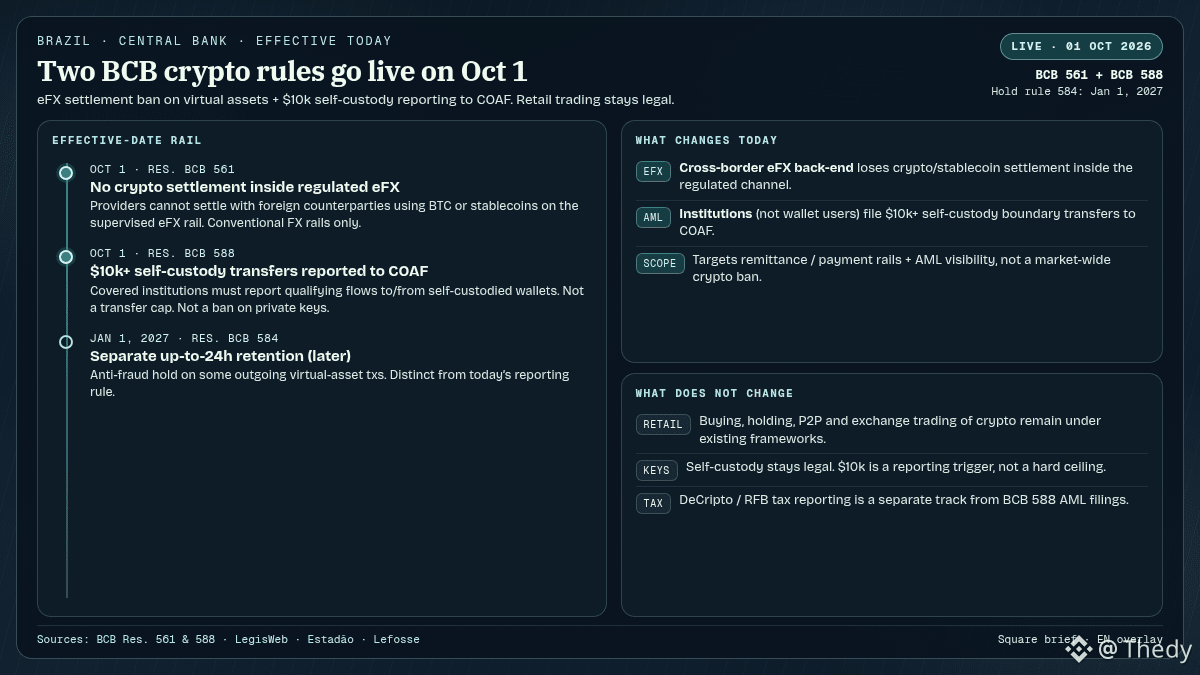
Today 01/10, two rules from the Banco Central do Brasil (BCB) come into force. This is not a “crypto ban” for retail. This is a targeted tightening on regulated rails and AML.
FACTS (sources: BCB resolutions, LegisWeb, Estadão, Lefosse):
• BCB Resolution 561: in the eFX channel (regulated payments / international transfers), no more settlement in virtual assets (bitcoin, stablecoins) between a Brazilian provider and its foreign counterparty. Return to traditional FX rails.
• BCB Resolution 588: covered institutions must report to COAF transfers of virtual assets to or from a self-custody wallet from ~10,000$ (equivalent). This is an institutional obligation, not a user threshold.
• Separately: BCB Resolution 584 (preventive withholding up to 24 hours on certain withdrawals) scheduled for 01/01/2027, distinct from today’s reporting.
INTERPRETATION:
Brazil closes a back-end use case (stablecoin/BTC settlement in supervised eFX) and increases AML visibility at the custody ↔ self-custody boundary. Retail: buying, holding, trading, and private keys remain within existing frameworks. DeCripto / RFB tax treatment = another angle.
SCENARIOS:
• Base case: impact mainly on remittances / fintechs using eFX; retail volume like Square is little affected day to day
• Stress case: stronger friction on institutional outflows → wallet ≥10k $ (delays / KYC), with no formal prohibition
• Invalidating the “ban” narrative: if the BCB expanded to trading/custody outside eFX (not today’s text)
Spot (Kraken ~14:53 UTC): $BTC ~83.8k · $ETH ~2.68k · Fear & Greed 74.
Question: for you, the real issue is the remittances/stablecoins slowdown, or the COAF reporting at $10k?
#Brazil #Regulation $USDT
195

·
--
What a shame what happened with #Brazil in #Mundial2026 . The Norwegians were better in the execution and advanced to the next round. They eliminated the biggest selection of the World Cups in the Round of 16, where the last time it happened to the canarinha was in 1990. Now only Colombia and Argentina remain as Conmebol representatives to fight for this tournament.
If you like predicting results in the king of sports, scan my QR from the image and participate in #BinancePickAndWin to get good rewards.
$SOL
If you like predicting results in the king of sports, scan my QR from the image and participate in #BinancePickAndWin to get good rewards.
$SOL

200
Log in to explore more content
Join global crypto users on Binance Square
⚡️ Get latest and useful information about crypto.
💬 Trusted by the world’s largest crypto exchange.
👍 Discover real insights from verified creators.
Email / Phone number
Trending Topics
1
#BinancePick
2.9M views
150,602 Discussing
2
#EarningsSeason
5.2M views
25,672 Discussing
3
#AnthropicTTMRevenueGrewAbout1200%
12,328 views
288 Discussing
4
#AnthropicS1ExpectedToday
15,393 views
266 Discussing
5
#SouthKoreaReportedlyWeighsFourthCryptoTaxDelay
22,213 views
394 Discussing
6
#FranklinTempletonFilesForTwoDividendToBitcoinETFs
29,506 views
488 Discussing
7
#StrategyMSTRSurpassesNasdaqInMarketCap
22,916 views
355 Discussing
8
#CanadaProposesStablecoinRedemptionWithin3BusinessDays
1,060 views
34 Discussing
9
#ElectrumWalletBugLetRogueServersStealFunds
25,201 views
438 Discussing
10
#ArgentineCourtDismissesLIBRACaseAgainstMilei
38,395 views
540 Discussing