If someone claims that staking returns are “guaranteed,” you should question the legitimacy of the offer: real staking rewards fluctuate.
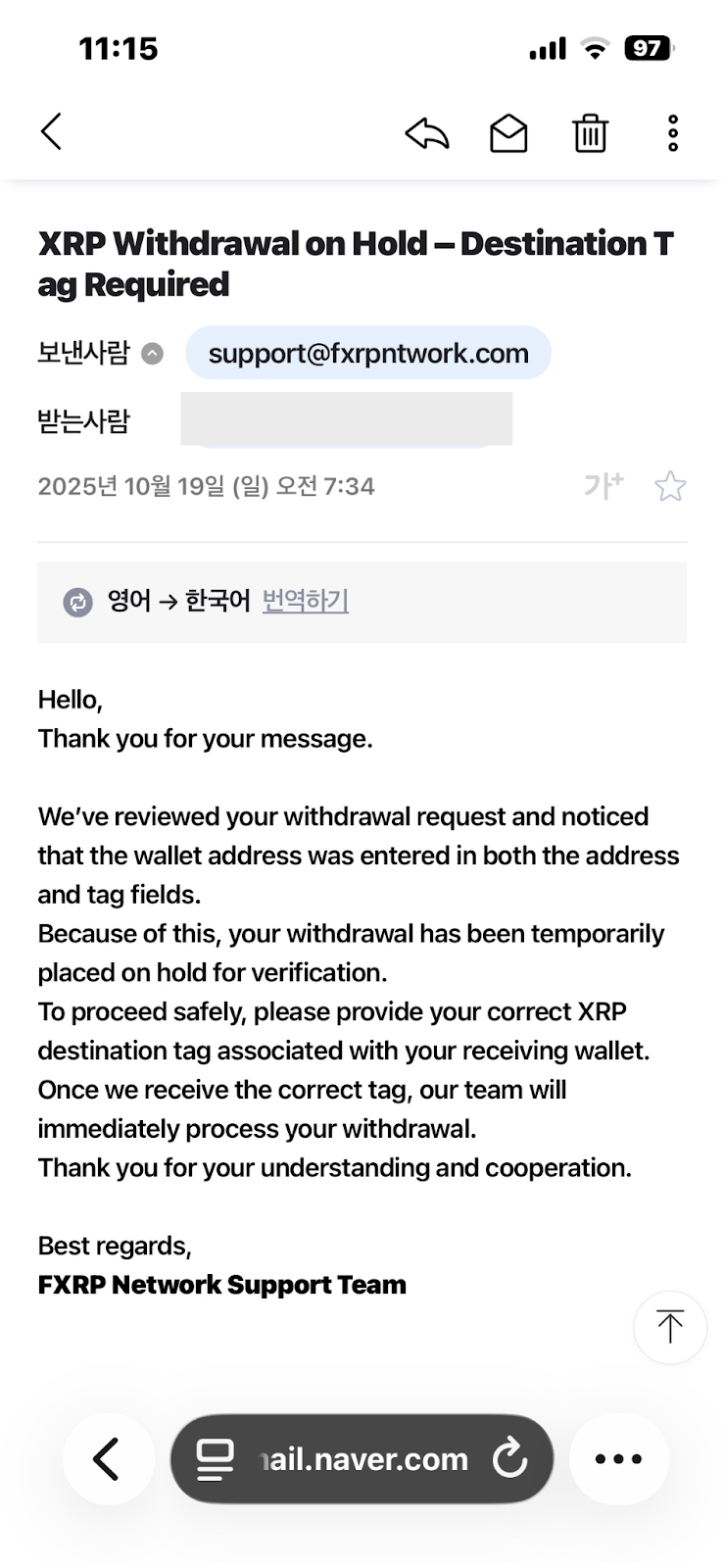
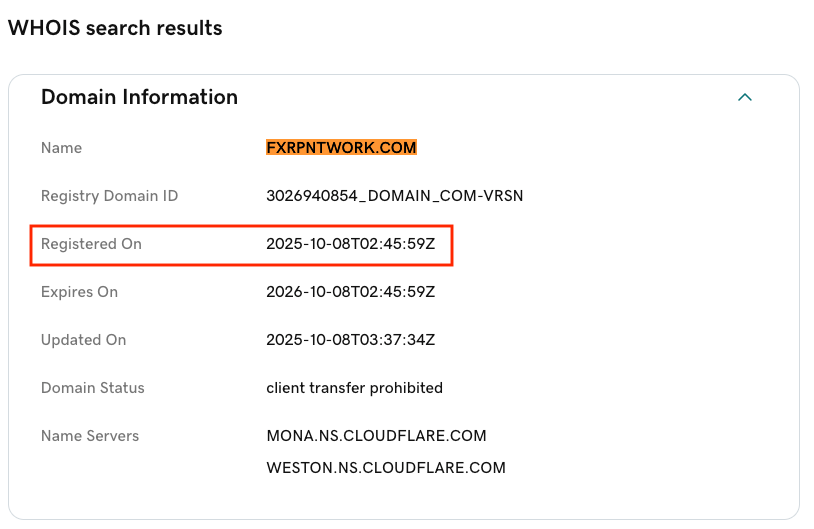
When assessing the trustworthiness of crypto staking offers, misspelled domains, newly registered websites, and a lack of community discussion are immediate red flags.
Verify sources, trust only official channels, and pause before sending funds to invest – a moment of caution can save everything.
Imagine logging in to check your staking rewards, only to find your balance has vanished. When an investment opportunity comes knocking with promises of high returns and little risk, it could very well be a trap laid by an investment scammer. In this article, we’ll examine a recent real-world staking scam and share practical strategies to protect your funds.
A recent scam that impacted thousands of investors worldwide shows just how convincing fake platforms have become.
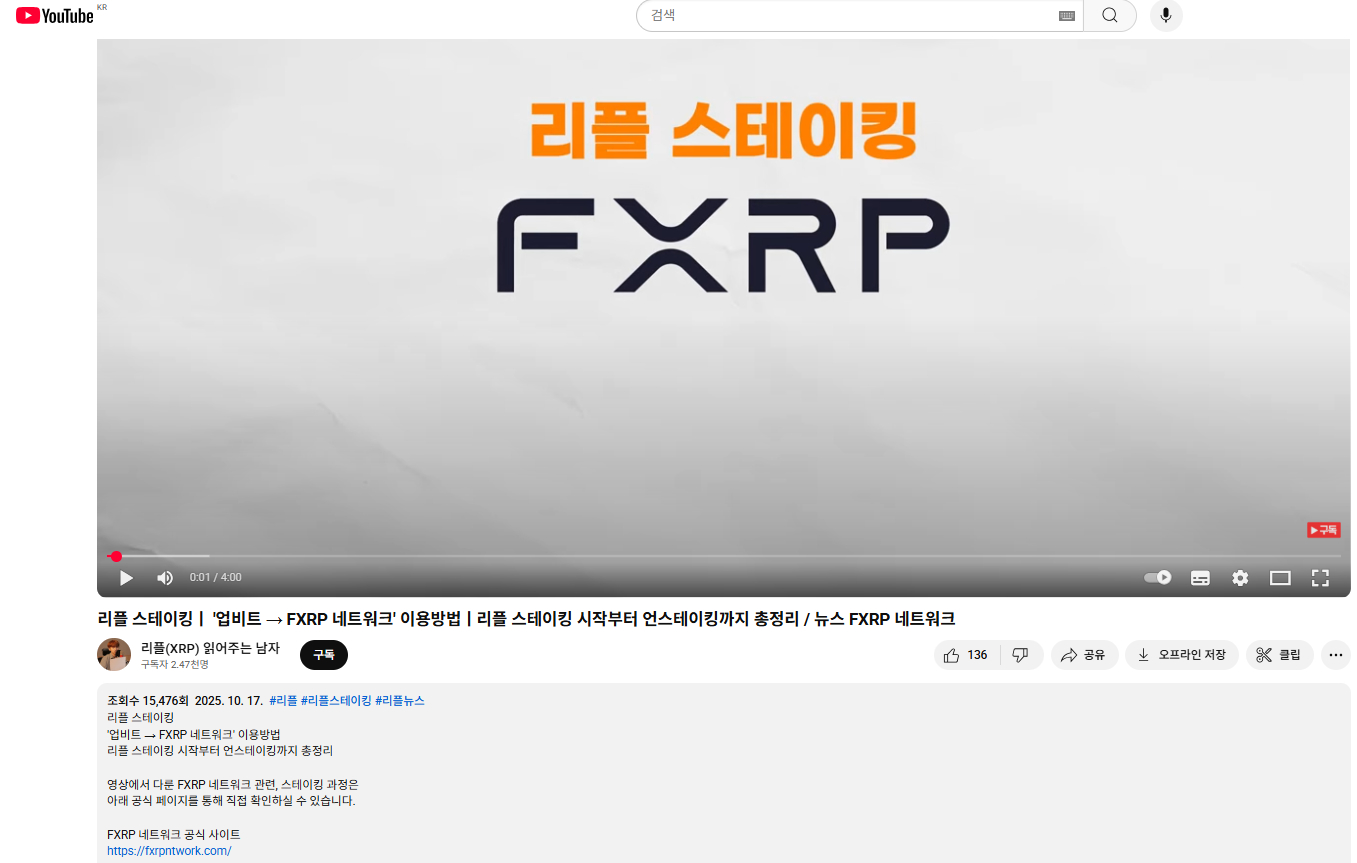
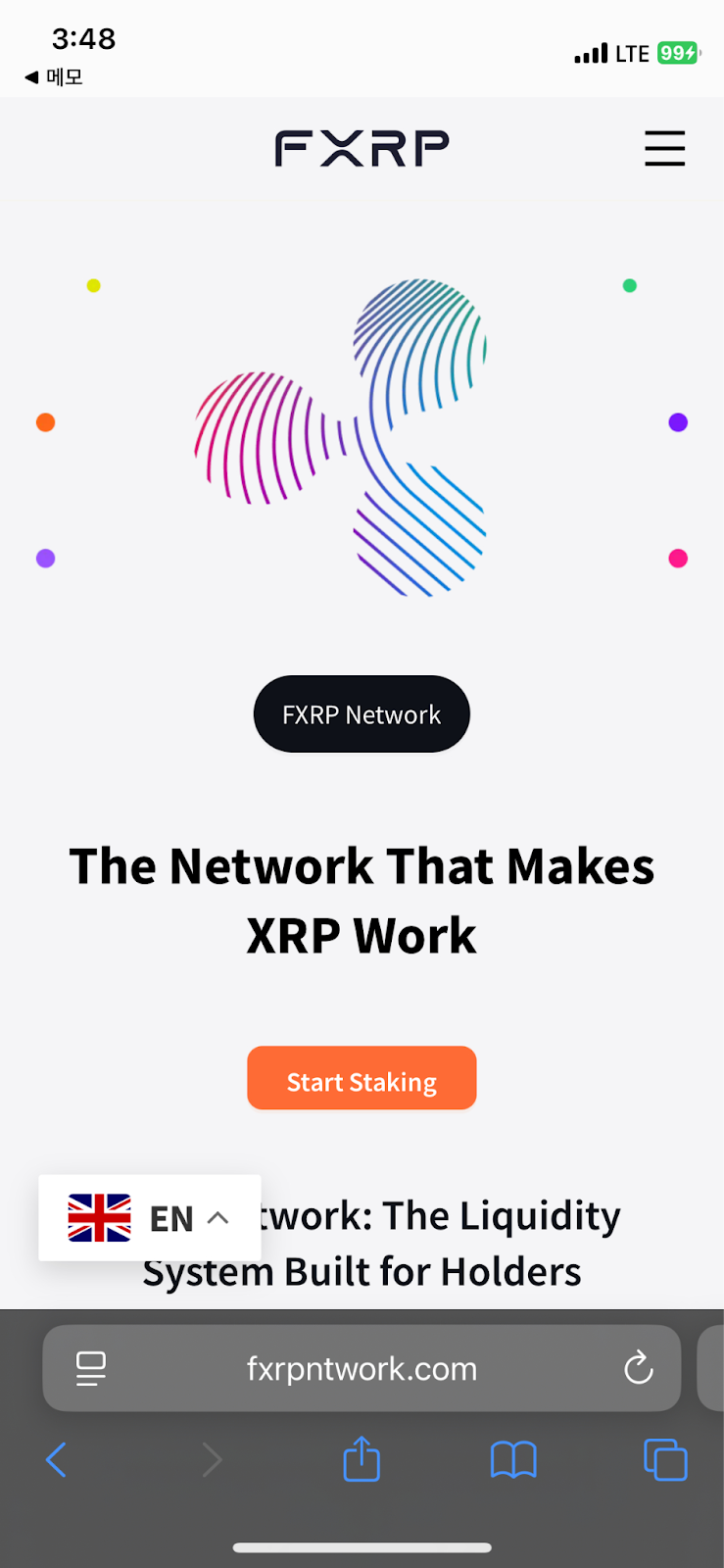
Many victims first encountered FXRP through YouTube videos promoting “XRP wrapping and staking” with guaranteed monthly returns of 1.5-1.8%. The site was strategically pushed to the top of major search engine results and referenced across multiple online articles, creating a very convincing illusion of legitimacy.
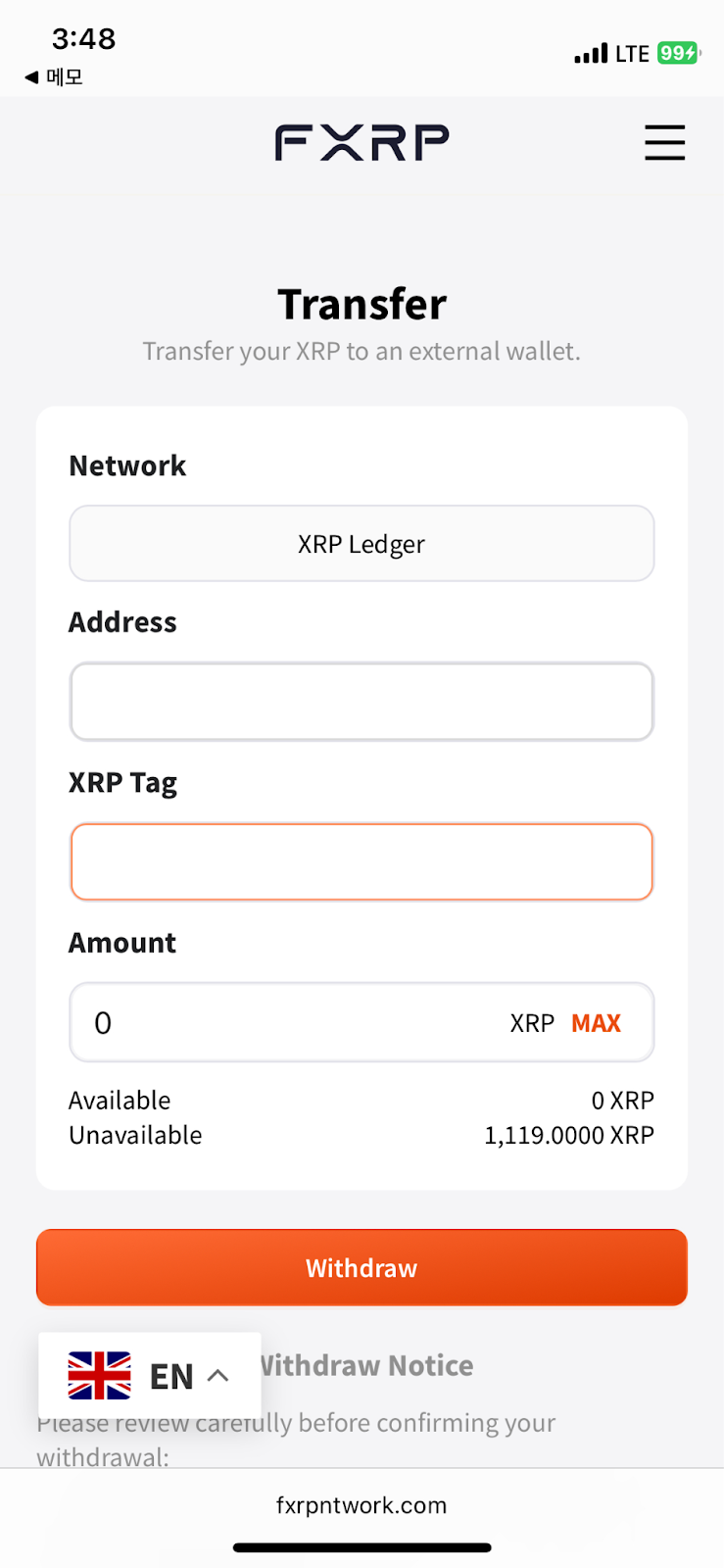
Many quickly signed up, created accounts, and sent their XRP to the wallet addresses provided by the platform, believing their funds were safely staked.
However, when victims later tried to unstake or withdraw their funds, they hit a wall. They were met with repeated excuses, such as claims of missing destination tags or vague “technical issues,” followed by demands for additional fees to proceed. Shortly after, the website went offline, support vanished, and the wallets that received the funds were emptied. All the money was gone – permanently.
Before depositing a single dollar, take a moment to run through these quick checks:
Check the domain spelling carefully
Legitimate platforms use clear, sensible web addresses. Scammers, on the other hand, rely on subtle misspellings most people overlook. One odd or missing letter is rarely an accident and is often a deliberate attempt to deceive.
Check when the domain was registered
A quick WHOIS lookup can reveal when a domain was created. If it was registered only weeks or months ago, that’s a major red flag. Established platforms typically have domains that are years old, while scammers often register cheap, new domains and abandon them after the first wave of victims.
Cross-check legitimacy on forums or social media
Search the exact site name on Reddit, X (Twitter), or Telegram. If nothing credible shows up – no genuine user reviews, no mentions from official project channels, and no discussion in established crypto communities – it’s a major red flag. Legitimate services get talked about; scam sites often stay invisible until users start reporting losses.
Check for verifiable proof
Legitimate staking or yield services are always officially referenced by the token’s own project. For example, Ripple will never ask users to send funds to a random wallet for “wrapping.” If there’s no whitepaper, no independent audit, and no mention on the project’s official website or verified channels, the service isn’t legitimate.
Be wary of “guaranteed” or unrealistic returns
Promises of fixed monthly profits, such as 1.5-1.8% every month regardless of market conditions, are a classic scam signal. Legitimate staking and yield rewards fluctuate with network activity and market dynamics and are never guaranteed.
Before committing your funds, slow down, verify every detail, and rely only on services that are officially endorsed and independently verified. While Binance continues to invest in education, tools, and real-time alerts through resources like our FAQs, Know Your Scam series, and Binance Risk Sniper profile on Square, your awareness remains the strongest safeguard.