Binance Square
#cryptosecurity

cryptosecurity

8.4M views
9,412 Discussing
C-ICT Trader
·
--
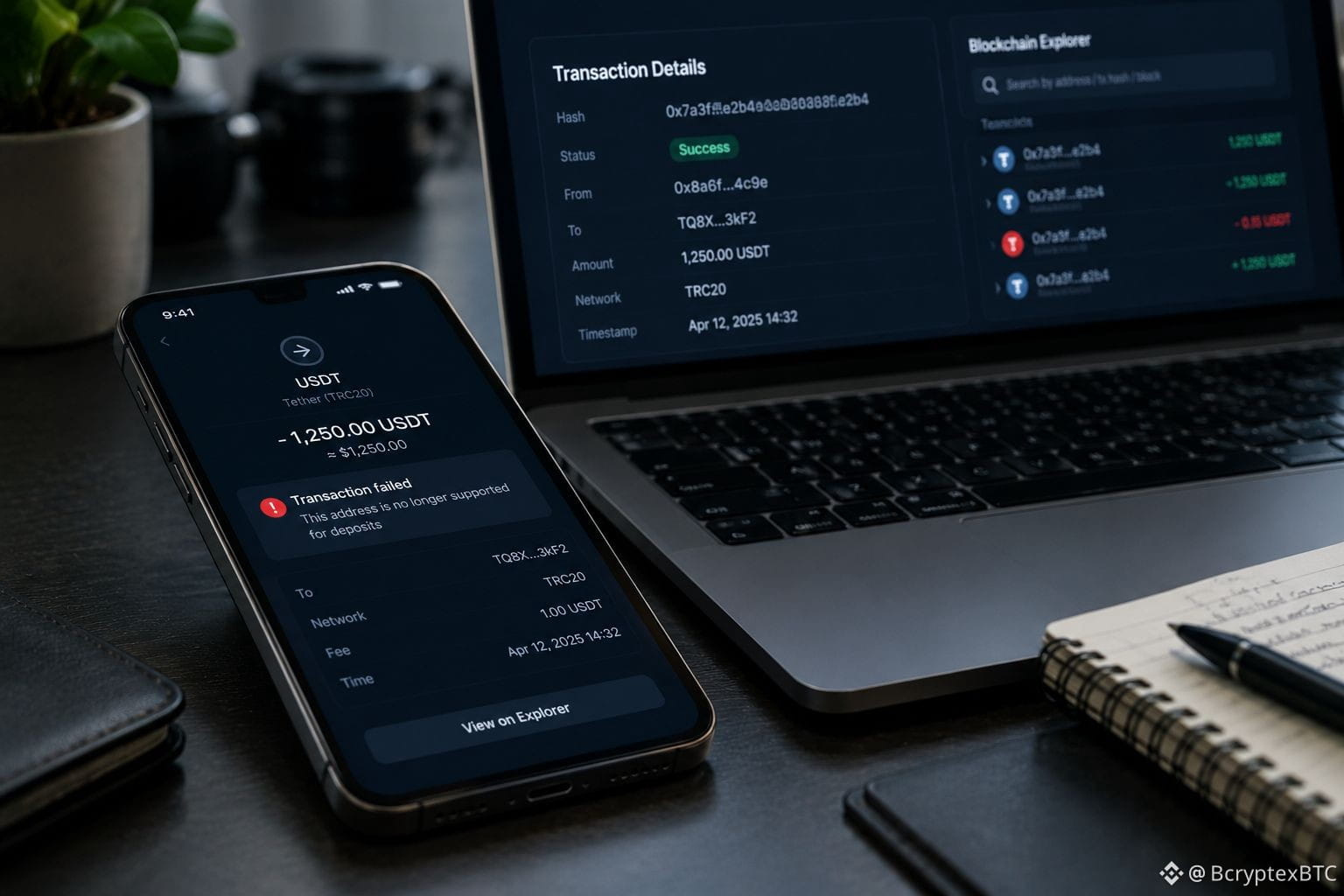
🛡️ $P2P THE UNSUNG TRADING EDGE: VERIFY BEFORE YOU TRUST, PROFIT AFTER YOU CONFIRM ⚠️ 🔍 The difference between a clean P2P execution and a frozen account often comes down to a single 60-second verification step. In an arena where manipulation hides behind screenshots and payment promises, your discipline is the ultimate edge. 🦈 📌 Every rule in this checklist is a liquidity shield — checking completion rates filters out bad actors before they reach your wallet. Keeping communication inside the platform preserves your evidence trail. 🔒 The golden rule remains immutable: verify the money in your own account before releasing a single satoshi. Never let urgency override verification. 💬 Have you ever spotted a red flag mid-trade and walked away, or did pressure nearly cost you? 👇 ⚠️ Not financial advice. Always manage your risk. 🛡️ 🏷️ #P2P #SafetyFirst #CryptoSecurity #BinanceSquare 🛡️ 🔒
🛡️ $P2P THE UNSUNG TRADING EDGE: VERIFY BEFORE YOU TRUST, PROFIT AFTER YOU CONFIRM ⚠️

🔍 The difference between a clean P2P execution and a frozen account often comes down to a single 60-second verification step. In an arena where manipulation hides behind screenshots and payment promises, your discipline is the ultimate edge. 🦈

📌 Every rule in this checklist is a liquidity shield — checking completion rates filters out bad actors before they reach your wallet. Keeping communication inside the platform preserves your evidence trail. 🔒 The golden rule remains immutable: verify the money in your own account before releasing a single satoshi. Never let urgency override verification.

💬 Have you ever spotted a red flag mid-trade and walked away, or did pressure nearly cost you? 👇

⚠️ Not financial advice. Always manage your risk. 🛡️

🏷️ #P2P #SafetyFirst #CryptoSecurity #BinanceSquare

🛡️ 🔒
·
--
🔒 Can $BTC Holders Avoid 46 Physical Crypto Threats in 2026? 🤔 Chainalysis says crypto-related “wrench attacks” have already stolen more than $30M so far in 2026. The risk is moving beyond wallets and screens into the real world. - Of 46 documented attempts, only 12 resulted in payment—yet the total stolen has surpassed $30M. - Data leaks are widening the attack surface, potentially exposing holders to targeted physical threats. - Attacks on relatives add another layer of danger: personal crypto security now includes privacy, location awareness, and family safety. For traders and long-term holders, protecting seed phrases is only one part of the equation. Limiting public exposure and securing personal data may matter just as much. Do you think physical crypto crime will become a bigger threat than online hacks in 2026? Share your view below. $BTC $ETH #CryptoNews #Bitcoin #CryptoSecurity Disclaimer: This is not financial advice. DYOR.
🔒 Can $BTC Holders Avoid 46 Physical Crypto Threats in 2026? 🤔

Chainalysis says crypto-related “wrench attacks” have already stolen more than $30M so far in 2026. The risk is moving beyond wallets and screens into the real world.

- Of 46 documented attempts, only 12 resulted in payment—yet the total stolen has surpassed $30M.
- Data leaks are widening the attack surface, potentially exposing holders to targeted physical threats.
- Attacks on relatives add another layer of danger: personal crypto security now includes privacy, location awareness, and family safety.

For traders and long-term holders, protecting seed phrases is only one part of the equation. Limiting public exposure and securing personal data may matter just as much.

Do you think physical crypto crime will become a bigger threat than online hacks in 2026? Share your view below.

$BTC $ETH #CryptoNews #Bitcoin #CryptoSecurity

Disclaimer: This is not financial advice. DYOR.
Physical security is the new frontier. Wrench attacks are hitting harder than ever, with $30M already gone this year. This shift from digital exploits to physical coercion is a massive wake-up call. Your hardware is useless if they have you at gunpoint. Is anyone actually safe? #CryptoSecurity ‎
Physical security is the new frontier.

Wrench attacks are hitting harder than ever, with $30M already gone this year. This shift from digital exploits to physical coercion is a massive wake-up call. Your hardware is useless if they have you at gunpoint. Is anyone actually safe?

#CryptoSecurity
Cryptocurrency Governance Systems: Don't Let the Door Hit You on the Way OutAre you ready to have your eyes opened to a critical vulnerability in the world of cryptocurrency governance systems? A recent incident has exposed the risks associated with these systems, with consequences that are nothing short of devastating. An attacker has successfully hijacked an abandoned on-chain governance system, draining a staggering $72,000 worth of STRONG and STRNGR tokens in the process. This is a stark reminder of the importance of secure governance systems and the dangers of neglecting security protocols. Let's break down the concept of governance systems in cryptocurrency: #BlockchainGovernance #CryptoSecurity Imagine a company holding a shareholder meeting, but instead of in-person attendees, it's a virtual gathering on a blockchain. This is essentially what governance systems do, allowing token holders to make decisions for the project, set goals, and vote on proposals. These systems are designed to be secure, transparent, and community-driven. However, the recent incident involving StrongBlock highlights the risks associated with abandoned or unsecured governance systems. An attacker was able to infiltrate the system, exploit the lack of security measures, and siphon off valuable tokens. This is a clear example of how neglecting security protocols can lead to catastrophic consequences. The real-world example of StrongBlock's governance system being hijacked serves as a wake-up call for all cryptocurrency projects and investors. It's essential for these projects to maintain strict security measures and stay on top of governance system updates. So, what can you do to minimize your exposure to such risks? Start by educating yourself on the importance of secure governance systems and stay vigilant about updates and security measures. What do you think is the most critical aspect of cryptocurrency governance systems? Share your thoughts in the comment section below. Don't let another StrongBlock incident happen to you!

Cryptocurrency Governance Systems: Don't Let the Door Hit You on the Way Out

Are you ready to have your eyes opened to a critical vulnerability in the world of cryptocurrency governance systems? A recent incident has exposed the risks associated with these systems, with consequences that are nothing short of devastating. An attacker has successfully hijacked an abandoned on-chain governance system, draining a staggering $72,000 worth of STRONG and STRNGR tokens in the process. This is a stark reminder of the importance of secure governance systems and the dangers of neglecting security protocols.
Let's break down the concept of governance systems in cryptocurrency: #BlockchainGovernance #CryptoSecurity
Imagine a company holding a shareholder meeting, but instead of in-person attendees, it's a virtual gathering on a blockchain. This is essentially what governance systems do, allowing token holders to make decisions for the project, set goals, and vote on proposals. These systems are designed to be secure, transparent, and community-driven.
However, the recent incident involving StrongBlock highlights the risks associated with abandoned or unsecured governance systems. An attacker was able to infiltrate the system, exploit the lack of security measures, and siphon off valuable tokens. This is a clear example of how neglecting security protocols can lead to catastrophic consequences.
The real-world example of StrongBlock's governance system being hijacked serves as a wake-up call for all cryptocurrency projects and investors. It's essential for these projects to maintain strict security measures and stay on top of governance system updates.
So, what can you do to minimize your exposure to such risks? Start by educating yourself on the importance of secure governance systems and stay vigilant about updates and security measures.
What do you think is the most critical aspect of cryptocurrency governance systems? Share your thoughts in the comment section below. Don't let another StrongBlock incident happen to you!
🚨 $KITE SURVIVED THE ATTACK — HERE'S WHY SECURITY SAVED THE TOKEN! 🛡️ When the monitoring systems caught anomalous transfer activity on Ethereum mainnet, KITE's team didn't hesitate. They froze all transfers, isolated the affected tokens, and rendered them untradeable on secondary markets before any damage could land. 💥 The result? Zero asset loss. That's not luck — that's a security stack built for the AI Agent economy where every transaction matters. 📊 Projects that can respond to threats in real-time without panic are the ones that earn long-term community trust. 🔍 This playbook should be studied by every team in crypto. Detection, containment, transparency — executed in that order. 💬 Does a project that survives an attack earn MORE trust in your eyes than one that never got tested? 👇 ⚠️ Not financial advice. Always manage your risk. 🛡️ 🏷️ #KITE #AIagents #CryptoSecurity #CryptoNews 🦈 🔥
🚨 $KITE SURVIVED THE ATTACK — HERE'S WHY SECURITY SAVED THE TOKEN! 🛡️

When the monitoring systems caught anomalous transfer activity on Ethereum mainnet, KITE's team didn't hesitate. They froze all transfers, isolated the affected tokens, and rendered them untradeable on secondary markets before any damage could land. 💥

The result? Zero asset loss. That's not luck — that's a security stack built for the AI Agent economy where every transaction matters. 📊 Projects that can respond to threats in real-time without panic are the ones that earn long-term community trust. 🔍

This playbook should be studied by every team in crypto. Detection, containment, transparency — executed in that order. 💬 Does a project that survives an attack earn MORE trust in your eyes than one that never got tested? 👇

⚠️ Not financial advice. Always manage your risk. 🛡️

🏷️ #KITE #AIagents #CryptoSecurity #CryptoNews

🦈 🔥
Why is nobody talking about how many crypto teams waste months rebuilding wallet infrastructure nobody asked them to build? Traders feel the damage later: delayed launches, weak custody flows, rushed security, and products that break right when volatility hits. That’s how users miss entries, lose confidence, or worse, lose funds. My take: if a team is building wallet infrastructure from zero, they’re already making life harder than it needs to be. Security, key management, compliance, and transaction reliability are not “basic features.” They are the foundation, and getting them wrong can bury a project for months before users ever touch $BTC, $ETH, or $BNB inside the app. The smarter play is simple: stop treating wallet infrastructure like a side quest. Use battle-tested infrastructure, focus engineering time on the actual product, and audit every custody, signing, and recovery flow before scaling. In crypto, speed matters, but secure speed matters more. If you’re evaluating a project, ask one thing early: are they building what matters, or just burning months reinventing the wallet? #CryptoSecurity #Web3 #BinanceSquare
Why is nobody talking about how many crypto teams waste months rebuilding wallet infrastructure nobody asked them to build?

Traders feel the damage later: delayed launches, weak custody flows, rushed security, and products that break right when volatility hits. That’s how users miss entries, lose confidence, or worse, lose funds.

My take: if a team is building wallet infrastructure from zero, they’re already making life harder than it needs to be. Security, key management, compliance, and transaction reliability are not “basic features.” They are the foundation, and getting them wrong can bury a project for months before users ever touch $BTC , $ETH , or $BNB inside the app.

The smarter play is simple: stop treating wallet infrastructure like a side quest. Use battle-tested infrastructure, focus engineering time on the actual product, and audit every custody, signing, and recovery flow before scaling. In crypto, speed matters, but secure speed matters more.

If you’re evaluating a project, ask one thing early: are they building what matters, or just burning months reinventing the wallet?

#CryptoSecurity #Web3 #BinanceSquare
Everyone thinks building a crypto wallet is just adding a login button, but actually it’s closer to building a bank vault while customers are already knocking on the door. This is where many teams burn months before the product even feels usable. And for users, that delay can turn into frozen withdrawals, weak security, or rushed launches that put funds at risk. Before trusting a new wallet or app, watch these 3 risk zones: 1) security, because one missed gap can expose user funds; 2) key management, because losing or mishandling keys is like losing the only copy of your house key; 3) compliance, because teams that ignore it often get stuck later when they need to scale. The warning sign is simple: if a project holding $BTC, $ETH, or $BNB says “wallet infra is easy,” be careful. The boring backend work is often what separates a serious product from one that breaks when real users arrive. What do you check first before trusting a new crypto wallet? #CryptoSecurity #Web3 #Binance
Everyone thinks building a crypto wallet is just adding a login button, but actually it’s closer to building a bank vault while customers are already knocking on the door.

This is where many teams burn months before the product even feels usable. And for users, that delay can turn into frozen withdrawals, weak security, or rushed launches that put funds at risk.

Before trusting a new wallet or app, watch these 3 risk zones: 1) security, because one missed gap can expose user funds; 2) key management, because losing or mishandling keys is like losing the only copy of your house key; 3) compliance, because teams that ignore it often get stuck later when they need to scale.

The warning sign is simple: if a project holding $BTC , $ETH , or $BNB says “wallet infra is easy,” be careful. The boring backend work is often what separates a serious product from one that breaks when real users arrive.

What do you check first before trusting a new crypto wallet?

#CryptoSecurity #Web3 #Binance
Here’s what happened when crypto attackers realized it was easier to hack humans than hack code. Most traders still watch for contract exploits, rug pulls, and bad audits. But the quieter threat is clicking the wrong link, signing the wrong approval, or trusting the wrong “support” account after FOMO kicks in. For years, the big fear was a DeFi protocol getting drained through a smart contract bug. Think bridge hacks, oracle manipulation, or flawed lending logic. Those still matter, especially across $ETH and $BNB ecosystems, but attackers have shifted toward social engineering because it scales faster and costs less. The pattern is familiar: fake airdrops, wallet drainers, malicious approvals, compromised front ends, and impersonation campaigns. Compared with classic exploits, these attacks don’t always need advanced code. They need timing, trust, and one tired investor rushing through a transaction. That’s the lesson. Security in crypto is no longer just about audited contracts or “safe” blue chips like $BTC. It’s about user behavior, transaction hygiene, and knowing that the weakest point may be the moment before you click confirm. What do you think is the bigger risk now: bad code or bad clicks? #CryptoSecurity #Web3 #DeFi
Here’s what happened when crypto attackers realized it was easier to hack humans than hack code.

Most traders still watch for contract exploits, rug pulls, and bad audits. But the quieter threat is clicking the wrong link, signing the wrong approval, or trusting the wrong “support” account after FOMO kicks in.

For years, the big fear was a DeFi protocol getting drained through a smart contract bug. Think bridge hacks, oracle manipulation, or flawed lending logic. Those still matter, especially across $ETH and $BNB ecosystems, but attackers have shifted toward social engineering because it scales faster and costs less.

The pattern is familiar: fake airdrops, wallet drainers, malicious approvals, compromised front ends, and impersonation campaigns. Compared with classic exploits, these attacks don’t always need advanced code. They need timing, trust, and one tired investor rushing through a transaction.

That’s the lesson. Security in crypto is no longer just about audited contracts or “safe” blue chips like $BTC . It’s about user behavior, transaction hygiene, and knowing that the weakest point may be the moment before you click confirm.

What do you think is the bigger risk now: bad code or bad clicks? #CryptoSecurity #Web3 #DeFi
Everyone thinks smart contract exploits are the main crypto killer, but actually the nastiest risk lately is basic opsec getting cooked. ngl, a lot of traders spend hours hunting entries on $BTC, $ETH, and $BNB, then lose everything because they clicked one fake link, reused one device, or trusted one “support” dm. the pain isn’t just getting hacked. it’s realizing the chart was never the biggest threat. case study: in 2024, stolen crypto hit around $2.2b across 303 incidents, and private key compromises made up about 43.8% of stolen funds. that’s not some exotic defi math bug. that’s wallets, keys, approvals, multisigs, and humans getting targeted. look at the pattern. attackers don’t need to break the chain if they can break your process. phishing pages, fake airdrops, poisoned addresses, clipboard malware, and “urgent verification” scams are boring… but they work. ser, the warning is simple: if your security setup is weaker than your trading thesis, you’re the liquidity. what’s your take on this shift from code exploits to human exploits? #CryptoSecurity #DeFi #Binance
Everyone thinks smart contract exploits are the main crypto killer, but actually the nastiest risk lately is basic opsec getting cooked.

ngl, a lot of traders spend hours hunting entries on $BTC , $ETH , and $BNB , then lose everything because they clicked one fake link, reused one device, or trusted one “support” dm. the pain isn’t just getting hacked. it’s realizing the chart was never the biggest threat.

case study: in 2024, stolen crypto hit around $2.2b across 303 incidents, and private key compromises made up about 43.8% of stolen funds. that’s not some exotic defi math bug. that’s wallets, keys, approvals, multisigs, and humans getting targeted.

look at the pattern. attackers don’t need to break the chain if they can break your process. phishing pages, fake airdrops, poisoned addresses, clipboard malware, and “urgent verification” scams are boring… but they work.

ser, the warning is simple: if your security setup is weaker than your trading thesis, you’re the liquidity. what’s your take on this shift from code exploits to human exploits?

#CryptoSecurity #DeFi #Binance
The scariest crypto hack often doesn’t touch code at all. it just gets someone to sign the wrong thing. A lot of traders still obsess over smart contract bugs, but the easier target is usually you: seed phrases, wallet approvals, fake support chats, poisoned links, and “blind signing” when you’re rushing into $ETH or $BNB plays. Smart contract exploits are real, but attackers have learned that humans are cheaper to hack than protocols. One stolen private key or malicious approval can drain a wallet instantly, even if the token contract is perfectly fine. We’ve seen major losses from compromised keys and phishing flows where the “hack” was basically a bad signature. The warning is simple: if a site asks for unlimited approval, if the transaction data is unreadable, or if you’re connecting a wallet just to “check eligibility,” slow down. Use a separate hot wallet for degen moves, keep long-term $BTC and majors away from random dApps, and review approvals regularly. Is wallet hygiene becoming more important than contract audits for everyday users? #CryptoSecurity #OnChain #Web3
The scariest crypto hack often doesn’t touch code at all. it just gets someone to sign the wrong thing.

A lot of traders still obsess over smart contract bugs, but the easier target is usually you: seed phrases, wallet approvals, fake support chats, poisoned links, and “blind signing” when you’re rushing into $ETH or $BNB plays.

Smart contract exploits are real, but attackers have learned that humans are cheaper to hack than protocols. One stolen private key or malicious approval can drain a wallet instantly, even if the token contract is perfectly fine. We’ve seen major losses from compromised keys and phishing flows where the “hack” was basically a bad signature.

The warning is simple: if a site asks for unlimited approval, if the transaction data is unreadable, or if you’re connecting a wallet just to “check eligibility,” slow down. Use a separate hot wallet for degen moves, keep long-term $BTC and majors away from random dApps, and review approvals regularly.

Is wallet hygiene becoming more important than contract audits for everyday users?

#CryptoSecurity #OnChain #Web3
- No markdown (so plain text, no formatting like ** or # for headings, but hashtags at the end are allowed as tags; they are plain text). - 150-200 words. - Warning-style tone (serious but not panic-inducing). - Give 3 clear actionable steps. - End with: "Share this with someone new to crypto — it could save them!" - Final line: "#Polkadot #DOT #CryptoSecurity #StaySafe" We must output only the final post text, no extra commentary. Must be 150-200 words inclusive. Let's aim for around 170-180 words. We need to write a safety awareness post about "5 signs a crypto project is a rug pull". Provide 5 signs, and then 3 actionable steps. End with the required sentence and final line with hashtags. No markdown: So plain text, line breaks allowed. Ensure no markdown syntax like bullet points with hyphens? Probably plain text lines are okay. But bullet points might be considered markdown? Safer to write as numbered list using plain numbers and periods. That's not markdown. But we must avoid markdown formatting like **bold**. So plain text. Word count: Let's count approximate words. We'll write about 170 words. Let's draft: "Warning: Rug pulls drain wallets fast. Here are five red flags to watch. 1. Anonymous team with no verifiable track record. 2. No audited smart contracts or public code review. 3. Liquidity locked for only a few days or not locked at all. 4. Aggressive marketing promising guaranteed returns. 5. Sudden large token minting or hidden admin functions. If you spot any of these, act immediately: Step 1 – Verify the contract address on a reput
- No markdown (so plain text, no formatting like ** or # for headings, but hashtags at the end are allowed as tags; they are plain text).
- 150-200 words.
- Warning-style tone (serious but not panic-inducing).
- Give 3 clear actionable steps.
- End with: "Share this with someone new to crypto — it could save them!"
- Final line: "#Polkadot #DOT #CryptoSecurity #StaySafe"

We must output only the final post text, no extra commentary. Must be 150-200 words inclusive. Let's aim for around 170-180 words.

We need to write a safety awareness post about "5 signs a crypto project is a rug pull". Provide 5 signs, and then 3 actionable steps. End with the required sentence and final line with hashtags.

No markdown: So plain text, line breaks allowed. Ensure no markdown syntax like bullet points with hyphens? Probably plain text lines are okay. But bullet points might be considered markdown? Safer to write as numbered list using plain numbers and periods. That's not markdown. But we must avoid markdown formatting like **bold**. So plain text.

Word count: Let's count approximate words. We'll write about 170 words.

Let's draft:

"Warning: Rug pulls drain wallets fast. Here are five red flags to watch.

1. Anonymous team with no verifiable track record.
2. No audited smart contracts or public code review.
3. Liquidity locked for only a few days or not locked at all.
4. Aggressive marketing promising guaranteed returns.
5. Sudden large token minting or hidden admin functions.

If you spot any of these, act immediately:

Step 1 – Verify the contract address on a reput
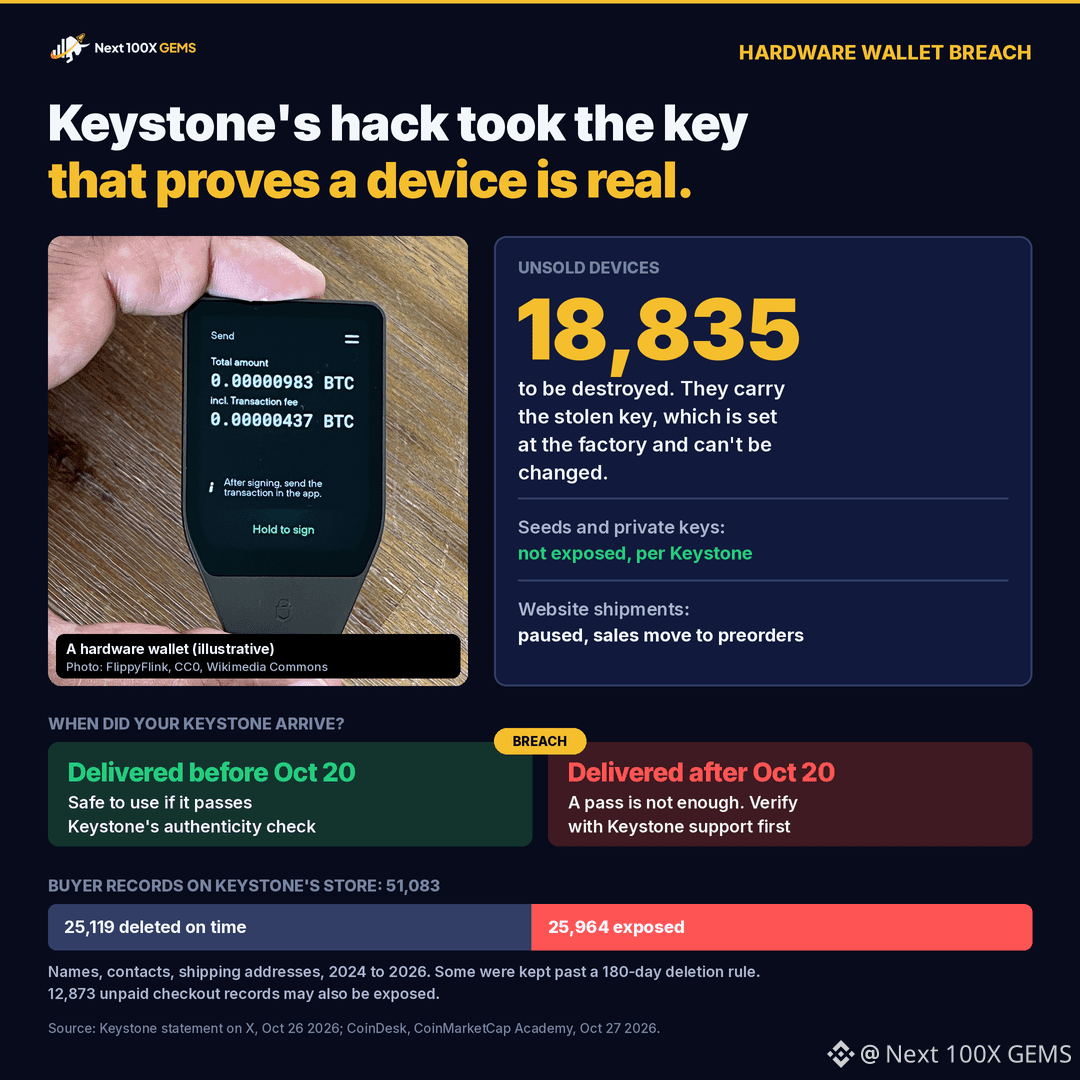
🚨 Coldcard Mk3 users, please pay attentionCoinkite has issued a security warning for some Coldcard Mk3 wallets. If your Bitcoin seed was generated on a Coldcard Mk3 running firmware 4.0.1 or later, Coinkite recommends moving your funds to a newly generated wallet on an unaffected device. The warning comes as researchers investigate a strange sweep of around 594 BTC, worth roughly $38M at the time. Around 1,300+ UTXOs were reportedly moved across hundreds of transactions within just a few blocks. That said, there is no confirmed evidence yet that the Coldcard issue caused the 594 BTC movement. The investigation is still ongoing. If you think you may be affected, the safest move is: • Create a new seed on an unaffected device • Confirm your backup carefully • Verify the new receiving address • Send a small test transaction • Then move the rest of your BTC Coinkite says the Mk4, Q and Mk5 are not affected based on its current analysis. One important point: a BIP-39 passphrase may significantly reduce the risk. That's different from your Coldcard PIN. No need to panic, but if your wallet falls within the affected range, it's better to be cautious now than regret it later. $BTC #Bitcoin #BTC #Coldcard #CryptoSecurity

🚨 Coldcard Mk3 users, please pay attention

Coinkite has issued a security warning for some Coldcard Mk3 wallets.
If your Bitcoin seed was generated on a Coldcard Mk3 running firmware 4.0.1 or later, Coinkite recommends moving your funds to a newly generated wallet on an unaffected device.
The warning comes as researchers investigate a strange sweep of around 594 BTC, worth roughly $38M at the time. Around 1,300+ UTXOs were reportedly moved across hundreds of transactions within just a few blocks.
That said, there is no confirmed evidence yet that the Coldcard issue caused the 594 BTC movement. The investigation is still ongoing.
If you think you may be affected, the safest move is:
• Create a new seed on an unaffected device
• Confirm your backup carefully
• Verify the new receiving address
• Send a small test transaction
• Then move the rest of your BTC
Coinkite says the Mk4, Q and Mk5 are not affected based on its current analysis.
One important point: a BIP-39 passphrase may significantly reduce the risk. That's different from your Coldcard PIN.
No need to panic, but if your wallet falls within the affected range, it's better to be cautious now than regret it later.
$BTC
#Bitcoin #BTC #Coldcard #CryptoSecurity
🚨 TREZOR PHISHING SURGE EXPOSES WALLET RISK — $HEI HOLDERS PROTECT SEEDS NOW! 💥 📌 The phishing nets are out and the bait is recovery seeds. Trezor just flagged a coordinated surge in fake wallet-migration instructions riding the COLDCARD hack wave — scammers know exactly where your anxiety lives. 🦈 🔍 This is the oldest playbook in the book: create chaos, then offer a "solution" that drains everything. Hardware wallets are only as secure as the hands holding the seed phrase. Nobody legit will ever ask you to migrate or "verify" your recovery phrase. 💡 💬 Have you double-checked your seed phrase storage protocols lately? 👇 ⚠️ Not financial advice. Always manage your risk. 🛡️ 🏷️ #HEI #CryptoSecurity #PhishingAlert #WalletSafety #Trezor 🛡️ 🔍
🚨 TREZOR PHISHING SURGE EXPOSES WALLET RISK — $HEI HOLDERS PROTECT SEEDS NOW! 💥

📌 The phishing nets are out and the bait is recovery seeds. Trezor just flagged a coordinated surge in fake wallet-migration instructions riding the COLDCARD hack wave — scammers know exactly where your anxiety lives. 🦈

🔍 This is the oldest playbook in the book: create chaos, then offer a "solution" that drains everything. Hardware wallets are only as secure as the hands holding the seed phrase. Nobody legit will ever ask you to migrate or "verify" your recovery phrase. 💡

💬 Have you double-checked your seed phrase storage protocols lately? 👇

⚠️ Not financial advice. Always manage your risk. 🛡️

🏷️ #HEI #CryptoSecurity #PhishingAlert #WalletSafety #Trezor

🛡️ 🔍
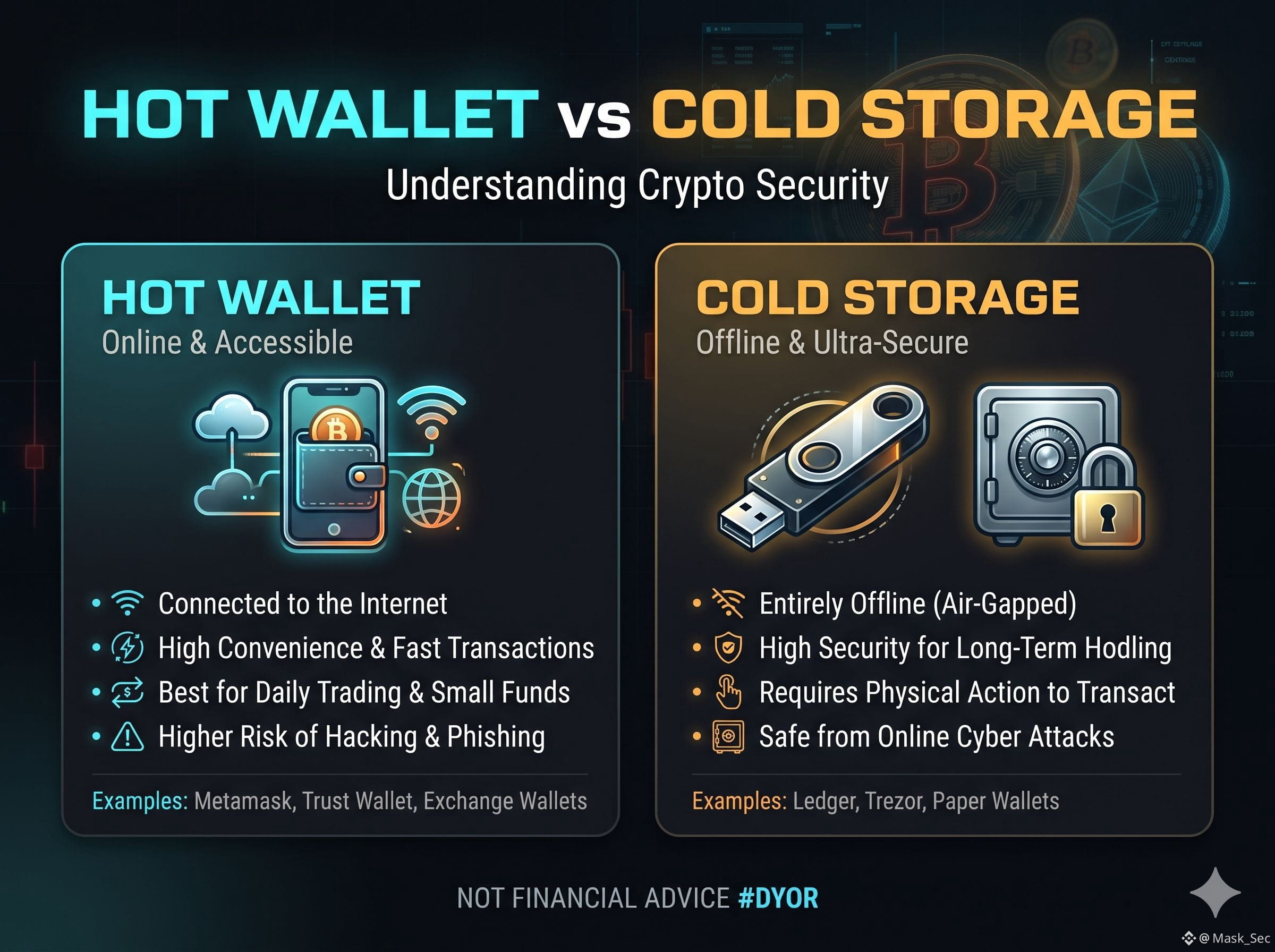
Following the Coldcard entropy flaw, many are questioning if other hardware wallets like Ledger and Trezor are also vulnerable. This analysis explores the potential impact on the security of digital asset storage. #CryptoSecurity #HardwareWallet ‎
Following the Coldcard entropy flaw, many are questioning if other hardware wallets like Ledger and Trezor are also vulnerable. This analysis explores the potential impact on the security of digital asset storage.

#CryptoSecurity #HardwareWallet
Most traders think security is just a Binance Shield feature, but insiders know the battle-scarred truth: the weakest link in self-custody is often the hardware itself. THE SIGNAL Coindesk just reported a Coldcard hack exposed a five-year-old firmware flaw, sending shockwaves across the industry. As Cory Klippsten warns, we're witnessing a self-custody security overhaul. The rapid response? Accelerating the adoption of collaborative multisig security. #CryptoSecurity #SelfCustody THE INTERPRETATION This is big. It's not just about protecting individual assets; it's about building trust in the entire ecosystem. If major players are taking this hack as a wake-up call, it could pave the way for more robust security measures – a game-changer for the market. THE WATCH LIST Watch for the emergence of multisig adoption and its impact on industry-wide security standards. Keep a close eye on Coldcard's competitors, like Ledger and Trezor, as they scramble to improve their security protocols. #Multisig THE THINKING Can the crypto space finally shed its Wild West reputation and become a beacon of security innovation? Will this self-custody security overhaul mark a turning point, attracting more institutional investment and mainstream interest? Only time will tell – stay vigilant. What will be the long-term impact on crypto's adoption curve?
Most traders think security is just a Binance Shield feature, but insiders know the battle-scarred truth: the weakest link in self-custody is often the hardware itself.

THE SIGNAL
Coindesk just reported a Coldcard hack exposed a five-year-old firmware flaw, sending shockwaves across the industry. As Cory Klippsten warns, we're witnessing a self-custody security overhaul. The rapid response? Accelerating the adoption of collaborative multisig security. #CryptoSecurity #SelfCustody

THE INTERPRETATION
This is big. It's not just about protecting individual assets; it's about building trust in the entire ecosystem. If major players are taking this hack as a wake-up call, it could pave the way for more robust security measures – a game-changer for the market.

THE WATCH LIST
Watch for the emergence of multisig adoption and its impact on industry-wide security standards. Keep a close eye on Coldcard's competitors, like Ledger and Trezor, as they scramble to improve their security protocols. #Multisig

THE THINKING
Can the crypto space finally shed its Wild West reputation and become a beacon of security innovation? Will this self-custody security overhaul mark a turning point, attracting more institutional investment and mainstream interest? Only time will tell – stay vigilant. What will be the long-term impact on crypto's adoption curve?
GM. While normies were busy doomscrolling TikTok, Coldcard's firmware got a little too "hot" for its own good. Turns out, even your "invincible" hardware wallet can catch a bug. Who knew? 🐛 But fear not, fellow degens! This isn't just FUD, it's actually an alpha bomb. The industry's moving faster than a Shib price pump after Elon tweets, pushing for collaborative multisig. Think of it as your crypto's bouncer crew, not just one dude guarding the door. Less chance of one weak link, more decentralization vibes. So long, single points of failure! #SelfCustody #CryptoSecurity #Multisig The punchline? Even the most hardcore self-custody nerds are realizing that sharing is caring... for your Bitcoin. Innovation often comes from someone poking a hole in the fortress, only for everyone to build a better one. It's the crypto way, baby. So, what's your go-to strategy for keeping your digital gold safer than a Kardashian's Instagram login? 👇
GM. While normies were busy doomscrolling TikTok, Coldcard's firmware got a little too "hot" for its own good. Turns out, even your "invincible" hardware wallet can catch a bug. Who knew? 🐛

But fear not, fellow degens! This isn't just FUD, it's actually an alpha bomb. The industry's moving faster than a Shib price pump after Elon tweets, pushing for collaborative multisig. Think of it as your crypto's bouncer crew, not just one dude guarding the door. Less chance of one weak link, more decentralization vibes. So long, single points of failure! #SelfCustody #CryptoSecurity #Multisig

The punchline? Even the most hardcore self-custody nerds are realizing that sharing is caring... for your Bitcoin. Innovation often comes from someone poking a hole in the fortress, only for everyone to build a better one. It's the crypto way, baby.

So, what's your go-to strategy for keeping your digital gold safer than a Kardashian's Instagram login? 👇
🛡️ $114M EXPLOIT RECOVERY 🛡️ Crypto is proving its resilience after a devastating $114M hardware wallet hack. 📉 The Shock: Attackers drained 1,816 BTC from single-key wallets. This triggered the biggest holder panic since FTX. 📈 The Recovery: Bitcoin defied the bad news. BTC held firm and rallied past $64K as investors bought the dip. 🚨 Action: If you use a single-key Coldcard, update your firmware and migrate your funds immediately. #Crypto #Bitcoin #BTC #CryptoSecurity
🛡️ $114M EXPLOIT RECOVERY 🛡️
Crypto is proving its resilience after a devastating $114M hardware wallet hack.
📉 The Shock: Attackers drained 1,816 BTC from single-key wallets. This triggered the biggest holder panic since FTX.
📈 The Recovery: Bitcoin defied the bad news. BTC held firm and rallied past $64K as investors bought the dip.
🚨 Action: If you use a single-key Coldcard, update your firmware and migrate your funds immediately.
#Crypto #Bitcoin #BTC #CryptoSecurity
⚠️ $100M+ BITCOIN STOLEN: Is Your Crypto Security Up to Date? 🛡️🔐 A massive security incident has shaken the crypto community! 🚨 Reports indicate that hackers have drained over $100 million in$BTC from thousands of user accounts that were previously thought to be safe. This event is a stark reminder that staying ahead of security threats is just as important as reading price charts 📊. Here is what you need to know and how to protect your digital assets today! 👇 🔍 What Happened? Massive Theft: Over $100M worth of Bitcoin was compromised across thousands of wallet addresses. Market Shock: News reported by Bloomberg has put investor security and self-custody practices under a intense spotlight 💡. Key Reminder: Security flaws often target user habits, firmware vulnerabilities, or compromised keys—not the underlying Bitcoin blockchain itself! ⛓️ 🛡️ 4 Essential Rules to Protect Your Crypto Keep Software Updated: Always ensure your wallet software, hardware devices, and apps are running the latest security patches 📲. Never Share Your Seed Phrase: Store your recovery phrases offline in physical form—never in screenshots, notes apps, or cloud storage 📝❌. Double-Check Wallet Addresses: Use address whitelisting and verify every recipient address before confirming transfers 🎯. Diversify Storage: Avoid keeping all your assets in a single place. Spread holdings between cold storage and trusted platforms 🏦. 👇 How do you keep your crypto safe? Are you relying on hardware wallets, exchange security, or multi-sig setups? Share your security tips below! 👇 👉 Secure your assets on Binance Disclaimer: Not financial advice. Always Do Your Own Research (DYOR) and practice strict operational security! 📚🔍 #Bitcoin #BTC #CryptoSecurity #BinanceSquare #CryptoNews #Web3Security
⚠️ $100M+ BITCOIN STOLEN: Is Your Crypto Security Up to Date? 🛡️🔐
A massive security incident has shaken the crypto community! 🚨
Reports indicate that hackers have drained over $100 million in$BTC from thousands of user accounts that were previously thought to be safe. This event is a stark reminder that staying ahead of security threats is just as important as reading price charts 📊.
Here is what you need to know and how to protect your digital assets today! 👇
🔍 What Happened?
Massive Theft: Over $100M worth of Bitcoin was compromised across thousands of wallet addresses.
Market Shock: News reported by Bloomberg has put investor security and self-custody practices under a intense spotlight 💡.
Key Reminder: Security flaws often target user habits, firmware vulnerabilities, or compromised keys—not the underlying Bitcoin blockchain itself! ⛓️
🛡️ 4 Essential Rules to Protect Your Crypto
Keep Software Updated: Always ensure your wallet software, hardware devices, and apps are running the latest security patches 📲.
Never Share Your Seed Phrase: Store your recovery phrases offline in physical form—never in screenshots, notes apps, or cloud storage 📝❌.
Double-Check Wallet Addresses: Use address whitelisting and verify every recipient address before confirming transfers 🎯.
Diversify Storage: Avoid keeping all your assets in a single place. Spread holdings between cold storage and trusted platforms 🏦.
👇 How do you keep your crypto safe?
Are you relying on hardware wallets, exchange security, or multi-sig setups? Share your security tips below! 👇
👉 Secure your assets on Binance
Disclaimer: Not financial advice. Always Do Your Own Research (DYOR) and practice strict operational security! 📚🔍
#Bitcoin #BTC #CryptoSecurity #BinanceSquare #CryptoNews #Web3Security
🛑 The End of Exploits on Crypto Bridges Traditional bridges have been the weakest link in the Web3 industry, racking up billions in losses from hacks. The @babylonlabs_io “No Trust Bridge” architecture removes the need to lock tokens in vulnerable bridges. Your BTC stays native, protected, and powered by $BABY . 🔑 #baby #NoBridges #CryptoSecurity #DeFiTech #BTC
🛑 The End of Exploits on Crypto Bridges

Traditional bridges have been the weakest link in the Web3 industry, racking up billions in losses from hacks. The @BabylonLabs_io “No Trust Bridge” architecture removes the need to lock tokens in vulnerable bridges. Your BTC stays native, protected, and powered by $BABY . 🔑
#baby #NoBridges #CryptoSecurity #DeFiTech #BTC
🛡️ Cryptographic Security Without Risky Contracts: The Magic of TBVs Most exploits in DeFi happen due to flaws in complex smart contracts or custody bridges. The Trustless Bitcoin Vaults (TBV) of @babylonlabs_io eliminate this risk using native Bitcoin network scripts. Your capital remains intact and protected while $BABY powers the ecosystem. 🔑 #baby #SelfCustody #CryptoSecurity #BTC #Web3
🛡️ Cryptographic Security Without Risky Contracts: The Magic of TBVs

Most exploits in DeFi happen due to flaws in complex smart contracts or custody bridges. The Trustless Bitcoin Vaults (TBV) of @BabylonLabs_io eliminate this risk using native Bitcoin network scripts. Your capital remains intact and protected while $BABY powers the ecosystem. 🔑
#baby #SelfCustody #CryptoSecurity #BTC #Web3
Siam_Islam25:
Real innovation should complement Bitcoin's original design rather than replace it. That's what makes infrastructure-focused development so interesting.
Log in to explore more content
Join global crypto users on Binance Square
⚡️ Get latest and useful information about crypto.
💬 Trusted by the world’s largest crypto exchange.
👍 Discover real insights from verified creators.
Email / Phone number