
#cryptotax
cryptotax
555,928 views
1,207 Discussing
Hot
Latest

See translation
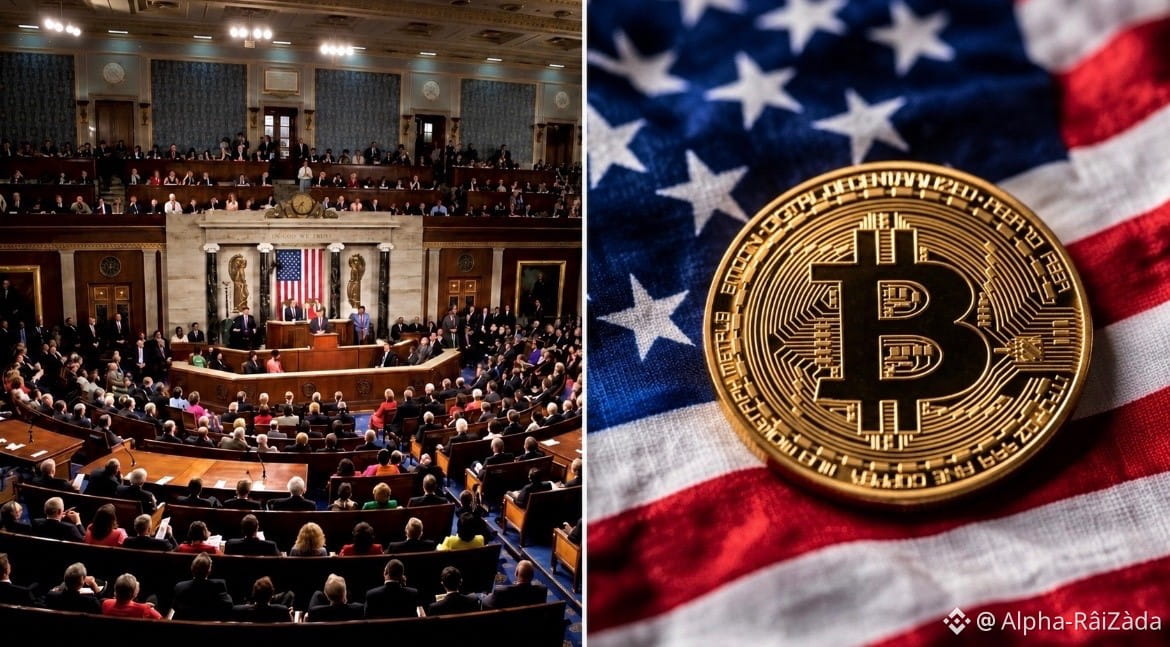
🚨 BREAKING: 🇺🇸 US HOUSE ADVANCES CRYPTO TAX BILL
The House Ways and Means Committee has advanced a major digital-asset tax bill, sending it toward consideration by the full House.
💰 Key proposal: Qualifying crypto network/transaction fees of $10 or less would receive a de minimis tax exemption if the bill becomes law.
📌 The bill also covers stablecoins, mining, staking, lending and wash-sale rules.
$BTC
#Crypto #Bitcoin #CryptoTax
🚨 BREAKING: 🇺🇸 US HOUSE ADVANCES CRYPTO TAX BILL
The House Ways and Means Committee has advanced a major digital-asset tax bill, sending it toward consideration by the full House.
💰 Key proposal: Qualifying crypto network/transaction fees of $10 or less would receive a de minimis tax exemption if the bill becomes law.
📌 The bill also covers stablecoins, mining, staking, lending and wash-sale rules.
$BTC
#Crypto #Bitcoin #CryptoTax
The House Ways and Means Committee has advanced a major digital-asset tax bill, sending it toward consideration by the full House.
💰 Key proposal: Qualifying crypto network/transaction fees of $10 or less would receive a de minimis tax exemption if the bill becomes law.
📌 The bill also covers stablecoins, mining, staking, lending and wash-sale rules.
$BTC
#Crypto #Bitcoin #CryptoTax
2

·
--
See translation
Bridge Tax Software ChecksCross-chain tax reconciliation is harder than matching one transaction hash.
Source and destination actions occur on different networks, so they commonly have different hashes. Matching depends on complete wallet imports, asset identity, timestamps, chronology, received amounts, fees and the accounting treatment applied in the relevant jurisdiction.
In TokenToolHub’s comparison:
• CoinLedger has one of the clearest documented bridge-reconciliation workflows, including automatic detection, suggested bridge pairs and manual merging.
• Koinly publishes clear automatic transfer-matching conditions and is particularly useful when the same asset moves across owned wallets.
• CoinTracking stands out for import flexibility and long transaction histories.
• CoinTracker explicitly supports Bridge and Wrap categories with transaction linking.
• ZenLedger offers self-transfer detection and manual correction tools, but complex routes should be tested directly.
Before paying for a final report, import every participating wallet, resolve missing cost basis, inspect duplicate records, separate bridge principal from fees and confirm how wrapped assets are classified.
Full comparison:
https://tokentoolhub.com/crypto-tax-software-for-bridging-transactions/
#cryptotax #CrossChain #defi #blockchain #CryptoResearch
Bridge Tax Software Checks
Cross-chain tax reconciliation is harder than matching one transaction hash.
Source and destination actions occur on different networks, so they commonly have different hashes. Matching depends on complete wallet imports, asset identity, timestamps, chronology, received amounts, fees and the accounting treatment applied in the relevant jurisdiction.
In TokenToolHub’s comparison:
• CoinLedger has one of the clearest documented bridge-reconciliation workflows, including automatic detection, suggested bridge pairs and manual merging.
• Koinly publishes clear automatic transfer-matching conditions and is particularly useful when the same asset moves across owned wallets.
• CoinTracking stands out for import flexibility and long transaction histories.
• CoinTracker explicitly supports Bridge and Wrap categories with transaction linking.
• ZenLedger offers self-transfer detection and manual correction tools, but complex routes should be tested directly.
Before paying for a final report, import every participating wallet, resolve missing cost basis, inspect duplicate records, separate bridge principal from fees and confirm how wrapped assets are classified.
Full comparison:
https://tokentoolhub.com/crypto-tax-software-for-bridging-transactions/
#cryptotax #CrossChain #defi #blockchain #CryptoResearch
Source and destination actions occur on different networks, so they commonly have different hashes. Matching depends on complete wallet imports, asset identity, timestamps, chronology, received amounts, fees and the accounting treatment applied in the relevant jurisdiction.
In TokenToolHub’s comparison:
• CoinLedger has one of the clearest documented bridge-reconciliation workflows, including automatic detection, suggested bridge pairs and manual merging.
• Koinly publishes clear automatic transfer-matching conditions and is particularly useful when the same asset moves across owned wallets.
• CoinTracking stands out for import flexibility and long transaction histories.
• CoinTracker explicitly supports Bridge and Wrap categories with transaction linking.
• ZenLedger offers self-transfer detection and manual correction tools, but complex routes should be tested directly.
Before paying for a final report, import every participating wallet, resolve missing cost basis, inspect duplicate records, separate bridge principal from fees and confirm how wrapped assets are classified.
Full comparison:
https://tokentoolhub.com/crypto-tax-software-for-bridging-transactions/
#cryptotax #CrossChain #defi #blockchain #CryptoResearch
26

·
--
Bearish
See translation
#southkoreacryptotaxdelaypetitiontops50000
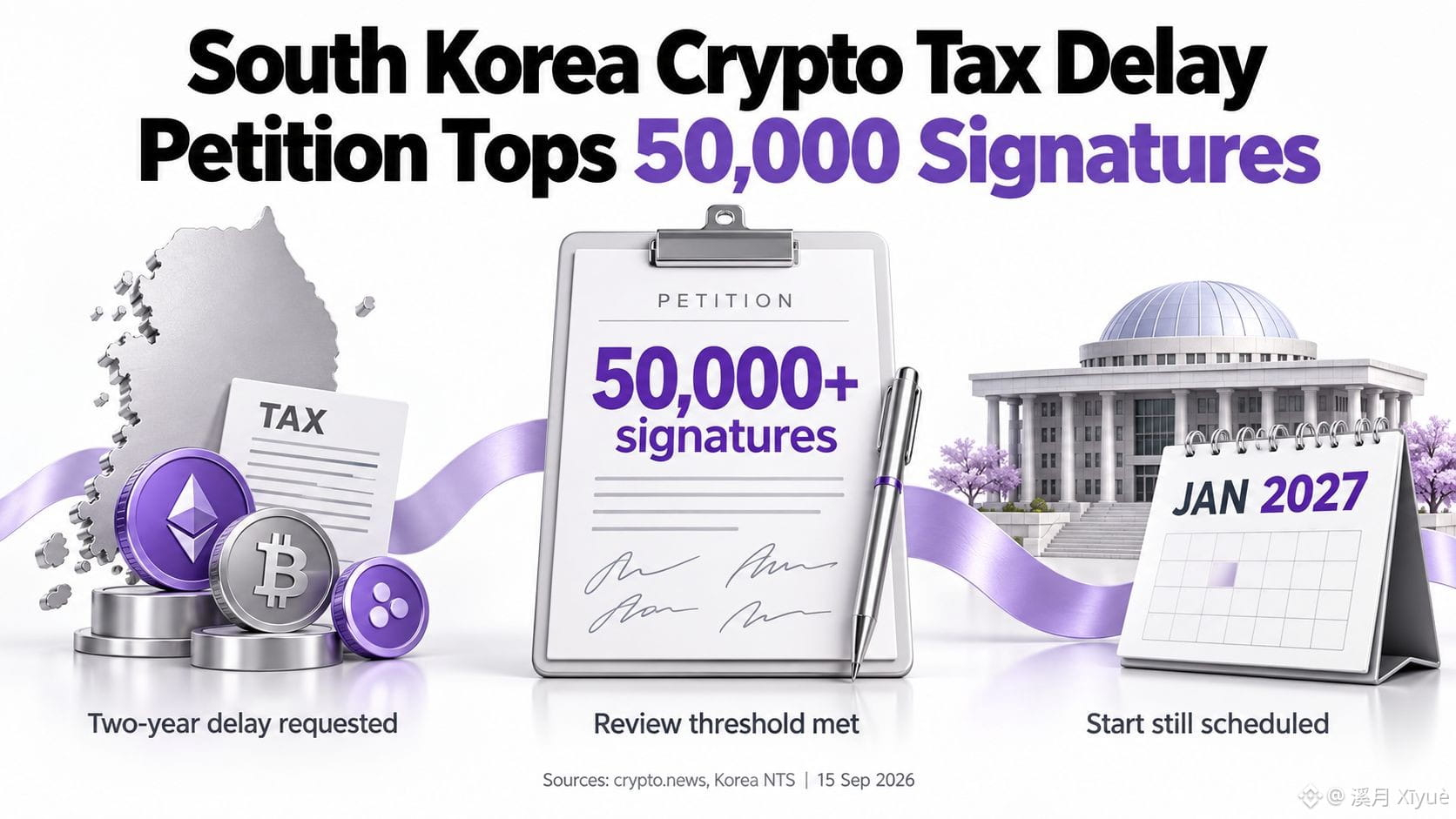
🚨 South Korea Crypto Tax Faces Another Delay Push 🇰🇷
A petition seeking a 2-year delay to South Korea’s crypto tax has surpassed 50,000 signatures, triggering National Assembly committee review.
⚠️ However, the tax remains scheduled for January 1, 2027, with a 22% combined rate on qualifying crypto gains above the 2.5M won deduction. The petition itself does not change the law.
Trading View: SELL 🔴
Question: Could the tax uncertainty pressure South Korea’s crypto market? CLICK ON THE BELOW YELLOW COIN TAG TO GO TO DESIRED TRADING PAGE TO GET BENEFIT TRADE"$BTC $SOL $XRP
#SouthKorea #cryptotax
{spot}(XRPUSDT)
{spot}(SOLUSDT)
{spot}(BTCUSDT)
#southkoreacryptotaxdelaypetitiontops50000
🚨 South Korea Crypto Tax Faces Another Delay Push 🇰🇷
A petition seeking a 2-year delay to South Korea’s crypto tax has surpassed 50,000 signatures, triggering National Assembly committee review.
⚠️ However, the tax remains scheduled for January 1, 2027, with a 22% combined rate on qualifying crypto gains above the 2.5M won deduction. The petition itself does not change the law.
Trading View: SELL 🔴
Question: Could the tax uncertainty pressure South Korea’s crypto market? CLICK ON THE BELOW YELLOW COIN TAG TO GO TO DESIRED TRADING PAGE TO GET BENEFIT TRADE"$BTC $SOL $XRP
#SouthKorea #cryptotax
🚨 South Korea Crypto Tax Faces Another Delay Push 🇰🇷
A petition seeking a 2-year delay to South Korea’s crypto tax has surpassed 50,000 signatures, triggering National Assembly committee review.
⚠️ However, the tax remains scheduled for January 1, 2027, with a 22% combined rate on qualifying crypto gains above the 2.5M won deduction. The petition itself does not change the law.
Trading View: SELL 🔴
Question: Could the tax uncertainty pressure South Korea’s crypto market? CLICK ON THE BELOW YELLOW COIN TAG TO GO TO DESIRED TRADING PAGE TO GET BENEFIT TRADE"$BTC $SOL $XRP
#SouthKorea #cryptotax

1
76

See translation
The House Ways and Means Committee released a new crypto tax package proposing to extend wash sale rules to digital assets and exempt network fees under ten dollars.
#CryptoTax #WashSaleRules
The House Ways and Means Committee released a new crypto tax package proposing to extend wash sale rules to digital assets and exempt network fees under ten dollars.
#CryptoTax #WashSaleRules
#CryptoTax #WashSaleRules
1

·
--
Bullish
See translation
#SouthKoreaCryptoTaxDelayPetitionTops50000
I researched this because South Korea’s crypto tax situation could become an important story for the market.
A petition calling for a two-year delay to the crypto tax has reportedly passed 50,000 signatures. That means the issue has reached the threshold for formal review, but it does not mean the tax has been cancelled or delayed yet.
What caught my attention is the timing. South Korea is already an important crypto market, so any major change in its tax policy could affect how investors and traders behave.
I’m watching what happens next.
Will lawmakers support the delay, keep the current timeline, or make another adjustment?
For now, I’m not making a big prediction.
50,000 signatures got the issue to the table. The next decision is what matters.
#Crypto #bitcoin #SouthKorea #cryptotax
#SouthKoreaCryptoTaxDelayPetitionTops50000
I researched this because South Korea’s crypto tax situation could become an important story for the market.
A petition calling for a two-year delay to the crypto tax has reportedly passed 50,000 signatures. That means the issue has reached the threshold for formal review, but it does not mean the tax has been cancelled or delayed yet.
What caught my attention is the timing. South Korea is already an important crypto market, so any major change in its tax policy could affect how investors and traders behave.
I’m watching what happens next.
Will lawmakers support the delay, keep the current timeline, or make another adjustment?
For now, I’m not making a big prediction.
50,000 signatures got the issue to the table. The next decision is what matters.
#Crypto #bitcoin #SouthKorea #cryptotax
I researched this because South Korea’s crypto tax situation could become an important story for the market.
A petition calling for a two-year delay to the crypto tax has reportedly passed 50,000 signatures. That means the issue has reached the threshold for formal review, but it does not mean the tax has been cancelled or delayed yet.
What caught my attention is the timing. South Korea is already an important crypto market, so any major change in its tax policy could affect how investors and traders behave.
I’m watching what happens next.
Will lawmakers support the delay, keep the current timeline, or make another adjustment?
For now, I’m not making a big prediction.
50,000 signatures got the issue to the table. The next decision is what matters.
#Crypto #bitcoin #SouthKorea #cryptotax

ФЕДАТ - цифровая экосистема спорта:
🤝👍
6
2
407

·
--
Bullish
See translation
#southkoreacryptotaxdelaypetitiontops50000
South Korea’s Crypto Tax Delay Petition Crosses 50,000 Signatures
South Korea’s crypto tax debate is heading back to lawmakers. A petition seeking another two-year delay has reached the 50,000-signature threshold for National Assembly committee consideration, according to September 14 reporting. That milestone does not approve a postponement.
The current start date remains January 1, 2027. Residents would face a 20% national tax on qualifying annual crypto income after a KRW 2.5 million deduction, rising to 22% including local tax.
Preparations are continuing: finance minister nominee Lee Hyoung-il said detailed taxation standards would be published before the end of 2026.
My take: the practical question is whether investors can calculate taxable income consistently across exchanges and wallets. More preparation time could reduce reporting errors and give platforms room to improve records. But repeated postponements also make planning harder. Extra time only helps if it produces clearer rules and tools investors can actually use.
The developments worth watching are committee action, any amendment changing the start date, and guidance on documenting acquisition costs. Signature growth demonstrates public pressure; actual obligations depend on legislation.
What should South Korea resolve before this tax takes effect?
#southkoreacryptotaxdelaypetitiontops50000 #cryptotax #CryptoRegulation
$POWER $CAP $AIN
{future}(AINUSDT)
{future}(CAPUSDT)
{future}(POWERUSDT)
#southkoreacryptotaxdelaypetitiontops50000
South Korea’s Crypto Tax Delay Petition Crosses 50,000 Signatures
South Korea’s crypto tax debate is heading back to lawmakers. A petition seeking another two-year delay has reached the 50,000-signature threshold for National Assembly committee consideration, according to September 14 reporting. That milestone does not approve a postponement.
The current start date remains January 1, 2027. Residents would face a 20% national tax on qualifying annual crypto income after a KRW 2.5 million deduction, rising to 22% including local tax.
Preparations are continuing: finance minister nominee Lee Hyoung-il said detailed taxation standards would be published before the end of 2026.
My take: the practical question is whether investors can calculate taxable income consistently across exchanges and wallets. More preparation time could reduce reporting errors and give platforms room to improve records. But repeated postponements also make planning harder. Extra time only helps if it produces clearer rules and tools investors can actually use.
The developments worth watching are committee action, any amendment changing the start date, and guidance on documenting acquisition costs. Signature growth demonstrates public pressure; actual obligations depend on legislation.
What should South Korea resolve before this tax takes effect?
#southkoreacryptotaxdelaypetitiontops50000 #cryptotax #CryptoRegulation
$POWER $CAP $AIN
South Korea’s Crypto Tax Delay Petition Crosses 50,000 Signatures
South Korea’s crypto tax debate is heading back to lawmakers. A petition seeking another two-year delay has reached the 50,000-signature threshold for National Assembly committee consideration, according to September 14 reporting. That milestone does not approve a postponement.
The current start date remains January 1, 2027. Residents would face a 20% national tax on qualifying annual crypto income after a KRW 2.5 million deduction, rising to 22% including local tax.
Preparations are continuing: finance minister nominee Lee Hyoung-il said detailed taxation standards would be published before the end of 2026.
My take: the practical question is whether investors can calculate taxable income consistently across exchanges and wallets. More preparation time could reduce reporting errors and give platforms room to improve records. But repeated postponements also make planning harder. Extra time only helps if it produces clearer rules and tools investors can actually use.
The developments worth watching are committee action, any amendment changing the start date, and guidance on documenting acquisition costs. Signature growth demonstrates public pressure; actual obligations depend on legislation.
What should South Korea resolve before this tax takes effect?
#southkoreacryptotaxdelaypetitiontops50000 #cryptotax #CryptoRegulation
$POWER $CAP $AIN
1
270

See translation
🇰🇷 Big news from South Korea!
The petition to delay crypto taxes has now crossed 50,000 signatures.
Retail traders are pushing hard for more time before taxation kicks in. If the government listens, it could keep Korean market liquidity strong.
Do you think this petition will actually succeed? $SD
{alpha}(10x30d20208d987713f46dfd34ef128bb16c404d10f)
#SouthKorea #CryptoTax #CryptoRegulation #SouthKoreaCryptoTaxDelayPetitionTops50000
🇰🇷 Big news from South Korea!
The petition to delay crypto taxes has now crossed 50,000 signatures.
Retail traders are pushing hard for more time before taxation kicks in. If the government listens, it could keep Korean market liquidity strong.
Do you think this petition will actually succeed? $SD
#SouthKorea #CryptoTax #CryptoRegulation #SouthKoreaCryptoTaxDelayPetitionTops50000
The petition to delay crypto taxes has now crossed 50,000 signatures.
Retail traders are pushing hard for more time before taxation kicks in. If the government listens, it could keep Korean market liquidity strong.
Do you think this petition will actually succeed? $SD
#SouthKorea #CryptoTax #CryptoRegulation #SouthKoreaCryptoTaxDelayPetitionTops50000
50

See translation
#southkoreacryptotaxdelaypetitiontops50000
South Korean investors are making their voices heard! 🇰🇷🗣️
A petition to delay South Korea's planned 22% crypto tax has officially crossed the 50,000-signature mark. This major milestone triggers a mandatory review by the National Assembly!
The petition demands pushing the tax rollout from Jan 2027 to 2029. The main concern? The tax-tracking infrastructure just isn't ready.
Despite the uproar, the government is currently holding firm on the 2027 start date. Will this petition force a fourth delay, or is the tax inevitable?
What do you think? 👇
#CryptoNews #SouthKorea #cryptotax
$SOL
{future}(SOLUSDT)
$ETH
{future}(ETHUSDT)
$XRP
{future}(XRPUSDT)
#southkoreacryptotaxdelaypetitiontops50000
South Korean investors are making their voices heard! 🇰🇷🗣️
A petition to delay South Korea's planned 22% crypto tax has officially crossed the 50,000-signature mark. This major milestone triggers a mandatory review by the National Assembly!
The petition demands pushing the tax rollout from Jan 2027 to 2029. The main concern? The tax-tracking infrastructure just isn't ready.
Despite the uproar, the government is currently holding firm on the 2027 start date. Will this petition force a fourth delay, or is the tax inevitable?
What do you think? 👇
#CryptoNews #SouthKorea #cryptotax
$SOL
$ETH
$XRP
South Korean investors are making their voices heard! 🇰🇷🗣️
A petition to delay South Korea's planned 22% crypto tax has officially crossed the 50,000-signature mark. This major milestone triggers a mandatory review by the National Assembly!
The petition demands pushing the tax rollout from Jan 2027 to 2029. The main concern? The tax-tracking infrastructure just isn't ready.
Despite the uproar, the government is currently holding firm on the 2027 start date. Will this petition force a fourth delay, or is the tax inevitable?
What do you think? 👇
#CryptoNews #SouthKorea #cryptotax
$SOL
$ETH
$XRP

1
38

·
--
Bullish
See translation
#southkoreacryptotaxdelaypetitiontops50000
🇰🇷 SOUTH KOREA CRYPTO TAX PETITION HITS 50,000! 🚨
South Korea’s petition to delay the planned crypto tax has officially crossed 50,000 signatures, triggering formal review by the National Assembly.
The proposal wants to delay the crypto tax from 2027 to 2029.
Why does this matter? 👇
A 22% tax on qualifying crypto gains is currently planned for 2027, and investors argue that early taxation could push some trading activity overseas and hurt the local crypto market.
⚠️ Important: 50,000 signatures does NOT mean the tax is cancelled or delayed yet.
But if lawmakers support the delay, it could be a positive signal for South Korea’s crypto market.
🇰🇷 Bullish for crypto or just political noise?
#crypto #SouthKorean #cryptotax
#southkoreacryptotaxdelaypetitiontops50000
🇰🇷 SOUTH KOREA CRYPTO TAX PETITION HITS 50,000! 🚨
South Korea’s petition to delay the planned crypto tax has officially crossed 50,000 signatures, triggering formal review by the National Assembly.
The proposal wants to delay the crypto tax from 2027 to 2029.
Why does this matter? 👇
A 22% tax on qualifying crypto gains is currently planned for 2027, and investors argue that early taxation could push some trading activity overseas and hurt the local crypto market.
⚠️ Important: 50,000 signatures does NOT mean the tax is cancelled or delayed yet.
But if lawmakers support the delay, it could be a positive signal for South Korea’s crypto market.
🇰🇷 Bullish for crypto or just political noise?
#crypto #SouthKorean #cryptotax
🇰🇷 SOUTH KOREA CRYPTO TAX PETITION HITS 50,000! 🚨
South Korea’s petition to delay the planned crypto tax has officially crossed 50,000 signatures, triggering formal review by the National Assembly.
The proposal wants to delay the crypto tax from 2027 to 2029.
Why does this matter? 👇
A 22% tax on qualifying crypto gains is currently planned for 2027, and investors argue that early taxation could push some trading activity overseas and hurt the local crypto market.
⚠️ Important: 50,000 signatures does NOT mean the tax is cancelled or delayed yet.
But if lawmakers support the delay, it could be a positive signal for South Korea’s crypto market.
🇰🇷 Bullish for crypto or just political noise?
#crypto #SouthKorean #cryptotax
ABO3ZAM:
تحركات السوق الكورية غالباً ما تسبق موجات السيولة العالمية. تأجيل الضرائب يعزز ثقة المؤسسات ويقلل ضغوط البيع القسري. استغل هذه الإيجابية لمراقبة مناطق الرفض السعري، والتزم بإدارة المخاطر الصارمة وتأمين الأرباح عند تأكيد الارتداد لتفادي تقلبات السيولة المفاجئة.
1
128

#southkoreacryptotaxdelaypetitiontops50000
South Korean investors are making their voices heard! 🇰🇷🗣️
The South Korea- planned 22% crypto tax delay petition has officially surpassed the 50,000-signature threshold. This major achievement triggers a mandatory review by the National Assembly!
The petition calls for moving the tax implementation date from January 2027 to 2029. What’s the main concern? The tax-tracking infrastructure isn’t ready yet.
Despite the buzz, the government is currently sticking to a 2027 start date. Will this petition force a fourth delay—or is the tax inevitable?
What do you think? 👇
Please follow up
#CryptoNews #SouthKorea #cryptotax
#southkoreacryptotaxdelaypetitiontops50000
South Korean investors are making their voices heard! 🇰🇷🗣️
The South Korea- planned 22% crypto tax delay petition has officially surpassed the 50,000-signature threshold. This major achievement triggers a mandatory review by the National Assembly!
The petition calls for moving the tax implementation date from January 2027 to 2029. What’s the main concern? The tax-tracking infrastructure isn’t ready yet.
Despite the buzz, the government is currently sticking to a 2027 start date. Will this petition force a fourth delay—or is the tax inevitable?
What do you think? 👇
Please follow up
#CryptoNews #SouthKorea #cryptotax
South Korean investors are making their voices heard! 🇰🇷🗣️
The South Korea- planned 22% crypto tax delay petition has officially surpassed the 50,000-signature threshold. This major achievement triggers a mandatory review by the National Assembly!
The petition calls for moving the tax implementation date from January 2027 to 2029. What’s the main concern? The tax-tracking infrastructure isn’t ready yet.
Despite the buzz, the government is currently sticking to a 2027 start date. Will this petition force a fourth delay—or is the tax inevitable?
What do you think? 👇
Please follow up
#CryptoNews #SouthKorea #cryptotax

ABO3ZAM:
مثل هذه الأخبار التنظيمية تعد محركاً لتدفقات السيولة اللحظية، لكنها لا تغير الاتجاه العام. يجب مراقبة تمركز الزخم عند مناطق الرفض السعري، وتأمين الأرباح دائماً عند الوصول لمستويات المقاومة، فالسوق لا يعترف بالعواطف بل بالبيانات والالتزام الصارم بإدارة المخاطر.
1
2
2.2k

Korean investors push for a fourth postponement of crypto tax
- Proposed to delay income tax on digital assets in South Korea until the threshold of 50,000 signatures is reached.
- Investors continue to apply pressure; regulators keep their position unchanged.
- RSS has not yet stated any specific response plan.
#BinanceSquare #CryptoNews #CryptoTax
$btc $eth
#vlikevn #Titanbot
Source: The Block
Korean investors push for a fourth postponement of crypto tax
- Proposed to delay income tax on digital assets in South Korea until the threshold of 50,000 signatures is reached.
- Investors continue to apply pressure; regulators keep their position unchanged.
- RSS has not yet stated any specific response plan.
#BinanceSquare #CryptoNews #CryptoTax
$btc $eth
#vlikevn #Titanbot
Source: The Block
- Proposed to delay income tax on digital assets in South Korea until the threshold of 50,000 signatures is reached.
- Investors continue to apply pressure; regulators keep their position unchanged.
- RSS has not yet stated any specific response plan.
#BinanceSquare #CryptoNews #CryptoTax
$btc $eth
#vlikevn #Titanbot
Source: The Block
129


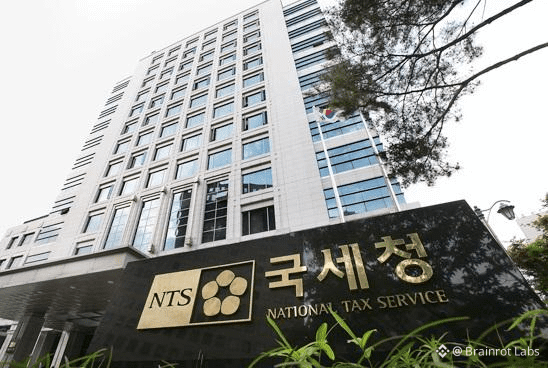
SOUTH KOREA SAYS YOUR DEAD CRYPTO ACCOUNT STILL COUNTS. 💀
The National Tax Service of Korea (NTS) has just clarified a rather head-scratching point:
If a foreign crypto exchange goes bankrupt, your account still has to be reported.
According to the NTS, residents of South Korea who open accounts with digital asset business organizations overseas in order to trade cryptocurrencies must still declare that account as a foreign financial account—even if the exchange has gone bankrupt.
In other words:
Exchange: “We’re bankrupt.”
Tax: “Cool. Your account still exists.” 💀
The estimated scope of digital assets subject to reporting foreign financial accounts in 2026 is about 10.5 trillion won, down 5.4% from 2025.
This is a notable signal as governments increasingly tighten the management of crypto assets on foreign platforms.
An exchange may disappear, but the reporting obligation apparently doesn’t.
Do you think regulations like this will push South Korean users to move their assets to domestic exchanges more?
#SouthKorea #crypto #bitcoin $BTC
{spot}(BTCUSDT)
#cryptotax
SOUTH KOREA SAYS YOUR DEAD CRYPTO ACCOUNT STILL COUNTS. 💀
The National Tax Service of Korea (NTS) has just clarified a rather head-scratching point:
If a foreign crypto exchange goes bankrupt, your account still has to be reported.
According to the NTS, residents of South Korea who open accounts with digital asset business organizations overseas in order to trade cryptocurrencies must still declare that account as a foreign financial account—even if the exchange has gone bankrupt.
In other words:
Exchange: “We’re bankrupt.”
Tax: “Cool. Your account still exists.” 💀
The estimated scope of digital assets subject to reporting foreign financial accounts in 2026 is about 10.5 trillion won, down 5.4% from 2025.
This is a notable signal as governments increasingly tighten the management of crypto assets on foreign platforms.
An exchange may disappear, but the reporting obligation apparently doesn’t.
Do you think regulations like this will push South Korean users to move their assets to domestic exchanges more?
#SouthKorea #crypto #bitcoin $BTC
#cryptotax
The National Tax Service of Korea (NTS) has just clarified a rather head-scratching point:
If a foreign crypto exchange goes bankrupt, your account still has to be reported.
According to the NTS, residents of South Korea who open accounts with digital asset business organizations overseas in order to trade cryptocurrencies must still declare that account as a foreign financial account—even if the exchange has gone bankrupt.
In other words:
Exchange: “We’re bankrupt.”
Tax: “Cool. Your account still exists.” 💀
The estimated scope of digital assets subject to reporting foreign financial accounts in 2026 is about 10.5 trillion won, down 5.4% from 2025.
This is a notable signal as governments increasingly tighten the management of crypto assets on foreign platforms.
An exchange may disappear, but the reporting obligation apparently doesn’t.
Do you think regulations like this will push South Korean users to move their assets to domestic exchanges more?
#SouthKorea #crypto #bitcoin $BTC
#cryptotax
403

·
--
See translation
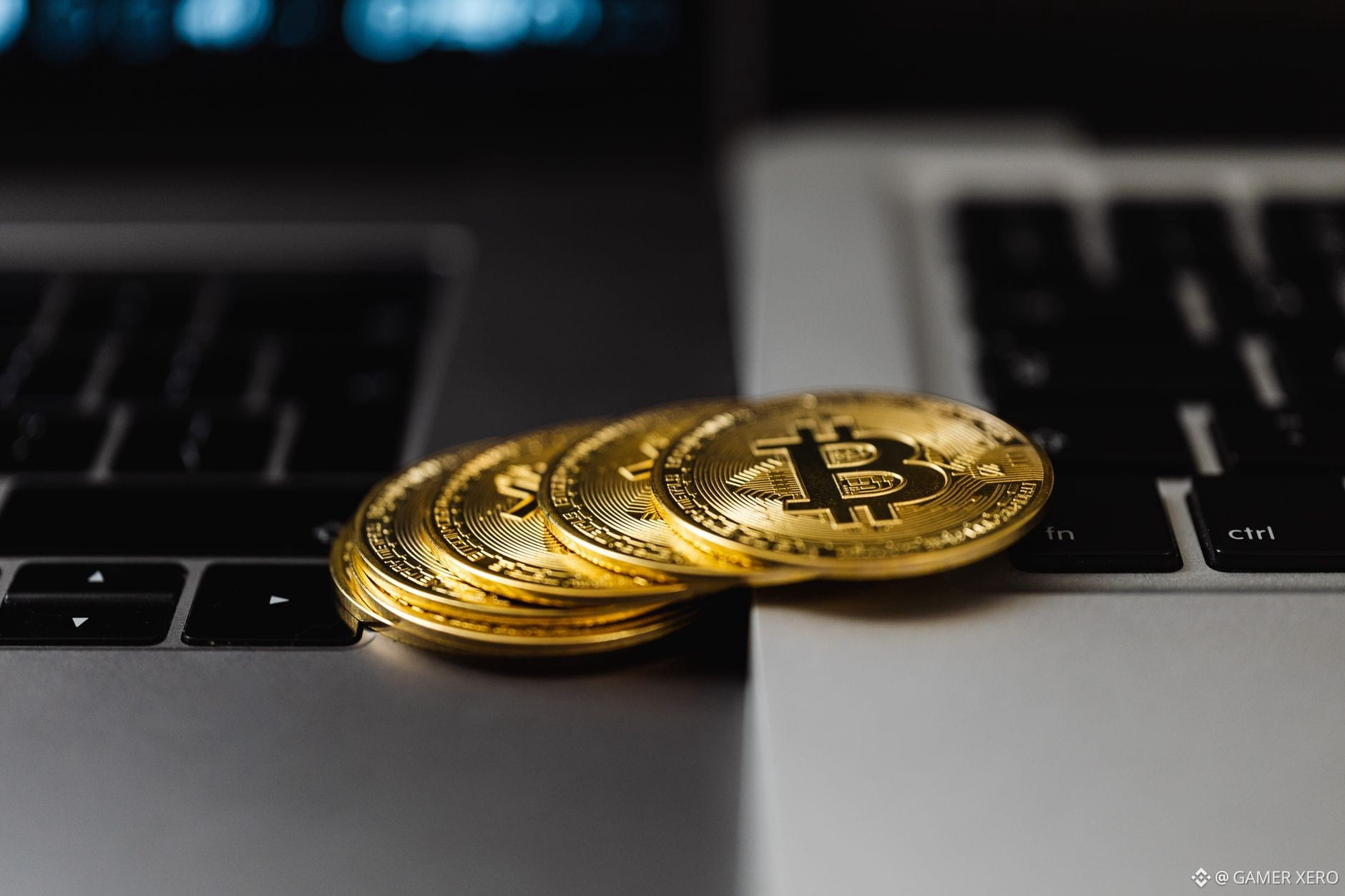
The UAE’s new VAT framework now treats crypto‑based payments like any other taxable service, meaning merchants must calculate and remit 5 % VAT on the value of the transaction at the point of sale. For platforms that already handle fiat VAT reporting, the shift adds a layer of compliance work: they need to capture the USD‑ or AED‑equivalent value of each crypto trade, store the tax‑relevant data, and issue proper invoices.
From a market perspective, the rule could encourage higher‑quality on‑ramping services that can prove they’re VAT‑compliant, potentially narrowing the gap between regulated exchanges and decentralized protocols. Traders may see a modest uptick in activity on Binance Spot for pairs like $BTC/$USDT and ETH/$USDT as users favour familiar, audit‑ready venues. At the same time, some DeFi‑only participants might look for jurisdictions with lighter tax treatment, reinforcing the split between centralized and permissionless liquidity sources.
How are you adjusting your tax workflow or exchange choice in response to the UAE’s new requirements?
#CryptoTax #UAE #Binance #GAMERXERO
The UAE’s new VAT framework now treats crypto‑based payments like any other taxable service, meaning merchants must calculate and remit 5 % VAT on the value of the transaction at the point of sale. For platforms that already handle fiat VAT reporting, the shift adds a layer of compliance work: they need to capture the USD‑ or AED‑equivalent value of each crypto trade, store the tax‑relevant data, and issue proper invoices.
From a market perspective, the rule could encourage higher‑quality on‑ramping services that can prove they’re VAT‑compliant, potentially narrowing the gap between regulated exchanges and decentralized protocols. Traders may see a modest uptick in activity on Binance Spot for pairs like $BTC /$USDT and ETH/$USDT as users favour familiar, audit‑ready venues. At the same time, some DeFi‑only participants might look for jurisdictions with lighter tax treatment, reinforcing the split between centralized and permissionless liquidity sources.
How are you adjusting your tax workflow or exchange choice in response to the UAE’s new requirements?
#CryptoTax #UAE #Binance #GAMERXERO
From a market perspective, the rule could encourage higher‑quality on‑ramping services that can prove they’re VAT‑compliant, potentially narrowing the gap between regulated exchanges and decentralized protocols. Traders may see a modest uptick in activity on Binance Spot for pairs like $BTC /$USDT and ETH/$USDT as users favour familiar, audit‑ready venues. At the same time, some DeFi‑only participants might look for jurisdictions with lighter tax treatment, reinforcing the split between centralized and permissionless liquidity sources.
How are you adjusting your tax workflow or exchange choice in response to the UAE’s new requirements?
#CryptoTax #UAE #Binance #GAMERXERO
50

·
--
See translation
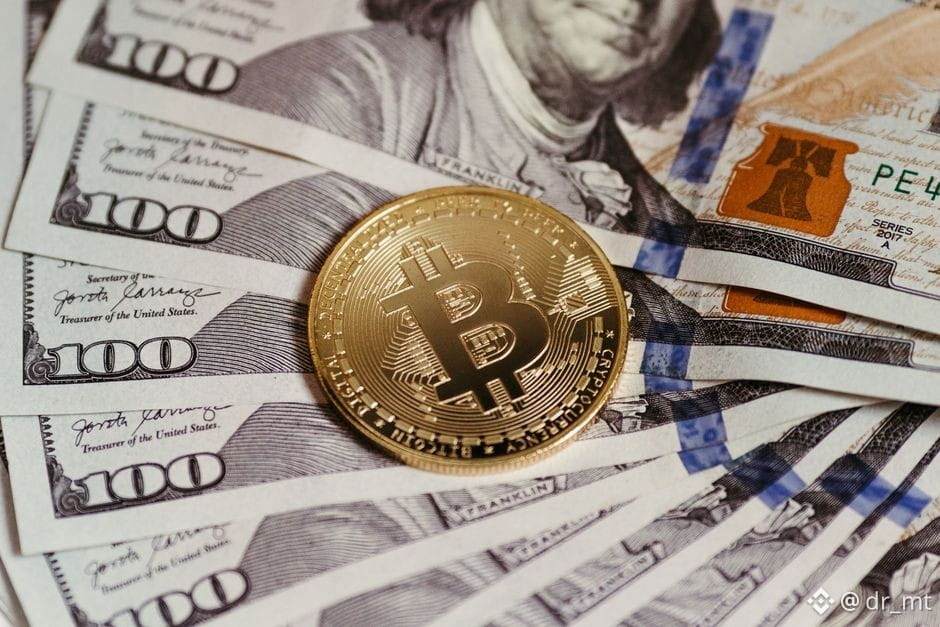
The UAE is putting a precise compliance rule around crypto payments.
Under new Federal Tax Authority guidance, businesses declaring VAT on digital-currency transactions must convert those payments into dirhams using the average exchange rate from three approved platforms.
That detail matters more than it sounds. The exchange rate used can directly affect the taxable value reported, making consistent pricing data and timestamped records essential for merchants, payment processors and crypto-native businesses.
It is also another sign that crypto payments are being folded into everyday financial compliance—not treated as an exception outside the system.
The key thing to watch now is how authorities define the approved platforms in practice and whether businesses receive further guidance on documentation, timing and audit expectations.
Will clearer conversion rules make UAE crypto payments easier for businesses to adopt, or create a heavier operational burden?
#UAE #CryptoTax #CryptoRegulation
The UAE is putting a precise compliance rule around crypto payments.
Under new Federal Tax Authority guidance, businesses declaring VAT on digital-currency transactions must convert those payments into dirhams using the average exchange rate from three approved platforms.
That detail matters more than it sounds. The exchange rate used can directly affect the taxable value reported, making consistent pricing data and timestamped records essential for merchants, payment processors and crypto-native businesses.
It is also another sign that crypto payments are being folded into everyday financial compliance—not treated as an exception outside the system.
The key thing to watch now is how authorities define the approved platforms in practice and whether businesses receive further guidance on documentation, timing and audit expectations.
Will clearer conversion rules make UAE crypto payments easier for businesses to adopt, or create a heavier operational burden?
#UAE #CryptoTax #CryptoRegulation
Under new Federal Tax Authority guidance, businesses declaring VAT on digital-currency transactions must convert those payments into dirhams using the average exchange rate from three approved platforms.
That detail matters more than it sounds. The exchange rate used can directly affect the taxable value reported, making consistent pricing data and timestamped records essential for merchants, payment processors and crypto-native businesses.
It is also another sign that crypto payments are being folded into everyday financial compliance—not treated as an exception outside the system.
The key thing to watch now is how authorities define the approved platforms in practice and whether businesses receive further guidance on documentation, timing and audit expectations.
Will clearer conversion rules make UAE crypto payments easier for businesses to adopt, or create a heavier operational burden?
#UAE #CryptoTax #CryptoRegulation
69
·
--
See translation
Crypto payments in the UAE are getting a clearer tax rulebook.
The Federal Tax Authority has issued guidance on how businesses must convert digital-currency payments into UAE dirhams when filing VAT. That may sound technical, but it matters: the conversion method determines the taxable value reported when crypto is used in everyday commerce.
For merchants, payment providers and crypto-native businesses, clearer reporting standards can reduce uncertainty—but they also raise the bar for record-keeping. Every transaction needs a defensible dirham value at the relevant time, not just a rough estimate after the fact.
The wider signal is that crypto is being treated less like a fringe experiment and more like a payment activity that must fit into existing tax compliance systems.
Watch for further details on acceptable pricing sources, transaction timing and how businesses document conversions. Will clearer VAT rules make UAE crypto payments easier to scale—or add another compliance hurdle?
#UAE #CryptoRegulation #CryptoTax
Crypto payments in the UAE are getting a clearer tax rulebook.
The Federal Tax Authority has issued guidance on how businesses must convert digital-currency payments into UAE dirhams when filing VAT. That may sound technical, but it matters: the conversion method determines the taxable value reported when crypto is used in everyday commerce.
For merchants, payment providers and crypto-native businesses, clearer reporting standards can reduce uncertainty—but they also raise the bar for record-keeping. Every transaction needs a defensible dirham value at the relevant time, not just a rough estimate after the fact.
The wider signal is that crypto is being treated less like a fringe experiment and more like a payment activity that must fit into existing tax compliance systems.
Watch for further details on acceptable pricing sources, transaction timing and how businesses document conversions. Will clearer VAT rules make UAE crypto payments easier to scale—or add another compliance hurdle?
#UAE #CryptoRegulation #CryptoTax
The Federal Tax Authority has issued guidance on how businesses must convert digital-currency payments into UAE dirhams when filing VAT. That may sound technical, but it matters: the conversion method determines the taxable value reported when crypto is used in everyday commerce.
For merchants, payment providers and crypto-native businesses, clearer reporting standards can reduce uncertainty—but they also raise the bar for record-keeping. Every transaction needs a defensible dirham value at the relevant time, not just a rough estimate after the fact.
The wider signal is that crypto is being treated less like a fringe experiment and more like a payment activity that must fit into existing tax compliance systems.
Watch for further details on acceptable pricing sources, transaction timing and how businesses document conversions. Will clearer VAT rules make UAE crypto payments easier to scale—or add another compliance hurdle?
#UAE #CryptoRegulation #CryptoTax
49

See translation
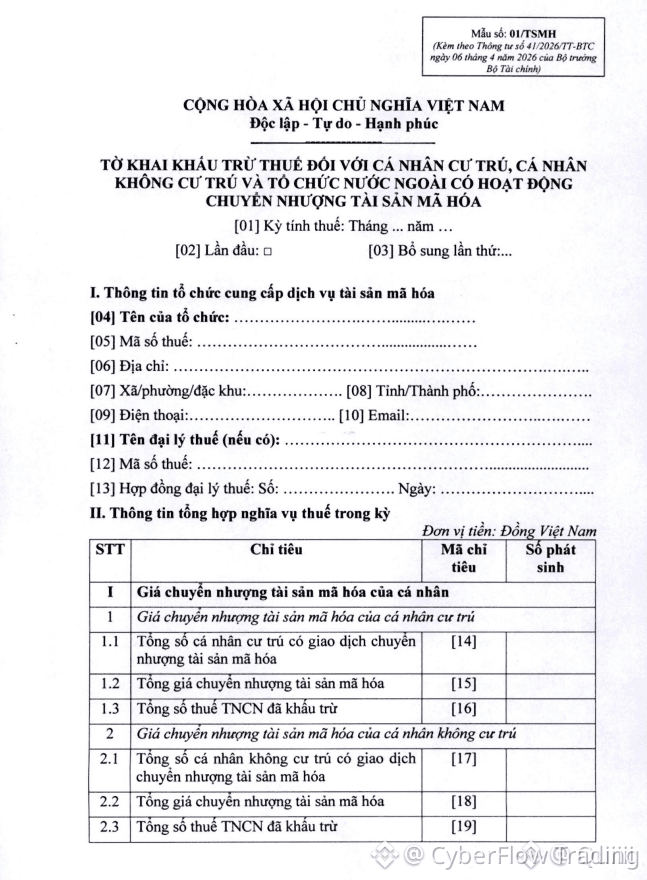
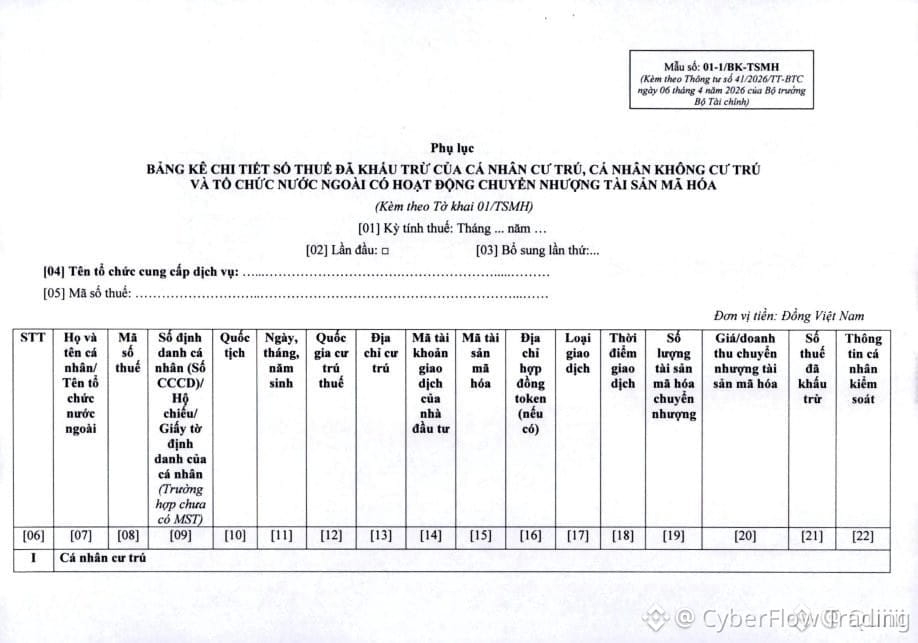
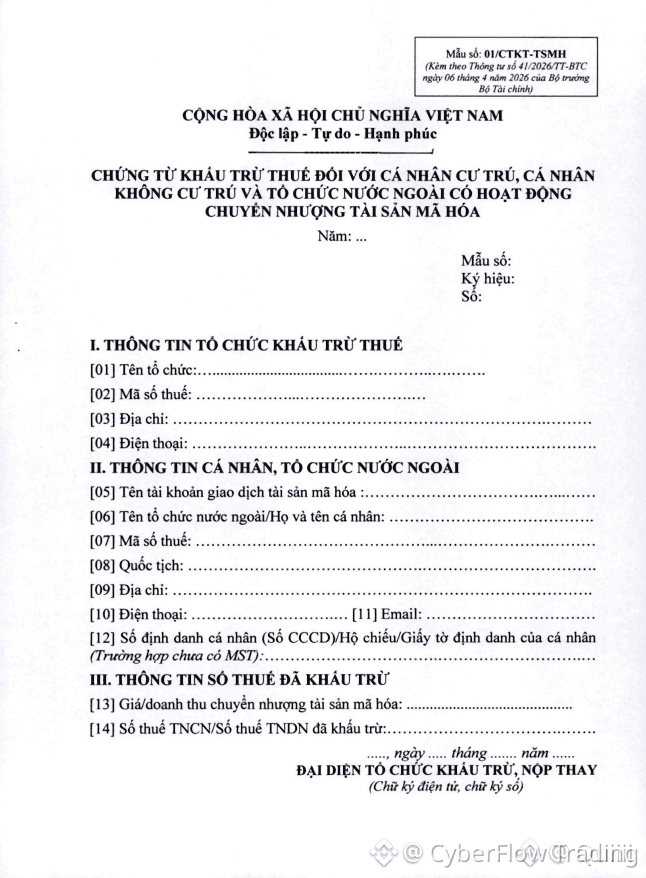
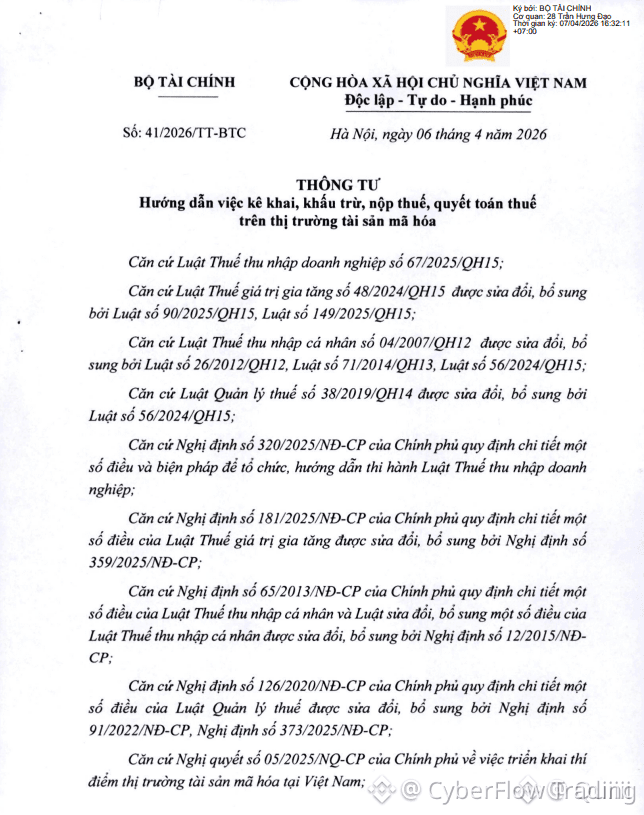
🚨 NEW TAX FRAMEWORKS EMERGE AS REGULATORY CLARITY PREPARES $BTC FOR MAINSTREAM ADOPTION ⚡
Circular 41/2026/TT-BTC tax deduction forms are hitting the wire, signaling a massive structural shift toward institutional compliance. Smart capital never fears regulation—it waits for institutional frameworks to settle before pushing liquidity into the next leg up. 🔍
Preparing tax accounting records early is how high-conviction players stay five steps ahead of market friction. 📊 As localized tax infrastructure solidifies globally, crypto transitions from wild-west speculation to legitimate balance sheet assets. 💡
Are you already adjusting your position tracking for incoming regulatory frameworks, or waiting until compliance hits the order books? 👇
⚠️ Not financial advice. Always manage your risk. 🛡️
🏷️ #BTC #CryptoTax #Regulation #CryptoMarket
⚡ 💎
🚨 NEW TAX FRAMEWORKS EMERGE AS REGULATORY CLARITY PREPARES $BTC FOR MAINSTREAM ADOPTION ⚡
Circular 41/2026/TT-BTC tax deduction forms are hitting the wire, signaling a massive structural shift toward institutional compliance. Smart capital never fears regulation—it waits for institutional frameworks to settle before pushing liquidity into the next leg up. 🔍
Preparing tax accounting records early is how high-conviction players stay five steps ahead of market friction. 📊 As localized tax infrastructure solidifies globally, crypto transitions from wild-west speculation to legitimate balance sheet assets. 💡
Are you already adjusting your position tracking for incoming regulatory frameworks, or waiting until compliance hits the order books? 👇
⚠️ Not financial advice. Always manage your risk. 🛡️
🏷️ #BTC #CryptoTax #Regulation #CryptoMarket
⚡ 💎
Circular 41/2026/TT-BTC tax deduction forms are hitting the wire, signaling a massive structural shift toward institutional compliance. Smart capital never fears regulation—it waits for institutional frameworks to settle before pushing liquidity into the next leg up. 🔍
Preparing tax accounting records early is how high-conviction players stay five steps ahead of market friction. 📊 As localized tax infrastructure solidifies globally, crypto transitions from wild-west speculation to legitimate balance sheet assets. 💡
Are you already adjusting your position tracking for incoming regulatory frameworks, or waiting until compliance hits the order books? 👇
⚠️ Not financial advice. Always manage your risk. 🛡️
🏷️ #BTC #CryptoTax #Regulation #CryptoMarket
⚡ 💎
14

See translation
🚨 NEW CRYPTO REGULATIONS ARE LIVE AND SHAKING THE $BTC LANDSCAPE! 💥
The regulatory landscape just shifted gears, but smart money knows compliance is just part of the game. If you are holding on foreign platforms without executing new orders, your position remains untouched, giving patient traders a clean runway during this six-month buffer. 📌
The real play is tracking your exits — a 0.1% tax takes effect on every realized sale, meaning crisp record-keeping via quarterly CSV files is mandatory to protect your gains. 🔍 Derivatives keep running smooth for now, but P2P off-ramps require razor-sharp execution to dodge contaminated liquidity. 📊
💬 How are you structuring your portfolio accounting before the compliance window snaps shut? 👇
⚠️ Not financial advice. Always manage your risk. 🛡️
🏷️ #BTC #CryptoRegulation #CryptoTax #TradingStrategy
⚡ 🦈
🚨 NEW CRYPTO REGULATIONS ARE LIVE AND SHAKING THE $BTC LANDSCAPE! 💥
The regulatory landscape just shifted gears, but smart money knows compliance is just part of the game. If you are holding on foreign platforms without executing new orders, your position remains untouched, giving patient traders a clean runway during this six-month buffer. 📌
The real play is tracking your exits — a 0.1% tax takes effect on every realized sale, meaning crisp record-keeping via quarterly CSV files is mandatory to protect your gains. 🔍 Derivatives keep running smooth for now, but P2P off-ramps require razor-sharp execution to dodge contaminated liquidity. 📊
💬 How are you structuring your portfolio accounting before the compliance window snaps shut? 👇
⚠️ Not financial advice. Always manage your risk. 🛡️
🏷️ #BTC #CryptoRegulation #CryptoTax #TradingStrategy
⚡ 🦈
The regulatory landscape just shifted gears, but smart money knows compliance is just part of the game. If you are holding on foreign platforms without executing new orders, your position remains untouched, giving patient traders a clean runway during this six-month buffer. 📌
The real play is tracking your exits — a 0.1% tax takes effect on every realized sale, meaning crisp record-keeping via quarterly CSV files is mandatory to protect your gains. 🔍 Derivatives keep running smooth for now, but P2P off-ramps require razor-sharp execution to dodge contaminated liquidity. 📊
💬 How are you structuring your portfolio accounting before the compliance window snaps shut? 👇
⚠️ Not financial advice. Always manage your risk. 🛡️
🏷️ #BTC #CryptoRegulation #CryptoTax #TradingStrategy
⚡ 🦈


9
See translation
NEW CRYPTO TAXATION LAWS ARE SHAPING THE NEXT $BTC REGULATORY WAVE! 🚨 📊
Fresh regulatory frameworks are formalizing local crypto operations, locking in a clear 0.1% tax per transaction alongside standardized income brackets. Capital stays completely free to move on top-tier exchanges during transition windows, giving disciplined traders structured runway rather than chaotic disruption. ⚡
📌 Smart money always adapts to legal clarity early while weak hands panic over compliance headlines. Institutional structure and defined guardrails historically pave the runway for massive long-term market expansion. 🔍
💬 How are you structuring your portfolio strategy ahead of these impending compliance milestones? 👇
⚠️ Not financial advice. Always manage your risk. 🛡️
🏷️ #BTC #CryptoRegulation #MarketUpdate #CryptoTax
⚡ 💎
NEW CRYPTO TAXATION LAWS ARE SHAPING THE NEXT $BTC REGULATORY WAVE! 🚨 📊
Fresh regulatory frameworks are formalizing local crypto operations, locking in a clear 0.1% tax per transaction alongside standardized income brackets. Capital stays completely free to move on top-tier exchanges during transition windows, giving disciplined traders structured runway rather than chaotic disruption. ⚡
📌 Smart money always adapts to legal clarity early while weak hands panic over compliance headlines. Institutional structure and defined guardrails historically pave the runway for massive long-term market expansion. 🔍
💬 How are you structuring your portfolio strategy ahead of these impending compliance milestones? 👇
⚠️ Not financial advice. Always manage your risk. 🛡️
🏷️ #BTC #CryptoRegulation #MarketUpdate #CryptoTax
⚡ 💎
Fresh regulatory frameworks are formalizing local crypto operations, locking in a clear 0.1% tax per transaction alongside standardized income brackets. Capital stays completely free to move on top-tier exchanges during transition windows, giving disciplined traders structured runway rather than chaotic disruption. ⚡
📌 Smart money always adapts to legal clarity early while weak hands panic over compliance headlines. Institutional structure and defined guardrails historically pave the runway for massive long-term market expansion. 🔍
💬 How are you structuring your portfolio strategy ahead of these impending compliance milestones? 👇
⚠️ Not financial advice. Always manage your risk. 🛡️
🏷️ #BTC #CryptoRegulation #MarketUpdate #CryptoTax
⚡ 💎

12

·
--
See translation
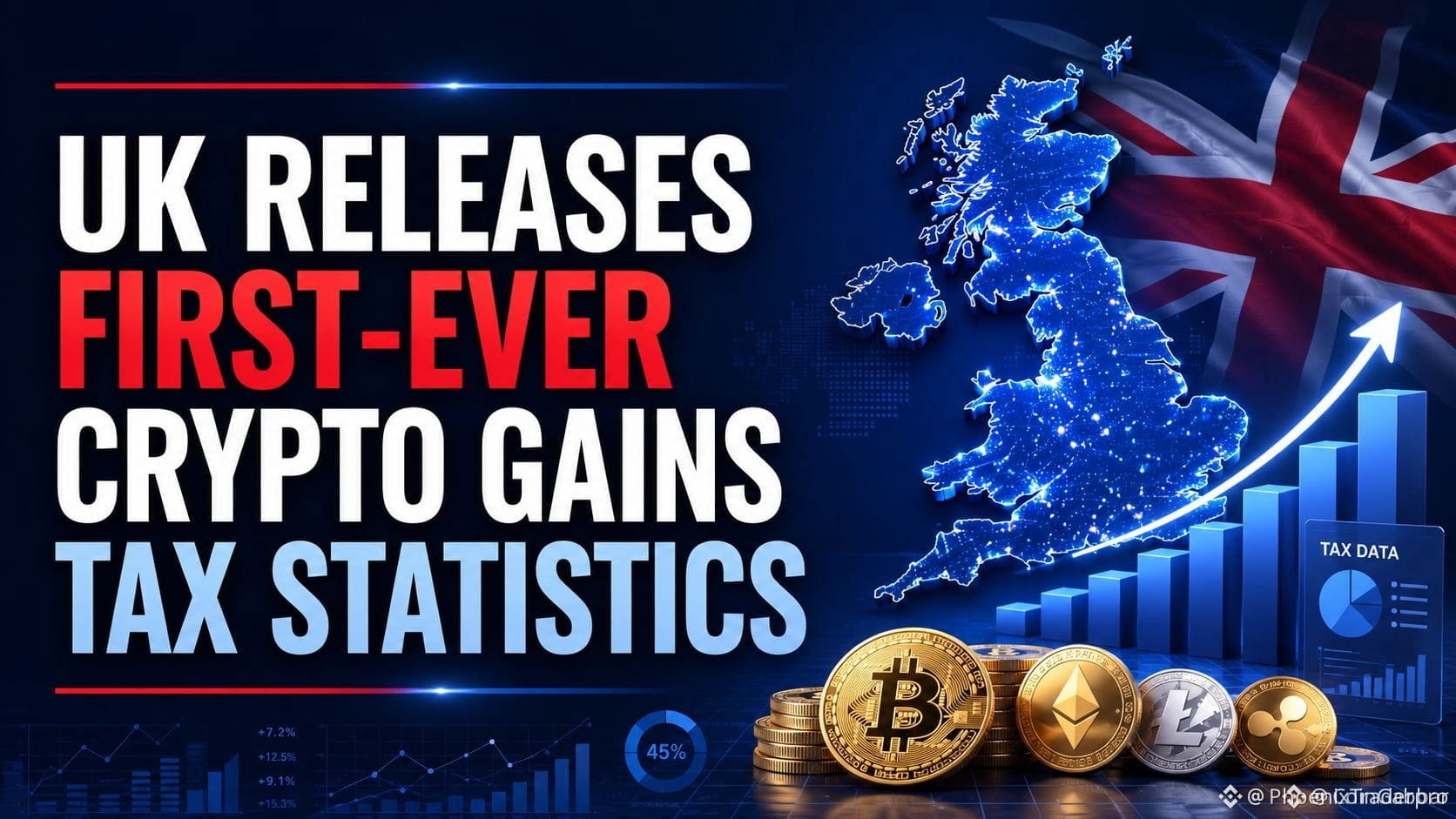
HMRC just published the UK's first ever official crypto capital gains data and the real story isn't the £1.38B total, it's the shape of it. 17,600 people filed, but 65% of them reported gains under £25K, contributing only 7% of that total. Meanwhile 240 people cleared over £1M each and captured more than half the entire pot. That's not mainstream adoption, that's a wealth concentration snapshot with a tax authority now watching closely, 81,000 nudge letters already sent. The next shift lands in 2027 when CARF exchange data sharing and a DeFi capital gains deferral for lending and liquidity pools kick in, affecting roughly 700K UK holders. Regulation is finally catching up to where the money actually sits. Do you think tighter reporting pushes UK traders toward compliance or just offshore?
#UKReleasesFirstCryptoGainsTaxStats #CryptoTax #CryptoRegulation $BTC
HMRC just published the UK's first ever official crypto capital gains data and the real story isn't the £1.38B total, it's the shape of it. 17,600 people filed, but 65% of them reported gains under £25K, contributing only 7% of that total. Meanwhile 240 people cleared over £1M each and captured more than half the entire pot. That's not mainstream adoption, that's a wealth concentration snapshot with a tax authority now watching closely, 81,000 nudge letters already sent. The next shift lands in 2027 when CARF exchange data sharing and a DeFi capital gains deferral for lending and liquidity pools kick in, affecting roughly 700K UK holders. Regulation is finally catching up to where the money actually sits. Do you think tighter reporting pushes UK traders toward compliance or just offshore?
#UKReleasesFirstCryptoGainsTaxStats #CryptoTax #CryptoRegulation $BTC
#UKReleasesFirstCryptoGainsTaxStats #CryptoTax #CryptoRegulation $BTC
2
139
See translation
📚 UK REVEALS CRYPTO TAX DATA AS $BTC REGULATION TIGHTENS! 🎯
📖 HM Revenue & Customs just opened up their books on official crypto capital gains, showing us exactly how much market activity is getting tracked across the pond. Think of this like checking the pulse on high-net-worth capital—it’s more than government paperwork; it shows us where the big players are taking profits into fiat. When you do your homework, data like this tells a clear story.
👍 Big traders love clear rules, but tax friction always forces money to adapt. As European compliance tightens, watching how institutional order flow reacts around key macro liquidity zones will help separate defensive portfolios from aggressive movers. Remember, slow is smooth!
💡 What do you think, team? Will clear tax data give institutions the confidence to jump in through legal certainty, or will trading volume migrate to zero-tax regions? Let me know below! 👇
⚠️ Not financial advice. Risk first, always. 🛡️
#BTC #CryptoTax #Regulation #Macro #MarketUpdate
Learn it. Trade it. Repeat.
📚 UK REVEALS CRYPTO TAX DATA AS $BTC REGULATION TIGHTENS! 🎯
📖 HM Revenue & Customs just opened up their books on official crypto capital gains, showing us exactly how much market activity is getting tracked across the pond. Think of this like checking the pulse on high-net-worth capital—it’s more than government paperwork; it shows us where the big players are taking profits into fiat. When you do your homework, data like this tells a clear story.
👍 Big traders love clear rules, but tax friction always forces money to adapt. As European compliance tightens, watching how institutional order flow reacts around key macro liquidity zones will help separate defensive portfolios from aggressive movers. Remember, slow is smooth!
💡 What do you think, team? Will clear tax data give institutions the confidence to jump in through legal certainty, or will trading volume migrate to zero-tax regions? Let me know below! 👇
⚠️ Not financial advice. Risk first, always. 🛡️
#BTC #CryptoTax #Regulation #Macro #MarketUpdate
Learn it. Trade it. Repeat.
📖 HM Revenue & Customs just opened up their books on official crypto capital gains, showing us exactly how much market activity is getting tracked across the pond. Think of this like checking the pulse on high-net-worth capital—it’s more than government paperwork; it shows us where the big players are taking profits into fiat. When you do your homework, data like this tells a clear story.
👍 Big traders love clear rules, but tax friction always forces money to adapt. As European compliance tightens, watching how institutional order flow reacts around key macro liquidity zones will help separate defensive portfolios from aggressive movers. Remember, slow is smooth!
💡 What do you think, team? Will clear tax data give institutions the confidence to jump in through legal certainty, or will trading volume migrate to zero-tax regions? Let me know below! 👇
⚠️ Not financial advice. Risk first, always. 🛡️
#BTC #CryptoTax #Regulation #Macro #MarketUpdate
Learn it. Trade it. Repeat.
9
Log in to explore more content
Join global crypto users on Binance Square
⚡️ Get latest and useful information about crypto.
💬 Trusted by the world’s largest crypto exchange.
👍 Discover real insights from verified creators.
Email / Phone number
Trending Topics
1
#FedRateWatch
1.4M views
6,584 Discussing
2
#ZcashRises6%
42,157 views
587 Discussing
3
#XRPSinks10%
28,540 views
386 Discussing
4
#BitcoinETFsShed$450M
4,856 views
80 Discussing
5
#CircleOpensArcMainnet
13,655 views
262 Discussing
6
#ZcashHoldersBackNU7Upgrade
24,519 views
431 Discussing
7
#MSTRTradingVolumeSurpassesMorganStanley
24,245 views
584 Discussing
8
#BitcoinFalls4%
49,967 views
904 Discussing
9
#SKHynixInTalksToMakeMemoryChipsInUS
20,232 views
359 Discussing
10
#OpenAIDiscussesNewFundingAt$1.2TValuation
4,892 views
58 Discussing