
#nvidia
nvidia
3.1M views
5,495 Discussing
Hot
Latest

#NVIDIA
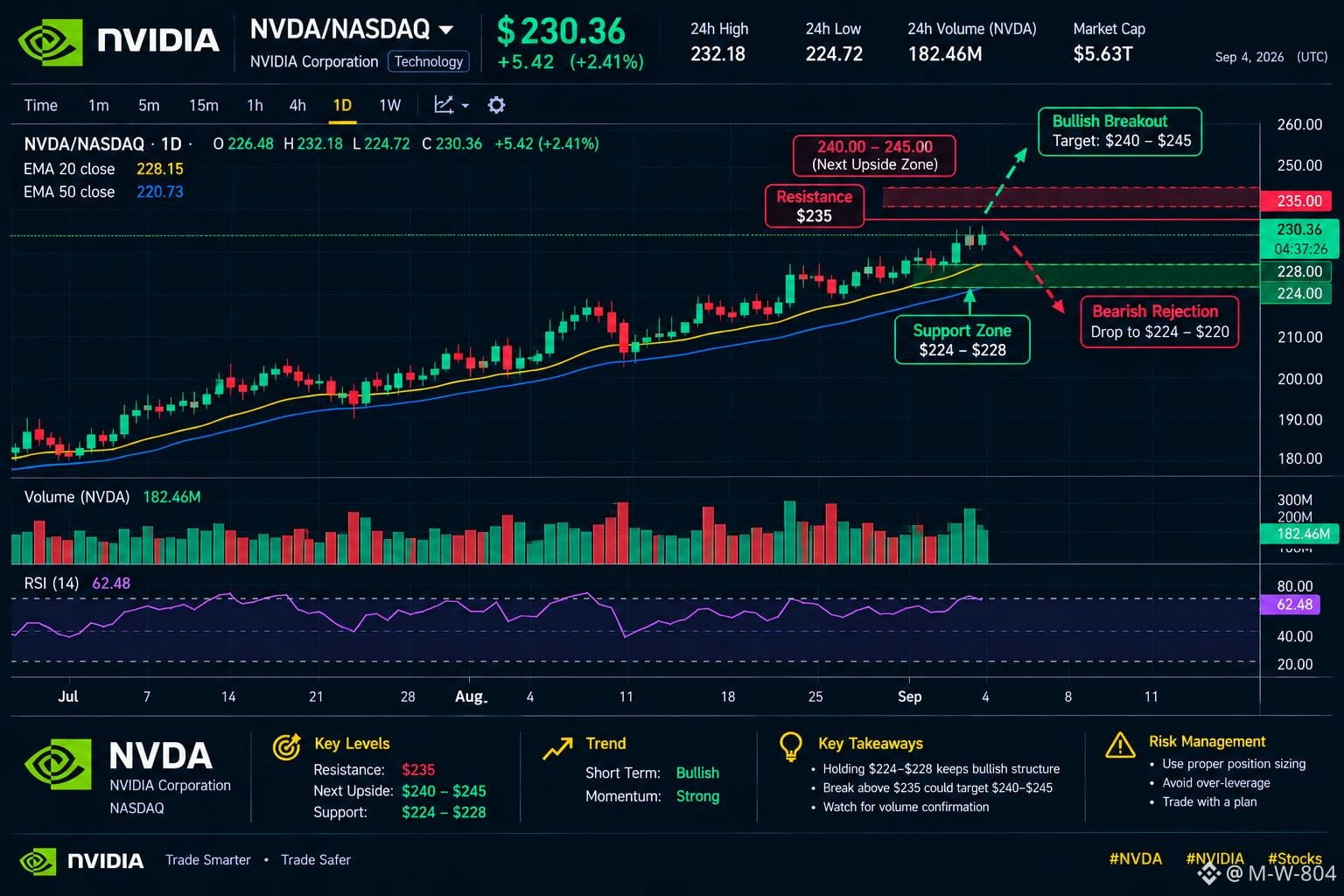
🚀 NVIDIA (NVDA) — The AI Giant Still Has Room to Grow?
NVIDIA is still at the center of the AI revolution. 🤖📈
Strong AI demand, massive data-center growth and continuous innovation could keep NVDA attractive for long-term investors.
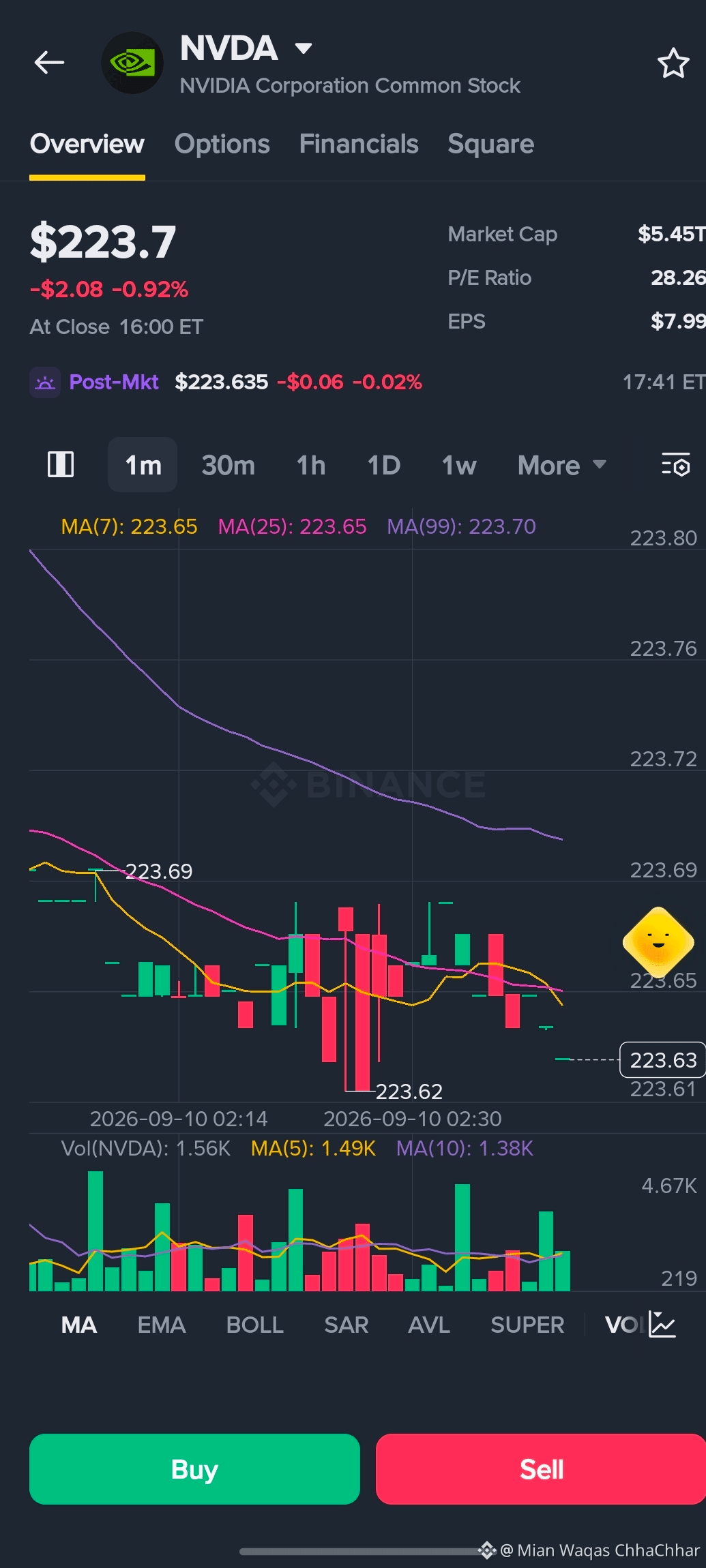
Current price: ~$223.70
🎯 Key levels:
• Support: $210–215
• Resistance: $230–237
• Above $237 → $250+ could be possible
• Long-term bullish case → much higher levels possible
⚠️ Short-term volatility is expected, and no price target is guaranteed.
Are you bullish on NVDA? 🚀📈
BUY, HOLD or SELL?
#NVIDIA
#NVDA
#AI
#StockMarket
#Investing #TechStocks #AIStocks #Trading #BinanceSquare
#NVIDIA
🚀 NVIDIA (NVDA) — The AI Giant Still Has Room to Grow?
NVIDIA is still at the center of the AI revolution. 🤖📈
Strong AI demand, massive data-center growth and continuous innovation could keep NVDA attractive for long-term investors.
Current price: ~$223.70
🎯 Key levels:
• Support: $210–215
• Resistance: $230–237
• Above $237 → $250+ could be possible
• Long-term bullish case → much higher levels possible
⚠️ Short-term volatility is expected, and no price target is guaranteed.
Are you bullish on NVDA? 🚀📈
BUY, HOLD or SELL?
#NVIDIA
#NVDA
#AI
#StockMarket
#Investing #TechStocks #AIStocks #Trading #BinanceSquare
🚀 NVIDIA (NVDA) — The AI Giant Still Has Room to Grow?
NVIDIA is still at the center of the AI revolution. 🤖📈
Strong AI demand, massive data-center growth and continuous innovation could keep NVDA attractive for long-term investors.
Current price: ~$223.70
🎯 Key levels:
• Support: $210–215
• Resistance: $230–237
• Above $237 → $250+ could be possible
• Long-term bullish case → much higher levels possible
⚠️ Short-term volatility is expected, and no price target is guaranteed.
Are you bullish on NVDA? 🚀📈
BUY, HOLD or SELL?
#NVIDIA
#NVDA
#AI
#StockMarket
#Investing #TechStocks #AIStocks #Trading #BinanceSquare
59

·
--
Bullish
$NVDAB 🚀 NVIDIA: The AI Revolution Is Just Getting Started
AI is no longer just a trend — it’s becoming the backbone of the next generation of technology. 🤖⚡
And NVIDIA is right at the center of this transformation, powering AI models, data centers, gaming, and high-performance computing.
📈 Strong technology
🧠 AI leadership
🌎 Growing global demand
But remember: hype ≠ guaranteed profits. Always DYOR and manage your risk before making any investment decision.
#NVIDIA #AI #Technology #Crypto #Binance $NVDAB
$NVDAB 🚀 NVIDIA: The AI Revolution Is Just Getting Started
AI is no longer just a trend — it’s becoming the backbone of the next generation of technology. 🤖⚡
And NVIDIA is right at the center of this transformation, powering AI models, data centers, gaming, and high-performance computing.
📈 Strong technology
🧠 AI leadership
🌎 Growing global demand
But remember: hype ≠ guaranteed profits. Always DYOR and manage your risk before making any investment decision.
#NVIDIA #AI #Technology #Crypto #Binance $NVDAB
AI is no longer just a trend — it’s becoming the backbone of the next generation of technology. 🤖⚡
And NVIDIA is right at the center of this transformation, powering AI models, data centers, gaming, and high-performance computing.
📈 Strong technology
🧠 AI leadership
🌎 Growing global demand
But remember: hype ≠ guaranteed profits. Always DYOR and manage your risk before making any investment decision.
#NVIDIA #AI #Technology #Crypto #Binance $NVDAB
92
·
--
🟢 $NVDAB
{spot}(NVDABUSDT)
$NVDAB QUICK ANALYSIS 🚀
💰 Price: ~$226.25
📉 Today: -1.78%
🔥 Intraday High: $233.61
📊 All-Time Closing High: $235.74
🤖 AI-chip demand remains strong, with NVIDIA’s latest reported quarter showing $68.1B revenue (+73% YoY) and $62.3B Data Center revenue (+75% YoY). �
Barron's +1
⚠️ Key watch: $235–236 resistance zone.
#NVDA #NVIDIA #StockMarket #Investing
🟢 $NVDAB
$NVDAB QUICK ANALYSIS 🚀
💰 Price: ~$226.25
📉 Today: -1.78%
🔥 Intraday High: $233.61
📊 All-Time Closing High: $235.74
🤖 AI-chip demand remains strong, with NVIDIA’s latest reported quarter showing $68.1B revenue (+73% YoY) and $62.3B Data Center revenue (+75% YoY). �
Barron's +1
⚠️ Key watch: $235–236 resistance zone.
#NVDA #NVIDIA #StockMarket #Investing
$NVDAB QUICK ANALYSIS 🚀
💰 Price: ~$226.25
📉 Today: -1.78%
🔥 Intraday High: $233.61
📊 All-Time Closing High: $235.74
🤖 AI-chip demand remains strong, with NVIDIA’s latest reported quarter showing $68.1B revenue (+73% YoY) and $62.3B Data Center revenue (+75% YoY). �
Barron's +1
⚠️ Key watch: $235–236 resistance zone.
#NVDA #NVIDIA #StockMarket #Investing
66

·
--
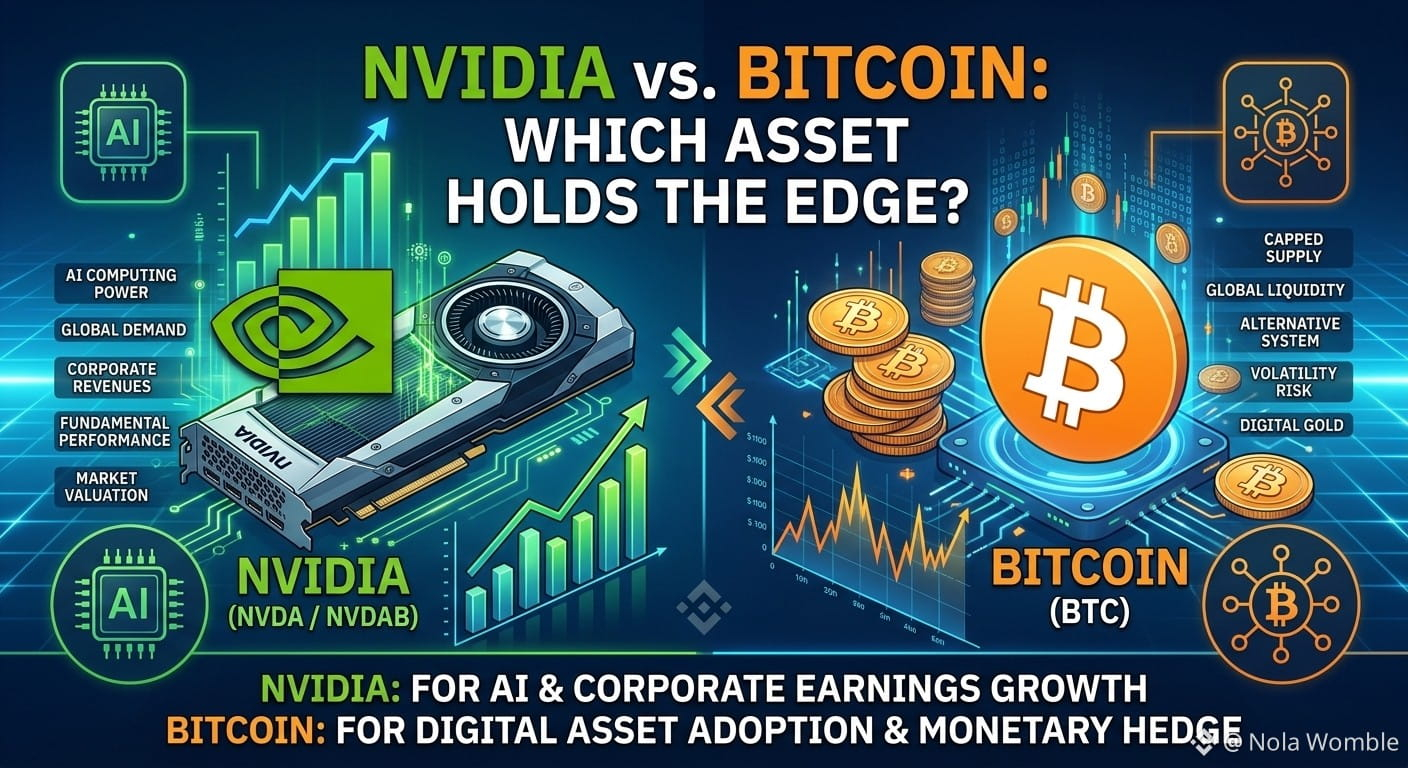
$NVDAB vs. $BTC : Which Asset Holds the Edge?
Today’s investor is no longer confined to choosing purely between traditional equities or crypto. NVIDIA has emerged as the premier beneficiary of the artificial intelligence boom, while Bitcoin maintains its position as the flagship digital asset and a macro alternative to the traditional legacy system.
NVIDIA ($NVDAB ): Backed by real-world revenue models, relentless demand for AI compute architecture, and elite fundamental metrics. However, its elevated valuation leaves little room for operational missteps, as market expectations remain exceptionally high.
Bitcoin (BTC): Anchored by hard-capped supply, global non-sovereign liquidity, and zero dependency on corporate earnings reports. That said, its historical volatility profile remains significantly higher.
NVIDIA aligns best with investors positioning for extended AI capital expenditure and corporate earnings expansion. Bitcoin serves those seeking asymmetric upside tied to long-term digital asset adoption and monetary debasement hedges.
#NVIDIA #BTC #CryptoVsTradFi #stocks
$NVDAB vs. $BTC : Which Asset Holds the Edge?
Today’s investor is no longer confined to choosing purely between traditional equities or crypto. NVIDIA has emerged as the premier beneficiary of the artificial intelligence boom, while Bitcoin maintains its position as the flagship digital asset and a macro alternative to the traditional legacy system.
NVIDIA ($NVDAB ): Backed by real-world revenue models, relentless demand for AI compute architecture, and elite fundamental metrics. However, its elevated valuation leaves little room for operational missteps, as market expectations remain exceptionally high.
Bitcoin (BTC): Anchored by hard-capped supply, global non-sovereign liquidity, and zero dependency on corporate earnings reports. That said, its historical volatility profile remains significantly higher.
NVIDIA aligns best with investors positioning for extended AI capital expenditure and corporate earnings expansion. Bitcoin serves those seeking asymmetric upside tied to long-term digital asset adoption and monetary debasement hedges.
#NVIDIA #BTC #CryptoVsTradFi #stocks
Today’s investor is no longer confined to choosing purely between traditional equities or crypto. NVIDIA has emerged as the premier beneficiary of the artificial intelligence boom, while Bitcoin maintains its position as the flagship digital asset and a macro alternative to the traditional legacy system.
NVIDIA ($NVDAB ): Backed by real-world revenue models, relentless demand for AI compute architecture, and elite fundamental metrics. However, its elevated valuation leaves little room for operational missteps, as market expectations remain exceptionally high.
Bitcoin (BTC): Anchored by hard-capped supply, global non-sovereign liquidity, and zero dependency on corporate earnings reports. That said, its historical volatility profile remains significantly higher.
NVIDIA aligns best with investors positioning for extended AI capital expenditure and corporate earnings expansion. Bitcoin serves those seeking asymmetric upside tied to long-term digital asset adoption and monetary debasement hedges.
#NVIDIA #BTC #CryptoVsTradFi #stocks
57

·
--
Bullish
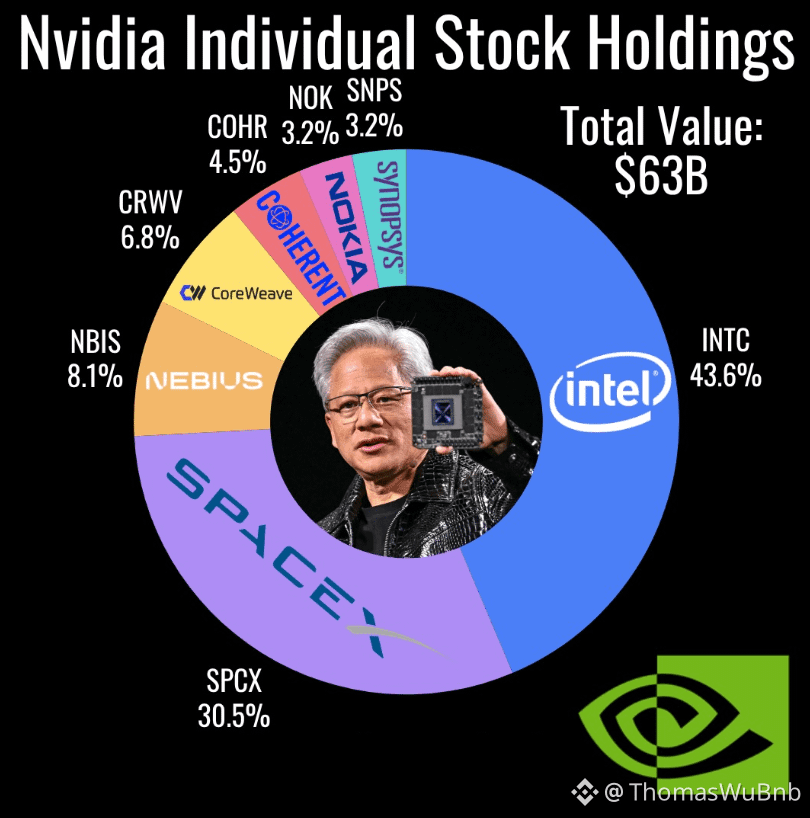
NVIDIA isn’t just selling GPUs — it’s buying the whole AI stack. $63B portfolio: ~44% Intel, 30% SpaceX, plus CoreWeave, Nebius & Synopsys. Jensen is investing in the companies that need his chips. The house always wins. 🟢
#JensenHuang $NVDA #NVIDIA #USstock
NVIDIA isn’t just selling GPUs — it’s buying the whole AI stack. $63B portfolio: ~44% Intel, 30% SpaceX, plus CoreWeave, Nebius & Synopsys. Jensen is investing in the companies that need his chips. The house always wins. 🟢
#JensenHuang $NVDA #NVIDIA #USstock
#JensenHuang $NVDA #NVIDIA #USstock
13.2k

·
--
$NVDA.US Exploring New Opportunities in Technology and Investing!
NVDA is one of the most recognized names in the technology industry, playing an important role in areas such as Artificial Intelligence (AI), graphics technology, and high-performance computing.
📈 NVDA.US Token offers an interesting way to follow and explore market movements related to NVIDIA.
Before making any investment decision, it is important to understand the market and do your own research.
💡 Always remember:
🔹 Markets can move up and down.
🔹 Every investment involves risk.
🔹 Always do your own research before investing.
🔹 Never make investment decisions based only on someone else's opinion.
📊 Keep learning, understand the market, and make informed decisions responsibly.
#NVDA #NVIDIA #Crypto #Binance #Investing #Trading #AI #Technology #Finance #DYOR
$NVDA.US Exploring New Opportunities in Technology and Investing!
NVDA is one of the most recognized names in the technology industry, playing an important role in areas such as Artificial Intelligence (AI), graphics technology, and high-performance computing.
📈 NVDA.US Token offers an interesting way to follow and explore market movements related to NVIDIA.
Before making any investment decision, it is important to understand the market and do your own research.
💡 Always remember:
🔹 Markets can move up and down.
🔹 Every investment involves risk.
🔹 Always do your own research before investing.
🔹 Never make investment decisions based only on someone else's opinion.
📊 Keep learning, understand the market, and make informed decisions responsibly.
#NVDA #NVIDIA #Crypto #Binance #Investing #Trading #AI #Technology #Finance #DYOR
NVDA is one of the most recognized names in the technology industry, playing an important role in areas such as Artificial Intelligence (AI), graphics technology, and high-performance computing.
📈 NVDA.US Token offers an interesting way to follow and explore market movements related to NVIDIA.
Before making any investment decision, it is important to understand the market and do your own research.
💡 Always remember:
🔹 Markets can move up and down.
🔹 Every investment involves risk.
🔹 Always do your own research before investing.
🔹 Never make investment decisions based only on someone else's opinion.
📊 Keep learning, understand the market, and make informed decisions responsibly.
#NVDA #NVIDIA #Crypto #Binance #Investing #Trading #AI #Technology #Finance #DYOR
NVDAUS-1.21%
71

Verified
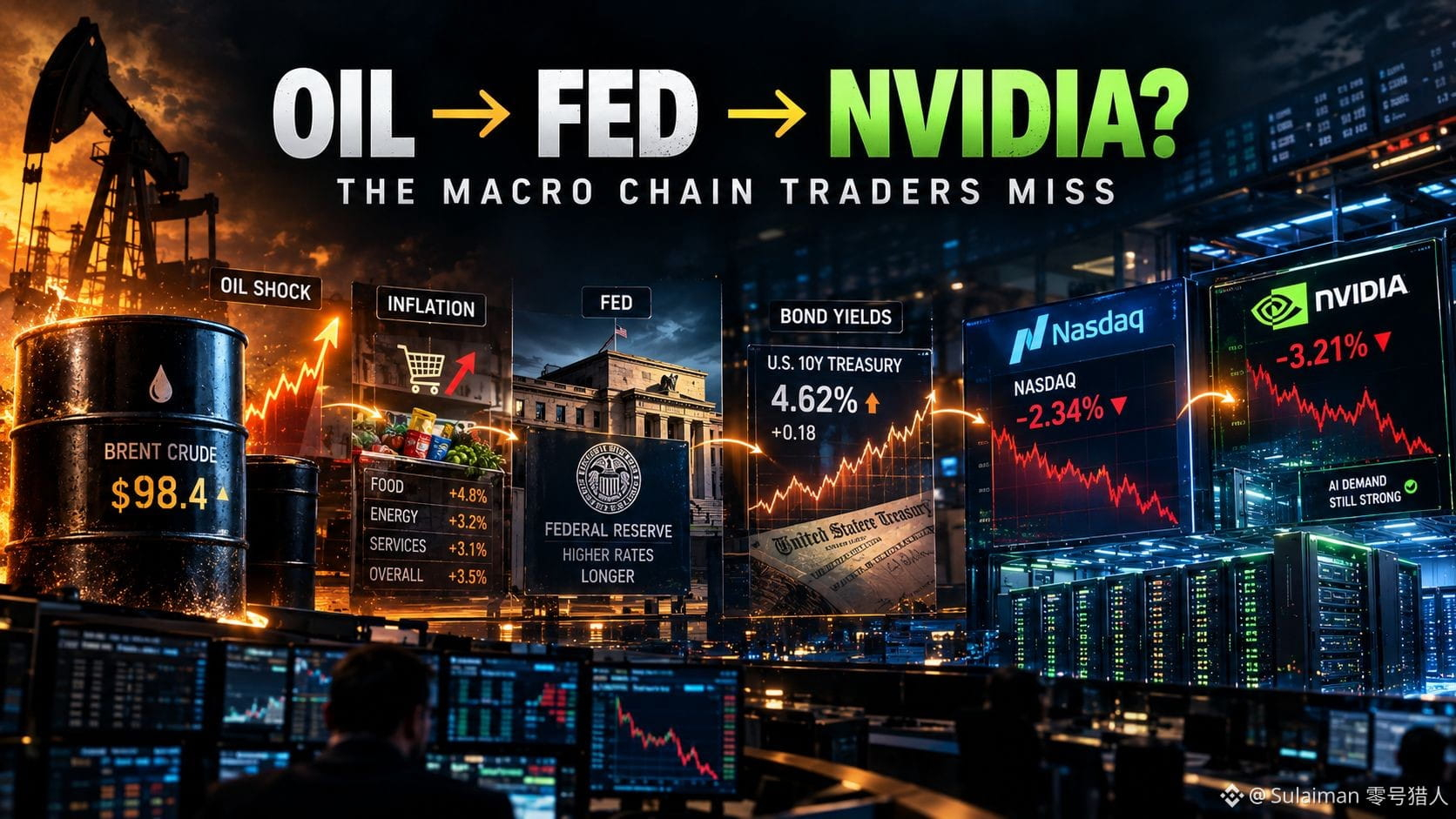
Why can an oil shock become a problem for NVIDIA?
Because NVIDIA doesn’t need to sell less GPUs for its stock to fall.
The chain is much simpler:
Oil ↑
→ inflation pressure ↑
→ Fed rate-cut hopes ↓
→ Treasury yields ↑
→ tech valuations ↓
That last step is where the pain shows up.
High-growth companies like NVIDIA are priced on profits investors expect years into the future. When bond yields rise, those future profits become worth less today.
And there’s another layer.
Higher energy prices also raise the cost of running data centers, transporting hardware, and building AI infrastructure.
So the market can go from:
“AI spending is exploding”
to
“AI spending is exploding, but financing and operating costs are getting more expensive.”
That changes the valuation conversation.
Brent recently pushed toward $97.50 as Middle East tensions intensified, while rising yields put additional pressure on global stocks.
The mistake is watching oil and NVIDIA as two separate charts.
I’m watching the bridge between them:
OIL → INFLATION → FED → YIELDS → NASDAQ → NVDA
That’s where the real signal is.
#OilShock #NVIDIA #Nasdaq
Why can an oil shock become a problem for NVIDIA?
Because NVIDIA doesn’t need to sell less GPUs for its stock to fall.
The chain is much simpler:
Oil ↑
→ inflation pressure ↑
→ Fed rate-cut hopes ↓
→ Treasury yields ↑
→ tech valuations ↓
That last step is where the pain shows up.
High-growth companies like NVIDIA are priced on profits investors expect years into the future. When bond yields rise, those future profits become worth less today.
And there’s another layer.
Higher energy prices also raise the cost of running data centers, transporting hardware, and building AI infrastructure.
So the market can go from:
“AI spending is exploding”
to
“AI spending is exploding, but financing and operating costs are getting more expensive.”
That changes the valuation conversation.
Brent recently pushed toward $97.50 as Middle East tensions intensified, while rising yields put additional pressure on global stocks.
The mistake is watching oil and NVIDIA as two separate charts.
I’m watching the bridge between them:
OIL → INFLATION → FED → YIELDS → NASDAQ → NVDA
That’s where the real signal is.
#OilShock #NVIDIA #Nasdaq
Because NVIDIA doesn’t need to sell less GPUs for its stock to fall.
The chain is much simpler:
Oil ↑
→ inflation pressure ↑
→ Fed rate-cut hopes ↓
→ Treasury yields ↑
→ tech valuations ↓
That last step is where the pain shows up.
High-growth companies like NVIDIA are priced on profits investors expect years into the future. When bond yields rise, those future profits become worth less today.
And there’s another layer.
Higher energy prices also raise the cost of running data centers, transporting hardware, and building AI infrastructure.
So the market can go from:
“AI spending is exploding”
to
“AI spending is exploding, but financing and operating costs are getting more expensive.”
That changes the valuation conversation.
Brent recently pushed toward $97.50 as Middle East tensions intensified, while rising yields put additional pressure on global stocks.
The mistake is watching oil and NVIDIA as two separate charts.
I’m watching the bridge between them:
OIL → INFLATION → FED → YIELDS → NASDAQ → NVDA
That’s where the real signal is.
#OilShock #NVIDIA #Nasdaq
1
96

🚨 WALL STREET IS WATCHING AI STOCKS VERY CLOSELY.
And tomorrow could get interesting. 👀
U.S. markets are CLOSED today for Labor Day 🇺🇸
But when trading resumes Tuesday…
investors will have plenty to watch.
🔥 Nvidia
🔥 Micron
🔥 TSMC
🔥 Apple
🔥 AI-related stocks
Why?
Because AI is still one of the biggest forces driving the stock market.
And there’s another major catalyst this week:
🇺🇸 U.S. inflation data is coming.
Strong jobs + rising oil prices =
⚠️ more inflation pressure
And more inflation pressure could mean: ➡️ higher rates
➡️ tougher conditions for stocks
➡️ more volatility for crypto
This is why I’m watching BOTH markets.
📈 Stocks
₿ Crypto
They’re more connected than most people realize.
And with Binance expanding its TradFi/bStocks ecosystem, this connection is getting even more interesting. 👀
Which AI stock are you watching?
NVDA?
AAPL?
TSM?
Or something else?
$NVDA.US
{spot}(NVDABUSDT)
$AAPL.US
{stock_us}(AAPL.US)
👇 DROP THE TICKER.
#stocks #AI #Nvidia #Apple #BStocks
🚨 WALL STREET IS WATCHING AI STOCKS VERY CLOSELY.
And tomorrow could get interesting. 👀
U.S. markets are CLOSED today for Labor Day 🇺🇸
But when trading resumes Tuesday…
investors will have plenty to watch.
🔥 Nvidia
🔥 Micron
🔥 TSMC
🔥 Apple
🔥 AI-related stocks
Why?
Because AI is still one of the biggest forces driving the stock market.
And there’s another major catalyst this week:
🇺🇸 U.S. inflation data is coming.
Strong jobs + rising oil prices =
⚠️ more inflation pressure
And more inflation pressure could mean: ➡️ higher rates
➡️ tougher conditions for stocks
➡️ more volatility for crypto
This is why I’m watching BOTH markets.
📈 Stocks
₿ Crypto
They’re more connected than most people realize.
And with Binance expanding its TradFi/bStocks ecosystem, this connection is getting even more interesting. 👀
Which AI stock are you watching?
NVDA?
AAPL?
TSM?
Or something else?
$NVDA.US
$AAPL.US
👇 DROP THE TICKER.
#stocks #AI #Nvidia #Apple #BStocks
And tomorrow could get interesting. 👀
U.S. markets are CLOSED today for Labor Day 🇺🇸
But when trading resumes Tuesday…
investors will have plenty to watch.
🔥 Nvidia
🔥 Micron
🔥 TSMC
🔥 Apple
🔥 AI-related stocks
Why?
Because AI is still one of the biggest forces driving the stock market.
And there’s another major catalyst this week:
🇺🇸 U.S. inflation data is coming.
Strong jobs + rising oil prices =
⚠️ more inflation pressure
And more inflation pressure could mean: ➡️ higher rates
➡️ tougher conditions for stocks
➡️ more volatility for crypto
This is why I’m watching BOTH markets.
📈 Stocks
₿ Crypto
They’re more connected than most people realize.
And with Binance expanding its TradFi/bStocks ecosystem, this connection is getting even more interesting. 👀
Which AI stock are you watching?
NVDA?
AAPL?
TSM?
Or something else?
$NVDA.US
$AAPL.US
👇 DROP THE TICKER.
#stocks #AI #Nvidia #Apple #BStocks
13


·
--
$NVDA.US
🚨 NVDA: THE AI GIANT IS NOT SLOWING DOWN! 🤖🔥
NVIDIA just delivered another massive quarter.
💰 Revenue: $96.2B
📈 +106% YoY
🔥 Gross margin: 75%
The AI infrastructure story is still incredibly strong, but NVDA traders should remember one thing:
Great fundamentals do not mean price only goes up.
📊 What I’m watching on NVDA:
🟢 Bullish Scenario
If price continues to hold above key support and breaks the recent resistance with strong volume, the next leg higher could begin.
🔴 Bearish Scenario
If resistance rejects price and momentum weakens, NVDA could enter a deeper pullback before the next move.
🎯 My strategy:
Don't chase a green candle.
Wait for:
Liquidity → Breakout → Retest → Volume → Confirmation
⚠️ NVDA is already one of the world's most valuable companies, so volatility and valuation risk still matter.
🔥 BIG QUESTION:
Where do you think NVDA is heading next?
🚀 $250+
🔥 $275+
💎 $300+
📉 Correction first
Comment your target below 👇
#NVDA #NVIDIA
$NVDA.US
🚨 NVDA: THE AI GIANT IS NOT SLOWING DOWN! 🤖🔥
NVIDIA just delivered another massive quarter.
💰 Revenue: $96.2B
📈 +106% YoY
🔥 Gross margin: 75%
The AI infrastructure story is still incredibly strong, but NVDA traders should remember one thing:
Great fundamentals do not mean price only goes up.
📊 What I’m watching on NVDA:
🟢 Bullish Scenario
If price continues to hold above key support and breaks the recent resistance with strong volume, the next leg higher could begin.
🔴 Bearish Scenario
If resistance rejects price and momentum weakens, NVDA could enter a deeper pullback before the next move.
🎯 My strategy:
Don't chase a green candle.
Wait for:
Liquidity → Breakout → Retest → Volume → Confirmation
⚠️ NVDA is already one of the world's most valuable companies, so volatility and valuation risk still matter.
🔥 BIG QUESTION:
Where do you think NVDA is heading next?
🚀 $250+
🔥 $275+
💎 $300+
📉 Correction first
Comment your target below 👇
#NVDA #NVIDIA
🚨 NVDA: THE AI GIANT IS NOT SLOWING DOWN! 🤖🔥
NVIDIA just delivered another massive quarter.
💰 Revenue: $96.2B
📈 +106% YoY
🔥 Gross margin: 75%
The AI infrastructure story is still incredibly strong, but NVDA traders should remember one thing:
Great fundamentals do not mean price only goes up.
📊 What I’m watching on NVDA:
🟢 Bullish Scenario
If price continues to hold above key support and breaks the recent resistance with strong volume, the next leg higher could begin.
🔴 Bearish Scenario
If resistance rejects price and momentum weakens, NVDA could enter a deeper pullback before the next move.
🎯 My strategy:
Don't chase a green candle.
Wait for:
Liquidity → Breakout → Retest → Volume → Confirmation
⚠️ NVDA is already one of the world's most valuable companies, so volatility and valuation risk still matter.
🔥 BIG QUESTION:
Where do you think NVDA is heading next?
🚀 $250+
🔥 $275+
💎 $300+
📉 Correction first
Comment your target below 👇
#NVDA #NVIDIA
NVDA-1.49%
NVDAUS-1.21%
71


·
--
Verified
Nvidia Director Makes a Major Move and the Stock Market Lights Up a Warning 🚨
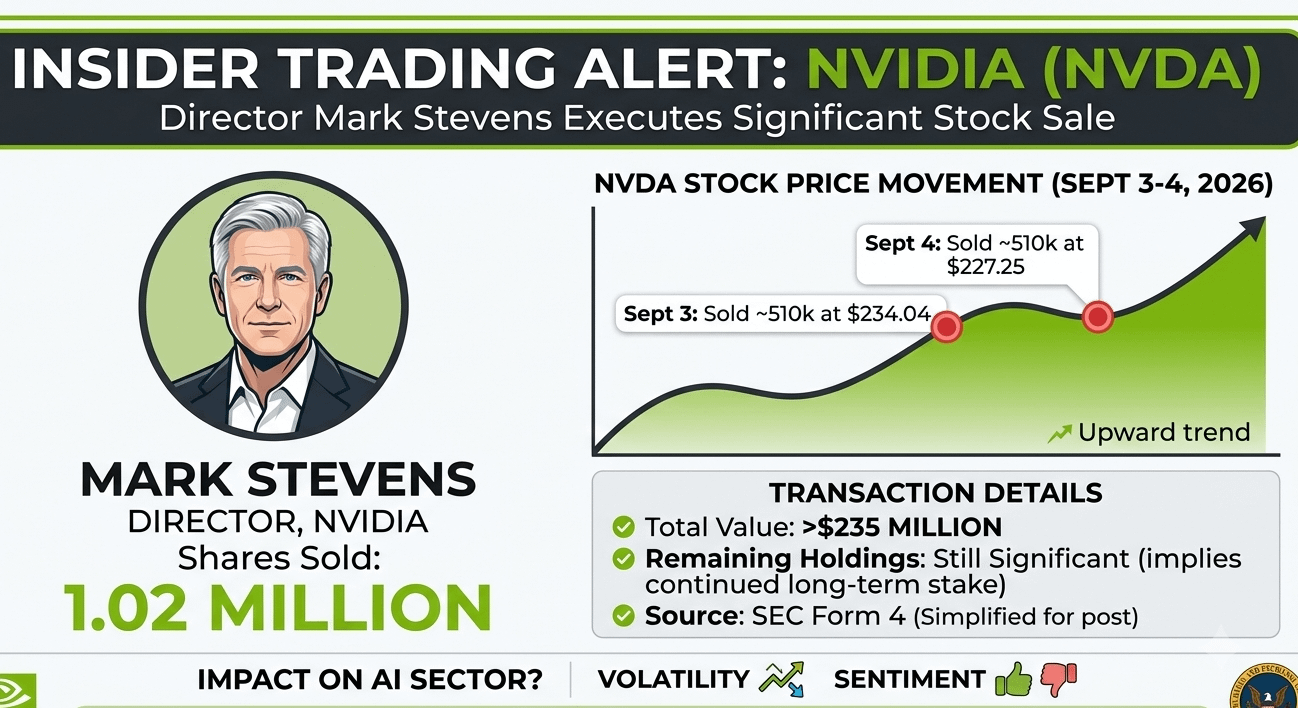
Mark Stevens, a member of Nvidia’s board of directors, reported the sale of 1.02 million shares of the company’s common stock. The transactions took place in the first days of September, with the shares trading in a price range between $227.25 and $234.04.
Although sales by executives (so-called insider transactions) are part of individual diversification strategies or profit-taking, the significant volume often draws market attention—especially given Nvidia’s central role in the global Artificial Intelligence narrative.
What could this signal to investors?
* Profit-Taking: Executive sales don’t always indicate weakness in the company’s fundamentals, but rather personal asset management.
* AI Sector Sentiment: Large moves by tech giants are closely watched, as they can create short-term volatility in both traditional markets and in cryptocurrencies tied to Artificial Intelligence.
Tracking executive behavior in large corporations is vital to understanding liquidity dynamics and broader macro sentiment.
#Nvidia #AI #IA #MarketImpact #Investing
$IOST $FF $ATOM
Nvidia Director Makes a Major Move and the Stock Market Lights Up a Warning 🚨
Mark Stevens, a member of Nvidia’s board of directors, reported the sale of 1.02 million shares of the company’s common stock. The transactions took place in the first days of September, with the shares trading in a price range between $227.25 and $234.04.
Although sales by executives (so-called insider transactions) are part of individual diversification strategies or profit-taking, the significant volume often draws market attention—especially given Nvidia’s central role in the global Artificial Intelligence narrative.
What could this signal to investors?
* Profit-Taking: Executive sales don’t always indicate weakness in the company’s fundamentals, but rather personal asset management.
* AI Sector Sentiment: Large moves by tech giants are closely watched, as they can create short-term volatility in both traditional markets and in cryptocurrencies tied to Artificial Intelligence.
Tracking executive behavior in large corporations is vital to understanding liquidity dynamics and broader macro sentiment.
#Nvidia #AI #IA #MarketImpact #Investing
$IOST $FF $ATOM
Mark Stevens, a member of Nvidia’s board of directors, reported the sale of 1.02 million shares of the company’s common stock. The transactions took place in the first days of September, with the shares trading in a price range between $227.25 and $234.04.
Although sales by executives (so-called insider transactions) are part of individual diversification strategies or profit-taking, the significant volume often draws market attention—especially given Nvidia’s central role in the global Artificial Intelligence narrative.
What could this signal to investors?
* Profit-Taking: Executive sales don’t always indicate weakness in the company’s fundamentals, but rather personal asset management.
* AI Sector Sentiment: Large moves by tech giants are closely watched, as they can create short-term volatility in both traditional markets and in cryptocurrencies tied to Artificial Intelligence.
Tracking executive behavior in large corporations is vital to understanding liquidity dynamics and broader macro sentiment.
#Nvidia #AI #IA #MarketImpact #Investing
$IOST $FF $ATOM
4
969

·
--
Bearish
$NVDA.US
{stock_us}(NVDA.US)
📊 NVDA Chart Analysis
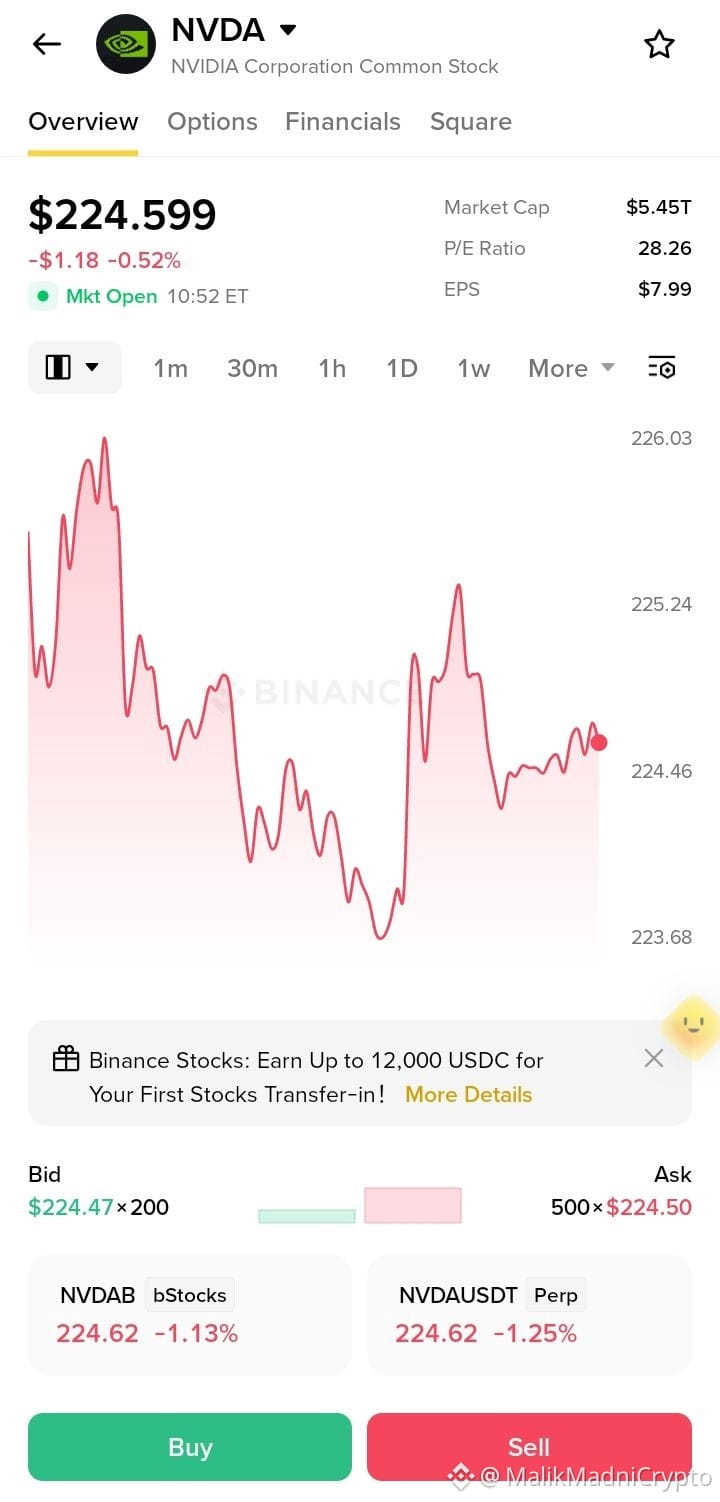
I’m seeing short-term bearish pressure for NVDA. The price is trading around $224.59 and the intraday chart shows quite high volatility.
🔻 Support: around $223.68
🔺 Resistance: the $225.24 – $226.03 zone
If the price gives a strong breakout above the resistance, bullish momentum could kick in; otherwise, there are chances of a support retest. 📉📈
⚠️ Not Financial Advice — Always DYOR!
#NVDA #Nvidia #StockMarket #Trading #TechnicalAnalysis #Stocks #Binance #PriceAction #Investing
$NVDA.US $NVDAB
$NVDA.US
📊 NVDA Chart Analysis
I’m seeing short-term bearish pressure for NVDA. The price is trading around $224.59 and the intraday chart shows quite high volatility.
🔻 Support: around $223.68
🔺 Resistance: the $225.24 – $226.03 zone
If the price gives a strong breakout above the resistance, bullish momentum could kick in; otherwise, there are chances of a support retest. 📉📈
⚠️ Not Financial Advice — Always DYOR!
#NVDA #Nvidia #StockMarket #Trading #TechnicalAnalysis #Stocks #Binance #PriceAction #Investing
$NVDA.US $NVDAB
📊 NVDA Chart Analysis
I’m seeing short-term bearish pressure for NVDA. The price is trading around $224.59 and the intraday chart shows quite high volatility.
🔻 Support: around $223.68
🔺 Resistance: the $225.24 – $226.03 zone
If the price gives a strong breakout above the resistance, bullish momentum could kick in; otherwise, there are chances of a support retest. 📉📈
⚠️ Not Financial Advice — Always DYOR!
#NVDA #Nvidia #StockMarket #Trading #TechnicalAnalysis #Stocks #Binance #PriceAction #Investing
$NVDA.US $NVDAB
NVDAB-1.52%
NVDAUS-1.21%
46

·
--
Bullish
$NVDA.US
{stock_us}(NVDA.US)
#NVIDIAConference
🟢 NVIDIA & AI: Why NVDA Is Getting So Much Attention
NVIDIA has become one of the biggest names in the AI industry because its GPUs are widely used for artificial intelligence and data centers.
A lot of investors are watching NVDA because of the continued growth of AI and demand for computing power. 📈
But remember: NVDA is NVIDIA's stock, not a cryptocurrency. Always research before investing or trading.
Do you think AI will continue driving NVIDIA's growth? 👀
#NVIDIA #stockmarketupdate #investincryptocurrency #BinanceSqare
$NVDA.US
#NVIDIAConference
🟢 NVIDIA & AI: Why NVDA Is Getting So Much Attention
NVIDIA has become one of the biggest names in the AI industry because its GPUs are widely used for artificial intelligence and data centers.
A lot of investors are watching NVDA because of the continued growth of AI and demand for computing power. 📈
But remember: NVDA is NVIDIA's stock, not a cryptocurrency. Always research before investing or trading.
Do you think AI will continue driving NVIDIA's growth? 👀
#NVIDIA #stockmarketupdate #investincryptocurrency #BinanceSqare
#NVIDIAConference
🟢 NVIDIA & AI: Why NVDA Is Getting So Much Attention
NVIDIA has become one of the biggest names in the AI industry because its GPUs are widely used for artificial intelligence and data centers.
A lot of investors are watching NVDA because of the continued growth of AI and demand for computing power. 📈
But remember: NVDA is NVIDIA's stock, not a cryptocurrency. Always research before investing or trading.
Do you think AI will continue driving NVIDIA's growth? 👀
#NVIDIA #stockmarketupdate #investincryptocurrency #BinanceSqare
NVDAUS-1.21%
1
1
1
213


Article
NVIDIA stock tests support levels… Is it a buying opportunity?A quick corrective move hits the NVIDIA stock today as its percentage declines by 2.45%. Despite this temporary pullback, the company’s fundamentals remain strong thanks to ongoing demand for AI chips and cloud computing infrastructure. Watch the upcoming support levels closely.#NVIDIA #NVDA #الذكاء_الاصطناعي $NVDAB $USDT
NVIDIA stock tests support levels… Is it a buying opportunity?
A quick corrective move hits the NVIDIA stock today as its percentage declines by 2.45%. Despite this temporary pullback, the company’s fundamentals remain strong thanks to ongoing demand for AI chips and cloud computing infrastructure. Watch the upcoming support levels closely.#NVIDIA #NVDA #الذكاء_الاصطناعي $NVDAB $USDT
1
96

·
--
Bullish
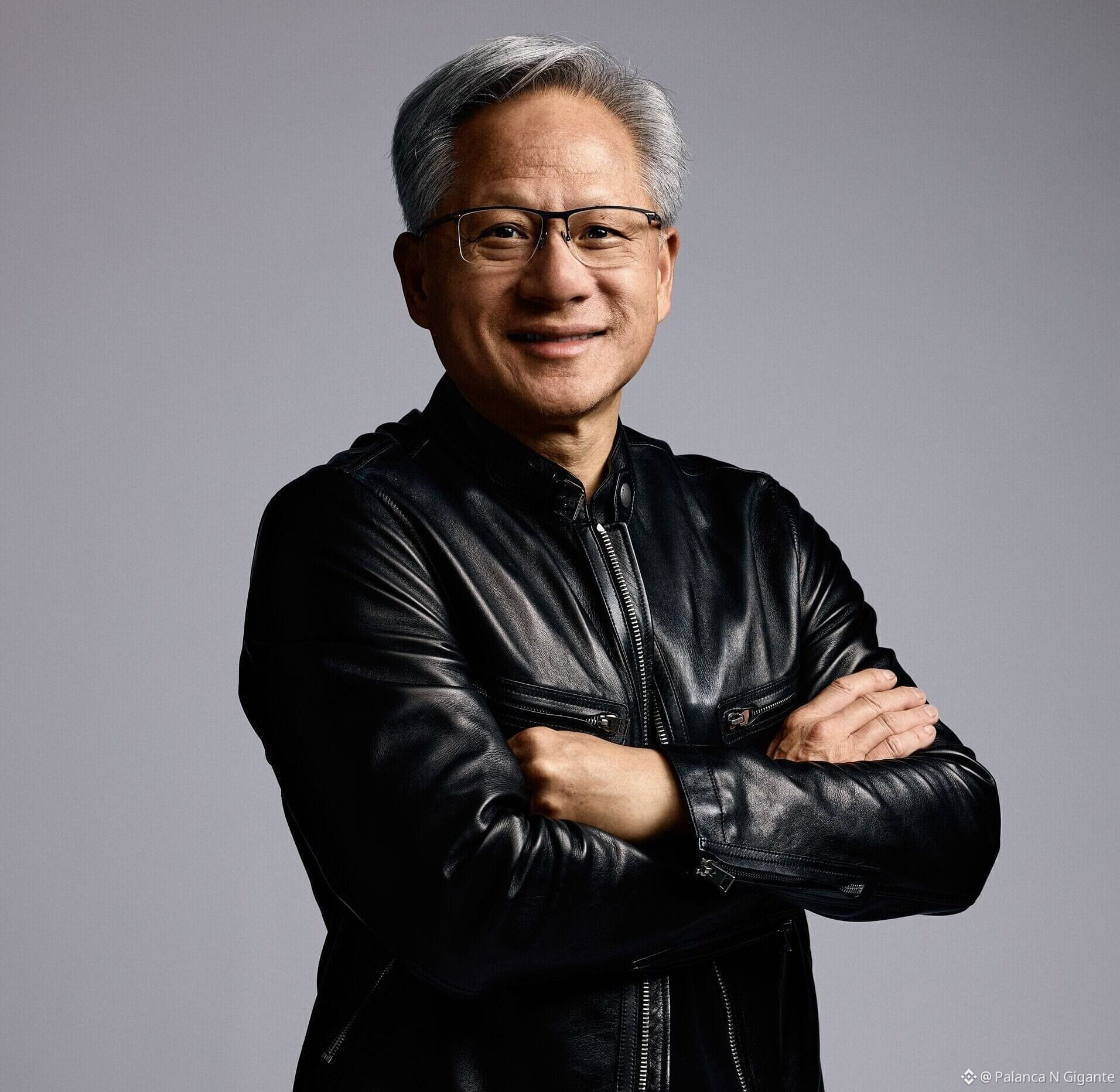
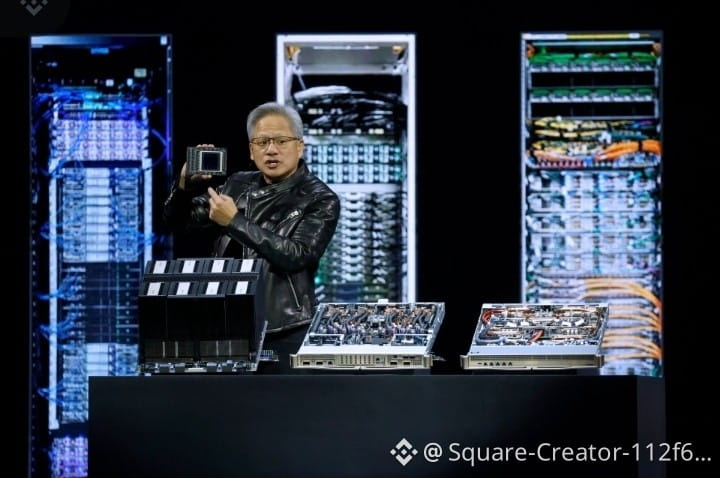
🔥 LATEST NEWS: The CEO of $NVDA , Jensen Huang, states: “Nvidia’s computing capacity is interchangeable, durable, and highly profitable. It is a productive asset that generates revenue.”
$SOPH $IOST 👀👀👀👀
{spot}(IOSTUSDT)
{spot}(SOPHUSDT)
{future}(NVDAUSDT)
#news #NVIDIA #bullish #AI #USIranTradeTankerStrikesEscalate
🔥 LATEST NEWS: The CEO of $NVDA , Jensen Huang, states: “Nvidia’s computing capacity is interchangeable, durable, and highly profitable. It is a productive asset that generates revenue.”
$SOPH $IOST 👀👀👀👀
#news #NVIDIA #bullish #AI #USIranTradeTankerStrikesEscalate
$SOPH $IOST 👀👀👀👀
#news #NVIDIA #bullish #AI #USIranTradeTankerStrikesEscalate
1
815


·
--
Bullish
NVIDIA is no longer just a chip company... it has become a major investor in the AI economy.
Its equity investments jumped from $7 billion to $99 billion in one year, an increase of nearly 1,300% according to CNBC.
The message is clear: NVIDIA is not only selling AI infrastructure, but is also investing in the companies building its future.
{future}(NVDAUSDT)
#NVDA #AI #NVIDIA
NVIDIA is no longer just a chip company... it has become a major investor in the AI economy.
Its equity investments jumped from $7 billion to $99 billion in one year, an increase of nearly 1,300% according to CNBC.
The message is clear: NVIDIA is not only selling AI infrastructure, but is also investing in the companies building its future.
#NVDA #AI #NVIDIA
Its equity investments jumped from $7 billion to $99 billion in one year, an increase of nearly 1,300% according to CNBC.
The message is clear: NVIDIA is not only selling AI infrastructure, but is also investing in the companies building its future.
#NVDA #AI #NVIDIA
عنيده بنت اب:
ok
2
3
565

Partly True
🚀 The AI sector is back in focus: Nvidia and semiconductors are at the forefront
Recent Yahoo Finance reports have flagged “buy” signals for key hardware and memory market players — Nvidia, Micron, and SanDisk. This confirms that the infrastructure foundation supporting artificial intelligence continues to strengthen despite cyclical volatility.
An interesting context from CNBC: record financial reports from the giants themselves no longer trigger a blind, broad-based rally across the entire AI sector. The market has become more mature and selective — investors are carefully assessing real metrics, supply chain resilience, and business profitability, not just the hype around technology.
NVDA shares showed a modest local gain in this context (+0.63% to $229.83), remaining the main barometer of the health of the tech market.
{spot}(NVDABUSDT)
#Nvidia #AI #Crypto #BinanceSquare #TechNews
🚀 The AI sector is back in focus: Nvidia and semiconductors are at the forefront
Recent Yahoo Finance reports have flagged “buy” signals for key hardware and memory market players — Nvidia, Micron, and SanDisk. This confirms that the infrastructure foundation supporting artificial intelligence continues to strengthen despite cyclical volatility.
An interesting context from CNBC: record financial reports from the giants themselves no longer trigger a blind, broad-based rally across the entire AI sector. The market has become more mature and selective — investors are carefully assessing real metrics, supply chain resilience, and business profitability, not just the hype around technology.
NVDA shares showed a modest local gain in this context (+0.63% to $229.83), remaining the main barometer of the health of the tech market.
#Nvidia #AI #Crypto #BinanceSquare #TechNews
Recent Yahoo Finance reports have flagged “buy” signals for key hardware and memory market players — Nvidia, Micron, and SanDisk. This confirms that the infrastructure foundation supporting artificial intelligence continues to strengthen despite cyclical volatility.
An interesting context from CNBC: record financial reports from the giants themselves no longer trigger a blind, broad-based rally across the entire AI sector. The market has become more mature and selective — investors are carefully assessing real metrics, supply chain resilience, and business profitability, not just the hype around technology.
NVDA shares showed a modest local gain in this context (+0.63% to $229.83), remaining the main barometer of the health of the tech market.
#Nvidia #AI #Crypto #BinanceSquare #TechNews
2
596

Article
🚀 NVIDIA: The Technological Power That Moves the World 🖥️💡1. What is NVIDIA?
It is one of the most important technology companies in the world, a global leader in the design of graphics processors (GPU), artificial intelligence chips, and advanced computing platforms. It does not just manufacture components: it creates the foundation on which the technology of the future runs.📈
Key data:
- Headquarters: California, United States
- Listed on the U.S. stock exchange (ticker: NVDA) — available for tracking and trading also on platforms like Binance!.
- Absolute leader in its sector: more than 80% of the AI chip market depends on its technology.
🚀 NVIDIA: The Technological Power That Moves the World 🖥️💡
1. What is NVIDIA?
It is one of the most important technology companies in the world, a global leader in the design of graphics processors (GPU), artificial intelligence chips, and advanced computing platforms. It does not just manufacture components: it creates the foundation on which the technology of the future runs.📈
Key data:
- Headquarters: California, United States
- Listed on the U.S. stock exchange (ticker: NVDA) — available for tracking and trading also on platforms like Binance!.
- Absolute leader in its sector: more than 80% of the AI chip market depends on its technology.
It is one of the most important technology companies in the world, a global leader in the design of graphics processors (GPU), artificial intelligence chips, and advanced computing platforms. It does not just manufacture components: it creates the foundation on which the technology of the future runs.📈
Key data:
- Headquarters: California, United States
- Listed on the U.S. stock exchange (ticker: NVDA) — available for tracking and trading also on platforms like Binance!.
- Absolute leader in its sector: more than 80% of the AI chip market depends on its technology.
1
119

·
--
Verified
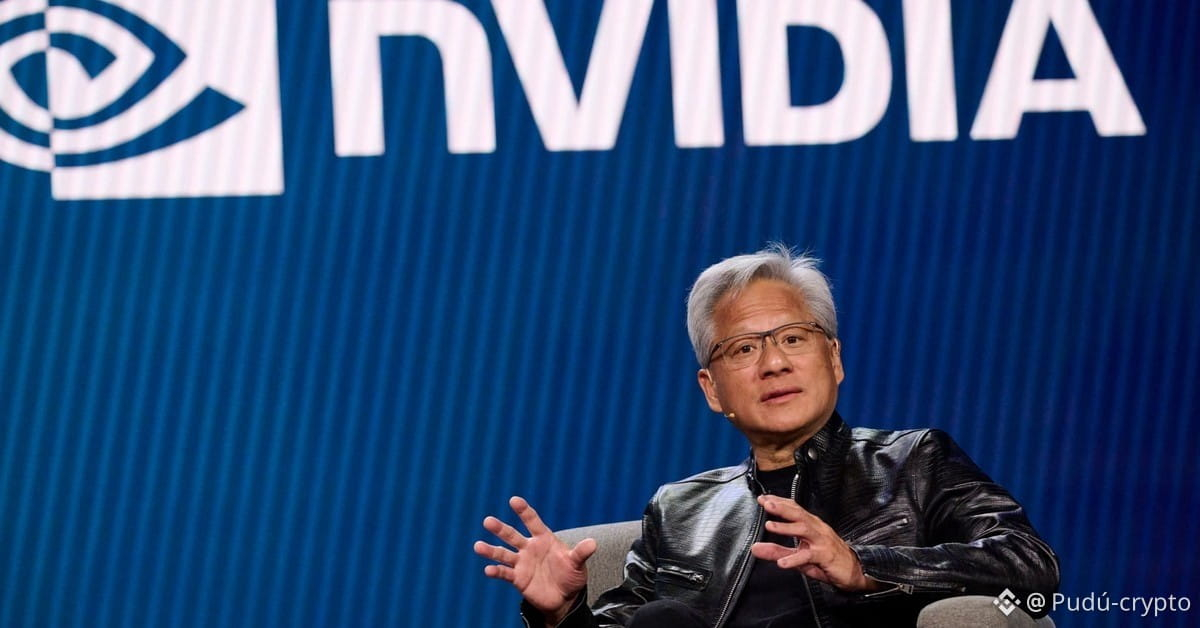
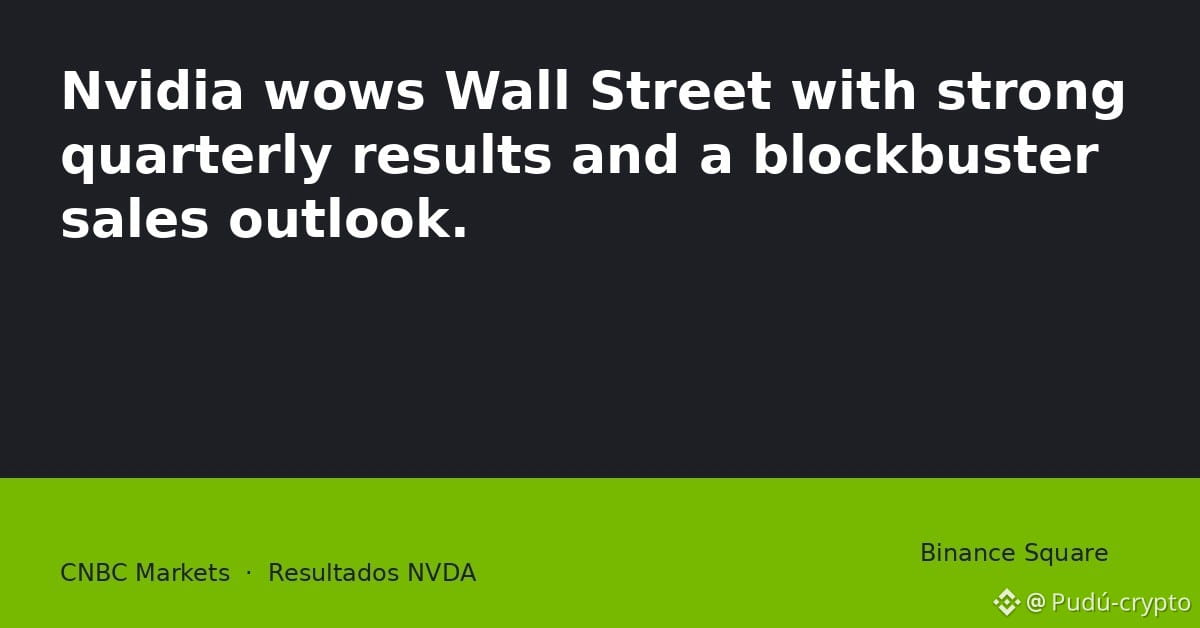
Nvidia once again left everyone speechless.
Jensen Huang delivered a solid quarter and, most importantly, issued a sales forecast that surprised the market.
It seems the growth pace has no intention of slowing down for now.
What do you think of this performance by $NVDA?
#Nvidia #Mercados
Nvidia once again left everyone speechless.
Jensen Huang delivered a solid quarter and, most importantly, issued a sales forecast that surprised the market.
It seems the growth pace has no intention of slowing down for now.
What do you think of this performance by $NVDA ?
#Nvidia #Mercados
Jensen Huang delivered a solid quarter and, most importantly, issued a sales forecast that surprised the market.
It seems the growth pace has no intention of slowing down for now.
What do you think of this performance by $NVDA ?
#Nvidia #Mercados
2.2k
Log in to explore more content
Join global crypto users on Binance Square
⚡️ Get latest and useful information about crypto.
💬 Trusted by the world’s largest crypto exchange.
👍 Discover real insights from verified creators.
Email / Phone number
Trending Topics
1
#US10YTreasuryYieldHitsHighestSinceNov2023
891 views
52 Discussing
2
#USTreasuryToBuyBackUpTo$6BLongDatedDebt
7,777 views
123 Discussing
3
#BitcoinSurpasses$79K
51,048 views
245 Discussing
4
#BrentCrudeTops$100
107,372 views
370 Discussing
5
#USADPWeeklyEmploymentRises12000
76,488 views
995 Discussing
6
#BankOfAmericaGroupPilotsUSBDCStablecoin
59,461 views
791 Discussing
7
#RippleLobbiesToAdvanceCLARITYActVote
90,769 views
1,054 Discussing
8
#GrayscaleZcashETFTops$500M
14,116 views
122 Discussing
9
#LAPTOPFoundationXAccountSuspended
2,312 views
35 Discussing
10
#ChinaAugustCPIRises0.8%YoY
63,827 views
1,094 Discussing