

NAPOL
9.5k Posts

NAPOL
 Square Verified
Report
Block User
I'm SIS. Welcome everyone.

Traders League Badge Beginner
Open Trade
Frequent Trader
1.9 Years
2.2K+ Following
44.1K+ Followers
58.5K+ Liked
1 Badges
Posts
Portfolio
All
Quotes
Live
·
--
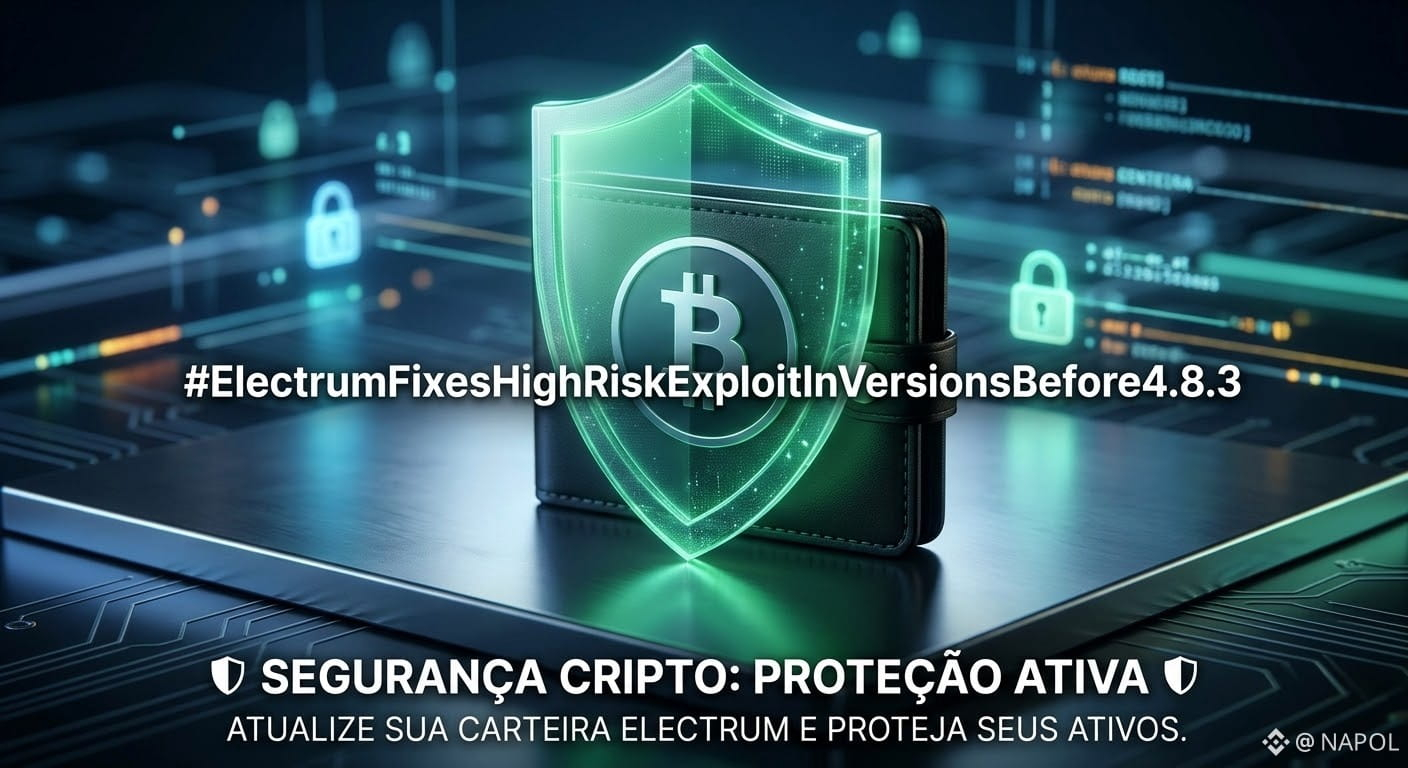
#ElectrumFixesHighRiskExploitInVersionsBefore4.8.3
The security of cryptocurrency wallets remains essential for anyone looking to protect their digital assets.
The news about the fix for a high-risk vulnerability in Electrum highlights the importance of keeping software up to date and not ignoring security alerts.
My opinion: in the crypto world, protecting your funds starts with prevention. Check that your wallet is running the patched version, download updates only from official channels, and never share your seed phrase.
Security is no small detail: it is a fundamental part of your strategy in the crypto market.
#CryptoSecurity #Blockchain
$T $AVA $XEC
#ElectrumFixesHighRiskExploitInVersionsBefore4.8.3
The security of cryptocurrency wallets remains essential for anyone looking to protect their digital assets.
The news about the fix for a high-risk vulnerability in Electrum highlights the importance of keeping software up to date and not ignoring security alerts.
My opinion: in the crypto world, protecting your funds starts with prevention. Check that your wallet is running the patched version, download updates only from official channels, and never share your seed phrase.
Security is no small detail: it is a fundamental part of your strategy in the crypto market.
#CryptoSecurity #Blockchain
$T $AVA $XEC
The security of cryptocurrency wallets remains essential for anyone looking to protect their digital assets.
The news about the fix for a high-risk vulnerability in Electrum highlights the importance of keeping software up to date and not ignoring security alerts.
My opinion: in the crypto world, protecting your funds starts with prevention. Check that your wallet is running the patched version, download updates only from official channels, and never share your seed phrase.
Security is no small detail: it is a fundamental part of your strategy in the crypto market.
#CryptoSecurity #Blockchain
$T $AVA $XEC
3
255
·
--
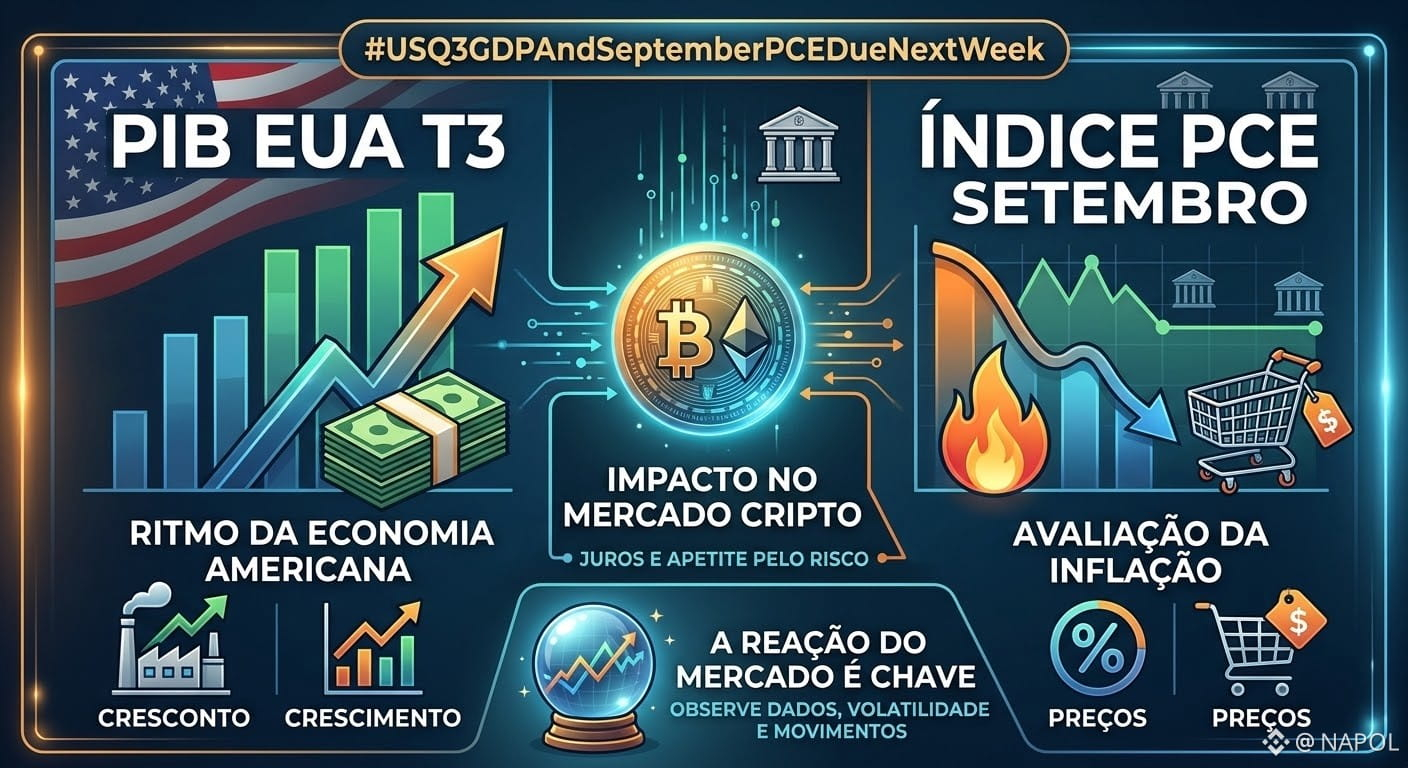
#USQ3GDPAndSeptemberPCEDueNextWeek
Next week is set to bring movement to the markets with the release of U.S. third-quarter GDP and the September PCE index, one of the inflation indicators most closely watched by the Federal Reserve.
GDP will show the pace of the U.S. economy, while PCE will help assess whether inflation is really slowing. 🇺🇸
For the crypto market, this data could influence expectations about interest rates and change investors’ appetite for risk.
👀 My view: the market’s reaction will matter more than the numbers in isolation. Strong data could keep pressure on risk assets, while signs of slowing inflation could boost optimism.
Next week, keep an eye on the data, volatility, and market movements before making decisions.
#FederalReserve #US #Inflation #Geopolitics
$T $XEC $INIT
#USQ3GDPAndSeptemberPCEDueNextWeek
Next week is set to bring movement to the markets with the release of U.S. third-quarter GDP and the September PCE index, one of the inflation indicators most closely watched by the Federal Reserve.
GDP will show the pace of the U.S. economy, while PCE will help assess whether inflation is really slowing. 🇺🇸
For the crypto market, this data could influence expectations about interest rates and change investors’ appetite for risk.
👀 My view: the market’s reaction will matter more than the numbers in isolation. Strong data could keep pressure on risk assets, while signs of slowing inflation could boost optimism.
Next week, keep an eye on the data, volatility, and market movements before making decisions.
#FederalReserve #US #Inflation #Geopolitics
$T $XEC $INIT
Next week is set to bring movement to the markets with the release of U.S. third-quarter GDP and the September PCE index, one of the inflation indicators most closely watched by the Federal Reserve.
GDP will show the pace of the U.S. economy, while PCE will help assess whether inflation is really slowing. 🇺🇸
For the crypto market, this data could influence expectations about interest rates and change investors’ appetite for risk.
👀 My view: the market’s reaction will matter more than the numbers in isolation. Strong data could keep pressure on risk assets, while signs of slowing inflation could boost optimism.
Next week, keep an eye on the data, volatility, and market movements before making decisions.
#FederalReserve #US #Inflation #Geopolitics
$T $XEC $INIT
3
475
·
--
#SouthKoreaDelaysCryptoIncomeTax 🇰🇷 South Korea delays tax on cryptocurrency gains
The delay in taxing crypto-asset income in South Korea has reignited debate about how governments should regulate this market without slowing its growth. 📊
For investors, the issue goes beyond taxes: it involves legal certainty, incentives to participate, and confidence in the sector. Clear and predictable rules can make a difference to the sustainable growth of cryptocurrencies.
In my view, the challenge is to strike a balance between tax revenue and innovation without making investment in digital assets less attractive.
$T $XEC $POLYX
#SouthKoreaDelaysCryptoIncomeTax 🇰🇷 South Korea delays tax on cryptocurrency gains
The delay in taxing crypto-asset income in South Korea has reignited debate about how governments should regulate this market without slowing its growth. 📊
For investors, the issue goes beyond taxes: it involves legal certainty, incentives to participate, and confidence in the sector. Clear and predictable rules can make a difference to the sustainable growth of cryptocurrencies.
In my view, the challenge is to strike a balance between tax revenue and innovation without making investment in digital assets less attractive.
$T $XEC $POLYX
The delay in taxing crypto-asset income in South Korea has reignited debate about how governments should regulate this market without slowing its growth. 📊
For investors, the issue goes beyond taxes: it involves legal certainty, incentives to participate, and confidence in the sector. Clear and predictable rules can make a difference to the sustainable growth of cryptocurrencies.
In my view, the challenge is to strike a balance between tax revenue and innovation without making investment in digital assets less attractive.
$T $XEC $POLYX

3
446
·
--
Verified
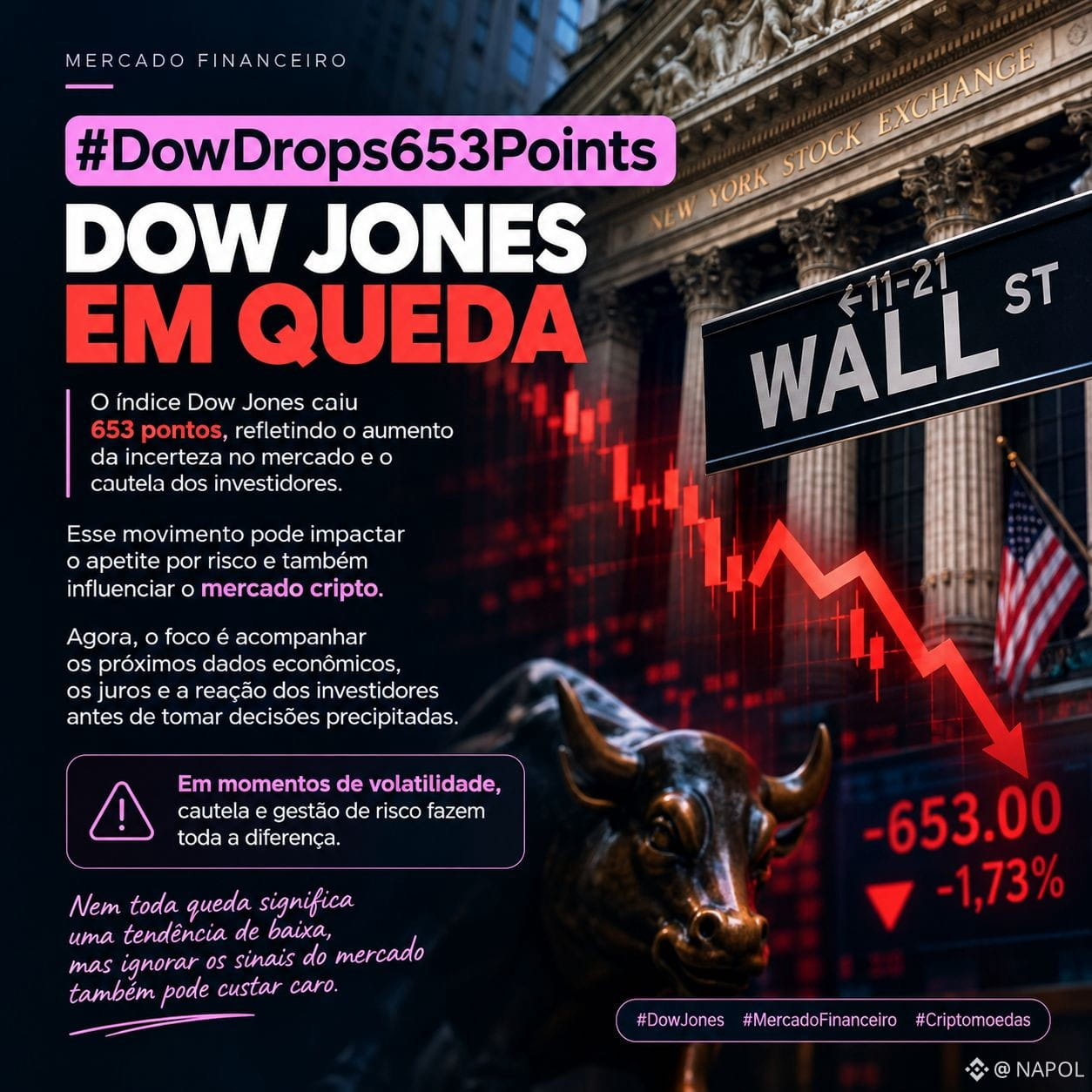
#DowDrops653Points
Wall Street in the red! The 653-point drop in the Dow Jones shows how quickly market sentiment can shift when uncertainty rises. 📊
Moves like this can affect risk appetite and also have an impact on the crypto market. The most important thing now is to keep an eye on upcoming economic data, interest rates, and investor reactions before making any rash decisions.
⚠️ In times of volatility, caution and risk management make all the difference. Not every drop signals a downtrend, but ignoring market signals can also be costly.
#WallStreet #NEW #US #Geopolitics
$T $INIT $IOST
#DowDrops653Points
Wall Street in the red! The 653-point drop in the Dow Jones shows how quickly market sentiment can shift when uncertainty rises. 📊
Moves like this can affect risk appetite and also have an impact on the crypto market. The most important thing now is to keep an eye on upcoming economic data, interest rates, and investor reactions before making any rash decisions.
⚠️ In times of volatility, caution and risk management make all the difference. Not every drop signals a downtrend, but ignoring market signals can also be costly.
#WallStreet #NEW #US #Geopolitics
$T $INIT $IOST
Wall Street in the red! The 653-point drop in the Dow Jones shows how quickly market sentiment can shift when uncertainty rises. 📊
Moves like this can affect risk appetite and also have an impact on the crypto market. The most important thing now is to keep an eye on upcoming economic data, interest rates, and investor reactions before making any rash decisions.
⚠️ In times of volatility, caution and risk management make all the difference. Not every drop signals a downtrend, but ignoring market signals can also be costly.
#WallStreet #NEW #US #Geopolitics
$T $INIT $IOST
3
623
·
--
#EarningsSeason : the market also moves on expectations!
Earnings season has arrived on Binance Square, offering an opportunity to closely follow the performance of major companies and understand how their numbers can influence the market.
📈 Rather than focusing only on profits, it's worth looking at revenue, future projections, and whether the results actually exceed investors' expectations.
My opinion: a forecast without analysis is just a guess. The important thing is to evaluate the data, consider the risks, and stay grounded, even when the market seems optimistic.
#BinancePick #US #MarketNews
$NVDAB $GOOGLB $TSLAB
#EarningsSeason : the market also moves on expectations!
Earnings season has arrived on Binance Square, offering an opportunity to closely follow the performance of major companies and understand how their numbers can influence the market.
📈 Rather than focusing only on profits, it's worth looking at revenue, future projections, and whether the results actually exceed investors' expectations.
My opinion: a forecast without analysis is just a guess. The important thing is to evaluate the data, consider the risks, and stay grounded, even when the market seems optimistic.
#BinancePick #US #MarketNews
$NVDAB $GOOGLB $TSLAB
Earnings season has arrived on Binance Square, offering an opportunity to closely follow the performance of major companies and understand how their numbers can influence the market.
📈 Rather than focusing only on profits, it's worth looking at revenue, future projections, and whether the results actually exceed investors' expectations.
My opinion: a forecast without analysis is just a guess. The important thing is to evaluate the data, consider the risks, and stay grounded, even when the market seems optimistic.
#BinancePick #US #MarketNews
$NVDAB $GOOGLB $TSLAB

4
994
·
--
#SouthKoreaPlansToRegulateStablecoinsUnderFXLaw 🇰🇷 South Korea wants to regulate stablecoins under foreign exchange law
South Korea is advancing the debate on stablecoin rules, seeking to bring these digital currencies under foreign exchange legislation. 🌐💵
This initiative shows how governments are paying increasingly close attention to the impact of stablecoins on international payments, capital flows, and financial oversight.
My view: the challenge will be finding a balance between regulatory security and innovation. Clear rules can strengthen confidence in the sector, but excessive requirements could also hinder market development.
The future of stablecoins depends not only on technology, but also on how each country decides to regulate them.
$T $EPIC $BMT
#Stablecoins #CryptoRegulation #Geopolitics
#SouthKoreaPlansToRegulateStablecoinsUnderFXLaw 🇰🇷 South Korea wants to regulate stablecoins under foreign exchange law
South Korea is advancing the debate on stablecoin rules, seeking to bring these digital currencies under foreign exchange legislation. 🌐💵
This initiative shows how governments are paying increasingly close attention to the impact of stablecoins on international payments, capital flows, and financial oversight.
My view: the challenge will be finding a balance between regulatory security and innovation. Clear rules can strengthen confidence in the sector, but excessive requirements could also hinder market development.
The future of stablecoins depends not only on technology, but also on how each country decides to regulate them.
$T $EPIC $BMT
#Stablecoins #CryptoRegulation #Geopolitics
South Korea is advancing the debate on stablecoin rules, seeking to bring these digital currencies under foreign exchange legislation. 🌐💵
This initiative shows how governments are paying increasingly close attention to the impact of stablecoins on international payments, capital flows, and financial oversight.
My view: the challenge will be finding a balance between regulatory security and innovation. Clear rules can strengthen confidence in the sector, but excessive requirements could also hinder market development.
The future of stablecoins depends not only on technology, but also on how each country decides to regulate them.
$T $EPIC $BMT
#Stablecoins #CryptoRegulation #Geopolitics

4
1k
·
--
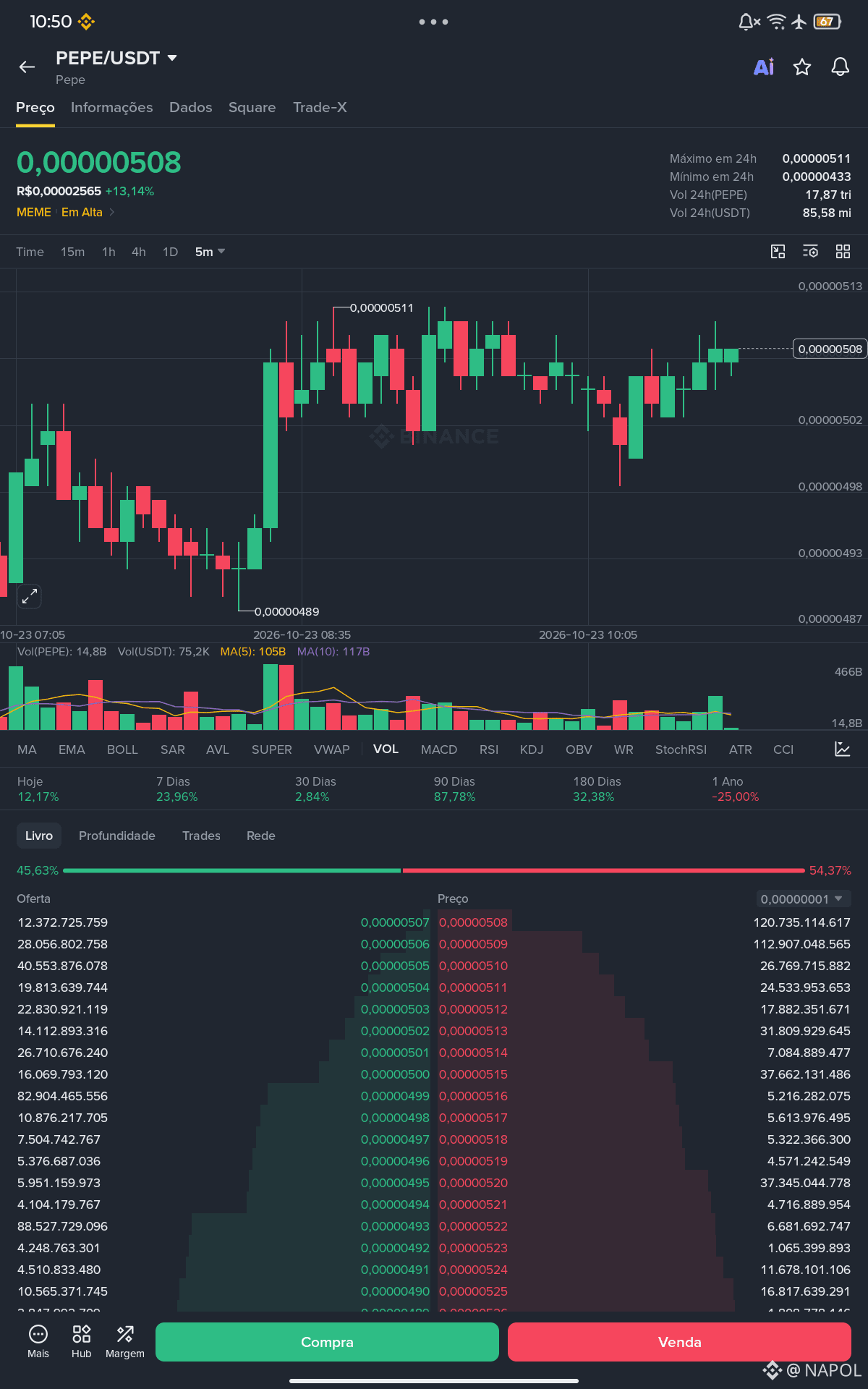
#PepeJumps14%ToLeadAltcoinRebound
PEPE is in the spotlight with a 13% gain, leading the altcoin recovery and showing how quickly the market can change pace.
But a sharp rise also calls for caution. 📊 The next step is to watch whether buying volume remains strong and whether the price can hold on to its gains.
My take: there may be room for new opportunities, but jumping in based only on excitement can be risky. I prefer to wait for confirmation of the move before making a decision.
In the crypto market, seizing an opportunity is important, but knowing how to manage risk makes all the difference.
#PEPE #Altcoins #CryptoMarketAlert #memecoin
$PEPE
#PepeJumps14%ToLeadAltcoinRebound
PEPE is in the spotlight with a 13% gain, leading the altcoin recovery and showing how quickly the market can change pace.
But a sharp rise also calls for caution. 📊 The next step is to watch whether buying volume remains strong and whether the price can hold on to its gains.
My take: there may be room for new opportunities, but jumping in based only on excitement can be risky. I prefer to wait for confirmation of the move before making a decision.
In the crypto market, seizing an opportunity is important, but knowing how to manage risk makes all the difference.
#PEPE #Altcoins #CryptoMarketAlert #memecoin
$PEPE
PEPE is in the spotlight with a 13% gain, leading the altcoin recovery and showing how quickly the market can change pace.
But a sharp rise also calls for caution. 📊 The next step is to watch whether buying volume remains strong and whether the price can hold on to its gains.
My take: there may be room for new opportunities, but jumping in based only on excitement can be risky. I prefer to wait for confirmation of the move before making a decision.
In the crypto market, seizing an opportunity is important, but knowing how to manage risk makes all the difference.
#PEPE #Altcoins #CryptoMarketAlert #memecoin
$PEPE
5
378
·
--
#SwedishCentralBankUrgesEKronaReview
The discussion about the e-krona, Sweden’s potential central bank digital currency, is gaining relevance again and raises an important question: how will money evolve in the coming years?
Reassessing this project means analyzing the benefits of digital payments, the security of transactions, and the role of public money in an increasingly digitalized economy.
In my opinion, the challenge is not just to modernize money, but to ensure that this evolution offers trust, privacy, and accessibility for everyone.
The future of digital money requires innovation, but also transparency and security.
#CBDC #Geopolitics #CryptoPatience #bank
$SOPH $PHA $PEPE
#SwedishCentralBankUrgesEKronaReview
The discussion about the e-krona, Sweden’s potential central bank digital currency, is gaining relevance again and raises an important question: how will money evolve in the coming years?
Reassessing this project means analyzing the benefits of digital payments, the security of transactions, and the role of public money in an increasingly digitalized economy.
In my opinion, the challenge is not just to modernize money, but to ensure that this evolution offers trust, privacy, and accessibility for everyone.
The future of digital money requires innovation, but also transparency and security.
#CBDC #Geopolitics #CryptoPatience #bank
$SOPH $PHA $PEPE
The discussion about the e-krona, Sweden’s potential central bank digital currency, is gaining relevance again and raises an important question: how will money evolve in the coming years?
Reassessing this project means analyzing the benefits of digital payments, the security of transactions, and the role of public money in an increasingly digitalized economy.
In my opinion, the challenge is not just to modernize money, but to ensure that this evolution offers trust, privacy, and accessibility for everyone.
The future of digital money requires innovation, but also transparency and security.
#CBDC #Geopolitics #CryptoPatience #bank
$SOPH $PHA $PEPE

3
279
·
--
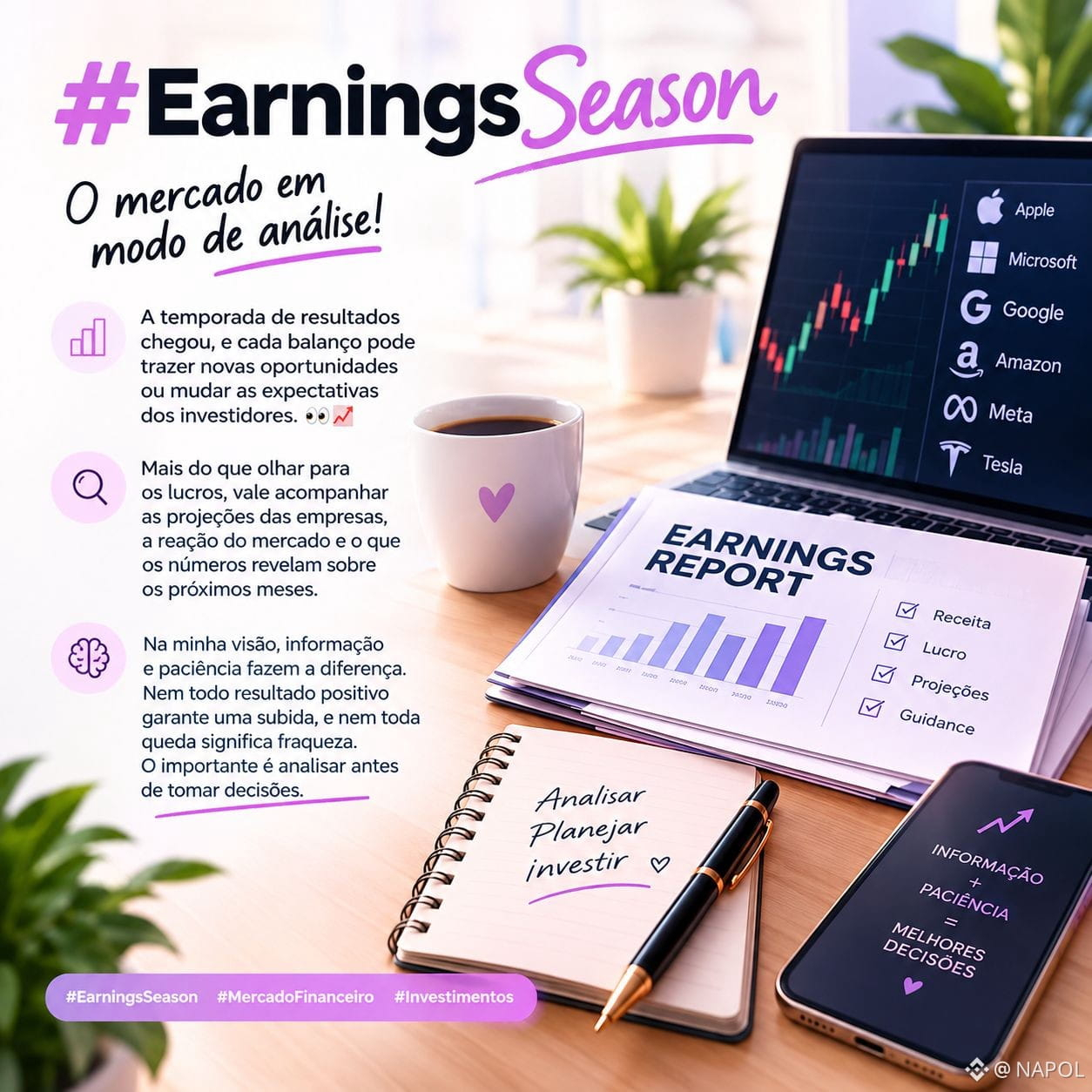
#EarningsSeason : the market in analysis mode!
Earnings season has arrived, and every report can bring new opportunities or change investors’ expectations.
More than just looking at profits, it’s worth following companies’ forecasts, the market’s reaction, and what the figures reveal about the coming months.
In my view, information and patience make all the difference. Not every positive result guarantees a rise, and not every drop signals weakness. The important thing is to analyze before making decisions.
#EarningsSeason #BinancePick #US #NEW
$BMT $GTC $OSMO
#EarningsSeason : the market in analysis mode!
Earnings season has arrived, and every report can bring new opportunities or change investors’ expectations.
More than just looking at profits, it’s worth following companies’ forecasts, the market’s reaction, and what the figures reveal about the coming months.
In my view, information and patience make all the difference. Not every positive result guarantees a rise, and not every drop signals weakness. The important thing is to analyze before making decisions.
#EarningsSeason #BinancePick #US #NEW
$BMT $GTC $OSMO
Earnings season has arrived, and every report can bring new opportunities or change investors’ expectations.
More than just looking at profits, it’s worth following companies’ forecasts, the market’s reaction, and what the figures reveal about the coming months.
In my view, information and patience make all the difference. Not every positive result guarantees a rise, and not every drop signals weakness. The important thing is to analyze before making decisions.
#EarningsSeason #BinancePick #US #NEW
$BMT $GTC $OSMO
4
4.1k
·
--
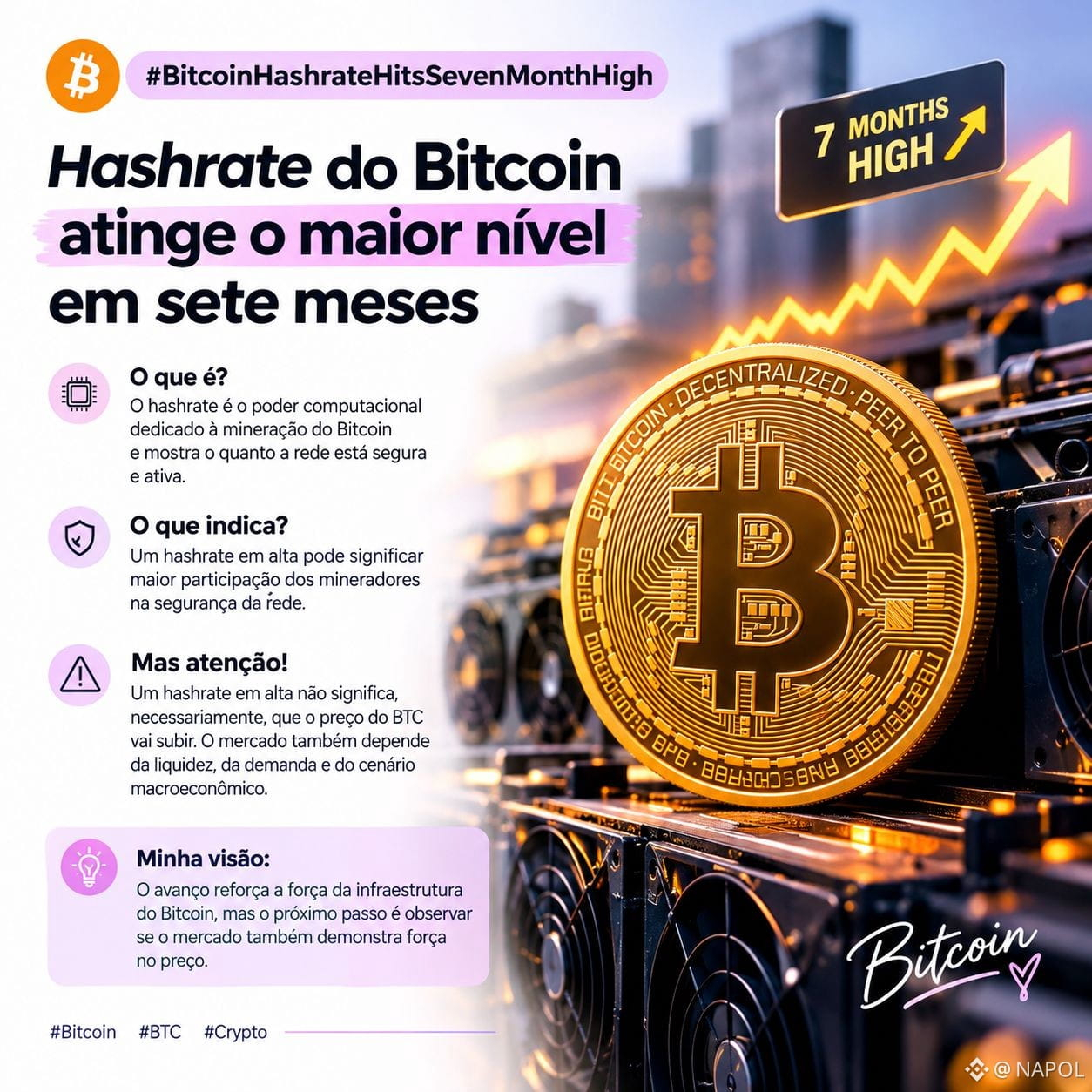
#BitcoinHashrateHitsSevenMonthHigh
Bitcoin's hashrate reaching a seven-month high is an important signal to watch.
This indicator reflects the computing power dedicated to mining and may point to greater miner participation in securing the network.
But it's worth remembering: a rising hashrate doesn't necessarily mean the price of BTC will go up. The market also depends on liquidity, demand, and the macroeconomic environment.
👀 My take: this growth reinforces the strength of Bitcoin's infrastructure, but the next step is to see whether the market also shows strength in its price.
#Bitcoin #NEW #CryptoNews
$BTC $BMT $GTC
#BitcoinHashrateHitsSevenMonthHigh
Bitcoin's hashrate reaching a seven-month high is an important signal to watch.
This indicator reflects the computing power dedicated to mining and may point to greater miner participation in securing the network.
But it's worth remembering: a rising hashrate doesn't necessarily mean the price of BTC will go up. The market also depends on liquidity, demand, and the macroeconomic environment.
👀 My take: this growth reinforces the strength of Bitcoin's infrastructure, but the next step is to see whether the market also shows strength in its price.
#Bitcoin #NEW #CryptoNews
$BTC $BMT $GTC
Bitcoin's hashrate reaching a seven-month high is an important signal to watch.
This indicator reflects the computing power dedicated to mining and may point to greater miner participation in securing the network.
But it's worth remembering: a rising hashrate doesn't necessarily mean the price of BTC will go up. The market also depends on liquidity, demand, and the macroeconomic environment.
👀 My take: this growth reinforces the strength of Bitcoin's infrastructure, but the next step is to see whether the market also shows strength in its price.
#Bitcoin #NEW #CryptoNews
$BTC $BMT $GTC
2
365
·
--
Verified
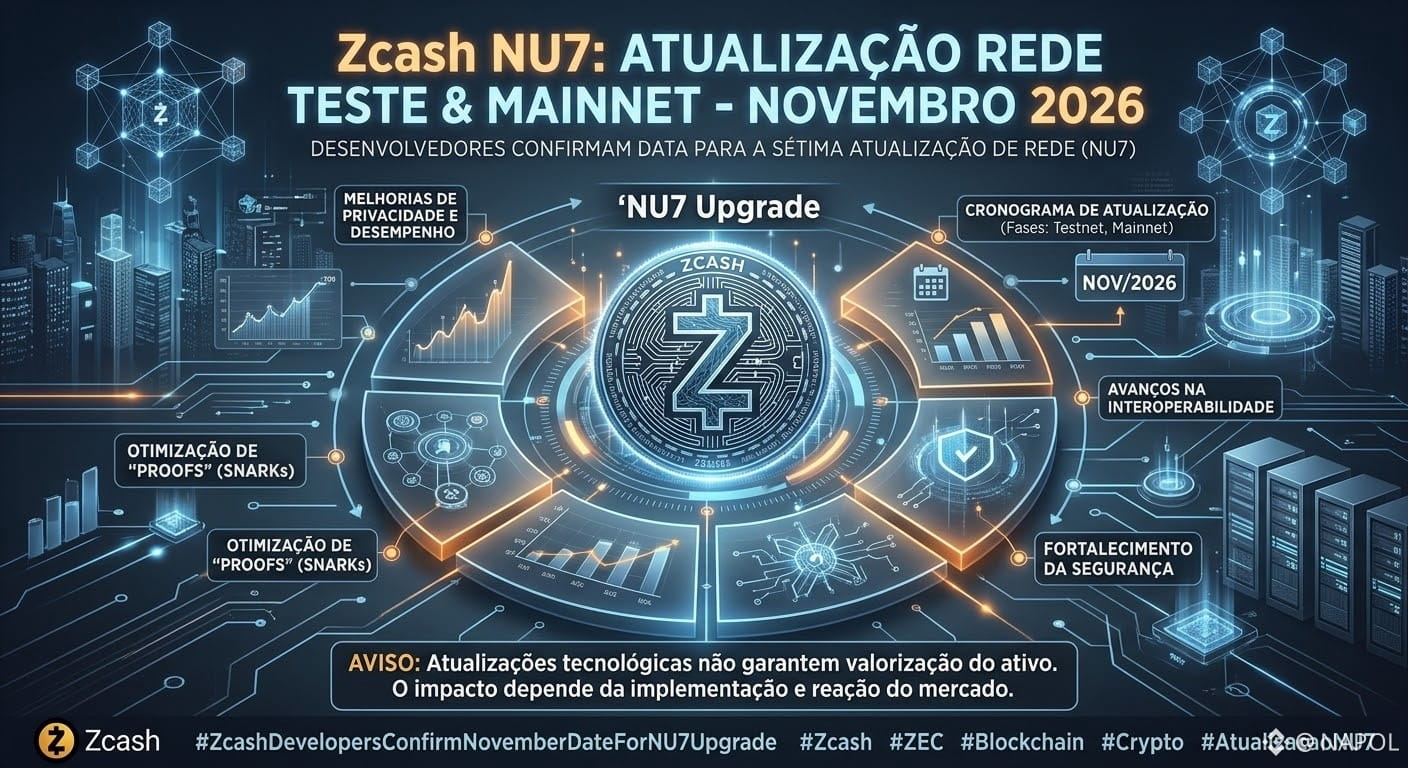
#ZcashDevelopersConfirmNovemberDateForNU7Upgrade 🔐 Zcash NU7: November upgrade expected to put ZEC in the spotlight
Zcash developers have confirmed a date in November for the NU7 upgrade, drawing attention to the project’s next steps.
The upgrade is an opportunity to follow the network’s technical development, its proposed improvements, and the potential impacts on the ecosystem.
📊 It’s worth remembering that technological upgrades do not guarantee an increase in the asset’s value. The actual impact will depend on the technical details, implementation, and market reaction.
For those following the crypto sector, information and analysis remain essential to understanding what comes next.
#Zcash #zec #BlockchainNews #INNOVATION
$IOST $BMT $PARTI
#ZcashDevelopersConfirmNovemberDateForNU7Upgrade 🔐 Zcash NU7: November upgrade expected to put ZEC in the spotlight
Zcash developers have confirmed a date in November for the NU7 upgrade, drawing attention to the project’s next steps.
The upgrade is an opportunity to follow the network’s technical development, its proposed improvements, and the potential impacts on the ecosystem.
📊 It’s worth remembering that technological upgrades do not guarantee an increase in the asset’s value. The actual impact will depend on the technical details, implementation, and market reaction.
For those following the crypto sector, information and analysis remain essential to understanding what comes next.
#Zcash #zec #BlockchainNews #INNOVATION
$IOST $BMT $PARTI
Zcash developers have confirmed a date in November for the NU7 upgrade, drawing attention to the project’s next steps.
The upgrade is an opportunity to follow the network’s technical development, its proposed improvements, and the potential impacts on the ecosystem.
📊 It’s worth remembering that technological upgrades do not guarantee an increase in the asset’s value. The actual impact will depend on the technical details, implementation, and market reaction.
For those following the crypto sector, information and analysis remain essential to understanding what comes next.
#Zcash #zec #BlockchainNews #INNOVATION
$IOST $BMT $PARTI
2
1k
·
--
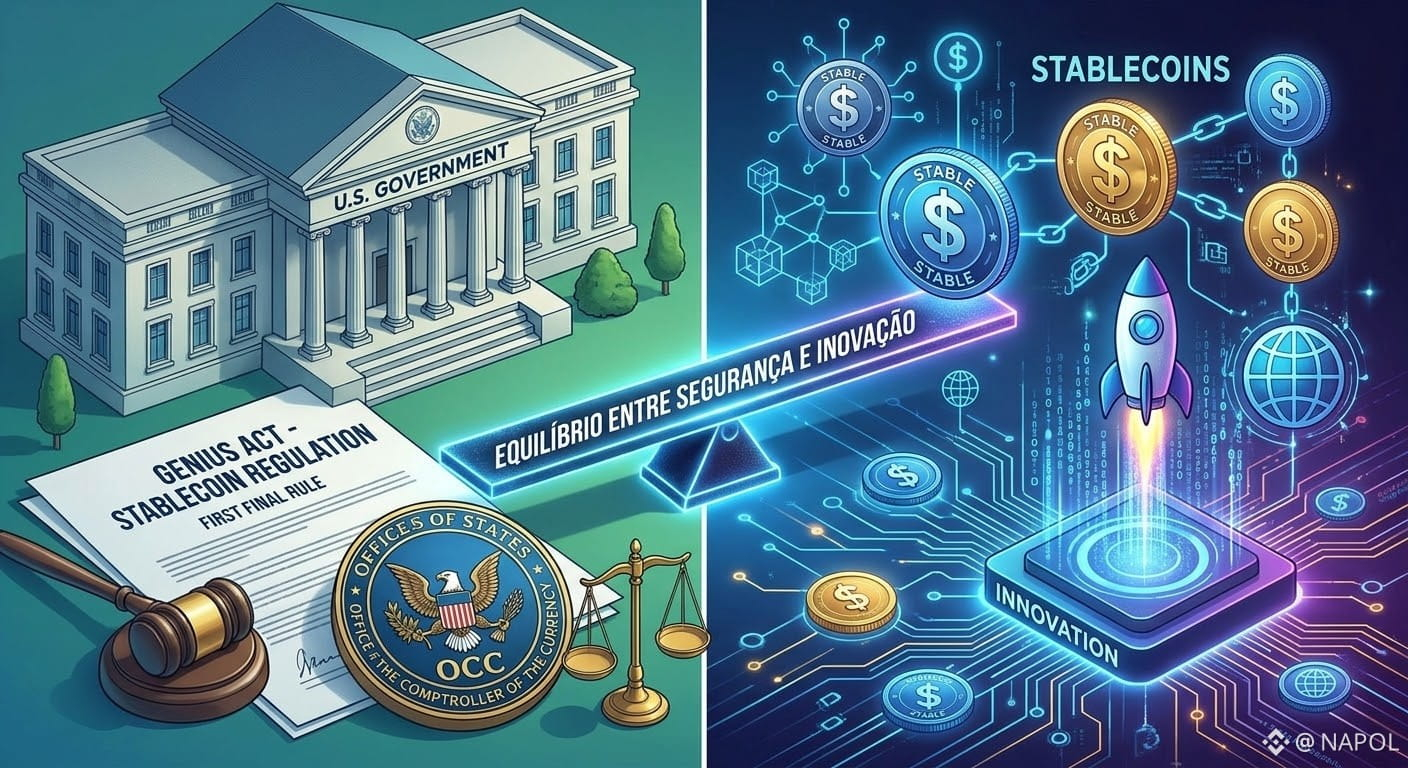
#OCCIssuesFirstFinalRuleUnderGENIUSAct 🏛️ highlights an important step in the implementation of the GENIUS Act, U.S. legislation focused on payment stablecoins.
Clearer rules can strengthen transparency, oversight, and trust in this market, bringing digital assets closer to the traditional financial system. ⚖️
In my view, the challenge will be to strike a balance between regulatory security and innovation without limiting the potential of blockchain technology.
#ACT #blockchain #Stablecoins #INNOVATION
$IOST $BMT $PARTI
#OCCIssuesFirstFinalRuleUnderGENIUSAct 🏛️ highlights an important step in the implementation of the GENIUS Act, U.S. legislation focused on payment stablecoins.
Clearer rules can strengthen transparency, oversight, and trust in this market, bringing digital assets closer to the traditional financial system. ⚖️
In my view, the challenge will be to strike a balance between regulatory security and innovation without limiting the potential of blockchain technology.
#ACT #blockchain #Stablecoins #INNOVATION
$IOST $BMT $PARTI
Clearer rules can strengthen transparency, oversight, and trust in this market, bringing digital assets closer to the traditional financial system. ⚖️
In my view, the challenge will be to strike a balance between regulatory security and innovation without limiting the potential of blockchain technology.
#ACT #blockchain #Stablecoins #INNOVATION
$IOST $BMT $PARTI
2
331
·
--
#MuskReportedlyOrderedStarlinkSlowdownInUkraine
The possible reduction in Starlink speeds in Ukraine raises an important question: to what extent can private technological infrastructure influence a geopolitical conflict?
In wartime, connectivity goes far beyond internet access: it can be essential for communication, coordination, and security. 🛰️
In my opinion, this debate shows how technology has become a strategic instrument of global power. When private services take on such important roles, their decisions can have consequences that extend beyond the business world.
#ElonMusk #ukraine #Geopolitics
$IOST $PARTI $CVX
#MuskReportedlyOrderedStarlinkSlowdownInUkraine
The possible reduction in Starlink speeds in Ukraine raises an important question: to what extent can private technological infrastructure influence a geopolitical conflict?
In wartime, connectivity goes far beyond internet access: it can be essential for communication, coordination, and security. 🛰️
In my opinion, this debate shows how technology has become a strategic instrument of global power. When private services take on such important roles, their decisions can have consequences that extend beyond the business world.
#ElonMusk #ukraine #Geopolitics
$IOST $PARTI $CVX
The possible reduction in Starlink speeds in Ukraine raises an important question: to what extent can private technological infrastructure influence a geopolitical conflict?
In wartime, connectivity goes far beyond internet access: it can be essential for communication, coordination, and security. 🛰️
In my opinion, this debate shows how technology has become a strategic instrument of global power. When private services take on such important roles, their decisions can have consequences that extend beyond the business world.
#ElonMusk #ukraine #Geopolitics
$IOST $PARTI $CVX

3
336
·
--
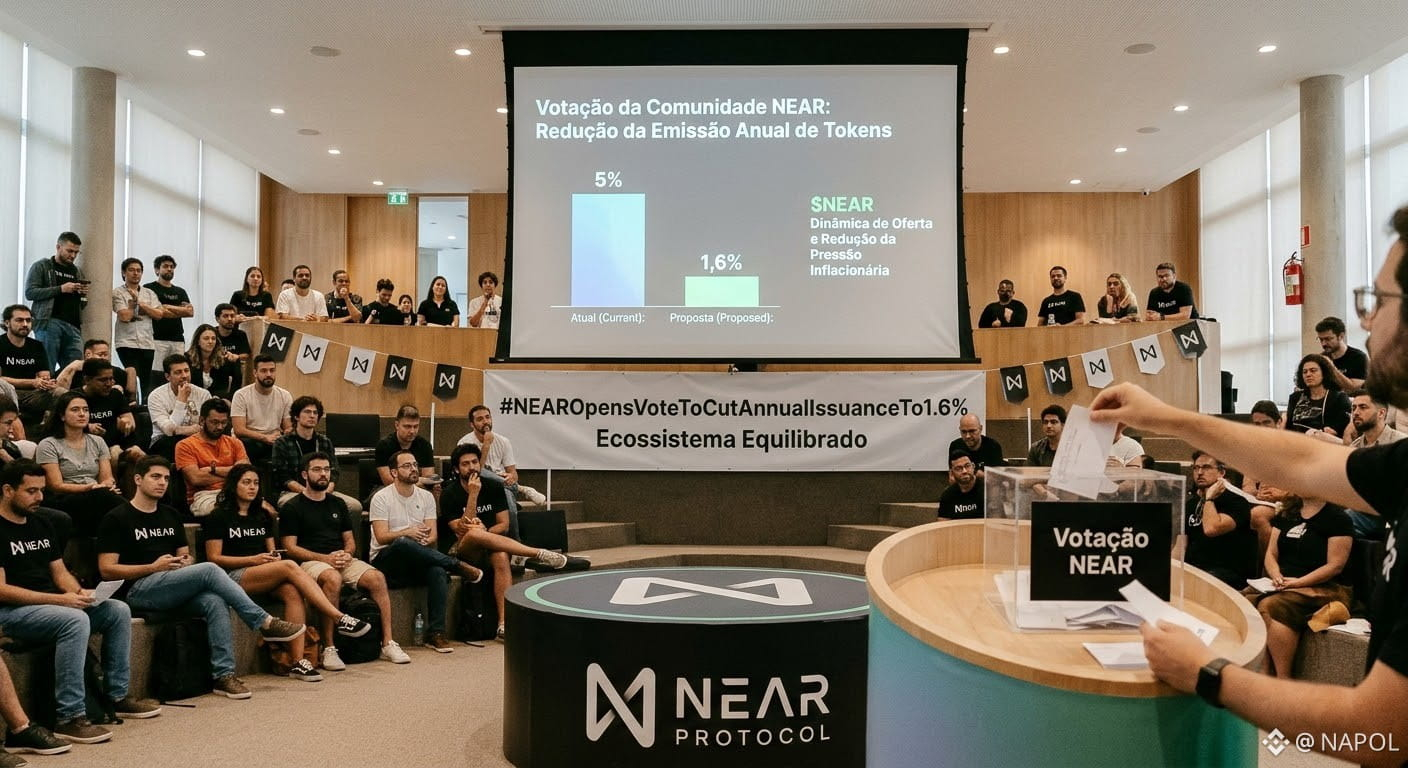
#NEAROpensVoteToCutAnnualIssuanceTo1.6%
NEAR Protocol is discussing a possible reduction in annual token issuance to 1.6%, a change that could influence the supply dynamics of $NEAR .
If approved, the measure could reduce inflationary pressure and contribute to a more balanced economy within the ecosystem.
In my opinion, it’s a proposal worth paying attention to, but its real impact will depend on the community’s decision and the market’s reaction. Lower issuance doesn’t guarantee appreciation, but it could be an important factor in the long term.
#Near #CryptoNew #Tokenomics
#NEAROpensVoteToCutAnnualIssuanceTo1.6%
NEAR Protocol is discussing a possible reduction in annual token issuance to 1.6%, a change that could influence the supply dynamics of $NEAR .
If approved, the measure could reduce inflationary pressure and contribute to a more balanced economy within the ecosystem.
In my opinion, it’s a proposal worth paying attention to, but its real impact will depend on the community’s decision and the market’s reaction. Lower issuance doesn’t guarantee appreciation, but it could be an important factor in the long term.
#Near #CryptoNew #Tokenomics
NEAR Protocol is discussing a possible reduction in annual token issuance to 1.6%, a change that could influence the supply dynamics of $NEAR .
If approved, the measure could reduce inflationary pressure and contribute to a more balanced economy within the ecosystem.
In my opinion, it’s a proposal worth paying attention to, but its real impact will depend on the community’s decision and the market’s reaction. Lower issuance doesn’t guarantee appreciation, but it could be an important factor in the long term.
#Near #CryptoNew #Tokenomics
2
423
·
--
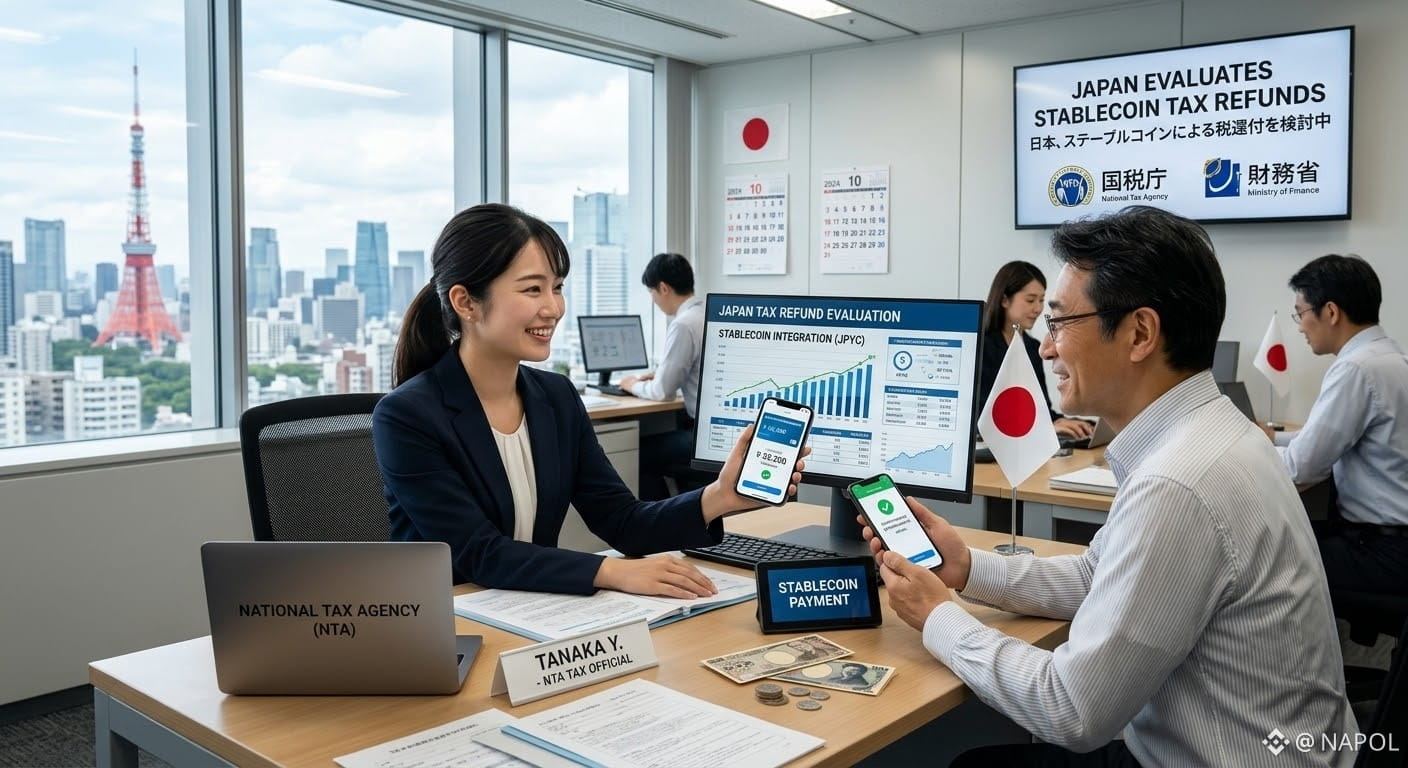
#JapanTransportMinisterToStudyStablecoinTaxRefunds
🇯🇵 Japan considers tax refunds with stablecoins
Japan’s interest in studying the use of stablecoins for tax refunds shows how digital assets could become more common in everyday financial services. 💴🌐
If this possibility moves forward, it could pave the way for faster and more efficient payments, but security, transparency, and regulation will be essential.
In my view, the adoption of stablecoins goes beyond the crypto market: the real breakthrough will come when they bring tangible benefits to people and businesses.
#Stablecoins #Japan #Blockchain
$IOST $PARTI $CVX
#JapanTransportMinisterToStudyStablecoinTaxRefunds
🇯🇵 Japan considers tax refunds with stablecoins
Japan’s interest in studying the use of stablecoins for tax refunds shows how digital assets could become more common in everyday financial services. 💴🌐
If this possibility moves forward, it could pave the way for faster and more efficient payments, but security, transparency, and regulation will be essential.
In my view, the adoption of stablecoins goes beyond the crypto market: the real breakthrough will come when they bring tangible benefits to people and businesses.
#Stablecoins #Japan #Blockchain
$IOST $PARTI $CVX
🇯🇵 Japan considers tax refunds with stablecoins
Japan’s interest in studying the use of stablecoins for tax refunds shows how digital assets could become more common in everyday financial services. 💴🌐
If this possibility moves forward, it could pave the way for faster and more efficient payments, but security, transparency, and regulation will be essential.
In my view, the adoption of stablecoins goes beyond the crypto market: the real breakthrough will come when they bring tangible benefits to people and businesses.
#Stablecoins #Japan #Blockchain
$IOST $PARTI $CVX
4
786
·
--
#EliceReboundsToDailyLimit
Elice’s recovery to the daily limit is drawing attention and shows how quickly market sentiment can change.
After strong moves, it’s important to watch volume, price support, and confirmation of the trend, rather than jumping in just because of the moment’s excitement.
In my view, the next step is to see whether buying pressure can sustain this move. Opportunities exist, but discipline and risk management remain essential. 🎯
$IOST $COMP $CVX
#NEW #MarketMoves #CryptoNew
#EliceReboundsToDailyLimit
Elice’s recovery to the daily limit is drawing attention and shows how quickly market sentiment can change.
After strong moves, it’s important to watch volume, price support, and confirmation of the trend, rather than jumping in just because of the moment’s excitement.
In my view, the next step is to see whether buying pressure can sustain this move. Opportunities exist, but discipline and risk management remain essential. 🎯
$IOST $COMP $CVX
#NEW #MarketMoves #CryptoNew
Elice’s recovery to the daily limit is drawing attention and shows how quickly market sentiment can change.
After strong moves, it’s important to watch volume, price support, and confirmation of the trend, rather than jumping in just because of the moment’s excitement.
In my view, the next step is to see whether buying pressure can sustain this move. Opportunities exist, but discipline and risk management remain essential. 🎯
$IOST $COMP $CVX
#NEW #MarketMoves #CryptoNew

3
2
352
·
--
#EarningsSeason : The market wants to see results, not just promises!
In my opinion, Tesla and Meta represent two different bets on the future of technology.
Tesla is drawing attention with its innovation and the Roadster project, but I believe the real challenge will be turning these developments into revenue and consistent results. Meta, on the other hand, is betting heavily on artificial intelligence, and the key question will be whether all this investment can generate growth and profitability.
📈 My outlook is cautiously optimistic. During earnings season, it’s not enough to look only at profits: we also need to track revenue, margins, future guidance, and technology spending.
The market may react positively even to modest results, or penalize companies that report strong numbers but fall short of expectations.
💡 For me, the best strategy is to analyze the numbers, compare them with expectations, and avoid impulsive decisions before earnings are announced.
What do you think: will artificial intelligence be Meta’s main growth driver, or could Tesla still surprise the market?
#Tesla #TSLA #Meta #IA
$IOST $TSLAB $COMP
#EarningsSeason : The market wants to see results, not just promises!
In my opinion, Tesla and Meta represent two different bets on the future of technology.
Tesla is drawing attention with its innovation and the Roadster project, but I believe the real challenge will be turning these developments into revenue and consistent results. Meta, on the other hand, is betting heavily on artificial intelligence, and the key question will be whether all this investment can generate growth and profitability.
📈 My outlook is cautiously optimistic. During earnings season, it’s not enough to look only at profits: we also need to track revenue, margins, future guidance, and technology spending.
The market may react positively even to modest results, or penalize companies that report strong numbers but fall short of expectations.
💡 For me, the best strategy is to analyze the numbers, compare them with expectations, and avoid impulsive decisions before earnings are announced.
What do you think: will artificial intelligence be Meta’s main growth driver, or could Tesla still surprise the market?
#Tesla #TSLA #Meta #IA
$IOST $TSLAB $COMP
In my opinion, Tesla and Meta represent two different bets on the future of technology.
Tesla is drawing attention with its innovation and the Roadster project, but I believe the real challenge will be turning these developments into revenue and consistent results. Meta, on the other hand, is betting heavily on artificial intelligence, and the key question will be whether all this investment can generate growth and profitability.
📈 My outlook is cautiously optimistic. During earnings season, it’s not enough to look only at profits: we also need to track revenue, margins, future guidance, and technology spending.
The market may react positively even to modest results, or penalize companies that report strong numbers but fall short of expectations.
💡 For me, the best strategy is to analyze the numbers, compare them with expectations, and avoid impulsive decisions before earnings are announced.
What do you think: will artificial intelligence be Meta’s main growth driver, or could Tesla still surprise the market?
#Tesla #TSLA #Meta #IA
$IOST $TSLAB $COMP

2
2.8k
·
--
#CFTCSeeksCommentOnRetailDigitalAssetFramework
📢
The CFTC is opening the door to discussions about how the regulatory framework for digital assets should work for retail investors. ⚖️
In my view, this debate is important for establishing clearer rules, strengthening investor protection, and making the crypto market more secure.
The challenge is to strike a balance between oversight, innovation, and the freedom to develop new solutions. Regulation doesn't have to mean limiting growth; it can create the conditions for the sector to evolve with greater transparency and confidence. 🚀
$IOST $GNS $CVX
#CFTC #Regulation #DigitalAssets
#CFTCSeeksCommentOnRetailDigitalAssetFramework
📢
The CFTC is opening the door to discussions about how the regulatory framework for digital assets should work for retail investors. ⚖️
In my view, this debate is important for establishing clearer rules, strengthening investor protection, and making the crypto market more secure.
The challenge is to strike a balance between oversight, innovation, and the freedom to develop new solutions. Regulation doesn't have to mean limiting growth; it can create the conditions for the sector to evolve with greater transparency and confidence. 🚀
$IOST $GNS $CVX
#CFTC #Regulation #DigitalAssets
📢
The CFTC is opening the door to discussions about how the regulatory framework for digital assets should work for retail investors. ⚖️
In my view, this debate is important for establishing clearer rules, strengthening investor protection, and making the crypto market more secure.
The challenge is to strike a balance between oversight, innovation, and the freedom to develop new solutions. Regulation doesn't have to mean limiting growth; it can create the conditions for the sector to evolve with greater transparency and confidence. 🚀
$IOST $GNS $CVX
#CFTC #Regulation #DigitalAssets

2
364
·
--
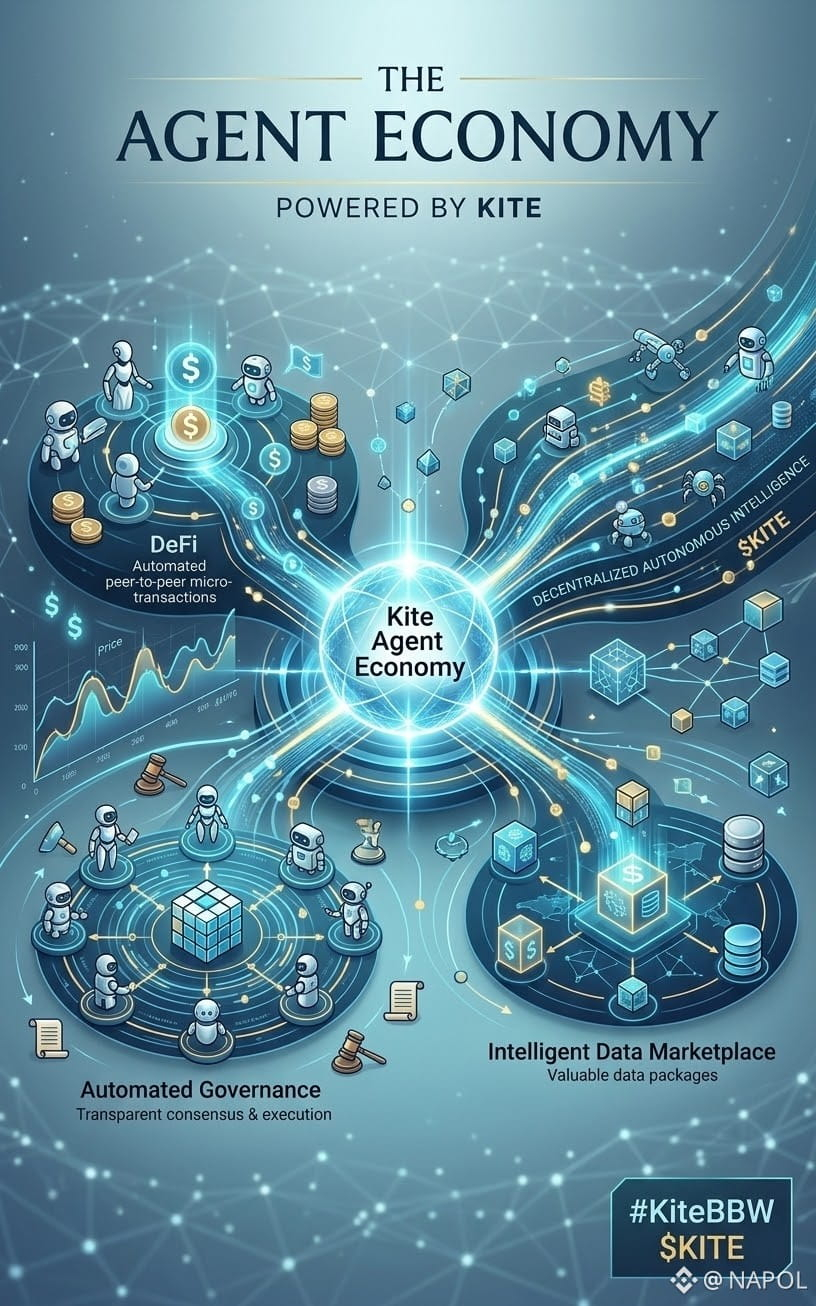
The Future of the Agent Economy with Kite
The AI and Web3 revolution is evolving beyond simple chat automation toward a new era: the Agent Economy.
For autonomous AI agents to operate effectively, they need infrastructure that supports digital identity, secure execution, and seamless microtransactions.
This is where Kite comes in. By building infrastructure designed to enable AI agents to interact, transact, and exchange value in a decentralized environment, Kite could help unlock new possibilities across DeFi, automated governance, and intelligent data marketplaces.
What excites me most is the potential for AI agents to move beyond assisting humans and start participating in digital economies themselves. The real challenge will be making these interactions secure, reliable, and scalable.
The Agent Economy is still evolving, and I'm curious to see how Kite contributes to its next chapter. 🚀
#KiteBBW $KITE @GoKiteAI
The Future of the Agent Economy with Kite
The AI and Web3 revolution is evolving beyond simple chat automation toward a new era: the Agent Economy.
For autonomous AI agents to operate effectively, they need infrastructure that supports digital identity, secure execution, and seamless microtransactions.
This is where Kite comes in. By building infrastructure designed to enable AI agents to interact, transact, and exchange value in a decentralized environment, Kite could help unlock new possibilities across DeFi, automated governance, and intelligent data marketplaces.
What excites me most is the potential for AI agents to move beyond assisting humans and start participating in digital economies themselves. The real challenge will be making these interactions secure, reliable, and scalable.
The Agent Economy is still evolving, and I'm curious to see how Kite contributes to its next chapter. 🚀
#KiteBBW $KITE @KITE AI 中文
The AI and Web3 revolution is evolving beyond simple chat automation toward a new era: the Agent Economy.
For autonomous AI agents to operate effectively, they need infrastructure that supports digital identity, secure execution, and seamless microtransactions.
This is where Kite comes in. By building infrastructure designed to enable AI agents to interact, transact, and exchange value in a decentralized environment, Kite could help unlock new possibilities across DeFi, automated governance, and intelligent data marketplaces.
What excites me most is the potential for AI agents to move beyond assisting humans and start participating in digital economies themselves. The real challenge will be making these interactions secure, reliable, and scalable.
The Agent Economy is still evolving, and I'm curious to see how Kite contributes to its next chapter. 🚀
#KiteBBW $KITE @KITE AI 中文
1
82
·
--
#JapanFSAPublishesOnChainFinanceForumMinutes
🇯🇵 Japan puts on-chain finance in the spotlight!
The publication of the minutes from Japan’s forum on on-chain finance highlights the importance of following how authorities are discussing the evolution of blockchain-based financial services.
Asset tokenization, operational transparency, and regulatory security are key topics for bringing digital innovation closer to the traditional financial system.
In my view, the biggest challenge is finding a balance between innovation, investor protection, and market confidence. The growth of on-chain finance could open up new opportunities, but clear rules will be essential for sustainable growth. 📊
#Japan #Blockchain #Tokenization #Onchain
$OSMO $AMP $KORUB
#JapanFSAPublishesOnChainFinanceForumMinutes
🇯🇵 Japan puts on-chain finance in the spotlight!
The publication of the minutes from Japan’s forum on on-chain finance highlights the importance of following how authorities are discussing the evolution of blockchain-based financial services.
Asset tokenization, operational transparency, and regulatory security are key topics for bringing digital innovation closer to the traditional financial system.
In my view, the biggest challenge is finding a balance between innovation, investor protection, and market confidence. The growth of on-chain finance could open up new opportunities, but clear rules will be essential for sustainable growth. 📊
#Japan #Blockchain #Tokenization #Onchain
$OSMO $AMP $KORUB
🇯🇵 Japan puts on-chain finance in the spotlight!
The publication of the minutes from Japan’s forum on on-chain finance highlights the importance of following how authorities are discussing the evolution of blockchain-based financial services.
Asset tokenization, operational transparency, and regulatory security are key topics for bringing digital innovation closer to the traditional financial system.
In my view, the biggest challenge is finding a balance between innovation, investor protection, and market confidence. The growth of on-chain finance could open up new opportunities, but clear rules will be essential for sustainable growth. 📊
#Japan #Blockchain #Tokenization #Onchain
$OSMO $AMP $KORUB

7
2
1.5k
Log in to explore more content
Join global crypto users on Binance Square
⚡️ Get latest and useful information about crypto.
💬 Trusted by the world’s largest crypto exchange.
👍 Discover real insights from verified creators.
Email / Phone number
Trending Topics
BinancePick
3.3M views
163,694 Discussing
Join #EarningsSeason: Predict Earnings on Binance Pick, Share Your Take on Binance Square!
Binance Square Official
·418 Likes
·345.1k views
EarningsSeason
5.4M views
26,769 Discussing
StrategySkipsBitcoinPurchasesSpends$205MOnSTRCBuybacks
485 views
23 Discussing