
Jumi - Crypto Insight
1.3k Posts

Jumi - Crypto Insight
Report
Block User
0 Following
41 Followers
69 Liked
Posts
All
Videos
Verified
The U.S. unemployment rate fell to 4.1% in October, below market expectations of 4.2%. The previous reading was 4.2%.
The October nonfarm payrolls report released by the U.S. Bureau of Labor Statistics significantly beat expectations. Two other details are worth noting:
📊 August nonfarm payrolls were revised up from +133,000 to +186,000, an upward revision of 53,000
📊 September nonfarm payrolls were revised up from +29,000 to +60,000, an upward revision of 31,000
📊 Combined, the two months’ figures were 84,000 higher than previously reported
The significance of this report lies in its direction. The unemployment rate fell, and the previous two months’ figures were revised up, indicating that the labor market is more resilient than previously thought. The Fed just raised rates on September 16, the first hike since 2023. With employment data continuing to come in strong, the likelihood of another rate hike in December has increased.
The market reaction was immediate. Spot gold plunged more than $30 to $4,042 per ounce. Short-term interest rate futures fell, and traders increased their bets on a December Fed rate hike. Dollar-denominated assets came under short-term pressure—a normal repricing in response to strong data.
I’m leaning positive: this is a case of “a strong economy means higher rates,” not “recession means panic.” Last week’s recession fears have largely been pushed aside by this report. For $BTC, the market needs to digest rate hike expectations in the short term, but the foundations for risk appetite remain intact. Canada’s unemployment rate edged up in October to a nearly six-month high, also highlighting the divergence within North America, with the U.S. relatively stronger.
What to watch next: whether U.S. Treasury yields can stabilize, and whether $BTC can hold key support if it retests lower levels. Do you think rates will be raised in December?
#NFP #Fed #InterestRates
The U.S. unemployment rate fell to 4.1% in October, below market expectations of 4.2%. The previous reading was 4.2%.
The October nonfarm payrolls report released by the U.S. Bureau of Labor Statistics significantly beat expectations. Two other details are worth noting:
📊 August nonfarm payrolls were revised up from +133,000 to +186,000, an upward revision of 53,000
📊 September nonfarm payrolls were revised up from +29,000 to +60,000, an upward revision of 31,000
📊 Combined, the two months’ figures were 84,000 higher than previously reported
The significance of this report lies in its direction. The unemployment rate fell, and the previous two months’ figures were revised up, indicating that the labor market is more resilient than previously thought. The Fed just raised rates on September 16, the first hike since 2023. With employment data continuing to come in strong, the likelihood of another rate hike in December has increased.
The market reaction was immediate. Spot gold plunged more than $30 to $4,042 per ounce. Short-term interest rate futures fell, and traders increased their bets on a December Fed rate hike. Dollar-denominated assets came under short-term pressure—a normal repricing in response to strong data.
I’m leaning positive: this is a case of “a strong economy means higher rates,” not “recession means panic.” Last week’s recession fears have largely been pushed aside by this report. For $BTC , the market needs to digest rate hike expectations in the short term, but the foundations for risk appetite remain intact. Canada’s unemployment rate edged up in October to a nearly six-month high, also highlighting the divergence within North America, with the U.S. relatively stronger.
What to watch next: whether U.S. Treasury yields can stabilize, and whether $BTC can hold key support if it retests lower levels. Do you think rates will be raised in December?
#NFP #Fed #InterestRates
590
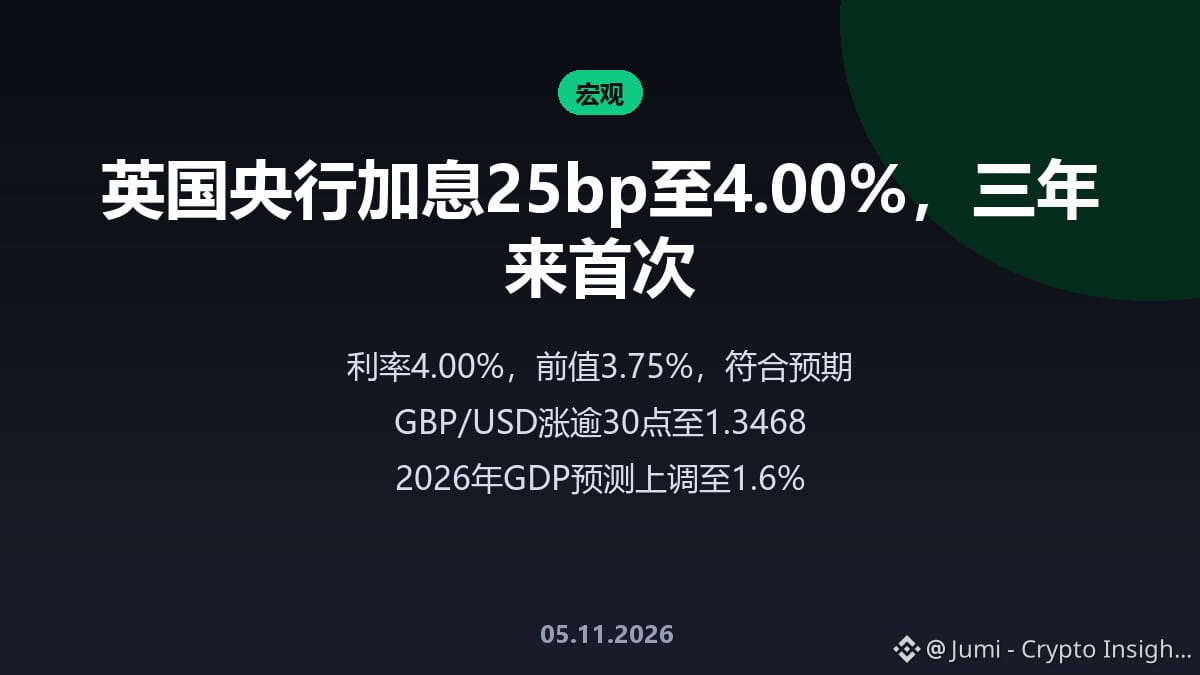
On November 5, the Bank of England raised interest rates by 25 basis points to 4.00%, its first hike since August 2023. GBP/USD surged more than 30 points in response, reaching 1.3468. 📈
The result exactly matched market expectations of 4.00%, up from 3.75%. There were no surprises, which instead suggests the policy path had already been priced in by the market. The price reaction was a clean move higher.
There were two signals in the details:
• Monetary Policy Committee member Mann voted for a 50-basis-point hike to 4.25%, pointing to a hawkish tilt within the committee
• The Bank raised its GDP forecasts: 1.6% for 2026 (up from the July forecast of 1.1%), 1.3% for 2027 (up from 1.1%), and 1.2% for 2028 (down from 1.7%)
My take is that this was not a panic-driven rate hike, but a proactive tightening after the economy proved more resilient than expected. Higher near-term growth expectations are not necessarily bad news for risk assets.
The Fed also raised rates on September 16, and now both the UK and US central banks are tightening. Global liquidity is no longer easing in one direction, but growth expectations are being revised upward at the same time. The market is paying more attention to the combination of “growth strong enough to support interest rates.” Technically, whether GBP/USD can hold above 1.3468 is a key gauge of whether the dollar will continue to weaken.
For the crypto market, if the US Dollar Index comes under pressure as the pound strengthens, $BTC could typically benefit. But with rates rising, funding costs are increasing, so it’s important to see whether growth data can continue to support risk appetite.
Next, keep a close eye on UK inflation and employment data, as well as the US Dollar Index. Do you think GBP/USD will hold above 1.3468?
#BankOfEngland #InterestRates #GBPUSD

127
U.S. October ADP employment came in at 8.6, versus expectations of just 6.9, beating forecasts by 1.7. 📈
Data at a glance:
- Actual: 8.6
- Forecast: 6.9
- Previous: 9
The data was released on November 4. Although slightly below the previous reading of 9, it significantly beat expectations, indicating that employment has not cooled as quickly as the market feared.
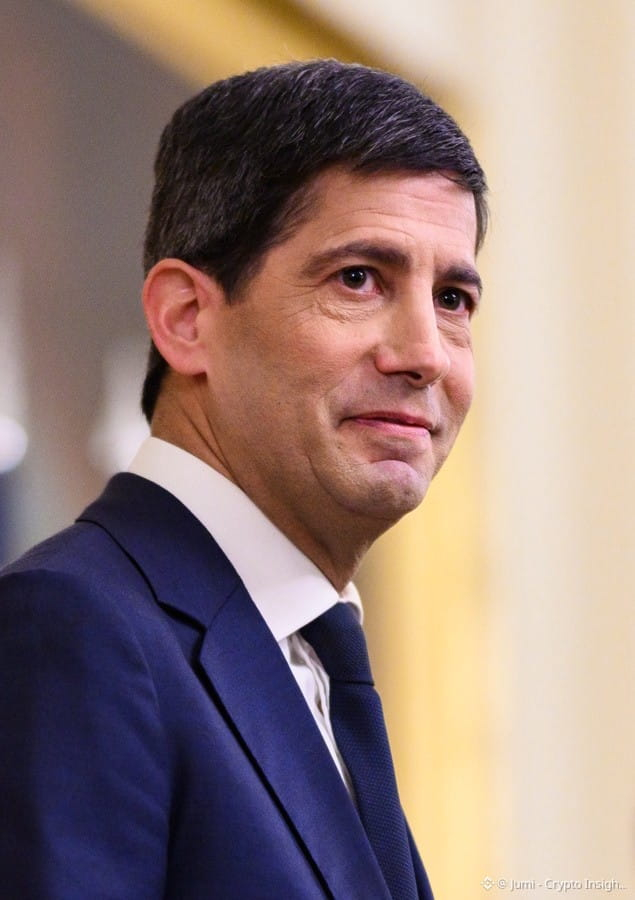
This is crucial. The Fed raised interest rates on September 16 for the first time since 2023, and its current chair is Kevin Warsh. Resilient employment means the economy can withstand high interest rates, easing concerns about a hard landing.
For markets, the short-term focus is on how Treasury yields and the U.S. Dollar Index react. If yields spike and the dollar strengthens, risk assets will come under pressure. If they rise only moderately, it suggests the market is interpreting the data as “a resilient economy” rather than “increased pressure to raise rates,” which would be more favorable for stocks.
I’m leaning optimistic on crypto. The data beat expectations but wasn’t dramatically off the mark, so it’s not an overwhelmingly hawkish signal; $BTC doesn’t need to rush for the exits. If risk appetite holds up, investors will be more inclined to stay in high-beta assets. I’ll be watching two things next: whether the U.S. Dollar Index can hold steady, and whether Friday’s nonfarm payrolls report continues to confirm this trend.
Do you think nonfarm payrolls will continue to beat expectations?
#ADP #NFP #Macro

196
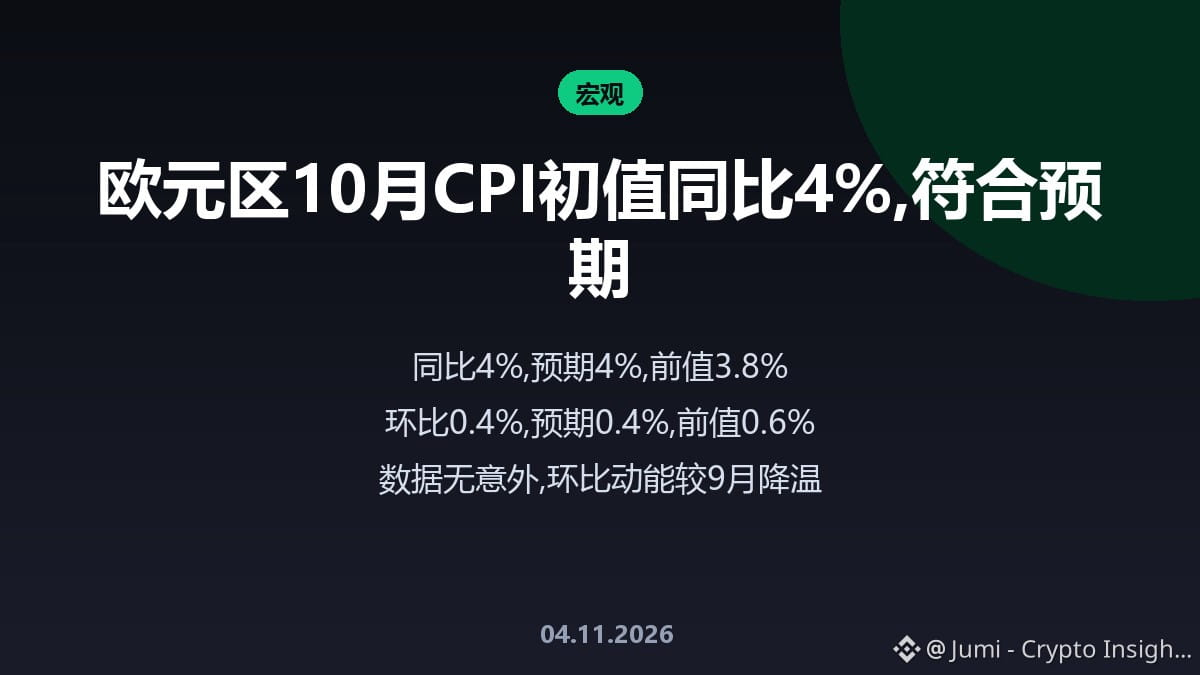
Eurozone October CPI came in at an initial year-on-year rate of 4%, exactly in line with expectations and 0.2 percentage points higher than September’s 3.8%. 📊
The month-on-month rate was 0.4%, also in line with expectations and below last month’s 0.6%.
- Year-on-year: 4% (forecast: 4%, previous: 3.8%)
- Month-on-month: 0.4% (forecast: 0.4%, previous: 0.6%)
The data didn’t exceed expectations, and that’s important. The year-on-year rate continues to rise, but the month-on-month rate is cooling, suggesting that monthly price pressures were weaker than in September. Markets fear surprises most, and there wasn’t one this time, so short-term volatility is likely to be limited.
From a macro perspective, with the year-on-year rate still at 4%, it will be difficult for the European Central Bank to turn dovish quickly. The Federal Reserve just raised rates on September 16, and global liquidity isn’t exactly abundant. However, since the data met expectations, a one-sided shock to the dollar or European bond yields is unlikely.
My view on the crypto market is cautiously positive: inflation isn’t out of control, and the month-on-month slowdown gives risk assets some breathing room. $BTC It’s more important to watch how the US Dollar Index and Treasury yields react. If both stabilize, funds are more likely to stay in risk assets.
Do you think a 4% year-on-year rate will keep the European Central Bank hawkish, or is the month-on-month cooling more important?
#EurozoneCPI #ECB #Inflation

69
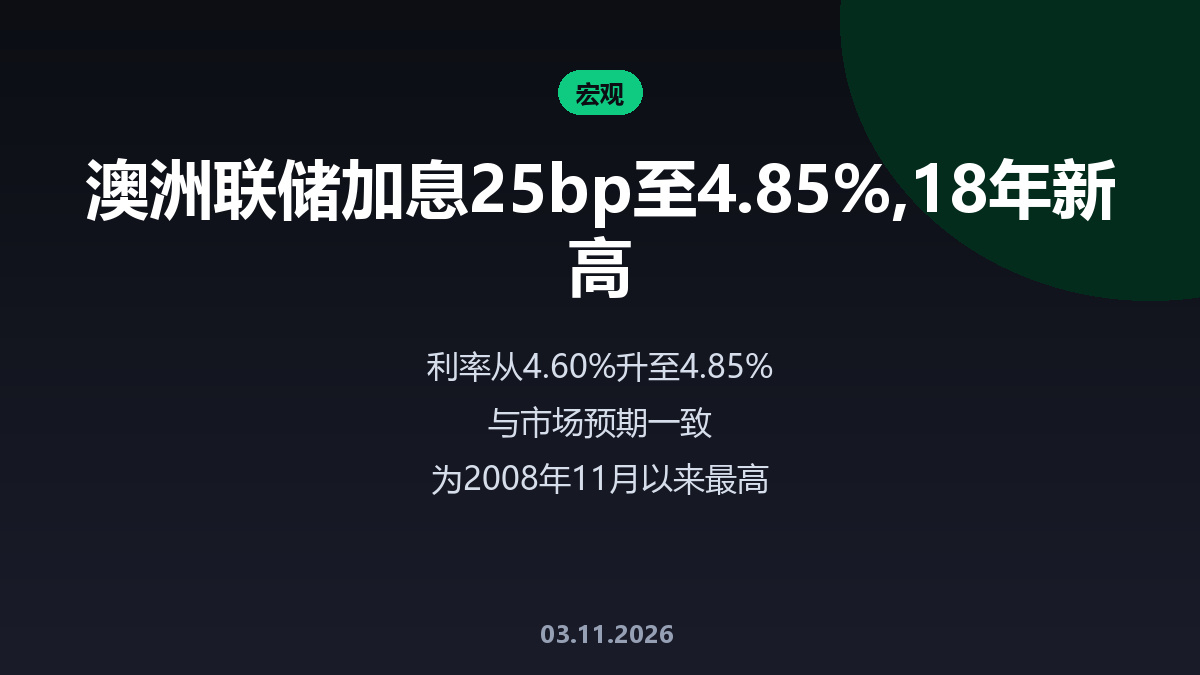
4.85%: RBA rate rises to its highest level since November 2008 📈
On November 3, the Reserve Bank of Australia (RBA) announced a 25-basis-point rate hike, raising the rate from 4.60% to 4.85%, exactly in line with market expectations.
With expectations fulfilled, there was no surprise shock. Technically speaking, the resolution of negative news often helps risk assets find a floor and stabilize more than prolonged uncertainty does.
The significance is this: the Fed only just began its first rate hike since 2023 on September 16, and now Australia is following suit. This suggests that central banks around the world are tightening in sync. However, the move was already priced in, and the 25-basis-point pace is relatively moderate—not an aggressive escalation.
For traditional financial markets, keep an eye on three things:
- Whether interest-rate differentials support the Australian dollar in the short term
- Whether the U.S. Dollar Index comes under pressure as a result
- Whether global bond yields continue to rise
For crypto markets, I’m cautiously optimistic: the rate hike has been absorbed, policy uncertainty has eased, and if $BTC can hold key support, capital may flow back in. The real risk is that central banks take a more hawkish stance going forward.
Do you think this round of synchronized rate hikes means the worst is over, or is it only just beginning?
#RBA #InterestRates #Macro

63
The European Central Bank (ECB) released key personnel updates and macroeconomic data in Frankfurt. President Christine Lagarde confirmed that she will officially step down on February 7, 2027. Meanwhile, the latest eurozone economic sentiment index for October came in at 96.9 (vs. expectations of 97.5), while the industrial sentiment index improved to -3.4, better than both expectations and the previous reading of -3.8.
Technically, although overall economic sentiment has edged lower, a rebound in core manufacturing indicators from their lows suggests that the eurozone’s real economy is gradually emerging from its downturn. Clarity on the leadership transition timeline provides a clear anchor for medium-term monetary policy expectations, significantly reducing uncontrollable institutional governance risks.
Macro assets have responded rationally to this series of structural signals, with the euro exchange rate and eurozone bond yields consolidating above key support zones. The resolution of uncertainty and signs of stabilization in industry have helped keep global risk asset valuations steady, with traditional safe-haven sentiment remaining contained.
For the crypto market, greater transparency around macroeconomic expectations and stable liquidity expectations provide a solid technical foundation. $BTC is consolidating within an ascending channel, and as the ECB’s policy path becomes clearer, global incremental capital may accelerate its return to high-beta risk-on assets.
#ECB #MacroEconomics #CryptoMarket
87
Binance Futures is about to launch the $OXYUSDT perpetual contract. A liquidity injection could ignite a bullish rally—watch for a breakout above key levels. 🚀 #Binance #OXY
Binance Futures is about to launch the $OXYUSDT perpetual contract. A liquidity injection could ignite a bullish rally—watch for a breakout above key levels. 🚀 #Binance #OXY
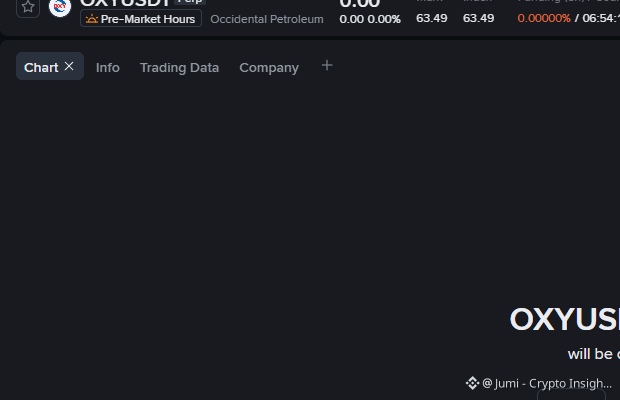
OXYUS+1.05%
17
Binance Futures is about to list the $SMRUSDT perpetual contract, and the liquidity injection is expected to further unlock upside potential. 🚀 #Binance #SMR
Binance Futures is about to list the $SMRUSDT perpetual contract, and the liquidity injection is expected to further unlock upside potential. 🚀 #Binance #SMR
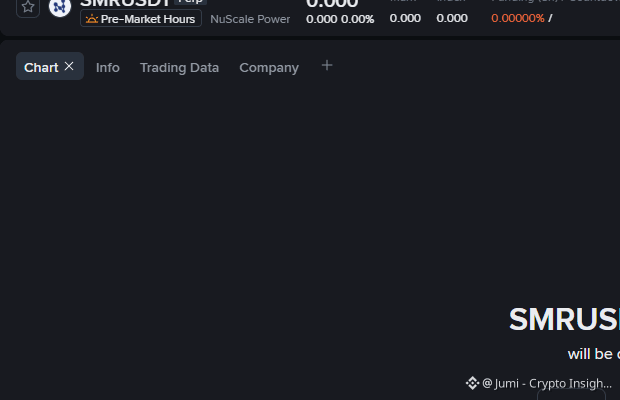
SMRUS-0.03%
54
According to CNN and several other major media outlets, U.S. Defense Secretary Pete Hegseth has made significant personnel changes within the Pentagon, removing senior operational planning officers, including Lieutenant General Brett Silvia, director for strategy, plans and policy (J5) on the Joint Staff. The move comes at a sensitive moment, as President Trump is intensively assessing and considering a new round of military strikes against Iran, signaling a sweeping reshaping of the U.S. military’s Middle East command and decision-making structure.
Sudden changes among the military’s top staff have often been a clear precursor to a strategic shift or an escalation of military operations. Geopolitical tensions in the Middle East remain high, and the reorganization of the Pentagon’s operational leadership has upended expectations of a previously defensive balance. This has prompted global hedge funds and macro traders to accelerate the dynamic pricing of spillover risks from a potential conflict in the region.
In traditional financial markets, geopolitical risks have driven up crude oil prices and fueled a strong rebound in commodities from key technical support levels. Safe-haven sentiment has also provided a temporary boost to gold and the U.S. dollar index. However, neither Treasury yields nor risk assets have shown signs of a liquidity squeeze. Instead, the technical rebound in energy assets such as crude oil has reinforced risk-seeking investors’ confidence that cyclical markets have bottomed.
In the crypto-asset market, $BTC has shown textbook consolidation and a resilient support base after short-term geopolitical volatility. On-chain data indicate that large holders have continued accumulating at the lower end of the range. As the market fully absorbs expectations around geopolitical developments, the role of digital assets as an independent source of liquidity has once again come to the fore, with technical charts showing a setup poised for an upward breakout.🚀
#Geopolitics #Iran #Trump #MacroEconomics
337
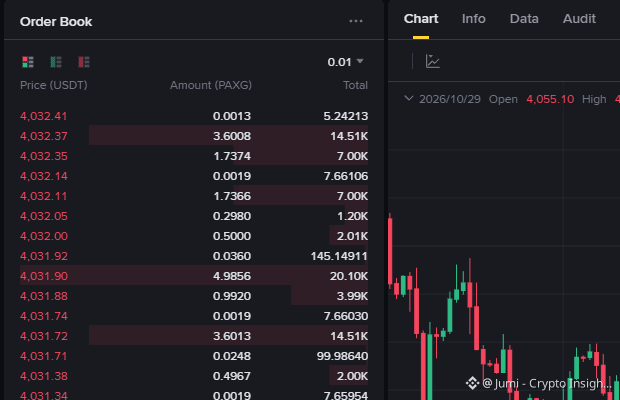
During today’s global commodities trading session, the precious metals market came under significant profit-taking pressure. Spot gold fell more than 1% intraday, dipping to $4,027.98 per ounce. Meanwhile, spot silver’s losses widened to 2.00%, reaching a low of $52.87 per ounce—a decline of more than $1 on the day.
From a technical perspective, after hitting new highs earlier, short-term momentum indicators for precious metals showed signs of overbought conditions and flattening momentum. The current pullback is a healthy high-level consolidation and technical correction. Bulls have proactively reduced leverage at this key resistance level without disrupting the broader uptrend channel. Instead, this has helped absorb excess supply and cool overheated sentiment, laying the groundwork for subsequent moves.
A rapid pullback in safe-haven assets typically reflects a shift in macro liquidity preferences from defensive to risk-seeking. As the safe-haven premium narrows and the fear index declines, investors in traditional financial markets are beginning to reassess risk-reward ratios, creating a favorable macro environment for a recovery in risk-asset valuations.
For the crypto market, easing risk aversion and capital rotation are providing a significant positive catalyst. Some of the profits taken from precious metals are seeking allocation in higher-beta assets, which could directly improve liquidity depth for $BTC and the broader crypto ecosystem, helping the market embark on a new upward run.📈 #Gold #PreciousMetals #CryptoMarket
531
According to an official statement released today by the public relations department of Iran’s Islamic Revolutionary Guard Corps, the Iranian military successfully intercepted and shot down an advanced MQ-1 drone in the airspace east of the Strait of Hormuz, opposite the Strait of Siri. The incident marks a substantial escalation in military tensions around this critical maritime transport hub.
As a vital chokepoint in the global crude oil supply chain, any direct military confrontation in the Strait of Hormuz could quickly upset the geopolitical balance. Compared with conventional diplomatic pressure, the direct downing of a high-value military drone signals a hardening of regional defense postures. In the short term, this is likely to significantly increase the geopolitical risk premium and fundamentally reshape the risk-pricing benchmarks for commodities.
From a technical and capital-flow perspective, crude oil prices have gained strong rebound momentum at a key support level, while safe-haven buying has also driven the U.S. Dollar Index and gold higher amid volatility. Traditional equities face some localized selling pressure, but unusual moves in the energy sector are prompting investors to reassess the broader inflation and macro liquidity outlook.
For crypto assets, the initial safe-haven pulse triggered by geopolitical conflict often creates an excellent opportunity for a liquidity reset. $BTC has shown strong buying support within a key support range. If the market quickly absorbs the panic in the short term, decentralized risk assets may capitalize on the situation and stage a strong technical rebound.📈
#Geopolitics #CrudeOil #MarketAnalysis
455
During Thursday’s Asian trading session, the US dollar against the Japanese yen (USD/JPY) rebounded in choppy trading to around 158.00, recovering some of the previous session’s losses. Safe-haven outflows pushed the pair higher, while market focus shifted entirely to Friday’s Bank of Japan monetary policy meeting.
Technically, easing risk aversion was mainly fueled by better-than-expected results from the AI technology sector. Strong third-quarter earnings from chip giant SK Hynix helped revive appetite for global risk assets. Although markets broadly expect the Bank of Japan to stand pat this time, Governor Kazuo Ueda could fundamentally reshape the yen’s medium-term floor if he signals a rate hike in December amid persistent inflationary pressure.
In terms of cross-asset moves, funds flowed out of the yen and safe-haven government bonds, lifting US Treasury yields and helping the dollar stabilize. However, the yen has shown significantly greater resilience among G10 currencies in the second half of the year. As risk appetite for carry trades improves, investors are actively rotating into undervalued, high-beta assets.
For the crypto market, the easing of risk aversion has directly reignited risk-on sentiment, with $BTC showing exceptionally strong buying support at a key support level. As long as the Bank of Japan does not deliver an unexpectedly aggressive tightening, the recovery in the global technology and liquidity environment could create technical room for a new upward breakout in crypto assets.📈
#USDJPY #BankOfJapan #CryptoMacro
245
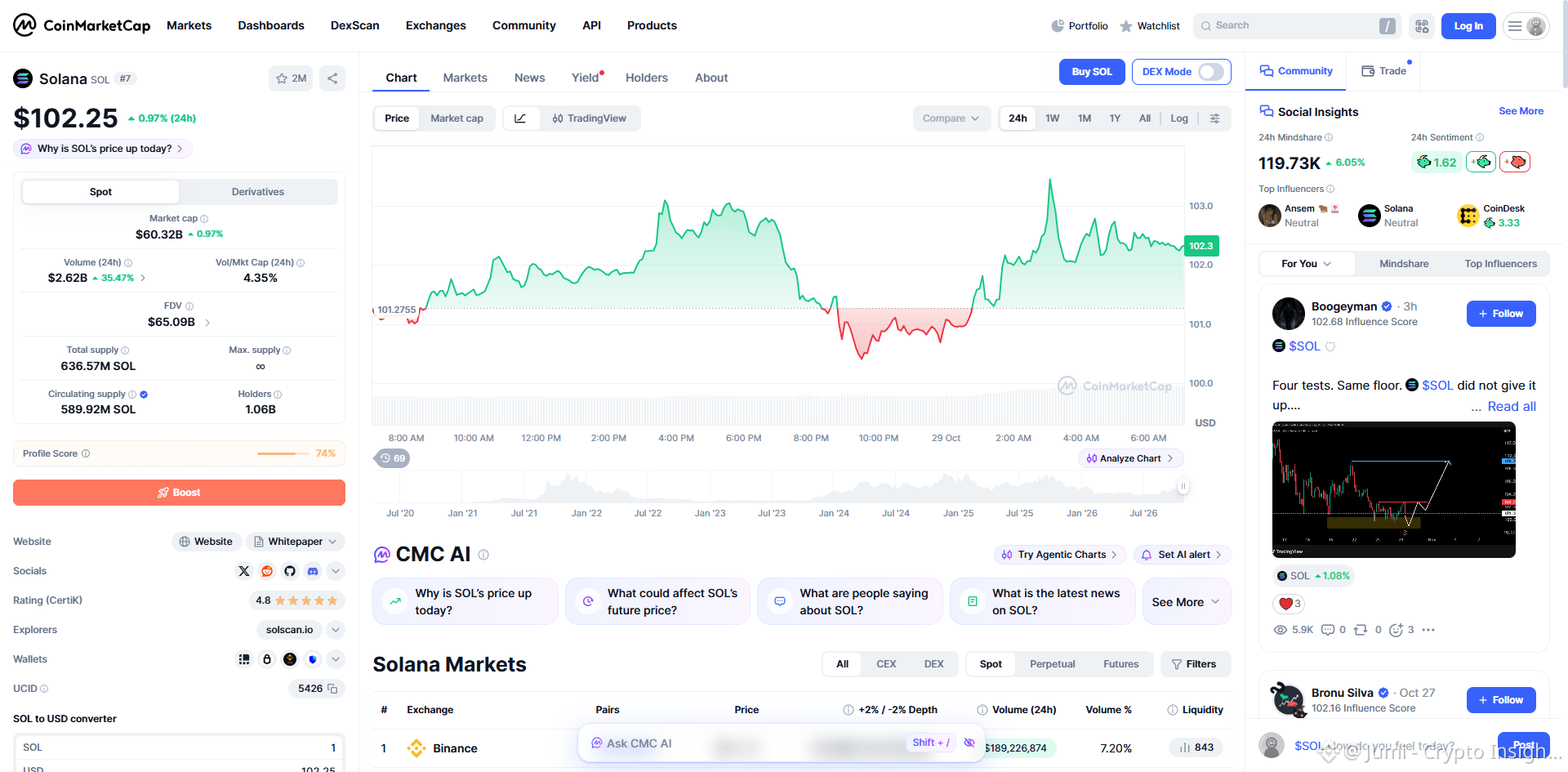
$SOL is currently ranked No. 3 on CoinMarketCap’s trending list. Market support is strong, with on-chain activity and trading volume rising together, while the bullish structure remains intact. If the price consolidates above key support in the short term, the upside potential ahead is worth watching.📈 #Solana #Layer1
$SOL is currently ranked No. 3 on CoinMarketCap’s trending list. Market support is strong, with on-chain activity and trading volume rising together, while the bullish structure remains intact. If the price consolidates above key support in the short term, the upside potential ahead is worth watching.📈 #Solana #Layer1
1
86
According to the latest data from CME’s FedWatch Tool, the market-implied probability of a 25-basis-point Fed rate hike in December has climbed to 78.4%, while the probability of rates remaining unchanged is just 21.6%. Meanwhile, the probability of a cumulative 50-basis-point hike by next January has reached 52.2%, with the probability of rates staying unchanged falling to 7.2%.
These figures show that interest rate markets are rapidly pricing in a steeper tightening path. From a technical trading perspective, rate hike expectations being priced in means the bearish impact of the hike is being released in advance, dispelling macroeconomic uncertainty.
In the short term, stronger rate hike expectations have supported the U.S. dollar index at key technical levels, while Treasury yields have adjusted in tandem. However, as the market increasingly prices in the terminal rate, traditional risk assets have avoided panic selling and have generally proved resilient at elevated levels.
For crypto markets, the early digestion of macroeconomic expectations has helped establish a solid market floor. With selling pressure largely released ahead of the rate hike, core assets such as $BTC may see a strong technical rebound once the negative news is fully priced in, keeping the medium- to long-term outlook bullish. 🚀
#Fed #InterestRates #CryptoMarket
3
In its October 28 FOMC rate decision, the Federal Reserve announced that it would keep the target range for the benchmark interest rate unchanged at 3.75%-4.00%, with the upper bound remaining at 4.00% and the interest rate on excess reserves holding at 3.90%—all broadly in line with market consensus. The vote was 10 in favor and 2 opposed. Officials Hammack and Cook favored a 25-basis-point rate hike, signaling hawkish divisions within the committee, though the majority opted to hold rates steady and monitor the inflation outlook.
From a technical and macro expectations perspective, the decision to hold rates removed the near-term tail risk of aggressive tightening. Although there were two dissenting votes, the decision largely delivered what had already been priced in, making it a classic “buy the rumor, sell the news” event. After a rate hike in September, this pause provided risk assets with a welcome window to catch their breath and momentum for a valuation recovery.
Following the announcement, the U.S. Dollar Index (DXY) briefly fell nearly 10 points to around 102.29, while spot gold rose modestly by $7 to $4,043 per ounce. The pullback in the dollar and strength in commodities moved in tandem, signaling that cross-asset flows were shifting from defensive positions toward higher-beta assets. A temporary easing of pressure on the yield curve further bolstered liquidity for bulls.
For crypto markets, a period of macro uncertainty has been cleared, creating favorable conditions for a right-side rebound in BTC and major risk tokens. Against a backdrop of a weaker dollar and stable liquidity, $BTC may form a solid base above key support and move higher to test the resistance zone. Overall, the outlook favors a recovery in risk appetite. 🚀
#FOMC #InterestRates #CryptoMarket
617
Log in to explore more content
Join global crypto users on Binance Square
⚡️ Get latest and useful information about crypto.
💬 Trusted by the world’s largest crypto exchange.
👍 Discover real insights from verified creators.
Email / Phone number
Trending Topics
CanMarketsReboundAfterThanksgiving?
9,671 views
248 Discussing
Rate-Hike Bets Linger as US Markets Head Into Thanksgiving Closure
Binance News
·1 Likes
·1k views
CouldSpaceX’sOrbitalDataCentersBoostAIChipDemand?
7,111 views
171 Discussing
EvolveAtBinanceBlockchainWeek
648,041 views
6,787 Discussing