
BASTET MEME
142 Posts

BASTET MEME
Report
Block User
Don't let your dreams one day be the foundation of investment, patience and restraint.
Open Trade
Occasional Trader
5 Years
36 Following
212 Followers
152 Liked
Posts
Portfolio
All
Quotes
PINNED
·
--
Article
Who Really Controls Your Crypto? The Security Question Every Investor Must AskImagine waking up one morning and discovering that your cryptocurrency is no longer accessible.
Your exchange account may still exist. Your balance may still appear on the screen. But what happens if the platform experiences a security breach, suspends withdrawals, or loses access to critical systems?
This raises one of the most important questions in the crypto industry:
Do you really own your crypto, or do you simply trust someone else to protect it?
The Difference Between Owning Crypto and Controlling It
When you keep your assets on a centralized exchange, the platform generally controls the private keys associated with its custodial wallets.
You have an account balance and the ability to trade, deposit, and withdraw, but you depend on the exchange's security systems, internal controls, and operational decisions.
This model offers convenience, liquidity, and fast trading. However, it also introduces risks:
Exchange security breaches.
Internal access vulnerabilities.
Withdrawal suspensions.
Operational failures.
Regulatory or liquidity-related restrictions.
On the other hand, self-custody gives users direct control over their private keys.
But there is a trade-off: if you lose your recovery phrase, expose your private key, or approve a malicious transaction, recovering your assets may be extremely difficult or impossible.
Neither model is completely risk-free.
Five Practical Steps Every Crypto Investor Should Take
1. Enable Strong Account Protection
Use an authenticator app or hardware security key where supported. Avoid relying exclusively on SMS authentication.
2. Secure Your Email Account
Your email is often the gateway to your financial accounts. Protect it with a unique password and strong two-factor authentication.
3. Activate Withdrawal Address Whitelisting
Where available, restrict withdrawals to previously approved wallet addresses.
4. Consider Self-Custody for Long-Term Holdings
Keep only the funds you need for active trading on exchanges. Consider a reputable hardware wallet for long-term storage, and securely back up your recovery phrase offline.
5. Verify Before You Trust
Check official announcements, proof-of-reserves information, security disclosures, and independent audit reports. Remember that proof of reserves alone does not necessarily establish that all customer liabilities are covered.
What Should the Future of Crypto Exchanges Look Like?
The solution is not to eliminate centralized exchanges. They remain important to liquidity, accessibility, and market infrastructure.
The real solution is to redesign how they protect customer assets.
Imagine a hybrid security model with:
Non-custodial options that allow users to maintain control of their assets.
Multi-party authorization for large withdrawals.
Independent security monitoring.
Automatic transaction delays when suspicious activity is detected.
Transparent proof of reserves and liabilities.
Regular independent security audits.
Clearly defined emergency protection mechanisms.
Under this model, compromising one employee account, one device, or one internal system should never be enough to authorize a catastrophic transfer.
A New Standard for Crypto Security
The industry should stop measuring security only by how much money an exchange can compensate after a disaster.
Real security means reducing the possibility of that disaster in the first place.
Investors deserve more than promises. They deserve transparency, accountability, and meaningful control over their assets.
The future of cryptocurrency should combine the convenience of centralized platforms with the ownership principles of decentralization.
Because in the end, the most important question is not how much crypto you own.
It is how much control you actually have over it.
Let's discuss:
If you could choose, which security model would you trust more?
A) Centralized exchanges with stronger protection and emergency reserves.
B) Non-custodial wallets where users control their private keys.
C) A hybrid system combining exchange convenience with direct user control.
Share your thoughts below. The future of crypto security should be shaped by informed investors, not just by the platforms that serve them.
Educational content only. Not financial or investment advice.
#Crypto
#Blockchain
#Web3
#DeFi
#CryptoEducation
$BNB
Who Really Controls Your Crypto? The Security Question Every Investor Must Ask
Imagine waking up one morning and discovering that your cryptocurrency is no longer accessible.
Your exchange account may still exist. Your balance may still appear on the screen. But what happens if the platform experiences a security breach, suspends withdrawals, or loses access to critical systems?
This raises one of the most important questions in the crypto industry:
Do you really own your crypto, or do you simply trust someone else to protect it?
The Difference Between Owning Crypto and Controlling It
When you keep your assets on a centralized exchange, the platform generally controls the private keys associated with its custodial wallets.
You have an account balance and the ability to trade, deposit, and withdraw, but you depend on the exchange's security systems, internal controls, and operational decisions.
This model offers convenience, liquidity, and fast trading. However, it also introduces risks:
Exchange security breaches.
Internal access vulnerabilities.
Withdrawal suspensions.
Operational failures.
Regulatory or liquidity-related restrictions.
On the other hand, self-custody gives users direct control over their private keys.
But there is a trade-off: if you lose your recovery phrase, expose your private key, or approve a malicious transaction, recovering your assets may be extremely difficult or impossible.
Neither model is completely risk-free.
Five Practical Steps Every Crypto Investor Should Take
1. Enable Strong Account Protection
Use an authenticator app or hardware security key where supported. Avoid relying exclusively on SMS authentication.
2. Secure Your Email Account
Your email is often the gateway to your financial accounts. Protect it with a unique password and strong two-factor authentication.
3. Activate Withdrawal Address Whitelisting
Where available, restrict withdrawals to previously approved wallet addresses.
4. Consider Self-Custody for Long-Term Holdings
Keep only the funds you need for active trading on exchanges. Consider a reputable hardware wallet for long-term storage, and securely back up your recovery phrase offline.
5. Verify Before You Trust
Check official announcements, proof-of-reserves information, security disclosures, and independent audit reports. Remember that proof of reserves alone does not necessarily establish that all customer liabilities are covered.
What Should the Future of Crypto Exchanges Look Like?
The solution is not to eliminate centralized exchanges. They remain important to liquidity, accessibility, and market infrastructure.
The real solution is to redesign how they protect customer assets.
Imagine a hybrid security model with:
Non-custodial options that allow users to maintain control of their assets.
Multi-party authorization for large withdrawals.
Independent security monitoring.
Automatic transaction delays when suspicious activity is detected.
Transparent proof of reserves and liabilities.
Regular independent security audits.
Clearly defined emergency protection mechanisms.
Under this model, compromising one employee account, one device, or one internal system should never be enough to authorize a catastrophic transfer.
A New Standard for Crypto Security
The industry should stop measuring security only by how much money an exchange can compensate after a disaster.
Real security means reducing the possibility of that disaster in the first place.
Investors deserve more than promises. They deserve transparency, accountability, and meaningful control over their assets.
The future of cryptocurrency should combine the convenience of centralized platforms with the ownership principles of decentralization.
Because in the end, the most important question is not how much crypto you own.
It is how much control you actually have over it.
Let's discuss:
If you could choose, which security model would you trust more?
A) Centralized exchanges with stronger protection and emergency reserves.
B) Non-custodial wallets where users control their private keys.
C) A hybrid system combining exchange convenience with direct user control.
Share your thoughts below. The future of crypto security should be shaped by informed investors, not just by the platforms that serve them.
Educational content only. Not financial or investment advice.
#Crypto
#Blockchain
#Web3
#DeFi
#CryptoEducation
$BNB
92
PINNED
·
--
Article
Binance Security Crisis: Compensation Is Not Enough — We Need a Fundamental SolutionBinance's response to the recent security crisis, including asset recovery efforts, compensation measures, and the gradual restoration of withdrawals, represents important steps toward protecting users and maintaining confidence in the cryptocurrency ecosystem.
However, compensating victims after a major security breach is not a permanent solution. The real challenge is preventing unauthorized access and ensuring that no single compromised account, employee, device, or internal system can put billions of dollars at risk.
The cryptocurrency industry needs a fundamental change in its security model.
First, users should have the option to maintain direct control over their assets through non-custodial solutions, rather than relying entirely on centralized custody.
Second, large withdrawals and critical transactions should require approval from multiple independent security parties. No single employee, device, or compromised system should be able to authorize them alone.
Finally, a dedicated and independently monitored emergency protection fund should be maintained to help protect users in exceptional circumstances, with clear and transparent rules governing its use.
Binance has an opportunity to turn this crisis into a major step forward for the entire industry. Its strength should not be measured only by its ability to recover from a crisis, but by its ability to prevent the next one.
The goal should not simply be to build bigger compensation funds. It should be to build systems where catastrophic losses become significantly harder to execute in the first place.
Centralized exchanges can continue providing liquidity, convenience, and advanced trading services while adopting non-custodial options, stronger authorization mechanisms, and transparent security standards.
The fundamental principle is simple: Your assets should never depend on the security of a single account, employee, or company system.
The future of cryptocurrency must be built on prevention, transparency, and user control — not compensation after disaster strikes.
#BTC走势分析 #Binance #CZ #BNB_Market_Update #meme板块关注热点
$BNB
Binance Security Crisis: Compensation Is Not Enough — We Need a Fundamental Solution
Binance's response to the recent security crisis, including asset recovery efforts, compensation measures, and the gradual restoration of withdrawals, represents important steps toward protecting users and maintaining confidence in the cryptocurrency ecosystem.
However, compensating victims after a major security breach is not a permanent solution. The real challenge is preventing unauthorized access and ensuring that no single compromised account, employee, device, or internal system can put billions of dollars at risk.
The cryptocurrency industry needs a fundamental change in its security model.
First, users should have the option to maintain direct control over their assets through non-custodial solutions, rather than relying entirely on centralized custody.
Second, large withdrawals and critical transactions should require approval from multiple independent security parties. No single employee, device, or compromised system should be able to authorize them alone.
Finally, a dedicated and independently monitored emergency protection fund should be maintained to help protect users in exceptional circumstances, with clear and transparent rules governing its use.
Binance has an opportunity to turn this crisis into a major step forward for the entire industry. Its strength should not be measured only by its ability to recover from a crisis, but by its ability to prevent the next one.
The goal should not simply be to build bigger compensation funds. It should be to build systems where catastrophic losses become significantly harder to execute in the first place.
Centralized exchanges can continue providing liquidity, convenience, and advanced trading services while adopting non-custodial options, stronger authorization mechanisms, and transparent security standards.
The fundamental principle is simple: Your assets should never depend on the security of a single account, employee, or company system.
The future of cryptocurrency must be built on prevention, transparency, and user control — not compensation after disaster strikes.
#BTC走势分析 #Binance #CZ #BNB_Market_Update #meme板块关注热点
$BNB
122
·
--
Article
What Happens to Your Crypto When War Breaks Out? A Survival Guide for Binance InvestorsImagine waking up tomorrow to news of a major global war.
Stock markets are falling. Oil prices are rising. Banks are facing uncertainty. Internet services may be disrupted. Millions of investors are asking the same question:
What happens to my cryptocurrency?
Bitcoin, Ethereum, stablecoins, and crypto exchanges operate in a global digital ecosystem. But that does not mean they are immune to geopolitical crises, financial panic, cyberattacks, or infrastructure failures.
For Binance investors, understanding these risks before a crisis is more valuable than trying to react after it begins.
Let's examine five critical questions.
1. What Could Happen to Bitcoin During a Global War?
Many people describe Bitcoin as digital gold.
However, there is an important difference: Bitcoin does not automatically behave like gold during a crisis.
In the early stages of a major geopolitical shock, investors may sell risky assets to obtain liquidity. This could create significant selling pressure across cryptocurrency markets.
Possible developments include:
Sharp Bitcoin price fluctuations.
Increased volatility in Ethereum and alternative coins.
Reduced market liquidity.
Sudden changes in investor sentiment.
Greater differences between buying and selling prices.
Bitcoin could recover later, but nobody can guarantee when or whether that will happen.
The lesson: Never assume that Bitcoin will automatically protect your portfolio during a war.
2. Are USDT and USDC Safe Havens During a War?
Stablecoins are often used by crypto investors to reduce exposure to price volatility.
But stablecoins are not the same as cash in your bank account.
They involve several risks:
The issuer's ability to maintain its reserves and redemption arrangements.
Potential freezing or restrictions affecting certain addresses.
Blockchain network outages or congestion.
Exchange withdrawal restrictions.
Banking and payment infrastructure disruptions.
Even if a stablecoin maintains its dollar peg, you may not be able to convert it into usable money when you need it.
Remember: Price stability does not guarantee access or liquidity.
3. What If Binance or the Internet Becomes Unavailable?
This is one of the most important risks investors should consider.
A global conflict could create disruptions affecting:
Internet connectivity.
Electricity infrastructure.
Banking services.
International payment systems.
Cryptocurrency exchange operations.
Blockchain network access.
A trading platform may remain operational while some users experience local connectivity problems.
Alternatively, an exchange could temporarily restrict certain services while addressing security or operational risks.
This is why investors should understand the difference between owning crypto through an exchange and controlling their own private keys.
An exchange provides convenience, but third-party custody introduces dependence on the service provider.
Self-custody provides direct control, but also makes the investor responsible for protecting private keys and recovery phrases.
Neither option eliminates every risk.
4. What If the Conflict Escalates to a Nuclear Attack?
This is an extreme hypothetical scenario, but it deserves serious consideration.
A nuclear attack could cause consequences far beyond financial markets.
Depending on the scale and location, possible effects could include:
Major electricity infrastructure damage.
Telecommunications and internet disruptions.
Banking and payment system interruptions.
Physical damage to data centers and network infrastructure.
Severe disruptions to transportation and supply chains.
Financial market closures or restrictions.
Bitcoin's blockchain is decentralized, but individual investors still depend on electricity, devices, internet access, network infrastructure, and functioning markets.
A decentralized blockchain does not mean every person can access it under every circumstance.
In such a scenario, personal safety, essential supplies, and reliable communication must come before cryptocurrency trading.
No digital asset should be treated as a guaranteed survival tool.
5. The Crypto Investor's Emergency Plan
Instead of trying to predict the next geopolitical event, investors should prepare for several possible disruptions.
Here is a practical checklist:
Before a crisis:
Avoid excessive leverage and highly risky Futures positions.
Never invest money needed for essential living expenses.
Consider distributing long-term holdings across appropriate custody arrangements.
Learn how to use a reputable hardware wallet before you actually need one.
Keep recovery phrases offline, secure, and separate from your devices.
Enable strong authentication and protect your email account.
Keep a reasonable amount of accessible emergency funds outside crypto.
During a crisis:
Avoid panic selling.
Do not make major decisions based on unverified social media reports.
Check official Binance announcements and network status information.
Avoid suspicious links claiming to offer emergency withdrawals or recovery services.
Do not rush into unfamiliar wallets or blockchain networks.
Avoid using leverage during extreme volatility.
After the crisis:
Verify your account balances and transaction history.
Confirm that withdrawal networks are operational.
Review your portfolio exposure and liquidity.
Reassess your investment strategy based on verified information.
Avoid rushing back into the market simply because prices have fallen.
6. The Biggest Mistake: Confusing Digital Ownership With Guaranteed Access
There is a critical distinction between owning a cryptocurrency and being able to access, transfer, or exchange it.
You may own Bitcoin on a blockchain, but still be unable to access it if you lose your recovery phrase or cannot connect to the network.
You may hold USDT, but still face restrictions when trying to redeem or convert it.
You may have a Binance balance, but temporarily lose access to trading or withdrawals during an operational disruption.
These are different risks, and a responsible investor should understand all of them.
Final Thought: Prepare for Uncertainty, Not Just Market Volatility
Nobody knows exactly how cryptocurrency markets would behave during a third world war or a nuclear conflict.
But one principle remains clear:
The best time to prepare your crypto emergency plan is before you need it.
Do not build your entire financial future around the assumption that exchanges will always be available, stablecoins will always be redeemable, or the internet will always work.
A smart investor does not simply ask:
"How much can I make if Bitcoin rises?"
A smart investor also asks:
"How will I protect my assets if the systems I depend on stop working?"
Let's Discuss
If a major global war started tomorrow, what would you do with your crypto holdings?
A) Keep them on Binance and continue monitoring the market.
B) Move long-term holdings to a personal hardware wallet.
C) Convert part of the portfolio into stablecoins.
D) Reduce crypto exposure and prioritize emergency liquidity.
E) Follow a diversified strategy combining several of these approaches.
Share your reasoning in the comments. Your perspective could help other investors prepare more intelligently.
Disclaimer: This article is for educational purposes only and does not constitute financial or investment advice. The scenarios discussed are hypothetical, not predictions. Always conduct your own research (DYOR) and assess your personal risk tolerance.
#Crypto
#Bitcoin
#Binance
#CryptoSecurity
#RiskManagement $BTC
What Happens to Your Crypto When War Breaks Out? A Survival Guide for Binance Investors
Imagine waking up tomorrow to news of a major global war.
Stock markets are falling. Oil prices are rising. Banks are facing uncertainty. Internet services may be disrupted. Millions of investors are asking the same question:
What happens to my cryptocurrency?
Bitcoin, Ethereum, stablecoins, and crypto exchanges operate in a global digital ecosystem. But that does not mean they are immune to geopolitical crises, financial panic, cyberattacks, or infrastructure failures.
For Binance investors, understanding these risks before a crisis is more valuable than trying to react after it begins.
Let's examine five critical questions.
1. What Could Happen to Bitcoin During a Global War?
Many people describe Bitcoin as digital gold.
However, there is an important difference: Bitcoin does not automatically behave like gold during a crisis.
In the early stages of a major geopolitical shock, investors may sell risky assets to obtain liquidity. This could create significant selling pressure across cryptocurrency markets.
Possible developments include:
Sharp Bitcoin price fluctuations.
Increased volatility in Ethereum and alternative coins.
Reduced market liquidity.
Sudden changes in investor sentiment.
Greater differences between buying and selling prices.
Bitcoin could recover later, but nobody can guarantee when or whether that will happen.
The lesson: Never assume that Bitcoin will automatically protect your portfolio during a war.
2. Are USDT and USDC Safe Havens During a War?
Stablecoins are often used by crypto investors to reduce exposure to price volatility.
But stablecoins are not the same as cash in your bank account.
They involve several risks:
The issuer's ability to maintain its reserves and redemption arrangements.
Potential freezing or restrictions affecting certain addresses.
Blockchain network outages or congestion.
Exchange withdrawal restrictions.
Banking and payment infrastructure disruptions.
Even if a stablecoin maintains its dollar peg, you may not be able to convert it into usable money when you need it.
Remember: Price stability does not guarantee access or liquidity.
3. What If Binance or the Internet Becomes Unavailable?
This is one of the most important risks investors should consider.
A global conflict could create disruptions affecting:
Internet connectivity.
Electricity infrastructure.
Banking services.
International payment systems.
Cryptocurrency exchange operations.
Blockchain network access.
A trading platform may remain operational while some users experience local connectivity problems.
Alternatively, an exchange could temporarily restrict certain services while addressing security or operational risks.
This is why investors should understand the difference between owning crypto through an exchange and controlling their own private keys.
An exchange provides convenience, but third-party custody introduces dependence on the service provider.
Self-custody provides direct control, but also makes the investor responsible for protecting private keys and recovery phrases.
Neither option eliminates every risk.
4. What If the Conflict Escalates to a Nuclear Attack?
This is an extreme hypothetical scenario, but it deserves serious consideration.
A nuclear attack could cause consequences far beyond financial markets.
Depending on the scale and location, possible effects could include:
Major electricity infrastructure damage.
Telecommunications and internet disruptions.
Banking and payment system interruptions.
Physical damage to data centers and network infrastructure.
Severe disruptions to transportation and supply chains.
Financial market closures or restrictions.
Bitcoin's blockchain is decentralized, but individual investors still depend on electricity, devices, internet access, network infrastructure, and functioning markets.
A decentralized blockchain does not mean every person can access it under every circumstance.
In such a scenario, personal safety, essential supplies, and reliable communication must come before cryptocurrency trading.
No digital asset should be treated as a guaranteed survival tool.
5. The Crypto Investor's Emergency Plan
Instead of trying to predict the next geopolitical event, investors should prepare for several possible disruptions.
Here is a practical checklist:
Before a crisis:
Avoid excessive leverage and highly risky Futures positions.
Never invest money needed for essential living expenses.
Consider distributing long-term holdings across appropriate custody arrangements.
Learn how to use a reputable hardware wallet before you actually need one.
Keep recovery phrases offline, secure, and separate from your devices.
Enable strong authentication and protect your email account.
Keep a reasonable amount of accessible emergency funds outside crypto.
During a crisis:
Avoid panic selling.
Do not make major decisions based on unverified social media reports.
Check official Binance announcements and network status information.
Avoid suspicious links claiming to offer emergency withdrawals or recovery services.
Do not rush into unfamiliar wallets or blockchain networks.
Avoid using leverage during extreme volatility.
After the crisis:
Verify your account balances and transaction history.
Confirm that withdrawal networks are operational.
Review your portfolio exposure and liquidity.
Reassess your investment strategy based on verified information.
Avoid rushing back into the market simply because prices have fallen.
6. The Biggest Mistake: Confusing Digital Ownership With Guaranteed Access
There is a critical distinction between owning a cryptocurrency and being able to access, transfer, or exchange it.
You may own Bitcoin on a blockchain, but still be unable to access it if you lose your recovery phrase or cannot connect to the network.
You may hold USDT, but still face restrictions when trying to redeem or convert it.
You may have a Binance balance, but temporarily lose access to trading or withdrawals during an operational disruption.
These are different risks, and a responsible investor should understand all of them.
Final Thought: Prepare for Uncertainty, Not Just Market Volatility
Nobody knows exactly how cryptocurrency markets would behave during a third world war or a nuclear conflict.
But one principle remains clear:
The best time to prepare your crypto emergency plan is before you need it.
Do not build your entire financial future around the assumption that exchanges will always be available, stablecoins will always be redeemable, or the internet will always work.
A smart investor does not simply ask:
"How much can I make if Bitcoin rises?"
A smart investor also asks:
"How will I protect my assets if the systems I depend on stop working?"
Let's Discuss
If a major global war started tomorrow, what would you do with your crypto holdings?
A) Keep them on Binance and continue monitoring the market.
B) Move long-term holdings to a personal hardware wallet.
C) Convert part of the portfolio into stablecoins.
D) Reduce crypto exposure and prioritize emergency liquidity.
E) Follow a diversified strategy combining several of these approaches.
Share your reasoning in the comments. Your perspective could help other investors prepare more intelligently.
Disclaimer: This article is for educational purposes only and does not constitute financial or investment advice. The scenarios discussed are hypothetical, not predictions. Always conduct your own research (DYOR) and assess your personal risk tolerance.
#Crypto
#Bitcoin
#Binance
#CryptoSecurity
#RiskManagement $BTC
134
·
--

Article
Stop Guessing the Crypto Market: 3 Types of Analysis Every Investor Should UnderstandThe crypto market moves fast. Prices can rise sharply in hours, fall without warning, and change direction when investors least expect it.
But successful market analysis is not about predicting every move. It is about understanding the available evidence, identifying risks, and making decisions based on more than emotions.
If you want to understand where a cryptocurrency might be heading, you need to look at three important dimensions.
1. Technical Analysis: What Is the Price Telling You?
Technical analysis studies historical price movements and trading volume to identify possible market trends.
Here are five useful tools:
Support: A price area where buying interest has previously appeared.
Resistance: A price area where selling pressure has previously increased.
Moving Averages: Help identify the broader direction of a trend.
RSI: Measures the speed and strength of recent price movements.
Trading Volume: Helps evaluate whether a price movement has meaningful market participation.
For example, a cryptocurrency breaking above resistance with increasing trading volume may indicate stronger buying interest.
However, a breakout without sufficient confirmation can turn into a false signal.
Remember: Charts help you understand market behavior. They do not guarantee what happens next.
2. Fundamental Analysis: Does the Project Have Real Value?
A cryptocurrency should not be judged by its price alone.
Before evaluating a project, ask:
What problem does it actually solve?
Is there real demand for its technology?
Does it have a clear purpose and useful applications?
Are its tokenomics transparent?
Is the token supply concentrated in a small number of wallets?
Is the development team delivering on its roadmap?
A project with strong technology, genuine adoption, transparent tokenomics, and consistent development deserves deeper research than one relying entirely on marketing and hype.
A rising price does not automatically mean a project is becoming more valuable.
3. On-Chain Analysis: What Is Actually Happening on the Blockchain?
One of crypto's biggest advantages is transparency.
Public blockchain data can reveal activity that traditional financial markets do not always make available.
Useful indicators include:
Active Addresses: Are more people interacting with the network?
Transaction Volume: Is actual network activity increasing?
Whale Movements: Are large holders accumulating or distributing tokens?
Exchange Inflows and Outflows: Are assets moving toward exchanges or away from them?
TVL: How much capital is deposited in DeFi protocols?
But be careful: more transactions do not always mean more genuine users, and large wallet movements do not automatically predict a price increase or decrease.
Context matters.
The Smart Approach: Combine All Three
The strongest market research does not depend on a single indicator.
Imagine a cryptocurrency showing the following signals:
Its chart indicates an upward trend.
Its project is delivering real developments.
Its on-chain activity is growing consistently.
Together, these signals may provide a stronger research case than price movement alone.
But if the chart looks bullish while network activity is declining and token supply is becoming increasingly concentrated, that deserves further investigation.
A Simple Checklist Before Buying Any Cryptocurrency
Before making a decision, ask yourself:
Do I understand what this project does?
Is the current price movement supported by volume?
Are its fundamentals improving?
What does its on-chain activity reveal?
How much could I afford to lose if my analysis is wrong?
Never confuse a popular narrative with verified evidence.
Final Thought
The biggest advantage in crypto is not having the fastest reaction or discovering every new token first.
It is developing the discipline to separate real information from market noise.
Don't just watch the price. Understand the story behind it.
What do you trust most when analyzing a cryptocurrency?
A) Technical Analysis
B) Fundamental Analysis
C) On-Chain Data
D) A combination of all three
Share your perspective in the comments. Let's make crypto discussions more informed and useful.
Disclaimer: This article is for educational purposes only and does not constitute financial or investment advice. Always conduct your own research (DYOR) before making financial decisions.
#CryptoMarket
#MarketAnalysis
#TechnicalAnalysis
#FundamentalAnalysis
#OnChainAnalysis #BTC☀ #LearnFromMistakes
$BTC
Stop Guessing the Crypto Market: 3 Types of Analysis Every Investor Should Understand
The crypto market moves fast. Prices can rise sharply in hours, fall without warning, and change direction when investors least expect it.
But successful market analysis is not about predicting every move. It is about understanding the available evidence, identifying risks, and making decisions based on more than emotions.
If you want to understand where a cryptocurrency might be heading, you need to look at three important dimensions.
1. Technical Analysis: What Is the Price Telling You?
Technical analysis studies historical price movements and trading volume to identify possible market trends.
Here are five useful tools:
Support: A price area where buying interest has previously appeared.
Resistance: A price area where selling pressure has previously increased.
Moving Averages: Help identify the broader direction of a trend.
RSI: Measures the speed and strength of recent price movements.
Trading Volume: Helps evaluate whether a price movement has meaningful market participation.
For example, a cryptocurrency breaking above resistance with increasing trading volume may indicate stronger buying interest.
However, a breakout without sufficient confirmation can turn into a false signal.
Remember: Charts help you understand market behavior. They do not guarantee what happens next.
2. Fundamental Analysis: Does the Project Have Real Value?
A cryptocurrency should not be judged by its price alone.
Before evaluating a project, ask:
What problem does it actually solve?
Is there real demand for its technology?
Does it have a clear purpose and useful applications?
Are its tokenomics transparent?
Is the token supply concentrated in a small number of wallets?
Is the development team delivering on its roadmap?
A project with strong technology, genuine adoption, transparent tokenomics, and consistent development deserves deeper research than one relying entirely on marketing and hype.
A rising price does not automatically mean a project is becoming more valuable.
3. On-Chain Analysis: What Is Actually Happening on the Blockchain?
One of crypto's biggest advantages is transparency.
Public blockchain data can reveal activity that traditional financial markets do not always make available.
Useful indicators include:
Active Addresses: Are more people interacting with the network?
Transaction Volume: Is actual network activity increasing?
Whale Movements: Are large holders accumulating or distributing tokens?
Exchange Inflows and Outflows: Are assets moving toward exchanges or away from them?
TVL: How much capital is deposited in DeFi protocols?
But be careful: more transactions do not always mean more genuine users, and large wallet movements do not automatically predict a price increase or decrease.
Context matters.
The Smart Approach: Combine All Three
The strongest market research does not depend on a single indicator.
Imagine a cryptocurrency showing the following signals:
Its chart indicates an upward trend.
Its project is delivering real developments.
Its on-chain activity is growing consistently.
Together, these signals may provide a stronger research case than price movement alone.
But if the chart looks bullish while network activity is declining and token supply is becoming increasingly concentrated, that deserves further investigation.
A Simple Checklist Before Buying Any Cryptocurrency
Before making a decision, ask yourself:
Do I understand what this project does?
Is the current price movement supported by volume?
Are its fundamentals improving?
What does its on-chain activity reveal?
How much could I afford to lose if my analysis is wrong?
Never confuse a popular narrative with verified evidence.
Final Thought
The biggest advantage in crypto is not having the fastest reaction or discovering every new token first.
It is developing the discipline to separate real information from market noise.
Don't just watch the price. Understand the story behind it.
What do you trust most when analyzing a cryptocurrency?
A) Technical Analysis
B) Fundamental Analysis
C) On-Chain Data
D) A combination of all three
Share your perspective in the comments. Let's make crypto discussions more informed and useful.
Disclaimer: This article is for educational purposes only and does not constitute financial or investment advice. Always conduct your own research (DYOR) before making financial decisions.
#CryptoMarket
#MarketAnalysis
#TechnicalAnalysis
#FundamentalAnalysis
#OnChainAnalysis #BTC☀ #LearnFromMistakes
$BTC
57
·
--
Article
Binance Security Incident: Stay Calm, Stay Informed, and Protect Your Crypto AssetsA Message to Every Binance User and Crypto Investor
The recent security incident involving Binance has understandably raised concerns across the cryptocurrency community. When an incident of this magnitude occurs, investors naturally ask three important questions:
Are my funds safe?
Can I still trust the platform?
What should I do to protect my investments?
These are reasonable questions, and they deserve clear, responsible answers rather than panic, speculation, or blind reassurance.
1. Understanding What Happened
On October 29, 2026, Binance disclosed a major security incident involving unauthorized withdrawals from its hot-wallet infrastructure, with an estimated impact of approximately $6.3 billion.
According to Binance's official updates:
The initial investigation indicated that a compromised engineer's laptop may have provided an entry point.
Further investigations uncovered additional security breach points.
Binance reported no evidence that wallet private keys had been leaked.
Approximately $3 billion in affected assets had been frozen through cooperation with industry partners.
Binance committed to covering the losses using its SAFU fund and corporate treasury.
The investigation is ongoing, and the complete technical explanation has not yet been published.
An important distinction: This incident involved Binance's wallet infrastructure. It does not mean that every individual user's account was hacked, nor does it mean that the underlying Bitcoin or blockchain networks have been compromised.
2. Should Binance Users Panic?
No. Panic is rarely a good financial strategy.
Binance has publicly committed to covering the losses associated with this incident, setting aside more than $6.34 billion in company funds according to its October 30 announcement.
This is an important commitment, but investors should distinguish between a company's public assurance and independently verifiable evidence.
The next important steps are:
Publication of updated Proof of Reserves.
Completion of the independent technical investigation.
Safe restoration of withdrawal services.
Transparent reporting on recovery efforts and security improvements.
Investors should follow these developments through official Binance announcements.
Trust should be supported by transparency, verification, and accountability.
3. How Can You Protect Your Binance Account?
Regardless of how secure an exchange may be, every investor should take personal responsibility for account security.
Here are essential precautions:
1. Enable Two-Factor Authentication (2FA)
Use an authenticator application or a hardware security key rather than relying exclusively on SMS verification.
2. Use a Strong, Unique Password
Never reuse your Binance password on email, social media, or other websites.
3. Activate the Anti-Phishing Code
This helps you identify genuine Binance emails and distinguish them from fraudulent messages.
4. Enable Withdrawal Address Whitelisting
Restrict withdrawals to previously approved wallet addresses whenever possible.
5. Review Your Account Activity
Regularly check:
Login history.
Recognized devices.
Active sessions.
API keys and their permissions.
Withdrawal history.
Immediately revoke anything you do not recognize.
6. Secure Your Email Account
Your email account is often a gateway to your financial accounts. Protect it with a unique password and strong two-factor authentication.
7. Never Share Verification Codes
Binance employees, support representatives, and legitimate security teams should never ask you to disclose your password, 2FA codes, or wallet recovery phrase.
4. Should You Keep All Your Crypto on an Exchange?
One of the most important lessons from this incident is that convenience and custody are not the same thing.
Centralized exchanges are useful for:
Trading.
Buying and selling cryptocurrencies.
Converting digital assets.
Managing short-term trading positions.
However, investors holding substantial amounts for the long term should consider using a personal self-custody wallet.
A hardware wallet can provide an additional layer of protection because the investor controls the private keys.
Remember:
Not your keys, not your coins.
However, self-custody also comes with responsibility. Losing your recovery phrase or exposing it to someone else can result in permanent loss of funds.
Never store your recovery phrase in screenshots, cloud notes, or messages.
5. What Should You Do During a Withdrawal Suspension?
If withdrawals are temporarily unavailable:
Do not panic.
Do not trust individuals claiming they can unlock your account.
Do not install unofficial applications.
Do not share your account credentials with anyone.
Follow official announcements regarding the restoration of services.
Once withdrawals are officially restored, verify the destination address carefully and consider making a small test transaction before transferring a larger amount.
Never make rushed decisions based on rumors or social media speculation.
6. A Lesson for the Entire Cryptocurrency Industry
This incident raises an important question that goes beyond Binance:
How can centralized exchanges guarantee that their internal systems, employee access, transaction authorization mechanisms, and customer assets remain protected?
The answer requires more than strong passwords and cold wallets.
The industry needs:
Independent security audits.
Strong internal access controls.
Multiple independent transaction approvals.
Transparent and regularly updated Proof of Reserves.
Clear separation between corporate assets and customer assets.
Public incident reports and accountability.
Security must protect not only private keys, but also every system and person capable of authorizing transactions.
7. Our Final Message to Binance Investors
Cryptocurrency is an evolving financial technology, and security incidents are a reminder that risks exist even within the largest platforms.
But one incident should not automatically be interpreted as the collapse of an entire industry or the failure of blockchain technology.
Be informed, not frightened.
Be cautious, not suspicious of everything.
Verify information before sharing it.
Protect your account before a problem occurs, not after.
And most importantly, never invest money you cannot afford to lose.
The future of cryptocurrency depends not only on innovation and market growth, but also on transparency, security, and the trust of its community.
Stay safe. Stay informed. Protect your assets.
Disclaimer: This article is for educational and informational purposes only. It is not financial or investment advice. Security incident details may change as Binance publishes further verified findings.
#BinanceReports80%Recoveryof$6.3BillioninLossesfromHackIncident #Binance #CZ #BTC #BNB $BTC
Binance Security Incident: Stay Calm, Stay Informed, and Protect Your Crypto Assets
A Message to Every Binance User and Crypto Investor
The recent security incident involving Binance has understandably raised concerns across the cryptocurrency community. When an incident of this magnitude occurs, investors naturally ask three important questions:
Are my funds safe?
Can I still trust the platform?
What should I do to protect my investments?
These are reasonable questions, and they deserve clear, responsible answers rather than panic, speculation, or blind reassurance.
1. Understanding What Happened
On October 29, 2026, Binance disclosed a major security incident involving unauthorized withdrawals from its hot-wallet infrastructure, with an estimated impact of approximately $6.3 billion.
According to Binance's official updates:
The initial investigation indicated that a compromised engineer's laptop may have provided an entry point.
Further investigations uncovered additional security breach points.
Binance reported no evidence that wallet private keys had been leaked.
Approximately $3 billion in affected assets had been frozen through cooperation with industry partners.
Binance committed to covering the losses using its SAFU fund and corporate treasury.
The investigation is ongoing, and the complete technical explanation has not yet been published.
An important distinction: This incident involved Binance's wallet infrastructure. It does not mean that every individual user's account was hacked, nor does it mean that the underlying Bitcoin or blockchain networks have been compromised.
2. Should Binance Users Panic?
No. Panic is rarely a good financial strategy.
Binance has publicly committed to covering the losses associated with this incident, setting aside more than $6.34 billion in company funds according to its October 30 announcement.
This is an important commitment, but investors should distinguish between a company's public assurance and independently verifiable evidence.
The next important steps are:
Publication of updated Proof of Reserves.
Completion of the independent technical investigation.
Safe restoration of withdrawal services.
Transparent reporting on recovery efforts and security improvements.
Investors should follow these developments through official Binance announcements.
Trust should be supported by transparency, verification, and accountability.
3. How Can You Protect Your Binance Account?
Regardless of how secure an exchange may be, every investor should take personal responsibility for account security.
Here are essential precautions:
1. Enable Two-Factor Authentication (2FA)
Use an authenticator application or a hardware security key rather than relying exclusively on SMS verification.
2. Use a Strong, Unique Password
Never reuse your Binance password on email, social media, or other websites.
3. Activate the Anti-Phishing Code
This helps you identify genuine Binance emails and distinguish them from fraudulent messages.
4. Enable Withdrawal Address Whitelisting
Restrict withdrawals to previously approved wallet addresses whenever possible.
5. Review Your Account Activity
Regularly check:
Login history.
Recognized devices.
Active sessions.
API keys and their permissions.
Withdrawal history.
Immediately revoke anything you do not recognize.
6. Secure Your Email Account
Your email account is often a gateway to your financial accounts. Protect it with a unique password and strong two-factor authentication.
7. Never Share Verification Codes
Binance employees, support representatives, and legitimate security teams should never ask you to disclose your password, 2FA codes, or wallet recovery phrase.
4. Should You Keep All Your Crypto on an Exchange?
One of the most important lessons from this incident is that convenience and custody are not the same thing.
Centralized exchanges are useful for:
Trading.
Buying and selling cryptocurrencies.
Converting digital assets.
Managing short-term trading positions.
However, investors holding substantial amounts for the long term should consider using a personal self-custody wallet.
A hardware wallet can provide an additional layer of protection because the investor controls the private keys.
Remember:
Not your keys, not your coins.
However, self-custody also comes with responsibility. Losing your recovery phrase or exposing it to someone else can result in permanent loss of funds.
Never store your recovery phrase in screenshots, cloud notes, or messages.
5. What Should You Do During a Withdrawal Suspension?
If withdrawals are temporarily unavailable:
Do not panic.
Do not trust individuals claiming they can unlock your account.
Do not install unofficial applications.
Do not share your account credentials with anyone.
Follow official announcements regarding the restoration of services.
Once withdrawals are officially restored, verify the destination address carefully and consider making a small test transaction before transferring a larger amount.
Never make rushed decisions based on rumors or social media speculation.
6. A Lesson for the Entire Cryptocurrency Industry
This incident raises an important question that goes beyond Binance:
How can centralized exchanges guarantee that their internal systems, employee access, transaction authorization mechanisms, and customer assets remain protected?
The answer requires more than strong passwords and cold wallets.
The industry needs:
Independent security audits.
Strong internal access controls.
Multiple independent transaction approvals.
Transparent and regularly updated Proof of Reserves.
Clear separation between corporate assets and customer assets.
Public incident reports and accountability.
Security must protect not only private keys, but also every system and person capable of authorizing transactions.
7. Our Final Message to Binance Investors
Cryptocurrency is an evolving financial technology, and security incidents are a reminder that risks exist even within the largest platforms.
But one incident should not automatically be interpreted as the collapse of an entire industry or the failure of blockchain technology.
Be informed, not frightened.
Be cautious, not suspicious of everything.
Verify information before sharing it.
Protect your account before a problem occurs, not after.
And most importantly, never invest money you cannot afford to lose.
The future of cryptocurrency depends not only on innovation and market growth, but also on transparency, security, and the trust of its community.
Stay safe. Stay informed. Protect your assets.
Disclaimer: This article is for educational and informational purposes only. It is not financial or investment advice. Security incident details may change as Binance publishes further verified findings.
#BinanceReports80%Recoveryof$6.3BillioninLossesfromHackIncident #Binance #CZ #BTC #BNB $BTC
133
·
--
Article
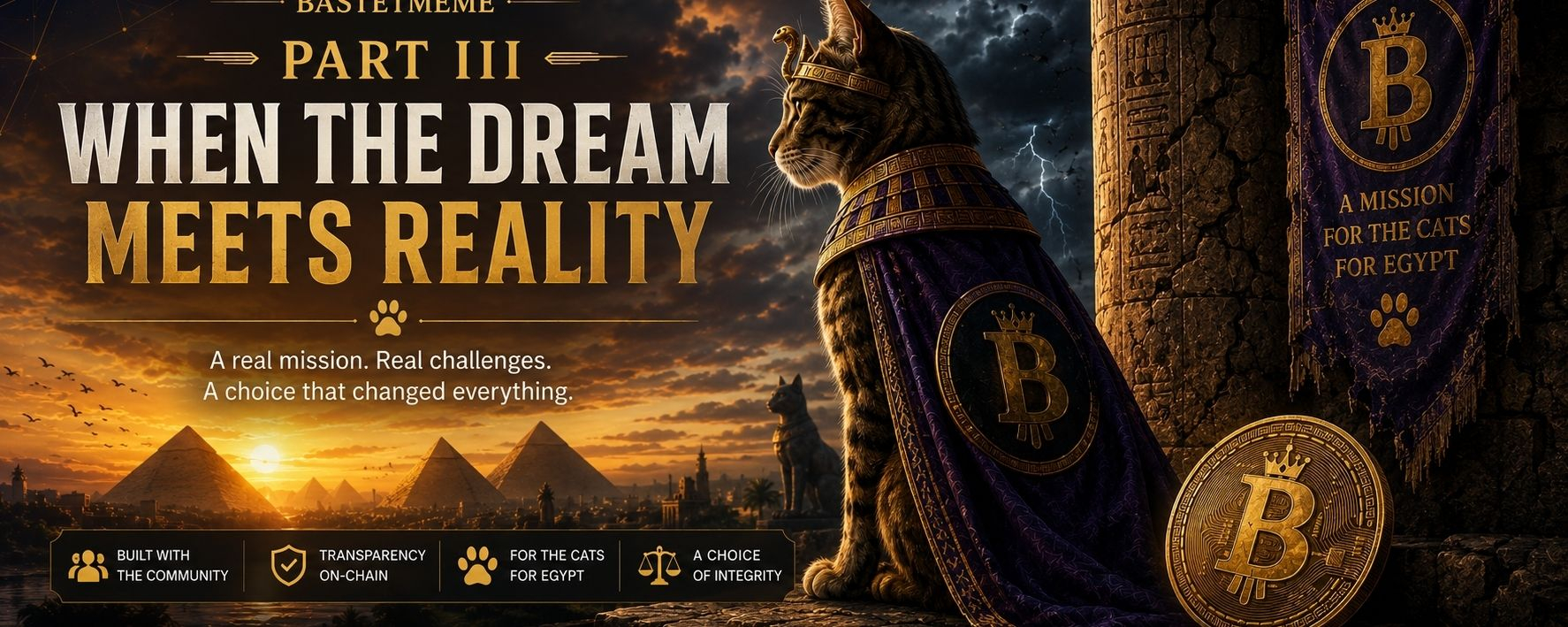
WHEN THE DREAM MEETS REALITYLast day, we talked about how BastetMeme was built.
No large team allocation.
No hidden treasury.
No promises of guaranteed wealth.
Just transparency, a small community, and a dream.
But then came the question every project eventually has to answer:
Can a good idea survive in a world where attention has a price?
We discovered the hard way that creating a project is one thing.
Getting people to notice it is another.
We shared the story of Bastet.
We created content.
We tried to start conversations.
We reached out to the crypto community.
And we kept asking for something simple:
Look beyond the token. Look at the reason behind it.
But the crypto world can be unforgiving.
Thousands of new tokens appear.
Thousands of accounts compete for attention.
Paid promotions can reach thousands of people overnight.
Meanwhile, a small project with no marketing budget can spend days creating something meaningful and still be almost invisible.
That was one of the most difficult lessons for us.
We began to realize that visibility was not always connected to the quality of the idea.
Sometimes it was connected to money.
Sometimes to influence.
Sometimes simply to having the right account, at the right moment, in front of the right audience.
And then we faced a choice.
We could chase hype.
We could make bigger promises.
We could pretend that $BAST was going to make everyone rich.
We could spend money we didn't have trying to manufacture attention.
But that would mean changing the very thing BastetMeme was created to be.
So we chose something harder:
We stayed honest.
We never wanted the cats of Egypt to become just another marketing slogan.
They were the reason the story existed in the first place.
But honesty has a price too.
Growth became slower.
The community remained smaller than we hoped.
And eventually, we had to ask ourselves a painful question:
What happens when one person's dream cannot become a community's dream?
That question stayed with us.
Because BastetMeme was never supposed to belong to one person.
It was supposed to belong to everyone who believed that something as simple as a meme could carry a meaningful message.
And perhaps that was the greatest test of all.
Not whether $BAST could go up.
Not whether we could create viral posts.
But whether people would care enough to keep the dream alive when the spotlight disappeared.
Then came the moment when we had to make a decision.
A decision that would bring the BastetMeme story to its final chapter.
And it wasn't the decision we originally imagined when this journey began.
To be continued…
Part IV — THE CAT WE LEAVE BEHIND 👑🐾
#Binance #CZ #BTC走势分析
WHEN THE DREAM MEETS REALITY
Last day, we talked about how BastetMeme was built.
No large team allocation.
No hidden treasury.
No promises of guaranteed wealth.
Just transparency, a small community, and a dream.
But then came the question every project eventually has to answer:
Can a good idea survive in a world where attention has a price?
We discovered the hard way that creating a project is one thing.
Getting people to notice it is another.
We shared the story of Bastet.
We created content.
We tried to start conversations.
We reached out to the crypto community.
And we kept asking for something simple:
Look beyond the token. Look at the reason behind it.
But the crypto world can be unforgiving.
Thousands of new tokens appear.
Thousands of accounts compete for attention.
Paid promotions can reach thousands of people overnight.
Meanwhile, a small project with no marketing budget can spend days creating something meaningful and still be almost invisible.
That was one of the most difficult lessons for us.
We began to realize that visibility was not always connected to the quality of the idea.
Sometimes it was connected to money.
Sometimes to influence.
Sometimes simply to having the right account, at the right moment, in front of the right audience.
And then we faced a choice.
We could chase hype.
We could make bigger promises.
We could pretend that $BAST was going to make everyone rich.
We could spend money we didn't have trying to manufacture attention.
But that would mean changing the very thing BastetMeme was created to be.
So we chose something harder:
We stayed honest.
We never wanted the cats of Egypt to become just another marketing slogan.
They were the reason the story existed in the first place.
But honesty has a price too.
Growth became slower.
The community remained smaller than we hoped.
And eventually, we had to ask ourselves a painful question:
What happens when one person's dream cannot become a community's dream?
That question stayed with us.
Because BastetMeme was never supposed to belong to one person.
It was supposed to belong to everyone who believed that something as simple as a meme could carry a meaningful message.
And perhaps that was the greatest test of all.
Not whether $BAST could go up.
Not whether we could create viral posts.
But whether people would care enough to keep the dream alive when the spotlight disappeared.
Then came the moment when we had to make a decision.
A decision that would bring the BastetMeme story to its final chapter.
And it wasn't the decision we originally imagined when this journey began.
To be continued…
Part IV — THE CAT WE LEAVE BEHIND 👑🐾
#Binance #CZ #BTC走势分析
98
·
--
Article
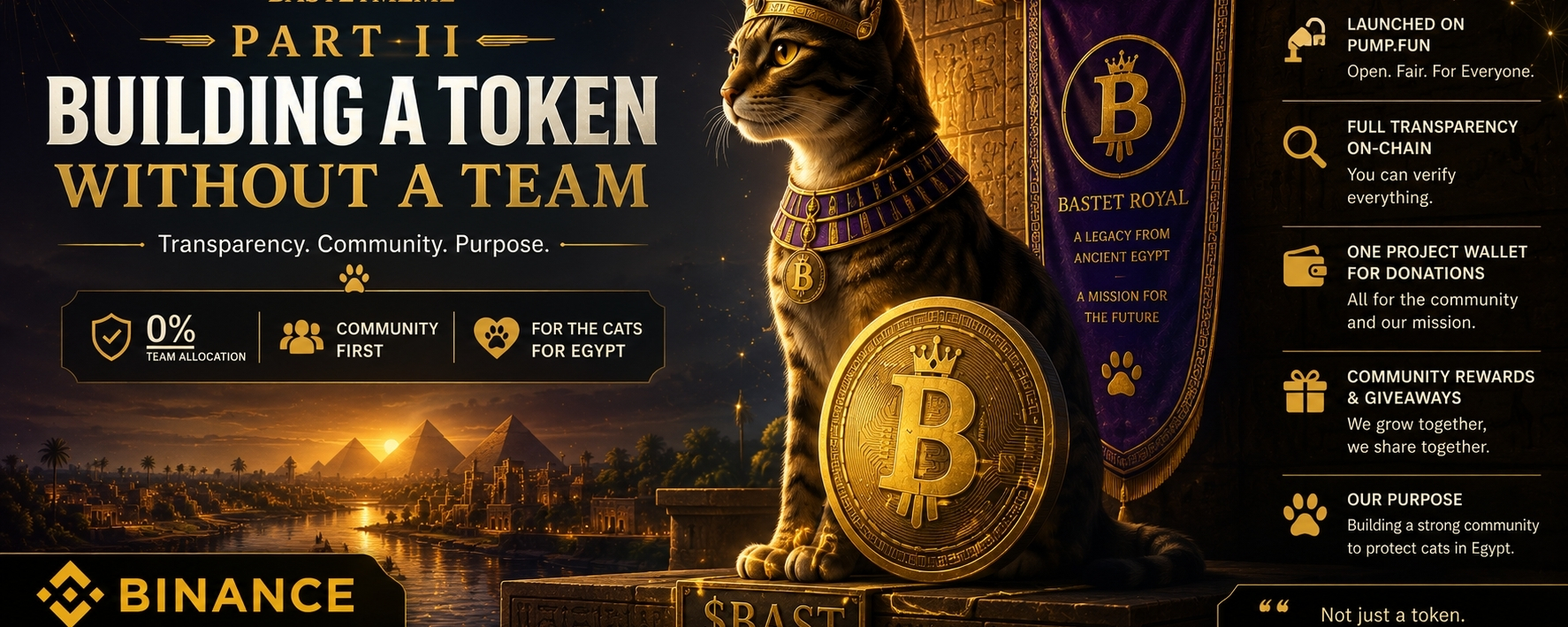
BASTETMEME — PART II
Building a Token Without a TeamLast Friday, I told you how BastetMeme began.
It started with a dream.
But a dream is easy to describe.
Building it is something else.
When we decided to turn the Bastet idea into a real crypto project, we faced a question that every small project eventually faces:
How do you build something when you don't have a fortune behind you?
Our answer was simple:
Build it with transparency. Build it with the community.
We did not create $BAST with a traditional team allocation.
There was no large percentage reserved for developers, founders, or insiders.
The goal was to make the community the center of the project.
Most of the supply was placed on Pump.fun, where anyone could see the market and participate openly.
The project did not have a collection of hidden wallets controlling the token.
There was one project wallet — the wallet intended for donations and community-related purposes.
And the only tokens we held as a team were the small amount we had previously disclosed — approximately one million $BAST for community rewards, giveaways and project-related needs.
That distinction mattered to us.
Because we didn't want people to simply hear the word “transparency.”
We wanted them to be able to look at the blockchain and verify what we were saying.
Of course, transparency does not make a project successful.
It only gives a project the foundation on which trust can be built.
And then came the harder part.
We needed people.
Not holders.
Not numbers on a screen.
People.
People who would believe that a meme could represent something more than a speculative trade.
We created content.
We talked about cats.
We built the Bastet Royal identity.
We organized community activities.
We tried to create conversations rather than simply shout:
“Buy $BAST.”
Because the original dream was never about selling a token.
It was about creating a community that could eventually use the power of that community for something meaningful.
But there was a problem.
The crypto world moves incredibly fast.
A new token appears every minute.
A new narrative replaces yesterday's narrative.
And attention has become one of the most expensive assets in crypto.
We didn't have the money to compete with large paid campaigns.
We didn't have a massive influencer network.
And we didn't want to manufacture hype that we couldn't sustain.
So we kept building.
Slowly.
Honestly.
One post at a time.
One conversation at a time.
One cat at a time. 🐾
Then we discovered something that would change the way we looked at the entire project.
Having a good mission doesn't automatically make people notice it.
And having a transparent project doesn't automatically make people trust it.
Trust has to be earned.
Attention has to be earned.
And sometimes...
even a genuine dream can disappear into the noise.
That was when BastetMeme entered its most difficult chapter.
To be continued…
Part III — When the Dream Meets Reality
#CryptoStory #CryptoCommunity #MemeCoin #Web3 #BAST
BASTETMEME — PART II Building a Token Without a Team
Last Friday, I told you how BastetMeme began.
It started with a dream.
But a dream is easy to describe.
Building it is something else.
When we decided to turn the Bastet idea into a real crypto project, we faced a question that every small project eventually faces:
How do you build something when you don't have a fortune behind you?
Our answer was simple:
Build it with transparency. Build it with the community.
We did not create $BAST with a traditional team allocation.
There was no large percentage reserved for developers, founders, or insiders.
The goal was to make the community the center of the project.
Most of the supply was placed on Pump.fun, where anyone could see the market and participate openly.
The project did not have a collection of hidden wallets controlling the token.
There was one project wallet — the wallet intended for donations and community-related purposes.
And the only tokens we held as a team were the small amount we had previously disclosed — approximately one million $BAST for community rewards, giveaways and project-related needs.
That distinction mattered to us.
Because we didn't want people to simply hear the word “transparency.”
We wanted them to be able to look at the blockchain and verify what we were saying.
Of course, transparency does not make a project successful.
It only gives a project the foundation on which trust can be built.
And then came the harder part.
We needed people.
Not holders.
Not numbers on a screen.
People.
People who would believe that a meme could represent something more than a speculative trade.
We created content.
We talked about cats.
We built the Bastet Royal identity.
We organized community activities.
We tried to create conversations rather than simply shout:
“Buy $BAST.”
Because the original dream was never about selling a token.
It was about creating a community that could eventually use the power of that community for something meaningful.
But there was a problem.
The crypto world moves incredibly fast.
A new token appears every minute.
A new narrative replaces yesterday's narrative.
And attention has become one of the most expensive assets in crypto.
We didn't have the money to compete with large paid campaigns.
We didn't have a massive influencer network.
And we didn't want to manufacture hype that we couldn't sustain.
So we kept building.
Slowly.
Honestly.
One post at a time.
One conversation at a time.
One cat at a time. 🐾
Then we discovered something that would change the way we looked at the entire project.
Having a good mission doesn't automatically make people notice it.
And having a transparent project doesn't automatically make people trust it.
Trust has to be earned.
Attention has to be earned.
And sometimes...
even a genuine dream can disappear into the noise.
That was when BastetMeme entered its most difficult chapter.
To be continued…
Part III — When the Dream Meets Reality
#CryptoStory #CryptoCommunity #MemeCoin #Web3 #BAST
61
·
--
Article
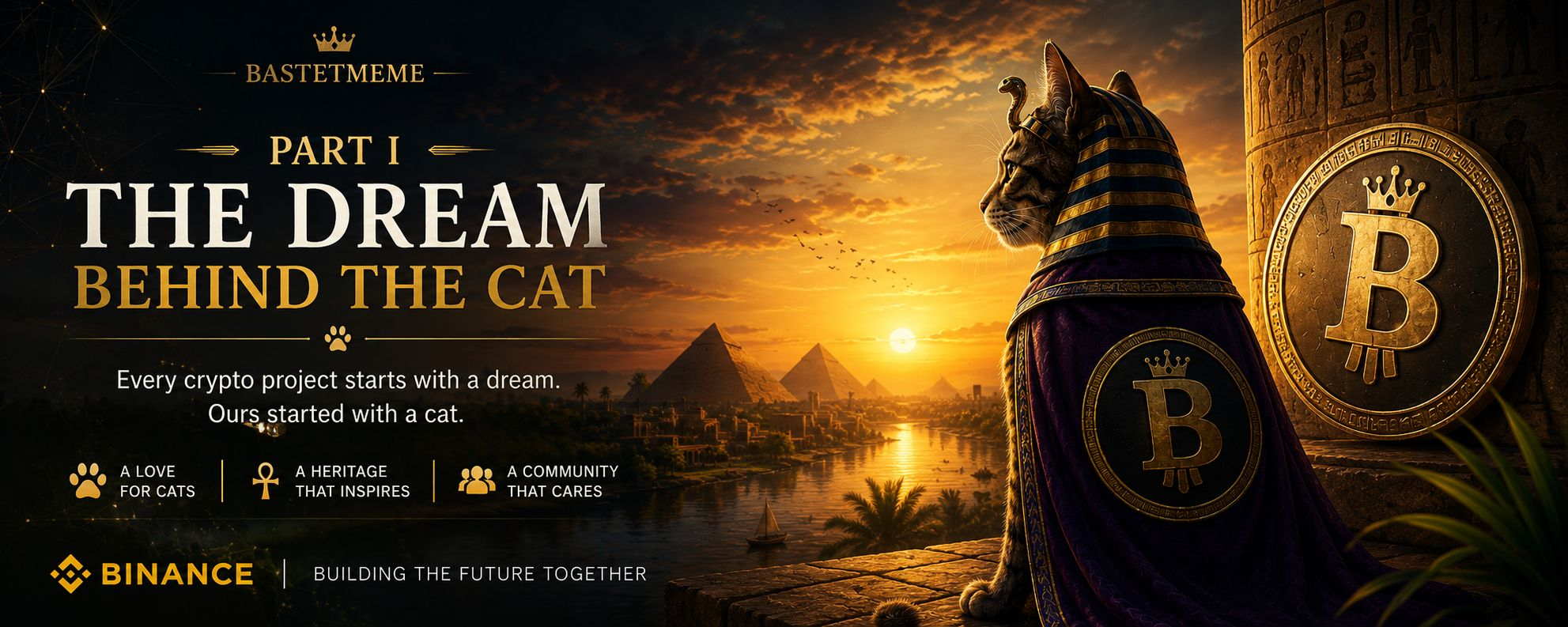
BASTETMEME — PART I
The Dream Behind the CatEvery crypto project starts with a dream.
Some dreams begin with money.
Some begin with ambition.
Ours began with a cat.
Not with a chart.
Not with a marketing budget.
Not with a promise of becoming rich.
It began with a simple question:
What if a crypto community could actually do something good for the animals that have no voice?
I have always loved cats and animals. And I have always been fascinated by crypto and Web3 — not only because of trading, but because of the idea behind it: people from different places can come together around an idea without needing a traditional institution to bring them together.
Then there was Egypt.
A country where cats are not just animals. They are part of thousands of years of culture and history.
And at the center of that history stands Bastet.
The ancient Egyptian goddess associated with cats, protection and the home became the inspiration behind a new idea.
But I didn't want Bastet to remain only a symbol from the past.
I imagined a new Bastet.
A royal cat.
A male mascot carrying an ancient Egyptian identity into the modern world of Web3.
And that was how BastetMeme began.
At first, it was just an idea.
There was no large treasury behind it.
No wealthy team waiting to finance massive campaigns.
No guaranteed investors.
Just a person with a dream, a love for cats, and the belief that perhaps a community could make that dream bigger than its creator.
The idea was never simply:
“Let's create another meme token.”
It was:
“Let's create a community that loves cats — and see what that community can eventually build.”
$BAST became the symbol.
Bastet Royal became the face.
And the cats of Egypt became the reason.
I knew from the beginning that this would not be easy.
A token can be created in minutes.
A community cannot.
Trust cannot.
A mission cannot.
Those things have to be earned.
So the first chapter of BastetMeme was never really about the token.
It was about trying to turn an idea into a community.
A community that could talk.
Create.
Share.
Help.
And perhaps, one day, look back and say:
“We actually changed something.”
But there was one thing I didn't fully understand when the journey began.
The crypto world is full of people searching for the next big opportunity.
Very few are searching for a cause.
And that difference would become one of the hardest lessons of the BastetMeme journey.
To be continued…
Part II — Building a Token With No Team Allocation
#CZ #BASTETMEME
$BTC $DOGE
BASTETMEME — PART I The Dream Behind the Cat
Every crypto project starts with a dream.
Some dreams begin with money.
Some begin with ambition.
Ours began with a cat.
Not with a chart.
Not with a marketing budget.
Not with a promise of becoming rich.
It began with a simple question:
What if a crypto community could actually do something good for the animals that have no voice?
I have always loved cats and animals. And I have always been fascinated by crypto and Web3 — not only because of trading, but because of the idea behind it: people from different places can come together around an idea without needing a traditional institution to bring them together.
Then there was Egypt.
A country where cats are not just animals. They are part of thousands of years of culture and history.
And at the center of that history stands Bastet.
The ancient Egyptian goddess associated with cats, protection and the home became the inspiration behind a new idea.
But I didn't want Bastet to remain only a symbol from the past.
I imagined a new Bastet.
A royal cat.
A male mascot carrying an ancient Egyptian identity into the modern world of Web3.
And that was how BastetMeme began.
At first, it was just an idea.
There was no large treasury behind it.
No wealthy team waiting to finance massive campaigns.
No guaranteed investors.
Just a person with a dream, a love for cats, and the belief that perhaps a community could make that dream bigger than its creator.
The idea was never simply:
“Let's create another meme token.”
It was:
“Let's create a community that loves cats — and see what that community can eventually build.”
$BAST became the symbol.
Bastet Royal became the face.
And the cats of Egypt became the reason.
I knew from the beginning that this would not be easy.
A token can be created in minutes.
A community cannot.
Trust cannot.
A mission cannot.
Those things have to be earned.
So the first chapter of BastetMeme was never really about the token.
It was about trying to turn an idea into a community.
A community that could talk.
Create.
Share.
Help.
And perhaps, one day, look back and say:
“We actually changed something.”
But there was one thing I didn't fully understand when the journey began.
The crypto world is full of people searching for the next big opportunity.
Very few are searching for a cause.
And that difference would become one of the hardest lessons of the BastetMeme journey.
To be continued…
Part II — Building a Token With No Team Allocation
#CZ #BASTETMEME
$BTC $DOGE
38
·
--
Bullish
#fogo $FOGO
{future}(FOGOUSDT)
🔥
FOGO is an emerging Layer-1 blockchain project designed for high-speed performance and scalable decentralized applications. Built to deliver ultra-fast transactions and low latency, it aims to empower DeFi, gaming, and next-generation Web3 platforms. Recently listed on major exchanges, FOGO has drawn attention for its bold branding and ambitious roadmap. While still in its early stages, the project combines technical innovation with growing community interest, positioning itself as a dynamic contender in the evolving crypto ecosystem.
#fogo $FOGO
🔥
FOGO is an emerging Layer-1 blockchain project designed for high-speed performance and scalable decentralized applications. Built to deliver ultra-fast transactions and low latency, it aims to empower DeFi, gaming, and next-generation Web3 platforms. Recently listed on major exchanges, FOGO has drawn attention for its bold branding and ambitious roadmap. While still in its early stages, the project combines technical innovation with growing community interest, positioning itself as a dynamic contender in the evolving crypto ecosystem.
2
3
·
--
Bearish
{future}(BTCUSDT)
لقد اخبرنا من قبل ان بدايه تصاعد البيتكوين الى اعلى نقطه سوف يليه انهيار تام الى مستوى ٦٠ الف وربما اكثر!!
انا ادعم Pi$
انها الاستثمار الأمثل قبل فوات الأوان 🙂
الكثير سوف يسخرون ويستهزئون ويضحكون ويقولون
مجنون اخر!!🚩🚩🚩
ولاكن الوقت بيننا
هذه ليست نصيحه أستثماريه ولاكن ضوء أحمر لمن يريد أن يفهم 🚨🚨🚨
#pi
انا ادعم Pi$
انها الاستثمار الأمثل قبل فوات الأوان 🙂
الكثير سوف يسخرون ويستهزئون ويضحكون ويقولون
مجنون اخر!!🚩🚩🚩
ولاكن الوقت بيننا
هذه ليست نصيحه أستثماريه ولاكن ضوء أحمر لمن يريد أن يفهم 🚨🚨🚨
#pi
1
399
·
--
الذكاء الاصطناعى هو مجرد عن مندوب مبيعات حديث لتوجيهك الى الشركات الكبرى ومشاريعها ومنتجاتها لا اكثر ولا اقل
الذكاء الاصطناعى هو مجرد عن مندوب مبيعات حديث لتوجيهك الى الشركات الكبرى ومشاريعها ومنتجاتها لا اكثر ولا اقل
Elaouzi
·
--
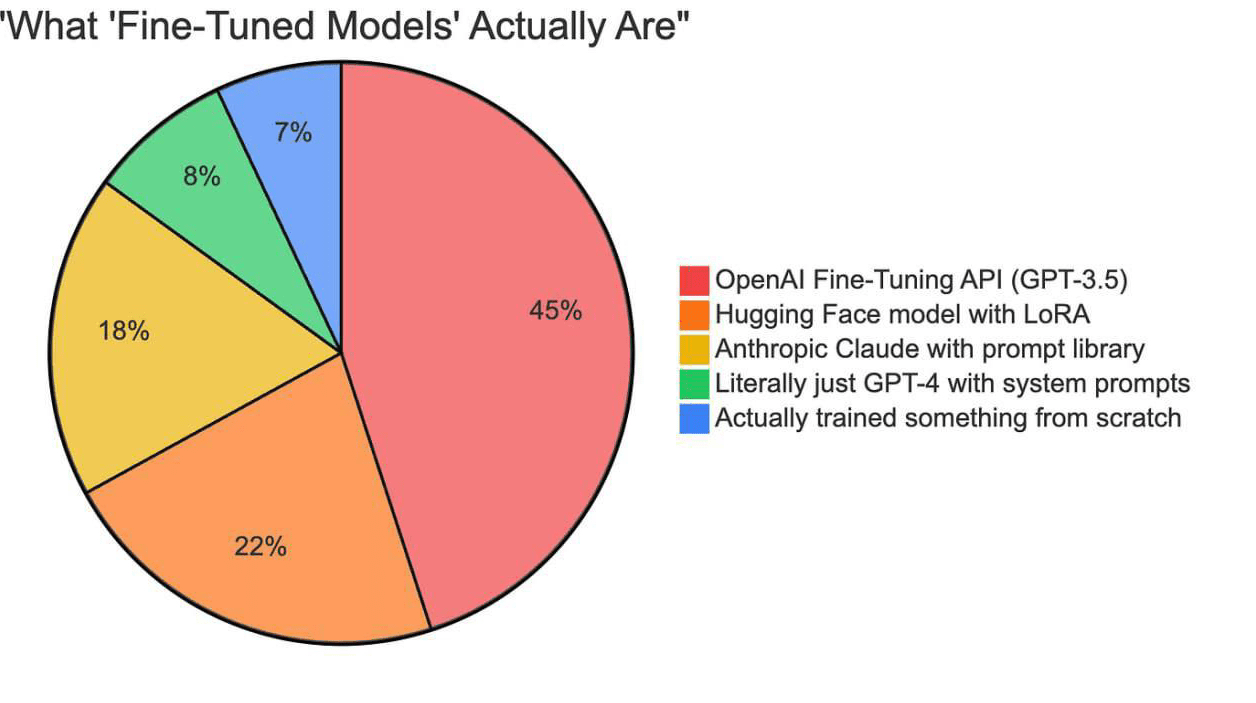
فضيحة الذكاء الاصطناعي المُزيف: هل 73% من الشركات تبيعنا "ChatGPT مُحسَّن"؟
أيها المتابعون الكرام، كاشفاً لكم حقيقة سوق الذكاء الاصطناعي التي يتجنب الكثيرون الحديث عنها! لقد أظهر تحليل دقيق لأكثر من 200 شركة ناشئة حصلت على تمويل أنَّ الغالبية العظمى (73%) منها تعتمد بشكل أساسي على نماذج جاهزة من شركات أخرى.
بصراحة تامة، ما يتم تداوله على أنه "تقنية ذكاء اصطناعي مُلكية وخاصة" في الكثير من المنتجات ليس سوى:
• استخدام مباشر لنماذج طرف ثالث جاهزة.
• أغلب المنتجات ما هي إلا واجهة جميلة لاستعلامات بسيطة موجهة إلى ChatGPT.
• بعضها الآخر هو مجرد نسخ معدلة بشكل سطحي من نماذج مثل Claude أو نماذج HuggingFace.
الخلاصة المُوجعة والتي يجب أن نعترف بها جميعاً هي أنَّ جزءاً كبيراً من السوق يعرّف "الذكاء الاصطناعي الخاص به" بأنه ليس أكثر من استخدام احترافي ومبتكر لأداة ChatGPT مع كتابة أوامر (Prompts) ذكية، ثم تغليفه وتقديمه على أنه ابتكار ثوري!
هذه الحقيقة تُعيد تعريف المنافسة وتجعلنا نتساءل: ما هو الابتكار الحقيقي في هذا القطاع؟ وكيف يمكن للمستثمرين تمييز الشركات التي تبني أساساً تكنولوجياً حقيقياً عن تلك التي تعتمد على مجرد "إعادة التغليف الذكية"؟
$AI
#chatgpt #OpenAI #Binance #elaouzi
2
111
·
--

Article
The Time Seller
In a city full of dreams, where the stars shone brightly in the night sky, there was a young man named Ahmed who had a strange and amazing idea. He decided to sell "time" instead of things. He sold a minute of his happiness, an hour of his thoughts, or a day of his life. He sold moments of his soul, and people bought them eagerly.
Ahmed started selling time, and people started buying from him. One person bought a minute of his happiness to add to their dull day, and another bought an hour of his thoughts to find a solution to a difficult problem. Ahmed sold time at high prices, but people paid without hesitation.
Ahmed became very happy, and his story started spreading. People talked about him, and came from all over to buy his time. Ahmed lived in a world of wealth, but there was something that worried him. He felt that there was something hiding in the shadows, something waiting for him.
And then, one day, a mysterious man came and bought all the remaining time he had. The man wore a black shirt, and his eyes shone with coldness. Ahmed smiled, and said: "I've sold everything I have". The man smiled, and said: "I know, I've bought everything".
The man disappeared, and Ahmed disappeared with him. No one saw him again. People started wondering about Ahmed's fate, but there was no trace of him. It was as if he had vanished into thin air.
Days later, mysterious messages started appearing on people's mobile phones. The messages said: "Time is life". People started feeling scared, and wondered if Ahmed had sold his soul to the devil.
And on a dark night, the stars started disappearing from the sky. It was as if Ahmed had taken a part of the light with him. People started feeling scared, and wondered if they would be next.
#Bitcoin❗
$BTC
The Time Seller
In a city full of dreams, where the stars shone brightly in the night sky, there was a young man named Ahmed who had a strange and amazing idea. He decided to sell "time" instead of things. He sold a minute of his happiness, an hour of his thoughts, or a day of his life. He sold moments of his soul, and people bought them eagerly.
Ahmed started selling time, and people started buying from him. One person bought a minute of his happiness to add to their dull day, and another bought an hour of his thoughts to find a solution to a difficult problem. Ahmed sold time at high prices, but people paid without hesitation.
Ahmed became very happy, and his story started spreading. People talked about him, and came from all over to buy his time. Ahmed lived in a world of wealth, but there was something that worried him. He felt that there was something hiding in the shadows, something waiting for him.
And then, one day, a mysterious man came and bought all the remaining time he had. The man wore a black shirt, and his eyes shone with coldness. Ahmed smiled, and said: "I've sold everything I have". The man smiled, and said: "I know, I've bought everything".
The man disappeared, and Ahmed disappeared with him. No one saw him again. People started wondering about Ahmed's fate, but there was no trace of him. It was as if he had vanished into thin air.
Days later, mysterious messages started appearing on people's mobile phones. The messages said: "Time is life". People started feeling scared, and wondered if Ahmed had sold his soul to the devil.
And on a dark night, the stars started disappearing from the sky. It was as if Ahmed had taken a part of the light with him. People started feeling scared, and wondered if they would be next.
#Bitcoin❗
$BTC
10
·
--
كلام اكثر من رائع
كلام اكثر من رائع

Professor_MohammedEM
·
--
🌍🔥 رحلة Pi بدأت للتو!
أيها الرواد، نحن نعيش الفصول الأولى من شيء أكبر بكثير من مجرد مشروع عملة رقمية آخر.
قصة Pi لا تقوم على الضجيج أو الوعود الفارغة — بل تُبنى على الرؤية، والصبر، والمجتمع.
الآن، يعتقد بعض المحللين أن أكثر من تريليون دولار قد تتدفق إلى نظام Pi البيئي مع مرور الوقت.
فكر في ذلك للحظة — هذا المستوى من السيولة لا يهز رمزًا واحدًا فحسب، بل يُعيد تشكيل مشهد تبني العملات الرقمية عالميًا.
لكن ما يجعل Pi مختلفة ليس الأرقام، بل الغاية.
بينما تسعى المشاريع الأخرى وراء المكاسب السريعة والقوائم البراقة،
ظلّ الدكتور نيكولاس وفريق Pi الأساسي ملتزمين ببناء شيء مستدام —
بدون طرق مختصرة، ولا حيل تسويقية — فقط منفعة حقيقية، وتخطيط مدروس، وإيمان بالناس قبل الأرباح.
هذه ليست رحلة "الثراء السريع"، بل أساس لبناء اقتصاد جديد
يمنح القوة للمستخدمين العاديين — لك أنت، الرائد الحقيقي.
كل ضغطة، كل عقدة، كل محادثة تشاركها هي جزء من مهمة تهدف لجعل البلوكشين في متناول الجميع وبمعنى حقيقي.
---
💜 شبكة Pi تجمع الناس عبر الحدود والخلفيات والمعتقدات.
إنها تُثبت أن اللامركزية ليست مجرد توجه تقني، بل حركة ثقافية عالمية.
العالم كله يراقب الآن — بعضهم متشكك، وبعضهم فضولي،
لكن الرواد لا ينتظرون.
إنهم يبنون ويختبرون ويستعدّون للحظة دخول Pi إلى السوق المفتوحة بثقة ووضوح.
إذا كنت هنا في وقت مبكر، فاعتبر نفسك محظوظًا 🍀
فهذا أكثر من مجرد تعدين على الهاتف — إنها ثورة يقودها الناس، لا الحيتان.
ابقَ قويًا، صبورًا، ومركّزًا.
الرحلة الحقيقية لـ $Pi بدأت للتو 🚀🔥🧠
---
#PiNetwork #Pioneers #Web3ForAll

14
·
--
من شهره العمله كل من يملك معلومات او لايملك يفتى بدون علم ياريت ماتنقلش كلام والسلام اقرأ وابحث بنفسك قبل ان تفتى
من شهره العمله كل من يملك معلومات او لايملك يفتى بدون علم ياريت ماتنقلش كلام والسلام اقرأ وابحث بنفسك قبل ان تفتى
CRYPto tokens 89
·
--
خبر لأصحاب تخزين عملة pi
@yousif170:الاحتيال على كل من ظن ان السعر ٣١٤ الف دولار
✅ نعم، ثبت فعلاً أن نيكولاس كوكاليس أو الفريق المؤسس لعملة Pi Network يملكون أكثر من 95% من إجمالي العملة، فإن المشروع يصبح غير موثوق إطلاقًا، ويفقد كل مصداقيته كعملة مشفرة حقيقية.
🔹 لأن هذا يعني أن:
العملة مركزيّة بالكامل — أي أن القرار بيد شخص أو جهة واحدة، وليس شبكة لا مركزية كما تدعي العملات الحقيقية مثل بيتكوين أو إيثيريوم.
المستخدمون لا يملكون شيئًا حقيقيًا — من يقوم بالتعدين يوميًا لا يحصل إلا على "فتات"، بينما الفريق المؤسس يملك الكمية الهائلة.
السعر والسوق يمكن التحكم فيهما بسهولة — الفريق يستطيع طرح كمية كبيرة في السوق بأي لحظة، فينهار السعر فورًا، لأن لا أحد يملك مقاومة أو سيطرة.
أي حديث عن "اقتصاد Pi" أو "سوق عالمي" هو مجرد تسويق لا أساس له — لأن من يتحكم بالعملة يمكنه التحكم في كل شيء: السعر، التوزيع، وحتى إغلاق النظام بالكامل.
⚠️للتوضيح: تخيل أن ساتوشي ناكاموتو، مبتكر بيتكوين، كان يملك 95% من العملات ولم يوزعها أبدًا... هل كان سيصدق أحد ببيتكوين؟ بالتأكيد لا.
🔍 الواقع الحالي لعملة Pi:
❌ لا يوجد شفافية في التوزيع.
❌ البلوكشين ليس مفتوح المصدر بالكامل.
❌ معظم التداول يتم خارج البلوكشين (IOU فقط) وليس حقيقي.
❌ لا يمكن سحب أو استخدام العملة فعليًا في أي مكان حتى اليوم.
❌ القيمة الحقيقية = صفر، لأنك لا تستطيع بيعها أو تحويلها بحرية.
📉 النتيجة النهائية:
نيكولاس كوكاليس أو الفريق المؤسس يملكون أكثر من 95% من Pi، فهذا معناه أن العملة:
مشروع مركزي مغلق.
غير لامركزي.
شديد الخطورة.
ويحتمل أن يكون مشروعًا احتياليًا (Scam risk).
✅ نصيحة مهمة: لا تستثمر أموال حقيقية في Pi Network. إذا أردت، استخدمها مجانًا فقط كاختبار، لكن لا تعتمد عليها كمصدر دخل أو استثمار آمن،🤣🤣 #الجميع
69
·
--

Article
Bitcoin's Q4 2025 outlook## Key Drivers
1. Post-Halving Supply Crunch (2024 halving impact intensifies).
2. Global Liquidity: Fed rate decisions (cuts = bullish).
3. Institutional Demand: ETF inflows, corporate adoption.
4. Regulation: Full MiCA implementation (EU), U.S. election policy shifts.
5. Macro Risks: Inflation, cyberattacks, geopolitical shocks.
---
### Price Scenarios
| Scenario | Probability | BTC Price Range | Catalysts
|---------------------|-----------------|---------------------|-----------------
| Bullish | 30% | $150,000 - $200,000+ | Aggressive rate cuts + ETF inflows surge + Institutional FOMO.
| Base Case | 50% | $90,000 - $140,000 | Moderate ETF flows + Stable regulation + Steady adoption.
| Bearish | 20% | $60,000 - $85,000 | Sticky inflation + Regulatory crackdowns + Black swan event.
---
### Critical Events
- U.S. Elections (Nov 5, 2025): Policy uncertainty → short-term volatility.
- EU’s MiCA Regulation: Full rollout in Dec 2025 → compliance pressure.
- ETF Flow Trends: Sustained inflows = price floor support.
- U.S. CPI Reports: >3% inflation = risk-off sentiment.
---
### Bottom Line
> Bitcoin in Q4 2025 hinges on liquidity + regulation + institutional behavior.
> 🚀 Upside: ETF momentum + dovish Fed → $200K possible.
> ⚠️ Downside: Regulatory hostility → retest of $60K support.
> Volatility warning: 20-30% swings within weeks are likely.
Disclaimer: Not financial advice. BTC can drop 80% in downturns (e.g., 2018). Always DYOR.
#BTC #Binance
$BTC
{spot}(BTCUSDT)
Bitcoin's Q4 2025 outlook
## Key Drivers
1. Post-Halving Supply Crunch (2024 halving impact intensifies).
2. Global Liquidity: Fed rate decisions (cuts = bullish).
3. Institutional Demand: ETF inflows, corporate adoption.
4. Regulation: Full MiCA implementation (EU), U.S. election policy shifts.
5. Macro Risks: Inflation, cyberattacks, geopolitical shocks.
---
### Price Scenarios
| Scenario | Probability | BTC Price Range | Catalysts
|---------------------|-----------------|---------------------|-----------------
| Bullish | 30% | $150,000 - $200,000+ | Aggressive rate cuts + ETF inflows surge + Institutional FOMO.
| Base Case | 50% | $90,000 - $140,000 | Moderate ETF flows + Stable regulation + Steady adoption.
| Bearish | 20% | $60,000 - $85,000 | Sticky inflation + Regulatory crackdowns + Black swan event.
---
### Critical Events
- U.S. Elections (Nov 5, 2025): Policy uncertainty → short-term volatility.
- EU’s MiCA Regulation: Full rollout in Dec 2025 → compliance pressure.
- ETF Flow Trends: Sustained inflows = price floor support.
- U.S. CPI Reports: >3% inflation = risk-off sentiment.
---
### Bottom Line
> Bitcoin in Q4 2025 hinges on liquidity + regulation + institutional behavior.
> 🚀 Upside: ETF momentum + dovish Fed → $200K possible.
> ⚠️ Downside: Regulatory hostility → retest of $60K support.
> Volatility warning: 20-30% swings within weeks are likely.
Disclaimer: Not financial advice. BTC can drop 80% in downturns (e.g., 2018). Always DYOR.
#BTC #Binance
$BTC
1
28
·
--
Bullish
Huma Finance ($HUMA);
Huma Finance هي منصة تمويل لامركزي (PayFi) تربط بين التمويل التقليدي (TradFi) والتمويل اللامركزي (DeFi). تهدف إلى تسهيل المدفوعات العالمية من خلال توفير سيولة فورية على البلوكتشين، مع التركيز على القروض المضمونة بالدخل والتسويات المالية السريعة. تعمل المنصة على شبكة Solana لضمان سرعة المعاملات وانخفاض التكاليف، وتدعم حلولاً مثل الدفعات عبر الحدود والتسويات في الوقت الفعلي.
مستقبل Huma Finance:
النمو السريع: حققت المنصة نمواً كبيراً بمعاملات PayFi بقيمة 5.4 مليار دولار في عام واحد، وتهدف إلى الوصول إلى 10 مليارات دولار بحلول نهاية 2025.
الشراكات: تتعاون مع كيانات كبرى مثل Circle وSuperstate لتحسين استراتيجيات السيولة.
إمكانات السوق: مع تزايد الطلب على حلول DeFi التي تربط بالتمويل التقليدي، قد يكون لـ Huma Finance مستقبل واعد، لكنها تواجه مخاطر تقلبات سوق العملات المشفرة.
تحديات: نجاحها يعتمد على استمرار التوسع، تحسين تجربة المستخدم، والتغلب على التحديات التنظيمية والتقنية.
#HUMAFINANCE
$HUMA
Huma Finance ($HUMA );
Huma Finance هي منصة تمويل لامركزي (PayFi) تربط بين التمويل التقليدي (TradFi) والتمويل اللامركزي (DeFi). تهدف إلى تسهيل المدفوعات العالمية من خلال توفير سيولة فورية على البلوكتشين، مع التركيز على القروض المضمونة بالدخل والتسويات المالية السريعة. تعمل المنصة على شبكة Solana لضمان سرعة المعاملات وانخفاض التكاليف، وتدعم حلولاً مثل الدفعات عبر الحدود والتسويات في الوقت الفعلي.
مستقبل Huma Finance:
النمو السريع: حققت المنصة نمواً كبيراً بمعاملات PayFi بقيمة 5.4 مليار دولار في عام واحد، وتهدف إلى الوصول إلى 10 مليارات دولار بحلول نهاية 2025.
الشراكات: تتعاون مع كيانات كبرى مثل Circle وSuperstate لتحسين استراتيجيات السيولة.
إمكانات السوق: مع تزايد الطلب على حلول DeFi التي تربط بالتمويل التقليدي، قد يكون لـ Huma Finance مستقبل واعد، لكنها تواجه مخاطر تقلبات سوق العملات المشفرة.
تحديات: نجاحها يعتمد على استمرار التوسع، تحسين تجربة المستخدم، والتغلب على التحديات التنظيمية والتقنية.
#HUMAFINANCE
$HUMA
195
·
--
ده بدايه ضخ للبيتكوين لتحقيق اعلى مستوى تاريخى قبل الانهيار العظيم ووصول البيتكوين للقاع 😂😂
ده بدايه ضخ للبيتكوين لتحقيق اعلى مستوى تاريخى قبل الانهيار العظيم ووصول البيتكوين للقاع 😂😂


حيتان العرب Arabicwhales
·
--
خلال الـ 12 ساعة الماضية، استيقظت 8 محافظ من عصر ساتوشي بعد 14 سنة من الجمود، ونقلت 80,000 $BTC بقيمة 8.68 مليار دولار إلى محافظ جديدة! 😱
🔹 اثنتان من هذه المحافظ استلمت البيتكوين في أبريل 2011 بسعر 0.78$، والبقية في مايو 2011 بسعر 3.37$ — حينها كانت قيمتها الإجمالية 217.8 ألف دولار فقط!
🔹 اليوم هذه الكمية تساوي 8.68 مليار دولار، أي عائد بـ 39,800 ضعف! 🤯
📊 هل هذه بداية بيع ضخم
شارك توقعاتك 👇
🔹 اثنتان من هذه المحافظ استلمت البيتكوين في أبريل 2011 بسعر 0.78$، والبقية في مايو 2011 بسعر 3.37$ — حينها كانت قيمتها الإجمالية 217.8 ألف دولار فقط!
🔹 اليوم هذه الكمية تساوي 8.68 مليار دولار، أي عائد بـ 39,800 ضعف! 🤯
📊 هل هذه بداية بيع ضخم
شارك توقعاتك 👇

252
·
--
22
22

8_NovaMeme
·
--
Bullishاصعب لغز بالعالم 📍📍📍📍📍🔥🔥🔥🔥🔥🔥
Only those people give #answerthequestion werthequestion who do not know the answer, the one who gives the #Right answer will be the winner #lockyquiz uiz $BTC $TRUMP $BTC TH
Only those people give #answerthequestion werthequestion who do not know the answer, the one who gives the #Right answer will be the winner #lockyquiz uiz $BTC $TRUMP $BTC TH
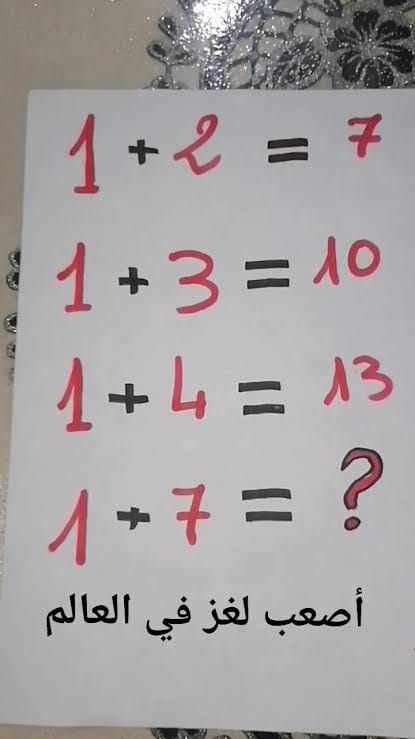

3
·
--
ولا حتى البيتكوين والايام قادمه
ولا حتى البيتكوين والايام قادمه

mras645
·
--
اللامركزية؟ كذبة كبيرة 🤥
بعد اختراق الـ $200M على شبكة $SUI بدأوا يمنعون المعاملات ويجمدون الأموال 🚫💸
القناع سقط، وشفنا الحقيقة…
الوحيد اللي فعلاً لا مركزي هو البيتكوين 🟧
$SUI
$BTC
بعد اختراق الـ $200M على شبكة $SUI بدأوا يمنعون المعاملات ويجمدون الأموال 🚫💸
القناع سقط، وشفنا الحقيقة…
الوحيد اللي فعلاً لا مركزي هو البيتكوين 🟧
$SUI
$BTC

55
Log in to explore more content
Join global crypto users on Binance Square
⚡️ Get latest and useful information about crypto.
💬 Trusted by the world’s largest crypto exchange.
👍 Discover real insights from verified creators.
Email / Phone number
Trending Topics
USMidterms-WhatAreMarketsExpecting?
149,620 views
1,100 Discussing
Democratic Congressional Sweep Shakes Trump Trades in AI Stocks and Crypto
Binance News
·16 Likes
·6k views
USOctoberNFP-AreRateCutsStillPossible
282,219 views
2,172 Discussing
CircleQ3Revenue865M
2,186 views
110 Discussing