

#iran
iran
10.1M views
18,536 Discussing
Hot
Latest

·
--
Bullish
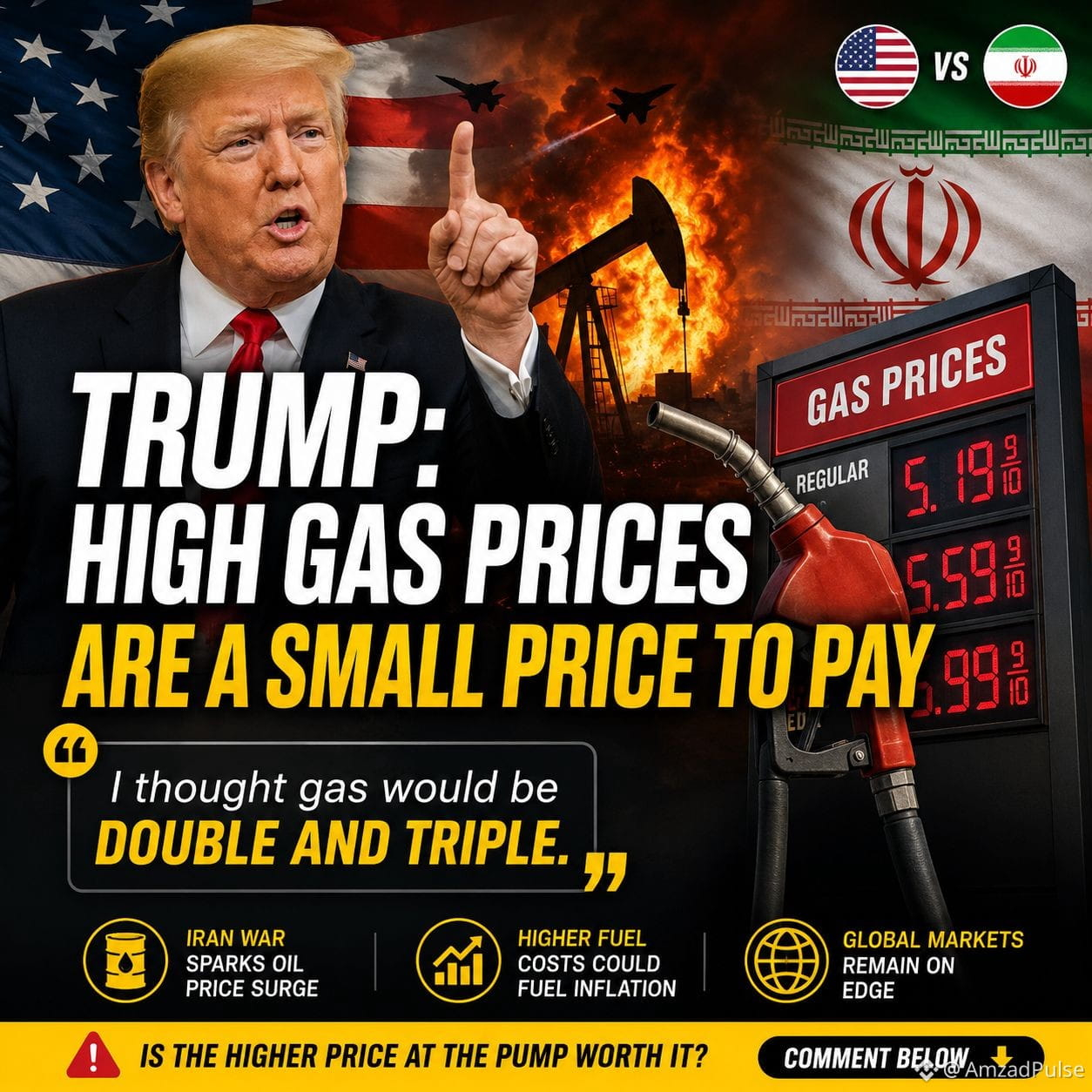
🇺🇸🇮🇷 TRUMP HIGH GAS PRICES ARE A SMALL PRICE TO PAY
Trump says higher gas prices are worth it amid the Iran war, adding
I thought gas would be double and triple
Oil prices inflation & global markets remain in focus.
Do you agree with Trump?
#Iran #Trump #Oil #GasPrices #Inflation #Crypto
🇺🇸🇮🇷 TRUMP HIGH GAS PRICES ARE A SMALL PRICE TO PAY
Trump says higher gas prices are worth it amid the Iran war, adding
I thought gas would be double and triple
Oil prices inflation & global markets remain in focus.
Do you agree with Trump?
#Iran #Trump #Oil #GasPrices #Inflation #Crypto
Trump says higher gas prices are worth it amid the Iran war, adding
I thought gas would be double and triple
Oil prices inflation & global markets remain in focus.
Do you agree with Trump?
#Iran #Trump #Oil #GasPrices #Inflation #Crypto
389


·
--
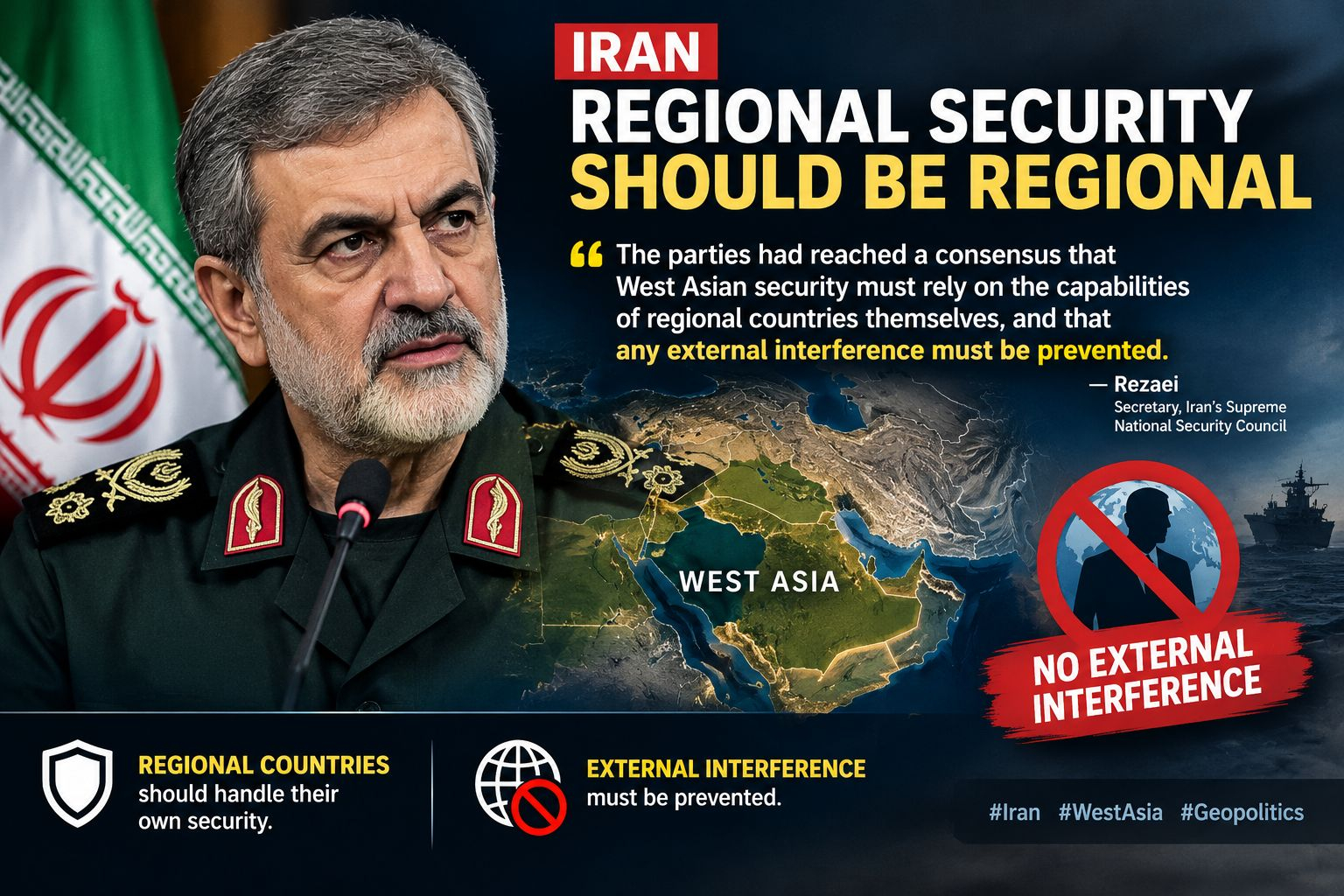
🌍 Iran’s Security Message: Rezaei says regional countries agree that West Asian security should be managed by regional powers themselves, with no external interference.
#Iran #WestAsia #Geopolitics
🌍 Iran’s Security Message: Rezaei says regional countries agree that West Asian security should be managed by regional powers themselves, with no external interference.
#Iran #WestAsia #Geopolitics
#Iran #WestAsia #Geopolitics
Felipe Brayner:
Completamente de acordo. A soberania e a estabilidade de longo prazo na Ásia Ocidental dependem inevitavelmente de um eixo de cooperação autónomo entre os atores locais, reduzindo o espaço para intervenções externas que, historicamente, tendem a agravar as fraturas regionais. O verdadeiro desenvolvimento exige que a segurança seja gerida por quem de facto vive e sofre as dinâmicas do território.SIGA ME 🇧🇷!
1
1
44

·
--
Bullish
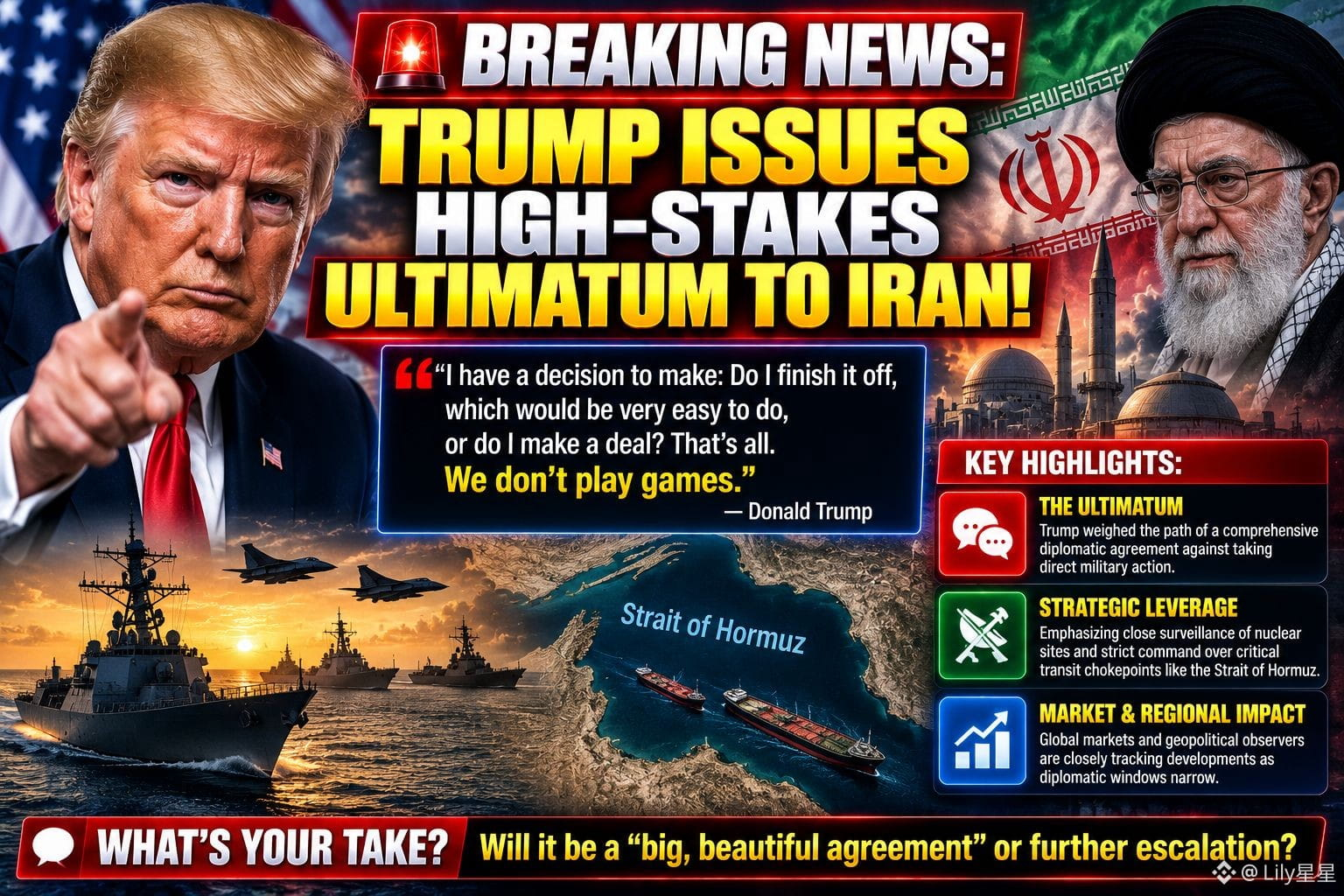
🚨 BREAKING NEWS: TRUMP ISSUES HIGH-STAKES ULTIMATUM TO IRAN! 🇺🇸🇮🇷
U.S. President Donald Trump has drawn a sharp line regarding Tehran, framing his administration's next steps as a stark choice between diplomacy and total military action:
$ETC
{future}(ETCUSDT)
"I have a decision to make: Do I finish it off, which would be very easy to do, or do I make a deal? That's all. We don't play games." — Donald Trump
$BANK
{future}(BANKUSDT)
Key Highlights:
The Ultimatum: Trump weighed the path of a comprehensive diplomatic agreement against taking direct military action to conclude the conflict.
Strategic Leverage: Emphasizing close surveillance of nuclear sites and strict command over critical transit chokepoints like the Strait of Hormuz.
$ZEC
{future}(ZECUSDT)
Market & Regional Impact: Global markets and geopolitical observers are closely tracking developments as diplomatic windows narrow.
💬 What’s your take? Will it be a "big, beautiful agreement" or further escalation?
#TRUMP #iran #BinancePick #NewsAboutCrypto
🚨 BREAKING NEWS: TRUMP ISSUES HIGH-STAKES ULTIMATUM TO IRAN! 🇺🇸🇮🇷
U.S. President Donald Trump has drawn a sharp line regarding Tehran, framing his administration's next steps as a stark choice between diplomacy and total military action:
$ETC
"I have a decision to make: Do I finish it off, which would be very easy to do, or do I make a deal? That's all. We don't play games." — Donald Trump
$BANK
Key Highlights:
The Ultimatum: Trump weighed the path of a comprehensive diplomatic agreement against taking direct military action to conclude the conflict.
Strategic Leverage: Emphasizing close surveillance of nuclear sites and strict command over critical transit chokepoints like the Strait of Hormuz.
$ZEC
Market & Regional Impact: Global markets and geopolitical observers are closely tracking developments as diplomatic windows narrow.
💬 What’s your take? Will it be a "big, beautiful agreement" or further escalation?
#TRUMP #iran #BinancePick #NewsAboutCrypto
U.S. President Donald Trump has drawn a sharp line regarding Tehran, framing his administration's next steps as a stark choice between diplomacy and total military action:
$ETC
"I have a decision to make: Do I finish it off, which would be very easy to do, or do I make a deal? That's all. We don't play games." — Donald Trump
$BANK
Key Highlights:
The Ultimatum: Trump weighed the path of a comprehensive diplomatic agreement against taking direct military action to conclude the conflict.
Strategic Leverage: Emphasizing close surveillance of nuclear sites and strict command over critical transit chokepoints like the Strait of Hormuz.
$ZEC
Market & Regional Impact: Global markets and geopolitical observers are closely tracking developments as diplomatic windows narrow.
💬 What’s your take? Will it be a "big, beautiful agreement" or further escalation?
#TRUMP #iran #BinancePick #NewsAboutCrypto
1
444

·
--
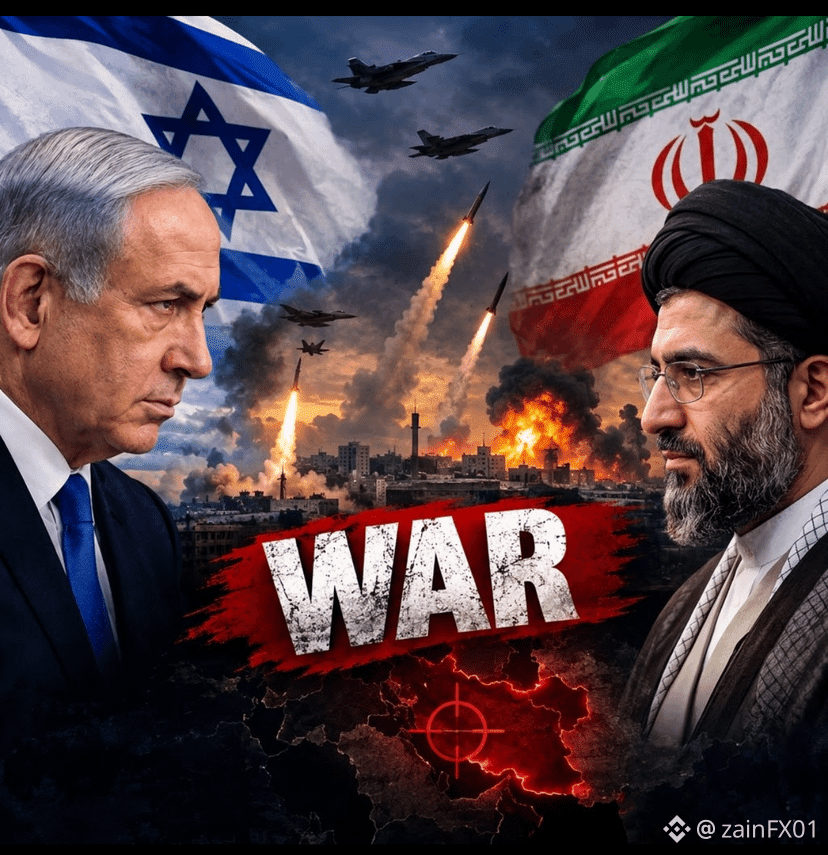
🚨 NETANYAHU VS. ISRAEL’S ARMY CHIEF: TENSIONS OVER IRAN ESCALATE
$BTC
🔥 A major disagreement reportedly erupted between Israeli Prime Minister Benjamin Netanyahu and IDF Chief of Staff General Eyal Zamir over the possibility of war with Iran.
According to Israel’s Kan News, the confrontation reached a boiling point during a discussion at the Palmahim military base on Sunday.
🇮🇱 What reportedly happened?
• Netanyahu reportedly favored a potential military strike against Iran.
• General Eyal Zamir reportedly disagreed with Netanyahu’s position.
• The disagreement allegedly escalated into a heated verbal confrontation.
• The reported clash highlights growing divisions within Israel’s leadership over a possible conflict with Iran.
⚠️ Why does this matter?
Any disagreement between Israel’s political leadership and its military command over Iran could become a significant geopolitical development.
Rising tensions in the Middle East may increase uncertainty across global markets, particularly:
📈 Crude Oil — Potential geopolitical risk premium
🥇 Gold — Possible safe-haven demand
💵 US Dollar — Volatility depending on risk sentiment
₿ Bitcoin & Crypto — Potential reaction to global risk appetite
Market Watch: Traders should monitor developments carefully. Geopolitical headlines can trigger sudden volatility, but the actual market reaction will depend on whether tensions translate into military action.
📌 Source: Kan News, Israeli public broadcaster
This is a reported disagreement, not confirmation that an Israeli attack on Iran has been decided.
#Israel #Iran #Geopolitics #BreakingNews
🚨 NETANYAHU VS. ISRAEL’S ARMY CHIEF: TENSIONS OVER IRAN ESCALATE
$BTC
🔥 A major disagreement reportedly erupted between Israeli Prime Minister Benjamin Netanyahu and IDF Chief of Staff General Eyal Zamir over the possibility of war with Iran.
According to Israel’s Kan News, the confrontation reached a boiling point during a discussion at the Palmahim military base on Sunday.
🇮🇱 What reportedly happened?
• Netanyahu reportedly favored a potential military strike against Iran.
• General Eyal Zamir reportedly disagreed with Netanyahu’s position.
• The disagreement allegedly escalated into a heated verbal confrontation.
• The reported clash highlights growing divisions within Israel’s leadership over a possible conflict with Iran.
⚠️ Why does this matter?
Any disagreement between Israel’s political leadership and its military command over Iran could become a significant geopolitical development.
Rising tensions in the Middle East may increase uncertainty across global markets, particularly:
📈 Crude Oil — Potential geopolitical risk premium
🥇 Gold — Possible safe-haven demand
💵 US Dollar — Volatility depending on risk sentiment
₿ Bitcoin & Crypto — Potential reaction to global risk appetite
Market Watch: Traders should monitor developments carefully. Geopolitical headlines can trigger sudden volatility, but the actual market reaction will depend on whether tensions translate into military action.
📌 Source: Kan News, Israeli public broadcaster
This is a reported disagreement, not confirmation that an Israeli attack on Iran has been decided.
#Israel #Iran #Geopolitics #BreakingNews
$BTC
🔥 A major disagreement reportedly erupted between Israeli Prime Minister Benjamin Netanyahu and IDF Chief of Staff General Eyal Zamir over the possibility of war with Iran.
According to Israel’s Kan News, the confrontation reached a boiling point during a discussion at the Palmahim military base on Sunday.
🇮🇱 What reportedly happened?
• Netanyahu reportedly favored a potential military strike against Iran.
• General Eyal Zamir reportedly disagreed with Netanyahu’s position.
• The disagreement allegedly escalated into a heated verbal confrontation.
• The reported clash highlights growing divisions within Israel’s leadership over a possible conflict with Iran.
⚠️ Why does this matter?
Any disagreement between Israel’s political leadership and its military command over Iran could become a significant geopolitical development.
Rising tensions in the Middle East may increase uncertainty across global markets, particularly:
📈 Crude Oil — Potential geopolitical risk premium
🥇 Gold — Possible safe-haven demand
💵 US Dollar — Volatility depending on risk sentiment
₿ Bitcoin & Crypto — Potential reaction to global risk appetite
Market Watch: Traders should monitor developments carefully. Geopolitical headlines can trigger sudden volatility, but the actual market reaction will depend on whether tensions translate into military action.
📌 Source: Kan News, Israeli public broadcaster
This is a reported disagreement, not confirmation that an Israeli attack on Iran has been decided.
#Israel #Iran #Geopolitics #BreakingNews
83


·
--
Bullish
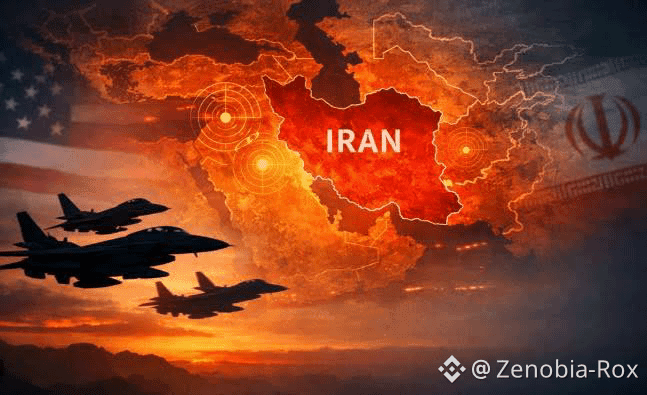
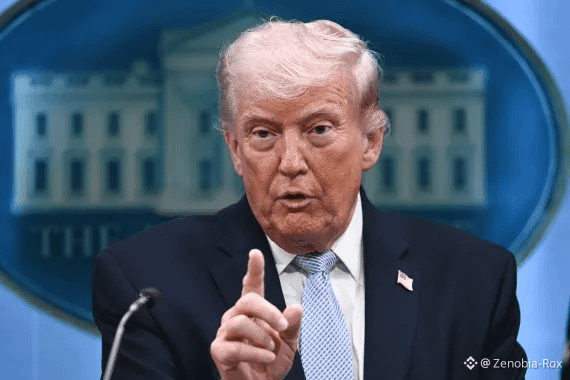
🚨 This statement raises serious questions about what comes next between the U.S. and Iran. Will diplomacy lead to an agreement, or could tensions escalate further? 🌍
The world is watching closely as geopolitical developments may influence global markets, oil prices, and crypto sentiment. 📉📈
What do you think — will diplomacy prevail, or will tensions continue to rise? 👇
$TRUMP $ENA $T
#Iran #TRUMP #Geopolitics #CryptoMarket #MarketSentiment
🚨 This statement raises serious questions about what comes next between the U.S. and Iran. Will diplomacy lead to an agreement, or could tensions escalate further? 🌍
The world is watching closely as geopolitical developments may influence global markets, oil prices, and crypto sentiment. 📉📈
What do you think — will diplomacy prevail, or will tensions continue to rise? 👇
$TRUMP $ENA $T
#Iran #TRUMP #Geopolitics #CryptoMarket #MarketSentiment
The world is watching closely as geopolitical developments may influence global markets, oil prices, and crypto sentiment. 📉📈
What do you think — will diplomacy prevail, or will tensions continue to rise? 👇
$TRUMP $ENA $T
#Iran #TRUMP #Geopolitics #CryptoMarket #MarketSentiment
435

·
--
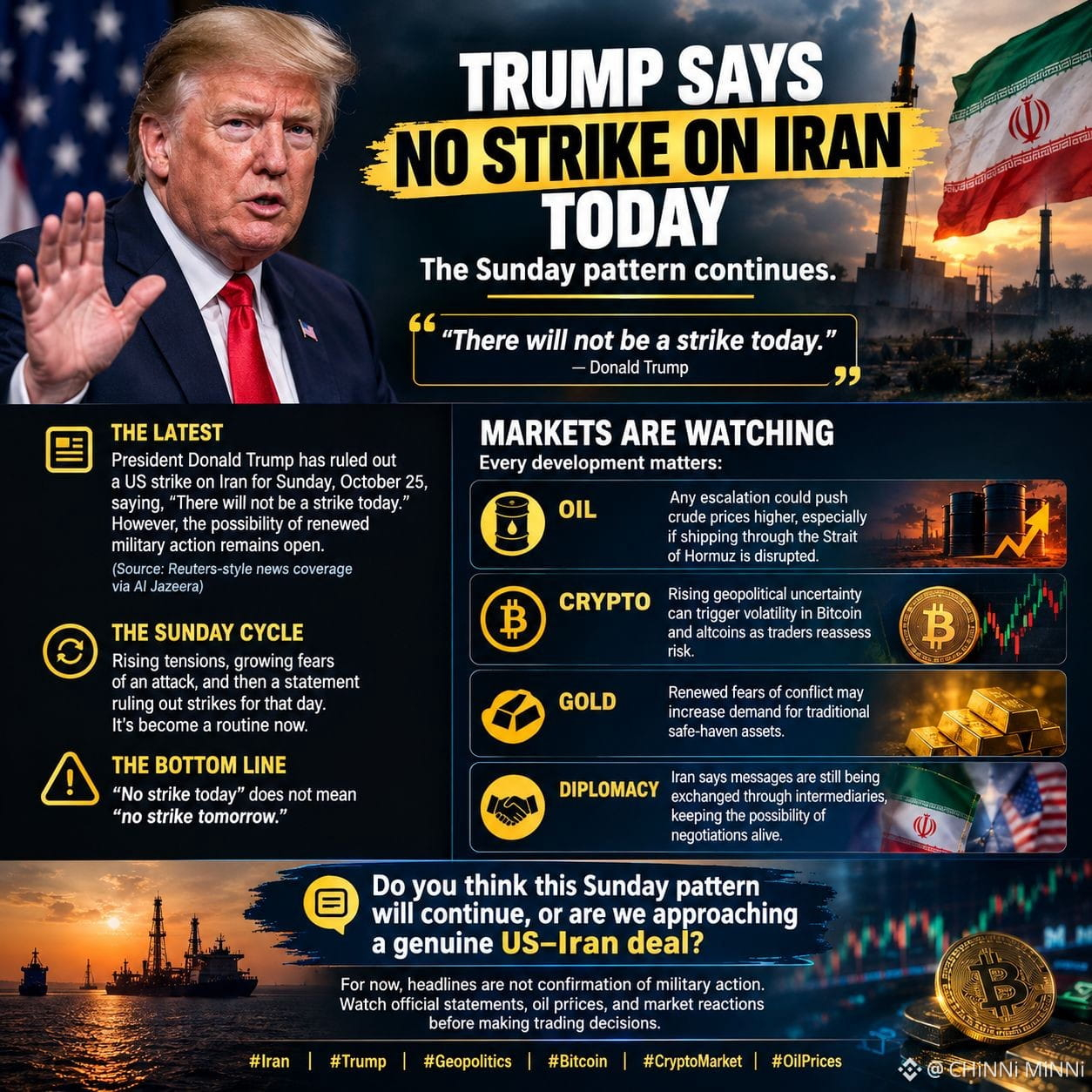
🚨 TRUMP SAYS NO STRIKE ON IRAN TODAY — THE SUNDAY PATTERN CONTINUES
President Donald Trump has ruled out a US strike on Iran for Sunday, October 25, saying, “There will not be a strike today.” However, the possibility of renewed military action remains open. "Source: Reuters-style news coverage via Al Jazeera" (https://www.aljazeera.com/news/liveblog/2026/10/26/iran-war-live-trump-rules-out-strikes-today-israeli-forces-raid-hebron)
What stands out is the recurring Sunday cycle: rising tensions, growing fears of an attack, and then a statement ruling out strikes for that day.
But “no strike today” does not mean “no strike tomorrow.”
Markets are watching every development closely:
📌 Oil: Any escalation could push crude prices higher, especially if shipping through the Strait of Hormuz is disrupted.
📌 Crypto: Rising geopolitical uncertainty can trigger volatility in Bitcoin and altcoins as traders reassess risk.
📌 Gold: Renewed fears of conflict may increase demand for traditional safe-haven assets.
📌 Diplomacy: Iran says messages are still being exchanged through intermediaries, keeping the possibility of negotiations alive.
The key question is whether this repeated pause creates room for a real agreement—or simply delays another escalation.
For now, headlines are not confirmation of military action. Watch official statements, oil prices, and market reactions before making trading decisions.
Do you think this Sunday pattern will continue, or are we approaching a genuine US–Iran deal?
#iran #TRUMP #Geopolitics #bitcoin #OilPrices
🚨 TRUMP SAYS NO STRIKE ON IRAN TODAY — THE SUNDAY PATTERN CONTINUES
President Donald Trump has ruled out a US strike on Iran for Sunday, October 25, saying, “There will not be a strike today.” However, the possibility of renewed military action remains open. "Source: Reuters-style news coverage via Al Jazeera" (https://www.aljazeera.com/news/liveblog/2026/10/26/iran-war-live-trump-rules-out-strikes-today-israeli-forces-raid-hebron)
What stands out is the recurring Sunday cycle: rising tensions, growing fears of an attack, and then a statement ruling out strikes for that day.
But “no strike today” does not mean “no strike tomorrow.”
Markets are watching every development closely:
📌 Oil: Any escalation could push crude prices higher, especially if shipping through the Strait of Hormuz is disrupted.
📌 Crypto: Rising geopolitical uncertainty can trigger volatility in Bitcoin and altcoins as traders reassess risk.
📌 Gold: Renewed fears of conflict may increase demand for traditional safe-haven assets.
📌 Diplomacy: Iran says messages are still being exchanged through intermediaries, keeping the possibility of negotiations alive.
The key question is whether this repeated pause creates room for a real agreement—or simply delays another escalation.
For now, headlines are not confirmation of military action. Watch official statements, oil prices, and market reactions before making trading decisions.
Do you think this Sunday pattern will continue, or are we approaching a genuine US–Iran deal?
#iran #TRUMP #Geopolitics #bitcoin #OilPrices
President Donald Trump has ruled out a US strike on Iran for Sunday, October 25, saying, “There will not be a strike today.” However, the possibility of renewed military action remains open. "Source: Reuters-style news coverage via Al Jazeera" (https://www.aljazeera.com/news/liveblog/2026/10/26/iran-war-live-trump-rules-out-strikes-today-israeli-forces-raid-hebron)
What stands out is the recurring Sunday cycle: rising tensions, growing fears of an attack, and then a statement ruling out strikes for that day.
But “no strike today” does not mean “no strike tomorrow.”
Markets are watching every development closely:
📌 Oil: Any escalation could push crude prices higher, especially if shipping through the Strait of Hormuz is disrupted.
📌 Crypto: Rising geopolitical uncertainty can trigger volatility in Bitcoin and altcoins as traders reassess risk.
📌 Gold: Renewed fears of conflict may increase demand for traditional safe-haven assets.
📌 Diplomacy: Iran says messages are still being exchanged through intermediaries, keeping the possibility of negotiations alive.
The key question is whether this repeated pause creates room for a real agreement—or simply delays another escalation.
For now, headlines are not confirmation of military action. Watch official statements, oil prices, and market reactions before making trading decisions.
Do you think this Sunday pattern will continue, or are we approaching a genuine US–Iran deal?
#iran #TRUMP #Geopolitics #bitcoin #OilPrices
1
117

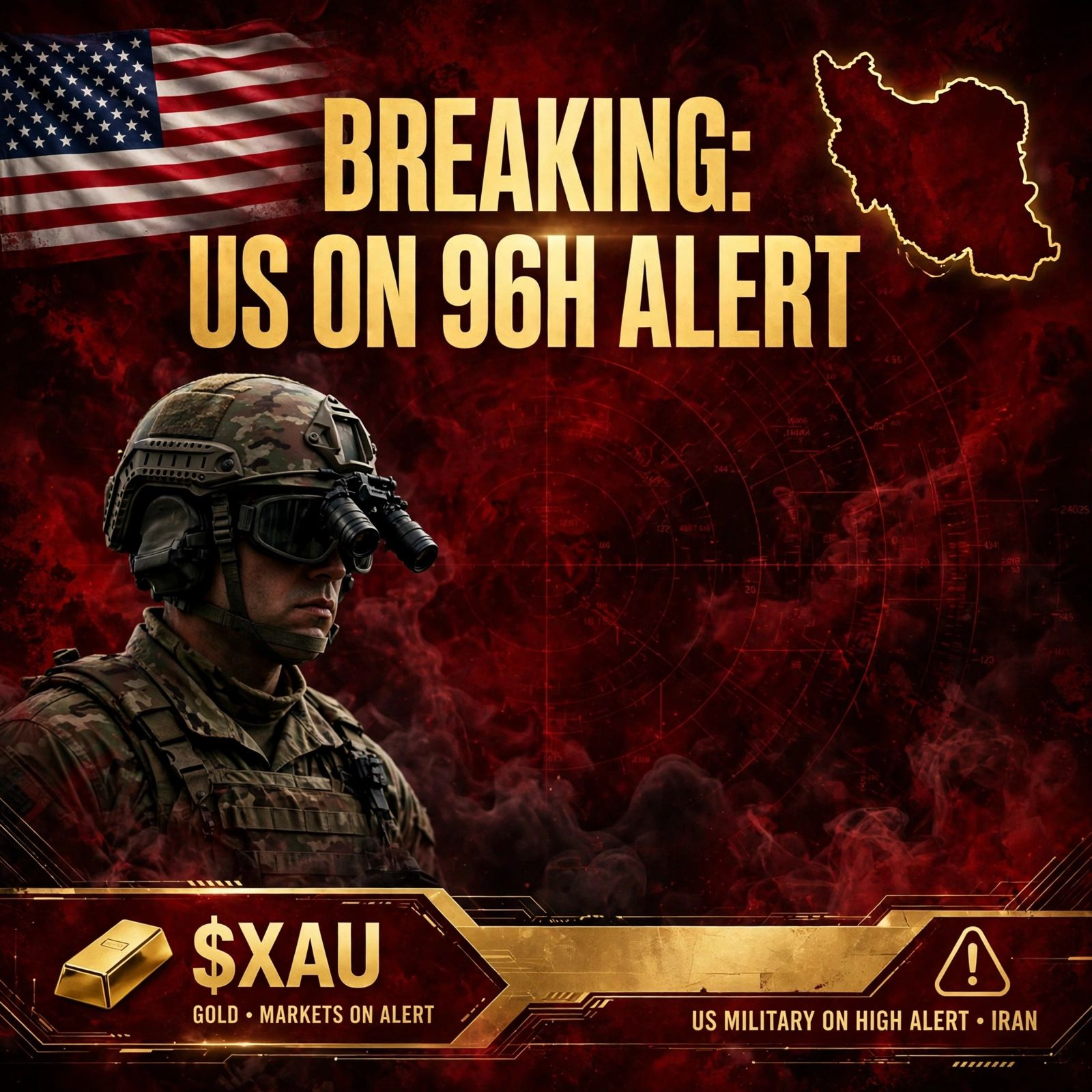
U.S. military forces in the Middle East have finalized operational preparations for potential large-scale strikes against Iran, positioned to launch within 96 hours of receiving an order from President Donald Trump. According to U.S. officials, the scope of these planned operations extends far beyond routine defensive strikes, targeting critical infrastructure rather than easily replaceable missile launchers.
This shift represents a significant escalation from prior containment strategies, raising the probability of direct conflict rather than limited skirmishes. Observers indicate the key question is no longer whether action will occur, but rather the exact timing of the executive directive.
Escalating military friction immediately elevates risk premiums across global financial markets. Crude oil prices face sharp upward pressure due to potential supply disruptions, while sovereign bond yields and the U.S. dollar are likely to reflect flight-to-safety flows.
For crypto assets, broad geopolitical shockwaves typically trigger initial liquidation cascades as leveraged risk is pulled off the table. A sustained conflict could weigh heavily on $BTC and altcoin liquidity before any secondary safe-haven narrative gains traction.
#Geopolitics #Iran #MacroEconomy
U.S. military forces in the Middle East have finalized operational preparations for potential large-scale strikes against Iran, positioned to launch within 96 hours of receiving an order from President Donald Trump. According to U.S. officials, the scope of these planned operations extends far beyond routine defensive strikes, targeting critical infrastructure rather than easily replaceable missile launchers.
This shift represents a significant escalation from prior containment strategies, raising the probability of direct conflict rather than limited skirmishes. Observers indicate the key question is no longer whether action will occur, but rather the exact timing of the executive directive.
Escalating military friction immediately elevates risk premiums across global financial markets. Crude oil prices face sharp upward pressure due to potential supply disruptions, while sovereign bond yields and the U.S. dollar are likely to reflect flight-to-safety flows.
For crypto assets, broad geopolitical shockwaves typically trigger initial liquidation cascades as leveraged risk is pulled off the table. A sustained conflict could weigh heavily on $BTC and altcoin liquidity before any secondary safe-haven narrative gains traction.
#Geopolitics #Iran #MacroEconomy
This shift represents a significant escalation from prior containment strategies, raising the probability of direct conflict rather than limited skirmishes. Observers indicate the key question is no longer whether action will occur, but rather the exact timing of the executive directive.
Escalating military friction immediately elevates risk premiums across global financial markets. Crude oil prices face sharp upward pressure due to potential supply disruptions, while sovereign bond yields and the U.S. dollar are likely to reflect flight-to-safety flows.
For crypto assets, broad geopolitical shockwaves typically trigger initial liquidation cascades as leveraged risk is pulled off the table. A sustained conflict could weigh heavily on $BTC and altcoin liquidity before any secondary safe-haven narrative gains traction.
#Geopolitics #Iran #MacroEconomy
324
·
--
Bullish
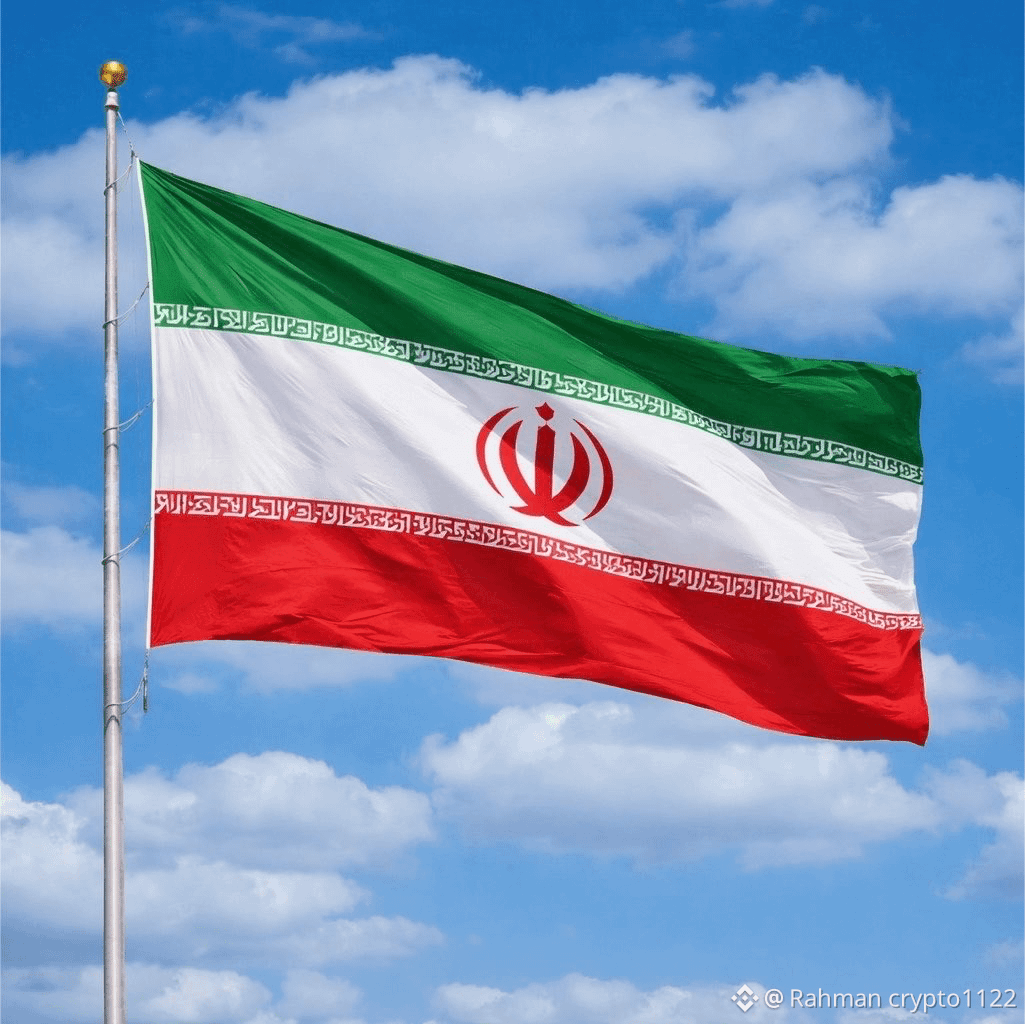
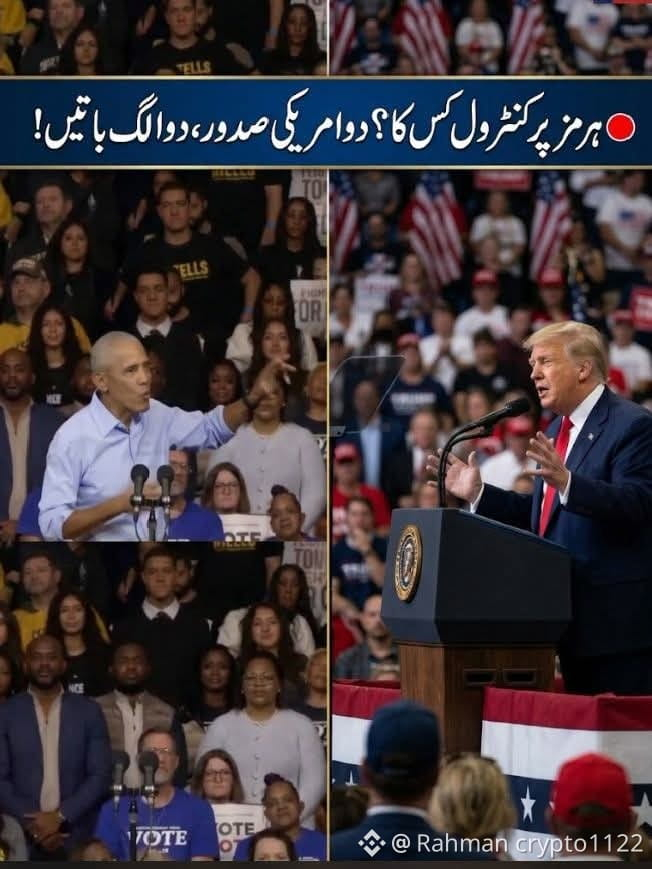
🔴 Who Controls the Strait of Hormuz? Trump vs. Obama!
🇺🇸 President Donald Trump has repeatedly claimed that the United States has full control over the Strait of Hormuz. Former President Barack Obama, however, argued at an Ohio campaign rally that Iran now has “veto power” over the strategic waterway.
🛢️ Obama blamed the Iran war for rising oil and diesel prices and the increasing cost of everyday goods.
⚖️ Two presidents, two competing narratives—but global energy markets and ordinary people are paying the price.
👉 Who really holds the strategic advantage in Hormuz: the US or Iran? Share your thoughts below!
Reference: Al Jazeera, October 25, 2026 — "Obama’s Ohio and Michigan speeches: Key takeaways" (https://www.aljazeera.com/news/2026/10/25/obamas-ohio-michigan-speeches-key-takeaways-on-trump-iran-war-midterms)
#DonaldTrump #BarackObama #Iran #StraitOfHormu #OilPrices
$REZ $ENA $TRX
🔴 Who Controls the Strait of Hormuz? Trump vs. Obama!
🇺🇸 President Donald Trump has repeatedly claimed that the United States has full control over the Strait of Hormuz. Former President Barack Obama, however, argued at an Ohio campaign rally that Iran now has “veto power” over the strategic waterway.
🛢️ Obama blamed the Iran war for rising oil and diesel prices and the increasing cost of everyday goods.
⚖️ Two presidents, two competing narratives—but global energy markets and ordinary people are paying the price.
👉 Who really holds the strategic advantage in Hormuz: the US or Iran? Share your thoughts below!
Reference: Al Jazeera, October 25, 2026 — "Obama’s Ohio and Michigan speeches: Key takeaways" (https://www.aljazeera.com/news/2026/10/25/obamas-ohio-michigan-speeches-key-takeaways-on-trump-iran-war-midterms)
#DonaldTrump #BarackObama #Iran #StraitOfHormu #OilPrices
$REZ $ENA $TRX
🇺🇸 President Donald Trump has repeatedly claimed that the United States has full control over the Strait of Hormuz. Former President Barack Obama, however, argued at an Ohio campaign rally that Iran now has “veto power” over the strategic waterway.
🛢️ Obama blamed the Iran war for rising oil and diesel prices and the increasing cost of everyday goods.
⚖️ Two presidents, two competing narratives—but global energy markets and ordinary people are paying the price.
👉 Who really holds the strategic advantage in Hormuz: the US or Iran? Share your thoughts below!
Reference: Al Jazeera, October 25, 2026 — "Obama’s Ohio and Michigan speeches: Key takeaways" (https://www.aljazeera.com/news/2026/10/25/obamas-ohio-michigan-speeches-key-takeaways-on-trump-iran-war-midterms)
#DonaldTrump #BarackObama #Iran #StraitOfHormu #OilPrices
$REZ $ENA $TRX
642

·
--
🚨🇺🇸 TRUMP’S NEXT MOVE COULD SHAKE GLOBAL MARKETS! 🌍🔥
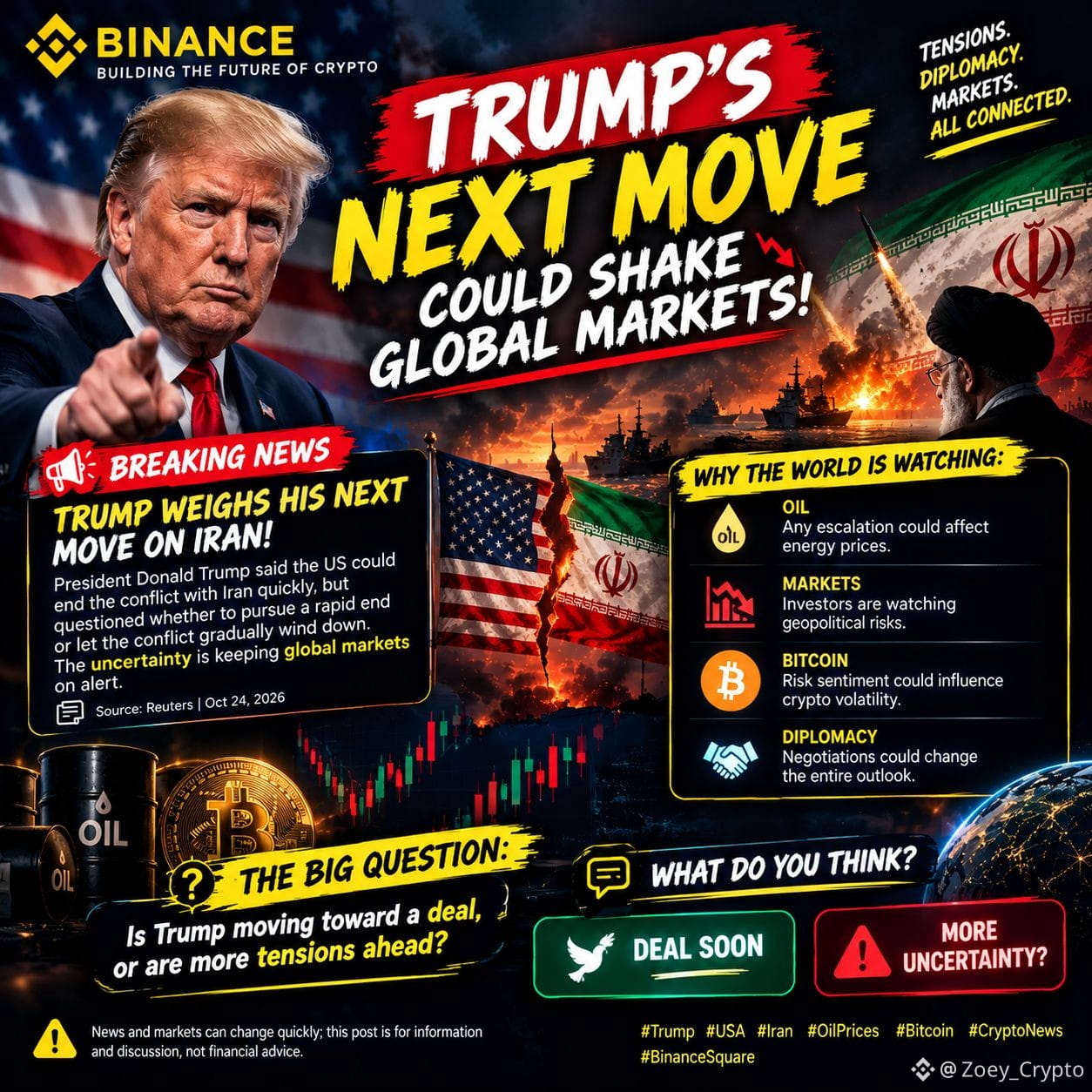
💥 BREAKING: TRUMP WEIGHS HIS NEXT MOVE ON IRAN!
President Donald Trump said the US could end the conflict with Iran quickly, but questioned whether to pursue a rapid end or let the conflict gradually wind down. The uncertainty is keeping global markets on alert. 👀 <Cite refs={["turn959994search0","turn959994news5"]}/>
⚡ WHY THE WORLD IS WATCHING: 🛢️ OIL: Any escalation could affect energy prices. 📉 MARKETS: Investors are watching geopolitical risks. ₿ BITCOIN: Risk sentiment could influence crypto volatility. 🤝 DIPLOMACY: Negotiations could change the entire outlook.
🔥 THE BIG QUESTION: Is Trump moving toward a deal, or are more tensions ahead?
💬 What do you think? 👇 🕊️ DEAL SOON or ⚠️ MORE UNCERTAINTY?
#Trump #USA #Iran #BreakingNews #OilPrices #Bitcoin #CryptoNews
⚠️ News and markets can change quickly; this is for information and discussion, not financial advice.
$ETH $BTC
🚨🇺🇸 TRUMP’S NEXT MOVE COULD SHAKE GLOBAL MARKETS! 🌍🔥
💥 BREAKING: TRUMP WEIGHS HIS NEXT MOVE ON IRAN!
President Donald Trump said the US could end the conflict with Iran quickly, but questioned whether to pursue a rapid end or let the conflict gradually wind down. The uncertainty is keeping global markets on alert. 👀 <Cite refs={["turn959994search0","turn959994news5"]}/>
⚡ WHY THE WORLD IS WATCHING: 🛢️ OIL: Any escalation could affect energy prices. 📉 MARKETS: Investors are watching geopolitical risks. ₿ BITCOIN: Risk sentiment could influence crypto volatility. 🤝 DIPLOMACY: Negotiations could change the entire outlook.
🔥 THE BIG QUESTION: Is Trump moving toward a deal, or are more tensions ahead?
💬 What do you think? 👇 🕊️ DEAL SOON or ⚠️ MORE UNCERTAINTY?
#Trump #USA #Iran #BreakingNews #OilPrices #Bitcoin #CryptoNews
⚠️ News and markets can change quickly; this is for information and discussion, not financial advice.
$ETH $BTC
💥 BREAKING: TRUMP WEIGHS HIS NEXT MOVE ON IRAN!
President Donald Trump said the US could end the conflict with Iran quickly, but questioned whether to pursue a rapid end or let the conflict gradually wind down. The uncertainty is keeping global markets on alert. 👀 <Cite refs={["turn959994search0","turn959994news5"]}/>
⚡ WHY THE WORLD IS WATCHING: 🛢️ OIL: Any escalation could affect energy prices. 📉 MARKETS: Investors are watching geopolitical risks. ₿ BITCOIN: Risk sentiment could influence crypto volatility. 🤝 DIPLOMACY: Negotiations could change the entire outlook.
🔥 THE BIG QUESTION: Is Trump moving toward a deal, or are more tensions ahead?
💬 What do you think? 👇 🕊️ DEAL SOON or ⚠️ MORE UNCERTAINTY?
#Trump #USA #Iran #BreakingNews #OilPrices #Bitcoin #CryptoNews
⚠️ News and markets can change quickly; this is for information and discussion, not financial advice.
$ETH $BTC
92

·
--
Bullish
$TRUMP
{spot}(TRUMPUSDT)
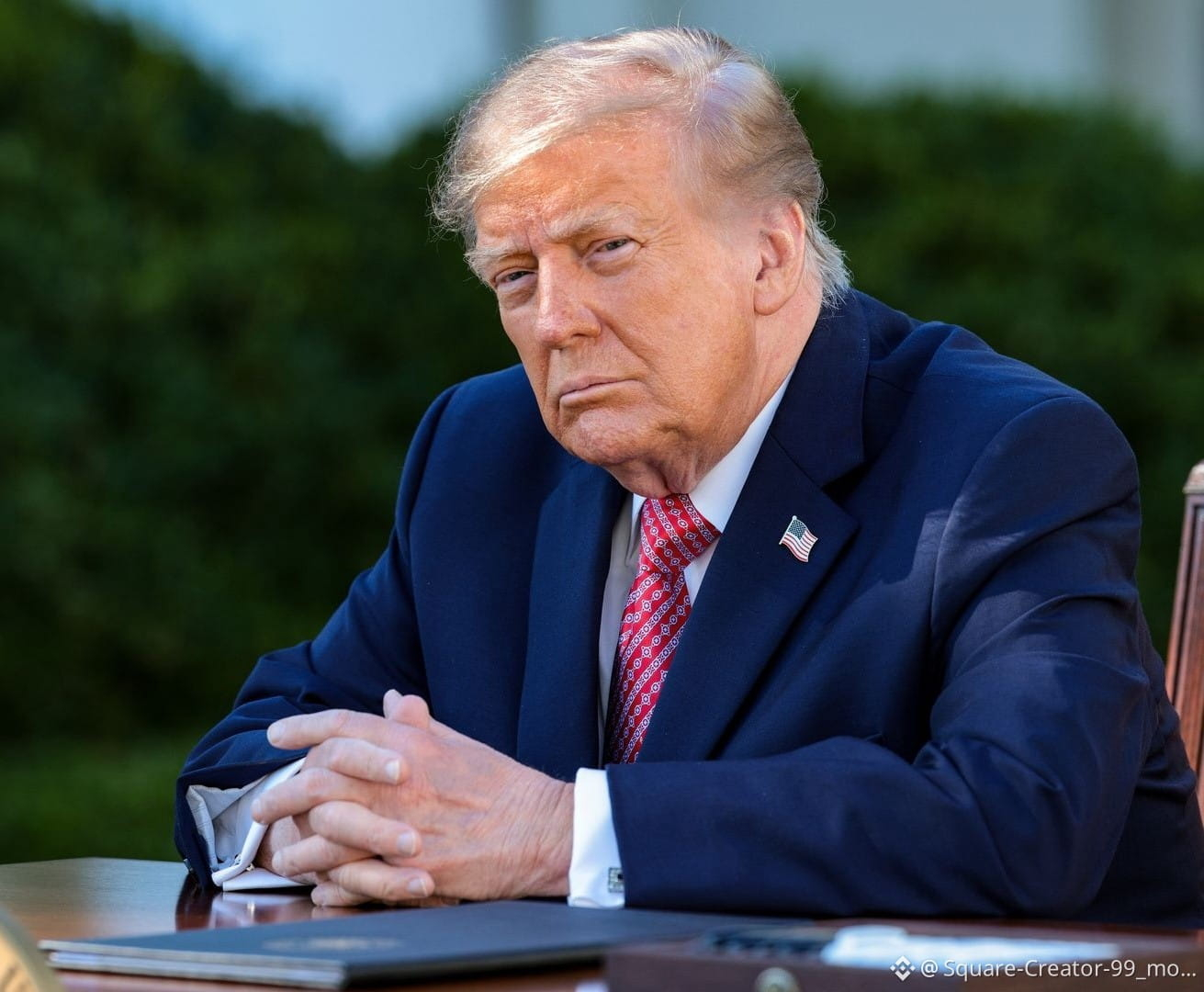
President Trump has announced that the United States is considering launching military strikes against Iran in the early hours of tomorrow—a move that raises profound questions regarding both timing and motives
With the US legislative elections only ten days away, any military decision is fraught with immense political and economic risks
Such an escalation might be perceived as an attempt to project strength and reinforce the image of resolute leadership before voters, particularly concerning national security issues
$ETH
{spot}(ETHUSDT)
However, history teaches us that sudden conflicts on the eve of elections frequently backfire on financial markets and cryptocurrencies, heightening a sense of uncertainty among investors
Strategically speaking, the timing appears far from ideal; any military operation could trigger uncalculated Iranian reprisals and complicate the entire regional landscape
Markets, which are eagerly anticipating any sign of de-escalation, could experience severe volatility
Therefore, the burning question remains: is this threat a clever political manoeuvre, or a gamble that could cost dearly just a few days before the ballot? The coming days will reveal the answer
$BTC
{spot}(BTCUSDT)
#iran #TRUMP #Market_Update
$TRUMP
President Trump has announced that the United States is considering launching military strikes against Iran in the early hours of tomorrow—a move that raises profound questions regarding both timing and motives
With the US legislative elections only ten days away, any military decision is fraught with immense political and economic risks
Such an escalation might be perceived as an attempt to project strength and reinforce the image of resolute leadership before voters, particularly concerning national security issues
$ETH
However, history teaches us that sudden conflicts on the eve of elections frequently backfire on financial markets and cryptocurrencies, heightening a sense of uncertainty among investors
Strategically speaking, the timing appears far from ideal; any military operation could trigger uncalculated Iranian reprisals and complicate the entire regional landscape
Markets, which are eagerly anticipating any sign of de-escalation, could experience severe volatility
Therefore, the burning question remains: is this threat a clever political manoeuvre, or a gamble that could cost dearly just a few days before the ballot? The coming days will reveal the answer
$BTC
#iran #TRUMP #Market_Update
President Trump has announced that the United States is considering launching military strikes against Iran in the early hours of tomorrow—a move that raises profound questions regarding both timing and motives
With the US legislative elections only ten days away, any military decision is fraught with immense political and economic risks
Such an escalation might be perceived as an attempt to project strength and reinforce the image of resolute leadership before voters, particularly concerning national security issues
$ETH
However, history teaches us that sudden conflicts on the eve of elections frequently backfire on financial markets and cryptocurrencies, heightening a sense of uncertainty among investors
Strategically speaking, the timing appears far from ideal; any military operation could trigger uncalculated Iranian reprisals and complicate the entire regional landscape
Markets, which are eagerly anticipating any sign of de-escalation, could experience severe volatility
Therefore, the burning question remains: is this threat a clever political manoeuvre, or a gamble that could cost dearly just a few days before the ballot? The coming days will reveal the answer
$BTC
#iran #TRUMP #Market_Update
1
2
1.9k

·
--
Bullish
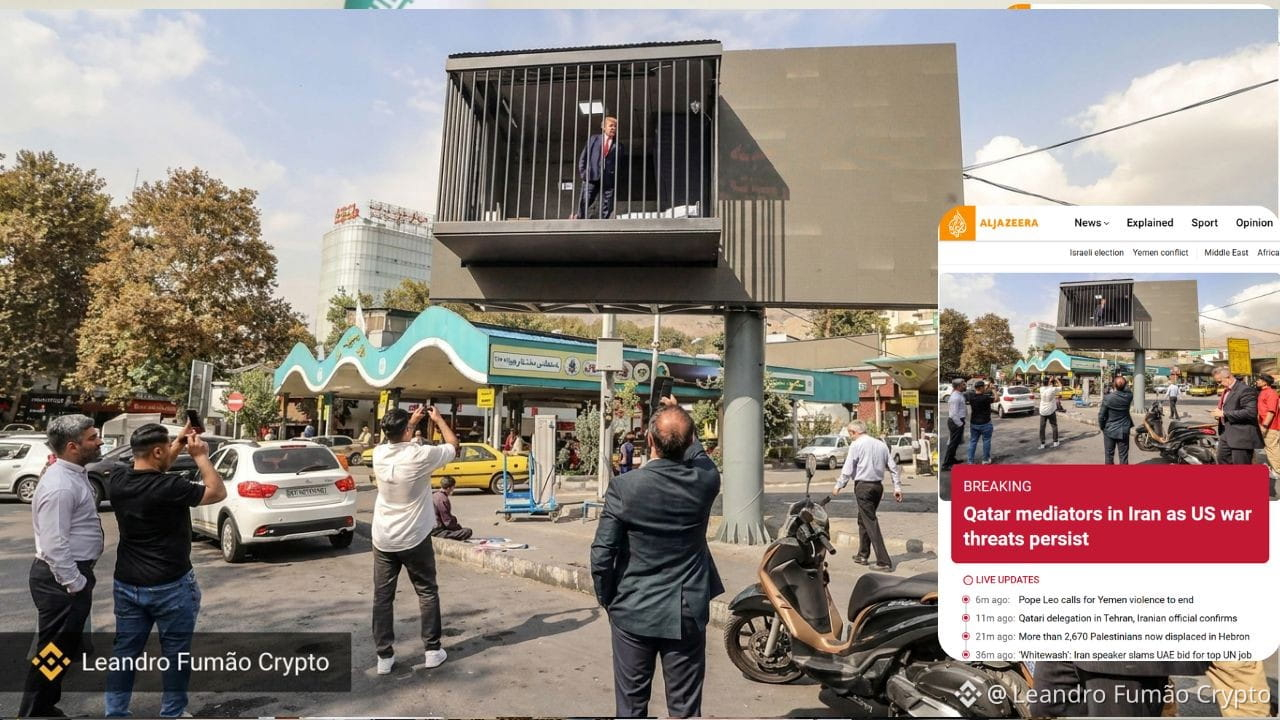
📰 MEDIADORES DO CATAR CHEGAM A TEERÃ ENQUANTO AMEAÇAS DE ATAQUE DOS EUA CONTINUAM✔️
➣ Enquanto o Catar tenta retomar a mediação, $TRUMP ironiza perguntas sobre ataques ao Irã e Teerã acusa Washington de ter descarrilado as conversas.
Uma delegação do Catar chegou a Teerã, confirmada por oficial iraniano sênior. O Catar busca renovar esforços de mediação entre Irã e EUA. Oficial iraniano afirmou que o principal obstáculo não é a mediação, mas a recusa dos EUA em aceitar as demandas do Irã e o descumprimento constante de compromissos.
Donald $TRUMP ironizou um repórter que perguntou sobre possíveis ataques ao Irã, enquanto Teerã diz que os EUA descarrilaram as negociações. O presidente do Parlamento iraniano, Ghalibaf, afirmou que os EUA entraram em um “pântano” por causa de erros de cálculo na guerra e agora precisam tomar medidas para sair dele. A tensão permanece alta, com ameaças americanas de possível ataque e Teerã mantendo a linha dura.
A presença de mediadores do Catar em Teerã mostra que ainda há canais diplomáticos abertos, mas as declarações de ambos os lados indicam pouca confiança. Enquanto Washington mantém o tom de ameaça, o Irã exige o cumprimento de suas condições e acusa os EUA de sabotarem o diálogo. O cenário continua no limite entre uma possível retomada de negociações e o risco de nova escalada militar.
💬 A chegada dos mediadores do Catar a Teerã e as ameaças de ataque dos EUA indicam que ainda há espaço real para um acordo ou que estamos mais perto de uma nova rodada de confrontos?
#iran #Trump's #AlJazeera
📰 MEDIADORES DO CATAR CHEGAM A TEERÃ ENQUANTO AMEAÇAS DE ATAQUE DOS EUA CONTINUAM✔️
➣ Enquanto o Catar tenta retomar a mediação, $TRUMP ironiza perguntas sobre ataques ao Irã e Teerã acusa Washington de ter descarrilado as conversas.
Uma delegação do Catar chegou a Teerã, confirmada por oficial iraniano sênior. O Catar busca renovar esforços de mediação entre Irã e EUA. Oficial iraniano afirmou que o principal obstáculo não é a mediação, mas a recusa dos EUA em aceitar as demandas do Irã e o descumprimento constante de compromissos.
Donald $TRUMP ironizou um repórter que perguntou sobre possíveis ataques ao Irã, enquanto Teerã diz que os EUA descarrilaram as negociações. O presidente do Parlamento iraniano, Ghalibaf, afirmou que os EUA entraram em um “pântano” por causa de erros de cálculo na guerra e agora precisam tomar medidas para sair dele. A tensão permanece alta, com ameaças americanas de possível ataque e Teerã mantendo a linha dura.
A presença de mediadores do Catar em Teerã mostra que ainda há canais diplomáticos abertos, mas as declarações de ambos os lados indicam pouca confiança. Enquanto Washington mantém o tom de ameaça, o Irã exige o cumprimento de suas condições e acusa os EUA de sabotarem o diálogo. O cenário continua no limite entre uma possível retomada de negociações e o risco de nova escalada militar.
💬 A chegada dos mediadores do Catar a Teerã e as ameaças de ataque dos EUA indicam que ainda há espaço real para um acordo ou que estamos mais perto de uma nova rodada de confrontos?
#iran #Trump's #AlJazeera
➣ Enquanto o Catar tenta retomar a mediação, $TRUMP ironiza perguntas sobre ataques ao Irã e Teerã acusa Washington de ter descarrilado as conversas.
Uma delegação do Catar chegou a Teerã, confirmada por oficial iraniano sênior. O Catar busca renovar esforços de mediação entre Irã e EUA. Oficial iraniano afirmou que o principal obstáculo não é a mediação, mas a recusa dos EUA em aceitar as demandas do Irã e o descumprimento constante de compromissos.
Donald $TRUMP ironizou um repórter que perguntou sobre possíveis ataques ao Irã, enquanto Teerã diz que os EUA descarrilaram as negociações. O presidente do Parlamento iraniano, Ghalibaf, afirmou que os EUA entraram em um “pântano” por causa de erros de cálculo na guerra e agora precisam tomar medidas para sair dele. A tensão permanece alta, com ameaças americanas de possível ataque e Teerã mantendo a linha dura.
A presença de mediadores do Catar em Teerã mostra que ainda há canais diplomáticos abertos, mas as declarações de ambos os lados indicam pouca confiança. Enquanto Washington mantém o tom de ameaça, o Irã exige o cumprimento de suas condições e acusa os EUA de sabotarem o diálogo. O cenário continua no limite entre uma possível retomada de negociações e o risco de nova escalada militar.
💬 A chegada dos mediadores do Catar a Teerã e as ameaças de ataque dos EUA indicam que ainda há espaço real para um acordo ou que estamos mais perto de uma nova rodada de confrontos?
#iran #Trump's #AlJazeera
247

·
--
Bullish
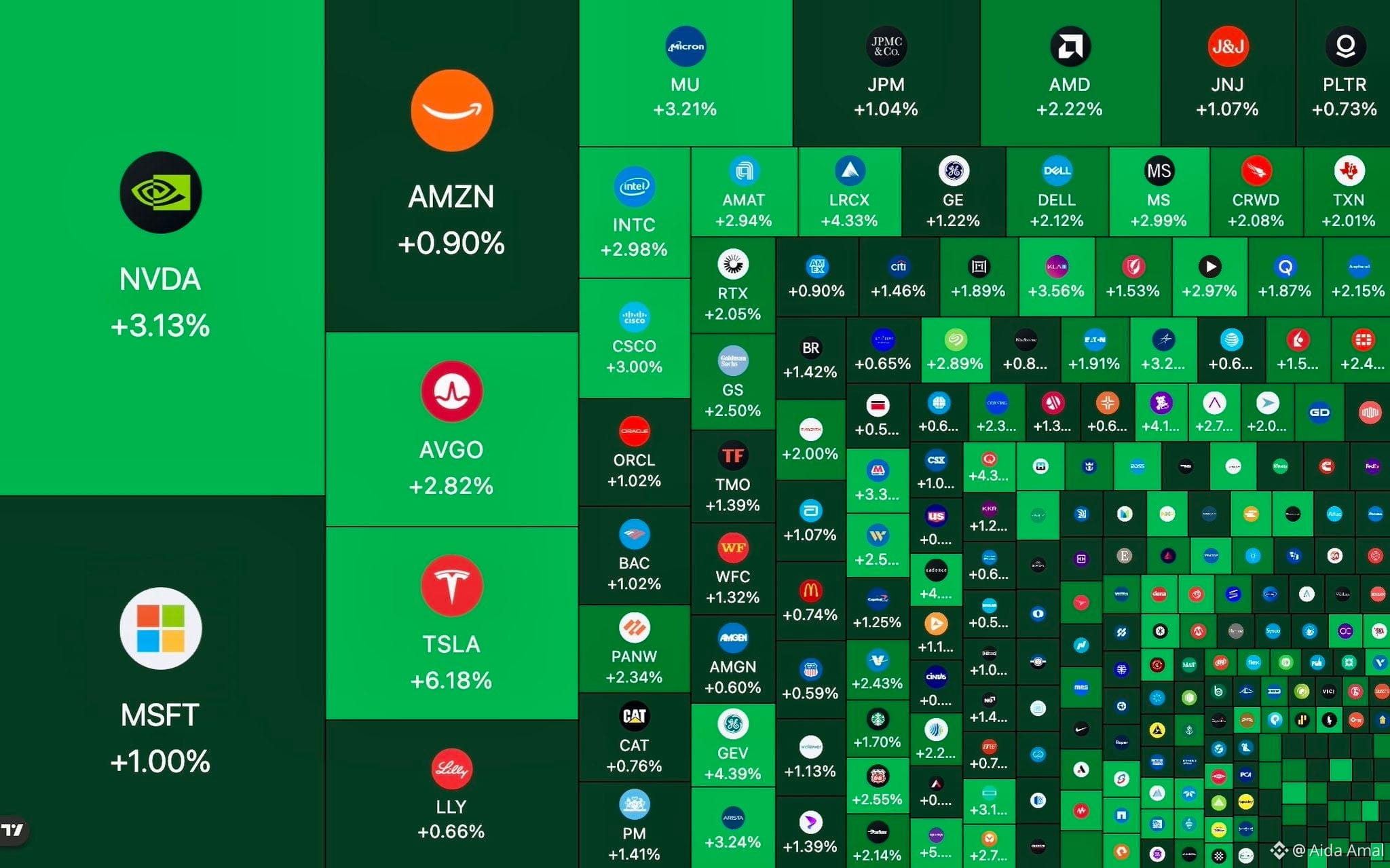
🐳💥ÚLTIMA HORA: 💵🇺🇸Se añadieron $750,000,000,000 hoy al mercado de valores de Estados Unidos, después de que el presidente Trump suspendiera los ataques contra Irán.
#iran #Alert🔴 #trading #TradingCommunity #ballenas
@Binance_Trading_Insight ✅$TRUMP
{spot}(TRUMPUSDT)
🐳💥ÚLTIMA HORA: 💵🇺🇸Se añadieron $750,000,000,000 hoy al mercado de valores de Estados Unidos, después de que el presidente Trump suspendiera los ataques contra Irán.
#iran #Alert🔴 #trading #TradingCommunity #ballenas
@Binance Trading Insight ✅$TRUMP
#iran #Alert🔴 #trading #TradingCommunity #ballenas
@Binance Trading Insight ✅$TRUMP
1
124

·
--
URGENTE: 🇺🇸🇮🇷 El presidente Trump ha cancelado los ataques planeados para hoy contra Irán.
Bueno para los mercados.
$TRUMP
{spot}(TRUMPUSDT)
#TRUMP #iran
@Crypto_Eagles ✅
URGENTE: 🇺🇸🇮🇷 El presidente Trump ha cancelado los ataques planeados para hoy contra Irán.
Bueno para los mercados.
$TRUMP
#TRUMP #iran
@Crypto Eagles ✅
Bueno para los mercados.
$TRUMP
#TRUMP #iran
@Crypto Eagles ✅
1
92

根据美方两名官员近日披露的消息,驻中东美军已完成大规模军事打击准备,只要美国总统唐纳德·特朗普下达指令,即可在96小时内对伊朗发起全面军事行动。本次军事部署不再局限于以往针对雷达和导弹发射装置等可快速恢复设施的“修剪草坪”式打击,而是转向更深层次的战略目标摧毁。
从宏观地缘来看,美伊紧张局势的实质性升级直接重塑了全球能源与避险溢价预期。市场此前对局部摩擦已有所消化,但面对美军可能在年底前落地的超大规模打击计划,供应链中断的风险溢价正在被资金迅速重定价。
技术面与资产表现上,原油价格与避险黄金在强支撑位展现出极强的买盘动能,美元指数亦在避险需求支撑下维持高位震荡。对于风险资产而言,短期的恐慌情绪往往伴随波动率指标VIX的脉冲式上升,促使杠杆资金快速出清以完成筹码换手。
对于加密市场,$BTC 及主流资产在经历地缘消息初期的情绪抛压后,下方关键技术支撑区依然稳固。历史数据显示,地缘冲击带来的短期回调往往构成优质流动性回补窗口,随着恐慌情绪被市场逐步消化,风险偏好修复将推动资金重新回流高Beta资产。
#Geopolitics #Iran #MacroEconomics
根据美方两名官员近日披露的消息,驻中东美军已完成大规模军事打击准备,只要美国总统唐纳德·特朗普下达指令,即可在96小时内对伊朗发起全面军事行动。本次军事部署不再局限于以往针对雷达和导弹发射装置等可快速恢复设施的“修剪草坪”式打击,而是转向更深层次的战略目标摧毁。
从宏观地缘来看,美伊紧张局势的实质性升级直接重塑了全球能源与避险溢价预期。市场此前对局部摩擦已有所消化,但面对美军可能在年底前落地的超大规模打击计划,供应链中断的风险溢价正在被资金迅速重定价。
技术面与资产表现上,原油价格与避险黄金在强支撑位展现出极强的买盘动能,美元指数亦在避险需求支撑下维持高位震荡。对于风险资产而言,短期的恐慌情绪往往伴随波动率指标VIX的脉冲式上升,促使杠杆资金快速出清以完成筹码换手。
对于加密市场,$BTC 及主流资产在经历地缘消息初期的情绪抛压后,下方关键技术支撑区依然稳固。历史数据显示,地缘冲击带来的短期回调往往构成优质流动性回补窗口,随着恐慌情绪被市场逐步消化,风险偏好修复将推动资金重新回流高Beta资产。
#Geopolitics #Iran #MacroEconomics
从宏观地缘来看,美伊紧张局势的实质性升级直接重塑了全球能源与避险溢价预期。市场此前对局部摩擦已有所消化,但面对美军可能在年底前落地的超大规模打击计划,供应链中断的风险溢价正在被资金迅速重定价。
技术面与资产表现上,原油价格与避险黄金在强支撑位展现出极强的买盘动能,美元指数亦在避险需求支撑下维持高位震荡。对于风险资产而言,短期的恐慌情绪往往伴随波动率指标VIX的脉冲式上升,促使杠杆资金快速出清以完成筹码换手。
对于加密市场,$BTC 及主流资产在经历地缘消息初期的情绪抛压后,下方关键技术支撑区依然稳固。历史数据显示,地缘冲击带来的短期回调往往构成优质流动性回补窗口,随着恐慌情绪被市场逐步消化,风险偏好修复将推动资金重新回流高Beta资产。
#Geopolitics #Iran #MacroEconomics
56

·
--
Verified
新一轮打击还没确认,中东股市已经先跌了。
周日,埃及股市盘中一度暴跌约5%,沙特股市也大幅下挫。
沙特与胡塞武装冲突升级,沙特称拦截无人机和导弹;特朗普又没有排除对伊朗采取新行动。与此同时,伊朗军方声称击落一架美军无人机,伊朗外长更警告:霍尔木兹海峡不会再和过去一样。
这些消息未必意味着战争马上扩大,但市场已经开始给升级风险定价。
市场最怕的不是一场已经发生的打击,而是没人能确定下一步会发生什么。
周一先看油价。
如果油价再度跳涨,影响的就不只是能源股,而是通胀、利率预期,以及全球风险资产的估值。
#Oil #iran #MiddleEast
新一轮打击还没确认,中东股市已经先跌了。
周日,埃及股市盘中一度暴跌约5%,沙特股市也大幅下挫。
沙特与胡塞武装冲突升级,沙特称拦截无人机和导弹;特朗普又没有排除对伊朗采取新行动。与此同时,伊朗军方声称击落一架美军无人机,伊朗外长更警告:霍尔木兹海峡不会再和过去一样。
这些消息未必意味着战争马上扩大,但市场已经开始给升级风险定价。
市场最怕的不是一场已经发生的打击,而是没人能确定下一步会发生什么。
周一先看油价。
如果油价再度跳涨,影响的就不只是能源股,而是通胀、利率预期,以及全球风险资产的估值。
#Oil #iran #MiddleEast
周日,埃及股市盘中一度暴跌约5%,沙特股市也大幅下挫。
沙特与胡塞武装冲突升级,沙特称拦截无人机和导弹;特朗普又没有排除对伊朗采取新行动。与此同时,伊朗军方声称击落一架美军无人机,伊朗外长更警告:霍尔木兹海峡不会再和过去一样。
这些消息未必意味着战争马上扩大,但市场已经开始给升级风险定价。
市场最怕的不是一场已经发生的打击,而是没人能确定下一步会发生什么。
周一先看油价。
如果油价再度跳涨,影响的就不只是能源股,而是通胀、利率预期,以及全球风险资产的估值。
#Oil #iran #MiddleEast
1k
U.S. President Donald Trump has stated that he may launch a military strike against Iran. This direct warning signals a sharp escalation in Middle East geopolitical tensions and places global financial markets on high alert.
This development is critical because any direct military confrontation immediately threatens key energy transit corridors. A disruption in regional shipping routes could trigger severe supply shocks and revive global inflationary pressures that central banks are fighting to contain.
Across traditional finance, markets are bracing for swift risk-off sentiment. Crude oil prices face sharp upward pressure, while safe-haven assets like gold and the U.S. dollar are likely to see strong capital inflows at the expense of equities.
For the crypto market, initial risk aversion could drive sharp short-term volatility and leverage flushes. However, sustained geopolitical instability may eventually reinforce the narrative for $BTC as an alternative macro hedge.
#Geopolitics #Iran #MacroEconomy
U.S. President Donald Trump has stated that he may launch a military strike against Iran. This direct warning signals a sharp escalation in Middle East geopolitical tensions and places global financial markets on high alert.
This development is critical because any direct military confrontation immediately threatens key energy transit corridors. A disruption in regional shipping routes could trigger severe supply shocks and revive global inflationary pressures that central banks are fighting to contain.
Across traditional finance, markets are bracing for swift risk-off sentiment. Crude oil prices face sharp upward pressure, while safe-haven assets like gold and the U.S. dollar are likely to see strong capital inflows at the expense of equities.
For the crypto market, initial risk aversion could drive sharp short-term volatility and leverage flushes. However, sustained geopolitical instability may eventually reinforce the narrative for $BTC as an alternative macro hedge.
#Geopolitics #Iran #MacroEconomy
This development is critical because any direct military confrontation immediately threatens key energy transit corridors. A disruption in regional shipping routes could trigger severe supply shocks and revive global inflationary pressures that central banks are fighting to contain.
Across traditional finance, markets are bracing for swift risk-off sentiment. Crude oil prices face sharp upward pressure, while safe-haven assets like gold and the U.S. dollar are likely to see strong capital inflows at the expense of equities.
For the crypto market, initial risk aversion could drive sharp short-term volatility and leverage flushes. However, sustained geopolitical instability may eventually reinforce the narrative for $BTC as an alternative macro hedge.
#Geopolitics #Iran #MacroEconomy
473
·
--
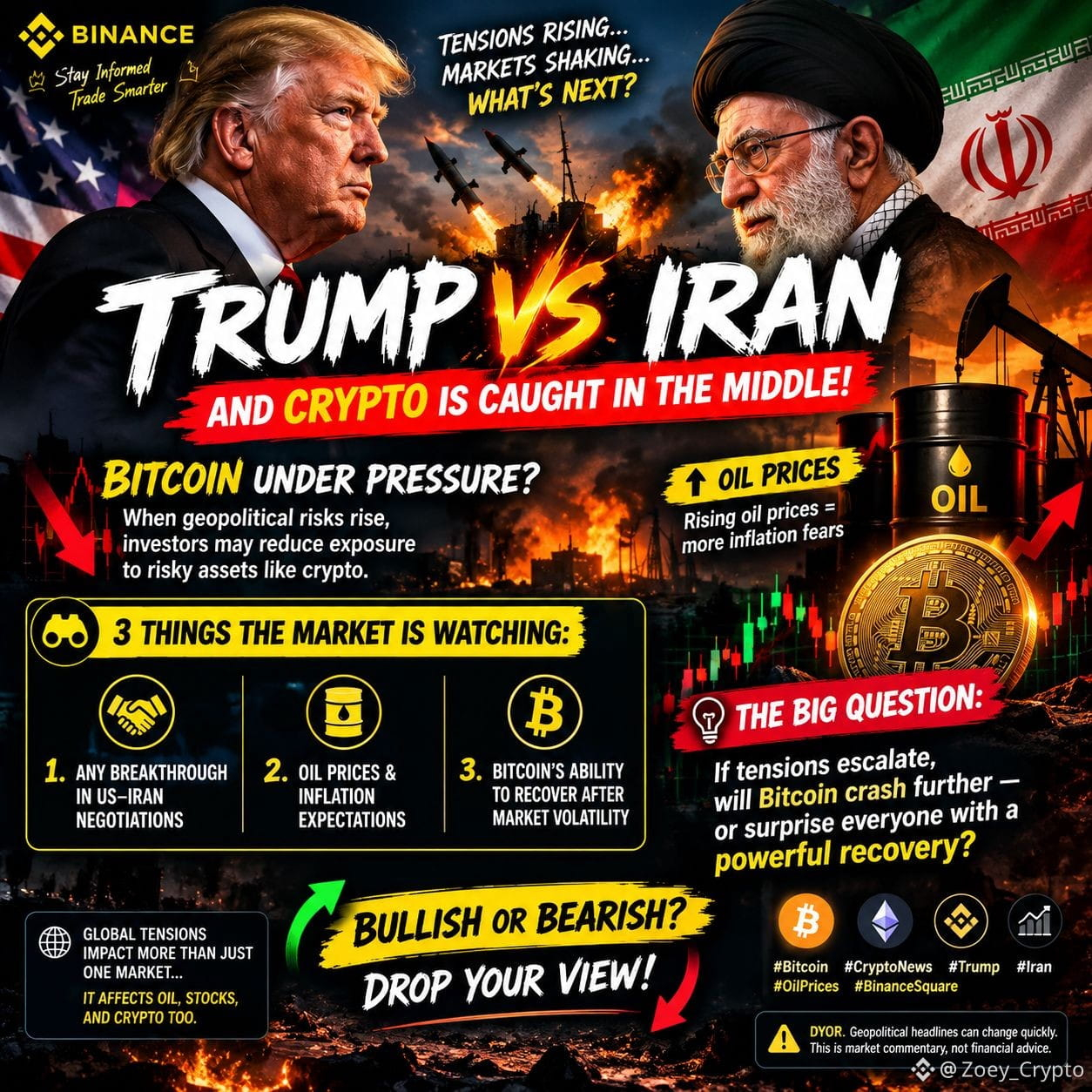
🚨🔥 TRUMP vs IRAN — AND CRYPTO IS CAUGHT IN THE MIDDLE! 🇺🇸🇮🇷
⚠️ BITCOIN, OIL & GLOBAL MARKETS: THE NEXT BIG MOVE?
🌍 Tensions between the US and Iran are putting global markets on edge. Rising oil prices are adding inflation fears, and crypto traders are watching every headline. 🛢️📉
🟠 BITCOIN UNDER PRESSURE?
When geopolitical risks rise, investors may reduce exposure to risky assets like crypto.
💥 3 THINGS THE MARKET IS WATCHING:
🔹 Any breakthrough in US–Iran negotiations
🔹 Oil prices and inflation expectations
🔹 Bitcoin’s ability to recover after market volatility
👀 THE BIG QUESTION:
If tensions escalate, will Bitcoin crash further — or surprise everyone with a powerful recovery? 🚀
👇 BULLISH OR BEARISH? DROP YOUR VIEW!
#Bitcoin #Trump #Iran #CryptoNews #BinanceSquare #BTC #OilPrices
⚠️ DYOR. Geopolitical headlines can change quickly. This is market commentary, not financial advice.
$ETH $BTC $SOL
🚨🔥 TRUMP vs IRAN — AND CRYPTO IS CAUGHT IN THE MIDDLE! 🇺🇸🇮🇷
⚠️ BITCOIN, OIL & GLOBAL MARKETS: THE NEXT BIG MOVE?
🌍 Tensions between the US and Iran are putting global markets on edge. Rising oil prices are adding inflation fears, and crypto traders are watching every headline. 🛢️📉
🟠 BITCOIN UNDER PRESSURE?
When geopolitical risks rise, investors may reduce exposure to risky assets like crypto.
💥 3 THINGS THE MARKET IS WATCHING:
🔹 Any breakthrough in US–Iran negotiations
🔹 Oil prices and inflation expectations
🔹 Bitcoin’s ability to recover after market volatility
👀 THE BIG QUESTION:
If tensions escalate, will Bitcoin crash further — or surprise everyone with a powerful recovery? 🚀
👇 BULLISH OR BEARISH? DROP YOUR VIEW!
#Bitcoin #Trump #Iran #CryptoNews #BinanceSquare #BTC #OilPrices
⚠️ DYOR. Geopolitical headlines can change quickly. This is market commentary, not financial advice.
$ETH $BTC $SOL
⚠️ BITCOIN, OIL & GLOBAL MARKETS: THE NEXT BIG MOVE?
🌍 Tensions between the US and Iran are putting global markets on edge. Rising oil prices are adding inflation fears, and crypto traders are watching every headline. 🛢️📉
🟠 BITCOIN UNDER PRESSURE?
When geopolitical risks rise, investors may reduce exposure to risky assets like crypto.
💥 3 THINGS THE MARKET IS WATCHING:
🔹 Any breakthrough in US–Iran negotiations
🔹 Oil prices and inflation expectations
🔹 Bitcoin’s ability to recover after market volatility
👀 THE BIG QUESTION:
If tensions escalate, will Bitcoin crash further — or surprise everyone with a powerful recovery? 🚀
👇 BULLISH OR BEARISH? DROP YOUR VIEW!
#Bitcoin #Trump #Iran #CryptoNews #BinanceSquare #BTC #OilPrices
⚠️ DYOR. Geopolitical headlines can change quickly. This is market commentary, not financial advice.
$ETH $BTC $SOL
1
166
·
--
Verified
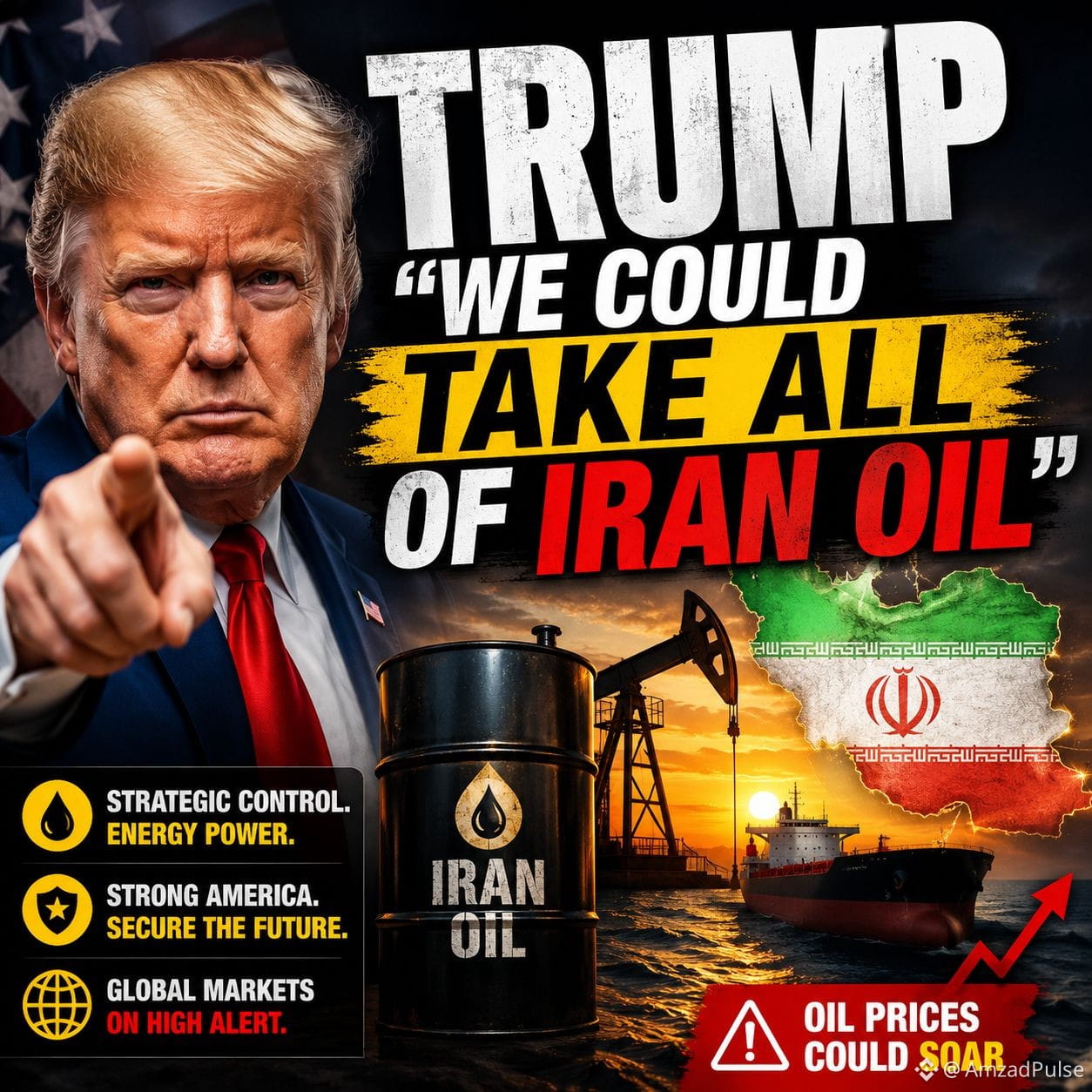
🚨 TRUMP WE COULD TAKE ALL OF IRAN OIL
President Trump said the U.S. could take all of the oil” from Iran and claimed Washington has significant control over the Strait of Hormuz.
The remarks come as tensions around Iran and the Strait of Hormuz continue to put global oil markets on edge.
Potential market focus Oil volatility inflation expectations Gold USD and risk assets could all react to further escalation.
#Iran #Trump #Oil #CrudeOil #BinanceSquare
🚨 TRUMP WE COULD TAKE ALL OF IRAN OIL
President Trump said the U.S. could take all of the oil” from Iran and claimed Washington has significant control over the Strait of Hormuz.
The remarks come as tensions around Iran and the Strait of Hormuz continue to put global oil markets on edge.
Potential market focus Oil volatility inflation expectations Gold USD and risk assets could all react to further escalation.
#Iran #Trump #Oil #CrudeOil #BinanceSquare
President Trump said the U.S. could take all of the oil” from Iran and claimed Washington has significant control over the Strait of Hormuz.
The remarks come as tensions around Iran and the Strait of Hormuz continue to put global oil markets on edge.
Potential market focus Oil volatility inflation expectations Gold USD and risk assets could all react to further escalation.
#Iran #Trump #Oil #CrudeOil #BinanceSquare
User-69ec038f:
没有人会相信他言论了满嘴跑火车
4
1.2k
Log in to explore more content
Join global crypto users on Binance Square
⚡️ Get latest and useful information about crypto.
💬 Trusted by the world’s largest crypto exchange.
👍 Discover real insights from verified creators.
Email / Phone number
Trending Topics
1
#BinancePick
3.1M views
153,340 Discussing
2
#EarningsSeason
5.3M views
26,070 Discussing
3
#AnthropicTTMRevenueGrewAbout1200%
36,046 views
446 Discussing
4
#AnthropicS1ExpectedToday
29,677 views
364 Discussing
5
#SouthKoreaReportedlyWeighsFourthCryptoTaxDelay
33,033 views
494 Discussing
6
#FranklinTempletonFilesForTwoDividendToBitcoinETFs
43,939 views
560 Discussing
7
#StrategyMSTRSurpassesNasdaqInMarketCap
33,758 views
399 Discussing
8
#CanadaProposesStablecoinRedemptionWithin3BusinessDays
1,412 views
37 Discussing
9
#ElectrumWalletBugLetRogueServersStealFunds
33,054 views
480 Discussing
10
#ArgentineCourtDismissesLIBRACaseAgainstMilei
49,315 views
601 Discussing